X-Linked Lissencephaly With Abnormal Genitalia (ARX-Related)
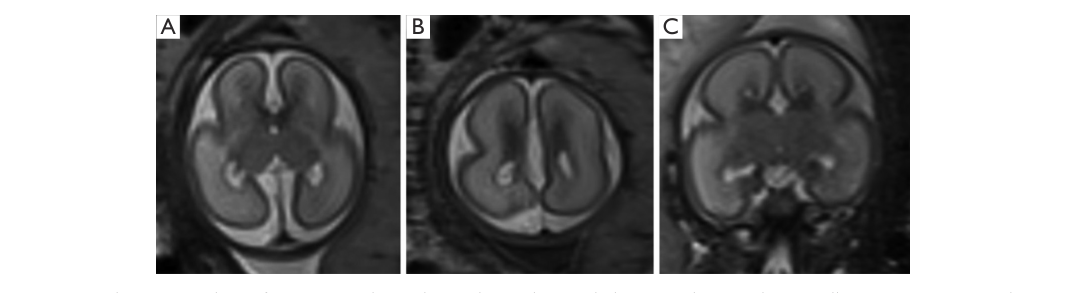
X-linked lissencephaly with abnormal genitalia (XLAG, LISX2) is a severe congenital malformation of cortical development caused by hemizygous pathogenic ARX variants, including complete loss-of-function and severe homeodomain variants. Affected males have a characteristic temporal/posterior-predominant thin lissencephaly pattern, agenesis of the corpus callosum, small or dysplastic basal ganglia, abnormal male genital development, and medically refractory clonic or myoclonic seizures beginning in fetal or neonatal life. ARX is a paired-like homeodomain transcription factor required for forebrain and testicular development and for the differentiation and migration of ganglionic-eminence-derived cortical interneurons. Human neuropathology and mouse models support a profound cortical GABAergic-interneuron deficit, making XLAG a prototype interneuronopathy. The causal route from this conserved interneuron lesion to the human gyral malformation remains unresolved because the naturally lissencephalic mouse cannot reproduce loss of gyral architecture. ARX also causes distinct allelic disorders, including Proud syndrome, polyalanine-expansion developmental epilepsy/infantile spasms, Partington syndrome, and nonsyndromic intellectual disability. Those disorders inform genotype-phenotype interpretation but are not modeled here as XLAG phenotypes; notably, classic XLAG reports neonatal seizures without infantile spasms or hypsarrhythmia.
Ask OpenScientist
Ask a research question about X-Linked Lissencephaly With Abnormal Genitalia (ARX-Related). OpenScientist will conduct autonomous deep research using the Disorder Mechanisms Knowledge Base and PubMed literature (typically 10-30 minutes).
Do not include personal health information in your question. Questions and results are cached in your browser's local storage.
Inheritance
1Show evidence (1 reference)
Mechanistic Hypotheses
1Show evidence (2 references)
Discussions and Knowledge Gaps
1- Dorsal cortical defects occur in ARX-null tissue independently of the genotype of incoming interneurons.
- Gene correction or appropriately timed ARX restoration rescues the dorsal cortical readout.
- ARX-null dorsal tissue shows normal progenitor dynamics and lamination while only interneuron entry is altered.
- Dorsal Arx perturbation produces reproducible gyral and lamination abnormalities.
- Subpallial-only perturbation reproduces interneuron loss without the full gyral phenotype.
- Neither dorsal nor subpallial perturbation affects gyral architecture despite robust molecular target engagement.
Show evidence (5 references)
Pathophysiology
14Show evidence (2 references)
Show evidence (2 references)
Show evidence (2 references)
Show evidence (2 references)
Show evidence (4 references)
Show evidence (3 references)
Show evidence (1 reference)
Show evidence (1 reference)
Show evidence (1 reference)
Show evidence (1 reference)
Show evidence (1 reference)
Show evidence (1 reference)
Show evidence (1 reference)
Show evidence (1 reference)
Histopathology
2Show evidence (1 reference)
Show evidence (1 reference)
Pathograph
Phenotypes
15Digestive 2
Show evidence (1 reference)
Show evidence (1 reference)
Genitourinary 3
Show evidence (2 references)
Show evidence (1 reference)
Show evidence (1 reference)
Head and Neck 1
Show evidence (1 reference)
Musculoskeletal 1
Show evidence (1 reference)
Nervous System 8
Show evidence (2 references)
Show evidence (2 references)
Show evidence (2 references)
Show evidence (2 references)
Show evidence (1 reference)
Show evidence (1 reference)
Show evidence (1 reference)
Show evidence (1 reference)
Genetic Associations
1Show evidence (6 references)
Medical Actions
3Show evidence (1 reference)
Show evidence (1 reference)
Show evidence (1 reference)
Diagnosis
2Show evidence (1 reference)
Show evidence (2 references)
Imaging Findings
3Show evidence (2 references)
Show evidence (1 reference)
Show evidence (1 reference)
Progression
4Show evidence (2 references)
Show evidence (1 reference)
Show evidence (2 references)
Show evidence (1 reference)
Differential Diagnoses
5Conditions with similar clinical presentations that must be differentiated from X-Linked Lissencephaly With Abnormal Genitalia (ARX-Related):
- Severe cerebellar and hippocampal hypoplasia favors RELN/VLDLR.
- Temporal predominance, callosal agenesis, basal-ganglia hypoplasia, and abnormal male genitalia favor ARX.
Show evidence (1 reference)
- Infantile spasms without the XLAG malformation pattern favor a polyalanine-expansion ARX disorder.
- Classic XLAG has fetal/neonatal clonic or myoclonic seizures and was reported without infantile spasms or hypsarrhythmia.
- Variant class and the presence or absence of structural brain and genital abnormalities separate the allelic diagnoses.
Show evidence (1 reference)
Experimental Models
1Show evidence (1 reference)
Show evidence (2 references)
Show evidence (1 reference)
Animal Models
2Show evidence (2 references)
Show evidence (2 references)
Source YAML
click to showname: X-Linked Lissencephaly With Abnormal Genitalia (ARX-Related)
creation_date: "2026-06-11T00:00:00Z"
category: Mendelian
synonyms:
- XLAG
- LISX2
- X-linked lissencephaly with ambiguous genitalia
- ARX-related lissencephaly
disease_term:
preferred_term: X-linked lissencephaly with abnormal genitalia (XLAG)
term:
id: MONDO:0010268
label: X-linked lissencephaly with abnormal genitalia
inheritance:
- name: X-linked inheritance
inheritance_term:
preferred_term: X-linked inheritance
term:
id: HP:0001417
label: X-linked inheritance
evidence:
- reference: PMID:12379852
reference_title: "Mutation of ARX causes abnormal development of forebrain and testes in mice and X-linked lissencephaly with abnormal genitalia in humans."
supports: SUPPORT
evidence_source: HUMAN_CLINICAL
snippet: >-
We found multiple loss-of-function mutations in ARX in individuals
affected with XLAG and in some female relatives, and conclude that mutation
of ARX causes XLAG.
explanation: >-
The founding human study identified hemizygous affected males and female
relatives with pathogenic variants in the X-linked ARX gene.
description: >-
X-linked lissencephaly with abnormal genitalia (XLAG, LISX2) is a severe
congenital malformation of cortical development caused by hemizygous
pathogenic ARX variants, including complete loss-of-function and severe
homeodomain variants. Affected males have a characteristic
temporal/posterior-predominant thin lissencephaly pattern, agenesis of the
corpus callosum, small or dysplastic basal ganglia, abnormal male genital
development, and medically
refractory clonic or myoclonic seizures beginning in fetal or neonatal life.
ARX is a paired-like homeodomain transcription factor required for forebrain
and testicular development and for the differentiation and migration of
ganglionic-eminence-derived cortical interneurons. Human neuropathology and
mouse models support a profound cortical GABAergic-interneuron deficit, making
XLAG a prototype interneuronopathy. The causal route from this conserved
interneuron lesion to the human gyral malformation remains unresolved because
the naturally lissencephalic mouse cannot reproduce loss of gyral architecture.
ARX also causes distinct allelic disorders, including Proud syndrome,
polyalanine-expansion developmental epilepsy/infantile spasms, Partington
syndrome, and nonsyndromic intellectual disability. Those disorders inform
genotype-phenotype interpretation but are not modeled here as XLAG phenotypes;
notably, classic XLAG reports neonatal seizures without infantile spasms or
hypsarrhythmia.
parents:
- congenital nervous system disorder
- disorder of development or morphogenesis
- hereditary neurological disease
- neuronal migration disorder
references:
- reference: PMID:12379852
title: "Mutation of ARX causes abnormal development of forebrain and testes in mice and X-linked lissencephaly with abnormal genitalia in humans."
- reference: PMID:17460091
title: "Inactivation of Arx, the murine ortholog of the X-linked lissencephaly with ambiguous genitalia gene, leads to severe disorganization of the ventral telencephalon with impaired neuronal migration and differentiation."
- reference: PMID:15921244
title: 'X-linked lissencephaly with abnormal genitalia as a tangential migration disorder causing intractable epilepsy: proposal for a new term, "interneuronopathy".'
- reference: PMID:18458920
title: "Aristaless-related homeobox gene disruption leads to abnormal distribution of GABAergic interneurons in human neocortex: evidence based on a case of X-linked lissencephaly with abnormal genitalia (XLAG)."
- reference: PMID:14722918
title: "Mutations of ARX are associated with striking pleiotropy and consistent genotype-phenotype correlation."
- reference: PMID:19439424
title: "Targeted loss of Arx results in a developmental epilepsy mouse model and recapitulates the human phenotype in heterozygous females."
- reference: PMID:27287386
title: "Developmental interneuron subtype deficits after targeted loss of Arx."
- reference: PMID:20461390
title: "Evidence for tangential migration disturbances in human lissencephaly resulting from a defect in LIS1, DCX and ARX genes."
- reference: PMID:20148114
title: "Mutations in the nuclear localization sequence of the Aristaless related homeobox; sequestration of mutant ARX with IPO13 disrupts normal subcellular distribution of the transcription factor and retards cell division."
- reference: PMID:28111201
title: "Human iPSC-Derived Cerebral Organoids Model Cellular Features of Lissencephaly and Reveal Prolonged Mitosis of Outer Radial Glia."
- reference: PMID:28951247
title: "Genetics and mechanisms leading to human cortical malformations."
- reference: PMID:31867230
title: "Fetal and neonatal MRI features of ARX-related lissencephaly presenting with neonatal refractory seizure disorder."
- reference: PMID:28440899
title: "Lissencephaly: Expanded imaging and clinical classification."
- reference: PMID:41630162
title: "ARX mutation-associated interneuron defects provide insights into mechanisms underlying developmental epilepsies."
- reference: PMID:41422506
title: "Dual developmental effects of ARX poly-alanine mutations on human cortical excitatory and inhibitory neurons."
- reference: PMID:41960368
title: "Cellular Functional Analyses of ARX Variants Reveal New Insights Into Genotype-Phenotype Correlations in Neurodevelopmental Disorders Among Male and Female Patients."
- reference: PMID:37879892
title: "Further characterisation of ARX-related disorders in females due to inherited or de novo variants."
- reference: PMID:17221017
title: "Lissencephaly, abnormal genitalia and refractory epilepsy: case report of XLAG syndrome."
- reference: PMID:17515135
title: "[X-linked lissencephaly with absent corpus callosum and abnormal genitalia: a report of siblings followed from the prenatal period]."
- reference: DOI:10.1177/2329048X17738625
title: "X-Linked Lissencephaly With Absent Corpus Callosum and Abnormal Genitalia"
mechanistic_hypotheses:
- hypothesis_group_id: human_xlag_lissencephaly_route
hypothesis_label: Candidate Human-Specific Radial-Migration Route
status: ALTERNATIVE
description: >-
The defining gyral malformation may require an additional ARX-dependent
radial-migration process in the neocortical subventricular zone rather than
following solely from tangential interneuron migration failure. Human XLAG
neuropathology only suggests such a role; an ARX defect in dorsal excitatory
progenitors, outer radial glia, or cortical lamination remains untested.
General non-ARX lissencephaly organoid work motivates the species limitation
but does not establish this mechanism in XLAG.
evidence:
- reference: PMID:18458920
reference_title: "Aristaless-related homeobox gene disruption leads to abnormal distribution of GABAergic interneurons in human neocortex: evidence based on a case of X-linked lissencephaly with abnormal genitalia (XLAG)."
supports: SUPPORT
evidence_source: HUMAN_CLINICAL
snippet: >-
Our findings suggest that ARX protein controls not only the tangential
migration of GABAergic interneurons from the ganglionic eminence, but also
may serve to induce radial migration from the neocortical subventricular
zone.
explanation: >-
Human XLAG tissue raises a possible neocortical-SVZ radial-migration route
but does not identify the migrating lineage or demonstrate causation.
- reference: PMID:28111201
reference_title: "Human iPSC-Derived Cerebral Organoids Model Cellular Features of Lissencephaly and Reveal Prolonged Mitosis of Outer Radial Glia."
supports: SUPPORT
evidence_source: IN_VITRO
snippet: >-
We also identified a mitotic defect in outer radial glia, a progenitor
subtype that is largely absent from lissencephalic rodents but critical for
human neocortical expansion.
explanation: >-
Miller-Dieker organoid evidence illustrates a human-enriched progenitor
limitation; it is not evidence of an ARX defect in outer radial glia.
pathophysiology:
- name: ARX Functional Deficiency
description: >-
Complete loss-of-function and severe homeodomain variants reduce or
mislocalize functional nuclear ARX. This is the initiating molecular lesion
in classic XLAG; hypomorphic and polyalanine-expansion alleles can produce
different ARX-related disorders and are not assumed to follow every branch
modeled here.
role: trigger
genes:
- preferred_term: ARX
term:
id: hgnc:18060
label: ARX
evidence:
- reference: PMID:12379852
reference_title: "Mutation of ARX causes abnormal development of forebrain and testes in mice and X-linked lissencephaly with abnormal genitalia in humans."
supports: SUPPORT
evidence_source: HUMAN_CLINICAL
snippet: >-
We found multiple loss-of-function mutations in ARX in individuals
affected with XLAG and in some female relatives, and conclude that mutation
of ARX causes XLAG.
explanation: >-
Establishes pathogenic ARX loss of function as the cause of human XLAG.
- reference: PMID:20148114
reference_title: "Mutations in the nuclear localization sequence of the Aristaless related homeobox; sequestration of mutant ARX with IPO13 disrupts normal subcellular distribution of the transcription factor and retards cell division."
supports: SUPPORT
evidence_source: IN_VITRO
snippet: >-
We show that the most likely, common pathogenic mechanism of the missense
mutations in NLS regions of the ARX homeodomain is inadequate accumulation
and distribution of the ARX transcription factor within the nucleus due to
sequestration of ARX with IPO13.
explanation: >-
Severe homeodomain variants can create functional ARX deficiency by
disrupting nuclear localization rather than by eliminating the protein.
downstream:
- target: ARX-Dependent Transcriptional Program Disruption
causal_link_type: DIRECT
description: >-
Loss or nuclear mislocalization of functional ARX directly disrupts its
developmental transcriptional activity.
evidence:
- reference: PMID:41960368
reference_title: "Cellular Functional Analyses of ARX Variants Reveal New Insights Into Genotype-Phenotype Correlations in Neurodevelopmental Disorders Among Male and Female Patients."
supports: SUPPORT
evidence_source: IN_VITRO
snippet: >-
Our results demonstrate that all tested variants disrupt normal ARX
transcriptional function, with several also altering protein localization
or expression.
explanation: >-
Functional testing directly links pathogenic ARX variants to disrupted
transcriptional activity.
- name: ARX-Dependent Transcriptional Program Disruption
description: >-
ARX deficiency perturbs transcriptional programs governing forebrain
progenitor proliferation, cortical-interneuron lineage differentiation and
guidance, basal-ganglia and thalamocortical development, and testicular
differentiation. ARX can regulate targets through context-dependent
repression or derepression, so this node does not assume a single direction
for every target gene.
role: trigger
genes:
- preferred_term: ARX
term:
id: hgnc:18060
label: ARX
evidence:
- reference: PMID:27287386
reference_title: "Developmental interneuron subtype deficits after targeted loss of Arx."
supports: SUPPORT
evidence_source: MODEL_ORGANISM
snippet: >-
Aristaless-related homeobox (ARX) is a paired-like homeodomain
transcription factor that functions primarily as a transcriptional
repressor and has been implicated in neocortical interneuron specification
and migration.
explanation: >-
Establishes the transcription-factor role that connects ARX deficiency to
interneuron developmental programs.
- reference: PMID:41630162
reference_title: "ARX mutation-associated interneuron defects provide insights into mechanisms underlying developmental epilepsies."
supports: SUPPORT
evidence_source: MODEL_ORGANISM
snippet: >-
Single-cell RNA sequencing combined with chromatin immunoprecipitation
(ChIP)-seq revealed ARX regulates key processes involved in cell cycle
progression, cIN subtype differentiation, guidance cues and receptors, as
well as other transcription factors.
explanation: >-
Integrated transcriptional and chromatin evidence identifies the affected
cortical-interneuron developmental programs.
downstream:
- target: Subpallial Interneuron Lineage Program Disruption
causal_link_type: DIRECT
description: >-
Loss of ARX-dependent transcriptional control disrupts the
ganglionic-eminence programs that generate and guide cortical interneurons.
evidence:
- reference: PMID:41630162
reference_title: "ARX mutation-associated interneuron defects provide insights into mechanisms underlying developmental epilepsies."
supports: SUPPORT
evidence_source: MODEL_ORGANISM
snippet: >-
Single-cell RNA sequencing combined with chromatin immunoprecipitation
(ChIP)-seq revealed ARX regulates key processes involved in cell cycle
progression, cIN subtype differentiation, guidance cues and receptors, as
well as other transcription factors.
explanation: >-
Direct ARX target analysis supports the lineage-program edge.
- target: Forebrain Progenitor Proliferation Deficit
causal_link_type: INDIRECT_KNOWN_INTERMEDIATES
intermediate_mechanisms:
- altered cell-cycle regulation
description: >-
ARX program disruption suppresses proliferation and reduces regional
forebrain growth in the constitutive-loss mouse.
evidence:
- reference: PMID:12379852
reference_title: "Mutation of ARX causes abnormal development of forebrain and testes in mice and X-linked lissencephaly with abnormal genitalia in humans."
supports: SUPPORT
evidence_source: MODEL_ORGANISM
snippet: >-
Male embryonic mice with mutations in the X-linked aristaless-related
homeobox gene (Arx) developed with small brains due to suppressed
proliferation and regional deficiencies in the forebrain.
explanation: >-
Directly connects Arx loss to suppressed forebrain proliferation in vivo.
- target: Basal Ganglia Differentiation Failure
causal_link_type: INDIRECT_KNOWN_INTERMEDIATES
intermediate_mechanisms:
- ventral telencephalic differentiation
description: >-
ARX-dependent ventral telencephalic programs are required for normal
basal-ganglia neuronal differentiation.
evidence:
- reference: PMID:17460091
reference_title: "Inactivation of Arx, the murine ortholog of the X-linked lissencephaly with ambiguous genitalia gene, leads to severe disorganization of the ventral telencephalon with impaired neuronal migration and differentiation."
supports: SUPPORT
evidence_source: MODEL_ORGANISM
snippet: >-
Furthermore, Arx mutants lacked a large fraction of cholinergic neurons
and displayed a strong impairment of thalamocortical projections, in which
major axon fiber tracts failed to traverse the basal ganglia.
explanation: >-
Demonstrates a basal-ganglia differentiation defect in Arx-mutant mice.
- target: Thalamocortical Projection Failure
causal_link_type: INDIRECT_KNOWN_INTERMEDIATES
intermediate_mechanisms:
- basal-ganglia axon-guidance environment
description: >-
The Arx-mutant ventral telencephalon fails to support normal passage of
thalamocortical axon tracts; this branch is demonstrated in mice and is not
asserted as a directly observed human XLAG lesion.
evidence:
- reference: PMID:17460091
reference_title: "Inactivation of Arx, the murine ortholog of the X-linked lissencephaly with ambiguous genitalia gene, leads to severe disorganization of the ventral telencephalon with impaired neuronal migration and differentiation."
supports: SUPPORT
evidence_source: MODEL_ORGANISM
snippet: >-
Furthermore, Arx mutants lacked a large fraction of cholinergic neurons
and displayed a strong impairment of thalamocortical projections, in which
major axon fiber tracts failed to traverse the basal ganglia.
explanation: >-
Directly documents the projection defect in the animal model.
- target: Testicular Differentiation Failure
causal_link_type: INDIRECT_KNOWN_INTERMEDIATES
intermediate_mechanisms:
- fetal testicular developmental program disruption
description: >-
ARX deficiency disrupts fetal testicular differentiation, providing the
model-supported developmental route to abnormal male genitalia.
evidence:
- reference: PMID:12379852
reference_title: "Mutation of ARX causes abnormal development of forebrain and testes in mice and X-linked lissencephaly with abnormal genitalia in humans."
supports: SUPPORT
evidence_source: MODEL_ORGANISM
snippet: >-
These mice also showed aberrant migration and differentiation of
interneurons containing gamma-aminobutyric acid (GABAergic interneurons)
in the ganglionic eminence and neocortex as well as abnormal testicular
differentiation.
explanation: >-
Directly demonstrates abnormal testicular differentiation after Arx loss.
- target: Enteroendocrine and Pancreatic Developmental Dysfunction
causal_link_type: INDIRECT_UNKNOWN_INTERMEDIATES
description: >-
ARX program disruption may impair enteroendocrine and pancreatic
development in a subset of severe cases; this branch is supported by
detailed case evidence rather than a population frequency.
evidence:
- reference: DOI:10.1177/2329048X17738625
reference_title: "X-Linked Lissencephaly With Absent Corpus Callosum and Abnormal Genitalia"
supports: SUPPORT
evidence_source: HUMAN_CLINICAL
snippet: >-
This case contributes to the clinical, histological, and molecular
understanding of the multisystem nature of this disorder, especially the
role of ARX in the development of the enteroendocrine system.
explanation: >-
Supports a candidate ARX-dependent gastrointestinal developmental branch
while preserving its case-level status.
- target: Candidate Neocortical SVZ Radial-Migration Disruption
causal_link_type: INDIRECT_UNKNOWN_INTERMEDIATES
hypothesis_groups:
- human_xlag_lissencephaly_route
description: >-
Human neuropathology suggests an additional ARX-dependent radial-migration
process in the neocortical subventricular zone, but the migrating lineage,
molecular intermediates, and relationship to the conserved interneuron
branch remain unresolved.
evidence:
- reference: PMID:18458920
reference_title: "Aristaless-related homeobox gene disruption leads to abnormal distribution of GABAergic interneurons in human neocortex: evidence based on a case of X-linked lissencephaly with abnormal genitalia (XLAG)."
supports: SUPPORT
evidence_source: HUMAN_CLINICAL
snippet: >-
Our findings suggest that ARX protein controls not only the tangential
migration of GABAergic interneurons from the ganglionic eminence, but also
may serve to induce radial migration from the neocortical subventricular
zone.
explanation: >-
Supports this as a human-tissue hypothesis rather than a settled dorsal
progenitor or lamination mechanism.
- target: Agenesis of the Corpus Callosum
causal_link_type: INDIRECT_UNKNOWN_INTERMEDIATES
description: >-
ARX-related forebrain program disruption is associated with callosal
agenesis, but the specific commissural intermediates have not been
established in the cited evidence.
evidence:
- reference: PMID:15921244
reference_title: 'X-linked lissencephaly with abnormal genitalia as a tangential migration disorder causing intractable epilepsy: proposal for a new term, "interneuronopathy".'
supports: SUPPORT
evidence_source: OTHER
snippet: >-
Brain magnetic resonance imaging shows anterior pachygyria and posterior
agyria with a mildly thick cortex, agenesis of the corpus callosum, and
dysplastic basal ganglia.
explanation: >-
Establishes the human association while leaving the causal intermediates
unresolved.
- target: Profound Global Developmental Delay
causal_link_type: INDIRECT_UNKNOWN_INTERMEDIATES
description: >-
Severe ARX-dependent forebrain maldevelopment is associated with profound
failure of psychomotor development, but the relative contributions of the
malformation, interneuronopathy, and epilepsy are unresolved.
evidence:
- reference: PMID:17221017
reference_title: "Lissencephaly, abnormal genitalia and refractory epilepsy: case report of XLAG syndrome."
supports: SUPPORT
evidence_source: HUMAN_CLINICAL
snippet: "lacked psychomotor development"
explanation: >-
Establishes the clinical endpoint without over-specifying its causal route.
- target: Axial Hypotonia
causal_link_type: INDIRECT_UNKNOWN_INTERMEDIATES
description: >-
Severe central maldevelopment can manifest as axial hypotonia; the exact
responsible ARX branch is not known.
evidence:
- reference: PMID:17221017
reference_title: "Lissencephaly, abnormal genitalia and refractory epilepsy: case report of XLAG syndrome."
supports: SUPPORT
evidence_source: HUMAN_CLINICAL
snippet: >-
Examination identified microcephaly, axial hypotonia, pyramidal signs and
ambiguous genitalia.
explanation: >-
Supports the associated clinical phenotype while retaining causal uncertainty.
- target: Abnormal Pyramidal Signs
causal_link_type: INDIRECT_UNKNOWN_INTERMEDIATES
description: >-
Corticospinal-system dysfunction is clinically evident in some cases, but
its specific developmental intermediate is not established.
evidence:
- reference: PMID:17221017
reference_title: "Lissencephaly, abnormal genitalia and refractory epilepsy: case report of XLAG syndrome."
supports: SUPPORT
evidence_source: HUMAN_CLINICAL
snippet: >-
Examination identified microcephaly, axial hypotonia, pyramidal signs and
ambiguous genitalia.
explanation: >-
Supports the associated pyramidal signs without asserting a direct route.
- target: Progressive Cerebral Atrophy
causal_link_type: INDIRECT_UNKNOWN_INTERMEDIATES
description: >-
ARX-dependent prenatal brain maldevelopment can be followed by progressive
tissue loss, but the degenerative or maturational intermediates are unknown.
evidence:
- reference: PMID:17515135
reference_title: "[X-linked lissencephaly with absent corpus callosum and abnormal genitalia: a report of siblings followed from the prenatal period]."
supports: SUPPORT
evidence_source: HUMAN_CLINICAL
snippet: >-
Cerebral atrophy was progressive postnatally, and fetal
echoencephalography indicated that the atrophy might have started in the
prenatal period.
explanation: >-
Establishes the longitudinal outcome while leaving its mechanism unresolved.
- target: Ventriculomegaly
causal_link_type: INDIRECT_UNKNOWN_INTERMEDIATES
description: >-
Severe forebrain maldevelopment can include ventricular enlargement, but
its specific relationship to ARX-dependent cortical and commissural defects
is not resolved.
evidence:
- reference: PMID:17221017
reference_title: "Lissencephaly, abnormal genitalia and refractory epilepsy: case report of XLAG syndrome."
supports: SUPPORT
evidence_source: HUMAN_CLINICAL
snippet: >-
MRI showed diffuse pachygyria, moderate thickening of the cortex,
enlarged ventricles, agenesis of the corpus callosum and septum pellucidum.
explanation: >-
Directly documents ventricular enlargement in a human XLAG case while
leaving the upstream route uncertain.
- name: Subpallial Interneuron Lineage Program Disruption
description: >-
ARX-dependent programs in the ganglionic eminences regulate
cortical-interneuron cell-cycle exit, subtype identity, differentiation, and guidance.
Their disruption is the conserved upstream interneuronopathy branch of XLAG.
conforms_to: "interneuron_specification_tangential_migration_failure#Subpallial Interneuron Lineage Program Disruption"
role: central_effector
genes:
- preferred_term: ARX
term:
id: hgnc:18060
label: ARX
cell_types:
- preferred_term: GABAergic interneuron
term:
id: CL:0011005
label: GABAergic interneuron
biological_processes:
- preferred_term: telencephalon development
term:
id: GO:0021537
label: telencephalon development
modifier: ABNORMAL
- preferred_term: forebrain development
term:
id: GO:0030900
label: forebrain development
modifier: ABNORMAL
evidence:
- reference: PMID:17460091
reference_title: "Inactivation of Arx, the murine ortholog of the X-linked lissencephaly with ambiguous genitalia gene, leads to severe disorganization of the ventral telencephalon with impaired neuronal migration and differentiation."
supports: SUPPORT
evidence_source: MODEL_ORGANISM
snippet: >-
In these animals, the early differentiation of this tissue appeared
normal, whereas subsequent differentiation was impaired, leading to the
periventricular accumulation of immature neurons in both the lateral
ganglionic eminence and medial ganglionic eminence (MGE).
explanation: >-
Defines the post-patterning lineage defect in Arx-mutant ganglionic eminences.
- reference: PMID:41630162
reference_title: "ARX mutation-associated interneuron defects provide insights into mechanisms underlying developmental epilepsies."
supports: SUPPORT
evidence_source: MODEL_ORGANISM
snippet: >-
In these mice, we observed defects in cell cycle exit, a biased loss of the
marginal zone migration stream of cINs, shifts in cell fate from caudal
ganglionic eminence (CGE) to medial ganglionic eminence (MGE) identity, and a
reduced number of parvalbumin⁺ and somatostatin⁺ cINs, with parvalbumin⁺ cINs
being more severely affected.
explanation: >-
Current conditional-model evidence resolves multiple components of the
disrupted lineage program.
downstream:
- target: Interneuron Progenitor Differentiation Failure
causal_link_type: DIRECT
description: >-
The altered lineage program impairs later differentiation without requiring
loss of the initial ventral precursor pool.
evidence:
- reference: PMID:17460091
reference_title: "Inactivation of Arx, the murine ortholog of the X-linked lissencephaly with ambiguous genitalia gene, leads to severe disorganization of the ventral telencephalon with impaired neuronal migration and differentiation."
supports: SUPPORT
evidence_source: MODEL_ORGANISM
snippet: >-
In these animals, the early differentiation of this tissue appeared
normal, whereas subsequent differentiation was impaired, leading to the
periventricular accumulation of immature neurons in both the lateral
ganglionic eminence and medial ganglionic eminence (MGE).
explanation: >-
Directly supports the later differentiation-failure edge.
- target: Tangential Migration Failure from Ganglionic Eminences
causal_link_type: DIRECT
description: >-
Altered ARX-dependent guidance programs and migratory competence reduce the
tangential migration of interneuron precursors toward cortex and striatum.
evidence:
- reference: PMID:17460091
reference_title: "Inactivation of Arx, the murine ortholog of the X-linked lissencephaly with ambiguous genitalia gene, leads to severe disorganization of the ventral telencephalon with impaired neuronal migration and differentiation."
supports: SUPPORT
evidence_source: MODEL_ORGANISM
snippet: >-
Both tangential migration toward the cortex and striatum and radial
migration to the globus pallidus and striatum were greatly reduced in the
mutants, causing a periventricular accumulation of NPY+ or calretinin+
neurons in the MGE.
explanation: >-
Directly demonstrates impaired migration from the mutant lineage program.
- name: Interneuron Progenitor Differentiation Failure
description: >-
ARX-deficient ventral precursors are mispositioned and fail to complete normal
later differentiation, accumulating as immature neurons in
ganglionic-eminence regions. The evidence does not support simple depletion of the
initial precursor pool.
conforms_to: "interneuron_specification_tangential_migration_failure#Interneuron Progenitor Specification and Differentiation Failure"
role: central_effector
cell_types:
- preferred_term: cortical interneuron
term:
id: CL:0008031
label: cortical interneuron
biological_processes:
- preferred_term: GABAergic neuron differentiation
term:
id: GO:0097154
label: GABAergic neuron differentiation
modifier: DECREASED
evidence:
- reference: PMID:17460091
reference_title: "Inactivation of Arx, the murine ortholog of the X-linked lissencephaly with ambiguous genitalia gene, leads to severe disorganization of the ventral telencephalon with impaired neuronal migration and differentiation."
supports: SUPPORT
evidence_source: MODEL_ORGANISM
snippet: >-
In these animals, the early differentiation of this tissue appeared
normal, whereas subsequent differentiation was impaired, leading to the
periventricular accumulation of immature neurons in both the lateral
ganglionic eminence and medial ganglionic eminence (MGE).
explanation: >-
Shows later differentiation failure and immature-neuron accumulation.
- reference: PMID:27287386
reference_title: "Developmental interneuron subtype deficits after targeted loss of Arx."
supports: SUPPORT
evidence_source: MODEL_ORGANISM
snippet: >-
instead of a loss of ventral precursors, there is a shift of
these precursors to more ventral locations
explanation: >-
Corrects a simple precursor-loss interpretation by showing ventral
mispositioning.
downstream:
- target: Cortical GABAergic Interneuron Deficit and Mislocalization
causal_link_type: INDIRECT_KNOWN_INTERMEDIATES
intermediate_mechanisms:
- failed maturation of ganglionic-eminence-derived interneurons
description: >-
Failure of later differentiation reduces the mature interneurons available
to populate cortical circuits.
evidence:
- reference: PMID:27287386
reference_title: "Developmental interneuron subtype deficits after targeted loss of Arx."
supports: SUPPORT
evidence_source: MODEL_ORGANISM
snippet: >-
The result of this developmental shift is a reduced number of interneurons
(all subtypes) at early postnatal and later time periods.
explanation: >-
Connects the altered precursor distribution to persistent interneuron loss.
- name: Tangential Migration Failure from Ganglionic Eminences
description: >-
ARX-deficient cortical-interneuron precursors show reduced tangential
migration from medial and lateral ganglionic eminences toward the neocortex.
This is a well-supported conserved branch, but it is not treated as a proven
sufficient cause of the human gyral malformation.
conforms_to: "interneuron_specification_tangential_migration_failure#Tangential Migration Failure from Ganglionic Eminences"
role: central_effector
locations:
- preferred_term: cerebral cortex
term:
id: UBERON:0000956
label: cerebral cortex
cell_types:
- preferred_term: GABAergic interneuron
term:
id: CL:0011005
label: GABAergic interneuron
biological_processes:
- preferred_term: neuron migration
term:
id: GO:0001764
label: neuron migration
modifier: DECREASED
evidence:
- reference: PMID:17460091
reference_title: "Inactivation of Arx, the murine ortholog of the X-linked lissencephaly with ambiguous genitalia gene, leads to severe disorganization of the ventral telencephalon with impaired neuronal migration and differentiation."
supports: SUPPORT
evidence_source: MODEL_ORGANISM
snippet: >-
Both tangential migration toward the cortex and striatum and radial
migration to the globus pallidus and striatum were greatly reduced in the
mutants, causing a periventricular accumulation of NPY+ or calretinin+
neurons in the MGE.
explanation: >-
Demonstrates reduced tangential migration in Arx-mutant mice.
- reference: PMID:18458920
reference_title: "Aristaless-related homeobox gene disruption leads to abnormal distribution of GABAergic interneurons in human neocortex: evidence based on a case of X-linked lissencephaly with abnormal genitalia (XLAG)."
supports: SUPPORT
evidence_source: HUMAN_CLINICAL
snippet: >-
Our findings suggest that ARX protein controls not only the tangential
migration of GABAergic interneurons from the ganglionic eminence, but also
may serve to induce radial migration from the neocortical subventricular
zone.
explanation: >-
Human XLAG neuropathology supports ARX-dependent interneuron migration.
- reference: PMID:15921244
reference_title: 'X-linked lissencephaly with abnormal genitalia as a tangential migration disorder causing intractable epilepsy: proposal for a new term, "interneuronopathy".'
supports: SUPPORT
evidence_source: OTHER
snippet: >-
X-linked lissencephaly with abnormal genitalia is the first human disorder
in which deficient tangential migration in the brain has been demonstrated.
explanation: >-
Frames XLAG as the human prototype of deficient tangential migration.
- reference: PMID:41630162
reference_title: "ARX mutation-associated interneuron defects provide insights into mechanisms underlying developmental epilepsies."
supports: SUPPORT
evidence_source: IN_VITRO
snippet: >-
Cortical slice cultures demonstrate that LMO1 inhibits cIN migration by
repressing Cxcr4 expression, which encodes a key receptor involved in
cortical guidance.
explanation: >-
Mouse cortical-slice experiments provide a current ARX-target/guidance
mechanism for the migration branch.
downstream:
- target: Cortical GABAergic Interneuron Deficit and Mislocalization
causal_link_type: DIRECT
description: >-
Reduced entry into the neocortex produces depleted and ectopically retained
interneuron populations.
evidence:
- reference: PMID:18458920
reference_title: "Aristaless-related homeobox gene disruption leads to abnormal distribution of GABAergic interneurons in human neocortex: evidence based on a case of X-linked lissencephaly with abnormal genitalia (XLAG)."
supports: SUPPORT
evidence_source: HUMAN_CLINICAL
snippet: >-
We found that glutamic acid decarboxylase (GAD)- and calretinin
(CR)-containing cells were significantly reduced in the neocortex and
located in the white matter and neocortical subventricular zone, while
neuropeptide Y- or cholecystokinin-containing cells were normally
distributed.
explanation: >-
Human tissue directly connects abnormal migration/distribution to
depleted and ectopic interneuron populations.
- name: Cortical GABAergic Interneuron Deficit and Mislocalization
description: >-
Human XLAG cortex contains markedly reduced or mislocalized GABAergic
interneurons, with some subtypes retained in white matter or subventricular
regions; severe tissue can be almost devoid of cortical interneurons.
conforms_to: "interneuron_specification_tangential_migration_failure#Cortical GABAergic Interneuron Deficit or Mislocalization"
role: effector
locations:
- preferred_term: cerebral cortex
term:
id: UBERON:0000956
label: cerebral cortex
cell_types:
- preferred_term: cerebral cortex GABAergic interneuron
term:
id: CL:0010011
label: cerebral cortex GABAergic interneuron
biological_processes:
- preferred_term: GABAergic neuron differentiation
term:
id: GO:0097154
label: GABAergic neuron differentiation
modifier: DECREASED
evidence:
- reference: PMID:18458920
reference_title: "Aristaless-related homeobox gene disruption leads to abnormal distribution of GABAergic interneurons in human neocortex: evidence based on a case of X-linked lissencephaly with abnormal genitalia (XLAG)."
supports: SUPPORT
evidence_source: HUMAN_CLINICAL
snippet: >-
We found that glutamic acid decarboxylase (GAD)- and calretinin
(CR)-containing cells were significantly reduced in the neocortex and
located in the white matter and neocortical subventricular zone, while
neuropeptide Y- or cholecystokinin-containing cells were normally
distributed.
explanation: >-
Direct human evidence for subtype-selective depletion and mislocalization.
- reference: PMID:20461390
reference_title: "Evidence for tangential migration disturbances in human lissencephaly resulting from a defect in LIS1, DCX and ARX genes."
supports: SUPPORT
evidence_source: HUMAN_CLINICAL
snippet: >-
In the ARX-mutated brain, the cortical plate contained almost exclusively
pyramidal cells and was devoid of interneurons.
explanation: >-
Directly demonstrates the extreme cortical interneuron deficit in human
ARX-mutated lissencephaly.
- reference: PMID:41630162
reference_title: "ARX mutation-associated interneuron defects provide insights into mechanisms underlying developmental epilepsies."
supports: SUPPORT
evidence_source: HUMAN_CLINICAL
snippet: >-
Consistent with our mouse model, we observed a significant loss of
parvalbumin+ and somatostatin+ cINs in the brain of a patient carrying a
pathogenic variant of ARX and diagnosed with developmental epileptic
encephalopathy.
explanation: >-
Human tissue from an ARX developmental-epileptic-encephalopathy case
corroborates loss of major interneuron subtypes as an allelic comparator;
it was not reported as classic XLAG.
downstream:
- target: Cortical Excitation-Inhibition Imbalance
causal_link_type: INDIRECT_UNKNOWN_INTERMEDIATES
description: >-
Severe loss of inhibitory interneurons is inferred to reduce cortical
inhibitory capacity, but direct physiology in classic human XLAG has not
been measured.
evidence:
- reference: PMID:19439424
reference_title: "Targeted loss of Arx results in a developmental epilepsy mouse model and recapitulates the human phenotype in heterozygous females."
supports: SUPPORT
evidence_source: MODEL_ORGANISM
snippet: >-
perturbation of interneuron subpopulations is an important mechanism
underling the pathogenesis of developmental epilepsy
explanation: >-
Model evidence supports the bridge while the human physiological step
remains inferential.
- name: Cortical Excitation-Inhibition Imbalance
description: >-
Reduced inhibitory-interneuron number and integration are inferred to shift
developing cortical networks toward excitation. This is a mechanistic bridge
supported by developmental-epilepsy models rather than a directly measured
physiological biomarker in classic XLAG.
conforms_to: "interneuron_specification_tangential_migration_failure#Excitation-Inhibition Imbalance and Developmental Epilepsy"
role: effector
cell_types:
- preferred_term: GABAergic neuron
term:
id: CL:0000617
label: GABAergic neuron
biological_processes:
- preferred_term: gamma-aminobutyric acid signaling pathway
term:
id: GO:0007214
label: gamma-aminobutyric acid signaling pathway
modifier: DECREASED
- preferred_term: synaptic transmission, GABAergic
term:
id: GO:0051932
label: synaptic transmission, GABAergic
modifier: DECREASED
evidence:
- reference: PMID:19439424
reference_title: "Targeted loss of Arx results in a developmental epilepsy mouse model and recapitulates the human phenotype in heterozygous females."
supports: SUPPORT
evidence_source: MODEL_ORGANISM
snippet: >-
perturbation of interneuron subpopulations is an important mechanism
underling the pathogenesis of developmental epilepsy
explanation: >-
Conditional lineage deletion supports an interneuron-to-epilepsy causal
bridge without directly measuring human XLAG excitation-inhibition balance.
downstream:
- target: Developmental Network Hyperexcitability
causal_link_type: INDIRECT_UNKNOWN_INTERMEDIATES
description: >-
Impaired inhibitory circuit assembly predisposes developing networks to
recurrent epileptic activity.
evidence:
- reference: PMID:19439424
reference_title: "Targeted loss of Arx results in a developmental epilepsy mouse model and recapitulates the human phenotype in heterozygous females."
supports: SUPPORT
evidence_source: MODEL_ORGANISM
snippet: >-
Arx(-/y);Dlx5/6(CIG) (male) mice exhibit a variety of seizure types
beginning in early-life, including seizures that behaviourally and
electroencephalographically resembles infantile spasms, and show evolution
through development.
explanation: >-
Early-life seizures after interneuron-lineage Arx loss support the
network-hyperexcitability step; the spasm-like mouse phenotype is not
curated as a classic XLAG human phenotype.
- name: Developmental Network Hyperexcitability
description: >-
Maldevelopment of inhibitory cortical circuits creates severe early-life
epileptogenicity. In classic XLAG this presents as clonic convulsions or
myoclonus from the first day of life, explicitly without reported infantile
spasms or hypsarrhythmia in the defining clinical synthesis.
role: outcome
evidence:
- reference: PMID:15921244
reference_title: 'X-linked lissencephaly with abnormal genitalia as a tangential migration disorder causing intractable epilepsy: proposal for a new term, "interneuronopathy".'
supports: SUPPORT
evidence_source: OTHER
snippet: >-
Male patients with X-linked lissencephaly with abnormal genitalia show
intractable seizures, especially clonic convulsions or myoclonus from the
first day of life, but neither infantile spasms nor hypsarrhythmia on
electroencephalograms so far.
explanation: >-
Defines the classic XLAG seizure phenotype and its distinction from
polyalanine-expansion ARX infantile-spasm disorders.
downstream:
- target: Intractable Neonatal Seizures
causal_link_type: INDIRECT_UNKNOWN_INTERMEDIATES
description: >-
Developmental circuit hyperexcitability manifests as refractory neonatal
clonic or myoclonic seizures in XLAG.
evidence:
- reference: PMID:15921244
reference_title: 'X-linked lissencephaly with abnormal genitalia as a tangential migration disorder causing intractable epilepsy: proposal for a new term, "interneuronopathy".'
supports: SUPPORT
evidence_source: OTHER
snippet: >-
Male patients with X-linked lissencephaly with abnormal genitalia show
intractable seizures, especially clonic convulsions or myoclonus from the
first day of life, but neither infantile spasms nor hypsarrhythmia on
electroencephalograms so far.
explanation: >-
Directly supports the clinical outcome of the network branch.
- name: Forebrain Progenitor Proliferation Deficit
description: >-
Constitutive Arx loss suppresses embryonic forebrain proliferation and causes
regional forebrain deficiencies in mice. This model-supported branch may
contribute to reduced head growth in severe human XLAG, but the precise human
cellular intermediates are unresolved.
role: effector
biological_processes:
- preferred_term: forebrain development
term:
id: GO:0030900
label: forebrain development
modifier: ABNORMAL
evidence:
- reference: PMID:12379852
reference_title: "Mutation of ARX causes abnormal development of forebrain and testes in mice and X-linked lissencephaly with abnormal genitalia in humans."
supports: SUPPORT
evidence_source: MODEL_ORGANISM
snippet: >-
Male embryonic mice with mutations in the X-linked aristaless-related
homeobox gene (Arx) developed with small brains due to suppressed
proliferation and regional deficiencies in the forebrain.
explanation: >-
Direct evidence for the proliferation and regional-growth defect in vivo.
downstream:
- target: Acquired Microcephaly
causal_link_type: INDIRECT_UNKNOWN_INTERMEDIATES
description: >-
Impaired forebrain growth is a plausible contributor to postnatal
microcephaly, qualified by the lack of direct human progenitor measurements.
evidence:
- reference: PMID:17221017
reference_title: "Lissencephaly, abnormal genitalia and refractory epilepsy: case report of XLAG syndrome."
supports: SUPPORT
evidence_source: HUMAN_CLINICAL
snippet: >-
Patients present with lissencephaly, agenesis of the corpus callosum,
refractory epilepsy of neonatal onset, acquired microcephaly and male
genotype with ambiguous genitalia.
explanation: >-
Establishes acquired microcephaly as a human XLAG outcome while mouse
evidence supplies the candidate upstream mechanism.
- name: Basal Ganglia Differentiation Failure
description: >-
Arx-mutant mice lose a large fraction of basal-ganglia cholinergic neurons.
Human XLAG MRI independently shows small or dysplastic basal ganglia; the
mouse result supports, but does not fully prove, the cellular basis of that
human imaging phenotype.
role: effector
locations:
- preferred_term: basal ganglion
term:
id: UBERON:0002420
label: basal ganglion
cell_types:
- preferred_term: cholinergic neuron
term:
id: CL:0000108
label: cholinergic neuron
biological_processes:
- preferred_term: striatum development
term:
id: GO:0021756
label: striatum development
modifier: ABNORMAL
evidence:
- reference: PMID:17460091
reference_title: "Inactivation of Arx, the murine ortholog of the X-linked lissencephaly with ambiguous genitalia gene, leads to severe disorganization of the ventral telencephalon with impaired neuronal migration and differentiation."
supports: SUPPORT
evidence_source: MODEL_ORGANISM
snippet: >-
Furthermore, Arx mutants lacked a large fraction of cholinergic neurons
and displayed a strong impairment of thalamocortical projections, in which
major axon fiber tracts failed to traverse the basal ganglia.
explanation: >-
Demonstrates a basal-ganglia neuronal differentiation defect in the mouse.
downstream:
- target: Abnormal Basal Ganglia Morphology
causal_link_type: INDIRECT_UNKNOWN_INTERMEDIATES
description: >-
Abnormal basal-ganglia differentiation is inferred to contribute to the
small or dysplastic basal ganglia seen on human MRI.
evidence:
- reference: PMID:31867230
reference_title: "Fetal and neonatal MRI features of ARX-related lissencephaly presenting with neonatal refractory seizure disorder."
supports: SUPPORT
evidence_source: HUMAN_CLINICAL
snippet: >-
Additional phenotypical features of ARX-related lissencephaly are
callosal agenesis and small basal ganglia.
explanation: >-
Supplies the human imaging endpoint while the upstream cellular mechanism
remains model-derived.
- name: Thalamocortical Projection Failure
description: >-
Major thalamocortical axon tracts fail to traverse the basal ganglia in
Arx-mutant mice. This is retained as a model-defined ARX branch and is not
presented as a directly demonstrated human XLAG imaging lesion.
role: effector
evidence:
- reference: PMID:17460091
reference_title: "Inactivation of Arx, the murine ortholog of the X-linked lissencephaly with ambiguous genitalia gene, leads to severe disorganization of the ventral telencephalon with impaired neuronal migration and differentiation."
supports: SUPPORT
evidence_source: MODEL_ORGANISM
snippet: >-
Furthermore, Arx mutants lacked a large fraction of cholinergic neurons
and displayed a strong impairment of thalamocortical projections, in which
major axon fiber tracts failed to traverse the basal ganglia.
explanation: >-
Directly documents this projection phenotype in the animal model.
- name: Enteroendocrine and Pancreatic Developmental Dysfunction
description: >-
Some severe XLAG cases have life-limiting intestinal, pancreatic, and
hypothalamic manifestations. A detailed molecularly characterized case
implicates ARX-dependent enteroendocrine development, but the frequency and
precise cellular mechanism are not established.
role: effector
evidence:
- reference: DOI:10.1177/2329048X17738625
reference_title: "X-Linked Lissencephaly With Absent Corpus Callosum and Abnormal Genitalia"
supports: SUPPORT
evidence_source: HUMAN_CLINICAL
snippet: >-
This case contributes to the clinical, histological, and molecular
understanding of the multisystem nature of this disorder, especially the
role of ARX in the development of the enteroendocrine system.
explanation: >-
Supports this as a case-level developmental branch rather than a universal
component of XLAG.
downstream:
- target: Chronic Diarrhea
causal_link_type: INDIRECT_UNKNOWN_INTERMEDIATES
description: >-
Enteroendocrine and pancreatic developmental dysfunction can produce
severe chronic diarrhea and secondary dehydration or electrolyte loss.
evidence:
- reference: DOI:10.1177/2329048X17738625
reference_title: "X-Linked Lissencephaly With Absent Corpus Callosum and Abnormal Genitalia"
supports: SUPPORT
evidence_source: HUMAN_CLINICAL
snippet: >-
Severe chronic diarrhea resulted in failure to thrive, dehydration,
electrolyte derangements, long-term hospitalization, and prompted
transition to palliative care.
explanation: >-
Directly documents the gastrointestinal outcome of the multisystem branch.
- target: Pancreatic Insufficiency
causal_link_type: INDIRECT_UNKNOWN_INTERMEDIATES
description: >-
Pancreatic developmental dysfunction can manifest as pancreatic
insufficiency in severe multisystem XLAG.
evidence:
- reference: DOI:10.1177/2329048X17738625
reference_title: "X-Linked Lissencephaly With Absent Corpus Callosum and Abnormal Genitalia"
supports: SUPPORT
evidence_source: HUMAN_CLINICAL
snippet: >-
Other multisystem manifestations included megacolon, colitis, pancreatic
insufficiency hypothalamic dysfunction, hypothyroidism, and
hypophosphatasia.
explanation: >-
Direct case-level evidence for pancreatic insufficiency.
- name: Testicular Differentiation Failure
description: >-
ARX is required for normal fetal testicular differentiation. Model evidence
links Arx loss to testicular dysgenesis, while human XLAG cases establish the
resulting spectrum of ambiguous or hypoplastic male genitalia.
role: effector
biological_processes:
- preferred_term: male genitalia development
term:
id: GO:0030539
label: male genitalia development
modifier: ABNORMAL
evidence:
- reference: PMID:12379852
reference_title: "Mutation of ARX causes abnormal development of forebrain and testes in mice and X-linked lissencephaly with abnormal genitalia in humans."
supports: SUPPORT
evidence_source: MODEL_ORGANISM
snippet: >-
These mice also showed aberrant migration and differentiation of
interneurons containing gamma-aminobutyric acid (GABAergic interneurons)
in the ganglionic eminence and neocortex as well as abnormal testicular
differentiation.
explanation: >-
Direct model evidence for the testicular-development branch.
downstream:
- target: Ambiguous Genitalia
causal_link_type: INDIRECT_UNKNOWN_INTERMEDIATES
description: >-
Testicular developmental failure produces undervirilized or ambiguous
external genitalia in 46,XY affected individuals.
evidence:
- reference: PMID:17221017
reference_title: "Lissencephaly, abnormal genitalia and refractory epilepsy: case report of XLAG syndrome."
supports: SUPPORT
evidence_source: HUMAN_CLINICAL
snippet: >-
Patients present with lissencephaly, agenesis of the corpus callosum,
refractory epilepsy of neonatal onset, acquired microcephaly and male
genotype with ambiguous genitalia.
explanation: >-
Directly establishes the human genital endpoint of the developmental branch.
- target: Micropenis
causal_link_type: INDIRECT_UNKNOWN_INTERMEDIATES
description: >-
Partial undervirilization can present with a markedly small phallus.
evidence:
- reference: PMID:17221017
reference_title: "Lissencephaly, abnormal genitalia and refractory epilepsy: case report of XLAG syndrome."
supports: SUPPORT
evidence_source: HUMAN_CLINICAL
snippet: |-
phal-
lus of 1.2 cm
explanation: >-
Directly documents markedly reduced phallic length in an affected infant.
- target: Cryptorchidism
causal_link_type: INDIRECT_UNKNOWN_INTERMEDIATES
description: >-
Testicular developmental abnormalities can include undescended or
nonpalpable testes in XLAG.
evidence:
- reference: PMID:17221017
reference_title: "Lissencephaly, abnormal genitalia and refractory epilepsy: case report of XLAG syndrome."
supports: SUPPORT
evidence_source: HUMAN_CLINICAL
snippet: "impalpable gonads"
explanation: >-
Directly documents nonpalpable gonads in an affected infant.
- name: Candidate Neocortical SVZ Radial-Migration Disruption
description: >-
Human XLAG tissue suggests an abnormal radial-migration process from the
neocortical subventricular zone. The migrating lineage, any involvement of
dorsal excitatory progenitors or outer radial glia, and the consequences for
cortical lamination remain untested. This is an explicitly alternative route
because existing mouse models cannot determine whether it is required for
the human gyral malformation.
role: central_effector
locations:
- preferred_term: cerebral cortex
term:
id: UBERON:0000956
label: cerebral cortex
biological_processes:
- preferred_term: neuron migration
term:
id: GO:0001764
label: neuron migration
modifier: DECREASED
evidence:
- reference: PMID:18458920
reference_title: "Aristaless-related homeobox gene disruption leads to abnormal distribution of GABAergic interneurons in human neocortex: evidence based on a case of X-linked lissencephaly with abnormal genitalia (XLAG)."
supports: SUPPORT
evidence_source: HUMAN_CLINICAL
snippet: >-
Our findings suggest that ARX protein controls not only the tangential
migration of GABAergic interneurons from the ganglionic eminence, but also
may serve to induce radial migration from the neocortical subventricular
zone.
explanation: >-
Human neuropathology supports a candidate radial-migration branch but does
not resolve its exact causal intermediates.
downstream:
- target: Lissencephaly
causal_link_type: INDIRECT_UNKNOWN_INTERMEDIATES
hypothesis_groups:
- human_xlag_lissencephaly_route
description: >-
A human-enriched neocortical-SVZ radial-migration defect may contribute to
the temporal/posterior-predominant thin-lissencephaly pattern, but this
route is not experimentally resolved for ARX.
evidence:
- reference: PMID:28440899
reference_title: "Lissencephaly: Expanded imaging and clinical classification."
supports: SUPPORT
evidence_source: HUMAN_CLINICAL
snippet: >-
Lastly, temporal-predominant thin LIS with ACC and abnormal white matter
is caused by mutations in ARX.
explanation: >-
Establishes the human genotype-imaging endpoint but does not support the
proposed intervening radial-migration mechanism.
phenotypes:
- name: Lissencephaly
description: >-
XLAG has a temporal/posterior-predominant thin-lissencephaly pattern,
classically described as anterior pachygyria with posterior agyria and only
mild cortical thickening.
phenotype_term:
preferred_term: Lissencephaly
term:
id: HP:0001339
label: Lissencephaly
evidence:
- reference: PMID:15921244
reference_title: 'X-linked lissencephaly with abnormal genitalia as a tangential migration disorder causing intractable epilepsy: proposal for a new term, "interneuronopathy".'
supports: SUPPORT
evidence_source: OTHER
snippet: >-
Brain magnetic resonance imaging shows anterior pachygyria and posterior
agyria with a mildly thick cortex, agenesis of the corpus callosum, and
dysplastic basal ganglia.
explanation: >-
Defines the classic agyria-pachygyria pattern.
- reference: PMID:28440899
reference_title: "Lissencephaly: Expanded imaging and clinical classification."
supports: SUPPORT
evidence_source: HUMAN_CLINICAL
snippet: >-
Lastly, temporal-predominant thin LIS with ACC and abnormal white matter
is caused by mutations in ARX.
explanation: >-
Places severe ARX disease in the modern imaging classification.
- name: Agenesis of the Corpus Callosum
description: >-
Complete or severe agenesis of the corpus callosum is a characteristic
associated brain malformation in classic XLAG.
phenotype_term:
preferred_term: Agenesis of corpus callosum
term:
id: HP:0001274
label: Agenesis of corpus callosum
evidence:
- reference: PMID:15921244
reference_title: 'X-linked lissencephaly with abnormal genitalia as a tangential migration disorder causing intractable epilepsy: proposal for a new term, "interneuronopathy".'
supports: SUPPORT
evidence_source: OTHER
snippet: >-
Brain magnetic resonance imaging shows anterior pachygyria and posterior
agyria with a mildly thick cortex, agenesis of the corpus callosum, and
dysplastic basal ganglia.
explanation: >-
Documents callosal agenesis in the defining XLAG imaging pattern.
- reference: PMID:28440899
reference_title: "Lissencephaly: Expanded imaging and clinical classification."
supports: SUPPORT
evidence_source: HUMAN_CLINICAL
snippet: >-
patients with mutations of ARX had severe, usually complete agenesis of the
corpus callosum often associated with hypoplastic basal ganglia.
explanation: >-
Characterizes the severity of callosal agenesis in the imaging cohort and
literature synthesis.
- name: Abnormal Basal Ganglia Morphology
description: >-
Small, indistinct, hypoplastic, or dysplastic basal ganglia are a
characteristic associated imaging feature of XLAG.
phenotype_term:
preferred_term: Abnormal basal ganglia morphology
term:
id: HP:0002134
label: Abnormal basal ganglia morphology
evidence:
- reference: PMID:31867230
reference_title: "Fetal and neonatal MRI features of ARX-related lissencephaly presenting with neonatal refractory seizure disorder."
supports: SUPPORT
evidence_source: HUMAN_CLINICAL
snippet: >-
Neonatal MRI performed on day 4 of life (see Figure 2) demonstrated
microlissencephaly with agenesis of the corpus callosum and small indistinct
basal ganglia but normal brainstem and cerebellum.
explanation: >-
Directly documents small indistinct basal ganglia on neonatal MRI.
- reference: PMID:15921244
reference_title: 'X-linked lissencephaly with abnormal genitalia as a tangential migration disorder causing intractable epilepsy: proposal for a new term, "interneuronopathy".'
supports: SUPPORT
evidence_source: OTHER
snippet: >-
Brain magnetic resonance imaging shows anterior pachygyria and posterior
agyria with a mildly thick cortex, agenesis of the corpus callosum, and
dysplastic basal ganglia.
explanation: >-
Supports dysplastic basal ganglia as part of the classic pattern.
- name: Acquired Microcephaly
description: >-
Reduced head growth may be acquired after birth in classic XLAG, rather than
representing a uniform congenital feature.
phenotype_term:
preferred_term: Microcephaly
term:
id: HP:0000252
label: Microcephaly
evidence:
- reference: PMID:17221017
reference_title: "Lissencephaly, abnormal genitalia and refractory epilepsy: case report of XLAG syndrome."
supports: SUPPORT
evidence_source: HUMAN_CLINICAL
snippet: >-
Patients present with lissencephaly, agenesis of the corpus callosum,
refractory epilepsy of neonatal onset, acquired microcephaly and male
genotype with ambiguous genitalia.
explanation: >-
Directly reports acquired microcephaly in the XLAG phenotype.
- name: Ambiguous Genitalia
description: >-
Undervirilized or ambiguous external genitalia in a 46,XY affected individual
is the defining extracerebral feature of XLAG.
phenotype_term:
preferred_term: Ambiguous genitalia
term:
id: HP:0000062
label: Ambiguous genitalia
evidence:
- reference: PMID:17221017
reference_title: "Lissencephaly, abnormal genitalia and refractory epilepsy: case report of XLAG syndrome."
supports: SUPPORT
evidence_source: HUMAN_CLINICAL
snippet: >-
Patients present with lissencephaly, agenesis of the corpus callosum,
refractory epilepsy of neonatal onset, acquired microcephaly and male
genotype with ambiguous genitalia.
explanation: >-
Directly establishes ambiguous genitalia in genotypic males with XLAG.
- reference: PMID:31867230
reference_title: "Fetal and neonatal MRI features of ARX-related lissencephaly presenting with neonatal refractory seizure disorder."
supports: SUPPORT
evidence_source: HUMAN_CLINICAL
snippet: >-
Initial neonatal assessment confirmed tone abnormalities and ambiguous
genitalia.
explanation: >-
Documents the genital phenotype in a molecularly confirmed neonatal case.
- name: Micropenis
description: >-
Markedly reduced phallic size can occur as part of the undervirilized male
genital phenotype; this is documented at case level rather than with a
population frequency.
phenotype_term:
preferred_term: Micropenis
term:
id: HP:0000054
label: Micropenis
evidence:
- reference: PMID:17221017
reference_title: "Lissencephaly, abnormal genitalia and refractory epilepsy: case report of XLAG syndrome."
supports: SUPPORT
evidence_source: HUMAN_CLINICAL
snippet: |-
phal-
lus of 1.2 cm
explanation: >-
The detailed examination documents markedly reduced phallic length in one
affected 46,XY infant.
- name: Cryptorchidism
description: >-
Nonpalpable or undescended testes can accompany the ambiguous-genitalia
phenotype; evidence is case-level.
phenotype_term:
preferred_term: Cryptorchidism
term:
id: HP:0000028
label: Cryptorchidism
evidence:
- reference: PMID:17221017
reference_title: "Lissencephaly, abnormal genitalia and refractory epilepsy: case report of XLAG syndrome."
supports: SUPPORT
evidence_source: HUMAN_CLINICAL
snippet: "impalpable gonads"
explanation: >-
The detailed genital examination documents nonpalpable gonads in one case.
- name: Intractable Neonatal Seizures
description: >-
Clonic convulsions or myoclonus beginning in fetal or neonatal life are
typically medically refractory. Classic XLAG is specifically distinguished
from polyalanine-expansion ARX infantile-spasm disorders.
phenotype_term:
preferred_term: Neonatal seizure
term:
id: HP:0032807
label: Neonatal seizure
onset:
onset_category: NEONATAL
evidence:
- reference: PMID:15921244
reference_title: 'X-linked lissencephaly with abnormal genitalia as a tangential migration disorder causing intractable epilepsy: proposal for a new term, "interneuronopathy".'
supports: SUPPORT
evidence_source: OTHER
snippet: >-
Male patients with X-linked lissencephaly with abnormal genitalia show
intractable seizures, especially clonic convulsions or myoclonus from the
first day of life, but neither infantile spasms nor hypsarrhythmia on
electroencephalograms so far.
explanation: >-
Defines seizure onset, semiology, refractoriness, and the absence of
infantile spasms in classic XLAG.
- reference: PMID:31867230
reference_title: "Fetal and neonatal MRI features of ARX-related lissencephaly presenting with neonatal refractory seizure disorder."
supports: SUPPORT
evidence_source: HUMAN_CLINICAL
snippet: >-
Within the first few minutes of life, baby developed seizures and cerebral
function monitoring (CFM) demonstrated persistent electrical seizure
activity, refractory to multi-pharmacological management with antiepileptic
medications (phenobarbitone and phenytoin in addition to levetiracetam).
explanation: >-
Directly documents immediate neonatal onset and pharmacoresistance.
- name: Profound Global Developmental Delay
description: >-
Survivors have profound impairment of psychomotor development in the setting
of the congenital brain malformation and severe neonatal epilepsy.
phenotype_term:
preferred_term: Profound global developmental delay
term:
id: HP:0012736
label: Profound global developmental delay
evidence:
- reference: PMID:17221017
reference_title: "Lissencephaly, abnormal genitalia and refractory epilepsy: case report of XLAG syndrome."
supports: SUPPORT
evidence_source: HUMAN_CLINICAL
snippet: "lacked psychomotor development"
explanation: >-
The clinical synthesis reports absence of psychomotor developmental
acquisition in classic XLAG cases.
- name: Axial Hypotonia
description: >-
Axial hypotonia is reported in neonatal and infant examinations and can
coexist with pyramidal signs.
phenotype_term:
preferred_term: Hypotonia
term:
id: HP:0001252
label: Hypotonia
evidence:
- reference: PMID:17221017
reference_title: "Lissencephaly, abnormal genitalia and refractory epilepsy: case report of XLAG syndrome."
supports: SUPPORT
evidence_source: HUMAN_CLINICAL
snippet: >-
Examination identified microcephaly, axial hypotonia, pyramidal signs and
ambiguous genitalia.
explanation: >-
Directly documents axial hypotonia in an affected infant.
- name: Abnormal Pyramidal Signs
description: >-
Pyramidal signs can accompany axial hypotonia in severe XLAG; this feature is
supported at case level.
phenotype_term:
preferred_term: Abnormal pyramidal sign
term:
id: HP:0007256
label: Abnormal pyramidal sign
evidence:
- reference: PMID:17221017
reference_title: "Lissencephaly, abnormal genitalia and refractory epilepsy: case report of XLAG syndrome."
supports: SUPPORT
evidence_source: HUMAN_CLINICAL
snippet: >-
Examination identified microcephaly, axial hypotonia, pyramidal signs and
ambiguous genitalia.
explanation: >-
Directly documents pyramidal signs in an affected infant.
- name: Progressive Cerebral Atrophy
description: >-
Cerebral atrophy may progress after birth and may already begin prenatally,
based on longitudinal observation of affected siblings.
phenotype_term:
preferred_term: Cerebral atrophy
term:
id: HP:0002059
label: Cerebral atrophy
evidence:
- reference: PMID:17515135
reference_title: "[X-linked lissencephaly with absent corpus callosum and abnormal genitalia: a report of siblings followed from the prenatal period]."
supports: SUPPORT
evidence_source: HUMAN_CLINICAL
snippet: >-
Cerebral atrophy was progressive postnatally, and fetal
echoencephalography indicated that the atrophy might have started in the
prenatal period.
explanation: >-
Direct longitudinal evidence for progressive cerebral atrophy.
- name: Ventriculomegaly
description: >-
Ventricular enlargement has been reported as an associated structural MRI
finding in individual XLAG cases; its frequency and mechanistic relationship
to the cortical and commissural malformations remain uncertain.
phenotype_term:
preferred_term: Ventriculomegaly
term:
id: HP:0002119
label: Ventriculomegaly
evidence:
- reference: PMID:17221017
reference_title: "Lissencephaly, abnormal genitalia and refractory epilepsy: case report of XLAG syndrome."
supports: SUPPORT
evidence_source: HUMAN_CLINICAL
snippet: >-
MRI showed diffuse pachygyria, moderate thickening of the cortex,
enlarged ventricles, agenesis of the corpus callosum and septum pellucidum.
explanation: >-
Directly documents ventricular enlargement in a human XLAG case while
preserving case-level qualification.
- name: Chronic Diarrhea
description: >-
Severe chronic diarrhea and broader enteroendocrine/pancreatic dysfunction
are variably reported multisystem complications, not universal defining
features of XLAG.
phenotype_term:
preferred_term: Chronic diarrhea
term:
id: HP:0002028
label: Chronic diarrhea
evidence:
- reference: DOI:10.1177/2329048X17738625
reference_title: "X-Linked Lissencephaly With Absent Corpus Callosum and Abnormal Genitalia"
supports: SUPPORT
evidence_source: HUMAN_CLINICAL
snippet: >-
Severe chronic diarrhea resulted in failure to thrive, dehydration,
electrolyte derangements, long-term hospitalization, and prompted
transition to palliative care.
explanation: >-
Documents a life-limiting gastrointestinal complication in one molecularly
characterized infant and supports explicit case-level qualification.
- name: Pancreatic Insufficiency
description: >-
Pancreatic insufficiency is a variably observed, case-level feature of severe
multisystem XLAG rather than a universal defining manifestation.
phenotype_term:
preferred_term: Pancreatic insufficiency
term:
id: HP:0001732
label: Abnormality of the pancreas
evidence:
- reference: DOI:10.1177/2329048X17738625
reference_title: "X-Linked Lissencephaly With Absent Corpus Callosum and Abnormal Genitalia"
supports: SUPPORT
evidence_source: HUMAN_CLINICAL
snippet: >-
Other multisystem manifestations included megacolon, colitis, pancreatic
insufficiency hypothalamic dysfunction, hypothyroidism, and
hypophosphatasia.
explanation: >-
Direct case-level evidence for pancreatic insufficiency.
histopathology:
- name: Neocortical GABAergic Interneuron Depletion and Mislocalization
description: >-
GAD- and calretinin-positive interneurons are markedly reduced in neocortex
and retained in white matter or the neocortical subventricular zone, while
other interneuron subtypes can be relatively preserved.
diagnostic: false
evidence:
- reference: PMID:18458920
reference_title: "Aristaless-related homeobox gene disruption leads to abnormal distribution of GABAergic interneurons in human neocortex: evidence based on a case of X-linked lissencephaly with abnormal genitalia (XLAG)."
supports: SUPPORT
evidence_source: HUMAN_CLINICAL
snippet: >-
We found that glutamic acid decarboxylase (GAD)- and calretinin
(CR)-containing cells were significantly reduced in the neocortex and
located in the white matter and neocortical subventricular zone, while
neuropeptide Y- or cholecystokinin-containing cells were normally
distributed.
explanation: >-
Direct human neuropathologic evidence for subtype-selective interneuron
depletion and mislocalization.
- name: Cortical Plate Nearly Devoid of Interneurons
description: >-
In severe ARX-mutated lissencephaly, the cortical plate may contain almost
exclusively pyramidal cells with profound depletion of interneurons.
diagnostic: false
evidence:
- reference: PMID:20461390
reference_title: "Evidence for tangential migration disturbances in human lissencephaly resulting from a defect in LIS1, DCX and ARX genes."
supports: SUPPORT
evidence_source: HUMAN_CLINICAL
snippet: >-
In the ARX-mutated brain, the cortical plate contained almost exclusively
pyramidal cells and was devoid of interneurons.
explanation: >-
Directly documents the severe human cortical interneuronopathy.
imaging_findings:
- name: Temporal/Posterior-Predominant Thin Lissencephaly on MRI
modality: MRI
imaging_finding_term:
preferred_term: Lissencephaly
term:
id: HP:0001339
label: Lissencephaly
phenotype_term:
preferred_term: Lissencephaly
term:
id: HP:0001339
label: Lissencephaly
located_in:
preferred_term: cerebral cortex
term:
id: UBERON:0000956
label: cerebral cortex
diagnostic: false
description: >-
The combination of temporal/posterior-predominant lissencephaly, only mild
cortical thickening, callosal agenesis, and basal-ganglia abnormality is
strongly suggestive of severe ARX disease.
evidence:
- reference: PMID:28440899
reference_title: "Lissencephaly: Expanded imaging and clinical classification."
supports: SUPPORT
evidence_source: HUMAN_CLINICAL
snippet: >-
Lastly, temporal-predominant thin LIS with ACC and abnormal white matter
is caused by mutations in ARX.
explanation: >-
Defines the gene-predictive modern MRI pattern.
- reference: PMID:31867230
reference_title: "Fetal and neonatal MRI features of ARX-related lissencephaly presenting with neonatal refractory seizure disorder."
supports: SUPPORT
evidence_source: HUMAN_CLINICAL
snippet: >-
In this rare mutation, the abnormal folding of cortical gyri displays a
posterior predominance, with only relative mild cortical thickening.
explanation: >-
Independently documents the posterior gradient and mild cortical thickening.
- name: Corpus Callosum Agenesis on MRI
modality: MRI
imaging_finding_term:
preferred_term: Agenesis of corpus callosum
term:
id: HP:0001274
label: Agenesis of corpus callosum
phenotype_term:
preferred_term: Agenesis of corpus callosum
term:
id: HP:0001274
label: Agenesis of corpus callosum
located_in:
preferred_term: corpus callosum
term:
id: UBERON:0002336
label: corpus callosum
diagnostic: false
description: >-
Severe, often complete callosal agenesis accompanies the characteristic
thin-lissencephaly pattern.
evidence:
- reference: PMID:28440899
reference_title: "Lissencephaly: Expanded imaging and clinical classification."
supports: SUPPORT
evidence_source: HUMAN_CLINICAL
snippet: >-
patients with mutations of ARX had severe, usually complete agenesis of the
corpus callosum often associated with hypoplastic basal ganglia.
explanation: >-
Defines the characteristic severity and association of the MRI finding.
- name: Small or Dysplastic Basal Ganglia on MRI
modality: MRI
imaging_finding_term:
preferred_term: Abnormal basal ganglia morphology
term:
id: HP:0002134
label: Abnormal basal ganglia morphology
phenotype_term:
preferred_term: Abnormal basal ganglia morphology
term:
id: HP:0002134
label: Abnormal basal ganglia morphology
located_in:
preferred_term: basal ganglion
term:
id: UBERON:0002420
label: basal ganglion
diagnostic: false
description: >-
Small, indistinct, hypoplastic, or dysplastic basal ganglia provide an
important associated clue in the XLAG imaging pattern.
evidence:
- reference: PMID:31867230
reference_title: "Fetal and neonatal MRI features of ARX-related lissencephaly presenting with neonatal refractory seizure disorder."
supports: SUPPORT
evidence_source: HUMAN_CLINICAL
snippet: >-
Neonatal MRI performed on day 4 of life (see Figure 2) demonstrated microlissencephaly with
agenesis of the corpus callosum and small indistinct basal ganglia but normal brainstem and
cerebellum. Findings, in combination with the lack of patient’s gender on the imaging request
form, were consistent with X-linked lissencephaly with ambiguous genetalia (XLAG) in keeping
with ARX mutation. Genetic testing indicated that the baby was a male, hemizygous for the ARX
c.994C>A p mutation.
explanation: >-
Restores the XLAG interpretation and ARX confirmation immediately after the neonatal MRI
findings. The selected abnormalities belong to the same child; the passage does not measure
the specificity of any one feature.
genetic:
- name: Pathogenic ARX Variants
association: Causative
gene_term:
preferred_term: ARX (aristaless-related homeobox)
term:
id: hgnc:18060
label: ARX
inheritance:
- name: X-linked inheritance
inheritance_term:
preferred_term: X-linked inheritance
term:
id: HP:0001417
label: X-linked inheritance
evidence:
- reference: PMID:12379852
reference_title: "Mutation of ARX causes abnormal development of forebrain and testes in mice and X-linked lissencephaly with abnormal genitalia in humans."
supports: SUPPORT
evidence_source: HUMAN_CLINICAL
snippet: >-
We found multiple loss-of-function mutations in ARX in individuals
affected with XLAG and in some female relatives, and conclude that mutation
of ARX causes XLAG.
explanation: >-
Establishes the X-linked gene and affected-family context.
features: >-
Complete loss-of-function alleles and severe homeodomain missense variants
are associated with XLAG or the nearby hydranencephaly/Proud-syndrome end of
the ARX spectrum. Polyalanine expansions and other hypomorphic alleles more
often produce non-malformative developmental epilepsy, Partington syndrome,
or intellectual disability and must not be used to infer a classic XLAG
phenotype. Female heterozygotes range from asymptomatic to severe ARX-related
neurodevelopmental disease depending on variant origin, X-inactivation, and
other modifiers.
evidence:
- reference: PMID:12379852
reference_title: "Mutation of ARX causes abnormal development of forebrain and testes in mice and X-linked lissencephaly with abnormal genitalia in humans."
supports: SUPPORT
evidence_source: HUMAN_CLINICAL
snippet: >-
We found multiple loss-of-function mutations in ARX in individuals
affected with XLAG and in some female relatives, and conclude that mutation
of ARX causes XLAG.
explanation: >-
Founding human evidence for ARX loss-of-function causation.
- reference: PMID:14722918
reference_title: "Mutations of ARX are associated with striking pleiotropy and consistent genotype-phenotype correlation."
supports: SUPPORT
evidence_source: HUMAN_CLINICAL
snippet: >-
Premature termination mutations consisting of large deletions, frameshifts,
nonsense mutations, and splice site mutations in exons 1 to 4 caused XLAG
or hydranencephaly with abnormal genitalia.
explanation: >-
Defines the variant-class association with severe malformative disease.
- reference: PMID:14722918
reference_title: "Mutations of ARX are associated with striking pleiotropy and consistent genotype-phenotype correlation."
supports: SUPPORT
evidence_source: HUMAN_CLINICAL
snippet: >-
Nonconservative missense mutations within the homeobox caused less severe
XLAG, while conservative substitution in the homeodomain caused Proud
syndrome.
explanation: >-
Demonstrates genotype-phenotype separation within severe ARX alleles.
- reference: PMID:20148114
reference_title: "Mutations in the nuclear localization sequence of the Aristaless related homeobox; sequestration of mutant ARX with IPO13 disrupts normal subcellular distribution of the transcription factor and retards cell division."
supports: SUPPORT
evidence_source: IN_VITRO
snippet: >-
We demonstrate that missense mutations in either the N- or C-terminal NLS
regions of the homeodomain cause significant disruption to nuclear
localisation of the ARX protein in vitro.
explanation: >-
Provides a functional mechanism for severe homeodomain/NLS alleles.
- reference: PMID:41960368
reference_title: "Cellular Functional Analyses of ARX Variants Reveal New Insights Into Genotype-Phenotype Correlations in Neurodevelopmental Disorders Among Male and Female Patients."
supports: SUPPORT
evidence_source: IN_VITRO
snippet: >-
Our results demonstrate that all tested variants disrupt normal ARX
transcriptional function, with several also altering protein localization
or expression.
explanation: >-
Current functional evidence supports variant-level interpretation while
remaining in vitro rather than outcome evidence.
- reference: PMID:37879892
reference_title: "Further characterisation of ARX-related disorders in females due to inherited or de novo variants."
supports: SUPPORT
evidence_source: HUMAN_CLINICAL
snippet: >-
The ID/DEE phenotype was significantly more prevalent in females carrying
de novo variants (75%, n=15/20) versus in those carrying inherited variants
(27.3%, n=9/33).
explanation: >-
Demonstrates that female risk is substantial but differs by variant origin;
these percentages are not XLAG-male phenotype frequencies.
diagnosis:
- name: Fetal or Neonatal Brain MRI Pattern Recognition
diagnosis_term:
preferred_term: magnetic resonance imaging procedure
term:
id: NCIT:C16809
label: Magnetic Resonance Imaging
description: >-
Prenatal or neonatal MRI can strongly suggest XLAG when thin posterior- or
temporal-predominant lissencephaly co-occurs with callosal agenesis and small
or dysplastic basal ganglia; ambiguous genitalia further increases specificity.
results: >-
Posterior/temporal-predominant thin lissencephaly, callosal agenesis, and
small or dysplastic basal ganglia.
evidence:
- reference: PMID:31867230
reference_title: "Fetal and neonatal MRI features of ARX-related lissencephaly presenting with neonatal refractory seizure disorder."
supports: SUPPORT
evidence_source: HUMAN_CLINICAL
snippet: |-
An imaging diagnosis of XLAG is possible when under-
development of the
basal ganglia, agenesis of the corpus callosum and ambiguous genitalia are
present in addition to lissencephaly.
explanation: >-
Directly states the diagnostic imaging constellation.
- name: Molecular Confirmation of a Pathogenic ARX Variant
diagnosis_term:
preferred_term: genetic testing
term:
id: NCIT:C15709
label: Genetic Testing
description: >-
Molecular confirmation requires a pathogenic or likely pathogenic ARX
variant consistent with the severe XLAG phenotype and X-linked context.
Imaging guides prioritization but does not replace variant interpretation.
results: >-
Hemizygous pathogenic ARX variant in an affected 46,XY individual, or a
compatible pathogenic variant with an appropriately interpreted sex and
X-inactivation context.
evidence:
- reference: PMID:31867230
reference_title: "Fetal and neonatal MRI features of ARX-related lissencephaly presenting with neonatal refractory seizure disorder."
supports: SUPPORT
evidence_source: HUMAN_CLINICAL
snippet: >-
Genetic testing indicated that the baby was a male, hemizygous for the ARX
c.994C>A p mutation.
explanation: >-
Demonstrates molecular confirmation after characteristic prenatal and
neonatal imaging.
- reference: PMID:12379852
reference_title: "Mutation of ARX causes abnormal development of forebrain and testes in mice and X-linked lissencephaly with abnormal genitalia in humans."
supports: SUPPORT
evidence_source: HUMAN_CLINICAL
snippet: >-
We found multiple loss-of-function mutations in ARX in individuals
affected with XLAG and in some female relatives, and conclude that mutation
of ARX causes XLAG.
explanation: >-
Establishes the molecular diagnostic relationship.
differential_diagnoses:
- name: PAFAH1B1- or DCX-Related Classical Lissencephaly
description: >-
PAFAH1B1 and DCX disorders can produce agyria-pachygyria and severe epilepsy,
but their gradient, cortical thickness, associated malformations, and
molecular cause differ from XLAG.
distinguishing_features:
- Temporal-predominant thin lissencephaly with complete callosal agenesis and hypoplastic basal ganglia favors ARX.
- Classic thick posterior-predominant lissencephaly favors PAFAH1B1; anterior-predominant thick lissencephaly in males favors DCX.
- Abnormal male genitalia strongly favors XLAG.
evidence:
- reference: PMID:28440899
reference_title: "Lissencephaly: Expanded imaging and clinical classification."
supports: SUPPORT
evidence_source: HUMAN_CLINICAL
snippet: >-
The single most common pattern (55/188, 29.2%) was partial
agyria-pachygyria that was most severe posteriorly, almost exclusively
caused by severe mutations of LIS1 including whole gene and intragenic
deletions, as well as truncating point mutations.
explanation: >-
Supports the posterior-predominant classic pattern associated with
LIS1/PAFAH1B1.
- reference: PMID:28440899
reference_title: "Lissencephaly: Expanded imaging and clinical classification."
supports: SUPPORT
evidence_source: HUMAN_CLINICAL
snippet: >-
Mutations of DCX and actin isoforms (ACTB, ACTG1) account for almost all
anterior predominant LIS with thick cortex (classic LIS).
explanation: >-
Supports the anterior-predominant thick-cortex distinction for DCX.
- reference: PMID:28440899
reference_title: "Lissencephaly: Expanded imaging and clinical classification."
supports: SUPPORT
evidence_source: HUMAN_CLINICAL
snippet: >-
Lastly, temporal-predominant thin LIS with ACC and abnormal white matter
is caused by mutations in ARX.
explanation: >-
Supports the gene-predictive imaging distinction.
- name: TUBA1A-Related Tubulinopathy
description: >-
Severe tubulinopathies overlap through lissencephaly, callosal dysgenesis,
basal-ganglia dysplasia, and seizures, but often add cerebellar or brainstem
abnormalities and a tubulinopathy-type dysgyria pattern.
disease_term:
preferred_term: lissencephaly due to TUBA1A mutation
term:
id: MONDO:0012703
label: lissencephaly due to TUBA1A mutation
distinguishing_features:
- Cerebellar/brainstem hypoplasia or dysplasia and tubulinopathy-type dysgyria favor a tubulin gene.
- Temporal-predominant thin lissencephaly with severe callosal agenesis and abnormal genitalia favors ARX.
evidence:
- reference: PMID:28440899
reference_title: "Lissencephaly: Expanded imaging and clinical classification."
supports: SUPPORT
evidence_source: HUMAN_CLINICAL
snippet: >-
almost all patients with mutations of tubulin (excluding the TUBA1A p.R402C
and p.R402H mutations) or tubulin motor genes had multiple non-cortical
malformations including basal ganglia dysplasia, partial agenesis of the
corpus callosum, enlarged tectum, brainstem hypoplasia, and cerebellar
hypoplasia.
explanation: >-
Defines the overlapping but distinguishable tubulinopathy pattern.
- name: Reelin-Pathway Lissencephaly With Cerebellar Hypoplasia
description: >-
RELN- or VLDLR-related disease can produce thin lissencephaly but is usually
anterior predominant, autosomal recessive, and accompanied by severe
cerebellar and hippocampal abnormalities.
disease_term:
preferred_term: lissencephaly with cerebellar hypoplasia
term:
id: MONDO:0019450
label: lissencephaly with cerebellar hypoplasia
distinguishing_features:
- Severe cerebellar and hippocampal hypoplasia favors RELN/VLDLR.
- Temporal predominance, callosal agenesis, basal-ganglia hypoplasia, and abnormal male genitalia favor ARX.
evidence:
- reference: PMID:28440899
reference_title: "Lissencephaly: Expanded imaging and clinical classification."
supports: SUPPORT
evidence_source: HUMAN_CLINICAL
snippet: >-
Anterior predominant thin LIS with severe CBLH is an autosomal recessive
condition and strongly associated with mutations in RELN and VLDLR.
explanation: >-
Defines the contrasting gradient, inheritance, and cerebellar phenotype.
- name: CRADD-Related Thin Lissencephaly
description: >-
CRADD-related thin lissencephaly can show mild anterior pachygyria but usually
has normal cerebellar development, mild megalencephaly, and autosomal
recessive inheritance rather than the syndromic XLAG pattern.
disease_term:
preferred_term: CRADD-related thin lissencephaly
term:
id: MONDO:0013785
label: intellectual disability, autosomal recessive 34
distinguishing_features:
- Anterior-predominant thin lissencephaly with mild megalencephaly and normal cerebellum favors CRADD.
- Temporal predominance with callosal/basal-ganglia abnormalities and abnormal male genitalia favors ARX.
evidence:
- reference: PMID:28440899
reference_title: "Lissencephaly: Expanded imaging and clinical classification."
supports: SUPPORT
evidence_source: HUMAN_CLINICAL
snippet: >-
In contrast, biallelic RELN and VLDLR mutations have never been seen in
patients with anterior thin LIS and normal cerebellum. Mutations of a
single gene – CRADD – have been found in the latter group. An additional
diagnostic clue for CRADD mutations is mild megalencephaly
explanation: >-
Supports the anterior thin-lissencephaly pattern with normal cerebellum and
mild megalencephaly that distinguishes CRADD.
- name: Other ARX Allelic Disorders
description: >-
Proud syndrome, polyalanine-expansion ARX developmental epilepsy/infantile
spasms, Partington syndrome, and nonsyndromic intellectual disability share
the causal gene but are distinct from classic XLAG.
distinguishing_features:
- Infantile spasms without the XLAG malformation pattern favor a polyalanine-expansion ARX disorder.
- Classic XLAG has fetal/neonatal clonic or myoclonic seizures and was reported without infantile spasms or hypsarrhythmia.
- Variant class and the presence or absence of structural brain and genital abnormalities separate the allelic diagnoses.
evidence:
- reference: PMID:14722918
reference_title: "Mutations of ARX are associated with striking pleiotropy and consistent genotype-phenotype correlation."
supports: SUPPORT
evidence_source: HUMAN_CLINICAL
snippet: >-
In addition, several less severe phenotypes without malformations have been
reported, including mental retardation with cryptogenic infantile spasms
(West syndrome), other seizure types, dystonia or autism, and nonsyndromic
mental retardation.
explanation: >-
Establishes the non-malformative allelic spectrum that must not be merged
into XLAG phenotypes.
animal_models:
- species: Mouse (Mus musculus)
genotype: Constitutive Arx loss-of-function male
category: knockout model
genes:
- preferred_term: ARX
term:
id: hgnc:18060
label: ARX
associated_phenotypes:
- Small forebrain
- Abnormal interneuron migration and differentiation
- Abnormal testicular differentiation
- Basal-ganglia and thalamocortical projection defects
description: >-
The constitutive model reproduces forebrain-growth, subpallial
differentiation/migration, basal-ganglia, thalamocortical, and testicular
branches. It cannot phenocopy loss of human gyral architecture because the
mouse is naturally lissencephalic.
evidence:
- reference: PMID:12379852
reference_title: "Mutation of ARX causes abnormal development of forebrain and testes in mice and X-linked lissencephaly with abnormal genitalia in humans."
supports: SUPPORT
evidence_source: MODEL_ORGANISM
snippet: >-
Male embryonic mice with mutations in the X-linked aristaless-related
homeobox gene (Arx) developed with small brains due to suppressed
proliferation and regional deficiencies in the forebrain.
explanation: >-
Establishes the global-loss model and forebrain-growth phenotype.
- reference: PMID:17460091
reference_title: "Inactivation of Arx, the murine ortholog of the X-linked lissencephaly with ambiguous genitalia gene, leads to severe disorganization of the ventral telencephalon with impaired neuronal migration and differentiation."
supports: SUPPORT
evidence_source: MODEL_ORGANISM
snippet: >-
Both tangential migration toward the cortex and striatum and radial
migration to the globus pallidus and striatum were greatly reduced in the
mutants, causing a periventricular accumulation of NPY+ or calretinin+
neurons in the MGE.
explanation: >-
Defines the conserved migration phenotype.
- species: Mouse (Mus musculus)
genotype: Arx conditional loss in Dlx5/6-lineage ganglionic-eminence neurons
category: conditional knockout model
genes:
- preferred_term: ARX
term:
id: hgnc:18060
label: ARX
associated_phenotypes:
- Cortical interneuron deficit
- Early-life developmental epilepsy
- Abnormal interneuron subtype distribution
description: >-
Lineage-restricted loss isolates the interneuron contribution to
developmental epilepsy while avoiding attribution of all cortical
malformations to the interneuron branch.
evidence:
- reference: PMID:19439424
reference_title: "Targeted loss of Arx results in a developmental epilepsy mouse model and recapitulates the human phenotype in heterozygous females."
supports: SUPPORT
evidence_source: MODEL_ORGANISM
snippet: >-
Arx(-/y);Dlx5/6(CIG) (male) mice exhibit a variety of seizure types
beginning in early-life, including seizures that behaviourally and
electroencephalographically resembles infantile spasms, and show evolution
through development.
explanation: >-
Establishes the conditional developmental-epilepsy model; its spasm-like
phenotype is not treated as a classic human XLAG phenotype.
- reference: PMID:27287386
reference_title: "Developmental interneuron subtype deficits after targeted loss of Arx."
supports: SUPPORT
evidence_source: MODEL_ORGANISM
snippet: >-
The result of this developmental shift is a reduced number of interneurons
(all subtypes) at early postnatal and later time periods.
explanation: >-
Supports the persistent cortical interneuron deficit and broad subtype
involvement in the Dlx5/6-lineage conditional model.
experimental_models:
- name: ARX Polyalanine-Expansion Human Cortical and Ganglionic-Eminence Organoids
description: >-
Patient-derived cortical organoids, ganglionic-eminence organoids, and fused
assembloids model a polyalanine-expansion ARX developmental-epilepsy allele.
The model shows enhanced—not failed—interneuron migration and therefore is an
allelic comparator, not a null-allele XLAG model.
experimental_model_type: ORGANOID
organism:
preferred_term: human
term:
id: NCBITaxon:9606
label: Homo sapiens
tissue_term:
preferred_term: cerebral cortex
term:
id: UBERON:0000956
label: cerebral cortex
cell_types:
- preferred_term: cortical interneuron
term:
id: CL:0008031
label: cortical interneuron
conditions:
- ARX polyalanine-expansion developmental epilepsy
- patient-derived cortical organoid
- ganglionic-eminence organoid
- fused cortical-subpallial assembloid
cell_source: Patient-derived induced pluripotent stem cells
culture_system: Human cortical and ganglionic-eminence organoids with fused assembloids
publication: PMID:41422506
modeled_mechanisms:
- target: ARX-Dependent Transcriptional Program Disruption
description: >-
Tests an allele-specific ARX developmental program whose direction differs
from complete loss of function and therefore constrains
genotype-to-mechanism generalization.
evidence:
- reference: PMID:41422506
reference_title: "Dual developmental effects of ARX poly-alanine mutations on human cortical excitatory and inhibitory neurons."
supports: SUPPORT
evidence_source: IN_VITRO
snippet: >-
PAE mutations increase cortical progenitor proliferation and accelerate
early cortical development.
explanation: >-
Directly demonstrates allele-specific disruption of an ARX-dependent
developmental program in the organoid system.
findings:
- statement: >-
Polyalanine-expansion organoids show increased cortical progenitor
proliferation, enhanced interneuron migration rescued by CXCR4 inhibition,
and early assembloid network hyperactivity.
evidence:
- reference: PMID:41422506
reference_title: "Dual developmental effects of ARX poly-alanine mutations on human cortical excitatory and inhibitory neurons."
supports: SUPPORT
evidence_source: IN_VITRO
snippet: >-
PAE mutations increase cortical progenitor proliferation and accelerate
early cortical development.
explanation: >-
Establishes the dorsal progenitor phenotype of this allele-specific model.
- reference: PMID:41422506
reference_title: "Dual developmental effects of ARX poly-alanine mutations on human cortical excitatory and inhibitory neurons."
supports: SUPPORT
evidence_source: IN_VITRO
snippet: >-
We observe enhanced, cell-autonomous interneuron migration, which is
rescued by CXCR4 inhibition. ARXPAE assembloids exhibit early network
hyperactivity.
explanation: >-
Demonstrates the directionally distinct migration phenotype and network
readout.
evidence:
- reference: PMID:41422506
reference_title: "Dual developmental effects of ARX poly-alanine mutations on human cortical excitatory and inhibitory neurons."
supports: SUPPORT
evidence_source: IN_VITRO
snippet: >-
We use human cortical organoids (COs) and ganglionic eminence organoids
(GEOs) to model poly-alanine expansion (PAE) mutations in ARX.
explanation: >-
Directly establishes the model system and allele class.
progression:
- phase: Prenatal
notes: >-
The structural brain malformation is prenatal. Seizure-like fetal movements
or electrographic evidence can occur in utero, and longitudinal sibling
observations suggest cerebral atrophy may begin before birth.
evidence:
- reference: PMID:17515135
reference_title: "[X-linked lissencephaly with absent corpus callosum and abnormal genitalia: a report of siblings followed from the prenatal period]."
supports: SUPPORT
evidence_source: HUMAN_CLINICAL
snippet: "Seizures were observed in utero."
explanation: >-
Direct evidence of prenatal seizure onset.
- reference: PMID:17515135
reference_title: "[X-linked lissencephaly with absent corpus callosum and abnormal genitalia: a report of siblings followed from the prenatal period]."
supports: SUPPORT
evidence_source: HUMAN_CLINICAL
snippet: >-
Cerebral atrophy was progressive postnatally, and fetal
echoencephalography indicated that the atrophy might have started in the
prenatal period.
explanation: >-
Supports a prenatal beginning for progressive tissue loss.
- phase: Neonatal Period
notes: >-
Clonic or myoclonic seizures begin within minutes to the first day of life
and are commonly refractory to multiple antiseizure medications. Tone and
genital abnormalities are evident at neonatal examination.
evidence:
- reference: PMID:31867230
reference_title: "Fetal and neonatal MRI features of ARX-related lissencephaly presenting with neonatal refractory seizure disorder."
supports: SUPPORT
evidence_source: HUMAN_CLINICAL
snippet: >-
Within the first few minutes of life, baby developed seizures and cerebral
function monitoring (CFM) demonstrated persistent electrical seizure
activity, refractory to multi-pharmacological management with antiepileptic
medications (phenobarbitone and phenytoin in addition to levetiracetam).
explanation: >-
Directly documents immediate onset and pharmacoresistance.
- phase: Infancy
notes: >-
Profound developmental impairment persists, acquired microcephaly and
cerebral atrophy may progress, and gastrointestinal/endocrine complications
can dominate care in some affected infants.
evidence:
- reference: PMID:17221017
reference_title: "Lissencephaly, abnormal genitalia and refractory epilepsy: case report of XLAG syndrome."
supports: SUPPORT
evidence_source: HUMAN_CLINICAL
snippet: "lacked psychomotor development"
explanation: >-
Supports profound developmental impairment.
- reference: DOI:10.1177/2329048X17738625
reference_title: "X-Linked Lissencephaly With Absent Corpus Callosum and Abnormal Genitalia"
supports: SUPPORT
evidence_source: HUMAN_CLINICAL
snippet: >-
Severe chronic diarrhea resulted in failure to thrive, dehydration,
electrolyte derangements, long-term hospitalization, and prompted
transition to palliative care.
explanation: >-
Documents a severe but variably observed multisystem course.
- phase: Infancy to Early Childhood
notes: >-
Historical case series reported high early mortality, but no modern
population survival curve is available; figures should therefore be
interpreted as historical ascertainment rather than a current individual
prognosis.
evidence:
- reference: PMID:31867230
reference_title: "Fetal and neonatal MRI features of ARX-related lissencephaly presenting with neonatal refractory seizure disorder."
supports: SUPPORT
evidence_source: HUMAN_CLINICAL
snippet: >-
Overall prognosis is dismal, with the average life expectancy being around
18 months and a maximum recorded age of 4 years
explanation: >-
Provides the historical survival summary while the entry explicitly
qualifies its limitations.
treatments:
- name: Syndrome-Directed Antiseizure Medication
description: >-
Antiseizure medications are selected for the observed neonatal seizure types,
but classic XLAG epilepsy is frequently refractory. The evidence supports
symptomatic treatment attempts, not an ARX-specific effective regimen.
action_category: THERAPEUTIC
therapeutic_modality: SMALL_MOLECULE
treatment_term:
preferred_term: pharmacotherapy
term:
id: NCIT:C15986
label: Pharmacotherapy
target_phenotypes:
- preferred_term: Neonatal seizure
term:
id: HP:0032807
label: Neonatal seizure
evidence:
- reference: PMID:31867230
reference_title: "Fetal and neonatal MRI features of ARX-related lissencephaly presenting with neonatal refractory seizure disorder."
supports: SUPPORT
evidence_source: HUMAN_CLINICAL
snippet: >-
Within the first few minutes of life, baby developed seizures and cerebral
function monitoring (CFM) demonstrated persistent electrical seizure
activity, refractory to multi-pharmacological management with antiepileptic
medications (phenobarbitone and phenytoin in addition to levetiracetam).
explanation: >-
Documents multi-drug symptomatic management and persistent refractoriness.
- name: Supportive and Palliative Care for Severe Complications
description: >-
Individualized supportive care can address documented complications such as
failure to thrive, dehydration, electrolyte derangements, and severe chronic
diarrhea. Palliative involvement may be appropriate when symptom burden is
life limiting.
action_category: THERAPEUTIC
treatment_term:
preferred_term: supportive care
term:
id: NCIT:C15747
label: Supportive Care
target_phenotypes:
- preferred_term: Chronic diarrhea
term:
id: HP:0002028
label: Chronic diarrhea
evidence:
- reference: DOI:10.1177/2329048X17738625
reference_title: "X-Linked Lissencephaly With Absent Corpus Callosum and Abnormal Genitalia"
supports: SUPPORT
evidence_source: HUMAN_CLINICAL
snippet: >-
Severe chronic diarrhea resulted in failure to thrive, dehydration,
electrolyte derangements, long-term hospitalization, and prompted
transition to palliative care.
explanation: >-
Demonstrates the intensity of supportive and palliative needs in a severe
multisystem case without implying a universal complication frequency.
- name: Genetic Counseling
description: >-
Counseling addresses X-linked inheritance, recurrence and reproductive
options, variant-class-dependent prognosis, and the broad but nonuniform
phenotype of heterozygous females. Female-spectrum percentages must not be
applied to hemizygous XLAG males.
action_category: COUNSELING_INFORMATIONAL
treatment_term:
preferred_term: Genetic Counseling
term:
id: NCIT:C15240
label: Genetic Counseling
evidence:
- reference: PMID:37879892
reference_title: "Further characterisation of ARX-related disorders in females due to inherited or de novo variants."
supports: SUPPORT
evidence_source: HUMAN_CLINICAL
snippet: >-
Altogether, the clinical spectrum of females with heterozygous pathogenic
ARX variants is broad: 42.5% are asymptomatic, 16.4% have isolated agenesis
of the corpus callosum (ACC) or mild symptoms (learning disabilities,
autism spectrum disorder, drug-responsive epilepsy) without ID, whereas
41% present with a severe phenotype (ie, ID or developmental and epileptic
encephalopathy (DEE)).
explanation: >-
Provides evidence needed to counsel heterozygous females about variable
expression without treating these as XLAG-male frequencies.
discussions:
- discussion_id: gap_arx_mouse_lissencephaly_gyrencephaly_mismatch
prompt: >-
Which ARX-dependent process produces the defining human XLAG gyral
malformation, given that the constitutive and conditional mouse models
robustly reproduce interneuron, basal-ganglia, projection, and testicular
defects but cannot phenocopy loss of gyral architecture in a naturally
lissencephalic species?
kind: HUMAN_MODEL_MISMATCH
status: OPEN
attaches_to:
- pathophysiology#ARX Functional Deficiency
- pathophysiology#Tangential Migration Failure from Ganglionic Eminences
- pathophysiology#Candidate Neocortical SVZ Radial-Migration Disruption
rationale: >-
Mouse models validate the conserved subpallial interneuronopathy and several
ARX-specific developmental branches. They do not establish that tangential
interneuron migration failure is sufficient for human lissencephaly. Human
XLAG neuropathology suggests an additional radial-migration contribution from
the neocortical subventricular zone, while general human lissencephaly work
shows that outer radial glia important for neocortical expansion are largely
absent from lissencephalic rodents. The canonical graph therefore does not
connect tangential migration directly to lissencephaly; an explicitly
alternative, human-enriched dorsal cortical route carries that endpoint.
proposed_experiments:
- experiment_id: exp_arx_human_cortical_assembloid
name: Isogenic ARX-null Human MGE-Cortex Assembloid Migration and Lamination Assay
description: >-
Generate isogenic ARX-null, corrected, and wild-type human iPSC-derived MGE
and dorsal-cortical organoids, fuse them into assembloids, and quantify
interneuron specification, tangential migration, dorsal progenitor
proliferation, radial migration, and cortical lamination. Timed ARX rescue
should distinguish lineage-specification, migration, and post-migration
requirements.
experiment_type:
preferred_term: iPSC assembloid perturbation assay
model_systems:
- name: Isogenic human MGE-cortex assembloid
description: >-
Fused subpallial and cortical organoids generated from matched ARX-null,
corrected, and wild-type human iPSC lines.
experimental_model_type: ORGANOID
decision_criterion: >-
A reproducible dorsal progenitor, radial-migration, or lamination defect in
ARX-null cortical tissue that is rescued by gene correction would support a
human dorsal route beyond the conserved tangential-interneuron phenotype.
supporting_outcome:
- Dorsal cortical defects occur in ARX-null tissue independently of the genotype of incoming interneurons.
- Gene correction or appropriately timed ARX restoration rescues the dorsal cortical readout.
refuting_outcome:
- ARX-null dorsal tissue shows normal progenitor dynamics and lamination while only interneuron entry is altered.
- experiment_id: exp_arx_gyrencephalic_ferret
name: ARX Perturbation in a Gyrencephalic Ferret Cortex
description: >-
Perturb Arx in developing ferret dorsal and subpallial compartments using
spatially restricted strategies, then assess gyral architecture,
progenitor dynamics, cortical lamination, interneuron migration, and
basal-ganglia development against matched sham and rescue controls.
experiment_type:
preferred_term: in vivo gyrencephalic model study
model_systems:
- name: Gyrencephalic ferret cortex
description: >-
Developing ferret cortex with a prominent outer subventricular zone,
used as a bridge between naturally lissencephalic mice and humans.
experimental_model_type: OTHER
decision_criterion: >-
Gyral simplification or regional agyria that tracks dorsal Arx perturbation
and is rescued by ARX restoration would support a gyrencephaly-dependent
cortical branch.
supporting_outcome:
- Dorsal Arx perturbation produces reproducible gyral and lamination abnormalities.
- Subpallial-only perturbation reproduces interneuron loss without the full gyral phenotype.
refuting_outcome:
- Neither dorsal nor subpallial perturbation affects gyral architecture despite robust molecular target engagement.
evidence:
- reference: PMID:12379852
reference_title: "Mutation of ARX causes abnormal development of forebrain and testes in mice and X-linked lissencephaly with abnormal genitalia in humans."
supports: SUPPORT
evidence_source: MODEL_ORGANISM
snippet: >-
These characteristics recapitulate some of the clinical features of
X-linked lissencephaly with abnormal genitalia (XLAG) in humans.
explanation: >-
The founding report explicitly limits the extent of human phenocopy.
- reference: PMID:17460091
reference_title: "Inactivation of Arx, the murine ortholog of the X-linked lissencephaly with ambiguous genitalia gene, leads to severe disorganization of the ventral telencephalon with impaired neuronal migration and differentiation."
supports: SUPPORT
evidence_source: MODEL_ORGANISM
snippet: >-
Both tangential migration toward the cortex and striatum and radial
migration to the globus pallidus and striatum were greatly reduced in the
mutants, causing a periventricular accumulation of NPY+ or calretinin+
neurons in the MGE.
explanation: >-
Establishes the conserved model phenotype on the shared side of the mismatch.
- reference: PMID:28111201
reference_title: "Human iPSC-Derived Cerebral Organoids Model Cellular Features of Lissencephaly and Reveal Prolonged Mitosis of Outer Radial Glia."
supports: SUPPORT
evidence_source: OTHER
snippet: >-
However, the mouse brain is naturally lissencephalic, suggesting that
certain aspects of cortical development may not be adequately assessed in
mice.
explanation: >-
General lissencephaly evidence directly states the species limitation.
- reference: PMID:28111201
reference_title: "Human iPSC-Derived Cerebral Organoids Model Cellular Features of Lissencephaly and Reveal Prolonged Mitosis of Outer Radial Glia."
supports: SUPPORT
evidence_source: OTHER
snippet: >-
While IP cells are conserved between humans and mice, oRG cells are largely
absent from the developing cortices of lissencephalic rodents
explanation: >-
Supports the specific outer-radial-glia limitation without claiming that it
is already demonstrated in ARX disease.
- reference: PMID:28951247
reference_title: "Genetics and mechanisms leading to human cortical malformations."
supports: SUPPORT
evidence_source: OTHER
snippet: >-
We finish by describing the advantages of human in vitro cell culture
models, to examine human-specific cells and transcripts
explanation: >-
Supports the proposed human-model strategy for resolving species-specific
cortical mechanisms.
notes: >-
Entry derives from cortical-malformation epic 4098 (issue 4082). Disease
identity is deliberately restricted to XLAG/LISX2 (MONDO:0010268). The broader
ARX allelic spectrum is retained only where it informs variant interpretation,
counseling, differential diagnosis, or allele-specific model limitations;
infantile spasms, Partington syndrome, and nonsyndromic intellectual disability
are not represented as classic XLAG phenotypes. The conserved subpallial
lineage, differentiation, tangential-migration, interneuron-deficit, and
inferred excitation-inhibition branches conform to
kb/modules/interneuron_specification_tangential_migration_failure.yaml.
Basal-ganglia, thalamocortical, forebrain-growth, testicular, and candidate
human dorsal-cortical branches remain ARX-specific. No disease-modifying or
XLAG-specific interventional trial with deterministic disease-specific
evidence was identified.
References & Deep Research
References
20Deep Research
1Deep research results are used as seeds for research; they do not undergo the same validation as the main records and may contain errors. How we use deep research.
Evaluations and curation notes (1)
Comprehensive review of ARX-related XLAG · 2026-07-17T12:28:44Z · View source
Re-reviewed MONDO:0010268 as strict X-linked lissencephaly with abnormal genitalia (XLAG), separating classic XLAG from other ARX allelic disorders. Rebuilt the causal graph into atomic, evidence-bearing mechanisms; added and refined phenotype, imaging, histopathology, genetic, diagnosis, differential, model, natural-history, management, and human-model-mismatch content. New literature cache files were generated only with just fetch-reference; targeted ontology validation added deterministic imaging-term cache rows. Deep-research output was used only as a search lead, and its unverified ontology table was not imported. Broad observational registries were omitted because their generated caches did not preserve deterministic ARX-specific eligibility text. Targeted checks passed: schema, ontology terms, folded-scalar hyphens, isolated graph integrity, 15/15 phenotype connectivity, 1/1 causal-gene wiring, and a read-only evidence audit covering 120 exact snippets with 20/20 bibliography closure and matching cache titles. The repository-wide graph recipe still reports pre-existing orphan targets in 81 unrelated disease files; the isolated ARX graph passes.
ARX-Related Lissencephaly and Interneuronopathy (XLAG): Comprehensive Disease Characteristics Report
Target disease
Disease name: ARX-Related Lissencephaly and Interneuronopathy (classically X-linked lissencephaly with abnormal/ambiguous genitalia, XLAG) (okazaki2008aristalessrelatedhomeoboxgene pages 1-2, drongitis2022deregulationofmicrotubule pages 1-3).
Scope note: Much of the clinical literature uses XLAG for the severe malformation phenotype (lissencephaly + callosal agenesis + ambiguous genitalia + neonatal epileptic encephalopathy) due to hemizygous loss-of-function ARX variants in males (okazaki2008aristalessrelatedhomeoboxgene pages 1-2, drongitis2022deregulationofmicrotubule pages 1-3). ARX also causes a broader spectrum of ARX-related developmental and epileptic encephalopathies (DEE) and intellectual disability (ID), including phenotypes without major malformations (eksioglu2011anovelmutation pages 6-7, bernardo2024xlinkedepilepsiesa pages 17-19).
1. Disease information
1.1 Concise overview
ARX-related lissencephaly/interneuronopathy (XLAG) is a rare X-linked neurodevelopmental malformation syndrome caused by pathogenic variants in ARX, characterized by lissencephaly/pachygyria, agenesis of the corpus callosum (ACC), abnormal/ambiguous male genitalia, and neonatal-onset medically refractory seizures with severe developmental impairment and high early mortality (okazaki2008aristalessrelatedhomeoboxgene pages 1-2, spinosa2006lissencephalyabnormalgenitalia pages 1-3, ffrenchconstant2019fetalandneonatal pages 3-4).
Neuropathologically, the cortex is often described as three-layered with a marked deficit of cortical GABAergic interneurons, motivating the “interneuronopathy” concept in ARX-related lissencephaly (okazaki2008aristalessrelatedhomeoboxgene pages 1-2, ffrenchconstant2019fetalandneonatal pages 3-4).
1.2 Key identifiers and synonyms
OMIM/MIM disease: 300215 (XLAG) (okazaki2008aristalessrelatedhomeoboxgene pages 1-2, drongitis2022deregulationofmicrotubule pages 1-3).
OMIM/MIM gene: ARX 300382 (drongitis2022deregulationofmicrotubule pages 1-3).
Common synonyms/alternative names: “X-linked lissencephaly with abnormal genitalia”, “X-linked lissencephaly with ambiguous genitalia”, “X-linked lissencephaly with ACC and abnormal/ambiguous genitalia”, “lissencephaly X-linked 2” (drongitis2022deregulationofmicrotubule pages 1-3, bernardo2024xlinkedepilepsiesa pages 3-4).
Ontology gaps: Within the tool-accessible literature set, explicit MONDO, Orphanet, ICD-10/ICD-11, and MeSH identifiers for XLAG were not directly extractable; mapping should be performed using OMIM 300215 and ARX OMIM 300382 as anchors.
1.3 Evidence provenance
The information here is derived primarily from aggregated disease-level resources (reviews, cohort/literature syntheses) plus individual case reports and neuropathology studies (okazaki2008aristalessrelatedhomeoboxgene pages 1-2, gras2024furthercharacterisationof pages 1-3, bernardo2024xlinkedepilepsiesa pages 17-19, ffrenchconstant2019fetalandneonatal pages 1-3).
Summary identifier table: | Primary disease name | Disease OMIM/MIM | Causal gene | Gene OMIM/MIM | Genomic locus reported | Common synonyms / alternative names | Key defining features | Best supporting citations | |---|---:|---|---:|---|---|---|---| | ARX-related lissencephaly and interneuronopathy | 300215 | ARX | 300382 | Xp22.13; Xp21.3 reported in recent review/case literature | X-linked lissencephaly with abnormal genitalia (XLAG); X-linked lissencephaly with ambiguous genitalia; X-linked lissencephaly with agenesis of the corpus callosum and abnormal/ambiguous genitalia; lissencephaly X-linked 2 | Lissencephaly/pachygyria, agenesis of the corpus callosum (ACC), ambiguous/abnormal male genitalia, neonatal-onset refractory/intractable seizures/epilepsy | (drongitis2022deregulationofmicrotubule pages 1-3, gras2024furthercharacterisationof pages 1-3, bernardo2024xlinkedepilepsiesa pages 17-19, bernardo2024xlinkedepilepsiesa pages 3-4) | | XLAG | 300215 | ARX | 300382 | Xp22.13 | X-linked lissencephaly with abnormal genitalia; X-linked lissencephaly with ambiguous genitalia | Posterior-predominant lissencephaly or diffuse pachygyria with relatively thick cortex, ACC/callosal agenesis, micropenis/cryptorchidism or genital ambiguity, severe neonatal epileptic encephalopathy | (okazaki2008aristalessrelatedhomeoboxgene pages 1-2, spinosa2006lissencephalyabnormalgenitalia pages 1-3, ffrenchconstant2019fetalandneonatal pages 3-4) | | ARX-related lissencephaly | 300215 | ARX | 300382 | X chromosome, Xp21.3/Xp22.13 as cited | ARX-related XLAG; ARX-associated lissencephaly; lissencephaly X-linked 2 | Three-layered cortex with interneuron deficit, small basal ganglia, corpus callosum agenesis, neonatal refractory seizures, severe developmental impairment | (ffrenchconstant2019fetalandneonatal pages 1-3, ffrenchconstant2019fetalandneonatal pages 3-4) |
Table: This table summarizes the core disease identifiers, synonyms, loci, and defining features for ARX-related lissencephaly/interneuronopathy (XLAG). It is useful as a compact normalization reference for disease knowledge base entries and ontology mapping.
2. Etiology
2.1 Disease causal factors
Primary cause: Germline pathogenic variants in ARX (X chromosome), encoding a transcription factor critical for brain development and interneuron generation/migration (drongitis2022deregulationofmicrotubule pages 1-3, bernardo2024xlinkedepilepsiesa pages 17-19).
Mechanistic cause: Disrupted transcriptional programs in ventral telencephalic progenitors and developing interneurons, leading to abnormal development and tangential migration of GABAergic interneurons, with downstream network hyperexcitability (okazaki2008aristalessrelatedhomeoboxgene pages 1-2, ffrenchconstant2019fetalandneonatal pages 3-4).
2.2 Risk factors
Genetic: Hemizygous loss-of-function variants in ARX in 46,XY individuals drive the classic XLAG phenotype (okazaki2008aristalessrelatedhomeoboxgene pages 1-2, drongitis2022deregulationofmicrotubule pages 1-3). In females, heterozygous ARX variants show variable expressivity influenced by X-inactivation (bernardo2024xlinkedepilepsiesa pages 17-19, gras2024furthercharacterisationof pages 15-15).
Environmental: No specific environmental risk factors for XLAG were identified in the retrieved evidence.
2.3 Protective factors / gene–environment interactions
No protective factors or gene–environment interactions specific to XLAG were identified in the retrieved evidence.
3. Phenotypes
3.1 Core clinical phenotype (XLAG)
Neurologic: lissencephaly/pachygyria; ACC; neonatal-onset intractable epilepsy; severe developmental impairment; acquired/postnatal microcephaly described in cases (spinosa2006lissencephalyabnormalgenitalia pages 1-3, okazaki2008aristalessrelatedhomeoboxgene pages 1-2, ffrenchconstant2019fetalandneonatal pages 3-4).
Genital: ambiguous genitalia in 46,XY males (e.g., micropenis, cryptorchidism) (spinosa2006lissencephalyabnormalgenitalia pages 1-3, okazaki2008aristalessrelatedhomeoboxgene pages 1-2).
Other recurrent features: temperature instability/hypothalamic dysfunction and chronic diarrhea/pancreatic dysfunction reported in XLAG series and case literature (ffrenchconstant2019fetalandneonatal pages 3-4, okazaki2008aristalessrelatedhomeoboxgene pages 1-2, spinosa2006lissencephalyabnormalgenitalia pages 3-4).
3.2 Quantitative phenotype frequencies (females with heterozygous ARX variants; 2024 synthesis)
A 2024 Journal of Medical Genetics study collated 10 new de novo female cases and reviewed 63 previously reported females. Across females with heterozygous pathogenic ARX variants: 42.5% asymptomatic, 16.4% isolated ACC or mild symptoms, and 41% severe phenotype (ID or DEE) (gras2024furthercharacterisationof pages 1-3). Severe ID/DEE was more prevalent with de novo variants (75%, 15/20) than inherited variants (27.3%, 9/33) (gras2024furthercharacterisationof pages 1-3). Among females undergoing MRI, ACC was observed in 66.7% (24/36) (gras2024furthercharacterisationof pages 1-3).
3.3 Suggested HPO terms (selected)
A phenotype-to-HPO mapping table is provided for knowledge base ingestion: | Phenotype | Typical onset | Notes/frequency (if known) | Suggested HPO ID/label | Key supporting citations | |---|---|---|---|---| | Lissencephaly / pachygyria | Congenital / prenatal | Core feature of XLAG; often posterior-predominant lissencephaly or diffuse pachygyria with relatively mild cortical thickening | HP:0001339 Lissencephaly; HP:0001302 Pachygyria | (drongitis2022deregulationofmicrotubule pages 1-3, ffrenchconstant2019fetalandneonatal pages 3-4) | | Agenesis of the corpus callosum | Congenital / prenatal | Core feature of XLAG; in females with heterozygous ARX variants, ACC seen in 66.7% (24/36) who underwent MRI | HP:0001274 Agenesis of corpus callosum | (gras2024furthercharacterisationof pages 1-3, ffrenchconstant2019fetalandneonatal pages 1-3, gras2024furthercharacterisationof pages 3-4) | | Ambiguous / abnormal male genitalia | Congenital | Defining XLAG feature in affected 46,XY males; includes micropenis, cryptorchidism, hypoplastic external genitalia | HP:0000077 Abnormality of the genitalia; HP:0000054 Ambiguous genitalia; HP:0000046 Cryptorchidism; HP:0000054 Micropenis | (spinosa2006lissencephalyabnormalgenitalia pages 1-3, okazaki2008aristalessrelatedhomeoboxgene pages 1-2, gras2024furthercharacterisationof pages 17-18, ffrenchconstant2019fetalandneonatal pages 4-5) | | Neonatal-onset refractory seizures / epilepsy | Neonatal, often day 1 or within minutes–hours of life | Hallmark of XLAG; usually medically refractory/pharmacoresistant | HP:0002373 Febrile seizures; HP:0001250 Seizures; HP:0012469 Neonatal seizures; HP:0001272 Cerebral visual impairment | (okazaki2008aristalessrelatedhomeoboxgene pages 1-2, ffrenchconstant2019fetalandneonatal pages 3-4, ffrenchconstant2019fetalandneonatal pages 1-3) | | Developmental and epileptic encephalopathy | Neonatal to infancy | Severe ARX spectrum includes Ohtahara/early infantile epileptic encephalopathy and infantile spasms; in de novo ARX females, 6/10 had DEE | HP:0100022 Developmental and epileptic encephalopathy | (eksioglu2011anovelmutation pages 6-7, gras2024furthercharacterisationof pages 3-4, drongitis2022deregulationofmicrotubule pages 1-3, bernardo2024xlinkedepilepsiesa pages 3-4) | | Infantile spasms / West syndrome | Infancy | Common in non-malformative severe ARX disorders and some female cases; part of broader severe ARX epilepsy spectrum | HP:0012469 Infantile spasms | (gras2024furthercharacterisationof pages 17-18, eksioglu2011anovelmutation pages 6-7, gras2024furthercharacterisationof pages 6-7) | | Intellectual disability / global developmental delay | Infancy to childhood recognition | Severe developmental impairment is common; in females with heterozygous pathogenic ARX variants, 41% had severe ID/DEE | HP:0001249 Intellectual disability; HP:0001263 Global developmental delay | (gras2024furthercharacterisationof pages 1-3, eksioglu2011anovelmutation pages 6-7, gras2024furthercharacterisationof pages 3-4, drongitis2022deregulationofmicrotubule pages 1-3) | | Postnatal / acquired microcephaly | Postnatal infancy | Reported in XLAG case series and pathology reports | HP:0000253 Microcephaly; HP:0005484 Postnatal microcephaly | (spinosa2006lissencephalyabnormalgenitalia pages 1-3, okazaki2008aristalessrelatedhomeoboxgene pages 1-2) | | Hypotonia | Neonatal / infancy | Common neurologic sign in severe ARX cases | HP:0001252 Hypotonia | (spinosa2006lissencephalyabnormalgenitalia pages 3-4, gras2024furthercharacterisationof pages 14-15, ffrenchconstant2019fetalandneonatal pages 1-3) | | Spasticity / spastic quadriparesis | Childhood, sometimes progressive | Reported in severe ARX phenotypes including XLAG-related and female severe cases | HP:0001257 Spasticity; HP:0001276 Spastic quadriplegia | (gras2024furthercharacterisationof pages 17-18, gras2024furthercharacterisationof pages 14-15) | | Dystonia / hand dystonia | Childhood | Typical of polyalanine-expansion ARX disorders and Partington-spectrum disease; can coexist with epilepsy/ID | HP:0001332 Dystonia | (drongitis2022deregulationofmicrotubule pages 1-3, dubos2018anewmouse pages 1-2, gras2024furthercharacterisationof pages 6-7) | | Choreoathetoid / dyskinetic movements | Childhood | Reported in severe female ARX cases and broader severe ARX spectrum | HP:0001266 Choreoathetosis; HP:0001300 Abnormality of movement | (gras2024furthercharacterisationof pages 14-15) | | Temperature instability / hypothalamic dysfunction | Neonatal / infancy | Recurrent associated XLAG feature; suggests hypothalamic involvement | HP:0002045 Hypothermia; HP:0012735 Temperature instability | (ffrenchconstant2019fetalandneonatal pages 3-4, okazaki2008aristalessrelatedhomeoboxgene pages 1-2, bernardo2024xlinkedepilepsiesa pages 17-19) | | Chronic diarrhea | Neonatal / infancy | Recurrent extra-neurologic XLAG feature; sometimes responsive to nutritional support | HP:0002014 Diarrhea; HP:0011968 Chronic diarrhea | (spinosa2006lissencephalyabnormalgenitalia pages 3-4, ffrenchconstant2019fetalandneonatal pages 3-4) | | Small basal ganglia / ganglionic eminence abnormalities on MRI | Prenatal / neonatal imaging | Characteristic imaging clue in ARX-related XLAG | HP:0012697 Abnormal basal ganglia MRI signal intensity | (ffrenchconstant2019fetalandneonatal pages 1-3, ffrenchconstant2019fetalandneonatal pages 3-4, ffrenchconstant2019fetalandneonatal media 71a03515) | | Three-layered cortex / interneuron deficit (neuropathology) | Prenatal developmental defect; recognized postmortem/pathology | Histopathologic hallmark supporting the “interneuronopathy” concept | HP:0012443 Abnormal cerebral cortex morphology*** | (okazaki2008aristalessrelatedhomeoboxgene pages 1-2, ffrenchconstant2019fetalandneonatal pages 3-4) | | Autism spectrum disorder / learning difficulties in females | Childhood | In females with pathogenic ARX variants: 16.4% had isolated ACC or mild symptoms such as learning disabilities, ASD, or drug-responsive epilepsy without ID | HP:0000717 Autism; HP:0001328 Learning disability | (gras2024furthercharacterisationof pages 1-3) |
Table: This table maps major neurologic and extra-neurologic features of ARX-related lissencephaly/interneuronopathy and related severe ARX disorders to suggested HPO terms. It is useful for structured disease annotation and phenotype harmonization in a knowledge base.
4. Genetic / molecular information
4.1 Causal gene
ARX encodes an X-linked homeobox transcription factor implicated in interneuron development; ARX variants cause a spectrum from severe malformation syndromes (XLAG) to DEE and ID syndromes without gross malformation (kitamura2009threehumanarx pages 1-2, bernardo2024xlinkedepilepsiesa pages 17-19).
4.2 Variant classes and genotype–phenotype correlations
A consistent genotype–phenotype correlation is repeatedly reported: - XLAG is associated with truncating variants and/or missense variants at critical residues in the homeodomain (gras2024furthercharacterisationof pages 1-3). - Polyalanine expansions (e.g., c.428_451dup24 / Dup24) and missense variants outside the homeodomain are more often associated with infantile spasms/DEE, ID ± dystonia/Partington-spectrum phenotypes without major malformations (gras2024furthercharacterisationof pages 1-3, gras2024furthercharacterisationof pages 6-7, kitamura2009threehumanarx pages 1-2).
A structured table of variant classes and associated phenotypes: | Variant class | Typical molecular effect | Associated clinical entities | Sex effects (males vs females) | Key citations | |---|---|---|---|---| | Truncating variants / exon deletions / null alleles | Severe loss of function; absent or markedly impaired ARX transcriptional activity; loss of homeodomain binding/transcriptional capacity in many cases | Classically associated with the severe malformation spectrum, especially XLAG / ARX-related lissencephaly with agenesis of the corpus callosum and ambiguous genitalia; may also underlie hydranencephaly-abnormal genitalia phenotypes; severe developmental impairment and early lethal epileptic encephalopathy are typical | Hemizygous males are usually severely affected; female carriers often asymptomatic or milder, but de novo female variants can produce severe ID/DEE; variable expression partly attributed to X-inactivation | (gras2024furthercharacterisationof pages 16-17, drongitis2022deregulationofmicrotubule pages 1-3, gras2024furthercharacterisationof pages 1-3, gras2024furthercharacterisationof pages 6-7, kitamura2009threehumanarx pages 1-2) | | Critical homeodomain missense variants | Typically severe loss of function through impaired DNA binding, altered transcriptional capacity, and/or nuclear mislocalization; some HD missense variants are as severe as truncating alleles | XLAG is strongly associated with missense variants at critical homeodomain residues; severe DEE/ID and cortical malformations can also occur | Males usually show severe phenotypes; females may be unaffected, mildly affected, or severely affected if de novo, with variable expressivity | (gras2024furthercharacterisationof pages 16-17, drongitis2022deregulationofmicrotubule pages 1-3, gras2024furthercharacterisationof pages 1-3, gras2024furthercharacterisationof pages 6-7) | | Polyalanine expansions, including c.428_451dup24 (Dup24) | Hypomorphic / partial loss of function; altered transcriptional repression; nuclear mislocalization; aggregation/intranuclear inclusions reported, suggesting an additional toxic gain-of-function component in some models | Usually associated with non-malformative or less-malformative ARX disorders: infantile spasms, DEE1, familial intellectual disability with epilepsy, dystonia/hand dystonia, and Partington-spectrum phenotypes; Dup24 is a recurrent variant in ID/epilepsy/Partington-like disease | Males are typically clinically affected; female relatives are often asymptomatic or mildly affected, though learning difficulties, epilepsy, or ID can occur | (eksioglu2011anovelmutation pages 6-7, drongitis2022deregulationofmicrotubule pages 1-3, gras2024furthercharacterisationof pages 1-3, gras2024furthercharacterisationof pages 6-7, bernardo2024xlinkedepilepsiesa pages 17-19, dubos2018anewmouse pages 1-2) | | Other polyalanine/triplet-repeat insertions, including 33-bp exon 2 duplication | Hypomorphic effect with altered ARX activity; may impair interneuron development and network function; some duplications linked to early epileptic encephalopathy rather than gross malformation | 33-bp exon 2 duplication has been linked to EIEE / Ohtahara syndrome; other polyalanine insertions are associated with epilepsy, learning impairment, and interneuronopathy in mouse models | Reported mainly in affected males; female heterozygotes can show variable neuropsychiatric or cognitive manifestations | (eksioglu2011anovelmutation pages 6-7, kitamura2009threehumanarx pages 1-2) | | Missense variants outside the homeodomain | Often milder functional disturbance than HD variants; may alter repression or cofactor interactions rather than abolish DNA binding | More often associated with intellectual disability with or without dystonia, infantile spasms, and non-syndromic or less-malformative ARX phenotypes rather than classic XLAG | Males generally more consistently affected; females may be unaffected or mildly affected, but penetrance/expressivity are variable | (eksioglu2011anovelmutation pages 6-7, eksioglu2011anovelmutation pages 4-6, gras2024furthercharacterisationof pages 1-3, kitamura2009threehumanarx pages 1-2) |
Table: This table summarizes the main ARX pathogenic variant classes, their usual molecular consequences, and the clinical spectrum they are most strongly associated with. It is useful for quickly linking genotype class to expected severity, malformation risk, and sex-specific expression patterns.
4.3 Functional consequences (current understanding)
- XLAG-associated ARX loss-of-function variants impair DNA binding/transcriptional capacity and derail interneuron development and migration (ffrenchconstant2019fetalandneonatal pages 3-4, gras2024furthercharacterisationof pages 6-7).
- Polyalanine expansions can alter repression, mislocalize in nuclei, and form aggregates/inclusions, suggesting hypomorphic and possibly toxic components (eksioglu2011anovelmutation pages 6-7, drongitis2022deregulationofmicrotubule pages 1-3).
5. Environmental information
No XLAG-specific non-genetic environmental contributors were identified in the retrieved evidence.
6. Mechanism / pathophysiology
6.1 Causal chain (from variant to phenotype)
Upstream trigger: Pathogenic ARX variant (often truncating/critical homeodomain missense for XLAG) → loss of ARX transcriptional regulation in ventral telencephalon progenitors and interneuron lineages (ffrenchconstant2019fetalandneonatal pages 3-4, drongitis2022deregulationofmicrotubule pages 1-3).
Cellular consequence: impaired generation, fate specification, and tangential migration of GABAergic interneurons → interneuron deficit/mispositioning (okazaki2008aristalessrelatedhomeoboxgene pages 1-2, ffrenchconstant2019fetalandneonatal pages 3-4).
Circuit consequence: reduced inhibition and abnormal network wiring → neonatal epileptic encephalopathy and severe neurodevelopmental impairment (okazaki2008aristalessrelatedhomeoboxgene pages 1-2, ffrenchconstant2019fetalandneonatal pages 3-4).
6.2 Pathways/processes supported by recent molecular profiling
In ARX mouse and nematode models for XLAG (null) and DEE (polyalanine expansions), omics analyses indicate convergent and allelic-dependent disturbances in:
- Microtubule/cytoskeleton regulation: decreased α-tubulin content/acetylation and disorganized neurite networks (secondary tubulinopathy) (drongitis2022deregulationofmicrotubule pages 13-15, drongitis2022deregulationofmicrotubule pages 1-3).
- Translation control: eIF4A2 overexpression and translational suppression (noted in polyalanine expansion model) (drongitis2022deregulationofmicrotubule pages 1-3).
- RNA metabolism / alternative splicing: splicing changes associated with PUF60 and SAM68 and altered Neurexin-1 splicing repertoires, supporting synaptopathy hypotheses (drongitis2022deregulationofmicrotubule pages 13-15, drongitis2022deregulationofmicrotubule pages 1-3).
6.3 Suggested ontology terms
GO Biological Process (suggested): interneuron migration; forebrain development; regulation of transcription; microtubule cytoskeleton organization; RNA splicing; synapse organization.
CL Cell types (suggested): cortical GABAergic interneuron; medial ganglionic eminence (MGE)-derived interneuron progenitor; radial glia; intermediate progenitor cell.
UBERON (suggested): cerebral cortex; corpus callosum; basal ganglia; ganglionic eminence.
7. Anatomical structures affected
Primary: cerebral cortex (lissencephaly/abnormal lamination), corpus callosum (ACC), basal ganglia/ganglionic eminences (often small/abnormal) (ffrenchconstant2019fetalandneonatal pages 3-4).
Systemic/secondary: testes/sex development (ambiguous genitalia), and possible pancreas/GI involvement (chronic diarrhea/pancreatic dysfunction) (ffrenchconstant2019fetalandneonatal pages 3-4, spinosa2006lissencephalyabnormalgenitalia pages 3-4).
Imaging evidence: fetal and neonatal MRI patterns illustrating callosal agenesis, poor sulcation/lissencephaly, and small basal ganglia are shown in retrieved figure crops (ffrenchconstant2019fetalandneonatal media 71a03515, ffrenchconstant2019fetalandneonatal media 71eb2fe9).
8. Temporal development
Onset: Congenital malformation syndrome with neonatal onset seizures, often on day 1 or within hours/minutes (spinosa2006lissencephalyabnormalgenitalia pages 1-3, ffrenchconstant2019fetalandneonatal pages 1-3).
Course: severe developmental impairment; epilepsy typically pharmacoresistant; high infant mortality reported (okazaki2008aristalessrelatedhomeoboxgene pages 1-2, ffrenchconstant2019fetalandneonatal pages 3-4).
9. Inheritance and population
9.1 Inheritance
Predominantly X-linked; males typically severely affected; females can range from asymptomatic to severe DEE/ID, influenced in part by X-chromosome inactivation (bernardo2024xlinkedepilepsiesa pages 17-19, gras2024furthercharacterisationof pages 15-15).
9.2 Epidemiology
No robust prevalence/incidence estimates were present in the retrieved evidence set; XLAG is consistently described as rare.
10. Diagnostics
10.1 Imaging
Prenatal clues: fetal ultrasound and fetal MRI can detect absent midline structures/callosal agenesis and poor sulcation; fetal MRI example at 26 weeks shows characteristic features (ffrenchconstant2019fetalandneonatal pages 1-3, ffrenchconstant2019fetalandneonatal media 71a03515).
Neonatal MRI: microlissencephaly/lissencephaly, ACC, and small/indistinct basal ganglia are characteristic (ffrenchconstant2019fetalandneonatal pages 1-3, ffrenchconstant2019fetalandneonatal media 71eb2fe9).
10.2 EEG / electrophysiology
In XLAG, EEG abnormalities include disorganized background and electroclinical/electrographic seizures; some summaries report hypsarrhythmia/multifocal epileptiform activity in ARX-related epilepsies more broadly (spinosa2006lissencephalyabnormalgenitalia pages 3-4, bernardo2024xlinkedepilepsiesa pages 3-4).
10.3 Genetic testing approaches (real-world implementation)
In de novo female ARX cohorts, diagnostic workflows included gene panels (6/10), WES (2/10), WGS (1/10), and targeted sequencing (1/10) with Sanger confirmation and parental testing (gras2024furthercharacterisationof pages 3-4). In XLAG-like presentations, imaging patterns may guide targeted ARX testing (ffrenchconstant2019fetalandneonatal pages 1-3).
10.4 Differential diagnosis (high-level)
Within the malformations-of-cortical-development differential: other neuronal migration disorders (e.g., DCX-related lissencephaly) and tubulinopathies can resemble aspects of ARX-associated malformations; ARX is explicitly discussed among X-linked neuronal migration disorder genes in contemporary review literature (bernardo2024xlinkedepilepsiesa pages 17-19).
11. Outcome / prognosis
Prognosis in classic XLAG is poor. Multiple sources describe early mortality, with statements such as “Most XLAG patients die within 1 year after birth” (okazaki2008aristalessrelatedhomeoboxgene pages 1-2) and an average survival ~18 months with maximum reported 4 years (ffrenchconstant2019fetalandneonatal pages 3-4, spinosa2006lissencephalyabnormalgenitalia pages 3-4).
12. Treatment
12.1 Anti-seizure medications (ASMs) and pharmacoresistance
Neonatal seizures are often pharmacoresistant. In one neonatal XLAG case, seizures persisted despite phenobarbitone, phenytoin, and levetiracetam (ffrenchconstant2019fetalandneonatal pages 1-3). A female ARX cohort defined drug-resistant epilepsy as failure of ≥2 ASMs or vagus nerve stimulation (VNS) and reported pharmacoresistance in 4/10 de novo female cases (gras2024furthercharacterisationof pages 3-4).
12.2 Supportive care
Supportive GI/nutritional management may be required; a case report notes chronic diarrhea that responded to a semi-elementary formula (spinosa2006lissencephalyabnormalgenitalia pages 3-4).
12.3 Advanced therapeutics / experimental
No interventional gene therapy or ARX-targeted clinical trials were identified in the retrieved evidence set.
MAXO (suggested): antiseizure therapy; genetic testing; prenatal imaging; vagus nerve stimulation; nutritional support.
13. Prevention
Primary prevention is not currently available for de novo cases. Secondary prevention centers on prenatal diagnosis (ultrasound/fetal MRI), early genetic confirmation, and genetic counseling for at-risk families (ffrenchconstant2019fetalandneonatal pages 1-3, ffrenchconstant2019fetalandneonatal pages 4-5).
14. Other species / natural disease
No naturally occurring ARX/XLAG-like disease in non-human species was identified in the retrieved evidence.
15. Model organisms and experimental systems
Multiple experimental systems recapitulate ARX endophenotypes:
- Mouse Arx knockout (XLAG model) and polyalanine expansion knock-in mice (DEE models) with interneuron deficits, seizures, and allele-specific molecular signatures (drongitis2022deregulationofmicrotubule pages 1-3, kitamura2009threehumanarx pages 1-2).
- Arxdup24 knock-in mouse modeling recurrent Dup24 variant with interneuron-gene dysregulation, migration defects, E/I imbalance, and behavioral/fine motor phenotypes (dubos2018anewmouse pages 1-2).
- C. elegans alr-1 knockout (ARX orthologue) showing conserved cytoskeletal and GABAergic maturation phenotypes (drongitis2022deregulationofmicrotubule pages 1-3).
- Human iPSC-derived cortical organoids, ganglionic eminence organoids, and assembloids with ARX polyalanine expansion variants: altered progenitor trajectories, accelerated interneuron migration linked to CXCR4/CXCL12 axis, and network hyperactivity, with migration rescue by CXCR4 inhibition (nietoestevez2024dualeffectsof pages 4-7).
Current applications / real-world implementations (registries)
Simons Searchlight (ClinicalTrials.gov NCT01238250; observational registry): A large, remote, family-based, international program collecting longitudinal medical/developmental/behavioral data and biospecimens. ARX is explicitly listed among eligible genetic conditions; data are de-identified and shared with qualified researchers (NCT01238250 chunk 1).
Recent developments (prioritizing 2023–2024)
- Female phenotypic delineation and quantitative frequencies (2024): A 2024 Journal of Medical Genetics study synthesized 73 females and provided frequency estimates for asymptomatic vs mild ACC vs severe ID/DEE, with de novo variants showing substantially higher severe-phenotype rates (gras2024furthercharacterisationof pages 1-3).
- Updated expert synthesis of ARX among X-linked epilepsies (2024): A 2024 narrative review emphasizes ARX’s role in interneuron migration/differentiation and highlights that female phenotypes can be attenuated/variable due to X-inactivation (bernardo2024xlinkedepilepsiesa pages 17-19).
- Human stem-cell organoid modeling of ARX polyalanine expansions (2024 preprint): Human cortical and ganglionic eminence organoids/assembloids identify cell-type- and developmental-stage-dependent effects on progenitors, interneuron migration, and network activity, supporting translational platforms for pathway-guided interventions (nietoestevez2024dualeffectsof pages 4-7).
Expert opinions / analysis (authoritative sources)
- Pathology-based analyses support that XLAG involves profound disruption of interneuron development/migration and severe cortical malformation with early lethal epileptic encephalopathy (okazaki2008aristalessrelatedhomeoboxgene pages 1-2).
- Contemporary reviews frame ARX disorders as a continuum of X-linked epilepsies and neuronal migration disorders and highlight the complicating role of X-inactivation in females for genotype–phenotype correlation and counseling (bernardo2024xlinkedepilepsiesa pages 17-19).
Evidence excerpts (direct abstract quotes)
- Okazaki et al., 2008 (Acta Neuropathologica; DOI: https://doi.org/10.1007/s00401-008-0382-2; May 2008): “X-linked lissencephaly with abnormal genitalia (XLAG) is a rare disorder caused by mutations in the aristaless-related homeobox (ARX) gene …” (okazaki2008aristalessrelatedhomeoboxgene pages 1-2).
- Spinosa et al., 2006 (Arq Neuropsiquiatr; DOI: https://doi.org/10.1590/s0004-282x2006000600027; Dec 2006): “Patients present with lissencephaly, agenesis of the corpus callosum, refractory epilepsy of neonatal onset, acquired microcephaly and male genotype with ambiguous genitalia.” (spinosa2006lissencephalyabnormalgenitalia pages 3-4).
- Gras et al., 2024 (J Med Genet; DOI: https://doi.org/10.1136/jmg-2023-109203; Oct 2024): “Altogether, the clinical spectrum of females with heterozygous pathogenic ARX variants is broad: 42.5% are asymptomatic…” (gras2024furthercharacterisationof pages 1-3).
Limitations and gaps
- Formal mappings to MONDO/Orphanet/ICD/MeSH were not retrievable with the current tool evidence set; OMIM-based mapping is recommended as a next step.
- Robust epidemiology (prevalence/incidence) and validated treatment guidelines specific to XLAG were not present in the retrieved evidence.
References
-
(okazaki2008aristalessrelatedhomeoboxgene pages 1-2): Shin Okazaki, Maki Ohsawa, Ichiro Kuki, Hisashi Kawawaki, Takeshi Koriyama, Shingou Ri, Hiroyuki Ichiba, Eishu Hai, Takeshi Inoue, Hiroaki Nakamura, Yu-ichi Goto, Kiyotaka Tomiwa, Tsunekazu Yamano, Kunio Kitamura, and Masayuki Itoh. Aristaless-related homeobox gene disruption leads to abnormal distribution of gabaergic interneurons in human neocortex: evidence based on a case of x-linked lissencephaly with abnormal genitalia (xlag). Acta Neuropathologica, 116:453-462, May 2008. URL: https://doi.org/10.1007/s00401-008-0382-2, doi:10.1007/s00401-008-0382-2. This article has 66 citations and is from a highest quality peer-reviewed journal.
-
(drongitis2022deregulationofmicrotubule pages 1-3): Denise Drongitis, Marianna Caterino, Lucia Verrillo, Pamela Santonicola, Michele Costanzo, Loredana Poeta, Benedetta Attianese, Adriano Barra, Gaetano Terrone, Maria Brigida Lioi, Simona Paladino, Elia Di Schiavi, Valerio Costa, Margherita Ruoppolo, and Maria Giuseppina Miano. Deregulation of microtubule organization and rna metabolism in arx models for lissencephaly and developmental epileptic encephalopathy. Human Molecular Genetics, 31:1884-1908, Jan 2022. URL: https://doi.org/10.1093/hmg/ddac028, doi:10.1093/hmg/ddac028. This article has 13 citations and is from a domain leading peer-reviewed journal.
-
(eksioglu2011anovelmutation pages 6-7): Yaman Z. Ekşioğlu, Amanda W. Pong, and Masanori Takeoka. A novel mutation in the aristaless domain of the arx gene leads to ohtahara syndrome, global developmental delay, and ambiguous genitalia in males and neuropsychiatric disorders in females. Epilepsia, May 2011. URL: https://doi.org/10.1111/j.1528-1167.2011.02980.x, doi:10.1111/j.1528-1167.2011.02980.x. This article has 42 citations and is from a domain leading peer-reviewed journal.
-
(bernardo2024xlinkedepilepsiesa pages 17-19): Pia Bernardo, Claudia Cuccurullo, Marica Rubino, Gabriella De Vita, Gaetano Terrone, Leonilda Bilo, and Antonietta Coppola. X-linked epilepsies: a narrative review. International Journal of Molecular Sciences, 25:4110, Apr 2024. URL: https://doi.org/10.3390/ijms25074110, doi:10.3390/ijms25074110. This article has 14 citations.
-
(spinosa2006lissencephalyabnormalgenitalia pages 1-3): Mônica Jaques Spinosa, Paulo Breno Noronha Liberalesso, Simone Carreiro Vieira, Alaídes Susana Fojo Olmos, and Alfredo Löhr Júnior. Lissencephaly, abnormal genitalia and refractory epilepsy: case report of xlag syndrome. Arquivos de neuro-psiquiatria, 64 4:1023-6, Dec 2006. URL: https://doi.org/10.1590/s0004-282x2006000600027, doi:10.1590/s0004-282x2006000600027. This article has 19 citations and is from a peer-reviewed journal.
-
(ffrenchconstant2019fetalandneonatal pages 3-4): Sara ffrench-Constant, Carolina Kachramanoglou, Brynmor Jones, Nigel Basheer, Nikolaos Syrmos, Mario Ganau, and Wajanat Jan. Fetal and neonatal mri features of arx-related lissencephaly presenting with neonatal refractory seizure disorder. Quantitative Imaging in Medicine and Surgery, 9:1767-1772, Nov 2019. URL: https://doi.org/10.21037/qims.2019.10.14, doi:10.21037/qims.2019.10.14. This article has 8 citations and is from a peer-reviewed journal.
-
(bernardo2024xlinkedepilepsiesa pages 3-4): Pia Bernardo, Claudia Cuccurullo, Marica Rubino, Gabriella De Vita, Gaetano Terrone, Leonilda Bilo, and Antonietta Coppola. X-linked epilepsies: a narrative review. International Journal of Molecular Sciences, 25:4110, Apr 2024. URL: https://doi.org/10.3390/ijms25074110, doi:10.3390/ijms25074110. This article has 14 citations.
-
(gras2024furthercharacterisationof pages 1-3): Mathilde Gras, Solveig Heide, Boris Keren, Stéphanie Valence, Catherine Garel, Sandra Whalen, Anna C Jansen, Kathelijn Keymolen, Katrien Stouffs, Mélanie Jennesson, Céline Poirsier, Gaetan Lesca, Christel Depienne, Caroline Nava, Agnès Rastetter, Aurore Curie, Laurence Cuisset, Vincent Des Portes, Mathieu Milh, Perrine Charles, Cyril Mignot, and Delphine Héron. Further characterisation of arx-related disorders in females due to inherited or de novo variants. Journal of Medical Genetics, 61:103-108, Oct 2024. URL: https://doi.org/10.1136/jmg-2023-109203, doi:10.1136/jmg-2023-109203. This article has 7 citations and is from a domain leading peer-reviewed journal.
-
(ffrenchconstant2019fetalandneonatal pages 1-3): Sara ffrench-Constant, Carolina Kachramanoglou, Brynmor Jones, Nigel Basheer, Nikolaos Syrmos, Mario Ganau, and Wajanat Jan. Fetal and neonatal mri features of arx-related lissencephaly presenting with neonatal refractory seizure disorder. Quantitative Imaging in Medicine and Surgery, 9:1767-1772, Nov 2019. URL: https://doi.org/10.21037/qims.2019.10.14, doi:10.21037/qims.2019.10.14. This article has 8 citations and is from a peer-reviewed journal.
-
(gras2024furthercharacterisationof pages 15-15): Mathilde Gras, Solveig Heide, Boris Keren, Stéphanie Valence, Catherine Garel, Sandra Whalen, Anna C Jansen, Kathelijn Keymolen, Katrien Stouffs, Mélanie Jennesson, Céline Poirsier, Gaetan Lesca, Christel Depienne, Caroline Nava, Agnès Rastetter, Aurore Curie, Laurence Cuisset, Vincent Des Portes, Mathieu Milh, Perrine Charles, Cyril Mignot, and Delphine Héron. Further characterisation of arx-related disorders in females due to inherited or de novo variants. Journal of Medical Genetics, 61:103-108, Oct 2024. URL: https://doi.org/10.1136/jmg-2023-109203, doi:10.1136/jmg-2023-109203. This article has 7 citations and is from a domain leading peer-reviewed journal.
-
(spinosa2006lissencephalyabnormalgenitalia pages 3-4): Mônica Jaques Spinosa, Paulo Breno Noronha Liberalesso, Simone Carreiro Vieira, Alaídes Susana Fojo Olmos, and Alfredo Löhr Júnior. Lissencephaly, abnormal genitalia and refractory epilepsy: case report of xlag syndrome. Arquivos de neuro-psiquiatria, 64 4:1023-6, Dec 2006. URL: https://doi.org/10.1590/s0004-282x2006000600027, doi:10.1590/s0004-282x2006000600027. This article has 19 citations and is from a peer-reviewed journal.
-
(gras2024furthercharacterisationof pages 3-4): Mathilde Gras, Solveig Heide, Boris Keren, Stéphanie Valence, Catherine Garel, Sandra Whalen, Anna C Jansen, Kathelijn Keymolen, Katrien Stouffs, Mélanie Jennesson, Céline Poirsier, Gaetan Lesca, Christel Depienne, Caroline Nava, Agnès Rastetter, Aurore Curie, Laurence Cuisset, Vincent Des Portes, Mathieu Milh, Perrine Charles, Cyril Mignot, and Delphine Héron. Further characterisation of arx-related disorders in females due to inherited or de novo variants. Journal of Medical Genetics, 61:103-108, Oct 2024. URL: https://doi.org/10.1136/jmg-2023-109203, doi:10.1136/jmg-2023-109203. This article has 7 citations and is from a domain leading peer-reviewed journal.
-
(gras2024furthercharacterisationof pages 17-18): Mathilde Gras, Solveig Heide, Boris Keren, Stéphanie Valence, Catherine Garel, Sandra Whalen, Anna C Jansen, Kathelijn Keymolen, Katrien Stouffs, Mélanie Jennesson, Céline Poirsier, Gaetan Lesca, Christel Depienne, Caroline Nava, Agnès Rastetter, Aurore Curie, Laurence Cuisset, Vincent Des Portes, Mathieu Milh, Perrine Charles, Cyril Mignot, and Delphine Héron. Further characterisation of arx-related disorders in females due to inherited or de novo variants. Journal of Medical Genetics, 61:103-108, Oct 2024. URL: https://doi.org/10.1136/jmg-2023-109203, doi:10.1136/jmg-2023-109203. This article has 7 citations and is from a domain leading peer-reviewed journal.
-
(ffrenchconstant2019fetalandneonatal pages 4-5): Sara ffrench-Constant, Carolina Kachramanoglou, Brynmor Jones, Nigel Basheer, Nikolaos Syrmos, Mario Ganau, and Wajanat Jan. Fetal and neonatal mri features of arx-related lissencephaly presenting with neonatal refractory seizure disorder. Quantitative Imaging in Medicine and Surgery, 9:1767-1772, Nov 2019. URL: https://doi.org/10.21037/qims.2019.10.14, doi:10.21037/qims.2019.10.14. This article has 8 citations and is from a peer-reviewed journal.
-
(gras2024furthercharacterisationof pages 6-7): Mathilde Gras, Solveig Heide, Boris Keren, Stéphanie Valence, Catherine Garel, Sandra Whalen, Anna C Jansen, Kathelijn Keymolen, Katrien Stouffs, Mélanie Jennesson, Céline Poirsier, Gaetan Lesca, Christel Depienne, Caroline Nava, Agnès Rastetter, Aurore Curie, Laurence Cuisset, Vincent Des Portes, Mathieu Milh, Perrine Charles, Cyril Mignot, and Delphine Héron. Further characterisation of arx-related disorders in females due to inherited or de novo variants. Journal of Medical Genetics, 61:103-108, Oct 2024. URL: https://doi.org/10.1136/jmg-2023-109203, doi:10.1136/jmg-2023-109203. This article has 7 citations and is from a domain leading peer-reviewed journal.
-
(gras2024furthercharacterisationof pages 14-15): Mathilde Gras, Solveig Heide, Boris Keren, Stéphanie Valence, Catherine Garel, Sandra Whalen, Anna C Jansen, Kathelijn Keymolen, Katrien Stouffs, Mélanie Jennesson, Céline Poirsier, Gaetan Lesca, Christel Depienne, Caroline Nava, Agnès Rastetter, Aurore Curie, Laurence Cuisset, Vincent Des Portes, Mathieu Milh, Perrine Charles, Cyril Mignot, and Delphine Héron. Further characterisation of arx-related disorders in females due to inherited or de novo variants. Journal of Medical Genetics, 61:103-108, Oct 2024. URL: https://doi.org/10.1136/jmg-2023-109203, doi:10.1136/jmg-2023-109203. This article has 7 citations and is from a domain leading peer-reviewed journal.
-
(dubos2018anewmouse pages 1-2): Aline Dubos, Hamid Meziane, Giovanni Iacono, Aurore Curie, Fabrice Riet, Christelle Martin, Nadège Loaëc, Marie-Christine Birling, Mohammed Selloum, Elisabeth Normand, Guillaume Pavlovic, Tania Sorg, Henk G Stunnenberg, Jamel Chelly, Yann Humeau, Gaëlle Friocourt, and Yann Hérault. A new mouse model of arx dup24 recapitulates the patients’ behavioral and fine motor alterations. Human Molecular Genetics, 27:2138-2153, Apr 2018. URL: https://doi.org/10.1093/hmg/ddy122, doi:10.1093/hmg/ddy122. This article has 28 citations and is from a domain leading peer-reviewed journal.
-
(ffrenchconstant2019fetalandneonatal media 71a03515): Sara ffrench-Constant, Carolina Kachramanoglou, Brynmor Jones, Nigel Basheer, Nikolaos Syrmos, Mario Ganau, and Wajanat Jan. Fetal and neonatal mri features of arx-related lissencephaly presenting with neonatal refractory seizure disorder. Quantitative Imaging in Medicine and Surgery, 9:1767-1772, Nov 2019. URL: https://doi.org/10.21037/qims.2019.10.14, doi:10.21037/qims.2019.10.14. This article has 8 citations and is from a peer-reviewed journal.
-
(kitamura2009threehumanarx pages 1-2): Kunio Kitamura, Yukiko Itou, Masako Yanazawa, Maki Ohsawa, Rika Suzuki-Migishima, Yuko Umeki, Hirohiko Hohjoh, Yuchio Yanagawa, Toshikazu Shinba, Masayuki Itoh, Kenji Nakamura, and Yu-ichi Goto. Three human arx mutations cause the lissencephaly-like and mental retardation with epilepsy-like pleiotropic phenotypes in mice. Human molecular genetics, 18 19:3708-24, Oct 2009. URL: https://doi.org/10.1093/hmg/ddp318, doi:10.1093/hmg/ddp318. This article has 102 citations and is from a domain leading peer-reviewed journal.
-
(gras2024furthercharacterisationof pages 16-17): Mathilde Gras, Solveig Heide, Boris Keren, Stéphanie Valence, Catherine Garel, Sandra Whalen, Anna C Jansen, Kathelijn Keymolen, Katrien Stouffs, Mélanie Jennesson, Céline Poirsier, Gaetan Lesca, Christel Depienne, Caroline Nava, Agnès Rastetter, Aurore Curie, Laurence Cuisset, Vincent Des Portes, Mathieu Milh, Perrine Charles, Cyril Mignot, and Delphine Héron. Further characterisation of arx-related disorders in females due to inherited or de novo variants. Journal of Medical Genetics, 61:103-108, Oct 2024. URL: https://doi.org/10.1136/jmg-2023-109203, doi:10.1136/jmg-2023-109203. This article has 7 citations and is from a domain leading peer-reviewed journal.
-
(eksioglu2011anovelmutation pages 4-6): Yaman Z. Ekşioğlu, Amanda W. Pong, and Masanori Takeoka. A novel mutation in the aristaless domain of the arx gene leads to ohtahara syndrome, global developmental delay, and ambiguous genitalia in males and neuropsychiatric disorders in females. Epilepsia, May 2011. URL: https://doi.org/10.1111/j.1528-1167.2011.02980.x, doi:10.1111/j.1528-1167.2011.02980.x. This article has 42 citations and is from a domain leading peer-reviewed journal.
-
(drongitis2022deregulationofmicrotubule pages 13-15): Denise Drongitis, Marianna Caterino, Lucia Verrillo, Pamela Santonicola, Michele Costanzo, Loredana Poeta, Benedetta Attianese, Adriano Barra, Gaetano Terrone, Maria Brigida Lioi, Simona Paladino, Elia Di Schiavi, Valerio Costa, Margherita Ruoppolo, and Maria Giuseppina Miano. Deregulation of microtubule organization and rna metabolism in arx models for lissencephaly and developmental epileptic encephalopathy. Human Molecular Genetics, 31:1884-1908, Jan 2022. URL: https://doi.org/10.1093/hmg/ddac028, doi:10.1093/hmg/ddac028. This article has 13 citations and is from a domain leading peer-reviewed journal.
-
(ffrenchconstant2019fetalandneonatal media 71eb2fe9): Sara ffrench-Constant, Carolina Kachramanoglou, Brynmor Jones, Nigel Basheer, Nikolaos Syrmos, Mario Ganau, and Wajanat Jan. Fetal and neonatal mri features of arx-related lissencephaly presenting with neonatal refractory seizure disorder. Quantitative Imaging in Medicine and Surgery, 9:1767-1772, Nov 2019. URL: https://doi.org/10.21037/qims.2019.10.14, doi:10.21037/qims.2019.10.14. This article has 8 citations and is from a peer-reviewed journal.
-
(nietoestevez2024dualeffectsof pages 4-7): Vanesa Nieto-Estevez, Parul Varma, Sara Mirsadeghi, Jimena Caballero, Sergio Gamero-Alameda, Ali Hosseini, Marc J. Silvosa, Drew M. Thodeson, Zane R. Lybrand, Michele Giugliano, Christopher Navara, and Jenny Hsieh. Dual effects of arx poly-alanine mutations in human cortical and interneuron development. bioRxiv, Jan 2024. URL: https://doi.org/10.1101/2024.01.25.577271, doi:10.1101/2024.01.25.577271. This article has 5 citations.
-
(NCT01238250 chunk 1): Online Study of People Who Have Genetic Changes and Features of Autism: Simons Searchlight. Simons Searchlight. 2010. ClinicalTrials.gov Identifier: NCT01238250