Transient Neonatal Hyperparathyroidism
Transient neonatal hyperparathyroidism is an autosomal recessive disorder of maternal-to-fetal calcium supply caused by biallelic loss-of-function variants in TRPV6, the calcium-selective epithelial channel that provides apical calcium entry in the placental syncytiotrophoblast. Without that entry route, transplacental calcium transport in the third trimester - when fetal skeletal mineralisation peaks - is insufficient, the fetus mounts a secondary hyperparathyroid response, and PTH-driven bone resorption produces a severely undermineralised skeleton with intrauterine fractures, short and deformed long bones and a narrow, bell-shaped thorax. Most affected neonates present with respiratory distress from thoracic insufficiency and require ventilatory support; PTH is elevated in every reported case, with or without hypocalcaemia, and alkaline phosphatase is usually raised. Because enteral calcium absorption after birth does not depend on the placental route, the biochemical and radiographic abnormalities regress over months under oral calcium, phosphate and vitamin D supplementation - the feature the name records - though skeletal recovery can take up to two years and some infants need prolonged ventilation. Fewer than twenty cases have been reported. A single monoallelic case with a dominant-negative variant has been described, and heterozygous TRPV6 variants that reduce channel permeability are separately associated with non-alcoholic chronic pancreatitis.
Ask OpenScientist
Ask a research question about Transient Neonatal Hyperparathyroidism. OpenScientist will conduct autonomous deep research using the Disorder Mechanisms Knowledge Base and PubMed literature (typically 10-30 minutes).
Do not include personal health information in your question. Questions and results are cached in your browser's local storage.
Inheritance
1Show evidence (2 references)
Discussions and Knowledge Gaps
2- Measurable enteral calcium absorption in affected infants that rises as PTH falls, indicating a TRPV6-independent absorptive route adequate to resolve the deficit.
- Absorption that remains as impaired as the placental route while PTH and the skeleton nonetheless recover, which would mean some other mechanism explains the transience.
Pathophysiology
9Show evidence (5 references)
Show evidence (4 references)
Show evidence (2 references)
Show evidence (1 reference)
Show evidence (1 reference)
Show evidence (1 reference)
Show evidence (2 references)
Show evidence (2 references)
Show evidence (2 references)
Pathograph
Phenotypes
17Endocrine 1
Show evidence (2 references)
Eye 1
Show evidence (1 reference)
Metabolism 4
Show evidence (2 references)
Show evidence (2 references)
Show evidence (1 reference)
Show evidence (2 references)
Musculoskeletal 8
Show evidence (2 references)
Show evidence (1 reference)
Show evidence (2 references)
Show evidence (1 reference)
Show evidence (1 reference)
Show evidence (2 references)
Show evidence (1 reference)
Show evidence (1 reference)
Prenatal and Birth 1
Show evidence (1 reference)
Respiratory 1
Show evidence (2 references)
Growth 1
Show evidence (1 reference)
Genetic Associations
1Show evidence (3 references)
Variants (5)
Show evidence (2 references)
Show evidence (1 reference)
Show evidence (2 references)
Show evidence (2 references)
Show evidence (1 reference)
Medical Actions
4Show evidence (3 references)
Show evidence (1 reference)
Show evidence (2 references)
Show evidence (1 reference)
Biochemical Markers
3Show evidence (1 reference)
Show evidence (2 references)
Show evidence (1 reference)
Show evidence (1 reference)
Show evidence (1 reference)
Show evidence (1 reference)
Diagnosis
2Show evidence (2 references)
Show evidence (1 reference)
Progression
4Show evidence (2 references)
Show evidence (1 reference)
Show evidence (1 reference)
Show evidence (4 references)
Prevalence
1Show evidence (2 references)
Differential Diagnoses
4Conditions with similar clinical presentations that must be differentiated from Transient Neonatal Hyperparathyroidism:
Show evidence (1 reference)
Show evidence (2 references)
Show evidence (1 reference)
Show evidence (1 reference)
Experimental Models
1Show evidence (1 reference)
Show evidence (1 reference)
Show evidence (1 reference)
Animal Models
2Show evidence (1 reference)
Show evidence (1 reference)
Show evidence (1 reference)
Show evidence (1 reference)
Show evidence (1 reference)
Show evidence (1 reference)
Show evidence (1 reference)
Source YAML
click to showname: Transient Neonatal Hyperparathyroidism
creation_date: '2026-10-13T09:00:00Z'
category: Mendelian
parents:
- Skeletal Dysplasia
- Disorder of Calcium Metabolism
disease_term:
preferred_term: transient neonatal hyperparathyroidism
term:
id: MONDO:0032591
label: hyperparathyroidism, transient neonatal
synonyms:
- hyperparathyroidism, transient neonatal
- HRPTTN
- TNHP
- TRPV6-related transient neonatal hyperparathyroidism
- TRPV6-related intrauterine calciopenic rickets
- TRPV6 under-mineralising skeletal dysplasia
description: >-
Transient neonatal hyperparathyroidism is an autosomal recessive disorder of
maternal-to-fetal calcium supply caused by biallelic loss-of-function variants
in TRPV6, the calcium-selective epithelial channel that provides apical
calcium entry in the placental syncytiotrophoblast. Without that entry route,
transplacental calcium transport in the third trimester - when fetal skeletal
mineralisation peaks - is insufficient, the fetus mounts a secondary
hyperparathyroid response, and PTH-driven bone resorption produces a
severely undermineralised skeleton with intrauterine fractures, short and
deformed long bones and a narrow, bell-shaped thorax. Most affected neonates
present with respiratory distress from thoracic insufficiency and require
ventilatory support; PTH is elevated in every reported case, with or without
hypocalcaemia, and alkaline phosphatase is usually raised. Because enteral
calcium absorption after birth does not depend on the placental route, the
biochemical and radiographic abnormalities regress over months under oral
calcium, phosphate and vitamin D supplementation - the feature the name
records - though skeletal recovery can take up to two years and some infants
need prolonged ventilation. Fewer than twenty cases have been reported. A
single monoallelic case with a dominant-negative variant has been described,
and heterozygous TRPV6 variants that reduce channel permeability are
separately associated with non-alcoholic chronic pancreatitis.
notes: >-
No GeneReviews chapter covers this disease or TRPV6; PubMed searches for
"transient neonatal hyperparathyroidism[TI] AND genereviews[book]" and
"TRPV6[TI] AND genereviews[book]" both return zero records, and the
committed Bookshelf chapter index (cache/bookshelf/, 2026-09-10 snapshot)
lists no GeneReviews or StatPearls chapter whose title matches the disease
or any of its synonyms. Orphanet has no corresponding disorder record
(no ORPHA cache file mentions TRPV6 or the disease name), so no ORPHA row is
cited, and ClinGen has not classified the TRPV6 gene-disease pair, so
"gene_disease_validity" is deliberately absent rather than carrying a
curator-assigned tier. Serum calcium is frequently normal at presentation,
so a normocalcaemic infant with an elevated PTH and an undermineralised
skeleton is the characteristic picture rather than an exception.
prevalence:
- population: Worldwide (published cases)
measure_type: CASES_IN_LITERATURE
prevalence_class: ULTRA_RARE
notes: >-
Fourteen cases had been published when the most recent series was
reported in 2026; twelve had been reported before it. No population-based
prevalence or incidence estimate exists, so no rate is recorded.
evidence:
- reference: PMID:41951207
reference_title: "TRPV6-related intrauterine calciopenic rickets: a case report and literature review."
supports: SUPPORT
evidence_source: HUMAN_CLINICAL
snippet: "TRPV6-related intrauterine calciopenic rickets is exceedingly rare, with only 12 cases reported worldwide prior to this report."
explanation: >-
Gives the published case count this prevalence record transcribes.
quote_role: REVIEW_SYNTHESIS
- reference: PMID:30820485
reference_title: "TRPV6 Gene Mutation in a Dizygous Twin With Transient Neonatal Hyperparathyroidism."
supports: SUPPORT
evidence_source: HUMAN_CLINICAL
snippet: "To date, only seven cases of TNHP caused by TRPV6 recessive mutations have been reported."
explanation: >-
Earlier case count, showing how slowly the reported series accumulates.
quote_role: BACKGROUND
inheritance:
- name: Autosomal recessive inheritance
inheritance_term:
preferred_term: Autosomal recessive inheritance
term:
id: HP:0000007
label: Autosomal recessive inheritance
description: >-
Biallelic TRPV6 variants, most often compound heterozygous and less often
homozygous in consanguineous families. Heterozygous parents are
unaffected. Because the causal lesion acts in the fetally derived
placenta rather than in the mother, the mother's own calcium handling is
typically normal.
evidence:
- reference: PMID:29861107
reference_title: "TRPV6 Variants Interfere with Maternal-Fetal Calcium Transport through the Placenta and Cause Transient Neonatal Hyperparathyroidism."
supports: SUPPORT
evidence_source: HUMAN_CLINICAL
snippet: "These results suggest that TNHP is an autosomal-recessive disease caused by TRPV6 mutations that affect maternal-fetal calcium transport."
explanation: >-
The gene-discovery series states the mode of inheritance directly.
quote_role: PRIMARY_RESULT
directness: DIRECT
- reference: PMID:41951207
reference_title: "TRPV6-related intrauterine calciopenic rickets: a case report and literature review."
supports: SUPPORT
evidence_source: HUMAN_CLINICAL
snippet: "Genetically, with one exception (case 14), the disease mostly follows an autosomal recessive inheritance pattern, with compound heterozygous mutations being the most common (71%, 10/14 cases), followed by homozygous mutations (21%, 3/14 cases)."
explanation: >-
Quantifies the allelic architecture across the published series and
records the single exception, which is the monoallelic case below.
quote_role: REVIEW_SYNTHESIS
directness: DIRECT
progression:
- phase: Third-trimester fetal calcium deprivation
age_range: Approximately 20 weeks gestation to birth
notes: >-
Transplacental calcium supply fails as fetal mineral demand peaks.
Skeletal abnormalities are detectable on antenatal ultrasound in most
pregnancies, from as early as 20 weeks in the most severe reported case,
as short long bones, a narrow or bell-shaped thorax and polyhydramnios.
evidence:
- reference: PMID:41951207
reference_title: "TRPV6-related intrauterine calciopenic rickets: a case report and literature review."
supports: SUPPORT
evidence_source: HUMAN_CLINICAL
snippet: "Prenatally, ultrasound detected abnormalities in 79% (11/14), featuring short long bones, narrow or bell-shaped thorax and polyhydramnios."
explanation: >-
Dates the prenatal phase and names what is seen in it.
quote_role: REVIEW_SYNTHESIS
- reference: PMID:32228492
reference_title: "Post-mortem histology in transient receptor potential cation channel subfamily V member 6 (TRPV6) under-mineralising skeletal dysplasia suggests postnatal skeletal recovery: a case report."
supports: SUPPORT
evidence_source: HUMAN_CLINICAL
snippet: "The female infant had severe antenatal and postnatal skeletal abnormalities by 20 weeks gestation and was ventilator-dependent from birth."
explanation: >-
Earliest reported gestational age at which the skeletal phenotype was
apparent.
quote_role: PRIMARY_RESULT
- phase: Neonatal decompensation
age_range: Birth to approximately 1 month
notes: >-
Respiratory distress from thoracic insufficiency dominates, requiring
transient or prolonged positive-pressure ventilation. PTH is elevated in
every reported case and alkaline phosphatase rises over the first weeks.
evidence:
- reference: PMID:41951207
reference_title: "TRPV6-related intrauterine calciopenic rickets: a case report and literature review."
supports: SUPPORT
evidence_source: HUMAN_CLINICAL
snippet: "Postnatally, nearly all infants (92%, 12/13 cases) exhibit respiratory distress secondary to thoracic deformity, requiring transient or prolonged PPV; two cases even required tracheostomy for long-term ventilation."
explanation: >-
Characterises the neonatal phase and its ventilatory burden.
quote_role: REVIEW_SYNTHESIS
- phase: Biochemical normalisation
age_range: Approximately 1 to 17 months
notes: >-
PTH falls to the reference range between one and three months and
alkaline phosphatase more slowly, between three and seventeen months,
under oral calcium, phosphate and vitamin D supplementation.
evidence:
- reference: PMID:41951207
reference_title: "TRPV6-related intrauterine calciopenic rickets: a case report and literature review."
supports: SUPPORT
evidence_source: HUMAN_CLINICAL
snippet: "PTH levels normalise between 1 and 3 months, while ALP levels resolve gradually, typically between 3 and 17 months."
explanation: >-
Source of the age range for this phase.
quote_role: REVIEW_SYNTHESIS
- phase: Radiographic skeletal recovery
age_range: Approximately 6 months to 2 years
notes: >-
Mineralisation and fracture healing progress until the skeletal survey
normalises. This is the phase the disease name refers to. Recovery is not
always complete within the reported follow-up: in one case height was
below the 0.4th percentile at two years despite full biochemical and
radiographic recovery. Prognosis with timely supplementation is
generally good: developmental outcome was normal or age-appropriate by
two years in seven of eight cases with documented follow-up, the one
exception having had a perinatal stroke, and the only reported death
among live-born cases was from complications judged unrelated to the
disease.
evidence:
- reference: PMID:41951207
reference_title: "TRPV6-related intrauterine calciopenic rickets: a case report and literature review."
supports: SUPPORT
evidence_source: HUMAN_CLINICAL
snippet: "Developmental outcomes are largely favourable: among eight cases with documented follow-up, seven either maintained normal developmental trajectories or achieved age-appropriate milestones by 2 years of age."
explanation: >-
Developmental outcome across the published cases with follow-up.
quote_role: REVIEW_SYNTHESIS
- reference: PMID:41820796
reference_title: "Expanding the Prenatal Phenotypic Spectrum of TRPV6 Variants With Ocular Anomalies."
supports: SUPPORT
evidence_source: HUMAN_CLINICAL
snippet: "most of live-born cases in the literature survived with respiratory support at birth, except one death from apparently unrelated complications (volvulus with multiorgan decompensation"
explanation: >-
Survival and the single reported death among live-born cases, as
summarised in a prenatal case report's literature review.
quote_role: REVIEW_SYNTHESIS
- reference: PMID:41951207
reference_title: "TRPV6-related intrauterine calciopenic rickets: a case report and literature review."
supports: SUPPORT
evidence_source: HUMAN_CLINICAL
snippet: "Skeletal abnormalities usually resolve radiographically between 6 months and 2 years under calcium, phosphate and vitamin D supplementation."
explanation: >-
Source of the age range and of the treatment context for recovery.
quote_role: REVIEW_SYNTHESIS
- reference: PMID:29861107
reference_title: "TRPV6 Variants Interfere with Maternal-Fetal Calcium Transport through the Placenta and Cause Transient Neonatal Hyperparathyroidism."
supports: SUPPORT
evidence_source: HUMAN_CLINICAL
snippet: "The skeletal findings improved or resolved in most subjects during the first few months of life."
explanation: >-
Independent statement of transience in the original six-subject series,
and the reason it says "most" rather than all.
quote_role: PRIMARY_RESULT
pathophysiology:
- name: TRPV6 Channel Loss of Function
description: >-
Biallelic TRPV6 variants abolish or severely reduce calcium flux through
the channel. The reported mechanisms are heterogeneous: frameshift and
nonsense alleles truncate the protein, splice-altering alleles reduce
functional transcript, and missense alleles act by mislocalisation - some
failing to traffic to the plasma membrane, others retained in the
endoplasmic reticulum or not delivered to intracellular vesicles - or by
destabilising the tetramer. A few missense alleles retain
near-normal unitary conductance and cause disease through reduced surface
abundance rather than altered gating.
biological_scale: MOLECULAR
mechanism_confidence: ESTABLISHED
role: initiating molecular lesion
genetic_context:
gene:
preferred_term: TRPV6
term:
id: hgnc:14006
label: TRPV6
variant_origin: GERMLINE
zygosity: COMPOUND_HETEROZYGOUS
functional_impact_category: LOSS_OF_FUNCTION
description: >-
Most reported genotypes are compound heterozygous; homozygous genotypes
occur in consanguineous families, and one monoallelic dominant-negative
case is reported.
molecular_functions:
- preferred_term: calcium-selective channel activity
term:
id: GO:0005262
label: calcium channel activity
modifier: DECREASED
genes:
- preferred_term: TRPV6
term:
id: hgnc:14006
label: TRPV6
downstream:
- target: Impaired Transplacental Calcium Transport
causal_link_type: DIRECT
description: >-
Loss of apical calcium entry removes the rate-limiting first step of
transcellular calcium movement across the syncytiotrophoblast.
evidence:
- reference: PMID:41885138
reference_title: "Transient Hyperparathyroidism and Severe Intrauterine Osteopenia Linked to Novel Homozygous TRPV6 Deletion."
supports: SUPPORT
evidence_source: IN_VITRO
snippet: "These findings indicate that the TRPV6-p.Arg492* mutation affects maternal-foetal Ca2+ transport and explains the observed phenotype."
explanation: >-
Connects a specific loss-of-function allele to the transport defect,
which is the claim this edge makes.
quote_role: PRIMARY_RESULT
directness: DIRECT
- reference: PMID:30144375
reference_title: "TRPV6 compound heterozygous variants result in impaired placental calcium transport and severe undermineralization and dysplasia of the fetal skeleton."
supports: SUPPORT
evidence_source: HUMAN_CLINICAL
snippet: "The TRPV6 compound heterozygous variants appear likely to interfere with fetoplacental calcium transfer crucial for in utero skeletal development."
explanation: >-
States the same step for a compound heterozygous genotype.
quote_role: PRIMARY_RESULT
directness: INDIRECT
- target: Placental Protease Upregulation and Extracellular Matrix Remodelling
causal_link_type: DIRECT
description: >-
Placental calcium deficiency accompanies increased protease expression
in the trophoblast layer.
evidence:
- reference: PMID:34884497
reference_title: "Mutations That Affect the Surface Expression of TRPV6 Are Associated with the Upregulation of Serine Proteases in the Placenta of an Infant."
supports: SUPPORT
evidence_source: IN_VITRO
snippet: "In addition, placental calcium deficiency also appears to be associated with an increase in the expression of proteases."
explanation: >-
The authors' own statement of the link between the channel defect and
the protease change, hedged as an association, which is why this edge
is marked provisional on the target node.
quote_role: PRIMARY_RESULT
evidence:
- reference: PMID:29861107
reference_title: "TRPV6 Variants Interfere with Maternal-Fetal Calcium Transport through the Placenta and Cause Transient Neonatal Hyperparathyroidism."
supports: SUPPORT
evidence_source: HUMAN_CLINICAL
snippet: "We identified three missense variants (at the outer edges of the second and third transmembrane domains) that alter the localization of the TRPV6: one recurrent variant at the S2-S3 loop and two recurrent variants (in the fourth ankyrin repeat domain) that impair TRPV6 stability."
explanation: >-
Documents the mislocalisation and destabilisation mechanisms named in
this node.
quote_role: PRIMARY_RESULT
directness: DIRECT
- reference: PMID:34884497
reference_title: "Mutations That Affect the Surface Expression of TRPV6 Are Associated with the Upregulation of Serine Proteases in the Placenta of an Infant."
supports: SUPPORT
evidence_source: IN_VITRO
snippet: "We show that both the G660R and R510stop mutant subunits are expressed and result in decreased calcium uptake, which is the result of the reduced abundancy of functional TRPV6 channels within the plasma membrane."
explanation: >-
The surface-abundance mechanism, for a genotype whose missense allele
does not itself change calcium permeability.
quote_role: PRIMARY_RESULT
directness: DIRECT
- reference: PMID:32646367
reference_title: "Novel TRPV6 mutations in the spectrum of transient neonatal hyperparathyroidism."
supports: SUPPORT
evidence_source: IN_VITRO
snippet: "TRPV6 carrying the mutation p.Arg390His that localizes to the outer edge of the first transmembrane domain (S1) showed impaired trafficking to the plasma membrane"
explanation: >-
A second independent trafficking-defective allele.
quote_role: PRIMARY_RESULT
directness: DIRECT
- reference: PMID:41437274
reference_title: "The intracellular localization and the ionic permeation of TRPV6 triggers chronic pancreatitis, skeletal dysplasia and is connected to mucolipidosis type II."
supports: SUPPORT
evidence_source: IN_VITRO
snippet: "We show that a TRPV6 mutation, I223T, frequently found in patients with pancreatitis/skeletal dysplasia sticks to the ER but shows not reduced channel activity."
explanation: >-
The endoplasmic-reticulum retention mechanism, again for an allele with
preserved channel activity.
quote_role: PRIMARY_RESULT
directness: DIRECT
- reference: PMID:41885138
reference_title: "Transient Hyperparathyroidism and Severe Intrauterine Osteopenia Linked to Novel Homozygous TRPV6 Deletion."
supports: SUPPORT
evidence_source: IN_VITRO
snippet: "45Ca2+ uptake assays demonstrated loss-of-function, and biotinylation assays demonstrated failure of the channel to reach the cell surface."
explanation: >-
Direct functional demonstration of loss of function plus failed surface
delivery for a pore-deleting allele.
quote_role: PRIMARY_RESULT
directness: DIRECT
- name: Impaired Transplacental Calcium Transport
description: >-
TRPV6 provides the apical calcium entry step of transcellular calcium
movement across the syncytiotrophoblast, the transporting epithelium of
the human placenta. Because fetal blood calcium is held above the
maternal concentration, this transfer is uphill and depends on an active
transcellular route rather than paracellular leak, so losing the entry
channel cannot be compensated by diffusion. Transcript levels rise
sharply in late gestation as fetal mineral demand peaks, which is why the
deficit manifests in the third trimester.
biological_scale: CELLULAR
mechanism_confidence: ESTABLISHED
role: primary transport defect
cell_types:
- preferred_term: placental syncytiotrophoblast
term:
id: CL:0000525
label: syncytiotrophoblast cell
locations:
- preferred_term: placenta
term:
id: UBERON:0001987
label: placenta
biological_processes:
- preferred_term: transcellular calcium transport across the syncytiotrophoblast
term:
id: GO:0070588
label: calcium ion transmembrane transport
modifier: DECREASED
downstream:
- target: Fetal Hypocalcaemia
causal_link_type: DIRECT
description: >-
Reduced maternal-to-fetal calcium flux lowers fetal circulating
calcium.
evidence:
- reference: PMID:18348695
reference_title: "Calcium channel TRPV6 is involved in murine maternal-fetal calcium transport."
supports: SUPPORT
evidence_source: MODEL_ORGANISM
snippet: "The Ca(2+) concentration in fetal blood and amniotic fluid was significantly lower in Trpv6 knockout fetuses than in wildtypes."
explanation: >-
Shows reduced transport and reduced fetal calcium together in the
knockout, which is the step this edge asserts. Mouse evidence; the
human counterpart is the hypocalcaemia and elevated PTH recorded in
the phenotypes.
quote_role: PRIMARY_RESULT
directness: DIRECT
evidence:
- reference: PMID:42685659
reference_title: "Functional expression of TRPV6 in human syncytiotrophoblasts from trophoblast stem cells - possible role in maternal-fetal calcium transport."
supports: SUPPORT
evidence_source: IN_VITRO
snippet: "Second Ca2+ peak, when the syncytiotrophoblasts might mature with transport function, was found to be a Ca2+ flux through TRPV6."
explanation: >-
Demonstrates TRPV6-mediated calcium flux in human syncytiotrophoblasts,
which is the cell type this node names.
quote_role: PRIMARY_RESULT
directness: DIRECT
- reference: PMID:41437274
reference_title: "The intracellular localization and the ionic permeation of TRPV6 triggers chronic pancreatitis, skeletal dysplasia and is connected to mucolipidosis type II."
supports: SUPPORT
evidence_source: IN_VITRO
snippet: "We show that TRPV6 channels are localized in intracellular vesicles in pancreatic acinar cells, in the syncytiotrophoblast layer of the placenta and, after overexpression, in HEK293 cells."
explanation: >-
Independent localisation of the channel to the syncytiotrophoblast
layer.
quote_role: PRIMARY_RESULT
directness: DIRECT
- reference: PMID:32646367
reference_title: "Novel TRPV6 mutations in the spectrum of transient neonatal hyperparathyroidism."
supports: SUPPORT
evidence_source: OTHER
snippet: "In many mammalian species, including humans, fetal blood Ca2+ levels are higher than those in mature individuals, suggesting that the transport is mediated by uphill or energy-consuming transport through epithelial, transcellular, rather than paracellular routes"
explanation: >-
Establishes why the transfer must be active and transcellular, which is
what makes loss of the entry channel non-compensable.
quote_role: BACKGROUND
directness: DIRECT
- reference: PMID:18348695
reference_title: "Calcium channel TRPV6 is involved in murine maternal-fetal calcium transport."
supports: SUPPORT
evidence_source: MODEL_ORGANISM
snippet: "In wildtype mice, placental TRPV6 mRNA increased 14-fold during the last 4 days of gestation, which coincides with fetal bone mineralization."
explanation: >-
Supports the late-gestation timing of the transport requirement. Mouse
data, cited for timing rather than for a human measurement.
quote_role: PRIMARY_RESULT
directness: INDIRECT
- name: Placental Protease Upregulation and Extracellular Matrix Remodelling
description: >-
The placenta of an affected infant contained two proteases, HTRA1 and
cathepsin G, that were absent from a healthy control placenta, and
Trpv6-null mouse trophoblasts show the same direction of change with
reduced fibronectin and a less compact labyrinth. Whether this
contributes to the transport failure or is a consequence of it is not
established, and the human observation rests on a single placenta.
biological_scale: TISSUE
mechanism_confidence: PROVISIONAL
role: associated placental change of uncertain direction
cell_types:
- preferred_term: placental trophoblast
term:
id: CL:0000351
label: trophoblast cell
locations:
- preferred_term: placenta
term:
id: UBERON:0001987
label: placenta
evidence:
- reference: PMID:34884497
reference_title: "Mutations That Affect the Surface Expression of TRPV6 Are Associated with the Upregulation of Serine Proteases in the Placenta of an Infant."
supports: SUPPORT
evidence_source: IN_VITRO
snippet: "We compared the proteomic profiles of a healthy placenta with that of the diseased infant and detected, exclusively in the latter two proteases, HTRA1 and cathepsin G."
explanation: >-
The human placental observation, from one affected and one control
placenta.
quote_role: PRIMARY_RESULT
directness: DIRECT
- reference: PMID:33352987
reference_title: "Transient Receptor Potential Vanilloid 6 (TRPV6) Proteins Control the Extracellular Matrix Structure of the Placental Labyrinth."
supports: SUPPORT
evidence_source: MODEL_ORGANISM
snippet: "Our results show that the extracellular matrix formation of the placental labyrinth depends on TRPV6; its deletion in trophoblasts correlates with the increased expression of proteases controlling the extracellular matrix in the labyrinth during pregnancy."
explanation: >-
The mouse counterpart of the same protease and matrix change. Model
organism evidence, not support for a human phenotype.
quote_role: PRIMARY_RESULT
directness: DIRECT
- name: Fetal Hypocalcaemia
description: >-
Insufficient placental supply leaves the fetus unable to maintain the
calcium concentration its mineralising skeleton requires. Postnatally the
deficit is often no longer measurable as frank hypocalcaemia: serum
calcium is normal in about a third of reported neonates, and
hypocalcaemia at presentation tracks with coexisting vitamin D
deficiency rather than with the TRPV6 genotype alone.
biological_scale: ORGANISM
mechanism_confidence: ESTABLISHED
role: systemic mineral deficit
chemical_entities:
- preferred_term: ionised calcium
term:
id: CHEBI:29108
label: calcium(2+)
modifier: DECREASED
downstream:
- target: Hypocalcemia
causal_link_type: DIRECT
description: >-
The intrauterine calcium deficit is measurable postnatally as low serum
calcium in about two thirds of neonates. In the published series the
neonates who were normocalcaemic at birth were those without vitamin D
deficiency, so maternal and neonatal vitamin D status, rather than the
degree of parathyroid compensation, is what the evidence links to
whether hypocalcaemia is present at presentation.
- target: Secondary Fetal Hyperparathyroidism
causal_link_type: DIRECT
description: >-
Low circulating calcium drives compensatory parathyroid hormone
secretion in the fetus.
evidence:
- reference: PMID:41951207
reference_title: "TRPV6-related intrauterine calciopenic rickets: a case report and literature review."
supports: SUPPORT
evidence_source: HUMAN_CLINICAL
snippet: "Biochemically, neonates universally present with elevated PTH (14/14 cases), regardless of hypocalcaemia status, which is suggestive of compensatory hyperparathyroidism."
explanation: >-
Identifies the parathyroid response as compensatory, while recording
that measured hypocalcaemia is not required for it - the reason this
edge is drawn from the fetal deficit rather than from the neonatal
calcium value.
quote_role: REVIEW_SYNTHESIS
directness: DIRECT
evidence:
- reference: PMID:41951207
reference_title: "TRPV6-related intrauterine calciopenic rickets: a case report and literature review."
supports: SUPPORT
evidence_source: HUMAN_CLINICAL
snippet: "Notably, 89% (8/9 cases) of neonates with vitamin D deficiency exhibited concomitant hypocalcaemia, whereas no hypocalcaemia was observed in those without vitamin D deficiency."
explanation: >-
Supports the statement that measured hypocalcaemia tracks with vitamin
D status rather than following from the genotype alone.
quote_role: REVIEW_SYNTHESIS
directness: DIRECT
- name: Secondary Fetal Hyperparathyroidism
description: >-
The fetal parathyroid glands respond to the calcium deficit with
sustained PTH secretion. This is the single most consistent finding in
the disease: PTH is elevated in every reported case, often to extreme
values, and is elevated whether or not the infant is hypocalcaemic. It
is secondary - a response to deficient supply - not a primary
parathyroid disorder, which is what distinguishes the entity from
neonatal severe primary hyperparathyroidism.
biological_scale: ORGANISM
mechanism_confidence: ESTABLISHED
role: compensatory endocrine response
cell_types:
- preferred_term: parathyroid chief cell
term:
id: CL:0000446
label: chief cell of parathyroid gland
locations:
- preferred_term: parathyroid gland
term:
id: UBERON:0001132
label: parathyroid gland
biological_processes:
- preferred_term: parathyroid hormone secretion
term:
id: GO:0035898
label: parathyroid hormone secretion
modifier: INCREASED
downstream:
- target: PTH-Driven Fetal Bone Resorption
causal_link_type: DIRECT
description: >-
Sustained PTH mobilises calcium from the only remaining reservoir, the
fetal skeleton.
evidence:
- reference: PMID:30144375
reference_title: "TRPV6 compound heterozygous variants result in impaired placental calcium transport and severe undermineralization and dysplasia of the fetal skeleton."
supports: SUPPORT
evidence_source: HUMAN_CLINICAL
snippet: "Parathyroid hormone (PTH) elevation (53.4-101 pmol/L) initially suggested PTH signaling disorders."
explanation: >-
Records the magnitude of PTH elevation alongside the undermineralised
skeleton in the index case, which is the pairing this edge asserts.
Indirect for the causal step itself, which rests on established PTH
physiology rather than on a measurement in this disease.
quote_role: PRIMARY_RESULT
directness: INDIRECT
- target: Secondary hyperparathyroidism
causal_link_type: DIRECT
description: >-
The endocrine response is itself the presenting clinical and
biochemical finding.
- target: Hypophosphatemia
causal_link_type: INDIRECT_KNOWN_INTERMEDIATES
description: >-
PTH lowers renal tubular phosphate reabsorption, so sustained secondary
hyperparathyroidism can lower serum phosphate. The intermediate step
has not been measured in this disease, and only a minority of reported
neonates were hypophosphataemic, so the edge records the expected
route rather than a demonstrated one.
evidence:
- reference: PMID:41885138
reference_title: "Transient Hyperparathyroidism and Severe Intrauterine Osteopenia Linked to Novel Homozygous TRPV6 Deletion."
supports: SUPPORT
evidence_source: HUMAN_CLINICAL
snippet: "The neonate was born with skeletal abnormalities, increased umbilical cord PTH levels (75 pmol/L) and normal total Ca2+ level (2.06 mmol/L). Skeletal abnormalities improved during the first months of life."
explanation: >-
An umbilical cord PTH measurement, which shows the hyperparathyroid
state is present at birth and therefore established in utero, and in
this case with a normal total calcium.
quote_role: PRIMARY_RESULT
directness: DIRECT
- name: PTH-Driven Fetal Bone Resorption
description: >-
Osteoclastic resorption releases skeletal calcium to defend the
circulating concentration, at the cost of the mineral the growing
skeleton needs. Post-mortem histology in one infant localised the
deficit to the diaphyses, where trabecular number was reduced, while the
metaphyses were adequately mineralised with reactive chondrocytes,
consistent with resorptive loss of already formed bone alongside
resumption of growth after birth.
biological_scale: TISSUE
mechanism_confidence: PROVISIONAL
role: skeletal mineral mobilisation
cell_types:
- preferred_term: osteoclast
term:
id: CL:0000092
label: osteoclast
biological_processes:
- preferred_term: bone resorption
term:
id: GO:0045453
label: bone resorption
modifier: INCREASED
downstream:
- target: Fetal Skeletal Undermineralisation
causal_link_type: DIRECT
description: >-
Mineral withdrawn from bone, together with inadequate mineral delivery,
leaves the skeleton undermineralised.
- target: Elevated circulating alkaline phosphatase concentration
causal_link_type: INDIRECT_KNOWN_INTERMEDIATES
description: >-
High bone turnover releases alkaline phosphatase into the circulation.
The marker reports turnover as a whole, so it keeps rising after birth
as remineralisation begins and is the last value to normalise.
evidence:
- reference: PMID:41951207
reference_title: "TRPV6-related intrauterine calciopenic rickets: a case report and literature review."
supports: SUPPORT
evidence_source: HUMAN_CLINICAL
snippet: "Alkaline phosphatase (ALP) was initially normal at 276 U/L (145-420) on day 1 but rose to 615 U/L by day 6, peaking at 963 U/L at one month of age (Table 1)."
explanation: >-
The serial rise after birth, which is what ties the marker to
ongoing skeletal turnover rather than to the intrauterine deficit
alone. Indirect for the causal step, which rests on what the marker
measures rather than on a measurement in this disease.
quote_role: PRIMARY_RESULT
directness: INDIRECT
evidence:
- reference: PMID:32228492
reference_title: "Post-mortem histology in transient receptor potential cation channel subfamily V member 6 (TRPV6) under-mineralising skeletal dysplasia suggests postnatal skeletal recovery: a case report."
supports: SUPPORT
evidence_source: HUMAN_CLINICAL
snippet: "Histological examination identified reduced number of trabeculae in the diaphyses (away from the growth plates), whereas metaphyses showed adequate mineralisation and normal number of trabeculae, but with slightly enlarged reactive chondrocytes, indicating post-natal skeletal growth recovery."
explanation: >-
The only histological description of the bone lesion in this disease.
It supports loss of formed trabecular bone with preserved growth-plate
mineralisation; it does not itself demonstrate osteoclastic activity,
which is why this node is marked provisional.
quote_role: PRIMARY_RESULT
directness: INDIRECT
- name: Fetal Skeletal Undermineralisation
description: >-
The radiographic hallmark: generalised marked undermineralisation with
intrauterine and perinatal fractures of ribs and long bones, metaphyseal
fractures, periosteal reaction along the diaphyses, short and bowed long
bones and deformed ribs.
biological_scale: TISSUE
mechanism_confidence: ESTABLISHED
role: structural consequence
biological_processes:
- preferred_term: bone mineralization
term:
id: GO:0030282
label: bone mineralization
modifier: DECREASED
downstream:
- target: Thoracic Insufficiency
causal_link_type: DIRECT
description: >-
Undermineralised, fractured, short and deformed ribs give a narrow,
bell-shaped thorax that cannot support adequate ventilation.
evidence:
- reference: PMID:41951207
reference_title: "TRPV6-related intrauterine calciopenic rickets: a case report and literature review."
supports: SUPPORT
evidence_source: HUMAN_CLINICAL
snippet: "Postnatally, nearly all infants (92%, 12/13 cases) exhibit respiratory distress secondary to thoracic deformity, requiring transient or prolonged PPV; two cases even required tracheostomy for long-term ventilation."
explanation: >-
Attributes the respiratory compromise specifically to the thoracic
deformity, which is the step from skeleton to thorax to breathing.
quote_role: REVIEW_SYNTHESIS
directness: DIRECT
- target: Multiple prenatal fractures
causal_link_type: DIRECT
- target: Multiple rib fractures
causal_link_type: DIRECT
- target: Reduced bone mineral density
causal_link_type: DIRECT
- target: Short long bone
causal_link_type: DIRECT
- target: Periosteal thickening of long tubular bones
causal_link_type: DIRECT
- target: Rickets
causal_link_type: DIRECT
- target: Small for gestational age
causal_link_type: INDIRECT_KNOWN_INTERMEDIATES
description: >-
Reduced birth size in this disease is attributed to impaired bone
growth secondary to the placental calcium transport defect rather than
to generalised growth restriction.
evidence:
- reference: PMID:41951207
reference_title: "TRPV6-related intrauterine calciopenic rickets: a case report and literature review."
supports: SUPPORT
evidence_source: HUMAN_CLINICAL
snippet: "Gestational age ranged from 32 to 40 weeks, with 79% (11/14 cases) exhibiting SGA, due to impaired bone growth secondary to placental calcium transport defect."
explanation: >-
States the attribution this edge records.
quote_role: REVIEW_SYNTHESIS
directness: DIRECT
evidence:
- reference: PMID:30144375
reference_title: "TRPV6 compound heterozygous variants result in impaired placental calcium transport and severe undermineralization and dysplasia of the fetal skeleton."
supports: SUPPORT
evidence_source: HUMAN_CLINICAL
snippet: "Skeletal survey showed generalized marked undermineralization, hypoplastic fractured ribs, metaphyseal fractures, and extensive periosteal reaction along femoral, tibial, and humeral diaphyses."
explanation: >-
The radiographic description this node transcribes.
quote_role: PRIMARY_RESULT
directness: DIRECT
- reference: PMID:41951207
reference_title: "TRPV6-related intrauterine calciopenic rickets: a case report and literature review."
supports: SUPPORT
evidence_source: HUMAN_CLINICAL
snippet: "Diffuse osteopenia, multiple healing fractures (ribs, bilateral humeri, bilateral femora and left metatarsals), a bell-shaped thorax, bilateral bowed fibulae, deformed bilateral distal femora and deformed ribs."
explanation: >-
An independent skeletal survey showing the same pattern, including the
sites of fracture.
quote_role: PRIMARY_RESULT
directness: DIRECT
- name: Thoracic Insufficiency
description: >-
A narrow, bell-shaped and short-ribbed thorax restricts lung expansion.
This, rather than any primary lung disease, is why most affected neonates
need respiratory support; in the severest reported cases it required
ventilator dependence from birth or tracheostomy.
biological_scale: ORGANISM
mechanism_confidence: ESTABLISHED
role: organ-level consequence
locations:
- preferred_term: thoracic cavity
term:
id: UBERON:0002224
label: thoracic cavity
- preferred_term: rib
term:
id: UBERON:0002228
label: rib
downstream:
- target: Neonatal respiratory distress
causal_link_type: DIRECT
- target: Bell-shaped thorax
causal_link_type: DIRECT
- target: Short ribs
causal_link_type: DIRECT
evidence:
- reference: PMID:30144375
reference_title: "TRPV6 compound heterozygous variants result in impaired placental calcium transport and severe undermineralization and dysplasia of the fetal skeleton."
supports: SUPPORT
evidence_source: HUMAN_CLINICAL
snippet: "An infant with antenatal onset thoracic insufficiency required significant ventilatory support."
explanation: >-
Names thoracic insufficiency as the clinical problem and ties it to the
ventilatory requirement.
quote_role: PRIMARY_RESULT
directness: DIRECT
- reference: PMID:32228492
reference_title: "Post-mortem histology in transient receptor potential cation channel subfamily V member 6 (TRPV6) under-mineralising skeletal dysplasia suggests postnatal skeletal recovery: a case report."
supports: SUPPORT
evidence_source: HUMAN_CLINICAL
snippet: "Post-mortem macroscopic examination indicated reduced thoracic size and short, pale and pliable ribs."
explanation: >-
Direct anatomical confirmation of the reduced thoracic size and the rib
abnormality behind it.
quote_role: PRIMARY_RESULT
directness: DIRECT
- name: Postnatal Enteral Calcium Supply Bypasses the Placental Defect
description: >-
After birth the infant no longer depends on the placenta for calcium.
TRPV6 also contributes to intestinal calcium absorption, but enteral
uptake is not wholly TRPV6-dependent, so supplemented oral calcium,
phosphate and vitamin D restore mineral balance, PTH falls over one to
three months and the skeleton remineralises over months to two years.
This is the mechanism the word "transient" in the disease name refers to.
It is an explanation reconstructed from the consistent clinical course
rather than a directly measured one, and recovery is not invariably
complete.
biological_scale: ORGANISM
mechanism_confidence: PROVISIONAL
role: compensation resolving the mineral deficit after birth
cell_types:
- preferred_term: intestinal enterocyte
term:
id: CL:0000584
label: enterocyte
locations:
- preferred_term: small intestine
term:
id: UBERON:0002108
label: small intestine
biological_processes:
- preferred_term: intestinal calcium absorption
term:
id: GO:0050892
label: intestinal absorption
evidence:
- reference: PMID:30144375
reference_title: "TRPV6 compound heterozygous variants result in impaired placental calcium transport and severe undermineralization and dysplasia of the fetal skeleton."
supports: SUPPORT
evidence_source: HUMAN_CLINICAL
snippet: "Progressively, biochemical normalization with radiological mineralization suggested recovery from in utero pathophysiology."
explanation: >-
States that the pathophysiology is confined to intrauterine life and
resolves after birth, which is the claim of this node. The authors
themselves phrase it as a suggestion, hence the provisional confidence.
quote_role: PRIMARY_RESULT
directness: INDIRECT
- reference: PMID:34884497
reference_title: "Mutations That Affect the Surface Expression of TRPV6 Are Associated with the Upregulation of Serine Proteases in the Placenta of an Infant."
supports: SUPPORT
evidence_source: OTHER
snippet: "Human TRPV6 is expressed in a few glands, including acinar salivary and lacrimal glands, in parts of the small intestine, and in the trophoblast layer of the placenta"
explanation: >-
Establishes that TRPV6 expression in the intestine is regional, which
is consistent with enteral absorption continuing when the channel is
lost. It does not measure residual absorption.
quote_role: BACKGROUND
directness: INDIRECT
phenotypes:
- category: Endocrine
name: Secondary hyperparathyroidism
frequency: OBLIGATE
description: >-
Elevated parathyroid hormone is the one finding present in every reported
case, and is present whether or not the infant is hypocalcaemic. Cord
blood PTH is already raised at delivery. Values far above the reference
interval are usual.
diagnostic: true
phenotype_term:
preferred_term: Secondary hyperparathyroidism
term:
id: HP:0000867
label: Secondary hyperparathyroidism
evidence:
- reference: PMID:41951207
reference_title: "TRPV6-related intrauterine calciopenic rickets: a case report and literature review."
supports: SUPPORT
evidence_source: HUMAN_CLINICAL
snippet: "The review of all 14 reported cases confirms a consistent phenotype of neonatal secondary hyperparathyroidism with universal parathyroid hormone (PTH) elevation, frequent fractures and respiratory distress."
explanation: >-
Supports both the phenotype and the obligate frequency across the whole
published series.
quote_role: REVIEW_SYNTHESIS
directness: DIRECT
- reference: PMID:30820485
reference_title: "TRPV6 Gene Mutation in a Dizygous Twin With Transient Neonatal Hyperparathyroidism."
supports: SUPPORT
evidence_source: HUMAN_CLINICAL
snippet: "Laboratory examination revealed markedly high PTH and absence of hypercalcemia along with vitamin D deficiency."
explanation: >-
An individual case showing the characteristic combination of a markedly
high PTH without hypercalcaemia.
quote_role: PRIMARY_RESULT
directness: DIRECT
- category: Metabolic
name: Elevated circulating alkaline phosphatase concentration
frequency: VERY_FREQUENT
description: >-
Alkaline phosphatase is raised in most cases, reflecting high bone
turnover. It can be normal in the first days and rise over the following
weeks, and it is the last biochemical marker to normalise, taking three
to seventeen months.
phenotype_term:
preferred_term: Elevated circulating alkaline phosphatase concentration
term:
id: HP:0003155
label: Elevated circulating alkaline phosphatase concentration
evidence:
- reference: PMID:41951207
reference_title: "TRPV6-related intrauterine calciopenic rickets: a case report and literature review."
supports: SUPPORT
evidence_source: HUMAN_CLINICAL
snippet: "ALP was elevated in 86% (12/14 cases), whereas hypocalcaemia, hypophosphatemia and vitamin D deficiency occurred in 64% (9/14), 21% (3/14) and 75% (9/12 of cases), respectively."
explanation: >-
Supports both the phenotype and the VERY_FREQUENT band at 86 percent.
quote_role: REVIEW_SYNTHESIS
directness: DIRECT
- reference: PMID:41951207
reference_title: "TRPV6-related intrauterine calciopenic rickets: a case report and literature review."
supports: SUPPORT
evidence_source: HUMAN_CLINICAL
snippet: "Alkaline phosphatase (ALP) was initially normal at 276 U/L (145-420) on day 1 but rose to 615 U/L by day 6, peaking at 963 U/L at one month of age (Table 1)."
explanation: >-
The individual time course behind the statement that ALP can be normal
at birth and rise afterwards.
quote_role: PRIMARY_RESULT
directness: DIRECT
- category: Metabolic
name: Hypocalcemia
frequency: FREQUENT
description: >-
Low serum calcium is present in roughly two thirds of reported neonates.
Its absence does not argue against the diagnosis: several reported
infants were normocalcaemic with a grossly elevated PTH, and
hypocalcaemia in this disease co-occurs with vitamin D deficiency.
phenotype_term:
preferred_term: Hypocalcemia
term:
id: HP:0002901
label: Hypocalcemia
evidence:
- reference: PMID:41951207
reference_title: "TRPV6-related intrauterine calciopenic rickets: a case report and literature review."
supports: SUPPORT
evidence_source: HUMAN_CLINICAL
snippet: "ALP was elevated in 86% (12/14 cases), whereas hypocalcaemia, hypophosphatemia and vitamin D deficiency occurred in 64% (9/14), 21% (3/14) and 75% (9/12 of cases), respectively."
explanation: >-
Source of the FREQUENT band at 64 percent.
quote_role: REVIEW_SYNTHESIS
directness: DIRECT
- reference: PMID:41885138
reference_title: "Transient Hyperparathyroidism and Severe Intrauterine Osteopenia Linked to Novel Homozygous TRPV6 Deletion."
supports: SUPPORT
evidence_source: HUMAN_CLINICAL
snippet: "The neonate was born with skeletal abnormalities, increased umbilical cord PTH levels (75 pmol/L) and normal total Ca2+ level (2.06 mmol/L)."
explanation: >-
A normocalcaemic case, cited for the part of this phenotype's
description that says low calcium is not required for the diagnosis.
quote_role: PRIMARY_RESULT
directness: DIRECT
- category: Metabolic
name: Hypophosphatemia
frequency: OCCASIONAL
description: Low serum phosphate occurs in a minority of reported neonates.
phenotype_term:
preferred_term: Hypophosphatemia
term:
id: HP:0002148
label: Hypophosphatemia
evidence:
- reference: PMID:41951207
reference_title: "TRPV6-related intrauterine calciopenic rickets: a case report and literature review."
supports: SUPPORT
evidence_source: HUMAN_CLINICAL
snippet: "ALP was elevated in 86% (12/14 cases), whereas hypocalcaemia, hypophosphatemia and vitamin D deficiency occurred in 64% (9/14), 21% (3/14) and 75% (9/12 of cases), respectively."
explanation: >-
Source of the OCCASIONAL band at 21 percent.
quote_role: REVIEW_SYNTHESIS
directness: DIRECT
- category: Metabolic
name: Decreased circulating vitamin D concentration
frequency: FREQUENT
description: >-
Vitamin D deficiency is recorded in three quarters of reported neonates,
frequently with maternal deficiency as well. It is best read as a
severity modifier rather than a consequence of the TRPV6 defect: every
reported neonate with hypocalcaemia and documented vitamin D status was
vitamin D deficient, and none of those replete was hypocalcaemic.
phenotype_term:
preferred_term: Decreased circulating vitamin D concentration
term:
id: HP:0100512
label: Decreased circulating vitamin D concentration
evidence:
- reference: PMID:41951207
reference_title: "TRPV6-related intrauterine calciopenic rickets: a case report and literature review."
supports: SUPPORT
evidence_source: HUMAN_CLINICAL
snippet: "Notably, 89% (8/9 cases) of neonates with vitamin D deficiency exhibited concomitant hypocalcaemia, whereas no hypocalcaemia was observed in those without vitamin D deficiency."
explanation: >-
Supports reading vitamin D status as a modifier of the calcium
phenotype.
quote_role: REVIEW_SYNTHESIS
directness: DIRECT
- reference: PMID:41522666
reference_title: "Transient neonatal hyperparathyroidism caused by a monoallelic TRPV6 dominant negative variant."
supports: SUPPORT
evidence_source: HUMAN_CLINICAL
snippet: "Biochemical evaluation revealed neonatal hyperparathyroidism alongside maternal vitamin D deficiency."
explanation: >-
A case pairing the hyperparathyroidism with maternal vitamin D
deficiency.
quote_role: PRIMARY_RESULT
directness: DIRECT
- category: Respiratory
name: Neonatal respiratory distress
frequency: VERY_FREQUENT
description: >-
Respiratory distress is the usual presenting problem, secondary to the
thoracic deformity rather than to lung disease. Most infants need
transient or prolonged positive-pressure ventilation; two reported cases
required tracheostomy and one was ventilator-dependent from birth.
diagnostic: false
phenotype_term:
preferred_term: Neonatal respiratory distress
term:
id: HP:0002643
label: Neonatal respiratory distress
evidence:
- reference: PMID:41951207
reference_title: "TRPV6-related intrauterine calciopenic rickets: a case report and literature review."
supports: SUPPORT
evidence_source: HUMAN_CLINICAL
snippet: "Postnatally, nearly all infants (92%, 12/13 cases) exhibit respiratory distress secondary to thoracic deformity, requiring transient or prolonged PPV; two cases even required tracheostomy for long-term ventilation."
explanation: >-
Supports the phenotype, the VERY_FREQUENT band at 92 percent, and the
attribution to thoracic deformity.
quote_role: REVIEW_SYNTHESIS
directness: DIRECT
- reference: PMID:30820485
reference_title: "TRPV6 Gene Mutation in a Dizygous Twin With Transient Neonatal Hyperparathyroidism."
supports: SUPPORT
evidence_source: HUMAN_CLINICAL
snippet: "A female newborn was hospitalized because of respiratory distress. Marked undermineralization of the skeleton was observed in X-ray imaging."
explanation: >-
An individual case presenting through respiratory distress with the
skeletal finding behind it.
quote_role: PRIMARY_RESULT
directness: DIRECT
- category: Skeletal
name: Multiple prenatal fractures
frequency: FREQUENT
description: >-
Fractures of the ribs and long bones, often already present before
birth and frequently seen in several stages of healing on the neonatal
skeletal survey. Metaphyseal fractures occur.
phenotype_term:
preferred_term: Multiple prenatal fractures
term:
id: HP:0005855
label: Multiple prenatal fractures
evidence:
- reference: PMID:41951207
reference_title: "TRPV6-related intrauterine calciopenic rickets: a case report and literature review."
supports: SUPPORT
evidence_source: HUMAN_CLINICAL
snippet: "Fractures, predominantly involving ribs and long bones (67%, 8/12 cases), often present prenatally."
explanation: >-
Supports the phenotype, the sites, the prenatal timing and the FREQUENT
band at 67 percent.
quote_role: REVIEW_SYNTHESIS
directness: DIRECT
- reference: PMID:30144375
reference_title: "TRPV6 compound heterozygous variants result in impaired placental calcium transport and severe undermineralization and dysplasia of the fetal skeleton."
supports: SUPPORT
evidence_source: HUMAN_CLINICAL
snippet: "Skeletal survey showed generalized marked undermineralization, hypoplastic fractured ribs, metaphyseal fractures, and extensive periosteal reaction along femoral, tibial, and humeral diaphyses."
explanation: >-
Documents rib and metaphyseal fractures in an individual case.
quote_role: PRIMARY_RESULT
directness: DIRECT
- category: Skeletal
name: Multiple rib fractures
frequency: FREQUENT
description: >-
Rib fractures are the commonest fracture site and the main contributor to
the unstable, narrow thorax.
phenotype_term:
preferred_term: Multiple rib fractures
term:
id: HP:0006640
label: Multiple rib fractures
evidence:
- reference: PMID:41951207
reference_title: "TRPV6-related intrauterine calciopenic rickets: a case report and literature review."
supports: SUPPORT
evidence_source: HUMAN_CLINICAL
snippet: "Diffuse osteopenia, multiple healing fractures (ribs, bilateral humeri, bilateral femora and left metatarsals), a bell-shaped thorax, bilateral bowed fibulae, deformed bilateral distal femora and deformed ribs."
explanation: >-
Records multiple healing rib fractures in an individual skeletal
survey.
quote_role: PRIMARY_RESULT
directness: DIRECT
- category: Skeletal
name: Reduced bone mineral density
frequency: VERY_FREQUENT
description: >-
Generalised marked undermineralisation or diffuse osteopenia on the
neonatal skeletal survey, improving radiographically over the first
months to two years.
diagnostic: true
phenotype_term:
preferred_term: Reduced bone mineral density
term:
id: HP:0004349
label: Reduced bone mineral density
evidence:
- reference: PMID:30144375
reference_title: "TRPV6 compound heterozygous variants result in impaired placental calcium transport and severe undermineralization and dysplasia of the fetal skeleton."
supports: SUPPORT
evidence_source: HUMAN_CLINICAL
snippet: "Skeletal survey showed generalized marked undermineralization, hypoplastic fractured ribs, metaphyseal fractures, and extensive periosteal reaction along femoral, tibial, and humeral diaphyses."
explanation: >-
The undermineralisation this phenotype records.
quote_role: PRIMARY_RESULT
directness: DIRECT
- reference: PMID:32228492
reference_title: "Post-mortem histology in transient receptor potential cation channel subfamily V member 6 (TRPV6) under-mineralising skeletal dysplasia suggests postnatal skeletal recovery: a case report."
supports: SUPPORT
evidence_source: HUMAN_CLINICAL
snippet: "Post-mortem radiological findings demonstrated improved bone density, improved rib width, healed fractures, although ribs were still shorter than normal."
explanation: >-
Documents radiographic improvement in density and fracture healing,
with residual rib shortening.
quote_role: PRIMARY_RESULT
directness: DIRECT
- category: Skeletal
name: Bell-shaped thorax
frequency: FREQUENT
description: >-
A narrow, bell-shaped thoracic cage, usually visible on antenatal
ultrasound and the structural basis of the respiratory distress.
diagnostic: true
phenotype_term:
preferred_term: Bell-shaped thorax
term:
id: HP:0001591
label: Bell-shaped thorax
evidence:
- reference: PMID:41951207
reference_title: "TRPV6-related intrauterine calciopenic rickets: a case report and literature review."
supports: SUPPORT
evidence_source: HUMAN_CLINICAL
snippet: "Prenatally, ultrasound detected abnormalities in 79% (11/14), featuring short long bones, narrow or bell-shaped thorax and polyhydramnios."
explanation: >-
Supports the phenotype and its prenatal detection across the series.
quote_role: REVIEW_SYNTHESIS
directness: DIRECT
- category: Skeletal
name: Short ribs
frequency: FREQUENT
description: >-
Ribs are short as well as thin and fractured, and the shortening can
persist after bone density and fracture healing have improved.
phenotype_term:
preferred_term: Short ribs
term:
id: HP:0000773
label: Short ribs
evidence:
- reference: PMID:32228492
reference_title: "Post-mortem histology in transient receptor potential cation channel subfamily V member 6 (TRPV6) under-mineralising skeletal dysplasia suggests postnatal skeletal recovery: a case report."
supports: SUPPORT
evidence_source: HUMAN_CLINICAL
snippet: "Post-mortem radiological findings demonstrated improved bone density, improved rib width, healed fractures, although ribs were still shorter than normal."
explanation: >-
Supports both the short ribs and their persistence after other
radiographic features improve.
quote_role: PRIMARY_RESULT
directness: DIRECT
- category: Skeletal
name: Short long bone
frequency: FREQUENT
description: >-
Markedly shortened femora and humeri, typically the finding that prompts
antenatal referral, with bowing of the fibulae and deformed distal
femora.
phenotype_term:
preferred_term: Short long bone
term:
id: HP:0003026
label: Short long bone
evidence:
- reference: PMID:41951207
reference_title: "TRPV6-related intrauterine calciopenic rickets: a case report and literature review."
supports: SUPPORT
evidence_source: HUMAN_CLINICAL
snippet: "Prenatally, ultrasound detected abnormalities in 79% (11/14), featuring short long bones, narrow or bell-shaped thorax and polyhydramnios."
explanation: >-
Supports the phenotype and its antenatal detection.
quote_role: REVIEW_SYNTHESIS
directness: DIRECT
- reference: PMID:41820796
reference_title: "Expanding the Prenatal Phenotypic Spectrum of TRPV6 Variants With Ocular Anomalies."
supports: SUPPORT
evidence_source: HUMAN_CLINICAL
snippet: "ultrasound revealed intrauterine growth restriction driven by markedly shortened femora and humeri (< 1%ile) associated with normal range abdominal and head circumference, fibular bowing, an irregular rib cage, and bilateral cataracts"
explanation: >-
Antenatal ultrasound at 23 weeks showing femoral and humeral length
below the first centile, with the associated fibular bowing and rib
cage irregularity, in a prenatally diagnosed case.
quote_role: PRIMARY_RESULT
directness: DIRECT
- category: Skeletal
name: Periosteal thickening of long tubular bones
frequency: OCCASIONAL
description: >-
Extensive periosteal reaction along the femoral, tibial and humeral
diaphyses in the neonatal period.
phenotype_term:
preferred_term: Periosteal thickening of long tubular bones
term:
id: HP:0006465
label: Periosteal thickening of long tubular bones
evidence:
- reference: PMID:30144375
reference_title: "TRPV6 compound heterozygous variants result in impaired placental calcium transport and severe undermineralization and dysplasia of the fetal skeleton."
supports: SUPPORT
evidence_source: HUMAN_CLINICAL
snippet: "Skeletal survey showed generalized marked undermineralization, hypoplastic fractured ribs, metaphyseal fractures, and extensive periosteal reaction along femoral, tibial, and humeral diaphyses."
explanation: >-
Names the periosteal reaction and the bones involved.
quote_role: PRIMARY_RESULT
directness: DIRECT
- category: Skeletal
name: Rickets
frequency: OCCASIONAL
description: >-
Some affected neonates are described as having antenatal or intrauterine
rickets, the calciopenic bone lesion of inadequate mineral supply, which
is the term used in the most recent series.
phenotype_term:
preferred_term: Rickets
term:
id: HP:0002748
label: Rickets
evidence:
- reference: PMID:41951207
reference_title: "TRPV6-related intrauterine calciopenic rickets: a case report and literature review."
supports: SUPPORT
evidence_source: HUMAN_CLINICAL
snippet: "We report a female Chinese neonate with antenatal rickets and secondary hyperparathyroidism who was found to have novel compound heterozygous TRPV6 variants (c.1160G>A and c.658C>T)."
explanation: >-
A case described as antenatal rickets with a confirmed TRPV6 genotype.
quote_role: PRIMARY_RESULT
directness: DIRECT
- category: Growth
name: Small for gestational age
frequency: VERY_FREQUENT
description: >-
Most affected neonates are small for gestational age, attributed to
impaired bone growth rather than to generalised growth restriction. Head
and abdominal circumference were in the normal range in the case where
they were reported separately.
phenotype_term:
preferred_term: Small for gestational age
term:
id: HP:0001518
label: Small for gestational age
evidence:
- reference: PMID:41951207
reference_title: "TRPV6-related intrauterine calciopenic rickets: a case report and literature review."
supports: SUPPORT
evidence_source: HUMAN_CLINICAL
snippet: "Gestational age ranged from 32 to 40 weeks, with 79% (11/14 cases) exhibiting SGA, due to impaired bone growth secondary to placental calcium transport defect."
explanation: >-
Supports the phenotype, the VERY_FREQUENT band at 79 percent and the
attribution to bone growth.
quote_role: REVIEW_SYNTHESIS
directness: DIRECT
- category: Prenatal
name: Polyhydramnios
frequency: OCCASIONAL
description: >-
Polyhydramnios is among the antenatal ultrasound findings in this
disease, alongside short long bones and a narrow thorax.
phenotype_term:
preferred_term: Polyhydramnios
term:
id: HP:0001561
label: Polyhydramnios
evidence:
- reference: PMID:41951207
reference_title: "TRPV6-related intrauterine calciopenic rickets: a case report and literature review."
supports: SUPPORT
evidence_source: HUMAN_CLINICAL
snippet: "Antenatal ultrasound identified short long bones, a bell-shaped thoracic cage and polyhydramnios"
explanation: >-
Records polyhydramnios in an individual pregnancy with this disease.
quote_role: PRIMARY_RESULT
directness: DIRECT
- category: Ophthalmologic
name: Cataract
frequency: VERY_RARE
description: >-
Bilateral cataracts were seen on antenatal ultrasound in one fetus with
TRPV6 variants, reported as an expansion of the prenatal phenotype and
interpreted by the authors as mirroring the lens changes of postnatal
hypocalcaemia. This rests on a single case and should not yet be treated
as an established feature.
phenotype_term:
preferred_term: Cataract
term:
id: HP:0000518
label: Cataract
evidence:
- reference: PMID:41820796
reference_title: "Expanding the Prenatal Phenotypic Spectrum of TRPV6 Variants With Ocular Anomalies."
supports: SUPPORT
evidence_source: HUMAN_CLINICAL
snippet: "We broaden the TRPV6 variant fetal phenotype with bilateral ocular involvement, mirroring postnatal hypocalcemia features."
explanation: >-
The authors' own statement that this is a single-case expansion of the
phenotype, which is why the frequency band is VERY_RARE.
quote_role: PRIMARY_RESULT
directness: DIRECT
biochemical:
- name: Intact parathyroid hormone
presence: Increased
context: >-
The defining laboratory abnormality, and the one that is abnormal in
every reported case. It must be interpreted alongside a simultaneous
calcium, because the characteristic picture is a grossly raised PTH with
a normal or only mildly low calcium. Cord blood at delivery is already
abnormal. It normalises between one and three months with
supplementation.
biomarker_term:
preferred_term: Parathyroid Hormone
term:
id: NCIT:C41027
label: Parathyroid Hormone
loinc_term:
id: LOINC:2731-8
label: Parathyrin.intact [Mass/volume] in Serum or Plasma
readouts:
- target: Secondary Fetal Hyperparathyroidism
relationship: READOUT_OF
direction: POSITIVE
endpoint_context: DIAGNOSTIC
interpretation: >-
Measures the parathyroid response to the mineral deficit; it does not
measure placental transport directly.
evidence:
- reference: PMID:30144375
reference_title: "TRPV6 compound heterozygous variants result in impaired placental calcium transport and severe undermineralization and dysplasia of the fetal skeleton."
supports: SUPPORT
evidence_source: HUMAN_CLINICAL
snippet: "Parathyroid hormone (PTH) elevation (53.4-101 pmol/L) initially suggested PTH signaling disorders."
explanation: >-
The measured analyte and the magnitude of its elevation in an
individual case.
quote_role: PRIMARY_RESULT
directness: DIRECT
evidence:
- reference: PMID:41951207
reference_title: "TRPV6-related intrauterine calciopenic rickets: a case report and literature review."
supports: SUPPORT
evidence_source: HUMAN_CLINICAL
snippet: "Biochemically, neonates universally present with elevated PTH (14/14 cases), regardless of hypocalcaemia status, which is suggestive of compensatory hyperparathyroidism."
explanation: >-
Establishes universal elevation and the independence from calcium
status that this marker's context describes.
quote_role: REVIEW_SYNTHESIS
directness: DIRECT
- reference: PMID:41951207
reference_title: "TRPV6-related intrauterine calciopenic rickets: a case report and literature review."
supports: SUPPORT
evidence_source: HUMAN_CLINICAL
snippet: "PTH levels normalise between 1 and 3 months, while ALP levels resolve gradually, typically between 3 and 17 months."
explanation: >-
Source of the normalisation window stated in the context.
quote_role: REVIEW_SYNTHESIS
directness: DIRECT
- name: Serum total and ionised calcium
presence: Decreased or normal
context: >-
Calcium is low in roughly two thirds of cases and normal in the rest, so
a normal value does not exclude the diagnosis. It is interpreted with a
simultaneous PTH and with vitamin D status, which is what distinguishes
the normocalcaemic hyperparathyroid picture from isolated nutritional
deficiency.
biomarker_term:
preferred_term: calcium(2+)
term:
id: CHEBI:29108
label: calcium(2+)
loinc_term:
id: LOINC:17861-6
label: Calcium [Mass/volume] in Serum or Plasma
readouts:
- target: Fetal Hypocalcaemia
relationship: READOUT_OF
direction: NEGATIVE
endpoint_context: DIAGNOSTIC
interpretation: >-
A postnatal measurement, which is an imperfect proxy for the
intrauterine deficit that drove the phenotype.
evidence:
- reference: PMID:41885138
reference_title: "Transient Hyperparathyroidism and Severe Intrauterine Osteopenia Linked to Novel Homozygous TRPV6 Deletion."
supports: SUPPORT
evidence_source: HUMAN_CLINICAL
snippet: "The neonate was born with skeletal abnormalities, increased umbilical cord PTH levels (75 pmol/L) and normal total Ca2+ level (2.06 mmol/L)."
explanation: >-
Shows the analyte measured at birth, and that a normal value can
accompany an established hyperparathyroid state - the caveat this
readout's interpretation records.
quote_role: PRIMARY_RESULT
directness: DIRECT
evidence:
- reference: PMID:41951207
reference_title: "TRPV6-related intrauterine calciopenic rickets: a case report and literature review."
supports: SUPPORT
evidence_source: HUMAN_CLINICAL
snippet: "ALP was elevated in 86% (12/14 cases), whereas hypocalcaemia, hypophosphatemia and vitamin D deficiency occurred in 64% (9/14), 21% (3/14) and 75% (9/12 of cases), respectively."
explanation: >-
Source of the proportion of cases with low calcium.
quote_role: REVIEW_SYNTHESIS
directness: DIRECT
- name: Serum alkaline phosphatase
presence: Increased
context: >-
A bone-turnover marker, raised in most cases. It can be normal on the
first day and rise over the following week, so a single early value is
not reassuring; it is the slowest marker to return to normal.
biomarker_term:
preferred_term: Alkaline Phosphatase
term:
id: NCIT:C16276
label: Alkaline Phosphatase
loinc_term:
id: LOINC:6768-6
label: Alkaline phosphatase [Enzymatic activity/volume] in Serum or Plasma
readouts:
- target: PTH-Driven Fetal Bone Resorption
relationship: READOUT_OF
direction: POSITIVE
endpoint_context: MONITORING
interpretation: >-
Reports bone turnover rather than resorption specifically, so it rises
both with resorptive loss and with the remineralisation of recovery.
evidence:
- reference: PMID:41951207
reference_title: "TRPV6-related intrauterine calciopenic rickets: a case report and literature review."
supports: SUPPORT
evidence_source: HUMAN_CLINICAL
snippet: "Alkaline phosphatase (ALP) was initially normal at 276 U/L (145-420) on day 1 but rose to 615 U/L by day 6, peaking at 963 U/L at one month of age (Table 1)."
explanation: >-
The serial measurement this readout describes, including its peak
after birth.
quote_role: PRIMARY_RESULT
directness: DIRECT
evidence:
- reference: PMID:41951207
reference_title: "TRPV6-related intrauterine calciopenic rickets: a case report and literature review."
supports: SUPPORT
evidence_source: HUMAN_CLINICAL
snippet: "ALP was elevated in 86% (12/14 cases), whereas hypocalcaemia, hypophosphatemia and vitamin D deficiency occurred in 64% (9/14), 21% (3/14) and 75% (9/12 of cases), respectively."
explanation: >-
Source of the proportion of cases with a raised ALP.
quote_role: REVIEW_SYNTHESIS
directness: DIRECT
genetic:
- name: TRPV6
gene_term:
preferred_term: TRPV6
term:
id: hgnc:14006
label: TRPV6
relationship_type: CAUSATIVE
variant_origin: GERMLINE
frequency: the only gene known to cause this disease
notes: >-
Nineteen distinct TRPV6 variants had been reported across the fourteen
published cases, two thirds of them missense, with p.Gly451Glu the most
recurrent. Mechanistically the alleles divide into those that remove the
protein or its pore and those that leave a channel with near-normal
conductance but fail to deliver it to the plasma membrane, so a normal
patch-clamp result for a single allele does not exclude pathogenicity;
the genotype has to be read as a tetramer. Separately,
heterozygous TRPV6 variants that reduce calcium permeability are
associated with non-alcoholic chronic pancreatitis, so TRPV6 carries two
distinct disease associations at different allele dosages. ClinGen has
not curated the gene-disease validity of this pair, so no
"gene_disease_validity" assertion is recorded rather than one being
assigned here.
evidence:
- reference: PMID:29861107
reference_title: "TRPV6 Variants Interfere with Maternal-Fetal Calcium Transport through the Placenta and Cause Transient Neonatal Hyperparathyroidism."
supports: SUPPORT
evidence_source: HUMAN_CLINICAL
snippet: "We report six subjects with homozygous and/or compound-heterozygous mutations in the gene encoding the transient receptor potential cation channel, subfamily V, member 6 (TRPV6), an epithelial Ca2+-selective channel associated with this condition."
explanation: >-
The gene-disease discovery series.
quote_role: PRIMARY_RESULT
directness: DIRECT
- reference: PMID:41951207
reference_title: "TRPV6-related intrauterine calciopenic rickets: a case report and literature review."
supports: SUPPORT
evidence_source: HUMAN_CLINICAL
snippet: "19 distinct TRPV6 variants have been identified. Genetically, with one exception (case 14), the disease mostly follows an autosomal recessive inheritance pattern, with compound heterozygous mutations being the most common (71%, 10/14 cases), followed by homozygous mutations (21%, 3/14 cases)."
explanation: >-
Source of the variant count and the allelic architecture in the notes.
quote_role: REVIEW_SYNTHESIS
directness: DIRECT
- reference: PMID:41437274
reference_title: "The intracellular localization and the ionic permeation of TRPV6 triggers chronic pancreatitis, skeletal dysplasia and is connected to mucolipidosis type II."
supports: SUPPORT
evidence_source: HUMAN_CLINICAL
snippet: "Heterozygous TRPV6 mutations, which reduce significantly the Ca2+-permeability of the channel, lead to chronic pancreatitis and, if both TRPV6-alleles are affected, to skeletal dysplasia with neonatal transient hyperparathyroidism (TNHP) of newborns."
explanation: >-
States the allele-dosage split between the pancreatic and the neonatal
skeletal phenotype that the notes describe. The sentence is the
opening framing of a cell-biology paper and restates the human
genetic associations established elsewhere, so it is graded on the
human clinical picture it describes.
quote_role: BACKGROUND
directness: DIRECT
variants:
- name: p.Gly660Arg
description: >-
A missense variant in the C-terminal hook, reported in trans with the
nonsense allele p.Arg510Ter. It does not reduce the calcium
permeability of the channel itself; in coexpression it lowers calcium
uptake by reducing the number of functional channels at the plasma
membrane, and in silico modelling predicts it destabilises the
tetramer interface.
gene:
preferred_term: TRPV6
term:
id: hgnc:14006
label: TRPV6
clinical_significance: LIKELY_PATHOGENIC
evidence:
- reference: PMID:30144375
reference_title: "TRPV6 compound heterozygous variants result in impaired placental calcium transport and severe undermineralization and dysplasia of the fetal skeleton."
supports: SUPPORT
evidence_source: HUMAN_CLINICAL
snippet: "Trio exome analysis identified compound heterozygous TRPV6 likely pathogenic variants: novel maternally inherited missense variant, c.1978G > C p.(Gly660Arg), and paternally inherited nonsense variant, c.1528C > T p.(Arg510Ter), confirming recessive inheritance."
explanation: >-
Source of the variant, its phase and its reported classification.
quote_role: PRIMARY_RESULT
directness: DIRECT
- reference: PMID:34884497
reference_title: "Mutations That Affect the Surface Expression of TRPV6 Are Associated with the Upregulation of Serine Proteases in the Placenta of an Infant."
supports: SUPPORT
evidence_source: IN_VITRO
snippet: "One mutation results in an in frame stop codon (R510stop) that leads to a truncated, nonfunctional TRPV6 channel, and the second in a point mutation (G660R) that, surprisingly, does not affect the Ca2+ permeability of TRPV6."
explanation: >-
Establishes that this allele's defect is not one of permeability,
which is the point of this variant record.
quote_role: PRIMARY_RESULT
directness: DIRECT
- name: p.Arg492Ter
description: >-
A homozygous nonsense variant deleting the calcium pore, reported in a
neonate with skeletal abnormalities, a raised cord PTH and a normal
total calcium. Loss of function was shown by calcium uptake assay and
failure of the channel to reach the cell surface by biotinylation.
gene:
preferred_term: TRPV6
term:
id: hgnc:14006
label: TRPV6
clinical_significance: PATHOGENIC
evidence:
- reference: PMID:41885138
reference_title: "Transient Hyperparathyroidism and Severe Intrauterine Osteopenia Linked to Novel Homozygous TRPV6 Deletion."
supports: SUPPORT
evidence_source: IN_VITRO
snippet: "45Ca2+ uptake assays demonstrated loss-of-function, and biotinylation assays demonstrated failure of the channel to reach the cell surface."
explanation: >-
The functional characterisation behind this variant's classification.
quote_role: PRIMARY_RESULT
directness: DIRECT
- name: p.Val625Glu
description: >-
A monoallelic, paternally inherited missense variant adjacent to the
TRP box, the single reported dominant-negative allele. The protein
reaches the plasma membrane normally, but coimmunoprecipitation,
calcium imaging and patch-clamp show it impairs the channel by forming
a heteromer with the wild-type subunit. This is a single reported case
and does not establish a dominant mode of inheritance for the disease:
the father's own neonatal history was not available, so penetrance of
the variant in him is unknown, and every other published case is
biallelic.
gene:
preferred_term: TRPV6
term:
id: hgnc:14006
label: TRPV6
clinical_significance: LIKELY_PATHOGENIC
evidence:
- reference: PMID:41522666
reference_title: "Transient neonatal hyperparathyroidism caused by a monoallelic TRPV6 dominant negative variant."
supports: SUPPORT
evidence_source: IN_VITRO
snippet: "However, coimmunoprecipitation, intracellular calcium imaging, and patch-clamp studies suggested that the p.Val625Glu variant exerts a dominant-negative effect by interacting with the wild-type subunit to form a heteromeric complex, thereby impairing channel function."
explanation: >-
The functional demonstration of the dominant-negative mechanism.
quote_role: PRIMARY_RESULT
directness: DIRECT
- reference: PMID:41522666
reference_title: "Transient neonatal hyperparathyroidism caused by a monoallelic TRPV6 dominant negative variant."
supports: SUPPORT
evidence_source: HUMAN_CLINICAL
snippet: "Whole exome sequencing identified a novel paternally inherited heterozygous missense variant in the TRPV6 gene resulting in a valine-to-glutamic acid substitution at codon 625 (p.Val625Glu)."
explanation: >-
Source of the variant's identity, zygosity and parental origin.
quote_role: PRIMARY_RESULT
directness: DIRECT
- name: p.Ile223Thr
description: >-
A recurrent missense allele found both in this disease and in patients
with chronic pancreatitis. It retains channel activity but is retained
in the endoplasmic reticulum and is not delivered to intracellular
vesicles, which is the proposed basis of its pathogenicity.
gene:
preferred_term: TRPV6
term:
id: hgnc:14006
label: TRPV6
clinical_significance: LIKELY_PATHOGENIC
evidence:
- reference: PMID:30820485
reference_title: "TRPV6 Gene Mutation in a Dizygous Twin With Transient Neonatal Hyperparathyroidism."
supports: SUPPORT
evidence_source: HUMAN_CLINICAL
snippet: "Our analysis of TRPV6 gene clarified that the patient had compound heterozygote mutations, which were reported previously (p.Ile223Thr and p.Gly428Arg)."
explanation: >-
Records the allele in a patient with this disease, in trans with a
second missense allele.
quote_role: PRIMARY_RESULT
directness: DIRECT
- reference: PMID:41437274
reference_title: "The intracellular localization and the ionic permeation of TRPV6 triggers chronic pancreatitis, skeletal dysplasia and is connected to mucolipidosis type II."
supports: SUPPORT
evidence_source: IN_VITRO
snippet: "We show that a TRPV6 mutation, I223T, frequently found in patients with pancreatitis/skeletal dysplasia sticks to the ER but shows not reduced channel activity."
explanation: >-
The trafficking mechanism this variant record describes.
quote_role: PRIMARY_RESULT
directness: DIRECT
- name: p.Arg390His
description: >-
A missense variant at the outer edge of the first transmembrane
domain, shown to traffic poorly to the plasma membrane.
gene:
preferred_term: TRPV6
term:
id: hgnc:14006
label: TRPV6
clinical_significance: LIKELY_PATHOGENIC
evidence:
- reference: PMID:32646367
reference_title: "Novel TRPV6 mutations in the spectrum of transient neonatal hyperparathyroidism."
supports: SUPPORT
evidence_source: IN_VITRO
snippet: "TRPV6 carrying the mutation p.Arg390His that localizes to the outer edge of the first transmembrane domain (S1) showed impaired trafficking to the plasma membrane"
explanation: >-
The functional result behind this variant record.
quote_role: PRIMARY_RESULT
directness: DIRECT
diagnosis:
- name: Trio exome sequencing after a suggestive neonatal skeletal survey
description: >-
The diagnosis is reached by recognising the combination of neonatal
undermineralising skeletal dysplasia with a markedly raised PTH, with or
without hypocalcaemia, and confirming biallelic TRPV6 variants. Because
the biochemistry first suggests a PTH signalling disorder, CASR and
skeletal dysplasia gene panels are often negative before TRPV6 is found,
and TRPV6 is not on every skeletal dysplasia panel.
diagnosis_term:
preferred_term: whole exome sequencing
term:
id: NCIT:C101295
label: Whole Exome Sequencing
evidence:
- reference: PMID:41951207
reference_title: "TRPV6-related intrauterine calciopenic rickets: a case report and literature review."
supports: SUPPORT
evidence_source: HUMAN_CLINICAL
snippet: "Diagnosis relies on whole-exome sequencing and prenatal ultrasound findings, reinforcing the need for genetic counselling and multidisciplinary follow-up."
explanation: >-
States the diagnostic route this record describes.
quote_role: REVIEW_SYNTHESIS
directness: DIRECT
- reference: PMID:30144375
reference_title: "TRPV6 compound heterozygous variants result in impaired placental calcium transport and severe undermineralization and dysplasia of the fetal skeleton."
supports: SUPPORT
evidence_source: HUMAN_CLINICAL
snippet: "Postnatal molecular genetic analysis found no causative variants in CASR, GNA11, APS21, or a 336 gene skeletal dysplasia panel investigated by whole exome sequencing."
explanation: >-
The negative targeted testing that preceded the diagnosis, which is why
this record warns that panels may not contain the gene.
quote_role: PRIMARY_RESULT
directness: DIRECT
- name: Neonatal skeletal survey
description: >-
Radiographs show generalised undermineralisation, fractures of ribs and
long bones in varying stages of healing, metaphyseal fractures,
periosteal reaction and a bell-shaped thorax. Serial films document the
remineralisation that defines the transient course.
diagnosis_term:
preferred_term: skeletal survey
term:
id: NCIT:C38092
label: Skeletal Survey X-Ray
evidence:
- reference: PMID:30144375
reference_title: "TRPV6 compound heterozygous variants result in impaired placental calcium transport and severe undermineralization and dysplasia of the fetal skeleton."
supports: SUPPORT
evidence_source: HUMAN_CLINICAL
snippet: "Skeletal survey showed generalized marked undermineralization, hypoplastic fractured ribs, metaphyseal fractures, and extensive periosteal reaction along femoral, tibial, and humeral diaphyses."
explanation: >-
The findings on the investigation this record names.
quote_role: PRIMARY_RESULT
directness: DIRECT
treatments:
- name: Oral calcium, phosphate and vitamin D supplementation
description: >-
The mainstay of treatment. Reported regimens use oral calcium, phosphate
and vitamin D; one series gave calcium 50 mg/kg/day, phosphate 0.6
mmol/kg/day and vitamin D 400 to 800 IU/day. Biochemistry normalises over
one to three months and the skeleton radiographically over six months to
two years. Prognosis with early supplementation is reported as
excellent.
therapeutic_modality: SMALL_MOLECULE
treatment_term:
preferred_term: calcium, phosphate and vitamin D supplementation
term:
id: NCIT:C15433
label: Nutritional Support
therapeutic_agent:
- preferred_term: oral calcium (salt not specified in the sources)
term:
id: CHEBI:29108
label: calcium(2+)
- preferred_term: oral phosphate (salt not specified in the sources)
term:
id: CHEBI:26020
label: phosphate
- preferred_term: vitamin D (form not specified in the sources)
term:
id: CHEBI:27300
label: vitamin D
notes: >-
The reported regimens name only "calcium", "phosphate" and "vitamin D"
without the salt or the vitamin D form, so the agents are bound at that
level rather than to calcium carbonate or cholecalciferol.
target_mechanisms:
- target: Postnatal Enteral Calcium Supply Bypasses the Placental Defect
description: >-
Supplementation works through the enteral route, which does not depend
on the placental channel, and so corrects the mineral deficit that
drives the hyperparathyroid state.
evidence:
- reference: PMID:41951207
reference_title: "TRPV6-related intrauterine calciopenic rickets: a case report and literature review."
supports: SUPPORT
evidence_source: HUMAN_CLINICAL
snippet: "Postnatal mineralisation is primarily supported by oral calcium, phosphate and vitamin D supplementation."
explanation: >-
States that postnatal mineralisation is achieved by the oral route,
which is the mechanism this link names.
quote_role: REVIEW_SYNTHESIS
directness: DIRECT
target_phenotypes:
- preferred_term: Secondary hyperparathyroidism
term:
id: HP:0000867
label: Secondary hyperparathyroidism
- preferred_term: Reduced bone mineral density
term:
id: HP:0004349
label: Reduced bone mineral density
evidence:
- reference: PMID:41951207
reference_title: "TRPV6-related intrauterine calciopenic rickets: a case report and literature review."
supports: SUPPORT
evidence_source: HUMAN_CLINICAL
snippet: "She was treated with calcium, phosphate and vitamin D supplementation, achieving full biochemical and radiographic recovery by age two years."
explanation: >-
The treated course and outcome in an individual case.
quote_role: PRIMARY_RESULT
directness: DIRECT
- reference: PMID:41951207
reference_title: "TRPV6-related intrauterine calciopenic rickets: a case report and literature review."
supports: SUPPORT
evidence_source: HUMAN_CLINICAL
snippet: "Treatment included oral calcium (50 mg/kg/day), phosphate (0.6 mmol/kg/day) and vitamin D supplementation (400-800 IU/day)"
explanation: >-
Source of the reported doses in this treatment's description.
quote_role: PRIMARY_RESULT
directness: DIRECT
- reference: PMID:41951207
reference_title: "TRPV6-related intrauterine calciopenic rickets: a case report and literature review."
supports: SUPPORT
evidence_source: HUMAN_CLINICAL
snippet: "Prognosis is excellent with early mineral and vitamin D supplementation."
explanation: >-
Source of the prognostic statement.
quote_role: REVIEW_SYNTHESIS
directness: DIRECT
- name: Intravenous calcium infusion
description: >-
Parenteral calcium has been used in the neonatal period, with an
excellent reported response in one case discharged at 28 days.
therapeutic_modality: SMALL_MOLECULE
treatment_term:
preferred_term: Pharmacotherapy
term:
id: NCIT:C15986
label: Pharmacotherapy
therapeutic_agent:
- preferred_term: intravenous calcium (salt not specified in the source)
term:
id: CHEBI:29108
label: calcium(2+)
evidence:
- reference: PMID:32206464
reference_title: "Case Report of Transient Neonatal Hyperparathyroidism: Medically Free Mother."
supports: SUPPORT
evidence_source: HUMAN_CLINICAL
snippet: "The patient was discharged home at the age of 28 days after an excellent response to the trial of calcium infusion."
explanation: >-
The only reported use of a calcium infusion with its outcome.
quote_role: PRIMARY_RESULT
directness: DIRECT
notes: >-
The cited report says only "calcium infusion" and does not name the
salt, so the agent is bound to calcium rather than to a specific
preparation.
- name: Non-invasive and invasive respiratory support
description: >-
Respiratory support is needed by almost every affected neonate because of
the thoracic deformity. Reported practice ranges from continuous positive
airway pressure weaned within two weeks to prolonged ventilation and, in
two cases, tracheostomy.
therapeutic_modality: DEVICE
treatment_term:
preferred_term: non-invasive positive airway pressure support
term:
id: NCIT:C171457
label: Non-Invasive Mechanical Ventilation
target_phenotypes:
- preferred_term: Neonatal respiratory distress
term:
id: HP:0002643
label: Neonatal respiratory distress
evidence:
- reference: PMID:41951207
reference_title: "TRPV6-related intrauterine calciopenic rickets: a case report and literature review."
supports: SUPPORT
evidence_source: HUMAN_CLINICAL
snippet: "For respiratory distress at birth, she was commenced on non-invasive positive airway pressure support, which was successfully weaned off by two weeks of life."
explanation: >-
The non-invasive end of the reported range, with its duration.
quote_role: PRIMARY_RESULT
directness: DIRECT
- reference: PMID:41951207
reference_title: "TRPV6-related intrauterine calciopenic rickets: a case report and literature review."
supports: SUPPORT
evidence_source: HUMAN_CLINICAL
snippet: "Postnatally, nearly all infants (92%, 12/13 cases) exhibit respiratory distress secondary to thoracic deformity, requiring transient or prolonged PPV; two cases even required tracheostomy for long-term ventilation."
explanation: >-
The prolonged and tracheostomy end of the range, and the proportion of
infants needing support.
quote_role: REVIEW_SYNTHESIS
directness: DIRECT
- name: Genetic counselling
description: >-
Autosomal recessive recurrence risk, with prenatal ultrasound findings
that are recognisable in a subsequent pregnancy, make counselling part of
the care of these families.
therapeutic_modality: BEHAVIORAL
treatment_term:
preferred_term: Genetic Counseling
term:
id: NCIT:C15240
label: Genetic Counseling
evidence:
- reference: PMID:41951207
reference_title: "TRPV6-related intrauterine calciopenic rickets: a case report and literature review."
supports: SUPPORT
evidence_source: HUMAN_CLINICAL
snippet: "Diagnosis relies on whole-exome sequencing and prenatal ultrasound findings, reinforcing the need for genetic counselling and multidisciplinary follow-up."
explanation: >-
States the need for counselling and follow-up.
quote_role: REVIEW_SYNTHESIS
directness: DIRECT
animal_models:
- name: Trpv6 knockout mouse (maternal-fetal calcium transport)
species: Mouse
genotype: Trpv6 knockout
publication: PMID:18348695
description: >-
The original in vivo demonstration that TRPV6 carries maternal-to-fetal
calcium. Knockout fetuses had lower calcium in blood and amniotic fluid,
40 per cent less radiolabelled calcium transported from the mother, and
lower ash weight. Placental Trpv6 transcript rises fourteen-fold over the
last four days of gestation, matching the timing of fetal mineralisation.
evidence:
- reference: PMID:18348695
reference_title: "Calcium channel TRPV6 is involved in murine maternal-fetal calcium transport."
supports: SUPPORT
evidence_source: MODEL_ORGANISM
snippet: "These results provide the first in vivo evidence that TRPV6 is involved in maternal-fetal Ca(2+) transport."
explanation: >-
Establishes the model as informative for the transport step this
disease turns on.
quote_role: PRIMARY_RESULT
directness: DIRECT
modeled_mechanisms:
- target: Impaired Transplacental Calcium Transport
relationship: RECAPITULATES
fidelity: MODERATE
model_scale: ORGANISM
description: >-
Reproduces the primary transport lesion and its downstream fetal
calcium and mineralisation deficit.
limitations: >-
Mouse placental calcium transport occurs largely in the yolk sac rather
than in a syncytiotrophoblast layer homologous to the human one, and
the knockout removes the gene entirely rather than modelling the
hypomorphic, trafficking-defective missense alleles that cause most
human cases. The knockout also has no parathyroid or postnatal
recovery phenotype reported here, so the transient course cannot be
studied in it.
divergences:
- divergence_type: SPECIES_MISMATCH
materiality: QUALIFYING
description: >-
The transporting structure differs: TRPV6 protein in the mouse
localises mainly to the intraplacental and extraplacental yolk sac,
whereas the human channel sits in the syncytiotrophoblast layer. The
transport claim holds; the cellular site does not transfer directly.
readouts:
- name: Radiolabelled calcium transport from mother to fetus
target: Impaired Transplacental Calcium Transport
direction: DECREASED
interpretation: >-
Direct functional measurement of the transport step, the closest
available quantification of the human lesion.
evidence:
- reference: PMID:18348695
reference_title: "Calcium channel TRPV6 is involved in murine maternal-fetal calcium transport."
supports: SUPPORT
evidence_source: MODEL_ORGANISM
snippet: "The transport activity of radioactive Ca(2+) ((45)Ca) from mother to fetuses was 40% lower in Trpv6 knockout fetuses than in wildtypes."
explanation: >-
The measurement and its magnitude.
quote_role: PRIMARY_RESULT
directness: DIRECT
- name: Fetal blood and amniotic fluid calcium concentration
target: Impaired Transplacental Calcium Transport
direction: DECREASED
interpretation: >-
The fetal consequence of the transport deficit, measured in the
compartment that the human disease can only infer.
evidence:
- reference: PMID:18348695
reference_title: "Calcium channel TRPV6 is involved in murine maternal-fetal calcium transport."
supports: SUPPORT
evidence_source: MODEL_ORGANISM
snippet: "The Ca(2+) concentration in fetal blood and amniotic fluid was significantly lower in Trpv6 knockout fetuses than in wildtypes."
explanation: >-
The measured fetal calcium deficit.
quote_role: PRIMARY_RESULT
directness: DIRECT
- name: Fetal ash weight
target: Impaired Transplacental Calcium Transport
direction: DECREASED
interpretation: >-
Whole-fetus mineral content, the model's analogue of skeletal
undermineralisation.
evidence:
- reference: PMID:18348695
reference_title: "Calcium channel TRPV6 is involved in murine maternal-fetal calcium transport."
supports: SUPPORT
evidence_source: MODEL_ORGANISM
snippet: "The ash weight was also lower in Trpv6 knockout fetuses compared with wildtype fetuses."
explanation: >-
The mineralisation measurement.
quote_role: PRIMARY_RESULT
directness: DIRECT
- name: Trpv6-deficient mouse (trophoblast calcium uptake and offspring bone)
species: Mouse
genotype: Trpv6 deficient
publication: PMID:30786075
description: >-
Localises the defect to the trophoblast and extends it to the skeleton:
trophoblast calcium uptake is impaired, placental and embryonic calcium
content falls, and embryos are smaller with shorter, less calcified
femurs. The altered cortical bone microarchitecture persists into
adulthood, which is a point of contrast with the transient human course.
evidence:
- reference: PMID:30786075
reference_title: "Maternal Transient Receptor Potential Vanilloid 6 (Trpv6) Is Involved In Offspring Bone Development."
supports: SUPPORT
evidence_source: MODEL_ORGANISM
snippet: "Our results show that TRPV6 is necessary for the Ca2+ uptake in trophoblasts and that TRPV6 deficiency in the placenta leads to reduced embryo growth, minor bone calcification, and impaired bone development."
explanation: >-
States what the model establishes, which is the trophoblast locus of
the defect and its skeletal consequence.
quote_role: PRIMARY_RESULT
directness: DIRECT
modeled_mechanisms:
- target: Impaired Transplacental Calcium Transport
relationship: RECAPITULATES
fidelity: MODERATE
model_scale: CELLULAR
description: >-
Impaired calcium uptake measured in primary trophoblasts, the cell
layer the human channel acts in.
limitations: >-
Uptake is measured in mouse primary trophoblasts rather than human
syncytiotrophoblast, and the model is a full gene deletion rather than
a patient allele.
readouts:
- name: Trophoblast calcium uptake
target: Impaired Transplacental Calcium Transport
direction: DECREASED
interpretation: >-
Cell-level measurement of the entry step.
evidence:
- reference: PMID:30786075
reference_title: "Maternal Transient Receptor Potential Vanilloid 6 (Trpv6) Is Involved In Offspring Bone Development."
supports: SUPPORT
evidence_source: MODEL_ORGANISM
snippet: "Ca2+ uptake in trophoblasts is impaired in the absence of Trpv6."
explanation: >-
The uptake measurement.
quote_role: PRIMARY_RESULT
directness: DIRECT
- target: Fetal Skeletal Undermineralisation
relationship: PARTIALLY_RECAPITULATES
fidelity: MODERATE
model_scale: TISSUE
description: >-
Shorter and less calcified femurs with altered cortical
microarchitecture in Trpv6-deficient embryos.
limitations: >-
The mouse skeletal phenotype is reduced calcification and altered
cortical microarchitecture that persists into adulthood, not the
intrauterine fractures, bell-shaped thorax and subsequent
remineralisation that define the human disease. The persistence is the
opposite of the human transient course, so the model cannot be used to
infer prognosis.
divergences:
- divergence_type: BOUNDARY_OMISSION
materiality: QUALIFYING
description: >-
Fractures, thoracic insufficiency, respiratory failure and the
postnatal radiographic recovery that give the human disease its name
are not reported in the model; it captures reduced calcification
only.
readouts:
- name: Femur length and calcification
target: Fetal Skeletal Undermineralisation
direction: DECREASED
interpretation: >-
Skeletal mineralisation and growth in the embryo.
evidence:
- reference: PMID:30786075
reference_title: "Maternal Transient Receptor Potential Vanilloid 6 (Trpv6) Is Involved In Offspring Bone Development."
supports: SUPPORT
evidence_source: MODEL_ORGANISM
snippet: "Trpv6-deficient embryos are smaller, have a lower body weight, and shorter and less calcified femurs."
explanation: >-
The measured skeletal phenotype.
quote_role: PRIMARY_RESULT
directness: DIRECT
experimental_models:
- name: Human trophoblast stem cell-derived syncytiotrophoblasts
experimental_model_type: OTHER
description: >-
Syncytiotrophoblasts differentiated from human trophoblast stem cells
show a biphasic rise in intracellular calcium; the second peak, at the
point the syncytiotrophoblast matures into a transporting epithelium, is
a TRPV6-dependent calcium flux. This is the first direct demonstration of
TRPV6 channel activity in the human cell type the disease mechanism
depends on, the earlier evidence having been expression and animal data.
publication: PMID:42685659
evidence:
- reference: PMID:42685659
reference_title: "Functional expression of TRPV6 in human syncytiotrophoblasts from trophoblast stem cells - possible role in maternal-fetal calcium transport."
supports: SUPPORT
evidence_source: IN_VITRO
snippet: "Our results might provide the first evidence for TRPV6 channel activities in syncytiotrophoblasts involved in the maternal-fetal Ca2+ transport."
explanation: >-
States what this system establishes and that it is the first such
direct evidence.
quote_role: PRIMARY_RESULT
directness: DIRECT
modeled_mechanisms:
- target: Impaired Transplacental Calcium Transport
relationship: MEASURES
fidelity: MODERATE
model_scale: CELLULAR
description: >-
Measures TRPV6-mediated calcium flux in human syncytiotrophoblasts,
the step whose loss causes the disease.
limitations: >-
A stem cell-derived monolayer rather than a term placenta, studied with
wild-type TRPV6; it demonstrates the normal transport step and does not
model a patient genotype or the maternal-fetal gradient across an
intact barrier.
evidence:
- reference: PMID:42685659
reference_title: "Functional expression of TRPV6 in human syncytiotrophoblasts from trophoblast stem cells - possible role in maternal-fetal calcium transport."
supports: SUPPORT
evidence_source: IN_VITRO
snippet: "Our results might provide the first evidence for TRPV6 channel activities in syncytiotrophoblasts involved in the maternal-fetal Ca2+ transport."
explanation: >-
Supports treating this system as informative for the transport node:
it is the one human cell system in which the channel's flux has been
measured.
quote_role: PRIMARY_RESULT
directness: DIRECT
readouts:
- name: TRPV6-dependent intracellular calcium flux during syncytialisation
target: Impaired Transplacental Calcium Transport
direction: INCREASED
interpretation: >-
Identifies the TRPV6 component of calcium entry in maturing human
syncytiotrophoblasts. The direction is the normal flux the disease
abolishes, not a disease measurement.
evidence:
- reference: PMID:42685659
reference_title: "Functional expression of TRPV6 in human syncytiotrophoblasts from trophoblast stem cells - possible role in maternal-fetal calcium transport."
supports: SUPPORT
evidence_source: IN_VITRO
snippet: "Second Ca2+ peak, when the syncytiotrophoblasts might mature with transport function, was found to be a Ca2+ flux through TRPV6."
explanation: >-
The measurement and its attribution to TRPV6.
quote_role: PRIMARY_RESULT
directness: DIRECT
differential_diagnoses:
- name: Neonatal severe primary hyperparathyroidism
description: >-
Biallelic CASR loss of function causes a primary parathyroid disorder
with hypercalcaemia, whereas this disease is a secondary
hyperparathyroidism with normal or low calcium. The calcium value is what
separates them, and CASR was sequenced and found normal before TRPV6 was
identified in the index case.
evidence:
- reference: PMID:30144375
reference_title: "TRPV6 compound heterozygous variants result in impaired placental calcium transport and severe undermineralization and dysplasia of the fetal skeleton."
supports: SUPPORT
evidence_source: HUMAN_CLINICAL
snippet: "Postnatal molecular genetic analysis found no causative variants in CASR, GNA11, APS21, or a 336 gene skeletal dysplasia panel investigated by whole exome sequencing."
explanation: >-
Documents that the PTH signalling disorders including CASR were
excluded, which is the differential this record names.
quote_role: PRIMARY_RESULT
directness: DIRECT
- name: Secondary hyperparathyroidism from maternal vitamin D deficiency alone
description: >-
Maternal vitamin D deficiency alone causes neonatal secondary
hyperparathyroidism and is the first diagnosis reached in several of
these infants; the twin case is the clearest illustration, where the
affected twin and her essentially unaffected brother shared a vitamin D
deficient mother and differed only in TRPV6 genotype. Vitamin D
deficiency is common in this disease and modifies its severity, so
finding it does not exclude a TRPV6 cause.
evidence:
- reference: PMID:30820485
reference_title: "TRPV6 Gene Mutation in a Dizygous Twin With Transient Neonatal Hyperparathyroidism."
supports: SUPPORT
evidence_source: HUMAN_CLINICAL
snippet: "Her twin brother presented with almost no symptoms."
explanation: >-
The discordance within one vitamin D deficient pregnancy that shows
maternal deficiency alone does not account for the phenotype.
quote_role: PRIMARY_RESULT
directness: DIRECT
- reference: PMID:30820485
reference_title: "TRPV6 Gene Mutation in a Dizygous Twin With Transient Neonatal Hyperparathyroidism."
supports: SUPPORT
evidence_source: HUMAN_CLINICAL
snippet: "We initially diagnosed the patient as having secondary hyperparathyroidism because of maternal vitamin D deficiency."
explanation: >-
The misdiagnosis this differential warns about, in the authors' own
words.
quote_role: PRIMARY_RESULT
directness: DIRECT
- name: Osteogenesis imperfecta and other undermineralising skeletal dysplasias
description: >-
Intrauterine fractures and undermineralisation put this disease in the
differential of the perinatal skeletal dysplasias, and in the index case
a 336-gene skeletal dysplasia panel was negative before exome sequencing
found TRPV6. The distinguishing features are the markedly raised PTH and
the radiographic improvement over months.
evidence:
- reference: PMID:30144375
reference_title: "TRPV6 compound heterozygous variants result in impaired placental calcium transport and severe undermineralization and dysplasia of the fetal skeleton."
supports: SUPPORT
evidence_source: HUMAN_CLINICAL
snippet: "Progressively, biochemical normalization with radiological mineralization suggested recovery from in utero pathophysiology."
explanation: >-
The improving course that distinguishes this disease from a structural
skeletal dysplasia.
quote_role: PRIMARY_RESULT
directness: DIRECT
- name: Mucolipidosis type II
description: >-
Neonates with mucolipidosis type II, caused by GNPTAB deficiency, overlap
at birth with TRPV6 patients. The connection is mechanistic as well as
clinical: TRPV6 is a substrate of the GNPTAB-dependent
mannose-6-phosphate sorting pathway, so a sorting defect may mislocalise
the channel.
evidence:
- reference: PMID:41437274
reference_title: "The intracellular localization and the ionic permeation of TRPV6 triggers chronic pancreatitis, skeletal dysplasia and is connected to mucolipidosis type II."
supports: SUPPORT
evidence_source: HUMAN_CLINICAL
snippet: "Defects in the GNTPAB enzyme cause mucolipidosis type II and patients show at the time of birth overlapping defects with patients with TRPV6 mutations."
explanation: >-
States the clinical overlap at birth; the paper's own result, in the
same abstract, is the shared mannose-6-phosphate sorting pathway that
may explain it. The quoted sentence restates the clinical picture
rather than reporting an experiment.
quote_role: BACKGROUND
directness: DIRECT
discussions:
- discussion_id: tnhp_postnatal_resolution_mechanism
kind: KNOWLEDGE_GAP
prompt: >-
Why does the hyperparathyroid and skeletal phenotype resolve after birth
when the TRPV6 channel remains defective in the intestine, and what sets
the limit on recovery in the patients whose features persist?
rationale: >-
The transient course is the disease's defining feature and is explained
only by inference: the placental route is no longer needed after birth
and enteral absorption is assumed to be sufficiently TRPV6-independent.
No study has measured intestinal calcium absorption in a TRPV6 patient,
and the mouse models point the other way, with cortical bone changes that
persist into adulthood. Height below the 0.4th percentile at two years in
one case and the incomplete resolution noted in the original series suggest the
recovery is not always complete, but nothing identifies what determines
it. The answer bears directly on how long these infants need
supplementation and monitoring.
attaches_to:
- pathophysiology#Postnatal Enteral Calcium Supply Bypasses the Placental Defect
- progression#Radiographic skeletal recovery
- discussion_id: tnhp_mouse_persistent_bone_phenotype
kind: HUMAN_MODEL_MISMATCH
prompt: >-
Can the Trpv6 mouse be used to study the transient course of this
disease, given that its skeletal phenotype persists into adulthood while
the human phenotype resolves?
rationale: >-
The mouse models establish the transport lesion convincingly, and the
knockout gives the only direct measurement of maternal-to-fetal calcium
flux available. But the Trpv6-deficient mouse's altered cortical bone
microarchitecture persists in adulthood, whereas human infants
remineralise over months to two years, and the mouse transports placental
calcium largely through the yolk sac rather than a syncytiotrophoblast
layer homologous to the human one. So the model is informative for the
mechanism and not for the recovery, which is the part of the disease a
family most wants a prognosis for.
attaches_to:
- pathophysiology#Impaired Transplacental Calcium Transport
- animal_models#Trpv6 knockout mouse (maternal-fetal calcium transport)
- animal_models#Trpv6-deficient mouse (trophoblast calcium uptake and offspring bone)
proposed_experiments:
- experiment_id: tnhp_enteral_calcium_absorption_during_recovery
name: Measure intestinal calcium absorption in TRPV6-deficient infants during recovery
description: >-
Quantify enteral calcium absorption serially in affected infants as PTH
normalises, to test whether recovery tracks absorptive capacity, and
compare with the same measurement in the mouse to establish whether the
species differ in how much intestinal calcium uptake survives loss of
TRPV6.
would_support:
- pathophysiology#Postnatal Enteral Calcium Supply Bypasses the Placental Defect
supporting_outcome:
- >-
Measurable enteral calcium absorption in affected infants that rises as
PTH falls, indicating a TRPV6-independent absorptive route adequate to
resolve the deficit.
would_refute:
- pathophysiology#Postnatal Enteral Calcium Supply Bypasses the Placental Defect
refuting_outcome:
- >-
Absorption that remains as impaired as the placental route while PTH and
the skeleton nonetheless recover, which would mean some other mechanism
explains the transience.
references:
- reference: PMID:29861107
title: "TRPV6 Variants Interfere with Maternal-Fetal Calcium Transport through the Placenta and Cause Transient Neonatal Hyperparathyroidism."
- reference: PMID:41951207
title: "TRPV6-related intrauterine calciopenic rickets: a case report and literature review."
- reference: PMID:33610740
title: "Human TRPV6-pathies caused by gene mutations."
References & Deep Research
References
3Deep Research
1Deep research results are used as seeds for research; they do not undergo the same validation as the main records and may contain errors. How we use deep research.
Evaluations and curation notes (1)
Create: Transient Neonatal Hyperparathyroidism · 2026-10-13T14:36:35Z · View source
Created the entry for TRPV6-related transient neonatal hyperparathyroidism (MONDO:0032591) from a Falcon deep-research report (research/Transient_Neonatal_Hyperparathyroidism-deep-research-falcon.md) used as a lead source, with every claim re-sourced to the cached primary literature: the 2018 AJHG gene-discovery series (PMID:29861107), the 2026 fourteen-case literature review (PMID:41951207), the individual case and functional reports (PMID:30144375, 30820485, 32206464, 32228492, 32646367, 34884497, 41437274, 41522666, 41820796, 41885138), the Trpv6 mouse placental-transport and offspring-bone studies (PMID:18348695, 30786075, 33352987) and the human trophoblast stem cell-derived syncytiotrophoblast study (PMID:42685659). The pathograph runs TRPV6 channel loss of function -> impaired transplacental calcium transport -> fetal hypocalcaemia -> secondary fetal hyperparathyroidism -> PTH-driven bone resorption -> skeletal undermineralisation -> thoracic insufficiency, with a provisional placental protease/matrix node and a provisional postnatal enteral-compensation node that explains the transient course; 14 of 17 phenotypes are causally wired (the vitamin D deficiency modifier, polyhydramnios and the single-case cataract are deliberately left unwired). Inheritance is recorded as autosomal recessive with a separate single-case dominant-negative (p.Val625Glu) block; five characterised variants are recorded. Two mouse models and one human in-vitro system are linked through modeled_mechanisms with readouts and typed divergences; a KNOWLEDGE_GAP and a HUMAN_MODEL_MISMATCH discussion record the unmeasured postnatal recovery mechanism. No GeneReviews chapter, ORPHA record or ClinGen assertion exists for this disease, so none is cited. Therapeutic agents for the oral and intravenous calcium treatments are bound at the level the sources name (calcium, phosphate, vitamin D) rather than to a specific salt or vitamin D form, with a notes line on each treatment recording why. Validation: just validate-disorders (109/109 snippets verified, 112 titles checked, 0 issues), validate-terms, check-entity-refs, check-causal-targets, check-duplicate-keys, check-qualifier-terms, check-coarse-phenotypes, check-enum-values, check-block-scalar-comments, validate-stubs, check-snippet-length, check-title-snippets, check-snippet-grading, model-scale-audit and compliance (91.4% global) all pass; just preflight-dr could not be run because the local MONDO build is absent. Stub stubs/Hyperparathyroidism_Transient_Neonatal.yaml recorded as entry_type DISEASE and deleted.
Question: You are an expert researcher providing comprehensive, well-cited information.
Provide detailed information focusing on: 1. Key concepts and definitions with current understanding 2. Recent developments and latest research (prioritize 2023-2024 sources) 3. Current applications and real-world implementations 4. Expert opinions and analysis from authoritative sources 5. Relevant statistics and data from recent studies
Format as a comprehensive research report with proper citations. Include URLs and publication dates where available. Always prioritize recent, authoritative sources and provide specific citations for all major claims.
Disease Characteristics Research Template
Target Disease
- Disease Name: Transient Neonatal Hyperparathyroidism
- MONDO ID: MONDO:0032591 (if available)
- Category: Mendelian
Research Objectives
Please provide a comprehensive research report on Transient Neonatal Hyperparathyroidism covering all of the disease characteristics listed below. This report will be used to populate a disease knowledge base entry. Be thorough and cite primary literature (PMID preferred) for all claims.
For each section, suggested databases/resources are listed. These are the first places you should search for information on each topic.
1. Disease Information
Search first: OMIM, Orphanet, ICD-10/ICD-11, MeSH, PubMed
- What is the disease? Provide a concise overview.
- What are the key identifiers? (OMIM, Orphanet, ICD-10/ICD-11, MeSH, Mondo)
- What are the common synonyms and alternative names?
- Is the information derived from individual patients (e.g., EHR) or aggregated disease-level resources?
2. Etiology
- Disease Causal Factors: What are the primary causes? (genetic, environmental, infectious, mechanistic)
- Risk Factors:
Search first: PubMed, Cochrane Library, UpToDate, clinical guidelines, ClinVar, ClinGen, GWAS Catalog, PheGenI, CTD, CDC, WHO, epidemiological databases
- Genetic risk factors (causal variants, susceptibility loci, modifier genes)
- Environmental risk factors (toxins, lifestyle, occupational exposures, age, sex, family history)
- Protective Factors:
Search first: PubMed, Cochrane Library, clinical trial databases, GWAS Catalog, gnomAD, WHO, CDC, nutrition databases
- Genetic protective factors (protective variants, modifier alleles)
- Environmental protective factors (diet, lifestyle, exposures that reduce risk)
- Gene-Environment Interactions: How do genetic and environmental factors interact to influence disease?
Search first: CTD, PubMed, PheGenI, GxE databases
3. Phenotypes
Search first: HPO (Human Phenotype Ontology), OMIM, Orphanet, PubMed, clinicaltrials.gov, MedDRA, SNOMED CT, DECIPHER, LOINC
For each phenotype, provide: - Phenotype type: symptoms, clinical signs, physical manifestations, behavioral changes, or laboratory abnormalities
For symptoms/signs: HPO, OMIM, Orphanet, PubMed For behavioral changes: HPO, DSM, RDoC (Research Domain Criteria), PubMed For laboratory abnormalities: LOINC, SNOMED CT, LabTests Online, PubMed - Phenotype characteristics: Search first: OMIM, Orphanet, HPO, PubMed - Age of symptom onset (neonatal, childhood, adult-onset, late-onset) - Symptom severity (mild, moderate, severe, variable) - Symptom progression (stable, progressive, episodic, fluctuating) - Frequency among affected individuals (percentage or qualitative) - Quality of life impact: Effects on daily functioning and well-being (per-phenotype when possible) Search first: EQ-5D database, SF-36, WHO QOL databases, PubMed - Suggest HPO (Human Phenotype Ontology) terms for each phenotype
4. Genetic/Molecular Information
- Causal Genes: Gene mutations or chromosomal abnormalities responsible for disease (gene symbols, OMIM IDs)
Search first: OMIM, ClinVar, HGMD, Ensembl, NCBI Gene
- Pathogenic Variants:
- Affected genes (gene symbols, HGNC IDs) > Search first: OMIM, NCBI Gene, Ensembl, HGNC, UniProt, GeneCards
- Variant classification (pathogenic, likely pathogenic, VUS per ACMG/AMP guidelines) > Search first: ClinVar, ClinGen, ACMG/AMP guidelines, VarSome
- Variant type/class (missense, frameshift, nonsense, splice-site, structural)
- Allele frequency in population databases > Search first: gnomAD, 1000 Genomes, ExAC, TOPMed, dbSNP
- Somatic vs germline origin > Search first: COSMIC (somatic), ClinVar, ICGC, TCGA
- Functional consequences (loss of function, gain of function, dominant negative)
- Modifier Genes: Genes that modify disease severity or expression
- Epigenetic Information: DNA methylation, histone modifications, chromatin changes affecting disease
Search first: ENCODE, Roadmap Epigenomics, MethBase, DiseaseMeth
- Chromosomal Abnormalities: Large-scale genetic changes (aneuploidy, translocations, inversions)
Search first: DECIPHER, ClinVar, ECARUCA, UCSC Genome Browser
5. Environmental Information
- Environmental Factors: Non-genetic contributing factors (toxins, radiation, pollution, occupational exposure)
Search first: CTD (Comparative Toxicogenomics Database), TOXNET, PubMed, EPA databases
- Lifestyle Factors: Behavioral factors (smoking, diet, exercise, alcohol consumption)
Search first: CDC databases, WHO, PubMed, NHANES
- Infectious Agents: If applicable, pathogens causing or triggering disease (bacteria, viruses, fungi, parasites)
Search first: NCBI Taxonomy, ViPR, BV-BRC, MicrobeDB, GIDEON
6. Mechanism / Pathophysiology
Present this section as an ordered causal chain first, then the detail below. Open with a numbered sequence of mechanistic steps running from the initiating lesion (mutation, exposure, infection) to the clinical manifestation, one step per line, each naming what it causes next. State the causal verb explicitly ("leads to", "results in") and say where a step is inferred rather than demonstrated. Where the mechanism branches, show the branch. The categories below are a checklist of what to cover within those steps, not the organizing structure — a step may draw on several of them, and a category may contribute to several steps.
- Molecular Pathways: Specific signaling cascades or biochemical pathways involved (Wnt, MAPK, mTOR, PI3K-AKT, etc.)
Search first: KEGG, Reactome, WikiPathways, PathBank, BioCyc
- Cellular Processes: Cell-level mechanisms (apoptosis, autophagy, cell cycle dysregulation, inflammation, etc.)
Search first: Gene Ontology (GO), Reactome, KEGG, PubMed
- Protein Dysfunction: How protein structure or function is altered (misfolding, aggregation, loss of function, gain of function)
Search first: UniProt, PDB (Protein Data Bank), InterPro, Pfam, AlphaFold
- Metabolic Changes: Alterations in metabolic processes (energy metabolism, lipid metabolism, amino acid metabolism)
Search first: KEGG, BioCyc, HMDB (Human Metabolome Database), BRENDA
- Immune System Involvement: Role of immune response (autoimmunity, immunodeficiency, chronic inflammation)
Search first: ImmPort, Immunome Database, IEDB, Gene Ontology
- Tissue Damage Mechanisms: How tissues/ are injured (oxidative stress, ischemia, fibrosis, necrosis)
Search first: PubMed, Gene Ontology, Reactome
- Biochemical Abnormalities: Specific molecular defects (enzyme deficiencies, receptor dysfunction, ion channel defects)
Search first: BRENDA, UniProt, KEGG, OMIM, PubMed
- Epigenetic Changes: DNA methylation, histone modifications affecting gene expression in disease
Search first: ENCODE, Roadmap Epigenomics, MethBase, DiseaseMeth
- Molecular Profiling (if available):
- Transcriptomics/gene expression changes > Search first: GEO (Gene Expression Omnibus), ArrayExpress, GTEx, Human Cell Atlas, SRA
- Proteomics findings > Search first: PRIDE, ProteomeXchange, Human Protein Atlas, STRING, BioGRID
- Metabolomics signatures > Search first: MetaboLights, Metabolomics Workbench, HMDB, METLIN
- Lipidomics alterations > Search first: LIPID MAPS, SwissLipids, LipidHome, Metabolomics Workbench
- Genomic structural features > Search first: UCSC Genome Browser, Ensembl, NCBI, dbVar, DGV
- Advanced Technologies (if applicable):
- Single-cell analysis findings (cell-type specific mechanisms, cellular heterogeneity) > Search first: Human Cell Atlas, Single Cell Portal, GEO, CELLxGENE
- Spatial transcriptomics findings > Search first: GEO, Spatial Research, Vizgen, 10x Genomics data
- Multi-omics integration results > Search first: TCGA, ICGC, cBioPortal, LinkedOmics, PubMed
- Functional genomics screens (CRISPR, RNAi) > Search first: DepMap, GenomeRNAi, PubMed, BioGRID ORCS
For each mechanism, describe: - The causal chain from initial trigger to clinical manifestation - Which mechanisms are upstream vs downstream - What cell types and biological processes are involved - Suggest GO terms for biological processes and CL terms for cell types
7. Anatomical Structures Affected
- Organ Level:
- Primary organs directly affected
- Secondary organ involvement (complications, secondary effects)
- Body systems involved (cardiovascular, nervous, digestive, respiratory, endocrine, etc.)
Search first: Uberon, FMA (Foundational Model of Anatomy), OMIM, HPO, ICD-11, MeSH, SNOMED CT
- Tissue and Cell Level:
- Specific tissue types affected (epithelial, connective, muscle, nervous)
- Specific cell populations targeted (with Cell Ontology terms)
Search first: Uberon, Human Protein Atlas, Cell Ontology, Human Cell Atlas, CellMarker, PanglaoDB
- Subcellular Level:
- Cellular compartments involved (mitochondria, nucleus, ER, lysosomes) (with GO Cellular Component terms)
Search first: Gene Ontology (Cellular Component), UniProt, Human Protein Atlas
- Localization:
- Specific anatomical sites (with UBERON terms) > Search first: FMA, Uberon, NeuroNames (for brain), SNOMED CT
- Lateralization (unilateral, bilateral, asymmetric) > Search first: HPO, clinical literature, imaging databases
8. Temporal Development
- Onset:
- Typical age of onset (congenital, pediatric, adult, geriatric)
- Onset pattern (acute, subacute, chronic, insidious)
Search first: OMIM, Orphanet, HPO, PubMed
- Progression:
- Disease stages (early, intermediate, advanced, end-stage) > Search first: Cancer Staging Manual (AJCC), WHO classifications, PubMed
- Progression rate (rapid, slow, variable)
- Disease course pattern (episodic, relapsing-remitting, progressive, stable)
- Disease duration (self-limited, chronic lifelong)
Search first: Disease registries, longitudinal cohort databases, natural history studies, PubMed, Orphanet, OMIM
- Patterns:
- Remission patterns (spontaneous, treatment-induced) > Search first: Clinical trial databases, disease registries, PubMed
- Critical periods (time windows of vulnerability or opportunity for intervention) > Search first: PubMed, developmental biology databases, clinical guidelines
9. Inheritance and Population
- Epidemiology:
- Prevalence (cases per 100,000 at given time)
- Incidence (new cases per 100,000 per year)
Search first: Orphanet, CDC, WHO, GBD (Global Burden of Disease), national registries, SEER, disease registries
- For Genetic Etiology:
- Inheritance pattern (AD, AR, X-linked, mitochondrial, multifactorial, polygenic) > Search first: OMIM, Orphanet, ClinVar, GTR (Genetic Testing Registry)
- Penetrance (complete, incomplete, age-dependent) > Search first: ClinVar, OMIM, PubMed, ClinGen
- Expressivity (variable, consistent) > Search first: OMIM, ClinVar, PubMed
- Genetic anticipation (increasing severity in successive generations) > Search first: OMIM, PubMed (especially for repeat expansion disorders)
- Germline mosaicism > Search first: ClinVar, OMIM, genetic counseling literature, PubMed
- Founder effects (population-specific mutations) > Search first: gnomAD, population genetics databases, PubMed
- Consanguinity role > Search first: OMIM, population studies, genetic counseling resources
- Carrier frequency > Search first: gnomAD, carrier screening databases, GeneReviews, GTR
- Population Demographics:
- Affected populations (ethnic or demographic groups with higher prevalence) > Search first: gnomAD, 1000 Genomes, PAGE Study, PubMed, population registries
- Geographic distribution (endemic areas, regional variation) > Search first: WHO, CDC, GBD, Orphanet, geographic epidemiology databases
- Geographic distribution of specific variants
- Sex ratio (male:female) > Search first: Disease registries, OMIM, PubMed, epidemiological databases
- Age distribution of affected individuals > Search first: CDC, disease registries, SEER, Orphanet
10. Diagnostics
- Clinical Tests:
- Laboratory tests (blood, urine, tissue chemistry, specific enzyme assays) > Search first: LOINC, LabTests Online, PubMed
- Biomarkers (proteins, metabolites, genetic markers, circulating biomarkers) > Search first: FDA Biomarker List, BEST (Biomarkers, EndpointS, and other Tools), PubMed
- Imaging studies (X-ray, CT, MRI, PET, ultrasound) > Search first: RadLex, DICOM, Radiopaedia, imaging databases
- Functional tests (pulmonary function, cardiac stress tests) > Search first: LOINC, clinical guidelines, PubMed
- Electrophysiology (EEG, EMG, ECG, nerve conduction studies) > Search first: LOINC, clinical neurophysiology databases, PubMed
- Biopsy findings (histopathology, immunohistochemistry) > Search first: SNOMED CT, College of American Pathologists resources, PubMed
- Pathology findings (microscopic examination) > Search first: SNOMED CT, Digital Pathology databases, PubMed
- Genetic Testing:
Search first: GTR (Genetic Testing Registry), GeneReviews, ClinGen
- Overview of recommended genetic testing approach
- Whole genome sequencing (WGS) utility > Search first: GTR, ClinVar, GEL (Genomics England), gnomAD
- Whole exome sequencing (WES) utility > Search first: GTR, ClinVar, OMIM, GeneMatcher
- Gene panels (which panels, which genes) > Search first: GTR, ClinVar, laboratory-specific databases
- Single gene testing > Search first: GTR, ClinVar, OMIM, GeneReviews
- Chromosomal microarray (CMA) > Search first: DECIPHER, ClinVar, dbVar, ECARUCA
- Karyotyping > Search first: Chromosome Abnormality Database, ClinVar, cytogenetics resources
- FISH > Search first: ClinVar, cytogenetics databases, PubMed
- Mitochondrial DNA testing > Search first: MITOMAP, MSeqDR, ClinVar, GTR
- Repeat expansion testing > Search first: GTR, ClinVar, repeat expansion databases, PubMed
- Omics-Based Diagnostics (if applicable):
- RNA sequencing / transcriptomics > Search first: GEO, ArrayExpress, GTEx, RNA-seq databases
- Proteomics > Search first: PRIDE, ProteomeXchange, FDA Biomarker database
- Metabolomics > Search first: MetaboLights, Metabolomics Workbench, HMDB
- Epigenomics > Search first: GEO, ENCODE, Roadmap Epigenomics, MethBase
- Liquid biopsy > Search first: COSMIC, ClinVar, liquid biopsy databases, PubMed
- Clinical Criteria:
- Standardized diagnostic criteria (DSM, ICD, society guidelines) > Search first: DSM-5, ICD-11, clinical society guidelines, UpToDate
- Differential diagnosis (other conditions to rule out, with distinguishing features) > Search first: DynaMed, UpToDate, clinical decision support systems
- Screening:
- Screening methods for asymptomatic individuals (newborn screening, carrier screening, cascade screening) > Search first: ACMG recommendations, CDC newborn screening, GTR
11. Outcome/Prognosis
- Survival and Mortality:
- Survival rate (5-year, 10-year, overall) > Search first: SEER, cancer registries, disease-specific registries, PubMed
- Life expectancy (with and without treatment if applicable) > Search first: Orphanet, disease registries, actuarial databases, PubMed
- Mortality rate > Search first: CDC, WHO, GBD, national mortality databases
- Disease-specific mortality (deaths directly attributable to disease) > Search first: Disease registries, CDC Wonder, GBD, PubMed
- Morbidity and Function:
- Morbidity (disease-related disability and health impacts) > Search first: GBD, WHO, disability databases, PubMed
- Disability outcomes (long-term functional impairments) > Search first: ICF (International Classification of Functioning), disability registries
- Quality of life measures (EQ-5D, SF-36, PROMIS, disease-specific tools) > Search first: EQ-5D database, SF-36, PROMIS, PubMed
- Disease Course:
- Complications (secondary problems: infections, organ failure, etc.) > Search first: ICD codes, disease registries, clinical databases, PubMed
- Recovery potential (likelihood and extent of recovery, with vs without treatment) > Search first: Natural history studies, rehabilitation databases, PubMed
- Prediction:
- Prognostic factors (age, disease severity, biomarkers, treatment response) > Search first: Prognostic models databases, clinical calculators, PubMed
- Prognostic biomarkers (molecular markers predicting disease course) > Search first: FDA Biomarker database, PubMed, cancer prognostic databases
12. Treatment
- Pharmacotherapy:
- Pharmacological treatments (drug names, drug classes, mechanisms of action) > Search first: DrugBank, RxNorm, ATC classification, DailyMed, FDA databases
- Pharmacogenomics (how genetic variants affect drug metabolism, efficacy, toxicity) > Search first: PharmGKB, CPIC (Clinical Pharmacogenetics), FDA Table of PGx Biomarkers
- Advanced Therapeutics:
- Gene therapy (viral vectors, CRISPR, gene replacement, gene editing) > Search first: ClinicalTrials.gov, FDA gene therapy database, ASGCT resources
- Cell therapy (stem cell transplant, CAR-T, cellular therapeutics) > Search first: ClinicalTrials.gov, FDA cell therapy database, FACT standards
- RNA-based therapies (ASOs, siRNA, mRNA therapies) > Search first: ClinicalTrials.gov, FDA approvals, PubMed
- Targeted therapies (treatments directed at specific molecular targets) > Search first: My Cancer Genome, OncoKB, ClinicalTrials.gov, FDA approvals
- Immunotherapies (checkpoint inhibitors, monoclonal antibodies) > Search first: Cancer Immunotherapy Database, FDA approvals, ClinicalTrials.gov
- Surgical and Interventional:
- Surgical interventions (types of surgery, timing, outcomes) > Search first: CPT codes, surgical registries, clinical guidelines, PubMed
- Supportive and Rehabilitative:
- Supportive care (symptom management, pain control, nutrition) > Search first: Clinical guidelines, Cochrane Library, PubMed
- Rehabilitation (physical therapy, occupational therapy, speech therapy) > Search first: Rehabilitation medicine databases, clinical guidelines, PubMed
- Experimental:
- Experimental treatments in clinical trials (with NCT identifiers if available) > Search first: ClinicalTrials.gov, EU Clinical Trials Register, WHO ICTRP
- Treatment Outcomes:
- Treatment response rates > Search first: Clinical trial databases, FDA reviews, systematic reviews, PubMed
- Side effects and adverse events > Search first: FDA Adverse Event Reporting System (FAERS), MedWatch, PubMed
- Treatment Strategy:
- Treatment algorithms (clinical pathways, decision trees) > Search first: Clinical practice guidelines, NCCN Guidelines, UpToDate
- Combination therapies > Search first: ClinicalTrials.gov, treatment guidelines, PubMed
- Personalized medicine approaches (genotype-guided treatment) > Search first: My Cancer Genome, CIViC, PharmGKB, precision medicine databases
For each treatment, suggest NCIT (NCI Thesaurus) clinical-intervention terms where applicable.
13. Prevention
- Prevention Levels:
- Primary prevention (preventing disease occurrence: vaccination, risk factor modification) > Search first: CDC, WHO, USPSTF recommendations, Cochrane Library
- Secondary prevention (early detection and treatment: screening programs, early intervention) > Search first: USPSTF, CDC screening guidelines, WHO
- Tertiary prevention (preventing complications in those with disease) > Search first: Clinical guidelines, disease management protocols, PubMed
- Immunization: Vaccine strategies (if applicable)
Search first: CDC vaccine schedules, WHO immunization, FDA vaccine database
- Screening and Early Detection:
- Screening programs (population-based: newborn screening, cancer screening) > Search first: CDC screening programs, USPSTF, cancer screening databases
- Genetic screening (carrier screening, preimplantation genetic diagnosis, prenatal testing) > Search first: ACMG recommendations, ACOG guidelines, GTR
- Risk stratification (identifying high-risk individuals for targeted prevention) > Search first: Risk prediction models, clinical calculators, PubMed
- Behavioral Interventions: Lifestyle modifications to reduce risk
Search first: CDC, WHO, behavioral intervention databases, Cochrane Library
- Counseling: Genetic counseling (risk assessment, family planning guidance)
Search first: NSGC resources, ACMG guidelines, GeneReviews
- Public Health:
- Public health interventions (sanitation, vector control, health education) > Search first: CDC, WHO, public health databases, PubMed
- Environmental interventions (reducing environmental risk factors) > Search first: EPA databases, WHO environmental health, PubMed
- Prophylaxis: Preventive medications or procedures
Search first: Clinical guidelines, FDA approvals, PubMed
14. Other Species / Natural Disease
- Taxonomy: Species affected (with NCBI Taxon identifiers)
Search first: NCBI Taxonomy
- Breed: Specific breeds affected (with VBO identifiers if applicable)
Search first: VBO (Vertebrate Breed Ontology)
- Gene: Orthologous genes in other species (with NCBI Gene IDs)
Search first: NCBI Gene
- Natural Disease:
- Naturally occurring disease in other species (companion animals, wildlife) > Search first: OMIA (Online Mendelian Inheritance in Animals), VetCompass, PubMed
- Veterinary relevance and importance in animal health > Search first: OMIA, veterinary databases, PubMed
- Comparative Biology:
- Comparative pathology (similarities and differences across species) > Search first: OMIA, comparative pathology databases, PubMed
- Evolutionary conservation of disease mechanisms > Search first: HomoloGene, OrthoMCL, Alliance of Genome Resources
- Transmission (if applicable):
- Zoonotic potential > Search first: CDC zoonotic diseases, WHO zoonoses, GIDEON
- Cross-species susceptibility > Search first: NCBI Taxonomy, veterinary databases, PubMed
15. Model Organisms
- Model Types:
- Model organism type (mammalian, invertebrate, cellular, in vitro) > Search first: Alliance of Genome Resources, model organism databases
- Specific model systems (mouse, rat, zebrafish, Drosophila, C. elegans, yeast, cell lines, organoids, iPSCs) > Search first: MGI, RGD, ZFIN, FlyBase, WormBase, SGD, ATCC, Cellosaurus
- Induced models (drug treatment, surgical intervention, environmental manipulation) > Search first: MGI, model organism databases, PubMed
- Genetic Models:
- Types available (knockout, knock-in, transgenic, conditional, humanized) > Search first: MGI, IMPC, KOMP, EuMMCR, IMSR
- Model Characteristics:
- Phenotype recapitulation (how well model reproduces human disease features) > Search first: Model organism databases, comparative studies, PubMed
- Model limitations (aspects of human disease not captured) > Search first: Model organism databases, PubMed, review articles
- Applications:
- Research applications (what aspects of disease can be studied) > Search first: Model organism databases, PubMed
- Resources:
- Model databases > Search first: MGI, RGD, ZFIN, FlyBase, WormBase, IMSR, EMMA, MMRRC
Citation Requirements
- Cite primary literature (PMID preferred) for all mechanistic and clinical claims
- Prioritize recent reviews and landmark papers
- Include direct quotes from abstracts where possible to support key statements
- Distinguish evidence source types: human clinical, model organism, in vitro, computational
Output Format
Structure your response as a comprehensive narrative organized by the sections above. For each section, provide: - Factual content with specific details (numbers, percentages, gene names, variant nomenclature) - Ontology term suggestions (HPO, GO, CL, UBERON, CHEBI, NCIT, MONDO) where applicable - Evidence citations with PMIDs - Direct quotes from abstracts to support key claims - Clear indication when information is not available or not applicable for this disease
This report will be used to populate a disease knowledge base entry with: - Pathophysiology descriptions with causal chains - Gene/protein annotations (HGNC, GO terms) - Phenotype associations (HP terms) with frequencies - Cell type involvement (CL terms) - Anatomical locations (UBERON terms) - Chemical entities (CHEBI terms) - Treatment annotations (NCIT terms) - Evidence items with PMIDs and exact abstract quotes - Epidemiology, prognosis, diagnostic, and prevention information - Animal model descriptions with phenotype recapitulation details
Transient neonatal hyperparathyroidism: disease-characteristics report
Scope and evidence standard. This entry concerns hereditary, TRPV6-associated transient neonatal hyperparathyroidism (TNHP), rather than every condition in which a newborn temporarily has elevated parathyroid hormone (PTH). The strongest direct human evidence is a six-infant genetic and functional study published in 2018 and a further genetically characterized family reported in 2024. The 2024 authors counted 12 published cases, including their own; this is a literature count, not incidence or prevalence. Mechanistic statements below distinguish observations in infants, experiments in cells or animals, and inference. (suzuki2018trpv6variantsinterfere pages 1-2, kumar2024noveltrpv6variant pages 1-3)
1. Disease information
TNHP is a fetal-onset disorder of calcium supply: impaired placental calcium transfer stimulates the fetal parathyroid glands and produces high PTH and a poorly mineralized skeleton. The biochemical disturbance commonly diminishes after birth, when placental transfer is replaced by intestinal calcium intake; skeletal recovery can take considerably longer. The preferred disease identifier is MONDO:0032591, labeled hyperparathyroidism, transient neonatal. Alternative wording includes transient neonatal hyperparathyroidism, hereditary transient neonatal hyperparathyroidism and, when the cause is established, TRPV6-related TNHP. The TRPV6 gene identifier is Ensembl ENSG00000165125; the founding paper identifies TRPV6 MIM:606680 as a gene identifier, not as a verified disease OMIM number. A disease-specific OMIM number, Orphanet number, specific ICD-10/ICD-11 or MeSH identifier, and HGNC numeric identifier were not independently verified and should remain unfilled pending direct terminology-database validation. The evidence consists of published, aggregated case reports and disease-level resources, not access to individual EHR records. (OpenTargets Search: transient neonatal hyperparathyroidism-TRPV6, suzuki2018trpv6variantsinterfere pages 1-2, suzuki2018trpv6variantsinterfere pages 9-10)
Key primary sources and dates: Suzuki et al., American Journal of Human Genetics, published 31 May 2018, PMID 29861107, DOI:10.1016/j.ajhg.2018.04.006; Yamashita et al., Journal of the Endocrine Society, 2019, PMID 30820485, DOI:10.1210/js.2018-00374; Almidani et al., Cureus, 15 February 2020, DOI:10.7759/cureus.7000; and Kumar et al., Egyptian Journal of Medical Human Genetics, June 2024, DOI:10.1186/s43042-024-00537-y. A PMID for the latter two reports was not verified here. As the founding abstract puts it, “Transient neonatal hyperparathyroidism (TNHP) is etiologically a heterogeneous condition.” These citations must therefore not be read as making every neonatal PTH elevation a TRPV6 disorder. (suzuki2018trpv6variantsinterfere pages 1-2, sota2025trpv6channelfunction pages 19-20, almidani2020casereportof pages 1-3, kumar2024noveltrpv6variant pages 1-3)
2. Etiology, risk and protective factors
Established hereditary cause: biallelic germline TRPV6 variants—homozygous or compound heterozygous—can impair the calcium-selective epithelial channel needed for placental transfer. Risk is concentrated in fetuses inheriting two relevant alleles; parental consanguinity can increase the chance of homozygosity but is not necessary, because affected children have also been born to unrelated parents. The six founding families included one Pakistani consanguineous family, four Japanese non-consanguineous families and one family of African descent; these observations cannot establish ancestry-specific risk. A prior similarly affected pregnancy is relevant family history, but an ungenotyped pregnancy cannot be counted as confirmed recurrence. (suzuki2018trpv6variantsinterfere pages 1-2, suzuki2018trpv6variantsinterfere pages 3-5, kumar2024noveltrpv6variant pages 1-3)
Maternal and other causes must be kept separate. Neonatal primary hyperparathyroidism is often related to CASR dysfunction; other reported secondary contexts include SLC12A1-associated antenatal Bartter syndrome, GNPTAB-related mucolipidosis II and maternal pseudohypoparathyroidism. Maternal vitamin-D deficiency was documented and treated in the 2024 TRPV6 family, but this coexistence does not demonstrate that deficiency caused or modified the infant’s genetic disease. There is no verified TNHP-specific protective allele, toxin, infectious trigger, lifestyle risk estimate, maternal-diet prevention effect, or quantitative gene–environment interaction. Maintaining adequate maternal and infant mineral nutrition is reasonable clinical care, not proven primary prevention of biallelic TRPV6 disease. (suzuki2018trpv6variantsinterfere pages 6-7, kumar2024noveltrpv6variant pages 1-3, kumar2024noveltrpv6variant pages 3-4)
3. Phenotypes
Clinical pattern and ontology suggestions. Prenatal signs include third-trimester skeletal abnormalities, short long bones, rib deformity, narrow/bell-shaped thorax and sometimes polyhydramnios or fetal growth restriction. Neonatal physical/radiographic manifestations include diffuse osteopenia or undermineralization, bowed femora, metaphyseal change, subperiosteal resorption and fractures; respiratory distress may reflect a restrictive thorax. Feeding difficulty is reported but not quantifiable from the principal six-patient study. Laboratory abnormalities are high PTH, often high alkaline phosphatase (ALP), variable ionized calcium—normal calcium does not exclude TNHP—and sometimes low phosphate or 25-hydroxyvitamin D. Proposed HPO labels for subsequent code matching, not independently checked HP numbers: Hyperparathyroidism; Elevated circulating parathyroid hormone concentration; Elevated circulating alkaline phosphatase concentration; Hypocalcemia; Hypophosphatemia; Osteopenia; Abnormality of bone mineral density; Narrow chest; Short rib; Rib fracture; Bowing of the long bones; Metaphyseal dysplasia; Respiratory distress; Polyhydramnios; Intrauterine growth retardation. (suzuki2018trpv6variantsinterfere pages 2-3, suzuki2018trpv6variantsinterfere pages 3-5, suzuki2018trpv6variantsinterfere pages 5-6, kumar2024noveltrpv6variant pages 1-3, kumar2024noveltrpv6variant pages 3-4)
The following selected-case-series proportions are useful for evidence annotation but must not be presented as population phenotype frequencies. They derive from the original six affected infants; phosphate and ALP counts use the original report’s stated neonatal reference intervals. Respiratory difficulty and recovery were checked against the original clinical table, and laboratory values against the original biochemical table. (suzuki2018trpv6variantsinterfere media 2b8a4c71, suzuki2018trpv6variantsinterfere media 2e62fedc)
| Phenotype | Number documented in six genetically affected infants | Caveat / typical features |
|---|---|---|
| Elevated intact PTH | 6/6 (100%) | Present in every infant; values ranged from 9.7 to 239.7 pmol/L, although subject 3 was measured at one month. Suzuki et al., 2018, PMID 29861107, DOI: 10.1016/j.ajhg.2018.04.006 (suzuki2018trpv6variantsinterfere pages 2-3, suzuki2018trpv6variantsinterfere pages 5-6) |
| Postnatal respiratory difficulty | 6/6 (100%) | Documented for all six infants, consistent with the restrictive effect of a narrow, undermineralized thorax. Suzuki et al., 2018, DOI: 10.1016/j.ajhg.2018.04.006 (suzuki2018trpv6variantsinterfere media 2e62fedc) |
| Ionized hypocalcemia | 2/5 measured (40%); 3/5 measured had normal ionized calcium | Subjects 4 and 5 had 0.87 and 0.92 mmol/L; subjects 1–3 had 1.27, 1.14, and 1.20 mmol/L. Subject 6 was not measured. Suzuki et al., 2018, DOI: 10.1016/j.ajhg.2018.04.006 (suzuki2018trpv6variantsinterfere media 2b8a4c71, suzuki2018trpv6variantsinterfere pages 5-6) |
| Low serum phosphate | 4/6 (67%) | Using the study’s neonatal reference interval of 1.6–2.6 mmol/L, subjects 1, 2, 3, and 6 were low (1.45, 1.51, 1.20, and 1.55 mmol/L); subjects 4 and 5 were within range. Suzuki et al., 2018, DOI: 10.1016/j.ajhg.2018.04.006 (suzuki2018trpv6variantsinterfere media 2b8a4c71, suzuki2018trpv6variantsinterfere pages 5-6) |
| Elevated alkaline phosphatase | 4/5 measured (80%) | Subjects 1, 2, 5, and 6 exceeded the neonatal reference interval of 28–300 U/L. Subject 3 had ALP 130 U/L at one month; subject 4 was not measured. Suzuki et al., 2018, DOI: 10.1016/j.ajhg.2018.04.006 (suzuki2018trpv6variantsinterfere media 2b8a4c71, suzuki2018trpv6variantsinterfere pages 5-6) |
| Complete skeletal resolution by age two | 5/6 (83%) | Subjects 1–5 achieved complete resolution between ages one and two years; subject 6 remained abnormal but had substantially improved. Suzuki et al., 2018, DOI: 10.1016/j.ajhg.2018.04.006 (suzuki2018trpv6variantsinterfere pages 2-3, suzuki2018trpv6variantsinterfere media 2e62fedc) |
| Normal developmental milestones | 5/6 (83%) | Subjects 1–5 had milestones within the normal range. The most severely affected infant was delayed, attributed by the authors mainly to cerebral complications rather than established direct neurodevelopmental effects of TRPV6. Suzuki et al., 2018, DOI: 10.1016/j.ajhg.2018.04.006 (suzuki2018trpv6variantsinterfere pages 3-5) |
| Evidence-quality limitation | Selected case series; not a population frequency estimate | Percentages describe only six clinically ascertained infants with biallelic TRPV6 variants and must not be interpreted as penetrance, prevalence, or unbiased phenotype frequencies. Suzuki et al., 2018, PMID 29861107, DOI: 10.1016/j.ajhg.2018.04.006 (suzuki2018trpv6variantsinterfere pages 1-2) |
Table: Phenotype counts from the original six-infant biallelic TRPV6 case series by Suzuki et al. These are selected case-series proportions—not population prevalence, penetrance, or unbiased disease-frequency estimates.
Function and quality of life: the narrow chest can require neonatal respiratory support; fractures can necessitate immobilization and analgesia. In the six-child series, five had normal developmental milestones; the sixth had cerebral complications and delayed development, so an intrinsic TRPV6-associated cognitive phenotype cannot be inferred. The 2024 infant required 10 days of noninvasive respiratory support and was reported to have normal growth and development at three months. No disease-specific EQ-5D, SF-36, PROMIS, validated behavioral phenotype frequency or long-term quality-of-life dataset was identified. (suzuki2018trpv6variantsinterfere pages 3-5, almidani2020casereportof pages 1-3, kumar2024noveltrpv6variant pages 1-3, kumar2024noveltrpv6variant pages 3-4)
4. Genetic and molecular information
Causal annotation: TRPV6, an epithelial calcium-selective channel gene at chromosome 7q33–q34; reported disease alleles are germline, with autosomal-recessive segregation established for the original six families. Suzuki et al. identified c.530_533dup, p.Arg179CysfsTer18 in the homozygous state; c.607+5G>A in trans with c.978_979del, reported as p.Asp328*; and missense alleles p.Cys212Tyr, p.Ile223Thr, p.Arg425Gln, p.Gly428Arg, p.Gly451Glu and p.Arg483Trp in different compound-heterozygous combinations. For example, subjects 2–5 carried, respectively, p.Cys212Tyr/p.Gly428Arg, p.Ile223Thr/p.Arg425Gln, p.Gly451Glu/p.Arg483Trp and p.Arg425Gln/p.Gly451Glu. The splice allele produced abnormal RNA containing 41 retained intronic nucleotides in a minigene assay. Allele nomenclature and transcript should be normalized against the original paper before importing into a variant database; a separate formal ClinVar/ClinGen ACMG classification was not verified. (suzuki2018trpv6variantsinterfere pages 3-5, suzuki2018trpv6variantsinterfere pages 5-6, suzuki2018trpv6variantsinterfere pages 7-9)
Variant-function distinctions matter. Cell experiments found that p.Arg425Gln, p.Gly428Arg and p.Arg483Trp failed to localize adequately to the plasma membrane and lacked detectable channel currents in the tested conditions. p.Gly451Glu showed early currents but increased steady-state intracellular calcium and apparent cellular toxicity, consistent with defective calcium-dependent inactivation—not a simple assertion that every mutant channel is nonconducting. p.Ile223Thr showed a smaller mean peak current, but its isolated patch-clamp current difference from wild type was not statistically significant in the reported comparison. Proposed misfolding and proteasomal degradation remain interpretation, not direct demonstration of the degradation route. (suzuki2018trpv6variantsinterfere pages 3-5, suzuki2018trpv6variantsinterfere pages 5-5, suzuki2018trpv6variantsinterfere pages 9-10)
2024 addition: the affected Indian neonate was homozygous for TRPV6 c.1585G>A, p.Asp529Asn on the reported transcript ENST00000359396.9, while both parents were heterozygous. The authors reported a corresponding genomic coordinate chr7:g.142874130C>T, without a verified reference-build annotation here. Their search found no entry in the specified 1000 Genomes, gnomAD v2.1/v3.1, TOPMed or Indian MedVarDb resources, and computational tools predicted damage; “not found in the databases checked” is not a numerical allele frequency. No direct functional assay of p.Asp529Asn or independently verified ACMG/AMP classification was presented, so use candidate disease-associated missense variant; classification requiring verification, rather than asserting a confirmed pathogenic ClinVar label. The 2020 p.Thr198Arg case was explicitly called a variant of uncertain significance, with incomplete maternal segregation information. (kumar2024noveltrpv6variant pages 3-4, kumar2024noveltrpv6variant pages 1-3, almidani2020casereportof pages 1-3)
No TNHP-specific causal chromosomal rearrangement, somatic driver, established severity-modifier gene, protective allele, epigenetic signature, repeat expansion or mitochondrial variant has been established from these reports. An unrelated small 16p13.3 deletion was noted in one child’s chromosome analysis but must not be entered as the established TNHP cause. (suzuki2018trpv6variantsinterfere pages 1-2, suzuki2018trpv6variantsinterfere media 2e62fedc)
5. Environmental information
The relevant non-genetic context is maternal-to-fetal calcium availability and placental function during late gestation, followed by adequacy of postnatal calcium intake; these are biologically relevant environments rather than proven exposures initiating the TRPV6 genotype. One reported mother had vitamin-D deficiency, whereas the medically well mother of another affected child illustrates that overt maternal disease is not required. No substantiated TNHP-specific associations were located for smoking, alcohol, exercise, pollution, radiation, occupational chemicals or pathogens; consequently, infectious-agent taxonomy and zoonotic transmission fields are not applicable. Suggested chemical labels for later ChEBI validation are calcium ion, phosphate, cholecalciferol and calcitriol; do not substitute these for verified clinical exposures or assign unchecked accession numbers. (kumar2024noveltrpv6variant pages 1-3, almidani2020casereportof pages 1-3, suzuki2018trpv6variantsinterfere pages 6-7)
6. Mechanism and pathophysiology
Ordered causal chain—established steps versus inference
- Biallelic germline TRPV6 alteration leads to reduced availability or altered regulation of functional calcium-selective TRPV6 channels in the placenta; human mutant-channel assays directly establish several protein defects, whereas the effect of each allele in the patient’s placenta is largely inferred. (suzuki2018trpv6variantsinterfere pages 1-2, suzuki2018trpv6variantsinterfere pages 3-5, suzuki2018trpv6variantsinterfere pages 5-5)
- Defective calcium entry at the maternal-facing trophoblast membrane leads to insufficient active transcellular maternal-to-fetal calcium transfer; this is supported by human genotype/phenotype and cell assays and by animal placental-transport work, not by direct quantitative placental flux measurement in every affected human pregnancy. (suzuki2018trpv6variantsinterfere pages 1-2, suzuki2018trpv6variantsinterfere pages 7-9, sota2025trpv6channelfunction pages 1-2)
- Insufficient fetal calcium supply leads to fetal calcium deficit and results in compensatory fetal parathyroid PTH secretion; high neonatal PTH is directly documented, whereas the complete hormone-response sequence in utero is mechanistic inference. (suzuki2018trpv6variantsinterfere pages 2-3, suzuki2018trpv6variantsinterfere pages 5-6, suzuki2018trpv6variantsinterfere pages 9-10)
- Sustained mineral deficit and PTH-associated skeletal resorption result in undermineralization, metaphyseal/diaphyseal change, bowed or fractured bones and a narrow thorax; observed radiographic findings support this downstream branch. The narrow thorax then leads to neonatal respiratory compromise, although additional contributors to an individual infant’s distress cannot be excluded. (suzuki2018trpv6variantsinterfere pages 6-7, suzuki2018trpv6variantsinterfere media 2e62fedc, kumar2024noveltrpv6variant pages 1-3)
- Birth terminates dependence on placental transport and leads to access to intestinal calcium; adequate postnatal intake and treatment result in falling PTH and gradual bone healing in many cases. This explains transient endocrine activity, not guaranteed immediate skeletal normalization or survival. (suzuki2018trpv6variantsinterfere pages 9-10, kumar2024noveltrpv6variant pages 3-4, kumar2024noveltrpv6variant media b13f018a)
Process-level detail. The upstream process is epithelial calcium entry through a tetrameric, six-transmembrane-subunit TRPV6 channel at the plasma membrane. The proposed transport sequence is apical calcium influx, intracellular buffering by calbindin-D9K and basolateral extrusion by calcium ATPases; the ensuing endocrine/mineral response is downstream. The founding authors estimate 25–30 g of calcium crosses to the fetus over pregnancy, around 80% during the third trimester, supporting the timing of late fetal skeletal vulnerability. Relevant suggested GO biological-process labels: calcium ion transmembrane transport, transcellular calcium ion transport, calcium ion homeostasis, skeletal system development, bone mineralization and response to parathyroid hormone. Candidate GO cellular components: plasma membrane and apical plasma membrane; exact GO IDs and human-cell localization specificity require verification. Suggested CL labels: syncytiotrophoblast, trophoblast cell, parathyroid chief cell, osteoblast and osteoclast; trophoblast dysfunction and bone-cell responses have different levels of direct patient-specific support. (suzuki2018trpv6variantsinterfere pages 1-2, suzuki2018trpv6variantsinterfere pages 6-7, sota2025trpv6channelfunction pages 1-2)
What is not established: altered intracellular calcium-dependent channel inactivation was measured for p.Gly451Glu in vitro, and apparent death occurred in transfected cells; this does not demonstrate trophoblast apoptosis or inflammation in affected infants. No TNHP-specific Wnt, MAPK, PI3K–AKT or mTOR lesion, immune mechanism, oxidative-stress pathway, causal DNA-methylation profile, proteome/metabolome/lipidome signature, patient single-cell or spatial atlas, or CRISPR therapeutic screen was established. The 2024 clinical report contributed exome-based diagnosis, not a disease-specific multi-omics signature. Hypotheses about molecular chaperones or fetal calcium administration are not demonstrated pathway corrections. (suzuki2018trpv6variantsinterfere pages 5-5, suzuki2018trpv6variantsinterfere pages 7-9, kumar2024noveltrpv6variant pages 3-4)
7. Anatomical structures affected
Primary upstream site: placenta, especially its calcium-transporting trophoblast epithelium; the fetal parathyroid glands respond secondarily. Principal damaged site: developing axial and appendicular skeleton, including ribs, thorax and femora. Secondary respiratory effects arise from chest-wall restriction. A severe case additionally had hydrocephalus, but one observation does not establish the brain as a routine primary target. Suggested UBERON labels for controlled-term mapping: placenta, parathyroid gland, rib, thoracic cage, femur, bone tissue, small intestine and uterus. No consistent unilateral or bilateral pattern characterizes the disease, although one infant had bilateral femoral bowing and fractures. Subcellular priority: the channel-bearing plasma membrane; trafficking/stability changes in experimental cells do not independently establish an endoplasmic-reticulum lesion in human placenta. (suzuki2018trpv6variantsinterfere pages 1-2, suzuki2018trpv6variantsinterfere pages 6-7, suzuki2018trpv6variantsinterfere pages 3-5, almidani2020casereportof pages 1-3)
8. Temporal development
The causal disturbance begins in utero, with several skeletal findings first noticed in the third trimester; clinical and biochemical manifestations are present at birth or in the neonatal period. The disorder is not formally staged. The founding study reported PTH declining with age and complete skeletal recovery in five of six by age two years; the sixth remained abnormal but substantially improved. In an independent 2020 infant, PTH fell from 450 pg/mL at day 7 to 32 pg/mL at discharge on day 28; the 2024 infant’s mineral and hormone tests normalized sufficiently to stop supplements at three months. Biochemical remission should therefore be recorded separately from radiographic recovery. Late gestation and the first weeks of respiratory/mineral management are practical high-vulnerability periods. Recurrence or late adult morbidity rates have not been established. (suzuki2018trpv6variantsinterfere pages 3-5, suzuki2018trpv6variantsinterfere media 2e62fedc, almidani2020casereportof pages 3-5, kumar2024noveltrpv6variant pages 3-4)
9. Inheritance and population
TRPV6-associated disease is generally autosomal recessive: the six founding pedigrees showed biallelic affected children with parental segregation, and both parents of the 2024 proband carried the same variant heterozygously. These findings do not establish complete penetrance, a population carrier frequency, an anticipation phenomenon, germline mosaicism, or a founder effect. Both sexes were represented: the founding cohort contained three boys and three girls; this is not a valid population sex ratio. A 2024 review-of-cases count of 12 published individuals documents extreme reporting scarcity but cannot be converted to prevalence per 100,000, annual incidence or geographic distribution. Consanguinity contributes to some cases but is not required; national or ethnicity-specific incidence has not been determined. Important boundary: evidence retrieved for the classic recessive entity does not justify labeling all future monoallelic TRPV6 findings recessive without separate case-level assessment. (suzuki2018trpv6variantsinterfere pages 3-5, suzuki2018trpv6variantsinterfere pages 5-5, kumar2024noveltrpv6variant pages 1-3, kumar2024noveltrpv6variant pages 3-4)
10. Diagnostics
Initial evaluation: in a fetus with short, poorly mineralized bones or a narrow thorax, assess prenatal ultrasound and consider fetal skeletal imaging according to specialist practice. For the newborn, obtain ionized or total calcium with appropriate units, phosphate, magnesium, ALP, intact PTH, 25-hydroxyvitamin D, renal-function markers and a skeletal survey; serial values matter because calcium may be normal in some affected infants and PTH changes rapidly. Chest and long-bone radiographs can identify rib fractures, osteopenia, metaphyseal change and bowing; monitor respiration clinically, with oxygen saturation and support needs as indicated. Maternal mineral/vitamin-D and relevant endocrine history help identify non-TRPV6 causes. In the original six, PTH was high in all six, while measured ionized calcium was low in two of five, illustrating why isolated calcium screening is inadequate. (suzuki2018trpv6variantsinterfere pages 2-3, suzuki2018trpv6variantsinterfere pages 5-6, suzuki2018trpv6variantsinterfere media 2b8a4c71, kumar2024noveltrpv6variant pages 1-3)
Molecular confirmation: prioritize a TRPV6-inclusive hereditary skeletal/mineral-disorder panel or exome sequencing, with parental segregation testing and assessment for a second allele if only one is found. Exome sequencing identified the initial cases and the 2024 family; targeted TRPV6 sequencing identified four further original cases. Genome sequencing may be considered if exon-based testing misses a suspected intronic, structural or regulatory allele, but disease-specific incremental WGS yield is unknown. Variant interpretation should integrate segregation, phenotype, population data, predicted transcript effect and, where available, channel or splicing experiments; a rare computationally damaging variant alone is insufficient. Chromosome microarray, karyotyping or FISH are not established first-line tests for the typical TRPV6 lesion, although they may investigate a separate syndromic differential. Mitochondrial, repeat-expansion, epigenomic, liquid-biopsy and routine RNA/proteomic/metabolomic diagnostic assays have no established disease-specific role. (suzuki2018trpv6variantsinterfere pages 1-2, suzuki2018trpv6variantsinterfere pages 3-5, kumar2024noveltrpv6variant pages 3-4, suzuki2018trpv6variantsinterfere media 2e62fedc)
Differential: severe CASR-related neonatal primary hyperparathyroidism; other secondary causes discussed above; osteogenesis imperfecta, in which fractures overlap but the characteristic PTH pattern and genetic basis differ; other skeletal dysplasias and nutritional/mineralization disorders. A negative osteogenesis-imperfecta panel and detection of a TRPV6 variant of uncertain significance should prompt careful multidisciplinary interpretation, not automatic molecular confirmation. No formally validated TNHP-specific biochemical cutoff or population newborn-screening algorithm was identified. (suzuki2018trpv6variantsinterfere pages 6-7, almidani2020casereportof pages 3-5, almidani2020casereportof pages 1-3)
11. Outcomes and prognosis
Most published patients demonstrate endocrine improvement and substantial skeletal healing, but “transient” does not mean harmless. The original six included five children with complete radiographic recovery by age two and one with persistent but improving abnormalities and hydrocephalus/chest-expanders. The 2024 published-case comparison records one different affected child who died at four months; this child is not one of Suzuki’s six. Thus neither universal survival nor an interpretable mortality proportion can be asserted from these selected, small reports. Important morbidities are respiratory compromise, fractures, pain, feeding-support needs and prolonged bone recovery. PTH and ALP trends, respiratory course and serial radiographs are practical follow-up indicators rather than validated prognostic biomarkers. No unbiased survival curve, life expectancy, disability prevalence or standardized quality-of-life score exists in the sources examined. (suzuki2018trpv6variantsinterfere pages 3-5, suzuki2018trpv6variantsinterfere media 2e62fedc, kumar2024noveltrpv6variant media b13f018a, kumar2024noveltrpv6variant pages 1-3)
12. Treatment and clinical implementation
Supportive treatment reported in human infants: correct calcium deficiency with monitored intravenous calcium when clinically indicated, transition to oral calcium, and address documented phosphate/vitamin-D insufficiency with clinician-directed phosphate and vitamin D supplementation. One case report used elemental intravenous calcium 1,000 mg/m² over 10 hours daily, vitamin D 2,000 IU and phosphate, with close monitoring to avoid hypercalcemia; that case-specific regimen is not an evidence-based universal protocol, and that publication’s calcium unit labeling is inconsistent with physiologic interpretation, so its reported calcium numbers should not be reused as dosing thresholds. The 2024 patient received calcium, phosphorus and vitamin D, then discontinued supplements at three months after normalization. Monitor calcium, phosphate, ALP and PTH, as well as potential supplementation-related hypercalcemia and respiratory status. Where required, provide oxygen/CPAP or other respiratory support, feeding support, fracture immobilization and analgesia; involve neonatology, pediatric endocrinology, genetics and orthopedics. (almidani2020casereportof pages 1-3, almidani2020casereportof pages 3-5, kumar2024noveltrpv6variant pages 1-3, kumar2024noveltrpv6variant pages 3-4)
Treatment classification: these are uncontrolled case reports, so no disease-specific comparative response rate or pharmacogenomic dosing rule is established. Parathyroidectomy or calcimimetic treatment used in other forms of neonatal hyperparathyroidism should not be imported as standard treatment for placental TRPV6 deficiency. Small-molecule protein chaperones and prenatal intra-amniotic calcium were proposed in the founding study and again discussed in 2024, but neither is established TNHP therapy. No verified disease-specific NCT interventional trial or approved gene, RNA, cell, targeted or immune therapy was identified. Suggested NCIT intervention labels, requiring terminology validation before attaching codes: calcium supplementation, vitamin D supplementation, phosphate supplementation, oxygen therapy, continuous positive airway pressure, fracture immobilization and genetic counseling. Suggested ChEBI chemical labels: calcium ion, phosphate and vitamin D; exact accession numbers were not checked. (suzuki2018trpv6variantsinterfere pages 7-9, kumar2024noveltrpv6variant pages 3-4, almidani2020casereportof pages 1-3)
13. Prevention
Primary prevention: one cannot prevent inheritance of a familial TRPV6 allele through diet, vaccination or sanitation. When disease-causing alleles are securely established, genetic counseling can explain the autosomal-recessive model and discuss reproductive options such as targeted prenatal or preimplantation testing according to local clinical practice; whether to use such options depends on fully verified variant classification and family preference. Secondary prevention: investigate recurrent fetal thoracic/skeletal abnormalities early and evaluate affected neonates promptly for mineral deficiency, respiratory compromise and the differential diagnoses. Tertiary prevention: maintain appropriately monitored calcium/mineral supply and treat respiratory difficulty or fractures to reduce complications. Cascade testing may clarify parental carrier status, but a population-wide TRPV6 newborn or carrier-screening program is not established. There is no TNHP vaccine, pathogen prophylaxis or proven prenatal calcium-infusion prophylaxis. (suzuki2018trpv6variantsinterfere pages 1-2, kumar2024noveltrpv6variant pages 1-3, suzuki2018trpv6variantsinterfere pages 7-9, almidani2020casereportof pages 3-5)
14. Other species and naturally occurring disease
Taxonomy suggestions: humans NCBI Taxonomy:9606, laboratory mice 10090 and zebrafish 7955. Functional conservation of epithelial calcium uptake is supported by mouse and zebrafish studies, but a spontaneous, genetically verified TRPV6-related counterpart of human TNHP in a veterinary breed or wildlife species was not established; therefore no VBO breed, natural-disease prevalence or zoonotic-transmission annotation is warranted. In fish, the studied gene is a single trpv5/6 orthologue, not a one-to-one representation of the separate mammalian TRPV5 and TRPV6 genes; external-water calcium supply and the absence of a mammalian placenta limit direct disease equivalence. Orthologue NCBI Gene ID numbers require direct database confirmation rather than extrapolation from species names. (vanoevelen2011trpv56isvital pages 1-3, sota2025trpv6channelfunction pages 1-2)
15. Model organisms and experimental systems
Human-variant cellular model: HEK293T cells expressing wild-type or patient-derived TRPV6 variants enabled patch-clamp current, Fura-2 intracellular-calcium, protein-biotinylation/localization and intronic-variant minigene-splicing assays. This establishes allele-specific channel defects in vitro but does not reproduce an intact human placenta or prove every variant’s in vivo effect. Mouse models: Trpv6 knockout and nonconducting pore-mutant mice have been used to examine calcium physiology; mouse work summarized in the 2025 original study found reduced trophoblast calcium uptake and shorter, less-calcified offspring femora in deficient pregnancies. Its new 2025 finding was impaired female fecundity and altered endometrial epithelial calcium oscillations in knockout/pore-mutant mice; that reproductive finding should not be misclassified as a demonstrated phenotype of human TNHP. A mouse placental-extracellular-matrix paper identified by the study is Winter et al., 2020, DOI:10.3390/ijms21249674; the primary paper’s quantitative placental findings were not independently extracted for this report. Mouse results are supportive comparative biology, not human penetrance estimates. (suzuki2018trpv6variantsinterfere pages 3-5, suzuki2018trpv6variantsinterfere pages 5-5, sota2025trpv6channelfunction pages 1-2, sota2025trpv6channelfunction pages 19-20)
Zebrafish genetic model: the matt-und-schlapp trpv5/6 loss-of-function fish had severe loss of skeletal ossification and 68% lower calcium content than siblings; increasing ambient calcium to 25 mM partially rescued the phenotype. Mutant fish channel expressed in HEK293 cells did not reproduce normal calcium entry. This is powerful evidence for conserved calcium-uptake biology, not evidence that raising ambient or intra-amniotic calcium treats human fetuses. Vanoevelen et al., FASEB Journal, published online 13 June 2011, DOI:10.1096/fj.11-183145. Model registries such as MGI and ZFIN are appropriate future links, but no verified strain/allele accessions or patient-derived organoid/iPSC model were obtained. (vanoevelen2011trpv56isvital pages 1-3)
Abstract excerpts and evidence-grade summary
- Human genetic association plus cell experiments, Suzuki 2018: “We report six subjects with homozygous and/or compound-heterozygous mutations” in TRPV6; the abstract concludes that the results “suggest that TNHP is an autosomal-recessive disease” affecting maternal–fetal calcium transport. PMID:29861107. (suzuki2018trpv6variantsinterfere pages 1-2)
- Human case, Kumar 2024: “The novel variant of TRPV6 gene present in this family has not been reported earlier.” This supports novelty as assessed in that publication, not a proven functional effect or universal absence from contemporary databases. (kumar2024noveltrpv6variant pages 1-3, kumar2024noveltrpv6variant pages 3-4)
- Human case, Almidani 2020: “The patient was discharged home at the age of 28 days after an excellent response to the trial of calcium infusion.” This is an observation in one child, not a clinical-trial response rate. (almidani2020casereportof pages 1-3)
- Animal model, Vanoevelen 2011: “Mutant embryos show a 68% reduction in calcium content”; the source is zebrafish, not human epidemiology. (vanoevelen2011trpv56isvital pages 1-3)
Knowledge-base data-quality rule: retain MONDO:0032591 → TRPV6 as a well-supported disease–gene relationship; attach individual phenotype counts only to their source cohorts, record biochemical versus skeletal recovery separately, preserve 2024 p.Asp529Asn and 2020 p.Thr198Arg classification uncertainty, and leave unverified ontology accession numbers and population statistics blank rather than substituting plausible but unsupported values. (OpenTargets Search: transient neonatal hyperparathyroidism-TRPV6, suzuki2018trpv6variantsinterfere pages 1-2, kumar2024noveltrpv6variant pages 3-4, almidani2020casereportof pages 1-3, suzuki2018trpv6variantsinterfere media 2e62fedc)
References
-
(suzuki2018trpv6variantsinterfere pages 1-2): Yoshiro Suzuki, David Chitayat, Hirotake Sawada, Matthew A. Deardorff, Heather M. McLaughlin, Amber Begtrup, Kathryn Millar, Jennifer Harrington, Karen Chong, Maian Roifman, Katheryn Grand, Makoto Tominaga, Fumio Takada, Shirley Shuster, Megumi Obara, Hiroshi Mutoh, Reiko Kushima, and Gen Nishimura. Trpv6 variants interfere with maternal-fetal calcium transport through the placenta and cause transient neonatal hyperparathyroidism. American journal of human genetics, 102 6:1104-1114, Jun 2018. URL: https://doi.org/10.1016/j.ajhg.2018.04.006, doi:10.1016/j.ajhg.2018.04.006. This article has 85 citations and is from a highest quality peer-reviewed journal.
-
(kumar2024noveltrpv6variant pages 1-3): Chanchal Kumar, Sarada Vani, Namita Neelkanth Deshmukh, Sujith Omkaram, Rajeev Pothala, Sushma Poornima Bathina, and Deepika Dodda. Novel trpv6 variant linked with transient neonatal hyperparathyroidism. Egyptian Journal of Medical Human Genetics, Jun 2024. URL: https://doi.org/10.1186/s43042-024-00537-y, doi:10.1186/s43042-024-00537-y. This article has 2 citations and is from a peer-reviewed journal.
-
(OpenTargets Search: transient neonatal hyperparathyroidism-TRPV6): Open Targets Query (transient neonatal hyperparathyroidism-TRPV6, 5 results). Buniello, A. et al. (2025). Open Targets Platform: facilitating therapeutic hypotheses building in drug discovery. Nucleic Acids Research.
-
(suzuki2018trpv6variantsinterfere pages 9-10): Yoshiro Suzuki, David Chitayat, Hirotake Sawada, Matthew A. Deardorff, Heather M. McLaughlin, Amber Begtrup, Kathryn Millar, Jennifer Harrington, Karen Chong, Maian Roifman, Katheryn Grand, Makoto Tominaga, Fumio Takada, Shirley Shuster, Megumi Obara, Hiroshi Mutoh, Reiko Kushima, and Gen Nishimura. Trpv6 variants interfere with maternal-fetal calcium transport through the placenta and cause transient neonatal hyperparathyroidism. American journal of human genetics, 102 6:1104-1114, Jun 2018. URL: https://doi.org/10.1016/j.ajhg.2018.04.006, doi:10.1016/j.ajhg.2018.04.006. This article has 85 citations and is from a highest quality peer-reviewed journal.
-
(sota2025trpv6channelfunction pages 19-20): Adela Sota, Andreas Beck, Philipp Wartenberg, Anna-Lena Gehl, Manuel Winter, Ulrich Wissenbach, Marc Freichel, Markus R. Meyer, Ulrich Boehm, Veit Flockerzi, Claudia Fecher-Trost, and Petra Weissgerber. Trpv6 channel function is involved in endometrial epithelial cell ca2+ signaling and female mouse fecundity. Cellular and Molecular Life Sciences, Oct 2025. URL: https://doi.org/10.1007/s00018-025-05857-9, doi:10.1007/s00018-025-05857-9. This article has 3 citations and is from a domain leading peer-reviewed journal.
-
(almidani2020casereportof pages 1-3): Eyad Almidani, Weam Elsidawi, Abdulaziz Almohamedi, Ibrahim Bin Ahmed, and Abdulrahman Alfadhel. Case report of transient neonatal hyperparathyroidism: medically free mother. Cureus, Feb 2020. URL: https://doi.org/10.7759/cureus.7000, doi:10.7759/cureus.7000. This article has 14 citations.
-
(suzuki2018trpv6variantsinterfere pages 3-5): Yoshiro Suzuki, David Chitayat, Hirotake Sawada, Matthew A. Deardorff, Heather M. McLaughlin, Amber Begtrup, Kathryn Millar, Jennifer Harrington, Karen Chong, Maian Roifman, Katheryn Grand, Makoto Tominaga, Fumio Takada, Shirley Shuster, Megumi Obara, Hiroshi Mutoh, Reiko Kushima, and Gen Nishimura. Trpv6 variants interfere with maternal-fetal calcium transport through the placenta and cause transient neonatal hyperparathyroidism. American journal of human genetics, 102 6:1104-1114, Jun 2018. URL: https://doi.org/10.1016/j.ajhg.2018.04.006, doi:10.1016/j.ajhg.2018.04.006. This article has 85 citations and is from a highest quality peer-reviewed journal.
-
(suzuki2018trpv6variantsinterfere pages 6-7): Yoshiro Suzuki, David Chitayat, Hirotake Sawada, Matthew A. Deardorff, Heather M. McLaughlin, Amber Begtrup, Kathryn Millar, Jennifer Harrington, Karen Chong, Maian Roifman, Katheryn Grand, Makoto Tominaga, Fumio Takada, Shirley Shuster, Megumi Obara, Hiroshi Mutoh, Reiko Kushima, and Gen Nishimura. Trpv6 variants interfere with maternal-fetal calcium transport through the placenta and cause transient neonatal hyperparathyroidism. American journal of human genetics, 102 6:1104-1114, Jun 2018. URL: https://doi.org/10.1016/j.ajhg.2018.04.006, doi:10.1016/j.ajhg.2018.04.006. This article has 85 citations and is from a highest quality peer-reviewed journal.
-
(kumar2024noveltrpv6variant pages 3-4): Chanchal Kumar, Sarada Vani, Namita Neelkanth Deshmukh, Sujith Omkaram, Rajeev Pothala, Sushma Poornima Bathina, and Deepika Dodda. Novel trpv6 variant linked with transient neonatal hyperparathyroidism. Egyptian Journal of Medical Human Genetics, Jun 2024. URL: https://doi.org/10.1186/s43042-024-00537-y, doi:10.1186/s43042-024-00537-y. This article has 2 citations and is from a peer-reviewed journal.
-
(suzuki2018trpv6variantsinterfere pages 2-3): Yoshiro Suzuki, David Chitayat, Hirotake Sawada, Matthew A. Deardorff, Heather M. McLaughlin, Amber Begtrup, Kathryn Millar, Jennifer Harrington, Karen Chong, Maian Roifman, Katheryn Grand, Makoto Tominaga, Fumio Takada, Shirley Shuster, Megumi Obara, Hiroshi Mutoh, Reiko Kushima, and Gen Nishimura. Trpv6 variants interfere with maternal-fetal calcium transport through the placenta and cause transient neonatal hyperparathyroidism. American journal of human genetics, 102 6:1104-1114, Jun 2018. URL: https://doi.org/10.1016/j.ajhg.2018.04.006, doi:10.1016/j.ajhg.2018.04.006. This article has 85 citations and is from a highest quality peer-reviewed journal.
-
(suzuki2018trpv6variantsinterfere pages 5-6): Yoshiro Suzuki, David Chitayat, Hirotake Sawada, Matthew A. Deardorff, Heather M. McLaughlin, Amber Begtrup, Kathryn Millar, Jennifer Harrington, Karen Chong, Maian Roifman, Katheryn Grand, Makoto Tominaga, Fumio Takada, Shirley Shuster, Megumi Obara, Hiroshi Mutoh, Reiko Kushima, and Gen Nishimura. Trpv6 variants interfere with maternal-fetal calcium transport through the placenta and cause transient neonatal hyperparathyroidism. American journal of human genetics, 102 6:1104-1114, Jun 2018. URL: https://doi.org/10.1016/j.ajhg.2018.04.006, doi:10.1016/j.ajhg.2018.04.006. This article has 85 citations and is from a highest quality peer-reviewed journal.
-
(suzuki2018trpv6variantsinterfere media 2b8a4c71): Yoshiro Suzuki, David Chitayat, Hirotake Sawada, Matthew A. Deardorff, Heather M. McLaughlin, Amber Begtrup, Kathryn Millar, Jennifer Harrington, Karen Chong, Maian Roifman, Katheryn Grand, Makoto Tominaga, Fumio Takada, Shirley Shuster, Megumi Obara, Hiroshi Mutoh, Reiko Kushima, and Gen Nishimura. Trpv6 variants interfere with maternal-fetal calcium transport through the placenta and cause transient neonatal hyperparathyroidism. American journal of human genetics, 102 6:1104-1114, Jun 2018. URL: https://doi.org/10.1016/j.ajhg.2018.04.006, doi:10.1016/j.ajhg.2018.04.006. This article has 85 citations and is from a highest quality peer-reviewed journal.
-
(suzuki2018trpv6variantsinterfere media 2e62fedc): Yoshiro Suzuki, David Chitayat, Hirotake Sawada, Matthew A. Deardorff, Heather M. McLaughlin, Amber Begtrup, Kathryn Millar, Jennifer Harrington, Karen Chong, Maian Roifman, Katheryn Grand, Makoto Tominaga, Fumio Takada, Shirley Shuster, Megumi Obara, Hiroshi Mutoh, Reiko Kushima, and Gen Nishimura. Trpv6 variants interfere with maternal-fetal calcium transport through the placenta and cause transient neonatal hyperparathyroidism. American journal of human genetics, 102 6:1104-1114, Jun 2018. URL: https://doi.org/10.1016/j.ajhg.2018.04.006, doi:10.1016/j.ajhg.2018.04.006. This article has 85 citations and is from a highest quality peer-reviewed journal.
-
(suzuki2018trpv6variantsinterfere pages 7-9): Yoshiro Suzuki, David Chitayat, Hirotake Sawada, Matthew A. Deardorff, Heather M. McLaughlin, Amber Begtrup, Kathryn Millar, Jennifer Harrington, Karen Chong, Maian Roifman, Katheryn Grand, Makoto Tominaga, Fumio Takada, Shirley Shuster, Megumi Obara, Hiroshi Mutoh, Reiko Kushima, and Gen Nishimura. Trpv6 variants interfere with maternal-fetal calcium transport through the placenta and cause transient neonatal hyperparathyroidism. American journal of human genetics, 102 6:1104-1114, Jun 2018. URL: https://doi.org/10.1016/j.ajhg.2018.04.006, doi:10.1016/j.ajhg.2018.04.006. This article has 85 citations and is from a highest quality peer-reviewed journal.
-
(suzuki2018trpv6variantsinterfere pages 5-5): Yoshiro Suzuki, David Chitayat, Hirotake Sawada, Matthew A. Deardorff, Heather M. McLaughlin, Amber Begtrup, Kathryn Millar, Jennifer Harrington, Karen Chong, Maian Roifman, Katheryn Grand, Makoto Tominaga, Fumio Takada, Shirley Shuster, Megumi Obara, Hiroshi Mutoh, Reiko Kushima, and Gen Nishimura. Trpv6 variants interfere with maternal-fetal calcium transport through the placenta and cause transient neonatal hyperparathyroidism. American journal of human genetics, 102 6:1104-1114, Jun 2018. URL: https://doi.org/10.1016/j.ajhg.2018.04.006, doi:10.1016/j.ajhg.2018.04.006. This article has 85 citations and is from a highest quality peer-reviewed journal.
-
(sota2025trpv6channelfunction pages 1-2): Adela Sota, Andreas Beck, Philipp Wartenberg, Anna-Lena Gehl, Manuel Winter, Ulrich Wissenbach, Marc Freichel, Markus R. Meyer, Ulrich Boehm, Veit Flockerzi, Claudia Fecher-Trost, and Petra Weissgerber. Trpv6 channel function is involved in endometrial epithelial cell ca2+ signaling and female mouse fecundity. Cellular and Molecular Life Sciences, Oct 2025. URL: https://doi.org/10.1007/s00018-025-05857-9, doi:10.1007/s00018-025-05857-9. This article has 3 citations and is from a domain leading peer-reviewed journal.
-
(kumar2024noveltrpv6variant media b13f018a): Chanchal Kumar, Sarada Vani, Namita Neelkanth Deshmukh, Sujith Omkaram, Rajeev Pothala, Sushma Poornima Bathina, and Deepika Dodda. Novel trpv6 variant linked with transient neonatal hyperparathyroidism. Egyptian Journal of Medical Human Genetics, Jun 2024. URL: https://doi.org/10.1186/s43042-024-00537-y, doi:10.1186/s43042-024-00537-y. This article has 2 citations and is from a peer-reviewed journal.
-
(almidani2020casereportof pages 3-5): Eyad Almidani, Weam Elsidawi, Abdulaziz Almohamedi, Ibrahim Bin Ahmed, and Abdulrahman Alfadhel. Case report of transient neonatal hyperparathyroidism: medically free mother. Cureus, Feb 2020. URL: https://doi.org/10.7759/cureus.7000, doi:10.7759/cureus.7000. This article has 14 citations.
-
(vanoevelen2011trpv56isvital pages 1-3): Jo Vanoevelen, Annelies Janssens, Leonie F. A. Huitema, Christina L. Hammond, Juriaan R. Metz, Gert Flik, Thomas Voets, and Stefan Schulte‐Merker. Trpv5/6 is vital for epithelial calcium uptake and bone formation. The FASEB Journal, 25:3197-3207, Sep 2011. URL: https://doi.org/10.1096/fj.11-183145, doi:10.1096/fj.11-183145. This article has 80 citations.
Artifacts
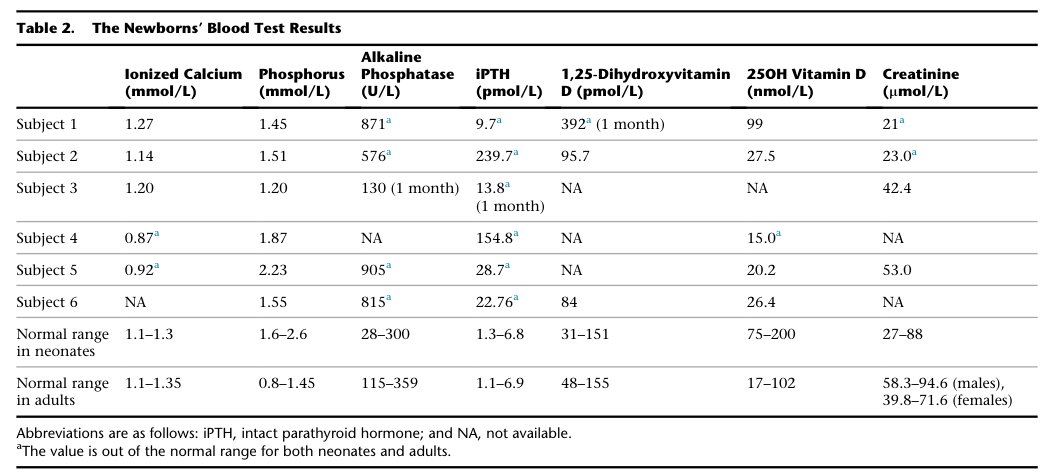
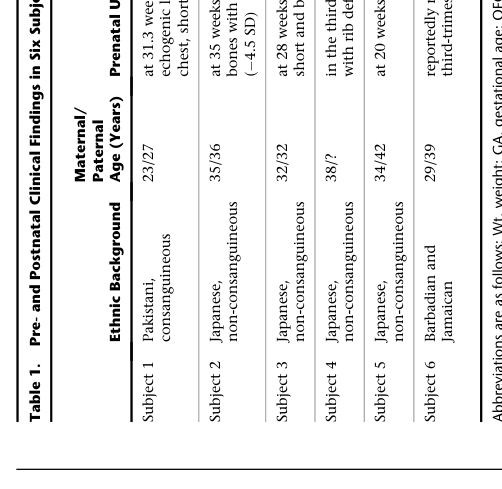
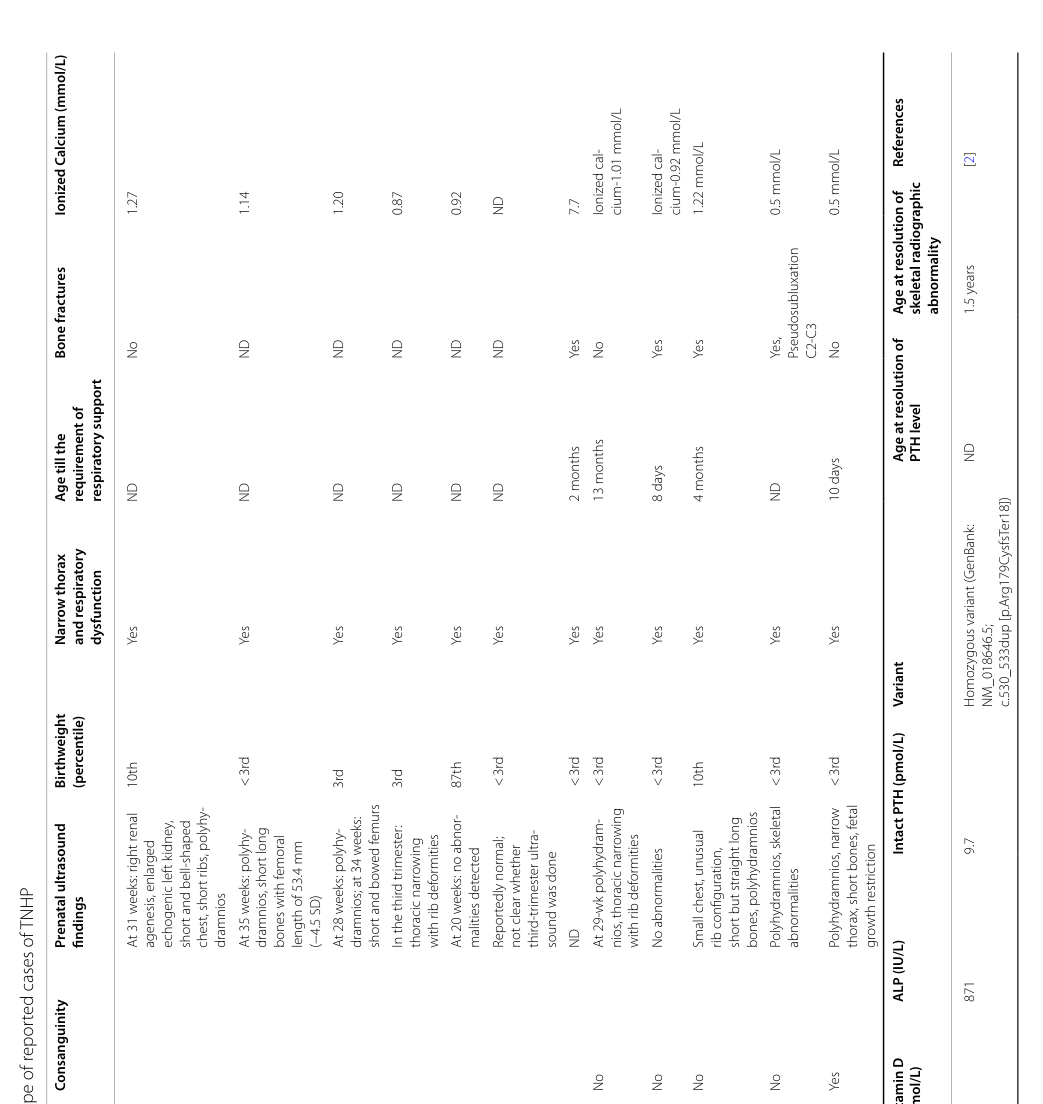
Reference Validation
Checked with linkml-reference-validator 0.3.0.
| Outcome | Count |
|---|---|
| References checked | 9 |
| Resolved | 9 |
| Unresolved (possible confabulation) | 0 |
| Unverifiable | 0 |
| References weighed for topical relevance | 9 |
| On topic | 4 |
| Off topic | 0 |
All extracted references resolved successfully.
Term Validation
Checked with linkml-term-validator 0.4.5, through the ols: adapter.
| Outcome | Count |
|---|---|
| Terms checked | 3 |
| Resolved | 1 |
| Unresolved (possible confabulation) | 0 |
| Obsolete | 0 |
| Unverifiable | 2 |
| Terms whose name was checked | 1 |
| Terms named correctly | 0 |
| Terms named as a different term | 1 |
Terms the report names something else
These identifiers resolve, so nothing about them looks wrong, and the ontology calls them something unrelated to what the report calls them. That usually means the identifier is not the one the sentence needs:
MONDO:0032591(3 mentions) - the report calls it "if available"; MONDO calls it hyperparathyroidism, transient neonatal
Prefixes with no resolver
Terms carrying these prefixes were not checked either way, because no configured ontology covers them. An unrecognised prefix may name an ontology this run could not reach as easily as one that does not exist, so nothing here is evidence of fabrication: MIM, Taxonomy.