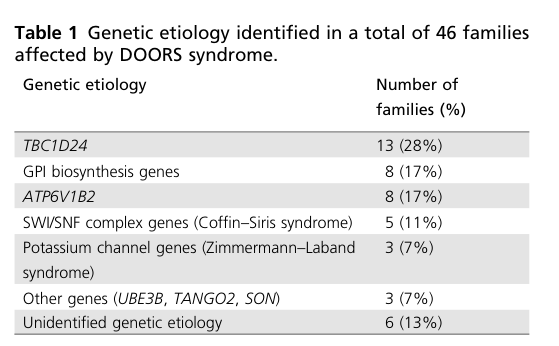
Question: You are an expert researcher providing comprehensive, well-cited information.
Provide detailed information focusing on: 1. Key concepts and definitions with current understanding 2. Recent developments and latest research (prioritize 2023-2024 sources) 3. Current applications and real-world implementations 4. Expert opinions and analysis from authoritative sources 5. Relevant statistics and data from recent studies
Format as a comprehensive research report with proper citations. Include URLs and publication dates where available. Always prioritize recent, authoritative sources and provide specific citations for all major claims.
Disease Characteristics Research Template
Target Disease
- Disease Name: DOORS Syndrome
- MONDO ID: (if available)
- Category: Mendelian
Research Objectives
Please provide a comprehensive research report on DOORS Syndrome covering all of the disease characteristics listed below. This report will be used to populate a disease knowledge base entry. Be thorough and cite primary literature (PMID preferred) for all claims.
For each section, suggested databases/resources are listed. These are the first places you should search for information on each topic.
1. Disease Information
Search first: OMIM, Orphanet, ICD-10/ICD-11, MeSH, PubMed
- What is the disease? Provide a concise overview.
- What are the key identifiers? (OMIM, Orphanet, ICD-10/ICD-11, MeSH, Mondo)
- What are the common synonyms and alternative names?
- Is the information derived from individual patients (e.g., EHR) or aggregated disease-level resources?
2. Etiology
- Disease Causal Factors: What are the primary causes? (genetic, environmental, infectious, mechanistic)
- Risk Factors:
Search first: PubMed, Cochrane Library, UpToDate, clinical guidelines, ClinVar, ClinGen, GWAS Catalog, PheGenI, CTD, CDC, WHO, epidemiological databases
- Genetic risk factors (causal variants, susceptibility loci, modifier genes)
- Environmental risk factors (toxins, lifestyle, occupational exposures, age, sex, family history)
- Protective Factors:
Search first: PubMed, Cochrane Library, clinical trial databases, GWAS Catalog, gnomAD, WHO, CDC, nutrition databases
- Genetic protective factors (protective variants, modifier alleles)
- Environmental protective factors (diet, lifestyle, exposures that reduce risk)
- Gene-Environment Interactions: How do genetic and environmental factors interact to influence disease?
Search first: CTD, PubMed, PheGenI, GxE databases
3. Phenotypes
Search first: HPO (Human Phenotype Ontology), OMIM, Orphanet, PubMed, clinicaltrials.gov, MedDRA, SNOMED CT, DECIPHER, LOINC
For each phenotype, provide: - Phenotype type: symptoms, clinical signs, physical manifestations, behavioral changes, or laboratory abnormalities
For symptoms/signs: HPO, OMIM, Orphanet, PubMed For behavioral changes: HPO, DSM, RDoC (Research Domain Criteria), PubMed For laboratory abnormalities: LOINC, SNOMED CT, LabTests Online, PubMed - Phenotype characteristics: Search first: OMIM, Orphanet, HPO, PubMed - Age of symptom onset (neonatal, childhood, adult-onset, late-onset) - Symptom severity (mild, moderate, severe, variable) - Symptom progression (stable, progressive, episodic, fluctuating) - Frequency among affected individuals (percentage or qualitative) - Quality of life impact: Effects on daily functioning and well-being (per-phenotype when possible) Search first: EQ-5D database, SF-36, WHO QOL databases, PubMed - Suggest HPO (Human Phenotype Ontology) terms for each phenotype
4. Genetic/Molecular Information
- Causal Genes: Gene mutations or chromosomal abnormalities responsible for disease (gene symbols, OMIM IDs)
Search first: OMIM, ClinVar, HGMD, Ensembl, NCBI Gene
- Pathogenic Variants:
- Affected genes (gene symbols, HGNC IDs) > Search first: OMIM, NCBI Gene, Ensembl, HGNC, UniProt, GeneCards
- Variant classification (pathogenic, likely pathogenic, VUS per ACMG/AMP guidelines) > Search first: ClinVar, ClinGen, ACMG/AMP guidelines, VarSome
- Variant type/class (missense, frameshift, nonsense, splice-site, structural)
- Allele frequency in population databases > Search first: gnomAD, 1000 Genomes, ExAC, TOPMed, dbSNP
- Somatic vs germline origin > Search first: COSMIC (somatic), ClinVar, ICGC, TCGA
- Functional consequences (loss of function, gain of function, dominant negative)
- Modifier Genes: Genes that modify disease severity or expression
- Epigenetic Information: DNA methylation, histone modifications, chromatin changes affecting disease
Search first: ENCODE, Roadmap Epigenomics, MethBase, DiseaseMeth
- Chromosomal Abnormalities: Large-scale genetic changes (aneuploidy, translocations, inversions)
Search first: DECIPHER, ClinVar, ECARUCA, UCSC Genome Browser
5. Environmental Information
- Environmental Factors: Non-genetic contributing factors (toxins, radiation, pollution, occupational exposure)
Search first: CTD (Comparative Toxicogenomics Database), TOXNET, PubMed, EPA databases
- Lifestyle Factors: Behavioral factors (smoking, diet, exercise, alcohol consumption)
Search first: CDC databases, WHO, PubMed, NHANES
- Infectious Agents: If applicable, pathogens causing or triggering disease (bacteria, viruses, fungi, parasites)
Search first: NCBI Taxonomy, ViPR, BV-BRC, MicrobeDB, GIDEON
6. Mechanism / Pathophysiology
- Molecular Pathways: Specific signaling cascades or biochemical pathways involved (Wnt, MAPK, mTOR, PI3K-AKT, etc.)
Search first: KEGG, Reactome, WikiPathways, PathBank, BioCyc
- Cellular Processes: Cell-level mechanisms (apoptosis, autophagy, cell cycle dysregulation, inflammation, etc.)
Search first: Gene Ontology (GO), Reactome, KEGG, PubMed
- Protein Dysfunction: How protein structure or function is altered (misfolding, aggregation, loss of function, gain of function)
Search first: UniProt, PDB (Protein Data Bank), InterPro, Pfam, AlphaFold
- Metabolic Changes: Alterations in metabolic processes (energy metabolism, lipid metabolism, amino acid metabolism)
Search first: KEGG, BioCyc, HMDB (Human Metabolome Database), BRENDA
- Immune System Involvement: Role of immune response (autoimmunity, immunodeficiency, chronic inflammation)
Search first: ImmPort, Immunome Database, IEDB, Gene Ontology
- Tissue Damage Mechanisms: How tissues/ are injured (oxidative stress, ischemia, fibrosis, necrosis)
Search first: PubMed, Gene Ontology, Reactome
- Biochemical Abnormalities: Specific molecular defects (enzyme deficiencies, receptor dysfunction, ion channel defects)
Search first: BRENDA, UniProt, KEGG, OMIM, PubMed
- Epigenetic Changes: DNA methylation, histone modifications affecting gene expression in disease
Search first: ENCODE, Roadmap Epigenomics, MethBase, DiseaseMeth
- Molecular Profiling (if available):
- Transcriptomics/gene expression changes > Search first: GEO (Gene Expression Omnibus), ArrayExpress, GTEx, Human Cell Atlas, SRA
- Proteomics findings > Search first: PRIDE, ProteomeXchange, Human Protein Atlas, STRING, BioGRID
- Metabolomics signatures > Search first: MetaboLights, Metabolomics Workbench, HMDB, METLIN
- Lipidomics alterations > Search first: LIPID MAPS, SwissLipids, LipidHome, Metabolomics Workbench
- Genomic structural features > Search first: UCSC Genome Browser, Ensembl, NCBI, dbVar, DGV
- Advanced Technologies (if applicable):
- Single-cell analysis findings (cell-type specific mechanisms, cellular heterogeneity) > Search first: Human Cell Atlas, Single Cell Portal, GEO, CELLxGENE
- Spatial transcriptomics findings > Search first: GEO, Spatial Research, Vizgen, 10x Genomics data
- Multi-omics integration results > Search first: TCGA, ICGC, cBioPortal, LinkedOmics, PubMed
- Functional genomics screens (CRISPR, RNAi) > Search first: DepMap, GenomeRNAi, PubMed, BioGRID ORCS
For each mechanism, describe: - The causal chain from initial trigger to clinical manifestation - Which mechanisms are upstream vs downstream - What cell types and biological processes are involved - Suggest GO terms for biological processes and CL terms for cell types
7. Anatomical Structures Affected
- Organ Level:
- Primary organs directly affected
- Secondary organ involvement (complications, secondary effects)
- Body systems involved (cardiovascular, nervous, digestive, respiratory, endocrine, etc.)
Search first: Uberon, FMA (Foundational Model of Anatomy), OMIM, HPO, ICD-11, MeSH, SNOMED CT
- Tissue and Cell Level:
- Specific tissue types affected (epithelial, connective, muscle, nervous)
- Specific cell populations targeted (with Cell Ontology terms)
Search first: Uberon, Human Protein Atlas, Cell Ontology, Human Cell Atlas, CellMarker, PanglaoDB
- Subcellular Level:
- Cellular compartments involved (mitochondria, nucleus, ER, lysosomes) (with GO Cellular Component terms)
Search first: Gene Ontology (Cellular Component), UniProt, Human Protein Atlas
- Localization:
- Specific anatomical sites (with UBERON terms) > Search first: FMA, Uberon, NeuroNames (for brain), SNOMED CT
- Lateralization (unilateral, bilateral, asymmetric) > Search first: HPO, clinical literature, imaging databases
8. Temporal Development
- Onset:
- Typical age of onset (congenital, pediatric, adult, geriatric)
- Onset pattern (acute, subacute, chronic, insidious)
Search first: OMIM, Orphanet, HPO, PubMed
- Progression:
- Disease stages (early, intermediate, advanced, end-stage) > Search first: Cancer Staging Manual (AJCC), WHO classifications, PubMed
- Progression rate (rapid, slow, variable)
- Disease course pattern (episodic, relapsing-remitting, progressive, stable)
- Disease duration (self-limited, chronic lifelong)
Search first: Disease registries, longitudinal cohort databases, natural history studies, PubMed, Orphanet, OMIM
- Patterns:
- Remission patterns (spontaneous, treatment-induced) > Search first: Clinical trial databases, disease registries, PubMed
- Critical periods (time windows of vulnerability or opportunity for intervention) > Search first: PubMed, developmental biology databases, clinical guidelines
9. Inheritance and Population
- Epidemiology:
- Prevalence (cases per 100,000 at given time)
- Incidence (new cases per 100,000 per year)
Search first: Orphanet, CDC, WHO, GBD (Global Burden of Disease), national registries, SEER, disease registries
- For Genetic Etiology:
- Inheritance pattern (AD, AR, X-linked, mitochondrial, multifactorial, polygenic) > Search first: OMIM, Orphanet, ClinVar, GTR (Genetic Testing Registry)
- Penetrance (complete, incomplete, age-dependent) > Search first: ClinVar, OMIM, PubMed, ClinGen
- Expressivity (variable, consistent) > Search first: OMIM, ClinVar, PubMed
- Genetic anticipation (increasing severity in successive generations) > Search first: OMIM, PubMed (especially for repeat expansion disorders)
- Germline mosaicism > Search first: ClinVar, OMIM, genetic counseling literature, PubMed
- Founder effects (population-specific mutations) > Search first: gnomAD, population genetics databases, PubMed
- Consanguinity role > Search first: OMIM, population studies, genetic counseling resources
- Carrier frequency > Search first: gnomAD, carrier screening databases, GeneReviews, GTR
- Population Demographics:
- Affected populations (ethnic or demographic groups with higher prevalence) > Search first: gnomAD, 1000 Genomes, PAGE Study, PubMed, population registries
- Geographic distribution (endemic areas, regional variation) > Search first: WHO, CDC, GBD, Orphanet, geographic epidemiology databases
- Geographic distribution of specific variants
- Sex ratio (male:female) > Search first: Disease registries, OMIM, PubMed, epidemiological databases
- Age distribution of affected individuals > Search first: CDC, disease registries, SEER, Orphanet
10. Diagnostics
- Clinical Tests:
- Laboratory tests (blood, urine, tissue chemistry, specific enzyme assays) > Search first: LOINC, LabTests Online, PubMed
- Biomarkers (proteins, metabolites, genetic markers, circulating biomarkers) > Search first: FDA Biomarker List, BEST (Biomarkers, EndpointS, and other Tools), PubMed
- Imaging studies (X-ray, CT, MRI, PET, ultrasound) > Search first: RadLex, DICOM, Radiopaedia, imaging databases
- Functional tests (pulmonary function, cardiac stress tests) > Search first: LOINC, clinical guidelines, PubMed
- Electrophysiology (EEG, EMG, ECG, nerve conduction studies) > Search first: LOINC, clinical neurophysiology databases, PubMed
- Biopsy findings (histopathology, immunohistochemistry) > Search first: SNOMED CT, College of American Pathologists resources, PubMed
- Pathology findings (microscopic examination) > Search first: SNOMED CT, Digital Pathology databases, PubMed
- Genetic Testing:
Search first: GTR (Genetic Testing Registry), GeneReviews, ClinGen
- Overview of recommended genetic testing approach
- Whole genome sequencing (WGS) utility > Search first: GTR, ClinVar, GEL (Genomics England), gnomAD
- Whole exome sequencing (WES) utility > Search first: GTR, ClinVar, OMIM, GeneMatcher
- Gene panels (which panels, which genes) > Search first: GTR, ClinVar, laboratory-specific databases
- Single gene testing > Search first: GTR, ClinVar, OMIM, GeneReviews
- Chromosomal microarray (CMA) > Search first: DECIPHER, ClinVar, dbVar, ECARUCA
- Karyotyping > Search first: Chromosome Abnormality Database, ClinVar, cytogenetics resources
- FISH > Search first: ClinVar, cytogenetics databases, PubMed
- Mitochondrial DNA testing > Search first: MITOMAP, MSeqDR, ClinVar, GTR
- Repeat expansion testing > Search first: GTR, ClinVar, repeat expansion databases, PubMed
- Omics-Based Diagnostics (if applicable):
- RNA sequencing / transcriptomics > Search first: GEO, ArrayExpress, GTEx, RNA-seq databases
- Proteomics > Search first: PRIDE, ProteomeXchange, FDA Biomarker database
- Metabolomics > Search first: MetaboLights, Metabolomics Workbench, HMDB
- Epigenomics > Search first: GEO, ENCODE, Roadmap Epigenomics, MethBase
- Liquid biopsy > Search first: COSMIC, ClinVar, liquid biopsy databases, PubMed
- Clinical Criteria:
- Standardized diagnostic criteria (DSM, ICD, society guidelines) > Search first: DSM-5, ICD-11, clinical society guidelines, UpToDate
- Differential diagnosis (other conditions to rule out, with distinguishing features) > Search first: DynaMed, UpToDate, clinical decision support systems
- Screening:
- Screening methods for asymptomatic individuals (newborn screening, carrier screening, cascade screening) > Search first: ACMG recommendations, CDC newborn screening, GTR
11. Outcome/Prognosis
- Survival and Mortality:
- Survival rate (5-year, 10-year, overall) > Search first: SEER, cancer registries, disease-specific registries, PubMed
- Life expectancy (with and without treatment if applicable) > Search first: Orphanet, disease registries, actuarial databases, PubMed
- Mortality rate > Search first: CDC, WHO, GBD, national mortality databases
- Disease-specific mortality (deaths directly attributable to disease) > Search first: Disease registries, CDC Wonder, GBD, PubMed
- Morbidity and Function:
- Morbidity (disease-related disability and health impacts) > Search first: GBD, WHO, disability databases, PubMed
- Disability outcomes (long-term functional impairments) > Search first: ICF (International Classification of Functioning), disability registries
- Quality of life measures (EQ-5D, SF-36, PROMIS, disease-specific tools) > Search first: EQ-5D database, SF-36, PROMIS, PubMed
- Disease Course:
- Complications (secondary problems: infections, organ failure, etc.) > Search first: ICD codes, disease registries, clinical databases, PubMed
- Recovery potential (likelihood and extent of recovery, with vs without treatment) > Search first: Natural history studies, rehabilitation databases, PubMed
- Prediction:
- Prognostic factors (age, disease severity, biomarkers, treatment response) > Search first: Prognostic models databases, clinical calculators, PubMed
- Prognostic biomarkers (molecular markers predicting disease course) > Search first: FDA Biomarker database, PubMed, cancer prognostic databases
12. Treatment
- Pharmacotherapy:
- Pharmacological treatments (drug names, drug classes, mechanisms of action) > Search first: DrugBank, RxNorm, ATC classification, DailyMed, FDA databases
- Pharmacogenomics (how genetic variants affect drug metabolism, efficacy, toxicity) > Search first: PharmGKB, CPIC (Clinical Pharmacogenetics), FDA Table of PGx Biomarkers
- Advanced Therapeutics:
- Gene therapy (viral vectors, CRISPR, gene replacement, gene editing) > Search first: ClinicalTrials.gov, FDA gene therapy database, ASGCT resources
- Cell therapy (stem cell transplant, CAR-T, cellular therapeutics) > Search first: ClinicalTrials.gov, FDA cell therapy database, FACT standards
- RNA-based therapies (ASOs, siRNA, mRNA therapies) > Search first: ClinicalTrials.gov, FDA approvals, PubMed
- Targeted therapies (treatments directed at specific molecular targets) > Search first: My Cancer Genome, OncoKB, ClinicalTrials.gov, FDA approvals
- Immunotherapies (checkpoint inhibitors, monoclonal antibodies) > Search first: Cancer Immunotherapy Database, FDA approvals, ClinicalTrials.gov
- Surgical and Interventional:
- Surgical interventions (types of surgery, timing, outcomes) > Search first: CPT codes, surgical registries, clinical guidelines, PubMed
- Supportive and Rehabilitative:
- Supportive care (symptom management, pain control, nutrition) > Search first: Clinical guidelines, Cochrane Library, PubMed
- Rehabilitation (physical therapy, occupational therapy, speech therapy) > Search first: Rehabilitation medicine databases, clinical guidelines, PubMed
- Experimental:
- Experimental treatments in clinical trials (with NCT identifiers if available) > Search first: ClinicalTrials.gov, EU Clinical Trials Register, WHO ICTRP
- Treatment Outcomes:
- Treatment response rates > Search first: Clinical trial databases, FDA reviews, systematic reviews, PubMed
- Side effects and adverse events > Search first: FDA Adverse Event Reporting System (FAERS), MedWatch, PubMed
- Treatment Strategy:
- Treatment algorithms (clinical pathways, decision trees) > Search first: Clinical practice guidelines, NCCN Guidelines, UpToDate
- Combination therapies > Search first: ClinicalTrials.gov, treatment guidelines, PubMed
- Personalized medicine approaches (genotype-guided treatment) > Search first: My Cancer Genome, CIViC, PharmGKB, precision medicine databases
For each treatment, suggest MAXO (Medical Action Ontology) terms where applicable.
13. Prevention
- Prevention Levels:
- Primary prevention (preventing disease occurrence: vaccination, risk factor modification) > Search first: CDC, WHO, USPSTF recommendations, Cochrane Library
- Secondary prevention (early detection and treatment: screening programs, early intervention) > Search first: USPSTF, CDC screening guidelines, WHO
- Tertiary prevention (preventing complications in those with disease) > Search first: Clinical guidelines, disease management protocols, PubMed
- Immunization: Vaccine strategies (if applicable)
Search first: CDC vaccine schedules, WHO immunization, FDA vaccine database
- Screening and Early Detection:
- Screening programs (population-based: newborn screening, cancer screening) > Search first: CDC screening programs, USPSTF, cancer screening databases
- Genetic screening (carrier screening, preimplantation genetic diagnosis, prenatal testing) > Search first: ACMG recommendations, ACOG guidelines, GTR
- Risk stratification (identifying high-risk individuals for targeted prevention) > Search first: Risk prediction models, clinical calculators, PubMed
- Behavioral Interventions: Lifestyle modifications to reduce risk
Search first: CDC, WHO, behavioral intervention databases, Cochrane Library
- Counseling: Genetic counseling (risk assessment, family planning guidance)
Search first: NSGC resources, ACMG guidelines, GeneReviews
- Public Health:
- Public health interventions (sanitation, vector control, health education) > Search first: CDC, WHO, public health databases, PubMed
- Environmental interventions (reducing environmental risk factors) > Search first: EPA databases, WHO environmental health, PubMed
- Prophylaxis: Preventive medications or procedures
Search first: Clinical guidelines, FDA approvals, PubMed
14. Other Species / Natural Disease
- Taxonomy: Species affected (with NCBI Taxon identifiers)
Search first: NCBI Taxonomy
- Breed: Specific breeds affected (with VBO identifiers if applicable)
Search first: VBO (Vertebrate Breed Ontology)
- Gene: Orthologous genes in other species (with NCBI Gene IDs)
Search first: NCBI Gene
- Natural Disease:
- Naturally occurring disease in other species (companion animals, wildlife) > Search first: OMIA (Online Mendelian Inheritance in Animals), VetCompass, PubMed
- Veterinary relevance and importance in animal health > Search first: OMIA, veterinary databases, PubMed
- Comparative Biology:
- Comparative pathology (similarities and differences across species) > Search first: OMIA, comparative pathology databases, PubMed
- Evolutionary conservation of disease mechanisms > Search first: HomoloGene, OrthoMCL, Alliance of Genome Resources
- Transmission (if applicable):
- Zoonotic potential > Search first: CDC zoonotic diseases, WHO zoonoses, GIDEON
- Cross-species susceptibility > Search first: NCBI Taxonomy, veterinary databases, PubMed
15. Model Organisms
- Model Types:
- Model organism type (mammalian, invertebrate, cellular, in vitro) > Search first: Alliance of Genome Resources, model organism databases
- Specific model systems (mouse, rat, zebrafish, Drosophila, C. elegans, yeast, cell lines, organoids, iPSCs) > Search first: MGI, RGD, ZFIN, FlyBase, WormBase, SGD, ATCC, Cellosaurus
- Induced models (drug treatment, surgical intervention, environmental manipulation) > Search first: MGI, model organism databases, PubMed
- Genetic Models:
- Types available (knockout, knock-in, transgenic, conditional, humanized) > Search first: MGI, IMPC, KOMP, EuMMCR, IMSR
- Model Characteristics:
- Phenotype recapitulation (how well model reproduces human disease features) > Search first: Model organism databases, comparative studies, PubMed
- Model limitations (aspects of human disease not captured) > Search first: Model organism databases, PubMed, review articles
- Applications:
- Research applications (what aspects of disease can be studied) > Search first: Model organism databases, PubMed
- Resources:
- Model databases > Search first: MGI, RGD, ZFIN, FlyBase, WormBase, IMSR, EMMA, MMRRC
Citation Requirements
- Cite primary literature (PMID preferred) for all mechanistic and clinical claims
- Prioritize recent reviews and landmark papers
- Include direct quotes from abstracts where possible to support key statements
- Distinguish evidence source types: human clinical, model organism, in vitro, computational
Output Format
Structure your response as a comprehensive narrative organized by the sections above. For each section, provide: - Factual content with specific details (numbers, percentages, gene names, variant nomenclature) - Ontology term suggestions (HPO, GO, CL, UBERON, CHEBI, MAXO, MONDO) where applicable - Evidence citations with PMIDs - Direct quotes from abstracts to support key claims - Clear indication when information is not available or not applicable for this disease
This report will be used to populate a disease knowledge base entry with: - Pathophysiology descriptions with causal chains - Gene/protein annotations (HGNC, GO terms) - Phenotype associations (HP terms) with frequencies - Cell type involvement (CL terms) - Anatomical locations (UBERON terms) - Chemical entities (CHEBI terms) - Treatment annotations (MAXO terms) - Evidence items with PMIDs and exact abstract quotes - Epidemiology, prognosis, diagnostic, and prevention information - Animal model descriptions with phenotype recapitulation details
Comprehensive Research Report: DOORS Syndrome (Mendelian)
Target disease
- Disease name: DOORS syndrome (Deafness, Onychodystrophy, Osteodystrophy, Intellectual disability/Developmental delay, Seizures) (danarti2020deafnessonychodystrophyosteodystrophy pages 1-3, beauregardlacroix2021doorssyndromeand pages 1-2)
- Category: Mendelian (primarily autosomal recessive, genetically heterogeneous) (danarti2020deafnessonychodystrophyosteodystrophy pages 1-3, campeau2014thegeneticbasis pages 1-2)
- MONDO ID: Not retrieved from the full-text sources available in this run (see “Limitations / missing identifiers”).
1. Disease information
1.1 Overview (what is the disease?)
DOORS syndrome is a rare multisystem neurodevelopmental disorder classically defined by sensorineural deafness, nail anomalies (onychodystrophy), terminal phalangeal hypoplasia/absence (osteodystrophy), intellectual disability/developmental delay, and seizures (danarti2020deafnessonychodystrophyosteodystrophy pages 1-3, campeau2014thegeneticbasis pages 1-2). The acronym was coined to reflect the core clinical pentad, with “S” added because seizures are common (ny2020clarificationofthe pages 106-109).
1.2 Key identifiers and codes
- OMIM/MIM disease: 220500 (danarti2020deafnessonychodystrophyosteodystrophy pages 1-3)
- Causal-gene OMIM/MIM: TBC1D24 (MIM 613577) (danarti2020deafnessonychodystrophyosteodystrophy pages 1-3)
- Other identifiers (Orphanet, ICD-10/ICD-11, MeSH, MONDO): not available in the retrieved full-text evidence in this run; see “Limitations / missing identifiers.”
1.3 Synonyms / alternative names
- “Deafness, onychodystrophy, osteodystrophy, mental retardation, and seizures syndrome” is used in the literature and reflects the same clinical acronym expansion (danarti2020deafnessonychodystrophyosteodystrophy pages 1-3, campeau2014thegeneticbasis pages 1-2).
- “DOOR syndrome” appears historically (without explicit seizures), but modern usage emphasizes DOORS due to frequent seizures (ny2020clarificationofthe pages 106-109).
1.4 Evidence source types
Most curated information available here derives from aggregated disease-level resources and cohorts (exome-based family series) supplemented by case reports and mechanistic cellular/model-organism studies (campeau2014thegeneticbasis pages 1-2, beauregardlacroix2021doorssyndromeand pages 1-2, danarti2020deafnessonychodystrophyosteodystrophy pages 1-3).
2. Etiology
2.1 Disease causal factors
Primary cause: inherited pathogenic variants affecting endolysosomal/synaptic vesicle and related pathways, most commonly involving TBC1D24; additional genetic heterogeneity includes ATP6V1B2 and other genes in some DOORS-defined cohorts (campeau2014thegeneticbasis pages 1-2, beauregardlacroix2021doorssyndromeand pages 1-2, beauregardlacroix2021doorssyndromeand pages 2-5).
Direct abstract quote (primary cohort): Campeau et al. describe DOORS as “a rare autosomal recessive disorder” and report they “identified TBC1D24 mutations” in affected individuals (campeau2014thegeneticbasis pages 1-2).
2.2 Genetic risk factors (causal variants)
TBC1D24 (autosomal recessive; classic DOORS)
- Biallelic pathogenic variants (homozygous or compound heterozygous) in TBC1D24 are a major cause of classic DOORS presentations (campeau2014thegeneticbasis pages 1-2, danarti2020deafnessonychodystrophyosteodystrophy pages 1-3).
- Variants appear distributed across the gene with limited genotype–phenotype predictability (ny2020clarificationofthe pages 106-109).
ATP6V1B2 (DOORS-spectrum, recurrent truncating variant)
Beauregard-Lacroix et al. identified a recurrent truncating ATP6V1B2 variant NM_001693.4:c.1516C>T (p.Arg506*) in individuals with DOORS-like clinical presentations (beauregardlacroix2021doorssyndromeand pages 1-2). This expands DOORS-spectrum causation beyond TBC1D24.
2.3 Inheritance patterns
- TBC1D24-associated DOORS: predominantly autosomal recessive (danarti2020deafnessonychodystrophyosteodystrophy pages 1-3, campeau2014thegeneticbasis pages 1-2, ny2020clarificationofthe pages 104-106).
- ATP6V1B2-associated DOORS-spectrum: reported with heterozygous recurrent truncation in multiple families/individuals (beauregardlacroix2021doorssyndromeand pages 1-2).
2.4 Environmental risk/protective factors and gene–environment interactions
No reproducible environmental risk factors, protective factors, or gene–environment interaction evidence was identified in the retrieved sources for DOORS syndrome.
3. Phenotypes (clinical spectrum)
3.1 Core clinical features and typical timing
Across studies, the syndrome is centered on congenital/early-life deafness, skeletal/nail anomalies, developmental disability, and epilepsy: - Hearing loss: typically sensorineural, often profound and prelingual (ny2020clarificationofthe pages 104-106). - Onychodystrophy and osteodystrophy: small/absent nails and hypoplastic terminal phalanges in most individuals (campeau2014thegeneticbasis pages 1-2, ny2020clarificationofthe pages 104-106). - Seizures: common and typically start in infancy; the GeneReviews-like summary notes seizures “usually start in the first year of life” and may be drug-resistant, with status epilepticus and death reported in some cases (ny2020clarificationofthe pages 106-109).
3.2 Frequency statements (statistics from cohort descriptions)
Evidence-backed recurring frequencies include: - Triphalangeal thumb: ~one third of affected individuals (campeau2014thegeneticbasis pages 1-2, ny2020clarificationofthe pages 106-109). - Microcephaly: ~one third (campeau2014thegeneticbasis pages 1-2, ny2020clarificationofthe pages 106-109). - Narrow bifrontal diameter: ~two thirds (campeau2014thegeneticbasis pages 1-2). - In an ATP6V1B2-associated DOORS cohort, deafness was present in all individuals, together with onychodystrophy and abnormal digits (beauregardlacroix2021doorssyndromeand pages 2-5, beauregardlacroix2021doorssyndromeand pages 1-2).
3.3 Additional phenotypes and complications
Additional reported findings include visual impairment/optic neuropathy, peripheral neuropathy, and imaging abnormalities (danarti2020deafnessonychodystrophyosteodystrophy pages 1-3, ny2020clarificationofthe pages 106-109). Individual case reports can include congenital anomalies such as cardiac defects (danarti2020deafnessonychodystrophyosteodystrophy pages 1-3).
3.4 Suggested HPO terms (non-exhaustive; for knowledge-base normalization)
(These are ontology suggestions to aid curation; they are not claims of completeness.) - Sensorineural hearing impairment HP:0000407 - Nail dystrophy/onychodystrophy HP:0001804 - Hypoplasia/aplasia of distal phalanges HP:0009830 (distal phalanges hypoplasia) - Intellectual disability HP:0001249 - Seizures HP:0001250 - Microcephaly HP:0000252 - Triphalangeal thumb HP:0001199
3.5 Quality of life impact
Direct QoL instrument outcomes (e.g., EQ-5D, SF-36) were not present in retrieved sources. However, the management guidance implies substantial functional impact due to severe developmental delay, communication impairment (AAC evaluation recommended), and epilepsy monitoring (ny2020clarificationofthe pages 114-117, ny2020clarificationofthe pages 111-114).
4. Genetic / molecular information
4.1 Causal genes
- TBC1D24 (primary, often biallelic; AR) (campeau2014thegeneticbasis pages 1-2, ny2020clarificationofthe pages 104-106)
- ATP6V1B2 (recurrent truncating p.Arg506*; DOORS-spectrum) (beauregardlacroix2021doorssyndromeand pages 1-2, zadori2020clinicopathologicalrelationshipsin pages 1-2)
4.2 Variant spectrum and functional class
- TBC1D24 pathogenic variants include missense and loss-of-function alleles; the literature notes that variant locations span the gene and genotype–phenotype patterns are limited (ny2020clarificationofthe pages 106-109).
- A recurrent DOORS-spectrum allele in ATP6V1B2 is p.Arg506* (beauregardlacroix2021doorssyndromeand pages 1-2).
Population allele frequencies (gnomAD) and ClinVar/ACMG classifications were not available in the retrieved texts and therefore are not reported here.
4.3 Modifier genes / epigenetics
No specific validated modifier genes or disease-specific epigenetic signatures were identified in the retrieved sources.
5. Environment / lifestyle / infectious factors
DOORS syndrome is a genetic neurodevelopmental disorder; the retrieved evidence did not identify environmental, lifestyle, or infectious causal contributors.
6. Mechanism / pathophysiology
6.1 Current mechanistic understanding (integrated model)
A convergent theme in DOORS syndrome is dysfunction in intracellular trafficking and organelle homeostasis that impacts neuronal signaling and tissue development.
6.1.1 Vesicle trafficking and synaptic endocytosis (TBC1D24)
TBC1D24 is repeatedly linked to Rab/ARF6-related vesicle trafficking and synaptic vesicle cycling. Mechanistic summaries indicate TBC1D24 deficiency causes presynaptic endocytosis defects and impaired neurotransmission (beauregardlacroix2021doorssyndromeand pages 5-6, beauregardlacroix2021doorssyndromeand pages 2-5). Model-organism work supports a conserved role of the TBC domain in phosphoinositide-dependent membrane association relevant to synaptic vesicle trafficking (ny2020clarificationofthe pages 117-120, ny2020clarificationofthe pages 32-37).
6.1.2 v-ATPase / lysosomal acidification axis (ATP6V1B2 and TBC1D24)
ATP6V1B2 encodes a V-ATPase subunit, and DOORS-spectrum ATP6V1B2 truncation is linked to impaired lysosomal acidification (beauregardlacroix2021doorssyndromeand pages 5-6, zadori2020clinicopathologicalrelationshipsin pages 1-2). TBC1D24 also interfaces with this axis: in neurons, FLAG-TBC1D24 co-precipitates ATP6V1B2 and ATP6V1A, and Tbc1d24 knockout causes endolysosomal and autophagy-related abnormalities consistent with v-ATPase dysregulation (pepe2025tbc1d24interactswith pages 1-3).
6.1.3 2024 mechanistic development: mitochondria and ER–mitochondria contact sites
A 2024 preprint reports a new role for TBC1D24 in mitochondrial homeostasis: patient fibroblasts and TBC1D24 knockdown cells show fragmented mitochondria, decreased ATP, and reduced mitochondrial membrane potential, and loss/mutation of TBC1D24 alters ER–mitochondria contact sites (ERMCS) (benhammouda2024tbc1d24regulatesmitochondria pages 1-4). This supports a multi-organelle pathophysiology model in which vesicle/lysosome defects intersect with mitochondrial energy failure.
6.2 Cell types and tissues implicated (with ontology suggestions)
Cochlea (2024 localization study)
In developing mouse cochlea, TBC1D24 immunolabeling localizes mainly to glia-like non-sensory/supporting epithelial cells and is largely absent from adjacent hair cells early postnatally, with downregulation around the onset of hearing (defourny2024tbc1d24islikely pages 2-4, defourny2024tbc1d24islikely pages 4-5). This points to a mechanism where supporting-cell vesicle trafficking and barrier/junction maintenance influences auditory function.
- Suggested Cell Ontology (CL) terms:
- Cochlear supporting cell (general; exact CL term may require curator selection)
- Glial cell CL:0000125 (for “glia-like” concept)
- Suggested UBERON terms:
- Cochlea UBERON:0001769
- Cochlear sensory epithelium / organ of Corti UBERON:0002048 (organ of Corti)
Central nervous system
Mouse data show TBC1D24 mRNA is abundant in hippocampus and the protein associates with clathrin-coated vesicles and synapses (tona2019thephenotypiclandscape pages 1-2), consistent with a neuronal/synaptic basis for epilepsy.
- Suggested GO biological processes:
- Synaptic vesicle endocytosis GO:0048488
- Endosome organization GO:0007032
- Lysosome organization GO:0007040
- Autophagy GO:0006914
- Mitochondrial fission GO:0000266 / mitochondrial fusion GO:0008053
- Suggested GO cellular components:
- Synapse GO:0045202
- Clathrin-coated vesicle GO:0030136
- Lysosome GO:0005764
- Mitochondrion GO:0005739
- Endoplasmic reticulum GO:0005783
6.3 Causal chain (gene → cell biology → phenotype)
A plausible integrated chain supported by current evidence is: 1) Pathogenic variants in TBC1D24 and/or ATP6V1B2 disrupt membrane trafficking and organelle acidification (presynaptic endocytosis and v-ATPase-dependent lysosomal pH) (beauregardlacroix2021doorssyndromeand pages 5-6, pepe2025tbc1d24interactswith pages 1-3). 2) This yields synaptic dysfunction (impaired vesicle cycling) contributing to epilepsy and neurodevelopmental impairment, and may also impair endolysosomal clearance/autophagy (pepe2025tbc1d24interactswith pages 1-3). 3) A 2024 line of evidence adds mitochondrial dysfunction and altered ER–mitochondria contact sites, potentially compounding neuronal energetic stress and developmental vulnerability (benhammouda2024tbc1d24regulatesmitochondria pages 1-4). 4) In the inner ear, TBC1D24’s developmental expression in supporting (glia-like) epithelial cells suggests that altered vesicle trafficking/junctional protein recycling could disturb cochlear homeostasis and contribute to deafness (defourny2024tbc1d24islikely pages 4-5, defourny2024tbc1d24islikely pages 2-4).
7. Anatomical structures affected
- Primary: inner ear/cochlea (hearing), brain/CNS (epilepsy, neurodevelopment), distal phalanges/nails (skeletal/nail dysplasia) (campeau2014thegeneticbasis pages 1-2, danarti2020deafnessonychodystrophyosteodystrophy pages 1-3).
- Secondary/variable: eyes/optic nerve and peripheral nerves in some cases; occasional congenital anomalies such as cardiac defects in case reports (danarti2020deafnessonychodystrophyosteodystrophy pages 1-3).
8. Temporal development
- Onset: typically congenital/early (nails/phalanges), seizures usually within first year of life (ny2020clarificationofthe pages 106-109, danarti2020deafnessonychodystrophyosteodystrophy pages 1-3).
- Course: variable; seizures can be difficult to control and may be severe, including status epilepticus and death in some individuals (ny2020clarificationofthe pages 106-109).
9. Inheritance and population
9.1 Epidemiology
Robust prevalence/incidence estimates were not found in retrieved full-text sources. A literature review/case report summary stated that ~60 cases had been reported as of 2020, highlighting extreme rarity (danarti2020deafnessonychodystrophyosteodystrophy pages 1-3).
9.2 Mendelian inheritance details
For TBC1D24-associated DOORS syndrome, autosomal recessive recurrence risk is consistent with 25% affected risk for siblings when both parents are carriers; this is explicitly outlined in management/counseling guidance (ny2020clarificationofthe pages 114-117).
Carrier frequency, founder variants, and population-specific distributions were not available in retrieved sources.
10. Diagnostics
10.1 Clinical recognition and workup
Key workup elements described across reports include: - Audiology: BERA/ABR can document profound sensorineural deafness (danarti2020deafnessonychodystrophyosteodystrophy pages 1-3). - Seizure evaluation: EEG abnormalities are common (danarti2020deafnessonychodystrophyosteodystrophy pages 1-3). - Skeletal imaging: radiographs showing absent/hypoplastic distal phalanges (danarti2020deafnessonychodystrophyosteodystrophy pages 1-3).
10.2 Genetic testing approach
A GeneReviews-like diagnostic strategy recommends: - Start with TBC1D24 sequence analysis, then consider deletion/duplication testing and multigene panels or exome/genome sequencing if negative, especially given likely genetic heterogeneity (ny2020clarificationofthe pages 104-106). - Diagnostic yield appears highest when an individual has all five classic DOORS features (ny2020clarificationofthe pages 104-106).
10.3 Differential diagnosis (examples supported by evidence)
Overlapping syndromes can complicate diagnosis; one report highlights that syndromes initially considered in a DOORS-like presentation included Coffin-Siris and others, and illustrates the general need for broad genomic testing when phenotype overlaps (ny2020clarificationofthe pages 120-122).
11. Outcome / prognosis
Prognosis is heterogeneous. Severe intellectual disability is common; seizures can be drug-resistant and may lead to status epilepticus and death in some individuals (ny2020clarificationofthe pages 106-109). Detailed survival curves, life expectancy estimates, and validated prognostic biomarkers were not present in retrieved evidence.
12. Treatment
12.1 Current management (real-world implementation)
No disease-modifying therapy is established; published guidance emphasizes symptomatic, multidisciplinary care: - Epilepsy: symptomatic antiseizure pharmacotherapy; multiple agents have been used without controlled comparisons specific to TBC1D24-related disorders (ny2020clarificationofthe pages 111-114). - Hearing loss: hearing aids or cochlear implantation may benefit selected individuals; cochlear implantation at age 1 was noted beneficial in at least one DOORS individual in the management summary (ny2020clarificationofthe pages 111-114, ny2020clarificationofthe pages 104-106). - Developmental support: early intervention plus OT/PT/speech therapy; evaluation for AAC; individualized education planning (ny2020clarificationofthe pages 114-117, ny2020clarificationofthe pages 111-114). - Surveillance: neurology follow-up with EEG guided by seizure course; annual audiology and dental evaluation; ECG surveillance in epilepsy as part of risk monitoring (ny2020clarificationofthe pages 114-117).
12.2 Experimental treatments / clinical trials
A ClinicalTrials.gov search for “DOORS”/TBC1D24 returned acronym-matched but non-disease-related trials; no DOORS-specific interventional clinical trials were identified in this run.
12.3 Suggested MAXO terms (examples)
- Antiseizure medication therapy MAXO:0000756 (anticonvulsant therapy)
- Cochlear implantation MAXO:0001034
- Hearing aid fitting MAXO:0000507
- Physical therapy MAXO:0000015
- Occupational therapy MAXO:0000016
- Speech therapy / augmentative communication support (AAC) (MAXO term selection may require curator review)
13. Prevention
No primary prevention is currently available because DOORS is genetic. Secondary/tertiary prevention is centered on early detection and supportive management: - Reproductive counseling: carrier testing, prenatal testing, and preimplantation genetic diagnosis are possible once familial pathogenic variants are known (ny2020clarificationofthe pages 114-117, ny2020clarificationofthe pages 117-120). - Early audiology and seizure management may reduce complications and improve functional outcomes (danarti2020deafnessonychodystrophyosteodystrophy pages 4-5).
14. Other species / natural disease
No naturally occurring veterinary DOORS syndrome analogs were identified in retrieved sources.
15. Model organisms
15.1 Drosophila and C. elegans
- In Drosophila, introduction of human DOORS-associated TBC1D24 variants p.Arg40 and p.Arg242 in the conserved membrane-binding pocket led to impaired synaptic vesicle trafficking and seizures (ny2020clarificationofthe pages 117-120).
- In C. elegans, the ortholog C31H2.1 was identified in an RNAi screen implicating synaptic function (ny2020clarificationofthe pages 117-120).
15.2 Mouse models
- A CRISPR-engineered Tbc1d24 S324Tfs*3 homozygous mouse shows “abrupt onset of spontaneous seizures at postnatal day 15,” with early lethality, and the protein localizes to clathrin-coated vesicles/synapses in hippocampal neurons, supporting a presynaptic trafficking mechanism (tona2019thephenotypiclandscape pages 1-2, tona2019thephenotypiclandscape pages 3-4).
- The same model showed normal ABR/DPOAE responses at P17, suggesting that at least some Tbc1d24 alleles can produce severe epilepsy without early measurable hearing impairment in mice (tona2019thephenotypiclandscape pages 5-6).
Recent developments (prioritized 2023–2024)
1) Cochlear cell-type localization (June 2024). Defourny reported developmental cochlear expression of TBC1D24 primarily in glia-like non-sensory/supporting epithelial cells rather than hair cells, disappearing around onset of hearing, supporting a new hypothesis for auditory pathogenesis beyond hair-cell intrinsic defects (published June 2024; https://doi.org/10.1387/ijdb.240060jd) (defourny2024tbc1d24islikely pages 2-4, defourny2024tbc1d24islikely pages 4-5).
2) Mitochondrial/ER–mitochondria contact site mechanism (Sep 2024 preprint). Benhammouda et al. reported that TBC1D24 loss/mutation is associated with fragmented mitochondria and reduced ATP/membrane potential and altered ER–mitochondria contact sites (posted Sep 2024; https://doi.org/10.1101/2024.09.19.613961) (benhammouda2024tbc1d24regulatesmitochondria pages 1-4).
These 2024 studies broaden the mechanistic landscape from “synaptic vesicle trafficking” toward a multi-organelle model linking vesicle/lysosome biology, cellular energetics, and developmental cell-type specificity in the cochlea.
Expert opinion / analysis (evidence-grounded)
The most consistent mechanistic convergence across DOORS genes is organelle acidification and membrane trafficking dysfunction in neurons and developing tissues (beauregardlacroix2021doorssyndromeand pages 5-6, pepe2025tbc1d24interactswith pages 1-3). The addition of (i) ATP6V1B2 truncation as a DOORS-spectrum cause and (ii) emerging mitochondrial/ERMCS defects supports a view of DOORS as a systems disorder of intracellular organelle homeostasis, rather than a single-pathway synaptopathy (beauregardlacroix2021doorssyndromeand pages 1-2, benhammouda2024tbc1d24regulatesmitochondria pages 1-4).
Visual evidence (genetics + mechanism)
Beauregard-Lacroix et al. provide a table summarizing genetic causes across a DOORS cohort and structural figures localizing ATP6V1B2 p.Arg506* within the ATP6V1B2 protein and the V-ATPase complex (beauregardlacroix2021doorssyndromeand media 2f3d8df7, beauregardlacroix2021doorssyndromeand media 79b51ebf, beauregardlacroix2021doorssyndromeand media ee48104e).
Key facts table (for knowledge-base ingestion)
Table (click to expand)
| Topic | Key information | Citations |
|---|---|---|
| Definition / acronym | DOORS syndrome = Deafness, Onychodystrophy, Osteodystrophy, intellectual disability/developmental delay, and Seizures; classically described as a rare multisystem Mendelian disorder. | (danarti2020deafnessonychodystrophyosteodystrophy pages 1-3, beauregardlacroix2021doorssyndromeand pages 1-2, campeau2014thegeneticbasis pages 1-2) |
| Key identifiers | Disease OMIM/MIM: 220500; major causal gene: TBC1D24 (gene MIM 613577), chromosome 16p13. | (danarti2020deafnessonychodystrophyosteodystrophy pages 1-3, ny2020clarificationofthe pages 104-106) |
| Core genetic architecture | Best-established cause is biallelic TBC1D24 pathogenic variation with autosomal recessive inheritance; diagnosis in classic cases is supported by identifying biallelic pathogenic variants. Genetic heterogeneity is likely. | (danarti2020deafnessonychodystrophyosteodystrophy pages 1-3, ny2020clarificationofthe pages 104-106, campeau2014thegeneticbasis pages 1-2) |
| Additional causal gene | ATP6V1B2 is an additional DOORS-spectrum gene; a recurrent truncating c.1516C>T (p.Arg506*) variant was identified in multiple unrelated families/individuals with DOORS-like presentations, typically in the heterozygous state. | (beauregardlacroix2021doorssyndromeand pages 1-2, beauregardlacroix2021doorssyndromeand pages 5-6, beauregardlacroix2021doorssyndromeand pages 2-5) |
| Cohort-level genetics | In a 46-family DOORS cohort, reported etiologies included TBC1D24 in 13 families (28%), ATP6V1B2 in 8 families (17%), and 6 families (13%) remained unsolved; broader heterogeneity included other genes in some families. | (beauregardlacroix2021doorssyndromeand pages 2-5, beauregardlacroix2021doorssyndromeand pages 1-2) |
| Hallmark phenotype spectrum | Typical findings include sensorineural deafness, small/absent nails, hypoplastic/absent terminal phalanges, intellectual disability/developmental delay, and seizures; deafness, onychodystrophy, and abnormal digits were present in all reported ATP6V1B2-DOORS individuals in one cohort. | (beauregardlacroix2021doorssyndromeand pages 2-5, danarti2020deafnessonychodystrophyosteodystrophy pages 1-3, beauregardlacroix2021doorssyndromeand pages 1-2, campeau2014thegeneticbasis pages 1-2) |
| Frequency statements | Reported recurring phenotype frequencies: triphalangeal thumb ~one third, microcephaly ~one third, narrow bifrontal diameter ~two thirds of affected individuals. | (ny2020clarificationofthe pages 106-109, campeau2014thegeneticbasis pages 1-2) |
| Seizure timing / severity | Seizures occur in most affected individuals and usually start in the first year of life; seizure types include generalized tonic-clonic, complex partial, focal clonic, and infantile spasms; some cases are drug-resistant and may progress to status epilepticus or early death. | (danarti2020deafnessonychodystrophyosteodystrophy pages 1-3, ny2020clarificationofthe pages 106-109, campeau2014thegeneticbasis pages 1-2) |
| Other reported findings | Additional manifestations reported across cases include visual impairment/optic neuropathy, peripheral neuropathy, MRI abnormalities, and occasional congenital anomalies (e.g., cardiac defects in case reports). | (danarti2020deafnessonychodystrophyosteodystrophy pages 1-3, ny2020clarificationofthe pages 106-109) |
| Diagnostic clues | Highest diagnostic yield is in individuals with all five classic features; recommended testing starts with TBC1D24 sequence analysis, then deletion/duplication analysis and/or broader exome/genome or multigene-panel testing; audiology, EEG, radiographs, and systemic evaluation are useful adjuncts. | (ny2020clarificationofthe pages 104-106, ny2020clarificationofthe pages 111-114, danarti2020deafnessonychodystrophyosteodystrophy pages 1-3) |
| Mechanistic theme: vesicle trafficking / endocytosis | TBC1D24 is linked to Rab/ARF6-related vesicle trafficking, presynaptic endocytosis, synaptic vesicle recycling/rejuvenation, and phosphoinositide-mediated membrane binding; deficiency causes presynaptic endocytic defects and impaired spontaneous neurotransmission. | (beauregardlacroix2021doorssyndromeand pages 5-6, ny2020clarificationofthe pages 117-120, ny2020clarificationofthe pages 32-37, beauregardlacroix2021doorssyndromeand pages 2-5, tona2019thephenotypiclandscape pages 1-2) |
| Mechanistic theme: v-ATPase / lysosome | ATP6V1B2 encodes a V-ATPase subunit; DOORS-associated ATP6V1B2 variants are linked to impaired lysosomal acidification. TBC1D24 also physically/functionally interfaces with the v-ATPase, supporting a shared endolysosomal disease axis. | (beauregardlacroix2021doorssyndromeand pages 5-6, pepe2025tbc1d24interactswith pages 1-3, zadori2020clinicopathologicalrelationshipsin pages 1-2) |
| Mechanistic theme: mitochondria / ER contact sites | Emerging evidence links TBC1D24 deficiency to fragmented mitochondria, decreased ATP, reduced mitochondrial membrane potential, and altered ER–mitochondria contact sites (ERMCS), expanding pathophysiology beyond synaptic trafficking. | (benhammouda2024tbc1d24regulatesmitochondria pages 1-4, benhammouda2024tbc1d24regulatesmitochondria pages 12-13) |
| 2024 development: mitochondria | Benhammouda 2024 reported that patient fibroblasts and TBC1D24-deficient cells show mitochondrial dysfunction and altered ERMCS, nominating mitochondrial homeostasis as a new disease mechanism. | (benhammouda2024tbc1d24regulatesmitochondria pages 1-4, benhammouda2024tbc1d24regulatesmitochondria pages 12-13) |
| 2024 development: cochlea | Defourny 2024 localized TBC1D24 in early postnatal mouse cochlea mainly to glia-like non-sensory/supporting epithelial cells, with little to no signal in adjacent hair cells and loss of epithelial signal around hearing onset, suggesting a supporting-cell vesicle-trafficking role in hearing biology. | (defourny2024tbc1d24islikely pages 1-2, defourny2024tbc1d24islikely pages 2-4, defourny2024tbc1d24islikely pages 4-5) |
| Model-organism support | Mouse and invertebrate models support neuronal/synaptic roles: Drosophila DOORS-equivalent variants impair synaptic vesicle trafficking and cause seizures; a CRISPR mouse Tbc1d24 S324Tfs*3 model shows abrupt spontaneous seizures at P15 and death by ~3 weeks, with hippocampal localization of TBC1D24 at clathrin-coated vesicles/synapses. | (ny2020clarificationofthe pages 140-144, ny2020clarificationofthe pages 117-120, tona2019thephenotypiclandscape pages 3-4, tona2019thephenotypiclandscape pages 1-2) |
| Management snapshot | No disease-modifying therapy is established; management is symptomatic and multidisciplinary: antiseizure medications, hearing aids or cochlear implantation in selected patients, developmental therapies (PT/OT/speech/AAC), and routine surveillance (neurology/EEG, audiology, dental, ophthalmology, other specialty assessments). | (ny2020clarificationofthe pages 114-117, danarti2020deafnessonychodystrophyosteodystrophy pages 4-5, ny2020clarificationofthe pages 111-114, ny2020clarificationofthe pages 104-106) |
Table: This table condenses the highest-yield clinical, genetic, mechanistic, and diagnostic facts about DOORS syndrome, including classic frequencies and recent 2024 mechanistic updates. It is designed for direct reuse in a disease knowledge-base report with row-level citation IDs.
Limitations / missing identifiers
- This run did not retrieve full-text evidence containing MONDO, Orphanet, ICD-10/ICD-11, or MeSH identifiers specific to DOORS syndrome; therefore these identifiers are not reported to avoid speculation.
- ClinVar-style variant counts, allele frequencies (gnomAD), and formal ACMG/AMP classifications were not present in retrieved texts.
- Quality-of-life instrument outcomes and robust epidemiologic prevalence/incidence estimates were not identified in available sources.
Source highlights (publication dates + URLs where available)
- Campeau PM et al. The Lancet Neurology Jan 2014. “The genetic basis of DOORS syndrome: an exome-sequencing study.” https://doi.org/10.1016/S1474-4422(13)70265-5 (campeau2014thegeneticbasis pages 1-2)
- Beauregard-Lacroix E et al. Genetics in Medicine Jan 2021. “DOORS syndrome and a recurrent truncating ATP6V1B2 variant.” https://doi.org/10.1038/s41436-020-00950-9 (beauregardlacroix2021doorssyndromeand pages 1-2)
- Defourny J. Int J Dev Biol Jun 2024. “TBC1D24 is likely to regulate vesicle trafficking in glia-like non-sensory epithelial cells of the cochlea.” https://doi.org/10.1387/ijdb.240060jd (defourny2024tbc1d24islikely pages 2-4)
- Benhammouda S et al. bioRxiv Sep 2024. “TBC1D24 regulates mitochondria and endoplasmic reticulum-mitochondria contact sites.” https://doi.org/10.1101/2024.09.19.613961 (benhammouda2024tbc1d24regulatesmitochondria pages 1-4)
References
-
(danarti2020deafnessonychodystrophyosteodystrophy pages 1-3): Retno Danarti, Shinta Rahmayani, Yohanes Widodo Wirohadidjojo, and WenChieh Chen. Deafness, onychodystrophy, osteodystrophy, mental retardation, and seizures (doors) syndrome: a new case report from indonesia and review of the literature. European Journal of Dermatology, 30:404-407, Aug 2020. URL: https://doi.org/10.1684/ejd.2020.3850, doi:10.1684/ejd.2020.3850. This article has 9 citations and is from a peer-reviewed journal.
-
(beauregardlacroix2021doorssyndromeand pages 1-2): Eliane Beauregard-Lacroix, Guillermo Pacheco-Cuellar, Norbert F. Ajeawung, Jessica Tardif, Klaus Dieterich, Tabib Dabir, Dina Vind-Kezunovic, Susan M. White, Denes Zadori, Claudia Castiglioni, Lisbeth Tranebjærg, Pernille Mathiesen Tørring, Ed Blair, Marzena Wisniewska, Maria Vittoria Camurri, Yolande van Bever, Sirinart Molidperee, Juliet Taylor, Alexandre Dionne-Laporte, Sanjay M. Sisodiya, Raoul C.M. Hennekam, and Philippe M. Campeau. Doors syndrome and a recurrent truncating atp6v1b2 variant. Genetics in Medicine, 23:149-154, Jan 2021. URL: https://doi.org/10.1038/s41436-020-00950-9, doi:10.1038/s41436-020-00950-9. This article has 37 citations and is from a highest quality peer-reviewed journal.
-
(campeau2014thegeneticbasis pages 1-2): Philippe M Campeau, Dalia Kasperaviciute, James T Lu, Lindsay C Burrage, Choel Kim, Mutsuki Hori, Berkley R Powell, Fiona Stewart, Têmis Maria Félix, Jenneke van den Ende, Marzena Wisniewska, Hülya Kayserili, Patrick Rump, Sheela Nampoothiri, Salim Aftimos, Antje Mey, Lal D V Nair, Michael L Begleiter, Isabelle De Bie, Girish Meenakshi, Mitzi L Murray, Gabriela M Repetto, Mahin Golabi, Edward Blair, Alison Male, Fabienne Giuliano, Ariana Kariminejad, William G Newman, Sanjeev S Bhaskar, Jonathan E Dickerson, Bronwyn Kerr, Siddharth Banka, Jacques C Giltay, Dagmar Wieczorek, Anna Tostevin, Joanna Wiszniewska, Sau Wai Cheung, Raoul C Hennekam, Richard A Gibbs, Brendan H Lee, and Sanjay M Sisodiya. The genetic basis of doors syndrome: an exome-sequencing study. The Lancet. Neurology, 13:44-58, Jan 2014. URL: https://doi.org/10.1016/s1474-4422(13)70265-5, doi:10.1016/s1474-4422(13)70265-5. This article has 300 citations.
-
(ny2020clarificationofthe pages 106-109): ML Ny and E Bettina. Clarification of the role of the tbc1d24 gene in human genetic conditions. Unknown journal, 2020.
-
(beauregardlacroix2021doorssyndromeand pages 2-5): Eliane Beauregard-Lacroix, Guillermo Pacheco-Cuellar, Norbert F. Ajeawung, Jessica Tardif, Klaus Dieterich, Tabib Dabir, Dina Vind-Kezunovic, Susan M. White, Denes Zadori, Claudia Castiglioni, Lisbeth Tranebjærg, Pernille Mathiesen Tørring, Ed Blair, Marzena Wisniewska, Maria Vittoria Camurri, Yolande van Bever, Sirinart Molidperee, Juliet Taylor, Alexandre Dionne-Laporte, Sanjay M. Sisodiya, Raoul C.M. Hennekam, and Philippe M. Campeau. Doors syndrome and a recurrent truncating atp6v1b2 variant. Genetics in Medicine, 23:149-154, Jan 2021. URL: https://doi.org/10.1038/s41436-020-00950-9, doi:10.1038/s41436-020-00950-9. This article has 37 citations and is from a highest quality peer-reviewed journal.
-
(ny2020clarificationofthe pages 104-106): ML Ny and E Bettina. Clarification of the role of the tbc1d24 gene in human genetic conditions. Unknown journal, 2020.
-
(ny2020clarificationofthe pages 114-117): ML Ny and E Bettina. Clarification of the role of the tbc1d24 gene in human genetic conditions. Unknown journal, 2020.
-
(ny2020clarificationofthe pages 111-114): ML Ny and E Bettina. Clarification of the role of the tbc1d24 gene in human genetic conditions. Unknown journal, 2020.
-
(zadori2020clinicopathologicalrelationshipsin pages 1-2): Dénes Zádori, Levente Szalárdy, Zita Reisz, Gabor G. Kovacs, Rita Maszlag-Török, Norbert F. Ajeawung, László Vécsei, Philippe M. Campeau, and Péter Klivényi. Clinicopathological relationships in an aged case of doors syndrome with a p.arg506x mutation in the atp6v1b2 gene. Frontiers in Neurology, Aug 2020. URL: https://doi.org/10.3389/fneur.2020.00767, doi:10.3389/fneur.2020.00767. This article has 15 citations and is from a peer-reviewed journal.
-
(beauregardlacroix2021doorssyndromeand pages 5-6): Eliane Beauregard-Lacroix, Guillermo Pacheco-Cuellar, Norbert F. Ajeawung, Jessica Tardif, Klaus Dieterich, Tabib Dabir, Dina Vind-Kezunovic, Susan M. White, Denes Zadori, Claudia Castiglioni, Lisbeth Tranebjærg, Pernille Mathiesen Tørring, Ed Blair, Marzena Wisniewska, Maria Vittoria Camurri, Yolande van Bever, Sirinart Molidperee, Juliet Taylor, Alexandre Dionne-Laporte, Sanjay M. Sisodiya, Raoul C.M. Hennekam, and Philippe M. Campeau. Doors syndrome and a recurrent truncating atp6v1b2 variant. Genetics in Medicine, 23:149-154, Jan 2021. URL: https://doi.org/10.1038/s41436-020-00950-9, doi:10.1038/s41436-020-00950-9. This article has 37 citations and is from a highest quality peer-reviewed journal.
-
(ny2020clarificationofthe pages 117-120): ML Ny and E Bettina. Clarification of the role of the tbc1d24 gene in human genetic conditions. Unknown journal, 2020.
-
(ny2020clarificationofthe pages 32-37): ML Ny and E Bettina. Clarification of the role of the tbc1d24 gene in human genetic conditions. Unknown journal, 2020.
-
(pepe2025tbc1d24interactswith pages 1-3): Sara Pepe, Davide Aprile, Enrico Castroflorio, Antonella Marte, Simone Giubbolini, Samir Hopestone, Anna Parsons, Tânia Soares, Fabio Benfenati, Peter L. Oliver, and Anna Fassio. Tbc1d24 interacts with the v-atpase and regulates intraorganellar ph in neurons. Jan 2025. URL: https://doi.org/10.1016/j.isci.2024.111515, doi:10.1016/j.isci.2024.111515. This article has 5 citations and is from a peer-reviewed journal.
-
(benhammouda2024tbc1d24regulatesmitochondria pages 1-4): Sara Benhammouda, Justine Rousseau, Philippe M. Campeau, and Marc Germain. Tbc1d24 regulates mitochondria and endoplasmic reticulum-mitochondria contact sites. bioRxiv, Sep 2024. URL: https://doi.org/10.1101/2024.09.19.613961, doi:10.1101/2024.09.19.613961. This article has 0 citations.
-
(defourny2024tbc1d24islikely pages 2-4): Jean Defourny. Tbc1d24 is likely to regulate vesicle trafficking in glia-like non-sensory epithelial cells of the cochlea. The International journal of developmental biology, 68:79-83, Jun 2024. URL: https://doi.org/10.1387/ijdb.240060jd, doi:10.1387/ijdb.240060jd. This article has 4 citations.
-
(defourny2024tbc1d24islikely pages 4-5): Jean Defourny. Tbc1d24 is likely to regulate vesicle trafficking in glia-like non-sensory epithelial cells of the cochlea. The International journal of developmental biology, 68:79-83, Jun 2024. URL: https://doi.org/10.1387/ijdb.240060jd, doi:10.1387/ijdb.240060jd. This article has 4 citations.
-
(tona2019thephenotypiclandscape pages 1-2): Risa Tona, Wenqian Chen, Yoko Nakano, Laura D Reyes, Ronald S Petralia, Ya-Xian Wang, Matthew F Starost, Talah T Wafa, Robert J Morell, Kevin D Cravedi, Johann du Hoffmann, Takushi Miyoshi, Jeeva P Munasinghe, Tracy S Fitzgerald, Yogita Chudasama, Koichi Omori, Carlo Pierpaoli, Botond Banfi, Lijin Dong, Inna A Belyantseva, and Thomas B Friedman. The phenotypic landscape of a tbc1d24 mutant mouse includes convulsive seizures resembling human early infantile epileptic encephalopathy. Human Molecular Genetics, 28:1530–1547, Jan 2019. URL: https://doi.org/10.1093/hmg/ddy445, doi:10.1093/hmg/ddy445. This article has 35 citations and is from a domain leading peer-reviewed journal.
-
(ny2020clarificationofthe pages 120-122): ML Ny and E Bettina. Clarification of the role of the tbc1d24 gene in human genetic conditions. Unknown journal, 2020.
-
(danarti2020deafnessonychodystrophyosteodystrophy pages 4-5): Retno Danarti, Shinta Rahmayani, Yohanes Widodo Wirohadidjojo, and WenChieh Chen. Deafness, onychodystrophy, osteodystrophy, mental retardation, and seizures (doors) syndrome: a new case report from indonesia and review of the literature. European Journal of Dermatology, 30:404-407, Aug 2020. URL: https://doi.org/10.1684/ejd.2020.3850, doi:10.1684/ejd.2020.3850. This article has 9 citations and is from a peer-reviewed journal.
-
(tona2019thephenotypiclandscape pages 3-4): Risa Tona, Wenqian Chen, Yoko Nakano, Laura D Reyes, Ronald S Petralia, Ya-Xian Wang, Matthew F Starost, Talah T Wafa, Robert J Morell, Kevin D Cravedi, Johann du Hoffmann, Takushi Miyoshi, Jeeva P Munasinghe, Tracy S Fitzgerald, Yogita Chudasama, Koichi Omori, Carlo Pierpaoli, Botond Banfi, Lijin Dong, Inna A Belyantseva, and Thomas B Friedman. The phenotypic landscape of a tbc1d24 mutant mouse includes convulsive seizures resembling human early infantile epileptic encephalopathy. Human Molecular Genetics, 28:1530–1547, Jan 2019. URL: https://doi.org/10.1093/hmg/ddy445, doi:10.1093/hmg/ddy445. This article has 35 citations and is from a domain leading peer-reviewed journal.
-
(tona2019thephenotypiclandscape pages 5-6): Risa Tona, Wenqian Chen, Yoko Nakano, Laura D Reyes, Ronald S Petralia, Ya-Xian Wang, Matthew F Starost, Talah T Wafa, Robert J Morell, Kevin D Cravedi, Johann du Hoffmann, Takushi Miyoshi, Jeeva P Munasinghe, Tracy S Fitzgerald, Yogita Chudasama, Koichi Omori, Carlo Pierpaoli, Botond Banfi, Lijin Dong, Inna A Belyantseva, and Thomas B Friedman. The phenotypic landscape of a tbc1d24 mutant mouse includes convulsive seizures resembling human early infantile epileptic encephalopathy. Human Molecular Genetics, 28:1530–1547, Jan 2019. URL: https://doi.org/10.1093/hmg/ddy445, doi:10.1093/hmg/ddy445. This article has 35 citations and is from a domain leading peer-reviewed journal.
-
(beauregardlacroix2021doorssyndromeand media 2f3d8df7): Eliane Beauregard-Lacroix, Guillermo Pacheco-Cuellar, Norbert F. Ajeawung, Jessica Tardif, Klaus Dieterich, Tabib Dabir, Dina Vind-Kezunovic, Susan M. White, Denes Zadori, Claudia Castiglioni, Lisbeth Tranebjærg, Pernille Mathiesen Tørring, Ed Blair, Marzena Wisniewska, Maria Vittoria Camurri, Yolande van Bever, Sirinart Molidperee, Juliet Taylor, Alexandre Dionne-Laporte, Sanjay M. Sisodiya, Raoul C.M. Hennekam, and Philippe M. Campeau. Doors syndrome and a recurrent truncating atp6v1b2 variant. Genetics in Medicine, 23:149-154, Jan 2021. URL: https://doi.org/10.1038/s41436-020-00950-9, doi:10.1038/s41436-020-00950-9. This article has 37 citations and is from a highest quality peer-reviewed journal.
-
(beauregardlacroix2021doorssyndromeand media 79b51ebf): Eliane Beauregard-Lacroix, Guillermo Pacheco-Cuellar, Norbert F. Ajeawung, Jessica Tardif, Klaus Dieterich, Tabib Dabir, Dina Vind-Kezunovic, Susan M. White, Denes Zadori, Claudia Castiglioni, Lisbeth Tranebjærg, Pernille Mathiesen Tørring, Ed Blair, Marzena Wisniewska, Maria Vittoria Camurri, Yolande van Bever, Sirinart Molidperee, Juliet Taylor, Alexandre Dionne-Laporte, Sanjay M. Sisodiya, Raoul C.M. Hennekam, and Philippe M. Campeau. Doors syndrome and a recurrent truncating atp6v1b2 variant. Genetics in Medicine, 23:149-154, Jan 2021. URL: https://doi.org/10.1038/s41436-020-00950-9, doi:10.1038/s41436-020-00950-9. This article has 37 citations and is from a highest quality peer-reviewed journal.
-
(beauregardlacroix2021doorssyndromeand media ee48104e): Eliane Beauregard-Lacroix, Guillermo Pacheco-Cuellar, Norbert F. Ajeawung, Jessica Tardif, Klaus Dieterich, Tabib Dabir, Dina Vind-Kezunovic, Susan M. White, Denes Zadori, Claudia Castiglioni, Lisbeth Tranebjærg, Pernille Mathiesen Tørring, Ed Blair, Marzena Wisniewska, Maria Vittoria Camurri, Yolande van Bever, Sirinart Molidperee, Juliet Taylor, Alexandre Dionne-Laporte, Sanjay M. Sisodiya, Raoul C.M. Hennekam, and Philippe M. Campeau. Doors syndrome and a recurrent truncating atp6v1b2 variant. Genetics in Medicine, 23:149-154, Jan 2021. URL: https://doi.org/10.1038/s41436-020-00950-9, doi:10.1038/s41436-020-00950-9. This article has 37 citations and is from a highest quality peer-reviewed journal.
-
(benhammouda2024tbc1d24regulatesmitochondria pages 12-13): Sara Benhammouda, Justine Rousseau, Philippe M. Campeau, and Marc Germain. Tbc1d24 regulates mitochondria and endoplasmic reticulum-mitochondria contact sites. bioRxiv, Sep 2024. URL: https://doi.org/10.1101/2024.09.19.613961, doi:10.1101/2024.09.19.613961. This article has 0 citations.
-
(defourny2024tbc1d24islikely pages 1-2): Jean Defourny. Tbc1d24 is likely to regulate vesicle trafficking in glia-like non-sensory epithelial cells of the cochlea. The International journal of developmental biology, 68:79-83, Jun 2024. URL: https://doi.org/10.1387/ijdb.240060jd, doi:10.1387/ijdb.240060jd. This article has 4 citations.
-
(ny2020clarificationofthe pages 140-144): ML Ny and E Bettina. Clarification of the role of the tbc1d24 gene in human genetic conditions. Unknown journal, 2020.