WT1-Related Wilms Tumor Predisposition
WT1-related Wilms tumor predisposition (Wilms tumor 1) is autosomal dominant predisposition to Wilms tumor caused by heterozygous constitutional loss-of-function variants in WT1, mostly nonsense and frameshift, many of them arising de novo. ClinGen grades WT1 to this condition as Definitive and curates it separately from the WT1 congenital malformation syndromes (Denys-Drash, Frasier, Meacham, nephrotic syndrome type 4) on the basis of lesion class: truncating loss of function here, dominant-negative zinc finger missense in Denys-Drash. Carriers develop Wilms tumor in infancy, at a median of 12.5 months against 36 months in children without a germline WT1 alteration, often in both kidneys and sometimes metachronously. The tumors are typically stromal-predominant with rhabdomyogenic differentiation and arise from intralobar nephrogenic rests. The wild-type allele is lost in the tumor, most often by somatic paternal uniparental disomy of 11p that also produces biallelic IGF2 expression, and activating CTNNB1 mutations follow as a later event in nearly every WT1-mutant tumor. Germline WT1 variants are found in 2.1 per cent of nonsyndromic Wilms tumor and 14.8 per cent of synchronous bilateral Wilms tumor. Cryptorchidism and hypospadias occur, mainly in 46,XY carriers, and a minority of truncating-variant carriers develop chronic kidney disease, including kidney failure in adulthood. Carriers are offered renal ultrasound every three months until the seventh birthday, nephron-sparing surgery where feasible, and lifelong monitoring of kidney function.
Ask OpenScientist
Ask a research question about WT1-Related Wilms Tumor Predisposition. OpenScientist will conduct autonomous deep research using the Disorder Mechanisms Knowledge Base and PubMed literature (typically 10-30 minutes).
Do not include personal health information in your question. Questions and results are cached in your browser's local storage.
Classifications
Inheritance
1Show evidence (6 references)
Discussions and Knowledge Gaps
2Show evidence (2 references)
Show evidence (1 reference)
Pathophysiology
8Show evidence (4 references)
Show evidence (3 references)
Show evidence (4 references)
Show evidence (3 references)
Show evidence (3 references)
Show evidence (5 references)
Show evidence (3 references)
Show evidence (3 references)
Pathograph
Phenotypes
6Show evidence (6 references)
Show evidence (3 references)
Show evidence (2 references)
Show evidence (3 references)
Show evidence (2 references)
Show evidence (4 references)
Genetic Associations
2Show evidence (2 references)
Show evidence (1 reference)
Medical Actions
4Show evidence (4 references)
Show evidence (1 reference)
Show evidence (1 reference)
Show evidence (2 references)
Diagnosis
1Show evidence (4 references)
Animal Models
1Show evidence (1 reference)
Show evidence (1 reference)
Source YAML
click to showname: WT1-Related Wilms Tumor Predisposition
creation_date: "2026-10-13T19:38:14Z"
description: >-
WT1-related Wilms tumor predisposition (Wilms tumor 1) is autosomal dominant
predisposition to Wilms tumor caused by heterozygous constitutional
loss-of-function variants in WT1, mostly nonsense and frameshift, many of them
arising de novo. ClinGen grades WT1 to this condition as Definitive and curates
it separately from the WT1 congenital malformation syndromes (Denys-Drash,
Frasier, Meacham, nephrotic syndrome type 4) on the basis of lesion class:
truncating loss of function here, dominant-negative zinc finger missense in
Denys-Drash. Carriers develop Wilms tumor in infancy, at a median of 12.5 months
against 36 months in children without a germline WT1 alteration, often in both
kidneys and sometimes metachronously. The tumors are typically
stromal-predominant with rhabdomyogenic differentiation and arise from
intralobar nephrogenic rests. The wild-type allele is lost in the tumor, most
often by somatic paternal uniparental disomy of 11p that also produces biallelic
IGF2 expression, and activating CTNNB1 mutations follow as a later event in
nearly every WT1-mutant tumor. Germline WT1 variants are found in 2.1 per cent of
nonsyndromic Wilms tumor and 14.8 per cent of synchronous bilateral Wilms tumor.
Cryptorchidism and hypospadias occur, mainly in 46,XY carriers, and a minority
of truncating-variant carriers develop chronic kidney disease, including kidney
failure in adulthood. Carriers are offered renal ultrasound every three months
until the seventh birthday, nephron-sparing surgery where feasible, and
lifelong monitoring of kidney function.
category: Mendelian
parents:
- hereditary Wilms tumor
synonyms:
- Wilms tumor 1
- WT1-related Wilms tumor predisposition
- Wilms tumor type 1
disease_term:
preferred_term: Wilms tumor 1
term:
id: MONDO:0008679
label: Wilms tumor 1
classifications:
harrisons_chapter:
- classification_value: ONCOLOGY_HEMATOLOGY
- classification_value: GENETICS_ENVIRONMENT_DISEASE
notes: >-
Scope. This entry is the constitutional predisposition; the somatic tumor,
including tumors with only somatic WT1 inactivation, is curated on Wilms_Tumor,
under design decision 3a. MONDO's synonym list for this class includes "Wilms
tumor, somatic", inherited from the OMIM entry that also lists somatic WT1
mutations; that somatic usage is not curated here. The boundary with the other
WT1 entries follows the ClinGen lumping and splitting ruling quoted on the
genetic record: the dominant-negative zinc finger missense, intron 9 splice and
11p13 contiguous-deletion conditions (Denys-Drash, Frasier, WAGR, Meacham) have
their own entries, and this entry covers heterozygous loss-of-function WT1
variants presenting with Wilms tumor, with or without genitourinary anomalies.
The boundary is not clean on the gonadal side: the son in the exon 1 nonsense
family cited under inheritance had gonadal dysgenesis with gonadoblastoma foci,
so this lesion class can also produce gonadal dysgenesis. Gonadal dysgenesis and
gonadoblastoma are not curated as phenotypes here because they are the defining
features of the 46,XY presentations curated in the other WT1 entries.
The GeneReviews WT1 Disorder chapter and the 2024 AACR surveillance update both
describe all germline WT1 conditions as one continuum; the split here is the
ClinGen one, and the overlap is real at the edges, since truncating-variant
carriers can also develop chronic kidney disease and genitourinary anomalies.
The file is named for the gene rather than the MONDO numbered label, matching
the sibling entry TRIM28-Related_Wilms_Tumor_Predisposition; the MONDO label
is kept as a synonym. Penetrance is not recorded as a value: the published
estimates (at least 50 per cent for truncating variants in the 2006 UK
recommendations; Wilms tumor in 18 of 19 truncating-variant carriers in the
Dutch national cohort) come from carriers ascertained largely through a tumor.
inheritance:
- name: Autosomal dominant inheritance
inheritance_term:
preferred_term: Autosomal dominant inheritance
term:
id: HP:0000006
label: Autosomal dominant inheritance
description: >-
Heterozygous constitutional WT1 loss-of-function variants, most often de novo.
Vertical transmission occurs, with marked intrafamilial variability: a mother
with infantile Wilms tumor transmitted an exon 1 nonsense variant to a son who
had genitourinary anomalies and gonadal dysgenesis but no Wilms tumor by age 6.
evidence:
- reference: CGGV:assertion_65010002-ff97-4dc0-a89f-6c77abf0982a-2020-07-30T205501.047Z
reference_title: "WT1 / Wilms tumor 1 (Definitive)"
supports: SUPPORT
evidence_source: OTHER
snippet: "In summary, loss of function variants in WT1 are definitively associated with autosomal dominant Wilms tumor type 1."
explanation: >-
ClinGen's summary assigns the autosomal dominant mode of inheritance to this
MONDO class.
- reference: PMID:32352694
reference_title: WT1 Disorder.
supports: SUPPORT
quote_role: REVIEW_SYNTHESIS
evidence_source: HUMAN_CLINICAL
snippet: "WT1 disorder is inherited in an autosomal dominant manner."
explanation: >-
GeneReviews states autosomal dominant inheritance. The chapter covers the
whole germline WT1 continuum, of which this entry is the loss-of-function
Wilms tumor presentation split out by ClinGen.
- reference: PMID:32352694
reference_title: WT1 Disorder.
supports: SUPPORT
quote_role: REVIEW_SYNTHESIS
evidence_source: HUMAN_CLINICAL
snippet: "Most individuals diagnosed with WT1 disorder have the disorder as the result of an apparent de novo WT1 pathogenic variant"
explanation: >-
Supports the predominance of de novo variants, stated across the whole
germline WT1 continuum rather than for truncating variants alone.
- reference: PMID:15483024
reference_title: "Frequency and heritability of WT1 mutations in nonsyndromic Wilms' tumor patients: a UK Children's Cancer Study Group Study."
supports: SUPPORT
evidence_source: HUMAN_CLINICAL
snippet: "Mutations in four patients were confirmed to be de novo, and all five mutations are predicted to produce truncated protein."
explanation: >-
Most constitutional WT1 variants in unselected nonsyndromic Wilms tumor
arose de novo.
- reference: PMID:18688870
reference_title: "Vertical transmission of a mutation in exon 1 of the WT1 gene: lessons for genetic counseling."
supports: SUPPORT
evidence_source: HUMAN_CLINICAL
snippet: "We present a vertical transmission of a nonsense mutation in exon 1 of the Wilms' tumor WT1 gene, from a mother who had Wilms' tumor in infancy and decreased fertility at adulthood, to her son who displayed genitourinary (GU) anomalies, gonadal dysgenesis with gonadoblastoma foci, and intra-abdominal Mullerian derivatives."
explanation: >-
Documents parent-to-child transmission of a truncating variant with
different phenotypes in the two carriers.
- reference: PMID:18688870
reference_title: "Vertical transmission of a mutation in exon 1 of the WT1 gene: lessons for genetic counseling."
supports: SUPPORT
evidence_source: HUMAN_CLINICAL
snippet: "No Wilms' tumor was detected up to the age of 6 years in the son."
explanation: >-
The son is a carrier without Wilms tumor by age 6, an instance of
non-penetrance for the tumor within a family.
pathophysiology:
- name: Germline WT1 Loss-of-Function
conforms_to: "germline_two_hit_tumor_predisposition#Constitutional First-Hit Tumor Suppressor Inactivation"
biological_scale: MOLECULAR
description: >-
A heterozygous constitutional WT1 variant, usually nonsense or frameshift and
predicted to truncate the zinc finger transcription factor, inactivates one
allele in every cell of the developing kidney and gonad.
gene:
preferred_term: WT1
modifier: DECREASED
term:
id: hgnc:12796
label: WT1
genetic_context:
gene:
preferred_term: WT1
term:
id: hgnc:12796
label: WT1
variant_origin: GERMLINE
allelic_hit_role: FIRST_HIT
allelic_events:
- NONSENSE_VARIANT
- FRAMESHIFT_VARIANT
zygosity: HETEROZYGOUS
functional_impact_category: LOSS_OF_FUNCTION
description: >-
Constitutional heterozygous truncating WT1 variants; ClinGen's case-level
evidence for this class is nonsense and frameshift variants.
molecular_functions:
- preferred_term: DNA-binding transcription factor activity
modifier: DECREASED
term:
id: GO:0003700
label: DNA-binding transcription factor activity
evidence:
- reference: CGGV:assertion_65010002-ff97-4dc0-a89f-6c77abf0982a-2020-07-30T205501.047Z
reference_title: "WT1 / Wilms tumor 1 (Definitive)"
supports: SUPPORT
evidence_source: OTHER
snippet: "Seven variants (nonsense, frameshift) in this gene reported in at least 8 probands in 3 publications (PMIDs: 15483024, 1654525, 18688870) are included in this curation."
explanation: >-
The variant classes ClinGen scored for this condition are truncating.
- reference: CGGV:assertion_65010002-ff97-4dc0-a89f-6c77abf0982a-2020-07-30T205501.047Z
reference_title: "WT1 / Wilms tumor 1 (Definitive)"
supports: SUPPORT
evidence_source: OTHER
snippet: "while the majority of variants reported for Wilms tumor type 1 are loss-of-function variants"
explanation: >-
Loss of function is the lesion class that distinguishes this condition from
Denys-Drash syndrome.
- reference: CGGV:assertion_65010002-ff97-4dc0-a89f-6c77abf0982a-2020-07-30T205501.047Z
reference_title: "WT1 / Wilms tumor 1 (Definitive)"
supports: SUPPORT
evidence_source: OTHER
snippet: "The WT1 gene encodes a zinc finger DNA-binding protein that acts as a transcriptional activator or repressor depending on the cellular or chromosomal context"
explanation: >-
Source for the DNA-binding transcription factor activity bound on this node.
- reference: PMID:1654525
reference_title: "WT1 mutations contribute to abnormal genital system development and hereditary Wilms' tumour."
supports: SUPPORT
evidence_source: HUMAN_CLINICAL
snippet: "We now report constitutional mutations within the WT1 genes of two individuals with a combination of WT and genital abnormalities as evidence of a role for a recessive oncogene in mammalian development."
explanation: >-
The founding report of constitutional WT1 mutations in hereditary Wilms
tumor.
downstream:
- target: Somatic Paternal Uniparental Disomy of 11p
causal_link_type: DIRECT
description: >-
The constitutional allele is present in every nephrogenic cell, so a single
somatic recombination event on 11p in a susceptible cell can make the mutant
allele homozygous.
- target: Constitutional WT1 Haploinsufficiency in Gonadal and Glomerular Development
causal_link_type: DIRECT
description: >-
The same heterozygous allele is present in the gonadal and glomerular
lineages, where WT1 is also expressed.
- name: Somatic Paternal Uniparental Disomy of 11p
conforms_to: "germline_two_hit_tumor_predisposition#Somatic Second-Hit Inactivation of the Wild-Type Allele"
biological_scale: MOLECULAR
description: >-
In tumors from germline carriers, the wild-type WT1 allele is usually lost by
copy-neutral loss of heterozygosity of 11p (paternal uniparental disomy) that
spans both 11p13 and 11p15.5. The one event therefore makes the germline WT1
allele homozygous and gives biallelic expression of the paternally expressed
IGF2. A second intragenic WT1 mutation is a less common route.
gene:
preferred_term: WT1
modifier: DECREASED
term:
id: hgnc:12796
label: WT1
genetic_context:
gene:
preferred_term: WT1
term:
id: hgnc:12796
label: WT1
variant_origin: SOMATIC
allelic_hit_role: SECOND_HIT
allelic_events:
- LOSS_OF_HETEROZYGOSITY
- PATHOGENIC_VARIANT
functional_impact_category: LOSS_OF_FUNCTION
description: >-
Copy-neutral loss of heterozygosity of 11p by somatic paternal uniparental
disomy, or less often a second truncating WT1 variant in the tumor.
molecular_functions:
- preferred_term: DNA-binding transcription factor activity
modifier: DECREASED
term:
id: GO:0003700
label: DNA-binding transcription factor activity
cell_types:
- preferred_term: metanephric mesenchyme stem cell
term:
id: CL:0000324
label: metanephric mesenchyme stem cell
locations:
- preferred_term: kidney
term:
id: UBERON:0002113
label: kidney
evidence:
- reference: PMID:36993649
reference_title: "The Genetic and Epigenetic Features of Bilateral Wilms Tumor Predisposition: A Report from the Children's Oncology Group AREN18B5-Q Study."
supports: SUPPORT
evidence_source: HUMAN_CLINICAL
snippet: "These data demonstrate a strong association between WT1 germline variants and somatic 11p15.5 copy neutral LOH events (paternal uniparental disomy) that encompass both the 11p15.5 and WT1/11p13 loci, resulting in biallelic expression of IGF2 and biallelic inactivation of WT1"
explanation: >-
Direct observation in tumors from germline carriers: one somatic paternal
uniparental disomy event inactivates the second WT1 allele and makes IGF2
biallelically expressed.
- reference: PMID:42105606
reference_title: "Novel truncating WT1 germline variant in a case of familial Wilms tumor."
supports: SUPPORT
evidence_source: HUMAN_CLINICAL
snippet: "A novel germline truncating heterozygous WT1 variant (c.634G>T, p.(Glu212Ter)) in exon 1 was identified in blood and a second WT1 hit was identified in the tumor (c.856C>T, p.(Gln286Ter)) in exon 3 using whole genome sequencing."
explanation: >-
A second intragenic truncating hit as the alternative second-hit route in a
familial case.
- reference: PMID:20106868
reference_title: "Wilms tumor cells with WT1 mutations have characteristic features of mesenchymal stem cells and express molecular markers of paraxial mesoderm."
supports: SUPPORT
evidence_source: IN_VITRO
snippet: "Four of the five Wilms cell lines had a stable normal karyotype for at least 25 passages, and four lines showed loss of heterozygosity of chromosome 11p due to mitotic recombination in 11p11."
explanation: >-
Cell lines derived from WT1-mutant tumors carry 11p loss of heterozygosity by
mitotic recombination. The paper does not separate germline from somatic
WT1 mutations in these lines.
downstream:
- target: Biallelic WT1 Loss in Nephron Progenitors
causal_link_type: DIRECT
- target: Biallelic IGF2 Expression
causal_link_type: DIRECT
description: >-
The paternal uniparental disomy that removes the wild-type WT1 allele also
duplicates the paternal 11p15.5 imprinted region.
- name: Biallelic WT1 Loss in Nephron Progenitors
conforms_to: "germline_two_hit_tumor_predisposition#Biallelic Tumor Suppressor Inactivation in a Susceptible Cell"
biological_scale: CELLULAR
description: >-
Nephron progenitor cells without functional WT1 fail to undergo the
mesenchymal-to-epithelial transition that forms nephrons and persist as
undifferentiated, proliferating mesenchyme. Expression comparisons with
developmental mouse mutants place the origin of WT1-mutant tumors before that
transition.
gene:
preferred_term: WT1
modifier: ABSENT
term:
id: hgnc:12796
label: WT1
cell_types:
- preferred_term: metanephric mesenchyme stem cell
term:
id: CL:0000324
label: metanephric mesenchyme stem cell
molecular_functions:
- preferred_term: DNA-binding transcription factor activity
modifier: ABSENT
term:
id: GO:0003700
label: DNA-binding transcription factor activity
biological_processes:
- preferred_term: mesenchymal to epithelial transition involved in metanephros morphogenesis
modifier: DECREASED
term:
id: GO:0003337
label: mesenchymal to epithelial transition involved in metanephros morphogenesis
- preferred_term: nephron development
modifier: ABNORMAL
term:
id: GO:0072006
label: nephron development
evidence:
- reference: PMID:14645201
reference_title: Development of an siRNA-based method for repressing specific genes in renal organ culture and its use to show that the Wt1 tumour suppressor is required for nephron differentiation.
supports: SUPPORT
directness: INDIRECT
evidence_source: IN_VITRO
snippet: "We find that early repression of Wt1 phenocopies the Wt1-/- mouse, but later repression prevents cells differentiating into nephrons and causes them instead to proliferate abnormally, possibly mimicking aspects of Wilms' tumour."
explanation: >-
Stage-specific Wt1 knockdown in embryonic mouse kidney culture blocks nephron
differentiation and leaves proliferating undifferentiated cells. Mouse organ
culture rather than a human germline heterozygote with a somatic second hit.
- reference: PMID:21123950
reference_title: Wt1 ablation and Igf2 upregulation in mice result in Wilms tumors with elevated ERK1/2 phosphorylation.
supports: SUPPORT
directness: INDIRECT
evidence_source: MODEL_ORGANISM
snippet: "Mechanistically, Wt1 ablation blocked mesenchyme differentiation, and increased Igf2 expression upregulated ERK1/2 phosphorylation."
explanation: >-
In vivo, loss of Wt1 in the developing kidney blocks mesenchymal
differentiation.
- reference: PMID:26035382
reference_title: "Deducing the stage of origin of Wilms' tumours from a developmental series of Wt1-mutant mice."
supports: SUPPORT
directness: INDIRECT
evidence_source: MODEL_ORGANISM
snippet: "Interestingly, the analyses showed that the expression data from the mouse mutants in which nephron development is blocked before the MET most closely resemble those of the human WT1-mutant tumours, whereas the data from the mouse mutants with a post-MET block more closely resemble the expression pattern found in human WT1-wild-type tumours."
explanation: >-
Places the developmental origin of WT1-mutant tumors before the
mesenchymal-to-epithelial transition. The human tumor datasets are not
restricted to germline carriers.
- reference: PMID:36993649
reference_title: "The Genetic and Epigenetic Features of Bilateral Wilms Tumor Predisposition: A Report from the Children's Oncology Group AREN18B5-Q Study."
supports: SUPPORT
evidence_source: HUMAN_CLINICAL
snippet: "These data demonstrate a strong association between WT1 germline variants and somatic 11p15.5 copy neutral LOH events (paternal uniparental disomy) that encompass both the 11p15.5 and WT1/11p13 loci, resulting in biallelic expression of IGF2 and biallelic inactivation of WT1"
explanation: >-
Biallelic WT1 inactivation in the tumors of germline carriers.
downstream:
- target: Arrested Early Nephrogenesis in Intralobar Rests
causal_link_type: DIRECT
- name: Biallelic IGF2 Expression
biological_scale: MOLECULAR
description: >-
Paternal uniparental disomy of 11p15.5 doubles expression of the paternally
expressed growth factor IGF2 in the cells that have lost the wild-type WT1
allele. In mice, Wt1 loss combined with Igf2 upregulation produces Wilms
tumors, which supports cooperation between the two consequences of the one
somatic event.
gene:
preferred_term: IGF2
modifier: INCREASED
term:
id: hgnc:5466
label: IGF2
molecular_functions:
- preferred_term: growth factor activity
modifier: INCREASED
term:
id: GO:0008083
label: growth factor activity
evidence:
- reference: PMID:36993649
reference_title: "The Genetic and Epigenetic Features of Bilateral Wilms Tumor Predisposition: A Report from the Children's Oncology Group AREN18B5-Q Study."
supports: SUPPORT
evidence_source: HUMAN_CLINICAL
snippet: "These data demonstrate a strong association between WT1 germline variants and somatic 11p15.5 copy neutral LOH events (paternal uniparental disomy) that encompass both the 11p15.5 and WT1/11p13 loci, resulting in biallelic expression of IGF2 and biallelic inactivation of WT1"
explanation: >-
The somatic event in germline carriers produces biallelic IGF2 expression.
- reference: PMID:36993649
reference_title: "The Genetic and Epigenetic Features of Bilateral Wilms Tumor Predisposition: A Report from the Children's Oncology Group AREN18B5-Q Study."
supports: SUPPORT
quote_role: BACKGROUND
evidence_source: OTHER
snippet: "a region which houses a cluster of imprinted genes including the growth factor IGF2"
explanation: >-
Source for the growth factor activity bound on this node; the sentence
states what IGF2 is rather than reporting a measurement.
- reference: PMID:21123950
reference_title: Wt1 ablation and Igf2 upregulation in mice result in Wilms tumors with elevated ERK1/2 phosphorylation.
supports: SUPPORT
directness: INDIRECT
evidence_source: MODEL_ORGANISM
snippet: "Here, we engineered mice to sustain mosaic, somatic ablation of Wt1 and constitutional Igf2 upregulation, mimicking a subset of human tumors. Mice with this combination of genetic alterations developed tumors at an early age."
explanation: >-
Wt1 loss and Igf2 upregulation together are sufficient for Wilms tumor in
mice. Igf2 is upregulated constitutionally in the model rather than by
uniparental disomy within the Wt1-null clone.
downstream:
- target: Stromal-Predominant Wilms Tumor Initiation
causal_link_type: INDIRECT_UNKNOWN_INTERMEDIATES
description: >-
IGF2 excess cooperates with WT1 loss in tumor formation in the mouse model;
whether it is required in human germline carriers is not established.
- name: Arrested Early Nephrogenesis in Intralobar Rests
biological_scale: TISSUE
description: >-
WT1-deficient nephrogenic tissue persists within the renal lobe as intralobar
nephrogenic rests, the precursor lesions of WT1-associated tumors. Loss of
heterozygosity at 11p13 and the WT1 mutation are already present in the rests,
whereas CTNNB1 mutations are found only in the tumors that arise from them.
biological_processes:
- preferred_term: nephron development
modifier: ABNORMAL
term:
id: GO:0072006
label: nephron development
locations:
- preferred_term: kidney
term:
id: UBERON:0002113
label: kidney
evidence:
- reference: PMID:9736048
reference_title: "Microdissecting the genetic events in nephrogenic rests and Wilms' tumor development."
supports: SUPPORT
evidence_source: HUMAN_CLINICAL
snippet: "Two cases had a WT1 mutation (one germline and the other somatic), as well as LOH in both the intralobar rest and the tumor."
explanation: >-
Microdissection places the WT1 mutation and 11p loss of heterozygosity in
the intralobar rest before the tumor, including in a germline carrier.
- reference: PMID:17172473
reference_title: "Sequential WT1 and CTNNB1 mutations and alterations of beta-catenin localisation in intralobar nephrogenic rests and associated Wilms tumours: two case studies."
supports: SUPPORT
evidence_source: HUMAN_CLINICAL
snippet: "WT1 mutations were present in the ILNRs, however CTNNB1 mutations were absent."
explanation: >-
WT1 mutation precedes CTNNB1 mutation in the rest-to-tumor sequence. The
study does not state whether the WT1 mutations were germline.
- reference: PMID:18484682
reference_title: Wilms tumour histology is determined by distinct types of precursor lesions and not epigenetic changes.
supports: SUPPORT
quote_role: BACKGROUND
evidence_source: HUMAN_CLINICAL
snippet: "For example, tumours associated with WT1 mutations arise from intralobar nephrogenic rests (ILNR), concur with CTNNB1 mutations and have distinct histology, whereas tumours with IGF2 loss of imprinting (LOI) often arise from perilobar nephrogenic rests (PLNR)."
explanation: >-
States the established association of WT1-mutant tumors with intralobar
rests, as framing for the paper's own experiments.
downstream:
- target: Intralobar Nephrogenic Rests
causal_link_type: DIRECT
- target: Somatic CTNNB1 Activation
causal_link_type: INDIRECT_UNKNOWN_INTERMEDIATES
description: >-
Activating CTNNB1 mutations are acquired after the rest has formed; why
WT1-deficient cells select for them is not established.
- name: Somatic CTNNB1 Activation
biological_scale: MOLECULAR
description: >-
Somatic activating mutations in CTNNB1, encoding beta-catenin, accompany
nearly every WT1-mutant Wilms tumor and arise later than the WT1 lesion, in the
progression from intralobar rest to tumor. Beta-catenin accumulates in the
nucleus of the tumor's rhabdomyoblasts and beta-catenin/TCF transcriptional
activity is increased.
gene:
preferred_term: CTNNB1
modifier: INCREASED
term:
id: hgnc:2514
label: CTNNB1
genetic_context:
gene:
preferred_term: CTNNB1
term:
id: hgnc:2514
label: CTNNB1
variant_origin: SOMATIC
functional_impact_category: GAIN_OF_FUNCTION
description: >-
Somatic activating CTNNB1 mutations acquired in the tumor.
molecular_functions:
- preferred_term: transcription coactivator activity
modifier: INCREASED
term:
id: GO:0003713
label: transcription coactivator activity
biological_processes:
- preferred_term: canonical Wnt signaling pathway
modifier: INCREASED
term:
id: GO:0060070
label: canonical Wnt signaling pathway
evidence:
- reference: PMID:11103785
reference_title: Frequent association of beta-catenin and WT1 mutations in Wilms tumors.
supports: SUPPORT
evidence_source: HUMAN_CLINICAL
snippet: "Surprisingly, we observed a highly significant (P = 3.6 x 10(-13)) association between WT1 and beta-catenin mutations; 19 of 20 beta-catenin-mutant tumors had also sustained WT1 mutations."
explanation: >-
Establishes the co-occurrence of WT1 and CTNNB1 mutations in Wilms tumor.
The series does not separate germline from somatic WT1 mutations.
- reference: PMID:18618575
reference_title: "Clinical relevance of mutations in the Wilms tumor suppressor 1 gene WT1 and the cadherin-associated protein beta1 gene CTNNB1 for patients with Wilms tumors: results of long-term surveillance of 71 patients from International Society of Pediatric Oncology Study 9/Society for Pediatric Oncology."
supports: SUPPORT
evidence_source: HUMAN_CLINICAL
snippet: "Eighteen of the WT1 mutant tumors were analyzed for CTNNB1 mutations, and all had mutations."
explanation: >-
In a series where 16 of 19 WT1-mutant patients carried constitutional
mutations, every WT1-mutant tumor tested carried a CTNNB1 mutation.
- reference: PMID:36993649
reference_title: "The Genetic and Epigenetic Features of Bilateral Wilms Tumor Predisposition: A Report from the Children's Oncology Group AREN18B5-Q Study."
supports: SUPPORT
evidence_source: HUMAN_CLINICAL
snippet: "Germline WT1 variants were strongly associated with somatic paternal uniparental disomy encompassing the 11p15.5 and 11p13/WT1 loci and subsequent acquired pathogenic CTNNB1 variants."
explanation: >-
In germline carriers specifically, CTNNB1 variants follow the second WT1 hit.
- reference: PMID:17172473
reference_title: "Sequential WT1 and CTNNB1 mutations and alterations of beta-catenin localisation in intralobar nephrogenic rests and associated Wilms tumours: two case studies."
supports: SUPPORT
evidence_source: HUMAN_CLINICAL
snippet: "The results suggest that CTNNB1 mutation is a later event in Wilms tumourigenesis."
explanation: >-
Orders the CTNNB1 mutation after the WT1 lesion.
- reference: PMID:20106868
reference_title: "Wilms tumor cells with WT1 mutations have characteristic features of mesenchymal stem cells and express molecular markers of paraxial mesoderm."
supports: SUPPORT
directness: INDIRECT
evidence_source: IN_VITRO
snippet: "Three of these tumor cell lines also had CTNNB1 mutations and an activated canonical Wnt signaling pathway as measured by beta-catenin/T cell-specific transcription factor (TCF) transcriptional activity."
explanation: >-
Supports the increased canonical Wnt signaling binding, and the
coactivator binding through increased beta-catenin/TCF transcriptional
activity, in CTNNB1-mutant, WT1-mutant tumor cells.
downstream:
- target: Stromal-Predominant Wilms Tumor Initiation
causal_link_type: DIRECT
- name: Stromal-Predominant Wilms Tumor Initiation
conforms_to: "germline_two_hit_tumor_predisposition#Clonal Expansion and Tumor Initiation"
biological_scale: TISSUE
description: >-
WT1- and CTNNB1-mutant cells expand into Wilms tumors that are characteristically
stromal-predominant, with rhabdomyogenic differentiation and nuclear
beta-catenin in the rhabdomyoblasts. Cells cultured from these tumors resemble
mesenchymal stem cells. All tumors in the UK nonsyndromic series of germline
carriers had favorable histology.
locations:
- preferred_term: kidney
term:
id: UBERON:0002113
label: kidney
evidence:
- reference: PMID:14994125
reference_title: "Myogenesis in Wilms' tumors is associated with mutations of the WT1 gene and activation of Bcl-2 and the Wnt signaling pathway."
supports: SUPPORT
evidence_source: HUMAN_CLINICAL
snippet: "WT1(-) tumors, regardless of whether CTNNB1 mutations were detected or not, showed a stromal-rich phenotype with abundant expression of beta-catenin in the nucleus of the rhabdomyoblasts."
explanation: >-
Stromal-rich histology with nuclear beta-catenin in the myogenic component
of WT1-mutant tumors. The series does not separate germline from somatic
WT1 mutations.
- reference: PMID:15483024
reference_title: "Frequency and heritability of WT1 mutations in nonsyndromic Wilms' tumor patients: a UK Children's Cancer Study Group Study."
supports: SUPPORT
evidence_source: HUMAN_CLINICAL
snippet: "four were female and two were male; and all tumors were of favorable histology. The three tumors with known histologic subtype were stromal-predominant."
explanation: >-
Stromal-predominant, favorable histology in tumors from germline carriers.
- reference: PMID:20106868
reference_title: "Wilms tumor cells with WT1 mutations have characteristic features of mesenchymal stem cells and express molecular markers of paraxial mesoderm."
supports: SUPPORT
evidence_source: IN_VITRO
snippet: "Gene expression profiling revealed that the WT cell lines are highly similar to human mesenchymal stem cells (MSCs) and FACS analysis demonstrated the expression of MSC-specific surface proteins CD105, CD90 and CD73."
explanation: >-
Cultured WT1-mutant tumor cells have a mesenchymal stem cell phenotype.
downstream:
- target: Early-Onset Wilms Tumor
causal_link_type: DIRECT
- target: Bilateral Wilms Tumor
causal_link_type: INDIRECT_KNOWN_INTERMEDIATES
description: >-
Every nephrogenic cell in both kidneys carries the first hit, so
independent second hits can initiate tumors in both kidneys and at
different times.
- name: Constitutional WT1 Haploinsufficiency in Gonadal and Glomerular Development
biological_scale: TISSUE
description: >-
WT1 is expressed in the genital ridge, fetal gonad and glomerular epithelium as
well as the nephrogenic mesenchyme, so the heterozygous germline allele also
acts outside the tumor lineage. In truncating-variant carriers this shows as
genitourinary anomalies, mostly in 46,XY carriers, and as chronic kidney
disease of later onset than in the missense WT1 disorders. The intermediate
steps from heterozygous loss of function to these phenotypes are not
established for this lesion class.
gene:
preferred_term: WT1
modifier: DECREASED
term:
id: hgnc:12796
label: WT1
molecular_functions:
- preferred_term: DNA-binding transcription factor activity
modifier: DECREASED
term:
id: GO:0003700
label: DNA-binding transcription factor activity
evidence:
- reference: PMID:2164159
reference_title: "The candidate Wilms' tumour gene is involved in genitourinary development."
supports: SUPPORT
evidence_source: IN_VITRO
snippet: "The candidate Wilms' tumour gene is expressed specifically in the condensed mesenchyme, renal vesicle and glomerular epithelium of the developing kidney, in the related mesonephric glomeruli and in cells approximating these structures in tumours. The other main sites of expression are the genital ridge, fetal gonad and mesothelium."
explanation: >-
In situ hybridization on human embryos places WT1 expression in the
glomerulus and the developing gonad as well as the nephrogenic mesenchyme.
- reference: PMID:2164159
reference_title: "The candidate Wilms' tumour gene is involved in genitourinary development."
supports: SUPPORT
evidence_source: IN_VITRO
snippet: "the associated genital abnormalities are pleiotropic effects of mutation in the Wilms' tumour gene itself"
explanation: >-
Attributes the genital abnormalities to the Wilms tumor gene itself.
- reference: CGGV:assertion_65010002-ff97-4dc0-a89f-6c77abf0982a-2020-07-30T205501.047Z
reference_title: "WT1 / Wilms tumor 1 (Definitive)"
supports: SUPPORT
evidence_source: OTHER
snippet: "The WT1 gene encodes a zinc finger DNA-binding protein that acts as a transcriptional activator or repressor depending on the cellular or chromosomal context"
explanation: >-
Source for the DNA-binding transcription factor activity bound on this node.
downstream:
- target: Cryptorchidism
causal_link_type: INDIRECT_UNKNOWN_INTERMEDIATES
- target: Hypospadias
causal_link_type: INDIRECT_UNKNOWN_INTERMEDIATES
- target: Chronic Kidney Disease
causal_link_type: INDIRECT_UNKNOWN_INTERMEDIATES
description: >-
Part of the chronic kidney disease in truncating-variant carriers follows
Wilms tumor treatment rather than an intrinsic glomerulopathy, and the
two contributions are not separated in the cohort data.
phenotypes:
- category: Neoplastic
name: Early-Onset Wilms Tumor
description: >-
Wilms tumor presenting in infancy, at a median of 12.5 months in germline WT1
carriers against 36 months without a germline WT1 alteration in a pooled
series of 282 patients, with the earliest onset in truncating variants.
Tumors are usually stromal-predominant with favorable histology. Tumors up to
age 8 have been reported. Wilms tumor is the only manifestation in some
carriers, most of them girls in the Dutch national cohort.
phenotype_term:
preferred_term: Early-onset nephroblastoma
term:
id: HP:0002667
label: Nephroblastoma
onset:
onset_category: INFANTILE
evidence:
- reference: PMID:15150775
reference_title: "Twenty-four new cases of WT1 germline mutations and review of the literature: genotype/phenotype correlations for Wilms tumor development."
supports: SUPPORT
evidence_source: HUMAN_CLINICAL
snippet: "Using this information we have determined the median age of tumor-onset for patients with (12.5 months) and without WT1 gene alterations (36 months). The earliest onset was in patients with truncation (12 mo, 66 patients), followed by missense mutations (18 mo, 30 patients) and deletions (22 mo, 21 patients)."
explanation: >-
Source for the median onset ages and for the earliest onset in truncating
variants, in a pooled series of 282 patients.
- reference: PMID:15483024
reference_title: "Frequency and heritability of WT1 mutations in nonsyndromic Wilms' tumor patients: a UK Children's Cancer Study Group Study."
supports: SUPPORT
evidence_source: HUMAN_CLINICAL
snippet: "The WT1 mutation group had a young median age at diagnosis of 13.8 months, compared with 34.9 months in the group in whom no WT1 mutations were found"
explanation: >-
Independent unselected nonsyndromic series with the same infantile onset.
- reference: PMID:28674120
reference_title: Surveillance Recommendations for Children with Overgrowth Syndromes and Predisposition to Wilms Tumors and Hepatoblastoma.
supports: SUPPORT
quote_role: REVIEW_SYNTHESIS
evidence_source: HUMAN_CLINICAL
snippet: "There have been reports of children with WT1 mutations developing WT up to 8 years of age (53)."
explanation: >-
Upper end of the reported age range, relevant to surveillance duration.
- reference: PMID:32352694
reference_title: WT1 Disorder.
supports: SUPPORT
quote_role: REVIEW_SYNTHESIS
evidence_source: HUMAN_CLINICAL
snippet: "Additional common findings can include disorders of testicular development (with or without abnormalities of the external genitalia and/or müllerian structures) and Wilms tumor."
explanation: >-
GeneReviews lists Wilms tumor among the common findings of WT1 disorder.
The chapter describes the whole germline WT1 continuum, in which
glomerulopathy leads; this entry follows the ClinGen split and covers the
loss-of-function presentation in which Wilms tumor dominates.
- reference: PMID:39698353
reference_title: Clinical Characterization of a National Cohort of Patients With Germline WT1 Variants Including Late-Onset Phenotypes.
supports: SUPPORT
evidence_source: HUMAN_CLINICAL
snippet: "Wilms tumor was the only clinical manifestation in 10 patients, of whom 9 were female."
explanation: >-
Wilms tumor without other features, mostly in girls, in the Dutch national
cohort of germline WT1 carriers.
- reference: PMID:39698353
reference_title: Clinical Characterization of a National Cohort of Patients With Germline WT1 Variants Including Late-Onset Phenotypes.
supports: SUPPORT
evidence_source: HUMAN_CLINICAL
snippet: "Wilms tumor occurred in 18 of 19 patients with truncating variants, in 4 of 4 patients with deletions, and was rarer in patients with missense or splice-site variants."
explanation: >-
Wilms tumor is the dominant manifestation of truncating variants, the lesion
class of this entry. Carriers were largely identified through their tumors.
- category: Neoplastic
name: Bilateral Wilms Tumor
description: >-
Synchronous or metachronous Wilms tumors in both kidneys, in about half of
truncating-variant carriers with Wilms tumor in the Dutch national cohort.
Second tumors can arise years after the first, in the same kidney or in a
kidney carrying nephrogenic rests.
frequency: FREQUENT
phenotype_term:
preferred_term: Bilateral nephroblastoma
term:
id: HP:0002667
label: Nephroblastoma
laterality: BILATERAL
onset:
onset_category: INFANTILE
sequelae:
- target: Chronic Kidney Disease
description: >-
Nephrectomy for bilateral or metachronous tumors removes functioning nephron
mass.
evidence:
- reference: PMID:39698353
reference_title: Clinical Characterization of a National Cohort of Patients With Germline WT1 Variants Including Late-Onset Phenotypes.
supports: SUPPORT
evidence_source: HUMAN_CLINICAL
snippet: "Patients with truncating variants in WT1 had the highest frequency of Wilms tumor occurrence (95%) and they often had bilateral tumors (56%), as described previously."
explanation: >-
Source for the bilateral fraction among truncating-variant carriers with
Wilms tumor.
- reference: PMID:15150775
reference_title: "Twenty-four new cases of WT1 germline mutations and review of the literature: genotype/phenotype correlations for Wilms tumor development."
supports: SUPPORT
evidence_source: HUMAN_CLINICAL
snippet: "The highest number of bilateral tumors was observed in the group of truncation mutations, with a higher percentage of bilateral tumors when truncations occurred in the 5' half of the WT1 gene."
explanation: >-
Bilateral tumors concentrate in truncating variants.
- reference: PMID:18618575
reference_title: "Clinical relevance of mutations in the Wilms tumor suppressor 1 gene WT1 and the cadherin-associated protein beta1 gene CTNNB1 for patients with Wilms tumors: results of long-term surveillance of 71 patients from International Society of Pediatric Oncology Study 9/Society for Pediatric Oncology."
supports: SUPPORT
evidence_source: HUMAN_CLINICAL
snippet: "Three patients with germline mutations had second tumor events: Two patients developed a WT in the kidney with NRs 3 years and 11 years after the first tumor; and 1 patient developed second tumors after 2 years, 1 in the kidney with a previous WT and 1 in the kidney with a previous NR."
explanation: >-
Metachronous second tumors in germline carriers, up to 11 years after the
first.
- category: Renal
name: Intralobar Nephrogenic Rests
description: >-
Intralobar nephrogenic rests, precursor lesions that carry the WT1 mutation
and 11p loss of heterozygosity before any CTNNB1 mutation.
phenotype_term:
preferred_term: Intralobar nephrogenic rest
term:
id: HP:0012783
label: Intralobar nephrogenic rest
evidence:
- reference: PMID:42105606
reference_title: "Novel truncating WT1 germline variant in a case of familial Wilms tumor."
supports: SUPPORT
quote_role: REVIEW_SYNTHESIS
evidence_source: HUMAN_CLINICAL
snippet: "The presence of a germline WT1 variant increases the risk of intralobar nephrogenic rests, bilateral WT, typically with onset at an earlier age."
explanation: >-
States the association of germline WT1 variants with intralobar rests; the
sentence summarizes the authors' review of reported cases.
- reference: PMID:9736048
reference_title: "Microdissecting the genetic events in nephrogenic rests and Wilms' tumor development."
supports: SUPPORT
evidence_source: HUMAN_CLINICAL
snippet: "Two cases had a WT1 mutation (one germline and the other somatic), as well as LOH in both the intralobar rest and the tumor."
explanation: >-
An intralobar rest carrying the WT1 lesion in a germline carrier.
- category: Genitourinary
name: Cryptorchidism
description: >-
Undescended testes in male carriers. Urogenital malformations in germline WT1
carriers occur predominantly in 46,XY individuals.
phenotype_term:
preferred_term: Cryptorchidism
term:
id: HP:0000028
label: Cryptorchidism
onset:
onset_category: CONGENITAL
evidence:
- reference: PMID:39698353
reference_title: Clinical Characterization of a National Cohort of Patients With Germline WT1 Variants Including Late-Onset Phenotypes.
supports: SUPPORT
evidence_source: HUMAN_CLINICAL
snippet: "In line with previous cohorts, the most common urogenital anomalies included hypospadias and cryptorchidism."
explanation: >-
Cryptorchidism is one of the two commonest urogenital anomalies in germline
WT1 carriers. The cohort spans all WT1 lesion classes.
- reference: PMID:39698353
reference_title: Clinical Characterization of a National Cohort of Patients With Germline WT1 Variants Including Late-Onset Phenotypes.
supports: SUPPORT
evidence_source: HUMAN_CLINICAL
snippet: "Urogenital malformations occurred predominantly in 46,XY individuals."
explanation: >-
Sex-chromosome dependence of the urogenital anomalies.
- reference: PMID:15483024
reference_title: "Frequency and heritability of WT1 mutations in nonsyndromic Wilms' tumor patients: a UK Children's Cancer Study Group Study."
supports: SUPPORT
quote_role: BACKGROUND
evidence_source: HUMAN_CLINICAL
snippet: "Constitutional WT1 mutations in patients with Wilms' tumor (WT) have specifically been associated with genitourinary abnormalities, such as cryptorchidism and hypospadias."
explanation: >-
The established association with cryptorchidism in Wilms tumor patients with
constitutional WT1 mutations, stated as background.
- category: Genitourinary
name: Hypospadias
description: >-
Hypospadias in male carriers, with cryptorchidism the commonest urogenital
anomaly in germline WT1 carriers. Most carriers in the UK nonsyndromic series
had no genitourinary anomaly.
phenotype_term:
preferred_term: Hypospadias
term:
id: HP:0000047
label: Hypospadias
onset:
onset_category: CONGENITAL
evidence:
- reference: PMID:39698353
reference_title: Clinical Characterization of a National Cohort of Patients With Germline WT1 Variants Including Late-Onset Phenotypes.
supports: SUPPORT
evidence_source: HUMAN_CLINICAL
snippet: "In line with previous cohorts, the most common urogenital anomalies included hypospadias and cryptorchidism."
explanation: >-
Hypospadias is one of the two commonest urogenital anomalies in germline WT1
carriers. The cohort spans all WT1 lesion classes.
- reference: PMID:15483024
reference_title: "Frequency and heritability of WT1 mutations in nonsyndromic Wilms' tumor patients: a UK Children's Cancer Study Group Study."
supports: SUPPORT
evidence_source: HUMAN_CLINICAL
snippet: "Contrary to expectation, four of six mutations occurred in children with unilateral tumors without any associated genitourinary abnormality."
explanation: >-
Most germline carriers ascertained through nonsyndromic Wilms tumor have no
genitourinary anomaly.
- category: Renal
name: Chronic Kidney Disease
description: >-
Chronic kidney disease in about a quarter of truncating-variant carriers in the
Dutch national cohort, with kidney failure at ages 24, 26 and 41 in three of
them, later than in the missense WT1 disorders. Most of it followed Wilms tumor
treatment.
frequency: OCCASIONAL
phenotype_term:
preferred_term: Chronic kidney disease
term:
id: HP:0012622
label: Chronic kidney disease
evidence:
- reference: PMID:39698353
reference_title: Clinical Characterization of a National Cohort of Patients With Germline WT1 Variants Including Late-Onset Phenotypes.
supports: SUPPORT
evidence_source: HUMAN_CLINICAL
snippet: "All patients with missense and 6 of 7 with splice-site variants developed chronic kidney disease (CKD) versus 5 of 19 patients with truncating variants (3 in adulthood, with kidney failure at the age of 24, 26, and 41 years) and 1 of 4 with a deletion."
explanation: >-
Source for the frequency (5 of 19 truncating carriers) and for adult-onset
kidney failure.
- reference: PMID:39698353
reference_title: Clinical Characterization of a National Cohort of Patients With Germline WT1 Variants Including Late-Onset Phenotypes.
supports: SUPPORT
evidence_source: HUMAN_CLINICAL
snippet: "CKD was reported in 5 of 19 patients with truncating variants (2 with childhood-onset aged 5 and 7 years), and in 4 of 5 after treatment for Wilms tumor."
explanation: >-
Most chronic kidney disease in truncating carriers followed Wilms tumor
treatment, so it is not purely a constitutional glomerulopathy.
- reference: PMID:21683387
reference_title: Risk factors for end stage renal disease in non-WT1-syndromic Wilms tumor.
supports: SUPPORT
directness: INDIRECT
evidence_source: HUMAN_CLINICAL
snippet: "For end stage renal disease due to chronic renal failure stromal predominant histology had a HR of 6.4 relative to mixed (95% CI 3.4, 11.9; p<0.001), intralobar rests had a HR of 5.9 relative to no rests (95% CI 2.0, 17.3; p=0.001), and Wilms tumor diagnosis at less than 24 months had a HR of 1.7 relative to 24 to 48 months and 2.8 relative to greater than 48 months (p=0.003 for trend)."
explanation: >-
In nonsyndromic Wilms tumor, the features that mark a WT1 etiology predict
end-stage renal disease from chronic renal failure. WT1 status was inferred
from these features rather than genotyped.
- reference: PMID:21683387
reference_title: Risk factors for end stage renal disease in non-WT1-syndromic Wilms tumor.
supports: SUPPORT
evidence_source: HUMAN_CLINICAL
snippet: "Metachronous bilateral Wilms tumor is associated with high rates of end stage renal disease due to surgery for progressive Wilms tumor."
explanation: >-
Supports the bilateral-tumor to kidney-failure sequela through surgery.
genetic:
- name: WT1
association: Germline tumor suppressor predisposition
relationship_type: CAUSATIVE
variant_origin: GERMLINE
gene_term:
preferred_term: WT1
term:
id: hgnc:12796
label: WT1
gene_disease_validity:
- validity_classification: DEFINITIVE
classified_by: CLINGEN
external_id: CGGV:assertion_65010002-ff97-4dc0-a89f-6c77abf0982a-2020-07-30T205501.047Z
evidence:
- reference: CGGV:assertion_65010002-ff97-4dc0-a89f-6c77abf0982a-2020-07-30T205501.047Z
reference_title: "WT1 / Wilms tumor 1 (Definitive)"
supports: SUPPORT
evidence_source: OTHER
snippet: "WT1 | HGNC:12796 | Wilms tumor 1 | MONDO:0008679 | AD | Definitive | SOP7 | Hereditary Cancer Gene Curation Expert Panel | 2020-07-30T20:55:01.047Z"
explanation: >-
ClinGen gene-disease validity row for this entry's MONDO term.
case_fractions:
- population: nonsyndromic Wilms tumor, UK Children's Cancer Study Group centers
case_fraction_percent: 2.1
case_fraction_low: 0.8
case_fraction_high: 4.6
cohort_size: 282
notes: Constitutional WT1 mutations in unselected nonsyndromic Wilms tumor.
evidence:
- reference: PMID:15483024
reference_title: "Frequency and heritability of WT1 mutations in nonsyndromic Wilms' tumor patients: a UK Children's Cancer Study Group Study."
supports: SUPPORT
evidence_source: HUMAN_CLINICAL
snippet: "Constitutional WT1 mutations occur with a low frequency (2.1%; 95% CI, 0.8% to 4.6%) in nonsyndromic WT patients."
explanation: >-
Source for the case fraction and its confidence interval in 282 patients.
- population: synchronous bilateral Wilms tumor, St. Jude and Children's Oncology Group
case_fraction_percent: 14.8
cohort_size: 61
notes: Germline WT1 pathogenic or likely pathogenic variants among patients with synchronous bilateral Wilms tumor evaluated for germline variants.
evidence:
- reference: PMID:36993649
reference_title: "The Genetic and Epigenetic Features of Bilateral Wilms Tumor Predisposition: A Report from the Children's Oncology Group AREN18B5-Q Study."
supports: SUPPORT
evidence_source: HUMAN_CLINICAL
snippet: "We found that 25/61 (41%) of patients evaluated harbored pathogenic or likely pathogenic germline variants, with WT1 (14.8%), NYNRIN (6.6%), TRIM28 (5%) and the BRCA-related genes (5%) BRCA1, BRCA2, and PALB2 being most common."
explanation: >-
WT1 is the commonest germline cause of synchronous bilateral Wilms tumor in
this series.
notes: >-
WT1 is at 11p13. The ClinGen split between this condition and the WT1
congenital malformation syndromes rests on lesion class (loss of function
here, dominant-negative exon 8 and 9 missense in Denys-Drash), quoted below.
evidence:
- reference: CGGV:assertion_65010002-ff97-4dc0-a89f-6c77abf0982a-2020-07-30T205501.047Z
reference_title: "WT1 / Wilms tumor 1 (Definitive)"
supports: SUPPORT
evidence_source: OTHER
snippet: "Therefore, we have split curations for WT1 into Wilms tumor type 1 and congenital malformation syndromes associated with variants in WT1."
explanation: >-
ClinGen's lumping and splitting ruling that defines the scope of this entry
against the WT1 malformation syndromes.
- reference: PMID:30885698
reference_title: "Identification of new Wilms tumour predisposition genes: an exome sequencing study."
supports: SUPPORT
evidence_source: HUMAN_CLINICAL
snippet: "Four contributors—WT1, TRIM28, REST, and 11p15 epimutations and uniparental disomy that result in biallelic IGF2 expression—each account for about 2%."
explanation: >-
Places WT1 among the four commonest contributors to Wilms tumor
predisposition in the largest exome series.
- name: CTNNB1
association: Somatic cooperating mutation in WT1-deficient tumors
relationship_type: COOPERATING
variant_origin: SOMATIC
gene_term:
preferred_term: CTNNB1
term:
id: hgnc:2514
label: CTNNB1
notes: >-
Not a predisposition gene. Recorded because activating CTNNB1 mutations are
the near-obligate somatic partner of biallelic WT1 loss in the tumors of
germline carriers.
evidence:
- reference: PMID:36993649
reference_title: "The Genetic and Epigenetic Features of Bilateral Wilms Tumor Predisposition: A Report from the Children's Oncology Group AREN18B5-Q Study."
supports: SUPPORT
evidence_source: HUMAN_CLINICAL
snippet: "Germline WT1 variants were strongly associated with somatic paternal uniparental disomy encompassing the 11p15.5 and 11p13/WT1 loci and subsequent acquired pathogenic CTNNB1 variants."
explanation: >-
CTNNB1 variants are acquired in the tumors of germline WT1 carriers.
animal_models:
- name: Wt1 mosaic ablation with Igf2 upregulation mouse
species: Mouse
genotype: Mosaic somatic Wt1 ablation on a constitutional Igf2 upregulation background
publication: PMID:21123950
modeled_mechanisms:
- target: Biallelic WT1 Loss in Nephron Progenitors
relationship: PARTIALLY_RECAPITULATES
fidelity: MODERATE
description: >-
Somatic Wt1 ablation blocks mesenchymal differentiation in the developing
kidney, and combined with Igf2 upregulation produces early-onset Wilms
tumors.
limitations: >-
Wt1 is deleted in a mosaic pattern rather than carried as a constitutional
heterozygous truncating allele with a clonal second hit, and Igf2 is
upregulated constitutionally rather than by uniparental disomy in the
Wt1-null clone. No Ctnnb1 mutation is engineered.
evidence:
- reference: PMID:21123950
reference_title: Wt1 ablation and Igf2 upregulation in mice result in Wilms tumors with elevated ERK1/2 phosphorylation.
supports: SUPPORT
evidence_source: MODEL_ORGANISM
snippet: "Here, we engineered mice to sustain mosaic, somatic ablation of Wt1 and constitutional Igf2 upregulation, mimicking a subset of human tumors. Mice with this combination of genetic alterations developed tumors at an early age."
explanation: >-
Wt1 loss with Igf2 upregulation gives Wilms tumors in mice.
- target: Biallelic IGF2 Expression
relationship: PARTIALLY_RECAPITULATES
fidelity: LOW
description: >-
Igf2 is upregulated throughout the animal, standing in for the clonal
biallelic IGF2 expression produced by 11p paternal uniparental disomy.
limitations: >-
Constitutional rather than clonal Igf2 excess, and not produced by the same
event that removes Wt1.
evidence:
- reference: PMID:21123950
reference_title: Wt1 ablation and Igf2 upregulation in mice result in Wilms tumors with elevated ERK1/2 phosphorylation.
supports: SUPPORT
evidence_source: MODEL_ORGANISM
snippet: "Mechanistically, Wt1 ablation blocked mesenchyme differentiation, and increased Igf2 expression upregulated ERK1/2 phosphorylation."
explanation: >-
Igf2 upregulation in the model acts through ERK1/2 phosphorylation.
treatments:
- name: Renal Ultrasound Surveillance
description: >-
Children with a germline WT1 variant are offered renal ultrasound every three
months from birth or diagnosis until the seventh birthday, the schedule given
in the GeneReviews WT1 Disorder chapter and the AACR consensus and its 2024
update. The 2006 UK recommendations stopped at age 5 for WT1-associated
conditions.
therapeutic_modality: OTHER
treatment_term:
preferred_term: renal ultrasound surveillance
term:
id: NCIT:C159885
label: Renal Ultrasound
target_mechanisms:
- target: Early-Onset Wilms Tumor
description: >-
Surveillance detects tumors early; it does not prevent initiation.
- target: Bilateral Wilms Tumor
description: >-
Both kidneys are imaged at each examination, so a contralateral or
metachronous tumor can be detected early.
evidence:
- reference: PMID:32352694
reference_title: WT1 Disorder.
supports: SUPPORT
quote_role: REVIEW_SYNTHESIS
evidence_source: HUMAN_CLINICAL
snippet: "Wilms tumor every three months until age seven years"
explanation: >-
GeneReviews surveillance schedule for Wilms tumor in germline WT1 carriers.
- reference: PMID:28674120
reference_title: Surveillance Recommendations for Children with Overgrowth Syndromes and Predisposition to Wilms Tumors and Hepatoblastoma.
supports: SUPPORT
quote_role: REVIEW_SYNTHESIS
evidence_source: HUMAN_CLINICAL
snippet: "For WT, starting at birth (or the time of diagnosis of the specific syndrome) we recommend renal ultrasound screening including the adrenal glands, every 3 months through the child’s seventh birthday."
explanation: >-
AACR Childhood Cancer Predisposition Workshop recommendation, which covers
the WT1-related syndromes.
- reference: PMID:39320341
reference_title: Update on Surveillance for Wilms Tumor and Hepatoblastoma in Beckwith-Wiedemann Syndrome and Other Predisposition Syndromes.
supports: SUPPORT
quote_role: REVIEW_SYNTHESIS
evidence_source: HUMAN_CLINICAL
snippet: "When these syndromes are initially recognized, often through nephrology evaluation, surveillance should be initiated with abdominal ultrasound every three months through age seven as for other predisposition syndromes with risk of WT."
explanation: >-
The 2024 AACR update applies the same schedule to the WT1-related tumor
predisposition syndromes.
- reference: PMID:16857697
reference_title: "Surveillance for Wilms tumour in at-risk children: pragmatic recommendations for best practice."
supports: SUPPORT
quote_role: REVIEW_SYNTHESIS
evidence_source: HUMAN_CLINICAL
snippet: "For the WT1‐associated syndromes, mosaic‐variegated aneuploidy, Fanconi anaemia D1 and Perlman syndrome, virtually all tumours occur before 5 years and thus surveillance is not recommended beyond this age."
explanation: >-
The earlier UK recommendation ended surveillance at age 5, the source of the
differing end ages recorded in the surveillance discussion.
- name: Nephron-Sparing Surgery and Standard Wilms Tumor Therapy
description: >-
Tumors are treated on standard Wilms tumor protocols, with nephron-sparing
surgery when applicable, because carriers are at risk of contralateral or
metachronous tumors and of later chronic kidney disease.
therapeutic_modality: SURGERY
treatment_term:
preferred_term: nephron-sparing surgery
term:
id: NCIT:C51928
label: Partial Nephrectomy
target_mechanisms:
- target: Early-Onset Wilms Tumor
evidence:
- reference: PMID:32352694
reference_title: WT1 Disorder.
supports: SUPPORT
quote_role: REVIEW_SYNTHESIS
evidence_source: HUMAN_CLINICAL
snippet: "Treat Wilms tumor with standard oncology protocols and, when applicable, nephron-sparing surgery."
explanation: >-
GeneReviews management recommendation for Wilms tumor in germline WT1
carriers.
- name: Lifelong Kidney Function Monitoring
description: >-
Kidney function is monitored for life, including in carriers ascertained
through Wilms tumor alone, because truncating-variant carriers can develop
chronic kidney disease and kidney failure in adulthood.
therapeutic_modality: OTHER
treatment_term:
preferred_term: kidney function monitoring
term:
id: NCIT:C74972
label: Renal Function Test
target_mechanisms:
- target: Chronic Kidney Disease
evidence:
- reference: PMID:39698353
reference_title: Clinical Characterization of a National Cohort of Patients With Germline WT1 Variants Including Late-Onset Phenotypes.
supports: SUPPORT
evidence_source: HUMAN_CLINICAL
snippet: "Although childhood-onset CKD was more common in patients with missense variants in the DNA-binding/Zinc-finger domain, other patients may develop CKD and kidney failure later in life. Therefore, life-long surveillance of kidney function is recommended."
explanation: >-
Recommendation from the Dutch national cohort, which included adult kidney
failure in truncating-variant carriers.
- name: Genetic Counseling and Cascade Testing
description: >-
Identifying the germline variant allows testing of at-risk relatives, so that
carriers can start tumor and kidney surveillance. Recurrence risk to sibs of an
apparently de novo case is above population risk because of possible parental
gonadal mosaicism.
therapeutic_modality: OTHER
treatment_term:
preferred_term: genetic counseling
term:
id: NCIT:C15240
label: Genetic Counseling
evidence:
- reference: PMID:32352694
reference_title: WT1 Disorder.
supports: SUPPORT
quote_role: REVIEW_SYNTHESIS
evidence_source: HUMAN_CLINICAL
snippet: "It is appropriate to clarify the genetic status of apparently asymptomatic older and younger at-risk relatives of an individual with WT1 disorder in order to identify as early as possible those who would benefit from prompt initiation of treatment and surveillance for glomerulopathy and Wilms tumor."
explanation: >-
GeneReviews recommendation for cascade testing.
- reference: PMID:32352694
reference_title: WT1 Disorder.
supports: SUPPORT
quote_role: REVIEW_SYNTHESIS
evidence_source: HUMAN_CLINICAL
snippet: "If the WT1 pathogenic variant identified in the proband cannot be detected in the leukocyte DNA of either parent, the recurrence risk to sibs is slightly greater than that of the general population because of the possibility of parental gonadal mosaicism."
explanation: >-
Recurrence risk counselling for an apparently de novo variant.
diagnosis:
- name: Germline WT1 genetic testing
diagnosis_term:
preferred_term: germline WT1 genetic testing
term:
id: NCIT:C15709
label: Genetic Testing
description: >-
Testing of WT1 in constitutional DNA. Features that raise the likelihood of a
germline variant in a child with Wilms tumor are early onset,
stromal-predominant histology, bilateral tumors, genitourinary anomalies and
early nephrotic syndrome; girls with Wilms tumor alone are the group most
often missed. Testing outside the exon 8 and 9 hotspot is needed, since many
truncating variants found in Wilms tumor lie outside it.
results: >-
A heterozygous pathogenic WT1 variant in constitutional DNA establishes the
diagnosis.
evidence:
- reference: PMID:15150775
reference_title: "Twenty-four new cases of WT1 germline mutations and review of the literature: genotype/phenotype correlations for Wilms tumor development."
supports: SUPPORT
evidence_source: HUMAN_CLINICAL
snippet: "In addition to genital tract anomalies (GU), early onset nephrotic syndrome with diffuse mesangial sclerosis and stromal-predominant histology, tumor bilaterality, and early age of onset can now be added to the list of risk factors for carrying a germline WT1 mutation."
explanation: >-
Clinical features that indicate germline WT1 testing.
- reference: PMID:32352694
reference_title: WT1 Disorder.
supports: SUPPORT
quote_role: REVIEW_SYNTHESIS
evidence_source: HUMAN_CLINICAL
snippet: "The diagnosis of WT1 disorder is established in a proband with suggestive clinical findings and a heterozygous pathogenic variant in WT1 identified by molecular genetic testing."
explanation: >-
GeneReviews diagnostic criterion, which applies across the germline WT1
continuum including this entry.
- reference: PMID:39698353
reference_title: Clinical Characterization of a National Cohort of Patients With Germline WT1 Variants Including Late-Onset Phenotypes.
supports: SUPPORT
evidence_source: HUMAN_CLINICAL
snippet: "Being alert about WT1 variants is especially important for girls with Wilms tumor who often miss additional phenotypes."
explanation: >-
Girls with Wilms tumor alone are the carriers most easily missed.
- reference: PMID:39698353
reference_title: Clinical Characterization of a National Cohort of Patients With Germline WT1 Variants Including Late-Onset Phenotypes.
supports: SUPPORT
evidence_source: HUMAN_CLINICAL
snippet: "Many WT1 variants that are identified in patients with Wilms tumor only are truncating variants located outside the hotspot region, in contrast to the variants that were identified earlier in patients with Denys-Drash syndrome or severe, early-onset glomerulopathy."
explanation: >-
Supports testing the whole gene rather than the exon 8 and 9 hotspot.
discussions:
- discussion_id: wt1_predisposition_surveillance_end_age
kind: KNOWLEDGE_GAP
status: UNDER_DISCUSSION
prompt: >-
When should renal tumor surveillance stop in a germline WT1 carrier, given
that metachronous second tumors have been reported years after the age at
which surveillance guidelines stop?
attaches_to:
- treatments#Renal Ultrasound Surveillance
- phenotypes#Bilateral Wilms Tumor
rationale: >-
The consensus schedules end ultrasound at the seventh birthday (AACR and
GeneReviews) or at age 5 (the 2006 UK recommendations), based on the age
distribution of first tumors. The SIOP 9 long-term follow-up reported second
tumors in germline carriers 3 and 11 years after the first, arising in kidneys
with nephrogenic rests, and its authors concluded that surveillance until
adulthood should be considered. No study of the yield of continued
surveillance after a first tumor, or after age 7 in carriers without one, was
found among the sources cited here.
evidence:
- reference: PMID:18618575
reference_title: "Clinical relevance of mutations in the Wilms tumor suppressor 1 gene WT1 and the cadherin-associated protein beta1 gene CTNNB1 for patients with Wilms tumors: results of long-term surveillance of 71 patients from International Society of Pediatric Oncology Study 9/Society for Pediatric Oncology."
supports: SUPPORT
evidence_source: HUMAN_CLINICAL
snippet: "Patients with WT1 germline mutations had an increased risk for bilateral disease and second tumor events. Therefore, the authors concluded that tumor surveillance until adulthood should be considered."
explanation: >-
The study whose second-tumor observations conflict with the age-limited
consensus schedules.
- reference: PMID:28674120
reference_title: Surveillance Recommendations for Children with Overgrowth Syndromes and Predisposition to Wilms Tumors and Hepatoblastoma.
supports: SUPPORT
quote_role: REVIEW_SYNTHESIS
evidence_source: HUMAN_CLINICAL
snippet: "There have been reports of children with WT1 mutations developing WT up to 8 years of age (53)."
explanation: >-
First tumors in WT1 carriers have been reported past the seventh birthday.
- discussion_id: wt1_predisposition_unbiased_penetrance
kind: KNOWLEDGE_GAP
status: UNDER_DISCUSSION
prompt: >-
What is the Wilms tumor penetrance of a heterozygous truncating WT1 variant in
a carrier who was not ascertained through a tumor?
attaches_to:
- inheritance#Autosomal dominant inheritance
- phenotypes#Early-Onset Wilms Tumor
rationale: >-
Published figures come from carriers found through a Wilms tumor or a
syndromic presentation, which inflates penetrance: Wilms tumor in 18 of 19
truncating-variant carriers in the Dutch national cohort, and a risk of at
least 50 per cent in the 2006 UK recommendations. Unaffected carriers occur in
families. The figure matters for counselling relatives found by cascade
testing and for the cost-benefit of surveillance, and would need a cohort of
carriers identified by cascade or population sequencing.
evidence:
- reference: PMID:16857697
reference_title: "Surveillance for Wilms tumour in at-risk children: pragmatic recommendations for best practice."
supports: SUPPORT
quote_role: REVIEW_SYNTHESIS
evidence_source: HUMAN_CLINICAL
snippet: "The Wilms tumour risk in children with truncating WT1 mutations or missense mutations in the zinc finger domains, including children with Denys–Drash syndrome and other WT1‐associated phenotypes, is at least 50%."
explanation: >-
The consensus risk estimate, a lower bound from ascertained patients rather
than a cohort penetrance.
references:
- reference: PMID:32352694
title: WT1 Disorder.
tags:
- GeneReviews
findings:
- statement: >-
The GeneReviews chapter treats all germline WT1 conditions as one phenotypic
continuum; its cached record is the summary, which is quoted for the
surveillance, management and counselling recommendations.
- reference: PMID:20301471
title: Wilms Tumor Predisposition.
tags:
- GeneReviews
findings:
- statement: >-
The GeneReviews chapter on Wilms tumor predisposition as a whole; its cached
record is the purpose statement only, so no snippet in this entry is drawn
from it.
datasets: []
References & Deep Research
References
2Deep Research
1Deep research results are used as seeds for research; they do not undergo the same validation as the main records and may contain errors. How we use deep research.
Evaluations and curation notes (1)
Create: WT1-Related_Wilms_Tumor_Predisposition · 2026-10-13T20:10:33Z · View source
New entry for MONDO:0008679 (Wilms tumor 1), the germline WT1 loss-of-function Wilms tumor predisposition condition, scoped by the ClinGen split (CGGV Definitive AD) from the WT1 congenital malformation syndromes and from the somatic tumor (Wilms_Tumor). Pathograph: germline WT1 truncating first hit, somatic paternal 11p uniparental disomy as second hit (biallelic WT1 loss plus biallelic IGF2 expression), blocked mesenchymal-to-epithelial transition in nephron progenitors, intralobar nephrogenic rests, later somatic CTNNB1 activation, stromal-predominant tumor; a separate branch for constitutional WT1 haploinsufficiency to cryptorchidism, hypospadias and chronic kidney disease. Surveillance from GeneReviews WT1 Disorder, AACR 2017 and 2024 and the 2006 UK recommendations. One falcon (Edison) deep-research report was used as a lead only; it resolved all 8 extracted references, and its one term-label mismatch is the template's '(if available)' text. Every claim was checked against cached primary sources; no DR-only claim was carried into the entry. Validated with just validate, validate-terms, count-verified-snippets (73/73), the entity-ref, causal-target, duplicate-key, qualifier, GeneReviews, gene-term-mismatch, block-scalar and whole-KB snippet/title/grading gates, check_gene_activity_grounding against origin/main, and validate-disorders (pass). preflight-dr could not run (local mondo.db absent, exit 2). Gaps: no unbiased penetrance estimate; surveillance end age disputed (knowledge-gap discussions); GU anomaly frequencies for truncating carriers specifically are not reported; the SIOP-Europe 2021 surveillance guideline is cached as abstract only and is not cited.
Question: You are an expert researcher providing comprehensive, well-cited information.
Provide detailed information focusing on: 1. Key concepts and definitions with current understanding 2. Recent developments and latest research (prioritize 2023-2024 sources) 3. Current applications and real-world implementations 4. Expert opinions and analysis from authoritative sources 5. Relevant statistics and data from recent studies
Format as a comprehensive research report with proper citations. Include URLs and publication dates where available. Always prioritize recent, authoritative sources and provide specific citations for all major claims.
Disease Characteristics Research Template
Target Disease
- Disease Name: WT1-Related Wilms Tumor Predisposition
- MONDO ID: MONDO:0008679 (if available)
- Category: Mendelian
Research Objectives
Please provide a comprehensive research report on WT1-Related Wilms Tumor Predisposition covering all of the disease characteristics listed below. This report will be used to populate a disease knowledge base entry. Be thorough and cite primary literature (PMID preferred) for all claims.
For each section, suggested databases/resources are listed. These are the first places you should search for information on each topic.
1. Disease Information
Search first: OMIM, Orphanet, ICD-10/ICD-11, MeSH, PubMed
- What is the disease? Provide a concise overview.
- What are the key identifiers? (OMIM, Orphanet, ICD-10/ICD-11, MeSH, Mondo)
- What are the common synonyms and alternative names?
- Is the information derived from individual patients (e.g., EHR) or aggregated disease-level resources?
2. Etiology
- Disease Causal Factors: What are the primary causes? (genetic, environmental, infectious, mechanistic)
- Risk Factors:
Search first: PubMed, Cochrane Library, UpToDate, clinical guidelines, ClinVar, ClinGen, GWAS Catalog, PheGenI, CTD, CDC, WHO, epidemiological databases
- Genetic risk factors (causal variants, susceptibility loci, modifier genes)
- Environmental risk factors (toxins, lifestyle, occupational exposures, age, sex, family history)
- Protective Factors:
Search first: PubMed, Cochrane Library, clinical trial databases, GWAS Catalog, gnomAD, WHO, CDC, nutrition databases
- Genetic protective factors (protective variants, modifier alleles)
- Environmental protective factors (diet, lifestyle, exposures that reduce risk)
- Gene-Environment Interactions: How do genetic and environmental factors interact to influence disease?
Search first: CTD, PubMed, PheGenI, GxE databases
3. Phenotypes
Search first: HPO (Human Phenotype Ontology), OMIM, Orphanet, PubMed, clinicaltrials.gov, MedDRA, SNOMED CT, DECIPHER, LOINC
For each phenotype, provide: - Phenotype type: symptoms, clinical signs, physical manifestations, behavioral changes, or laboratory abnormalities
For symptoms/signs: HPO, OMIM, Orphanet, PubMed For behavioral changes: HPO, DSM, RDoC (Research Domain Criteria), PubMed For laboratory abnormalities: LOINC, SNOMED CT, LabTests Online, PubMed - Phenotype characteristics: Search first: OMIM, Orphanet, HPO, PubMed - Age of symptom onset (neonatal, childhood, adult-onset, late-onset) - Symptom severity (mild, moderate, severe, variable) - Symptom progression (stable, progressive, episodic, fluctuating) - Frequency among affected individuals (percentage or qualitative) - Quality of life impact: Effects on daily functioning and well-being (per-phenotype when possible) Search first: EQ-5D database, SF-36, WHO QOL databases, PubMed - Suggest HPO (Human Phenotype Ontology) terms for each phenotype
4. Genetic/Molecular Information
- Causal Genes: Gene mutations or chromosomal abnormalities responsible for disease (gene symbols, OMIM IDs)
Search first: OMIM, ClinVar, HGMD, Ensembl, NCBI Gene
- Pathogenic Variants:
- Affected genes (gene symbols, HGNC IDs) > Search first: OMIM, NCBI Gene, Ensembl, HGNC, UniProt, GeneCards
- Variant classification (pathogenic, likely pathogenic, VUS per ACMG/AMP guidelines) > Search first: ClinVar, ClinGen, ACMG/AMP guidelines, VarSome
- Variant type/class (missense, frameshift, nonsense, splice-site, structural)
- Allele frequency in population databases > Search first: gnomAD, 1000 Genomes, ExAC, TOPMed, dbSNP
- Somatic vs germline origin > Search first: COSMIC (somatic), ClinVar, ICGC, TCGA
- Functional consequences (loss of function, gain of function, dominant negative)
- Modifier Genes: Genes that modify disease severity or expression
- Epigenetic Information: DNA methylation, histone modifications, chromatin changes affecting disease
Search first: ENCODE, Roadmap Epigenomics, MethBase, DiseaseMeth
- Chromosomal Abnormalities: Large-scale genetic changes (aneuploidy, translocations, inversions)
Search first: DECIPHER, ClinVar, ECARUCA, UCSC Genome Browser
5. Environmental Information
- Environmental Factors: Non-genetic contributing factors (toxins, radiation, pollution, occupational exposure)
Search first: CTD (Comparative Toxicogenomics Database), TOXNET, PubMed, EPA databases
- Lifestyle Factors: Behavioral factors (smoking, diet, exercise, alcohol consumption)
Search first: CDC databases, WHO, PubMed, NHANES
- Infectious Agents: If applicable, pathogens causing or triggering disease (bacteria, viruses, fungi, parasites)
Search first: NCBI Taxonomy, ViPR, BV-BRC, MicrobeDB, GIDEON
6. Mechanism / Pathophysiology
Present this section as an ordered causal chain first, then the detail below. Open with a numbered sequence of mechanistic steps running from the initiating lesion (mutation, exposure, infection) to the clinical manifestation, one step per line, each naming what it causes next. State the causal verb explicitly ("leads to", "results in") and say where a step is inferred rather than demonstrated. Where the mechanism branches, show the branch. The categories below are a checklist of what to cover within those steps, not the organizing structure — a step may draw on several of them, and a category may contribute to several steps.
- Molecular Pathways: Specific signaling cascades or biochemical pathways involved (Wnt, MAPK, mTOR, PI3K-AKT, etc.)
Search first: KEGG, Reactome, WikiPathways, PathBank, BioCyc
- Cellular Processes: Cell-level mechanisms (apoptosis, autophagy, cell cycle dysregulation, inflammation, etc.)
Search first: Gene Ontology (GO), Reactome, KEGG, PubMed
- Protein Dysfunction: How protein structure or function is altered (misfolding, aggregation, loss of function, gain of function)
Search first: UniProt, PDB (Protein Data Bank), InterPro, Pfam, AlphaFold
- Metabolic Changes: Alterations in metabolic processes (energy metabolism, lipid metabolism, amino acid metabolism)
Search first: KEGG, BioCyc, HMDB (Human Metabolome Database), BRENDA
- Immune System Involvement: Role of immune response (autoimmunity, immunodeficiency, chronic inflammation)
Search first: ImmPort, Immunome Database, IEDB, Gene Ontology
- Tissue Damage Mechanisms: How tissues/ are injured (oxidative stress, ischemia, fibrosis, necrosis)
Search first: PubMed, Gene Ontology, Reactome
- Biochemical Abnormalities: Specific molecular defects (enzyme deficiencies, receptor dysfunction, ion channel defects)
Search first: BRENDA, UniProt, KEGG, OMIM, PubMed
- Epigenetic Changes: DNA methylation, histone modifications affecting gene expression in disease
Search first: ENCODE, Roadmap Epigenomics, MethBase, DiseaseMeth
- Molecular Profiling (if available):
- Transcriptomics/gene expression changes > Search first: GEO (Gene Expression Omnibus), ArrayExpress, GTEx, Human Cell Atlas, SRA
- Proteomics findings > Search first: PRIDE, ProteomeXchange, Human Protein Atlas, STRING, BioGRID
- Metabolomics signatures > Search first: MetaboLights, Metabolomics Workbench, HMDB, METLIN
- Lipidomics alterations > Search first: LIPID MAPS, SwissLipids, LipidHome, Metabolomics Workbench
- Genomic structural features > Search first: UCSC Genome Browser, Ensembl, NCBI, dbVar, DGV
- Advanced Technologies (if applicable):
- Single-cell analysis findings (cell-type specific mechanisms, cellular heterogeneity) > Search first: Human Cell Atlas, Single Cell Portal, GEO, CELLxGENE
- Spatial transcriptomics findings > Search first: GEO, Spatial Research, Vizgen, 10x Genomics data
- Multi-omics integration results > Search first: TCGA, ICGC, cBioPortal, LinkedOmics, PubMed
- Functional genomics screens (CRISPR, RNAi) > Search first: DepMap, GenomeRNAi, PubMed, BioGRID ORCS
For each mechanism, describe: - The causal chain from initial trigger to clinical manifestation - Which mechanisms are upstream vs downstream - What cell types and biological processes are involved - Suggest GO terms for biological processes and CL terms for cell types
7. Anatomical Structures Affected
- Organ Level:
- Primary organs directly affected
- Secondary organ involvement (complications, secondary effects)
- Body systems involved (cardiovascular, nervous, digestive, respiratory, endocrine, etc.)
Search first: Uberon, FMA (Foundational Model of Anatomy), OMIM, HPO, ICD-11, MeSH, SNOMED CT
- Tissue and Cell Level:
- Specific tissue types affected (epithelial, connective, muscle, nervous)
- Specific cell populations targeted (with Cell Ontology terms)
Search first: Uberon, Human Protein Atlas, Cell Ontology, Human Cell Atlas, CellMarker, PanglaoDB
- Subcellular Level:
- Cellular compartments involved (mitochondria, nucleus, ER, lysosomes) (with GO Cellular Component terms)
Search first: Gene Ontology (Cellular Component), UniProt, Human Protein Atlas
- Localization:
- Specific anatomical sites (with UBERON terms) > Search first: FMA, Uberon, NeuroNames (for brain), SNOMED CT
- Lateralization (unilateral, bilateral, asymmetric) > Search first: HPO, clinical literature, imaging databases
8. Temporal Development
- Onset:
- Typical age of onset (congenital, pediatric, adult, geriatric)
- Onset pattern (acute, subacute, chronic, insidious)
Search first: OMIM, Orphanet, HPO, PubMed
- Progression:
- Disease stages (early, intermediate, advanced, end-stage) > Search first: Cancer Staging Manual (AJCC), WHO classifications, PubMed
- Progression rate (rapid, slow, variable)
- Disease course pattern (episodic, relapsing-remitting, progressive, stable)
- Disease duration (self-limited, chronic lifelong)
Search first: Disease registries, longitudinal cohort databases, natural history studies, PubMed, Orphanet, OMIM
- Patterns:
- Remission patterns (spontaneous, treatment-induced) > Search first: Clinical trial databases, disease registries, PubMed
- Critical periods (time windows of vulnerability or opportunity for intervention) > Search first: PubMed, developmental biology databases, clinical guidelines
9. Inheritance and Population
- Epidemiology:
- Prevalence (cases per 100,000 at given time)
- Incidence (new cases per 100,000 per year)
Search first: Orphanet, CDC, WHO, GBD (Global Burden of Disease), national registries, SEER, disease registries
- For Genetic Etiology:
- Inheritance pattern (AD, AR, X-linked, mitochondrial, multifactorial, polygenic) > Search first: OMIM, Orphanet, ClinVar, GTR (Genetic Testing Registry)
- Penetrance (complete, incomplete, age-dependent) > Search first: ClinVar, OMIM, PubMed, ClinGen
- Expressivity (variable, consistent) > Search first: OMIM, ClinVar, PubMed
- Genetic anticipation (increasing severity in successive generations) > Search first: OMIM, PubMed (especially for repeat expansion disorders)
- Germline mosaicism > Search first: ClinVar, OMIM, genetic counseling literature, PubMed
- Founder effects (population-specific mutations) > Search first: gnomAD, population genetics databases, PubMed
- Consanguinity role > Search first: OMIM, population studies, genetic counseling resources
- Carrier frequency > Search first: gnomAD, carrier screening databases, GeneReviews, GTR
- Population Demographics:
- Affected populations (ethnic or demographic groups with higher prevalence) > Search first: gnomAD, 1000 Genomes, PAGE Study, PubMed, population registries
- Geographic distribution (endemic areas, regional variation) > Search first: WHO, CDC, GBD, Orphanet, geographic epidemiology databases
- Geographic distribution of specific variants
- Sex ratio (male:female) > Search first: Disease registries, OMIM, PubMed, epidemiological databases
- Age distribution of affected individuals > Search first: CDC, disease registries, SEER, Orphanet
10. Diagnostics
- Clinical Tests:
- Laboratory tests (blood, urine, tissue chemistry, specific enzyme assays) > Search first: LOINC, LabTests Online, PubMed
- Biomarkers (proteins, metabolites, genetic markers, circulating biomarkers) > Search first: FDA Biomarker List, BEST (Biomarkers, EndpointS, and other Tools), PubMed
- Imaging studies (X-ray, CT, MRI, PET, ultrasound) > Search first: RadLex, DICOM, Radiopaedia, imaging databases
- Functional tests (pulmonary function, cardiac stress tests) > Search first: LOINC, clinical guidelines, PubMed
- Electrophysiology (EEG, EMG, ECG, nerve conduction studies) > Search first: LOINC, clinical neurophysiology databases, PubMed
- Biopsy findings (histopathology, immunohistochemistry) > Search first: SNOMED CT, College of American Pathologists resources, PubMed
- Pathology findings (microscopic examination) > Search first: SNOMED CT, Digital Pathology databases, PubMed
- Genetic Testing:
Search first: GTR (Genetic Testing Registry), GeneReviews, ClinGen
- Overview of recommended genetic testing approach
- Whole genome sequencing (WGS) utility > Search first: GTR, ClinVar, GEL (Genomics England), gnomAD
- Whole exome sequencing (WES) utility > Search first: GTR, ClinVar, OMIM, GeneMatcher
- Gene panels (which panels, which genes) > Search first: GTR, ClinVar, laboratory-specific databases
- Single gene testing > Search first: GTR, ClinVar, OMIM, GeneReviews
- Chromosomal microarray (CMA) > Search first: DECIPHER, ClinVar, dbVar, ECARUCA
- Karyotyping > Search first: Chromosome Abnormality Database, ClinVar, cytogenetics resources
- FISH > Search first: ClinVar, cytogenetics databases, PubMed
- Mitochondrial DNA testing > Search first: MITOMAP, MSeqDR, ClinVar, GTR
- Repeat expansion testing > Search first: GTR, ClinVar, repeat expansion databases, PubMed
- Omics-Based Diagnostics (if applicable):
- RNA sequencing / transcriptomics > Search first: GEO, ArrayExpress, GTEx, RNA-seq databases
- Proteomics > Search first: PRIDE, ProteomeXchange, FDA Biomarker database
- Metabolomics > Search first: MetaboLights, Metabolomics Workbench, HMDB
- Epigenomics > Search first: GEO, ENCODE, Roadmap Epigenomics, MethBase
- Liquid biopsy > Search first: COSMIC, ClinVar, liquid biopsy databases, PubMed
- Clinical Criteria:
- Standardized diagnostic criteria (DSM, ICD, society guidelines) > Search first: DSM-5, ICD-11, clinical society guidelines, UpToDate
- Differential diagnosis (other conditions to rule out, with distinguishing features) > Search first: DynaMed, UpToDate, clinical decision support systems
- Screening:
- Screening methods for asymptomatic individuals (newborn screening, carrier screening, cascade screening) > Search first: ACMG recommendations, CDC newborn screening, GTR
11. Outcome/Prognosis
- Survival and Mortality:
- Survival rate (5-year, 10-year, overall) > Search first: SEER, cancer registries, disease-specific registries, PubMed
- Life expectancy (with and without treatment if applicable) > Search first: Orphanet, disease registries, actuarial databases, PubMed
- Mortality rate > Search first: CDC, WHO, GBD, national mortality databases
- Disease-specific mortality (deaths directly attributable to disease) > Search first: Disease registries, CDC Wonder, GBD, PubMed
- Morbidity and Function:
- Morbidity (disease-related disability and health impacts) > Search first: GBD, WHO, disability databases, PubMed
- Disability outcomes (long-term functional impairments) > Search first: ICF (International Classification of Functioning), disability registries
- Quality of life measures (EQ-5D, SF-36, PROMIS, disease-specific tools) > Search first: EQ-5D database, SF-36, PROMIS, PubMed
- Disease Course:
- Complications (secondary problems: infections, organ failure, etc.) > Search first: ICD codes, disease registries, clinical databases, PubMed
- Recovery potential (likelihood and extent of recovery, with vs without treatment) > Search first: Natural history studies, rehabilitation databases, PubMed
- Prediction:
- Prognostic factors (age, disease severity, biomarkers, treatment response) > Search first: Prognostic models databases, clinical calculators, PubMed
- Prognostic biomarkers (molecular markers predicting disease course) > Search first: FDA Biomarker database, PubMed, cancer prognostic databases
12. Treatment
- Pharmacotherapy:
- Pharmacological treatments (drug names, drug classes, mechanisms of action) > Search first: DrugBank, RxNorm, ATC classification, DailyMed, FDA databases
- Pharmacogenomics (how genetic variants affect drug metabolism, efficacy, toxicity) > Search first: PharmGKB, CPIC (Clinical Pharmacogenetics), FDA Table of PGx Biomarkers
- Advanced Therapeutics:
- Gene therapy (viral vectors, CRISPR, gene replacement, gene editing) > Search first: ClinicalTrials.gov, FDA gene therapy database, ASGCT resources
- Cell therapy (stem cell transplant, CAR-T, cellular therapeutics) > Search first: ClinicalTrials.gov, FDA cell therapy database, FACT standards
- RNA-based therapies (ASOs, siRNA, mRNA therapies) > Search first: ClinicalTrials.gov, FDA approvals, PubMed
- Targeted therapies (treatments directed at specific molecular targets) > Search first: My Cancer Genome, OncoKB, ClinicalTrials.gov, FDA approvals
- Immunotherapies (checkpoint inhibitors, monoclonal antibodies) > Search first: Cancer Immunotherapy Database, FDA approvals, ClinicalTrials.gov
- Surgical and Interventional:
- Surgical interventions (types of surgery, timing, outcomes) > Search first: CPT codes, surgical registries, clinical guidelines, PubMed
- Supportive and Rehabilitative:
- Supportive care (symptom management, pain control, nutrition) > Search first: Clinical guidelines, Cochrane Library, PubMed
- Rehabilitation (physical therapy, occupational therapy, speech therapy) > Search first: Rehabilitation medicine databases, clinical guidelines, PubMed
- Experimental:
- Experimental treatments in clinical trials (with NCT identifiers if available) > Search first: ClinicalTrials.gov, EU Clinical Trials Register, WHO ICTRP
- Treatment Outcomes:
- Treatment response rates > Search first: Clinical trial databases, FDA reviews, systematic reviews, PubMed
- Side effects and adverse events > Search first: FDA Adverse Event Reporting System (FAERS), MedWatch, PubMed
- Treatment Strategy:
- Treatment algorithms (clinical pathways, decision trees) > Search first: Clinical practice guidelines, NCCN Guidelines, UpToDate
- Combination therapies > Search first: ClinicalTrials.gov, treatment guidelines, PubMed
- Personalized medicine approaches (genotype-guided treatment) > Search first: My Cancer Genome, CIViC, PharmGKB, precision medicine databases
For each treatment, suggest NCIT (NCI Thesaurus) clinical-intervention terms where applicable.
13. Prevention
- Prevention Levels:
- Primary prevention (preventing disease occurrence: vaccination, risk factor modification) > Search first: CDC, WHO, USPSTF recommendations, Cochrane Library
- Secondary prevention (early detection and treatment: screening programs, early intervention) > Search first: USPSTF, CDC screening guidelines, WHO
- Tertiary prevention (preventing complications in those with disease) > Search first: Clinical guidelines, disease management protocols, PubMed
- Immunization: Vaccine strategies (if applicable)
Search first: CDC vaccine schedules, WHO immunization, FDA vaccine database
- Screening and Early Detection:
- Screening programs (population-based: newborn screening, cancer screening) > Search first: CDC screening programs, USPSTF, cancer screening databases
- Genetic screening (carrier screening, preimplantation genetic diagnosis, prenatal testing) > Search first: ACMG recommendations, ACOG guidelines, GTR
- Risk stratification (identifying high-risk individuals for targeted prevention) > Search first: Risk prediction models, clinical calculators, PubMed
- Behavioral Interventions: Lifestyle modifications to reduce risk
Search first: CDC, WHO, behavioral intervention databases, Cochrane Library
- Counseling: Genetic counseling (risk assessment, family planning guidance)
Search first: NSGC resources, ACMG guidelines, GeneReviews
- Public Health:
- Public health interventions (sanitation, vector control, health education) > Search first: CDC, WHO, public health databases, PubMed
- Environmental interventions (reducing environmental risk factors) > Search first: EPA databases, WHO environmental health, PubMed
- Prophylaxis: Preventive medications or procedures
Search first: Clinical guidelines, FDA approvals, PubMed
14. Other Species / Natural Disease
- Taxonomy: Species affected (with NCBI Taxon identifiers)
Search first: NCBI Taxonomy
- Breed: Specific breeds affected (with VBO identifiers if applicable)
Search first: VBO (Vertebrate Breed Ontology)
- Gene: Orthologous genes in other species (with NCBI Gene IDs)
Search first: NCBI Gene
- Natural Disease:
- Naturally occurring disease in other species (companion animals, wildlife) > Search first: OMIA (Online Mendelian Inheritance in Animals), VetCompass, PubMed
- Veterinary relevance and importance in animal health > Search first: OMIA, veterinary databases, PubMed
- Comparative Biology:
- Comparative pathology (similarities and differences across species) > Search first: OMIA, comparative pathology databases, PubMed
- Evolutionary conservation of disease mechanisms > Search first: HomoloGene, OrthoMCL, Alliance of Genome Resources
- Transmission (if applicable):
- Zoonotic potential > Search first: CDC zoonotic diseases, WHO zoonoses, GIDEON
- Cross-species susceptibility > Search first: NCBI Taxonomy, veterinary databases, PubMed
15. Model Organisms
- Model Types:
- Model organism type (mammalian, invertebrate, cellular, in vitro) > Search first: Alliance of Genome Resources, model organism databases
- Specific model systems (mouse, rat, zebrafish, Drosophila, C. elegans, yeast, cell lines, organoids, iPSCs) > Search first: MGI, RGD, ZFIN, FlyBase, WormBase, SGD, ATCC, Cellosaurus
- Induced models (drug treatment, surgical intervention, environmental manipulation) > Search first: MGI, model organism databases, PubMed
- Genetic Models:
- Types available (knockout, knock-in, transgenic, conditional, humanized) > Search first: MGI, IMPC, KOMP, EuMMCR, IMSR
- Model Characteristics:
- Phenotype recapitulation (how well model reproduces human disease features) > Search first: Model organism databases, comparative studies, PubMed
- Model limitations (aspects of human disease not captured) > Search first: Model organism databases, PubMed, review articles
- Applications:
- Research applications (what aspects of disease can be studied) > Search first: Model organism databases, PubMed
- Resources:
- Model databases > Search first: MGI, RGD, ZFIN, FlyBase, WormBase, IMSR, EMMA, MMRRC
Citation Requirements
- Cite primary literature (PMID preferred) for all mechanistic and clinical claims
- Prioritize recent reviews and landmark papers
- Include direct quotes from abstracts where possible to support key statements
- Distinguish evidence source types: human clinical, model organism, in vitro, computational
Output Format
Structure your response as a comprehensive narrative organized by the sections above. For each section, provide: - Factual content with specific details (numbers, percentages, gene names, variant nomenclature) - Ontology term suggestions (HPO, GO, CL, UBERON, CHEBI, NCIT, MONDO) where applicable - Evidence citations with PMIDs - Direct quotes from abstracts to support key claims - Clear indication when information is not available or not applicable for this disease
This report will be used to populate a disease knowledge base entry with: - Pathophysiology descriptions with causal chains - Gene/protein annotations (HGNC, GO terms) - Phenotype associations (HP terms) with frequencies - Cell type involvement (CL terms) - Anatomical locations (UBERON terms) - Chemical entities (CHEBI terms) - Treatment annotations (NCIT terms) - Evidence items with PMIDs and exact abstract quotes - Epidemiology, prognosis, diagnostic, and prevention information - Animal model descriptions with phenotype recapitulation details
WT1-related Wilms tumor predisposition: disease-characteristics report
Scope and evidence convention. This entry concerns constitutional pathogenic WT1 variants and their associated developmental, renal, gonadal, and tumor phenotypes—not every Wilms tumor with a somatic WT1 alteration. The best disease-wide synthesis is GeneReviews, originally posted April 30, 2020 and updated May 15, 2025; particularly informative recent primary evidence is the Dutch national cohort published online September 16, 2024 (PMID: 39698353; https://doi.org/10.1016/j.ekir.2024.09.007). Frequencies below describe clinically ascertained patients unless expressly labeled population risks; they should not be transferred between variant classes. Ontology mappings labeled suggested require verification against the current ontology release. (lipskazietkiewicz2025wt1disorder pages 1-3, peer2024clinicalcharacterizationof pages 1-2, peer2024clinicalcharacterizationof pages 2-4)
1. Disease information
Definition. WT1 disorder is an autosomal-dominant phenotypic continuum caused by a heterozygous germline pathogenic or likely pathogenic variant of WT1. Its manifestations include progressive proteinuric glomerulopathy, steroid-resistant nephrotic syndrome (SRNS), disorders of gonadal development or function, and predisposition to childhood Wilms tumor. A carrier need not develop every manifestation. Historical terms Denys–Drash syndrome, Frasier syndrome, and Meacham syndrome describe overlapping phenotype patterns rather than dependable, separate molecular diagnoses. WAGR spectrum, caused by a contiguous PAX6–WT1 deletion, should be recorded separately, although WT1 loss contributes to its tumor risk. (lipskazietkiewicz2025wt1disorder pages 1-3, lipskazietkiewicz2025wt1disorder pages 7-10)
Identifiers and nomenclature. The requested MONDO:0008679 is returned by Open Targets under the label “Wilms tumor 1”, whereas the broader Wilms tumor entity is MONDO:0006058; this distinction should be checked when linking a predisposition syndrome to a tumor diagnosis. Relevant OMIM entries in GeneReviews are 194070 (Wilms tumor 1), 607102 (WT1 gene), 194080 (Denys–Drash), 136680 (Frasier), 256370 (nephrotic syndrome type 4), and 608978 (Meacham). Open Targets lists Orphanet:654 for nephroblastoma, not as a verified identifier for the constitutional WT1 disorder. A syndrome-specific Orphanet number, an exact MeSH descriptor, and a unique ICD-10/ICD-11 code were not verified; do not substitute a kidney-cancer code for the predisposition syndrome. GeneReviews: https://www.ncbi.nlm.nih.gov/books/; Open Targets: https://platform.opentargets.org/. (lipskazietkiewicz2025wt1disorder pages 14-16, OpenTargets Search: Wilms tumor-WT1)
Provenance. These are aggregated disease-level observations from literature, expert synthesis, trial records, and pseudonymized, clinically ascertained cohorts—not access to an individual’s EHR. The 2024 Dutch investigators solicited laboratory records and clinical questionnaires; they received phenotype information for 43 of 64 individuals identified with a qualifying variant. (peer2024clinicalcharacterizationof pages 1-2, peer2024clinicalcharacterizationof pages 2-4)
2. Etiology: causal, risk, protective, and environmental factors
A germline pathogenic WT1 variant at 11p13 is the initiating cause. Different classes affect DNA binding, WT1 dosage, or the balance of alternatively spliced +KTS/−KTS protein isoforms. Subsequent somatic events can promote Wilms tumor; gonadal phenotypes depend substantially on chromosomal sex and developmental context. Most diagnosed variants appear de novo, although transmission from an affected or clinically inconspicuous parent occurs. Sex affects phenotype recognition: 9 of 10 patients whose only recognized manifestation was Wilms tumor in the Dutch cohort were phenotypic female. This is not evidence that female carriers have a greater population tumor risk. (lipskazietkiewicz2025wt1disorder pages 1-3, lipskazietkiewicz2025wt1disorder pages 14-16, peer2024clinicalcharacterizationof pages 1-2)
Variant-associated risks. DNA-binding zinc-finger missense variants associate with very early and rapidly progressive renal disease; truncating variants and gene deletions were especially enriched among tumor-presenting patients in the Dutch series; specific intron-9 donor variants associate with later nephropathy, 46,XY complete gonadal dysgenesis, and relatively low reported Wilms tumor risk. Prognostic genotype associations are not absolute. No reproducible protective WT1 allele, established diet/exercise/toxin intervention preventing constitutional WT1 disease, or validated WT1-specific environmental interaction was identified. Nephron preservation and ultrasound surveillance reduce clinical harm or facilitate early detection; neither prevents inheritance of the variant. Other Wilms predisposition genes or 11p15 imprinting abnormalities are alternative etiologies or potential tumor co-events, not established modifiers of every WT1 carrier. (lipskazietkiewicz2025wt1disorder pages 7-10, peer2024clinicalcharacterizationof pages 1-2, peer2024clinicalcharacterizationof pages 6-7, akpa2015wilmstumorsuppressor pages 1-2)
3. Phenotypes and impact
GeneReviews’ synthesized feature frequencies and a recent primary cohort should be interpreted separately. Its summary estimates are: persistent proteinuria >95%; SRNS 80%; congenital nephrotic syndrome 15%; Wilms tumor 38%–60%, median diagnosis 1.3–1.6 years; 46,XY DSD 63%–79% and 46,XY complete gonadal dysgenesis 18%–33%, each among 46,XY individuals; CAKUT approximately 11%; gonadoblastoma approximately 5%; and early gonadal insufficiency 67% at 12.6 years, rising to 83% at 16.2 years in a separately cited gonadal-function study. The latter was a 2024 conference-abstract cohort of 80, so its estimates merit more caution than full primary reports. These are not independent probabilities that can be added. (lipskazietkiewicz2025wt1disorder pages 3-6, lipskazietkiewicz2025wt1disorder pages 6-7, lipskazietkiewicz2025wt1disorder pages 16-19)
- Renal signs and laboratory abnormalities: congenital-through-adult proteinuria may initially fluctuate, then commonly worsens; edema, low serum albumin and hyperlipidemia characterize nephrotic syndrome, with declining filtration, hypertension, and eventual kidney failure in severe disease. Diffuse mesangial sclerosis (DMS) is particularly associated with infantile disease, while focal segmental glomerulosclerosis (FSGS) occurs more often in older patients. Suggested HPO concepts: proteinuria, steroid-resistant nephrotic syndrome, congenital nephrotic syndrome, DMS, FSGS, chronic kidney disease, hypertension, edema; validate exact HP identifiers before insertion. Kidney failure and dialysis/transplantation have major implications for daily functioning. (lipskazietkiewicz2025wt1disorder pages 1-3, lipskazietkiewicz2025wt1disorder pages 6-7, peer2024clinicalcharacterizationof pages 2-4)
- Wilms tumor: usually early-childhood renal mass; tumors may be unilateral, synchronous bilateral, or metachronous bilateral. In the Dutch cohort, 26/43 developed Wilms tumor, median first diagnosis 12 months (range 3 months–5.9 years), and 14/26 tumor cases had bilateral involvement under a definition also including unilateral tumor with contralateral nephroblastomatosis. Suggested HPO: Wilms tumor and bilateral Wilms tumor. Tumor treatment and loss of nephrons add substantial morbidity. (peer2024clinicalcharacterizationof pages 2-4, peer2024clinicalcharacterizationof pages 6-7)
- Gonadal and genitourinary findings: 46,XY phenotypes range from hypospadias, cryptorchidism, or atypical external genitalia to female-appearing external genitalia with dysgenetic gonads; rare 46,XX DSD and gonadal dysgenesis also occur. Pubertal delay, elevated FSH/LH, reduced AMH or inhibin B, infertility, and gonadoblastoma are relevant later or in susceptible gonads. Suggested HPO: hypospadias, cryptorchidism, ambiguous genitalia, 46,XY complete gonadal dysgenesis, gonadoblastoma, primary gonadal insufficiency, infertility. Effects on fertility and psychosocial well-being warrant individualized assessment; WT1-specific EQ-5D, SF-36, or PROMIS scores were not located. (lipskazietkiewicz2025wt1disorder pages 1-3, lipskazietkiewicz2025wt1disorder pages 6-7, peer2024clinicalcharacterizationof pages 4-6)
- Less frequent structural signs: duplex or horseshoe kidney, renal malrotation, vesicoureteral reflux, ureteropelvic-junction obstruction; rarely diaphragmatic hernia. Suggested HPO: horseshoe kidney, duplicated renal collecting system, vesicoureteral reflux, ureteropelvic junction obstruction, congenital diaphragmatic hernia. Do not automatically attribute aniridia or developmental delay to an intragenic WT1 variant; investigate WAGR/PAX6 deletion instead. (lipskazietkiewicz2025wt1disorder pages 1-3, lipskazietkiewicz2025wt1disorder pages 6-7, lipskazietkiewicz2025wt1disorder pages 7-10)
4. Genetic and molecular information
WT1 (HGNC symbol WT1; Ensembl ENSG00000184937; OMIM gene 607102) encodes a transcriptional regulator with four C-terminal C2H2 zinc fingers; gene dosage, binding-site specificity and alternative RNA splicing influence phenotypes. GeneReviews uses transcript NM_024426.6 and protein NP_077742.3: recurrent examples are c.1399C>T, p.Arg467Trp (historically p.Arg394Trp in another numbering convention), and donor variants c.1447+4C>T and c.1447+5G>A. Care is essential when comparing historical protein coordinates. Sequence analysis detects >90% of the pathogenic WT1 variants in the referenced diagnostic series, while gene-targeted deletion/duplication methods account for <10%; more than 90% of variants in older series occurred near exons 8–9, but restricting testing to that hotspot misses truncating tumor-predisposition variants elsewhere. (lipskazietkiewicz2025wt1disorder pages 3-6, lipskazietkiewicz2025wt1disorder pages 14-16, peer2024clinicalcharacterizationof pages 1-2)
Class-specific primary human evidence. Figure 2 of van Peer and colleagues displays variant-stratified phenotypes; the observed tumor and CKD counts from its accompanying text are summarized here. They are ascertainment-dependent observations, not class-specific lifetime penetrance. (peer2024clinicalcharacterizationof pages 1-2, peer2024clinicalcharacterizationof pages 2-4, peer2024clinicalcharacterizationof media 2bcd005d)
| WT1 variant class | Cohort size | Wilms tumor | CKD | Age / noteworthy phenotype | Methodological caution |
|---|---|---|---|---|---|
| Truncating | 19 | 18/19 (95%) | 5/19 (26%) | Wilms tumor was commonly the first manifestation; 4/5 CKD cases followed Wilms-tumor treatment. Bilateral tumors occurred frequently in this class. (peer2024clinicalcharacterizationof pages 2-4, peer2024clinicalcharacterizationof pages 4-6) | 18/19 is an observed cohort proportion, not lifetime penetrance. The cohort was clinically ascertained and relatively young; later CKD may be undercounted. Prior nephrectomy and prophylactic or therapeutic renal ablation create competing risks that complicate tumor-penetrance estimation. (lipskazietkiewicz2025wt1disorder pages 7-10, peer2024clinicalcharacterizationof pages 1-2, peer2024clinicalcharacterizationof pages 6-7) |
| Exon or multiexon deletion | 4 | 4/4 (100%) | 1/4 (25%) | All four had Wilms tumor; one deletion carrier developed gonadoblastoma at age 8 months. (peer2024clinicalcharacterizationof pages 1-2, peer2024clinicalcharacterizationof pages 2-4, peer2024clinicalcharacterizationof pages 4-6) | Very small subgroup; 4/4 must not be interpreted as a precise lifetime-risk estimate. Copy-number variants may also have been underdetected by historical testing methods. (peer2024clinicalcharacterizationof pages 7-9, peer2024clinicalcharacterizationof pages 1-2) |
| Missense | 13 | 2/13 (15%) | 13/13 (100%) | Median CKD onset was 2 months. Diffuse mesangial sclerosis was confined to missense carriers in this cohort; DNA-binding-region missense variants are associated with the earliest, fastest-progressing nephropathy. (peer2024clinicalcharacterizationof pages 2-4, peer2024clinicalcharacterizationof pages 4-6, lipskazietkiewicz2025wt1disorder pages 7-10) | Five patients with missense or splice variants underwent bilateral nephrectomy before age 7 and therefore could no longer develop renal tumors, lowering observable tumor occurrence. Variant-position effects within exons 8–9 further limit class-wide generalization. (peer2024clinicalcharacterizationof pages 2-4, peer2024clinicalcharacterizationof pages 6-7) |
| Intron 9 splice-site | 4 | 0/4 (0%) | 4/4 (100%) | Median CKD onset was 15 years; this class typically produces later, slower glomerulopathy and has low Wilms-tumor risk (≤3% in aggregated evidence), while gonadal dysgenesis and gonadoblastoma risk are comparatively prominent. (peer2024clinicalcharacterizationof pages 2-4, lipskazietkiewicz2025wt1disorder pages 7-10) | Zero tumors among four carriers does not establish zero lifetime risk. Small sample size, age-dependent expression, renal ablation, and ascertainment constrain inference. (lipskazietkiewicz2025wt1disorder pages 7-10, peer2024clinicalcharacterizationof pages 2-4) |
| Other splice-site variants | 3 | 2/3 (67%) | 2/3 (67%) | Median CKD onset among affected individuals was 6 months. These variants produce aberrant or nonfunctional WT1 protein rather than altering the +KTS:−KTS ratio characteristic of intron 9 variants. (peer2024clinicalcharacterizationof pages 2-4) | Extremely small and molecularly heterogeneous subgroup spanning introns 6–8; proportions should not be treated as stable penetrance estimates. (peer2024clinicalcharacterizationof pages 2-4) |
| All splice-site variants | 7 | 2/7 (29%) | 6/7 (86%) | Both Wilms tumors occurred in the non-intron-9 subgroup; no tumor occurred among the four intron-9 carriers. (peer2024clinicalcharacterizationof pages 1-2, peer2024clinicalcharacterizationof pages 2-4) | Pooling intron-9 and other splice variants obscures mechanistically and clinically distinct classes. (peer2024clinicalcharacterizationof pages 2-4) |
Table: Variant-stratified Wilms tumor and chronic kidney disease observations from the 2024 Dutch national WT1 cohort, contextualized with GeneReviews. The observed proportions are not equivalent to lifetime penetrance because of clinical ascertainment, limited follow-up, small subgroups, and competing risk from renal ablation.
For mechanism, distinguish dominant-interfering effects often proposed for zinc-finger missense disease from tumor-suppressor dosage and somatic second-hit models for Wilms tumor. Intron-9 splice-site changes lower the normal +KTS:−KTS balance; the Dutch authors report an approximately 2:1 ratio in healthy kidney. A VUS does not establish diagnosis. The retrieved studies do not supply defensible per-variant gnomAD frequencies, and no specific protective variant or validated clinical modifier gene can be assigned. CTNNB1 and 11p15/IGF2 are important tumor-pathway co-events; PAX6 is a contiguous-deletion syndrome gene rather than a necessary cause of intragenic WT1 disorder. Somatic WT1 alterations confined to a tumor must not be represented as constitutional inheritance. (lipskazietkiewicz2025wt1disorder pages 3-6, lipskazietkiewicz2025wt1disorder pages 14-16, royerpokora2023geneexpressionstudies pages 2-4, peer2024clinicalcharacterizationof pages 2-4)
5. Environmental, lifestyle, and infectious information
No environmental toxin, radiation exposure, dietary behavior, smoking or alcohol exposure, or infectious organism has been established as a necessary cause or reproducible modifier of germline WT1 disorder in the retrieved disease-focused studies. Cancer treatment and surgical loss of nephrons can, however, aggravate subsequent kidney-function burden; these are downstream treatment exposures, not causes of the inherited variant. Neither a vaccine nor antimicrobial prophylaxis prevents WT1-related tumor predisposition. Do not transfer risk associations for sporadic Wilms tumor or other cancers to this Mendelian disorder without carrier-specific evidence. (lipskazietkiewicz2025wt1disorder pages 1-3, peer2024clinicalcharacterizationof pages 6-7)
6. Mechanism and pathophysiology
Ordered causal chain. Each arrow represents the next causal step; where causal direction is incompletely demonstrated in humans, it is expressly marked inferred.
- A constitutional heterozygous WT1 pathogenic variant leads to altered WT1 dosage, zinc-finger DNA binding, or +KTS/−KTS isoform balance in developing kidney, podocytes, and gonadal progenitors. (lipskazietkiewicz2025wt1disorder pages 14-16, peer2024clinicalcharacterizationof pages 2-4)
- Altered WT1 transcriptional regulation leads to abnormal progenitor survival/differentiation and disturbed podocyte or gonadal developmental programs; an experimentally supported WT1 → lower EZH2/H3K27me3 → CTNNB1 responsiveness to WNT9B relationship was demonstrated in human amniotic mesenchymal cells, not established as the universal in-vivo sequence in carriers. (lipskazietkiewicz2025wt1disorder pages 14-16, akpa2015wilmstumorsuppressor pages 1-2)
- Renal branch: podocyte-program disturbance leads to glomerular filtration-barrier injury, proteinuria, nephrotic syndrome and DMS/FSGS; progressive scarring results in CKD and sometimes kidney failure. Knock-in mouse glomerular profiling supports reduced direct WT1 targets Scel and Sulf1; the complete human causal contribution of each target remains inferred. (lipskazietkiewicz2025wt1disorder pages 6-7, ratelade2010amurinemodel pages 1-2)
- Developmental/gonadal branch: perturbed WT1-dependent urogenital differentiation, particularly altered KTS isoforms in 46,XY development, leads to gonadal dysgenesis or atypical genital development; dysgenetic gonads increase gonadoblastoma risk, while gonadal dysfunction results in impaired puberty or fertility. (lipskazietkiewicz2025wt1disorder pages 6-7, lipskazietkiewicz2025wt1disorder pages 14-16)
- Tumor branch: a predisposed nephrogenic cell acquiring further somatic WT1 inactivation and/or cooperating pathway events can lead to persistence of immature renal precursors/nephrogenic rests; further clonal evolution can result in Wilms tumor. The exact order and necessity of individual cooperating events in each human tumor are inferred, not universally demonstrated. A Wt1-loss plus biallelic-Igf2 mouse model supplies experimental plausibility. (royerpokora2023geneexpressionstudies pages 2-4, akpa2015wilmstumorsuppressor pages 1-2, flores2013monitoringtherapywith pages 1-2)
Pathways and profiling. Relevant upstream developmental processes include WT1 transcription, SIX1/SIX2-regulated nephron progenitors, WNT9B–β-catenin differentiation, and PRC2/EZH2-associated H3K27me3. IGF2–IGF1R signaling can engage MAPK/ERK and PI3K–AKT–mTOR in a mouse tumor model; these are not established disease-specific treatment targets in patients. In nine established WT1-mutant Wilms cell lines, 2023 transcriptomic comparison found early-nephrogenic, nephron, and prominent stromal/interstitial expression signatures; dataset GEO GSE220082. This cell-line result suggests developmental plasticity rather than proving a unique cell of origin for each carrier tumor. A 2023 bilateral-Wilms multi-omic study reported germline WT1 findings in 14.8% of its evaluated predisposition subset; 11p15.5 H19/ICR1 hypermethylation was another major mode of bilateral Wilms predisposition, not a proven universal epigenetic feature of WT1 disorder. Specific validated WT1-syndrome proteomic, metabolomic, lipidomic, or spatial signatures and clinical CRISPR-screen targets were not established. (royerpokora2023geneexpressionstudies pages 1-2, akpa2015wilmstumorsuppressor pages 1-2, flores2013monitoringtherapywith pages 1-2)
Suggested biological annotations: GO DNA-binding transcription-factor activity, regulation of transcription by RNA polymerase II, kidney development, nephron morphogenesis, glomerular visceral epithelial cell differentiation, canonical Wnt signaling, gonad development, and histone H3-K27 methylation; distinguish WT1’s regulation of a pathway from its direct membership. Candidate CL cell types are nephron progenitor cell, podocyte, Sertoli cell, and gonadal somatic progenitor; check CL accession and specificity before assignment. Nucleus and chromatin are primary WT1-associated compartments (suggested GO cellular components nucleus, chromatin); slit diaphragm is a downstream injured structure, not the principal WT1 protein location. Metabolic/immune changes in tumors should not be annotated as constitutive WT1-syndrome mechanisms without genotype-linked data. (lipskazietkiewicz2025wt1disorder pages 14-16, akpa2015wilmstumorsuppressor pages 1-2, ratelade2010amurinemodel pages 1-2)
7. Anatomical structures affected
The kidney, especially embryonic metanephric mesenchyme/nephrogenic zone and postnatal glomerular podocytes, is the primary tumor and nephropathy site. Additional directly involved structures include testes or dysgenetic gonads, reproductive ducts and external genitalia, with less frequent collecting-system/ureter abnormalities; rare diaphragm involvement has been reported. Suggested UBERON labels: kidney, renal cortex, glomerulus, podocyte-associated glomerular visceral epithelium, testis, gonad, ureter, and diaphragm; validate each accession independently. Tumors may be unilateral or bilateral. Secondary clinical effects can involve systemic blood pressure, edema, and—after cancer treatment or transplantation—additional renal or immune complications; they do not imply constitutive WT1 disease in those organs. (lipskazietkiewicz2025wt1disorder pages 1-3, lipskazietkiewicz2025wt1disorder pages 6-7, lipskazietkiewicz2025wt1disorder pages 10-12, peer2024clinicalcharacterizationof pages 2-4)
8. Temporal development
The predisposition is present from conception; presentation can occur neonatally, in childhood, or with renal disease in adolescence/adulthood. Wilms tumor usually arises in early childhood; reported median in WT1 disorder is 1.3–1.6 years, compared with about 3 years in children with Wilms tumors lacking a WT1 pathogenic variant. DNA-binding missense variants can produce kidney failure particularly early: the GeneReviews summary reports 50% by age 2.5 years in its highest-risk renal subgroup. Intron-9 splice variants more often produce slowly progressive disease culminating in kidney failure during adolescence; a 2024 cohort documented kidney failure at 24, 26, and 41 years among three truncating-variant carriers with adult presentations. (lipskazietkiewicz2025wt1disorder pages 1-3, lipskazietkiewicz2025wt1disorder pages 6-7, lipskazietkiewicz2025wt1disorder pages 7-10, peer2024clinicalcharacterizationof pages 1-2)
The renal disorder is generally chronic and progressive, not classically relapsing-remitting; a successfully treated tumor can enter remission while underlying constitutional risk and renal/gonadal issues remain. The actionable tumor-surveillance window runs through age seven under the cited GeneReviews recommendation, whereas kidney surveillance should extend lifelong because late disease occurs. Tumor stage and histology apply after cancer develops, rather than defining stages of the constitutional disorder. (lipskazietkiewicz2025wt1disorder pages 7-10, lipskazietkiewicz2025wt1disorder pages 12-14, peer2024clinicalcharacterizationof pages 1-2)
9. Inheritance and population
Inheritance is autosomal dominant, with variable expressivity and age-dependent incomplete penetrance; GeneReviews estimates approximately 90% penetrance by the end of puberty, referring to the disorder, not 90% Wilms tumor risk. A heterozygous parent transmits the variant to each child with 50% probability; apparently unaffected parents can have low-level mosaicism, creating a small nonzero recurrence risk even when parental blood tests are negative. An asymptomatic transmitting parent has been described. No established repeat-expansion anticipation, consanguinity dependence, or founder variant was identified. (lipskazietkiewicz2025wt1disorder pages 7-10, lipskazietkiewicz2025wt1disorder pages 12-14)
Population prevalence, annual incidence, carrier frequency, and syndrome-specific mortality are unknown; GeneReviews reports fewer than 500 described affected people and no established geographic concentration or founder variant. The Netherlands study’s 27 phenotypic female and 16 phenotypic male participants are not a population sex ratio. Overall Wilms tumor incidence or survival figures must not be relabeled syndrome-specific. In one clinically ascertained bilateral-Wilms cohort, WT1 represented approximately 14.8% of detected germline predispositions; that is not the prevalence of WT1 disorder in the general population. (lipskazietkiewicz2025wt1disorder pages 7-10, peer2024clinicalcharacterizationof pages 1-2)
10. Diagnosis and screening
Case recognition: investigate early or bilateral Wilms tumor, persistent proteinuria or SRNS, suggestive glomerular histology, and 46,XY developmental differences. Confirm constitutional disease with a germline heterozygous pathogenic/likely pathogenic WT1 variant. Formal syndrome-only clinical criteria have not been established. Specify sample source and distinguish paired tumor–normal testing from tumor-only sequencing; a tumor WT1 mutation or WT1 immunostain alone does not prove germline predisposition. (lipskazietkiewicz2025wt1disorder pages 1-3, lipskazietkiewicz2025wt1disorder pages 3-6, lipskazietkiewicz2025wt1disorder pages 16-19)
Work-up: urine protein:creatinine ratio and/or quantitative urine protein, serum creatinine/eGFR, albumin, lipid profile, and blood pressure; abdominal/renal ultrasound for baseline assessment and surveillance; characterize a suspicious mass with oncology-directed imaging and histopathology. DMS in young children or FSGS in older patients can support suspicion but are neither required nor exclusive; kidney biopsy is not first-tier solely to establish WT1 disorder. For atypical genital findings or prepubertal phenotypic females with concerning features, consider chromosomal analysis including SRY evaluation or CMA, pelvic imaging, endocrine studies, and specialist assessment. (lipskazietkiewicz2025wt1disorder pages 3-6, lipskazietkiewicz2025wt1disorder pages 6-7, lipskazietkiewicz2025wt1disorder pages 10-12)
Molecular algorithm: sequence the entire WT1 coding region and splice junctions, using a single-gene test or SRNS/Wilms predisposition multigene panel, with deletion/duplication detection; exome or genome sequencing is useful for unresolved or broad differential diagnoses if CNV and splice coverage are reviewed. CMA or targeted CNV methods clarify a suspected 11p13 PAX6–WT1 contiguous deletion; karyotype/FISH serve specific sex-chromosome or rearrangement questions. RNA studies may help resolve uncertain splice effects but are not routine standalone confirmation. Mitochondrial testing, repeat-expansion assays, electrophysiology, and metabolic panels have no established diagnostic role for this condition. Apply ACMG/AMP interpretation: VUS is nondiagnostic (PMID: 25741868). Differential diagnoses include NPHS1, NPHS2, LAMB2, or PLCE1-related nephrotic syndrome, WAGR, and other Wilms predispositions such as 11p15 imprinting disorders, TRIM28, and REST. (lipskazietkiewicz2025wt1disorder pages 3-6, lipskazietkiewicz2025wt1disorder pages 19-20, peer2024clinicalcharacterizationof pages 2-4)
11. Outcomes and prognosis
Cancer and renal outcomes should not be conflated. GeneReviews reports no clear difference between survival from WT1-associated Wilms tumor and Wilms tumor of unknown cause, but a robust WT1-genotype-specific five- or ten-year survival estimate was not established. Its exact Wilms tumor penetrance is difficult to calculate because nephrectomy can remove the organ at risk. Kidney prognosis varies profoundly by genotype: in the 2024 Dutch cohort, CKD occurred in 25/43, and 22/43 required dialysis or transplantation; those fractions reflect a selected clinical cohort, not population lifetime risk. All 13 missense carriers had recorded CKD, whereas some truncating carriers first developed kidney failure as adults. Five of 43 died during available follow-up; individual cases had severe congenital disease or additional diagnoses, so 5/43 is not a syndrome mortality rate. (lipskazietkiewicz2025wt1disorder pages 6-7, peer2024clinicalcharacterizationof pages 1-2, peer2024clinicalcharacterizationof pages 2-4, peer2024clinicalcharacterizationof pages 4-6)
Additional morbidity includes hypertension, gonadal insufficiency/infertility, gonadoblastoma, treatment-related nephron loss, and transplantation burden. GeneReviews cites 7%–17% post-transplant lymphoproliferative disorder in small WT1 series but explicitly states that an excess over other pediatric transplant recipients has not been established. Kidney transplantation treats end-stage renal failure, with genetic glomerulopathy generally not recurring in the donor kidney; it does not reverse constitutional gonadal risk. Standardized syndrome-specific quality-of-life, lifetime expectancy, and quantitative mortality measures were not available. (lipskazietkiewicz2025wt1disorder pages 7-10, lipskazietkiewicz2025wt1disorder pages 10-12, peer2024clinicalcharacterizationof pages 4-6)
12. Treatment and implementation
Renal disease: consider renin–angiotensin–aldosterone-system blockade, such as an ACE inhibitor or angiotensin-receptor blocker, for proteinuria under nephrology supervision; manage blood pressure, edema, CKD, nutrition, and dialysis as appropriate. Avoid reflexive corticosteroids or other immunosuppressants for genetically established WT1-associated glomerulopathy, because GeneReviews regards them as ineffective and potentially toxic. Perform kidney transplantation for eligible end-stage cases, accounting for current or previous malignancy and individualized center requirements. Suggested NCIT search terms: Angiotensin Converting Enzyme Inhibitor Therapy, Angiotensin Receptor Blocker Therapy, Dialysis, Kidney Transplantation; confirm exact NCIT accessions before loading. (lipskazietkiewicz2025wt1disorder pages 1-3, lipskazietkiewicz2025wt1disorder pages 10-12, lipskazietkiewicz2025wt1disorder pages 19-20)
Wilms tumor: refer to a pediatric oncology/renal surgery team; choose stage-, histology-, and renal-function-adapted surgery, chemotherapy, and radiation. Preserve nephrons whenever oncologically feasible, particularly with bilateral disease or expected later WT1 glomerulopathy. COG study AREN0534/NCT00945009 used induction vincristine + dactinomycin ± doxorubicin to facilitate renal-sparing surgery in bilateral or bilaterally predisposed tumors; this is a Wilms tumor trial not a WT1-germline-only trial. Current risk-adapted favorable-histology study AREN2231/NCT06401330, first posted May 6, 2024, and relapsed/anaplastic trial AREN1921/NCT04322318 likewise select by tumor characteristics, not solely inherited WT1 status. https://clinicaltrials.gov/study/NCT00945009; https://clinicaltrials.gov/study/NCT06401330; https://clinicaltrials.gov/study/NCT04322318. Relevant suggested NCIT concepts include Partial Nephrectomy, Nephrectomy, Vincristine, Dactinomycin, Doxorubicin, Radiation Therapy; accession mapping requires checking. (lipskazietkiewicz2025wt1disorder pages 10-12, peer2024clinicalcharacterizationof pages 6-7, NCT00945009 chunk 1, NCT06401330 chunk 1, NCT04322318 chunk 1)
Gonadal and supportive care: multidisciplinary genetics, endocrinology, urology, and psychosocial support; individualized discussion of prophylactic gonadectomy in people with dysgenetic gonads at elevated gonadoblastoma risk. GeneReviews states that timing lacks consensus. Manage puberty, fertility implications, and family support according to individual goals. No clinically established WT1-correcting gene therapy, RNA therapy, targeted drug, immunotherapy, or pharmacogenomic prescription for constitutional WT1 disorder was verified. Trials of vaccines against WT1-expressing leukemia, such as NCT00923910, treat an unrelated antigen-defined malignancy and must not be listed as therapy for germline WT1 tumor predisposition. Suggested NCIT: Gonadectomy, Genetic Counseling, and relevant hormone-replacement intervention terms, subject to accession validation. (lipskazietkiewicz2025wt1disorder pages 10-12, NCT00923910 chunk 1)
13. Prevention and surveillance
Primary: there is no known lifestyle measure or immunization preventing a pathogenic WT1 variant; offer genetic counseling and, when a familial variant is established, discuss reproductive choices including prenatal diagnosis or preimplantation genetic testing. Secondary: GeneReviews recommends abdominal ultrasonography every three months until age seven for Wilms tumor; assess proteinuria every six months through age ten and annually thereafter, and evaluate known CKD more frequently as clinically indicated. Assess gonadal insufficiency annually after puberty and monitor gonadal/urinary anomalies through specialist teams. Offer cascade testing to at-risk relatives so surveillance begins before symptoms. Tertiary: preserve functioning kidney tissue when feasible, treat tumor promptly, manage CKD and hypertension, and discuss gonadectomy for particularly high-risk dysgenetic gonads. There is no verified population newborn-screening program or drug prophylaxis specific to WT1 disorder. Screening may detect rather than biologically prevent Wilms tumor. (lipskazietkiewicz2025wt1disorder pages 1-3, lipskazietkiewicz2025wt1disorder pages 10-12, lipskazietkiewicz2025wt1disorder pages 12-14)
14. Other species and naturally occurring disease
The well-characterized syndrome and cohort frequencies here concern Homo sapiens (suggested NCBI Taxon 9606). The experimental ortholog is mouse Wt1 in Mus musculus (suggested NCBI Taxon 10090); zebrafish wt1 paralogs provide comparative developmental systems but should not be described as a single direct human variant-equivalent without paralog resolution. Exact species-specific NCBI Gene, breed-ontology, and OMIA accessions were not independently verified. The retrieved evidence did not establish a naturally occurring, genetically confirmed companion-animal breed syndrome equivalent to human germline WT1 predisposition; no breed, geographic animal incidence, transmission between species, or zoonotic potential should be asserted. This is a genetic, noninfectious condition. (lipskazietkiewicz2025wt1disorder pages 14-16, ratelade2010amurinemodel pages 1-2, flores2013monitoringtherapywith pages 1-2)
15. Experimental models and research applications
Mouse—renal disease: a heterozygous Wt1 p.Arg394Trp knock-in Denys–Drash model developed strain-dependent DMS; isolated glomerular expression profiling and WT1 knockdown/ChIP linked loss of WT1 activity to reduced podocyte Scel and Sulf1 expression and increased Cyp26a1. It models podocyte injury but not the entire spectrum or predictable tumor penetrance of human carriers. Ratelade et al., Human Molecular Genetics, online September 30, 2009, 2010 issue, https://doi.org/10.1093/hmg/ddp462. (ratelade2010amurinemodel pages 1-2)
Mouse—tumor: combined Wt1 inactivation and biallelic Igf2 expression produced tumors in 54.3% of 46 experimental mice, with 40.4% of affected experimental mice reported as having bilateral tumors; these are mouse-model results, not human risks. Six tumor-bearing mice received experimental MEK inhibitor U0126: FDG uptake decreased transiently, without sustained tumor-growth inhibition, consistent with parallel IGF1R–PI3K–AKT–mTOR signaling. Flores et al., Molecular Imaging and Biology, published online August 9, 2012, 2013 issue, https://doi.org/10.1007/s11307-012-0588-5. (flores2013monitoringtherapywith pages 1-2)
Human in-vitro systems: WT1-mutant Wilms cell lines (nine expression-profiled in Royer-Pokora et al.) reproduce aspects of immature kidney transcriptional identity; experimental WT1 expression in amniotic mesenchymal cells reduces EZH2 and H3K27me3 and improves WNT9B responsiveness. These systems test developmental hypotheses but cannot reproduce whole-organ developmental timing or establish clinical drug response. Royer-Pokora et al., January 23, 2023, https://doi.org/10.1371/journal.pone.0270380; Akpa et al., January 23, 2015, https://doi.org/10.1074/jbc.M114.573576. Model-integrity caution: an older experimental paper explicitly notes that G401 is a rhabdoid kidney tumor line, not a validated Wilms tumor line; studies using it should not automatically be treated as WT1-Wilms models. MGI (https://www.informatics.jax.org/) and GEO (https://www.ncbi.nlm.nih.gov/geo/, GSE220082) are appropriate model and expression-data entry points. (akpa2015wilmstumorsuppressor pages 1-2, royerpokora2023geneexpressionstudies pages 1-2, flores2013monitoringtherapywith pages 1-2)
Primary-source abstract quotations and interpretation
- Human cohort, PMID 39698353, 2024: “Wilms tumor occurred in 18 of 19 patients with truncating variants, in 4 of 4 patients with deletions, and was rarer in patients with missense or splice-site variants.” This directly supports variant-class observations, not lifetime penetrance. https://doi.org/10.1016/j.ekir.2024.09.007. (peer2024clinicalcharacterizationof pages 1-2)
- Human cohort, PMID 39698353, 2024: “Therefore, life-long surveillance of kidney function is recommended.” The basis is observed late-onset renal disease, including among truncating-variant carriers. (peer2024clinicalcharacterizationof pages 1-2, peer2024clinicalcharacterizationof pages 4-6)
- Human cell lines, 2023: “The expression of genes from all cell compartments points to an early developmental origin of the tumor in a common stem cell.” This is the authors’ interpretation of expression profiles, not prospective lineage tracing in affected children. https://doi.org/10.1371/journal.pone.0270380. (royerpokora2023geneexpressionstudies pages 1-2)
- Experimental molecular study, 2015: “Our observations suggest that biallelic loss of WT1 sustains the inhibitory histone methylation state that characterizes Wilms tumors.” The stated causal experiment used human amniotic-fluid-derived mesenchymal cells. https://doi.org/10.1074/jbc.M114.573576. (akpa2015wilmstumorsuppressor pages 1-2)
Knowledge-base quality controls: retain germline versus somatic, syndrome versus neoplasm, variant class versus individual variant, ascertained proportion versus penetrance, and patient versus mouse/in-vitro as distinct evidence attributes. Leave unverified ontology cross-references, per-variant population allele frequencies, syndrome-specific life expectancy, protective exposures, and unsupported treatment claims blank rather than infer them from general Wilms tumor data. (lipskazietkiewicz2025wt1disorder pages 3-6, lipskazietkiewicz2025wt1disorder pages 7-10, peer2024clinicalcharacterizationof pages 1-2, OpenTargets Search: Wilms tumor-WT1)
References
-
(lipskazietkiewicz2025wt1disorder pages 1-3): BS Lipska-Ziętkiewicz. Wt1 disorder. Unknown journal, 2025.
-
(peer2024clinicalcharacterizationof pages 1-2): Sophie E. van Peer, Roland P. Kuiper, Janna A. Hol, Sanne Egging, Bert van der Zwaag, Marc R. Lilien, M. Paola Lombardi, Marry M. van den Heuvel-Eibrink, and Marjolijn C.J. Jongmans. Clinical characterization of a national cohort of patients with germline wt1 variants including late-onset phenotypes. Kidney International Reports, 9:3570-3579, Dec 2024. URL: https://doi.org/10.1016/j.ekir.2024.09.007, doi:10.1016/j.ekir.2024.09.007. This article has 8 citations and is from a peer-reviewed journal.
-
(peer2024clinicalcharacterizationof pages 2-4): Sophie E. van Peer, Roland P. Kuiper, Janna A. Hol, Sanne Egging, Bert van der Zwaag, Marc R. Lilien, M. Paola Lombardi, Marry M. van den Heuvel-Eibrink, and Marjolijn C.J. Jongmans. Clinical characterization of a national cohort of patients with germline wt1 variants including late-onset phenotypes. Kidney International Reports, 9:3570-3579, Dec 2024. URL: https://doi.org/10.1016/j.ekir.2024.09.007, doi:10.1016/j.ekir.2024.09.007. This article has 8 citations and is from a peer-reviewed journal.
-
(lipskazietkiewicz2025wt1disorder pages 7-10): BS Lipska-Ziętkiewicz. Wt1 disorder. Unknown journal, 2025.
-
(lipskazietkiewicz2025wt1disorder pages 14-16): BS Lipska-Ziętkiewicz. Wt1 disorder. Unknown journal, 2025.
-
(OpenTargets Search: Wilms tumor-WT1): Open Targets Query (Wilms tumor-WT1, 20 results). Buniello, A. et al. (2025). Open Targets Platform: facilitating therapeutic hypotheses building in drug discovery. Nucleic Acids Research.
-
(peer2024clinicalcharacterizationof pages 6-7): Sophie E. van Peer, Roland P. Kuiper, Janna A. Hol, Sanne Egging, Bert van der Zwaag, Marc R. Lilien, M. Paola Lombardi, Marry M. van den Heuvel-Eibrink, and Marjolijn C.J. Jongmans. Clinical characterization of a national cohort of patients with germline wt1 variants including late-onset phenotypes. Kidney International Reports, 9:3570-3579, Dec 2024. URL: https://doi.org/10.1016/j.ekir.2024.09.007, doi:10.1016/j.ekir.2024.09.007. This article has 8 citations and is from a peer-reviewed journal.
-
(akpa2015wilmstumorsuppressor pages 1-2): Murielle M. Akpa, Diana M. Iglesias, Lee Lee Chu, Marta Cybulsky, Cristina Bravi, and Paul R. Goodyer. Wilms tumor suppressor, wt1, suppresses epigenetic silencing of the β-catenin gene. Journal of Biological Chemistry, 290:2279-2288, Jan 2015. URL: https://doi.org/10.1074/jbc.m114.573576, doi:10.1074/jbc.m114.573576. This article has 39 citations and is from a domain leading peer-reviewed journal.
-
(lipskazietkiewicz2025wt1disorder pages 3-6): BS Lipska-Ziętkiewicz. Wt1 disorder. Unknown journal, 2025.
-
(lipskazietkiewicz2025wt1disorder pages 6-7): BS Lipska-Ziętkiewicz. Wt1 disorder. Unknown journal, 2025.
-
(lipskazietkiewicz2025wt1disorder pages 16-19): BS Lipska-Ziętkiewicz. Wt1 disorder. Unknown journal, 2025.
-
(peer2024clinicalcharacterizationof pages 4-6): Sophie E. van Peer, Roland P. Kuiper, Janna A. Hol, Sanne Egging, Bert van der Zwaag, Marc R. Lilien, M. Paola Lombardi, Marry M. van den Heuvel-Eibrink, and Marjolijn C.J. Jongmans. Clinical characterization of a national cohort of patients with germline wt1 variants including late-onset phenotypes. Kidney International Reports, 9:3570-3579, Dec 2024. URL: https://doi.org/10.1016/j.ekir.2024.09.007, doi:10.1016/j.ekir.2024.09.007. This article has 8 citations and is from a peer-reviewed journal.
-
(peer2024clinicalcharacterizationof media 2bcd005d): Sophie E. van Peer, Roland P. Kuiper, Janna A. Hol, Sanne Egging, Bert van der Zwaag, Marc R. Lilien, M. Paola Lombardi, Marry M. van den Heuvel-Eibrink, and Marjolijn C.J. Jongmans. Clinical characterization of a national cohort of patients with germline wt1 variants including late-onset phenotypes. Kidney International Reports, 9:3570-3579, Dec 2024. URL: https://doi.org/10.1016/j.ekir.2024.09.007, doi:10.1016/j.ekir.2024.09.007. This article has 8 citations and is from a peer-reviewed journal.
-
(peer2024clinicalcharacterizationof pages 7-9): Sophie E. van Peer, Roland P. Kuiper, Janna A. Hol, Sanne Egging, Bert van der Zwaag, Marc R. Lilien, M. Paola Lombardi, Marry M. van den Heuvel-Eibrink, and Marjolijn C.J. Jongmans. Clinical characterization of a national cohort of patients with germline wt1 variants including late-onset phenotypes. Kidney International Reports, 9:3570-3579, Dec 2024. URL: https://doi.org/10.1016/j.ekir.2024.09.007, doi:10.1016/j.ekir.2024.09.007. This article has 8 citations and is from a peer-reviewed journal.
-
(royerpokora2023geneexpressionstudies pages 2-4): Brigitte Royer-Pokora, Wasco Wruck, James Adjaye, and Manfred Beier. Gene expression studies of wt1 mutant wilms tumor cell lines in the frame work of published kidney development data reveals their early kidney stem cell origin. PLOS ONE, 18:e0270380, Jan 2023. URL: https://doi.org/10.1371/journal.pone.0270380, doi:10.1371/journal.pone.0270380. This article has 13 citations and is from a peer-reviewed journal.
-
(ratelade2010amurinemodel pages 1-2): Julien Ratelade, Christelle Arrondel, Ghislaine Hamard, Serge Garbay, Scott Harvey, Nathalie Biebuyck, Herbert Schulz, Nick Hastie, Marco Pontoglio, Marie-Claire Gubler, Corinne Antignac, and Laurence Heidet. A murine model of denys-drash syndrome reveals novel transcriptional targets of wt1 in podocytes. Human molecular genetics, 19 1:1-15, Sep 2010. URL: https://doi.org/10.1093/hmg/ddp462, doi:10.1093/hmg/ddp462. This article has 51 citations and is from a domain leading peer-reviewed journal.
-
(flores2013monitoringtherapywith pages 1-2): Leo G. Flores, Hsin-Hsien Yeh, Suren Soghomonyan, Daniel Young, James Bankson, Qianghua Hu, Mian Alauddin, Vicki Huff, and Juri G. Gelovani. Monitoring therapy with mek inhibitor u0126 in a novel wilms tumor model in wt1 knockout igf2 transgenic mice using 18f-fdg pet with dual-contrast enhanced ct and mri: early metabolic response without inhibition of tumor growth. Molecular Imaging and Biology, 15:175-185, Aug 2013. URL: https://doi.org/10.1007/s11307-012-0588-5, doi:10.1007/s11307-012-0588-5. This article has 21 citations and is from a peer-reviewed journal.
-
(royerpokora2023geneexpressionstudies pages 1-2): Brigitte Royer-Pokora, Wasco Wruck, James Adjaye, and Manfred Beier. Gene expression studies of wt1 mutant wilms tumor cell lines in the frame work of published kidney development data reveals their early kidney stem cell origin. PLOS ONE, 18:e0270380, Jan 2023. URL: https://doi.org/10.1371/journal.pone.0270380, doi:10.1371/journal.pone.0270380. This article has 13 citations and is from a peer-reviewed journal.
-
(lipskazietkiewicz2025wt1disorder pages 10-12): BS Lipska-Ziętkiewicz. Wt1 disorder. Unknown journal, 2025.
-
(lipskazietkiewicz2025wt1disorder pages 12-14): BS Lipska-Ziętkiewicz. Wt1 disorder. Unknown journal, 2025.
-
(lipskazietkiewicz2025wt1disorder pages 19-20): BS Lipska-Ziętkiewicz. Wt1 disorder. Unknown journal, 2025.
-
(NCT00945009 chunk 1): Combination Chemotherapy and Surgery in Treating Young Patients With Wilms Tumor. Children's Oncology Group. 2009. ClinicalTrials.gov Identifier: NCT00945009
-
(NCT06401330 chunk 1): A Study Using Risk Factors to Determine Treatment for Children With Favorable Histology Wilms Tumors (FHWT). Children's Oncology Group. 2025. ClinicalTrials.gov Identifier: NCT06401330
-
(NCT04322318 chunk 1): A Study of Combination Chemotherapy for Patients With Newly Diagnosed DAWT and Relapsed FHWT. Children's Oncology Group. 2020. ClinicalTrials.gov Identifier: NCT04322318
-
(NCT00923910 chunk 1): Terry Fry, M.D.. Wilm's Tumor 1 Protein Vaccine to Treat Cancers of the Blood. National Cancer Institute (NCI). 2008. ClinicalTrials.gov Identifier: NCT00923910
Artifacts
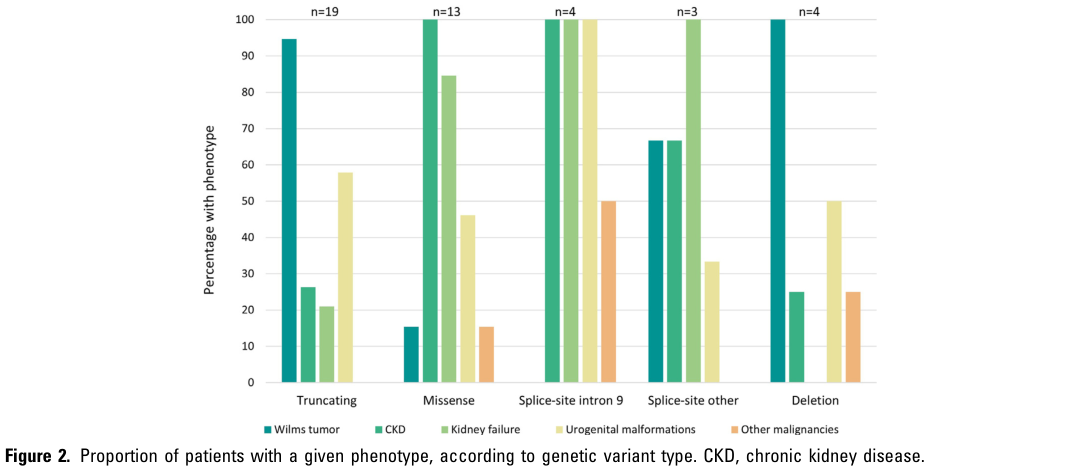
Reference Validation
Checked with linkml-reference-validator 0.3.0.
| Outcome | Count |
|---|---|
| References checked | 8 |
| Resolved | 8 |
| Unresolved (possible confabulation) | 0 |
| Unverifiable | 0 |
| References weighed for topical relevance | 8 |
| On topic | 1 |
| Off topic | 0 |
All extracted references resolved successfully.
Term Validation
Checked with linkml-term-validator 0.4.5, through the ols: adapter.
| Outcome | Count |
|---|---|
| Terms checked | 3 |
| Resolved | 2 |
| Unresolved (possible confabulation) | 0 |
| Obsolete | 0 |
| Unverifiable | 1 |
| Terms whose name was checked | 1 |
| Terms named correctly | 0 |
| Terms named as a different term | 1 |
Terms the report names something else
These identifiers resolve, so nothing about them looks wrong, and the ontology calls them something unrelated to what the report calls them. That usually means the identifier is not the one the sentence needs:
MONDO:0008679(2 mentions) - the report calls it "if available"; MONDO calls it Wilms tumor 1
Prefixes with no resolver
Terms carrying these prefixes were not checked either way, because no configured ontology covers them. An unrecognised prefix may name an ontology this run could not reach as easily as one that does not exist, so nothing here is evidence of fabrication: Orphanet.