Statin Toxicity
Statin toxicity is the adverse-effect spectrum of HMG-CoA reductase inhibitor therapy. One drug-target engagement produces it, but the engagement is shared with the drug's intended action, so the entry is organised by what the drug does where it is not wanted rather than by a lesion the patient carries. Statins inhibit HMG-CoA reductase in skeletal muscle as well as in liver, and the resulting loss of mevalonate-pathway isoprenoid intermediates - not the loss of cholesterol itself - is what experimental rescue points to as the proximate cause of myocyte injury. Above that molecular step the entry splits into strata that share almost nothing clinically: reported muscle symptoms with a normal creatine kinase, creatine-kinase-defined myopathy, rhabdomyolysis with pigment nephropathy, an uncommon anti-HMGCR immune-mediated necrotizing myopathy that persists after the drug is stopped, aminotransferase elevation, and an excess of new-onset diabetes put at around 10% relative risk by randomised trials. The strata carry different denominators, different diagnostic routes and opposite management - a careful rechallenge is appropriate for ordinary muscle symptoms and is permanently avoided once anti-HMGCR disease is confirmed - so they are kept apart as subtypes rather than merged into a single frequency. Host susceptibility is pharmacokinetic, not Mendelian: reduced-function alleles of the hepatic uptake transporter SLCO1B1 and the efflux transporter ABCG2 raise systemic drug exposure, which raises risk without being necessary or sufficient for injury.
Ask OpenScientist
Ask a research question about Statin Toxicity. OpenScientist will conduct autonomous deep research using the Disorder Mechanisms Knowledge Base and PubMed literature (typically 10-30 minutes).
Do not include personal health information in your question. Questions and results are cached in your browser's local storage.
Subtypes
5Show evidence (2 references)
Show evidence (1 reference)
Show evidence (1 reference)
Show evidence (1 reference)
Show evidence (1 reference)
Discussions and Knowledge Gaps
3Show evidence (2 references)
Show evidence (1 reference)
Show evidence (2 references)
Pathophysiology
14Show evidence (1 reference)
Show evidence (3 references)
Show evidence (1 reference)
Show evidence (1 reference)
Show evidence (1 reference)
Show evidence (2 references)
Show evidence (1 reference)
Show evidence (1 reference)
Show evidence (1 reference)
Show evidence (1 reference)
Show evidence (1 reference)
Show evidence (2 references)
Show evidence (1 reference)
Show evidence (1 reference)
Pathograph
Phenotypes
11Digestive 1
Show evidence (1 reference)
Endocrine 1
Show evidence (1 reference)
Genitourinary 2
Show evidence (1 reference)
Show evidence (1 reference)
Metabolism 2
Show evidence (1 reference)
Show evidence (1 reference)
Musculoskeletal 4
Show evidence (1 reference)
Show evidence (1 reference)
Show evidence (1 reference)
Show evidence (1 reference)
Constitutional 1
Show evidence (1 reference)
Genetic Associations
3Show evidence (3 references)
Variants (1)
Show evidence (1 reference)
Variants (1)
Show evidence (2 references)
Medical Actions
5Show evidence (1 reference)
Show evidence (1 reference)
Show evidence (1 reference)
Show evidence (1 reference)
Environmental Factors
1Show evidence (1 reference)
Biochemical Markers
1Show evidence (1 reference)
Diagnosis
4Show evidence (1 reference)
Show evidence (1 reference)
Show evidence (1 reference)
Show evidence (1 reference)
Prevalence
3Show evidence (1 reference)
Show evidence (1 reference)
Show evidence (1 reference)
Related Datasets
1Show evidence (1 reference)
Clinical Trials
2Show evidence (1 reference)
Show evidence (1 reference)
Experimental Models
1Show evidence (1 reference)
Show evidence (1 reference)
Show evidence (1 reference)
Show evidence (1 reference)
Animal Models
1Show evidence (1 reference)
Show evidence (1 reference)
Source YAML
click to showname: Statin Toxicity
creation_date: '2026-10-23T15:00:00Z'
description: >-
Statin toxicity is the adverse-effect spectrum of HMG-CoA reductase inhibitor
therapy. One drug-target engagement produces it, but the engagement is shared with
the drug's intended action, so the entry is organised by what the drug does where
it is not wanted rather than by a lesion the patient carries. Statins inhibit
HMG-CoA reductase in skeletal muscle as well as in liver, and the resulting loss
of mevalonate-pathway isoprenoid intermediates - not the loss of cholesterol
itself - is what experimental rescue points to as the proximate cause of myocyte
injury. Above that molecular step the entry splits into strata that share almost
nothing clinically: reported muscle symptoms with a normal creatine kinase,
creatine-kinase-defined myopathy, rhabdomyolysis with pigment nephropathy, an
uncommon anti-HMGCR immune-mediated necrotizing myopathy that persists after the
drug is stopped, aminotransferase elevation, and an excess of new-onset diabetes
put at around 10% relative risk by randomised trials. The strata carry different denominators, different diagnostic routes
and opposite management - a careful rechallenge is appropriate for ordinary muscle
symptoms and is permanently avoided once anti-HMGCR disease is confirmed - so they are
kept apart as subtypes rather than merged into a single frequency. Host
susceptibility is pharmacokinetic, not Mendelian: reduced-function alleles of the
hepatic uptake transporter SLCO1B1 and the efflux transporter ABCG2 raise systemic
drug exposure, which raises risk without being necessary or sufficient for injury.
categories:
- Toxic Exposure Disorder
- Treatment Toxicity
category: Complex
parents:
- Poisoning
synonyms:
- statin adverse reaction
- statin-associated muscle symptoms
- statin myopathy
- statin-associated myotoxicity
- statin intolerance
disease_term:
preferred_term: statin toxicity
term:
id: MONDO:0033170
label: statin toxicity
notes: >-
No GeneReviews chapter names this disease, which is expected: GeneReviews covers
Mendelian disorders and this is an acquired adverse drug reaction with no causal
gene. The pharmacogenetic alleles recorded under genetic are susceptibility
factors for drug exposure, not a monogenic cause, and are typed SUSCEPTIBILITY
accordingly. The attribution problem is central to this entry and is deliberately
not modelled as pathophysiology: a muscle symptom arising during statin treatment
may be caused by the drug, by exercise, by an untreated thyroid or musculoskeletal
disorder, or by expectation, and blinded rechallenge is what separates these. Only
the drug-caused branches are given causal edges here.
has_subtypes:
- name: SAMS
display_name: Statin-associated muscle symptoms (CK normal or minimally raised)
description: >-
Symmetrical muscle aching, cramp, stiffness or subjective weakness arising after
initiation or dose escalation, with creatine kinase normal or only mildly raised
and no objective weakness. Improves on dechallenge. Distinguished from the strata
below by the absence of biochemical muscle injury, and managed by switching
statin, lowering the dose, alternate-day dosing or combination lipid-lowering
therapy rather than by stopping lipid-lowering treatment altogether.
Immunosuppression has no role.
evidence:
- reference: PMID:35969116
reference_title: "Step-by-step diagnosis and management of the nocebo/drucebo effect in statin-associated muscle symptoms patients: a position paper from the International Lipid Expert Panel (ILEP)."
supports: SUPPORT
evidence_source: OTHER
quote_role: REVIEW_SYNTHESIS
snippet: >-
However, complete statin intolerance occurs in only a small minority of
treated patients (estimated prevalence of only 3-5%).
explanation: >-
Separates inability to tolerate any statin from the much more commonly reported
symptom syndrome, which is the distinction this subtype exists to hold.
- reference: PMID:25694464
reference_title: "Statin-associated muscle symptoms: impact on statin therapy-European Atherosclerosis Society Consensus Panel Statement on Assessment, Aetiology and Management."
supports: SUPPORT
evidence_source: OTHER
quote_role: REVIEW_SYNTHESIS
snippet: >-
Statin-associated muscle symptoms cover a broader range of clinical
presentations, usually with normal or minimally elevated CK levels, with a
prevalence of 7-29% in registries and observational studies.
explanation: >-
The consensus definition of this stratum, including the normal or minimally
raised creatine kinase that distinguishes it from the strata below. Its 7-29%
figure is reported prevalence in registries and observational studies, not
causally attributable toxicity, which is why no frequency slot is filled from
it.
- name: CK-Defined Myopathy
display_name: Statin-induced myopathy and rhabdomyolysis
description: >-
Creatine-kinase-defined muscle injury, graded in the clinical literature by
multiples of the upper limit of normal, extending to rhabdomyolysis with
myoglobin release and acute kidney injury. Dose- and exposure-dependent, and the
stratum in which the SEARCH trial's simvastatin dose comparison measured a
thirty-fold difference in incidence. Requires immediate drug withdrawal and
assessment of renal function, rather than rechallenge.
evidence:
- reference: PMID:36694885
reference_title: "Statin-related Muscle Toxicity: An Evidence-based Review."
supports: SUPPORT
evidence_source: OTHER
quote_role: REVIEW_SYNTHESIS
snippet: >-
CK levels in severe myopathy and rhabdomyolysis (SRM 4 and 5, respectively)
are raised above 10 times and 50 times the ULN, respectively
explanation: >-
Gives the biochemical grading that separates this stratum from SAMS, where
creatine kinase is normal or minimally raised.
- name: Anti-HMGCR IMNM
display_name: Statin-triggered anti-HMGCR immune-mediated necrotizing myopathy
description: >-
An uncommon autoimmune myopathy in which statin exposure is followed by an
antibody response against HMG-CoA reductase itself. Progressive symmetrical
proximal weakness with markedly raised creatine kinase that persists or worsens
after the statin is stopped, and biopsy showing myofiber necrosis and
regeneration with comparatively sparse lymphocytic infiltrate. Diagnosis rests
on anti-HMGCR serology; treatment is specialist-directed immunosuppression, and
statin re-exposure is permanently avoided. This is the one stratum where drug
withdrawal is not sufficient treatment.
review_notes: >-
No subtype_term is bound. MONDO:0016098 immune-mediated necrotizing myopathy was
checked and is deliberately not used: it covers the anti-SRP and statin-naive forms
as well, and the zilucoplan trial enrolling both antibody groups together is the
worked illustration of why they are not the same stratum. Binding it would assert
that this row is that class rather than a part of it. MONDO has no term for the
statin-triggered anti-HMGCR form, and none of the other four strata has a MONDO
term either; neither research run supplied subtype identifiers.
evidence:
- reference: PMID:41010829
reference_title: "Clinical Characteristics and Management of Statin-Associated Anti-3-Hydroxy-3-Methylglutaryl-Coenzyme A Reductase Immune-Mediated Necrotizing Myopathy."
supports: SUPPORT
evidence_source: HUMAN_CLINICAL
snippet: >-
The initial creatine kinase (CK) levels ranged from 1438 to over 13,000 IU/L.
explanation: >-
Documents the markedly raised creatine kinase that characterises this stratum,
far above the normal or minimally raised values that define SAMS.
- name: Hepatotoxicity
display_name: Statin-associated aminotransferase elevation and liver injury
description: >-
Usually asymptomatic alanine and aspartate aminotransferase elevation;
clinically important drug-induced liver injury is uncommon. A trial safety
threshold of three times the upper limit of normal is used for reassessment, but
a mild isolated elevation is neither proof of hepatocellular destruction nor
necessarily of hepatic origin, since aspartate aminotransferase also rises from
injured muscle.
evidence:
- reference: PMID:38751493
reference_title: "Statin-Associated Liver Dysfunction and Muscle Injury: epidemiology, Mechanisms, and Management Strategies."
supports: SUPPORT
evidence_source: HUMAN_CLINICAL
quote_role: REVIEW_SYNTHESIS
snippet: >-
The deteriorated liver function, especially the increase of serum alanine
aminotransferase (ALT) and/or aspartate aminotransferase (AST), is one of the
most common side effects of statins.
explanation: >-
Establishes aminotransferase elevation as a distinct and common manifestation,
separate from the muscle strata.
- name: New-Onset Diabetes
display_name: Statin-associated dysglycemia and new-onset diabetes
description: >-
New-onset diabetes in excess during treatment, put at around 10% relative
risk by randomised trials, greater at higher treatment intensity and concentrated
in people with baseline metabolic risk. Detected by fasting glucose
or glycated hemoglobin rather than by creatine kinase, and managed by metabolic
treatment and benefit-risk reassessment rather than by automatic statin
cessation.
evidence:
- reference: PMID:39169014
reference_title: "Different diabetogenic effect of statins according to intensity and dose in patients with acute myocardial infarction: a nationwide cohort study."
supports: SUPPORT
evidence_source: HUMAN_CLINICAL
snippet: >-
High-intensity statin was a significant predictor of NODM after adjusting for
other co-variables
explanation: >-
Supports treatment intensity as a determinant of this stratum, which is what
distinguishes it from the dose-independent attribution problem in SAMS.
pathophysiology:
- name: Reduced Statin Transporter Function
description: >-
Reduced-function variants of two transporters that between them govern how much
of an administered dose reaches the systemic circulation. OATP1B1, encoded by
SLCO1B1, is the hepatic uptake transporter, so reduced function lowers hepatic
extraction of the drug. BCRP, encoded by ABCG2, is an efflux transporter whose
contribution to statin disposition is not hepatic extraction, so reduced function
is recorded here as raising systemic availability without this entry asserting
which compartment it acts in - the source measures accumulation, not its site.
This node is host susceptibility rather than drug action: it injures nothing by
itself, and its only consequence in this pathograph is the concentration reached
by a given dose. It is absent in most people who develop toxicity, so the chain
below it runs with or without it.
role: modifier
biological_scale: MOLECULAR
genes:
- preferred_term: SLCO1B1
term:
id: hgnc:10959
label: SLCO1B1
- preferred_term: ABCG2
term:
id: hgnc:74
label: ABCG2
molecular_functions:
- preferred_term: xenobiotic transmembrane transporter activity
modifier: DECREASED
term:
id: GO:0042910
label: xenobiotic transmembrane transporter activity
evidence:
- reference: PMID:39796117
reference_title: "Effect of Genetic Variants on Rosuvastatin Pharmacokinetics in Healthy Volunteers: Involvement of ABCG2, SLCO1B1 and NAT2."
supports: SUPPORT
evidence_source: HUMAN_CLINICAL
snippet: >-
DF and PF volunteers for SLCO1B1 showed an increase in AUC72h/DW
explanation: >-
Measures reduced OATP1B1 function raising drug exposure, so each of the two
transporters bound on this node has a measurement of its own rather than one
standing in for both.
downstream:
- target: Elevated Systemic Statin Exposure
causal_link_type: DIRECT
description: >-
Reduced uptake and efflux capacity leave more drug in the systemic circulation
for a given administered dose.
evidence:
- reference: PMID:39796117
reference_title: "Effect of Genetic Variants on Rosuvastatin Pharmacokinetics in Healthy Volunteers: Involvement of ABCG2, SLCO1B1 and NAT2."
supports: SUPPORT
evidence_source: HUMAN_CLINICAL
snippet: >-
Genetic analysis showed that decreased (DF) and poor function (PF) volunteers
for the ABCG2 transporter had higher AUC
explanation: >-
A pharmacokinetic measurement in healthy volunteers of the exact step this
edge asserts - reduced transporter function raising systemic drug exposure -
rather than of any downstream injury.
notes: >-
The two transporters move the drug in opposite directions and are bound to one
molecular function here because GO's separate canonical activities for them -
organic-anion transport for OATP1B1, ABC-type xenobiotic efflux for BCRP - would
split a node whose single claim is the capacity to clear the drug from the
circulation.
- name: Elevated Systemic Statin Exposure
description: >-
The systemic statin concentration actually reached, which is what determines
delivery of drug to tissues other than liver. Set by the molecule and dose, by
interacting drugs that inhibit statin metabolism or transport, by renal and
hepatic function, and by the transporter genotype above. Higher exposure is the
quantity that scales with risk in the dose-comparison and genotype literature
alike.
role: trigger
biological_scale: ORGANISM
chemical_entities:
- preferred_term: statin
modifier: INCREASED
term:
id: CHEBI:87631
label: statin
evidence:
- reference: PMID:36694885
reference_title: "Statin-related Muscle Toxicity: An Evidence-based Review."
supports: NO_EVIDENCE
evidence_source: OTHER
quote_role: REVIEW_SYNTHESIS
snippet: >-
Numerous risk factors and pathological mechanisms have been proposed for the
development of SRM, but a detailed mechanism has yet to be determined.
explanation: >-
Graded NO_EVIDENCE because it does not bear on this node's claim: it is the
review's statement that the mechanism downstream of exposure is unsettled.
Carried because a reader of the chain below needs to know the field regards it
as incompletely determined, not because it supports the chain.
- reference: PMID:21732624
reference_title: "A small-molecule screening strategy to identify suppressors of statin myopathy."
supports: SUPPORT
evidence_source: IN_VITRO
quote_role: BACKGROUND
snippet: >-
Genome-wide association studies for statin myopathy have pointed to
polymorphisms in the hepatic organic anion transporter that may influence
circulating levels of statins (7).
explanation: >-
States that transporter genotype influences the circulating statin level, which
is this node's claim: what reaches tissue is the systemic concentration, and it
varies with host handling of the drug.
- reference: PMID:38751493
reference_title: "Statin-Associated Liver Dysfunction and Muscle Injury: epidemiology, Mechanisms, and Management Strategies."
supports: SUPPORT
evidence_source: OTHER
quote_role: REVIEW_SYNTHESIS
snippet: >-
Some statins (atorvastatin, simvastatin, and lovastatin) are metabolized by the
enzyme CYP3A4 in the liver. When it is used in large doses or in combination
with CYP3A4 inhibitors (such as macrolides), both of the drug concentration and
the liver load increase significantly, which can directly cause liver damage.
explanation: >-
Supports the drug-interaction determinant this node names: co-administration of
a CYP3A4 inhibitor raises the concentration reached. This is the most clinically
actionable route to elevated exposure.
downstream:
- target: HMG-CoA Reductase Inhibition in Skeletal Muscle
causal_link_type: DIRECT
description: >-
Drug reaching skeletal muscle engages the same enzyme it engages in liver; the
muscle is not a target tissue for the therapeutic effect, and this engagement
is the whole of the off-target lesion.
evidence:
- reference: PMID:21067805
reference_title: "Intensive lowering of LDL cholesterol with 80 mg versus 20 mg simvastatin daily in 12,064 survivors of myocardial infarction: a double-blind randomised trial."
supports: SUPPORT
directness: INDIRECT
evidence_source: HUMAN_CLINICAL
snippet: >-
Compared with two (0·03%) cases of myopathy in patients taking 20 mg
simvastatin daily, there were 53 (0·9%) cases in the 80 mg group.
explanation: >-
A randomised comparison of two doses of one statin, so the thirty-fold
difference in myopathy is attributable to drug exposure. It is graded INDIRECT
because it measures the clinical endpoint rather than enzyme inhibition in
muscle, from which the inhibition step is inferred.
- target: Impaired Glucose Regulation
causal_link_type: INDIRECT_UNKNOWN_INTERMEDIATES
description: >-
Treatment is followed by a shift in glucose handling that scales with treatment
intensity. The intermediates are marked unknown because the step between drug
exposure and dysglycemia is not established: insulin resistance and impaired
beta-cell function are both proposed and neither is demonstrated here.
evidence:
- reference: PMID:39169014
reference_title: "Different diabetogenic effect of statins according to intensity and dose in patients with acute myocardial infarction: a nationwide cohort study."
supports: SUPPORT
directness: INDIRECT
evidence_source: HUMAN_CLINICAL
quote_role: BACKGROUND
snippet: >-
The hyperglycemic state associated with statins can be induced by increased
insulin resistance, possibly associated with changes in free fatty acids18,
harmful effects on beta cell function, or possibly a combination of the two
explanation: >-
States the proposed route from drug to dysglycemia, and states it as a
possibility - which is precisely why this edge's intermediates are recorded as
unknown. The sentence is the cohort study's discussion of prior mechanistic
work rather than its own result, which quote_role records.
- name: HMG-CoA Reductase Inhibition in Skeletal Muscle
description: >-
Competitive inhibition of HMG-CoA reductase within the myocyte. The enzyme and
the binding are the same as in the hepatocyte, where the identical inhibition is
the intended therapeutic action - which is why no host variant is required
anywhere in this chain, and why the toxicity cannot be separated from the drug's
mechanism of benefit.
role: central_effector
biological_scale: MOLECULAR
genes:
- preferred_term: HMGCR
term:
id: hgnc:5006
label: HMGCR
molecular_functions:
- preferred_term: HMG-CoA reductase activity in skeletal muscle
modifier: DECREASED
term:
id: GO:0004420
label: hydroxymethylglutaryl-CoA reductase (NADPH) activity
cell_types:
- preferred_term: skeletal muscle fiber
term:
id: CL:0008002
label: skeletal muscle fiber
evidence:
- reference: PMID:21732624
reference_title: "A small-molecule screening strategy to identify suppressors of statin myopathy."
supports: SUPPORT
evidence_source: IN_VITRO
directness: INDIRECT
quote_role: BACKGROUND
snippet: >-
The etiology of this side effect is not fully understood, but is generally
thought to be on-target, that is, related to statins' effects on HMG-CoA
reductase.
explanation: >-
States that the muscle side effect is on-target - an effect of inhibiting
HMG-CoA reductase itself - which is this node's claim. Graded INDIRECT because
the sentence reports the field's position rather than measuring enzyme
inhibition in myocytes.
downstream:
- target: Depletion of Mevalonate Pathway Isoprenoid Intermediates
causal_link_type: DIRECT
description: >-
HMG-CoA reductase catalyses the committed step of the mevalonate pathway, so
inhibiting it depletes every branch product downstream of mevalonate, not only
cholesterol.
evidence:
- reference: PMID:21732624
reference_title: "A small-molecule screening strategy to identify suppressors of statin myopathy."
supports: SUPPORT
evidence_source: IN_VITRO
quote_role: BACKGROUND
snippet: >-
It is well known that inhibiting HMG-CoA reductase results in a homeostatic
change that preserves the synthesis of mevalonate, so it has been suggested
that a decrease in other products of this pathway, such as ubiquinone (CoQ)
may underlie muscle toxicity
explanation: >-
States that enzyme inhibition reduces pathway products other than cholesterol,
which is the step this edge asserts. The sentence is the paper's framing of
prior work rather than its own result, so quote_role records that.
notes: >-
HMGCR is bound here as a pathophysiology gene descriptor rather than recorded in
the genetic section, because its relationship to this disease is as the drug's
pharmacological target and, in one stratum, as an autoantigen. Neither is a
variant-mediated gene-disease relationship, and no value of relationship_type
would state it without asserting something false.
- name: Depletion of Mevalonate Pathway Isoprenoid Intermediates
description: >-
Loss of the non-sterol branch products of the mevalonate pathway within the
myocyte - the prenyl donors farnesyl and geranylgeranyl pyrophosphate, and
ubiquinone. Which of these matters is the central mechanistic question, and
experimental rescue separates them: restoring geranylgeranyl pyrophosphate
prevents the injury, while restoring cholesterol or ubiquinone does not.
role: intermediate
biological_scale: MOLECULAR
biological_processes:
- preferred_term: isoprenoid biosynthetic process
modifier: DECREASED
term:
id: GO:0008299
label: isoprenoid biosynthetic process
- preferred_term: ubiquinone biosynthetic process
modifier: DECREASED
term:
id: GO:0006744
label: ubiquinone biosynthetic process
- preferred_term: cholesterol biosynthetic process
modifier: DECREASED
term:
id: GO:0006695
label: cholesterol biosynthetic process
evidence:
- reference: PMID:21732624
reference_title: "A small-molecule screening strategy to identify suppressors of statin myopathy."
supports: SUPPORT
evidence_source: IN_VITRO
quote_role: BACKGROUND
snippet: >-
It is well known that inhibiting HMG-CoA reductase results in a homeostatic change that preserves the synthesis of mevalonate, so it has been suggested that a decrease in other products of this pathway, such as ubiquinone (CoQ) may underlie muscle toxicity
explanation: >-
States that the pathway's other products fall when the enzyme is inhibited, which is the depletion this node asserts.
downstream:
- target: Impaired Protein Geranylgeranylation
causal_link_type: DIRECT
description: >-
Depleted geranylgeranyl pyrophosphate is the prenyl donor for
geranylgeranylation, so its loss reduces the modification.
evidence:
- reference: PMID:21732624
reference_title: "A small-molecule screening strategy to identify suppressors of statin myopathy."
supports: SUPPORT
evidence_source: IN_VITRO
snippet: >-
While FPP had no efficacy (Supplementary Figure 1), GGPP completely preserved
ATP levels in the presence of simvastatin
explanation: >-
Adding back the geranylgeranyl donor abolishes the injury, which establishes
that its depletion is the consequential one of the depleted intermediates.
notes: >-
Three branch products are annotated as depleted, and only one of them carries a
downstream edge. Ubiquinone and cholesterol are annotated because the enzyme's
inhibition does deplete them, and because the rescue experiment shows that
replacing either does not prevent myocyte injury. No edge runs from this node to
the energy deficit by way of ubiquinone: that route is the long-standing
hypothesis and the experiment argues against it, so the question is carried as a
discussion rather than drawn as an arrow the entry does not believe. Annotating a
depletion records what the drug does; an edge would claim which depletion
matters.
- name: Impaired Protein Geranylgeranylation
description: >-
Reduced geranylgeranylation of small GTPases and other prenylated substrates in
the myocyte, the modification that anchors them to membranes and is required for
their signalling. Pharmacological dissection places the relevant transferase at
geranylgeranyltransferase II rather than type I.
role: intermediate
biological_scale: MOLECULAR
biological_processes:
- preferred_term: protein geranylgeranylation
modifier: DECREASED
term:
id: GO:0018344
label: protein geranylgeranylation
evidence:
- reference: PMID:21732624
reference_title: "A small-molecule screening strategy to identify suppressors of statin myopathy."
supports: SUPPORT
evidence_source: IN_VITRO
snippet: >-
These results suggest that blockade of a Rab prenylation event by statins
contributes to muscle toxicity.
explanation: >-
The paper's own conclusion that statins block a prenylation event and that this
contributes to muscle toxicity, which is the reduced modification this node
asserts. Rab proteins are geranylgeranyltransferase II substrates, consistent
with the transferase this node names.
downstream:
- target: Myocyte Bioenergetic Failure
causal_link_type: DIRECT
description: >-
Blocking geranylgeranyl transfer while the donor is replete reproduces the
bioenergetic deficit, which places the transfer step itself in the causal path.
evidence:
- reference: PMID:21732624
reference_title: "A small-molecule screening strategy to identify suppressors of statin myopathy."
supports: SUPPORT
evidence_source: IN_VITRO
snippet: >-
We observed that inhibition of GGT-I by GGTI-2133 had no effect on the system,
while inhibition of GGT-II by BMS3 (16, 17) resulted in lower cellular ATP
explanation: >-
An intervention on the transferase, not on the donor, so it isolates the
geranylgeranylation step as the cause of the energy deficit and identifies
which transferase carries it.
- name: Myocyte Bioenergetic Failure
description: >-
Falling cellular energy charge in the statin-exposed muscle fiber, with the
accompanying stress, senescence and apoptotic programmes that human muscle biopsy
shows after rechallenge. This is the point at which a molecular lesion becomes
cell injury, and it is dose-graded rather than all-or-none, which is consistent
with the clinical spectrum running from reversible symptoms to overt necrosis.
role: intermediate
biological_scale: CELLULAR
cell_types:
- preferred_term: skeletal muscle fiber
term:
id: CL:0008002
label: skeletal muscle fiber
biological_processes:
- preferred_term: muscle cell apoptotic process
modifier: INCREASED
term:
id: GO:0010657
label: muscle cell apoptotic process
evidence:
- reference: PMID:21732624
reference_title: "A small-molecule screening strategy to identify suppressors of statin myopathy."
supports: SUPPORT
evidence_source: IN_VITRO
quote_role: BACKGROUND
snippet: >-
Specifically, we reported that a subset of statins tend to decrease cellular ATP
and MTT levels, while leaving intact the mitochondrial gene expression and
membrane potential (8).
explanation: >-
Reports the falling cellular energy charge this node asserts, and reports that
mitochondrial gene expression and membrane potential were preserved - so this
node is an energy deficit and not a demonstrated mitochondrial failure. The
sentence restates the authors' earlier work, which quote_role records.
- reference: PMID:21732624
reference_title: "A small-molecule screening strategy to identify suppressors of statin myopathy."
supports: SUPPORT
evidence_source: IN_VITRO
snippet: >-
We also observed that GGPP suppressed the effects of simvastatin on caspase-3/7
and MTT activities, indicating a role for apoptosis as well
explanation: >-
Supports the apoptotic process annotated on this node, and ties it to the same
geranylgeranyl-dependent chain: the caspase activation is suppressed by
restoring the prenyl donor.
notes: >-
No mitochondrion is annotated on this node, although the energy deficit invites
it. The source that measures the deficit reports mitochondrial gene expression and
membrane potential intact, so binding the organelle would assert a lesion the
evidence specifically did not find. Reduced mitochondrial content has been
reported in statin-exposed human muscle by other work, which is not cited here.
downstream:
- target: Skeletal Muscle Fiber Necrosis
causal_link_type: DIRECT
description: >-
Sustained energy failure and activation of apoptotic and stress programmes in
the fiber proceed to frank fiber breakdown when exposure is high enough or
prolonged enough.
evidence:
- reference: PMID:21732624
reference_title: "A small-molecule screening strategy to identify suppressors of statin myopathy."
supports: SUPPORT
directness: INDIRECT
evidence_source: IN_VITRO
snippet: >-
We also observed that GGPP suppressed the effects of simvastatin on
caspase-3/7 and MTT activities, indicating a role for apoptosis as well
explanation: >-
Shows statin exposure of muscle cells activating caspase-3/7, and the same
geranylgeranyl rescue suppressing it - so the chain above does not stop at an
energy deficit but proceeds to programmed cell death. Graded INDIRECT because
it measures caspase activity in cultured myotubes rather than fiber breakdown
in muscle. The human rechallenge cohort is deliberately not cited here: its
cases were enrolled on the criterion of muscle symptoms without significant
creatine kinase elevation, so it cannot evidence progression to necrosis.
- target: Myalgia
causal_link_type: INDIRECT_UNKNOWN_INTERMEDIATES
description: >-
Muscle pain arises at this sub-necrotic level of injury rather than from fiber
breakdown: the stratum in which myalgia is commonest is defined by a normal
creatine kinase, so muscle pain is reported where fibers are not breaking down.
What converts myocyte stress into the sensation of pain is not
established, which is why the intermediates are recorded as unknown.
evidence:
- reference: PMID:28771594
reference_title: "Patients experiencing statin-induced myalgia exhibit a unique program of skeletal muscle gene expression following statin re-challenge."
supports: SUPPORT
directness: INDIRECT
evidence_source: HUMAN_CLINICAL
snippet: >-
Based on these data we tentatively conclude that persistent myalgia in
response to statins may emanate from cellular stress underpinned by
mechanisms of post-inflammatory repair and regeneration.
explanation: >-
The authors' own reading of their muscle-biopsy data places myalgia
downstream of cellular stress rather than of fiber breakdown, which is the
edge recorded here. They state it tentatively, which the unknown
intermediates and the INDIRECT directness both record.
- name: Skeletal Muscle Fiber Necrosis
description: >-
Breakdown of muscle fibers, releasing creatine kinase and myoglobin into the
circulation. This node is the convergence point of the entry: the direct toxic
route above and the autoimmune route below both arrive here, which is why
creatine kinase elevation and proximal weakness cannot by themselves tell the two
apart, and why the course after drug withdrawal is what distinguishes them.
role: outcome
biological_scale: TISSUE
cell_types:
- preferred_term: skeletal muscle fiber
term:
id: CL:0008002
label: skeletal muscle fiber
evidence:
- reference: PMID:36694885
reference_title: "Statin-related Muscle Toxicity: An Evidence-based Review."
supports: SUPPORT
evidence_source: HUMAN_CLINICAL
quote_role: REVIEW_SYNTHESIS
snippet: >-
The higher the CK level, the greater the risk for acute metabolic complications, and with a greater release of myoglobin in severe muscle necrosis, the chance of acute kidney injury is very high.
explanation: >-
Ties muscle necrosis to both of the outputs this node asserts - creatine kinase level and myoglobin release - and grades them together by severity.
downstream:
- target: Elevated circulating creatine kinase activity
causal_link_type: DIRECT
description: Creatine kinase enters the circulation from broken-down fibers.
- target: Proximal muscle weakness
causal_link_type: DIRECT
description: >-
Loss of functioning fibers produces objective weakness. Note that the
subjective weakness reported in SAMS, where creatine kinase is normal, is not
this edge: it arises upstream of necrosis.
- target: Muscle fiber necrosis
causal_link_type: DIRECT
description: >-
Fiber breakdown is what a pathologist observes on biopsy as necrotic fibers,
which is how this mechanism becomes an examinable finding.
- target: Rhabdomyolysis
causal_link_type: DIRECT
description: >-
Extensive fiber breakdown with biochemical evidence of end-organ damage is what
the trial literature defines as rhabdomyolysis.
evidence:
- reference: PMID:21067805
reference_title: "Intensive lowering of LDL cholesterol with 80 mg versus 20 mg simvastatin daily in 12,064 survivors of myocardial infarction: a double-blind randomised trial."
supports: SUPPORT
evidence_source: HUMAN_CLINICAL
snippet: >-
Rhabdomyolysis (a subset of myopathy) was defined as creatine kinase more than
40 times the upper limit of normal plus evidence of end-organ damage
explanation: >-
Gives the operational definition tying extensive fiber breakdown and creatine
kinase release to the rhabdomyolysis endpoint.
- target: Myoglobin Release into the Circulation
causal_link_type: DIRECT
description: >-
Myoglobin held in the fiber enters the bloodstream when the fiber breaks down.
- name: Myoglobin Release into the Circulation
description: >-
Myoglobin from broken-down muscle fibers entering the bloodstream in quantity, and
reaching the glomerulus to be filtered. This is a systemic burden, not yet an
injury: it is what makes the kidney the next organ at risk, and it is the step no
treatment here can prevent once the muscle has broken down.
role: intermediate
biological_scale: ORGANISM
evidence:
- reference: PMID:36694885
reference_title: "Statin-related Muscle Toxicity: An Evidence-based Review."
supports: SUPPORT
evidence_source: HUMAN_CLINICAL
quote_role: REVIEW_SYNTHESIS
snippet: >-
the large amounts of myoglobin released from the muscle enter the circulation
and get filtered in the glomerulus
explanation: >-
States this node's two steps and no more: release from muscle into the
circulation, and glomerular filtration. The tubular injury that follows is the
next node.
downstream:
- target: Myoglobinuria
causal_link_type: DIRECT
description: >-
Filtered myoglobin appears in the urine, which is the clinically visible sign of
this burden.
- target: Myoglobin-Induced Renal Tubular Injury
causal_link_type: DIRECT
description: >-
Myoglobin deposited in the tubule is directly toxic to tubular epithelium.
- name: Myoglobin-Induced Renal Tubular Injury
description: >-
Injury to the renal tubule by deposited myoglobin. This is the complication that
makes rhabdomyolysis an emergency rather than a laboratory abnormality, and it is
the reason renal function and urine are assessed alongside creatine kinase. It is
kept separate from the release above because it is the only half of the sequence
any treatment in this entry can act on.
role: outcome
biological_scale: TISSUE
evidence:
- reference: PMID:36694885
reference_title: "Statin-related Muscle Toxicity: An Evidence-based Review."
supports: SUPPORT
evidence_source: HUMAN_CLINICAL
quote_role: REVIEW_SYNTHESIS
snippet: >-
to be deposited in the renal tubules, which can result in acute kidney injury
explanation: >-
States this node's own two steps - tubular deposition and the resulting kidney
injury - taken from the continuation of the same sentence that supports the
release node above.
downstream:
- target: Acute kidney injury
causal_link_type: DIRECT
- name: Statin-Induced HMGCR Autoantigen Exposure
description: >-
Statin exposure raises expression of the HMG-CoA reductase protein, the drug's own
target, in exposed cells. This is the proposed first step of the autoimmune
branch: more antigen available to a susceptible immune system. The step is
demonstrated in cultured cells; that it initiates the human antibody response is
inferred, and the entry does not claim otherwise.
role: trigger
biological_scale: CELLULAR
mechanism_confidence: HYPOTHETICAL
genes:
- preferred_term: HMGCR
term:
id: hgnc:5006
label: HMGCR
evidence:
- reference: PMID:21360500
reference_title: "Autoantibodies against 3-hydroxy-3-methylglutaryl-coenzyme A reductase in patients with statin-associated autoimmune myopathy."
supports: SUPPORT
evidence_source: IN_VITRO
snippet: >-
RESULTS: Statin exposure induced expression of the ∼200-kd/∼100-kd autoantigens in cultured cells.
explanation: >-
Demonstrates the antigen induction this node asserts, in cultured cells, which is why the node is marked HYPOTHETICAL as a step in human disease.
downstream:
- target: Anti-HMGCR Autoantibody Response
causal_link_type: INDIRECT_UNKNOWN_INTERMEDIATES
description: >-
Increased availability of the autoantigen is the proposed route by which an
antibody response against it arises in a susceptible person. The intermediates
are unknown: antigen induction is shown in cultured cells, and what carries it
from there to a human autoantibody response is not established.
evidence:
- reference: PMID:21360500
reference_title: "Autoantibodies against 3-hydroxy-3-methylglutaryl-coenzyme A reductase in patients with statin-associated autoimmune myopathy."
supports: SUPPORT
directness: INDIRECT
evidence_source: IN_VITRO
snippet: >-
RESULTS: Statin exposure induced expression of the ∼200-kd/∼100-kd
autoantigens in cultured cells.
explanation: >-
Shows the drug inducing the autoantigen in cultured cells. The inference to a
human antibody response is an additional step the quote does not make, which
is what directness records.
- name: Anti-HMGCR Autoantibody Response
description: >-
A circulating antibody response against HMG-CoA reductase. The same protein the
drug inhibits becomes the target of autoimmunity, which is what makes this stratum
self-sustaining: removing the drug removes the inhibition but not the antibody, so
the disease continues after withdrawal. Antibody detection is the diagnostic test
for this branch.
role: central_effector
biological_scale: ORGANISM
biological_processes:
- preferred_term: humoral immune response mediated by circulating immunoglobulin
modifier: INCREASED
term:
id: GO:0002455
label: humoral immune response mediated by circulating immunoglobulin
evidence:
- reference: PMID:21360500
reference_title: "Autoantibodies against 3-hydroxy-3-methylglutaryl-coenzyme A reductase in patients with statin-associated autoimmune myopathy."
supports: SUPPORT
evidence_source: IN_VITRO
snippet: >-
The identity of the ∼100-kd autoantigen was confirmed by immunoprecipitation of
in vitro-translated 3-hydroxy-3-methylglutaryl-coenzyme A reductase (HMGCR)
protein.
explanation: >-
Identifies HMG-CoA reductase as the antigen of the antibody response this node
asserts, which is what makes the drug's target and the autoantigen the same
protein. Graded IN_VITRO: the experiment is immunoprecipitation of in
vitro-translated protein, and patient serum being the reagent does not make it a
clinical observation.
downstream:
- target: Autoimmune Myofiber Necrosis and Regeneration
causal_link_type: INDIRECT_UNKNOWN_INTERMEDIATES
description: >-
The antibody response is accompanied by necrotizing muscle injury that responds
to immunosuppression rather than to drug withdrawal, which is the basis for
treating it as immune-mediated. The intermediates are recorded as unknown
because what the antibody does to the fiber is exactly what is unsettled: the
candidate effector was terminal complement, and the one trial that inhibited it
in patients was negative.
evidence:
- reference: PMID:21360500
reference_title: "Autoantibodies against 3-hydroxy-3-methylglutaryl-coenzyme A reductase in patients with statin-associated autoimmune myopathy."
supports: SUPPORT
directness: INDIRECT
evidence_source: HUMAN_CLINICAL
quote_role: BACKGROUND
snippet: >-
Given that these patients had proximal muscle weakness, elevated CK levels,
MHC I expression on non-necrotic muscle fibers, autoantibodies, and responded
to immunosuppression, we concluded that these patients had an IMNM.
explanation: >-
Joins the antibody to the necrotizing myopathy and to its response to
immunosuppression, which is this edge's claim. Graded INDIRECT because
co-occurrence plus treatment response is an inference to the antibody being
the cause, not a demonstration of it, and BACKGROUND because the sentence
restates the authors' prior series.
notes: >-
Whether terminal complement deposition carries the injury is unsettled and is
recorded as a knowledge gap rather than as an edge: a randomised trial of C5
inhibition in this disease was negative despite target engagement, so a
complement-mediated effector edge would assert more than the evidence supports.
- name: Autoimmune Myofiber Necrosis and Regeneration
description: >-
Myofiber necrosis with regeneration and myophagocytosis, and comparatively sparse
lymphocytic inflammation, which is the histological signature that separates this
stratum from an inflammatory myositis. Clinically it is progressive symmetrical
proximal weakness with markedly raised creatine kinase that persists after the
statin is stopped.
role: outcome
biological_scale: TISSUE
cell_types:
- preferred_term: skeletal muscle fiber
term:
id: CL:0008002
label: skeletal muscle fiber
evidence:
- reference: PMID:21360500
reference_title: "Autoantibodies against 3-hydroxy-3-methylglutaryl-coenzyme A reductase in patients with statin-associated autoimmune myopathy."
supports: SUPPORT
evidence_source: HUMAN_CLINICAL
snippet: >-
Regenerating muscle cells express high levels of HMGCR, which may sustain the
immune response even after statins are discontinued.
explanation: >-
States the mechanism of this node's defining feature: the regenerating fiber
itself supplies the antigen, so the process is self-sustaining once the drug is
gone. This is why withdrawal is not sufficient treatment in this stratum, and
why the node sits downstream of the antibody rather than of drug exposure.
- reference: PMID:41010829
reference_title: "Clinical Characteristics and Management of Statin-Associated Anti-3-Hydroxy-3-Methylglutaryl-Coenzyme A Reductase Immune-Mediated Necrotizing Myopathy."
supports: SUPPORT
evidence_source: HUMAN_CLINICAL
snippet: >-
Among patients observed for over 180 days, six out of eight achieved complete
remission, with a median of 242 days from treatment initiation, but three
relapsed without statin re-challenges.
explanation: >-
Relapse in the absence of any re-exposure is the clinical observation that the
preceding mechanism predicts, and it is the reason this stratum is managed as an
autoimmune disease rather than as a drug effect.
downstream:
- target: Skeletal Muscle Fiber Necrosis
causal_link_type: DIRECT
description: >-
The autoimmune route converges on the same fiber breakdown as the direct toxic
route, which is why both produce creatine kinase release and proximal weakness.
- target: Necrotizing myopathy
causal_link_type: DIRECT
- target: Dysphagia
causal_link_type: DIRECT
description: >-
Pharyngeal muscle involvement in more severe disease.
- name: Impaired Glucose Regulation
description: >-
A shift in glucose handling during statin treatment, graded by treatment
intensity, which in susceptible people crosses into new-onset diabetes. The
candidate mechanisms are increased insulin resistance and an adverse effect on
beta-cell function. Neither is settled, and neither has been demonstrated in a
tissue; what is established is the association with treatment intensity. The
mechanism is therefore marked unknown, and no cell type is bound.
role: intermediate
biological_scale: ORGANISM
mechanism_confidence: HYPOTHETICAL
biological_processes:
- preferred_term: glucose homeostasis
modifier: DYSREGULATED
term:
id: GO:0042593
label: glucose homeostasis
evidence:
- reference: PMID:39169014
reference_title: "Different diabetogenic effect of statins according to intensity and dose in patients with acute myocardial infarction: a nationwide cohort study."
supports: SUPPORT
evidence_source: HUMAN_CLINICAL
quote_role: BACKGROUND
snippet: >-
The hyperglycemic state associated with statins can be induced by increased
insulin resistance, possibly associated with changes in free fatty acids18,
harmful effects on beta cell function, or possibly a combination of the two
explanation: >-
Names both candidate mechanisms for the dysglycemia this node asserts - insulin
resistance and beta-cell dysfunction - and names them as possibilities, which is
the uncertainty the node's HYPOTHETICAL confidence records.
downstream:
- target: Type II diabetes mellitus
causal_link_type: DIRECT
description: >-
Sustained impairment of glucose handling is what is diagnosed as new-onset
diabetes when it crosses the diagnostic threshold.
notes: >-
This node's upstream edge from Elevated Systemic Statin Exposure is recorded with
unknown intermediates, and the node carries no cell type, because no tissue has
been shown here to be the site of the effect. Insulin resistance and beta-cell
dysfunction are both proposed; annotating either as the mechanism would assert a
choice the sources do not make.
- name: Hepatocyte Mitochondrial Injury
description: >-
Statin exposure injures hepatocyte mitochondria in a time- and dose-dependent
manner in experimental systems, with loss of membrane potential and increased
superoxide. This is the proposed basis of the aminotransferase elevation seen
clinically; the link from the experimental lesion to the clinical enzyme rise in
patients is not established, and most mild elevations are not shown to reflect
hepatocellular destruction at all.
role: intermediate
conforms_to: "drug_induced_liver_injury#Mitochondrial Dysfunction and Oxidative Stress"
biological_scale: CELLULAR
mechanism_confidence: PROVISIONAL
cell_types:
- preferred_term: hepatocyte
term:
id: CL:0000182
label: hepatocyte
cellular_components:
- preferred_term: mitochondrion
term:
id: GO:0005739
label: mitochondrion
biological_processes:
- preferred_term: response to oxidative stress
modifier: INCREASED
term:
id: GO:0006979
label: response to oxidative stress
evidence:
- reference: PMID:38751493
reference_title: "Statin-Associated Liver Dysfunction and Muscle Injury: epidemiology, Mechanisms, and Management Strategies."
supports: SUPPORT
evidence_source: IN_VITRO
quote_role: REVIEW_SYNTHESIS
snippet: >-
Statins can result in a decrease in membrane potential and a significant increase in superoxides in mitochondria, which then lead to serious mitochondrial damage.
explanation: >-
States the mitochondrial lesion this node asserts - lost membrane potential and increased superoxide - as reported from experimental work in a review.
downstream:
- target: Elevated circulating hepatic transaminase concentration
causal_link_type: INDIRECT_UNKNOWN_INTERMEDIATES
description: >-
Hepatocyte injury releases aminotransferases. The intermediates are recorded as
unknown because the mitochondrial lesion is demonstrated in vitro while the
clinical enzyme elevation is observed separately, and the two have not been
joined in patients.
evidence:
- reference: PMID:38751493
reference_title: "Statin-Associated Liver Dysfunction and Muscle Injury: epidemiology, Mechanisms, and Management Strategies."
supports: SUPPORT
directness: INDIRECT
evidence_source: IN_VITRO
quote_role: REVIEW_SYNTHESIS
snippet: >-
In vitro experiments have found that the damage of liver mitochondria caused
by statins is time-dependent and dose-dependent.
explanation: >-
Reports the experimental hepatocyte mitochondrial lesion. It is a review's
synthesis of in vitro work, and the step to a patient's enzyme elevation is an
inference, which directness and quote_role record.
notes: >-
Conforms to the drug-induced liver injury module's mitochondrial amplifier node,
which exists so a drug-toxicity entry need not re-derive the hepatotoxicity chain;
the module's generic hepatotoxic drug is substituted by the statin. The
oxidative-stress process is annotated because the cited source reports increased
mitochondrial superoxide specifically. Two neighbouring modules were considered
and rejected: sarcolemmal_fragility_myofiber_necrosis is scoped to mechanical
fragility of the dystrophin complex rather than toxic metabolic injury, and
drug_induced_nephrotoxicity begins with tubular uptake of the drug, whereas the
nephrotoxin in this entry is myoglobin rather than the statin.
phenotypes:
- category: Clinical
name: Myalgia
description: >-
Muscle aching, usually symmetrical and proximal, arising after statin initiation
or dose escalation and improving on withdrawal. The commonest reported adverse
effect and the commonest reason for discontinuation, and the one where attribution
is hardest, because creatine kinase is typically normal and exercise, intercurrent
illness and expectation produce the same complaint.
subtype: SAMS
phenotype_term:
preferred_term: Myalgia
term:
id: HP:0003326
label: Myalgia
evidence:
- reference: PMID:28771594
reference_title: "Patients experiencing statin-induced myalgia exhibit a unique program of skeletal muscle gene expression following statin re-challenge."
supports: SUPPORT
evidence_source: HUMAN_CLINICAL
snippet: >-
Although statins are generally well tolerated, up to ten percent of
statin-treated patients experience myalgia symptoms, defined as muscle pain
without elevated creatinine phosphokinase (CPK) levels.
explanation: >-
States both the phenotype and the feature that defines this stratum - muscle
pain without creatine kinase elevation. No frequency slot is filled from the
ten percent figure: it counts reported symptoms rather than symptoms shown to
be caused by the drug, and blinded rechallenge shows those are not the same
quantity.
- category: Clinical
name: Proximal muscle weakness
description: >-
Weakness of the proximal limb muscles, impairing rising from a chair, climbing
stairs and lifting the arms. Subjective weakness occurs in ordinary muscle
symptoms, but objective and progressive proximal weakness, particularly when it
continues after the statin is stopped, is what should prompt evaluation for
anti-HMGCR disease.
phenotype_term:
preferred_term: Proximal muscle weakness
term:
id: HP:0003701
label: Proximal muscle weakness
evidence:
- reference: PMID:21360500
reference_title: "Autoantibodies against 3-hydroxy-3-methylglutaryl-coenzyme A reductase in patients with statin-associated autoimmune myopathy."
supports: SUPPORT
evidence_source: HUMAN_CLINICAL
snippet: >-
Given that these patients had proximal muscle weakness, elevated CK levels, MHC
I expression on non-necrotic muscle fibers, autoantibodies, and responded to
immunosuppression, we concluded that these patients had an IMNM.
explanation: >-
Documents proximal weakness as a defining clinical feature of the autoimmune
stratum, alongside the antibody and the treatment response.
- category: Laboratory
name: Elevated circulating creatine kinase activity
description: >-
Raised serum creatine kinase, the marker of muscle fiber injury. It is graded by
multiples of the upper limit of normal and is the axis on which the muscle strata
are separated, but it is neither sensitive nor specific for drug causation: it is
commonly normal in symptomatic patients, and it rises from exercise and from other
muscle disease.
phenotype_term:
preferred_term: Elevated circulating creatine kinase activity
term:
id: HP:0003236
label: Elevated circulating creatine kinase activity
evidence:
- reference: PMID:36694885
reference_title: "Statin-related Muscle Toxicity: An Evidence-based Review."
supports: SUPPORT
evidence_source: OTHER
quote_role: REVIEW_SYNTHESIS
snippet: >-
In patients with a CK elevation of more than four times the ULN, and definitely
in those with a CK elevation of above 10 times the ULN, even without the muscle
symptoms, statin therapy should be stopped.
explanation: >-
Gives the thresholds at which the raised enzyme changes management, which is the
sense in which this laboratory phenotype is graded here.
- category: Clinical
name: Rhabdomyolysis
description: >-
Extensive muscle breakdown with markedly raised creatine kinase and biochemical
evidence of end-organ damage. The severe end of the direct toxic spectrum,
strongly exposure-dependent, and the manifestation that requires immediate drug
withdrawal and renal assessment.
subtype: CK-Defined Myopathy
phenotype_term:
preferred_term: Rhabdomyolysis
term:
id: HP:0003201
label: Rhabdomyolysis
evidence:
- reference: PMID:36694885
reference_title: "Statin-related Muscle Toxicity: An Evidence-based Review."
supports: SUPPORT
evidence_source: HUMAN_CLINICAL
quote_role: REVIEW_SYNTHESIS
snippet: >-
The most common adverse effects associated with statins involve muscle-related
toxicity, which results in myalgia, myopathy and rhabdomyolysis.
explanation: >-
Places rhabdomyolysis within the muscle-toxicity spectrum of this drug class.
- category: Pathological
name: Muscle fiber necrosis
description: >-
Necrosis of skeletal muscle fibers on biopsy. In the autoimmune stratum it is
accompanied by regeneration and myophagocytosis with comparatively sparse
lymphocytic infiltrate, which is what distinguishes it histologically from an
inflammatory myositis.
phenotype_term:
preferred_term: Muscle fiber necrosis
term:
id: HP:0003713
label: Muscle fiber necrosis
evidence:
- reference: PMID:21360500
reference_title: "Autoantibodies against 3-hydroxy-3-methylglutaryl-coenzyme A reductase in patients with statin-associated autoimmune myopathy."
supports: SUPPORT
evidence_source: HUMAN_CLINICAL
quote_role: BACKGROUND
snippet: >-
In addition to inducing a self-limited myopathy, statin use is associated with
an immune-mediated necrotizing myopathy (IMNM), with autoantibodies that
recognize ∼200-kd and ∼100-kd autoantigens.
explanation: >-
Establishes the necrotizing muscle pathology of the autoimmune stratum and
distinguishes it from the self-limited myopathy of the direct toxic route.
- category: Clinical
name: Necrotizing myopathy
description: >-
An immune-mediated necrotizing myopathy triggered by statin exposure, with
progressive proximal weakness and markedly raised creatine kinase persisting after
the drug is withdrawn. Rare relative to the scale of statin use, and the only
manifestation here that requires immunosuppression.
subtype: Anti-HMGCR IMNM
frequency: VERY_RARE
phenotype_term:
preferred_term: Necrotizing myopathy
term:
id: HP:0008978
label: Necrotizing myopathy
clinical_course: PROGRESSIVE
evidence:
- reference: PMID:36694885
reference_title: "Statin-related Muscle Toxicity: An Evidence-based Review."
supports: SUPPORT
evidence_source: HUMAN_CLINICAL
quote_role: REVIEW_SYNTHESIS
snippet: >-
SINAM is an exceptionally uncommon condition, with an occurrence of 1–2 cases
per million statin users in a year.
explanation: >-
Supports the rarity recorded in frequency, counted against a denominator of
statin users rather than of the general population.
- category: Laboratory
name: Myoglobinuria
description: >-
Myoglobin in the urine from massive muscle breakdown, clinically evident as dark
urine, and the mediator of the renal injury of rhabdomyolysis.
subtype: CK-Defined Myopathy
phenotype_term:
preferred_term: Myoglobinuria
term:
id: HP:0002913
label: Myoglobinuria
evidence:
- reference: PMID:36694885
reference_title: "Statin-related Muscle Toxicity: An Evidence-based Review."
supports: SUPPORT
evidence_source: OTHER
quote_role: REVIEW_SYNTHESIS
snippet: >-
Hence, CK levels should be urgently checked in patients complaining of muscle
symptoms or highly coloured urine (suggestive of myoglobinuria) in order to
avoid severe adverse effects, despite their occurrence being very low.
explanation: >-
Records myoglobinuria as a recognised manifestation, names the clinical sign
that suggests it, and states its rarity.
- category: Clinical
name: Acute kidney injury
description: >-
Acute renal failure from filtered myoglobin injuring the tubule, the complication
that makes severe statin-induced rhabdomyolysis an emergency.
subtype: CK-Defined Myopathy
phenotype_term:
preferred_term: Acute kidney injury
term:
id: HP:0001919
label: Acute kidney injury
temporality: ACUTE
evidence:
- reference: PMID:36694885
reference_title: "Statin-related Muscle Toxicity: An Evidence-based Review."
supports: SUPPORT
evidence_source: HUMAN_CLINICAL
quote_role: REVIEW_SYNTHESIS
snippet: >-
The higher the CK level, the greater the risk for acute metabolic
complications, and with a greater release of myoglobin in severe muscle
necrosis, the chance of acute kidney injury is very high.
explanation: >-
Supports acute kidney injury as a consequence of severe muscle necrosis, graded
by the amount of myoglobin released.
- category: Clinical
name: Dysphagia
description: >-
Swallowing difficulty from pharyngeal muscle involvement in more severe
anti-HMGCR disease.
subtype: Anti-HMGCR IMNM
phenotype_term:
preferred_term: Dysphagia
term:
id: HP:0002015
label: Dysphagia
evidence:
- reference: PMID:41010829
reference_title: "Clinical Characteristics and Management of Statin-Associated Anti-3-Hydroxy-3-Methylglutaryl-Coenzyme A Reductase Immune-Mediated Necrotizing Myopathy."
supports: SUPPORT
evidence_source: HUMAN_CLINICAL
quote_role: PRIMARY_RESULT
snippet: >-
In addition, we observed one case of dysphagia during follow-up
explanation: >-
The authors' own observation of dysphagia in this anti-HMGCR series. The quote
is cut at the attribution boundary: the sentence continues with a 20-50% figure
the authors take from other large cohorts, so quoting the whole sentence would
present somebody else's frequency as this paper's finding. No frequency slot is
filled here for the same reason.
- category: Laboratory
name: Elevated circulating hepatic transaminase concentration
description: >-
Raised alanine and aspartate aminotransferase, usually asymptomatic and often
transient. A mild isolated rise does not establish hepatocellular injury, and
aspartate aminotransferase also rises from injured muscle, so an elevation found
alongside muscle symptoms is not necessarily hepatic in origin.
subtype: Hepatotoxicity
phenotype_term:
preferred_term: Elevated circulating hepatic transaminase concentration
term:
id: HP:0002910
label: Elevated circulating hepatic transaminase concentration
evidence:
- reference: PMID:38751493
reference_title: "Statin-Associated Liver Dysfunction and Muscle Injury: epidemiology, Mechanisms, and Management Strategies."
supports: SUPPORT
evidence_source: HUMAN_CLINICAL
quote_role: REVIEW_SYNTHESIS
snippet: >-
The deteriorated liver function, especially the increase of serum alanine
aminotransferase (ALT) and/or aspartate aminotransferase (AST), is one of the
most common side effects of statins.
explanation: >-
Supports aminotransferase elevation as a common manifestation of this drug
class.
- category: Clinical
name: Type II diabetes mellitus
description: >-
New-onset type 2 diabetes, in excess during statin treatment and more so at
higher treatment intensity. Weighed against the cardiovascular benefit
rather than treated as a reason for automatic withdrawal.
subtype: New-Onset Diabetes
phenotype_term:
preferred_term: Type II diabetes mellitus
term:
id: HP:0005978
label: Type II diabetes mellitus
evidence:
- reference: PMID:39169014
reference_title: "Different diabetogenic effect of statins according to intensity and dose in patients with acute myocardial infarction: a nationwide cohort study."
supports: SUPPORT
evidence_source: HUMAN_CLINICAL
quote_role: BACKGROUND
snippet: >-
Several randomized controlled trials have suggested that the risk of NODM
increases by 10% with statin therapy
explanation: >-
Quantifies the excess this phenotype records, and sources it to randomised
trials rather than to the citing cohort, which had no statin-free arm and so
could not establish an excess over no treatment. quote_role records that the
figure is the citing paper's account of other work.
genetic:
- name: SLCO1B1
gene_term:
preferred_term: SLCO1B1
term:
id: hgnc:10959
label: SLCO1B1
presence: PRESENT
relationship_type: SUSCEPTIBILITY
association: >-
Reduced-function variants of the hepatic uptake transporter OATP1B1 raise systemic
statin exposure and with it the risk of muscle injury, most strongly for
simvastatin.
variant_origin: GERMLINE
evidence:
- reference: PMID:18650507
reference_title: "SLCO1B1 variants and statin-induced myopathy--a genomewide study."
supports: SUPPORT
evidence_source: HUMAN_CLINICAL
snippet: >-
The odds ratio for myopathy was 4.5 (95% confidence interval [CI], 2.6 to 7.7)
per copy of the C allele, and 16.9 (95% CI, 4.7 to 61.1) in CC as compared with
TT homozygotes.
explanation: >-
A genome-wide study quantifying the allele-dose relationship between this locus
and statin-induced myopathy, which is the susceptibility claim recorded here.
- reference: PMID:40281622
reference_title: "Pharmacogenomic insights into atorvastatin and rosuvastatin adverse effects: a prospective observational study in the UAE's multiethnic population."
supports: SUPPORT
evidence_source: HUMAN_CLINICAL
snippet: >-
Atorvastatin users with the SLCO1B1 rs4149056 variant exhibited a twofold
increased risk of SAMS
explanation: >-
A prospective cohort showing the association extends to atorvastatin, with an
effect size smaller than the simvastatin figure above, which is why the
association is recorded as drug-dependent.
- reference: PMID:36833383
reference_title: "Predictive Value of SLCO1B1 c.521T>C Polymorphism on Observed Changes in the Treatment of 1136 Statin-Users."
supports: NO_EVIDENCE
evidence_source: HUMAN_CLINICAL
snippet: >-
In our analyses, we could not confirm an association between the SLCO1B1
c.521T>C genotype and any change in statin therapy or arriving at a stable dose
sooner in primary care.
explanation: >-
A null result in 1,136 statin users, carried because a reader should see it next
to the positive findings above. Graded NO_EVIDENCE rather than REFUTE because
its outcome is change of statin dispensing, not documented muscle injury: a
patient may change statin for many reasons and may be injured without changing,
so the study does not bear on the myopathy association the other two items
establish.
notes: >-
Typed SUSCEPTIBILITY rather than CAUSATIVE deliberately. The variant is neither
necessary nor sufficient: most people who develop statin myopathy do not carry it,
and most carriers tolerate statins. It is a pharmacokinetic risk allele whose
effect size depends on which statin is prescribed, not a disease-causing mutation.
A Dutch cohort of 1,136 statin users could not confirm an association between this
genotype and change of statin therapy, but used dispensing change as the outcome
rather than documented muscle injury, so it does not contradict the myopathy
association above.
variants:
- name: rs4149056
description: >-
SLCO1B1 c.521T>C, p.Val174Ala. A reduced-function missense variant of OATP1B1.
No clinical_significance is recorded because that slot carries ACMG
pathogenicity classes, and this is a drug-response and pharmacokinetic
susceptibility allele rather than a variant pathogenic for a monogenic disease.
- name: ABCG2
gene_term:
preferred_term: ABCG2
term:
id: hgnc:74
label: ABCG2
presence: PRESENT
relationship_type: SUSCEPTIBILITY
association: >-
Reduced-function variants of the efflux transporter BCRP raise systemic exposure
to rosuvastatin and are associated with liver-enzyme elevation during treatment.
variant_origin: GERMLINE
evidence:
- reference: PMID:40281622
reference_title: "Pharmacogenomic insights into atorvastatin and rosuvastatin adverse effects: a prospective observational study in the UAE's multiethnic population."
supports: SUPPORT
evidence_source: HUMAN_CLINICAL
snippet: >-
RESULTS: Rosuvastatin users carrying the ABCG2 rs2231142 variant had a threefold
increased risk of liver enzyme elevation
explanation: >-
A prospective cohort associating this transporter variant with the hepatic
rather than the muscle stratum, and specifically for rosuvastatin.
notes: >-
Note the stratum: this allele is associated with liver-enzyme elevation on
rosuvastatin, where SLCO1B1 rs4149056 is associated with muscle symptoms. The two
are not interchangeable risk markers, and neither predicts the autoimmune
stratum.
variants:
- name: rs2231142
description: >-
ABCG2 c.421C>A, p.Gln141Lys. A reduced-function missense variant of BCRP. As
above, no ACMG clinical_significance class is recorded for a drug-response
allele.
- name: CYP2C9
gene_term:
preferred_term: CYP2C9
term:
id: hgnc:2623
label: CYP2C9
presence: PRESENT
relationship_type: SUSCEPTIBILITY
association: >-
Reduced-function variants of the metabolising enzyme CYP2C9 raise exposure to the
statins it clears, and CPIC's 2022 statin guideline carries a fluvastatin dose
recommendation keyed on CYP2C9 phenotype for the prevention of statin-associated
muscle symptoms.
variant_origin: GERMLINE
evidence:
- reference: PMID:39796117
reference_title: "Effect of Genetic Variants on Rosuvastatin Pharmacokinetics in Healthy Volunteers: Involvement of ABCG2, SLCO1B1 and NAT2."
supports: SUPPORT
evidence_source: OTHER
quote_role: BACKGROUND
snippet: >-
The Clinical Pharmacogenetics Implementation Consortium (CPIC) in its statins
guideline of 2022 includes recommendations for dose adjustment according to the
pharmacogenetic phenotype of SLCO1B1 (for atorvastatin, simvastatin,
rosuvastatin, fluvastatin, pitavastatin, pravastatin, lovastatin), ABCG2 (for
rosuvastatin) and CYP2C9 (for fluvastatin) to prevent SAMS
explanation: >-
An actionable recommendation keyed on this gene, for the prevention of the same
adverse outcome this entry models. quote_role records that the citing study is
restating the guideline rather than producing it.
- reference: PMID:39796117
reference_title: "Effect of Genetic Variants on Rosuvastatin Pharmacokinetics in Healthy Volunteers: Involvement of ABCG2, SLCO1B1 and NAT2."
supports: NO_EVIDENCE
evidence_source: HUMAN_CLINICAL
snippet: >-
No significant differences were found when we analyzed the remaining genes
involved in the metabolism or transport of rosuvastatin, but a trend toward an
increase in AUC and Cmax was observed in CYP2C9 poor metabolizers (PM) (Table 4).
explanation: >-
Carried to bound the claim rather than to support it. This study measured
rosuvastatin, which is not the statin CPIC keys on CYP2C9, and found only a
non-significant trend - so it is not evidence for the susceptibility above, and a
reader should not take the two items as agreeing.
notes: >-
Recorded as a third susceptibility gene, and narrower than the other two: the
actionable claim is statin-specific. CPIC keys CYP2C9 on fluvastatin, where it keys
SLCO1B1 on seven statins and ABCG2 on rosuvastatin, so a CYP2C9 phenotype says
nothing about risk on the statins most commonly prescribed. The same cited study
found only a non-significant trend for CYP2C9 poor metabolizers on rosuvastatin,
which is consistent with that: it tested the wrong statin for this gene.
environmental:
- name: Therapeutic statin exposure
description: >-
The exposure is a prescribed medicine taken by mouth, which makes this entry
unlike most toxic exposures: the exposure is intended, is usually beneficial, and
withdrawing it has its own cardiovascular cost. Risk rises with the molecule and
dose, with drugs that inhibit statin metabolism or transport, and with impaired
renal or hepatic clearance.
exposure_term:
preferred_term: exposure to statin via ingestion
term:
id: ECTO:0900064
label: exposure to statin via ingestion
exposure_classifications:
hazard_agent_type:
- classification_value: CHEMICAL
exposure_route:
- classification_value: ORAL
influences_mechanisms:
- target: Elevated Systemic Statin Exposure
environmental_effect: TRIGGERS
causal_link_type: DIRECT
description: >-
Taking the drug is what establishes the systemic exposure the rest of the
pathograph follows from. Dose determines how much.
evidence:
- reference: PMID:21067805
reference_title: "Intensive lowering of LDL cholesterol with 80 mg versus 20 mg simvastatin daily in 12,064 survivors of myocardial infarction: a double-blind randomised trial."
supports: SUPPORT
evidence_source: HUMAN_CLINICAL
snippet: >-
Compared with two (0·03%) cases of myopathy in patients taking 20 mg
simvastatin daily, there were 53 (0·9%) cases in the 80 mg group.
explanation: >-
A randomised comparison of two doses of the same drug, so it ties the size of
the exposure to the incidence of injury - the exposure-to-burden step this
link asserts.
evidence:
- reference: PMID:36694885
reference_title: "Statin-related Muscle Toxicity: An Evidence-based Review."
supports: SUPPORT
evidence_source: HUMAN_CLINICAL
quote_role: REVIEW_SYNTHESIS
snippet: >-
The most common adverse effects associated with statins involve muscle-related
toxicity, which results in myalgia, myopathy and rhabdomyolysis.
explanation: >-
Establishes the drug class as the agent of this disease's manifestations, which
is the entry-level claim this environmental record makes.
notes: >-
Bound to ECTO:0900064 exposure to statin via ingestion, which carries both the
chemical class and the route. ECTO was searched through this repository's own
adapter (sqlite:obo:ecto) with the queries l~statin, l~simvastatin,
l~atorvastatin, l~rosuvastatin, l~HMG, l~cholesterol, l~lipid-lowering,
l~hypolipidemic and l~drug. The class-level ECTO:9000259 exposure to statin also
resolves and is the parent of the bound term; agent-specific terms exist for
simvastatin, atorvastatin, rosuvastatin and pravastatin, and are not used here
because the entry is the drug class rather than one molecule. l~lipid-lowering
and l~hypolipidemic return nothing; l~HMG returns only MAXO:0000739 HMG-CoA
reductase inhibitor therapy, which names the treatment rather than an exposure,
is not an ECTO class, and is from an ontology dismech no longer uses. So no
ECTO class for HMG-CoA reductase inhibitor exposure under that name exists.
diagnosis:
- name: Anti-HMGCR antibody testing
description: >-
Serological detection of antibodies against HMG-CoA reductase. This is the test
that separates the autoimmune stratum from the direct toxic one, and the
indication for it is the clinical course rather than the severity: proximal
weakness or a markedly raised creatine kinase that persists after the statin has
been stopped. It is not a screening test for transient muscle pain.
evidence:
- reference: PMID:21360500
reference_title: "Autoantibodies against 3-hydroxy-3-methylglutaryl-coenzyme A reductase in patients with statin-associated autoimmune myopathy."
supports: SUPPORT
evidence_source: HUMAN_CLINICAL
quote_role: BACKGROUND
snippet: >-
In addition to inducing a self-limited myopathy, statin use is associated with
an immune-mediated necrotizing myopathy (IMNM), with autoantibodies that
recognize ∼200-kd and ∼100-kd autoantigens.
explanation: >-
Identifies the autoantibody whose detection this test rests on, and the
distinction from self-limited myopathy that makes the test informative.
- name: Serum creatine kinase measurement
description: >-
Measurement of serum creatine kinase, used to grade muscle injury and to decide
whether to stop the drug. It carries the thresholds on which management turns,
but it is a marker of muscle injury rather than a test of drug causation: it is
frequently normal in symptomatic patients and rises from exercise and from
unrelated muscle disease.
measurements:
- preferred_term: serum creatine kinase activity
term:
id: LOINC:2157-6
label: Creatine kinase [Enzymatic activity/volume] in Serum or Plasma
evidence:
- reference: PMID:36694885
reference_title: "Statin-related Muscle Toxicity: An Evidence-based Review."
supports: SUPPORT
evidence_source: OTHER
quote_role: REVIEW_SYNTHESIS
snippet: >-
In patients with a CK elevation of more than four times the ULN, and definitely
in those with a CK elevation of above 10 times the ULN, even without the muscle
symptoms, statin therapy should be stopped.
explanation: >-
States the decision thresholds this measurement is performed to establish.
- name: Aminotransferase measurement
description: >-
Alanine and aspartate aminotransferase, measured at baseline and when hepatic
injury is suspected. A trial safety threshold of three times the upper limit of
normal prompts reassessment. Aspartate aminotransferase also rises from injured
muscle, so a raised value found alongside muscle symptoms is not necessarily
hepatic in origin, and this test does not by itself separate the hepatic stratum
from the muscle ones.
measurements:
- preferred_term: serum alanine aminotransferase activity
term:
id: LOINC:1742-6
label: Alanine aminotransferase [Enzymatic activity/volume] in Serum or Plasma
- preferred_term: serum aspartate aminotransferase activity
term:
id: LOINC:1920-8
label: Aspartate aminotransferase [Enzymatic activity/volume] in Serum or Plasma
evidence:
- reference: PMID:38751493
reference_title: "Statin-Associated Liver Dysfunction and Muscle Injury: epidemiology, Mechanisms, and Management Strategies."
supports: SUPPORT
evidence_source: HUMAN_CLINICAL
quote_role: REVIEW_SYNTHESIS
snippet: >-
The deteriorated liver function, especially the increase of serum alanine
aminotransferase (ALT) and/or aspartate aminotransferase (AST), is one of the
most common side effects of statins.
explanation: >-
Names the two analytes this test measures and establishes that their elevation is
the manifestation it is performed to detect.
- name: Glycemic measurement
description: >-
Fasting glucose or glycated hemoglobin, which is how the metabolic stratum is
detected. Creatine kinase has no bearing on it, which is part of why that stratum
is kept separate: it is found by a different test, on a different schedule, in
patients selected by metabolic risk rather than by muscle symptoms.
measurements:
- preferred_term: glycated hemoglobin fraction
term:
id: LOINC:4548-4
label: Hemoglobin A1c/Hemoglobin.total in Blood
evidence:
- reference: PMID:39169014
reference_title: "Different diabetogenic effect of statins according to intensity and dose in patients with acute myocardial infarction: a nationwide cohort study."
supports: SUPPORT
evidence_source: HUMAN_CLINICAL
snippet: >-
NODM was defined as glycated hemoglobin (HbA1c) levels ≥ 6.5% or newly treated
with oral hypoglycemic agents or insulin during follow-up.
explanation: >-
The measurement and threshold by which the cohort study ascertained new-onset
diabetes, which is the test this record describes. Note the definition also
admits newly started treatment, so it is not a pure laboratory criterion.
biochemical:
- name: Serum creatine kinase
biomarker_term:
preferred_term: creatine kinase
term:
id: NCIT:C113245
label: Creatine Kinase
loinc_term:
id: LOINC:2157-6
label: Creatine kinase [Enzymatic activity/volume] in Serum or Plasma
presence: INCREASED
notes: >-
No reference_ranges block is written here. A population reference interval for
creatine kinase is not specific to this disease, and the figures that are specific
to it are decision thresholds expressed as multiples of the upper limit of normal
rather than absolute concentrations, so they cannot be recorded as
interpretation bands without inventing the anchor they multiply.
evidence:
- reference: PMID:41010829
reference_title: "Clinical Characteristics and Management of Statin-Associated Anti-3-Hydroxy-3-Methylglutaryl-Coenzyme A Reductase Immune-Mediated Necrotizing Myopathy."
supports: SUPPORT
evidence_source: HUMAN_CLINICAL
snippet: >-
The initial creatine kinase (CK) levels ranged from 1438 to over 13,000 IU/L.
explanation: >-
Reports measured creatine kinase concentrations in the autoimmune stratum. The
range is from a selected case series of affected patients, not the distribution
across statin users.
treatments:
- name: Withdrawal of the implicated statin
description: >-
Stopping the drug. For the direct toxic strata this is both the diagnostic
manoeuvre and the treatment, because removing the exposure removes the lesion and
creatine kinase and symptoms then fall. It is required immediately for severe
creatine-kinase elevation, rhabdomyolysis or progressive weakness. It is not
sufficient in the autoimmune stratum, where the disease continues without the
drug.
treatment_term:
preferred_term: statin discontinuation
term:
id: NCIT:C128535
label: Pharmacotherapy Discontinuation
therapeutic_modality: OTHER
target_mechanisms:
- target: Elevated Systemic Statin Exposure
treatment_effect: INHIBITS
description: >-
Removes the exposure that drives the whole pathograph, so every step below it
ceases to be driven.
evidence:
- reference: PMID:36694885
reference_title: "Statin-related Muscle Toxicity: An Evidence-based Review."
supports: SUPPORT
evidence_source: OTHER
quote_role: REVIEW_SYNTHESIS
snippet: >-
In patients with a CK elevation of more than four times the ULN, and definitely
in those with a CK elevation of above 10 times the ULN, even without the muscle
symptoms, statin therapy should be stopped.
explanation: >-
Gives the thresholds at which withdrawal is indicated, which is the claim this
treatment records.
- name: Statin switch, dose reduction or alternate-day dosing
description: >-
Reducing the exposure without abandoning lipid-lowering treatment: changing to a
different statin, lowering the dose, dosing on alternate days, or combining a
tolerated statin with a non-statin agent. The International Lipid Expert Panel
groups these as the SLAP options. They are options rather than an obligatory
sequence, and they apply to ordinary muscle symptoms - not to confirmed
anti-HMGCR disease, where re-exposure is avoided permanently.
treatment_term:
preferred_term: Pharmacotherapy
term:
id: NCIT:C15986
label: Pharmacotherapy
therapeutic_modality: SMALL_MOLECULE
target_mechanisms:
- target: Elevated Systemic Statin Exposure
treatment_effect: INHIBITS
description: >-
Lowers the systemic concentration reached, which is the quantity that scales
with risk, while retaining some lipid-lowering effect.
evidence:
- reference: PMID:35969116
reference_title: "Step-by-step diagnosis and management of the nocebo/drucebo effect in statin-associated muscle symptoms patients: a position paper from the International Lipid Expert Panel (ILEP)."
supports: SUPPORT
evidence_source: OTHER
quote_role: REVIEW_SYNTHESIS
snippet: >-
then the SLAP (Switch drugs, Lower dose, Alternate‐day dosing, Polypharmacy)
management algorithm
explanation: >-
Names the four exposure-reducing options this treatment record covers, as the
expert panel sets them out.
- name: Non-statin lipid-lowering therapy
description: >-
Ezetimibe, bempedoic acid or a PCSK9-directed drug, used when the cardiovascular
indication cannot be met with a tolerated statin exposure. These treat the
underlying lipid disorder and the cardiovascular risk of leaving it untreated;
they are not antidotes, and they do nothing for muscle necrosis once it has
occurred. They are recorded here because withdrawing a statin has its own cost,
which is what makes this entry's management a trade-off rather than a removal.
treatment_term:
preferred_term: Pharmacotherapy
term:
id: NCIT:C15986
label: Pharmacotherapy
therapeutic_agent:
- preferred_term: ezetimibe
term:
id: CHEBI:49040
label: ezetimibe
- preferred_term: bempedoic acid
term:
id: CHEBI:149601
label: bempedoic acid
therapeutic_modality: SMALL_MOLECULE
evidence:
- reference: PMID:39497020
reference_title: "2024 Recommendations on the Optimal Use of Lipid-Lowering Therapy in Established Atherosclerotic Cardiovascular Disease and Following Acute Coronary Syndromes: A Position Paper of the International Lipid Expert Panel (ILEP)."
supports: SUPPORT
evidence_source: OTHER
quote_role: REVIEW_SYNTHESIS
snippet: >-
In addition to statins, which have been available for several decades,
ezetimibe, bempedoic acid (also as fixed dose combinations), and modulators of
proprotein convertase subtilisin/kexin type 9 (PCSK9 inhibitors and inclisiran)
are additionally very effective approaches to LLT, especially for those at very
high and extremely high cardiovascular risk.
explanation: >-
Establishes these agents as effective lipid-lowering alternatives. Note what it
supports: an alternative route to the lipid-lowering goal, not treatment of the
muscle or liver injury, which is why no target_mechanisms link is recorded.
notes: >-
Deliberately carries no target_mechanisms link. No node in this pathograph is
acted on by these drugs: they address the indication the statin was prescribed
for, which is outside this entry. Linking them to a mechanism node would assert
they treat the toxicity.
- name: Immunosuppression for anti-HMGCR necrotizing myopathy
description: >-
Specialist-directed immunosuppression for the autoimmune stratum: glucocorticoids
with gradual dose reduction, and a second-line agent such as intravenous
immunoglobulin, methotrexate, azathioprine or mycophenolate mofetil, with
rituximab reserved for refractory disease. This is the one treatment here aimed
at an immune process rather than at drug exposure, and it has no role in any other
stratum.
treatment_term:
preferred_term: Immunosuppressive Therapy
term:
id: NCIT:C15261
label: Immunosuppressive Therapy
therapeutic_agent:
- preferred_term: corticosteroid
term:
id: CHEBI:50858
label: corticosteroid
- preferred_term: methotrexate
term:
id: CHEBI:44185
label: methotrexate
- preferred_term: intravenous immunoglobulin
term:
id: NCIT:C80829
label: Human Immunoglobulin G
- preferred_term: rituximab
term:
id: NCIT:C1702
label: Rituximab
therapeutic_modality: OTHER
target_mechanisms:
- target: Autoimmune Myofiber Necrosis and Regeneration
treatment_effect: INHIBITS
description: >-
Suppresses the immune effector process producing the myofiber necrosis, which
is why this stratum responds to immunosuppression where drug withdrawal alone
fails.
evidence:
- reference: PMID:40249406
reference_title: "Effectiveness of proprotein convertase subtilisin/kexin type 9 inhibitors in managing hypercholesterolemia post-statin-associated immune-mediated necrotizing myopathy: report of five cases and literature review."
supports: SUPPORT
evidence_source: HUMAN_CLINICAL
snippet: >-
All patients were treated with steroids (with a gradual dosage reduction), and
four of the five received second line immunosuppressive therapy, such as
intravenous immunoglobulin, methotrexate, azathioprine, and mycophenolate
mofetil.
explanation: >-
Documents the agents and the stepped pattern this treatment describes, in
patients with the autoimmune stratum. It is a five-patient uncontrolled
series, so it records what is given rather than measuring an effect size.
notes: >-
The case series this cites gave immunosuppression alongside a PCSK9 inhibitor, so
its clinical improvement cannot be attributed to either arm alone. The record here
is of the immunosuppressive regimen, and the PCSK9 inhibitor's role in that series
is lipid-lowering, which is covered by the non-statin therapy record above.
- name: Fluid resuscitation and renal support in rhabdomyolysis
description: >-
Intravenous fluid, with electrolyte and renal monitoring, in severe muscle
breakdown. Aimed at the kidney rather than at the muscle: it does not reverse
fiber necrosis or stop myoglobin entering the circulation, but it is what stands
between myoglobin release and established acute kidney injury.
treatment_term:
preferred_term: Fluid Therapy
term:
id: NCIT:C116537
label: Fluid Therapy
therapeutic_modality: OTHER
target_mechanisms:
- target: Myoglobin-Induced Renal Tubular Injury
treatment_effect: INHIBITS
description: >-
Maintaining urine flow limits the tubular deposition of filtered myoglobin and
so the injury it causes. It acts on the tubular injury, not on the release of
myoglobin from muscle, which is why those are separate nodes.
evidence:
- reference: PMID:38751493
reference_title: "Statin-Associated Liver Dysfunction and Muscle Injury: epidemiology, Mechanisms, and Management Strategies."
supports: SUPPORT
evidence_source: OTHER
quote_role: REVIEW_SYNTHESIS
snippet: >-
The countermeasures for statin-related muscle injury (Figure 1B) and liver
dysfunction (Figure 2) including stopping the suspected drug; reducing statin
dosage; changing to another lipid-lowering agent; and taking effective treatment
measures using liver protectors and hydration treatments, for instance.
explanation: >-
Names hydration among the countermeasures for statin-related muscle injury. It is
a review listing supportive practice rather than a trial result, which is the
weight this record claims; the trials establishing fluid therapy in
rhabdomyolysis generally are not specific to statin-induced disease.
experimental_models:
- name: C2C12 myotube simvastatin exposure with pathway-intermediate add-back
description: >-
Differentiated mouse C2C12 myotubes exposed to simvastatin, with mevalonate-pathway
intermediates added back one at a time. This is the system that carries the
mechanistic spine of this entry: it is where the geranylgeranyl donor is shown to
prevent the injury while cholesterol and ubiquinone do not, and where blocking the
transferase while the donor is replete reproduces the deficit. Every molecular step
between enzyme inhibition and cell injury recorded here is measured in this model
and not in human muscle.
experimental_model_type: CELL_LINE
organism:
preferred_term: mouse
term:
id: NCBITaxon:10090
label: Mus musculus
cell_types:
- preferred_term: myotube
term:
id: CL:0002372
label: myotube
publication: PMID:21732624
modeled_mechanisms:
- target: Impaired Protein Geranylgeranylation
relationship: PERTURBS
fidelity: MODERATE
model_scale: MOLECULAR
description: >-
The add-back and transferase-inhibitor arms intervene directly on
geranylgeranylation, which is what isolates this step rather than merely
observing it.
limitations: >-
A mouse myoblast-derived line differentiated in culture, exposed to a single
statin at 10 micromolar for 48 hours. Human myocytes in a treated patient see a
far lower concentration over years, and the line carries none of the
transporter-dependent exposure variation that governs risk in people.
divergences:
- divergence_type: SPECIES_MISMATCH
materiality: QUALIFYING
description: >-
The myotubes are mouse. The prenylation chemistry is conserved, but the claim
the entry makes is about human skeletal muscle, and no human myocyte
experiment is cited for this step.
- divergence_type: TEMPORAL_SCOPE
materiality: QUALIFYING
description: >-
A 48-hour exposure at a supratherapeutic concentration stands in for years of
therapeutic dosing. It can show that the step occurs; it cannot show the rate
at which it occurs in a patient.
readouts:
- name: Cellular ATP after geranylgeranyl pyrophosphate add-back
target: Impaired Protein Geranylgeranylation
direction: RESTORED
interpretation: >-
Restoring the prenyl donor restores cellular energy, which is what places the
loss of geranylgeranylation rather than of cholesterol or ubiquinone in the
causal path.
evidence:
- reference: PMID:21732624
reference_title: "A small-molecule screening strategy to identify suppressors of statin myopathy."
supports: SUPPORT
evidence_source: IN_VITRO
snippet: >-
While FPP had no efficacy (Supplementary Figure 1), GGPP completely preserved
ATP levels in the presence of simvastatin
explanation: >-
The measurement behind this readout, and the discrimination between the two
prenyl donors.
evidence:
- reference: PMID:21732624
reference_title: "A small-molecule screening strategy to identify suppressors of statin myopathy."
supports: SUPPORT
evidence_source: IN_VITRO
snippet: >-
To determine which of these branches may be contributing to statin toxicity, we
treated C2C12 myotubes for 48 hours with 10 µM simvastatin, while
simultaneously adding back various pathway intermediates.
explanation: >-
The design of the system, which is what makes it informative for the
prenylation step rather than for the clinical syndrome.
- target: Myocyte Bioenergetic Failure
relationship: PARTIALLY_RECAPITULATES
fidelity: MODERATE
model_scale: CELLULAR
description: >-
The model reproduces the falling energy charge and the apoptotic programme of this
node, but not the fiber necrosis or the clinical syndrome downstream of it.
limitations: >-
Reproduces an energy deficit and caspase activation in culture. It does not
reproduce muscle pain, which is the commonest clinical manifestation and has no
correlate in a myotube, and it does not reproduce the autoimmune stratum at all.
divergences:
- divergence_type: SPECIES_MISMATCH
materiality: QUALIFYING
description: >-
Mouse myotubes standing in for human skeletal muscle fibers.
- divergence_type: BOUNDARY_OMISSION
materiality: QUALIFYING
description: >-
The model contains no circulation, no transporters governing drug delivery, no
immune system and no nervous system, so it cannot represent the exposure step
above this node or the pain and autoimmune branches beside it.
readouts:
- name: Caspase-3/7 activity after simvastatin exposure
target: Myocyte Bioenergetic Failure
direction: INCREASED
interpretation: >-
Programmed cell death is engaged, and is suppressed by restoring the prenyl
donor, which links the energy deficit to cell death within the same chain.
evidence:
- reference: PMID:21732624
reference_title: "A small-molecule screening strategy to identify suppressors of statin myopathy."
supports: SUPPORT
evidence_source: IN_VITRO
snippet: >-
We also observed that GGPP suppressed the effects of simvastatin on
caspase-3/7 and MTT activities, indicating a role for apoptosis as well
explanation: >-
The measurement behind this readout.
evidence:
- reference: PMID:21732624
reference_title: "A small-molecule screening strategy to identify suppressors of statin myopathy."
supports: SUPPORT
evidence_source: IN_VITRO
quote_role: BACKGROUND
snippet: >-
We previously identified a cellular signature of statin-induced muscle toxicity in
the C2C12 myotube.
explanation: >-
Establishes this line as the authors' established model of statin muscle toxicity,
which is the basis for treating it as informative for the mechanism nodes it is
linked to.
notes: >-
Recorded because three pathophysiology nodes and the edges between them rest on this
one system. Without it the entry would state a molecular mechanism for human muscle
injury without anywhere saying that a mouse myoblast line at a supratherapeutic
concentration is what the claim is measured in.
animal_models:
- name: Zebrafish lovastatin myofiber toxicity model
species: Zebrafish
genotype: wild type
description: >-
Larval zebrafish exposed to lovastatin, with myofiber size and integrity read by
myosin heavy chain staining. Used in a blinded design to test whether a suppressor
identified in culture also protects muscle in a whole organism, which is the step
the myotube system cannot take. The model's own validation is that geranylgeraniol
supplementation suppresses the toxicity, the same prenyl-donor rescue seen in
culture.
publication: PMID:21732624
modeled_mechanisms:
- target: Skeletal Muscle Fiber Necrosis
relationship: PARTIALLY_RECAPITULATES
fidelity: LOW
model_scale: TISSUE
description: >-
Produces loss of myofiber size and integrity in an intact animal, which is the
tissue-level outcome the culture model can only infer. It is the only system cited
here in which statin exposure damages muscle within a whole organism.
limitations: >-
A teleost larva exposed to lovastatin in its water, scored on myofiber
morphology. It shares no clinical endpoint with the human disease - no creatine
kinase, no pain, no proximal distribution - and cannot speak to the autoimmune
stratum, which requires an adaptive immune response to a human autoantigen.
divergences:
- divergence_type: SPECIES_MISMATCH
materiality: QUALIFYING
description: >-
Zebrafish myofibers standing in for human skeletal muscle. The mevalonate
pathway is conserved, and the rescue experiment is the evidence that the
relevant biology is; the distribution and tempo of human disease are not
modelled.
- divergence_type: PROXY_QUANTITY
materiality: QUALIFYING
description: >-
The measured quantity is myofiber size and striation on staining. The node's
quantity is fiber necrosis releasing creatine kinase and myoglobin, which this
model does not measure.
readouts:
- name: Myofiber size and integrity by myosin heavy chain staining
target: Skeletal Muscle Fiber Necrosis
direction: DECREASED
interpretation: >-
Loss of myofiber integrity in an intact animal after statin exposure.
evidence:
- reference: PMID:21732624
reference_title: "A small-molecule screening strategy to identify suppressors of statin myopathy."
supports: SUPPORT
evidence_source: MODEL_ORGANISM
snippet: >-
In a blinded study, we added either 1 or 5 µM lovastatin and 10 µM Gö6976 to
zebrafish for 48 hours, and stained for myosin heavy chain to assess myofiber
size and integrity.
explanation: >-
The design and the measurement behind this readout, including that the scoring
was blinded.
evidence:
- reference: PMID:21732624
reference_title: "A small-molecule screening strategy to identify suppressors of statin myopathy."
supports: SUPPORT
evidence_source: MODEL_ORGANISM
quote_role: BACKGROUND
snippet: >-
The successful suppression of statin muscle toxicity in zebrafish by
geranylgeraniol indicates that this model is a good one for testing our
compounds of interest.
explanation: >-
The authors' stated basis for treating this model as informative: the
prenyl-donor rescue that defines the mechanism in culture also works in the
animal.
notes: >-
The passive-transfer mouse model named in the complement discussion's rationale is
deliberately not recorded here. That work is cited in this entry only through the
zilucoplan trial's framing of it, not from the primary report, so there is no source
in this entry from which to state its genotype, readouts or limitations.
datasets:
- accession: geo:GSE97254
title: Patients Experiencing Statin-Induced Myalgia Exhibit a Unique Program of Skeletal
Muscle Gene Expression Following Statin Re-challenge
description: >-
Skeletal muscle gene expression profiling comparing biopsies from statin-intolerant
patients undergoing statin rechallenge against statin-tolerant controls. The source
dataset for the transcriptional signature cited on the myocyte injury node, and
one of the few human muscle datasets in which the exposure was deliberately
re-applied.
data_type: MICROARRAY
organism:
preferred_term: human
term:
id: NCBITaxon:9606
label: Homo sapiens
publication: PMID:28771594
sample_count: 23
genes:
- preferred_term: SLCO1B1
term:
id: hgnc:10959
label: SLCO1B1
evidence:
- reference: GEO:GSE97254
reference_title: "Patients Experiencing Statin-Induced Myalgia Exhibit a Unique Program of Skeletal Muscle Gene Expression Following Statin Re-challenge"
supports: SUPPORT
evidence_source: HUMAN_CLINICAL
snippet: >-
To elucidate changes in gene expression associated with statin-induced myalgia,
we compared profiles of gene expression in the biopsied skeletal muscle from
statin-intolerant patients undergoing statin re-challenge versus those of
statin-tolerant controls.
explanation: >-
The repository's own description of what the dataset contains and which
comparison it was built on.
clinical_trials:
- name: NCT04025632
phase: PHASE_II
status: TERMINATED
description: >-
Randomised, double-blind, placebo-controlled trial of the C5 inhibitor zilucoplan in
immune-mediated necrotizing myopathy, registered as terminated. The trial behind
this entry's refusal to draw a complement-mediated effector edge in the autoimmune
stratum: it was negative despite confirmed target engagement. It enrolled anti-HMGCR
and anti-SRP patients together, so it is not confined to the statin-associated
subset. The result this entry rests on is the published eight-week primary endpoint
in PMID:36923454, which reports the randomised comparison rather than a curtailed
interim look.
target_phenotypes:
- preferred_term: Necrotizing myopathy
term:
id: HP:0008978
label: Necrotizing myopathy
- preferred_term: Elevated circulating creatine kinase activity
term:
id: HP:0003236
label: Elevated circulating creatine kinase activity
evidence:
- reference: clinicaltrials:NCT04025632
reference_title: "A Phase 2, Multicenter, Randomized, Double-Blind, Placebo-Controlled Study to Evaluate the Safety, Tolerability, and Efficacy of Zilucoplan in Subjects With Immune-Mediated Necrotizing Myopathy"
supports: SUPPORT
evidence_source: OTHER
snippet: >-
The purpose of the study is to evaluate the safety and efficacy of zilucoplan in
patients with Immune-Mediated Necrotizing Myopathy (IMNM).
explanation: >-
The registry record establishing the trial's identity and population. Its result
is cited from the publication, PMID:36923454, in the complement discussion.
notes: >-
The cached registry record carries only the title and brief summary, with no status
field, so status here was read from the live registry through
`just clinicaltrials-status-audit` rather than from the cache. The registry also
records a reason for the termination; it is not restated here, because no cached
source in this entry carries it and a reason for stopping bears directly on how the
negative result should be read. Re-check with that recipe rather than trusting this
line, since a curated status is a snapshot and this registry record was last updated
in 2022.
- name: NCT02993406
phase: PHASE_III
status: COMPLETED
description: >-
CLEAR Outcomes: bempedoic acid against placebo for cardiovascular events in
statin-intolerant patients. Relevant here not as a treatment for statin toxicity but
as the trial that establishes an alternative route to the lipid-lowering goal for
exactly the population this entry describes - people who cannot sustain a statin.
That is what makes withdrawal a trade-off rather than a free action.
evidence:
- reference: clinicaltrials:NCT02993406
reference_title: "A Randomized, Double-blind, Placebo-controlled Study to Assess the Effects of Bempedoic Acid (ETC-1002) on the Occurrence of Major Cardiovascular Events in Patients With, or at High Risk for, Cardiovascular Disease Who Are Statin Intolerant"
supports: SUPPORT
evidence_source: OTHER
snippet: >-
The purpose of this study is to determine if treatment with bempedoic acid
(ETC-1002) versus placebo decreases the risk of cardiovascular events in
participants who have or are at high risk for cardiovascular disease and are
statin intolerant.
explanation: >-
Establishes the trial's population as statin-intolerant patients and its endpoint
as cardiovascular events, which is the sense in which it bears on this entry: it
addresses the consequence of stopping the statin, not the toxicity itself.
discussions:
- discussion_id: attribution_of_muscle_symptoms_to_the_drug
kind: CONTROVERSY
prompt: >-
What proportion of muscle symptoms reported during statin treatment is caused by
the drug, and can any individual case be attributed without a blinded
rechallenge?
status: OPEN
attaches_to:
- phenotypes#Myalgia
- has_subtypes#SAMS
rationale: >-
This is the entry's central difficulty and it is deliberately not drawn as
pathophysiology, because the competing explanations are not mechanisms of the
drug: exercise, an untreated thyroid or musculoskeletal disorder, intercurrent
illness, and expectation. Reported symptom prevalence in registries runs far
above what blinded comparison supports, and the International Lipid Expert Panel
puts the expectation effect at possibly over half of all reported muscle
weakness or pain. The consequence for this entry is structural: the frequency of
reported symptoms and the frequency of drug-caused injury are different
quantities with different denominators, so no frequency slot is filled from a
reported-symptom rate anywhere in the SAMS stratum. It is recorded as a
controversy rather than a knowledge gap because the evidence exists and is
contested in its interpretation, not absent.
evidence:
- reference: PMID:35969116
reference_title: "Step-by-step diagnosis and management of the nocebo/drucebo effect in statin-associated muscle symptoms patients: a position paper from the International Lipid Expert Panel (ILEP)."
supports: SUPPORT
evidence_source: OTHER
quote_role: REVIEW_SYNTHESIS
snippet: >-
subjective symptoms occur as a result of the fact that patients expect them to
do so when taking medicines (the nocebo/drucebo effect)-what might be truth
even for over 50% of all patients with muscle weakness/pain
explanation: >-
States the expectation effect and the scale the panel attributes to it, which is
the reason reported symptom rates cannot be read as rates of drug-caused injury.
- reference: PMID:38384718
reference_title: "The Role of Exercise in Statin-Associated Muscle Symptoms Outcomes: A Systematic Review and Meta-Analysis of Randomized Controlled Trials."
supports: SUPPORT
evidence_source: HUMAN_CLINICAL
snippet: >-
Observational studies are valuable; however, the lack of a placebo comparator
limits the ability to establish a causal relationship between statins and muscle
complaints with exercise.
explanation: >-
Names the design limitation that makes attribution the open question, in the
specific setting - exercise - that is the commonest competing explanation for
muscle symptoms in a treated population.
notes: >-
This is why exercise is named as a confounder in the creatine kinase and myalgia
descriptions rather than linked as an environmental exposure: in this entry
exercise is an alternative explanation for the observation, not a modifier of the
drug's mechanism.
- discussion_id: ubiquinone_depletion_as_the_myopathy_mechanism
kind: CONTROVERSY
prompt: >-
Does depletion of ubiquinone explain statin myopathy, and is there any role for
coenzyme Q10 supplementation?
status: OPEN
attaches_to:
- pathophysiology#Depletion of Mevalonate Pathway Isoprenoid Intermediates
- pathophysiology#Myocyte Bioenergetic Failure
rationale: >-
Ubiquinone is a mevalonate-pathway product, statins deplete it, and it is required
for mitochondrial electron transport - which makes its depletion the oldest and
most intuitive candidate mechanism for the muscle injury, and the rationale for
coenzyme Q10 supplementation. The rescue experiment argues against it: adding
coenzyme Q10 back to statin-exposed myotubes does not prevent the fall in cellular
energy, while adding the geranylgeranyl donor does. That is why this entry draws
its edge through geranylgeranylation and draws no edge through ubiquinone, and why
no coenzyme Q10 treatment is recorded. The question stays open rather than closed
because a single in vitro rescue in a mouse cell line does not settle a
clinical question.
evidence:
- reference: PMID:21732624
reference_title: "A small-molecule screening strategy to identify suppressors of statin myopathy."
supports: SUPPORT
evidence_source: IN_VITRO
snippet: >-
Simultaneous addition of cholesterol or CoQ was unable to prevent the
simvastatin-mediated decrease in ATP levels (Figure 1, panel b).
explanation: >-
The negative rescue result. Replacing ubiquinone does not prevent the
bioenergetic injury, which is the evidence against ubiquinone depletion being
the operative step and the reason no such edge is drawn.
notes: >-
Reduced ubiquinone and reduced mitochondrial content have been reported in
statin-exposed human muscle by work not cited in this entry. Those are
observations of depletion; this discussion is about whether the depletion carries
the injury, which is a different question and the one the rescue experiment
addresses.
- discussion_id: complement_effector_in_anti_hmgcr_imnm
kind: CONTROVERSY
prompt: >-
Does terminal complement activation carry the myofiber injury in anti-HMGCR
immune-mediated necrotizing myopathy, or is the complement deposition seen on
biopsy a consequence of injury rather than its cause?
status: OPEN
attaches_to:
- pathophysiology#Anti-HMGCR Autoantibody Response
- pathophysiology#Autoimmune Myofiber Necrosis and Regeneration
rationale: >-
Complement deposition on myofibers is part of the histological picture, and
passive transfer of anti-HMGCR antibodies to mice has been reported to cause
weakness and necrosis in a complement-dependent setting, which together motivated
terminal complement inhibition as a therapy. A randomised phase 2 trial of the C5
inhibitor zilucoplan then showed no benefit despite target engagement. That does
not establish that complement is uninvolved in the biology, but it does mean no
complement-mediated effector edge can be drawn in this pathograph: the one
intervention that tested the step directly in patients was negative. The question
matters because the effector mechanism is what a targeted treatment for this
stratum would have to act on, and immunosuppression is currently non-specific.
evidence:
- reference: PMID:36923454
reference_title: "Zilucoplan in immune-mediated necrotising myopathy: a phase 2, randomised, double-blind, placebo-controlled, multicentre trial."
supports: SUPPORT
evidence_source: HUMAN_CLINICAL
snippet: >-
At Week 8 there were no clinically relevant or statistically significant
differences, despite target engagement based on mode of action, between
treatment arms in mean percent change (standard deviation) of CK levels versus
baseline
explanation: >-
The negative randomised result that leaves the effector step open. Quoted for
the absence of difference despite confirmed target engagement, which is what
makes it informative about the mechanism rather than only about the drug.
- reference: PMID:36923454
reference_title: "Zilucoplan in immune-mediated necrotising myopathy: a phase 2, randomised, double-blind, placebo-controlled, multicentre trial."
supports: SUPPORT
evidence_source: HUMAN_CLINICAL
snippet: >-
Rather than driving myofiber necrosis, complement activation may be secondary to
muscle injury.
explanation: >-
The trialists' own reading of their negative result, and the position this
discussion turns on: complement deposition may be a consequence of the injury
rather than its cause, which is precisely the direction an effector edge would
have asserted.
notes: >-
The trial enrolled 27 patients with anti-HMGCR or anti-SRP antibodies, so it is
small and not confined to the statin-associated subset, and it is registered as
terminated (see clinical_trials NCT04025632). Read as evidence against C5 inhibition
as a treatment, and as a reason not to assert a complement effector edge, rather
than as a demonstration that complement plays no part.
prevalence:
- population: Statin-treated patients
measure_type: POINT_PREVALENCE
prevalence_class: ABOVE_1_IN_1000
rate_per_100000: 4000.0
rate_low: 3000.0
rate_high: 5000.0
rate_denominator: POPULATION
notes: >-
3-5% of treated patients, as estimated by the International Lipid Expert Panel.
The denominator is people taking a statin, not the general population. This figure
is complete statin intolerance - inability to take any statin at any dose - and is
not the frequency of any single manifestation modelled here; reported muscle
symptoms are considerably more common and causally attributable injury
considerably less so.
evidence:
- reference: PMID:35969116
reference_title: "Step-by-step diagnosis and management of the nocebo/drucebo effect in statin-associated muscle symptoms patients: a position paper from the International Lipid Expert Panel (ILEP)."
supports: SUPPORT
evidence_source: OTHER
quote_role: REVIEW_SYNTHESIS
snippet: >-
However, complete statin intolerance occurs in only a small minority of treated
patients (estimated prevalence of only 3-5%).
explanation: >-
Source for the intolerance estimate and its denominator.
- subtype: Anti-HMGCR IMNM
population: Statin users
measure_type: ANNUAL_INCIDENCE
prevalence_class: BAND_1_9_PER_1000000
rate_per_100000: 0.15
rate_low: 0.1
rate_high: 0.2
rate_denominator: POPULATION_PER_YEAR
notes: >-
1-2 cases per million statin users per year. The denominator is statin users, not
the general population, and the measure is incidence rather than prevalence, so it
must not be compared with the intolerance figure above.
evidence:
- reference: PMID:36694885
reference_title: "Statin-related Muscle Toxicity: An Evidence-based Review."
supports: SUPPORT
evidence_source: HUMAN_CLINICAL
quote_role: REVIEW_SYNTHESIS
snippet: >-
SINAM is an exceptionally uncommon condition, with an occurrence of 1–2 cases
per million statin users in a year.
explanation: >-
Source for the incidence and its denominator.
- subtype: CK-Defined Myopathy
population: Survivors of myocardial infarction randomised to simvastatin 80 mg daily for a mean of 6.7 years
measure_type: PERIOD_PREVALENCE
prevalence_class: ABOVE_1_IN_1000
rate_per_100000: 879.0
rate_denominator: POPULATION
notes: >-
53 of 6,031 (0.9%) developed myopathy on simvastatin 80 mg against 2 of 6,033
(0.03%) on 20 mg, over a mean 6.7 years in the SEARCH trial. This is a
dose-comparison figure within one trial of one statin at a dose no longer in
routine use, not an incidence applicable to contemporary statin prescribing.
evidence:
- reference: PMID:21067805
reference_title: "Intensive lowering of LDL cholesterol with 80 mg versus 20 mg simvastatin daily in 12,064 survivors of myocardial infarction: a double-blind randomised trial."
supports: SUPPORT
evidence_source: HUMAN_CLINICAL
snippet: >-
Compared with two (0·03%) cases of myopathy in patients taking 20 mg simvastatin
daily, there were 53 (0·9%) cases in the 80 mg group.
explanation: >-
Source for both arms of the dose comparison recorded in the notes.
References & Deep Research
Deep Research
2Deep research results are used as seeds for research; they do not undergo the same validation as the main records and may contain errors. How we use deep research.
Evaluations and curation notes (1)
Create: Statin Toxicity · 2026-10-23T16:01:47Z · View source
Created kb/disorders/Statin_Toxicity.yaml (MONDO:0033170), a toxic-exposure entry covering the adverse-effect spectrum of HMG-CoA reductase inhibitor therapy. Deep research: two Edison Falcon runs, both committed, because a wrapper fault caused the first launch's shell to be killed while its provider job continued, and a second launch was made. Both completed and were kept at the curator's instruction, since their source sets differ: research/Statin_Toxicity-deep-research-falcon.md (24 references checked, 20 resolved, 1 unresolved, 3 unverifiable) and research/Statin_Toxicity-deep-research-falcon-run2.md (16 references, all 16 resolved, 0 unresolved). Run 2 contributed twelve DOIs absent from run 1. The second report was renamed to the -run2 suffix, with its artifact directory and in-body artifact links rewritten to match, so the two reports do not overwrite each other at the shared default path; its template_sha was stamped with scripts/template_version.py as the recipe would have done. Both reports set needs_review. Run 1's only unresolved identifier was GEO:GSE97254; the run log shows the failure was HTTP 429 from Entrez, a transport failure rather than a fabrication. It was re-checked against the Entrez gds database, where it resolves, then fetched with `just fetch-reference geo:GSE97254`; `just verify-datasets` reports it OK. It is recorded as a datasets: entry with the repository's own title copied verbatim, data_type MICROARRAY and sample_count 23 read from the GEO record rather than assumed, and the GEO summary quoted as evidence. Run 1's term-validation flag was MONDO:0033170 reported as "if available" - the report echoing an unfilled template placeholder, not a competing binding. The bound label is MONDO's own, statin toxicity. Evidence as committed: 69 snippets and 69 reference_title values across 18 PMIDs plus the GEO record, verified by `just validate-disorders` (69 snippets checked, 70 titles checked, 0 issues). Weighted compliance 89.9%. Principal sources are PMID:21067805 (SEARCH, the randomised simvastatin dose comparison), PMID:18650507 (SLCO1B1 genome-wide study), PMID:21732624 (Wagner, the geranylgeranyl-pyrophosphate rescue experiment that discriminates the mevalonate branches), PMID:21360500 (Mammen, identification of HMGCR as the autoantigen), PMID:36923454 (the negative zilucoplan C5-inhibition trial), PMID:28771594 with GEO:GSE97254 (human muscle expression after rechallenge), PMID:25694464 (the EAS consensus definition of SAMS), PMID:39796117 (transporter pharmacokinetics in volunteers), PMID:40281622 (prospective pharmacogenomic cohort), PMID:36833383 (the Dutch null result), PMID:41010829 (anti-HMGCR case series), PMID:35969116 and PMID:36694885 (the ILEP position paper and the muscle-toxicity review), PMID:38384718 (exercise meta-analysis), PMID:38751493 (hepatic), PMID:39169014 (new-onset diabetes), PMID:40249406 (PCSK9 inhibitors in anti-HMGCR myopathy) and PMID:39497020 (non-statin lipid-lowering). Structure. The disease is modelled as one molecular lesion with five clinical strata, recorded as has_subtypes (SAMS, CK-Defined Myopathy, Anti-HMGCR IMNM, Hepatotoxicity, New-Onset Diabetes), because both reports insist their denominators, diagnostic routes and management differ, and on the rechallenge question are opposed. The pathograph is a 14-node chain from transporter function through systemic exposure, muscle HMG-CoA reductase inhibition, isoprenoid depletion, impaired geranylgeranylation and bioenergetic failure to fiber necrosis, with the autoimmune, hepatic and metabolic branches rejoining or running in parallel. All 11 phenotypes are causally connected. Three discussions carry the questions the pathograph deliberately does not answer. The hepatic node conforms to drug_induced_liver_injury#Mitochondrial Dysfunction and Oxidative Stress. Judgements worth recording. HMGCR is bound as a pathophysiology genes descriptor rather than in genetic:, because its relation to this disease is as drug target and autoantigen - no GeneDiseaseRelationshipEnum value states that without asserting a variant-mediated relationship. SLCO1B1 and ABCG2 are typed SUSCEPTIBILITY, not CAUSATIVE, and their variants carry no clinical_significance, because that slot is the ACMG scale and these are drug-response alleles. No edge runs from isoprenoid depletion to the energy deficit by way of ubiquinone: that is the oldest candidate mechanism and the rescue experiment argues against it, so it is carried as a discussion rather than drawn as an arrow the entry does not believe. No complement effector edge is drawn in the autoimmune branch, for the same reason and on the trialists' own reading of their negative result. The attribution problem - how much reported muscle symptom is caused by the drug - is carried as a third discussion and is deliberately not pathophysiology, because its competing explanations are not mechanisms of the drug. No frequency slot is filled anywhere from a reported-symptom rate. The non-statin lipid-lowering treatment carries no target_mechanisms link, because it treats the indication the statin was prescribed for rather than any node here. Myalgia descends from the sub-necrotic injury node rather than from fiber necrosis, because the stratum in which it is commonest is defined by a normal creatine kinase. No mitochondrion is annotated on that node, because the source measuring the energy deficit reports membrane potential and mitochondrial gene expression intact. Negative-existence claims, each re-run immediately before being written. ECTO was searched through sqlite:obo:ecto with l~statin, l~simvastatin, l~atorvastatin, l~rosuvastatin, l~HMG, l~cholesterol, l~lipid-lowering, l~hypolipidemic and l~drug; ECTO:0900064 exposure to statin via ingestion was bound, and the class-level ECTO:9000259 and four agent-specific terms also resolve. `just check-genereviews --online` reports NO_CHAPTER for both GeneReviews and StatPearls, with five synonyms present in the entry so the match was not name-only. Corrections made during curation, each caught by a validator or by review rather than by reading. (1) One snippet attributed to PMID:28771594 was taken from the GEO:GSE97254 summary; replaced with the paper's own sentence. (2) Five reference_title values had been written from memory; every title in the file was then rewritten programmatically from the cache files' own title: frontmatter, and reference_title compliance is 100%. (3) A scripted substitution twice dropped the leading indentation of a block-scalar continuation line and broke the YAML; both were caught by the pre-write hook and the parse check, and repaired. A red-team review was then run against the dismech-pr-review standard before any PR, and returned REQUEST_CHANGES. Every blocking finding was independently re-verified against the cached sources before being acted on, and all were correct. The substantive ones: four evidence items quoted a methods, aims or framing sentence that asserted nothing, and in each case the sentence that does assert the claim was already in the same cached file; the edge from bioenergetic failure to fiber necrosis cited a cohort whose entry criterion was muscle symptoms *without* significant creatine kinase elevation, so it could not evidence progression to necrosis; the autoimmune effector edge was typed DIRECT against the entry's own recorded uncertainty about the effector, and cited an antigen-identification methods sentence; "Elevated CK levels persisted for at least three months" sits in that paper's treatment-response paragraph and is about refractoriness to immunosuppression, not independence from statin withdrawal; and an in vitro immunoprecipitation experiment was graded HUMAN_CLINICAL. One claim of mine about a re-runnable query was false: the entry stated that l~HMG returns nothing in ECTO, and it returns MAXO:0000739 HMG-CoA reductase inhibitor therapy. The conclusion survived - that is not an ECTO exposure class, and is from an ontology dismech no longer uses - but the sentence was corrected, since a false justification for a binding is worse than an unexplained one. The review also found an uncited negative result stated in rendered prose whose cache sat in the same commit (the Dutch SLCO1B1 cohort, now an evidence item graded NO_EVIDENCE because its outcome is dispensing change rather than documented injury); ABCG2's contribution mislocalised to hepatic first-pass extraction, which its own cited source does not state; a bundled myoglobin-release-and-nephropathy node, split into two after the fluid-therapy treatment had to reason about acting on "only half of what this node asserts"; two prevalence records carrying the measured outcome in the population field; a myopathy rate filed under a subtype named Rhabdomyolysis, renamed CK-Defined Myopathy; and several sentences of session-scoped prose in rendered description and notes fields, rewritten as claims about the disease or moved to review_notes. Declined, with reasons: no clinical_trials block (the NCT and ISRCTN records are not fetched and the trials are already cited by PMID where they bear on a claim), no coenzyme Q10 treatment record (the question is carried as a discussion instead, which is where the conflicting evidence belongs), and no population_effects on the variants (the ancestry strata named in the source - including one with no HANCESTRO term - need their own binding pass rather than being inferred here). Validation run and read on the final state: `just validate-disorders kb/disorders/Statin_Toxicity.yaml` (schema, terms and references; 69 snippets, 70 titles, 0 issues), `just validate-terms` (passed), `just verify-datasets` (1 OK), `just check-entity-refs`, `just check-causal-targets`, `just check-enum-values`, `just check-duplicate-keys`, `just check-qualifier-terms`, `just check-block-scalar-comments`, `just check-case-collisions`, `just check-not4curation`, `just check-granularity`, `just check-shared-disease-terms`, `just check-delivery-system`, `just check-genereviews --online`, `just list-gene-term-mismatches` (7 genes named, 0 naming a different gene), `just list-disconnected-phenotypes` (11/11 connected), the whole-KB ratchets for snippet length, title snippets, snippet grading, retired support prose, environmental evidence, folded hyphens, reference titles and coarse phenotypes, and `uv run python -m pytest tests/test_data.py -k "subtype or entity_ref or causal"` (3,920 passed). Only the cache files for references the entry cites are staged. The DOI-keyed caches written by the deep-research validation step duplicate papers cited here by PMID, and four further PMID caches were fetched and not used; none is committed. Review round 1 (PR #15620, ai4c-reviewer). All CI checks passed; the review requested changes on two items and offered five suggestions. Every claim was re-verified against the cached sources before being acted on, including one the first pass of that check appeared to contradict: the reviewer quoted a CPIC recommendation naming CYP2C9 for fluvastatin, the cache's first CPIC sentence covers only ABCG2 and SLCO1B1, and a fuller search of the same file found the reviewer's sentence verbatim. The doubt was mine and was wrong; the lesson is that stopping at the first match is not a search. Added in response. Model systems, which the entry's mechanistic spine rested on without ever naming: an experimental_models record for the mouse C2C12 myotube add-back system linked to two nodes, and an animal_models record for the blinded zebrafish lovastatin model linked to fiber necrosis. Three ModelMechanismLinks, all scale-aligned, each carrying typed divergences - SPECIES_MISMATCH on all three, plus TEMPORAL_SCOPE for a 48-hour supratherapeutic exposure standing in for years of dosing, BOUNDARY_OMISSION for a culture system with no circulation, transporters, immune or nervous system, and PROXY_QUANTITY for myofiber morphology standing in for creatine-kinase-releasing necrosis. A third genetic record for CYP2C9, typed SUSCEPTIBILITY and deliberately narrower than the other two, because CPIC keys it on fluvastatin alone; the same study's non-significant CYP2C9 trend on rosuvastatin is carried beside it graded NO_EVIDENCE, so the two items cannot be read as agreeing. Two diagnosis records, for aminotransferases and for glycated hemoglobin, which are how the hepatic and metabolic strata are actually found. A clinical_trials block for NCT04025632 and NCT02993406, both newly fetched. The fluid-therapy treatment's waiver was replaced by the citation the review located. Two prose claims were weakened rather than defended. The coenzyme Q10 discussion asserted that trial evidence on supplementation is conflicting, which nothing in the entry cites; the sentence now claims only what the rescue experiment supports. The Anti-HMGCR IMNM subtype gained a review_notes line recording that MONDO:0016098 immune-mediated necrotizing myopathy was checked and deliberately not bound, since it also covers the anti-SRP and statin-naive forms - the zilucoplan trial enrolling both antibody groups together being the worked reason they are not one stratum. Entry as pushed for round 1: 82 snippets and 81 titles across 18 PMIDs, GEO:GSE97254 and two ClinicalTrials.gov records, 0 issues from just validate-disorders. 14 pathophysiology nodes, 11 phenotypes all connected, 5 subtypes, 3 genetic records, 5 treatments, 4 diagnosis records, 2 trials, 1 experimental and 1 animal model, 3 discussions. just model-scale-audit reports 3 of 3 links scale-determined and ALIGNED. Weighted compliance 87.9%, down from 89.9% because the added blocks carry slots of their own that are not all filled. Review rounds 2 and 3 (PR #15620). Both landed on the same commit and named one blocking item between them: clinical_trials NCT04025632 was recorded status COMPLETED, and ClinicalTrials.gov registers it TERMINATED. The reviewer was right, and the defect is of the kind this repository already names for CURIEs - the cached registry record carries only a title and brief summary with no status field, so the value was inferred rather than read. Corrected to TERMINATED, verified by just clinicaltrials-status-audit, which now reports 0 status drift and 0 phase drift. What was declined, and why. The review asked for a clause noting that a trial stopped early is weaker ground for a negative conclusion. That inference does not hold for this trial and was not written. The registry's own whyStopped field records termination based on the primary efficacy endpoint analysis after the first data lock - that is a trial stopped because its primary analysis had answered the question, not one curtailed before it could. The publication reports the completed eight-week primary endpoint and never mentions termination; searches of the cached paper for terminat, stopped, early, futility, interim and data lock return nothing. So the description states that the trial is registered as terminated and that the result relied on is the published primary endpoint rather than a curtailed interim look, and stops there. The registry's stated reason is deliberately not restated in the entry. No cached source carries it - re-fetching the record confirms the fetcher writes title and summary only - and a reason for stopping bears directly on how the negative result should be read, so it is the last thing to assert from an uncached read. The trial record's notes say where the status came from, that a reason exists in the registry and is not quoted here, and that the status should be re-checked with the recipe rather than trusted, since the registry record was last updated in 2022. Entry at this point: 82 snippets, 81 titles, 0 issues; status and phase drift both zero.
Question: You are an expert researcher providing comprehensive, well-cited information.
Provide detailed information focusing on: 1. Key concepts and definitions with current understanding 2. Recent developments and latest research (prioritize 2023-2024 sources) 3. Current applications and real-world implementations 4. Expert opinions and analysis from authoritative sources 5. Relevant statistics and data from recent studies
Format as a comprehensive research report with proper citations. Include URLs and publication dates where available. Always prioritize recent, authoritative sources and provide specific citations for all major claims.
Disease Characteristics Research Template
Target Disease
- Disease Name: Statin Toxicity
- MONDO ID: MONDO:0033170 (if available)
- Causal gene(s): not recorded
- OMIM: not recorded
- Synonyms: not recorded
- Category: Complex
Many disease names are serial numbers ("... autosomal dominant 64", "... 26") that do not say which gene the disease is about, and a similarly named disease with a different gene is easy to research by mistake. Research the disease with the MONDO ID and causal gene given above, and name its causal gene in your first paragraph. If the name seems to point to a different gene or OMIM entry, follow the identifiers above.
Research Objectives
Please provide a comprehensive research report on Statin Toxicity covering all of the disease characteristics listed below. This report will be used to populate a disease knowledge base entry. Be thorough and cite primary literature (PMID preferred) for all claims.
For each section, suggested databases/resources are listed. These are the first places you should search for information on each topic.
1. Disease Information
Search first: OMIM, Orphanet, ICD-10/ICD-11, MeSH, PubMed
- What is the disease? Provide a concise overview.
- What are the key identifiers? (OMIM, Orphanet, ICD-10/ICD-11, MeSH, Mondo)
- What are the common synonyms and alternative names?
- Is the information derived from individual patients (e.g., EHR) or aggregated disease-level resources?
2. Etiology
- Disease Causal Factors: What are the primary causes? (genetic, environmental, infectious, mechanistic)
- Risk Factors:
Search first: PubMed, Cochrane Library, UpToDate, clinical guidelines, ClinVar, ClinGen, GWAS Catalog, PheGenI, CTD, CDC, WHO, epidemiological databases
- Genetic risk factors (causal variants, susceptibility loci, modifier genes)
- Environmental risk factors (toxins, lifestyle, occupational exposures, age, sex, family history)
- Protective Factors:
Search first: PubMed, Cochrane Library, clinical trial databases, GWAS Catalog, gnomAD, WHO, CDC, nutrition databases
- Genetic protective factors (protective variants, modifier alleles)
- Environmental protective factors (diet, lifestyle, exposures that reduce risk)
- Gene-Environment Interactions: How do genetic and environmental factors interact to influence disease?
Search first: CTD, PubMed, PheGenI, GxE databases
3. Phenotypes
Search first: HPO (Human Phenotype Ontology), OMIM, Orphanet, PubMed, clinicaltrials.gov, MedDRA, SNOMED CT, DECIPHER, LOINC
For each phenotype, provide: - Phenotype type: symptoms, clinical signs, physical manifestations, behavioral changes, or laboratory abnormalities
For symptoms/signs: HPO, OMIM, Orphanet, PubMed For behavioral changes: HPO, DSM, RDoC (Research Domain Criteria), PubMed For laboratory abnormalities: LOINC, SNOMED CT, LabTests Online, PubMed - Phenotype characteristics: Search first: OMIM, Orphanet, HPO, PubMed - Age of symptom onset (neonatal, childhood, adult-onset, late-onset) - Symptom severity (mild, moderate, severe, variable) - Symptom progression (stable, progressive, episodic, fluctuating) - Frequency among affected individuals (percentage or qualitative) - Quality of life impact: Effects on daily functioning and well-being (per-phenotype when possible) Search first: EQ-5D database, SF-36, WHO QOL databases, PubMed - Suggest HPO (Human Phenotype Ontology) terms for each phenotype
4. Genetic/Molecular Information
- Causal Genes: Gene mutations or chromosomal abnormalities responsible for disease (gene symbols, OMIM IDs)
Search first: OMIM, ClinVar, HGMD, Ensembl, NCBI Gene
- Pathogenic Variants:
- Affected genes (gene symbols, HGNC IDs) > Search first: OMIM, NCBI Gene, Ensembl, HGNC, UniProt, GeneCards
- Variant classification (pathogenic, likely pathogenic, VUS per ACMG/AMP guidelines) > Search first: ClinVar, ClinGen, ACMG/AMP guidelines, VarSome
- Variant type/class (missense, frameshift, nonsense, splice-site, structural)
- Allele frequency in population databases > Search first: gnomAD, 1000 Genomes, ExAC, TOPMed, dbSNP
- Somatic vs germline origin > Search first: COSMIC (somatic), ClinVar, ICGC, TCGA
- Functional consequences (loss of function, gain of function, dominant negative)
- Modifier Genes: Genes that modify disease severity or expression
- Epigenetic Information: DNA methylation, histone modifications, chromatin changes affecting disease
Search first: ENCODE, Roadmap Epigenomics, MethBase, DiseaseMeth
- Chromosomal Abnormalities: Large-scale genetic changes (aneuploidy, translocations, inversions)
Search first: DECIPHER, ClinVar, ECARUCA, UCSC Genome Browser
5. Environmental Information
- Environmental Factors: Non-genetic contributing factors (toxins, radiation, pollution, occupational exposure)
Search first: CTD (Comparative Toxicogenomics Database), TOXNET, PubMed, EPA databases
- Lifestyle Factors: Behavioral factors (smoking, diet, exercise, alcohol consumption)
Search first: CDC databases, WHO, PubMed, NHANES
- Infectious Agents: If applicable, pathogens causing or triggering disease (bacteria, viruses, fungi, parasites)
Search first: NCBI Taxonomy, ViPR, BV-BRC, MicrobeDB, GIDEON
6. Mechanism / Pathophysiology
Present this section as an ordered causal chain first, then the detail below. Open with a numbered sequence of mechanistic steps running from the initiating lesion (mutation, exposure, infection) to the clinical manifestation, one step per line, each naming what it causes next. State the causal verb explicitly ("leads to", "results in") and say where a step is inferred rather than demonstrated. Where the mechanism branches, show the branch. The categories below are a checklist of what to cover within those steps, not the organizing structure — a step may draw on several of them, and a category may contribute to several steps.
- Molecular Pathways: Specific signaling cascades or biochemical pathways involved (Wnt, MAPK, mTOR, PI3K-AKT, etc.)
Search first: KEGG, Reactome, WikiPathways, PathBank, BioCyc
- Cellular Processes: Cell-level mechanisms (apoptosis, autophagy, cell cycle dysregulation, inflammation, etc.)
Search first: Gene Ontology (GO), Reactome, KEGG, PubMed
- Protein Dysfunction: How protein structure or function is altered (misfolding, aggregation, loss of function, gain of function)
Search first: UniProt, PDB (Protein Data Bank), InterPro, Pfam, AlphaFold
- Metabolic Changes: Alterations in metabolic processes (energy metabolism, lipid metabolism, amino acid metabolism)
Search first: KEGG, BioCyc, HMDB (Human Metabolome Database), BRENDA
- Immune System Involvement: Role of immune response (autoimmunity, immunodeficiency, chronic inflammation)
Search first: ImmPort, Immunome Database, IEDB, Gene Ontology
- Tissue Damage Mechanisms: How tissues/ are injured (oxidative stress, ischemia, fibrosis, necrosis)
Search first: PubMed, Gene Ontology, Reactome
- Biochemical Abnormalities: Specific molecular defects (enzyme deficiencies, receptor dysfunction, ion channel defects)
Search first: BRENDA, UniProt, KEGG, OMIM, PubMed
- Epigenetic Changes: DNA methylation, histone modifications affecting gene expression in disease
Search first: ENCODE, Roadmap Epigenomics, MethBase, DiseaseMeth
- Molecular Profiling (if available):
- Transcriptomics/gene expression changes > Search first: GEO (Gene Expression Omnibus), ArrayExpress, GTEx, Human Cell Atlas, SRA
- Proteomics findings > Search first: PRIDE, ProteomeXchange, Human Protein Atlas, STRING, BioGRID
- Metabolomics signatures > Search first: MetaboLights, Metabolomics Workbench, HMDB, METLIN
- Lipidomics alterations > Search first: LIPID MAPS, SwissLipids, LipidHome, Metabolomics Workbench
- Genomic structural features > Search first: UCSC Genome Browser, Ensembl, NCBI, dbVar, DGV
- Advanced Technologies (if applicable):
- Single-cell analysis findings (cell-type specific mechanisms, cellular heterogeneity) > Search first: Human Cell Atlas, Single Cell Portal, GEO, CELLxGENE
- Spatial transcriptomics findings > Search first: GEO, Spatial Research, Vizgen, 10x Genomics data
- Multi-omics integration results > Search first: TCGA, ICGC, cBioPortal, LinkedOmics, PubMed
- Functional genomics screens (CRISPR, RNAi) > Search first: DepMap, GenomeRNAi, PubMed, BioGRID ORCS
For each mechanism, describe: - The causal chain from initial trigger to clinical manifestation - Which mechanisms are upstream vs downstream - What cell types and biological processes are involved - Suggest GO terms for biological processes and CL terms for cell types
7. Anatomical Structures Affected
- Organ Level:
- Primary organs directly affected
- Secondary organ involvement (complications, secondary effects)
- Body systems involved (cardiovascular, nervous, digestive, respiratory, endocrine, etc.)
Search first: Uberon, FMA (Foundational Model of Anatomy), OMIM, HPO, ICD-11, MeSH, SNOMED CT
- Tissue and Cell Level:
- Specific tissue types affected (epithelial, connective, muscle, nervous)
- Specific cell populations targeted (with Cell Ontology terms)
Search first: Uberon, Human Protein Atlas, Cell Ontology, Human Cell Atlas, CellMarker, PanglaoDB
- Subcellular Level:
- Cellular compartments involved (mitochondria, nucleus, ER, lysosomes) (with GO Cellular Component terms)
Search first: Gene Ontology (Cellular Component), UniProt, Human Protein Atlas
- Localization:
- Specific anatomical sites (with UBERON terms) > Search first: FMA, Uberon, NeuroNames (for brain), SNOMED CT
- Lateralization (unilateral, bilateral, asymmetric) > Search first: HPO, clinical literature, imaging databases
8. Temporal Development
- Onset:
- Typical age of onset (congenital, pediatric, adult, geriatric)
- Onset pattern (acute, subacute, chronic, insidious)
Search first: OMIM, Orphanet, HPO, PubMed
- Progression:
- Disease stages (early, intermediate, advanced, end-stage) > Search first: Cancer Staging Manual (AJCC), WHO classifications, PubMed
- Progression rate (rapid, slow, variable)
- Disease course pattern (episodic, relapsing-remitting, progressive, stable)
- Disease duration (self-limited, chronic lifelong)
Search first: Disease registries, longitudinal cohort databases, natural history studies, PubMed, Orphanet, OMIM
- Patterns:
- Remission patterns (spontaneous, treatment-induced) > Search first: Clinical trial databases, disease registries, PubMed
- Critical periods (time windows of vulnerability or opportunity for intervention) > Search first: PubMed, developmental biology databases, clinical guidelines
9. Inheritance and Population
- Epidemiology:
- Prevalence (cases per 100,000 at given time)
- Incidence (new cases per 100,000 per year)
Search first: Orphanet, CDC, WHO, GBD (Global Burden of Disease), national registries, SEER, disease registries
- For Genetic Etiology:
- Inheritance pattern (AD, AR, X-linked, mitochondrial, multifactorial, polygenic) > Search first: OMIM, Orphanet, ClinVar, GTR (Genetic Testing Registry)
- Penetrance (complete, incomplete, age-dependent) > Search first: ClinVar, OMIM, PubMed, ClinGen
- Expressivity (variable, consistent) > Search first: OMIM, ClinVar, PubMed
- Genetic anticipation (increasing severity in successive generations) > Search first: OMIM, PubMed (especially for repeat expansion disorders)
- Germline mosaicism > Search first: ClinVar, OMIM, genetic counseling literature, PubMed
- Founder effects (population-specific mutations) > Search first: gnomAD, population genetics databases, PubMed
- Consanguinity role > Search first: OMIM, population studies, genetic counseling resources
- Carrier frequency > Search first: gnomAD, carrier screening databases, GeneReviews, GTR
- Population Demographics:
- Affected populations (ethnic or demographic groups with higher prevalence) > Search first: gnomAD, 1000 Genomes, PAGE Study, PubMed, population registries
- Geographic distribution (endemic areas, regional variation) > Search first: WHO, CDC, GBD, Orphanet, geographic epidemiology databases
- Geographic distribution of specific variants
- Sex ratio (male:female) > Search first: Disease registries, OMIM, PubMed, epidemiological databases
- Age distribution of affected individuals > Search first: CDC, disease registries, SEER, Orphanet
10. Diagnostics
- Clinical Tests:
- Laboratory tests (blood, urine, tissue chemistry, specific enzyme assays) > Search first: LOINC, LabTests Online, PubMed
- Biomarkers (proteins, metabolites, genetic markers, circulating biomarkers) > Search first: FDA Biomarker List, BEST (Biomarkers, EndpointS, and other Tools), PubMed
- Imaging studies (X-ray, CT, MRI, PET, ultrasound) > Search first: RadLex, DICOM, Radiopaedia, imaging databases
- Functional tests (pulmonary function, cardiac stress tests) > Search first: LOINC, clinical guidelines, PubMed
- Electrophysiology (EEG, EMG, ECG, nerve conduction studies) > Search first: LOINC, clinical neurophysiology databases, PubMed
- Biopsy findings (histopathology, immunohistochemistry) > Search first: SNOMED CT, College of American Pathologists resources, PubMed
- Pathology findings (microscopic examination) > Search first: SNOMED CT, Digital Pathology databases, PubMed
- Genetic Testing:
Search first: GTR (Genetic Testing Registry), GeneReviews, ClinGen
- Overview of recommended genetic testing approach
- Whole genome sequencing (WGS) utility > Search first: GTR, ClinVar, GEL (Genomics England), gnomAD
- Whole exome sequencing (WES) utility > Search first: GTR, ClinVar, OMIM, GeneMatcher
- Gene panels (which panels, which genes) > Search first: GTR, ClinVar, laboratory-specific databases
- Single gene testing > Search first: GTR, ClinVar, OMIM, GeneReviews
- Chromosomal microarray (CMA) > Search first: DECIPHER, ClinVar, dbVar, ECARUCA
- Karyotyping > Search first: Chromosome Abnormality Database, ClinVar, cytogenetics resources
- FISH > Search first: ClinVar, cytogenetics databases, PubMed
- Mitochondrial DNA testing > Search first: MITOMAP, MSeqDR, ClinVar, GTR
- Repeat expansion testing > Search first: GTR, ClinVar, repeat expansion databases, PubMed
- Omics-Based Diagnostics (if applicable):
- RNA sequencing / transcriptomics > Search first: GEO, ArrayExpress, GTEx, RNA-seq databases
- Proteomics > Search first: PRIDE, ProteomeXchange, FDA Biomarker database
- Metabolomics > Search first: MetaboLights, Metabolomics Workbench, HMDB
- Epigenomics > Search first: GEO, ENCODE, Roadmap Epigenomics, MethBase
- Liquid biopsy > Search first: COSMIC, ClinVar, liquid biopsy databases, PubMed
- Clinical Criteria:
- Standardized diagnostic criteria (DSM, ICD, society guidelines) > Search first: DSM-5, ICD-11, clinical society guidelines, UpToDate
- Differential diagnosis (other conditions to rule out, with distinguishing features) > Search first: DynaMed, UpToDate, clinical decision support systems
- Screening:
- Screening methods for asymptomatic individuals (newborn screening, carrier screening, cascade screening) > Search first: ACMG recommendations, CDC newborn screening, GTR
11. Outcome/Prognosis
- Survival and Mortality:
- Survival rate (5-year, 10-year, overall) > Search first: SEER, cancer registries, disease-specific registries, PubMed
- Life expectancy (with and without treatment if applicable) > Search first: Orphanet, disease registries, actuarial databases, PubMed
- Mortality rate > Search first: CDC, WHO, GBD, national mortality databases
- Disease-specific mortality (deaths directly attributable to disease) > Search first: Disease registries, CDC Wonder, GBD, PubMed
- Morbidity and Function:
- Morbidity (disease-related disability and health impacts) > Search first: GBD, WHO, disability databases, PubMed
- Disability outcomes (long-term functional impairments) > Search first: ICF (International Classification of Functioning), disability registries
- Quality of life measures (EQ-5D, SF-36, PROMIS, disease-specific tools) > Search first: EQ-5D database, SF-36, PROMIS, PubMed
- Disease Course:
- Complications (secondary problems: infections, organ failure, etc.) > Search first: ICD codes, disease registries, clinical databases, PubMed
- Recovery potential (likelihood and extent of recovery, with vs without treatment) > Search first: Natural history studies, rehabilitation databases, PubMed
- Prediction:
- Prognostic factors (age, disease severity, biomarkers, treatment response) > Search first: Prognostic models databases, clinical calculators, PubMed
- Prognostic biomarkers (molecular markers predicting disease course) > Search first: FDA Biomarker database, PubMed, cancer prognostic databases
12. Treatment
- Pharmacotherapy:
- Pharmacological treatments (drug names, drug classes, mechanisms of action) > Search first: DrugBank, RxNorm, ATC classification, DailyMed, FDA databases
- Pharmacogenomics (how genetic variants affect drug metabolism, efficacy, toxicity) > Search first: PharmGKB, CPIC (Clinical Pharmacogenetics), FDA Table of PGx Biomarkers
- Advanced Therapeutics:
- Gene therapy (viral vectors, CRISPR, gene replacement, gene editing) > Search first: ClinicalTrials.gov, FDA gene therapy database, ASGCT resources
- Cell therapy (stem cell transplant, CAR-T, cellular therapeutics) > Search first: ClinicalTrials.gov, FDA cell therapy database, FACT standards
- RNA-based therapies (ASOs, siRNA, mRNA therapies) > Search first: ClinicalTrials.gov, FDA approvals, PubMed
- Targeted therapies (treatments directed at specific molecular targets) > Search first: My Cancer Genome, OncoKB, ClinicalTrials.gov, FDA approvals
- Immunotherapies (checkpoint inhibitors, monoclonal antibodies) > Search first: Cancer Immunotherapy Database, FDA approvals, ClinicalTrials.gov
- Surgical and Interventional:
- Surgical interventions (types of surgery, timing, outcomes) > Search first: CPT codes, surgical registries, clinical guidelines, PubMed
- Supportive and Rehabilitative:
- Supportive care (symptom management, pain control, nutrition) > Search first: Clinical guidelines, Cochrane Library, PubMed
- Rehabilitation (physical therapy, occupational therapy, speech therapy) > Search first: Rehabilitation medicine databases, clinical guidelines, PubMed
- Experimental:
- Experimental treatments in clinical trials (with NCT identifiers if available) > Search first: ClinicalTrials.gov, EU Clinical Trials Register, WHO ICTRP
- Treatment Outcomes:
- Treatment response rates > Search first: Clinical trial databases, FDA reviews, systematic reviews, PubMed
- Side effects and adverse events > Search first: FDA Adverse Event Reporting System (FAERS), MedWatch, PubMed
- Treatment Strategy:
- Treatment algorithms (clinical pathways, decision trees) > Search first: Clinical practice guidelines, NCCN Guidelines, UpToDate
- Combination therapies > Search first: ClinicalTrials.gov, treatment guidelines, PubMed
- Personalized medicine approaches (genotype-guided treatment) > Search first: My Cancer Genome, CIViC, PharmGKB, precision medicine databases
For each treatment, suggest NCIT (NCI Thesaurus) clinical-intervention terms where applicable.
13. Prevention
- Prevention Levels:
- Primary prevention (preventing disease occurrence: vaccination, risk factor modification) > Search first: CDC, WHO, USPSTF recommendations, Cochrane Library
- Secondary prevention (early detection and treatment: screening programs, early intervention) > Search first: USPSTF, CDC screening guidelines, WHO
- Tertiary prevention (preventing complications in those with disease) > Search first: Clinical guidelines, disease management protocols, PubMed
- Immunization: Vaccine strategies (if applicable)
Search first: CDC vaccine schedules, WHO immunization, FDA vaccine database
- Screening and Early Detection:
- Screening programs (population-based: newborn screening, cancer screening) > Search first: CDC screening programs, USPSTF, cancer screening databases
- Genetic screening (carrier screening, preimplantation genetic diagnosis, prenatal testing) > Search first: ACMG recommendations, ACOG guidelines, GTR
- Risk stratification (identifying high-risk individuals for targeted prevention) > Search first: Risk prediction models, clinical calculators, PubMed
- Behavioral Interventions: Lifestyle modifications to reduce risk
Search first: CDC, WHO, behavioral intervention databases, Cochrane Library
- Counseling: Genetic counseling (risk assessment, family planning guidance)
Search first: NSGC resources, ACMG guidelines, GeneReviews
- Public Health:
- Public health interventions (sanitation, vector control, health education) > Search first: CDC, WHO, public health databases, PubMed
- Environmental interventions (reducing environmental risk factors) > Search first: EPA databases, WHO environmental health, PubMed
- Prophylaxis: Preventive medications or procedures
Search first: Clinical guidelines, FDA approvals, PubMed
14. Other Species / Natural Disease
- Taxonomy: Species affected (with NCBI Taxon identifiers)
Search first: NCBI Taxonomy
- Breed: Specific breeds affected (with VBO identifiers if applicable)
Search first: VBO (Vertebrate Breed Ontology)
- Gene: Orthologous genes in other species (with NCBI Gene IDs)
Search first: NCBI Gene
- Natural Disease:
- Naturally occurring disease in other species (companion animals, wildlife) > Search first: OMIA (Online Mendelian Inheritance in Animals), VetCompass, PubMed
- Veterinary relevance and importance in animal health > Search first: OMIA, veterinary databases, PubMed
- Comparative Biology:
- Comparative pathology (similarities and differences across species) > Search first: OMIA, comparative pathology databases, PubMed
- Evolutionary conservation of disease mechanisms > Search first: HomoloGene, OrthoMCL, Alliance of Genome Resources
- Transmission (if applicable):
- Zoonotic potential > Search first: CDC zoonotic diseases, WHO zoonoses, GIDEON
- Cross-species susceptibility > Search first: NCBI Taxonomy, veterinary databases, PubMed
15. Model Organisms
- Model Types:
- Model organism type (mammalian, invertebrate, cellular, in vitro) > Search first: Alliance of Genome Resources, model organism databases
- Specific model systems (mouse, rat, zebrafish, Drosophila, C. elegans, yeast, cell lines, organoids, iPSCs) > Search first: MGI, RGD, ZFIN, FlyBase, WormBase, SGD, ATCC, Cellosaurus
- Induced models (drug treatment, surgical intervention, environmental manipulation) > Search first: MGI, model organism databases, PubMed
- Genetic Models:
- Types available (knockout, knock-in, transgenic, conditional, humanized) > Search first: MGI, IMPC, KOMP, EuMMCR, IMSR
- Model Characteristics:
- Phenotype recapitulation (how well model reproduces human disease features) > Search first: Model organism databases, comparative studies, PubMed
- Model limitations (aspects of human disease not captured) > Search first: Model organism databases, PubMed, review articles
- Applications:
- Research applications (what aspects of disease can be studied) > Search first: Model organism databases, PubMed
- Resources:
- Model databases > Search first: MGI, RGD, ZFIN, FlyBase, WormBase, IMSR, EMMA, MMRRC
Citation Requirements
- Cite primary literature (PMID preferred) for all mechanistic and clinical claims
- Prioritize recent reviews and landmark papers
- Include direct quotes from abstracts where possible to support key statements
- Distinguish evidence source types: human clinical, model organism, in vitro, computational
Output Format
Structure your response as a comprehensive narrative organized by the sections above. For each section, provide: - Factual content with specific details (numbers, percentages, gene names, variant nomenclature) - Ontology term suggestions (HPO, GO, CL, UBERON, CHEBI, NCIT, MONDO) where applicable - Evidence citations with PMIDs - Direct quotes from abstracts to support key claims - Clear indication when information is not available or not applicable for this disease
This report will be used to populate a disease knowledge base entry with: - Pathophysiology descriptions with causal chains - Gene/protein annotations (HGNC, GO terms) - Phenotype associations (HP terms) with frequencies - Cell type involvement (CL terms) - Anatomical locations (UBERON terms) - Chemical entities (CHEBI terms) - Treatment annotations (NCIT terms) - Evidence items with PMIDs and exact abstract quotes - Epidemiology, prognosis, diagnostic, and prevention information - Animal model descriptions with phenotype recapitulation details
Statin toxicity — disease-characteristics research report
Identity and causal gene. Statin toxicity, supplied here as MONDO:0033170, is an acquired adverse effect of exposure to a statin, not a Mendelian disease with an identified causal gene. No causal gene is recorded for this entry. HMGCR encodes the drug’s pharmacological target and, in a rare autoimmune subtype, the autoantigen; SLCO1B1, ABCG2, and CYP2C9 can modify drug exposure or susceptibility but must not be entered as monogenic causes of statin toxicity. The clinical umbrella encompasses potentially drug-caused muscle symptoms, severe toxic muscle injury, uncommon anti-HMGCR immune-mediated necrotizing myopathy (IMNM), liver-enzyme abnormalities, and modest adverse glycemic effects. These outcomes have different mechanisms and should remain distinct knowledge-base phenotypes. (gonzaleziglesias2024effectofgenetic pages 1-2, yoon2025clinicalcharacteristicsand pages 1-2, penson2022step‐by‐stepdiagnosisand pages 1-2, lee2024differentdiabetogeniceffect pages 1-2)
Evidence conventions. Human clinical denotes patients, registries, or randomized trials; human pharmacokinetic denotes drug-exposure experiments; experimental denotes tissue or animal work; and expert synthesis denotes guidelines or reviews. Rates below refer to the stated population and outcome, not to the prevalence of every manifestation of “statin toxicity.” The accessible source records consistently supplied DOIs but did not verify PMIDs; consequently, no PMID is inferred or fabricated. Quoted passages below are from accessible abstracts. (aebi2025safetyoutcomesof pages 1-3, gonzaleziglesias2024effectofgenetic pages 1-2, yoon2025clinicalcharacteristicsand pages 1-2)
1. Disease information and identifiers
Statins inhibit hepatic 3-hydroxy-3-methylglutaryl–coenzyme A reductase and substantially reduce cardiovascular risk. The safety question is whether a symptom occurring during treatment is caused by the drug: temporal association alone is insufficient, particularly for subjective muscle pain. The terms statin-associated muscle symptoms (SAMS), statin-associated myalgia, statin myopathy, statin-induced rhabdomyolysis, statin intolerance, and statin-associated anti-HMGCR IMNM designate overlapping but non-equivalent entities. Statin intolerance concerns the ability to sustain a therapeutically useful regimen; it is neither synonymous with biochemical muscle damage nor proof of an autoimmune disease. (penson2022step‐by‐stepdiagnosisand pages 1-2, NCT02993406 chunk 1, yoon2025clinicalcharacteristicsand pages 1-2, sydhom2024theclinicaleffectiveness pages 1-2)
| Identifier or coding system | Entry-level assessment |
|---|---|
| MONDO | MONDO:0033170, supplied identifier; its cross-references were not independently established from the retrieved records. |
| OMIM; Orphanet | No verified entry specifically corresponding to the entire statin-toxicity umbrella; do not substitute an entry for an inherited muscular disorder. |
| ICD-10/ICD-11; MeSH | An encounter may require separate codes for the actual adverse drug effect, muscle injury, rhabdomyolysis, autoimmune myopathy, diabetes, or liver injury. An exact one-to-one code or MeSH identifier for this MONDO entry was not verified. |
| Data provenance | The cited evidence comes from aggregated clinical cohorts/trials, published individual cases, pharmacokinetic volunteers, and expert syntheses—not from an identified patient’s EHR. One cited pharmacogenomic cohort analyzed data extracted from EHRs and reported aggregate results. (alqasrawi2025pharmacogenomicinsightsinto pages 1-2, NCT02993406 chunk 1, yoon2025clinicalcharacteristicsand pages 1-2) |
2. Etiology, risks, protective factors, and gene–environment interaction
Necessary exposure and variable susceptibility. A statin prescription and systemic drug exposure initiate the pharmacologic branch; drug and dose, interacting medicines, organ function, and host susceptibility influence the probability of injury. Reduced-function hepatic uptake through OATP1B1, encoded by SLCO1B1, or reduced BCRP-mediated transport, encoded by ABCG2, can increase circulating statin exposure. In 119 healthy volunteers, reduced/poor ABCG2 function was associated with greater rosuvastatin dose- and weight-adjusted AUC and peak concentration (p<0.001); reduced/poor SLCO1B1 function increased 72-hour AUC (p=0.020). These were pharmacokinetic associations, not demonstrations that the volunteers developed myopathy. A NAT2 association in the same study remains exploratory rather than a validated toxicity-testing indication. The article appeared online 30 December 2024, although its journal citation is International Journal of Molecular Sciences 2025;26:260; https://doi.org/10.3390/ijms26010260. Its abstract states: “decreased (DF) and poor function (PF) volunteers for the ABCG2 transporter had higher AUC∞/DW ... and Cmax/DW compared to normal function (NF) volunteers.” (gonzaleziglesias2024effectofgenetic pages 1-2, gonzaleziglesias2024effectofgenetic media a98f8d61, gonzaleziglesias2024effectofgenetic media 89c51127)
Clinical genotype evidence. In a 2025 prospective observational analysis of 675 atorvastatin/rosuvastatin users followed for 12 months, SLCO1B1 rs4149056 carriage was associated with approximately twofold higher atorvastatin-associated muscle-symptom risk, while ABCG2 rs2231142 carriage was associated with approximately threefold higher rosuvastatin-associated liver-enzyme elevation. The study reported variation by sex or ancestry and an association involving rosuvastatin–ezetimibe co-use; these observations need drug-, endpoint-, and population-specific interpretation. The cited variants are germline susceptibility/pharmacokinetic alleles, not ACMG-classified pathogenic mutations that cause this acquired disease. Human Genomics, April 2025; https://doi.org/10.1186/s40246-025-00753-6. Its abstract states: “Atorvastatin users with the SLCO1B1 rs4149056 variant exhibited a twofold increased risk of SAMS.” (alqasrawi2025pharmacogenomicinsightsinto pages 1-2)
Dose and non-genetic contributors. High statin intensity, a new dose increase, interacting medicines, strenuous exercise, muscle injury, hypothyroidism, and competing inflammatory or infectious illness can alter risk or mimic muscle toxicity. The International Lipid Expert Panel (ILEP) specifically advises review of macrolides, antifungals, protease inhibitors, cyclosporine, certain calcium-channel blockers, amiodarone, and other interacting drugs. Severe risk should not be assigned to every person with one of these exposures: drug, dosage, interaction, and individual context matter. Genetic reduced-function transport plus an exposure-raising prescription is a plausible gene–drug interaction; the volunteer AUC findings and the clinical genotype associations provide separate, complementary—not individually conclusive—links. (gonzaleziglesias2024effectofgenetic pages 1-2, alqasrawi2025pharmacogenomicinsightsinto pages 1-2, penson2022step‐by‐stepdiagnosisand pages 6-9, penson2022step‐by‐stepdiagnosisand pages 12-13)
Protective factors. Review and correction of reversible causes and interactions, a tolerated lower dose or alternative statin, and combining a tolerated statin with nonstatin LDL-lowering treatment can reduce avoidable high-exposure regimens. These are management strategies, not proof that a protective allele prevents toxicity. No clinically validated protective variant, dietary prophylaxis, or routine CoQ10 or vitamin-D supplement regimen was established from the retrieved evidence. Exercise remains important for cardiovascular health; a 2024 review of five short-term placebo-controlled exercise trials found 19/220 (9%) muscle-symptom reports with exercise plus statin versus 10/234 (4%) with exercise plus placebo in the three reporting trials, without a statistically significant difference. Exercise-related pain or CK release also complicates attribution; this evidence does not justify advising patients to avoid exercise. (mangone2024theroleof pages 1-2, penson2022step‐by‐stepdiagnosisand pages 6-9, sydhom2024theclinicaleffectiveness pages 1-2)
3. Phenotypes and effects on functioning
The following differential is central to phenotype annotation. It separates an often subjective and reversible syndrome from biochemical muscle necrosis and the persistent autoimmune subtype. Suggested HPO labels are mapping candidates, not independently verified ontology identifiers or disease-specific HPO-frequency assertions. (yerolatsite2025effectivenessofproprotein pages 1-2, yoon2025clinicalcharacteristicsand pages 1-2, penson2022step‐by‐stepdiagnosisand pages 12-13)
| Phenotype | Clinical manifestations | Timing and CK/biomarker pattern | Response to statin withdrawal | Evidence and diagnostic action |
|---|---|---|---|---|
| Common statin-associated muscle symptoms (SAMS) | Usually symmetrical muscle aching, cramps, stiffness, fatigue, or subjective weakness; objective weakness and CK elevation may be absent. Symptoms can also reflect exercise, another musculoskeletal disorder, or a nocebo/drucebo response. (penson2022step‐by‐stepdiagnosisand pages 1-2, penson2022step‐by‐stepdiagnosisand pages 3-5) | Often begins after initiation or dose escalation and improves during dechallenge; recurrence with rechallenge increases causal likelihood. CK is commonly normal or mildly elevated and is neither sensitive nor specific for SAMS. (penson2022step‐by‐stepdiagnosisand pages 11-12, penson2022step‐by‐stepdiagnosisand pages 9-11) | Usually improves after dose reduction or temporary withdrawal. After excluding secondary causes and interactions, rechallenge using a different statin, lower dose, alternate-day dosing, or combination lipid-lowering therapy is generally appropriate. Immunosuppression is not indicated. (penson2022step‐by‐stepdiagnosisand pages 12-13, penson2022step‐by‐stepdiagnosisand pages 9-11) | Review temporal association, exercise, hypothyroidism, viral illness, alcohol, trauma, and interacting medicines; measure CK when symptoms are significant. Blinded evidence indicates that many reported symptoms are not pharmacologically caused, and most patients can attempt rechallenge. (aebi2025safetyoutcomesof pages 1-3, penson2022step‐by‐stepdiagnosisand pages 6-9, penson2022step‐by‐stepdiagnosisand pages 12-13) |
| Severe toxic myopathy or rhabdomyolysis | Marked muscle pain, tenderness, profound weakness, or occasionally severe biochemical injury with few symptoms; rhabdomyolysis may produce dark urine, myoglobinemia or myoglobinuria, and acute kidney injury. (bidgoli2026severerhabdomyolysiswith pages 7-8, schick2008statininducedmusclemitochondrial pages 23-27) | Substantial CK elevation—commonly operationalized as greater than 10 times the upper limit of normal for severe injury—may follow high exposure, high dose, renal or hepatic dysfunction, or interacting drugs. Assess creatinine, electrolytes, and urine/myoglobin when rhabdomyolysis is suspected. (schick2008statininducedmusclemitochondrial pages 23-27, penson2022step‐by‐stepdiagnosisand pages 12-13) | Stop the statin immediately; provide hydration and renal/electrolyte monitoring as clinically indicated. Falling CK after withdrawal supports toxic injury. Persistent CK elevation or weakness should prompt evaluation for autoimmune myopathy rather than routine rechallenge. (bidgoli2026severerhabdomyolysiswith pages 7-8, arellanos2023manejodepacientes pages 34-35) | Urgently assess CK, renal function, electrolytes, urinalysis, medication interactions, and competing causes of muscle necrosis. Anti-HMGCR testing and neuromuscular evaluation become appropriate if weakness or CK elevation persists despite withdrawal. (bidgoli2026severerhabdomyolysiswith pages 7-8, penson2022step‐by‐stepdiagnosisand pages 12-13) |
| Statin-triggered anti-HMGCR immune-mediated necrotizing myopathy | Progressive, usually bilateral proximal weakness—often impairing rising, climbing stairs, lifting the arms, or walking—with possible dysphagia or respiratory involvement in severe disease. Biopsy shows necrosis and regeneration with myophagocytosis and relatively little lymphocytic inflammation. (yoon2025clinicalcharacteristicsand pages 1-2, clark2026clinicalphenotypesand pages 1-2) | Weakness and markedly elevated CK persist or progress after the statin is stopped. A 2025 series reported initial CK of 1,438 to more than 13,000 IU/L; anti-HMGCR antibodies provide key diagnostic evidence. (yoon2025clinicalcharacteristicsand pages 1-2) | Does not reliably resolve with withdrawal alone. Permanently avoid statin rechallenge because relapse has been reported; treat with specialist-directed immunosuppression such as glucocorticoids plus a steroid-sparing agent and/or IVIG, with rituximab for selected refractory disease. (yerolatsite2025effectivenessofproprotein pages 1-2, yerolatsite2025effectivenessofproprotein pages 7-8, yoon2025clinicalcharacteristicsand pages 1-2) | Order anti-HMGCR antibodies when proximal weakness or high CK persists after dechallenge; consider anti-SRP testing, EMG, muscle MRI, and biopsy. Early rheumatology/neuromuscular treatment matters because diagnostic and treatment delay is associated with longer time to remission. (yoon2025clinicalcharacteristicsand pages 1-2, mali2026increasingrecognitionof pages 1-2) |
| Metabolic or hepatic events | Usually asymptomatic aminotransferase elevation; clinically important drug-induced liver injury is uncommon. Statins can also modestly worsen glycemia or precipitate new-onset diabetes in susceptible patients, especially with greater treatment intensity. (penedones2026safetyprofileof pages 7-8, lee2024differentdiabetogeniceffect pages 1-2) | Hepatic monitoring centers on ALT/AST, commonly using persistent elevation above three times the upper limit of normal as a trial safety threshold. Glycemic effects are detected by fasting glucose or HbA1c rather than CK; a 2024 AMI cohort associated high- versus moderate-intensity therapy with new-onset diabetes (adjusted HR 1.316). (lee2024differentdiabetogeniceffect pages 1-2, li2025ametaanalysisof pages 8-9) | Mild, isolated aminotransferase elevations may be transient and do not automatically require permanent withdrawal; evaluate symptoms, magnitude, persistence, and alternative hepatic causes. Dysglycemia generally warrants metabolic management and benefit–risk reassessment rather than automatic statin cessation. (penedones2026safetyprofileof pages 7-8, lee2024differentdiabetogeniceffect pages 1-2) | Obtain baseline hepatic assessment and repeat testing when clinically indicated; evaluate jaundice or other suspected liver injury urgently. Monitor glucose or HbA1c in metabolically susceptible patients, while weighing the small diabetes hazard against established cardiovascular benefit. Immunosuppression has no role in these non-autoimmune toxicities. (penedones2026safetyprofileof pages 7-8, lee2024differentdiabetogeniceffect pages 1-2) |
Table: This table distinguishes common SAMS, severe toxic muscle injury, anti-HMGCR autoimmune myopathy, and metabolic or hepatic effects by presentation, biomarkers, withdrawal response, and required diagnostic action. It highlights that immunosuppression is reserved for the autoimmune subtype, not ordinary SAMS.
For structured capture, consider myalgia, muscle cramp, proximal muscle weakness, elevated serum creatine kinase, rhabdomyolysis, myoglobinuria, acute kidney injury, dysphagia, and elevated circulating hepatic aminotransferases as candidate HPO concepts. Record a symptom, objective sign, laboratory result, or complication as such; do not infer frequency in affected people from a report’s treatment-arm percentage. Adult onset follows exposure rather than birth, severity ranges from mild and fluctuating to severe, and autoimmune disease may progressively impair walking or stair climbing. The anti-HMGCR series documented CK 1,438 to >13,000 IU/L in 10 selected patients; these figures describe an affected case series, not the CK distribution of all statin users. Muscle pain can impair daily activity and provoke discontinuation, while persistent weakness can produce prolonged functional disability; phenotype-specific population EQ-5D or SF-36 estimates were not established in the accessed primary evidence. (yoon2025clinicalcharacteristicsand pages 1-2, mali2026increasingrecognitionof pages 1-2, penson2022step‐by‐stepdiagnosisand pages 1-2)
4. Genetic and molecular information
Gene annotation should preserve causal roles. HMGCR is an inhibited enzyme and autoimmune antigen, not a recorded inherited causal gene. SLCO1B1 encodes the hepatic influx transporter OATP1B1; ABCG2 encodes the BCRP transporter; CYP2C9 contributes to metabolism for relevant statins. Functional variation may alter drug concentrations or response, and CPIC-style pharmacogenetic recommendations address specific gene–statin combinations rather than a general molecular diagnosis of toxicity. The visual evidence in the rosuvastatin study’s Table 3 also distinguishes increased AUC in ABCG2 reduced-function participants from the SLCO1B1 72-hour AUC association. (gonzaleziglesias2024effectofgenetic pages 1-2, gonzaleziglesias2024effectofgenetic media a98f8d61, gonzaleziglesias2024effectofgenetic media 89c51127)
Variant fields. SLCO1B1 rs4149056 and ABCG2 rs2231142 are susceptibility/pharmacokinetic markers with clinical associations in the cited cohort. Record them as germline risk or drug-response variants, not as disease-causing “pathogenic” alleles. The retrieved primary sources did not establish defensible population-specific gnomAD allele frequencies, HGNC numeric IDs, somatic variants, chromosomal abnormalities, repeat expansions, founder effects, penetrance, genetic anticipation, or mosaicism for this acquired entity. Likewise, no causal epigenetic alteration, validated statin-toxicity genomic structural variant, or clinically established HLA risk genotype was verified in the available primary records; leave such fields unpopulated rather than inferred. (alqasrawi2025pharmacogenomicinsightsinto pages 1-2, gonzaleziglesias2024effectofgenetic pages 1-2)
5. Environmental and lifestyle information
The principal environmental agent is the prescribed statin. Medication combinations and altered hepatic or renal handling can elevate effective exposure; independent exercise, trauma, alcohol exposure, hypothyroidism, and intercurrent illness can raise CK or cause similar symptoms. The possible contribution of interacting prescriptions merits a medication reconciliation whenever symptoms arise. There is no infectious organism that defines or transmits statin toxicity, no occupational exposure required for diagnosis, and no evidence that diet alone treats established rhabdomyolysis or IMNM. Suggested chemical-entity annotations are the administered individual statin, ezetimibe, and bempedoic acid; specific ChEBI identifiers should be assigned only after a database check and not invented here. (gonzaleziglesias2024effectofgenetic pages 1-2, penson2022step‐by‐stepdiagnosisand pages 6-9, penson2022step‐by‐stepdiagnosisand pages 12-13, NCT02993406 chunk 1)
6. Mechanism/pathophysiology — ordered causal chains
- Statin exposure leads to HMGCR inhibition, reducing flux through the hepatic mevalonate/cholesterol-synthesis pathway; the therapeutic reduction in LDL cholesterol results from this intended action. [Established pharmacology.] (gonzaleziglesias2024effectofgenetic pages 1-2)
- Higher systemic drug exposure results from susceptible transporter function, a more intensive regimen, or an interacting medicine; greater exposure can lead to increased off-target muscle effects. [Pharmacokinetic increase demonstrated; progression to injury is context-dependent, not established for every carrier.] (gonzaleziglesias2024effectofgenetic pages 1-2, alqasrawi2025pharmacogenomicinsightsinto pages 1-2, penson2022step‐by‐stepdiagnosisand pages 6-9)
- Branch A—nonimmune muscle toxicity: statin exposure can lead to altered muscle calcium homeostasis, mitochondrial/metabolic stress, reduced ATP or related cell injury and results in pain or objective fiber damage. [Multiple pathways are experimentally supported; the exact initiating mechanism in an individual patient is incompletely demonstrated.] Severe fiber breakdown leads to CK release and potentially myoglobin-associated kidney injury. (schick2008statininducedmusclemitochondrial pages 35-38, schick2008statininducedmusclemitochondrial pages 108-112, schick2008statininducedmusclemitochondrial pages 104-108, schick2008statininducedmusclemitochondrial pages 23-27)
- Branch B—autoimmunity: in a susceptible person, statin exposure and increased HMGCR antigen availability may lead to an anti-HMGCR response; autoantibody-associated muscle injury results in necrosis, regeneration, persistently elevated CK, and progressive proximal weakness even after withdrawal. [The proposed antigen-amplification step is inferred; anti-HMGCR serology and necrotizing histology are demonstrated clinically.] (yoon2025clinicalcharacteristicsand pages 1-2)
- Branch C—other adverse effects: treatment can lead to increased glycemia/new-onset diabetes risk and, separately, aminotransferase elevation. [Human associations demonstrated; a single definitive cellular pathway linking all these outcomes was not established.] (lee2024differentdiabetogeniceffect pages 1-2, penedones2026safetyprofileof pages 7-8)
- Attribution branch—not drug-induced tissue toxicity: baseline pain, exercise, other disease, or expectation can lead to symptoms reported during statin use without statin-caused muscle damage; temporal reassessment and, where suitable, rechallenge help distinguish this branch. [Supported by blinded-trial interpretation and expert synthesis; not an explanation for every individual report.] (penson2022step‐by‐stepdiagnosisand pages 1-2, penson2022step‐by‐stepdiagnosisand pages 3-5, penson2022step‐by‐stepdiagnosisand pages 11-12)
Cellular interpretation and profiling. The upstream recognized lesion is drug–target engagement; transporter-dependent exposure modifies it. Skeletal muscle injury and CK release are downstream events. Human muscle-biopsy research reported an approximately 47% median reduction in muscle mitochondrial DNA after eight weeks of simvastatin 80 mg without concurrent muscle complaints or CK increase. Another analysis found reduced muscle ubiquinone and respiratory-chain activities, but preserved activity-to-citrate-synthase ratios suggested reduced mitochondrial content rather than proven intrinsic complex failure. Therefore mtDNA loss is a research observation, not a validated diagnostic test or proof that CoQ10 depletion causes clinical SAMS. Cultured human muscle cells and rodent fibers have also shown dose-related effects on cell number, ATP, or calcium handling; assay limitations prevent direct extrapolation to patient incidence. No validated clinical single-cell, spatial-transcriptomic, multi-omics, CRISPR-screen, proteomic, lipidomic, or epigenomic signature was established here. (schick2008statininducedmusclemitochondrial pages 108-112, schick2008statininducedmusclemitochondrial pages 79-87, schick2008statininducedmusclemitochondrial pages 119-123, schick2008statininducedmusclemitochondrial pages 99-104, schick2008statininducedmusclemitochondrial pages 104-108)
Suggested ontology mapping: GO biological processes cholesterol biosynthetic process, protein prenylation (candidate mechanistic process rather than proven universal lesion), regulation of cytosolic calcium ion concentration, mitochondrial ATP synthesis, and inflammatory/immune response for the autoimmune branch; GO cellular components endoplasmic reticulum, mitochondrion, sarcoplasmic reticulum, and plasma membrane; Cell Ontology classes hepatocyte and skeletal muscle cell/myocyte, with macrophage involvement in necrotizing lesions. These are descriptive suggestions, not verified GO or CL identifier assertions. (gonzaleziglesias2024effectofgenetic pages 1-2, yoon2025clinicalcharacteristicsand pages 1-2, schick2008statininducedmusclemitochondrial pages 35-38, schick2008statininducedmusclemitochondrial pages 104-108)
7. Anatomy
Primary site: skeletal muscle, particularly proximal limb muscles when clinically significant weakness develops. Secondary sites: kidney following major muscle breakdown; liver for aminotransferase abnormalities and primary statin metabolism; systemic glucose homeostasis in diabetogenic effects. Cardiac involvement should not automatically be attributed to anti-HMGCR disease: other IMNM subtypes can have differing extramuscular patterns. At tissue scale, muscle fibers can undergo necrosis and regeneration, with myophagocytosis in the autoimmune subtype. At subcellular scale, the hepatocyte drug-transport interface and skeletal-muscle mitochondrial/calcium-handling compartments are biologically pertinent. The typical proximal pattern is bilateral/symmetric, not a reliably lateralized lesion. Suggested UBERON descriptions: skeletal muscle tissue, liver, kidney, and proximal limb skeletal muscle; confirm exact numerical IDs separately before populating the ontology. (gonzaleziglesias2024effectofgenetic pages 1-2, yoon2025clinicalcharacteristicsand pages 1-2, schick2008statininducedmusclemitochondrial pages 23-27, schick2008statininducedmusclemitochondrial pages 35-38, mali2026increasingrecognitionof pages 1-2)
8. Temporal development
Toxicity is post-exposure, predominantly described in treated adults; this is not a congenital-onset condition. For ordinary SAMS, ascertain timing relative to initiation or dose escalation, improvement on dechallenge, and possible recurrence with a carefully selected rechallenge. Symptom duration is variable, not a fixed staging system. Severe rhabdomyolysis requires urgent intervention. Persistent or worsening weakness/CK after stopping the statin marks a different temporal branch that warrants anti-HMGCR evaluation, rather than repeatedly attempting a routine SAMS rechallenge. In the September 2025 anti-HMGCR series, prior statin exposure lasted a median two years in nine exposed patients; mean delay from symptom onset to diagnosis was 233 days, and later treatment initiation correlated with longer time to first remission. Consequently, early recognition is an actionable time window, although the small retrospective series cannot establish an optimal universal treatment deadline. (penson2022step‐by‐stepdiagnosisand pages 11-12, penson2022step‐by‐stepdiagnosisand pages 12-13, yoon2025clinicalcharacteristicsand pages 1-2)
9. Inheritance, epidemiology, and populations
Inheritance: exposure-dependent and multifactorial; no Mendelian segregation, carrier frequency for a causal allele, consanguinity effect, genetic anticipation, or germline mosaicism is established for the umbrella condition. A population prevalence expressed as cases per 100,000 residents cannot be responsibly derived without specifying a case definition, statin-use denominator, and observation period. A guideline synthesis estimates complete statin intolerance at 3–5% of treated patients, but broader reported SAMS is more frequent and cannot be equated with causally verified injury. In a 2025 synthesis of studies enrolling people with previous SAMS, randomized rechallenge did not significantly increase new symptom reports versus controls (OR 1.19, 95% CI 0.86–1.64), although discontinuation because of muscle symptoms was higher (OR 1.48, 95% CI 1.03–2.12). These are study-specific outcomes, not a universal toxicity prevalence. (penson2022step‐by‐stepdiagnosisand pages 1-2, aebi2025safetyoutcomesof pages 1-3)
Anti-HMGCR disease is exceptionally uncommon relative to statin use. One 2026 single-center regional study estimated 5.3 cases per million inhabitants per year, approximately 2.75 cases per 100,000 statin users per year; ascertainment and local denominator limit extrapolation. The anti-HMGCR series reported six women/four men among ten cases, not a population sex ratio. Differences by ancestry in pharmacogenetic association or carrier frequency are drug- and cohort-specific; do not convert them into a global ethnicity-specific statin-toxicity incidence. (mali2026increasingrecognitionof pages 1-2, yoon2025clinicalcharacteristicsand pages 1-2, alqasrawi2025pharmacogenomicinsightsinto pages 1-2)
10. Diagnosis and screening
Clinical diagnosis: document the exact statin and dose, onset and distribution of symptoms, functional weakness, medication changes and interacting drugs, exercise or injury, and whether symptoms improve with drug reduction/withdrawal. A SAMS clinical index uses location, pattern, timing, dechallenge, and rechallenge to structure the attribution assessment. CK is a marker of muscle injury, not a specific test for statin causality, and may be normal with troublesome myalgia. For pronounced symptoms or CK elevation, assess alternative causes including hypothyroidism, exercise injury, inflammatory myopathy, alcohol-related injury, and intercurrent infection. (penson2022step‐by‐stepdiagnosisand pages 3-5, penson2022step‐by‐stepdiagnosisand pages 12-13, penson2022step‐by‐stepdiagnosisand pages 11-12)
Urgent evaluations: for suspected rhabdomyolysis, check serial CK, renal function and electrolytes, and investigate urine changes/myoglobin-associated complications. For progressive proximal weakness or persistently high CK despite discontinuation, order anti-HMGCR antibody testing, consider anti-SRP in the differential, and seek neuromuscular/rheumatology assessment. EMG and muscle MRI may support a myopathy evaluation; biopsy in anti-HMGCR IMNM shows necrosis/regeneration with relatively sparse lymphocytic inflammation. Anti-HMGCR antibodies support the autoimmune diagnosis in context; they are not a routine screening assay for nonspecific transient pain. For liver or glycemic concerns, use clinically indicated ALT/AST, glucose, and HbA1c. A trial safety threshold of ALT/AST >3× upper limit of normal is not by itself proof of severe liver failure. (schick2008statininducedmusclemitochondrial pages 23-27, yoon2025clinicalcharacteristicsand pages 1-2, li2025ametaanalysisof pages 8-9, penedones2026safetyprofileof pages 7-8, lee2024differentdiabetogeniceffect pages 1-2)
Genetic tests: available pharmacogenetic information about SLCO1B1, ABCG2, and CYP2C9 can inform particular statin choices or dosing if a genotype is already known or testing is clinically appropriate. Testing is not necessary to diagnose most episodes of SAMS and cannot rule out IMNM. WGS, WES, inherited-myopathy panels, chromosomal microarray, karyotype, FISH, mitochondrial sequencing, and repeat-expansion assays are not standard diagnostic tests for this acquired drug reaction; a specialist may investigate a separate underlying inherited myopathy if independent findings warrant it. No established RNA-seq, proteomic, metabolomic, epigenomic, or liquid-biopsy diagnostic test was supported in the retrieved evidence. There is no newborn, prenatal, or population carrier-screening program for statin toxicity. (gonzaleziglesias2024effectofgenetic pages 1-2, penson2022step‐by‐stepdiagnosisand pages 6-9, penson2022step‐by‐stepdiagnosisand pages 3-5, yoon2025clinicalcharacteristicsand pages 1-2)
11. Outcomes and prognosis
Ordinary symptoms frequently improve after drug adjustment or withdrawal and need not preclude all further statin use. The 2025 23-study review included 1,868 randomized participants and 47,628 nonrandomized participants with prior SAMS; its abstract concludes, “patients with a history of SAMS can be re-challenged with statins,” while acknowledging heterogeneous regimens and controls. In contrast, rhabdomyolysis can produce acute kidney injury, and anti-HMGCR IMNM can persist after withdrawal and require prolonged therapy. In a 2025 cohort comparing IMNM antibody subgroups, 42 participants had anti-HMGCR disease; 21.4% achieved treatment-free remission, a selected-center outcome rather than a general survival statistic. The anti-HMGCR antibody titre correlated with CK (r=0.692, p<0.001) in that cohort, potentially informing disease-activity assessment; it is not established here as a prospective individual-prognosis test. In a separate ten-patient series, delayed treatment correlated with slower first remission. No valid overall five-year survival rate, general life-expectancy estimate, or statin-toxicity-attributable death rate was verified. (aebi2025safetyoutcomesof pages 1-3, clark2026clinicalphenotypesand pages 1-2, yoon2025clinicalcharacteristicsand pages 1-2, schick2008statininducedmusclemitochondrial pages 23-27)
12. Treatment and current implementations
Common SAMS, without severe injury or suspected autoimmune disease. Confirm symptoms and cardiovascular indication, review interactions/competing diagnoses, and tailor dechallenge and rechallenge to severity and CK. The ILEP SLAP options are Switch statin, Lower dose, Alternate-day dosing, and Polypharmacy with complementary lipid-lowering drugs; they are options rather than an obligatory sequence. If CK >4× upper limit of normal, stop and reassess as clinically indicated; symptomatic CK >10× upper limit requires immediate cessation and evaluation for severe injury. In a high-risk person, maintain LDL-lowering treatment where feasible rather than allowing a prolonged untreated interval. A rechallenge strategy appropriate to ordinary SAMS is not a recommendation to re-expose a person with confirmed anti-HMGCR IMNM. (penson2022step‐by‐stepdiagnosisand pages 12-13, penson2022step‐by‐stepdiagnosisand pages 11-12, penson2022step‐by‐stepdiagnosisand pages 9-11, yerolatsite2025effectivenessofproprotein pages 1-2)
Alternatives and evidence. Ezetimibe inhibits intestinal cholesterol absorption; bempedoic acid is a liver-activated ATP-citrate-lyase inhibitor; injectable PCSK9 inhibitors provide another LDL-lowering option. A November 2024 synthesis of 15 studies/251,450 participants found that lower/moderate-intensity statin plus ezetimibe, versus high-intensity statin alone, yielded fewer muscle-related adverse events in pooled randomized studies (RR 0.52, 95% CI 0.32–0.85) and fewer liver-enzyme elevations (RR 0.51, 95% CI 0.29–0.89). The randomized pooled clinical cardiovascular endpoints did not significantly differ; observational clinical-benefit estimates must not be recast as randomized outcomes. https://doi.org/10.1186/s12872-024-04144-y. (sydhom2024theclinicaleffectiveness pages 1-2, banach20242024recommendationson pages 3-5)
Trial implementation. CLEAR Outcomes, NCT02993406, a completed phase 3, double-blind trial, enrolled 13,970 cardiovascular high-risk patients reporting statin intolerance and randomized bempedoic acid 180 mg daily versus placebo. The registry permitted stable very-low-dose statin use and specified inability to tolerate generally at least two statins, with defined exceptions. Registration and protocol: https://clinicaltrials.gov/study/NCT02993406. The retrieved registry passage documented design and eligibility, not its final numerical overall benefit or safety event rates; a 2024 expert position paper reported a 5.3% versus 7.6% primary endpoint result for a high-risk primary-prevention analysis, which must not be presented as the complete 13,970-person trial result. (NCT02993406 chunk 1, banach20242024recommendationson pages 3-5)
Autoimmune IMNM and severe injury. For rhabdomyolysis, immediately withdraw the implicated drug and provide urgent fluid/renal/electrolyte management appropriate to severity. For confirmed anti-HMGCR IMNM, avoid statin re-exposure and use specialist-directed immunosuppression: glucocorticoids and a steroid-sparing drug, often with IVIG; rituximab is used selectively. In a 2025 five-person PCSK9-inhibitor case series, four patients had prior statin exposure and anti-HMGCR antibodies; the fifth was statin-naïve and anti-SRP-positive and must not be counted as statin-caused anti-HMGCR disease. During mean 18.2 months of follow-up, no disease recurrence was reported after PCSK9-inhibitor initiation, while mean LDL cholesterol fell 206.2 to 87.2 mg/dL; concomitant immunosuppression and the small uncontrolled sample prevent attributing myositis recovery to the PCSK9 treatment. A review within that report identified relapse after statin rechallenge in two cases. https://doi.org/10.1007/s00296-025-05860-0. (yerolatsite2025effectivenessofproprotein pages 1-2, yerolatsite2025effectivenessofproprotein pages 2-4, yoon2025clinicalcharacteristicsand pages 1-2, arellanos2023manejodepacientes pages 34-35)
Other modalities and annotation: physical/occupational rehabilitation may be appropriate after severe weakness, but no quantified recovery advantage was verified here. No surgery, gene therapy, cell therapy, RNA therapy, vaccine, or disease-specific procedure treats the acquired toxicity itself. Suggested NCIt intervention-label candidates, pending term-ID verification, are statin discontinuation, drug dose reduction, intravenous immunoglobulin, corticosteroid therapy, methotrexate therapy, rituximab therapy, and PCSK9-inhibitor therapy; bempedoic acid/ezetimibe treat the underlying LDL indication, not established autoimmune muscle damage. No exact NCIt identifiers were verified. (yoon2025clinicalcharacteristicsand pages 1-2, yerolatsite2025effectivenessofproprotein pages 1-2, NCT02993406 chunk 1, penson2022step‐by‐stepdiagnosisand pages 12-13)
13. Prevention
Primary: prescribe a statin and intensity matched to cardiovascular risk, reconcile interacting drugs, identify reversible muscle- or liver-risk factors, and use drug-specific pharmacogenetic information judiciously where available. Secondary: explain which symptoms merit prompt CK/renal assessment, document the temporal relationship and response to dechallenge, and test for anti-HMGCR when weakness/high CK persist after withdrawal. Tertiary: prevent renal complications of rhabdomyolysis, avoid re-exposure in anti-HMGCR disease, and sustain cardiovascular protection with the maximally tolerated statin when appropriate or evidence-based nonstatin options. Provide balanced information because unsupported permanent cessation may sacrifice cardiovascular benefit; no vaccine or infectious-disease prophylaxis applies. Lifestyle counseling and physical activity should address overall cardiovascular health, not be marketed as proven elimination of statin adverse effects. (penson2022step‐by‐stepdiagnosisand pages 12-13, penson2022step‐by‐stepdiagnosisand pages 6-9, penson2022step‐by‐stepdiagnosisand pages 1-2, mangone2024theroleof pages 1-2, yerolatsite2025effectivenessofproprotein pages 1-2)
14. Other species and naturally occurring disease
No transmissible or zoonotic condition is involved. Rodent muscle can show experimentally induced statin-related calcium disturbance or myopathy, but this is drug-induced experimental injury, not proof of a naturally occurring veterinary disorder equivalent to the complete human adverse-effect umbrella. This search did not verify a spontaneous animal case series, species-specific incidence, breed or VBO identifier, animal HMGCR/SLCO1B1 ortholog NCBI Gene ID, or cross-species susceptibility ranking. Such fields should remain not established, rather than assuming that a similarly named veterinary myopathy has the same etiology. (schick2008statininducedmusclemitochondrial pages 35-38, schick2008statininducedmusclemitochondrial pages 104-108)
15. Model systems
Human tissue/volunteers: eight-week high-dose simvastatin muscle-biopsy investigations measured mtDNA, ubiquinone, and respiratory-chain activities; volunteers exposed to rosuvastatin supplied genotype–pharmacokinetic measurements. These models are valuable for biological plausibility and disposition, not for calculating the clinical probability of toxicity in unselected patients. Cellular: cultured human skeletal-muscle cells exposed to simvastatin have been assessed for cell growth and mtDNA; at the highest examined concentration, reduced cell number occurred, but the viability assay missed detached cells. Rodent tissue: statin-exposed mouse and rat skeletal-muscle fibers have shown calcium-release abnormalities and comparative differences between statins. Their experimental exposures, short duration, and lack of human immune predisposition limit translation, especially to anti-HMGCR IMNM. No verified disease-specific knock-in/knockout, patient-derived iPSC, organoid, zebrafish, Drosophila, or C. elegans model, named strain, repository accession, or CRISPR screen was established in the accessible sources. Mouse and rat models should therefore be annotated as induced toxicity models, not as spontaneous inherited equivalents. (gonzaleziglesias2024effectofgenetic pages 1-2, schick2008statininducedmusclemitochondrial pages 108-112, schick2008statininducedmusclemitochondrial pages 79-87, schick2008statininducedmusclemitochondrial pages 99-104, schick2008statininducedmusclemitochondrial pages 104-108)
Curation priorities and source quality
For a knowledge-base entry, store statin exposure as the initiating cause, separate SAMS, rhabdomyolysis, anti-HMGCR IMNM, aminotransferase elevation, and new-onset diabetes as different outcomes; distinguish risk alleles from causal variants and model-based hypotheses from patient-demonstrated lesions. Do not assign a single umbrella incidence or merge the denominator of the 2024 exercise trials, 2025 rechallenge review, and regional autoimmune incidence estimate. The strongest directly relevant recent primary human sources include the 2024 diabetes registry (https://doi.org/10.1038/s41598-024-67585-7), the 30 December 2024 pharmacokinetic publication (https://doi.org/10.3390/ijms26010260), and the 2025 anti-HMGCR patient series (https://doi.org/10.3390/jcm14186610); the 2024 ILEP position paper (https://doi.org/10.1007/s40265-024-02105-5) and earlier SAMS position paper (https://doi.org/10.1002/jcsm.12960) provide expert synthesis, not new disease-incidence studies. Exact HGNC, HPO, CL, GO, UBERON, ChEBI, and NCIt numeric cross-references, and primary-paper PMIDs, require independent database verification before ingestion. (lee2024differentdiabetogeniceffect pages 1-2, gonzaleziglesias2024effectofgenetic pages 1-2, yoon2025clinicalcharacteristicsand pages 1-2, banach20242024recommendationson pages 3-5, penson2022step‐by‐stepdiagnosisand pages 1-2)
References
-
(gonzaleziglesias2024effectofgenetic pages 1-2): Eva González-Iglesias, Clara Méndez-Ponce, Dolores Ochoa, Manuel Román, Gina Mejía-Abril, Samuel Martín-Vilchez, Alejandro de Miguel, Antía Gómez-Fernández, Andrea Rodríguez-Lopez, Paula Soria-Chacartegui, Francisco Abad-Santos, and Jesús Novalbos. Effect of genetic variants on rosuvastatin pharmacokinetics in healthy volunteers: involvement of abcg2, slco1b1 and nat2. International Journal of Molecular Sciences, 26:260, Dec 2024. URL: https://doi.org/10.3390/ijms26010260, doi:10.3390/ijms26010260. This article has 5 citations.
-
(yoon2025clinicalcharacteristicsand pages 1-2): Jiyeol Yoon, Seung Woo Kim, Se Hoon Kim, Jason Jungsik Song, Yong-Beom Park, Hee Jin Park, Ha Young Shin, Se Hee Park, and Yumie Rhee. Clinical characteristics and management of statin-associated anti-3-hydroxy-3-methylglutaryl-coenzyme a reductase immune-mediated necrotizing myopathy. Journal of Clinical Medicine, 14:6610, Sep 2025. URL: https://doi.org/10.3390/jcm14186610, doi:10.3390/jcm14186610. This article has 6 citations.
-
(penson2022step‐by‐stepdiagnosisand pages 1-2): P. Penson, E. Bruckert, D. Marais, Ž. Reiner, M. Pirro, A. Sahebkar, Gani Bajraktari, E. Mirrakhimov, M. Rizzo, D. Mikhailidis, A. Sachinidis, D. Gaita, G. Latkovskis, M. Mazidi, P. Toth, D. Pella, F. Alnouri, A. Postadzhiyan, H. Yeh, Gabriele Mancini, S. Haehling, M. Banach, J. Acosta, M. Al-Khnifsawi, F. Alnouri, Fahma Amar, A. Atanasov, Gani Bajraktari, M. Banach, S. Bhaskar, I. Bytyçi, B. Bjelakovic, E. Bruckert, Alberto Cafferata, R. Češka, A. Cicero, Xavier Collet, Magdalena Daccord, O. Descamps, D. Djuric, R. Durst, M. Ezhov, Z. Fras, D. Gaita, A. Hernandez, S. Jones, J. Jozwiak, N. Kakauridze, Amani Kallel, N. Katsiki, A. Khera, K. Kostner, R. Kubilius, G. Latkovskis, G. Mancini, A. Marais, S. Martin, J. A. Martinez, M. Mazidi, D. Mikhailidis, E. Mirrakhimov, A. Miserez, O. Mitchenko, N. Mitkovskaya, P. Moriarty, S. Nabavi, D. Nair, D. Panagiotakos, G. Paragh, D. Pella, P. Penson, Ž. Petrulionienė, M. Pirro, A. Postadzhiyan, R. Puri, A. Reda, Ž. Reiner, D. Radenkovic, Michał Rakowski, J. Riadh, Dimitri Richter, M. Rizzo, M. Ruscica, A. Sahebkar, N. Sattar, M. Serban, Abdullah Shehab, A. Shek, C. Sirtori, C. Stefanutti, T. Tomasik, P. Toth, M. Viigimaa, P. Valdivielso, D. Vinereanu, B. Vohnout, S. Haehling, M. Vrablík, Nathan D. Wong, H. Yeh, Jiang Zhisheng, and A. Zirlik. Step‐by‐step diagnosis and management of the nocebo/drucebo effect in statin‐associated muscle symptoms patients: a position paper from the international lipid expert panel (ilep). Journal of Cachexia, Sarcopenia and Muscle, 13:1596-1622, Mar 2022. URL: https://doi.org/10.1002/jcsm.12960, doi:10.1002/jcsm.12960. This article has 94 citations and is from a domain leading peer-reviewed journal.
-
(lee2024differentdiabetogeniceffect pages 1-2): Jieun Lee, Jah Yeon Choi, Byoung Geol Choi, You-Jung Choi, Soohyung Park, Dong Oh Kang, Eun Jin Park, Ji Bak Kim, Seung Young Roh, Jin Oh Na, Cheol Ung Choi, Eung Ju Kim, Chang Gyu Park, Myung Ho Jeong, Jin-Yong Hwang, Seung-Ho Hur, Jin-Ok Jeong, SeokKyu Oh, Seung-Woon Rha, Seung-Woon Rha, Tae Hoon Ahn, Junghan Yoon, Hyo-Soo Kim, Ki-Bae Seung, Hyeon-Cheol Gwon, Shung Chull Chae, Chong-Jin Kim, Kwang Soo Cha, Jung-Hee Lee, Jei Keon Chae, Seung-Jae Joo, Chang-Hwan Yoon, Seung-Ho Hur, In-Whan Seong, Kyung-Kuk Hwang, Doo-Il Kim, Seok Kyu Oh, Jin-Yong Hwang, and Myung Ho Jeong. Different diabetogenic effect of statins according to intensity and dose in patients with acute myocardial infarction: a nationwide cohort study. Scientific Reports, Aug 2024. URL: https://doi.org/10.1038/s41598-024-67585-7, doi:10.1038/s41598-024-67585-7. This article has 6 citations and is from a peer-reviewed journal.
-
(aebi2025safetyoutcomesof pages 1-3): Philipp Stefan Aebi, Fanny Villoz, Jonas Bührer, Christina Lyko, Nazanin Abolhassani, Cinzia Del Giovane, Baris Gencer, Nicolas Rodondi, and Manuel R. Blum. Safety outcomes of statin vs non-statin lipid-lowering interventions in patients with prior statin-associated muscle symptoms: a systematic review and meta-analysis. PLOS One, 20:e0338575, Dec 2025. URL: https://doi.org/10.1371/journal.pone.0338575, doi:10.1371/journal.pone.0338575. This article has 1 citations and is from a peer-reviewed journal.
-
(NCT02993406 chunk 1): Evaluation of Major Cardiovascular Events in Participants With, or at High Risk for, Cardiovascular Disease Who Are Statin Intolerant Treated With Bempedoic Acid (ETC-1002) or Placebo. Esperion Therapeutics, Inc.. 2016. ClinicalTrials.gov Identifier: NCT02993406
-
(sydhom2024theclinicaleffectiveness pages 1-2): Pishoy Sydhom, Bakr Al-Quraishi, Mohamad El-Shawaf, Mohamed T. Osman, Nourhan Naji, Nouran Awwad, Nahla Shehata, Mostafa Osama, Heba Sergany, Kerollos F. Maurice, and Ahmed Sayed. The clinical effectiveness and safety of low/moderate-intensity statins & ezetimibe combination therapy vs. high-intensity statin monotherapy: a systematic review and meta-analysis. BMC Cardiovascular Disorders, Nov 2024. URL: https://doi.org/10.1186/s12872-024-04144-y, doi:10.1186/s12872-024-04144-y. This article has 20 citations and is from a peer-reviewed journal.
-
(alqasrawi2025pharmacogenomicinsightsinto pages 1-2): Mais N. Alqasrawi, Zeina N. Al‑Mahayri, Areej S. AlBawa’neh, Lubna Q. Khasawneh, Lilas Dabaghie, Sahar M. Altoum, Dana Hamza, Virendra Misra, Husam Ouda, Salahdein Aburuz, Fatima Al-Maskari, Juma AlKaabi, George P. Patrinos, and Bassam R. Ali. Pharmacogenomic insights into atorvastatin and rosuvastatin adverse effects: a prospective observational study in the uae’s multiethnic population. Human Genomics, Apr 2025. URL: https://doi.org/10.1186/s40246-025-00753-6, doi:10.1186/s40246-025-00753-6. This article has 13 citations and is from a peer-reviewed journal.
-
(gonzaleziglesias2024effectofgenetic media a98f8d61): Eva González-Iglesias, Clara Méndez-Ponce, Dolores Ochoa, Manuel Román, Gina Mejía-Abril, Samuel Martín-Vilchez, Alejandro de Miguel, Antía Gómez-Fernández, Andrea Rodríguez-Lopez, Paula Soria-Chacartegui, Francisco Abad-Santos, and Jesús Novalbos. Effect of genetic variants on rosuvastatin pharmacokinetics in healthy volunteers: involvement of abcg2, slco1b1 and nat2. International Journal of Molecular Sciences, 26:260, Dec 2024. URL: https://doi.org/10.3390/ijms26010260, doi:10.3390/ijms26010260. This article has 5 citations.
-
(gonzaleziglesias2024effectofgenetic media 89c51127): Eva González-Iglesias, Clara Méndez-Ponce, Dolores Ochoa, Manuel Román, Gina Mejía-Abril, Samuel Martín-Vilchez, Alejandro de Miguel, Antía Gómez-Fernández, Andrea Rodríguez-Lopez, Paula Soria-Chacartegui, Francisco Abad-Santos, and Jesús Novalbos. Effect of genetic variants on rosuvastatin pharmacokinetics in healthy volunteers: involvement of abcg2, slco1b1 and nat2. International Journal of Molecular Sciences, 26:260, Dec 2024. URL: https://doi.org/10.3390/ijms26010260, doi:10.3390/ijms26010260. This article has 5 citations.
-
(penson2022step‐by‐stepdiagnosisand pages 6-9): P. Penson, E. Bruckert, D. Marais, Ž. Reiner, M. Pirro, A. Sahebkar, Gani Bajraktari, E. Mirrakhimov, M. Rizzo, D. Mikhailidis, A. Sachinidis, D. Gaita, G. Latkovskis, M. Mazidi, P. Toth, D. Pella, F. Alnouri, A. Postadzhiyan, H. Yeh, Gabriele Mancini, S. Haehling, M. Banach, J. Acosta, M. Al-Khnifsawi, F. Alnouri, Fahma Amar, A. Atanasov, Gani Bajraktari, M. Banach, S. Bhaskar, I. Bytyçi, B. Bjelakovic, E. Bruckert, Alberto Cafferata, R. Češka, A. Cicero, Xavier Collet, Magdalena Daccord, O. Descamps, D. Djuric, R. Durst, M. Ezhov, Z. Fras, D. Gaita, A. Hernandez, S. Jones, J. Jozwiak, N. Kakauridze, Amani Kallel, N. Katsiki, A. Khera, K. Kostner, R. Kubilius, G. Latkovskis, G. Mancini, A. Marais, S. Martin, J. A. Martinez, M. Mazidi, D. Mikhailidis, E. Mirrakhimov, A. Miserez, O. Mitchenko, N. Mitkovskaya, P. Moriarty, S. Nabavi, D. Nair, D. Panagiotakos, G. Paragh, D. Pella, P. Penson, Ž. Petrulionienė, M. Pirro, A. Postadzhiyan, R. Puri, A. Reda, Ž. Reiner, D. Radenkovic, Michał Rakowski, J. Riadh, Dimitri Richter, M. Rizzo, M. Ruscica, A. Sahebkar, N. Sattar, M. Serban, Abdullah Shehab, A. Shek, C. Sirtori, C. Stefanutti, T. Tomasik, P. Toth, M. Viigimaa, P. Valdivielso, D. Vinereanu, B. Vohnout, S. Haehling, M. Vrablík, Nathan D. Wong, H. Yeh, Jiang Zhisheng, and A. Zirlik. Step‐by‐step diagnosis and management of the nocebo/drucebo effect in statin‐associated muscle symptoms patients: a position paper from the international lipid expert panel (ilep). Journal of Cachexia, Sarcopenia and Muscle, 13:1596-1622, Mar 2022. URL: https://doi.org/10.1002/jcsm.12960, doi:10.1002/jcsm.12960. This article has 94 citations and is from a domain leading peer-reviewed journal.
-
(penson2022step‐by‐stepdiagnosisand pages 12-13): P. Penson, E. Bruckert, D. Marais, Ž. Reiner, M. Pirro, A. Sahebkar, Gani Bajraktari, E. Mirrakhimov, M. Rizzo, D. Mikhailidis, A. Sachinidis, D. Gaita, G. Latkovskis, M. Mazidi, P. Toth, D. Pella, F. Alnouri, A. Postadzhiyan, H. Yeh, Gabriele Mancini, S. Haehling, M. Banach, J. Acosta, M. Al-Khnifsawi, F. Alnouri, Fahma Amar, A. Atanasov, Gani Bajraktari, M. Banach, S. Bhaskar, I. Bytyçi, B. Bjelakovic, E. Bruckert, Alberto Cafferata, R. Češka, A. Cicero, Xavier Collet, Magdalena Daccord, O. Descamps, D. Djuric, R. Durst, M. Ezhov, Z. Fras, D. Gaita, A. Hernandez, S. Jones, J. Jozwiak, N. Kakauridze, Amani Kallel, N. Katsiki, A. Khera, K. Kostner, R. Kubilius, G. Latkovskis, G. Mancini, A. Marais, S. Martin, J. A. Martinez, M. Mazidi, D. Mikhailidis, E. Mirrakhimov, A. Miserez, O. Mitchenko, N. Mitkovskaya, P. Moriarty, S. Nabavi, D. Nair, D. Panagiotakos, G. Paragh, D. Pella, P. Penson, Ž. Petrulionienė, M. Pirro, A. Postadzhiyan, R. Puri, A. Reda, Ž. Reiner, D. Radenkovic, Michał Rakowski, J. Riadh, Dimitri Richter, M. Rizzo, M. Ruscica, A. Sahebkar, N. Sattar, M. Serban, Abdullah Shehab, A. Shek, C. Sirtori, C. Stefanutti, T. Tomasik, P. Toth, M. Viigimaa, P. Valdivielso, D. Vinereanu, B. Vohnout, S. Haehling, M. Vrablík, Nathan D. Wong, H. Yeh, Jiang Zhisheng, and A. Zirlik. Step‐by‐step diagnosis and management of the nocebo/drucebo effect in statin‐associated muscle symptoms patients: a position paper from the international lipid expert panel (ilep). Journal of Cachexia, Sarcopenia and Muscle, 13:1596-1622, Mar 2022. URL: https://doi.org/10.1002/jcsm.12960, doi:10.1002/jcsm.12960. This article has 94 citations and is from a domain leading peer-reviewed journal.
-
(mangone2024theroleof pages 1-2): Laura A. Mangone, Oh Sung Kwon, Blair T. Johnson, Yin Wu, and Linda S. Pescatello. The role of exercise in statin-associated muscle symptoms outcomes: a systematic review and meta-analysis of randomized controlled trials. Mayo Clinic Proceedings: Innovations, Quality & Outcomes, 8:131-142, Apr 2024. URL: https://doi.org/10.1016/j.mayocpiqo.2024.01.003, doi:10.1016/j.mayocpiqo.2024.01.003. This article has 4 citations.
-
(yerolatsite2025effectivenessofproprotein pages 1-2): Melina Yerolatsite, Nanteznta Torounidou, Nafsika Gerolymatou, Aikaterini Panteli, Nikolaos Koletsos, Maria Karakosta, George Zarkavelis, and Paraskevi V. Voulgari. Effectiveness of proprotein convertase subtilisin/kexin type 9 inhibitors in managing hypercholesterolemia post-statin-associated immune-mediated necrotizing myopathy: report of five cases and literature review. Rheumatology International, Apr 2025. URL: https://doi.org/10.1007/s00296-025-05860-0, doi:10.1007/s00296-025-05860-0. This article has 6 citations and is from a peer-reviewed journal.
-
(penson2022step‐by‐stepdiagnosisand pages 3-5): P. Penson, E. Bruckert, D. Marais, Ž. Reiner, M. Pirro, A. Sahebkar, Gani Bajraktari, E. Mirrakhimov, M. Rizzo, D. Mikhailidis, A. Sachinidis, D. Gaita, G. Latkovskis, M. Mazidi, P. Toth, D. Pella, F. Alnouri, A. Postadzhiyan, H. Yeh, Gabriele Mancini, S. Haehling, M. Banach, J. Acosta, M. Al-Khnifsawi, F. Alnouri, Fahma Amar, A. Atanasov, Gani Bajraktari, M. Banach, S. Bhaskar, I. Bytyçi, B. Bjelakovic, E. Bruckert, Alberto Cafferata, R. Češka, A. Cicero, Xavier Collet, Magdalena Daccord, O. Descamps, D. Djuric, R. Durst, M. Ezhov, Z. Fras, D. Gaita, A. Hernandez, S. Jones, J. Jozwiak, N. Kakauridze, Amani Kallel, N. Katsiki, A. Khera, K. Kostner, R. Kubilius, G. Latkovskis, G. Mancini, A. Marais, S. Martin, J. A. Martinez, M. Mazidi, D. Mikhailidis, E. Mirrakhimov, A. Miserez, O. Mitchenko, N. Mitkovskaya, P. Moriarty, S. Nabavi, D. Nair, D. Panagiotakos, G. Paragh, D. Pella, P. Penson, Ž. Petrulionienė, M. Pirro, A. Postadzhiyan, R. Puri, A. Reda, Ž. Reiner, D. Radenkovic, Michał Rakowski, J. Riadh, Dimitri Richter, M. Rizzo, M. Ruscica, A. Sahebkar, N. Sattar, M. Serban, Abdullah Shehab, A. Shek, C. Sirtori, C. Stefanutti, T. Tomasik, P. Toth, M. Viigimaa, P. Valdivielso, D. Vinereanu, B. Vohnout, S. Haehling, M. Vrablík, Nathan D. Wong, H. Yeh, Jiang Zhisheng, and A. Zirlik. Step‐by‐step diagnosis and management of the nocebo/drucebo effect in statin‐associated muscle symptoms patients: a position paper from the international lipid expert panel (ilep). Journal of Cachexia, Sarcopenia and Muscle, 13:1596-1622, Mar 2022. URL: https://doi.org/10.1002/jcsm.12960, doi:10.1002/jcsm.12960. This article has 94 citations and is from a domain leading peer-reviewed journal.
-
(penson2022step‐by‐stepdiagnosisand pages 11-12): P. Penson, E. Bruckert, D. Marais, Ž. Reiner, M. Pirro, A. Sahebkar, Gani Bajraktari, E. Mirrakhimov, M. Rizzo, D. Mikhailidis, A. Sachinidis, D. Gaita, G. Latkovskis, M. Mazidi, P. Toth, D. Pella, F. Alnouri, A. Postadzhiyan, H. Yeh, Gabriele Mancini, S. Haehling, M. Banach, J. Acosta, M. Al-Khnifsawi, F. Alnouri, Fahma Amar, A. Atanasov, Gani Bajraktari, M. Banach, S. Bhaskar, I. Bytyçi, B. Bjelakovic, E. Bruckert, Alberto Cafferata, R. Češka, A. Cicero, Xavier Collet, Magdalena Daccord, O. Descamps, D. Djuric, R. Durst, M. Ezhov, Z. Fras, D. Gaita, A. Hernandez, S. Jones, J. Jozwiak, N. Kakauridze, Amani Kallel, N. Katsiki, A. Khera, K. Kostner, R. Kubilius, G. Latkovskis, G. Mancini, A. Marais, S. Martin, J. A. Martinez, M. Mazidi, D. Mikhailidis, E. Mirrakhimov, A. Miserez, O. Mitchenko, N. Mitkovskaya, P. Moriarty, S. Nabavi, D. Nair, D. Panagiotakos, G. Paragh, D. Pella, P. Penson, Ž. Petrulionienė, M. Pirro, A. Postadzhiyan, R. Puri, A. Reda, Ž. Reiner, D. Radenkovic, Michał Rakowski, J. Riadh, Dimitri Richter, M. Rizzo, M. Ruscica, A. Sahebkar, N. Sattar, M. Serban, Abdullah Shehab, A. Shek, C. Sirtori, C. Stefanutti, T. Tomasik, P. Toth, M. Viigimaa, P. Valdivielso, D. Vinereanu, B. Vohnout, S. Haehling, M. Vrablík, Nathan D. Wong, H. Yeh, Jiang Zhisheng, and A. Zirlik. Step‐by‐step diagnosis and management of the nocebo/drucebo effect in statin‐associated muscle symptoms patients: a position paper from the international lipid expert panel (ilep). Journal of Cachexia, Sarcopenia and Muscle, 13:1596-1622, Mar 2022. URL: https://doi.org/10.1002/jcsm.12960, doi:10.1002/jcsm.12960. This article has 94 citations and is from a domain leading peer-reviewed journal.
-
(penson2022step‐by‐stepdiagnosisand pages 9-11): P. Penson, E. Bruckert, D. Marais, Ž. Reiner, M. Pirro, A. Sahebkar, Gani Bajraktari, E. Mirrakhimov, M. Rizzo, D. Mikhailidis, A. Sachinidis, D. Gaita, G. Latkovskis, M. Mazidi, P. Toth, D. Pella, F. Alnouri, A. Postadzhiyan, H. Yeh, Gabriele Mancini, S. Haehling, M. Banach, J. Acosta, M. Al-Khnifsawi, F. Alnouri, Fahma Amar, A. Atanasov, Gani Bajraktari, M. Banach, S. Bhaskar, I. Bytyçi, B. Bjelakovic, E. Bruckert, Alberto Cafferata, R. Češka, A. Cicero, Xavier Collet, Magdalena Daccord, O. Descamps, D. Djuric, R. Durst, M. Ezhov, Z. Fras, D. Gaita, A. Hernandez, S. Jones, J. Jozwiak, N. Kakauridze, Amani Kallel, N. Katsiki, A. Khera, K. Kostner, R. Kubilius, G. Latkovskis, G. Mancini, A. Marais, S. Martin, J. A. Martinez, M. Mazidi, D. Mikhailidis, E. Mirrakhimov, A. Miserez, O. Mitchenko, N. Mitkovskaya, P. Moriarty, S. Nabavi, D. Nair, D. Panagiotakos, G. Paragh, D. Pella, P. Penson, Ž. Petrulionienė, M. Pirro, A. Postadzhiyan, R. Puri, A. Reda, Ž. Reiner, D. Radenkovic, Michał Rakowski, J. Riadh, Dimitri Richter, M. Rizzo, M. Ruscica, A. Sahebkar, N. Sattar, M. Serban, Abdullah Shehab, A. Shek, C. Sirtori, C. Stefanutti, T. Tomasik, P. Toth, M. Viigimaa, P. Valdivielso, D. Vinereanu, B. Vohnout, S. Haehling, M. Vrablík, Nathan D. Wong, H. Yeh, Jiang Zhisheng, and A. Zirlik. Step‐by‐step diagnosis and management of the nocebo/drucebo effect in statin‐associated muscle symptoms patients: a position paper from the international lipid expert panel (ilep). Journal of Cachexia, Sarcopenia and Muscle, 13:1596-1622, Mar 2022. URL: https://doi.org/10.1002/jcsm.12960, doi:10.1002/jcsm.12960. This article has 94 citations and is from a domain leading peer-reviewed journal.
-
(bidgoli2026severerhabdomyolysiswith pages 7-8): Alireza Izadian Bidgoli, Alberto Gomez Usatorres, Hellen Ailette Gomez Usatorres, Alberto Gomez Veliz, and Tariq M. Qayum. Severe rhabdomyolysis with minimal muscular symptoms after long-term rosuvastatin use: a case report and brief literature review. Cureus, Oct 2026. URL: https://doi.org/10.7759/cureus.117283, doi:10.7759/cureus.117283. This article has 0 citations.
-
(schick2008statininducedmusclemitochondrial pages 23-27): Brian Adam Schick. Statin-induced muscle mitochondrial toxicity. ArXiv, Jan 2008. URL: https://doi.org/10.14288/1.0066426, doi:10.14288/1.0066426. This article has 2 citations.
-
(arellanos2023manejodepacientes pages 34-35): KI Ruiz Arellanos. Manejo de pacientes con intolerancia a estatinas: revisión sistemática de la literatura. Unknown journal, 2023.
-
(clark2026clinicalphenotypesand pages 1-2): Kristina E.N. Clark, Lisa M. Clayton, Rhys G. Thomas, Stephen G. Kelly, Liz Walker, Anna S. Herrey, Ann Dougan, Riyaz S. Patel, Sadeer Fhadil, Thomas O. Millner, Silvia Marino, and Aleksandar Radunovic. Clinical phenotypes and long-term outcomes of anti-srp versus anti-hmgcr immune-mediated necrotising myopathy: a 13-year single-centre study. Clinical and Experimental Rheumatology, Mar 2025. URL: https://doi.org/10.55563/clinexprheumatol/icqeff, doi:10.55563/clinexprheumatol/icqeff. This article has 3 citations and is from a peer-reviewed journal.
-
(yerolatsite2025effectivenessofproprotein pages 7-8): Melina Yerolatsite, Nanteznta Torounidou, Nafsika Gerolymatou, Aikaterini Panteli, Nikolaos Koletsos, Maria Karakosta, George Zarkavelis, and Paraskevi V. Voulgari. Effectiveness of proprotein convertase subtilisin/kexin type 9 inhibitors in managing hypercholesterolemia post-statin-associated immune-mediated necrotizing myopathy: report of five cases and literature review. Rheumatology International, Apr 2025. URL: https://doi.org/10.1007/s00296-025-05860-0, doi:10.1007/s00296-025-05860-0. This article has 6 citations and is from a peer-reviewed journal.
-
(mali2026increasingrecognitionof pages 1-2): Mikko Mali, Laura Pirilä, Manu Jokela, Tero Pääkkö, and Markku Mali. Increasing recognition of statin-associated anti-hmgcr antibody–positive autoimmune myopathy: a single-center retrospective study. Clinical Rheumatology, 45:3517-3524, Apr 2026. URL: https://doi.org/10.1007/s10067-026-08136-5, doi:10.1007/s10067-026-08136-5. This article has 1 citations and is from a peer-reviewed journal.
-
(penedones2026safetyprofileof pages 7-8): Ana Penedones, Diogo Mendes, Andreia Rodrigues Lopes, Tânia Oliveira, Carlos Alves, and Augusto Filipe. Safety profile of statins: an umbrella review of systematic reviews and meta-analyses. European Cardiology Review, Jul 2026. URL: https://doi.org/10.15420/ecr.2026.03, doi:10.15420/ecr.2026.03. This article has 0 citations.
-
(li2025ametaanalysisof pages 8-9): Wanying Li, Ding Wang, Caiyue Lin, Tongze Cai, Mei Zhao, Liuguan Liang, Xingxing Zhao, Xin He, Xiaoyue Liang, and Jinghui Zheng. A meta-analysis of the incidence of adverse reactions of statins in various diseases. Cardiovascular Therapeutics, Jun 2025. URL: https://doi.org/10.1155/cdr/6684099, doi:10.1155/cdr/6684099. This article has 12 citations and is from a peer-reviewed journal.
-
(schick2008statininducedmusclemitochondrial pages 35-38): Brian Adam Schick. Statin-induced muscle mitochondrial toxicity. ArXiv, Jan 2008. URL: https://doi.org/10.14288/1.0066426, doi:10.14288/1.0066426. This article has 2 citations.
-
(schick2008statininducedmusclemitochondrial pages 108-112): Brian Adam Schick. Statin-induced muscle mitochondrial toxicity. ArXiv, Jan 2008. URL: https://doi.org/10.14288/1.0066426, doi:10.14288/1.0066426. This article has 2 citations.
-
(schick2008statininducedmusclemitochondrial pages 104-108): Brian Adam Schick. Statin-induced muscle mitochondrial toxicity. ArXiv, Jan 2008. URL: https://doi.org/10.14288/1.0066426, doi:10.14288/1.0066426. This article has 2 citations.
-
(schick2008statininducedmusclemitochondrial pages 79-87): Brian Adam Schick. Statin-induced muscle mitochondrial toxicity. ArXiv, Jan 2008. URL: https://doi.org/10.14288/1.0066426, doi:10.14288/1.0066426. This article has 2 citations.
-
(schick2008statininducedmusclemitochondrial pages 119-123): Brian Adam Schick. Statin-induced muscle mitochondrial toxicity. ArXiv, Jan 2008. URL: https://doi.org/10.14288/1.0066426, doi:10.14288/1.0066426. This article has 2 citations.
-
(schick2008statininducedmusclemitochondrial pages 99-104): Brian Adam Schick. Statin-induced muscle mitochondrial toxicity. ArXiv, Jan 2008. URL: https://doi.org/10.14288/1.0066426, doi:10.14288/1.0066426. This article has 2 citations.
-
(banach20242024recommendationson pages 3-5): Maciej Banach, Željko Reiner, Stanisław Surma, Gani Bajraktari, Agata Bielecka-Dabrowa, Matjaz Bunc, Ibadete Bytyçi, Richard Ceska, Arrigo F. G. Cicero, Dariusz Dudek, Krzysztof Dyrbuś, Jan Fedacko, Zlatko Fras, Dan Gaita, Dov Gavish, Marek Gierlotka, Robert Gil, Ioanna Gouni-Berthold, Piotr Jankowski, Zoltán Járai, Jacek Jóźwiak, Niki Katsiki, Gustavs Latkovskis, Stefania Lucia Magda, Eduard Margetic, Roman Margoczy, Olena Mitchenko, Azra Durak-Nalbantic, Petr Ostadal, Gyorgy Paragh, Zaneta Petrulioniene, Francesco Paneni, Ivan Pećin, Daniel Pella, Arman Postadzhiyan, Anca Pantea Stoian, Matias Trbusic, Cristian Alexandru Udroiu, Margus Viigimaa, Dragos Vinereanu, Charalambos Vlachopoulos, Michal Vrablik, Dusko Vulic, and Peter E. Penson. 2024 recommendations on the optimal use of lipid-lowering therapy in established atherosclerotic cardiovascular disease and following acute coronary syndromes: a position paper of the international lipid expert panel (ilep). Drugs, 84:1541-1577, Nov 2024. URL: https://doi.org/10.1007/s40265-024-02105-5, doi:10.1007/s40265-024-02105-5. This article has 81 citations and is from a domain leading peer-reviewed journal.
-
(yerolatsite2025effectivenessofproprotein pages 2-4): Melina Yerolatsite, Nanteznta Torounidou, Nafsika Gerolymatou, Aikaterini Panteli, Nikolaos Koletsos, Maria Karakosta, George Zarkavelis, and Paraskevi V. Voulgari. Effectiveness of proprotein convertase subtilisin/kexin type 9 inhibitors in managing hypercholesterolemia post-statin-associated immune-mediated necrotizing myopathy: report of five cases and literature review. Rheumatology International, Apr 2025. URL: https://doi.org/10.1007/s00296-025-05860-0, doi:10.1007/s00296-025-05860-0. This article has 6 citations and is from a peer-reviewed journal.
Artifacts
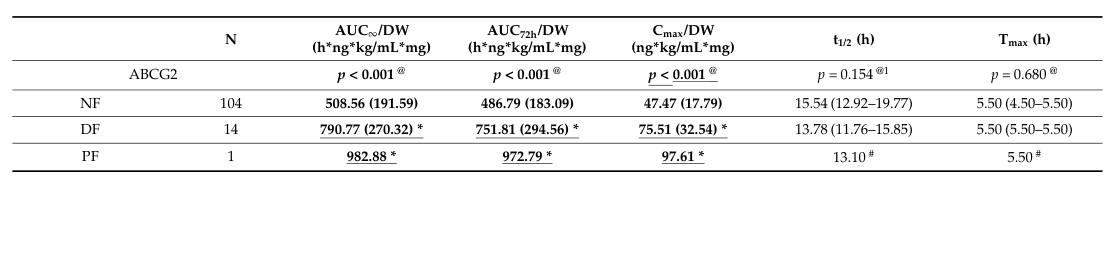
Reference Validation
Checked with linkml-reference-validator 0.3.0.
| Outcome | Count |
|---|---|
| References checked | 16 |
| Resolved | 16 |
| Unresolved (possible confabulation) | 0 |
| Unverifiable | 0 |
| References weighed for topical relevance | 16 |
| On topic | 9 |
| Off topic | 0 |
All extracted references resolved successfully.
Term Validation
Checked with linkml-term-validator 0.4.5, through the ols: adapter.
| Outcome | Count |
|---|---|
| Terms checked | 1 |
| Resolved | 1 |
| Unresolved (possible confabulation) | 0 |
| Obsolete | 0 |
| Unverifiable | 0 |
| Terms whose name was checked | 1 |
| Terms named correctly | 0 |
| Terms named as a different term | 1 |
Terms the report names something else
These identifiers resolve, so nothing about them looks wrong, and the ontology calls them something unrelated to what the report calls them. That usually means the identifier is not the one the sentence needs:
MONDO:0033170(3 mentions) - the report calls it "if available"; MONDO calls it statin toxicity
Question: You are an expert researcher providing comprehensive, well-cited information.
Provide detailed information focusing on: 1. Key concepts and definitions with current understanding 2. Recent developments and latest research (prioritize 2023-2024 sources) 3. Current applications and real-world implementations 4. Expert opinions and analysis from authoritative sources 5. Relevant statistics and data from recent studies
Format as a comprehensive research report with proper citations. Include URLs and publication dates where available. Always prioritize recent, authoritative sources and provide specific citations for all major claims.
Disease Characteristics Research Template
Target Disease
- Disease Name: Statin Toxicity
- MONDO ID: MONDO:0033170 (if available)
- Causal gene(s): not recorded
- OMIM: not recorded
- Synonyms: not recorded
- Category: Complex
Many disease names are serial numbers ("... autosomal dominant 64", "... 26") that do not say which gene the disease is about, and a similarly named disease with a different gene is easy to research by mistake. Research the disease with the MONDO ID and causal gene given above, and name its causal gene in your first paragraph. If the name seems to point to a different gene or OMIM entry, follow the identifiers above.
Research Objectives
Please provide a comprehensive research report on Statin Toxicity covering all of the disease characteristics listed below. This report will be used to populate a disease knowledge base entry. Be thorough and cite primary literature (PMID preferred) for all claims.
For each section, suggested databases/resources are listed. These are the first places you should search for information on each topic.
1. Disease Information
Search first: OMIM, Orphanet, ICD-10/ICD-11, MeSH, PubMed
- What is the disease? Provide a concise overview.
- What are the key identifiers? (OMIM, Orphanet, ICD-10/ICD-11, MeSH, Mondo)
- What are the common synonyms and alternative names?
- Is the information derived from individual patients (e.g., EHR) or aggregated disease-level resources?
2. Etiology
- Disease Causal Factors: What are the primary causes? (genetic, environmental, infectious, mechanistic)
- Risk Factors:
Search first: PubMed, Cochrane Library, UpToDate, clinical guidelines, ClinVar, ClinGen, GWAS Catalog, PheGenI, CTD, CDC, WHO, epidemiological databases
- Genetic risk factors (causal variants, susceptibility loci, modifier genes)
- Environmental risk factors (toxins, lifestyle, occupational exposures, age, sex, family history)
- Protective Factors:
Search first: PubMed, Cochrane Library, clinical trial databases, GWAS Catalog, gnomAD, WHO, CDC, nutrition databases
- Genetic protective factors (protective variants, modifier alleles)
- Environmental protective factors (diet, lifestyle, exposures that reduce risk)
- Gene-Environment Interactions: How do genetic and environmental factors interact to influence disease?
Search first: CTD, PubMed, PheGenI, GxE databases
3. Phenotypes
Search first: HPO (Human Phenotype Ontology), OMIM, Orphanet, PubMed, clinicaltrials.gov, MedDRA, SNOMED CT, DECIPHER, LOINC
For each phenotype, provide: - Phenotype type: symptoms, clinical signs, physical manifestations, behavioral changes, or laboratory abnormalities
For symptoms/signs: HPO, OMIM, Orphanet, PubMed For behavioral changes: HPO, DSM, RDoC (Research Domain Criteria), PubMed For laboratory abnormalities: LOINC, SNOMED CT, LabTests Online, PubMed - Phenotype characteristics: Search first: OMIM, Orphanet, HPO, PubMed - Age of symptom onset (neonatal, childhood, adult-onset, late-onset) - Symptom severity (mild, moderate, severe, variable) - Symptom progression (stable, progressive, episodic, fluctuating) - Frequency among affected individuals (percentage or qualitative) - Quality of life impact: Effects on daily functioning and well-being (per-phenotype when possible) Search first: EQ-5D database, SF-36, WHO QOL databases, PubMed - Suggest HPO (Human Phenotype Ontology) terms for each phenotype
4. Genetic/Molecular Information
- Causal Genes: Gene mutations or chromosomal abnormalities responsible for disease (gene symbols, OMIM IDs)
Search first: OMIM, ClinVar, HGMD, Ensembl, NCBI Gene
- Pathogenic Variants:
- Affected genes (gene symbols, HGNC IDs) > Search first: OMIM, NCBI Gene, Ensembl, HGNC, UniProt, GeneCards
- Variant classification (pathogenic, likely pathogenic, VUS per ACMG/AMP guidelines) > Search first: ClinVar, ClinGen, ACMG/AMP guidelines, VarSome
- Variant type/class (missense, frameshift, nonsense, splice-site, structural)
- Allele frequency in population databases > Search first: gnomAD, 1000 Genomes, ExAC, TOPMed, dbSNP
- Somatic vs germline origin > Search first: COSMIC (somatic), ClinVar, ICGC, TCGA
- Functional consequences (loss of function, gain of function, dominant negative)
- Modifier Genes: Genes that modify disease severity or expression
- Epigenetic Information: DNA methylation, histone modifications, chromatin changes affecting disease
Search first: ENCODE, Roadmap Epigenomics, MethBase, DiseaseMeth
- Chromosomal Abnormalities: Large-scale genetic changes (aneuploidy, translocations, inversions)
Search first: DECIPHER, ClinVar, ECARUCA, UCSC Genome Browser
5. Environmental Information
- Environmental Factors: Non-genetic contributing factors (toxins, radiation, pollution, occupational exposure)
Search first: CTD (Comparative Toxicogenomics Database), TOXNET, PubMed, EPA databases
- Lifestyle Factors: Behavioral factors (smoking, diet, exercise, alcohol consumption)
Search first: CDC databases, WHO, PubMed, NHANES
- Infectious Agents: If applicable, pathogens causing or triggering disease (bacteria, viruses, fungi, parasites)
Search first: NCBI Taxonomy, ViPR, BV-BRC, MicrobeDB, GIDEON
6. Mechanism / Pathophysiology
Present this section as an ordered causal chain first, then the detail below. Open with a numbered sequence of mechanistic steps running from the initiating lesion (mutation, exposure, infection) to the clinical manifestation, one step per line, each naming what it causes next. State the causal verb explicitly ("leads to", "results in") and say where a step is inferred rather than demonstrated. Where the mechanism branches, show the branch. The categories below are a checklist of what to cover within those steps, not the organizing structure — a step may draw on several of them, and a category may contribute to several steps.
- Molecular Pathways: Specific signaling cascades or biochemical pathways involved (Wnt, MAPK, mTOR, PI3K-AKT, etc.)
Search first: KEGG, Reactome, WikiPathways, PathBank, BioCyc
- Cellular Processes: Cell-level mechanisms (apoptosis, autophagy, cell cycle dysregulation, inflammation, etc.)
Search first: Gene Ontology (GO), Reactome, KEGG, PubMed
- Protein Dysfunction: How protein structure or function is altered (misfolding, aggregation, loss of function, gain of function)
Search first: UniProt, PDB (Protein Data Bank), InterPro, Pfam, AlphaFold
- Metabolic Changes: Alterations in metabolic processes (energy metabolism, lipid metabolism, amino acid metabolism)
Search first: KEGG, BioCyc, HMDB (Human Metabolome Database), BRENDA
- Immune System Involvement: Role of immune response (autoimmunity, immunodeficiency, chronic inflammation)
Search first: ImmPort, Immunome Database, IEDB, Gene Ontology
- Tissue Damage Mechanisms: How tissues/ are injured (oxidative stress, ischemia, fibrosis, necrosis)
Search first: PubMed, Gene Ontology, Reactome
- Biochemical Abnormalities: Specific molecular defects (enzyme deficiencies, receptor dysfunction, ion channel defects)
Search first: BRENDA, UniProt, KEGG, OMIM, PubMed
- Epigenetic Changes: DNA methylation, histone modifications affecting gene expression in disease
Search first: ENCODE, Roadmap Epigenomics, MethBase, DiseaseMeth
- Molecular Profiling (if available):
- Transcriptomics/gene expression changes > Search first: GEO (Gene Expression Omnibus), ArrayExpress, GTEx, Human Cell Atlas, SRA
- Proteomics findings > Search first: PRIDE, ProteomeXchange, Human Protein Atlas, STRING, BioGRID
- Metabolomics signatures > Search first: MetaboLights, Metabolomics Workbench, HMDB, METLIN
- Lipidomics alterations > Search first: LIPID MAPS, SwissLipids, LipidHome, Metabolomics Workbench
- Genomic structural features > Search first: UCSC Genome Browser, Ensembl, NCBI, dbVar, DGV
- Advanced Technologies (if applicable):
- Single-cell analysis findings (cell-type specific mechanisms, cellular heterogeneity) > Search first: Human Cell Atlas, Single Cell Portal, GEO, CELLxGENE
- Spatial transcriptomics findings > Search first: GEO, Spatial Research, Vizgen, 10x Genomics data
- Multi-omics integration results > Search first: TCGA, ICGC, cBioPortal, LinkedOmics, PubMed
- Functional genomics screens (CRISPR, RNAi) > Search first: DepMap, GenomeRNAi, PubMed, BioGRID ORCS
For each mechanism, describe: - The causal chain from initial trigger to clinical manifestation - Which mechanisms are upstream vs downstream - What cell types and biological processes are involved - Suggest GO terms for biological processes and CL terms for cell types
7. Anatomical Structures Affected
- Organ Level:
- Primary organs directly affected
- Secondary organ involvement (complications, secondary effects)
- Body systems involved (cardiovascular, nervous, digestive, respiratory, endocrine, etc.)
Search first: Uberon, FMA (Foundational Model of Anatomy), OMIM, HPO, ICD-11, MeSH, SNOMED CT
- Tissue and Cell Level:
- Specific tissue types affected (epithelial, connective, muscle, nervous)
- Specific cell populations targeted (with Cell Ontology terms)
Search first: Uberon, Human Protein Atlas, Cell Ontology, Human Cell Atlas, CellMarker, PanglaoDB
- Subcellular Level:
- Cellular compartments involved (mitochondria, nucleus, ER, lysosomes) (with GO Cellular Component terms)
Search first: Gene Ontology (Cellular Component), UniProt, Human Protein Atlas
- Localization:
- Specific anatomical sites (with UBERON terms) > Search first: FMA, Uberon, NeuroNames (for brain), SNOMED CT
- Lateralization (unilateral, bilateral, asymmetric) > Search first: HPO, clinical literature, imaging databases
8. Temporal Development
- Onset:
- Typical age of onset (congenital, pediatric, adult, geriatric)
- Onset pattern (acute, subacute, chronic, insidious)
Search first: OMIM, Orphanet, HPO, PubMed
- Progression:
- Disease stages (early, intermediate, advanced, end-stage) > Search first: Cancer Staging Manual (AJCC), WHO classifications, PubMed
- Progression rate (rapid, slow, variable)
- Disease course pattern (episodic, relapsing-remitting, progressive, stable)
- Disease duration (self-limited, chronic lifelong)
Search first: Disease registries, longitudinal cohort databases, natural history studies, PubMed, Orphanet, OMIM
- Patterns:
- Remission patterns (spontaneous, treatment-induced) > Search first: Clinical trial databases, disease registries, PubMed
- Critical periods (time windows of vulnerability or opportunity for intervention) > Search first: PubMed, developmental biology databases, clinical guidelines
9. Inheritance and Population
- Epidemiology:
- Prevalence (cases per 100,000 at given time)
- Incidence (new cases per 100,000 per year)
Search first: Orphanet, CDC, WHO, GBD (Global Burden of Disease), national registries, SEER, disease registries
- For Genetic Etiology:
- Inheritance pattern (AD, AR, X-linked, mitochondrial, multifactorial, polygenic) > Search first: OMIM, Orphanet, ClinVar, GTR (Genetic Testing Registry)
- Penetrance (complete, incomplete, age-dependent) > Search first: ClinVar, OMIM, PubMed, ClinGen
- Expressivity (variable, consistent) > Search first: OMIM, ClinVar, PubMed
- Genetic anticipation (increasing severity in successive generations) > Search first: OMIM, PubMed (especially for repeat expansion disorders)
- Germline mosaicism > Search first: ClinVar, OMIM, genetic counseling literature, PubMed
- Founder effects (population-specific mutations) > Search first: gnomAD, population genetics databases, PubMed
- Consanguinity role > Search first: OMIM, population studies, genetic counseling resources
- Carrier frequency > Search first: gnomAD, carrier screening databases, GeneReviews, GTR
- Population Demographics:
- Affected populations (ethnic or demographic groups with higher prevalence) > Search first: gnomAD, 1000 Genomes, PAGE Study, PubMed, population registries
- Geographic distribution (endemic areas, regional variation) > Search first: WHO, CDC, GBD, Orphanet, geographic epidemiology databases
- Geographic distribution of specific variants
- Sex ratio (male:female) > Search first: Disease registries, OMIM, PubMed, epidemiological databases
- Age distribution of affected individuals > Search first: CDC, disease registries, SEER, Orphanet
10. Diagnostics
- Clinical Tests:
- Laboratory tests (blood, urine, tissue chemistry, specific enzyme assays) > Search first: LOINC, LabTests Online, PubMed
- Biomarkers (proteins, metabolites, genetic markers, circulating biomarkers) > Search first: FDA Biomarker List, BEST (Biomarkers, EndpointS, and other Tools), PubMed
- Imaging studies (X-ray, CT, MRI, PET, ultrasound) > Search first: RadLex, DICOM, Radiopaedia, imaging databases
- Functional tests (pulmonary function, cardiac stress tests) > Search first: LOINC, clinical guidelines, PubMed
- Electrophysiology (EEG, EMG, ECG, nerve conduction studies) > Search first: LOINC, clinical neurophysiology databases, PubMed
- Biopsy findings (histopathology, immunohistochemistry) > Search first: SNOMED CT, College of American Pathologists resources, PubMed
- Pathology findings (microscopic examination) > Search first: SNOMED CT, Digital Pathology databases, PubMed
- Genetic Testing:
Search first: GTR (Genetic Testing Registry), GeneReviews, ClinGen
- Overview of recommended genetic testing approach
- Whole genome sequencing (WGS) utility > Search first: GTR, ClinVar, GEL (Genomics England), gnomAD
- Whole exome sequencing (WES) utility > Search first: GTR, ClinVar, OMIM, GeneMatcher
- Gene panels (which panels, which genes) > Search first: GTR, ClinVar, laboratory-specific databases
- Single gene testing > Search first: GTR, ClinVar, OMIM, GeneReviews
- Chromosomal microarray (CMA) > Search first: DECIPHER, ClinVar, dbVar, ECARUCA
- Karyotyping > Search first: Chromosome Abnormality Database, ClinVar, cytogenetics resources
- FISH > Search first: ClinVar, cytogenetics databases, PubMed
- Mitochondrial DNA testing > Search first: MITOMAP, MSeqDR, ClinVar, GTR
- Repeat expansion testing > Search first: GTR, ClinVar, repeat expansion databases, PubMed
- Omics-Based Diagnostics (if applicable):
- RNA sequencing / transcriptomics > Search first: GEO, ArrayExpress, GTEx, RNA-seq databases
- Proteomics > Search first: PRIDE, ProteomeXchange, FDA Biomarker database
- Metabolomics > Search first: MetaboLights, Metabolomics Workbench, HMDB
- Epigenomics > Search first: GEO, ENCODE, Roadmap Epigenomics, MethBase
- Liquid biopsy > Search first: COSMIC, ClinVar, liquid biopsy databases, PubMed
- Clinical Criteria:
- Standardized diagnostic criteria (DSM, ICD, society guidelines) > Search first: DSM-5, ICD-11, clinical society guidelines, UpToDate
- Differential diagnosis (other conditions to rule out, with distinguishing features) > Search first: DynaMed, UpToDate, clinical decision support systems
- Screening:
- Screening methods for asymptomatic individuals (newborn screening, carrier screening, cascade screening) > Search first: ACMG recommendations, CDC newborn screening, GTR
11. Outcome/Prognosis
- Survival and Mortality:
- Survival rate (5-year, 10-year, overall) > Search first: SEER, cancer registries, disease-specific registries, PubMed
- Life expectancy (with and without treatment if applicable) > Search first: Orphanet, disease registries, actuarial databases, PubMed
- Mortality rate > Search first: CDC, WHO, GBD, national mortality databases
- Disease-specific mortality (deaths directly attributable to disease) > Search first: Disease registries, CDC Wonder, GBD, PubMed
- Morbidity and Function:
- Morbidity (disease-related disability and health impacts) > Search first: GBD, WHO, disability databases, PubMed
- Disability outcomes (long-term functional impairments) > Search first: ICF (International Classification of Functioning), disability registries
- Quality of life measures (EQ-5D, SF-36, PROMIS, disease-specific tools) > Search first: EQ-5D database, SF-36, PROMIS, PubMed
- Disease Course:
- Complications (secondary problems: infections, organ failure, etc.) > Search first: ICD codes, disease registries, clinical databases, PubMed
- Recovery potential (likelihood and extent of recovery, with vs without treatment) > Search first: Natural history studies, rehabilitation databases, PubMed
- Prediction:
- Prognostic factors (age, disease severity, biomarkers, treatment response) > Search first: Prognostic models databases, clinical calculators, PubMed
- Prognostic biomarkers (molecular markers predicting disease course) > Search first: FDA Biomarker database, PubMed, cancer prognostic databases
12. Treatment
- Pharmacotherapy:
- Pharmacological treatments (drug names, drug classes, mechanisms of action) > Search first: DrugBank, RxNorm, ATC classification, DailyMed, FDA databases
- Pharmacogenomics (how genetic variants affect drug metabolism, efficacy, toxicity) > Search first: PharmGKB, CPIC (Clinical Pharmacogenetics), FDA Table of PGx Biomarkers
- Advanced Therapeutics:
- Gene therapy (viral vectors, CRISPR, gene replacement, gene editing) > Search first: ClinicalTrials.gov, FDA gene therapy database, ASGCT resources
- Cell therapy (stem cell transplant, CAR-T, cellular therapeutics) > Search first: ClinicalTrials.gov, FDA cell therapy database, FACT standards
- RNA-based therapies (ASOs, siRNA, mRNA therapies) > Search first: ClinicalTrials.gov, FDA approvals, PubMed
- Targeted therapies (treatments directed at specific molecular targets) > Search first: My Cancer Genome, OncoKB, ClinicalTrials.gov, FDA approvals
- Immunotherapies (checkpoint inhibitors, monoclonal antibodies) > Search first: Cancer Immunotherapy Database, FDA approvals, ClinicalTrials.gov
- Surgical and Interventional:
- Surgical interventions (types of surgery, timing, outcomes) > Search first: CPT codes, surgical registries, clinical guidelines, PubMed
- Supportive and Rehabilitative:
- Supportive care (symptom management, pain control, nutrition) > Search first: Clinical guidelines, Cochrane Library, PubMed
- Rehabilitation (physical therapy, occupational therapy, speech therapy) > Search first: Rehabilitation medicine databases, clinical guidelines, PubMed
- Experimental:
- Experimental treatments in clinical trials (with NCT identifiers if available) > Search first: ClinicalTrials.gov, EU Clinical Trials Register, WHO ICTRP
- Treatment Outcomes:
- Treatment response rates > Search first: Clinical trial databases, FDA reviews, systematic reviews, PubMed
- Side effects and adverse events > Search first: FDA Adverse Event Reporting System (FAERS), MedWatch, PubMed
- Treatment Strategy:
- Treatment algorithms (clinical pathways, decision trees) > Search first: Clinical practice guidelines, NCCN Guidelines, UpToDate
- Combination therapies > Search first: ClinicalTrials.gov, treatment guidelines, PubMed
- Personalized medicine approaches (genotype-guided treatment) > Search first: My Cancer Genome, CIViC, PharmGKB, precision medicine databases
For each treatment, suggest NCIT (NCI Thesaurus) clinical-intervention terms where applicable.
13. Prevention
- Prevention Levels:
- Primary prevention (preventing disease occurrence: vaccination, risk factor modification) > Search first: CDC, WHO, USPSTF recommendations, Cochrane Library
- Secondary prevention (early detection and treatment: screening programs, early intervention) > Search first: USPSTF, CDC screening guidelines, WHO
- Tertiary prevention (preventing complications in those with disease) > Search first: Clinical guidelines, disease management protocols, PubMed
- Immunization: Vaccine strategies (if applicable)
Search first: CDC vaccine schedules, WHO immunization, FDA vaccine database
- Screening and Early Detection:
- Screening programs (population-based: newborn screening, cancer screening) > Search first: CDC screening programs, USPSTF, cancer screening databases
- Genetic screening (carrier screening, preimplantation genetic diagnosis, prenatal testing) > Search first: ACMG recommendations, ACOG guidelines, GTR
- Risk stratification (identifying high-risk individuals for targeted prevention) > Search first: Risk prediction models, clinical calculators, PubMed
- Behavioral Interventions: Lifestyle modifications to reduce risk
Search first: CDC, WHO, behavioral intervention databases, Cochrane Library
- Counseling: Genetic counseling (risk assessment, family planning guidance)
Search first: NSGC resources, ACMG guidelines, GeneReviews
- Public Health:
- Public health interventions (sanitation, vector control, health education) > Search first: CDC, WHO, public health databases, PubMed
- Environmental interventions (reducing environmental risk factors) > Search first: EPA databases, WHO environmental health, PubMed
- Prophylaxis: Preventive medications or procedures
Search first: Clinical guidelines, FDA approvals, PubMed
14. Other Species / Natural Disease
- Taxonomy: Species affected (with NCBI Taxon identifiers)
Search first: NCBI Taxonomy
- Breed: Specific breeds affected (with VBO identifiers if applicable)
Search first: VBO (Vertebrate Breed Ontology)
- Gene: Orthologous genes in other species (with NCBI Gene IDs)
Search first: NCBI Gene
- Natural Disease:
- Naturally occurring disease in other species (companion animals, wildlife) > Search first: OMIA (Online Mendelian Inheritance in Animals), VetCompass, PubMed
- Veterinary relevance and importance in animal health > Search first: OMIA, veterinary databases, PubMed
- Comparative Biology:
- Comparative pathology (similarities and differences across species) > Search first: OMIA, comparative pathology databases, PubMed
- Evolutionary conservation of disease mechanisms > Search first: HomoloGene, OrthoMCL, Alliance of Genome Resources
- Transmission (if applicable):
- Zoonotic potential > Search first: CDC zoonotic diseases, WHO zoonoses, GIDEON
- Cross-species susceptibility > Search first: NCBI Taxonomy, veterinary databases, PubMed
15. Model Organisms
- Model Types:
- Model organism type (mammalian, invertebrate, cellular, in vitro) > Search first: Alliance of Genome Resources, model organism databases
- Specific model systems (mouse, rat, zebrafish, Drosophila, C. elegans, yeast, cell lines, organoids, iPSCs) > Search first: MGI, RGD, ZFIN, FlyBase, WormBase, SGD, ATCC, Cellosaurus
- Induced models (drug treatment, surgical intervention, environmental manipulation) > Search first: MGI, model organism databases, PubMed
- Genetic Models:
- Types available (knockout, knock-in, transgenic, conditional, humanized) > Search first: MGI, IMPC, KOMP, EuMMCR, IMSR
- Model Characteristics:
- Phenotype recapitulation (how well model reproduces human disease features) > Search first: Model organism databases, comparative studies, PubMed
- Model limitations (aspects of human disease not captured) > Search first: Model organism databases, PubMed, review articles
- Applications:
- Research applications (what aspects of disease can be studied) > Search first: Model organism databases, PubMed
- Resources:
- Model databases > Search first: MGI, RGD, ZFIN, FlyBase, WormBase, IMSR, EMMA, MMRRC
Citation Requirements
- Cite primary literature (PMID preferred) for all mechanistic and clinical claims
- Prioritize recent reviews and landmark papers
- Include direct quotes from abstracts where possible to support key statements
- Distinguish evidence source types: human clinical, model organism, in vitro, computational
Output Format
Structure your response as a comprehensive narrative organized by the sections above. For each section, provide: - Factual content with specific details (numbers, percentages, gene names, variant nomenclature) - Ontology term suggestions (HPO, GO, CL, UBERON, CHEBI, NCIT, MONDO) where applicable - Evidence citations with PMIDs - Direct quotes from abstracts to support key claims - Clear indication when information is not available or not applicable for this disease
This report will be used to populate a disease knowledge base entry with: - Pathophysiology descriptions with causal chains - Gene/protein annotations (HGNC, GO terms) - Phenotype associations (HP terms) with frequencies - Cell type involvement (CL terms) - Anatomical locations (UBERON terms) - Chemical entities (CHEBI terms) - Treatment annotations (NCIT terms) - Evidence items with PMIDs and exact abstract quotes - Epidemiology, prognosis, diagnostic, and prevention information - Animal model descriptions with phenotype recapitulation details
Statin toxicity — disease-characteristics research report
Disease identity and causal gene. Statin toxicity (supplied identifier MONDO:0033170) is a heterogeneous adverse response to exposure to HMG-CoA reductase inhibitors, not a Mendelian disorder with one causal gene. HMGCR encodes the drug target and can become an autoantigen in a rare immune-mediated subtype; SLCO1B1, ABCG2, and CYP2C9 influence susceptibility or drug exposure rather than constituting a single causal-gene assignment. The principal manifestations are muscle symptoms or injury, liver-test abnormalities, and a modest diabetogenic effect. An important distinction for a knowledge base is that reported muscle symptoms, objectively demonstrated myotoxicity, inability to tolerate statins, and anti-HMGCR immune-mediated necrotizing myopathy are overlapping but nonidentical entities. (penson2022step‐by‐stepdiagnosisand pages 1-2, armitage2010intensiveloweringof pages 1-2, alqasrawi2025pharmacogenomicinsightsinto pages 1-2, benucci2025antihmgcrantibodypositivestatininducedmyositis pages 1-2, jeeyavudeen2022statinrelatedmuscletoxicity pages 2-3)
Evidence convention. Citations below identify retrieved publications or trial records. Dates and direct URLs are supplied for principal studies; a PMID is stated only when it was explicitly recoverable from the retrieved material. An unverified ontology identifier or PMID is not presented as an established database cross-reference.
1. Disease information and nomenclature
Definition: an acquired, exposure-associated adverse-effect spectrum, particularly statin-associated muscle symptoms (SAMS), CK-defined myopathy, rhabdomyolysis, uncommon clinically important liver injury, and glucose dysregulation. Statin intolerance describes adverse effects that prevent continuation at the desired dose; it is not proof of toxic muscle damage. The International Lipid Expert Panel estimated complete intolerance in only 3–5% of treated people and emphasized alternative explanations and expectation-related symptoms. These estimates are for intolerance, not the incidence of all toxicities. (penson2022step‐by‐stepdiagnosisand pages 1-2, ma2024statinassociatedliverdysfunction pages 2-4, jeeyavudeen2022statinrelatedmuscletoxicity pages 2-3)
Identifiers: MONDO:0033170 is the user-supplied disease identifier; a primary MONDO record was not independently retrievable. No disease-specific OMIM number, Orphanet number, or single causal gene was established. The retrieved trial registry uses the condition labels “HMG COA Reductase Inhibitor Adverse Reaction” and “Statin Adverse Reaction.” Suggested search synonyms, rather than independently confirmed MONDO synonyms, are statin adverse reaction, statin-associated myotoxicity, statin-related myotoxicity, and, for the respective subsets, statin-associated muscle symptoms and statin-associated anti-HMGCR immune-mediated necrotizing myopathy. MeSH Myalgia (D063806) and Muscle Weakness (D018908) describe manifestations, not validated identifiers for this entire condition. ICD-10/ICD-11 disease-specific mappings should not be populated without checking the relevant coding system and whether an adverse-effect code and a manifestation code are both required. (NCT06381947 chunk 1, NCT01032993 chunk 1, NCT02993406 chunk 1)
Data provenance: published aggregate randomized trials, prospective and retrospective cohorts, tissue/cellular studies, and ClinicalTrials.gov records were used. The 2024 Japanese study analyzed administrative claims, whereas the 2025 UAE study combined genotype testing with individual EHR-derived clinical information before publishing aggregate findings; neither provides access here to identifiable patient records. (sobukawa2024safetyofcombined pages 1-2, alqasrawi2025pharmacogenomicinsightsinto pages 1-2)
2. Etiology, risk, protection, and gene–environment interactions
Initiating exposure: a statin, with risk influenced by molecule, systemic concentration, dose, duration, interactions, host susceptibility, and the specific adverse phenotype. In the randomized SEARCH study, simvastatin 80 mg produced 53/6,031 (0.9%) myopathy cases versus 2/6,033 (0.03%) on 20 mg during mean 6.7-year follow-up. This establishes a pronounced dose effect for that comparison, not an incidence applicable to every statin. SEARCH Collaborative Group, published 9 November 2010, https://doi.org/10.1016/S0140-6736(10)60310-8. (armitage2010intensiveloweringof pages 1-2)
Genetic susceptibility: SLCO1B1 c.521T>C, p.Val174Ala (rs4149056, commonly present in reduced-function haplotypes) diminishes hepatic OATP1B1-mediated statin uptake and increases systemic exposure, especially for simvastatin. In the original high-dose simvastatin genetic analysis as described in a 2023 primary cohort paper, the reported odds ratio was 16.9 for CC versus TT (95% CI 4.7–61.1); effect sizes are phenotype- and statin-dependent. A review reports an approximately 12.9% global minor-allele frequency, ranging from approximately 2% in African-ancestry to 21% in Finnish reference groups; these are allele frequencies, not toxicity frequencies. Other candidates, including COQ2, GATM, and RYR1, have less consistently replicated or phenotype-specific associations and must not be encoded as proven causes. (petrkova2018pharmacogeneticsofcardiovascular pages 4-6, brunham2018roleofgenetics pages 2-3, jansen2023predictivevalueof pages 1-2)
ABCG2 c.421C>A, p.Gln141Lys (rs2231142) reduces BCRP efflux and can increase rosuvastatin exposure. In a 2025 prospective UAE observational cohort of 675 atorvastatin/rosuvastatin users, rosuvastatin-treated carriers had an approximately threefold association with liver-enzyme elevation, while atorvastatin-treated SLCO1B1 rs4149056 carriers had an approximately twofold association with SAMS. These are observational associations, not proof that either allele invariably causes injury. Alqasrawi et al., April 2025, https://doi.org/10.1186/s40246-025-00753-6. CYP2C9 variation can affect particular statin-metabolism pathways; a variant-specific toxicity probability or universally appropriate gene-panel recommendation was not established from retrieved primary evidence. (simicevic2026liverenzymeelevations pages 11-12, alqasrawi2025pharmacogenomicinsightsinto pages 1-2)
Limits to prediction: a 2023 Dutch population study genotyped 1,136 statin users for SLCO1B1 c.521T>C. Although approximately half changed or discontinued statins within three years, investigators did not confirm an association with treatment change. Dispensing change is an imperfect surrogate for documented muscle injury; this result does not negate the well-established severe-simvastatin association. Jansen et al., published 10 February 2023, https://doi.org/10.3390/genes14020456. (jansen2023predictivevalueof pages 1-2)
Environmental and clinical modifiers: a high statin dose, interacting medications, kidney or liver impairment, hypothyroidism, frailty, and sometimes unusually strenuous exertion can complicate or heighten muscle-risk assessment. CYP3A4-inhibiting drugs are particularly pertinent to simvastatin, lovastatin, and atorvastatin. Concomitant fibrates warrant attention: a 2024 propensity-matched Japanese claims study found that adding a statin to fibrate therapy was associated with 1-year liver-injury hospitalization of 1.2% versus 0.3% and acute-kidney-injury hospitalization of 1.3% versus 0.3% compared with fibrate-only therapy; it did not detect a corresponding matched-group difference in rhabdomyolysis. Switching exposure groups should not all be described as concurrent therapy. Sobukawa et al., published 10 May 2024, https://doi.org/10.1007/s40801-024-00426-1. (sobukawa2024safetyofcombined pages 1-2, ma2024statinassociatedliverdysfunction pages 2-4, jeeyavudeen2022statinrelatedmuscletoxicity pages 2-3)
Protection and interaction: avoiding unnecessary high doses and interacting drugs, treating hypothyroidism, tailoring a tolerated statin regimen, and recognizing symptoms promptly are plausible, clinically actionable protections. The SLCO1B1 genotype-by-high-dose simvastatin relationship is a well-supported gene–drug interaction; risk-allele absence is not immunity. Exercise should not simply be labeled hazardous: a 2024 synthesis of five short-term randomized exercise studies found reported SAMS in 19/220 (9%) on exercise plus statin versus 10/234 (4%) on exercise plus placebo, but the difference was not established as statistically significant, and long-term training evidence was lacking. Mangone et al., April 2024, https://doi.org/10.1016/j.mayocpiqo.2024.01.003. Smoking, diet, and alcohol affect general cardiovascular/metabolic health, but a specific quantified protective effect against statin toxicity was not established here. No infectious cause is identified. (armitage2010intensiveloweringof pages 1-2, mangone2024theroleof pages 1-2, jansen2023predictivevalueof pages 1-2)
3. Phenotypes and quality-of-life effects
| Phenotype; type | Usual context, severity and frequency | Knowledge-base term suggestion |
|---|---|---|
| Myalgia, tenderness, cramps, fatigue; symptoms | Usually occur after statin exposure in treated adults; fluctuate and may occur without CK elevation. Reported SAMS estimates in observational practice cannot be equated with causally attributable toxicity. Symptoms can limit walking, exertion, and treatment adherence. | HPO concepts myalgia, muscle cramp, fatigue; verify exact HP identifiers before import. |
| Proximal weakness / reduced strength; sign and symptom | Variable severity; pronounced, progressive weakness despite stopping a statin raises concern for immune-mediated disease or an alternative myopathy. | HPO proximal muscle weakness. |
| Elevated serum CK / muscle-fiber necrosis; laboratory/pathology | CK may be normal in myalgia; CK-defined myopathy is less frequent than reported SAMS. Marked CK elevation and pigmenturia/renal impairment indicate potentially severe rhabdomyolysis. | HPO increased circulating creatine kinase concentration, rhabdomyolysis. |
| Elevated ALT/AST; rarely jaundice or liver injury; laboratory/sign | Many small enzyme elevations are asymptomatic; enzyme elevation alone does not establish liver failure or even hepatic origin of AST. Severe injury is uncommon. | HPO elevated hepatic transaminase, jaundice when actually present. |
| Hyperglycemia / newly diagnosed diabetes; laboratory/clinical | A recognized potential adverse effect particularly relevant in people with baseline metabolic risk; the retrieved material does not justify assigning a phenotype frequency for this heterogeneous entry. | HPO hyperglycemia; separately classify diabetes if diagnosed. |
The phenotype descriptions draw on the randomized dose study, contemporary clinical reviews, and the immune-myopathy trial; HPO labels above are candidate annotation concepts, not verified disease-to-HPO associations or verified HP accession numbers. No neonatal or childhood-onset pattern, behavioral phenotype, phenotype-specific SF-36/EQ-5D estimate, or robust frequency applicable to all statin toxicity was established. Distinct symptom-based and laboratory-confirmed denominators must be retained. (penson2022step‐by‐stepdiagnosisand pages 1-2, armitage2010intensiveloweringof pages 1-2, ma2024statinassociatedliverdysfunction pages 2-4, mammen2023zilucoplaninimmunemediated pages 3-5, jeeyavudeen2022statinrelatedmuscletoxicity pages 2-3)
4. Genetic and molecular annotation
Causal genes: none established for the umbrella condition. HMGCR is the inhibited enzyme and the antigen targeted by anti-HMGCR antibodies in one subset, not a demonstrated disease-causing germline mutation. SLCO1B1 rs4149056 and ABCG2 rs2231142 are germline pharmacogenetic susceptibility variants; their use as risk markers should not be confused with assigning ACMG/AMP “pathogenic” status for a monogenic disease. For SLCO1B1 the specified variant is missense and reduced-function; for ABCG2 the specified variant is missense and reduced-function. Reliable, source-confirmed HGNC accession IDs, ClinVar disease classifications, gnomAD-ancestry frequencies for a defined dataset, and OMIM gene numbers were not available in the retrieved evidence and are therefore left blank. (petrkova2018pharmacogeneticsofcardiovascular pages 4-6, simicevic2026liverenzymeelevations pages 11-12, simicevic2026liverenzymeelevations pages 12-13, alqasrawi2025pharmacogenomicinsightsinto pages 1-2)
The HLA-DRB1 11:01 allele is reported as a susceptibility factor specifically for anti-HMGCR-positive necrotizing myopathy, not for ordinary statin myalgia. Somatic variants, pathogenic chromosomal rearrangements, Mendelian penetrance, anticipation, germline mosaicism, consanguinity, and carrier screening are not applicable as generic features of this adverse-drug-response entry. Epigenetic findings, if reported in broad model reviews, are insufficient here to establish a reproducible human epigenetic biomarker. (benucci2025antihmgcrantibodypositivestatininducedmyositis pages 1-2, mammen2023zilucoplaninimmunemediated pages 3-5)
5. Environmental information
The relevant non-genetic exposure is the medicine itself; concomitant medicines can change its pharmacokinetics. The 2024 Japanese results provide a concrete interaction-related safety signal, while the 2024 review flags CYP3A4 inhibitors and pre-existing renal/hepatic impairment. Physical exercise remains desirable for cardiovascular health: the available short-term trial synthesis does not justify recommending universal exercise avoidance. Neither an infectious agent nor zoonotic transmission is applicable. Suggested chemical annotation is the individual administered statin, rather than a fictitious single chemical representing the class; statin-specific ChEBI identifiers require independent lookup. (sobukawa2024safetyofcombined pages 1-2, mangone2024theroleof pages 1-2, ma2024statinassociatedliverdysfunction pages 2-4)
6. Mechanism and pathophysiology
Ordered causal chain; branches reflect distinct clinical entities, not a single obligatory progression:
- Statin exposure, modified by dose, hepatic transport, metabolism, and drug interactions, leads to altered statin exposure in liver and/or other tissues; reduced-function OATP1B1 can increase circulating exposure, particularly with simvastatin. (armitage2010intensiveloweringof pages 1-2, petrkova2018pharmacogeneticsofcardiovascular pages 4-6, alqasrawi2025pharmacogenomicinsightsinto pages 1-2)
- Statin binding to HMGCR leads to inhibition of mevalonate synthesis, resulting in reduced cholesterol-pathway intermediates and potentially altered protein prenylation; the contribution of each downstream metabolite to human symptoms is inferred from experimental systems, not established as universal. (penson2022step‐by‐stepdiagnosisand pages 1-2, wagner2011asmallmoleculescreening pages 1-2, wagner2011asmallmoleculescreening media 2b4616a4)
- Muscle branch: sufficient myocyte exposure plus downstream cellular vulnerability leads to altered geranylgeranylation, stress and impaired cellular energy readouts in experimental myotubes, which may result in myalgia, weakness, apoptosis or overt fiber necrosis; the direct full chain in individual patients remains inferred. Muscle necrosis leads to elevated CK and, when extensive, can result in myoglobin-related renal injury. (elam2017patientsexperiencingstatininduced pages 1-2, jeeyavudeen2022statinrelatedmuscletoxicity pages 2-3, wagner2011asmallmoleculescreening pages 1-2, wagner2011asmallmoleculescreening media 2b4616a4)
- Immune branch, in a rare susceptible subgroup: statin-associated immune recognition of HMGCR leads to anti-HMGCR autoantibodies and muscle-fiber injury, resulting in progressive proximal weakness and high CK that can persist despite stopping the drug. Whether terminal complement deposition causes injury is disputed: C5 inhibition failed in a randomized trial despite target engagement. (benucci2025antihmgcrantibodypositivestatininducedmyositis pages 1-2, mammen2023zilucoplaninimmunemediated pages 3-5)
- Hepatic branch: altered drug disposition and, in experimental work, hepatocyte mitochondrial stress may lead to ALT/AST elevation; linking every mild elevation to destructive hepatocellular injury is not justified. A smaller subset may develop clinically significant drug-induced liver injury. (ma2024statinassociatedliverdysfunction pages 2-4)
- Metabolic branch: HMGCR inhibition and host metabolic susceptibility may lead to altered glucose regulation and, in some recipients, new-onset diabetes. A single tissue-specific causal pathway for this entire clinical outcome was not demonstrated by the retrieved primary evidence. (penedones2026safetyprofileof pages 1-2, jeeyavudeen2022statinrelatedmuscletoxicity pages 2-3)
Experimental discrimination of pathway branches. In C2C12 mouse myotubes, adding geranylgeranyl pyrophosphate (GGPP) preserved ATP after simvastatin exposure whereas adding cholesterol or coenzyme Q10 did not. This supports a prenylation-related mechanism in that model, not proof that coenzyme Q10 has no clinical effect. The cropped experimental Figure 1 directly depicts the biochemical branches and ATP-rescue comparison. Wagner et al., 16 September 2011, https://doi.org/10.1021/cb200206w. (wagner2011asmallmoleculescreening pages 1-2, wagner2011asmallmoleculescreening media 2b4616a4)
Human molecular profiling: muscle biopsies after statin rechallenge showed differentially expressed genes associated with cellular stress, apoptosis/DNA repair (TP53, BARD1, RAD51), inflammation (CXCL12), cholesterol synthesis and protein prenylation (FDFT1, LSS), and RAS-GTPase signaling. These are association/enrichment findings, not a clinically validated RNA-sequencing diagnosis. Source dataset: GEO GSE97254. Elam et al., published 3 August 2017, https://doi.org/10.1371/journal.pone.0181308; https://www.ncbi.nlm.nih.gov/geo/query/acc.cgi?acc=GSE97254. Reliable disease-specific proteomic, metabolomic, lipidomic, single-cell, spatial-transcriptomic, and clinical CRISPR-screen signatures were not established from the retrieved studies. (elam2017patientsexperiencingstatininduced pages 1-2, elam2017patientsexperiencingstatininduced pages 20-21)
Suggested ontology annotations, pending exact-ID validation: GO biological processes mevalonate biosynthetic process, protein geranylgeranylation, apoptotic process, skeletal muscle tissue regeneration, and immune response; GO cellular components mitochondrion, cytosol, endoplasmic reticulum, and sarcolemma/plasma membrane; Cell Ontology concepts skeletal muscle cell/myofiber, hepatocyte, pancreatic beta cell for the tentative metabolic branch, and macrophage for immune injury. These are mechanistically motivated suggestions, not source-verified GO/CL accession-level disease annotations. (elam2017patientsexperiencingstatininduced pages 1-2, benucci2025antihmgcrantibodypositivestatininducedmyositis pages 1-2, wagner2011asmallmoleculescreening pages 1-2)
7. Anatomical structures
Primary: skeletal muscle fibers and associated muscle tissue in the myotoxic and immune phenotypes; hepatocytes/liver in hepatic manifestations; pancreatic glucose-regulating tissues in the metabolic phenotype. Secondary: kidney, particularly during severe rhabdomyolysis. Weakness is commonly proximal/symmetric in immune-mediated necrotizing myopathy, not a characteristic unilateral lesion. Relevant subcellular sites include cytosolic mevalonate-pathway activity, hepatic membrane transporters, myocyte mitochondria and protein-prenylation machinery, and the sarcolemma examined in immune pathology. Suggested UBERON labels are skeletal muscle tissue, liver, kidney, and pancreas; suggested CL labels include skeletal muscle cell and hepatocyte. Exact accession numbers require authoritative ontology confirmation. (benucci2025antihmgcrantibodypositivestatininducedmyositis pages 1-2, mammen2023zilucoplaninimmunemediated pages 3-5, jeeyavudeen2022statinrelatedmuscletoxicity pages 2-3, wagner2011asmallmoleculescreening pages 1-2)
8. Temporal development
Onset is after exposure, usually in adults or older adults because these are the predominantly treated groups; there is no congenital onset inherent to this entity. Ordinary pharmacologic muscle symptoms can fluctuate and often improve after stopping or changing therapy. Early statin exposure may be pertinent to reported myalgia: in one randomized osteoarthritis cohort, 7/151 atorvastatin recipients versus 1/153 placebo recipients reported myalgia within six months, although this selected cohort does not establish a population-wide rate. Anti-HMGCR disease differs: CK and weakness can persist or progress after statin cessation, and strength recovery may lag behind CK improvement by weeks or months. The overall entry has no universal early/intermediate/end-stage scheme or lifelong duration. (jeeyavudeen2022statinrelatedmuscletoxicity pages 6-6, mammen2023zilucoplaninimmunemediated pages 3-5)
9. Inheritance and epidemiology
The condition is acquired and multifactorial, not autosomal dominant, autosomal recessive, X-linked, or transmissible. Risk-allele distributions differ by ancestry, but ancestry is not a deterministic diagnostic criterion. Observational muscle-symptom rates, genetically enriched trial rates, CK-defined myopathy rates, and annual immune-myositis incidence use different denominators and must not be merged into one prevalence. A 2022 clinical review describes anti-HMGCR-associated autoimmune necrotizing myositis as approximately 1–2 cases per million statin users annually; the review gives rhabdomyolysis estimates varying across definitions and settings. SEARCH gives the more securely defined 53/6,031 versus 2/6,033 dose comparison, not a population prevalence. Sex ratio, geographic distribution of clinical cases, population-wide incidence per 100,000, overall life expectancy, genotype penetrance, and founder effects are not established for the umbrella disease. (jeeyavudeen2022statinrelatedmuscletoxicity pages 6-6, armitage2010intensiveloweringof pages 1-2, brunham2018roleofgenetics pages 2-3, jeeyavudeen2022statinrelatedmuscletoxicity pages 2-3)
10. Diagnostics
Clinical causality assessment: document exact statin and dose, timing of onset, concomitant medicines, symptom distribution, and the course after withdrawal and, if safe, supervised rechallenge. Ask whether weakness is objective and progressive. Evaluate alternative causes such as hypothyroidism, strenuous exercise, other myopathy, liver disease, or renal disease. Muscle pain with normal CK is not the same diagnostic state as rhabdomyolysis. The reviewed clinical classification places myalgia at normal or minimally increased CK, CK-defined more serious injury above approximately 4× or 10× upper limit of normal, and rhabdomyolysis with marked muscle injury and renal involvement; thresholds depend on the classification used. (jansen2023predictivevalueof pages 1-2, jeeyavudeen2022statinrelatedmuscletoxicity pages 2-3)
Tests by indication: CK for substantial muscle symptoms or weakness; creatinine/eGFR, electrolytes, and urinalysis when rhabdomyolysis is suspected; ALT, AST, bilirubin and other liver tests for suspected hepatic injury; glucose/HbA1c when metabolic risk or incident diabetes is in question. Remember AST can also arise from injured muscle. When weakness and CK elevation persist despite drug withdrawal, measure anti-HMGCR antibodies, consider other myositis serology, and use muscle MRI, EMG, and/or biopsy selectively under specialist assessment. The 2023 IMNM trial describes proximal weakness, high CK, and necrotic fibers with comparatively little inflammatory infiltrate. The 2024 liver-injury review discusses reassessment when ALT/AST are ≥3× ULN, but mild isolated elevations should not automatically be coded as serious DILI. (benucci2025antihmgcrantibodypositivestatininducedmyositis pages 1-2, ma2024statinassociatedliverdysfunction pages 2-4, mammen2023zilucoplaninimmunemediated pages 3-5, jeeyavudeen2022statinrelatedmuscletoxicity pages 2-3)
Genetic/omics testing: targeted SLCO1B1 pharmacogenotyping can inform certain statin choices or doses, but does not diagnose toxicity; interpretation must include statin and dose. ABCG2 and CYP2C9 may also matter for particular drug–gene pairs. Routine WGS/WES, CMA, karyotype, FISH, mitochondrial genome analysis, repeat-expansion assays, or RNA/proteomic/liquid-biopsy screening have no established role in diagnosing this broad adverse-drug-response phenotype. Broader genetic evaluation may instead be appropriate when an independent inherited muscle disorder is suspected. No asymptomatic population-screening program specific for statin toxicity was demonstrated. (alqasrawi2025pharmacogenomicinsightsinto pages 1-2, jansen2023predictivevalueof pages 1-2, NCT01032993 chunk 1)
11. Outcome and prognosis
Most symptom-limited cases are manageable by identifying an alternative regimen; rare rhabdomyolysis can involve acute kidney injury, while anti-HMGCR necrotizing myopathy may cause sustained disability and require prolonged immunotherapy. The 2024 observational study quantifies hospitalization, not statin-attributable mortality; SEARCH found no clear vascular- or nonvascular-death difference between its simvastatin-dose arms, which should not be misrepresented as a toxicity-specific survival analysis. No evidence-supported 5-year survival rate or general life-expectancy decrement can be assigned to the umbrella diagnosis. Discontinuing effective LDL-lowering without an alternative can increase cardiovascular risk; this competing outcome is central to individualized decisions. (sobukawa2024safetyofcombined pages 1-2, penson2022step‐by‐stepdiagnosisand pages 1-2, armitage2010intensiveloweringof pages 1-2, mammen2023zilucoplaninimmunemediated pages 3-5)
12. Treatment and real-world implementation
Stepwise strategy. (1) Assess severity and alternate explanations; promptly stop the suspected statin for severe CK elevation, rhabdomyolysis, suspected clinically significant DILI, or progressive weakness. (2) Treat acute complications—especially volume depletion, electrolyte disturbances, and kidney injury in rhabdomyolysis—under appropriate medical supervision. (3) Once ordinary symptoms resolve, discuss risk–benefit and consider a lower dose, different statin, or carefully monitored rechallenge when clinically safe; do not reflexively rechallenge suspected anti-HMGCR necrotizing myopathy. (4) If LDL targets cannot be met with tolerated statin exposure, use evidence-based nonstatin lipid-lowering treatment, such as ezetimibe, bempedoic acid, or a PCSK9-directed drug according to cardiovascular indication. These agents manage cardiovascular risk; they are not antidotes for muscle necrosis. Suggested NCIT annotation labels are drug withdrawal, intravenous hydration, glucocorticoid therapy, intravenous immunoglobulin therapy, and the named lipid-lowering drug interventions; exact NCIT codes were not verified. (penson2022step‐by‐stepdiagnosisand pages 1-2, ma2024statinassociatedliverdysfunction pages 2-4, jeeyavudeen2022statinrelatedmuscletoxicity pages 2-3, NCT02993406 chunk 1)
Autoimmune subset: statin cessation plus specialist-directed glucocorticoids, IVIg, and/or steroid-sparing immunosuppressants are used for anti-HMGCR myopathy. A small 2025 uncontrolled case series followed 10 anti-HMGCR-positive patients given immunosuppression plus bempedoic acid for lipid management; CK fell from 1,278.9 to 315.1 IU/L over six months, but improvement cannot be attributed specifically to bempedoic acid, because all also received immune treatment. Benucci et al., published 23 July 2025, https://doi.org/10.3390/antib14030063. In the 2023 randomized IMNM01 trial (NCT04025632), C5 inhibition with zilucoplan failed: week-eight mean CK change −9.86% on drug versus −20.72% on placebo, p=0.46. It is not an established therapy for statin-associated immune myopathy. Mammen et al., February 2023, https://doi.org/10.1016/S2665-9913(23)00003-6. (benucci2025antihmgcrantibodypositivestatininducedmyositis pages 1-2, mammen2023zilucoplaninimmunemediated pages 3-5)
Developments and experimental/supportive measures: a small 2024 randomized study of a particular coenzyme-Q10 phytosome preparation in older adults with self-reported statin-associated asthenia reported improved performance measures at eight weeks, but the authors acknowledged conflicting prior randomized evidence; this does not establish coenzyme Q10 as standard treatment for objectively confirmed myopathy. Fogacci et al., published 26 June 2024, https://doi.org/10.3390/jcm13133741. The CLEAR Outcomes randomized trial (NCT02993406, 13,970 enrolled; ClinicalTrials.gov results posted 3 January 2024) evaluated bempedoic acid to prevent cardiovascular events in statin-intolerant people; its trial record establishes the indication and design, not a cure for drug toxicity. The BESAFE combination-therapy trial (NCT06381947, posted 24 April 2024) listed estimated enrollment 130 and an unknown registry status when retrieved; proposed benefits should not be reported as observed outcomes. (fogacci2024effectofcoenzyme pages 1-2, NCT06381947 chunk 1, NCT02993406 chunk 1)
There is no established gene-editing, cell-therapy, RNA therapy, surgery, or vaccine treatment for this broad condition. PCSK9-directed monoclonal antibodies or RNA drugs, where used, lower LDL rather than correcting a genetic lesion in statin toxicity. (NCT06381947 chunk 1, NCT02993406 chunk 1)
The primary-study findings that most directly distinguish established effects from limitations are summarized below.
| Evidence / design | Quantitative finding | What is not inferred | DOI |
|---|---|---|---|
| SEARCH trial — double-blind randomized comparison of simvastatin 80 mg (n=6,031) versus 20 mg (n=6,033); mean follow-up 6.7 years | Myopathy: 53/6,031 (0.9%) with 80 mg versus 2/6,033 (0.03%) with 20 mg, demonstrating a strong dose-related excess (armitage2010intensiveloweringof pages 1-2) | Does not estimate toxicity for other statins or routine contemporary doses; trial participants were myocardial-infarction survivors selected through prerandomization procedures. | 10.1016/S0140-6736(10)60310-8 |
| 2024 Japanese claims cohort — propensity-matched analysis of adding a statin to fibrate therapy (498 combination-exposed versus 2,988 fibrate-only patients) | One-year hospitalization: liver injury 1.2% versus 0.3% (p<0.01); acute kidney injury 1.3% versus 0.3% (p=0.01). No matched-group difference in rhabdomyolysis was detected (sobukawa2024safetyofcombined pages 1-2) | Observational associations do not prove causation; findings are not generalizable to every statin–fibrate pair, and claims outcomes do not establish molecular mechanisms. | 10.1007/s40801-024-00426-1 |
| 2023 Dutch population cohort — retrospective genotyping of 1,136 statin users for SLCO1B1 c.521T>C (rs4149056), with dispensing changes used as an adverse-reaction proxy | Approximately half switched or discontinued within three years, but investigators did not confirm an association between genotype and treatment change or earlier stable dosing (jansen2023predictivevalueof pages 1-2) | Does not refute the variant’s established association with objectively defined simvastatin myopathy; dispensing change is not a validated toxicity diagnosis and reasons for treatment changes were unavailable. | 10.3390/genes14020456 |
| 2025 UAE prospective observational study — 12-month follow-up of 675 atorvastatin or rosuvastatin users genotyped for actionable SLCO1B1 and ABCG2 variants | In rosuvastatin users, ABCG2 rs2231142 carriage was associated with approximately threefold higher risk of liver-enzyme elevation; in atorvastatin users, SLCO1B1 rs4149056 was associated with approximately twofold higher SAMS risk (alqasrawi2025pharmacogenomicinsightsinto pages 1-2) | Associations do not establish monogenic causation, deterministic penetrance, or benefit from universal pre-emptive genotyping; observational residual confounding remains possible. | 10.1186/s40246-025-00753-6 |
| 2023 IMNM01 trial (NCT04025632) — phase 2 randomized, double-blind trial of C5 inhibitor zilucoplan versus placebo in 27 adults with anti-HMGCR- or anti-SRP-positive immune-mediated necrotizing myopathy | Week-8 mean CK change: −9.86% with zilucoplan (n=10 analyzed) versus −20.72% with placebo (n=14), p=0.46; no clinically relevant benefit despite target engagement (mammen2023zilucoplaninimmunemediated pages 3-5) | Does not show that complement is uninvolved in all disease biology; it shows that terminal C5 inhibition was ineffective in this small, mostly previously treated cohort. IMNM is a rare autoimmune subset, not equivalent to ordinary SAMS. | 10.1016/S2665-9913(23)00003-6 |
Table: Primary clinical evidence distinguishing dose-dependent toxicity, drug–drug interaction signals, pharmacogenetic susceptibility, and rare autoimmune myopathy. The limitations column prevents association, intolerance, and treatment response from being misinterpreted as monogenic or universal causation.
13. Prevention
Primary: prescribe an appropriate statin and dose for the patient's cardiovascular risk; review interacting prescriptions and pre-existing muscle, thyroid, renal, and hepatic conditions; avoid assuming more dose always gives an acceptable benefit–harm trade-off. Secondary: explain warning symptoms and investigate new clinically significant pain, weakness, pigmenturia, or suspected liver injury; use selective testing instead of labeling every ache as toxicity. Tertiary: address complications, document the culprit regimen, prevent unplanned statin re-exposure after confirmed severe immune injury, rehabilitate persistent weakness, and maintain an alternative LDL-lowering strategy when indicated. Pharmacogenetic results can refine selected drug–dose decisions but universal genetic screening, prophylactic coenzyme Q10, prenatal testing, immunization, and cascade screening have not been established for this acquired adverse effect. (penson2022step‐by‐stepdiagnosisand pages 1-2, armitage2010intensiveloweringof pages 1-2, mangone2024theroleof pages 1-2, jansen2023predictivevalueof pages 1-2, mammen2023zilucoplaninimmunemediated pages 3-5)
14. Other species and naturally occurring disease
Human (Homo sapiens, NCBI Taxon 9606) is the clinically documented patient population in this report. Because the initiating factor is drug exposure, experimental responses in nonhuman species should not be recoded as an inherited, naturally occurring veterinary disease. No verified companion-animal breed/VBO association, naturally occurring animal prevalence, animal-specific pathogenic ortholog variant, or zoonotic transmission was found. Conservation of the mevalonate pathway supports comparative experiments but does not itself demonstrate equivalent clinical susceptibility across species. (wagner2011asmallmoleculescreening pages 1-2)
15. Model organisms and translational limitations
In vitro mammalian model: differentiated mouse C2C12 myotubes exposed to simvastatin reproduce changes in ATP and apoptosis-related readouts. GGPP rescue, unlike cholesterol or coenzyme Q10 rescue in the tested conditions, supports altered geranylgeranylation as one tractable mechanism. A chemical-suppressor study also reported an effect in an animal model, but did not demonstrate that a human protective therapy exists. Wagner et al., 2011, https://doi.org/10.1021/cb200206w. (wagner2011asmallmoleculescreening pages 1-2, wagner2011asmallmoleculescreening media 2b4616a4)
Genetic comparative model: experimental knockdown of hmgcr in zebrafish has been described as phenocopying drug-related muscle effects; this is a drug/pathway model, not evidence for a monogenic causal gene in the human umbrella condition. Autoimmune experimental model: passive transfer of anti-HMGCR or anti-SRP antibodies to mice has been reported to cause muscle weakness and necrosis in a complement-dependent experimental setting; importantly, the subsequent small human C5-inhibitor trial was negative, limiting direct mechanistic extrapolation. Model-appropriate taxon suggestions are Mus musculus 10090 and Danio rerio 7955; no breed/VBO annotation is indicated. Mouse-muscle toxicology, passive-transfer autoimmune myopathy, and statin-associated human symptoms represent different facets of this condition and must not be treated as fully interchangeable. (mammen2023zilucoplaninimmunemediated pages 3-5, wagner2011asmallmoleculescreening pages 1-2)
Selected exact abstract statements and evidence-quality note
- SEARCH randomized trial, 2010: “Compared with two (0·03%) cases of myopathy in patients taking 20 mg simvastatin daily, there were 53 (0·9%) cases in the 80 mg group.” https://doi.org/10.1016/S0140-6736(10)60310-8. (armitage2010intensiveloweringof pages 1-2)
- Jansen and colleagues, 2023: “we could not confirm an association between the SLCO1B1 c.521T>C genotype and any change in statin therapy”—a useful caution against substituting dispensing changes for adverse-event ascertainment. https://doi.org/10.3390/genes14020456. (jansen2023predictivevalueof pages 1-2)
- Sobukawa and colleagues, 2024: “there were no differences in the risks of 1-year hospitalization with pancreatitis or rhabdomyolysis among the matched groups.” https://doi.org/10.1007/s40801-024-00426-1. (sobukawa2024safetyofcombined pages 1-2)
- Mammen and colleagues, 2023: “C5 inhibition does not appear to be an effective treatment modality for IMNM.” https://doi.org/10.1016/S2665-9913(23)00003-6. (mammen2023zilucoplaninimmunemediated pages 3-5)
- An independently displayed PMID is available for the related 2023 exercise study “Prolonged Moderate-Intensity Exercise Does Not Increase Muscle Injury Markers in Symptomatic or Asymptomatic Statin Users”: PMID 37019582, https://pubmed.ncbi.nlm.nih.gov/37019582/; DOI https://doi.org/10.1016/j.jacc.2023.01.043. The registry gives the article citation; numerical results were not independently extracted here and are therefore not assigned to this study. For the other works above, DOI and publication date are provided rather than an unverified PMID. (NCT05011643 chunk 1)
Knowledge-base caution: adverse-drug exposure is the defining cause. Assign phenotypes and frequencies to explicitly defined subsets with their own denominators; store pharmacogenetic alleles as susceptibility modifiers, record anti-HMGCR disease separately as an uncommon immune phenotype, and leave unverified ICD/OMIM/Orphanet/HGNC/HP/GO/CL/UBERON/ChEBI/NCIT accession mappings empty pending database validation. (penson2022step‐by‐stepdiagnosisand pages 1-2, armitage2010intensiveloweringof pages 1-2, alqasrawi2025pharmacogenomicinsightsinto pages 1-2, mammen2023zilucoplaninimmunemediated pages 3-5)
References
-
(penson2022step‐by‐stepdiagnosisand pages 1-2): P. Penson, E. Bruckert, D. Marais, Ž. Reiner, M. Pirro, A. Sahebkar, Gani Bajraktari, E. Mirrakhimov, M. Rizzo, D. Mikhailidis, A. Sachinidis, D. Gaita, G. Latkovskis, M. Mazidi, P. Toth, D. Pella, F. Alnouri, A. Postadzhiyan, H. Yeh, Gabriele Mancini, S. Haehling, M. Banach, J. Acosta, M. Al-Khnifsawi, F. Alnouri, Fahma Amar, A. Atanasov, Gani Bajraktari, M. Banach, S. Bhaskar, I. Bytyçi, B. Bjelakovic, E. Bruckert, Alberto Cafferata, R. Češka, A. Cicero, Xavier Collet, Magdalena Daccord, O. Descamps, D. Djuric, R. Durst, M. Ezhov, Z. Fras, D. Gaita, A. Hernandez, S. Jones, J. Jozwiak, N. Kakauridze, Amani Kallel, N. Katsiki, A. Khera, K. Kostner, R. Kubilius, G. Latkovskis, G. Mancini, A. Marais, S. Martin, J. A. Martinez, M. Mazidi, D. Mikhailidis, E. Mirrakhimov, A. Miserez, O. Mitchenko, N. Mitkovskaya, P. Moriarty, S. Nabavi, D. Nair, D. Panagiotakos, G. Paragh, D. Pella, P. Penson, Ž. Petrulionienė, M. Pirro, A. Postadzhiyan, R. Puri, A. Reda, Ž. Reiner, D. Radenkovic, Michał Rakowski, J. Riadh, Dimitri Richter, M. Rizzo, M. Ruscica, A. Sahebkar, N. Sattar, M. Serban, Abdullah Shehab, A. Shek, C. Sirtori, C. Stefanutti, T. Tomasik, P. Toth, M. Viigimaa, P. Valdivielso, D. Vinereanu, B. Vohnout, S. Haehling, M. Vrablík, Nathan D. Wong, H. Yeh, Jiang Zhisheng, and A. Zirlik. Step‐by‐step diagnosis and management of the nocebo/drucebo effect in statin‐associated muscle symptoms patients: a position paper from the international lipid expert panel (ilep). Journal of Cachexia, Sarcopenia and Muscle, 13:1596-1622, Mar 2022. URL: https://doi.org/10.1002/jcsm.12960, doi:10.1002/jcsm.12960. This article has 94 citations and is from a domain leading peer-reviewed journal.
-
(armitage2010intensiveloweringof pages 1-2): J. Armitage, Louise Bowman, K. Wallendszus, R. Bulbulia, Kazem Rahimi, R. Haynes, S. Parish, R. Peto, and R. Collins. Intensive lowering of ldl cholesterol with 80 mg versus 20 mg simvastatin daily in 12 064 survivors of myocardial infarction: a double-blind randomised trial. Lancet, 376:1658-1669, Nov 2010. URL: https://doi.org/10.1016/s0140-6736(10)60310-8, doi:10.1016/s0140-6736(10)60310-8. This article has 592 citations and is from a highest quality peer-reviewed journal.
-
(alqasrawi2025pharmacogenomicinsightsinto pages 1-2): Mais N. Alqasrawi, Zeina N. Al‑Mahayri, Areej S. AlBawa’neh, Lubna Q. Khasawneh, Lilas Dabaghie, Sahar M. Altoum, Dana Hamza, Virendra Misra, Husam Ouda, Salahdein Aburuz, Fatima Al-Maskari, Juma AlKaabi, George P. Patrinos, and Bassam R. Ali. Pharmacogenomic insights into atorvastatin and rosuvastatin adverse effects: a prospective observational study in the uae’s multiethnic population. Human Genomics, Apr 2025. URL: https://doi.org/10.1186/s40246-025-00753-6, doi:10.1186/s40246-025-00753-6. This article has 13 citations and is from a peer-reviewed journal.
-
(benucci2025antihmgcrantibodypositivestatininducedmyositis pages 1-2): Maurizio Benucci, Riccardo Terenzi, Francesca Li Gobbi, Emanuele Antonio Maria Cassarà, Tommaso Picchioni, Edda Russo, Barbara Lari, Mariangela Manfredi, and Maria Infantino. Anti-hmgcr-antibody-positive statin-induced myositis: a pilot case series on treatment with bempedoic acid and immunosuppressive therapy. Antibodies, 14:63, Jul 2025. URL: https://doi.org/10.3390/antib14030063, doi:10.3390/antib14030063. This article has 3 citations.
-
(jeeyavudeen2022statinrelatedmuscletoxicity pages 2-3): Mohammad S Jeeyavudeen, Joseph M Pappachan, and Ganesan Arunagirinathan. Statin-related muscle toxicity: an evidence-based review. touchREVIEWS in Endocrinology, 18:89-95, Nov 2022. URL: https://doi.org/10.17925/ee.2022.18.2.89, doi:10.17925/ee.2022.18.2.89. This article has 20 citations.
-
(ma2024statinassociatedliverdysfunction pages 2-4): Ming-Ming Ma, Yao-Yao Xu, Li-Hua Sun, Wen-Jie Cui, Miao Fan, Su Zhang, Lei Liu, Ling-Zhi Wu, and Liu-Cheng Li. Statin-associated liver dysfunction and muscle injury: epidemiology, mechanisms, and management strategies. International Journal of General Medicine, 17:2055-2063, May 2024. URL: https://doi.org/10.2147/ijgm.s460305, doi:10.2147/ijgm.s460305. This article has 33 citations.
-
(NCT06381947 chunk 1): Gennaro Galasso. Efficacy and Safety of Bempedoic Acid in Association With Anti-PCSK9 and Ezetimibe in Statin-intolerant Patients. University of Salerno. 2024. ClinicalTrials.gov Identifier: NCT06381947
-
(NCT01032993 chunk 1): Catherine Buettner. Clinical Trial of CoQ10 for Mild-to-Moderate Statin-Associated Muscle Symptoms. Catherine Buettner. 2009. ClinicalTrials.gov Identifier: NCT01032993
-
(NCT02993406 chunk 1): Evaluation of Major Cardiovascular Events in Participants With, or at High Risk for, Cardiovascular Disease Who Are Statin Intolerant Treated With Bempedoic Acid (ETC-1002) or Placebo. Esperion Therapeutics, Inc.. 2016. ClinicalTrials.gov Identifier: NCT02993406
-
(sobukawa2024safetyofcombined pages 1-2): Yohei Sobukawa, Taichi Hatta, Daito Funaki, and Eiji Nakatani. Safety of combined statin and fibrate therapy: risks of liver injury and acute kidney injury in a cohort study from the shizuoka kokuho database. Drugs - Real World Outcomes, 11:317-330, May 2024. URL: https://doi.org/10.1007/s40801-024-00426-1, doi:10.1007/s40801-024-00426-1. This article has 16 citations and is from a peer-reviewed journal.
-
(petrkova2018pharmacogeneticsofcardiovascular pages 4-6): Jana Petrkova, Milos Taborsky, and Martin Petrek. Pharmacogenetics of cardiovascular disease: genetic variation and statin intolerance. Genetic Diversity and Disease Susceptibility, Oct 2018. URL: https://doi.org/10.5772/intechopen.79518, doi:10.5772/intechopen.79518. This article has 3 citations.
-
(brunham2018roleofgenetics pages 2-3): Liam R Brunham, Steven Baker, Andrew Mammen, G B John Mancini, and Robert S Rosenson. Role of genetics in the prediction of statin-associated muscle symptoms and optimization of statin use and adherence. Cardiovascular Research, 114:1073–1081, Jun 2018. URL: https://doi.org/10.1093/cvr/cvy119, doi:10.1093/cvr/cvy119. This article has 89 citations and is from a domain leading peer-reviewed journal.
-
(jansen2023predictivevalueof pages 1-2): Marleen E. Jansen, Tessel Rigter, Thom M. C. Fleur, Patrick C. Souverein, W. M. Monique Verschuren, Susanne J. Vijverberg, Jesse J. Swen, Wendy Rodenburg, and Martina C. Cornel. Predictive value of slco1b1 c.521t>c polymorphism on observed changes in the treatment of 1136 statin-users. Genes, 14:456, Feb 2023. URL: https://doi.org/10.3390/genes14020456, doi:10.3390/genes14020456. This article has 6 citations.
-
(simicevic2026liverenzymeelevations pages 11-12): Livija Šimičević, Lana Ganoci, Ena Karačić, Tamara Božina, Ivan Pećin, Vladimir Trkulja, and Nada Božina. Liver enzyme elevations during statin–ezetimibe therapy in abcg2 c.421c>a variant carriers: a case series and narrative review. Frontiers in Pharmacology, Oct 2026. URL: https://doi.org/10.3389/fphar.2026.1840055, doi:10.3389/fphar.2026.1840055. This article has 0 citations.
-
(mangone2024theroleof pages 1-2): Laura A. Mangone, Oh Sung Kwon, Blair T. Johnson, Yin Wu, and Linda S. Pescatello. The role of exercise in statin-associated muscle symptoms outcomes: a systematic review and meta-analysis of randomized controlled trials. Mayo Clinic Proceedings: Innovations, Quality & Outcomes, 8:131-142, Apr 2024. URL: https://doi.org/10.1016/j.mayocpiqo.2024.01.003, doi:10.1016/j.mayocpiqo.2024.01.003. This article has 4 citations.
-
(mammen2023zilucoplaninimmunemediated pages 3-5): AL Mammen, AA Amato, and MM Dimachkie. Zilucoplan in immune-mediated necrotising myopathy: a phase 2, randomised, double. Unknown journal, 2023.
-
(simicevic2026liverenzymeelevations pages 12-13): Livija Šimičević, Lana Ganoci, Ena Karačić, Tamara Božina, Ivan Pećin, Vladimir Trkulja, and Nada Božina. Liver enzyme elevations during statin–ezetimibe therapy in abcg2 c.421c>a variant carriers: a case series and narrative review. Frontiers in Pharmacology, Oct 2026. URL: https://doi.org/10.3389/fphar.2026.1840055, doi:10.3389/fphar.2026.1840055. This article has 0 citations.
-
(wagner2011asmallmoleculescreening pages 1-2): Bridget K. Wagner, Tamara J. Gilbert, Jun-ichi Hanai, Shintaro Imamura, Nicole E. Bodycombe, Robin S. Bon, Herbert Waldmann, Paul A. Clemons, Vikas P. Sukhatme, and Vamsi K. Mootha. A small-molecule screening strategy to identify suppressors of statin myopathy. ACS chemical biology, 6 9:900-4, Sep 2011. URL: https://doi.org/10.1021/cb200206w, doi:10.1021/cb200206w. This article has 27 citations and is from a domain leading peer-reviewed journal.
-
(wagner2011asmallmoleculescreening media 2b4616a4): Bridget K. Wagner, Tamara J. Gilbert, Jun-ichi Hanai, Shintaro Imamura, Nicole E. Bodycombe, Robin S. Bon, Herbert Waldmann, Paul A. Clemons, Vikas P. Sukhatme, and Vamsi K. Mootha. A small-molecule screening strategy to identify suppressors of statin myopathy. ACS chemical biology, 6 9:900-4, Sep 2011. URL: https://doi.org/10.1021/cb200206w, doi:10.1021/cb200206w. This article has 27 citations and is from a domain leading peer-reviewed journal.
-
(elam2017patientsexperiencingstatininduced pages 1-2): Marshall B. Elam, Gipsy Majumdar, Khyobeni Mozhui, Ivan C. Gerling, Santiago R. Vera, Hannah Fish-Trotter, Robert W. Williams, Richard D. Childress, and Rajendra Raghow. Patients experiencing statin-induced myalgia exhibit a unique program of skeletal muscle gene expression following statin re-challenge. PLoS ONE, 12:e0181308, Aug 2017. URL: https://doi.org/10.1371/journal.pone.0181308, doi:10.1371/journal.pone.0181308. This article has 71 citations and is from a peer-reviewed journal.
-
(penedones2026safetyprofileof pages 1-2): Ana Penedones, Diogo Mendes, Andreia Rodrigues Lopes, Tânia Oliveira, Carlos Alves, and Augusto Filipe. Safety profile of statins: an umbrella review of systematic reviews and meta-analyses. European Cardiology Review, Jul 2026. URL: https://doi.org/10.15420/ecr.2026.03, doi:10.15420/ecr.2026.03. This article has 0 citations.
-
(elam2017patientsexperiencingstatininduced pages 20-21): Marshall B. Elam, Gipsy Majumdar, Khyobeni Mozhui, Ivan C. Gerling, Santiago R. Vera, Hannah Fish-Trotter, Robert W. Williams, Richard D. Childress, and Rajendra Raghow. Patients experiencing statin-induced myalgia exhibit a unique program of skeletal muscle gene expression following statin re-challenge. PLoS ONE, 12:e0181308, Aug 2017. URL: https://doi.org/10.1371/journal.pone.0181308, doi:10.1371/journal.pone.0181308. This article has 71 citations and is from a peer-reviewed journal.
-
(jeeyavudeen2022statinrelatedmuscletoxicity pages 6-6): Mohammad S Jeeyavudeen, Joseph M Pappachan, and Ganesan Arunagirinathan. Statin-related muscle toxicity: an evidence-based review. touchREVIEWS in Endocrinology, 18:89-95, Nov 2022. URL: https://doi.org/10.17925/ee.2022.18.2.89, doi:10.17925/ee.2022.18.2.89. This article has 20 citations.
-
(fogacci2024effectofcoenzyme pages 1-2): Federica Fogacci, Marina Giovannini, Giuliano Tocci, Egidio Imbalzano, Claudio Borghi, and Arrigo F. G. Cicero. Effect of coenzyme q10 on physical performance in older adults with statin-associated asthenia: a double-blind, randomized, placebo-controlled clinical trial. Journal of Clinical Medicine, 13:3741, Jun 2024. URL: https://doi.org/10.3390/jcm13133741, doi:10.3390/jcm13133741. This article has 12 citations.
-
(NCT05011643 chunk 1): Exercise-induced Muscle Damage in Statin Users. Radboud University Medical Center. 2018. ClinicalTrials.gov Identifier: NCT05011643
Artifacts
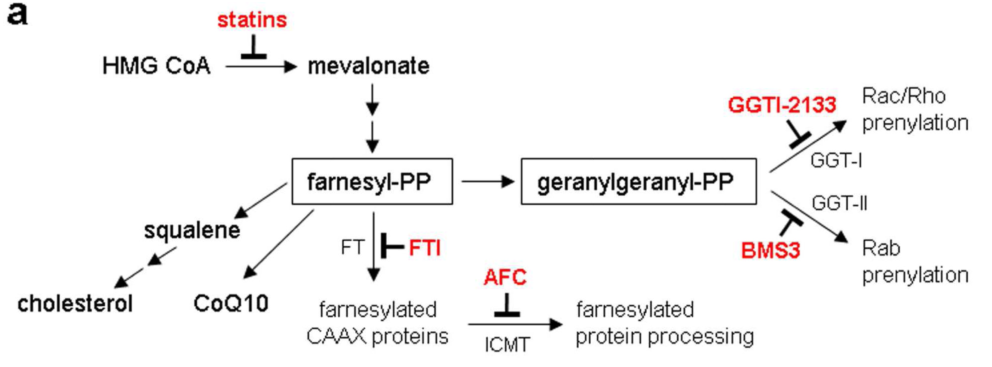
Reference Validation
Checked with linkml-reference-validator 0.3.0.
| Outcome | Count |
|---|---|
| References checked | 24 |
| Resolved | 20 |
| Unresolved (possible confabulation) | 1 |
| Unverifiable | 3 |
| References weighed for topical relevance | 20 |
| On topic | 8 |
| Off topic | 0 |
Unresolved references
These identifiers did not resolve to a record and may be fabricated. A lookup that failed for transport reasons is indistinguishable from one that failed because the record does not exist, so spot-check before acting on them:
GEO:GSE97254(3 mentions) - Identifier did not resolve to a record
Term Validation
Checked with linkml-term-validator 0.4.5, through the ols: adapter.
| Outcome | Count |
|---|---|
| Terms checked | 1 |
| Resolved | 1 |
| Unresolved (possible confabulation) | 0 |
| Obsolete | 0 |
| Unverifiable | 0 |
| Terms whose name was checked | 1 |
| Terms named correctly | 0 |
| Terms named as a different term | 1 |
Terms the report names something else
These identifiers resolve, so nothing about them looks wrong, and the ontology calls them something unrelated to what the report calls them. That usually means the identifier is not the one the sentence needs:
MONDO:0033170(3 mentions) - the report calls it "if available"; MONDO calls it statin toxicity