Spondyloepimetaphyseal Dysplasia, Shohat Type
Spondyloepimetaphyseal dysplasia, Shohat type (SEMDSH) is an ultra-rare autosomal recessive chondrodysplasia caused by biallelic loss-of-function variants in DDRGK1, an endoplasmic reticulum membrane component of the UFM1 conjugation (UFMylation) system. It was first described in 1993 in a Jewish family of Iraqi origin and later in a Mexican boy; the founder splice-donor variant c.408+1G>A was identified by exome sequencing in four Iraqi Jewish families in 2017, and a homozygous missense allele was reported in two Moroccan families in 2022. Patients have early-onset severe disproportionate short-limb short stature, short neck, small chest, severe lumbar lordosis, marked genu varum with relative fibular overgrowth and joint laxity, and abdominal distension with mild hepatosplenomegaly. Radiographs show platyspondyly with central vertebral hypoplasia in infancy, squared vertebral bodies with mild interpedicular narrowing later, delayed epiphyseal ossification, small hypomineralised epiphyses and broad irregular metaphyses. Severe tracheal and laryngeal narrowing has caused upper airway obstruction requiring tracheostomy and was fatal as a surgical complication in two patients. Mechanistically, DDRGK1 binds SOX9 and restrains its ubiquitin-dependent proteasomal degradation; loss of DDRGK1 lowers SOX9 protein and COL2A1 expression in chondrogenic cells, impairs mesenchymal condensation and chondrocyte differentiation, and disorganises the growth plate with an expanded hypertrophic zone in mice. A second, more recently described branch runs through loss of IRE1-alpha UFMylation, IRE1-alpha degradation, endoplasmic reticulum stress and PERK-CHOP-caspase-3 chondrocyte apoptosis. Both branches are established in zebrafish, mouse and cultured-cell systems; the corresponding steps in patient growth-plate tissue are inferred rather than measured.
Ask OpenScientist
Ask a research question about Spondyloepimetaphyseal Dysplasia, Shohat Type. OpenScientist will conduct autonomous deep research using the Disorder Mechanisms Knowledge Base and PubMed literature (typically 10-30 minutes).
Do not include personal health information in your question. Questions and results are cached in your browser's local storage.
Classifications
Mappings
Inheritance
1Show evidence (3 references)
Mechanistic Hypotheses
2Show evidence (1 reference)
Show evidence (1 reference)
Discussions and Knowledge Gaps
3Show evidence (1 reference)
Show evidence (1 reference)
Show evidence (1 reference)
Pathophysiology
8Show evidence (4 references)
Show evidence (3 references)
Show evidence (4 references)
Show evidence (2 references)
Show evidence (2 references)
Show evidence (3 references)
Show evidence (3 references)
Show evidence (1 reference)
Pathograph
Phenotypes
29Cardiovascular 1
Show evidence (1 reference)
Digestive 1
Show evidence (2 references)
Head and Neck 3
Show evidence (2 references)
Show evidence (1 reference)
Show evidence (1 reference)
Limbs 4
Show evidence (3 references)
Show evidence (3 references)
Show evidence (2 references)
Show evidence (2 references)
Musculoskeletal 13
Show evidence (2 references)
Show evidence (2 references)
Show evidence (1 reference)
Show evidence (2 references)
Show evidence (2 references)
Show evidence (3 references)
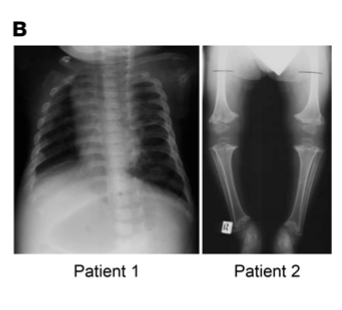
Show evidence (1 reference)
Show evidence (1 reference)
Show evidence (1 reference)
Show evidence (1 reference)
Show evidence (3 references)
Show evidence (1 reference)
Show evidence (1 reference)
Respiratory 4
Show evidence (1 reference)
Show evidence (1 reference)
Show evidence (1 reference)
Show evidence (1 reference)
Voice 1
Show evidence (1 reference)
Constitutional 1
Show evidence (1 reference)
Growth 1
Show evidence (4 references)
Genetic Associations
1Show evidence (2 references)
Variants (2)
Show evidence (4 references)
Show evidence (2 references)
External Assertions
2Show evidence (1 reference)
Medical Actions
4Show evidence (2 references)
Show evidence (1 reference)
Show evidence (1 reference)
Show evidence (1 reference)
Diagnosis
2Show evidence (2 references)
Show evidence (2 references)
Prevalence
1Show evidence (2 references)
Differential Diagnoses
2Conditions with similar clinical presentations that must be differentiated from Spondyloepimetaphyseal Dysplasia, Shohat Type:
- Campomelic dysplasia is a dominant SOX9 disorder with bowed, angulated long bones and frequent neonatal lethality; Shohat-type SEMD is recessive, DDRGK1-related and compatible with adult survival.
Show evidence (1 reference)
Experimental Models
3Show evidence (1 reference)
Show evidence (1 reference)
Show evidence (1 reference)
Show evidence (1 reference)
Show evidence (1 reference)
Show evidence (1 reference)
Animal Models
7Show evidence (1 reference)
Show evidence (1 reference)
Show evidence (1 reference)
Show evidence (2 references)
Show evidence (1 reference)
Show evidence (1 reference)
Show evidence (1 reference)
Show evidence (1 reference)
Show evidence (1 reference)
Show evidence (1 reference)
Show evidence (1 reference)
Show evidence (1 reference)
Show evidence (1 reference)
Show evidence (1 reference)
Show evidence (1 reference)
Show evidence (1 reference)
Show evidence (1 reference)
Source YAML
click to showname: Spondyloepimetaphyseal Dysplasia, Shohat Type
creation_date: "2026-10-13T12:00:00Z"
category: Mendelian
description: >-
Spondyloepimetaphyseal dysplasia, Shohat type (SEMDSH) is an ultra-rare autosomal
recessive chondrodysplasia caused by biallelic loss-of-function variants in DDRGK1,
an endoplasmic reticulum membrane component of the UFM1 conjugation (UFMylation)
system. It was first described in 1993 in a Jewish family of Iraqi origin and later
in a Mexican boy; the founder splice-donor variant c.408+1G>A was identified by exome
sequencing in four Iraqi Jewish families in 2017, and a homozygous missense allele
was reported in two Moroccan families in 2022. Patients have early-onset severe
disproportionate short-limb short stature, short neck, small chest, severe lumbar
lordosis, marked genu varum with relative fibular overgrowth and joint laxity, and
abdominal distension with mild hepatosplenomegaly. Radiographs show platyspondyly
with central vertebral hypoplasia in infancy, squared vertebral bodies with mild
interpedicular narrowing later, delayed epiphyseal ossification, small hypomineralised
epiphyses and broad irregular metaphyses. Severe tracheal and laryngeal narrowing has
caused upper airway obstruction requiring tracheostomy and was fatal as a surgical
complication in two patients.
Mechanistically, DDRGK1 binds SOX9 and restrains its ubiquitin-dependent proteasomal
degradation; loss of DDRGK1 lowers SOX9 protein and COL2A1 expression in chondrogenic
cells, impairs mesenchymal condensation and chondrocyte differentiation, and
disorganises the growth plate with an expanded hypertrophic zone in mice. A second,
more recently described branch runs through loss of IRE1-alpha UFMylation, IRE1-alpha
degradation, endoplasmic reticulum stress and PERK-CHOP-caspase-3 chondrocyte apoptosis.
Both branches are established in zebrafish, mouse and cultured-cell systems; the
corresponding steps in patient growth-plate tissue are inferred rather than measured.
synonyms:
- SEMD, Shohat type
- SEMD Shohat type
- SEMDSH
- Spondyloepimetaphyseal dysplasia Shohat type
- Spondylo-epi-metaphyseal dysplasia Shohat type
- DDRGK1-related spondyloepimetaphyseal dysplasia
disease_term:
preferred_term: spondyloepimetaphyseal dysplasia, Shohat type
term:
id: MONDO:0011252
label: spondyloepimetaphyseal dysplasia, Shohat type
parents:
- Spondyloepimetaphyseal Dysplasia
- Skeletal Dysplasia
classifications:
harrisons_chapter:
- classification_value: GENETICS_ENVIRONMENT_DISEASE
notes: A monogenic autosomal recessive skeletal dysplasia; the skeletal and airway
manifestations define the presentation.
mappings:
mondo_mappings:
- term:
id: MONDO:0011252
label: spondyloepimetaphyseal dysplasia, Shohat type
mapping_predicate: skos:exactMatch
mapping_source: MONDO
notes: >-
Primary disease term. The OLS record for MONDO:0011252 (read 2026-10-13) carries
the cross-references OMIM:602557, Orphanet:93352, GARD:0004980, MEDGEN:400703,
MESH:C566523, SCTID:719201004, UMLS:C1865185 and icd11.foundation:1389783101, the
synonyms SEMD Shohat type, SEMD, Shohat type and SEMDSH, and the single parent
MONDO:0100510 spondyloepimetaphyseal dysplasia.
external_assertions:
- name: OMIM 602557 spondyloepimetaphyseal dysplasia, Shohat type
source: OMIM
assertion_type: DISEASE_GENE_ASSOCIATION
external_id: OMIM:602557
url: https://www.omim.org/entry/602557
description: >-
The OMIM phenotype entry for this disease, mapped as an exact cross-reference by
MONDO:0011252 and cited by the 2022 Moroccan case report as the disease identifier.
evidence:
- reference: PMID:35670300
reference_title: "A missense mutation in DDRGK1 gene associated to Shohat-type spondyloepimetaphyseal dysplasia: Two case reports and a review of literature."
supports: SUPPORT
evidence_source: HUMAN_CLINICAL
quote_role: BACKGROUND
snippet: "Spondylo-epi-metaphyseal dysplasia Shohat type (SEMDSH, OMIM # 602557) is a rare skeletal dysplasia."
explanation: The case report names the OMIM phenotype number recorded here, in its framing of the disease rather than as a result of its own.
- name: Orphanet 93352 spondyloepimetaphyseal dysplasia, Shohat type
source: Orphanet
assertion_type: DISEASE_CLASSIFICATION
external_id: ORPHA:93352
url: https://www.orpha.net/en/disease/detail/93352
description: >-
The Orphanet entry for this disease, cross-referenced by MONDO:0011252. It is not
quoted as evidence because the repository holds no references_cache/ORPHA_93352.md
record, and generating one requires repinning the Orphadata snapshot in
data/orphadata/MANIFEST.yaml, which is a separate, whole-cache change.
inheritance:
- name: Autosomal recessive
inheritance_term:
preferred_term: Autosomal recessive inheritance
term:
id: HP:0000007
label: Autosomal recessive inheritance
description: >-
Biallelic DDRGK1 variants. The founder c.408+1G>A allele was homozygous in all
affected members of four Iraqi Jewish families and in none of the unaffected
relatives; the two Moroccan children carried a homozygous missense allele. The
original 1993 and 1994 clinical reports had already inferred recessive transmission
from the sibling and second-cousin pattern of the first family.
evidence:
- reference: PMID:28263186
reference_title: "Loss of DDRGK1 modulates SOX9 ubiquitination in spondyloepimetaphyseal dysplasia."
supports: SUPPORT
evidence_source: HUMAN_CLINICAL
snippet: "The 3 affected individuals had a homozygous c.408+1G>A donor splice site mutation in the third intron of the DDRGK1 gene, while none of the unaffected family members were homozygous for this mutation"
explanation: Homozygosity restricted to affected individuals across the sequenced families establishes recessive inheritance of the founder allele.
- reference: PMID:8074146
reference_title: "Spondyloepimetaphyseal dysplasia (SEMD) Shohat type."
supports: SUPPORT
evidence_source: HUMAN_CLINICAL
snippet: "Autosomal recessive inheritance is supported and the designation SEMD Shohat type is proposed."
explanation: The 1994 report that named the entity and inferred recessive inheritance before the gene was known.
- reference: PMID:35670300
reference_title: "A missense mutation in DDRGK1 gene associated to Shohat-type spondyloepimetaphyseal dysplasia: Two case reports and a review of literature."
supports: SUPPORT
evidence_source: HUMAN_CLINICAL
snippet: "Here we report a homozygous missense pathogenic variant in DDRGK1 in two children from unrelated two Moroccan families."
explanation: A second, homozygous allele class in unrelated families, consistent with recessive inheritance.
prevalence:
- population: Worldwide, published cases
measure_type: CASES_IN_LITERATURE
prevalence_class: ULTRA_RARE
notes: >-
The 2022 phenotypic-delineation report counted nine genetically confirmed patients
from six families before its own case; the same year the Moroccan report counted
eight patients from five families before its two. The founder c.408+1G>A allele
accounts for the Iraqi Jewish families and the 2022 delineation case; no population
prevalence or carrier-frequency estimate has been published.
evidence:
- reference: PMID:36243336
reference_title: "Shohat type-spondyloepimetaphyseal dysplasia: Further phenotypic delineation."
supports: SUPPORT
evidence_source: HUMAN_CLINICAL
snippet: "Only nine patients from six families have been reported and genetically confirmed to have biallelic pathogenic variants in the DDRGK1 gene."
explanation: The published case count behind the ULTRA_RARE band.
- reference: PMID:36243336
reference_title: "Shohat type-spondyloepimetaphyseal dysplasia: Further phenotypic delineation."
supports: SUPPORT
evidence_source: HUMAN_CLINICAL
snippet: "Spondyloepimetaphyseal dysplasia-Shohat type (SEMDSH) is an ultra-rare type of skeletal dysplasia."
explanation: The source's own qualitative rarity statement.
pathophysiology:
- name: DDRGK1 Loss of Function
biological_scale: MOLECULAR
description: >-
Biallelic loss-of-function DDRGK1 variants. The founder c.408+1G>A donor splice-site
allele produces an intron-3 read-through transcript and a cryptic-splice transcript,
both with premature stop codons, and patient lymphoblastoid cells express no DDRGK1
protein. DDRGK1 (also called UFBP1) is an endoplasmic reticulum membrane protein and a
core component of the UFM1 conjugation system, so its loss removes both its
UFMylation-dependent and its direct protein-stabilising functions.
mechanism_confidence: ESTABLISHED
genetic_context:
gene:
preferred_term: DDRGK1
term:
id: hgnc:16110
label: DDRGK1
zygosity: HOMOZYGOUS
variant_origin: GERMLINE
allele_type: splice-donor loss-of-function (founder allele) or missense
functional_impact_category: LOSS_OF_FUNCTION
description: >-
Homozygous germline NM_023935.3:c.408+1G>A in the Iraqi Jewish families and the
2022 delineation case; a homozygous missense allele in two Moroccan families. Graded
as complete loss of function for the splice allele because patient cells express
no detectable protein; the missense allele has no reported functional assay.
molecular_functions:
- preferred_term: UFM1-modified protein reader activity
modifier: DECREASED
term:
id: GO:0141185
label: UFM1-modified protein reader activity
- preferred_term: ubiquitin-like protein ligase binding
modifier: DECREASED
term:
id: GO:0044389
label: ubiquitin-like protein ligase binding
biological_processes:
- preferred_term: protein ufmylation
modifier: DECREASED
term:
id: GO:0071569
label: protein ufmylation
cellular_components:
- preferred_term: endoplasmic reticulum membrane
term:
id: GO:0005789
label: endoplasmic reticulum membrane
genes:
- preferred_term: DDRGK1
term:
id: hgnc:16110
label: DDRGK1
downstream:
- target: Increased Ubiquitin-Dependent Proteasomal Degradation of SOX9
causal_link_type: DIRECT
hypothesis_groups:
- sox9_ubiquitination
description: DDRGK1 binds SOX9 and inhibits its ubiquitination; without DDRGK1 that restraint is lost.
evidence:
- reference: PMID:28263186
reference_title: "Loss of DDRGK1 modulates SOX9 ubiquitination in spondyloepimetaphyseal dysplasia."
supports: SUPPORT
evidence_source: IN_VITRO
snippet: "Furthermore, we determined that DDRGK1 can directly bind to SOX9 to inhibit its ubiquitination and proteasomal degradation."
explanation: The co-immunoprecipitation and ubiquitination assays in HEK293T cells that establish this edge.
- target: Impaired IRE1-alpha UFMylation and Stability
causal_link_type: DIRECT
hypothesis_groups:
- ire1a_er_stress
description: DDRGK1 is required for UFMylation-dependent stabilisation of the ER stress sensor IRE1-alpha.
evidence:
- reference: PMID:37781516
reference_title: "Loss of DDRGK1 impairs IRE1α UFMylation in spondyloepiphyseal dysplasia."
supports: SUPPORT
evidence_source: MODEL_ORGANISM
snippet: "Further DDRGK1 K268R-mutant mice revealed the importance of K268 UFMylation site in IRE1α degradation and subsequent ER dysfunction."
explanation: A knock-in mouse at the DDRGK1 UFMylation site reproduces the IRE1-alpha degradation, tying the edge to DDRGK1's UFMylation function.
evidence:
- reference: PMID:28263186
reference_title: "Loss of DDRGK1 modulates SOX9 ubiquitination in spondyloepimetaphyseal dysplasia."
supports: SUPPORT
evidence_source: HUMAN_CLINICAL
snippet: "Here, we have performed whole-exome sequencing to identify a recurrent homozygous c.408+1G>A donor splice site loss-of-function mutation in DDRGK domain containing 1 (DDRGK1) in 4 families affected by SEMD."
explanation: The discovery of the causal gene and founder allele in four families.
- reference: PMID:28263186
reference_title: "Loss of DDRGK1 modulates SOX9 ubiquitination in spondyloepimetaphyseal dysplasia."
supports: SUPPORT
evidence_source: IN_VITRO
snippet: "When we examined protein expression, LCLs from the patient did not express DDRGK1"
explanation: Absence of protein in patient lymphoblastoid cells is the direct demonstration of loss of function.
- reference: PMID:28263186
reference_title: "Loss of DDRGK1 modulates SOX9 ubiquitination in spondyloepimetaphyseal dysplasia."
supports: SUPPORT
evidence_source: IN_VITRO
snippet: "The first aberrant RNA was a read-through of the third intron and the second one was the result of use of a cryptic splice site, both resulting in a premature stop codon"
explanation: The two aberrant transcripts produced by the splice-donor allele in patient cells.
- reference: PMID:28128204
reference_title: "A critical role of DDRGK1 in endoplasmic reticulum homoeostasis via regulation of IRE1α stability."
supports: SUPPORT
evidence_source: IN_VITRO
quote_role: BACKGROUND
snippet: "DDRGK1 is an ER membrane protein and a critical component of the ubiquitin-fold modifier 1 (Ufm1) system."
explanation: Establishes the localisation and UFMylation-system membership of the protein this node describes; a framing sentence summarising earlier cell-based work rather than a result of the cited study.
- name: Increased Ubiquitin-Dependent Proteasomal Degradation of SOX9
biological_scale: MOLECULAR
description: >-
SOX9 is normally polyubiquitinated and turned over by the proteasome. DDRGK1 forms a
complex with SOX9 and reduces its ubiquitination; co-expression of DDRGK1 lowers
ubiquitinated SOX9 and raises SOX9 protein even when translation is blocked, so the
control is post-translational. Loss of DDRGK1 therefore accelerates SOX9 degradation.
mechanism_confidence: ESTABLISHED
biological_processes:
- preferred_term: ubiquitin-dependent proteasomal degradation of SOX9
modifier: INCREASED
term:
id: GO:0043161
label: proteasome-mediated ubiquitin-dependent protein catabolic process
- preferred_term: DDRGK1-mediated stabilisation of SOX9 protein
modifier: DECREASED
term:
id: GO:0050821
label: protein stabilization
genes:
- preferred_term: SOX9
term:
id: hgnc:11204
label: SOX9
downstream:
- target: Reduced SOX9 Protein and COL2A1 Expression in Chondrogenic Cells
causal_link_type: DIRECT
hypothesis_groups:
- sox9_ubiquitination
description: Accelerated degradation lowers steady-state SOX9 protein without changing Sox9 transcript, and SOX9's target COL2A1 falls with it.
evidence:
- reference: PMID:28263186
reference_title: "Loss of DDRGK1 modulates SOX9 ubiquitination in spondyloepimetaphyseal dysplasia."
supports: SUPPORT
evidence_source: IN_VITRO
snippet: "Knockdown of Ddrgk1 did not alter the mRNA expression of Sox9, but did decrease SOX9 protein levels in ATDC5 cells after 7 days of differentiation induced by insulin, transferrin, and selenium (ITS) treatment"
explanation: Protein falls while transcript is unchanged, which is the signature of a degradation-level effect.
evidence:
- reference: PMID:28263186
reference_title: "Loss of DDRGK1 modulates SOX9 ubiquitination in spondyloepimetaphyseal dysplasia."
supports: SUPPORT
evidence_source: IN_VITRO
snippet: "Interestingly, the levels of ubiquitinated SOX9 decreased when Sox9 and Ub were coexpressed with Ddrgk1 in HEK293T cells"
explanation: DDRGK1 lowers SOX9 ubiquitination in the reconstituted HEK293T assay, so its absence raises it.
- reference: PMID:28263186
reference_title: "Loss of DDRGK1 modulates SOX9 ubiquitination in spondyloepimetaphyseal dysplasia."
supports: SUPPORT
evidence_source: IN_VITRO
snippet: "We found that SOX9 forms a complex with DDRGK1"
explanation: The physical interaction behind the stabilising effect.
- reference: PMID:35377455
reference_title: "DDRGK1 is required for the proper development and maintenance of the growth plate cartilage."
supports: SUPPORT
evidence_source: IN_VITRO
quote_role: BACKGROUND
snippet: "Mechanistically, Ddrgk1 interacts with Sox9 and reduces ubiquitin-mediated proteasomal degradation of Sox9 protein."
explanation: The later mouse study restating the 2017 biochemical result in its introduction; graded by the cell-based evidence it summarises.
- name: Reduced SOX9 Protein and COL2A1 Expression in Chondrogenic Cells
biological_scale: MOLECULAR
description: >-
SOX9 is the master transcription factor of chondrogenesis and COL2A1 its direct
target. In ddrgk1-deficient zebrafish, Ddrgk1-null mouse limb buds and
Ddrgk1-knockdown ATDC5 chondrogenic cells, SOX9 protein and Col2a1 transcript fall;
in Prx1-Cre conditional knockout growth plates Sox9 and Col2a1 protein are reduced
while Col10a1 expands. The reduction in SOX9 is less than 50 per cent in null mice,
yet the skeletal phenotype exceeds that of Sox9 haploinsufficiency, which the
discovery paper reads as DDRGK1 acting on targets beyond SOX9.
mechanism_confidence: ESTABLISHED
genes:
- preferred_term: SOX9
term:
id: hgnc:11204
label: SOX9
- preferred_term: COL2A1
term:
id: hgnc:2200
label: COL2A1
cell_types:
- preferred_term: chondrocyte
term:
id: CL:0000138
label: chondrocyte
downstream:
- target: Impaired Chondrogenic Mesenchymal Condensation and Chondrocyte Differentiation
causal_link_type: DIRECT
hypothesis_groups:
- sox9_ubiquitination
description: SOX9 is epistatic to DDRGK1 for chondrogenesis; restoring sox9 rescues the cartilage phenotype of ddrgk1 loss.
evidence:
- reference: PMID:28263186
reference_title: "Loss of DDRGK1 modulates SOX9 ubiquitination in spondyloepimetaphyseal dysplasia."
supports: SUPPORT
evidence_source: MODEL_ORGANISM
snippet: "Overexpression of sox9 rescued the zebrafish chondrogenic and craniofacial phenotype generated by ddrgk1 knockdown, thus identifying DDRGK1 as a regulator of SOX9."
explanation: The rescue experiment places SOX9 loss on the causal path from DDRGK1 loss to failed chondrogenesis.
evidence:
- reference: PMID:28263186
reference_title: "Loss of DDRGK1 modulates SOX9 ubiquitination in spondyloepimetaphyseal dysplasia."
supports: SUPPORT
evidence_source: MODEL_ORGANISM
snippet: "In zebrafish, ddrgk1 deficiency disrupted craniofacial cartilage development and led to decreased levels of the chondrogenic master transcription factor sox9 and its downstream target, col2a1."
explanation: Zebrafish knockdown lowers sox9 and col2a1.
- reference: PMID:28263186
reference_title: "Loss of DDRGK1 modulates SOX9 ubiquitination in spondyloepimetaphyseal dysplasia."
supports: SUPPORT
evidence_source: MODEL_ORGANISM
snippet: "Ddrgk1-/- mice displayed delayed limb bud chondrogenic condensation, decreased SOX9 protein expression and Col2a1 transcript levels, and increased apoptosis."
explanation: The same molecular signature in null mouse limb buds.
- reference: PMID:35377455
reference_title: "DDRGK1 is required for the proper development and maintenance of the growth plate cartilage."
supports: SUPPORT
evidence_source: MODEL_ORGANISM
snippet: "In correlation with these findings, Sox9 and Col2a1 protein levels were decreased, while Col10a1 expression was expanded."
explanation: Reduced Sox9 and Col2a1 protein in cartilage-specific conditional knockout growth plates.
- reference: PMID:28263186
reference_title: "Loss of DDRGK1 modulates SOX9 ubiquitination in spondyloepimetaphyseal dysplasia."
supports: SUPPORT
evidence_source: MODEL_ORGANISM
snippet: "Though the reduction in Sox9 protein levels is less than 50% in Ddrgk1–/– mice, these mice have a more severe skeletal phenotype than Sox9+/– mice haploinsufficient for Sox9"
explanation: Quantifies the SOX9 reduction and records the discrepancy that motivates looking for SOX9-independent targets.
- name: Impaired IRE1-alpha UFMylation and Stability
biological_scale: MOLECULAR
description: >-
DDRGK1 interacts with the kinase domain of the ER stress sensor IRE1-alpha (ERN1)
and protects it from ubiquitin-dependent degradation in a UFMylation-dependent
manner. Loss of DDRGK1, or mutation of its K268 UFMylation site, reduces IRE1-alpha
UFMylation and increases ubiquitylation-mediated IRE1-alpha degradation. This branch
was described in cancer cells and haematopoietic stem cells in 2017 and extended to
chondrocytes and the growth plate in 2023.
mechanism_confidence: ESTABLISHED
biological_processes:
- preferred_term: UFMylation of IRE1-alpha
modifier: DECREASED
term:
id: GO:0071569
label: protein ufmylation
- preferred_term: ubiquitin-dependent degradation of IRE1-alpha
modifier: INCREASED
term:
id: GO:0006511
label: ubiquitin-dependent protein catabolic process
genes:
- preferred_term: ERN1 (IRE1-alpha)
term:
id: hgnc:3449
label: ERN1
downstream:
- target: Chondrocyte Endoplasmic Reticulum Stress with PERK-CHOP Apoptotic Signaling
causal_link_type: DIRECT
hypothesis_groups:
- ire1a_er_stress
description: Loss of IRE1-alpha removes the adaptive IRE1-alpha-XBP1 arm of the unfolded protein response and leaves the PERK-eIF2-alpha-CHOP apoptotic arm active.
evidence:
- reference: PMID:28128204
reference_title: "A critical role of DDRGK1 in endoplasmic reticulum homoeostasis via regulation of IRE1α stability."
supports: SUPPORT
evidence_source: IN_VITRO
snippet: "Depletion of DDRGK1 represses IRE1α-XBP1 signalling and activates the PERK-eIF2α-CHOP apoptotic pathway by targeting the ER-stress sensor IRE1α."
explanation: The edge as stated in the study that first linked DDRGK1 loss to IRE1-alpha and the apoptotic UPR arm.
evidence:
- reference: PMID:28128204
reference_title: "A critical role of DDRGK1 in endoplasmic reticulum homoeostasis via regulation of IRE1α stability."
supports: SUPPORT
evidence_source: IN_VITRO
snippet: "We further demonstrate that DDRGK1 regulates IRE1α protein stability via its interaction with the kinase domain of IRE1α, which is dependent on its ufmylation modification."
explanation: The interaction and UFMylation dependence of IRE1-alpha stabilisation, in cultured cells.
- reference: PMID:37781516
reference_title: "Loss of DDRGK1 impairs IRE1α UFMylation in spondyloepiphyseal dysplasia."
supports: SUPPORT
evidence_source: MODEL_ORGANISM
snippet: "Instead of the classical modulation mechanism towards SOX9, our further mechanism study found that DDRGK1 stabilizes the stress sensor endoplasmic reticulum-to-nucleus signaling 1 (IRE1α) to maintain endoplasmic reticulum (ER) homoeostasis."
explanation: The chondrocyte study's statement of the IRE1-alpha branch, framed against the SOX9 mechanism.
- name: Chondrocyte Endoplasmic Reticulum Stress with PERK-CHOP Apoptotic Signaling
biological_scale: CELLULAR
description: >-
With IRE1-alpha destabilised, DDRGK1-deficient chondrocytes lose IRE1-alpha-XBP1
homeostatic signalling, develop ER dysfunction and activate the PERK/CHOP/caspase-3
apoptotic pathway. Apoptosis is increased in Ddrgk1-null limb buds and in
chondrocyte-specific knockout growth plates; disc cells deleted for Ddrgk1 show the
same ER stress and apoptosis signature. Thapsigargin aggravates the injury in cells,
which is an experimental challenge rather than a human exposure.
mechanism_confidence: ESTABLISHED
cell_types:
- preferred_term: chondrocyte
term:
id: CL:0000138
label: chondrocyte
biological_processes:
- preferred_term: endoplasmic reticulum stress response in chondrocytes
modifier: INCREASED
term:
id: GO:0034976
label: response to endoplasmic reticulum stress
- preferred_term: IRE1-alpha-XBP1 adaptive unfolded protein response
modifier: DECREASED
term:
id: GO:0036498
label: IRE1-mediated unfolded protein response
- preferred_term: PERK-eIF2-alpha-CHOP signalling
modifier: INCREASED
term:
id: GO:0036499
label: PERK-mediated unfolded protein response
- preferred_term: ER stress-induced chondrocyte apoptosis
modifier: INCREASED
term:
id: GO:0070059
label: intrinsic apoptotic signaling pathway in response to endoplasmic reticulum stress
genes:
- preferred_term: EIF2AK3 (PERK)
term:
id: hgnc:3255
label: EIF2AK3
- preferred_term: DDIT3 (CHOP)
term:
id: hgnc:2726
label: DDIT3
downstream:
- target: Growth Plate Disorganization with Expanded Hypertrophic Zone
causal_link_type: INDIRECT_UNKNOWN_INTERMEDIATES
hypothesis_groups:
- ire1a_er_stress
description: >-
Chondrocyte-specific deletion that produces the ER-stress and apoptosis signature
also produces the thickened hypertrophic zone; the 2023 study presents the stress
branch as the route to the growth-plate lesion, but the intermediate steps from
apoptosis to zone expansion are not resolved.
evidence:
- reference: PMID:37781516
reference_title: "Loss of DDRGK1 impairs IRE1α UFMylation in spondyloepiphyseal dysplasia."
supports: SUPPORT
evidence_source: MODEL_ORGANISM
snippet: "In conclusion, DDRGK1 stabilizes IRE1α to ameliorate ER stress and following apoptosis in chondrocytes, which finally promote the normal chondrogenesis."
explanation: The study's own causal summary from chondrocyte ER stress and apoptosis to chondrogenesis.
- target: Intervertebral Disc and Cartilage Endplate Defect
causal_link_type: INDIRECT_UNKNOWN_INTERMEDIATES
hypothesis_groups:
- ire1a_er_stress
description: >-
Aggrecan-lineage deletion of Ddrgk1 reproduces ER stress and apoptosis in nucleus
pulposus and cartilage endplate cells alongside the disc defect; the study reads the
stress and apoptosis as the route to disc disruption without resolving intermediates.
evidence:
- reference: PMID:41460352
reference_title: "DDRGK1 preserves intervertebral disc development through ufmylation."
supports: SUPPORT
evidence_source: MODEL_ORGANISM
snippet: "Immunohistochemical analysis further verified increased apoptosis, ECM disruption and ER stress in both nucleus pulposus and cartilage endplate after Ddrgk1 conditional knockout."
explanation: The same ER stress and apoptosis signature measured in the disc compartments where the structural defect develops.
evidence:
- reference: PMID:37781516
reference_title: "Loss of DDRGK1 impairs IRE1α UFMylation in spondyloepiphyseal dysplasia."
supports: SUPPORT
evidence_source: MODEL_ORGANISM
snippet: "The loss of DDRGK1 decreased the UFMylation and subsequently led to increased ubiquitylation-mediated IRE1α degradation, causing ER dysfunction and activating the PERK/CHOP/Caspase3 apoptosis pathway."
explanation: ER dysfunction and PERK/CHOP/caspase-3 activation downstream of IRE1-alpha loss in the chondrocyte knockout study.
- reference: PMID:28263186
reference_title: "Loss of DDRGK1 modulates SOX9 ubiquitination in spondyloepimetaphyseal dysplasia."
supports: SUPPORT
evidence_source: MODEL_ORGANISM
snippet: "Additionally, deletion of Ddrgk1 increased apoptosis and cell death, trending toward significance, in E11.5 limb buds"
explanation: Increased apoptosis in null limb buds, reported by the discovery paper before the ER-stress route was described; note the authors' own qualification that the TUNEL difference only trended toward significance.
- name: Impaired Chondrogenic Mesenchymal Condensation and Chondrocyte Differentiation
biological_scale: CELLULAR
description: >-
Chondrogenesis begins with condensation of limb-bud mesenchyme under SOX9 control.
Ddrgk1-null mouse limb buds show no mesenchymal condensation up to E12.5 and their
mesenchymal cells form fewer cartilaginous nodules in micromass culture; ddrgk1
morphant zebrafish lack or malform the craniofacial cartilages. The discovery paper
concludes that DDRGK1 is required for chondrocyte differentiation from mesenchymal
cells and that its loss reduces the chondrogenic potency of mesenchyme.
mechanism_confidence: ESTABLISHED
cell_types:
- preferred_term: limb-bud chondrogenic mesenchymal cell
term:
id: CL:0008019
label: mesenchymal cell
- preferred_term: chondrocyte
term:
id: CL:0000138
label: chondrocyte
biological_processes:
- preferred_term: chondrogenic mesenchymal condensation
modifier: DECREASED
term:
id: GO:0001502
label: cartilage condensation
- preferred_term: chondrocyte differentiation
modifier: DECREASED
term:
id: GO:0002062
label: chondrocyte differentiation
- preferred_term: cartilage development
modifier: DECREASED
term:
id: GO:0051216
label: cartilage development
locations:
- preferred_term: limb bud
term:
id: UBERON:0004347
label: limb bud
downstream:
- target: Growth Plate Disorganization with Expanded Hypertrophic Zone
causal_link_type: INDIRECT_KNOWN_INTERMEDIATES
hypothesis_groups:
- sox9_ubiquitination
description: >-
Deleting Ddrgk1 in limb mesenchyme with Prx1-Cre, so that the condensation and
differentiation defect is confined to the cartilage lineage, yields a disorganised
growth plate with a shortened proliferative and enlarged hypertrophic zone; the
intermediate is the SOX9 and COL2A1 deficiency of the differentiating chondrocytes.
evidence:
- reference: PMID:35377455
reference_title: "DDRGK1 is required for the proper development and maintenance of the growth plate cartilage."
supports: SUPPORT
evidence_source: MODEL_ORGANISM
snippet: "The growth plate showed disorganization with shortened proliferative zone and enlarged hypertrophic zone."
explanation: The growth-plate consequence of cartilage-lineage DDRGK1 loss.
evidence:
- reference: PMID:28263186
reference_title: "Loss of DDRGK1 modulates SOX9 ubiquitination in spondyloepimetaphyseal dysplasia."
supports: SUPPORT
evidence_source: MODEL_ORGANISM
snippet: "However, condensation of mesenchymal cells did not occur in Ddrgk1–/– limb buds up to E12.5, which suggests that Ddrgk1 deletion causes a delay or absence of the early stages of chondrogenesis"
explanation: The histological condensation failure in null limb buds.
- reference: PMID:28263186
reference_title: "Loss of DDRGK1 modulates SOX9 ubiquitination in spondyloepimetaphyseal dysplasia."
supports: SUPPORT
evidence_source: MODEL_ORGANISM
snippet: "Interestingly, 50% to 61% of embryos injected with ddrgk1 MO (ddrgk1 morphants) showed craniofacial defects"
explanation: The zebrafish cartilage phenotype and its penetrance among injected embryos; an experimental proportion, not a patient frequency.
- reference: PMID:28263186
reference_title: "Loss of DDRGK1 modulates SOX9 ubiquitination in spondyloepimetaphyseal dysplasia."
supports: SUPPORT
evidence_source: HUMAN_CLINICAL
quote_role: BACKGROUND
snippet: "Shohat-type spondyloepimetaphyseal dysplasia (SEMD) is a skeletal dysplasia that affects cartilage development."
explanation: The disease-level statement that cartilage development is what fails, stated as background in the discovery paper's abstract.
- name: Growth Plate Disorganization with Expanded Hypertrophic Zone
biological_scale: TISSUE
description: >-
Cartilage-specific loss of Ddrgk1 in mice disorganises the growth plate, shortening
the proliferative zone and enlarging or thickening the hypertrophic zone, with
expanded Col10a1 expression and, after adult deletion, reduced proteoglycan
deposition. Deleting Ddrgk1 in osteoblasts produces no bone phenotype, so the lesion
is intrinsic to cartilage. The human growth plate has not been examined
histologically; the correspondence to patient bone is inferred from the mouse models
recapitulating short stature and joint abnormalities.
mechanism_confidence: PROVISIONAL
cell_types:
- preferred_term: hypertrophic chondrocyte
term:
id: CL:0000743
label: hypertrophic chondrocyte
biological_processes:
- preferred_term: growth plate cartilage development
modifier: ABNORMAL
term:
id: GO:0003417
label: growth plate cartilage development
- preferred_term: endochondral bone growth
modifier: DECREASED
term:
id: GO:0003416
label: endochondral bone growth
- preferred_term: chondrocyte proliferation
modifier: DECREASED
term:
id: GO:0035988
label: chondrocyte proliferation
genes:
- preferred_term: COL10A1
term:
id: hgnc:2185
label: COL10A1
locations:
- preferred_term: growth plate cartilage
term:
id: UBERON:0004129
label: growth plate cartilage
downstream:
- target: Disproportionate short-limb short stature
causal_link_type: INDIRECT_UNKNOWN_INTERMEDIATES
description: >-
Limb shortening is the organism-level outcome of the growth-plate lesion in the
conditional mice, which the authors match to the patients' short stature; the
human growth plate itself has not been examined.
evidence:
- reference: PMID:35377455
reference_title: "DDRGK1 is required for the proper development and maintenance of the growth plate cartilage."
supports: SUPPORT
evidence_source: MODEL_ORGANISM
snippet: "Furthermore, these genetic mouse models recapitulate the clinical phenotype of short stature and joint abnormalities observed in patients with Shohat type SEMD."
explanation: The model-to-patient correspondence that this edge rests on; model evidence, so the human step is inferred.
- target: Short long bone
causal_link_type: INDIRECT_UNKNOWN_INTERMEDIATES
description: Progressive severe limb shortening in cartilage-specific knockout mice is the model counterpart of the patients' short long bones.
evidence:
- reference: PMID:35377455
reference_title: "DDRGK1 is required for the proper development and maintenance of the growth plate cartilage."
supports: SUPPORT
evidence_source: MODEL_ORGANISM
snippet: "Mutant mice showed progressive severe shortening of the limbs and joint abnormalities."
explanation: Limb shortening as the readout of the growth-plate lesion in the model.
- target: Delayed epiphyseal ossification
causal_link_type: INDIRECT_UNKNOWN_INTERMEDIATES
description: Delayed and deficient endochondral ossification of the epiphyses is the expected radiographic consequence of a disorganised growth plate; not measured in patient tissue.
- target: Metaphyseal irregularity
causal_link_type: INDIRECT_UNKNOWN_INTERMEDIATES
description: Irregular, broad metaphyses are the radiographic footprint of disordered hypertrophic-zone maturation; inferred from the mouse growth-plate lesion.
- target: Metaphyseal widening
causal_link_type: INDIRECT_UNKNOWN_INTERMEDIATES
description: Broad, flared metaphyses are the radiographic footprint of disordered hypertrophic-zone maturation; inferred from the mouse growth-plate lesion.
- target: Small epiphyses
causal_link_type: INDIRECT_UNKNOWN_INTERMEDIATES
description: Small, hypomineralised epiphyses reflect deficient epiphyseal endochondral ossification; inferred from the mouse growth-plate lesion.
evidence:
- reference: PMID:37781516
reference_title: "Loss of DDRGK1 impairs IRE1α UFMylation in spondyloepiphyseal dysplasia."
supports: SUPPORT
evidence_source: MODEL_ORGANISM
snippet: "In our study, we established Ddrgk1fl/fl, Col2a1-ERT Cre mice, which showed a thickened hypertrophic zone (HZ) in the growth plate, simulating the previous reported SEMD pathology in vivo."
explanation: The thickened hypertrophic zone in chondrocyte-specific inducible knockout mice.
- reference: PMID:35377455
reference_title: "DDRGK1 is required for the proper development and maintenance of the growth plate cartilage."
supports: SUPPORT
evidence_source: MODEL_ORGANISM
snippet: "In contrast, deletion of Ddrgk1 with the osteoblast-specific Osteocalcin-Cre and Leptin receptor-Cre lines did not show bone phenotypes, suggesting that the effect on limb development is cartilage-specific."
explanation: Osteoblast deletion is silent, locating the lesion in cartilage.
- reference: PMID:35377455
reference_title: "DDRGK1 is required for the proper development and maintenance of the growth plate cartilage."
supports: SUPPORT
evidence_source: MODEL_ORGANISM
snippet: "Mice in which Ddrgk1 was deleted at 3 months of age showed disorganized growth plate, with significant reduction in proteoglycan deposition."
explanation: A postnatal requirement for DDRGK1 in maintaining growth-plate structure, beyond its developmental role.
- name: Intervertebral Disc and Cartilage Endplate Defect
biological_scale: TISSUE
description: >-
Deleting Ddrgk1 in the aggrecan lineage in early postnatal mice severely retards
spinal growth, disrupts disc cellularity and initiates disc degeneration, with
apoptosis, extracellular-matrix disruption and ER stress in both nucleus pulposus and
cartilage endplate; adult deletion thins the cartilage endplate. This is mouse
evidence only. It is recorded because the human disease is defined by vertebral
abnormalities (platyspondyly with central vertebral hypoplasia) and no other node
reaches the spine, but no patient disc or vertebral tissue has been examined.
mechanism_confidence: PROVISIONAL
locations:
- preferred_term: intervertebral disc
term:
id: UBERON:0001066
label: intervertebral disk
- preferred_term: vertebral column
term:
id: UBERON:0001130
label: vertebral column
biological_processes:
- preferred_term: ER stress-induced apoptosis of disc and endplate cells
modifier: INCREASED
term:
id: GO:0070059
label: intrinsic apoptotic signaling pathway in response to endoplasmic reticulum stress
downstream:
- target: Platyspondyly
causal_link_type: INDIRECT_UNKNOWN_INTERMEDIATES
description: >-
Flattened vertebral bodies are the human spinal manifestation; the only mechanistic
evidence for a DDRGK1-dependent spinal growth defect is the retarded spinal growth
of the disc-lineage knockout mouse, so this edge is an inference across species and
across the disc-to-vertebra boundary.
evidence:
- reference: PMID:41460352
reference_title: "DDRGK1 preserves intervertebral disc development through ufmylation."
supports: SUPPORT
evidence_source: MODEL_ORGANISM
snippet: "We found that Ddrgk1 conditional knockout led to severe retardation of spinal growth, disruption of disc cellularity and initiation of disc degeneration during early postnatal phase."
explanation: Spinal growth retardation in the mouse, the model-level counterpart of the vertebral phenotype.
- target: Central vertebral hypoplasia
causal_link_type: INDIRECT_UNKNOWN_INTERMEDIATES
description: The central vertebral-body hypoplasia and endplate notching of infancy sit at the cartilage endplate the mouse model implicates; inferred, not demonstrated in patients.
evidence:
- reference: PMID:41460352
reference_title: "DDRGK1 preserves intervertebral disc development through ufmylation."
supports: SUPPORT
evidence_source: MODEL_ORGANISM
snippet: "RNA sequencing of disc cells from Ddrgk1cKO mice showed upregulation of genes related to apoptosis, matrix metalloproteinase activation, extracellular matrix (ECM) degradation and endoplasmic reticulum (ER) unfolded protein response after Ddrgk1 conditional knockout."
explanation: The transcriptional signature of the disc defect in the knockout.
mechanistic_hypotheses:
- hypothesis_group_id: sox9_ubiquitination
hypothesis_label: DDRGK1 loss destabilises SOX9 through increased ubiquitin-dependent degradation
status: CANONICAL
description: >-
The mechanism proposed with the gene discovery. DDRGK1 binds SOX9 and restrains its
ubiquitination; without DDRGK1, SOX9 protein and COL2A1 expression fall and
chondrogenesis fails. Supported by zebrafish rescue with sox9, Ddrgk1-null mouse limb
buds, ATDC5 knockdown and HEK293T biochemistry; whether SOX9 is itself UFMylated was
proposed and not shown.
evidence:
- reference: PMID:28263186
reference_title: "Loss of DDRGK1 modulates SOX9 ubiquitination in spondyloepimetaphyseal dysplasia."
supports: SUPPORT
evidence_source: MODEL_ORGANISM
snippet: "Taken together, these data indicate that loss of DDRGK1 decreases SOX9 expression and causes a human skeletal dysplasia, identifying a mechanism that regulates chondrogenesis via modulation of SOX9 ubiquitination."
explanation: The discovery paper's summary of the mechanism; graded by the animal and cell work the sentence summarises.
- hypothesis_group_id: ire1a_er_stress
hypothesis_label: DDRGK1 loss causes chondrocyte ER stress and apoptosis through IRE1-alpha destabilisation
status: ALTERNATIVE
description: >-
The 2023 chondrocyte-specific knockout and K268R knock-in study proposed that the
growth-plate lesion arises from loss of IRE1-alpha UFMylation and stability, ER
dysfunction and PERK/CHOP/caspase-3 apoptosis, explicitly instead of the SOX9
mechanism. The two branches are not mutually exclusive: both are downstream of the same
lesion and the discovery paper itself noted that the skeletal phenotype exceeds what
the measured SOX9 reduction predicts. Listed as alternative because it rests on mouse
and cultured-cell evidence and has not been tested in patient chondrocytes.
evidence:
- reference: PMID:37781516
reference_title: "Loss of DDRGK1 impairs IRE1α UFMylation in spondyloepiphyseal dysplasia."
supports: SUPPORT
evidence_source: MODEL_ORGANISM
snippet: "Instead of the classical modulation mechanism towards SOX9, our further mechanism study found that DDRGK1 stabilizes the stress sensor endoplasmic reticulum-to-nucleus signaling 1 (IRE1α) to maintain endoplasmic reticulum (ER) homoeostasis."
explanation: The study's own framing of the branch as an alternative to the SOX9 mechanism.
phenotypes:
- name: Disproportionate short-limb short stature
category: Skeletal
frequency: VERY_FREQUENT
description: >-
Early-onset, severe, disproportionate short stature with short limbs is the defining
feature, present in every reported patient. Very short limbs were recognised in utero
in families 2 to 4 of the 2017 series.
phenotype_term:
preferred_term: Disproportionate short-limb short stature
term:
id: HP:0008873
label: Disproportionate short-limb short stature
onset:
onset_category: CONGENITAL
notes: Short limbs were seen on prenatal imaging in three of the four Iraqi Jewish families.
evidence:
- reference: PMID:36243336
reference_title: "Shohat type-spondyloepimetaphyseal dysplasia: Further phenotypic delineation."
supports: SUPPORT
evidence_source: HUMAN_CLINICAL
snippet: "We present a patient with typical clinical features of the disorder, including disproportionate short-limbed short stature, short neck, short chest with pectus carinatum, exaggerated lumbar lordosis and marked genu vara."
explanation: Short-limbed disproportionate short stature named as a typical feature.
- reference: PMID:35670300
reference_title: "A missense mutation in DDRGK1 gene associated to Shohat-type spondyloepimetaphyseal dysplasia: Two case reports and a review of literature."
supports: SUPPORT
evidence_source: HUMAN_CLINICAL
snippet: "The disorder is characterized by severely disproportionate short stature with a short neck, small trunk with abdominal distension, and short lower limbs."
explanation: Severe disproportionate short stature stated as the characterising feature, supporting the VERY_FREQUENT band.
- reference: PMID:8357004
reference_title: "New form of spondyloepimetaphyseal dysplasia (SEMD) in Jewish family of Iraqi origin."
supports: SUPPORT
evidence_source: HUMAN_CLINICAL
snippet: "We report a distinct type of spondyloepimetaphyseal dysplasia seen in 2 sibs and their second cousin, characterized by early onset severe short stature, small chest, and distended abdomen."
explanation: Early-onset severe short stature in the original family.
- reference: PMID:28263186
reference_title: "Loss of DDRGK1 modulates SOX9 ubiquitination in spondyloepimetaphyseal dysplasia."
supports: SUPPORT
evidence_source: HUMAN_CLINICAL
snippet: "The affected individuals in families 2 through 4, of Jewish Iraqi descent, were diagnosed with very short limbs in utero, and at birth, had vertebral and long-bone defects similar to those of the patients in family 1"
explanation: Prenatal recognition of short limbs, supporting the congenital onset.
- name: Short long bone
category: Skeletal
description: Short long bones with changes that in infancy resemble achondroplasia.
phenotype_term:
preferred_term: Short long bone
term:
id: HP:0003026
label: Short long bone
evidence:
- reference: PMID:8074146
reference_title: "Spondyloepimetaphyseal dysplasia (SEMD) Shohat type."
supports: SUPPORT
evidence_source: HUMAN_CLINICAL
snippet: "Roentgenologic findings include short long bones, wide and flared metaphyses with irregularities, delayed epiphyseal ossification, platyspondyly and morphological changes of vertebral bodies and fibular overgrowth."
explanation: Short long bones in the radiographic description of the 1994 patient.
- reference: PMID:8357004
reference_title: "New form of spondyloepimetaphyseal dysplasia (SEMD) in Jewish family of Iraqi origin."
supports: SUPPORT
evidence_source: HUMAN_CLINICAL
snippet: "The long bone changes, which at early age resemble those seen in achondroplasia, later include general metaphyseal irregularities and significant epiphyseal ossification delay."
explanation: The evolving long-bone changes in the original family.
- name: Short neck
category: Skeletal
frequency: VERY_FREQUENT
description: A short neck is reported in every clinical description from 1993 onward.
phenotype_term:
preferred_term: Short neck
term:
id: HP:0000470
label: Short neck
evidence:
- reference: PMID:8357004
reference_title: "New form of spondyloepimetaphyseal dysplasia (SEMD) in Jewish family of Iraqi origin."
supports: SUPPORT
evidence_source: HUMAN_CLINICAL
snippet: "They had short neck, severe lumbar lordosis, and marked genu varum due to fibular overgrowth and joint laxity."
explanation: Short neck in all three original patients.
- reference: PMID:35670300
reference_title: "A missense mutation in DDRGK1 gene associated to Shohat-type spondyloepimetaphyseal dysplasia: Two case reports and a review of literature."
supports: SUPPORT
evidence_source: HUMAN_CLINICAL
snippet: "The disorder is characterized by severely disproportionate short stature with a short neck, small trunk with abdominal distension, and short lower limbs."
explanation: Short neck as a characterising feature across the reviewed literature, supporting the frequency band.
- name: Thoracic hypoplasia
category: Skeletal
description: A small chest, reported in the original family and the Mexican patient; the 2022 case had a short chest with pectus carinatum.
phenotype_term:
preferred_term: small chest
term:
id: HP:0005257
label: Thoracic hypoplasia
evidence:
- reference: PMID:8357004
reference_title: "New form of spondyloepimetaphyseal dysplasia (SEMD) in Jewish family of Iraqi origin."
supports: SUPPORT
evidence_source: HUMAN_CLINICAL
snippet: "We report a distinct type of spondyloepimetaphyseal dysplasia seen in 2 sibs and their second cousin, characterized by early onset severe short stature, small chest, and distended abdomen."
explanation: Small chest as a characterising feature of the original family.
- reference: PMID:8074146
reference_title: "Spondyloepimetaphyseal dysplasia (SEMD) Shohat type."
supports: SUPPORT
evidence_source: HUMAN_CLINICAL
snippet: "We present a 3.5-year-old Mexican boy with disproportionate short stature, peculiar face, short neck, small chest, abdominal distension, lumbar lordosis, short limbs, marked genua vara, and joint laxity."
explanation: Small chest in the unrelated Mexican patient.
- name: Pectus carinatum
category: Skeletal
description: Reported in the 2022 delineation case as part of the short chest.
phenotype_term:
preferred_term: Pectus carinatum
term:
id: HP:0000768
label: Pectus carinatum
evidence:
- reference: PMID:36243336
reference_title: "Shohat type-spondyloepimetaphyseal dysplasia: Further phenotypic delineation."
supports: SUPPORT
evidence_source: HUMAN_CLINICAL
snippet: "We present a patient with typical clinical features of the disorder, including disproportionate short-limbed short stature, short neck, short chest with pectus carinatum, exaggerated lumbar lordosis and marked genu vara."
explanation: Pectus carinatum in the delineation case.
- name: Lumbar hyperlordosis
category: Skeletal
frequency: VERY_FREQUENT
description: Severe or exaggerated lumbar lordosis is reported in the original family, the Mexican patient, the 2017 series and the 2022 case.
phenotype_term:
preferred_term: Lumbar hyperlordosis
term:
id: HP:0002938
label: Lumbar hyperlordosis
evidence:
- reference: PMID:8357004
reference_title: "New form of spondyloepimetaphyseal dysplasia (SEMD) in Jewish family of Iraqi origin."
supports: SUPPORT
evidence_source: HUMAN_CLINICAL
snippet: "They had short neck, severe lumbar lordosis, and marked genu varum due to fibular overgrowth and joint laxity."
explanation: Severe lumbar lordosis in all three original patients.
- reference: PMID:36243336
reference_title: "Shohat type-spondyloepimetaphyseal dysplasia: Further phenotypic delineation."
supports: SUPPORT
evidence_source: HUMAN_CLINICAL
snippet: "We present a patient with typical clinical features of the disorder, including disproportionate short-limbed short stature, short neck, short chest with pectus carinatum, exaggerated lumbar lordosis and marked genu vara."
explanation: Exaggerated lumbar lordosis listed among the typical features, supporting the frequency band.
- name: Genu varum
category: Skeletal
frequency: VERY_FREQUENT
description: >-
Marked bowing of the legs, which the original report attributes to relative fibular
overgrowth together with joint laxity. Present in every clinical description.
phenotype_term:
preferred_term: Genu varum
term:
id: HP:0002970
label: Genu varum
evidence:
- reference: PMID:8357004
reference_title: "New form of spondyloepimetaphyseal dysplasia (SEMD) in Jewish family of Iraqi origin."
supports: SUPPORT
evidence_source: HUMAN_CLINICAL
snippet: "They had short neck, severe lumbar lordosis, and marked genu varum due to fibular overgrowth and joint laxity."
explanation: Marked genu varum, with the authors' mechanical attribution.
- reference: PMID:36243336
reference_title: "Shohat type-spondyloepimetaphyseal dysplasia: Further phenotypic delineation."
supports: SUPPORT
evidence_source: HUMAN_CLINICAL
snippet: "We present a patient with typical clinical features of the disorder, including disproportionate short-limbed short stature, short neck, short chest with pectus carinatum, exaggerated lumbar lordosis and marked genu vara."
explanation: Marked genu vara named among the typical features, supporting the frequency band.
- reference: PMID:35670300
reference_title: "A missense mutation in DDRGK1 gene associated to Shohat-type spondyloepimetaphyseal dysplasia: Two case reports and a review of literature."
supports: SUPPORT
evidence_source: HUMAN_CLINICAL
snippet: "Joint laxity and bowed legs are seen."
explanation: Bowed legs in the literature review of the Moroccan report.
- name: Fibular overgrowth
category: Skeletal
description: Relative overgrowth of the fibula, radiographically evident and held responsible for the genu varum.
phenotype_term:
preferred_term: Fibular overgrowth
term:
id: HP:0003099
label: Fibular overgrowth
sequelae:
- target: Genu varum
causal_link_type: DIRECT
description: The original report attributes the marked genu varum to fibular overgrowth together with joint laxity.
evidence:
- reference: PMID:8357004
reference_title: "New form of spondyloepimetaphyseal dysplasia (SEMD) in Jewish family of Iraqi origin."
supports: SUPPORT
evidence_source: HUMAN_CLINICAL
snippet: "They had short neck, severe lumbar lordosis, and marked genu varum due to fibular overgrowth and joint laxity."
explanation: The causal attribution made by the clinicians who described the family.
evidence:
- reference: PMID:8074146
reference_title: "Spondyloepimetaphyseal dysplasia (SEMD) Shohat type."
supports: SUPPORT
evidence_source: HUMAN_CLINICAL
snippet: "Roentgenologic findings include short long bones, wide and flared metaphyses with irregularities, delayed epiphyseal ossification, platyspondyly and morphological changes of vertebral bodies and fibular overgrowth."
explanation: Fibular overgrowth in the Mexican patient's radiographs.
- reference: PMID:28263186
reference_title: "Loss of DDRGK1 modulates SOX9 ubiquitination in spondyloepimetaphyseal dysplasia."
supports: SUPPORT
evidence_source: HUMAN_CLINICAL
snippet: "Radiographically, they have delayed epiphyseal ossification, platyspondyly with central notches in the vertebral end plates, radiolucency of the femoral metaphyses, and relative fibular overgrowth"
explanation: Relative fibular overgrowth in family 1 of the gene-discovery series.
- reference: PMID:36243336
reference_title: "Shohat type-spondyloepimetaphyseal dysplasia: Further phenotypic delineation."
supports: SUPPORT
evidence_source: HUMAN_CLINICAL
snippet: "Radiological changes over time were presented, including delayed epiphyseal ossification, broad metaphysis with marked irregularities that progressed with age, fibular overgrowth, and characteristic spine changes with early platyspondyly and squaring of vertebral bodies at a later age."
explanation: Fibular overgrowth in the 2022 case.
- name: Joint hypermobility
category: Skeletal
description: Joint laxity, reported in every clinical description and implicated with fibular overgrowth in the genu varum.
phenotype_term:
preferred_term: joint laxity
term:
id: HP:0001382
label: Joint hypermobility
sequelae:
- target: Genu varum
causal_link_type: DIRECT
description: Joint laxity is the second factor the original report names as producing the genu varum.
evidence:
- reference: PMID:8357004
reference_title: "New form of spondyloepimetaphyseal dysplasia (SEMD) in Jewish family of Iraqi origin."
supports: SUPPORT
evidence_source: HUMAN_CLINICAL
snippet: "They had short neck, severe lumbar lordosis, and marked genu varum due to fibular overgrowth and joint laxity."
explanation: The clinicians' attribution of the genu varum to joint laxity together with fibular overgrowth.
evidence:
- reference: PMID:8074146
reference_title: "Spondyloepimetaphyseal dysplasia (SEMD) Shohat type."
supports: SUPPORT
evidence_source: HUMAN_CLINICAL
snippet: "We present a 3.5-year-old Mexican boy with disproportionate short stature, peculiar face, short neck, small chest, abdominal distension, lumbar lordosis, short limbs, marked genua vara, and joint laxity."
explanation: Joint laxity in the Mexican patient.
- reference: PMID:28263186
reference_title: "Loss of DDRGK1 modulates SOX9 ubiquitination in spondyloepimetaphyseal dysplasia."
supports: SUPPORT
evidence_source: HUMAN_CLINICAL
snippet: "As previously described, these patients have a disproportionate short stature, short neck, small chest, mild abdominal distension with hepatosplenomegaly, lordosis, short limbs, genu varum, and joint hypermobility"
explanation: Joint hypermobility in the family-1 patients of the gene-discovery series.
- name: Arthralgia
category: Skeletal
description: Joint pain developed by adulthood in the longest-followed patient, aged 26 at the 2017 report.
phenotype_term:
preferred_term: Arthralgia
term:
id: HP:0002829
label: Arthralgia
onset:
onset_category: ADULT
evidence:
- reference: PMID:28263186
reference_title: "Loss of DDRGK1 modulates SOX9 ubiquitination in spondyloepimetaphyseal dysplasia."
supports: SUPPORT
evidence_source: HUMAN_CLINICAL
snippet: "In addition, now at age 26, patient 1 has joint pain and hoarseness due to his severely narrowed laryngx and bronchi."
explanation: Joint pain in the adult patient; a single-patient observation, so no frequency is recorded.
- name: Abdominal distention
category: Gastrointestinal
description: Abdominal distension, mild in the 2017 description, reported in the original family, the Mexican patient and the literature review of the Moroccan report.
phenotype_term:
preferred_term: Abdominal distention
term:
id: HP:0003270
label: Abdominal distention
evidence:
- reference: PMID:8357004
reference_title: "New form of spondyloepimetaphyseal dysplasia (SEMD) in Jewish family of Iraqi origin."
supports: SUPPORT
evidence_source: HUMAN_CLINICAL
snippet: "We report a distinct type of spondyloepimetaphyseal dysplasia seen in 2 sibs and their second cousin, characterized by early onset severe short stature, small chest, and distended abdomen."
explanation: Distended abdomen as a characterising feature of the original family.
- reference: PMID:35670300
reference_title: "A missense mutation in DDRGK1 gene associated to Shohat-type spondyloepimetaphyseal dysplasia: Two case reports and a review of literature."
supports: SUPPORT
evidence_source: HUMAN_CLINICAL
snippet: "The disorder is characterized by severely disproportionate short stature with a short neck, small trunk with abdominal distension, and short lower limbs."
explanation: Abdominal distension in the pooled clinical description.
- name: Hepatosplenomegaly
category: Gastrointestinal
description: >-
Mild hepatosplenomegaly accompanying the abdominal distension in family 1 of the 2017
series. No laboratory, imaging or histological characterisation of the liver or
spleen has been published, and the mechanism is unknown.
phenotype_term:
preferred_term: Hepatosplenomegaly
term:
id: HP:0001433
label: Hepatosplenomegaly
evidence:
- reference: PMID:28263186
reference_title: "Loss of DDRGK1 modulates SOX9 ubiquitination in spondyloepimetaphyseal dysplasia."
supports: SUPPORT
evidence_source: HUMAN_CLINICAL
snippet: "As previously described, these patients have a disproportionate short stature, short neck, small chest, mild abdominal distension with hepatosplenomegaly, lordosis, short limbs, genu varum, and joint hypermobility"
explanation: Hepatosplenomegaly in the clinical summary of family 1.
- name: Platyspondyly
category: Skeletal
frequency: VERY_FREQUENT
description: >-
Flattened vertebral bodies, noted in the first years of life with central hypoplasia
of the vertebral bodies and central endplate notches; later the vertebrae appear
squared. Reported in every radiographic description.
phenotype_term:
preferred_term: Platyspondyly
term:
id: HP:0000926
label: Platyspondyly
onset:
onset_category: INFANTILE
notes: Noted during the first years of life in the original family.
evidence:
- reference: PMID:8357004
reference_title: "New form of spondyloepimetaphyseal dysplasia (SEMD) in Jewish family of Iraqi origin."
supports: SUPPORT
evidence_source: HUMAN_CLINICAL
snippet: "Radiographically, the patients had platyspondyly, initially noted during the first years of life, with central hypoplasia of the vertebral bodies."
explanation: Platyspondyly and its timing in the original family.
- reference: PMID:36243336
reference_title: "Shohat type-spondyloepimetaphyseal dysplasia: Further phenotypic delineation."
supports: SUPPORT
evidence_source: HUMAN_CLINICAL
snippet: "Radiological changes over time were presented, including delayed epiphyseal ossification, broad metaphysis with marked irregularities that progressed with age, fibular overgrowth, and characteristic spine changes with early platyspondyly and squaring of vertebral bodies at a later age."
explanation: Early platyspondyly named as a characteristic spine change, supporting the frequency band.
- reference: PMID:28263186
reference_title: "Loss of DDRGK1 modulates SOX9 ubiquitination in spondyloepimetaphyseal dysplasia."
supports: SUPPORT
evidence_source: HUMAN_CLINICAL
snippet: "Radiographically, they have delayed epiphyseal ossification, platyspondyly with central notches in the vertebral end plates, radiolucency of the femoral metaphyses, and relative fibular overgrowth"
explanation: Platyspondyly with central endplate notches in family 1.
images:
- Spondyloepimetaphyseal_Dysplasia_Shohat_Type-deep-research-falcon_artifacts/image-1.png
- name: Central vertebral hypoplasia
category: Skeletal
description: Central hypoplasia of the vertebral bodies in infancy, seen as central notches in the vertebral endplates.
phenotype_term:
preferred_term: Central vertebral hypoplasia
term:
id: HP:0008463
label: Central vertebral hypoplasia
evidence:
- reference: PMID:8357004
reference_title: "New form of spondyloepimetaphyseal dysplasia (SEMD) in Jewish family of Iraqi origin."
supports: SUPPORT
evidence_source: HUMAN_CLINICAL
snippet: "Radiographically, the patients had platyspondyly, initially noted during the first years of life, with central hypoplasia of the vertebral bodies."
explanation: Central vertebral-body hypoplasia in the original family.
- name: Narrow vertebral interpedicular distance
category: Skeletal
description: Mild interpedicular narrowing accompanying the squared vertebrae of later childhood.
phenotype_term:
preferred_term: mild interpedicular narrowing
term:
id: HP:0008450
label: Narrow vertebral interpedicular distance
evidence:
- reference: PMID:8357004
reference_title: "New form of spondyloepimetaphyseal dysplasia (SEMD) in Jewish family of Iraqi origin."
supports: SUPPORT
evidence_source: HUMAN_CLINICAL
snippet: "At a later age, the vertebrae appear squared with mild interpedicular narrowing."
explanation: Interpedicular narrowing in the older patients of the original family.
- name: Scoliosis
category: Skeletal
description: Severe scoliosis with vertebral compression fractures in families 2 to 4 of the 2017 series.
phenotype_term:
preferred_term: Scoliosis
term:
id: HP:0002650
label: Scoliosis
evidence:
- reference: PMID:28263186
reference_title: "Loss of DDRGK1 modulates SOX9 ubiquitination in spondyloepimetaphyseal dysplasia."
supports: SUPPORT
evidence_source: HUMAN_CLINICAL
snippet: "These abnormalities include scoliosis with vertebral compression factures, flattened vertebral bodies, and hypomineralization of the long bones."
explanation: Scoliosis in the disease summary of the gene-discovery paper.
- name: Vertebral compression fracture
category: Skeletal
description: Vertebral compression fractures accompanying the scoliosis and platyspondyly in the 2017 series.
phenotype_term:
preferred_term: Vertebral compression fracture
term:
id: HP:0002953
label: Vertebral compression fracture
evidence:
- reference: PMID:28263186
reference_title: "Loss of DDRGK1 modulates SOX9 ubiquitination in spondyloepimetaphyseal dysplasia."
supports: SUPPORT
evidence_source: HUMAN_CLINICAL
snippet: "These abnormalities include scoliosis with vertebral compression factures, flattened vertebral bodies, and hypomineralization of the long bones."
explanation: Vertebral compression fractures in the disease summary; the source's spelling is retained in the quote.
- name: Delayed epiphyseal ossification
category: Skeletal
frequency: VERY_FREQUENT
description: Significant delay of epiphyseal ossification, reported in every radiographic description.
phenotype_term:
preferred_term: Delayed epiphyseal ossification
term:
id: HP:0002663
label: Delayed epiphyseal ossification
evidence:
- reference: PMID:8357004
reference_title: "New form of spondyloepimetaphyseal dysplasia (SEMD) in Jewish family of Iraqi origin."
supports: SUPPORT
evidence_source: HUMAN_CLINICAL
snippet: "The long bone changes, which at early age resemble those seen in achondroplasia, later include general metaphyseal irregularities and significant epiphyseal ossification delay."
explanation: Epiphyseal ossification delay in the original family.
- reference: PMID:8074146
reference_title: "Spondyloepimetaphyseal dysplasia (SEMD) Shohat type."
supports: SUPPORT
evidence_source: HUMAN_CLINICAL
snippet: "Roentgenologic findings include short long bones, wide and flared metaphyses with irregularities, delayed epiphyseal ossification, platyspondyly and morphological changes of vertebral bodies and fibular overgrowth."
explanation: Delayed epiphyseal ossification in the Mexican patient.
- reference: PMID:36243336
reference_title: "Shohat type-spondyloepimetaphyseal dysplasia: Further phenotypic delineation."
supports: SUPPORT
evidence_source: HUMAN_CLINICAL
snippet: "Radiological changes over time were presented, including delayed epiphyseal ossification, broad metaphysis with marked irregularities that progressed with age, fibular overgrowth, and characteristic spine changes with early platyspondyly and squaring of vertebral bodies at a later age."
explanation: Delayed epiphyseal ossification in the 2022 case, the third independent description, supporting the frequency band.
- name: Small epiphyses
category: Skeletal
description: Smaller than average, hypomineralised epiphyses on the radiographs of patient 5 in the 2017 series.
phenotype_term:
preferred_term: small hypomineralised epiphyses
term:
id: HP:0010585
label: Small epiphyses
evidence:
- reference: PMID:28263186
reference_title: "Loss of DDRGK1 modulates SOX9 ubiquitination in spondyloepimetaphyseal dysplasia."
supports: SUPPORT
evidence_source: HUMAN_CLINICAL
snippet: "Radiographs show severe scoliosis, vertebral compression factures, platyspondyly, broaden hypomineralized metaphyses, and smaller than average hypomineralized epiphyses in patient 5 from family 4."
explanation: Small hypomineralised epiphyses in the figure legend describing patient 5.
- name: Metaphyseal irregularity
category: Skeletal
frequency: VERY_FREQUENT
description: General metaphyseal irregularities that progress with age, reported in every radiographic description.
phenotype_term:
preferred_term: Metaphyseal irregularity
term:
id: HP:0003025
label: Metaphyseal irregularity
clinical_course: PROGRESSIVE
evidence:
- reference: PMID:8357004
reference_title: "New form of spondyloepimetaphyseal dysplasia (SEMD) in Jewish family of Iraqi origin."
supports: SUPPORT
evidence_source: HUMAN_CLINICAL
snippet: "The long bone changes, which at early age resemble those seen in achondroplasia, later include general metaphyseal irregularities and significant epiphyseal ossification delay."
explanation: Metaphyseal irregularities in the original family.
- reference: PMID:36243336
reference_title: "Shohat type-spondyloepimetaphyseal dysplasia: Further phenotypic delineation."
supports: SUPPORT
evidence_source: HUMAN_CLINICAL
snippet: "Radiological changes over time were presented, including delayed epiphyseal ossification, broad metaphysis with marked irregularities that progressed with age, fibular overgrowth, and characteristic spine changes with early platyspondyly and squaring of vertebral bodies at a later age."
explanation: Marked metaphyseal irregularities progressing with age in the 2022 case, which also supports the progressive course.
- name: Metaphyseal widening
category: Skeletal
description: Wide, flared, broadened metaphyses, radiolucent or hypomineralised in the 2017 descriptions.
phenotype_term:
preferred_term: broad flared metaphyses
term:
id: HP:0003016
label: Metaphyseal widening
evidence:
- reference: PMID:8074146
reference_title: "Spondyloepimetaphyseal dysplasia (SEMD) Shohat type."
supports: SUPPORT
evidence_source: HUMAN_CLINICAL
snippet: "Roentgenologic findings include short long bones, wide and flared metaphyses with irregularities, delayed epiphyseal ossification, platyspondyly and morphological changes of vertebral bodies and fibular overgrowth."
explanation: Wide and flared metaphyses in the Mexican patient.
- reference: PMID:28263186
reference_title: "Loss of DDRGK1 modulates SOX9 ubiquitination in spondyloepimetaphyseal dysplasia."
supports: SUPPORT
evidence_source: HUMAN_CLINICAL
snippet: "In addition to severe scoliosis, vertebral compression factures, platyspondyly, broadened hypomineralized metaphyses, and hypomineralized epiphyses"
explanation: Broadened hypomineralised metaphyses in families 2 to 4.
- name: Tracheal stenosis
category: Respiratory
description: >-
Severe tracheal narrowing in two of the five patients of the 2017 series: patient 1
needed a life-saving tracheostomy at 18 during an aborted orthopaedic operation, and
patient 5 had a narrow trachea with severe upper airway obstruction requiring
tracheostomy and nocturnal CPAP. The same surgical complication caused the deaths of
patients 3 and 4. The mechanism of the airway narrowing has not been studied; a
cartilage defect of the tracheal rings is plausible but undemonstrated.
phenotype_term:
preferred_term: Tracheal stenosis
term:
id: HP:0002777
label: Tracheal stenosis
sequelae:
- target: Upper airway obstruction
causal_link_type: DIRECT
description: The narrow trachea of patient 5 produced severe upper airway obstruction requiring tracheostomy.
evidence:
- reference: PMID:28263186
reference_title: "Loss of DDRGK1 modulates SOX9 ubiquitination in spondyloepimetaphyseal dysplasia."
supports: SUPPORT
evidence_source: HUMAN_CLINICAL
snippet: "patient 5 had a narrow trachea and severe upper airway obstruction requiring a tracheostomy"
explanation: Tracheal narrowing and the obstruction it caused, in the same patient.
evidence:
- reference: PMID:28263186
reference_title: "Loss of DDRGK1 modulates SOX9 ubiquitination in spondyloepimetaphyseal dysplasia."
supports: SUPPORT
evidence_source: HUMAN_CLINICAL
snippet: "At age 18, because of his narrowed trachea, patient 1 required a lifesaving tracheostomy during an aborted orthopedic surgery. Unfortunately, this surgical complication was the cause of death for patients 3 and 4 from families 1 and 4, respectively."
explanation: Tracheal narrowing in patient 1 and its lethal consequence in two further patients.
- name: Laryngeal stenosis
category: Respiratory
description: Severe narrowing of the larynx and bronchi in patient 1 at age 26, causing hoarseness.
phenotype_term:
preferred_term: Laryngeal stenosis
term:
id: HP:0001602
label: Laryngeal stenosis
sequelae:
- target: Hoarse voice
causal_link_type: DIRECT
description: The source attributes the hoarseness to the laryngeal and bronchial narrowing.
evidence:
- reference: PMID:28263186
reference_title: "Loss of DDRGK1 modulates SOX9 ubiquitination in spondyloepimetaphyseal dysplasia."
supports: SUPPORT
evidence_source: HUMAN_CLINICAL
snippet: "In addition, now at age 26, patient 1 has joint pain and hoarseness due to his severely narrowed laryngx and bronchi."
explanation: The causal attribution of hoarseness to laryngeal narrowing; the source's spelling is retained.
evidence:
- reference: PMID:28263186
reference_title: "Loss of DDRGK1 modulates SOX9 ubiquitination in spondyloepimetaphyseal dysplasia."
supports: SUPPORT
evidence_source: HUMAN_CLINICAL
snippet: "In addition, now at age 26, patient 1 has joint pain and hoarseness due to his severely narrowed laryngx and bronchi."
explanation: Laryngeal narrowing in the adult patient; a single-patient observation.
- name: Bronchial stenosis
category: Respiratory
description: Severe bronchial narrowing alongside the laryngeal narrowing in patient 1 at age 26.
phenotype_term:
preferred_term: Bronchial stenosis
term:
id: HP:6001383
label: Bronchial stenosis
evidence:
- reference: PMID:28263186
reference_title: "Loss of DDRGK1 modulates SOX9 ubiquitination in spondyloepimetaphyseal dysplasia."
supports: SUPPORT
evidence_source: HUMAN_CLINICAL
snippet: "In addition, now at age 26, patient 1 has joint pain and hoarseness due to his severely narrowed laryngx and bronchi."
explanation: Bronchial narrowing in the adult patient; a single-patient observation.
- name: Upper airway obstruction
category: Respiratory
description: Severe upper airway obstruction from tracheal narrowing in patient 5, managed with tracheostomy and nocturnal CPAP.
phenotype_term:
preferred_term: Upper airway obstruction
term:
id: HP:0002781
label: Upper airway obstruction
evidence:
- reference: PMID:28263186
reference_title: "Loss of DDRGK1 modulates SOX9 ubiquitination in spondyloepimetaphyseal dysplasia."
supports: SUPPORT
evidence_source: HUMAN_CLINICAL
snippet: "patient 5 had a narrow trachea and severe upper airway obstruction requiring a tracheostomy"
explanation: Upper airway obstruction in patient 5.
- name: Hoarse voice
category: Respiratory
description: Hoarseness from laryngeal narrowing in the adult patient of the 2017 series.
phenotype_term:
preferred_term: Hoarse voice
term:
id: HP:0001609
label: Hoarse voice
evidence:
- reference: PMID:28263186
reference_title: "Loss of DDRGK1 modulates SOX9 ubiquitination in spondyloepimetaphyseal dysplasia."
supports: SUPPORT
evidence_source: HUMAN_CLINICAL
snippet: "In addition, now at age 26, patient 1 has joint pain and hoarseness due to his severely narrowed laryngx and bronchi."
explanation: Hoarseness in the adult patient.
- name: Microcephaly
category: Neurologic
description: Reported in a single patient, the 2022 delineation case, as a feature not previously associated with the disorder.
phenotype_term:
preferred_term: Microcephaly
term:
id: HP:0000252
label: Microcephaly
evidence:
- reference: PMID:36243336
reference_title: "Shohat type-spondyloepimetaphyseal dysplasia: Further phenotypic delineation."
supports: SUPPORT
evidence_source: HUMAN_CLINICAL
snippet: "Our patient further showed microcephaly, unilateral choanal atresia and antenatal fractures, features that were not reported before in association with this disorder."
explanation: A single-patient observation; no frequency is recorded.
- name: Choanal atresia
category: Respiratory
description: Unilateral choanal atresia in the 2022 delineation case, not previously reported in the disorder.
phenotype_term:
preferred_term: unilateral choanal atresia
term:
id: HP:0000453
label: Choanal atresia
evidence:
- reference: PMID:36243336
reference_title: "Shohat type-spondyloepimetaphyseal dysplasia: Further phenotypic delineation."
supports: SUPPORT
evidence_source: HUMAN_CLINICAL
snippet: "Our patient further showed microcephaly, unilateral choanal atresia and antenatal fractures, features that were not reported before in association with this disorder."
explanation: A single-patient observation; no frequency is recorded.
- name: Multiple prenatal fractures
category: Skeletal
description: Antenatal fractures in the 2022 delineation case, not previously reported in the disorder.
phenotype_term:
preferred_term: antenatal fractures
term:
id: HP:0005855
label: Multiple prenatal fractures
evidence:
- reference: PMID:36243336
reference_title: "Shohat type-spondyloepimetaphyseal dysplasia: Further phenotypic delineation."
supports: SUPPORT
evidence_source: HUMAN_CLINICAL
snippet: "Our patient further showed microcephaly, unilateral choanal atresia and antenatal fractures, features that were not reported before in association with this disorder."
explanation: A single-patient observation; no frequency is recorded.
genetic:
- name: DDRGK1
gene_term:
preferred_term: DDRGK1
term:
id: hgnc:16110
label: DDRGK1
relationship_type: CAUSATIVE
presence: PRESENT
variant_origin: GERMLINE
notes: >-
The protein is also called UFBP1 in the UFMylation literature; HGNC lists UFBP1 and
dJ1187M17.3 as aliases of DDRGK1 (20p13). ClinGen has no gene-disease validity
assertion for DDRGK1 (none in cache/clingen/gene_validity.csv), so no
gene_disease_validity tier is recorded.
variants:
- name: NM_023935.3:c.408+1G>A
description: >-
The founder donor splice-site allele of the Iraqi Jewish families, homozygous in all
five molecularly confirmed patients of the 2017 series and in the 2022 delineation
case. It produces an intron-3 read-through transcript and a cryptic-splice transcript,
both with premature stop codons, consistent with nonsense-mediated decay, and no
DDRGK1 protein in patient lymphoblastoid cells. It was absent from ExAC at the time
of the 2017 analysis.
gene:
preferred_term: DDRGK1
term:
id: hgnc:16110
label: DDRGK1
type: splice donor
variant_type: single nucleotide variant
clinical_significance: PATHOGENIC
evidence:
- reference: PMID:28263186
reference_title: "Loss of DDRGK1 modulates SOX9 ubiquitination in spondyloepimetaphyseal dysplasia."
supports: SUPPORT
evidence_source: HUMAN_CLINICAL
snippet: "These results suggest that the c.408+1G>A homozygous donor splice site mutation in DDRGK1 leads to nonsense-mediated decay and is a founder, disease-causing variant of Shohat-type SEMD."
explanation: The discovery paper's conclusion on the allele's mechanism and founder status.
- reference: PMID:28263186
reference_title: "Loss of DDRGK1 modulates SOX9 ubiquitination in spondyloepimetaphyseal dysplasia."
supports: SUPPORT
evidence_source: HUMAN_CLINICAL
snippet: "This variant was not found in the ExAC database"
explanation: Population-database absence at the time of discovery.
- reference: PMID:36243336
reference_title: "Shohat type-spondyloepimetaphyseal dysplasia: Further phenotypic delineation."
supports: SUPPORT
evidence_source: HUMAN_CLINICAL
snippet: "Exome sequencing revealed a homozygous pathogenic donor splice site variant in the DDRGK1 gene (NM_023935.3:c.408+1G > A)."
explanation: The same allele, with its transcript reference, in the 2022 case.
- reference: PMID:36243336
reference_title: "Shohat type-spondyloepimetaphyseal dysplasia: Further phenotypic delineation."
supports: SUPPORT
evidence_source: HUMAN_CLINICAL
snippet: "This mutation was also previously identified in patients from Iraqi descent."
explanation: Links the 2022 case to the founder allele of the Iraqi Jewish families.
- name: Homozygous DDRGK1 missense variant (two Moroccan families)
description: >-
A homozygous missense pathogenic variant reported in two children from unrelated
Moroccan families, with clinical and radiological phenotypes similar to the
splice-allele patients. The abstract does not name the nucleotide or amino-acid
change and no functional assay is reported, so the allele is recorded by class only.
gene:
preferred_term: DDRGK1
term:
id: hgnc:16110
label: DDRGK1
type: missense
variant_type: single nucleotide variant
clinical_significance: PATHOGENIC
evidence:
- reference: PMID:35670300
reference_title: "A missense mutation in DDRGK1 gene associated to Shohat-type spondyloepimetaphyseal dysplasia: Two case reports and a review of literature."
supports: SUPPORT
evidence_source: HUMAN_CLINICAL
snippet: "Here we report a homozygous missense pathogenic variant in DDRGK1 in two children from unrelated two Moroccan families."
explanation: The report of the missense allele class.
- reference: PMID:35670300
reference_title: "A missense mutation in DDRGK1 gene associated to Shohat-type spondyloepimetaphyseal dysplasia: Two case reports and a review of literature."
supports: SUPPORT
evidence_source: HUMAN_CLINICAL
snippet: "The clinical and radiological phenotypes of the affected children were similar to those previously described."
explanation: Phenotypic concordance with the founder-allele patients.
evidence:
- reference: PMID:28263186
reference_title: "Loss of DDRGK1 modulates SOX9 ubiquitination in spondyloepimetaphyseal dysplasia."
supports: SUPPORT
evidence_source: HUMAN_CLINICAL
snippet: "Here, we have performed whole-exome sequencing to identify a recurrent homozygous c.408+1G>A donor splice site loss-of-function mutation in DDRGK domain containing 1 (DDRGK1) in 4 families affected by SEMD."
explanation: The gene discovery in four families.
- reference: PMID:35670300
reference_title: "A missense mutation in DDRGK1 gene associated to Shohat-type spondyloepimetaphyseal dysplasia: Two case reports and a review of literature."
supports: SUPPORT
evidence_source: HUMAN_CLINICAL
snippet: "The same homozygous splicing pathogenic variant in the DDRGK1 gene was found in four Iraqi families."
explanation: Independent restatement of the founder-allele finding, alongside the report's own missense families.
diagnosis:
- name: Molecular genetic testing of DDRGK1
description: >-
The diagnosis is molecular. Exome sequencing identified the founder allele in the
2017 series and in the 2022 delineation case, and Sanger sequencing confirmed two
further patients; in a family of Iraqi Jewish ancestry a targeted test for c.408+1G>A
is the efficient first step, otherwise a skeletal-dysplasia panel or exome sequencing.
The founder allele is intronic, so a panel must cover the canonical splice donor.
diagnosis_term:
preferred_term: whole exome sequencing
term:
id: NCIT:C101295
label: Whole Exome Sequencing
evidence:
- reference: PMID:36243336
reference_title: "Shohat type-spondyloepimetaphyseal dysplasia: Further phenotypic delineation."
supports: SUPPORT
evidence_source: HUMAN_CLINICAL
snippet: "Exome sequencing revealed a homozygous pathogenic donor splice site variant in the DDRGK1 gene (NM_023935.3:c.408+1G > A)."
explanation: Exome sequencing as the test that made the diagnosis in the 2022 case.
- reference: PMID:28263186
reference_title: "Loss of DDRGK1 modulates SOX9 ubiquitination in spondyloepimetaphyseal dysplasia."
supports: SUPPORT
evidence_source: HUMAN_CLINICAL
snippet: "Here, we have performed whole-exome sequencing to identify a recurrent homozygous c.408+1G>A donor splice site loss-of-function mutation in DDRGK domain containing 1 (DDRGK1) in 4 families affected by SEMD."
explanation: Exome sequencing as the route to the gene in the discovery series.
- name: Skeletal radiographic survey
description: >-
Radiographs establish the spondylo-epi-metaphyseal pattern: platyspondyly with central
vertebral hypoplasia in infancy and squared vertebrae later, delayed epiphyseal
ossification, small hypomineralised epiphyses, broad irregular metaphyses and relative
fibular overgrowth. The 2022 report emphasises that the changes evolve with age and
recommends prolonged follow-up.
diagnosis_term:
preferred_term: skeletal survey
term:
id: NCIT:C38092
label: Skeletal Survey X-Ray
evidence:
- reference: PMID:8074146
reference_title: "Spondyloepimetaphyseal dysplasia (SEMD) Shohat type."
supports: SUPPORT
evidence_source: HUMAN_CLINICAL
snippet: "Roentgenologic findings include short long bones, wide and flared metaphyses with irregularities, delayed epiphyseal ossification, platyspondyly and morphological changes of vertebral bodies and fibular overgrowth."
explanation: The radiographic pattern that identifies the entity.
- reference: PMID:36243336
reference_title: "Shohat type-spondyloepimetaphyseal dysplasia: Further phenotypic delineation."
supports: SUPPORT
evidence_source: HUMAN_CLINICAL
snippet: "recommends prolonged follow-up for these cases better to delineate the phenotype and surveillance for possible complications"
explanation: The follow-up recommendation attached to the evolving radiographic changes.
differential_diagnoses:
- name: COL2A1-related spondyloepiphyseal dysplasia spectrum
description: >-
Spondyloepiphyseal dysplasia congenita and the other type II collagenopathies share
the vertebral and long-bone defects and were the obvious candidates before DDRGK1 was
found; the discovery paper opens by contrasting them. COL2A1 is a downstream target of
SOX9 in this disease, not a second causal gene.
distinguishing_features:
- Type II collagenopathies are caused by COL2A1 variants, usually dominant; Shohat-type SEMD is recessive and caused by DDRGK1.
- Shohat-type SEMD adds metaphyseal irregularity, relative fibular overgrowth and abdominal distension with hepatosplenomegaly to the spondylo-epiphyseal pattern.
evidence:
- reference: PMID:28263186
reference_title: "Loss of DDRGK1 modulates SOX9 ubiquitination in spondyloepimetaphyseal dysplasia."
supports: SUPPORT
evidence_source: HUMAN_CLINICAL
quote_role: BACKGROUND
snippet: "Similar skeletal disorders, such as spondyloepiphyseal dysplasias, are linked to mutations in type II collagen (COL2A1), but the causative gene in SEMD is not known."
explanation: The contrast with the COL2A1 disorders drawn in the discovery paper's abstract.
- name: Campomelic dysplasia (SOX9 haploinsufficiency)
description: >-
The SOX9-pathway disorder. SOX9 haploinsufficiency causes campomelic dysplasia, and the
discovery paper notes that its few survivors share disproportionate short stature and
progressive kyphoscoliosis with Shohat-type patients, while Ddrgk1-null mice have a more
severe skeletal phenotype than Sox9 heterozygotes.
distinguishing_features:
- Campomelic dysplasia is a dominant SOX9 disorder with bowed, angulated long bones and frequent neonatal lethality; Shohat-type SEMD is recessive, DDRGK1-related and compatible with adult survival.
evidence:
- reference: PMID:28263186
reference_title: "Loss of DDRGK1 modulates SOX9 ubiquitination in spondyloepimetaphyseal dysplasia."
supports: SUPPORT
evidence_source: MODEL_ORGANISM
snippet: "Though the reduction in Sox9 protein levels is less than 50% in Ddrgk1–/– mice, these mice have a more severe skeletal phenotype than Sox9+/– mice haploinsufficient for Sox9"
explanation: The comparison with Sox9 haploinsufficiency that frames campomelic dysplasia as the mechanistic neighbour.
treatments:
- name: Tracheostomy for airway obstruction
description: >-
Life-saving tracheostomy was required in two patients of the 2017 series for severe
tracheal narrowing: patient 1 at 18 during an aborted orthopaedic operation, and
patient 5 for severe upper airway obstruction. A complication-management intervention,
not a disease-modifying therapy.
therapeutic_modality: SURGERY
treatment_term:
preferred_term: tracheostomy
term:
id: NCIT:C15341
label: Tracheotomy
target_phenotypes:
- preferred_term: Tracheal stenosis
term:
id: HP:0002777
label: Tracheal stenosis
- preferred_term: Upper airway obstruction
term:
id: HP:0002781
label: Upper airway obstruction
evidence:
- reference: PMID:28263186
reference_title: "Loss of DDRGK1 modulates SOX9 ubiquitination in spondyloepimetaphyseal dysplasia."
supports: SUPPORT
evidence_source: HUMAN_CLINICAL
snippet: "patient 5 had a narrow trachea and severe upper airway obstruction requiring a tracheostomy"
explanation: Tracheostomy for obstruction in patient 5.
- reference: PMID:28263186
reference_title: "Loss of DDRGK1 modulates SOX9 ubiquitination in spondyloepimetaphyseal dysplasia."
supports: SUPPORT
evidence_source: HUMAN_CLINICAL
snippet: "At age 18, because of his narrowed trachea, patient 1 required a lifesaving tracheostomy during an aborted orthopedic surgery."
explanation: Emergency tracheostomy in patient 1.
- name: Nocturnal continuous positive airway pressure
description: Nocturnal CPAP through the tracheostomy in patient 5 for upper airway obstruction during sleep.
therapeutic_modality: DEVICE
treatment_term:
preferred_term: continuous positive airway pressure
term:
id: NCIT:C124040
label: Continuous Positive Airway Pressure
target_phenotypes:
- preferred_term: Upper airway obstruction
term:
id: HP:0002781
label: Upper airway obstruction
evidence:
- reference: PMID:28263186
reference_title: "Loss of DDRGK1 modulates SOX9 ubiquitination in spondyloepimetaphyseal dysplasia."
supports: SUPPORT
evidence_source: HUMAN_CLINICAL
snippet: "with continuous positive airway pressure (CPAP) therapy while sleeping"
explanation: Nocturnal CPAP in patient 5, immediately following the tracheostomy clause in the source.
- name: Orthopaedic surgery with pre-operative airway assessment
description: >-
Orthopaedic and spinal surgery for the skeletal deformities is the intervention
patients are most likely to undergo, and the 2017 series documents its hazard: an
orthopaedic operation in patient 1 had to be aborted because of tracheal narrowing,
and the same surgical complication killed patients 3 and 4. No orthopaedic outcome
series exists; the clinically actionable point is individualised airway evaluation
before anaesthesia in any patient with this diagnosis.
therapeutic_modality: SURGERY
treatment_term:
preferred_term: orthopedic surgical procedure
term:
id: NCIT:C16186
label: Orthopedic Surgical Procedure
evidence:
- reference: PMID:28263186
reference_title: "Loss of DDRGK1 modulates SOX9 ubiquitination in spondyloepimetaphyseal dysplasia."
supports: SUPPORT
evidence_source: HUMAN_CLINICAL
snippet: "At age 18, because of his narrowed trachea, patient 1 required a lifesaving tracheostomy during an aborted orthopedic surgery. Unfortunately, this surgical complication was the cause of death for patients 3 and 4 from families 1 and 4, respectively."
explanation: Orthopaedic surgery was undertaken in at least three patients and the airway complication it provoked was fatal in two; this is the safety caveat the treatment carries.
- name: Genetic counselling and family-specific testing
description: >-
Molecular confirmation enables carrier testing of relatives and reproductive counselling
on the 25 per cent recurrence risk of an autosomal recessive disorder; in the Iraqi
Jewish community the founder allele makes targeted testing straightforward. No
population carrier-frequency estimate has been published.
treatment_term:
preferred_term: genetic counseling
term:
id: NCIT:C15240
label: Genetic Counseling
evidence:
- reference: PMID:28263186
reference_title: "Loss of DDRGK1 modulates SOX9 ubiquitination in spondyloepimetaphyseal dysplasia."
supports: SUPPORT
evidence_source: HUMAN_CLINICAL
snippet: "These results suggest that the c.408+1G>A homozygous donor splice site mutation in DDRGK1 leads to nonsense-mediated decay and is a founder, disease-causing variant of Shohat-type SEMD."
explanation: The founder-allele finding that makes targeted family testing possible; cited for the basis of counselling, not for a counselling outcome.
experimental_models:
- name: Patient-derived lymphoblastoid cell lines (c.408+1G>A homozygous)
description: >-
Lymphoblastoid cells from patient 1 of the 2017 series. Quantitative RT-PCR showed two
aberrant DDRGK1 transcripts, an intron-3 read-through and a cryptic-splice product,
both with premature stop codons, and Western blotting showed no DDRGK1 protein. The
cells establish the allele's consequence but are not a chondrogenic system.
experimental_model_type: CELL_LINE
organism:
preferred_term: Homo sapiens
term:
id: NCBITaxon:9606
label: Homo sapiens
publication: PMID:28263186
modeled_mechanisms:
- target: DDRGK1 Loss of Function
relationship: RECAPITULATES
fidelity: HIGH
model_scale: MOLECULAR
description: The patient's own genotype expressed in the patient's own cells, read out at transcript and protein level.
limitations: >-
Lymphoblastoid cells carry the allele but not the disease: they say nothing about
chondrocytes, SOX9 or the growth plate. They establish loss of protein only.
readouts:
- name: DDRGK1 protein
target: DDRGK1 Loss of Function
direction: ABOLISHED
interpretation: No detectable DDRGK1 protein, the defining measurement of the loss-of-function node.
evidence:
- reference: PMID:28263186
reference_title: "Loss of DDRGK1 modulates SOX9 ubiquitination in spondyloepimetaphyseal dysplasia."
supports: SUPPORT
evidence_source: IN_VITRO
snippet: "When we examined protein expression, LCLs from the patient did not express DDRGK1"
explanation: The Western blot measurement behind this readout.
evidence:
- reference: PMID:28263186
reference_title: "Loss of DDRGK1 modulates SOX9 ubiquitination in spondyloepimetaphyseal dysplasia."
supports: SUPPORT
evidence_source: IN_VITRO
snippet: "The first aberrant RNA was a read-through of the third intron and the second one was the result of use of a cryptic splice site, both resulting in a premature stop codon"
explanation: The transcript analysis that makes this system informative for the lesion node.
- name: ATDC5 chondrogenic cells with Ddrgk1 siRNA knockdown
description: >-
Mouse ATDC5 chondrogenic cells transfected with Ddrgk1 siRNA and differentiated with
insulin, transferrin and selenium for 7 days. Knockdown lowered SOX9 protein without
changing Sox9 mRNA and reduced Col2a1 mRNA; undifferentiated cells did not show the
SOX9 decrease, which the authors read as temporal regulation of SOX9 stability.
experimental_model_type: CELL_LINE
organism:
preferred_term: Mus musculus
term:
id: NCBITaxon:10090
label: Mus musculus
cell_types:
- preferred_term: chondrocyte
term:
id: CL:0000138
label: chondrocyte
publication: PMID:28263186
modeled_mechanisms:
- target: Reduced SOX9 Protein and COL2A1 Expression in Chondrogenic Cells
relationship: RECAPITULATES
fidelity: MODERATE
model_scale: MOLECULAR
description: Knockdown in a chondrogenic line reproduces the protein-level SOX9 loss and the Col2a1 fall that this node asserts.
limitations: >-
A transient knockdown in a mouse teratocarcinoma-derived line, not a null allele in
human chondrocytes, and the SOX9 decrease is seen only after differentiation.
readouts:
- name: SOX9 protein
target: Reduced SOX9 Protein and COL2A1 Expression in Chondrogenic Cells
direction: DECREASED
interpretation: Protein falls with transcript unchanged, isolating the post-translational effect.
evidence:
- reference: PMID:28263186
reference_title: "Loss of DDRGK1 modulates SOX9 ubiquitination in spondyloepimetaphyseal dysplasia."
supports: SUPPORT
evidence_source: IN_VITRO
snippet: "Knockdown of Ddrgk1 did not alter the mRNA expression of Sox9, but did decrease SOX9 protein levels in ATDC5 cells after 7 days of differentiation induced by insulin, transferrin, and selenium (ITS) treatment"
explanation: The immunoblot measurement behind this readout.
evidence:
- reference: PMID:28263186
reference_title: "Loss of DDRGK1 modulates SOX9 ubiquitination in spondyloepimetaphyseal dysplasia."
supports: SUPPORT
evidence_source: IN_VITRO
snippet: "Knockdown of Ddrgk1 did not alter the mRNA expression of Sox9, but did decrease SOX9 protein levels in ATDC5 cells after 7 days of differentiation induced by insulin, transferrin, and selenium (ITS) treatment"
explanation: The knockdown result that makes this chondrogenic line informative for the node.
- name: HEK293T co-expression system (Myc-DDRGK1, FLAG-SOX9, ubiquitin)
description: >-
Transfected HEK293T cells used for co-immunoprecipitation of DDRGK1 with SOX9,
ubiquitination assays under MG132 proteasome inhibition, and cycloheximide chase. SOX9
polyubiquitination decreased when DDRGK1 was co-expressed, and DDRGK1 raised SOX9
protein with translation blocked.
experimental_model_type: CELL_LINE
organism:
preferred_term: Homo sapiens
term:
id: NCBITaxon:9606
label: Homo sapiens
publication: PMID:28263186
modeled_mechanisms:
- target: Increased Ubiquitin-Dependent Proteasomal Degradation of SOX9
relationship: RECAPITULATES
fidelity: MODERATE
model_scale: MOLECULAR
description: Reconstitutes the DDRGK1-SOX9 interaction and the restraint of SOX9 ubiquitination in a heterologous cell.
limitations: >-
Overexpression in an embryonic kidney line; the direction of the DDRGK1 effect is
shown by adding DDRGK1, so the disease state (its absence) is inferred by reversal.
readouts:
- name: Ubiquitinated SOX9
target: Increased Ubiquitin-Dependent Proteasomal Degradation of SOX9
direction: DECREASED
interpretation: DDRGK1 co-expression lowers polyubiquitinated SOX9, so its loss is expected to raise it.
evidence:
- reference: PMID:28263186
reference_title: "Loss of DDRGK1 modulates SOX9 ubiquitination in spondyloepimetaphyseal dysplasia."
supports: SUPPORT
evidence_source: IN_VITRO
snippet: "Interestingly, the levels of ubiquitinated SOX9 decreased when Sox9 and Ub were coexpressed with Ddrgk1 in HEK293T cells"
explanation: The ubiquitination assay behind this readout.
evidence:
- reference: PMID:28263186
reference_title: "Loss of DDRGK1 modulates SOX9 ubiquitination in spondyloepimetaphyseal dysplasia."
supports: SUPPORT
evidence_source: IN_VITRO
snippet: "We found that SOX9 forms a complex with DDRGK1"
explanation: The co-immunoprecipitation in this system that makes it informative for the DDRGK1-SOX9 interaction node.
animal_models:
- name: Ddrgk1 null mouse (CRISPR c.-249_61del)
species: Mus musculus
genotype: Ddrgk1 c.-249_61del homozygous (deletes 5' UTR and most of exon 1); no Ddrgk1 mRNA or protein
description: >-
A CRISPR/Cas9-generated null allele. Homozygotes die between E11.5 and E12.5 from an
erythropoiesis deficiency with no counterpart in patients, so the model reaches only
the earliest chondrogenic step: limb-bud mesenchymal condensation fails to E12.5,
E11.5 mesenchyme forms fewer cartilaginous nodules in micromass culture, SOX9 protein
and Col2a1 transcript are reduced in limb buds, and apoptosis is increased.
publication: PMID:28263186
modeled_mechanisms:
- target: Impaired Chondrogenic Mesenchymal Condensation and Chondrocyte Differentiation
relationship: PARTIALLY_RECAPITULATES
fidelity: MODERATE
model_scale: TISSUE
description: Reproduces the condensation failure and SOX9/Col2a1 loss that define this node, in embryonic limb buds.
limitations: >-
Embryonic lethality at E11.5-E12.5 from an erythropoiesis defect absent in patients
means the model never reaches a growth plate, a vertebra or postnatal life, and the
global null does not model the tissue-restricted survival of the human disease.
divergences:
- divergence_type: SPECIES_MISMATCH
materiality: QUALIFYING
description: >-
Mouse Ddrgk1 loss is embryonic lethal through an erythropoiesis deficiency that
has not been reported in any Shohat-type patient; the chondrogenic readout is
taken before that lethality and is not affected by it, but the model cannot speak
to anything later.
readouts:
- name: Limb-bud mesenchymal condensation (H&E)
target: Impaired Chondrogenic Mesenchymal Condensation and Chondrocyte Differentiation
direction: ABOLISHED
interpretation: No condensation up to E12.5, the histological core of this node.
evidence:
- reference: PMID:28263186
reference_title: "Loss of DDRGK1 modulates SOX9 ubiquitination in spondyloepimetaphyseal dysplasia."
supports: SUPPORT
evidence_source: MODEL_ORGANISM
snippet: "However, condensation of mesenchymal cells did not occur in Ddrgk1–/– limb buds up to E12.5, which suggests that Ddrgk1 deletion causes a delay or absence of the early stages of chondrogenesis"
explanation: The histology behind this readout.
- name: SOX9 protein and Col2a1 transcript in limb buds
target: Impaired Chondrogenic Mesenchymal Condensation and Chondrocyte Differentiation
direction: DECREASED
interpretation: The molecular signature accompanying the condensation failure.
evidence:
- reference: PMID:28263186
reference_title: "Loss of DDRGK1 modulates SOX9 ubiquitination in spondyloepimetaphyseal dysplasia."
supports: SUPPORT
evidence_source: MODEL_ORGANISM
snippet: "Ddrgk1-/- mice displayed delayed limb bud chondrogenic condensation, decreased SOX9 protein expression and Col2a1 transcript levels, and increased apoptosis."
explanation: The limb-bud measurements behind this readout.
evidence:
- reference: PMID:28263186
reference_title: "Loss of DDRGK1 modulates SOX9 ubiquitination in spondyloepimetaphyseal dysplasia."
supports: SUPPORT
evidence_source: MODEL_ORGANISM
snippet: "Taken together, these data indicate that loss of DDRGK1 decreases SOX9 expression and causes a human skeletal dysplasia, identifying a mechanism that regulates chondrogenesis via modulation of SOX9 ubiquitination."
explanation: The authors' conclusion that the mouse and zebrafish models inform the human chondrogenic mechanism.
evidence:
- reference: PMID:28263186
reference_title: "Loss of DDRGK1 modulates SOX9 ubiquitination in spondyloepimetaphyseal dysplasia."
supports: SUPPORT
evidence_source: MODEL_ORGANISM
snippet: "we confirmed that Ddrgk1 loss of function results in embryonic lethality between E11.5 and E12.5"
explanation: The lethality that limits the model.
- reference: PMID:28263186
reference_title: "Loss of DDRGK1 modulates SOX9 ubiquitination in spondyloepimetaphyseal dysplasia."
supports: SUPPORT
evidence_source: MODEL_ORGANISM
snippet: "However, there are no reports of Shohat-type SEMD patients with any erythropoiesis deficiency or phenotype"
explanation: The authors' own statement of the mouse-human mismatch.
- name: Prx1-Cre; Ddrgk1 fl/fl limb-mesenchyme conditional knockout mouse
species: Mus musculus
genotype: Ddrgk1 fl/fl; Prx1-Cre (deletion in limb mesenchymal cells)
description: >-
Cartilage-lineage deletion that survives to show the growth plate. Mutants develop
progressive severe limb shortening and joint abnormalities; the growth plate is
disorganised with a shortened proliferative and enlarged hypertrophic zone, Sox9 and
Col2a1 protein are reduced and Col10a1 expanded. Osteoblast-specific deletion with
Osteocalcin-Cre or Leptin receptor-Cre produced no bone phenotype, locating the defect
in cartilage. The authors state the models recapitulate the patients' short stature
and joint abnormalities.
publication: PMID:35377455
modeled_mechanisms:
- target: Growth Plate Disorganization with Expanded Hypertrophic Zone
relationship: RECAPITULATES
fidelity: MODERATE
model_scale: TISSUE
description: "The model that defines this node: the growth-plate lesion of cartilage-lineage DDRGK1 loss, with limb shortening as its outcome."
limitations: >-
Limb mesenchyme only, so the spine is not modelled; a complete deletion rather than
the human splice allele; and the correspondence to the patient growth plate is
asserted by phenotype matching, since no human growth-plate histology exists.
readouts:
- name: Hypertrophic zone width
target: Growth Plate Disorganization with Expanded Hypertrophic Zone
direction: INCREASED
interpretation: The enlarged hypertrophic zone is the defining histological feature of the node.
evidence:
- reference: PMID:35377455
reference_title: "DDRGK1 is required for the proper development and maintenance of the growth plate cartilage."
supports: SUPPORT
evidence_source: MODEL_ORGANISM
snippet: "The growth plate showed disorganization with shortened proliferative zone and enlarged hypertrophic zone."
explanation: The growth-plate histology behind this readout.
- name: Limb length
target: Growth Plate Disorganization with Expanded Hypertrophic Zone
direction: DECREASED
interpretation: Progressive severe limb shortening, the organism-level outcome of the growth-plate lesion.
evidence:
- reference: PMID:35377455
reference_title: "DDRGK1 is required for the proper development and maintenance of the growth plate cartilage."
supports: SUPPORT
evidence_source: MODEL_ORGANISM
snippet: "Mutant mice showed progressive severe shortening of the limbs and joint abnormalities."
explanation: The gross measurement behind this readout.
evidence:
- reference: PMID:35377455
reference_title: "DDRGK1 is required for the proper development and maintenance of the growth plate cartilage."
supports: SUPPORT
evidence_source: MODEL_ORGANISM
snippet: "Furthermore, these genetic mouse models recapitulate the clinical phenotype of short stature and joint abnormalities observed in patients with Shohat type SEMD."
explanation: The authors' statement of recapitulation.
evidence:
- reference: PMID:35377455
reference_title: "DDRGK1 is required for the proper development and maintenance of the growth plate cartilage."
supports: SUPPORT
evidence_source: MODEL_ORGANISM
snippet: "To investigate the cartilage-specific role of DDRGK1, conditional knockout mice were generated by intercrossing Prx1-Cre transgenic mice with Ddrgkfl/fl mice to delete its expression in limb mesenchymal cells."
explanation: The construction of the model.
- name: Agc1-CreERT2; Ddrgk1 fl/fl adult inducible cartilage knockout mouse
species: Mus musculus
genotype: Ddrgk1 fl/fl; Agc1-CreERT2, tamoxifen induction at 3 months of age
description: >-
Postnatal deletion of Ddrgk1 in aggrecan-expressing cartilage at 3 months disorganised
the growth plate and significantly reduced proteoglycan deposition, establishing a
postnatal maintenance requirement distinct from the developmental one.
publication: PMID:35377455
modeled_mechanisms:
- target: Growth Plate Disorganization with Expanded Hypertrophic Zone
relationship: PARTIALLY_RECAPITULATES
fidelity: MODERATE
model_scale: TISSUE
description: Shows that the growth-plate lesion also follows loss of DDRGK1 after development is complete.
limitations: >-
Deletion after skeletal growth is essentially complete models maintenance, not the
congenital disease; patients lack DDRGK1 from conception.
readouts:
- name: Growth-plate proteoglycan deposition
target: Growth Plate Disorganization with Expanded Hypertrophic Zone
direction: DECREASED
interpretation: Matrix loss accompanying the disorganised adult growth plate.
evidence:
- reference: PMID:35377455
reference_title: "DDRGK1 is required for the proper development and maintenance of the growth plate cartilage."
supports: SUPPORT
evidence_source: MODEL_ORGANISM
snippet: "Mice in which Ddrgk1 was deleted at 3 months of age showed disorganized growth plate, with significant reduction in proteoglycan deposition."
explanation: The histochemical measurement behind this readout.
- name: Col2a1-ERT Cre; Ddrgk1 fl/fl chondrocyte-specific inducible knockout mouse
species: Mus musculus
genotype: Ddrgk1 fl/fl; Col2a1-CreERT (tamoxifen-inducible deletion in chondrocytes)
description: >-
The 2023 chondrocyte-specific model. It shows a thickened hypertrophic zone, reduced
chondrogenic markers and increased apoptosis, and was used to trace the lesion to loss
of IRE1-alpha UFMylation, IRE1-alpha degradation, ER dysfunction and PERK/CHOP/caspase-3
apoptosis rather than to SOX9.
publication: PMID:37781516
modeled_mechanisms:
- target: Chondrocyte Endoplasmic Reticulum Stress with PERK-CHOP Apoptotic Signaling
relationship: RECAPITULATES
fidelity: MODERATE
model_scale: CELLULAR
description: The in vivo system in which the chondrocyte ER-stress and apoptosis branch was demonstrated.
limitations: >-
Complete chondrocyte deletion rather than the human allele, and the branch has not
been examined in any patient cell; the study frames it as an alternative to the SOX9
mechanism rather than reconciling the two.
evidence:
- reference: PMID:37781516
reference_title: "Loss of DDRGK1 impairs IRE1α UFMylation in spondyloepiphyseal dysplasia."
supports: SUPPORT
evidence_source: MODEL_ORGANISM
snippet: "The loss of DDRGK1 decreased the UFMylation and subsequently led to increased ubiquitylation-mediated IRE1α degradation, causing ER dysfunction and activating the PERK/CHOP/Caspase3 apoptosis pathway."
explanation: The mechanism the model was used to establish.
- target: Growth Plate Disorganization with Expanded Hypertrophic Zone
relationship: RECAPITULATES
fidelity: MODERATE
model_scale: TISSUE
description: Reproduces the thickened hypertrophic zone, which the authors describe as simulating the reported SEMD pathology.
limitations: >-
The human growth plate has never been examined, so the match is to the inferred
pathology rather than to measured patient tissue.
readouts:
- name: Hypertrophic zone thickness
target: Growth Plate Disorganization with Expanded Hypertrophic Zone
direction: INCREASED
interpretation: The thickened hypertrophic zone, the model's primary histological readout.
evidence:
- reference: PMID:37781516
reference_title: "Loss of DDRGK1 impairs IRE1α UFMylation in spondyloepiphyseal dysplasia."
supports: SUPPORT
evidence_source: MODEL_ORGANISM
snippet: "In our study, we established Ddrgk1fl/fl, Col2a1-ERT Cre mice, which showed a thickened hypertrophic zone (HZ) in the growth plate, simulating the previous reported SEMD pathology in vivo."
explanation: The growth-plate histology behind this readout.
- name: Ddrgk1 K268R UFMylation-site knock-in mouse
species: Mus musculus
genotype: Ddrgk1 K268R (lysine-to-arginine at the UFMylation site)
description: >-
A point mutant that removes the K268 UFMylation site while leaving the protein
otherwise intact. It reproduces the IRE1-alpha degradation and ER dysfunction of the
knockout, isolating DDRGK1's UFMylation-dependent function. The allele is an
engineered probe and has not been found in any patient.
publication: PMID:37781516
modeled_mechanisms:
- target: Impaired IRE1-alpha UFMylation and Stability
relationship: PERTURBS
fidelity: MODERATE
model_scale: MOLECULAR
description: Removes the UFMylation site specifically, showing that this node depends on DDRGK1's UFMylation function and not merely on its presence.
limitations: >-
An engineered separation-of-function allele, not a disease allele; it says which
DDRGK1 function the node needs, not that patients carry such a change.
evidence:
- reference: PMID:37781516
reference_title: "Loss of DDRGK1 impairs IRE1α UFMylation in spondyloepiphyseal dysplasia."
supports: SUPPORT
evidence_source: MODEL_ORGANISM
snippet: "Further DDRGK1 K268R-mutant mice revealed the importance of K268 UFMylation site in IRE1α degradation and subsequent ER dysfunction."
explanation: The knock-in result that makes this model informative for the node.
- name: Acan-CreERT2; Ddrgk1 fl/fl intervertebral disc conditional knockout mouse
species: Mus musculus
genotype: Ddrgk1 fl/fl; Acan-CreERT2 (tamoxifen-inducible deletion in aggrecan-expressing disc and cartilage cells)
description: >-
Early postnatal deletion severely retarded spinal growth, disrupted disc cellularity
and initiated disc degeneration; late postnatal deletion thinned the cartilage endplate
and worsened degeneration after lumbar spine instability surgery. Disc cells showed
apoptosis, matrix disruption and ER stress. The only model that reaches the spine.
publication: PMID:41460352
modeled_mechanisms:
- target: Intervertebral Disc and Cartilage Endplate Defect
relationship: RECAPITULATES
fidelity: LOW
model_scale: TISSUE
description: The model that defines this node; its spinal growth retardation is the nearest model counterpart of the patients' vertebral disease.
limitations: >-
The study is about intervertebral disc degeneration, not skeletal dysplasia; no
vertebral-body morphology comparable to platyspondyly is reported, and the deletion
is postnatal. Fidelity is graded LOW because the model addresses a neighbouring
tissue of the human lesion rather than the lesion itself.
divergences:
- divergence_type: PROXY_QUANTITY
materiality: QUALIFYING
description: >-
The model's quantities are disc height, disc cellularity and cartilage endplate
thickness. The human phenotype is vertebral-body flattening and central hypoplasia,
which the model does not measure.
readouts:
- name: Spinal growth
target: Intervertebral Disc and Cartilage Endplate Defect
direction: DECREASED
interpretation: Severe retardation of spinal growth after early postnatal deletion.
evidence:
- reference: PMID:41460352
reference_title: "DDRGK1 preserves intervertebral disc development through ufmylation."
supports: SUPPORT
evidence_source: MODEL_ORGANISM
snippet: "We found that Ddrgk1 conditional knockout led to severe retardation of spinal growth, disruption of disc cellularity and initiation of disc degeneration during early postnatal phase."
explanation: The measurement behind this readout.
evidence:
- reference: PMID:41460352
reference_title: "DDRGK1 preserves intervertebral disc development through ufmylation."
supports: SUPPORT
evidence_source: MODEL_ORGANISM
snippet: "Immunohistochemical analysis further verified increased apoptosis, ECM disruption and ER stress in both nucleus pulposus and cartilage endplate after Ddrgk1 conditional knockout."
explanation: The cellular findings that tie the disc defect to the ER-stress branch.
- name: Zebrafish ddrgk1 morpholino knockdown
species: Danio rerio
genotype: ddrgk1 morpholino-injected embryos (transient knockdown); rescue by ddrgk1 or sox9a RNA
description: >-
Transient knockdown produced craniofacial cartilage defects in 50 to 61 per cent of
injected embryos, dose-dependently, against about 97 per cent normal craniofacial
cartilage in control morphants: shortened, dysmorphic Meckel's and ceratohyal
cartilage and absent ceratobranchial and neurocranial cartilage, with reduced col2a1
but not sox9a transcript. Overexpression of sox9 rescued the phenotype, which is the
epistasis experiment placing SOX9 downstream of DDRGK1.
publication: PMID:28263186
modeled_mechanisms:
- target: Impaired Chondrogenic Mesenchymal Condensation and Chondrocyte Differentiation
relationship: PARTIALLY_RECAPITULATES
fidelity: MODERATE
model_scale: TISSUE
description: Reproduces the failure of cartilage formation and supplies the sox9 rescue that establishes the SOX9 branch.
limitations: >-
Craniofacial cartilage rather than the limb and spine, a transient morpholino rather
than a null allele, and the 50 to 61 per cent penetrance is an experimental
proportion with no relation to patient frequencies.
readouts:
- name: Craniofacial cartilage morphology (Alcian blue)
target: Impaired Chondrogenic Mesenchymal Condensation and Chondrocyte Differentiation
direction: ALTERED
interpretation: Shortened, dysmorphic or absent craniofacial cartilages in a majority of morphants.
evidence:
- reference: PMID:28263186
reference_title: "Loss of DDRGK1 modulates SOX9 ubiquitination in spondyloepimetaphyseal dysplasia."
supports: SUPPORT
evidence_source: MODEL_ORGANISM
snippet: "Interestingly, 50% to 61% of embryos injected with ddrgk1 MO (ddrgk1 morphants) showed craniofacial defects"
explanation: The Alcian blue scoring behind this readout.
- name: Craniofacial cartilage after sox9 overexpression
target: Impaired Chondrogenic Mesenchymal Condensation and Chondrocyte Differentiation
direction: RESTORED
interpretation: Rescue by sox9 shows the cartilage failure runs through SOX9 loss.
evidence:
- reference: PMID:28263186
reference_title: "Loss of DDRGK1 modulates SOX9 ubiquitination in spondyloepimetaphyseal dysplasia."
supports: SUPPORT
evidence_source: MODEL_ORGANISM
snippet: "Overexpression of sox9 rescued the zebrafish chondrogenic and craniofacial phenotype generated by ddrgk1 knockdown, thus identifying DDRGK1 as a regulator of SOX9."
explanation: The rescue experiment behind this readout.
evidence:
- reference: PMID:28263186
reference_title: "Loss of DDRGK1 modulates SOX9 ubiquitination in spondyloepimetaphyseal dysplasia."
supports: SUPPORT
evidence_source: MODEL_ORGANISM
snippet: "In zebrafish, ddrgk1 deficiency disrupted craniofacial cartilage development and led to decreased levels of the chondrogenic master transcription factor sox9 and its downstream target, col2a1."
explanation: The zebrafish phenotype and its molecular correlate.
discussions:
- discussion_id: erythropoiesis_lethality_mouse_only
kind: HUMAN_MODEL_MISMATCH
status: OPEN
prompt: >-
Why does complete loss of DDRGK1 kill mouse embryos through an erythropoiesis defect
when patients homozygous for a protein-null allele survive to adulthood with no
reported haematological phenotype?
attaches_to:
- pathophysiology#DDRGK1 Loss of Function
- animal_models#Ddrgk1 null mouse (CRISPR c.-249_61del)
rationale: >-
Ddrgk1-null mice die at E11.5 to E12.5 from an erythropoiesis deficiency; patient
lymphoblastoid cells express no DDRGK1 protein, yet no Shohat-type patient has a
reported erythropoiesis phenotype. The discovery paper proposes that the
erythropoiesis requirement is mouse-specific, which would explain the survival
difference, but the alternative that the human splice allele retains an undetected
residual function in some tissue has not been excluded. Which answer is right decides
whether the conditional mouse models or a human-allele knock-in is the appropriate
disease model.
evidence:
- reference: PMID:28263186
reference_title: "Loss of DDRGK1 modulates SOX9 ubiquitination in spondyloepimetaphyseal dysplasia."
supports: SUPPORT
evidence_source: MODEL_ORGANISM
snippet: "However, there are no reports of Shohat-type SEMD patients with any erythropoiesis deficiency or phenotype"
explanation: The mismatch as the discovery paper states it.
- discussion_id: airway_cartilage_mechanism
kind: KNOWLEDGE_GAP
status: OPEN
prompt: >-
Is the severe tracheal, laryngeal and bronchial narrowing a primary defect of airway
cartilage caused by the same chondrogenic mechanism as the skeletal disease?
attaches_to:
- phenotypes#Tracheal stenosis
- phenotypes#Laryngeal stenosis
- pathophysiology#Impaired Chondrogenic Mesenchymal Condensation and Chondrocyte Differentiation
rationale: >-
Airway narrowing was life-threatening in two of five patients and fatal as a surgical
complication in two more, yet no airway tissue has been examined and no model reports
tracheal cartilage. The tracheal rings and laryngeal cartilages are SOX9-dependent
cartilage, so a shared mechanism is plausible, but the phenotype is left unconnected
in the pathograph rather than wired on plausibility.
evidence:
- reference: PMID:28263186
reference_title: "Loss of DDRGK1 modulates SOX9 ubiquitination in spondyloepimetaphyseal dysplasia."
supports: SUPPORT
evidence_source: HUMAN_CLINICAL
snippet: "At age 18, because of his narrowed trachea, patient 1 required a lifesaving tracheostomy during an aborted orthopedic surgery. Unfortunately, this surgical complication was the cause of death for patients 3 and 4 from families 1 and 4, respectively."
explanation: The clinical weight of the airway phenotype, which is the reason its unexplained mechanism is recorded as a gap.
- discussion_id: sox9_versus_ire1a_branches
kind: OPEN_QUESTION
status: OPEN
prompt: >-
How do the SOX9-destabilisation and IRE1-alpha-ER-stress branches relate, and which
operates in patient chondrocytes?
attaches_to:
- mechanistic_hypotheses#sox9_ubiquitination
- mechanistic_hypotheses#ire1a_er_stress
rationale: >-
The 2017 work established SOX9 destabilisation with a sox9 rescue in zebrafish; the
2023 work found the IRE1-alpha branch in chondrocyte-specific knockout mice and framed
it as an alternative. The discovery paper itself noted that the skeletal phenotype of
null mice exceeds what a sub-50 per cent SOX9 reduction predicts, which leaves room
for both. Neither branch has been examined in any patient-derived chondrogenic cell,
and no experiment has tested whether restoring IRE1-alpha, or suppressing CHOP,
rescues the mouse growth plate.
evidence:
- reference: PMID:28263186
reference_title: "Loss of DDRGK1 modulates SOX9 ubiquitination in spondyloepimetaphyseal dysplasia."
supports: SUPPORT
evidence_source: MODEL_ORGANISM
snippet: "Though the reduction in Sox9 protein levels is less than 50% in Ddrgk1–/– mice, these mice have a more severe skeletal phenotype than Sox9+/– mice haploinsufficient for Sox9"
explanation: The observation that leaves room for a SOX9-independent branch.
references:
- reference: PMID:8357004
title: New form of spondyloepimetaphyseal dysplasia (SEMD) in Jewish family of Iraqi origin.
findings:
- statement: Shohat et al. 1993. The original clinical and radiographic description of two sibs and a second cousin, and the source of the eponym.
- reference: PMID:8074146
title: Spondyloepimetaphyseal dysplasia (SEMD) Shohat type.
findings:
- statement: Figuera et al. 1994. An unrelated Mexican boy with the same pattern, confirming the entity and proposing the designation SEMD Shohat type.
- reference: PMID:28263186
title: Loss of DDRGK1 modulates SOX9 ubiquitination in spondyloepimetaphyseal dysplasia.
findings:
- statement: Egunsola et al. 2017, JCI. The gene-discovery paper, exome sequencing in four Iraqi Jewish families, patient-cell transcript and protein analysis, zebrafish and null-mouse models, the sox9 rescue and the DDRGK1-SOX9 ubiquitination biochemistry. Open access full text, the source of most of this entry.
- reference: PMID:35377455
title: DDRGK1 is required for the proper development and maintenance of the growth plate cartilage.
findings:
- statement: Bae et al. 2022, Hum Mol Genet. Prx1-Cre and Agc1-CreERT2 conditional knockouts establishing the cartilage-specific growth-plate lesion and its postnatal maintenance requirement.
- reference: PMID:37781516
title: Loss of DDRGK1 impairs IRE1α UFMylation in spondyloepiphyseal dysplasia.
findings:
- statement: Yang et al. 2023, Int J Biol Sci. Col2a1-CreERT knockout and K268R knock-in mice tracing the lesion to IRE1-alpha UFMylation, ER stress and PERK/CHOP/caspase-3 apoptosis.
- reference: PMID:28128204
title: A critical role of DDRGK1 in endoplasmic reticulum homoeostasis via regulation of IRE1α stability.
findings:
- statement: Liu et al. 2017, Nat Commun. The first demonstration that DDRGK1 stabilises IRE1-alpha in a UFMylation-dependent way, in cancer cells and haematopoietic stem cells rather than cartilage.
- reference: PMID:41460352
title: DDRGK1 preserves intervertebral disc development through ufmylation.
findings:
- statement: 2025, Cell Mol Life Sci. Acan-CreERT2 knockout showing retarded spinal growth, disc degeneration, ER stress and apoptosis; the only model reaching the spine.
- reference: PMID:36243336
title: "Shohat type-spondyloepimetaphyseal dysplasia: Further phenotypic delineation."
findings:
- statement: Otaify et al. 2022, Eur J Med Genet. A further founder-allele patient adding microcephaly, unilateral choanal atresia and antenatal fractures, with radiographs over time; the source of the nine-patient literature count.
- reference: PMID:35670300
title: "A missense mutation in DDRGK1 gene associated to Shohat-type spondyloepimetaphyseal dysplasia: Two case reports and a review of literature."
findings:
- statement: 2022, Am J Med Genet A. Two Moroccan children with a homozygous missense allele and a literature review of the eight earlier patients.
notes: >-
Entity verification. The OLS record for MONDO:0011252 (read 2026-10-13) is labelled
spondyloepimetaphyseal dysplasia, Shohat type, with xrefs OMIM:602557 and Orphanet:93352
and a definition naming severely disproportionate short stature, short limbs, small
chest, short neck, thin lips, severe lumbar lordosis, marked genu varum, joint laxity,
distended abdomen and mild hepatomegaly and splenomegaly. Every cited paper names
Shohat-type SEMD or DDRGK1, and the OMIM number in the 2022 Moroccan report matches the
MONDO xref, so the literature and the ontology term describe one entity.
GeneReviews. No GeneReviews or StatPearls chapter exists for this disease: the
Bookshelf index (snapshot 2026-09-10) and a live PubMed title search return NO_CHAPTER
for the entry name and all six synonyms (`just check-genereviews --online`,
2026-10-22).
Not cited, and why. The Orphanet record ORPHA:93352 is not quoted because no
references_cache record for it exists (see external_assertions). The thin lips of the
MONDO/Orphanet definition are therefore not recorded as a phenotype, since no cached
source states them. The zebrafish-models review (DOI:10.3389/fgene.2021.675331) and
the short-stature gene-discovery review (DOI:10.1530/ec-21-0083) cited by the falcon
report add nothing disease-specific beyond the primary papers and are not cited.
Term choices. The small chest of the clinical reports is bound to HP:0005257 Thoracic
hypoplasia, whose HPO synonyms are "Small chest" and "Small thorax", rather than to
HP:0000774 Narrow chest, which is defined by reduced side-to-side width. The vertebral
squaring reported at later ages has no HPO term found by OLS search of hp for "square
vertebral bodies" (no hits, 2026-10-13) and is carried in the Platyspondyly description.
The hypomineralisation of epiphyses and metaphyses is radiographic and is carried in the
descriptions rather than bound to a mineral-metabolism term. Tracheostomy is bound to
NCIT:C15341 Tracheotomy, the clinical procedure term; NCIT's "Tracheostomy" entries are
devices and adverse-event grades.
References & Deep Research
References
9Deep Research
1Deep research results are used as seeds for research; they do not undergo the same validation as the main records and may contain errors. How we use deep research.
Evaluations and curation notes (1)
Create: Spondyloepimetaphyseal Dysplasia, Shohat Type · 2026-10-22T21:14:18Z · View source
De-novo curation of MONDO:0011252 (DDRGK1 loss of function, autosomal recessive, OMIM:602557) from the Falcon deep-research report (research/Spondyloepimetaphyseal_Dysplasia_Shohat_Type-deep-research-falcon.md) and nine primary references read from references_cache. Pathograph: DDRGK1 loss of function at the root, a canonical SOX9-ubiquitination branch (increased SOX9 degradation, reduced SOX9/COL2A1, failed chondrogenic condensation and differentiation) and an alternative IRE1-alpha UFMylation / ER-stress / PERK-CHOP apoptosis branch, converging on growth-plate disorganisation and a disc/endplate node, with edges to the radiographic and stature phenotypes marked INDIRECT where the human step is inferred from mouse models. 27 phenotypes from the 1993, 1994, 2017, 2022 case reports; founder c.408+1G>A and Moroccan missense alleles; three cell systems and seven mouse/zebrafish models linked through modeled_mechanisms with readouts and typed divergences; three discussions (mouse erythropoiesis lethality mismatch, airway cartilage gap, SOX9 versus IRE1-alpha branches). No ORPHA record could be cited (no references_cache/ORPHA_93352.md; repinning Orphadata is out of scope) and ClinGen has no DDRGK1 assertion. Validated with just validate-disorders (139/139 snippets, 148 titles, 0 issues), validate-terms, check-entity-refs, check-causal-targets, check-duplicate-keys, check-qualifier-terms, check-enum-values, check-block-scalar-comments, check-coarse-phenotypes, validate-stubs, check-genereviews --online (NO_CHAPTER) and compliance (91.6 percent). Finishing session fixed a YAML syntax error, moved clinical_course onto the phenotype descriptor, regraded two BACKGROUND items off OTHER, and removed session narration from notes.
Question: You are an expert researcher providing comprehensive, well-cited information.
Provide detailed information focusing on: 1. Key concepts and definitions with current understanding 2. Recent developments and latest research (prioritize 2023-2024 sources) 3. Current applications and real-world implementations 4. Expert opinions and analysis from authoritative sources 5. Relevant statistics and data from recent studies
Format as a comprehensive research report with proper citations. Include URLs and publication dates where available. Always prioritize recent, authoritative sources and provide specific citations for all major claims.
Disease Characteristics Research Template
Target Disease
- Disease Name: Spondyloepimetaphyseal Dysplasia, Shohat Type
- MONDO ID: MONDO:0011252 (if available)
- Category: Mendelian
Research Objectives
Please provide a comprehensive research report on Spondyloepimetaphyseal Dysplasia, Shohat Type covering all of the disease characteristics listed below. This report will be used to populate a disease knowledge base entry. Be thorough and cite primary literature (PMID preferred) for all claims.
For each section, suggested databases/resources are listed. These are the first places you should search for information on each topic.
1. Disease Information
Search first: OMIM, Orphanet, ICD-10/ICD-11, MeSH, PubMed
- What is the disease? Provide a concise overview.
- What are the key identifiers? (OMIM, Orphanet, ICD-10/ICD-11, MeSH, Mondo)
- What are the common synonyms and alternative names?
- Is the information derived from individual patients (e.g., EHR) or aggregated disease-level resources?
2. Etiology
- Disease Causal Factors: What are the primary causes? (genetic, environmental, infectious, mechanistic)
- Risk Factors:
Search first: PubMed, Cochrane Library, UpToDate, clinical guidelines, ClinVar, ClinGen, GWAS Catalog, PheGenI, CTD, CDC, WHO, epidemiological databases
- Genetic risk factors (causal variants, susceptibility loci, modifier genes)
- Environmental risk factors (toxins, lifestyle, occupational exposures, age, sex, family history)
- Protective Factors:
Search first: PubMed, Cochrane Library, clinical trial databases, GWAS Catalog, gnomAD, WHO, CDC, nutrition databases
- Genetic protective factors (protective variants, modifier alleles)
- Environmental protective factors (diet, lifestyle, exposures that reduce risk)
- Gene-Environment Interactions: How do genetic and environmental factors interact to influence disease?
Search first: CTD, PubMed, PheGenI, GxE databases
3. Phenotypes
Search first: HPO (Human Phenotype Ontology), OMIM, Orphanet, PubMed, clinicaltrials.gov, MedDRA, SNOMED CT, DECIPHER, LOINC
For each phenotype, provide: - Phenotype type: symptoms, clinical signs, physical manifestations, behavioral changes, or laboratory abnormalities
For symptoms/signs: HPO, OMIM, Orphanet, PubMed For behavioral changes: HPO, DSM, RDoC (Research Domain Criteria), PubMed For laboratory abnormalities: LOINC, SNOMED CT, LabTests Online, PubMed - Phenotype characteristics: Search first: OMIM, Orphanet, HPO, PubMed - Age of symptom onset (neonatal, childhood, adult-onset, late-onset) - Symptom severity (mild, moderate, severe, variable) - Symptom progression (stable, progressive, episodic, fluctuating) - Frequency among affected individuals (percentage or qualitative) - Quality of life impact: Effects on daily functioning and well-being (per-phenotype when possible) Search first: EQ-5D database, SF-36, WHO QOL databases, PubMed - Suggest HPO (Human Phenotype Ontology) terms for each phenotype
4. Genetic/Molecular Information
- Causal Genes: Gene mutations or chromosomal abnormalities responsible for disease (gene symbols, OMIM IDs)
Search first: OMIM, ClinVar, HGMD, Ensembl, NCBI Gene
- Pathogenic Variants:
- Affected genes (gene symbols, HGNC IDs) > Search first: OMIM, NCBI Gene, Ensembl, HGNC, UniProt, GeneCards
- Variant classification (pathogenic, likely pathogenic, VUS per ACMG/AMP guidelines) > Search first: ClinVar, ClinGen, ACMG/AMP guidelines, VarSome
- Variant type/class (missense, frameshift, nonsense, splice-site, structural)
- Allele frequency in population databases > Search first: gnomAD, 1000 Genomes, ExAC, TOPMed, dbSNP
- Somatic vs germline origin > Search first: COSMIC (somatic), ClinVar, ICGC, TCGA
- Functional consequences (loss of function, gain of function, dominant negative)
- Modifier Genes: Genes that modify disease severity or expression
- Epigenetic Information: DNA methylation, histone modifications, chromatin changes affecting disease
Search first: ENCODE, Roadmap Epigenomics, MethBase, DiseaseMeth
- Chromosomal Abnormalities: Large-scale genetic changes (aneuploidy, translocations, inversions)
Search first: DECIPHER, ClinVar, ECARUCA, UCSC Genome Browser
5. Environmental Information
- Environmental Factors: Non-genetic contributing factors (toxins, radiation, pollution, occupational exposure)
Search first: CTD (Comparative Toxicogenomics Database), TOXNET, PubMed, EPA databases
- Lifestyle Factors: Behavioral factors (smoking, diet, exercise, alcohol consumption)
Search first: CDC databases, WHO, PubMed, NHANES
- Infectious Agents: If applicable, pathogens causing or triggering disease (bacteria, viruses, fungi, parasites)
Search first: NCBI Taxonomy, ViPR, BV-BRC, MicrobeDB, GIDEON
6. Mechanism / Pathophysiology
Present this section as an ordered causal chain first, then the detail below. Open with a numbered sequence of mechanistic steps running from the initiating lesion (mutation, exposure, infection) to the clinical manifestation, one step per line, each naming what it causes next. State the causal verb explicitly ("leads to", "results in") and say where a step is inferred rather than demonstrated. Where the mechanism branches, show the branch. The categories below are a checklist of what to cover within those steps, not the organizing structure — a step may draw on several of them, and a category may contribute to several steps.
- Molecular Pathways: Specific signaling cascades or biochemical pathways involved (Wnt, MAPK, mTOR, PI3K-AKT, etc.)
Search first: KEGG, Reactome, WikiPathways, PathBank, BioCyc
- Cellular Processes: Cell-level mechanisms (apoptosis, autophagy, cell cycle dysregulation, inflammation, etc.)
Search first: Gene Ontology (GO), Reactome, KEGG, PubMed
- Protein Dysfunction: How protein structure or function is altered (misfolding, aggregation, loss of function, gain of function)
Search first: UniProt, PDB (Protein Data Bank), InterPro, Pfam, AlphaFold
- Metabolic Changes: Alterations in metabolic processes (energy metabolism, lipid metabolism, amino acid metabolism)
Search first: KEGG, BioCyc, HMDB (Human Metabolome Database), BRENDA
- Immune System Involvement: Role of immune response (autoimmunity, immunodeficiency, chronic inflammation)
Search first: ImmPort, Immunome Database, IEDB, Gene Ontology
- Tissue Damage Mechanisms: How tissues/ are injured (oxidative stress, ischemia, fibrosis, necrosis)
Search first: PubMed, Gene Ontology, Reactome
- Biochemical Abnormalities: Specific molecular defects (enzyme deficiencies, receptor dysfunction, ion channel defects)
Search first: BRENDA, UniProt, KEGG, OMIM, PubMed
- Epigenetic Changes: DNA methylation, histone modifications affecting gene expression in disease
Search first: ENCODE, Roadmap Epigenomics, MethBase, DiseaseMeth
- Molecular Profiling (if available):
- Transcriptomics/gene expression changes > Search first: GEO (Gene Expression Omnibus), ArrayExpress, GTEx, Human Cell Atlas, SRA
- Proteomics findings > Search first: PRIDE, ProteomeXchange, Human Protein Atlas, STRING, BioGRID
- Metabolomics signatures > Search first: MetaboLights, Metabolomics Workbench, HMDB, METLIN
- Lipidomics alterations > Search first: LIPID MAPS, SwissLipids, LipidHome, Metabolomics Workbench
- Genomic structural features > Search first: UCSC Genome Browser, Ensembl, NCBI, dbVar, DGV
- Advanced Technologies (if applicable):
- Single-cell analysis findings (cell-type specific mechanisms, cellular heterogeneity) > Search first: Human Cell Atlas, Single Cell Portal, GEO, CELLxGENE
- Spatial transcriptomics findings > Search first: GEO, Spatial Research, Vizgen, 10x Genomics data
- Multi-omics integration results > Search first: TCGA, ICGC, cBioPortal, LinkedOmics, PubMed
- Functional genomics screens (CRISPR, RNAi) > Search first: DepMap, GenomeRNAi, PubMed, BioGRID ORCS
For each mechanism, describe: - The causal chain from initial trigger to clinical manifestation - Which mechanisms are upstream vs downstream - What cell types and biological processes are involved - Suggest GO terms for biological processes and CL terms for cell types
7. Anatomical Structures Affected
- Organ Level:
- Primary organs directly affected
- Secondary organ involvement (complications, secondary effects)
- Body systems involved (cardiovascular, nervous, digestive, respiratory, endocrine, etc.)
Search first: Uberon, FMA (Foundational Model of Anatomy), OMIM, HPO, ICD-11, MeSH, SNOMED CT
- Tissue and Cell Level:
- Specific tissue types affected (epithelial, connective, muscle, nervous)
- Specific cell populations targeted (with Cell Ontology terms)
Search first: Uberon, Human Protein Atlas, Cell Ontology, Human Cell Atlas, CellMarker, PanglaoDB
- Subcellular Level:
- Cellular compartments involved (mitochondria, nucleus, ER, lysosomes) (with GO Cellular Component terms)
Search first: Gene Ontology (Cellular Component), UniProt, Human Protein Atlas
- Localization:
- Specific anatomical sites (with UBERON terms) > Search first: FMA, Uberon, NeuroNames (for brain), SNOMED CT
- Lateralization (unilateral, bilateral, asymmetric) > Search first: HPO, clinical literature, imaging databases
8. Temporal Development
- Onset:
- Typical age of onset (congenital, pediatric, adult, geriatric)
- Onset pattern (acute, subacute, chronic, insidious)
Search first: OMIM, Orphanet, HPO, PubMed
- Progression:
- Disease stages (early, intermediate, advanced, end-stage) > Search first: Cancer Staging Manual (AJCC), WHO classifications, PubMed
- Progression rate (rapid, slow, variable)
- Disease course pattern (episodic, relapsing-remitting, progressive, stable)
- Disease duration (self-limited, chronic lifelong)
Search first: Disease registries, longitudinal cohort databases, natural history studies, PubMed, Orphanet, OMIM
- Patterns:
- Remission patterns (spontaneous, treatment-induced) > Search first: Clinical trial databases, disease registries, PubMed
- Critical periods (time windows of vulnerability or opportunity for intervention) > Search first: PubMed, developmental biology databases, clinical guidelines
9. Inheritance and Population
- Epidemiology:
- Prevalence (cases per 100,000 at given time)
- Incidence (new cases per 100,000 per year)
Search first: Orphanet, CDC, WHO, GBD (Global Burden of Disease), national registries, SEER, disease registries
- For Genetic Etiology:
- Inheritance pattern (AD, AR, X-linked, mitochondrial, multifactorial, polygenic) > Search first: OMIM, Orphanet, ClinVar, GTR (Genetic Testing Registry)
- Penetrance (complete, incomplete, age-dependent) > Search first: ClinVar, OMIM, PubMed, ClinGen
- Expressivity (variable, consistent) > Search first: OMIM, ClinVar, PubMed
- Genetic anticipation (increasing severity in successive generations) > Search first: OMIM, PubMed (especially for repeat expansion disorders)
- Germline mosaicism > Search first: ClinVar, OMIM, genetic counseling literature, PubMed
- Founder effects (population-specific mutations) > Search first: gnomAD, population genetics databases, PubMed
- Consanguinity role > Search first: OMIM, population studies, genetic counseling resources
- Carrier frequency > Search first: gnomAD, carrier screening databases, GeneReviews, GTR
- Population Demographics:
- Affected populations (ethnic or demographic groups with higher prevalence) > Search first: gnomAD, 1000 Genomes, PAGE Study, PubMed, population registries
- Geographic distribution (endemic areas, regional variation) > Search first: WHO, CDC, GBD, Orphanet, geographic epidemiology databases
- Geographic distribution of specific variants
- Sex ratio (male:female) > Search first: Disease registries, OMIM, PubMed, epidemiological databases
- Age distribution of affected individuals > Search first: CDC, disease registries, SEER, Orphanet
10. Diagnostics
- Clinical Tests:
- Laboratory tests (blood, urine, tissue chemistry, specific enzyme assays) > Search first: LOINC, LabTests Online, PubMed
- Biomarkers (proteins, metabolites, genetic markers, circulating biomarkers) > Search first: FDA Biomarker List, BEST (Biomarkers, EndpointS, and other Tools), PubMed
- Imaging studies (X-ray, CT, MRI, PET, ultrasound) > Search first: RadLex, DICOM, Radiopaedia, imaging databases
- Functional tests (pulmonary function, cardiac stress tests) > Search first: LOINC, clinical guidelines, PubMed
- Electrophysiology (EEG, EMG, ECG, nerve conduction studies) > Search first: LOINC, clinical neurophysiology databases, PubMed
- Biopsy findings (histopathology, immunohistochemistry) > Search first: SNOMED CT, College of American Pathologists resources, PubMed
- Pathology findings (microscopic examination) > Search first: SNOMED CT, Digital Pathology databases, PubMed
- Genetic Testing:
Search first: GTR (Genetic Testing Registry), GeneReviews, ClinGen
- Overview of recommended genetic testing approach
- Whole genome sequencing (WGS) utility > Search first: GTR, ClinVar, GEL (Genomics England), gnomAD
- Whole exome sequencing (WES) utility > Search first: GTR, ClinVar, OMIM, GeneMatcher
- Gene panels (which panels, which genes) > Search first: GTR, ClinVar, laboratory-specific databases
- Single gene testing > Search first: GTR, ClinVar, OMIM, GeneReviews
- Chromosomal microarray (CMA) > Search first: DECIPHER, ClinVar, dbVar, ECARUCA
- Karyotyping > Search first: Chromosome Abnormality Database, ClinVar, cytogenetics resources
- FISH > Search first: ClinVar, cytogenetics databases, PubMed
- Mitochondrial DNA testing > Search first: MITOMAP, MSeqDR, ClinVar, GTR
- Repeat expansion testing > Search first: GTR, ClinVar, repeat expansion databases, PubMed
- Omics-Based Diagnostics (if applicable):
- RNA sequencing / transcriptomics > Search first: GEO, ArrayExpress, GTEx, RNA-seq databases
- Proteomics > Search first: PRIDE, ProteomeXchange, FDA Biomarker database
- Metabolomics > Search first: MetaboLights, Metabolomics Workbench, HMDB
- Epigenomics > Search first: GEO, ENCODE, Roadmap Epigenomics, MethBase
- Liquid biopsy > Search first: COSMIC, ClinVar, liquid biopsy databases, PubMed
- Clinical Criteria:
- Standardized diagnostic criteria (DSM, ICD, society guidelines) > Search first: DSM-5, ICD-11, clinical society guidelines, UpToDate
- Differential diagnosis (other conditions to rule out, with distinguishing features) > Search first: DynaMed, UpToDate, clinical decision support systems
- Screening:
- Screening methods for asymptomatic individuals (newborn screening, carrier screening, cascade screening) > Search first: ACMG recommendations, CDC newborn screening, GTR
11. Outcome/Prognosis
- Survival and Mortality:
- Survival rate (5-year, 10-year, overall) > Search first: SEER, cancer registries, disease-specific registries, PubMed
- Life expectancy (with and without treatment if applicable) > Search first: Orphanet, disease registries, actuarial databases, PubMed
- Mortality rate > Search first: CDC, WHO, GBD, national mortality databases
- Disease-specific mortality (deaths directly attributable to disease) > Search first: Disease registries, CDC Wonder, GBD, PubMed
- Morbidity and Function:
- Morbidity (disease-related disability and health impacts) > Search first: GBD, WHO, disability databases, PubMed
- Disability outcomes (long-term functional impairments) > Search first: ICF (International Classification of Functioning), disability registries
- Quality of life measures (EQ-5D, SF-36, PROMIS, disease-specific tools) > Search first: EQ-5D database, SF-36, PROMIS, PubMed
- Disease Course:
- Complications (secondary problems: infections, organ failure, etc.) > Search first: ICD codes, disease registries, clinical databases, PubMed
- Recovery potential (likelihood and extent of recovery, with vs without treatment) > Search first: Natural history studies, rehabilitation databases, PubMed
- Prediction:
- Prognostic factors (age, disease severity, biomarkers, treatment response) > Search first: Prognostic models databases, clinical calculators, PubMed
- Prognostic biomarkers (molecular markers predicting disease course) > Search first: FDA Biomarker database, PubMed, cancer prognostic databases
12. Treatment
- Pharmacotherapy:
- Pharmacological treatments (drug names, drug classes, mechanisms of action) > Search first: DrugBank, RxNorm, ATC classification, DailyMed, FDA databases
- Pharmacogenomics (how genetic variants affect drug metabolism, efficacy, toxicity) > Search first: PharmGKB, CPIC (Clinical Pharmacogenetics), FDA Table of PGx Biomarkers
- Advanced Therapeutics:
- Gene therapy (viral vectors, CRISPR, gene replacement, gene editing) > Search first: ClinicalTrials.gov, FDA gene therapy database, ASGCT resources
- Cell therapy (stem cell transplant, CAR-T, cellular therapeutics) > Search first: ClinicalTrials.gov, FDA cell therapy database, FACT standards
- RNA-based therapies (ASOs, siRNA, mRNA therapies) > Search first: ClinicalTrials.gov, FDA approvals, PubMed
- Targeted therapies (treatments directed at specific molecular targets) > Search first: My Cancer Genome, OncoKB, ClinicalTrials.gov, FDA approvals
- Immunotherapies (checkpoint inhibitors, monoclonal antibodies) > Search first: Cancer Immunotherapy Database, FDA approvals, ClinicalTrials.gov
- Surgical and Interventional:
- Surgical interventions (types of surgery, timing, outcomes) > Search first: CPT codes, surgical registries, clinical guidelines, PubMed
- Supportive and Rehabilitative:
- Supportive care (symptom management, pain control, nutrition) > Search first: Clinical guidelines, Cochrane Library, PubMed
- Rehabilitation (physical therapy, occupational therapy, speech therapy) > Search first: Rehabilitation medicine databases, clinical guidelines, PubMed
- Experimental:
- Experimental treatments in clinical trials (with NCT identifiers if available) > Search first: ClinicalTrials.gov, EU Clinical Trials Register, WHO ICTRP
- Treatment Outcomes:
- Treatment response rates > Search first: Clinical trial databases, FDA reviews, systematic reviews, PubMed
- Side effects and adverse events > Search first: FDA Adverse Event Reporting System (FAERS), MedWatch, PubMed
- Treatment Strategy:
- Treatment algorithms (clinical pathways, decision trees) > Search first: Clinical practice guidelines, NCCN Guidelines, UpToDate
- Combination therapies > Search first: ClinicalTrials.gov, treatment guidelines, PubMed
- Personalized medicine approaches (genotype-guided treatment) > Search first: My Cancer Genome, CIViC, PharmGKB, precision medicine databases
For each treatment, suggest NCIT (NCI Thesaurus) clinical-intervention terms where applicable.
13. Prevention
- Prevention Levels:
- Primary prevention (preventing disease occurrence: vaccination, risk factor modification) > Search first: CDC, WHO, USPSTF recommendations, Cochrane Library
- Secondary prevention (early detection and treatment: screening programs, early intervention) > Search first: USPSTF, CDC screening guidelines, WHO
- Tertiary prevention (preventing complications in those with disease) > Search first: Clinical guidelines, disease management protocols, PubMed
- Immunization: Vaccine strategies (if applicable)
Search first: CDC vaccine schedules, WHO immunization, FDA vaccine database
- Screening and Early Detection:
- Screening programs (population-based: newborn screening, cancer screening) > Search first: CDC screening programs, USPSTF, cancer screening databases
- Genetic screening (carrier screening, preimplantation genetic diagnosis, prenatal testing) > Search first: ACMG recommendations, ACOG guidelines, GTR
- Risk stratification (identifying high-risk individuals for targeted prevention) > Search first: Risk prediction models, clinical calculators, PubMed
- Behavioral Interventions: Lifestyle modifications to reduce risk
Search first: CDC, WHO, behavioral intervention databases, Cochrane Library
- Counseling: Genetic counseling (risk assessment, family planning guidance)
Search first: NSGC resources, ACMG guidelines, GeneReviews
- Public Health:
- Public health interventions (sanitation, vector control, health education) > Search first: CDC, WHO, public health databases, PubMed
- Environmental interventions (reducing environmental risk factors) > Search first: EPA databases, WHO environmental health, PubMed
- Prophylaxis: Preventive medications or procedures
Search first: Clinical guidelines, FDA approvals, PubMed
14. Other Species / Natural Disease
- Taxonomy: Species affected (with NCBI Taxon identifiers)
Search first: NCBI Taxonomy
- Breed: Specific breeds affected (with VBO identifiers if applicable)
Search first: VBO (Vertebrate Breed Ontology)
- Gene: Orthologous genes in other species (with NCBI Gene IDs)
Search first: NCBI Gene
- Natural Disease:
- Naturally occurring disease in other species (companion animals, wildlife) > Search first: OMIA (Online Mendelian Inheritance in Animals), VetCompass, PubMed
- Veterinary relevance and importance in animal health > Search first: OMIA, veterinary databases, PubMed
- Comparative Biology:
- Comparative pathology (similarities and differences across species) > Search first: OMIA, comparative pathology databases, PubMed
- Evolutionary conservation of disease mechanisms > Search first: HomoloGene, OrthoMCL, Alliance of Genome Resources
- Transmission (if applicable):
- Zoonotic potential > Search first: CDC zoonotic diseases, WHO zoonoses, GIDEON
- Cross-species susceptibility > Search first: NCBI Taxonomy, veterinary databases, PubMed
15. Model Organisms
- Model Types:
- Model organism type (mammalian, invertebrate, cellular, in vitro) > Search first: Alliance of Genome Resources, model organism databases
- Specific model systems (mouse, rat, zebrafish, Drosophila, C. elegans, yeast, cell lines, organoids, iPSCs) > Search first: MGI, RGD, ZFIN, FlyBase, WormBase, SGD, ATCC, Cellosaurus
- Induced models (drug treatment, surgical intervention, environmental manipulation) > Search first: MGI, model organism databases, PubMed
- Genetic Models:
- Types available (knockout, knock-in, transgenic, conditional, humanized) > Search first: MGI, IMPC, KOMP, EuMMCR, IMSR
- Model Characteristics:
- Phenotype recapitulation (how well model reproduces human disease features) > Search first: Model organism databases, comparative studies, PubMed
- Model limitations (aspects of human disease not captured) > Search first: Model organism databases, PubMed, review articles
- Applications:
- Research applications (what aspects of disease can be studied) > Search first: Model organism databases, PubMed
- Resources:
- Model databases > Search first: MGI, RGD, ZFIN, FlyBase, WormBase, IMSR, EMMA, MMRRC
Citation Requirements
- Cite primary literature (PMID preferred) for all mechanistic and clinical claims
- Prioritize recent reviews and landmark papers
- Include direct quotes from abstracts where possible to support key statements
- Distinguish evidence source types: human clinical, model organism, in vitro, computational
Output Format
Structure your response as a comprehensive narrative organized by the sections above. For each section, provide: - Factual content with specific details (numbers, percentages, gene names, variant nomenclature) - Ontology term suggestions (HPO, GO, CL, UBERON, CHEBI, NCIT, MONDO) where applicable - Evidence citations with PMIDs - Direct quotes from abstracts to support key claims - Clear indication when information is not available or not applicable for this disease
This report will be used to populate a disease knowledge base entry with: - Pathophysiology descriptions with causal chains - Gene/protein annotations (HGNC, GO terms) - Phenotype associations (HP terms) with frequencies - Cell type involvement (CL terms) - Anatomical locations (UBERON terms) - Chemical entities (CHEBI terms) - Treatment annotations (NCIT terms) - Evidence items with PMIDs and exact abstract quotes - Epidemiology, prognosis, diagnostic, and prevention information - Animal model descriptions with phenotype recapitulation details
Spondyloepimetaphyseal dysplasia, Shohat type: disease-characteristics report
Evidence scope. Shohat-type spondyloepimetaphyseal dysplasia (SEMD) is exceptionally rare. Its strongest disease-specific evidence is a 2017 study of affected families, supplemented by a 2023 mechanistic study in mice and cultured cells. The latter is not a human natural-history study. Several requested database identifiers, population estimates, and treatment outcomes cannot be verified from the accessible evidence; they are left unassigned rather than inferred. (egunsola2017lossofddrgk1 pages 1-2, yang2023lossofddrgk1 pages 1-2)
1. Disease information and identifiers
Shohat-type SEMD is an inherited disorder of cartilage and skeletal development affecting the spine (spondylo-), ends of long bones (epiphyseal), and adjacent growth regions (metaphyseal). Characteristic findings include disproportionate short stature and abnormalities of vertebrae, epiphyses, and metaphyses. The name Shohat-type SEMD distinguishes it from other SEMDs and from the broader spondyloepiphyseal dysplasia spectrum. The underlying human observations are from examined individuals and families; MONDO and Open Targets represent aggregated disease-level information, not electronic-health-record prevalence data. (egunsola2017lossofddrgk1 pages 1-2, OpenTargets Search: spondyloepimetaphyseal dysplasia Shohat type-DDRGK1, maribeffa2021zebrafishmodelsfor pages 4-5)
- Verified disease identifier: MONDO:0011252, represented as
MONDO_0011252in Open Targets. Open Targets associates it with DDRGK1, EnsemblENSG00000198171; its association score of approximately 0.632 is a database evidence score, not disease prevalence or penetrance. (OpenTargets Search: spondyloepimetaphyseal dysplasia Shohat type-DDRGK1) - Names: “spondyloepimetaphyseal dysplasia, Shohat type,” “Shohat-type spondyloepimetaphyseal dysplasia,” and “SEMD Shohat type.” DDRGK1 is also called UFBP1 in the mechanistic literature. (egunsola2017lossofddrgk1 pages 1-2, yang2023lossofddrgk1 pages 1-2)
- OMIM, Orphanet, ICD-10/ICD-11, MeSH, and SNOMED CT: specific disease-level identifiers were not independently verified in the retrieved sources. A general skeletal-dysplasia billing code should not be presented as a Shohat-specific identifier. (OpenTargets Search: spondyloepimetaphyseal dysplasia Shohat type-DDRGK1)
The original description was Shohat and colleagues, 1993, “New form of spondyloepimetaphyseal dysplasia (SEMD) in Jewish family of Iraqi origin,” American Journal of Medical Genetics 46:358–362; a further report was Figuera and colleagues, 1994, American Journal of Medical Genetics 51:213–215. These publications are identified in the 2017 primary study’s reference list, but their original full texts were not available for direct phenotype extraction here. (egunsola2017lossofddrgk1 pages 9-10)
2. Etiology: causal, risk, protective, and environmental factors
Established genetic cause: biallelic loss of function of DDRGK1. Egunsola and colleagues identified the same homozygous c.408+1G>A splice-donor variant in affected individuals from four families of Iraqi Jewish ancestry; three affected people underwent whole-exome sequencing (WES), and two further affected people were confirmed by Sanger sequencing. Unaffected relatives tested were not homozygous. This supports autosomal recessive inheritance and a founder-variant interpretation within the reported families, without establishing its frequency in the wider Iraqi Jewish population. (egunsola2017lossofddrgk1 pages 1-2, egunsola2017lossofddrgk1 pages 3-5, egunsola2017lossofddrgk1 pages 2-3)
The variant was absent from ExAC in the 2017 analysis; this is a historical database observation, not a claim that its present-day gnomAD frequency is zero. The affected donor site produced aberrant transcripts with premature termination and absent DDRGK1 protein in patient-derived lymphoblastoid cells: unusually direct functional evidence for pathogenic loss of function. A current ClinVar classification, HGNC numeric ID, transcript accession, and present-day population allele frequency require separate database validation; none should be invented. The human variant is constitutional/germline in the family study, not a reported somatic cancer mutation. (egunsola2017lossofddrgk1 pages 3-5, egunsola2017lossofddrgk1 pages 2-3)
Other risks and modifiers: having two carrier parents creates the Mendelian risk; a 25% recurrence probability per pregnancy follows if both parents carry pathogenic variants at the same autosomal locus. Consanguinity, penetrance in all possible DDRGK1 genotypes, modifier genes, anticipation, and germline mosaicism have not been quantified for this disorder. Familial ancestry is pertinent to this reported variant, not proof that disease is restricted to one ethnicity. No disease-specific environmental cause, exposure-associated susceptibility, protective allele, protective diet, or established gene–environment interaction was found. Experimental endoplasmic-reticulum stress induction is a cell-model perturbation, not an identified human exposure risk. (egunsola2017lossofddrgk1 pages 3-5, egunsola2017lossofddrgk1 pages 2-3, yang2023lossofddrgk1 pages 2-4)
3. Phenotypes and quality of life
Human evidence: prenatal very short limbs were noted in affected members of families 2–4; skeletal findings were present in infancy, with radiographs described at 9 months and 5 years. Clinical descriptions include disproportionate short stature; short neck, trunk, chest, and limbs; scoliosis, lordosis, platyspondyly, and vertebral compression fractures; delayed epiphyseal ossification; small/hypomineralized epiphyses and widened or radiolucent metaphyses; relative fibular overgrowth; genu varum; joint hypermobility; and, in the originally described family, abdominal distension with hepatosplenomegaly. These are descriptions across a small family series, not validated per-feature frequencies. (egunsola2017lossofddrgk1 pages 1-2, egunsola2017lossofddrgk1 pages 2-3, egunsola2017lossofddrgk1 media 0d6efe18)
The table separates clinical findings from proposed ontology mappings; HPO names are suggestions, not validated numerical HP identifiers. (egunsola2017lossofddrgk1 pages 1-2, egunsola2017lossofddrgk1 pages 2-3)
| Human manifestation domain | Documented observation in Egunsola et al. (2017) | Suggested HPO term names | Evidence caution |
|---|---|---|---|
| Skeletal—spine | Reported findings included severe scoliosis, lordosis, platyspondyly with central vertebral-endplate notches, and vertebral compression fractures. Radiographs included affected individuals at 9 months and 5 years, but the paper does not provide a phenotype-by-patient frequency table. (egunsola2017lossofddrgk1 pages 1-2, egunsola2017lossofddrgk1 pages 2-3) | Scoliosis; Lumbar lordosis; Platyspondyly; Vertebral compression fracture; Abnormal vertebral endplate morphology | Human clinical and radiographic observations; do not infer that every affected person had every listed feature or calculate percentages from the small cohort. |
| Long bones and ossification | Delayed epiphyseal ossification, small or hypomineralized epiphyses, broadened hypomineralized or radiolucent metaphyses, genu varum, and relative fibular overgrowth were described. Very short limbs were recognized prenatally in affected members of families 2–4. (egunsola2017lossofddrgk1 pages 1-2, egunsola2017lossofddrgk1 pages 2-3) | Delayed epiphyseal ossification; Epiphyseal hypoplasia; Abnormality of the metaphysis; Osteopenia; Genu varum; Fibular overgrowth; Short limbs | Human observations from a few related families; “hypomineralization” was radiographic and should not be recoded as a biochemical mineral disorder without supporting laboratory evidence. |
| Stature, trunk, and joints | The human phenotype included disproportionate short stature, short trunk, short neck, small chest, short or small limbs, joint hypermobility, and later joint pain in patient 1 at age 26 years. (egunsola2017lossofddrgk1 pages 1-2, egunsola2017lossofddrgk1 pages 2-3) | Disproportionate short stature; Short trunk; Short neck; Narrow chest; Micromelia; Joint hypermobility; Arthralgia | The article lists findings across the cohort but does not report validated frequencies, severity scores, adult-height distributions, or standardized quality-of-life measurements. |
| Airway | Patient 1 required a lifesaving tracheostomy at age 18 because of tracheal narrowing during an aborted orthopedic procedure; at age 26, severe narrowing of the larynx and bronchi was associated with hoarseness and joint pain. Patient 5 had a narrow trachea and severe upper-airway obstruction requiring tracheostomy and nighttime CPAP. (egunsola2017lossofddrgk1 pages 1-2, egunsola2017lossofddrgk1 pages 2-3) | Tracheal stenosis; Laryngeal stenosis; Bronchial stenosis; Upper airway obstruction; Hoarse voice | Serious human complication documented in specific patients, not established as universal. These observations support careful airway assessment, especially before anesthesia, but the study was not a management trial. |
| Abdominal and visceral | Mild abdominal distension with hepatosplenomegaly was reported in the originally described family. (egunsola2017lossofddrgk1 pages 1-2) | Abdominal distension; Hepatomegaly; Splenomegaly; Hepatosplenomegaly | Human clinical observation with no reported laboratory, imaging, histologic, or longitudinal characterization of hepatic or splenic disease; prevalence cannot be estimated. |
| Outcome | At least five patients from four families were molecularly confirmed in the study. Two affected individuals—patients 3 and 4—died from complications surrounding surgery; patient 1 was alive at age 26. No cohort survival rate or disease-specific life expectancy was calculated. (egunsola2017lossofddrgk1 pages 2-3) | Death due to complication; Adult survival | Deaths were described as surgical complications in individuals with severe airway disease, not necessarily as direct skeletal-dysplasia mortality. Mouse embryonic lethality and erythropoiesis defects must not be transferred to humans. |
Table: Human clinical and radiographic manifestations reported in the 2017 DDRGK1 study, with cautious HPO term suggestions. The table excludes animal-model phenotypes and avoids unsupported frequency estimates.
Airway disease is particularly consequential: one individual needed tracheostomy at 18 years because of severe narrowing recognized around an aborted orthopedic operation, and at 26 years had hoarseness, joint pain, and marked laryngeal/bronchial narrowing. Another had tracheal narrowing with severe obstruction requiring tracheostomy and nocturnal continuous positive airway pressure (CPAP). Two reported patients died following surgical complications. These observations establish potential major effects on breathing, operative safety, mobility, and pain; they do not supply an EQ-5D, SF-36, PROMIS score, or disease-wide quality-of-life estimate. (egunsola2017lossofddrgk1 pages 1-2, egunsola2017lossofddrgk1 pages 2-3)
Phenotype coding cautions: map radiographic hypomineralization to a radiographic skeletal term after HPO validation; do not equate it automatically with proven biochemical calcium/phosphate deficiency. Intellectual disability, abnormal behavior, immune deficiency, and erythropoiesis failure are not established Shohat-type human features by these sources. In particular, embryonic erythropoiesis failure occurs in full-knockout mice but was not reported in affected humans. (egunsola2017lossofddrgk1 pages 3-5, egunsola2017lossofddrgk1 pages 6-7)
4. Genetic and molecular information
Causal gene: DDRGK1 (DDRGK domain containing 1; protein also termed UFBP1; Ensembl ENSG00000198171). Human pathogenic variant demonstrated: homozygous splice donor c.408+1G>A, resulting in aberrant splicing, premature stop-containing transcripts, and loss of detectable patient-cell protein. It is therefore supported as pathogenic by segregation and functional evidence, although a contemporary formal ClinVar/ACMG assertion was not independently checked. The study did not establish a catalogue of multiple independently confirmed Shohat-specific alleles. (egunsola2017lossofddrgk1 pages 1-2, egunsola2017lossofddrgk1 pages 3-5, OpenTargets Search: spondyloepimetaphyseal dysplasia Shohat type-DDRGK1)
DDRGK1 regulates protein stability and participates in UFM1 conjugation (“UFMylation”). SOX9 and COL2A1 are critical downstream mechanistic factors, not additional demonstrated causal genes for this named DDRGK1 disorder. Conversely, pathogenic COL2A1 variants cause some clinically overlapping skeletal dysplasias. A laboratory-engineered mouse Ddrgk1 K268R substitution and cultured-cell DDRGK1 K267R construct interrogate UFMylation function; neither is evidence of those exact alleles in Shohat-type patients. Disease-specific epigenetic alterations, chromosomal rearrangements, structural variants, or validated modifier loci were not reported. (egunsola2017lossofddrgk1 pages 1-2, yang2023lossofddrgk1 pages 1-2, yang2023lossofddrgk1 pages 4-8, yang2023lossofddrgk1 pages 8-10)
5. Environmental, lifestyle, and infectious information
This is a Mendelian, noninfectious skeletal dysplasia. No toxin, occupational hazard, radiation, smoking, diet, alcohol use, or infectious agent was demonstrated to cause Shohat-type SEMD. Ordinary nutrition and exercise support general health but are not evidenced disease-preventive interventions. A DDRGK1-associated response to interferon/ribavirin treatment reported in another clinical context should not be reclassified as a cause, phenotype, or validated pharmacogenomic rule for Shohat-type SEMD. (egunsola2017lossofddrgk1 pages 1-2, egunsola2017lossofddrgk1 pages 7-8)
6. Mechanism and pathophysiology
Ordered causal chain; “inferred” marks transfer of model findings to patients:
- Biallelic
DDRGK1 c.408+1G>Aleads to abnormal splicing and loss of DDRGK1 protein in patient-derived lymphoblastoid cells [human demonstrated]. (egunsola2017lossofddrgk1 pages 3-5) - Reduced DDRGK1 leads to less protection of SOX9 from ubiquitination and proteasomal degradation [cultured-cell and animal evidence; occurrence in patient growth plates inferred]. In parallel, reduced DDRGK1 leads to less IRE1α UFMylation and stability [2023 mouse/cell evidence; human extrapolation inferred]. (egunsola2017lossofddrgk1 pages 5-6, egunsola2017lossofddrgk1 pages 6-7, yang2023lossofddrgk1 pages 1-2, yang2023lossofddrgk1 pages 8-10)
- SOX9 destabilization leads to lower chondrogenic SOX9 protein and downstream
COL2A1expression, which results in impaired mesenchymal condensation and cartilage formation [mouse, zebrafish, and cell evidence; patient-tissue step inferred]. Separately, IRE1α loss leads to reduced XBP1s-associated homeostatic signaling and heightened PERK–ATF4–CHOP stress signaling, which results in chondrocyte apoptosis [mouse/cell evidence; patient-tissue step inferred]. (egunsola2017lossofddrgk1 pages 5-6, egunsola2017lossofddrgk1 pages 3-5, yang2023lossofddrgk1 pages 10-12, yang2023lossofddrgk1 pages 8-10) - Impaired cartilage development and growth-plate homeostasis result in abnormal axial and long-bone growth, leading to the observed short stature and vertebral, epiphyseal, and metaphyseal abnormalities [human skeletal phenotype established; exact molecular-to-human-tissue bridge inferred]. Association of the same process with severe airway narrowing is plausible but not directly demonstrated in patient airway tissue. (egunsola2017lossofddrgk1 pages 1-2, egunsola2017lossofddrgk1 pages 2-3, yang2023lossofddrgk1 pages 2-4)
Mechanistic detail and evidence type. The 2017 study found that DDRGK1 associates with SOX9 and diminishes SOX9 ubiquitination in transfected cells; differentiated ATDC5 chondrogenic cells lost SOX9 protein without a corresponding fall in Sox9 transcript. Zebrafish ddrgk1 knockdown caused craniofacial cartilage defects, rescued by ddrgk1 or sox9a RNA. Full Ddrgk1-null mice showed deficient embryonic limb-bud mesenchymal condensation, diminished Col2a1, increased apoptosis, and embryonic lethality. Direct UFMylation of SOX9 was proposed, not demonstrated in that paper. (egunsola2017lossofddrgk1 pages 5-6, egunsola2017lossofddrgk1 pages 6-7, egunsola2017lossofddrgk1 pages 3-5, egunsola2017lossofddrgk1 pages 7-8)
Published 4 September 2023, Yang and colleagues extended the mechanism in chondrocyte-specific conditional-knockout mice, K268R-mutant mice, primary mouse chondrocytes, ATDC5 cells, and transfected cells. They linked DDRGK1-dependent IRE1α UFMylation to protection from proteasomal degradation. DDRGK1-deficient growth plates showed a thicker hypertrophic zone, shortened bones or spine in examined mice, reduced chondrogenic markers, and increased apoptosis. RNA sequencing of cultured knockout cells, using three paired biological replicates, implicated ER protein processing, apoptosis, cell-cycle and p53-associated pathways; these are model-derived transcriptomic signals, not patient omics biomarkers. A chemical ER-stress challenge with thapsigargin aggravated experimental cellular injury; this is not a treatment. Neither a disease-specific Wnt/MAPK/mTOR/PI3K–AKT lesion nor altered human metabolomics, lipidomics, spatial transcriptomics, single-cell atlas, or immune mechanism was established. (yang2023lossofddrgk1 pages 2-4, yang2023lossofddrgk1 pages 1-2, yang2023lossofddrgk1 pages 4-8, yang2023lossofddrgk1 pages 10-12, yang2023lossofddrgk1 pages 8-10)
Suggested ontology concepts, requiring identifier-level verification: GO biological processes cartilage development, chondrocyte differentiation, protein ubiquitination, proteasomal protein catabolic process, protein ufmylation, response to endoplasmic reticulum stress, and apoptotic process; GO cellular components endoplasmic-reticulum membrane, cytosol, nucleus, proteasome, and extracellular matrix. Suggested CL cell concepts are chondrocyte, hypertrophic chondrocyte, and mesenchymal cell; these are experimental cell populations or inferred tissue targets, not histologically confirmed affected patient cell populations. Suggested ChEBI concepts are ubiquitin, ubiquitin-fold modifier 1/UFM1 where the appropriate chemical-entity entry exists, and thapsigargin as an experimental reagent only. (egunsola2017lossofddrgk1 pages 5-6, yang2023lossofddrgk1 pages 2-4, yang2023lossofddrgk1 pages 1-2, yang2023lossofddrgk1 pages 8-10)
7. Anatomical structures affected
Direct clinical sites: vertebral bodies/end plates and spine, long-bone epiphyses/metaphyses, limbs, chest, and joints; associated airway structures include the trachea, larynx, and bronchi in specifically described patients. Abdominal distension and hepatosplenomegaly were reported, but the origin of visceral enlargement is not mechanistically established. The cartilage growth plate and its chondrocytes are strongly implicated experimentally. Findings involve the axial skeleton and multiple limbs rather than a documented unilateral syndrome. There is no demonstrated Shohat-specific primary brain, cardiac, or kidney lesion in the cited clinical series. (egunsola2017lossofddrgk1 pages 1-2, egunsola2017lossofddrgk1 pages 2-3, yang2023lossofddrgk1 pages 2-4, egunsola2017lossofddrgk1 media 0d6efe18)
Suggested anatomical ontology labels, with numeric UBERON codes pending validation: vertebral body, vertebral endplate, intervertebral disc, growth plate cartilage, femoral metaphysis, bone epiphysis, fibula, larynx, trachea, bronchus, liver, and spleen. At the subcellular level, DDRGK1’s ER-membrane localization and SOX9 protein regulation are supported in models; ER stress and proteasomal turnover do not establish human tissue histopathology without biopsy. (egunsola2017lossofddrgk1 pages 1-2, yang2023lossofddrgk1 pages 1-2, yang2023lossofddrgk1 pages 8-10)
8. Temporal development
Disease is developmental and detectable prenatally or in early childhood, not an acute acquired illness. Prenatal short limbs, infant radiographic findings, and adult airway and joint complications show that manifestations can persist into adulthood. The described ages 18 and 26 establish clinically significant later morbidity in one person, not a typical progression rate. No validated stages, age-specific penetrance curve, remission pattern, median time to airway obstruction, or critical therapeutic window have been defined. The 2023 mouse study suggests age-dependent worsening of certain growth-plate abnormalities in its experimental system; direct human extrapolation is inappropriate. (egunsola2017lossofddrgk1 pages 2-3, yang2023lossofddrgk1 pages 10-12)
9. Inheritance and population
The familial segregation and biallelic loss-of-function variant support autosomal recessive inheritance. The 2017 molecular report included four affected families and at least five molecularly confirmed affected individuals, all carrying the same homozygous reported variant; this case-series count must not be interpreted as incidence or prevalence. Its occurrence across Iraqi Jewish families supports a possible founder effect, but no community carrier-frequency estimate, haplotype dating, or population-screening estimate was obtained here. Phenotype frequencies, penetrance, male:female ratio, ethnic-specific prevalence, geographic incidence, and life expectancy remain unknown. Affected adults demonstrate survival beyond childhood is possible. (egunsola2017lossofddrgk1 pages 1-2, egunsola2017lossofddrgk1 pages 2-3)
10. Diagnostics and differential diagnosis
Practical diagnostic sequence: (1) investigate disproportionate short stature or prenatally short limbs with detailed examination, family history, and assessment of airway symptoms; (2) obtain appropriate skeletal radiographs to evaluate platyspondyly, endplate notches/compression, epiphyseal ossification, metaphyseal broadening/mineralization, and limb alignment; (3) perform clinical-grade DDRGK1 sequence/splice-site analysis, with deletion/duplication assessment if indicated, ideally within a broad skeletal-dysplasia panel or WES/WGS; (4) establish segregation and classify variants with current ACMG/AMP methods. WES identified the shared candidate in the primary study and Sanger sequencing confirmed additional cases. WGS is a reasonable option when sequencing and copy-number analyses are unrevealing, not an approach whose Shohat-specific incremental yield has been measured. (egunsola2017lossofddrgk1 pages 1-2, egunsola2017lossofddrgk1 pages 2-3, costantini2021newgenediscoveries pages 7-8)
Differential diagnosis: consider other SEMDs and the spondyloepiphyseal dysplasia spectrum, including COL2A1-related disorders, and relevant SOX9-pathway skeletal disorders such as campomelic dysplasia. Similar skeletal images do not establish the same genetic cause. Broad panel interpretation should reflect the patient’s actual imaging and inheritance, not indiscriminately label every short-stature gene a Shohat-type gene. (egunsola2017lossofddrgk1 pages 1-2, egunsola2017lossofddrgk1 pages 7-8, maribeffa2021zebrafishmodelsfor pages 4-5)
Patient-cell RNA and protein studies demonstrated this splice variant’s effect in research; there is no validated routine circulating metabolite, enzyme assay, liquid biopsy, transcriptomic signature, biopsy criterion, disease-specific electrophysiology test, or formal diagnostic-score threshold. If anesthesia is contemplated, documented severe tracheal/laryngeal narrowing makes individualized airway evaluation especially important. Chromosomal microarray/karyotype/FISH, mitochondrial sequencing, and repeat-expansion testing do not directly assay the established intronic splice-donor substitution, although a clinician may use broader investigations for an unresolved phenotype. (egunsola2017lossofddrgk1 pages 3-5, egunsola2017lossofddrgk1 pages 2-3)
11. Outcome and prognosis
Skeletal disability, spinal deformity, joint pain, and potentially life-threatening airway obstruction and procedural complications constitute the documented morbidity. Two reported patients died after surgical complications, while another was alive at 26 years; neither observation permits a valid disease-wide mortality rate, five-/ten-year survival estimate, or predicted life expectancy. No validated prognostic biomarker, genotype–severity model, standardized disability assessment, or treatment-response rate has been published in the sources reviewed. Mouse embryonic death must not be treated as human prognosis. (egunsola2017lossofddrgk1 pages 6-7, egunsola2017lossofddrgk1 pages 2-3)
12. Treatment and current implementations
No curative or disease-modifying Shohat-specific therapy is established. Documented clinical interventions are tracheostomy for severe airway narrowing and nighttime CPAP in an affected individual. These illustrate management of a complication; they do not establish comparative efficacy or a universal treatment algorithm. Assess airway risk before surgery or sedation and individualize orthopedic/spinal monitoring, symptom control, rehabilitation, and mobility support according to manifestations. These broader supportive steps are reasoned clinical practice extrapolations, not interventions tested in a Shohat-specific trial. (egunsola2017lossofddrgk1 pages 1-2, egunsola2017lossofddrgk1 pages 2-3)
Suggested NCIT intervention labels for later identifier verification: Tracheostomy, Continuous Positive Airway Pressure Therapy, Physical Therapy, Orthopedic Surgery, and Genetic Counseling. No specific drug, dose, growth-hormone benefit, pharmacogenomic regimen, gene replacement, RNA therapy, stem-cell treatment, or immune treatment has demonstrated benefit for this disease. The 2023 authors proposed DDRGK1-directed gene therapy as a future possibility; their mouse findings are not clinical efficacy evidence. Searches did not identify a clearly disease-specific interventional trial or defensible Shohat-specific NCT number. Experimental rescue by injecting sox9a RNA into zebrafish embryos must not be described as human RNA therapy. (egunsola2017lossofddrgk1 pages 6-7, yang2023lossofddrgk1 pages 10-12, egunsola2017lossofddrgk1 pages 7-8)
13. Prevention and counseling
Because the established disorder is genetic, vaccination, sanitation, environmental avoidance, and lifestyle changes are not known primary prevention. Molecular diagnosis enables family-specific carrier testing, reproductive counseling, and consideration of prenatal or preimplantation testing once both familial pathogenic alleles and appropriate clinical context are confirmed. At-risk siblings may benefit from targeted genetic evaluation; in affected individuals, recognition of spinal and especially airway complications before procedures is the relevant form of secondary/tertiary prevention. These are counseling and complication-prevention approaches, not proven population screening programs. No Shohat-specific newborn screen or preventive drug was identified. (egunsola2017lossofddrgk1 pages 1-2, egunsola2017lossofddrgk1 pages 2-3)
14. Other species and naturally occurring disease
The named clinical diagnosis is established in humans (Homo sapiens, NCBI Taxonomy 9606). Experimental ortholog work exists in mouse (Mus musculus, 10090) and zebrafish (Danio rerio, 7955); orthology does not establish naturally occurring Shohat-type disease in either species. No confirmed naturally occurring veterinary case, breed association/VBO entry, zoonotic transmission, or cross-species infectious susceptibility was found. NCBI Gene IDs for individual orthologs were not independently checked. (egunsola2017lossofddrgk1 pages 6-7, maribeffa2021zebrafishmodelsfor pages 4-5)
15. Model organisms and experimental systems
- Zebrafish:
ddrgk1morpholino knockdown produced abnormal craniofacial cartilage in 50–61% of experimentally injected embryos, compared with well-developed craniofacial structures in approximately 97% of control-morpholino embryos. These are experimental embryo proportions, not patient phenotype frequencies.ddrgk1RNA rescued aspects of the phenotype, whilesox9aRNA provided downstream functional rescue. The model captures cartilage-development biology but does not reproduce the full human vertebral, metaphyseal, or airway course. (egunsola2017lossofddrgk1 pages 6-7, egunsola2017lossofddrgk1 pages 2-3, maribeffa2021zebrafishmodelsfor pages 4-5) - Mouse: CRISPR-generated complete Ddrgk1 knockout impaired embryonic chondrogenic condensation but was lethal around embryonic days E11.5–E12.5, in association with erythropoiesis defects absent from reports of human patients. The 2023 chondrocyte-specific conditional knockout and experimentally engineered K268R mouse avoided some limitations of whole-body deletion and showed growth-plate hypertrophy, altered bone growth, diminished IRE1α/XBP1s, enhanced CHOP signaling, and apoptosis. No mouse reproduces the established human founder splice allele and its complete clinical spectrum in the cited studies. (egunsola2017lossofddrgk1 pages 3-5, yang2023lossofddrgk1 pages 2-4, yang2023lossofddrgk1 pages 10-12, yang2023lossofddrgk1 pages 8-10)
- In vitro: patient-derived lymphoblastoid cells established splice/protein consequences; ATDC5 chondrogenic cells and primary mouse chondrocytes tested cartilage, ER-stress, and apoptosis mechanisms; transfected HEK293T cells tested protein interactions. These models support mechanism and variant interpretation, not validated clinical biomarker thresholds or approved therapy. Model-resource starting points are MGI for mouse and ZFIN for zebrafish; model accession numbers were not verified here. (egunsola2017lossofddrgk1 pages 3-5, yang2023lossofddrgk1 pages 4-8, yang2023lossofddrgk1 pages 8-10)
Primary evidence, publication dates, and exact abstract excerpts
- Egunsola AT, et al. “Loss of DDRGK1 modulates SOX9 ubiquitination in spondyloepimetaphyseal dysplasia.” Journal of Clinical Investigation. 2017;127:1475–1484; published in the April 2017 issue. PMID: 28263186. DOI/URL: https://doi.org/10.1172/JCI90193 . Human-family genetics + patient cells + animal/in-vitro models. Abstract: “a recurrent homozygous c.408+1G>A donor splice site loss-of-function mutation in DDRGK domain containing 1 (DDRGK1) in 4 families affected by SEMD”; “DDRGK1 can directly bind to SOX9 to inhibit its ubiquitination and proteasomal degradation.” (egunsola2017lossofddrgk1 pages 1-2, OpenTargets Search: spondyloepimetaphyseal dysplasia Shohat type-DDRGK1)
- Yang X, et al. “Loss of DDRGK1 impairs IRE1α UFMylation in spondyloepiphyseal dysplasia.” International Journal of Biological Sciences. 2023;19:4709–4725; published 4 September 2023. DOI/URL: https://doi.org/10.7150/ijbs.82765 . Mouse and in-vitro mechanism, not a new patient cohort. Abstract: “The loss of DDRGK1 decreased the UFMylation and subsequently led to increased ubiquitylation-mediated IRE1α degradation, causing ER dysfunction and activating the PERK/CHOP/Caspase3 apoptosis pathway.” (yang2023lossofddrgk1 pages 1-2)
- Shohat M, et al. “New form of spondyloepimetaphyseal dysplasia (SEMD) in Jewish family of Iraqi origin.” American Journal of Medical Genetics. 1993;46:358–362. Original human clinical description; citation verified in the 2017 paper, but original abstract/full text not verified here. (egunsola2017lossofddrgk1 pages 9-10)
- Figuera LE, et al. “Spondyloepimetaphyseal dysplasia (SEMD) Shohat type.” American Journal of Medical Genetics. 1994;51:213–215. DOI/URL: https://doi.org/10.1002/ajmg.1320510307 . Historical human report; original clinical details were not independently retrievable here. (egunsola2017lossofddrgk1 pages 9-10)
- Otaify GA, et al. “Shohat type-spondyloepimetaphyseal dysplasia: further phenotypic delineation.” European Journal of Medical Genetics. 2022;65:104640. DOI/URL: https://doi.org/10.1016/j.ejmg.2022.104640 . Potentially relevant later human phenotyping report, but its abstract/full text was not retrievable for verification; no new features or frequencies are attributed to it in this report. (egunsola2017lossofddrgk1 pages 1-2)
Knowledge-base qualification: prioritize the 2017 human genotype–phenotype evidence for established disease facts and the 2023 experimental work for hypothesized human tissue mechanism. Do not generate patient-level frequencies, ontology IDs, current ClinVar/gnomAD values, incidence, treatment efficacy, or purported 2023–2024 human discoveries from the available evidence. (egunsola2017lossofddrgk1 pages 1-2, yang2023lossofddrgk1 pages 1-2, OpenTargets Search: spondyloepimetaphyseal dysplasia Shohat type-DDRGK1)
References
-
(egunsola2017lossofddrgk1 pages 1-2): Adetutu T. Egunsola, Yangjin Bae, Ming-Ming Jiang, David S. Liu, Yuqing Chen-Evenson, Terry Bertin, Shan Chen, James T. Lu, Lisette Nevarez, Nurit Magal, Annick Raas-Rothschild, Eric C. Swindell, Daniel H. Cohn, Richard A. Gibbs, Philippe M. Campeau, Mordechai Shohat, and Brendan H. Lee. Loss of ddrgk1 modulates sox9 ubiquitination in spondyloepimetaphyseal dysplasia. Journal of Clinical Investigation, 127:1475–1484, Mar 2017. URL: https://doi.org/10.1172/jci90193, doi:10.1172/jci90193. This article has 72 citations and is from a highest quality peer-reviewed journal.
-
(yang2023lossofddrgk1 pages 1-2): Xiao Yang, Tangjun Zhou, Xin Wang, Ying Xia, Xiankun Cao, Xiaofei Cheng, Yu Cao, Peixiang Ma, Hui Ma, An Qin, and Jie‐Zu Zhao. Loss of ddrgk1 impairs ire1α ufmylation in spondyloepiphyseal dysplasia. International Journal of Biological Sciences, 19:4709-4725, Sep 2023. URL: https://doi.org/10.7150/ijbs.82765, doi:10.7150/ijbs.82765. This article has 17 citations and is from a peer-reviewed journal.
-
(OpenTargets Search: spondyloepimetaphyseal dysplasia Shohat type-DDRGK1): Open Targets Query (spondyloepimetaphyseal dysplasia Shohat type-DDRGK1, 1 results). Buniello, A. et al. (2025). Open Targets Platform: facilitating therapeutic hypotheses building in drug discovery. Nucleic Acids Research.
-
(maribeffa2021zebrafishmodelsfor pages 4-5): Manuel Marí-Beffa, Ana B. Mesa-Román, and Ivan Duran. Zebrafish models for human skeletal disorders. Frontiers in Genetics, Aug 2021. URL: https://doi.org/10.3389/fgene.2021.675331, doi:10.3389/fgene.2021.675331. This article has 39 citations and is from a peer-reviewed journal.
-
(egunsola2017lossofddrgk1 pages 9-10): Adetutu T. Egunsola, Yangjin Bae, Ming-Ming Jiang, David S. Liu, Yuqing Chen-Evenson, Terry Bertin, Shan Chen, James T. Lu, Lisette Nevarez, Nurit Magal, Annick Raas-Rothschild, Eric C. Swindell, Daniel H. Cohn, Richard A. Gibbs, Philippe M. Campeau, Mordechai Shohat, and Brendan H. Lee. Loss of ddrgk1 modulates sox9 ubiquitination in spondyloepimetaphyseal dysplasia. Journal of Clinical Investigation, 127:1475–1484, Mar 2017. URL: https://doi.org/10.1172/jci90193, doi:10.1172/jci90193. This article has 72 citations and is from a highest quality peer-reviewed journal.
-
(egunsola2017lossofddrgk1 pages 3-5): Adetutu T. Egunsola, Yangjin Bae, Ming-Ming Jiang, David S. Liu, Yuqing Chen-Evenson, Terry Bertin, Shan Chen, James T. Lu, Lisette Nevarez, Nurit Magal, Annick Raas-Rothschild, Eric C. Swindell, Daniel H. Cohn, Richard A. Gibbs, Philippe M. Campeau, Mordechai Shohat, and Brendan H. Lee. Loss of ddrgk1 modulates sox9 ubiquitination in spondyloepimetaphyseal dysplasia. Journal of Clinical Investigation, 127:1475–1484, Mar 2017. URL: https://doi.org/10.1172/jci90193, doi:10.1172/jci90193. This article has 72 citations and is from a highest quality peer-reviewed journal.
-
(egunsola2017lossofddrgk1 pages 2-3): Adetutu T. Egunsola, Yangjin Bae, Ming-Ming Jiang, David S. Liu, Yuqing Chen-Evenson, Terry Bertin, Shan Chen, James T. Lu, Lisette Nevarez, Nurit Magal, Annick Raas-Rothschild, Eric C. Swindell, Daniel H. Cohn, Richard A. Gibbs, Philippe M. Campeau, Mordechai Shohat, and Brendan H. Lee. Loss of ddrgk1 modulates sox9 ubiquitination in spondyloepimetaphyseal dysplasia. Journal of Clinical Investigation, 127:1475–1484, Mar 2017. URL: https://doi.org/10.1172/jci90193, doi:10.1172/jci90193. This article has 72 citations and is from a highest quality peer-reviewed journal.
-
(yang2023lossofddrgk1 pages 2-4): Xiao Yang, Tangjun Zhou, Xin Wang, Ying Xia, Xiankun Cao, Xiaofei Cheng, Yu Cao, Peixiang Ma, Hui Ma, An Qin, and Jie‐Zu Zhao. Loss of ddrgk1 impairs ire1α ufmylation in spondyloepiphyseal dysplasia. International Journal of Biological Sciences, 19:4709-4725, Sep 2023. URL: https://doi.org/10.7150/ijbs.82765, doi:10.7150/ijbs.82765. This article has 17 citations and is from a peer-reviewed journal.
-
(egunsola2017lossofddrgk1 media 0d6efe18): Adetutu T. Egunsola, Yangjin Bae, Ming-Ming Jiang, David S. Liu, Yuqing Chen-Evenson, Terry Bertin, Shan Chen, James T. Lu, Lisette Nevarez, Nurit Magal, Annick Raas-Rothschild, Eric C. Swindell, Daniel H. Cohn, Richard A. Gibbs, Philippe M. Campeau, Mordechai Shohat, and Brendan H. Lee. Loss of ddrgk1 modulates sox9 ubiquitination in spondyloepimetaphyseal dysplasia. Journal of Clinical Investigation, 127:1475–1484, Mar 2017. URL: https://doi.org/10.1172/jci90193, doi:10.1172/jci90193. This article has 72 citations and is from a highest quality peer-reviewed journal.
-
(egunsola2017lossofddrgk1 pages 6-7): Adetutu T. Egunsola, Yangjin Bae, Ming-Ming Jiang, David S. Liu, Yuqing Chen-Evenson, Terry Bertin, Shan Chen, James T. Lu, Lisette Nevarez, Nurit Magal, Annick Raas-Rothschild, Eric C. Swindell, Daniel H. Cohn, Richard A. Gibbs, Philippe M. Campeau, Mordechai Shohat, and Brendan H. Lee. Loss of ddrgk1 modulates sox9 ubiquitination in spondyloepimetaphyseal dysplasia. Journal of Clinical Investigation, 127:1475–1484, Mar 2017. URL: https://doi.org/10.1172/jci90193, doi:10.1172/jci90193. This article has 72 citations and is from a highest quality peer-reviewed journal.
-
(yang2023lossofddrgk1 pages 4-8): Xiao Yang, Tangjun Zhou, Xin Wang, Ying Xia, Xiankun Cao, Xiaofei Cheng, Yu Cao, Peixiang Ma, Hui Ma, An Qin, and Jie‐Zu Zhao. Loss of ddrgk1 impairs ire1α ufmylation in spondyloepiphyseal dysplasia. International Journal of Biological Sciences, 19:4709-4725, Sep 2023. URL: https://doi.org/10.7150/ijbs.82765, doi:10.7150/ijbs.82765. This article has 17 citations and is from a peer-reviewed journal.
-
(yang2023lossofddrgk1 pages 8-10): Xiao Yang, Tangjun Zhou, Xin Wang, Ying Xia, Xiankun Cao, Xiaofei Cheng, Yu Cao, Peixiang Ma, Hui Ma, An Qin, and Jie‐Zu Zhao. Loss of ddrgk1 impairs ire1α ufmylation in spondyloepiphyseal dysplasia. International Journal of Biological Sciences, 19:4709-4725, Sep 2023. URL: https://doi.org/10.7150/ijbs.82765, doi:10.7150/ijbs.82765. This article has 17 citations and is from a peer-reviewed journal.
-
(egunsola2017lossofddrgk1 pages 7-8): Adetutu T. Egunsola, Yangjin Bae, Ming-Ming Jiang, David S. Liu, Yuqing Chen-Evenson, Terry Bertin, Shan Chen, James T. Lu, Lisette Nevarez, Nurit Magal, Annick Raas-Rothschild, Eric C. Swindell, Daniel H. Cohn, Richard A. Gibbs, Philippe M. Campeau, Mordechai Shohat, and Brendan H. Lee. Loss of ddrgk1 modulates sox9 ubiquitination in spondyloepimetaphyseal dysplasia. Journal of Clinical Investigation, 127:1475–1484, Mar 2017. URL: https://doi.org/10.1172/jci90193, doi:10.1172/jci90193. This article has 72 citations and is from a highest quality peer-reviewed journal.
-
(egunsola2017lossofddrgk1 pages 5-6): Adetutu T. Egunsola, Yangjin Bae, Ming-Ming Jiang, David S. Liu, Yuqing Chen-Evenson, Terry Bertin, Shan Chen, James T. Lu, Lisette Nevarez, Nurit Magal, Annick Raas-Rothschild, Eric C. Swindell, Daniel H. Cohn, Richard A. Gibbs, Philippe M. Campeau, Mordechai Shohat, and Brendan H. Lee. Loss of ddrgk1 modulates sox9 ubiquitination in spondyloepimetaphyseal dysplasia. Journal of Clinical Investigation, 127:1475–1484, Mar 2017. URL: https://doi.org/10.1172/jci90193, doi:10.1172/jci90193. This article has 72 citations and is from a highest quality peer-reviewed journal.
-
(yang2023lossofddrgk1 pages 10-12): Xiao Yang, Tangjun Zhou, Xin Wang, Ying Xia, Xiankun Cao, Xiaofei Cheng, Yu Cao, Peixiang Ma, Hui Ma, An Qin, and Jie‐Zu Zhao. Loss of ddrgk1 impairs ire1α ufmylation in spondyloepiphyseal dysplasia. International Journal of Biological Sciences, 19:4709-4725, Sep 2023. URL: https://doi.org/10.7150/ijbs.82765, doi:10.7150/ijbs.82765. This article has 17 citations and is from a peer-reviewed journal.
-
(costantini2021newgenediscoveries pages 7-8): Alice Costantini, Mari H Muurinen, and Outi Mäkitie. New gene discoveries in skeletal diseases with short stature. Endocrine Connections, 10:R160-R174, May 2021. URL: https://doi.org/10.1530/ec-21-0083, doi:10.1530/ec-21-0083. This article has 13 citations and is from a peer-reviewed journal.
Artifacts
Reference Validation
Checked with linkml-reference-validator 0.3.0.
| Outcome | Count |
|---|---|
| References checked | 8 |
| Resolved | 8 |
| Unresolved (possible confabulation) | 0 |
| Unverifiable | 0 |
| References weighed for topical relevance | 8 |
| On topic | 2 |
| Off topic | 0 |
All extracted references resolved successfully.
Term Validation
Checked with linkml-term-validator 0.4.5, through the ols: adapter.
| Outcome | Count |
|---|---|
| Terms checked | 1 |
| Resolved | 1 |
| Unresolved (possible confabulation) | 0 |
| Obsolete | 0 |
| Unverifiable | 0 |
| Terms whose name was checked | 1 |
| Terms named correctly | 0 |
| Terms named as a different term | 1 |
Terms the report names something else
These identifiers resolve, so nothing about them looks wrong, and the ontology calls them something unrelated to what the report calls them. That usually means the identifier is not the one the sentence needs:
MONDO:0011252(2 mentions) - the report calls it "if available"; MONDO calls it spondyloepimetaphyseal dysplasia, Shohat type