SURF1-Related Leigh Syndrome
SURF1-related Leigh syndrome is the most common nuclear cause of isolated cytochrome c oxidase (COX, Complex IV) deficiency. Biallelic loss-of-function variants in SURF1, which encodes an early COX assembly factor, abolish maturation of the Complex IV holoenzyme. Affected children typically present in infancy with subacute necrotizing encephalomyelopathy (Leigh syndrome): psychomotor regression, brainstem and basal ganglia lesions on MRI, hypotonia, and lactic acidosis. It is the prototypical assembly-factor COX deficiency and conforms to the conserved Complex IV assembly deficiency mechanism.
Ask OpenScientist
Ask a research question about SURF1-Related Leigh Syndrome. OpenScientist will conduct autonomous deep research using the Disorder Mechanisms Knowledge Base and PubMed literature (typically 10-30 minutes).
Do not include personal health information in your question. Questions and results are cached in your browser's local storage.
Classifications
Discussions and Knowledge Gaps
1Show evidence (2 references)
Pathophysiology
4Show evidence (1 reference)
Show evidence (1 reference)
Show evidence (2 references)
Pathograph
Phenotypes
14Digestive 1
Show evidence (1 reference)
Eye 2
Show evidence (1 reference)
Show evidence (1 reference)
Integument 1
Show evidence (1 reference)
Metabolism 1
Show evidence (1 reference)
Musculoskeletal 1
Show evidence (1 reference)
Nervous System 6
Show evidence (1 reference)
Show evidence (1 reference)
Show evidence (1 reference)
Show evidence (1 reference)
Show evidence (1 reference)
Show evidence (1 reference)
Respiratory 1
Show evidence (1 reference)
Growth 1
Show evidence (1 reference)
Genetic Associations
1Variants (1)
Show evidence (1 reference)
Medical Actions
1Show evidence (1 reference)
Biochemical Markers
1Show evidence (2 references)
Prevalence
1Show evidence (1 reference)
Differential Diagnoses
1Conditions with similar clinical presentations that must be differentiated from SURF1-Related Leigh Syndrome:
- Demyelinating polyneuropathy as the presenting feature
- Motor nerve conduction velocities below 25 m/s
- Partially retained complex IV activity in muscle and fibroblasts
Show evidence (1 reference)
Source YAML
click to showname: SURF1-Related Leigh Syndrome
category: Mendelian
creation_date: "2026-05-30T00:00:00Z"
synonyms:
- SURF1 deficiency
- Mitochondrial complex IV deficiency, nuclear type 1
- MC4DN1
- SURF1-related cytochrome c oxidase deficiency
description: >
SURF1-related Leigh syndrome is the most common nuclear cause of isolated
cytochrome c oxidase (COX, Complex IV) deficiency. Biallelic loss-of-function
variants in SURF1, which encodes an early COX assembly factor, abolish
maturation of the Complex IV holoenzyme. Affected children typically present
in infancy with subacute necrotizing encephalomyelopathy (Leigh syndrome):
psychomotor regression, brainstem and basal ganglia lesions on MRI, hypotonia,
and lactic acidosis. It is the prototypical assembly-factor COX deficiency and
conforms to the conserved Complex IV assembly deficiency mechanism.
disease_term:
preferred_term: SURF1-related Leigh syndrome
term:
id: MONDO:0700250
label: mitochondrial complex IV deficiency, nuclear type 1
parents:
- Leigh Syndrome
- Mitochondrial Disease
references:
- reference: PMID:26425749
title: "Nuclear Gene-Encoded Leigh Syndrome Spectrum Overview."
tags:
- GeneReviews
- reference: PMID:23829769
title: "SURF1 deficiency: a multi-centre natural history study."
- reference: PMID:26804654
title: "Tissue- and species-specific differences in cytochrome c oxidase assembly induced by SURF1 defects."
classifications:
harrisons_chapter:
- classification_value: GENETICS_ENVIRONMENT_DISEASE
mechanistic_category:
- classification_value: mitochondrial disease
icimd_category:
- classification_value: complex_iv_subunits_and_assembly_factors
notes: >-
ICIMD nuclear-encoded oxidative phosphorylation category: complex IV
subunit and assembly-factor defects. SURF1 is the prototypical nuclear
complex IV assembly-factor deficiency.
prevalence:
- measure_type: PERIOD_PREVALENCE
prevalence_class: RARE
notes: >
In Leigh syndrome cohorts, SURF1 is the single most common identifiable
cause; a founder SURF1 variant is widespread in Eastern Europe. No reliable
SURF1-specific per-100,000 rate is established in the primary literature;
reported figures are extrapolations from Leigh-syndrome-wide surveys.
evidence:
- reference: PMID:36675121
reference_title: "Leigh syndrome: spectrum of molecular defects and clinical features in Russia."
supports: SUPPORT
evidence_source: HUMAN_CLINICAL
snippet: The most common cause of LS in Russian patients are pathogenic variants in the SURF1 gene (44.3% of patients).
explanation: SURF1 was the single most common cause of Leigh syndrome in a 219-patient cohort.
pathophysiology:
- name: SURF1 Loss and Defective Complex IV Assembly
conforms_to: "complex_iv_assembly_deficiency#Complex IV Biogenesis Failure"
description: >
Biallelic SURF1 loss-of-function variants remove an early COX assembly
factor, preventing maturation of the Complex IV holoenzyme.
genes:
- preferred_term: SURF1
term:
id: hgnc:11474
label: SURF1
biological_processes:
- preferred_term: mitochondrial respiratory chain complex IV assembly
term:
id: GO:0033617
label: mitochondrial respiratory chain complex IV assembly
modifier: DECREASED
evidence:
- reference: PMID:39632678
reference_title: "SURF1 Deficiency: Expanding on Disease Phenotype and Assessing Disease Burden by Describing Clinical and Biochemical Phenotype."
supports: SUPPORT
evidence_source: HUMAN_CLINICAL
snippet: SURF1 deficiency leads to dysfunction of Cytochrome C Oxidase (COX) activity, which is crucial for mitochondrial oxidative phosphorylation.
explanation: Confirms SURF1 loss causes COX (Complex IV) dysfunction, the basis of this assembly defect.
downstream:
- target: Reduced cytochrome c oxidase (Complex IV) enzyme activity
causal_link_type: DIRECT
description: Failed SURF1-dependent assembly reduces measurable Complex IV enzyme activity in patient cells.
- target: Impaired Terminal Electron Transfer and ATP Synthesis
causal_link_type: DIRECT
description: Failure to assemble a mature holoenzyme abolishes terminal electron transfer.
- name: Impaired Terminal Electron Transfer and ATP Synthesis
conforms_to: "complex_iv_assembly_deficiency#Impaired Terminal Electron Transfer and ATP Synthesis"
description: >
Loss of functional COX blocks transfer of electrons from cytochrome c to
oxygen and proton pumping, collapsing oxidative ATP synthesis.
cell_types:
- preferred_term: neuron
term:
id: CL:0000540
label: neuron
biological_processes:
- preferred_term: mitochondrial electron transport, cytochrome c to oxygen
term:
id: GO:0006123
label: mitochondrial electron transport, cytochrome c to oxygen
modifier: DECREASED
- preferred_term: ATP synthesis coupled electron transport
term:
id: GO:0042775
label: mitochondrial ATP synthesis coupled electron transport
modifier: DECREASED
evidence:
- reference: PMID:10545952
reference_title: "Fatal infantile cardioencephalomyopathy with COX deficiency and mutations in SCO2, a COX assembly gene."
supports: SUPPORT
evidence_source: HUMAN_CLINICAL
snippet: Mammalian cytochrome c oxidase (COX) catalyses the transfer of reducing equivalents from cytochrome c to molecular oxygen and pumps protons across the inner mitochondrial membrane.
explanation: Defines the terminal electron-transfer and proton-pumping function lost in SURF1-related COX deficiency.
downstream:
- target: Lactic Acidosis from Reduced Oxidative Metabolism
causal_link_type: DIRECT
description: Failure of oxidative ATP synthesis forces anaerobic glycolysis.
- target: Energy-Dependent Brainstem and Basal Ganglia Injury
causal_link_type: INDIRECT_KNOWN_INTERMEDIATES
description: Complex IV-dependent ATP failure injures the deep-gray and brainstem structures that fail in Leigh syndrome.
- name: Lactic Acidosis from Reduced Oxidative Metabolism
conforms_to: "complex_iv_assembly_deficiency#Lactic Acidosis and Metabolic Decompensation"
description: >
Impaired oxidative phosphorylation increases pyruvate-to-lactate conversion,
producing lactic acidosis.
biological_processes:
- preferred_term: lactate biosynthetic process
term:
id: GO:0019249
label: lactate biosynthetic process
modifier: INCREASED
downstream:
- target: Lactic acidosis
causal_link_type: DIRECT
description: Increased lactate production manifests as lactic acidosis in blood and CSF.
- name: Energy-Dependent Brainstem and Basal Ganglia Injury
biological_scale: TISSUE
description: >
Complex IV failure deprives vulnerable brainstem and basal-ganglia neurons
of oxidative ATP, producing the symmetric necrotizing lesions that drive the
neurologic, bulbar, oculomotor, and central respiratory manifestations of
SURF1-related Leigh syndrome.
cell_types:
- preferred_term: neuron
term:
id: CL:0000540
label: neuron
- preferred_term: astrocyte
term:
id: CL:0000127
label: astrocyte
locations:
- preferred_term: basal ganglion
term:
id: UBERON:0002420
label: basal ganglion
- preferred_term: brainstem
term:
id: UBERON:0002298
label: brainstem
evidence:
- reference: PMID:20301352
reference_title: "Mitochondrial DNA-Associated Leigh Syndrome Spectrum."
supports: SUPPORT
evidence_source: HUMAN_CLINICAL
snippet: Brain stem dysfunction may manifest with respiratory symptoms, swallowing difficulties, ophthalmoparesis, and abnormalities in thermoregulation.
explanation: >
The mtDNA-associated GeneReviews chapter makes a spectrum-level
Leigh-syndrome statement linking brainstem dysfunction to respiratory,
swallowing, and oculomotor manifestations, the clinical axis on which
SURF1 deficiency often becomes life-threatening.
- reference: PMID:23829769
reference_title: "SURF1 deficiency: a multi-centre natural history study."
supports: SUPPORT
evidence_source: HUMAN_CLINICAL
snippet: "Most MRIs showed findings characteristic of Leigh syndrome (28/33, 85%), with symmetrical hyperintense lesions on T2-weighted imaging in the brainstem and/or basal ganglia"
explanation: >
SURF1-specific natural-history imaging data directly support brainstem
and basal-ganglia Leigh lesions in most imaged patients.
downstream:
- target: Developmental regression
causal_link_type: DIRECT
description: Progressive Leigh-pattern CNS injury drives loss of acquired milestones.
- target: Delayed growth and development
causal_link_type: DIRECT
description: Early-life CNS energy failure impairs acquisition of expected developmental milestones.
- target: Abnormal brainstem morphology
causal_link_type: DIRECT
description: Brainstem lesions are the imaging manifestation of regional Leigh-pattern injury.
- target: Encephalopathy
causal_link_type: DIRECT
description: Symmetric necrotizing brain injury produces the encephalopathic Leigh phenotype.
- target: Muscular hypotonia
causal_link_type: INDIRECT_UNKNOWN_INTERMEDIATES
description: Central nervous-system injury manifests clinically as hypotonia.
- target: Feeding difficulties
causal_link_type: DIRECT
description: Brainstem and bulbar dysfunction impair swallowing and feeding.
- target: Failure to thrive
causal_link_type: INDIRECT_KNOWN_INTERMEDIATES
description: Feeding impairment and metabolic disease limit weight gain.
- target: Central respiratory failure
causal_link_type: DIRECT
description: Brainstem respiratory-center dysfunction causes central respiratory failure.
- target: Movement disorder
causal_link_type: DIRECT
description: Basal-ganglia injury manifests as dystonia and other movement disorders.
- target: Ophthalmoparesis
causal_link_type: DIRECT
description: Brainstem oculomotor involvement produces ophthalmoparesis, nystagmus, and ptosis.
- target: Optic atrophy
causal_link_type: INDIRECT_UNKNOWN_INTERMEDIATES
description: Mitochondrial neurodegeneration can extend to the optic pathway.
- target: Seizures
causal_link_type: INDIRECT_UNKNOWN_INTERMEDIATES
description: The encephalopathic Leigh state can include seizures.
phenotypes:
- name: Developmental regression
description: Loss of acquired motor and developmental milestones (motor regression in 92.3% of a SURF1 cohort).
phenotype_term:
preferred_term: Developmental regression
term:
id: HP:0002376
label: Developmental regression
evidence:
- reference: PMID:39632678
reference_title: "SURF1 Deficiency: Expanding on Disease Phenotype and Assessing Disease Burden by Describing Clinical and Biochemical Phenotype."
supports: SUPPORT
evidence_source: HUMAN_CLINICAL
snippet: Common clinical features included brainstem abnormalities (93.3%), motor regression (92.3%)
explanation: Motor regression occurred in 92.3% of SURF1 Leigh syndrome patients.
- name: Delayed growth and development
description: Delayed growth/development, reported in 35.7% of a SURF1 cohort and clinically distinct from developmental regression (failure to reach milestones rather than loss of acquired ones).
phenotype_term:
preferred_term: Delayed growth and development
term:
id: HP:0001263
label: Global developmental delay
evidence:
- reference: PMID:39632678
reference_title: "SURF1 Deficiency: Expanding on Disease Phenotype and Assessing Disease Burden by Describing Clinical and Biochemical Phenotype."
supports: SUPPORT
evidence_source: HUMAN_CLINICAL
snippet: delayed growth/development (35.7%)
explanation: Delayed growth/development occurred in 35.7% of SURF1 Leigh syndrome patients, distinct from motor regression.
- name: Abnormal brainstem morphology
description: Brainstem lesions on MRI, present in 93.3% of a SURF1 cohort.
phenotype_term:
preferred_term: Brainstem abnormalities
term:
id: HP:0002363
label: Abnormal brainstem morphology
evidence:
- reference: PMID:39632678
reference_title: "SURF1 Deficiency: Expanding on Disease Phenotype and Assessing Disease Burden by Describing Clinical and Biochemical Phenotype."
supports: SUPPORT
evidence_source: HUMAN_CLINICAL
snippet: Common clinical features included brainstem abnormalities (93.3%), motor regression (92.3%)
explanation: Brainstem abnormalities occurred in 93.3% of SURF1 Leigh syndrome patients.
- name: Lactic acidosis
description: Elevated blood and CSF lactate due to impaired oxidative metabolism.
phenotype_term:
preferred_term: Lactic acidosis
term:
id: HP:0003128
label: Lactic acidosis
evidence:
- reference: PMID:20301352
reference_title: "Mitochondrial DNA-Associated Leigh Syndrome Spectrum."
supports: SUPPORT
evidence_source: HUMAN_CLINICAL
snippet: Decompensation (often with elevated lactate levels in blood and/or cerebrospinal fluid) is typically associated with developmental delay and/or regression.
explanation: Elevated blood/CSF lactate is characteristic of the Leigh syndrome spectrum.
- name: Encephalopathy
description: Subacute necrotizing encephalopathy with basal ganglia and brainstem involvement.
phenotype_term:
preferred_term: Encephalopathy
term:
id: HP:0001298
label: Encephalopathy
evidence:
- reference: PMID:39632678
reference_title: "SURF1 Deficiency: Expanding on Disease Phenotype and Assessing Disease Burden by Describing Clinical and Biochemical Phenotype."
supports: SUPPORT
evidence_source: HUMAN_CLINICAL
snippet: Leigh syndrome, a severe neurological disorder is commonly caused by homozygous or bi-allelic pathogenic variants in the SURF1 gene.
explanation: SURF1 variants cause Leigh syndrome, a severe neurological disorder (subacute necrotizing encephalopathy).
- name: Muscular hypotonia
description: Generalized low muscle tone, common in infantile Leigh syndrome.
phenotype_term:
preferred_term: Muscular hypotonia
term:
id: HP:0001252
label: Hypotonia
evidence:
- reference: PMID:20301352
reference_title: "Mitochondrial DNA-Associated Leigh Syndrome Spectrum."
supports: SUPPORT
evidence_source: HUMAN_CLINICAL
snippet: Neurologic features include hypotonia, spasticity, seizures, movement disorders, cerebellar ataxia, and peripheral neuropathy.
explanation: Hypotonia is a core neurologic feature of the Leigh syndrome spectrum.
- name: Failure to thrive
description: Poor weight gain, the most frequent presenting feature (95%, median age 10 months) in the SURF1 natural history cohort.
phenotype_term:
preferred_term: Poor weight gain
term:
id: HP:0001508
label: Failure to thrive
frequency: VERY_FREQUENT
evidence:
- reference: PMID:23829769
reference_title: "SURF1 deficiency: a multi-centre natural history study."
supports: SUPPORT
evidence_source: HUMAN_CLINICAL
snippet: "poor weight gain (95%, median age 10 months)"
explanation: Poor weight gain was the most frequent feature (95%) in the 44-patient SURF1 cohort.
- name: Feeding difficulties
description: Poor feeding and vomiting, an early and near-universal feature (89%, median age 10 months) of SURF1 deficiency.
phenotype_term:
preferred_term: Poor feeding/vomiting
term:
id: HP:0011968
label: Feeding difficulties
frequency: VERY_FREQUENT
evidence:
- reference: PMID:23829769
reference_title: "SURF1 deficiency: a multi-centre natural history study."
supports: SUPPORT
evidence_source: HUMAN_CLINICAL
snippet: "poor feeding/vomiting (89%, median age 10 months)"
explanation: Poor feeding/vomiting occurred in 89% of SURF1 patients.
- name: Central respiratory failure
description: >
Central (brainstem-origin) respiratory failure, a hallmark late feature and the
leading cause of death (78%, median age 31 months) in SURF1 deficiency.
phenotype_term:
preferred_term: Central respiratory failure
term:
id: HP:0002093
label: Respiratory insufficiency
frequency: FREQUENT
evidence:
- reference: PMID:23829769
reference_title: "SURF1 deficiency: a multi-centre natural history study."
supports: SUPPORT
evidence_source: HUMAN_CLINICAL
snippet: "central respiratory failure (78%, median age 31 months)"
explanation: Central respiratory failure occurred in 78% of SURF1 patients and is the leading cause of death.
- name: Movement disorder
description: Movement disorder including dystonia, a frequent feature (52%, median age 24 months) of SURF1 deficiency.
phenotype_term:
preferred_term: Movement disorder (dystonia)
term:
id: HP:0001332
label: Dystonia
frequency: FREQUENT
evidence:
- reference: PMID:23829769
reference_title: "SURF1 deficiency: a multi-centre natural history study."
supports: SUPPORT
evidence_source: HUMAN_CLINICAL
snippet: "movement disorder (52%, median age 24 months)"
explanation: A movement disorder occurred in 52% of SURF1 patients.
- name: Ophthalmoparesis
description: >
Oculomotor involvement (ophthalmoparesis, nystagmus, ptosis), a frequent feature
(52%, median age 29 months) of SURF1 deficiency.
phenotype_term:
preferred_term: Oculomotor involvement
term:
id: HP:0000597
label: Ophthalmoparesis
frequency: FREQUENT
evidence:
- reference: PMID:23829769
reference_title: "SURF1 deficiency: a multi-centre natural history study."
supports: SUPPORT
evidence_source: HUMAN_CLINICAL
snippet: "oculomotor involvement (52%, median age 29 months)"
explanation: Oculomotor involvement (ophthalmoparesis, nystagmus, ptosis) occurred in 52% of SURF1 patients.
- name: Hypertrichosis
description: >
Generalized hypertrichosis (excessive hair growth), a comparatively SURF1-suggestive
clinical clue (41%) that helps distinguish SURF1 from other Leigh genotypes.
phenotype_term:
preferred_term: Hypertrichosis
term:
id: HP:0000998
label: Hypertrichosis
frequency: FREQUENT
evidence:
- reference: PMID:23829769
reference_title: "SURF1 deficiency: a multi-centre natural history study."
supports: SUPPORT
evidence_source: HUMAN_CLINICAL
snippet: "Hypertrichosis (41%), optic atrophy"
explanation: Hypertrichosis occurred in 41% of SURF1 patients and is a relatively SURF1-specific clue.
- name: Optic atrophy
description: Optic atrophy, an occasional ophthalmological feature (23%) of SURF1 deficiency.
phenotype_term:
preferred_term: Optic atrophy
term:
id: HP:0000648
label: Optic atrophy
frequency: OCCASIONAL
evidence:
- reference: PMID:23829769
reference_title: "SURF1 deficiency: a multi-centre natural history study."
supports: SUPPORT
evidence_source: HUMAN_CLINICAL
snippet: "(23%), encephalopathy (20%), seizures (14%) and cardiomyopathy (2%) were observed less frequently."
explanation: Optic atrophy (23%) was observed less frequently in SURF1 patients.
- name: Seizures
description: Seizures, an occasional feature (14%) of SURF1 deficiency, less frequent than in some other Leigh genotypes.
phenotype_term:
preferred_term: Seizures
term:
id: HP:0001250
label: Seizure
frequency: OCCASIONAL
evidence:
- reference: PMID:23829769
reference_title: "SURF1 deficiency: a multi-centre natural history study."
supports: SUPPORT
evidence_source: HUMAN_CLINICAL
snippet: "seizures (14%) and cardiomyopathy (2%) were observed less frequently."
explanation: Seizures (14%) were observed less frequently in SURF1 patients.
biochemical:
- name: Reduced cytochrome c oxidase (Complex IV) enzyme activity
presence: DECREASED
context: >
Markedly reduced COX activity in patient fibroblasts and tissues is the
defining biochemical feature; in a SURF1 cohort residual activity averaged
32% of controls.
evidence:
- reference: PMID:39632678
reference_title: "SURF1 Deficiency: Expanding on Disease Phenotype and Assessing Disease Burden by Describing Clinical and Biochemical Phenotype."
supports: SUPPORT
evidence_source: IN_VITRO
snippet: Patient COX activity was at most 50% of controls, averaging 32%
explanation: Quantifies reduced COX (Complex IV) activity in SURF1-deficient patient fibroblasts.
- reference: PMID:38154062
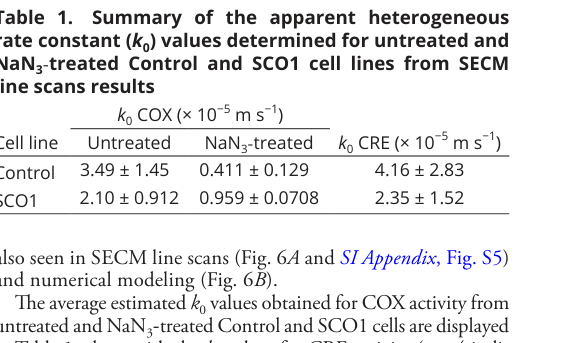
reference_title: "Cytochrome c oxidase deficiency detection in human fibroblasts using scanning electrochemical microscopy."
supports: SUPPORT
evidence_source: IN_VITRO
snippet: This study demonstrates the applicability of scanning electrochemical microscopy to quantify COX activity in living human fibroblast cells.
explanation: Emerging less-invasive method to quantify reduced COX activity in patient fibroblasts.
images:
- Cytochrome_c_Oxidase_Deficiency-deep-research-falcon_artifacts/image-1.png
genetic:
- name: SURF1 pathogenic variants causing Leigh syndrome
gene_term:
preferred_term: SURF1
term:
id: hgnc:11474
label: SURF1
relationship_type: CAUSATIVE
variant_origin: GERMLINE
inheritance:
- name: Autosomal recessive
evidence:
- reference: PMID:39632678
reference_title: "SURF1 Deficiency: Expanding on Disease Phenotype and Assessing Disease Burden by Describing Clinical and Biochemical Phenotype."
supports: SUPPORT
evidence_source: HUMAN_CLINICAL
snippet: Leigh syndrome, a severe neurological disorder is commonly caused by homozygous or bi-allelic pathogenic variants in the SURF1 gene.
explanation: Documents biallelic (autosomal recessive) SURF1 variants as the cause of SURF1 Leigh syndrome.
variants:
- name: SURF1 c.845_846delCT founder variant
description: >
A recurrent SURF1 frameshift variant widespread in Eastern Europe,
accounting for the majority of mutant alleles in a Russian cohort.
gene:
preferred_term: SURF1
term:
id: hgnc:11474
label: SURF1
evidence:
- reference: PMID:36675121
reference_title: "Leigh syndrome: spectrum of molecular defects and clinical features in Russia."
supports: SUPPORT
evidence_source: HUMAN_CLINICAL
snippet: "The most frequent pathogenic variant is c.845_846delCT (66.0% of mutant alleles; 128/192), which is also widespread in Eastern Europe."
explanation: Documents the SURF1 c.845_846delCT founder variant and its frequency.
features: >
Biallelic loss-of-function variants in SURF1 (an early COX assembly factor)
are the most common nuclear cause of isolated COX deficiency and Leigh
syndrome.
discussions:
- discussion_id: mismatch_surf1_mouse_mild_cox_defect
prompt: >-
Does the Surf1(-/-) knockout mouse — the principal mammalian model of SURF1
deficiency — faithfully recapitulate the severe human COX-deficient Leigh
syndrome, given that the mouse knockout produces only a mild COX defect and
no necrotizing encephalopathy, reflecting a species-specific difference in
how dependent complex IV assembly is on SURF1?
kind: HUMAN_MODEL_MISMATCH
status: OPEN
attaches_to:
- pathophysiology#SURF1 Loss and Defective Complex IV Assembly
- pathophysiology#Impaired Terminal Electron Transfer and ATP Synthesis
rationale: >-
The Surf1(-/-) mouse validates the molecular lesion — loss of the SURF1 COX
assembly factor reduces complex IV — but it does not reproduce the human
disease severity: mouse fibroblasts show only a mild, more stable COX
reduction and the animals develop no Leigh-type necrotizing encephalopathy
(some reports even describe extended lifespan). Comparative fibroblast work
shows human COX biogenesis is far more SURF1-dependent than mouse, so
rodent efficacy or mechanism signals systematically underdetermine the human
neurodegenerative phenotype. This is a translational-validity gap (evidence
exists in the mouse but does not phenocopy human disease), not an absence of
evidence, so it is flagged as HUMAN_MODEL_MISMATCH rather than a generic
knowledge gap. Human iPSC-derived neurons/organoids are the emerging route
to a faithful model.
proposed_experiments:
- experiment_id: exp_surf1_ipsc_neuron_cox
name: SURF1-null human iPSC-derived neuron COX-assembly and bioenergetics assay
description: >-
Generate isogenic SURF1-null human iPSC-derived neurons and quantify
complex IV assembly intermediates, COX monomer/supercomplex distribution,
oxygen consumption, and susceptibility to metabolic stress relative to
controls, testing whether the human-specific SURF1 dependence produces the
severe bioenergetic failure that the mouse model lacks.
experiment_type:
preferred_term: iPSC-derived neuron perturbation assay
model_systems:
- name: Human iPSC-derived neuron
description: >-
Neurons differentiated from SURF1-edited human iPSCs, preserving the
human-specific dependence of complex IV assembly on SURF1 that the mouse
knockout does not capture.
experimental_model_type: OTHER
evidence:
- reference: PMID:26804654
reference_title: "Tissue- and species-specific differences in cytochrome c oxidase assembly induced by SURF1 defects."
supports: SUPPORT
evidence_source: MODEL_ORGANISM
snippet: "SURF1 gene mutations cause a severe COX deficiency manifesting as the Leigh syndrome in humans, whereas in mice SURF1(-/-) knockout leads only to a mild COX defect."
explanation: >
States the species mismatch - SURF1 mutations cause severe Leigh syndrome
in humans but only a mild COX defect in Surf1(-/-) mice.
- reference: PMID:26804654
reference_title: "Tissue- and species-specific differences in cytochrome c oxidase assembly induced by SURF1 defects."
supports: SUPPORT
evidence_source: IN_VITRO
snippet: "COX assembly is much more dependent on SURF1 in humans than in mice."
explanation: >
Comparative fibroblast work shows that COX assembly is more
SURF1-dependent in humans than in mice, grounding the mechanism of the
human-mouse model mismatch.
differential_diagnoses:
- name: Charcot-Marie-Tooth Disease Type 4K
description: >-
The same gene produces a peripheral-nerve-predominant phenotype curated
separately as Charcot-Marie-Tooth Disease Type 4K (MONDO:0014733). Patients
present with severe childhood-onset demyelinating neuropathy and develop the
putaminal and periaqueductal lesions of Leigh syndrome only years later.
Complex IV remains partially functional in muscle and fibroblasts in those
patients, which is the proposed reason the presentation differs.
distinguishing_features:
- Demyelinating polyneuropathy as the presenting feature
- Motor nerve conduction velocities below 25 m/s
- Partially retained complex IV activity in muscle and fibroblasts
evidence:
- reference: PMID:24027061
reference_title: "SURF1 deficiency causes demyelinating Charcot-Marie-Tooth disease."
supports: SUPPORT
evidence_source: HUMAN_CLINICAL
snippet: "The c.107-2A>G mutation produced no normally spliced transcript, leading to SURF1 absence. However, complex IV remained partially functional in muscle and fibroblasts."
explanation: >-
Documents the partially retained complex IV function that distinguishes
the CMT4K presentation from Leigh syndrome despite identical gene loss.
treatments:
- name: Supportive and Metabolic Care
description: >
No curative therapy exists; management is supportive, including treatment of
lactic acidosis, anti-seizure medication, nutritional support, and avoidance
of metabolic decompensation.
treatment_term:
preferred_term: supportive care
term:
id: NCIT:C15747
label: Supportive Care
evidence:
- reference: PMID:20301352
reference_title: "Mitochondrial DNA-Associated Leigh Syndrome Spectrum."
supports: SUPPORT
evidence_source: HUMAN_CLINICAL
snippet: "Treatment is supportive."
explanation: Management of the Leigh syndrome spectrum is supportive.
References & Deep Research
References
3Deep Research
1Deep research results are used as seeds for research; they do not undergo the same validation as the main records and may contain errors. How we use deep research.
Evaluations and curation notes (1)
Augment SURF1-Related Leigh Syndrome: natural-history phenotypes, classifications, mouse-model mismatch · 2026-07-10T14:51:47Z · View source
Up-to-date augment pass. Added 8 SURF1-specific phenotypes with frequencies from the Wedatilake 2013 multi-centre natural history study (PMID:23829769): failure to thrive (95%), feeding difficulties (89%), central respiratory failure (78%, leading cause of death), movement disorder/dystonia (52%), ophthalmoparesis/oculomotor involvement (52%), hypertrichosis (41%, SURF1-suggestive), optic atrophy (23%), seizures (14%). Added a classifications block (Harrison's GENETICS_ENVIRONMENT_DISEASE; mechanistic mitochondrial disease; ICIMD complex_iv_subunits_and_assembly_factors). Added structured prevalence fields (PERIOD_PREVALENCE, RARE) with an honest note that no SURF1-specific per-100,000 rate is established. Added a HUMAN_MODEL_MISMATCH discussion documenting the Surf1(-/-) mouse mild-COX-defect vs severe human Leigh syndrome discrepancy (PMID:26804654), with a proposed iPSC-neuron experiment. Added Wedatilake and Kovarova to top-level references. Deep research provider: claude_code. NEC preflight confirmed MONDO:0700250 = SURF1/OMIM:220110. All new PMIDs fetched via just fetch-reference; all 24 snippets manually verified as whitespace-normalized exact substrings of cached abstracts; schema+term validation pass.
1. Disease Information
Overview. SURF1-related Leigh syndrome is a severe, early-onset, progressive neurodegenerative disorder — the nuclear-gene prototype of cytochrome c oxidase (COX / mitochondrial respiratory chain complex IV)–deficient Leigh syndrome. Leigh syndrome itself (subacute necrotizing encephalomyelopathy) is defined by bilaterally symmetrical necrotic lesions in the basal ganglia, thalamus, brainstem, and/or cerebellum, typically with lactic acidemia and psychomotor regression. Biallelic loss-of-function variants in SURF1 — which encodes an assembly factor for complex IV — are the single most frequent nuclear cause of COX-deficient Leigh syndrome.
- According to PubMed, Zhu et al. (1998) established the gene: "Analysis of a candidate gene (SURF1) of unknown function revealed several mutations, all of which predict a truncated protein… These data suggest a role for SURF1 in the biogenesis of the COX complex and define a new class of gene defects causing human neurodegenerative disease." (PMID 9843204, DOI).
- Wedatilake et al. (2013) frame the entity: "SURF1 deficiency, a monogenic mitochondrial disorder, is the most frequent cause of cytochrome c oxidase (COX) deficient Leigh syndrome (LS)." (PMID 23829769, DOI).
Key identifiers. | Resource | Identifier | |---|---| | MONDO | MONDO:0009723 (Leigh syndrome; broad). SURF1 form is captured in OMIM/Orphanet as the COX-deficient nuclear subtype. | | OMIM (phenotype) | 256000 (LEIGH SYNDROME); the SURF1-specific phenotype is now curated as 220110 — Mitochondrial complex IV deficiency, nuclear type 1 (MC4DN1). | | OMIM (gene) | SURF1, 185620 | | Orphanet | ORPHA:506 (Leigh syndrome); ORPHA:255210 (mtDNA-associated LS, for contrast) | | ICD-10 / ICD-11 | ICD-10 G31.82 (Leigh's disease); ICD-11 8C72.0 / 5C53 metabolic grouping | | MeSH | D007888 (Leigh Disease); D030401 (Cytochrome-c Oxidase Deficiency) | | DOID | DOID:3652 (Leigh disease) | | NCIT / SNOMED CT | NCIT C84814; SNOMED 29570005 | | HGNC | SURF1 HGNC:11474; NCBI Gene 6834; UniProt Q15526 |
Synonyms / alternative names. SURF1 deficiency; COX-deficient Leigh syndrome, SURF1 type; Leigh syndrome due to COX deficiency (nuclear type 1); Mitochondrial complex IV deficiency nuclear type 1 (MC4DN1); Surfeit-1 assembly-factor deficiency. Historical umbrella term for Leigh syndrome: subacute necrotizing encephalomyelopathy (SNE).
Data derivation. Information is aggregated at the disease level from OMIM/Orphanet/GeneReviews plus published clinical cohorts and case series (e.g., the 44-patient multicentre natural history study, PMID 23829769), not from individual EHR records.
2. Etiology
Primary cause (genetic). Biallelic (homozygous or compound heterozygous) loss-of-function variants in SURF1 (9q34.2). SURF1 is a mitochondrial inner-membrane protein required for the biogenesis/assembly of complex IV; its loss produces a profound, generalized COX deficiency. Nearly all reported pathogenic SURF1 alleles are truncating (frameshift, nonsense, splice), predicting an absent or non-functional protein — "All reported SURF1 mutations are loss of function, predicting a truncated protein (hSurf1) product… no protein in LS patient cells." (Yao & Shoubridge 1999, PMID 10556303, DOI).
Genetic risk factors. - Causal locus: SURF1 (the disease is monogenic; the variant is the cause, not a susceptibility allele). - Founder/recurrent alleles: the recurrent c.312_321del10insAT (exon 4) is the single most common allele — "The most frequent mutation was 312_321del 311_312insAT which was found in 12 patients out of 40." (Péquignot et al. 2001, PMID 11317352, DOI). The c.845_846delCT deletion is another recurrent allele. - Consanguinity increases homozygous-allele risk (relevant in populations with high consanguinity, e.g., North African/Tunisian series — Maalej et al. 2018, PMID 29481804, DOI).
Environmental / modifying triggers. As with Leigh syndrome generally, catabolic stressors — intercurrent febrile illness, infection, vaccination, fasting, surgery/anesthesia — commonly precipitate acute decompensation, developmental regression, and stepwise clinical deterioration. These are triggers of crises, not causes of the disease. No lifestyle or occupational exposure causes SURF1 deficiency.
Protective factors. None established genetically. Aggressive avoidance/treatment of catabolic triggers is the practical "protective" strategy. No validated protective allele or dietary factor exists.
Gene–environment interaction. The mismatch between a fixed genetic bioenergetic ceiling (severely reduced COX capacity) and fluctuating metabolic demand explains the episodic, stress-provoked crises superimposed on chronic progression — a recurrent theme across mitochondrial Leigh syndromes.
3. Phenotypes
The most authoritative frequency data come from the 44-patient multicentre SURF1 natural-history cohort (Wedatilake et al. 2013, PMID 23829769, DOI), which reports a homogeneous phenotype. Direct quote of the symptom spectrum and frequencies:
"The majority of patients (32/44, 73%) presented in infancy (median 9.5 months). Frequent symptoms were poor weight gain (95%, median age 10 months), hypotonia (93%, median age 14 months), poor feeding/vomiting (89%, median age 10 months), developmental delay (88%, median age 14 months), developmental regression (71%, median age 19 months), movement disorder (52%, median age 24 months), oculomotor involvement (52%, median age 29 months) and central respiratory failure (78%, median age 31 months). Hypertrichosis (41%), optic atrophy (23%), encephalopathy (20%), seizures (14%) and cardiomyopathy (2%) were observed less frequently."
| Phenotype | Type | Frequency (SURF1 cohort) | Onset (median) | HPO suggestion |
|---|---|---|---|---|
| Poor weight gain / failure to thrive | Physical/constitutional | 95% | 10 mo | HP:0001508 (Failure to thrive) |
| Hypotonia | Neurological sign | 93% | 14 mo | HP:0001252 |
| Poor feeding / vomiting | Symptom | 89% | 10 mo | HP:0011968 (Feeding difficulties); HP:0002013 (Vomiting) |
| Developmental delay | Neurodevelopmental | 88% | 14 mo | HP:0001263 (Global developmental delay) |
| Developmental regression | Neurodegenerative | 71% | 19 mo | HP:0002376 (Developmental regression) |
| Central respiratory failure / apnea | Life-threatening sign | 78% | 31 mo | HP:0002871 (Central apnea); HP:0002093 (Respiratory insufficiency) |
| Movement disorder (dystonia, ataxia) | Neurological sign | 52% | 24 mo | HP:0001332 (Dystonia); HP:0001251 (Ataxia) |
| Oculomotor involvement (ophthalmoparesis, nystagmus, ptosis) | Clinical sign | 52% | 29 mo | HP:0000597 (Ophthalmoparesis); HP:0000639 (Nystagmus); HP:0000508 (Ptosis) |
| Hypertrichosis | Physical manifestation (SURF1-suggestive) | 41% | — | HP:0000998 (Hypertrichosis) |
| Optic atrophy | Ophthalmological sign | 23% | — | HP:0000648 (Optic atrophy) |
| Encephalopathy | Neurological | 20% | — | HP:0001298 (Encephalopathy) |
| Seizures | Neurological | 14% | — | HP:0001250 (Seizures) |
| Cardiomyopathy | Cardiac | 2% (rare in SURF1) | — | HP:0001638 (Cardiomyopathy) |
| Lactic acidosis (blood/CSF) | Laboratory abnormality | Common (near-universal) | — | HP:0003128 (Lactic acidosis / elevated lactate); HP:0003567 (Increased CSF lactate) |
| Bilateral symmetric basal ganglia/brainstem lesions (MRI) | Imaging sign | Defining | — | HP:0002451 (Basal ganglia gliosis); HP:0007366 (Atrophy/degeneration affecting the basal ganglia) |
| Sensorimotor peripheral neuropathy | Neurological | Subset | — | HP:0009830 (Peripheral neuropathy) |
Characteristics. Onset is infantile in ~73% (median 9.5 months), with the remainder in early childhood; rare later-onset/attenuated cases exist but are uncommon. Severity is severe; course is chronic-progressive punctuated by acute, stress-triggered regressions. Hypertrichosis is a comparatively SURF1-specific clue that helps distinguish it clinically from other Leigh genotypes; notably, cardiomyopathy is characteristically rare in SURF1 (2%), unlike SCO2/other COX-assembly defects.
Quality-of-life impact. Progressive loss of motor and bulbar function leads to non-ambulation, dysphagia (tube feeding), communication loss, respiratory dependency, and recurrent hospitalizations — profound impairment across all domains, with QoL dominated by respiratory/feeding failure and neurological disability. No SURF1-specific validated QoL instrument exists; generic pediatric/mitochondrial disease measures (PedsQL, Newcastle Mitochondrial Disease Scale) are used.
4. Genetic / Molecular Information
Causal gene. SURF1 (Surfeit locus protein 1), 9q34.2; HGNC:11474; OMIM *185620; UniProt Q15526; 9 exons; ~30 kDa mature inner-membrane protein with two transmembrane domains flanking an intermembrane-space loop.
Pathogenic variants. - Variant classes: predominantly truncating — frameshift insertions/deletions, nonsense, and splice-site variants distributed across exons and introns. Péquignot et al. catalogued the spectrum: "Twelve of the mutations were insertion/deletion mutations… 10 were missense/nonsense… and eight were detected at splicing sites in introns 3 to 7… To date, 30 different mutations have been reported in 40 unrelated patients." (PMID 11317352, DOI). >100 pathogenic alleles are now in ClinVar/HGMD. - Recurrent alleles: c.312_321del10insAT (exon 4; the most common) and c.845_846delCT (exon 8). - Splice variants: e.g., the Tunisian series reported a homozygous splice-site c.516-517delAG and novel intronic variants predicted to disrupt splicing (Maalej et al. 2018, PMID 29481804, DOI). - ACMG classification: truncating variants in this loss-of-function gene are typically Pathogenic/Likely pathogenic (PVS1-supported); rare missense/intronic variants may be VUS pending functional or splicing evidence. - Allele frequency: individually rare/absent in gnomAD (consistent with a recessive, early-lethal disorder); carrier frequency is low in the general population. - Origin: germline, autosomal recessive. Functional consequence: loss of function — absent/truncated protein → failure to assemble/maintain complex IV.
Genotype–phenotype. SURF1 disease is strikingly homogeneous regardless of the specific truncating alleles, consistent with a shared complete loss-of-function mechanism (PMID 23829769). Rare hypomorphic/partial-function alleles have been associated with milder or atypical presentations (e.g., Charcot–Marie–Tooth-like neuropathy or later onset), but these are exceptions.
Modifier genes. Not formally established; residual mitochondrial biogenesis capacity and unidentified nuclear modifiers are hypothesized to explain intrafamilial variability, but no validated modifier locus exists.
Epigenetics / chromosomal abnormalities. No recurrent epigenetic mechanism or large chromosomal rearrangement is characteristic; the disorder is a small-variant single-gene condition. (Deletions of 9q34 encompassing SURF1 are theoretically possible but not a described common mechanism.)
5. Environmental Information
- Environmental/toxic factors: none cause the disease. Mitochondrial toxins/inhibitors of the respiratory chain are conceptually relevant to bioenergetic stress but are not etiological.
- Lifestyle factors: not applicable to disease causation; avoidance of catabolic stress (fasting, dehydration) is a management consideration. Certain drugs that stress mitochondrial function (e.g., valproate, high-dose propofol infusions, aminoglycosides) are used with caution.
- Infectious agents: none cause SURF1 deficiency, but intercurrent infections are the leading precipitants of acute neurological/metabolic decompensation and death.
6. Mechanism / Pathophysiology
Core biochemical defect. SURF1 is a complex IV (cytochrome c oxidase) assembly factor. Complex IV is the terminal oxidase of the electron transport chain, transferring electrons from reduced cytochrome c to O₂ and contributing to the proton-motive force that drives ATP synthesis. Shoubridge (2001) summarizes: "Cytochrome c oxidase (COX) is the terminal enzyme of the mitochondrial respiratory chain… composed of 13 structural subunits… a large number of accessory factors are necessary for the assembly and maintenance of the active holoenzyme complex… Mutations have… been identified in several COX assembly factors: SURF1 (Leigh Syndrome)…" (PMID 11579424, DOI).
Causal chain (upstream → downstream). 1. Biallelic SURF1 LOF → loss of the SURF1 assembly factor (upstream trigger). 2. Failure of complex IV assembly/maintenance → accumulation of early COX assembly intermediates and reduced steady-state levels of both nuclear- and mtDNA-encoded COX subunits. "Steady-state levels of both nuclear- and mitochondrial-encoded COX subunits were also markedly reduced in patient cells, consistent with a failure to assemble or maintain a normal amount of the enzyme complex" (Yao & Shoubridge 1999, PMID 10556303, DOI). 3. Severe, generalized COX (complex IV) deficiency → impaired terminal electron transport and oxidative phosphorylation. In patient fibroblasts there is "accumulation of abundant COX1 assembly intermediates, low content of COX monomer and preferential recruitment of COX into I-III₂-IVn supercomplexes" (Kovářová et al. 2016, PMID 26804654, DOI). 4. Deficient ATP synthesis + compensatory anaerobic glycolysis → lactic acidosis (blood and CSF), the biochemical hallmark. 5. Energy failure in high-oxidative-demand neurons → oxidative stress, secondary excitotoxicity, and necrotizing, capillary-proliferating spongiform lesions in symmetric deep-gray/brainstem structures. 6. Bilateral symmetric neurodegeneration of basal ganglia, brainstem, and cerebellum → the Leigh clinical/imaging phenotype (regression, dystonia, oculomotor/bulbar/respiratory failure).
Molecular pathways / processes (GO). Oxidative phosphorylation (GO:0006119); mitochondrial respiratory chain complex IV assembly (GO:0033617); cytochrome-c oxidase activity (GO:0004129); ATP synthesis coupled electron transport (GO:0042775); aerobic respiration (GO:0009060); response to oxidative stress (GO:0006979); neuron apoptotic process (GO:0051402).
Cellular processes. Bioenergetic failure, oxidative stress, and neuronal/glial cell death (necrosis > apoptosis) with reactive astrogliosis and microvascular proliferation; disrupted respiratory supercomplex organization.
Protein dysfunction. Loss of an integral inner-membrane assembly chaperone; both transmembrane domains are required for function — "insertion of both transmembrane domains in the intact protein is necessary for function" (PMID 10556303). Truncated products fail to accumulate and cannot rescue COX activity.
Metabolic changes. Shift to glycolysis; elevated lactate/pyruvate; elevated CSF lactate; secondary alterations in TCA-cycle flux. Chemical entities: lactate/lactic acid (CHEBI:24996), pyruvate (CHEBI:15361), heme a (a COX prosthetic group), molecular oxygen (CHEBI:15379), ATP (CHEBI:30616), ubiquinone/CoQ10 (CHEBI:46245).
Immune involvement. Not primary; secondary neuroinflammatory/gliotic responses accompany the lesions.
Tissue-damage mechanism. Chronic oxidative-phosphorylation insufficiency → oxidative stress and energy crisis → focal necrosis in metabolically vulnerable CNS regions (subcortical gray, brainstem).
Cell types (CL) / affected populations. Neurons (CL:0000540), including brainstem and basal-ganglia neurons; astrocytes (CL:0000127); the pathology is neuron- and vascular-endothelium–involving with astrogliosis.
Molecular profiling. Muscle/fibroblast biochemistry shows isolated complex IV deficiency with normal complexes I/II/III; BN-PAGE shows loss of assembled COX with accumulation of subassemblies; histochemistry shows COX-negative fibers with preserved SDH. Species-specific note (see §15): human COX assembly is far more SURF1-dependent than mouse — "COX assembly is much more dependent on SURF1 in humans than in mice" (PMID 26804654).
7. Anatomical Structures Affected
Organ level. Primary: central nervous system (nervous system, UBERON:0001016). Secondary/systemic: skeletal muscle (biochemical COX deficiency, variable weakness), and — infrequently — heart. Respiratory failure is central (brainstem) rather than pulmonary-parenchymal.
Neuroanatomical sites (UBERON). - Basal ganglia (UBERON:0002420) — putamen (UBERON:0001874), caudate, globus pallidus — bilaterally symmetric lesions. - Brainstem (UBERON:0002298) — midbrain (UBERON:0001891), periaqueductal gray, tegmentum, medulla (respiratory nuclei). - Thalamus (UBERON:0001897), substantia nigra (UBERON:0002038), cerebellum (UBERON:0002037). - Optic nerve (UBERON:0000941) — optic atrophy. - Peripheral nerve and skeletal muscle (UBERON:0001134) — subset.
Tissue/cell level. Neuronal loss with relative astroglial preservation, capillary proliferation, demyelination, and spongiform necrosis; affected cells are principally neurons (CL:0000540) and reactive astrocytes (CL:0000127).
Subcellular level (GO cellular component). Mitochondrion (GO:0005739); mitochondrial inner membrane (GO:0005743) — the locus of SURF1 and complex IV; mitochondrial respiratory chain complex IV (GO:0005751).
Localization / lateralization. Characteristically bilateral and symmetric — a defining imaging feature of Leigh syndrome.
8. Temporal Development
- Onset: predominantly infantile (median 9.5 months; 73% present in infancy per PMID 23829769); typically subacute, frequently unmasked by an intercurrent illness. Some early-childhood and rare later/attenuated presentations occur.
- Progression / course: chronic-progressive with acute, stress-triggered relapses (developmental regression episodes). Stages: early hypotonia/feeding failure/developmental delay → regression and movement disorder → brainstem involvement with oculomotor and central respiratory failure (median 31 months) → respiratory failure/death.
- Duration / prognosis: progressive and life-limiting; central respiratory failure is the principal cause of death (see §11). Spontaneous remission does not occur; transient plateaus between crises are typical.
- Critical periods: infancy/early childhood are the windows of both peak vulnerability (rapid neurodegeneration) and greatest therapeutic/supportive opportunity; aggressive management of catabolic triggers is most impactful during this window.
9. Inheritance and Population
Inheritance. Autosomal recessive — "Leigh syndrome (LS) associated with cytochrome c oxidase (COX) deficiency is an autosomal recessive neurodegenerative disorder caused by mutations in SURF1" (PMID 10556303, DOI). HPO inheritance term: HP:0000007 (Autosomal recessive inheritance). Penetrance is essentially complete for biallelic LOF; expressivity is relatively consistent (homogeneous phenotype). No genetic anticipation (not a repeat-expansion disorder). Germline mosaicism is not a characteristic feature. Consanguinity raises risk of homozygosity (relevant in consanguineous populations). Carrier frequency is low; recurrence risk for parents of an affected child is 25%.
Epidemiology. Leigh syndrome overall has a birth prevalence on the order of ~1 in 36,000–40,000 (classic population estimates ~1:34,000–1:40,000). SURF1 deficiency is the most common nuclear/COX-deficiency cause of Leigh syndrome, but is individually rare (Orphanet classifies Leigh syndrome as <1–9/100,000). Precise SURF1-specific incidence figures are not robustly established; the largest assembled clinical series is the 44-patient UK/Australian cohort (PMID 23829769). No reliable disease-specific incidence per 100,000 is available in the primary literature — reported figures are extrapolations from Leigh-syndrome-wide surveys.
Population demographics. Pan-ethnic. Certain recurrent alleles cluster in specific populations (e.g., North African/Middle Eastern consanguineous families). Sex ratio ~1:1 (autosomal). Age distribution: overwhelmingly infants/young children.
10. Diagnostics
Biochemical / laboratory. - Elevated lactate in blood and (especially) CSF, with elevated lactate:pyruvate ratio; LOINC lactate e.g. LOINC:2524-7 (Lactate, plasma). - Isolated complex IV (COX) deficiency on respiratory-chain enzymology in muscle/fibroblasts, with normal complexes I–III. - Muscle histochemistry: COX-negative, SDH-positive fibers; BN-PAGE: reduced assembled complex IV with accumulated subassemblies. - Fibroblast Western blot: absent SURF1 protein and reduced COX subunits (PMID 10556303).
Imaging. Brain MRI is central: bilaterally symmetric T2/FLAIR hyperintense lesions in basal ganglia (putamen), thalamus, and brainstem, sometimes with restricted diffusion acutely; MR spectroscopy shows a lactate doublet. This pattern in an infant is highly suggestive of Leigh syndrome.
Genetic testing (definitive). - First-line: molecular genetic testing — whole-exome / whole-genome sequencing or a mitochondrial/Leigh-syndrome nuclear gene panel including SURF1; single-gene SURF1 sequencing is reasonable when the COX-deficient Leigh phenotype (± hypertrichosis) points strongly to SURF1. Confirm biallelic pathogenic variants (deletion/duplication analysis if only one variant found; MLPA for exon-level CNV). - mtDNA testing is used to exclude maternally-inherited Leigh syndrome (e.g., MT-ATP6 m.8993T>G/T>C, MILS) — important in the differential. - Prenatal/preimplantation testing is feasible once familial variants are known.
Diagnostic criteria / differential. Consensus Leigh-syndrome criteria: (1) progressive neurological disease with motor/intellectual regression; (2) characteristic bilateral symmetric basal-ganglia/brainstem lesions; (3) raised lactate (blood/CSF); ideally with a mitochondrial biochemical/genetic defect. Differential diagnosis: maternally-inherited Leigh syndrome (MT-ATP6, MT-TL1), complex I–deficient LS (nuclear, e.g., NDUFS genes — cf. Loeffen et al. 1998, PMID 9837812, DOI), LRPPRC-related French-Canadian LS, PDH deficiency, biotin-thiamine-responsive basal ganglia disease, and other organic acidemias/mitochondrial encephalopathies. The LRPPRC form is clinically distinct with acidotic crises — "The Leigh syndrome of SLSJ-COX differs from that of SURF1-related COX deficiency" (Debray et al. 2011, PMID 21266382, DOI).
Screening. No population newborn screening exists (lactate/COX are not NBS analytes). Cascade carrier testing and prenatal diagnosis are offered to families with known variants.
11. Outcome / Prognosis
- Survival/mortality: SURF1 deficiency is life-limiting, generally with death in infancy or childhood; central respiratory failure is the leading cause of death (78% develop it, median 31 months — PMID 23829769). Survival is variable but historically most patients die within the first years of life; some survive into later childhood/adolescence with intensive support.
- Comparative prognosis: SURF1 LS is severe but has a different survival profile from LRPPRC (French-Canadian) LS, which shows earlier/higher crisis-driven mortality — "SLSJ-COX is distinct by the occurrence of metabolic crises, leading to earlier and higher mortality (p=0.001)" compared with an assembled SURF1 group (Debray et al. 2011, PMID 21266382, DOI).
- Morbidity/disability: progressive motor disability (dystonia, non-ambulation), bulbar dysfunction/dysphagia, respiratory compromise, visual loss (optic atrophy), and cognitive regression → severe global disability.
- Complications: aspiration, recurrent respiratory infections, feeding failure/malnutrition, apnea, seizures (subset), metabolic decompensation during illness.
- Prognostic factors: earlier onset and early brainstem/respiratory involvement portend worse outcome; frequency and severity of stress-triggered crises drive trajectory.
12. Treatment
There is no curative therapy; management is largely supportive. Suggested MAXO terms are given per intervention.
Supportive / rehabilitative (mainstay). - Supportive care (MAXO:0000950) — treatment of intercurrent illness, avoidance of fasting/catabolism, sick-day protocols. - Nutritional support / gastrostomy feeding — dietary intervention (MAXO:0000088), gastrostomy tube placement (surgical procedure, MAXO:0000004). - Respiratory support — ventilatory/apnea management (assisted ventilation; supportive/critical care). - Physical / occupational / speech therapy — physical therapy (MAXO:0000011); rehabilitation (NCIT:C15315). - Symptomatic management of dystonia (e.g., trihexyphenidyl, baclofen, benzodiazepines), seizures (anticonvulsants — avoiding valproate where possible given mitochondrial toxicity), and sialorrhea.
Pharmacotherapy / "mitochondrial cocktail" (unproven but commonly used; MAXO:0000058 vitamin/cofactor therapy). - Coenzyme Q10 / ubiquinone (CHEBI:46245), riboflavin/vitamin B2 (CHEBI:17015), thiamine (CHEBI:18385), L-carnitine (CHEBI:16347), biotin, and antioxidants. Evidence base is weak; used empirically. - Sodium bicarbonate / dichloroacetate for acute lactic acidosis (DCA use limited by peripheral neuropathy). - Avoid mitochondrial-toxic drugs (valproate, prolonged propofol, aminoglycosides where feasible).
Experimental / investigational. - EPI-743 (vatiquinone/α-tocotrienol quinone) — a redox-modulating antioxidant investigated in Leigh syndrome/inherited mitochondrial disease (early open-label studies suggested possible benefit in some patients; e.g., Martinelli et al. 2012, EPI-743 in Leigh syndrome, PMID 23010433). Results across mitochondrial-disease trials have been mixed; not approved for SURF1 LS. - Other agents explored across Leigh/mitochondrial disease broadly (not SURF1-specific): idebenone, cysteamine bitartrate (RP103), and general mitochondrial-disease pipeline candidates. Gene- and cell-based therapies are not clinically available for SURF1 deficiency. - No effective pharmacogenomic or targeted molecular therapy is established.
Genetic counseling (see §13) is an essential component of care.
13. Prevention
- Primary prevention: not possible for an established biallelic-LOF genetic disease; preventing crises via avoidance of catabolic triggers, prompt treatment of infections, and structured sick-day/emergency protocols is the practical analog of prevention.
- Secondary prevention (reproductive): genetic counseling — genetic counseling (MAXO:0000082/NCIT:C15516); carrier/cascade testing of relatives; prenatal diagnosis and preimplantation genetic testing (PGT-M) once familial SURF1 variants are known, to prevent recurrence (25% risk per pregnancy).
- Tertiary prevention: anticipatory management of dysphagia/aspiration (gastrostomy), respiratory surveillance, immunizations to reduce infection-triggered crises, and multidisciplinary metabolic follow-up to forestall complications.
- Immunization/public health: routine vaccination is generally encouraged to reduce infection-precipitated decompensation, with attention to peri-vaccination metabolic support.
14. Other Species / Natural Disease
- Taxonomy of models: Homo sapiens (NCBITaxon:9606); Mus musculus (NCBITaxon:10090); and Sus scrofa — note OLS lists MONDO:1012801 "Leigh syndrome, SURF1-related, pig," reflecting a porcine model resource.
- Orthologous gene: mouse Surf1 (NCBI Gene 20930) is conserved; SURF1 orthologs exist across metazoans (the Surfeit gene cluster is deeply conserved).
- Natural disease in animals: no well-characterized spontaneous companion-animal or wildlife SURF1 Leigh-syndrome analog is established; the disease is studied primarily through engineered models.
- Comparative biology (important caveat): the mouse does not faithfully recapitulate the human severity — "SURF1 gene mutations cause a severe COX deficiency manifesting as the Leigh syndrome in humans, whereas in mice SURF1⁻/⁻ knockout leads only to a mild COX defect" (Kovářová et al. 2016, PMID 26804654, DOI). This is a documented human–model mismatch (species-specific dependence of COX assembly on SURF1).
- Zoonotic potential: none (non-transmissible genetic disorder).
15. Model Organisms
- Mouse (Surf1⁻/⁻ knockout): the principal mammalian model. It shows reduced COX activity but a paradoxically mild phenotype and, in some reports, even extended lifespan / altered stress resistance — it does not reproduce the human necrotizing encephalopathy. Useful for studying COX assembly, supercomplex biology, and tissue-specific effects, but limited as a phenotypic disease model. Kovářová et al. used it to dissect "tissue- and species-specific differences in cytochrome c oxidase assembly induced by SURF1 defects," concluding human COX assembly is much more SURF1-dependent than mouse (PMID 26804654, DOI).
- Patient-derived fibroblasts / cybrids: the workhorse in vitro system — demonstrate absent SURF1 protein, reduced COX subunits, accumulated COX1 assembly intermediates, and preferential COX recruitment into supercomplexes; used for complementation/rescue assays (Yao & Shoubridge 1999, PMID 10556303, DOI; Zhu et al. 1998 complementation mapping, PMID 9843204, DOI).
- iPSC-derived neurons/organoids (emerging): patient iPSC models are being used to capture the human-specific neuronal vulnerability that the mouse misses — the most promising route to a faithful disease model.
- Invertebrate/yeast: Saccharomyces cerevisiae Shy1 (the SURF1 ortholog) and Drosophila/C. elegans orthologs have been used to define the conserved COX-assembly function biochemically.
- Porcine model: referenced via MONDO:1012801 (SURF1-related Leigh syndrome, pig), a large-animal resource with potentially better CNS fidelity than rodents.
- Model resources: MGI (mouse Surf1), IMPC/KOMP, Cellosaurus (patient fibroblast lines), Alliance of Genome Resources (orthology).
Applications: COX assembly-factor biology, respiratory supercomplex organization, tissue-specific bioenergetics, antioxidant/therapeutic screening. Key limitation: the rodent's mild phenotype means efficacy signals must be interpreted cautiously and confirmed in human-relevant (iPSC/large-animal) systems.
Consolidated Ontology-Term Suggestions (for KB population)
- Disease: MONDO:0009723 (Leigh syndrome); OMIM 256000 / 220110 (MC4DN1); ORPHA:506; DOID:3652.
- Gene/protein: SURF1 HGNC:11474; UniProt Q15526; GO:0004129 (cytochrome-c oxidase activity), GO:0033617 (complex IV assembly).
- Phenotypes (HP): 0001252 hypotonia; 0002376 developmental regression; 0001263 global developmental delay; 0001508 failure to thrive; 0011968 feeding difficulties; 0002013 vomiting; 0002871 central apnea; 0002093 respiratory insufficiency; 0001332 dystonia; 0001251 ataxia; 0000597 ophthalmoparesis; 0000639 nystagmus; 0000998 hypertrichosis; 0000648 optic atrophy; 0001250 seizures; 0003128 lactic acidosis; 0003567 increased CSF lactate; 0002451 basal ganglia gliosis; 0009830 peripheral neuropathy.
- Cell types (CL): 0000540 neuron; 0000127 astrocyte.
- Anatomy (UBERON): 0002420 basal ganglia; 0001874 putamen; 0002298 brainstem; 0001891 midbrain; 0001897 thalamus; 0002038 substantia nigra; 0002037 cerebellum; 0000941 optic nerve; 0001134 skeletal muscle.
- Subcellular (GO CC): 0005739 mitochondrion; 0005743 mitochondrial inner membrane; 0005751 complex IV.
- Chemicals (CHEBI): 24996 lactate; 15361 pyruvate; 46245 ubiquinone/CoQ10; 15379 O₂; 30616 ATP; 17015 riboflavin; 18385 thiamine; 16347 L-carnitine.
- Treatments (MAXO): 0000950 supportive care; 0000088 dietary intervention; 0000011 physical therapy; 0000004 surgical procedure; 0000058 vitamin/cofactor therapy; genetic counseling (MAXO/NCIT:C15516).
- Inheritance (HP): 0000007 autosomal recessive.
Key References (PubMed; DOI links)
According to PubMed: 1. Zhu Z et al. SURF1, encoding a factor involved in the biogenesis of cytochrome c oxidase, is mutated in Leigh syndrome. Nat Genet 1998;20:337–43. PMID 9843204, DOI. — Gene discovery. 2. Yao J, Shoubridge EA. Expression and functional analysis of SURF1 in Leigh syndrome patients with cytochrome c oxidase deficiency. Hum Mol Genet 1999;8:2541–9. PMID 10556303, DOI. — Protein function / LOF mechanism. 3. Péquignot MO et al. Mutations in the SURF1 gene associated with Leigh syndrome and cytochrome C oxidase deficiency. Hum Mutat 2001;17:374–81. PMID 11317352, DOI. — Mutation spectrum / recurrent allele. 4. Shoubridge EA. Cytochrome c oxidase deficiency. Am J Med Genet 2001;106:46–52. PMID 11579424, DOI. — COX biology and assembly factors. 5. Wedatilake Y et al. SURF1 deficiency: a multi-centre natural history study. Orphanet J Rare Dis 2013;8:96. PMID 23829769, DOI. — Flagship clinical/frequency/natural-history data. 6. Debray FG et al. LRPPRC mutations cause a phenotypically distinct form of Leigh syndrome with cytochrome c oxidase deficiency. J Med Genet 2011;48:183–9. PMID 21266382, DOI. — SURF1 vs LRPPRC contrast/prognosis. 7. Kovářová N et al. Tissue- and species-specific differences in cytochrome c oxidase assembly induced by SURF1 defects. Biochim Biophys Acta 2016;1862:705–15. PMID 26804654, DOI. — Mouse model / human–model mismatch. 8. Maalej M et al. Cytochrome C oxydase deficiency: SURF1 gene investigation in patients with Leigh syndrome. Biochem Biophys Res Commun 2018;497:1043–8. PMID 29481804, DOI. — Splice variants / consanguineous population. 9. Loeffen J et al. The first nuclear-encoded complex I mutation in a patient with Leigh syndrome. Am J Hum Genet 1998;63:1598–608. PMID 9837812, DOI. — Differential (complex I LS).
Curation notes / caveats for KB entry
- Onset/frequency numbers in §3 are directly quotable from PMID 23829769 (exact abstract text preserved above) — suitable for evidence
snippet:values withevidence_source: HUMAN_CLINICAL. - The mouse phenotype discrepancy (§14–15) is a genuine HUMAN_MODEL_MISMATCH candidate (evidence exists in mouse but does not reproduce human disease severity), not a knowledge gap — flag accordingly with PMID 26804654.
- Epidemiology: no SURF1-specific per-100,000 incidence is reliably published; use Leigh-syndrome-wide estimates with a
notes:caveat rather than asserting a precise SURF1 rate. - EPI-743 (§12) should be curated cautiously — cite as investigational; verify the precise Martinelli 2012 snippet against the fetched abstract before committing it as evidence, per the dismech DR/anti-hallucination SOP.
- Verify every PMID/snippet with
just fetch-referenceandjust validate-referencesbefore entry, and confirm all ontology labels withjust validate-terms-file.