Mitochondrial DNA Depletion Syndrome 17
Mitochondrial DNA depletion syndrome 17 (MTDPS17) is an autosomal recessive mitochondrial disorder caused by biallelic variants in MRM2, the mitochondrial rRNA methyltransferase that 2'-O-methylates uridine U1369 in the A-loop of the 16S mitochondrial rRNA, a component of the peptidyl transferase centre of the mitoribosome large subunit. MRM2 is also a late assembly factor for that subunit, a role that does not need its methyltransferase activity. Loss of MRM2 impairs large-subunit assembly and mitochondrial translation, producing combined respiratory chain (OXPHOS) deficiency. The index patient had childhood-onset, rapidly progressive encephalomyopathy with stroke-like episodes, refractory epilepsy, a complex hyperkinetic movement disorder and low plasma citrulline, a MELAS-like picture without the m.3243A>G variant; muscle showed multiple OXPHOS defects and partial reduction of mtDNA copy number. Two further families with progressive dystonia or a neurodevelopmental disorder with involuntary movements broaden the phenotype. Fewer than ten affected individuals in three families have been reported.
Ask OpenScientist
Ask a research question about Mitochondrial DNA Depletion Syndrome 17. OpenScientist will conduct autonomous deep research using the Disorder Mechanisms Knowledge Base and PubMed literature (typically 10-30 minutes).
Do not include personal health information in your question. Questions and results are cached in your browser's local storage.
Discussions and Knowledge Gaps
1Show evidence (1 reference)
Pathophysiology
5Show evidence (4 references)
Show evidence (3 references)
Show evidence (2 references)
Show evidence (1 reference)
Show evidence (1 reference)
Pathograph
Phenotypes
21Cardiovascular 1
Show evidence (1 reference)
Digestive 1
Show evidence (1 reference)
Metabolism 3
Show evidence (1 reference)
Show evidence (1 reference)
Show evidence (1 reference)
Musculoskeletal 2
Show evidence (1 reference)
Show evidence (1 reference)
Nervous System 12
Show evidence (1 reference)
Show evidence (2 references)
Show evidence (1 reference)
Show evidence (2 references)
Show evidence (1 reference)
Show evidence (1 reference)
Show evidence (1 reference)
Show evidence (1 reference)
Show evidence (1 reference)
Show evidence (1 reference)
Show evidence (1 reference)
Show evidence (1 reference)
Cellular 2
Show evidence (1 reference)
Show evidence (1 reference)
Genetic Associations
1Show evidence (2 references)
Source YAML
click to showname: Mitochondrial DNA Depletion Syndrome 17
creation_date: "2026-10-08T00:00:00Z"
category: Mendelian
synonyms:
- MTDPS17
disease_term:
preferred_term: mitochondrial DNA depletion syndrome 17
term:
id: MONDO:0032815
label: mitochondrial DNA depletion syndrome 17
description: >
Mitochondrial DNA depletion syndrome 17 (MTDPS17) is an autosomal recessive
mitochondrial disorder caused by biallelic variants in MRM2, the
mitochondrial rRNA methyltransferase that 2'-O-methylates uridine U1369 in
the A-loop of the 16S mitochondrial rRNA, a component of the peptidyl
transferase centre of the mitoribosome large subunit. MRM2 is also a late
assembly factor for that subunit, a role that does not need its
methyltransferase activity. Loss of MRM2 impairs large-subunit assembly and
mitochondrial translation, producing combined respiratory chain (OXPHOS)
deficiency. The index patient had
childhood-onset, rapidly progressive encephalomyopathy with stroke-like
episodes, refractory epilepsy, a complex hyperkinetic movement disorder and
low plasma citrulline, a MELAS-like picture without the m.3243A>G variant;
muscle showed multiple OXPHOS defects and partial reduction of mtDNA copy
number. Two further families with progressive dystonia or a
neurodevelopmental disorder with involuntary movements broaden the
phenotype. Fewer than ten affected individuals in three families have been
reported.
notes: >
The "mtDNA depletion" in the name rests on one measurement: 40% residual mtDNA
copy number in the index patient's muscle (PMID:28973171). The reporting
authors state in their discussion that 40% lies above the conventional 30%
threshold for clinically manifest mtDNA depletion and offer a secondary effect
on mtDNA replication only as a hypothesis; no mtDNA measurement is reported
for the two later families (PMID:36002240). The primary defect is in
mitoribosome maturation and translation, not mtDNA maintenance, so the
mtDNA-copy-number phenotype below is not wired to any mechanism node. No
GeneReviews chapter names this disorder. No disease-specific treatment has
been reported; the index patient's dyskinesia did not respond to levodopa and
carbidopa.
parents:
- mitochondrial DNA depletion syndrome
- mitochondrial disease
pathophysiology:
- name: Biallelic MRM2 Loss of Function
description: >
Homozygous MRM2 variants have been reported in three families: the missense
p.Gly189Arg (c.567G>A) at a residue conserved from E. coli RrmJ to human in
the index MELAS-like patient, a donor splice-site variant c.8+1G>T that
produces a frameshifted transcript in a subset of mRNAs in a dystonia
family, and the missense p.Ala81Val in a family with a neurodevelopmental
disorder. Yeast complementation showed that the allele carrying the
equivalent of p.Gly189Arg cannot rescue respiration.
biological_scale: MOLECULAR
genes:
- preferred_term: MRM2
term:
id: hgnc:16352
label: MRM2
molecular_functions:
- preferred_term: rRNA (uridine-2'-O-ribose)-methyltransferase activity
term:
id: GO:0008650
label: rRNA (uridine-2'-O-ribose)-methyltransferase activity
modifier: DECREASED
genetic_context:
variant_origin: GERMLINE
zygosity: HOMOZYGOUS
functional_impact_category: LOSS_OF_FUNCTION
downstream:
- target: Loss of 16S mt-rRNA U1369 2'-O-Methylation
causal_link_type: DIRECT
evidence:
- reference: PMID:28973171
reference_title: Defective mitochondrial rRNA methyltransferase MRM2 causes MELAS-like clinical syndrome.
supports: SUPPORT
evidence_source: MODEL_ORGANISM
snippet: "We generated a knockout yeast model for the orthologous gene that showed a defect in respiration and the reduction of the 2'-O-methyl modification at the equivalent position (U2791) in the yeast mitochondrial 21S rRNA."
explanation: >
Loss of the yeast orthologue reduces methylation at the residue
equivalent to human U1369, linking MRM2 loss to the missing
modification. Shown in yeast, not in patient tissue.
- target: Defective Mitoribosome Large Subunit Assembly
causal_link_type: DIRECT
description: >
MRM2 is needed for late assembly of the mitoribosome large subunit
independently of its methyltransferase activity, so loss of the protein,
not loss of the U1369 methyl mark, is what disrupts assembly.
evidence:
- reference: PMID:35177605
reference_title: A late-stage assembly checkpoint of the human mitochondrial ribosome large subunit.
supports: SUPPORT
evidence_source: IN_VITRO
snippet: "MRM2 controls mitochondrial respiration by regulating mitoribosome biogenesis."
explanation: >
MRM2 knockout human cells show the large-subunit biogenesis defect that
underlies the respiratory failure.
- reference: PMID:35177605
reference_title: A late-stage assembly checkpoint of the human mitochondrial ribosome large subunit.
supports: SUPPORT
evidence_source: IN_VITRO
snippet: "However, mitoribosome biogenesis does not depend on the methyltransferase activity of MRM2."
explanation: >
Places the assembly defect downstream of loss of the MRM2 protein itself
rather than of the missing rRNA methylation.
- reference: PMID:25009282
reference_title: MRM2 and MRM3 are involved in biogenesis of the large subunit of the mitochondrial ribosome.
supports: SUPPORT
evidence_source: IN_VITRO
snippet: "Ineffective translation in MRM2- and MRM3-depleted cells results from aberrant assembly of the large subunit of the mitochondrial ribosome (mt-LSU)."
explanation: MRM2 knockdown in human cells disrupts mt-LSU assembly.
evidence:
- reference: PMID:28973171
reference_title: Defective mitochondrial rRNA methyltransferase MRM2 causes MELAS-like clinical syndrome.
supports: SUPPORT
evidence_source: HUMAN_CLINICAL
snippet: "Targeted exome sequencing of genes encoding the mitochondrial proteome identified a damaging mutation, c.567 G > A, affecting a highly conserved amino acid residue (p.Gly189Arg) of the MRM2 protein."
explanation: Identifies the MRM2 missense variant in the index patient.
- reference: PMID:28973171
reference_title: Defective mitochondrial rRNA methyltransferase MRM2 causes MELAS-like clinical syndrome.
supports: SUPPORT
evidence_source: MODEL_ORGANISM
snippet: "Complementation with the mrm2 allele carrying the equivalent yeast mutation failed to rescue the respiratory phenotype, which was instead completely rescued by expressing the wild-type allele."
explanation: >
Functional evidence in yeast that the patient variant is loss of
function.
- reference: PMID:35177605
reference_title: A late-stage assembly checkpoint of the human mitochondrial ribosome large subunit.
supports: SUPPORT
evidence_source: MODEL_ORGANISM
snippet: "Disruption of the MRM2 Drosophila melanogaster orthologue leads to mitochondria-related developmental arrest."
explanation: Loss of the fly orthologue is developmentally deleterious, consistent with a loss-of-function disease mechanism.
- reference: PMID:36002240
reference_title: "MRM2 variants in families with complex dystonic syndromes: evidence for phenotypic heterogeneity."
supports: SUPPORT
evidence_source: HUMAN_CLINICAL
snippet: "In the MRM2 c.8+1G>T allele, an aberrant alternative acceptor splice-site located within exon 2 was used in a subset of the transcripts, creating a frameshift in the open reading frame."
explanation: >
The splice-site variant in the second family yields frameshifted MRM2
transcripts, consistent with partial loss of function.
- name: Loss of 16S mt-rRNA U1369 2'-O-Methylation
description: >
MRM2 is the 2'-O-ribose methyltransferase for uridine U1369 of human 16S
mitochondrial rRNA, a residue in the A-loop of the peptidyl transferase
centre that contacts aminoacyl-site tRNA. Loss of MRM2 activity removes
this modification. Work in MRM2 knockout cells shows that large-subunit
assembly does not require the methyltransferase activity, so this node is
recorded as a consequence of MRM2 loss with no downstream edge; whether the
missing methyl mark itself contributes to disease is not known.
biological_scale: MOLECULAR
molecular_functions:
- preferred_term: rRNA (uridine-2'-O-ribose)-methyltransferase activity
term:
id: GO:0008650
label: rRNA (uridine-2'-O-ribose)-methyltransferase activity
modifier: DECREASED
biological_processes:
- preferred_term: rRNA 2'-O-methylation
term:
id: GO:0000451
label: rRNA 2'-O-methylation
modifier: DECREASED
evidence:
- reference: PMID:25074936
reference_title: "Assignment of 2'-O-methyltransferases to modification sites on the mammalian mitochondrial large subunit 16 S ribosomal RNA (rRNA)."
supports: SUPPORT
evidence_source: IN_VITRO
snippet: "MRM1, MRM2, and RNMTL1 are responsible for modification of human large subunit rRNA at residues G(1145), U(1369), and G(1370), respectively."
explanation: Assigns U1369 of the human 16S rRNA as the MRM2 modification site.
- reference: PMID:28973171
reference_title: Defective mitochondrial rRNA methyltransferase MRM2 causes MELAS-like clinical syndrome.
supports: SUPPORT
evidence_source: HUMAN_CLINICAL
quote_role: BACKGROUND
snippet: "encodes an enzyme responsible for 2'-O-methyl modification at position U1369 in the human mitochondrial 16S rRNA"
explanation: Restates the MRM2 enzymatic function in the disease report.
- reference: PMID:35177605
reference_title: A late-stage assembly checkpoint of the human mitochondrial ribosome large subunit.
supports: SUPPORT
evidence_source: IN_VITRO
snippet: "2'-O-methylation is limited to residues of the mitoribosomal large subunit (mtLSU) 16S mt-rRNA, introduced by MRM1, MRM2 and MRM3"
explanation: Transcriptome-wide mapping confirms MRM2 as one of three enzymes installing 16S mt-rRNA 2'-O-methylation.
- name: Defective Mitoribosome Large Subunit Assembly
description: >
The 16S rRNA A-loop modified by MRM2 and its neighbour MRM3 is part of the
peptidyl transferase centre, and MRM2 acts during late maturation of the
mitoribosome large subunit together with the GTPase GTPBP5. Without MRM2
the large subunit assembles aberrantly.
biological_scale: CELLULAR
biological_processes:
- preferred_term: mitochondrial large ribosomal subunit assembly
term:
id: GO:1902775
label: mitochondrial large ribosomal subunit assembly
modifier: DECREASED
downstream:
- target: Impaired Mitochondrial Translation
causal_link_type: DIRECT
evidence:
- reference: PMID:25009282
reference_title: MRM2 and MRM3 are involved in biogenesis of the large subunit of the mitochondrial ribosome.
supports: SUPPORT
evidence_source: IN_VITRO
snippet: "Ineffective translation in MRM2- and MRM3-depleted cells results from aberrant assembly of the large subunit of the mitochondrial ribosome (mt-LSU)."
explanation: States that the translation defect results from the mt-LSU assembly defect.
evidence:
- reference: PMID:25009282
reference_title: MRM2 and MRM3 are involved in biogenesis of the large subunit of the mitochondrial ribosome.
supports: SUPPORT
evidence_source: IN_VITRO
snippet: "MRM2 and MRM3 are human mitochondrial methyltransferases involved in the modification of 16S rRNA and are important factors for the biogenesis and function of the large subunit of the mitochondrial ribosome."
explanation: Places MRM2 in mt-LSU biogenesis.
- reference: PMID:32652011
reference_title: Human GTPBP5 (MTG2) fuels mitoribosome large subunit maturation by facilitating 16S rRNA methylation.
supports: SUPPORT
evidence_source: IN_VITRO
snippet: "MRM2, the methyltransferase that catalyzes the modification of the 16S mt-rRNA A-loop U1369 residue"
explanation: >
Names MRM2 among the large-subunit factors that GTPBP5 crosslinks with
during mt-LSU maturation.
- name: Impaired Mitochondrial Translation
description: >
Defective large-subunit biogenesis lowers synthesis of the 13 mtDNA-encoded
respiratory chain subunits.
biological_scale: CELLULAR
biological_processes:
- preferred_term: mitochondrial translation
term:
id: GO:0032543
label: mitochondrial translation
modifier: DECREASED
downstream:
- target: Combined OXPHOS Deficiency
causal_link_type: DIRECT
evidence:
- reference: PMID:25009282
reference_title: MRM2 and MRM3 are involved in biogenesis of the large subunit of the mitochondrial ribosome.
supports: SUPPORT
evidence_source: IN_VITRO
snippet: "inactivation of MRM2 or MRM3 in human cells by RNA interference results in respiratory incompetence as a consequence of diminished mitochondrial translation"
explanation: Links diminished mitochondrial translation to respiratory failure in MRM2-depleted cells.
evidence:
- reference: PMID:25009282
reference_title: MRM2 and MRM3 are involved in biogenesis of the large subunit of the mitochondrial ribosome.
supports: SUPPORT
evidence_source: IN_VITRO
snippet: "inactivation of MRM2 or MRM3 in human cells by RNA interference results in respiratory incompetence as a consequence of diminished mitochondrial translation"
explanation: MRM2 knockdown diminishes mitochondrial translation in human cells.
- name: Combined OXPHOS Deficiency
description: >
Reduced mitochondrial translation causes deficiency of several respiratory
chain complexes. In the index patient's muscle complexes I and IV were
severely affected. Patient fibroblasts grown in standard medium did not
show the defect, which the authors attribute to the tissue specificity of
mitochondrial translation disorders.
biological_scale: CELLULAR
cell_types:
- preferred_term: skeletal muscle fiber
term:
id: CL:0008002
label: skeletal muscle fiber
biological_processes:
- preferred_term: oxidative phosphorylation
term:
id: GO:0006119
label: oxidative phosphorylation
modifier: DECREASED
downstream:
- target: Mitochondrial respiratory chain defects
causal_link_type: DIRECT
evidence:
- reference: PMID:28973171
reference_title: Defective mitochondrial rRNA methyltransferase MRM2 causes MELAS-like clinical syndrome.
supports: SUPPORT
evidence_source: HUMAN_CLINICAL
snippet: "Multiple OXPHOS defects and decreased mtDNA copy number (40%) were detected in muscle homogenate."
explanation: >
The combined OXPHOS deficiency is the measured respiratory chain defect
in patient muscle.
- target: Progressive encephalopathy
causal_link_type: INDIRECT_UNKNOWN_INTERMEDIATES
evidence:
- reference: PMID:28973171
reference_title: Defective mitochondrial rRNA methyltransferase MRM2 causes MELAS-like clinical syndrome.
supports: SUPPORT
directness: INDIRECT
evidence_source: HUMAN_CLINICAL
quote_role: BACKGROUND
snippet: "Defects in nuclear-encoded proteins of the mitochondrial translation machinery cause early-onset and tissue-specific deficiency of one or more OXPHOS complexes."
explanation: >
Frames the encephalomyopathy as a consequence of translation-driven
OXPHOS deficiency. This is a general statement about the disease class;
the link is inferred for MRM2 rather than tested.
- target: Stroke-like episodes
causal_link_type: INDIRECT_UNKNOWN_INTERMEDIATES
evidence:
- reference: PMID:28973171
reference_title: Defective mitochondrial rRNA methyltransferase MRM2 causes MELAS-like clinical syndrome.
supports: SUPPORT
evidence_source: HUMAN_CLINICAL
snippet: "Multiple OXPHOS defects and decreased mtDNA copy number (40%) were detected in muscle homogenate."
explanation: Combined OXPHOS deficiency documented in patient muscle.
phenotypes:
- name: Progressive encephalopathy
category: Neurological
description: >
Childhood-onset, rapidly progressive encephalomyopathy in the index patient,
ending in death at 7 years.
phenotype_term:
preferred_term: rapidly progressive encephalomyopathy
term:
id: HP:0002448
label: Progressive encephalopathy
evidence:
- reference: PMID:28973171
reference_title: Defective mitochondrial rRNA methyltransferase MRM2 causes MELAS-like clinical syndrome.
supports: SUPPORT
evidence_source: HUMAN_CLINICAL
snippet: "we report a 7-year-old Italian boy with childhood-onset rapidly progressive encephalomyopathy and stroke-like episodes"
explanation: Documents the progressive encephalomyopathy.
- name: Stroke-like episodes
category: Neurological
description: >
MELAS-like stroke-like episodes with multiple cortical lesions in the index
patient, described in the later report as recurrent strokes.
phenotype_term:
preferred_term: Stroke-like episode
term:
id: HP:0002401
label: Stroke-like episode
evidence:
- reference: PMID:28973171
reference_title: Defective mitochondrial rRNA methyltransferase MRM2 causes MELAS-like clinical syndrome.
supports: SUPPORT
evidence_source: HUMAN_CLINICAL
snippet: "we report a 7-year-old Italian boy with childhood-onset rapidly progressive encephalomyopathy and stroke-like episodes"
explanation: Documents stroke-like episodes.
sequelae:
- target: Cerebral atrophy
causal_link_type: INDIRECT_UNKNOWN_INTERMEDIATES
description: >
Severe cerebral atrophy developed in the year after the acute stroke-like
episode, on top of the multiple stroke-like lesions seen on early MRI.
evidence:
- reference: PMID:28973171
reference_title: Defective mitochondrial rRNA methyltransferase MRM2 causes MELAS-like clinical syndrome.
supports: SUPPORT
directness: INDIRECT
evidence_source: HUMAN_CLINICAL
snippet: "Follow-up MRI (on day 10) confirmed the stroke-like lesion in the parieto-occipital region and revealed additional lesions in the right parsagittal frontal and fronto-insular cortex"
explanation: >
Records the accumulating stroke-like lesions that preceded the atrophy;
the sequence is temporal and the causal step is inferred.
- reference: PMID:28973171
reference_title: Defective mitochondrial rRNA methyltransferase MRM2 causes MELAS-like clinical syndrome.
supports: SUPPORT
directness: INDIRECT
evidence_source: HUMAN_CLINICAL
snippet: "Repeat brain MRI at 1 year of follow-up showed severe cerebral and cerebellar atrophy"
explanation: Severe cerebral atrophy one year after the acute stroke-like episode.
- name: Seizures
category: Neurological
description: >
Epilepsy in the index patient, including convulsive status epilepticus and
refractory epilepsia partialis continua.
phenotype_term:
preferred_term: epilepsy
term:
id: HP:0001250
label: Seizure
evidence:
- reference: PMID:36002240
reference_title: "MRM2 variants in families with complex dystonic syndromes: evidence for phenotypic heterogeneity."
supports: SUPPORT
evidence_source: HUMAN_CLINICAL
quote_role: BACKGROUND
snippet: "diagnosed with mitochondrial DNA depletion syndrome 17, in whom movement disorder was accompanied by recurrent strokes and epilepsy"
explanation: Summarizes epilepsy in the first reported MTDPS17 patient.
- reference: PMID:28973171
reference_title: Defective mitochondrial rRNA methyltransferase MRM2 causes MELAS-like clinical syndrome.
supports: SUPPORT
evidence_source: HUMAN_CLINICAL
snippet: "Epilepsy proved refractory to combined anticonvulsant treatment and further complicated by mixed acidosis."
explanation: Primary report of refractory epilepsy, complicated by mixed acidosis, in the index patient.
- name: Dystonia
category: Neurological
description: Progressive dystonic features in four homozygous siblings of family DYAF11.
phenotype_term:
preferred_term: progressive dystonia
term:
id: HP:0001332
label: Dystonia
clinical_course: PROGRESSIVE
evidence:
- reference: PMID:36002240
reference_title: "MRM2 variants in families with complex dystonic syndromes: evidence for phenotypic heterogeneity."
supports: SUPPORT
evidence_source: HUMAN_CLINICAL
snippet: "Four affected siblings in Family DYAF11 had progressive dystonic features."
explanation: Documents progressive dystonia with a homozygous MRM2 splice variant.
- name: Involuntary movements
category: Neurological
description: >
Hyperkinetic involuntary movements: generalized dyskinesia with chorea and
ballismus in the index patient, and involuntary movements in family M.
phenotype_term:
preferred_term: Involuntary movements
term:
id: HP:0004305
label: Involuntary movements
evidence:
- reference: PMID:36002240
reference_title: "MRM2 variants in families with complex dystonic syndromes: evidence for phenotypic heterogeneity."
supports: SUPPORT
evidence_source: HUMAN_CLINICAL
snippet: "Two patients in Family M exhibited a neurodevelopmental disorder accompanied by involuntary movements."
explanation: Involuntary movements in the family with the p.Ala81Val variant.
- reference: PMID:36002240
reference_title: "MRM2 variants in families with complex dystonic syndromes: evidence for phenotypic heterogeneity."
supports: SUPPORT
evidence_source: HUMAN_CLINICAL
quote_role: BACKGROUND
snippet: "diagnosed with mitochondrial DNA depletion syndrome 17, in whom movement disorder was accompanied by recurrent strokes and epilepsy"
explanation: The index patient also had a movement disorder.
- name: Neurodevelopmental abnormality
category: Neurological
description: Neurodevelopmental disorder in the two affected members of family M.
phenotype_term:
preferred_term: neurodevelopmental disorder
term:
id: HP:0012759
label: Neurodevelopmental abnormality
evidence:
- reference: PMID:36002240
reference_title: "MRM2 variants in families with complex dystonic syndromes: evidence for phenotypic heterogeneity."
supports: SUPPORT
evidence_source: HUMAN_CLINICAL
snippet: "Two patients in Family M exhibited a neurodevelopmental disorder accompanied by involuntary movements."
explanation: Documents a neurodevelopmental disorder in family M.
- name: Mitochondrial respiratory chain defects
category: Metabolic
description: >
Multiple OXPHOS defects in muscle homogenate, with complexes I and IV most
affected.
phenotype_term:
preferred_term: multiple OXPHOS defects in muscle
term:
id: HP:0200125
label: Mitochondrial respiratory chain defects
evidence:
- reference: PMID:28973171
reference_title: Defective mitochondrial rRNA methyltransferase MRM2 causes MELAS-like clinical syndrome.
supports: SUPPORT
evidence_source: HUMAN_CLINICAL
snippet: "Multiple OXPHOS defects and decreased mtDNA copy number (40%) were detected in muscle homogenate."
explanation: Documents multiple OXPHOS defects in patient muscle.
- name: Reduced mtDNA copy number in muscle
category: Metabolic
description: >
40% residual mtDNA copy number in the index patient's skeletal muscle. This
is a partial reduction, above the 30% threshold usually used to define
clinically manifest mtDNA depletion; its mechanism is unknown.
phenotype_term:
preferred_term: partial reduction of muscle mtDNA copy number
term:
id: HP:0009141
label: Depletion of mitochondrial DNA in muscle tissue
evidence:
- reference: PMID:28973171
reference_title: Defective mitochondrial rRNA methyltransferase MRM2 causes MELAS-like clinical syndrome.
supports: SUPPORT
evidence_source: HUMAN_CLINICAL
snippet: "Multiple OXPHOS defects and decreased mtDNA copy number (40%) were detected in muscle homogenate."
explanation: >
The single mtDNA copy number measurement reported for this disorder; the
40% value is a partial reduction, not profound depletion.
- name: Low plasma citrulline
category: Metabolic
description: Low plasma citrulline, a MELAS-associated biochemical finding, in the index patient.
phenotype_term:
preferred_term: low plasma citrulline
term:
id: HP:0003572
label: Decreased circulating citrulline concentration
evidence:
- reference: PMID:28973171
reference_title: Defective mitochondrial rRNA methyltransferase MRM2 causes MELAS-like clinical syndrome.
supports: SUPPORT
evidence_source: HUMAN_CLINICAL
snippet: "Clinical features combined with low level of plasma citrulline were highly suggestive of mitochondrial encephalopathy, lactic acidosis and stroke-like episodes (MELAS) syndrome"
explanation: Documents hypocitrullinemia contributing to the MELAS-like picture.
- name: Status epilepticus
category: Neurological
description: >
Recurrent convulsive status epilepticus in the index patient, associated with multiple stroke lesions on brain MRI.
phenotype_term:
preferred_term: convulsive status epilepticus
term:
id: HP:0002133
label: Status epilepticus
temporality: RECURRENT
evidence:
- reference: PMID:28973171
reference_title: Defective mitochondrial rRNA methyltransferase MRM2 causes MELAS-like clinical syndrome.
supports: SUPPORT
evidence_source: HUMAN_CLINICAL
snippet: "He was admitted to pediatric intensive care for recurrent episodes of convulsive status epilepticus which were associated with multiple stroke lesions on brain MRI."
explanation: Documents recurrent convulsive status epilepticus in the index patient.
- name: Epilepsia partialis continua
category: Neurological
description: >
Epilepsia partialis continua resistant to anticonvulsant polytherapy after the acute stroke-like episode in the index patient.
phenotype_term:
preferred_term: refractory epilepsia partialis continua
term:
id: HP:0012847
label: Epilepsia partialis continua
evidence:
- reference: PMID:28973171
reference_title: Defective mitochondrial rRNA methyltransferase MRM2 causes MELAS-like clinical syndrome.
supports: SUPPORT
evidence_source: HUMAN_CLINICAL
snippet: "his neurological conditions were severely compromised with spastic quadriparesis, a complex dyskinetic movement disorder and epilepsia partialis continua resistant to anticonvulsant polytherapies"
explanation: Documents drug-resistant epilepsia partialis continua.
- name: Global developmental delay
category: Neurological
description: >
Developmental delay from 8 months of age in the index patient.
phenotype_term:
preferred_term: developmental delay
term:
id: HP:0001263
label: Global developmental delay
evidence:
- reference: PMID:28973171
reference_title: Defective mitochondrial rRNA methyltransferase MRM2 causes MELAS-like clinical syndrome.
supports: SUPPORT
evidence_source: HUMAN_CLINICAL
snippet: "presented at 8 months of life with developmental delay and a complex movement disorder characterized by generalized dyskinesia, featuring chorea, ballismus"
explanation: Documents developmental delay with onset at 8 months.
- name: Chorea
category: Neurological
description: >
Generalized dyskinesia with chorea and ballismus, involving the cervical and oropharyngeal muscles, from 8 months of age in the index patient and not responsive to levodopa and carbidopa. HPO has no term for generalized ballismus (only Hemiballismus, which is unilateral), so the ballismus is recorded here rather than bound separately.
phenotype_term:
preferred_term: chorea
term:
id: HP:0002072
label: Chorea
evidence:
- reference: PMID:28973171
reference_title: Defective mitochondrial rRNA methyltransferase MRM2 causes MELAS-like clinical syndrome.
supports: SUPPORT
evidence_source: HUMAN_CLINICAL
snippet: "presented at 8 months of life with developmental delay and a complex movement disorder characterized by generalized dyskinesia, featuring chorea, ballismus"
explanation: Documents chorea and ballismus as part of a generalized dyskinesia.
- name: Spastic tetraparesis
category: Neurological
description: >
Spastic quadriparesis after the acute stroke-like episode in the index patient.
phenotype_term:
preferred_term: spastic quadriparesis
term:
id: HP:0001285
label: Spastic tetraparesis
evidence:
- reference: PMID:28973171
reference_title: Defective mitochondrial rRNA methyltransferase MRM2 causes MELAS-like clinical syndrome.
supports: SUPPORT
evidence_source: HUMAN_CLINICAL
snippet: "his neurological conditions were severely compromised with spastic quadriparesis, a complex dyskinetic movement disorder and epilepsia partialis continua resistant to anticonvulsant polytherapies"
explanation: Documents spastic quadriparesis.
- name: Cerebral atrophy
category: Neurological
description: >
Severe cerebral atrophy on repeat brain MRI one year after the acute episode in the index patient.
phenotype_term:
preferred_term: severe cerebral atrophy
term:
id: HP:0002059
label: Cerebral atrophy
severity: SEVERE
evidence:
- reference: PMID:28973171
reference_title: Defective mitochondrial rRNA methyltransferase MRM2 causes MELAS-like clinical syndrome.
supports: SUPPORT
evidence_source: HUMAN_CLINICAL
snippet: "Repeat brain MRI at 1 year of follow-up showed severe cerebral and cerebellar atrophy"
explanation: Documents cerebral atrophy on follow-up MRI.
- name: Cerebellar atrophy
category: Neurological
description: >
Cerebellar atrophy in the index patient, becoming severe on repeat brain MRI one year after the acute episode.
phenotype_term:
preferred_term: severe cerebellar atrophy
term:
id: HP:0001272
label: Cerebellar atrophy
severity: SEVERE
evidence:
- reference: PMID:28973171
reference_title: Defective mitochondrial rRNA methyltransferase MRM2 causes MELAS-like clinical syndrome.
supports: SUPPORT
evidence_source: HUMAN_CLINICAL
snippet: "Repeat brain MRI at 1 year of follow-up showed severe cerebral and cerebellar atrophy"
explanation: Documents cerebellar atrophy on follow-up MRI.
- name: Elevated brain lactate by MRS
category: Metabolic
description: >
Lactate peak with reduced NAA/Cr on magnetic resonance spectroscopy within the acute stroke-like lesion in the index patient; the lactate peak later normalized.
phenotype_term:
preferred_term: lactate peak on MRS within the lesion
term:
id: HP:0012707
label: Elevated brain lactate level by MRS
evidence:
- reference: PMID:28973171
reference_title: Defective mitochondrial rRNA methyltransferase MRM2 causes MELAS-like clinical syndrome.
supports: SUPPORT
evidence_source: HUMAN_CLINICAL
snippet: "Magnetic resonance spectroscopy (MRs) with ROI (Region Of Interest) within the lesion showed a peak of lactate and reduction of NAA/Cr"
explanation: Documents a lesional lactate peak on MRS, supporting the MELAS-like picture.
- name: Hepatic failure
category: Hepatic
description: >
Recurrent episodes of liver failure triggered by infections in the index patient, part of a multisystem decompensation together with hyperammonemia and rhabdomyolysis.
phenotype_term:
preferred_term: recurrent infection-triggered liver failure
term:
id: HP:0001399
label: Hepatic failure
temporality: RECURRENT
evidence:
- reference: PMID:28973171
reference_title: Defective mitochondrial rRNA methyltransferase MRM2 causes MELAS-like clinical syndrome.
supports: SUPPORT
evidence_source: HUMAN_CLINICAL
snippet: "The clinical course was complicated by recurrent episodes of liver failure, hyperammonemia and rhabdomyolysis triggered by infections."
explanation: Documents recurrent infection-triggered liver failure.
- name: Hyperammonemia
category: Metabolic
description: >
Recurrent hyperammonemia during infection-triggered decompensations in the index patient.
phenotype_term:
preferred_term: recurrent hyperammonemia
term:
id: HP:0001987
label: Hyperammonemia
temporality: RECURRENT
evidence:
- reference: PMID:28973171
reference_title: Defective mitochondrial rRNA methyltransferase MRM2 causes MELAS-like clinical syndrome.
supports: SUPPORT
evidence_source: HUMAN_CLINICAL
snippet: "The clinical course was complicated by recurrent episodes of liver failure, hyperammonemia and rhabdomyolysis triggered by infections."
explanation: Documents recurrent infection-triggered hyperammonemia.
- name: Rhabdomyolysis
category: Musculoskeletal
description: >
Recurrent rhabdomyolysis during infection-triggered decompensations in the index patient.
phenotype_term:
preferred_term: recurrent rhabdomyolysis
term:
id: HP:0003201
label: Rhabdomyolysis
temporality: RECURRENT
evidence:
- reference: PMID:28973171
reference_title: Defective mitochondrial rRNA methyltransferase MRM2 causes MELAS-like clinical syndrome.
supports: SUPPORT
evidence_source: HUMAN_CLINICAL
snippet: "The clinical course was complicated by recurrent episodes of liver failure, hyperammonemia and rhabdomyolysis triggered by infections."
explanation: Documents recurrent infection-triggered rhabdomyolysis.
- name: Acidosis
category: Metabolic
description: >
Mixed acidosis complicating refractory epilepsy during the acute deterioration.
phenotype_term:
preferred_term: mixed acidosis
term:
id: HP:0001941
label: Acidosis
evidence:
- reference: PMID:28973171
reference_title: Defective mitochondrial rRNA methyltransferase MRM2 causes MELAS-like clinical syndrome.
supports: SUPPORT
evidence_source: HUMAN_CLINICAL
snippet: "Epilepsy proved refractory to combined anticonvulsant treatment and further complicated by mixed acidosis."
explanation: Documents mixed acidosis; the report does not resolve its metabolic and respiratory components, so the parent Acidosis term is bound.
genetic:
- name: MRM2
gene_term:
preferred_term: MRM2
term:
id: hgnc:16352
label: MRM2
association: Biallelic (homozygous) pathogenic variants in MRM2
relationship_type: CAUSATIVE
notes: >
Three homozygous variants in three families: p.Gly189Arg (c.567G>A),
c.8+1G>T and p.Ala81Val. MRM2 was previously known as FTSJ2.
inheritance:
- name: Autosomal recessive
inheritance_term:
preferred_term: Autosomal recessive inheritance
term:
id: HP:0000007
label: Autosomal recessive inheritance
evidence:
- reference: PMID:36002240
reference_title: "MRM2 variants in families with complex dystonic syndromes: evidence for phenotypic heterogeneity."
supports: SUPPORT
evidence_source: HUMAN_CLINICAL
snippet: "all affected individuals were homozygous while the obligate unaffected carriers were heterozygous for the variant"
explanation: Segregation consistent with autosomal recessive inheritance.
evidence:
- reference: PMID:28973171
reference_title: Defective mitochondrial rRNA methyltransferase MRM2 causes MELAS-like clinical syndrome.
supports: SUPPORT
evidence_source: HUMAN_CLINICAL
snippet: "Our findings establish that defective MRM2 causes a MELAS-like phenotype"
explanation: First report linking MRM2 to human disease.
- reference: PMID:36002240
reference_title: "MRM2 variants in families with complex dystonic syndromes: evidence for phenotypic heterogeneity."
supports: SUPPORT
evidence_source: HUMAN_CLINICAL
snippet: "Exome sequencing identified a donor splice-site variant, c.8+1G>T in MRM2, which segregated with the phenotype"
explanation: Second family with a segregating homozygous MRM2 variant.
discussions:
- discussion_id: mtdps17_fibroblast_model_mismatch
prompt: >-
Why do the index patient's fibroblasts grown in standard medium fail to show
the respiratory chain defect that is present in his muscle and in
MRM2-depleted cell lines, and which cell or tissue model would show the
patient allele's effect on mitoribosome assembly?
kind: HUMAN_MODEL_MISMATCH
status: OPEN
attaches_to:
- pathophysiology#Combined OXPHOS Deficiency
- pathophysiology#Defective Mitoribosome Large Subunit Assembly
rationale: >-
Patient muscle showed multiple OXPHOS defects, and RNAi knockdown of MRM2 in
human cells impairs large-subunit assembly and translation. Patient
fibroblasts grown in standard medium had only borderline complex activities,
and MRM2 mRNA and protein levels were normal. The large-subunit assembly and
translation steps in this entry therefore rest on knockdown and yeast data
and have not been shown in patient-derived material.
evidence:
- reference: PMID:28973171
reference_title: Defective mitochondrial rRNA methyltransferase MRM2 causes MELAS-like clinical syndrome.
supports: SUPPORT
evidence_source: IN_VITRO
snippet: "Primary fibroblasts derived from the patient did not recapitulate the mitochondrial phenotypes observed upon MRM2 RNAi."
explanation: States the mismatch between patient fibroblasts and the knockdown cell model.
References & Deep Research
Deep Research
1Deep research results are used as seeds for research; they do not undergo the same validation as the main records and may contain errors. How we use deep research.
Evaluations and curation notes (3)
Review round: falcon report, MRM2 assembly role, sequela edge · 2026-10-11T21:49:45Z · View source
Ran a falcon deep-research report (research/Mitochondrial_DNA_Depletion_Syndrome_17-deep-research-falcon.md, with citations sidecar and artifacts). Its reference validation resolved 11/11 references. Its term validation flagged only the template placeholder 'if available' against MONDO:0032815. just preflight-dr returned WARN: MRM2 is the dominant gene (70 mentions), and the report quotes OMIM 606906, which is the MRM2 gene record, where MONDO cross-references the phenotype record OMIM 618567. The report is about the right disease. It found no MRM2 families beyond the two papers already cited (PMID:28973171, PMID:36002240). It did surface PMID:35177605 (Rebelo-Guiomar et al. 2022), which shows that MRM2 is a late large-subunit assembly factor and that assembly does not depend on its methyltransferase activity. The pathograph was corrected to match. The edge from loss of U1369 methylation to defective assembly was removed; MRM2 loss of function now leads directly to the assembly defect, and the methylation node stays as a parallel consequence with no downstream edge. The MRM2 node now binds GO:0008650, so the gene reaches a molecular function. Added a fly-orthologue evidence item, a Stroke-like episodes -> Cerebral atrophy sequela (temporal sequence, marked INDIRECT), an Acidosis phenotype for the mixed acidosis, and a HUMAN_MODEL_MISMATCH discussion: patient fibroblasts did not reproduce the defect seen in knockdown cells. Rebound spastic quadriparesis from Spastic tetraplegia (HP:0002510) to Spastic tetraparesis (HP:0001285), since paresis is the source's word. The OXPHOS -> stroke-like edge is left without evidence because no sentence in the cited sources ties the two causally for MRM2. All snippets verified against cached references.
Review round: add index-case phenotypes · 2026-10-11T20:57:23Z · View source
Addressed review item 1 on PR 13705. Added eleven phenotypes quoted from the index case report (PMID:28973171, cached full text): status epilepticus, epilepsia partialis continua, global developmental delay, chorea (ballismus recorded in the description because HPO has only the unilateral Hemiballismus term), spastic tetraplegia, cerebral and cerebellar atrophy, elevated brain lactate by MRS, and recurrent infection-triggered hepatic failure, hyperammonemia and rhabdomyolysis. Added the primary refractory-epilepsy sentence to Seizures. Removed the neuron cell-type binding from Combined OXPHOS Deficiency (only muscle was measured) and gave the edge to Mitochondrial respiratory chain defects the muscle OXPHOS evidence sentence. All HP CURIEs were read from cache/hp/terms.csv and OLS. Review item 2 (a deep-research artifact) was not done in this round: no deep-research provider was available in the run. Validation: just validate (40/40 snippets, 0 issues), check-enum-values, check-entity-refs, check-causal-targets, check-duplicate-keys.
Create: Mitochondrial_DNA_Depletion_Syndrome_17 · 2026-10-08T15:40:47Z · View source
New entry for MTDPS17 (MONDO:0032815, MRM2). Curated directly from PubMed; no deep-research provider was run. The literature is two clinical reports (PMID:28973171, index MELAS-like patient with homozygous p.Gly189Arg; PMID:36002240, two further families with dystonia or a neurodevelopmental disorder) plus three functional papers on MRM2 (PMID:25074936 U1369 site assignment; PMID:25009282 MRM2 knockdown impairs mt-LSU assembly and mitochondrial translation; PMID:32652011 MRM2 in late mt-LSU maturation with GTPBP5). The pathophysiology chain runs MRM2 loss of function -> loss of 16S rRNA U1369 2'-O-methylation -> defective large-subunit assembly -> impaired mitochondrial translation -> combined OXPHOS deficiency, with edges to the respiratory chain, encephalopathy and stroke-like phenotypes. The mtDNA-depletion label rests on a single 40% residual copy-number value in muscle, which the original authors note is above the 30% depletion threshold; this is stated in notes and the copy-number phenotype is left unwired. Movement-disorder and developmental phenotypes are not wired because no source links them to a specific mechanism. No treatment section: no disease-specific therapy is reported. No GeneReviews chapter and no ClinGen validity record were found. The HP:0003572 cache row carried a superseded label (Low plasma citrulline); it was removed and re-derived from OLS as Decreased circulating citrulline concentration. Ornithine_Carbamoyltransferase_Deficiency still uses the old label. Validation: just validate, validate-terms, count-verified-snippets (27/27), duplicate-key, entity-ref, causal-target, enum-value, snippet-length and title-snippet gates, and validate-disorders.
Question: You are an expert researcher providing comprehensive, well-cited information.
Provide detailed information focusing on: 1. Key concepts and definitions with current understanding 2. Recent developments and latest research (prioritize 2023-2024 sources) 3. Current applications and real-world implementations 4. Expert opinions and analysis from authoritative sources 5. Relevant statistics and data from recent studies
Format as a comprehensive research report with proper citations. Include URLs and publication dates where available. Always prioritize recent, authoritative sources and provide specific citations for all major claims.
Disease Characteristics Research Template
Target Disease
- Disease Name: Mitochondrial DNA Depletion Syndrome 17
- MONDO ID: MONDO:0032815 (if available)
- Category: Mendelian
Research Objectives
Please provide a comprehensive research report on Mitochondrial DNA Depletion Syndrome 17 covering all of the disease characteristics listed below. This report will be used to populate a disease knowledge base entry. Be thorough and cite primary literature (PMID preferred) for all claims.
For each section, suggested databases/resources are listed. These are the first places you should search for information on each topic.
1. Disease Information
Search first: OMIM, Orphanet, ICD-10/ICD-11, MeSH, PubMed
- What is the disease? Provide a concise overview.
- What are the key identifiers? (OMIM, Orphanet, ICD-10/ICD-11, MeSH, Mondo)
- What are the common synonyms and alternative names?
- Is the information derived from individual patients (e.g., EHR) or aggregated disease-level resources?
2. Etiology
- Disease Causal Factors: What are the primary causes? (genetic, environmental, infectious, mechanistic)
- Risk Factors:
Search first: PubMed, Cochrane Library, UpToDate, clinical guidelines, ClinVar, ClinGen, GWAS Catalog, PheGenI, CTD, CDC, WHO, epidemiological databases
- Genetic risk factors (causal variants, susceptibility loci, modifier genes)
- Environmental risk factors (toxins, lifestyle, occupational exposures, age, sex, family history)
- Protective Factors:
Search first: PubMed, Cochrane Library, clinical trial databases, GWAS Catalog, gnomAD, WHO, CDC, nutrition databases
- Genetic protective factors (protective variants, modifier alleles)
- Environmental protective factors (diet, lifestyle, exposures that reduce risk)
- Gene-Environment Interactions: How do genetic and environmental factors interact to influence disease?
Search first: CTD, PubMed, PheGenI, GxE databases
3. Phenotypes
Search first: HPO (Human Phenotype Ontology), OMIM, Orphanet, PubMed, clinicaltrials.gov, MedDRA, SNOMED CT, DECIPHER, LOINC
For each phenotype, provide: - Phenotype type: symptoms, clinical signs, physical manifestations, behavioral changes, or laboratory abnormalities
For symptoms/signs: HPO, OMIM, Orphanet, PubMed For behavioral changes: HPO, DSM, RDoC (Research Domain Criteria), PubMed For laboratory abnormalities: LOINC, SNOMED CT, LabTests Online, PubMed - Phenotype characteristics: Search first: OMIM, Orphanet, HPO, PubMed - Age of symptom onset (neonatal, childhood, adult-onset, late-onset) - Symptom severity (mild, moderate, severe, variable) - Symptom progression (stable, progressive, episodic, fluctuating) - Frequency among affected individuals (percentage or qualitative) - Quality of life impact: Effects on daily functioning and well-being (per-phenotype when possible) Search first: EQ-5D database, SF-36, WHO QOL databases, PubMed - Suggest HPO (Human Phenotype Ontology) terms for each phenotype
4. Genetic/Molecular Information
- Causal Genes: Gene mutations or chromosomal abnormalities responsible for disease (gene symbols, OMIM IDs)
Search first: OMIM, ClinVar, HGMD, Ensembl, NCBI Gene
- Pathogenic Variants:
- Affected genes (gene symbols, HGNC IDs) > Search first: OMIM, NCBI Gene, Ensembl, HGNC, UniProt, GeneCards
- Variant classification (pathogenic, likely pathogenic, VUS per ACMG/AMP guidelines) > Search first: ClinVar, ClinGen, ACMG/AMP guidelines, VarSome
- Variant type/class (missense, frameshift, nonsense, splice-site, structural)
- Allele frequency in population databases > Search first: gnomAD, 1000 Genomes, ExAC, TOPMed, dbSNP
- Somatic vs germline origin > Search first: COSMIC (somatic), ClinVar, ICGC, TCGA
- Functional consequences (loss of function, gain of function, dominant negative)
- Modifier Genes: Genes that modify disease severity or expression
- Epigenetic Information: DNA methylation, histone modifications, chromatin changes affecting disease
Search first: ENCODE, Roadmap Epigenomics, MethBase, DiseaseMeth
- Chromosomal Abnormalities: Large-scale genetic changes (aneuploidy, translocations, inversions)
Search first: DECIPHER, ClinVar, ECARUCA, UCSC Genome Browser
5. Environmental Information
- Environmental Factors: Non-genetic contributing factors (toxins, radiation, pollution, occupational exposure)
Search first: CTD (Comparative Toxicogenomics Database), TOXNET, PubMed, EPA databases
- Lifestyle Factors: Behavioral factors (smoking, diet, exercise, alcohol consumption)
Search first: CDC databases, WHO, PubMed, NHANES
- Infectious Agents: If applicable, pathogens causing or triggering disease (bacteria, viruses, fungi, parasites)
Search first: NCBI Taxonomy, ViPR, BV-BRC, MicrobeDB, GIDEON
6. Mechanism / Pathophysiology
Present this section as an ordered causal chain first, then the detail below. Open with a numbered sequence of mechanistic steps running from the initiating lesion (mutation, exposure, infection) to the clinical manifestation, one step per line, each naming what it causes next. State the causal verb explicitly ("leads to", "results in") and say where a step is inferred rather than demonstrated. Where the mechanism branches, show the branch. The categories below are a checklist of what to cover within those steps, not the organizing structure — a step may draw on several of them, and a category may contribute to several steps.
- Molecular Pathways: Specific signaling cascades or biochemical pathways involved (Wnt, MAPK, mTOR, PI3K-AKT, etc.)
Search first: KEGG, Reactome, WikiPathways, PathBank, BioCyc
- Cellular Processes: Cell-level mechanisms (apoptosis, autophagy, cell cycle dysregulation, inflammation, etc.)
Search first: Gene Ontology (GO), Reactome, KEGG, PubMed
- Protein Dysfunction: How protein structure or function is altered (misfolding, aggregation, loss of function, gain of function)
Search first: UniProt, PDB (Protein Data Bank), InterPro, Pfam, AlphaFold
- Metabolic Changes: Alterations in metabolic processes (energy metabolism, lipid metabolism, amino acid metabolism)
Search first: KEGG, BioCyc, HMDB (Human Metabolome Database), BRENDA
- Immune System Involvement: Role of immune response (autoimmunity, immunodeficiency, chronic inflammation)
Search first: ImmPort, Immunome Database, IEDB, Gene Ontology
- Tissue Damage Mechanisms: How tissues/ are injured (oxidative stress, ischemia, fibrosis, necrosis)
Search first: PubMed, Gene Ontology, Reactome
- Biochemical Abnormalities: Specific molecular defects (enzyme deficiencies, receptor dysfunction, ion channel defects)
Search first: BRENDA, UniProt, KEGG, OMIM, PubMed
- Epigenetic Changes: DNA methylation, histone modifications affecting gene expression in disease
Search first: ENCODE, Roadmap Epigenomics, MethBase, DiseaseMeth
- Molecular Profiling (if available):
- Transcriptomics/gene expression changes > Search first: GEO (Gene Expression Omnibus), ArrayExpress, GTEx, Human Cell Atlas, SRA
- Proteomics findings > Search first: PRIDE, ProteomeXchange, Human Protein Atlas, STRING, BioGRID
- Metabolomics signatures > Search first: MetaboLights, Metabolomics Workbench, HMDB, METLIN
- Lipidomics alterations > Search first: LIPID MAPS, SwissLipids, LipidHome, Metabolomics Workbench
- Genomic structural features > Search first: UCSC Genome Browser, Ensembl, NCBI, dbVar, DGV
- Advanced Technologies (if applicable):
- Single-cell analysis findings (cell-type specific mechanisms, cellular heterogeneity) > Search first: Human Cell Atlas, Single Cell Portal, GEO, CELLxGENE
- Spatial transcriptomics findings > Search first: GEO, Spatial Research, Vizgen, 10x Genomics data
- Multi-omics integration results > Search first: TCGA, ICGC, cBioPortal, LinkedOmics, PubMed
- Functional genomics screens (CRISPR, RNAi) > Search first: DepMap, GenomeRNAi, PubMed, BioGRID ORCS
For each mechanism, describe: - The causal chain from initial trigger to clinical manifestation - Which mechanisms are upstream vs downstream - What cell types and biological processes are involved - Suggest GO terms for biological processes and CL terms for cell types
7. Anatomical Structures Affected
- Organ Level:
- Primary organs directly affected
- Secondary organ involvement (complications, secondary effects)
- Body systems involved (cardiovascular, nervous, digestive, respiratory, endocrine, etc.)
Search first: Uberon, FMA (Foundational Model of Anatomy), OMIM, HPO, ICD-11, MeSH, SNOMED CT
- Tissue and Cell Level:
- Specific tissue types affected (epithelial, connective, muscle, nervous)
- Specific cell populations targeted (with Cell Ontology terms)
Search first: Uberon, Human Protein Atlas, Cell Ontology, Human Cell Atlas, CellMarker, PanglaoDB
- Subcellular Level:
- Cellular compartments involved (mitochondria, nucleus, ER, lysosomes) (with GO Cellular Component terms)
Search first: Gene Ontology (Cellular Component), UniProt, Human Protein Atlas
- Localization:
- Specific anatomical sites (with UBERON terms) > Search first: FMA, Uberon, NeuroNames (for brain), SNOMED CT
- Lateralization (unilateral, bilateral, asymmetric) > Search first: HPO, clinical literature, imaging databases
8. Temporal Development
- Onset:
- Typical age of onset (congenital, pediatric, adult, geriatric)
- Onset pattern (acute, subacute, chronic, insidious)
Search first: OMIM, Orphanet, HPO, PubMed
- Progression:
- Disease stages (early, intermediate, advanced, end-stage) > Search first: Cancer Staging Manual (AJCC), WHO classifications, PubMed
- Progression rate (rapid, slow, variable)
- Disease course pattern (episodic, relapsing-remitting, progressive, stable)
- Disease duration (self-limited, chronic lifelong)
Search first: Disease registries, longitudinal cohort databases, natural history studies, PubMed, Orphanet, OMIM
- Patterns:
- Remission patterns (spontaneous, treatment-induced) > Search first: Clinical trial databases, disease registries, PubMed
- Critical periods (time windows of vulnerability or opportunity for intervention) > Search first: PubMed, developmental biology databases, clinical guidelines
9. Inheritance and Population
- Epidemiology:
- Prevalence (cases per 100,000 at given time)
- Incidence (new cases per 100,000 per year)
Search first: Orphanet, CDC, WHO, GBD (Global Burden of Disease), national registries, SEER, disease registries
- For Genetic Etiology:
- Inheritance pattern (AD, AR, X-linked, mitochondrial, multifactorial, polygenic) > Search first: OMIM, Orphanet, ClinVar, GTR (Genetic Testing Registry)
- Penetrance (complete, incomplete, age-dependent) > Search first: ClinVar, OMIM, PubMed, ClinGen
- Expressivity (variable, consistent) > Search first: OMIM, ClinVar, PubMed
- Genetic anticipation (increasing severity in successive generations) > Search first: OMIM, PubMed (especially for repeat expansion disorders)
- Germline mosaicism > Search first: ClinVar, OMIM, genetic counseling literature, PubMed
- Founder effects (population-specific mutations) > Search first: gnomAD, population genetics databases, PubMed
- Consanguinity role > Search first: OMIM, population studies, genetic counseling resources
- Carrier frequency > Search first: gnomAD, carrier screening databases, GeneReviews, GTR
- Population Demographics:
- Affected populations (ethnic or demographic groups with higher prevalence) > Search first: gnomAD, 1000 Genomes, PAGE Study, PubMed, population registries
- Geographic distribution (endemic areas, regional variation) > Search first: WHO, CDC, GBD, Orphanet, geographic epidemiology databases
- Geographic distribution of specific variants
- Sex ratio (male:female) > Search first: Disease registries, OMIM, PubMed, epidemiological databases
- Age distribution of affected individuals > Search first: CDC, disease registries, SEER, Orphanet
10. Diagnostics
- Clinical Tests:
- Laboratory tests (blood, urine, tissue chemistry, specific enzyme assays) > Search first: LOINC, LabTests Online, PubMed
- Biomarkers (proteins, metabolites, genetic markers, circulating biomarkers) > Search first: FDA Biomarker List, BEST (Biomarkers, EndpointS, and other Tools), PubMed
- Imaging studies (X-ray, CT, MRI, PET, ultrasound) > Search first: RadLex, DICOM, Radiopaedia, imaging databases
- Functional tests (pulmonary function, cardiac stress tests) > Search first: LOINC, clinical guidelines, PubMed
- Electrophysiology (EEG, EMG, ECG, nerve conduction studies) > Search first: LOINC, clinical neurophysiology databases, PubMed
- Biopsy findings (histopathology, immunohistochemistry) > Search first: SNOMED CT, College of American Pathologists resources, PubMed
- Pathology findings (microscopic examination) > Search first: SNOMED CT, Digital Pathology databases, PubMed
- Genetic Testing:
Search first: GTR (Genetic Testing Registry), GeneReviews, ClinGen
- Overview of recommended genetic testing approach
- Whole genome sequencing (WGS) utility > Search first: GTR, ClinVar, GEL (Genomics England), gnomAD
- Whole exome sequencing (WES) utility > Search first: GTR, ClinVar, OMIM, GeneMatcher
- Gene panels (which panels, which genes) > Search first: GTR, ClinVar, laboratory-specific databases
- Single gene testing > Search first: GTR, ClinVar, OMIM, GeneReviews
- Chromosomal microarray (CMA) > Search first: DECIPHER, ClinVar, dbVar, ECARUCA
- Karyotyping > Search first: Chromosome Abnormality Database, ClinVar, cytogenetics resources
- FISH > Search first: ClinVar, cytogenetics databases, PubMed
- Mitochondrial DNA testing > Search first: MITOMAP, MSeqDR, ClinVar, GTR
- Repeat expansion testing > Search first: GTR, ClinVar, repeat expansion databases, PubMed
- Omics-Based Diagnostics (if applicable):
- RNA sequencing / transcriptomics > Search first: GEO, ArrayExpress, GTEx, RNA-seq databases
- Proteomics > Search first: PRIDE, ProteomeXchange, FDA Biomarker database
- Metabolomics > Search first: MetaboLights, Metabolomics Workbench, HMDB
- Epigenomics > Search first: GEO, ENCODE, Roadmap Epigenomics, MethBase
- Liquid biopsy > Search first: COSMIC, ClinVar, liquid biopsy databases, PubMed
- Clinical Criteria:
- Standardized diagnostic criteria (DSM, ICD, society guidelines) > Search first: DSM-5, ICD-11, clinical society guidelines, UpToDate
- Differential diagnosis (other conditions to rule out, with distinguishing features) > Search first: DynaMed, UpToDate, clinical decision support systems
- Screening:
- Screening methods for asymptomatic individuals (newborn screening, carrier screening, cascade screening) > Search first: ACMG recommendations, CDC newborn screening, GTR
11. Outcome/Prognosis
- Survival and Mortality:
- Survival rate (5-year, 10-year, overall) > Search first: SEER, cancer registries, disease-specific registries, PubMed
- Life expectancy (with and without treatment if applicable) > Search first: Orphanet, disease registries, actuarial databases, PubMed
- Mortality rate > Search first: CDC, WHO, GBD, national mortality databases
- Disease-specific mortality (deaths directly attributable to disease) > Search first: Disease registries, CDC Wonder, GBD, PubMed
- Morbidity and Function:
- Morbidity (disease-related disability and health impacts) > Search first: GBD, WHO, disability databases, PubMed
- Disability outcomes (long-term functional impairments) > Search first: ICF (International Classification of Functioning), disability registries
- Quality of life measures (EQ-5D, SF-36, PROMIS, disease-specific tools) > Search first: EQ-5D database, SF-36, PROMIS, PubMed
- Disease Course:
- Complications (secondary problems: infections, organ failure, etc.) > Search first: ICD codes, disease registries, clinical databases, PubMed
- Recovery potential (likelihood and extent of recovery, with vs without treatment) > Search first: Natural history studies, rehabilitation databases, PubMed
- Prediction:
- Prognostic factors (age, disease severity, biomarkers, treatment response) > Search first: Prognostic models databases, clinical calculators, PubMed
- Prognostic biomarkers (molecular markers predicting disease course) > Search first: FDA Biomarker database, PubMed, cancer prognostic databases
12. Treatment
- Pharmacotherapy:
- Pharmacological treatments (drug names, drug classes, mechanisms of action) > Search first: DrugBank, RxNorm, ATC classification, DailyMed, FDA databases
- Pharmacogenomics (how genetic variants affect drug metabolism, efficacy, toxicity) > Search first: PharmGKB, CPIC (Clinical Pharmacogenetics), FDA Table of PGx Biomarkers
- Advanced Therapeutics:
- Gene therapy (viral vectors, CRISPR, gene replacement, gene editing) > Search first: ClinicalTrials.gov, FDA gene therapy database, ASGCT resources
- Cell therapy (stem cell transplant, CAR-T, cellular therapeutics) > Search first: ClinicalTrials.gov, FDA cell therapy database, FACT standards
- RNA-based therapies (ASOs, siRNA, mRNA therapies) > Search first: ClinicalTrials.gov, FDA approvals, PubMed
- Targeted therapies (treatments directed at specific molecular targets) > Search first: My Cancer Genome, OncoKB, ClinicalTrials.gov, FDA approvals
- Immunotherapies (checkpoint inhibitors, monoclonal antibodies) > Search first: Cancer Immunotherapy Database, FDA approvals, ClinicalTrials.gov
- Surgical and Interventional:
- Surgical interventions (types of surgery, timing, outcomes) > Search first: CPT codes, surgical registries, clinical guidelines, PubMed
- Supportive and Rehabilitative:
- Supportive care (symptom management, pain control, nutrition) > Search first: Clinical guidelines, Cochrane Library, PubMed
- Rehabilitation (physical therapy, occupational therapy, speech therapy) > Search first: Rehabilitation medicine databases, clinical guidelines, PubMed
- Experimental:
- Experimental treatments in clinical trials (with NCT identifiers if available) > Search first: ClinicalTrials.gov, EU Clinical Trials Register, WHO ICTRP
- Treatment Outcomes:
- Treatment response rates > Search first: Clinical trial databases, FDA reviews, systematic reviews, PubMed
- Side effects and adverse events > Search first: FDA Adverse Event Reporting System (FAERS), MedWatch, PubMed
- Treatment Strategy:
- Treatment algorithms (clinical pathways, decision trees) > Search first: Clinical practice guidelines, NCCN Guidelines, UpToDate
- Combination therapies > Search first: ClinicalTrials.gov, treatment guidelines, PubMed
- Personalized medicine approaches (genotype-guided treatment) > Search first: My Cancer Genome, CIViC, PharmGKB, precision medicine databases
For each treatment, suggest NCIT (NCI Thesaurus) clinical-intervention terms where applicable.
13. Prevention
- Prevention Levels:
- Primary prevention (preventing disease occurrence: vaccination, risk factor modification) > Search first: CDC, WHO, USPSTF recommendations, Cochrane Library
- Secondary prevention (early detection and treatment: screening programs, early intervention) > Search first: USPSTF, CDC screening guidelines, WHO
- Tertiary prevention (preventing complications in those with disease) > Search first: Clinical guidelines, disease management protocols, PubMed
- Immunization: Vaccine strategies (if applicable)
Search first: CDC vaccine schedules, WHO immunization, FDA vaccine database
- Screening and Early Detection:
- Screening programs (population-based: newborn screening, cancer screening) > Search first: CDC screening programs, USPSTF, cancer screening databases
- Genetic screening (carrier screening, preimplantation genetic diagnosis, prenatal testing) > Search first: ACMG recommendations, ACOG guidelines, GTR
- Risk stratification (identifying high-risk individuals for targeted prevention) > Search first: Risk prediction models, clinical calculators, PubMed
- Behavioral Interventions: Lifestyle modifications to reduce risk
Search first: CDC, WHO, behavioral intervention databases, Cochrane Library
- Counseling: Genetic counseling (risk assessment, family planning guidance)
Search first: NSGC resources, ACMG guidelines, GeneReviews
- Public Health:
- Public health interventions (sanitation, vector control, health education) > Search first: CDC, WHO, public health databases, PubMed
- Environmental interventions (reducing environmental risk factors) > Search first: EPA databases, WHO environmental health, PubMed
- Prophylaxis: Preventive medications or procedures
Search first: Clinical guidelines, FDA approvals, PubMed
14. Other Species / Natural Disease
- Taxonomy: Species affected (with NCBI Taxon identifiers)
Search first: NCBI Taxonomy
- Breed: Specific breeds affected (with VBO identifiers if applicable)
Search first: VBO (Vertebrate Breed Ontology)
- Gene: Orthologous genes in other species (with NCBI Gene IDs)
Search first: NCBI Gene
- Natural Disease:
- Naturally occurring disease in other species (companion animals, wildlife) > Search first: OMIA (Online Mendelian Inheritance in Animals), VetCompass, PubMed
- Veterinary relevance and importance in animal health > Search first: OMIA, veterinary databases, PubMed
- Comparative Biology:
- Comparative pathology (similarities and differences across species) > Search first: OMIA, comparative pathology databases, PubMed
- Evolutionary conservation of disease mechanisms > Search first: HomoloGene, OrthoMCL, Alliance of Genome Resources
- Transmission (if applicable):
- Zoonotic potential > Search first: CDC zoonotic diseases, WHO zoonoses, GIDEON
- Cross-species susceptibility > Search first: NCBI Taxonomy, veterinary databases, PubMed
15. Model Organisms
- Model Types:
- Model organism type (mammalian, invertebrate, cellular, in vitro) > Search first: Alliance of Genome Resources, model organism databases
- Specific model systems (mouse, rat, zebrafish, Drosophila, C. elegans, yeast, cell lines, organoids, iPSCs) > Search first: MGI, RGD, ZFIN, FlyBase, WormBase, SGD, ATCC, Cellosaurus
- Induced models (drug treatment, surgical intervention, environmental manipulation) > Search first: MGI, model organism databases, PubMed
- Genetic Models:
- Types available (knockout, knock-in, transgenic, conditional, humanized) > Search first: MGI, IMPC, KOMP, EuMMCR, IMSR
- Model Characteristics:
- Phenotype recapitulation (how well model reproduces human disease features) > Search first: Model organism databases, comparative studies, PubMed
- Model limitations (aspects of human disease not captured) > Search first: Model organism databases, PubMed, review articles
- Applications:
- Research applications (what aspects of disease can be studied) > Search first: Model organism databases, PubMed
- Resources:
- Model databases > Search first: MGI, RGD, ZFIN, FlyBase, WormBase, IMSR, EMMA, MMRRC
Citation Requirements
- Cite primary literature (PMID preferred) for all mechanistic and clinical claims
- Prioritize recent reviews and landmark papers
- Include direct quotes from abstracts where possible to support key statements
- Distinguish evidence source types: human clinical, model organism, in vitro, computational
Output Format
Structure your response as a comprehensive narrative organized by the sections above. For each section, provide: - Factual content with specific details (numbers, percentages, gene names, variant nomenclature) - Ontology term suggestions (HPO, GO, CL, UBERON, CHEBI, NCIT, MONDO) where applicable - Evidence citations with PMIDs - Direct quotes from abstracts to support key claims - Clear indication when information is not available or not applicable for this disease
This report will be used to populate a disease knowledge base entry with: - Pathophysiology descriptions with causal chains - Gene/protein annotations (HGNC, GO terms) - Phenotype associations (HP terms) with frequencies - Cell type involvement (CL terms) - Anatomical locations (UBERON terms) - Chemical entities (CHEBI terms) - Treatment annotations (NCIT terms) - Evidence items with PMIDs and exact abstract quotes - Epidemiology, prognosis, diagnostic, and prevention information - Animal model descriptions with phenotype recapitulation details
Mitochondrial DNA depletion syndrome 17: disease-characteristics report
Scope and evidence standard. Mitochondrial DNA depletion syndrome 17 (MTDPS17; MONDO:0032815) is the disease label linked to biallelic MRM2 dysfunction. The strongest accessible disease-specific clinical evidence is a detailed 2017 report of one child; later MRM2-associated complex-dystonia families have been reported, but their primary article was not available for patient-level extraction here. Consequently, observations in the original child are reported as case observations, not population frequencies. Human-cell, yeast and fly experiments are identified separately. Dates and links for principal sources appear in §15. (OpenTargets Search: mitochondrial DNA depletion syndrome 17-MRM2, garone2017defectivemitochondrialrrna pages 1-2)
The following matrix separates directly measured findings from interpretation.
| Claim | Evidence type and quantitative observation | Source PMID, year, and DOI | Interpretation or limitation |
|---|---|---|---|
| MRM2 p.Gly189Arg is associated with infantile MELAS-like encephalomyopathy | Single human case: homozygous NM_013393:c.567G>A, p.Gly189Arg; onset at 8 months with developmental delay and generalized dyskinesia; febrile deterioration at age 4; death during febrile sepsis at 7 years. Both parents were heterozygous. (garone2017defectivemitochondrialrrna pages 2-3, garone2017defectivemitochondrialrrna pages 1-2, garone2017defectivemitochondrialrrna pages 3-4) | PMID 28973171; Garone et al.; 2017; DOI 10.1093/hmg/ddx314 | Strong segregation and functional evidence, but the original clinical association rests on one patient; phenotype frequencies, penetrance, and survival distributions cannot be estimated. |
| Muscle mtDNA copy number was reduced, but strict depletion was not established | Human tissue: muscle contained 40% residual mtDNA copy number. The authors noted that this was above their cited 30% residual-level threshold for clinically manifest depletion. (garone2017defectivemitochondrialrrna pages 2-3, garone2017defectivemitochondrialrrna pages 6-7, garone2017defectivemitochondrialrrna pages 1-1) | PMID 28973171; 2017; DOI 10.1093/hmg/ddx314 | Supports reduced mtDNA abundance, possibly secondary to translation or OXPHOS dysfunction; it does not conclusively demonstrate primary mtDNA-maintenance failure. |
| Affected muscle had combined respiratory-chain deficiency, especially complexes I and IV | Human muscle biochemistry: complex I 6.7, reference 13–24; complex IV 48, reference 120–220, normalized to citrate synthase. Complexes II, III, and II+III were within or near the stated ranges. (garone2017defectivemitochondrialrrna pages 3-4) | PMID 28973171; 2017; DOI 10.1093/hmg/ddx314 | Objective evidence of tissue-specific combined OXPHOS dysfunction; one biopsy cannot establish population-level biochemical sensitivity or specificity. |
| Patient fibroblasts did not reproduce the molecular phenotype under routine conditions | Patient-derived cells: MRM2 abundance was normal; no detectable reduction of Um1369 methylation or mitochondrial translation was found. Galactose stress reduced mitochondrial mass and respiratory-chain activities. (garone2017defectivemitochondrialrrna pages 3-4, garone2017defectivemitochondrialrrna pages 4-5, garone2017defectivemitochondrialrrna pages 5-6) | PMID 28973171; 2017; DOI 10.1093/hmg/ddx314 | Demonstrates marked tissue and metabolic-context dependence; unstressed fibroblast methylation or translation is unsuitable as a stand-alone exclusion test. |
| The patient-equivalent substitution impairs mitochondrial function in yeast | Yeast functional model: corresponding Mrm2 p.Gly259Arg failed to fully restore oxygen consumption in an mrm2-null strain and failed substantially to restore U2791 2′-O-methylation. A later review reported approximately 30% less methylated 21S mt-rRNA than with wild-type complementation. (magistrati2023modopathiescausedby pages 20-22, garone2017defectivemitochondrialrrna pages 6-7) | Garone et al.; PMID 28973171; 2017; DOI 10.1093/hmg/ddx314. Magistrati et al.; 2023; DOI 10.3390/ijms24032178 | Provides orthogonal pathogenicity evidence, but differences in residue numbering, ribosome biology, and temperature sensitivity limit direct extrapolation to humans. |
| MRM2 is required for human mitoribosome assembly, translation, and respiration | Human-cell RNAi: MRM2 depletion caused aberrant mitochondrial large-subunit assembly, diminished mitochondrial translation, and respiratory incompetence. (rorbach2014mrm2andmrm3 pages 1-2) | Rorbach et al.; 2014; DOI 10.1091/mbc.e14-01-0014 | Establishes a cellular loss-of-function mechanism, but acute knockdown may not reproduce residual activity or tissue specificity of patient alleles. |
| MRM2 has a methyltransferase-independent assembly-factor function | Human knockout, complementation, and cryo-EM: catalytically inactive K59A and D154A variants did not restore U3039 methylation but restored MT-CO2 and mitochondrial translation. MRM2-null particles retained immature rRNA conformations and the MALSU1:L0R8F8:mtACP anti-association module. (rebeloguiomar2022alatestageassembly pages 5-7, rebeloguiomar2022alatestageassembly media 012d0d8a, rebeloguiomar2022alatestageassembly pages 7-8, rebeloguiomar2022alatestageassembly pages 8-9) | Rebelo-Guiomar et al.; 2022; DOI 10.1038/s41467-022-28503-5 | Indicates that defective late mtLSU remodeling, rather than absent methylation alone, is probably the key upstream lesion. K59A and D154A are experimental probes, not reported patient variants. |
| MRM2 loss causes neuronal lethality and muscular dysfunction in flies | Drosophila RNAi: ubiquitous depletion caused developmental delay and predominantly late-pupal death; pan-neuronal knockdown was lethal; pan-muscular knockdown impaired startle-induced climbing, P < 0.00001. (rebeloguiomar2022alatestageassembly pages 7-8) | Rebelo-Guiomar et al.; 2022; DOI 10.1038/s41467-022-28503-5 | Supports nervous-system and muscle vulnerability. RNAi is not an exact knock-in model of human p.Gly189Arg or other alleles. |
| Later literature suggests phenotypic expansion to complex dystonia | Human report identified, but patient-level data were unavailable in the retrieved corpus: Shafique et al., MRM2 variants in families with complex dystonic syndromes. Open Targets links PMID 36002240 and two ClinVar records to MTDPS17 and MRM2. (OpenTargets Search: mitochondrial DNA depletion syndrome 17-MRM2) | PMID 36002240; online 2022, journal issue 2023; DOI 10.1136/jmg-2022-108521 | Supports broader phenotypic heterogeneity, but exact variants, patient count, frequencies, and outcomes should not be assigned without inspecting the primary full text. |
| Recent sequencing yields contextualize diagnosis but are not MRM2-specific | Retrospective PMD cohort: 297 individuals; overall molecular diagnostic yield 31.3%, including 37% for clinical exome sequencing and 15.8% for mitochondrial-genome sequencing; 71 individuals had PMD. (ambrose2024geneticlandscapeof pages 1-2) | Ambrose et al.; 2024; DOI 10.1186/s13023-024-03437-x | Supports combined nuclear and mtDNA testing in suspected PMD, but provides no MRM2-specific diagnostic yield, prevalence, or performance estimate. |
| The exact OMIM identifier requires independent verification | A 2023 review labels MTDPS17 as OMIM 606906, but the retrieved evidence does not independently establish whether this number denotes the phenotype, the MRM2 gene entry, or a transcription error. (magistrati2023modopathiescausedby pages 20-22) | Magistrati et al.; 2023; DOI 10.3390/ijms24032178 | Do not populate an OMIM field from this secondary citation alone. MONDO:0032815–MRM2 mapping is independently supported by Open Targets. (OpenTargets Search: mitochondrial DNA depletion syndrome 17-MRM2) |
Table: Disease-specific clinical and functional evidence is separated from broader mitochondrial-disease context, with quantitative findings and limitations. The matrix emphasizes the small human evidence base and avoids overinterpreting reduced mtDNA copy number or the ambiguous OMIM assignment.
1. Disease information and identifiers
MTDPS17 is an autosomal-recessive, nuclear-gene-associated mitochondrial disorder with impaired mitochondrial ribosome function, combined respiratory-chain deficiency and a reported reduction in tissue mtDNA copy number. Its original presentation resembled mitochondrial encephalopathy, lactic acidosis and stroke-like episodes (MELAS), but it was not the usual maternally inherited MT-TL1 m.3243A>G disorder. Useful names include MRM2-related mitochondrial disorder, MRM2-related MELAS-like encephalomyopathy and mitochondrial DNA depletion syndrome 17. “MRM2-related complex dystonic syndrome” describes a reported additional presentation rather than a demonstrated synonym for every case. (OpenTargets Search: mitochondrial DNA depletion syndrome 17-MRM2, garone2017defectivemitochondrialrrna pages 1-2, garone2017defectivemitochondrialrrna pages 6-7)
Identifier policy for the knowledge base: MONDO:0032815 is supported by the retrieved Open Targets association, which links MRM2, Ensembl ENSG00000122687, and ClinVar records RCV000850108, RCV003888328 and RCV003890776. A 2023 review prints “OMIM #606906” beside MTDPS17, but the retrieved materials do not independently resolve whether that accession represents the phenotype or gene entry; verify both OMIM accessions directly before ingestion. Likewise, no specific Orphanet, ICD-10, ICD-11 or MeSH accession, or HGNC numerical accession, was independently verified. A generic mitochondrial-disease billing code should not be treated as a disease-specific identifier. These data derive from published individual cases and aggregated disease/gene resources, not access to the patients’ EHRs. (OpenTargets Search: mitochondrial DNA depletion syndrome 17-MRM2, magistrati2023modopathiescausedby pages 20-22)
2. Etiology, risk, protection and gene–environment interaction
Established cause: germline biallelic pathogenic MRM2 dysfunction. The original patient carried homozygous NM_013393:c.567G>A, p.(Gly189Arg); each parent carried one copy. MRM2 is a nuclear gene whose product participates in mitochondrial 16S rRNA modification and, importantly, large-mitoribosomal-subunit maturation. The published child’s parents were described as non-consanguineous; their carrier status establishes recessive transmission without establishing a population founder effect. (garone2017defectivemitochondrialrrna pages 2-3, garone2017defectivemitochondrialrrna pages 1-2, rorbach2014mrm2andmrm3 pages 1-2, rebeloguiomar2022alatestageassembly pages 7-8)
Potential exacerbators, not causes: in the original case, febrile respiratory infection preceded severe neurological decompensation; subsequent infections triggered episodes of hepatic failure, hyperammonemia and rhabdomyolysis, and febrile sepsis preceded death. Patient fibroblasts also became biochemically abnormal under experimentally imposed galactose metabolic stress. These observations support vulnerability to illness and increased respiratory demand, not a quantified environmental interaction or evidence that infection creates MTDPS17. No disease-specific association was established for sex, age as an exposure, occupation, pollution, alcohol, smoking, radiation, toxins or diet. No independently replicated protective allele, modifier gene, preventive dietary exposure or formal gene–environment interaction estimate was identified. (garone2017defectivemitochondrialrrna pages 2-3, garone2017defectivemitochondrialrrna pages 1-2, garone2017defectivemitochondrialrrna pages 3-4)
3. Phenotypes and proposed HPO annotations
All frequencies in the table refer only to the original documented patient (“observed in the reported case”); assigning 100% disease frequency would be erroneous. HPO phrases are term suggestions, not assertions that a particular accession or frequency was checked against HPO. (garone2017defectivemitochondrialrrna pages 1-2, garone2017defectivemitochondrialrrna pages 6-7)
| Phenotype and type | Age, course, severity and functional effect in the original case | Suggested HPO term |
|---|---|---|
| Developmental delay; clinical sign | Present at 8 months; motor and language milestones were not subsequently acquired; major loss of developmental function. | Global developmental delay; delayed speech and language development; delayed gross motor development |
| Generalized dyskinesia, chorea and ballismus affecting neck/oropharynx; movement signs | From 8 months; persistent and severe; interfered with voluntary movement and ultimately contributed to feeding and care needs. | Dyskinesia; chorea; ballismus; oromandibular dyskinesia, if clinically confirmed |
| Convulsive status epilepticus, refractory epilepsy and later epilepsia partialis continua; neurological signs | Acute deterioration at 4 years during febrile illness; recurrent and treatment-resistant, requiring intensive care and pharmacological coma. | Status epilepticus; seizures; epilepsia partialis continua |
| Stroke-like cortical lesions, encephalopathy and progressive cerebral/cerebellar atrophy; neurological/imaging signs | Acute lesions at 4 years, followed by additional lesions and severe atrophy over approximately one year; major irreversible neurological disability. | Stroke-like episode; encephalopathy; cerebral atrophy; cerebellar atrophy |
| Spastic quadriparesis; neurological sign | Severe after the acute episode; markedly reduced mobility and independence. | Spastic tetraplegia / spastic quadriparesis |
| Hepatic-failure episodes, hyperammonemia, rhabdomyolysis; organ manifestations and laboratory abnormalities | Recurrent during infections later in childhood; potentially life-threatening. | Hepatic failure; hyperammonemia; rhabdomyolysis |
| Low plasma citrulline, mixed acidosis, lesion lactate peak; biochemical abnormalities | Citrulline 9 µmol/L against the reported 17–53 µmol/L range; mixed acidosis during crisis. Routine plasma lactate and other initial metabolic studies were otherwise unrevealing; do not equate an MR-spectroscopy lactate peak with uniformly raised circulating lactate. | Decreased circulating citrulline concentration; metabolic acidosis; increased brain lactate concentration, subject to HPO term verification |
| Reduced muscle mtDNA and combined OXPHOS deficiency; tissue laboratory abnormalities | Muscle mtDNA approximately 40% of reference; complexes I and IV low; diagnostic tissue findings rather than patient-reported symptoms. | Decreased mitochondrial DNA content in tissue; combined oxidative phosphorylation deficiency |
The clinical course required tracheostomy and nasogastric feeding. No EQ-5D, SF-36, PROMIS or other validated MTDPS17-specific quality-of-life scores, and no reliable phenotype-by-phenotype frequencies, were found. A separately identified report of complex dystonia signals a potentially broader spectrum, but precise symptoms and denominators cannot responsibly be transcribed without its primary full text. (OpenTargets Search: mitochondrial DNA depletion syndrome 17-MRM2, garone2017defectivemitochondrialrrna pages 2-3, garone2017defectivemitochondrialrrna pages 1-2, garone2017defectivemitochondrialrrna pages 3-4)
Visual corroboration: cropped serial MR images in the original report show the acute left parieto-temporo-occipital lesion, subsequent frontal lesions, and advancing cerebral and cerebellar atrophy. (garone2017defectivemitochondrialrrna media 9b74a74b)
4. Genetic and molecular information
Gene/protein: MRM2 (mitochondrial rRNA methyltransferase 2; historical names FTSJ2/RRMJ2), chromosome 7p22.3, Ensembl ENSG00000122687, UniProt Q9UI43. The original substitution is a germline missense variant, homozygous in the affected child and heterozygous in both parents; it was absent from ExAC in the 2017 investigation. Absence from that historical dataset is not a present-day gnomAD allele frequency. Its damaging interpretation rests on segregation, evolutionary conservation and yeast complementation; an independently verified, current ClinVar ACMG/AMP classification for this specific allele was not extracted and must not be invented. Open Targets additionally points to two ClinVar records associated with the later dystonia publication, without supplying enough detail to assign those records to specific HGVS alleles or classifications. (OpenTargets Search: mitochondrial DNA depletion syndrome 17-MRM2, garone2017defectivemitochondrialrrna pages 2-3, garone2017defectivemitochondrialrrna pages 3-4, garone2017defectivemitochondrialrrna pages 7-8)
Functional interpretation requires an update to the 2017 model. The original structural model predicted a possible new Arg189–Asp149 interaction, not direct disruption of the SAM-binding site; this is a computational hypothesis. Yeast carrying the homologous p.Gly259Arg substitution had defective respiratory complementation and reduced rRNA modification. Subsequent human-cell experiments showed that MRM2’s indispensable contribution to translation can be methyltransferase-independent. Consequently, annotating human p.Gly189Arg as proven pure catalytic loss of function would overstate the evidence. Human catalytic-mutant constructs K59A/D154A are experimental probes, not established patient alleles. No validated human-disease modifier genes, disease-specific DNA methylation/histone abnormalities, chromosomal rearrangement mechanism, somatic origin, anticipation or pathogenic repeat expansion was demonstrated. MRM2-mediated RNA ribose methylation is epitranscriptomic, not evidence of DNA epigenetic alteration. (magistrati2023modopathiescausedby pages 20-22, rebeloguiomar2022alatestageassembly media 012d0d8a, rebeloguiomar2022alatestageassembly pages 7-8, garone2017defectivemitochondrialrrna pages 3-4)
5. Environmental, lifestyle and infectious information
No infectious organism causes the underlying Mendelian condition, and there is no zoonotic transmission. Intercurrent respiratory infections and sepsis were documented precipitants or complications in one child, without a pathogen identified as MTDPS17-specific. Avoiding prolonged fasting, hypoglycemia, hypothermia and acidosis during illness or anesthesia is broader mitochondrial-disease expert advice, not a demonstrated MRM2-specific protective effect. No causal environmental toxin, occupational exposure or proven disease-modifying exercise/diet regimen was identified. (garone2017defectivemitochondrialrrna pages 2-3, sue2022patientcarestandards pages 7-11, sue2022patientcarestandards pages 4-7)
6. Mechanism and pathophysiology
Ordered causal chain
- Biallelic MRM2 impairment leads to inadequate function of a nuclear-encoded protein acting on the mitochondrial large ribosomal subunit; the precise effects of individual human alleles on protein binding versus catalysis remain incompletely demonstrated. (garone2017defectivemitochondrialrrna pages 2-3, rebeloguiomar2022alatestageassembly pages 7-8)
- Reduced MRM2 assembly-factor function leads to defective late remodeling of mitochondrial 16S rRNA and maturation of the large subunit; human knockout/cryo-EM demonstrates accumulation of immature RNA conformations and persistent MALSU1:L0R8F8:mtACP anti-association machinery. Parallel branch: deficient MRM2 catalysis leads to reduced U1369 2′-O-methylation in yeast models, but methylation loss alone does not demonstrably cause human-cell translation failure. (rebeloguiomar2022alatestageassembly pages 1-2, garone2017defectivemitochondrialrrna pages 6-7, rebeloguiomar2022alatestageassembly media 012d0d8a, rebeloguiomar2022alatestageassembly pages 8-9)
- Failure to release mature, translation-competent mitoribosomes leads to reduced mitochondrial synthesis of mtDNA-encoded respiratory-chain proteins; human-cell depletion demonstrates this link. (rorbach2014mrm2andmrm3 pages 1-2, rebeloguiomar2022alatestageassembly pages 7-8, rebeloguiomar2022alatestageassembly pages 8-9)
- Reduced respiratory-chain subunit synthesis leads to deficient assembly/activity of OXPHOS complexes and respiration; the reported muscle had particularly low complexes I and IV. Possible branch, inferred rather than demonstrated as causal: mitochondrial dysfunction may contribute to reduced tissue mtDNA copy number; whether depletion is primary, secondary or variable between tissues remains unresolved. (garone2017defectivemitochondrialrrna pages 6-7, garone2017defectivemitochondrialrrna pages 3-4, rebeloguiomar2022alatestageassembly pages 8-9)
- Impaired oxidative ATP supply, especially under metabolic or infectious stress, plausibly leads to neuronal/muscular injury and the observed developmental disability, movement disorder, seizures, stroke-like episodes and intermittent multisystem crises. This final tissue-to-symptom chain is inferred from the case and experimental models; MRM2-specific measurements of ATP deficit in the affected human neurons were not reported. (garone2017defectivemitochondrialrrna pages 2-3, rebeloguiomar2022alatestageassembly pages 7-8)
Important calibration: the 2017 muscle measurement was 40% residual mtDNA, above the authors’ cited 30% residual threshold for clinically manifest depletion. They explicitly called a secondary effect on replication a hypothesis. The syndrome name must not be used as proof of a primary mtDNA-replication defect. Moreover, the patient’s routinely cultured fibroblasts had no detectable decline in Um1369 methylation or mitochondrial translation, despite the affected muscle and pathogenic yeast results. (garone2017defectivemitochondrialrrna pages 6-7, garone2017defectivemitochondrialrrna pages 5-6)
Pathways and cellular context: applicable functional labels are mitochondrial rRNA processing/modification → large-mitoribosomal-subunit biogenesis → mitochondrial translation → respiratory electron transport/oxidative phosphorylation. SAM is the methyl donor for MRM2’s biochemical reaction; the essential human-cell assembly function is separable from methyl transfer. A role for Wnt, MAPK, PI3K–AKT, mTOR, immune activation, apoptosis, lipidomic remodeling or nuclear epigenetic programming has not been shown for this disease. Human knockdown/knockout, RNA modification assays, respiratory biochemistry, 2.6-Å cryo-EM and experimental mutant complementation constitute molecular profiling/functional-genomics evidence; these are not patient single-cell, spatial-transcriptomic or integrated clinical multi-omics results. A 2024 review places MRM2 among mitochondrial-translation disorders but does not establish new MTDPS17-specific clinical estimates. (rebeloguiomar2022alatestageassembly pages 1-2, rorbach2014mrm2andmrm3 pages 1-2, rebeloguiomar2022alatestageassembly pages 5-7, rebeloguiomar2022alatestageassembly pages 7-8)
Suggested GO process labels: mitochondrial ribosome biogenesis; mitochondrial translation; rRNA 2′-O-methylation; mitochondrial respiratory-chain complex assembly; oxidative phosphorylation. Suggested GO cellular-component labels: mitochondrion; mitochondrial matrix; mitochondrial large ribosomal subunit; mitochondrial nucleoid-associated RNA-processing region. Suggested CL cell labels: neuron and skeletal muscle cell/myofiber—clinical and fly evidence supports vulnerability, not proof that other cell types are unaffected. Exact GO/CL numerical accessions require ontology lookup before release. Figure 6 of the human-cell study directly shows that K59A/D154A rescue mitochondrial translation without restoring U3039 methylation. (rebeloguiomar2022alatestageassembly pages 1-2, rorbach2014mrm2andmrm3 pages 1-2, rebeloguiomar2022alatestageassembly media 012d0d8a, rebeloguiomar2022alatestageassembly pages 7-8)
7. Anatomical structures affected
Directly observed: central nervous system, especially cerebral cortex and cerebellum on imaging; skeletal muscle on biochemical testing; liver during infectious crises; and oropharyngeal musculature clinically. Bilateral cerebral/cerebellar atrophy developed, whereas the initial stroke-like cortical lesion was left-sided and later lesions also involved frontal regions. Do not classify the entire disease as unilaterally localized. Cardiomyopathy, renal disease and immunodeficiency are relevant to mitochondrial disease generally, but were not established manifestations in this individual. (garone2017defectivemitochondrialrrna pages 2-3, garone2017defectivemitochondrialrrna pages 1-2, garone2017defectivemitochondrialrrna media 9b74a74b)
Ontology suggestions: UBERON brain, cerebral cortex, cerebellum, skeletal muscle tissue, liver and oropharynx; CL neuron, skeletal muscle cell and, for hepatic crises, hepatocyte as a proposed cell type rather than biopsy-demonstrated target. At subcellular scale use GO mitochondrion/mitochondrial matrix and mitochondrial large ribosomal subunit. Precise UBERON and CL accessions, and particular neuronal subtypes, were not verified. (garone2017defectivemitochondrialrrna pages 1-2, rebeloguiomar2022alatestageassembly pages 1-2, rorbach2014mrm2andmrm3 pages 1-2)
8. Temporal development
The index case was born after an uncomplicated pregnancy, developed signs by 8 months, showed profound developmental impairment with an initially comparatively stable course, and decompensated acutely at 4 years during febrile illness. Refractory epilepsy, spastic quadriparesis and progressive cerebral/cerebellar atrophy followed; recurrent infection-associated hepatic and muscle crises occurred subsequently; death occurred at 7 years. These are a single-person chronology, not validated stages or a median natural history. There is no demonstrated spontaneous remission, age-specific therapeutic window, or quantitative progression rate for MTDPS17. Infectious illness is a clinically important period for vigilance, as illustrated by the case. (garone2017defectivemitochondrialrrna pages 2-3, garone2017defectivemitochondrialrrna pages 1-2, garone2017defectivemitochondrialrrna media 9b74a74b)
9. Inheritance, epidemiology and population
The documented pedigree supports autosomal recessive inheritance: one affected homozygote with two heterozygous parents. Reproductive recurrence risk under the conventional two-carrier model is 25% per pregnancy, conditional on correctly established parental genotypes; it is not an estimate of population penetrance. The later family report suggests broader phenotypic expressivity, but no robust MRM2-specific penetrance, carrier frequency, founder allele, sex ratio, geographic distribution, incidence or prevalence was identified. Do not use prevalence estimates for all primary mitochondrial disorders as MTDPS17 prevalence: a 2024 paper cites approximately 1 in 4,000 live births for the umbrella PMD group, encompassing hundreds of genetic causes. There is no evidence for anticipation or germline mosaicism in the retrieved MRM2 pedigrees, but absence of evidence does not rule out a rare event. (OpenTargets Search: mitochondrial DNA depletion syndrome 17-MRM2, garone2017defectivemitochondrialrrna pages 2-3, ambrose2024geneticlandscapeof pages 1-2)
10. Diagnosis, differential diagnosis and screening
A useful clinical-to-molecular workflow is: recognize early developmental/movement abnormalities or unexplained epileptic stroke-like episodes; obtain urgent brain MRI with diffusion imaging and, when informative, MR spectroscopy; assess acid–base status, lactate, amino acids including citrulline, ammonia, liver enzymes and muscle injury during crises; perform EEG when seizures are suspected; then pursue nuclear-gene sequencing covering MRM2, alongside appropriate mtDNA testing for overlapping syndromes. Muscle respiratory-chain enzymology and tissue mtDNA:nuclear-DNA copy-number quantification may support a molecular diagnosis, but neither independently proves MRM2 disease. In the original patient, muscle citrate-synthase-normalized complex I activity was 6.7 against 13–24, and complex IV 48 against 120–220; the paper’s table does not supply transferable units for those normalized values. Plasma citrulline was 9 µmol/L; routine plasma lactate was not consistently diagnostic. MRI showed evolving, non-static cortical lesions and spectroscopy showed a lesion lactate peak. (garone2017defectivemitochondrialrrna pages 3-4, garone2017defectivemitochondrialrrna pages 2-3, garone2017defectivemitochondrialrrna pages 1-2, garone2017defectivemitochondrialrrna media 9b74a74b)
Genetic approach: the original diagnosis used a mitochondria-focused targeted exome and Sanger segregation; clinical exome or genome sequencing can interrogate MRM2 and other nuclear differential diagnoses, including splice/copy-number changes when the assay is validated. A multigene mitochondrial-disease panel should be checked explicitly for MRM2 coverage. Sequence the mitochondrial genome when clinically appropriate to assess MT-TL1 m.3243A>G and other mtDNA etiologies; because MRM2 is nuclear, mtDNA sequencing alone cannot establish its genotype. Muscle mtDNA copy-number testing is a quantitative depletion assessment, not an MRM2 sequence test. CMA may be useful for independently suspected copy-number disorders; routine karyotype, FISH and repeat-expansion testing are not established first-line confirmatory tests for this point-variant-associated syndrome. Consider RNA studies or complementary functional assays for unresolved MRM2 variants rather than assuming a blood biomarker is definitive. No validated MRM2-specific newborn-screening assay, diagnostic sensitivity, genotype-specific metabolomic panel or liquid-biopsy test was identified. (garone2017defectivemitochondrialrrna pages 2-3, garone2017defectivemitochondrialrrna pages 6-7, garone2017defectivemitochondrialrrna pages 5-6, ambrose2024geneticlandscapeof pages 1-2)
Differential: classic m.3243A>G MELAS, POLG-related epileptic encephalopathy, and other nuclear mitochondrial-translation/respiratory-chain disorders; distinguish genetically and by the complete clinical/biochemical pattern, rather than by stroke-like imaging alone. In a 2024 mixed suspected-PMD cohort, molecular testing yielded diagnoses in 31.3% of 297 individuals, with reported clinical-exome yield 37% and mitochondrial-genome-sequencing yield 15.8%; none of these are MRM2-specific test-performance estimates. Screening relatives after identifying a family’s causal variants is appropriate; prenatal or preimplantation testing is technically conceivable for an established familial nuclear genotype with expert counseling. (garone2017defectivemitochondrialrrna pages 1-2, garone2017defectivemitochondrialrrna pages 6-7, sue2022patientcarestandards pages 7-11, ambrose2024geneticlandscapeof pages 1-2)
11. Outcome and prognosis
The original child experienced severe disability, refractory epilepsy, loss of independent developmental function, infection-associated organ crises and death during febrile sepsis at 7 years. This is evidence that disease can be life-threatening, not a seven-year life expectancy, a mortality rate, or a five-/ten-year survival estimate. No MRM2-specific validated prognostic biomarker, severity model, quality-of-life instrument, treatment-response rate or recovery probability was identified. The title of the subsequent complex-dystonia family report raises the possibility of different courses but is insufficient to quantify prognosis without primary patient data. Reduced mtDNA copy number and low citrulline are case observations, not validated predictors. (OpenTargets Search: mitochondrial DNA depletion syndrome 17-MRM2, garone2017defectivemitochondrialrrna pages 2-3, garone2017defectivemitochondrialrrna pages 6-7)
12. Treatment and current clinical implementation
No MRM2-specific disease-modifying treatment, approved gene/RNA/cell therapy or genotype-guided drug-response rule was established in the retrieved evidence; the MTDPS17-specific clinical-trial search returned no trial. Clinical implementation therefore consists of specialist-led, symptom-based mitochondrial-disease care, explicitly extrapolated rather than demonstrated in an MRM2 trial. In the original child, levodopa/carbidopa did not improve the movement disorder, and epilepsy remained refractory despite combined antiseizure treatment; intensive care included pharmacological coma, tracheostomy and nasogastric feeding. These observations cannot be generalized into drug-specific response rates. (garone2017defectivemitochondrialrrna pages 2-3, garone2017defectivemitochondrialrrna pages 1-2, sue2022patientcarestandards pages 7-11)
A practical extrapolated care pathway is (1) promptly treat infections, dehydration and metabolic derangements and avoid prolonged fasting during illness/procedures; (2) investigate and treat seizures/status epilepticus urgently with specialist-selected antiseizure therapy and EEG monitoring; (3) address dyskinesia, swallowing/nutrition and ventilation needs, with physical, occupational and speech/swallow therapy; and (4) monitor neurologic, hepatic, cardiac and other organ involvement according to findings. Consensus standards recommend multidisciplinary, phenotype-guided management for primary mitochondrial disease generally. L-arginine/L-citrulline is discussed in MELAS stroke-like episode care, but clinical response shown in m.3243A>G MELAS must not be presented as proven MRM2 efficacy; the MRM2 case does not establish benefit. Likewise, evidence for supplements, ketogenic diet, transplant, CRISPR, viral gene replacement, ASOs or nucleoside replacement must not be imported from unrelated genetic subtypes. (garone2017defectivemitochondrialrrna pages 1-2, garone2017defectivemitochondrialrrna pages 6-7, sue2022patientcarestandards pages 7-11, sue2022patientcarestandards pages 4-7)
Suggested NCIT intervention search labels, pending terminology verification: genetic counseling, antiepileptic therapy, intensive care, enteral nutritional support, physical therapy, occupational therapy and speech therapy. L-arginine and L-citrulline can be annotated as contextual, nonvalidated interventions for MRM2, not confirmed treatments; associated candidate ChEBI search concepts are L-arginine, L-citrulline, S-adenosyl-L-methionine, lactic acid/lactate and ammonia. Exact NCIT and ChEBI accession numbers were not validated. (garone2017defectivemitochondrialrrna pages 1-2, sue2022patientcarestandards pages 7-11)
13. Prevention and counseling
Primary prevention of the genotype: no vaccine, lifestyle modification or toxin control prevents inheritance of biallelic MRM2 variants. For a molecularly confirmed family, offer genetic counseling, parental testing and discussion of reproductive options including prenatal and preimplantation testing subject to local practice. Secondary prevention: prompt recognition and genetic diagnosis of affected relatives and early management of symptomatic complications; no validated population newborn screen was found. Tertiary prevention: infection management, seizure plans, nutrition/swallow and mobility support, and individualized monitoring; broader mitochondrial guidelines advise vaccination according to usual clinical eligibility rather than withholding vaccines solely because of mitochondrial disease. The effect of these strategies specifically on MTDPS17 survival is unmeasured. (garone2017defectivemitochondrialrrna pages 2-3, sue2022patientcarestandards pages 7-11, sue2022patientcarestandards pages 4-7)
14. Other species and naturally occurring disease
Taxonomy/model relevance: human (Homo sapiens, NCBI Taxon 9606), budding yeast (Saccharomyces cerevisiae, 4932) and fruit fly (Drosophila melanogaster, 7227) are relevant; these commonly used taxon numbers should be verified against the taxonomy registry when populating a controlled field. Orthologous systems include yeast Mrm2 and fly CG11447/DmMRM2. No verified naturally occurring MTDPS17-equivalent disease in livestock, companion animals or wildlife, breed/VBO association, veterinary prevalence or cross-species infection was identified. Conservation supports mechanistic experiments, not inference that affected animal breeds exist. Ortholog-specific NCBI Gene IDs were not checked. (magistrati2023modopathiescausedby pages 20-22, rebeloguiomar2022alatestageassembly pages 7-8, garone2017defectivemitochondrialrrna pages 7-8)
15. Experimental models, recent developments and source register
Yeast, variant-specific: S. cerevisiae mrm2Δ has reduced respiration and defective mitochondrial 21S rRNA U2791 modification; expression of wild-type yeast MRM2 rescues respiration whereas patient-equivalent p.Gly259Arg does not fully rescue it. Yeast offers a tractable allele-validation system but does not reproduce human cortical lesions or patient survival. Human cells: MRM2 RNAi disrupts large-subunit maturation and translation; MRM2 knockout plus cryo-EM and complementation establishes an assembly checkpoint. Conversely, patient fibroblasts under routine conditions looked comparatively normal, a critical limitation of using one cell type as a universal patient assay. Fly: ubiquitous or pan-neuronal DmMRM2 knockdown is developmentally lethal; pan-muscular knockdown impairs adult climbing. These are induced RNAi models, not naturally occurring disease or a human-allele knock-in. No disease-specific mouse, zebrafish, organoid or iPSC model was verified. (rorbach2014mrm2andmrm3 pages 1-2, garone2017defectivemitochondrialrrna pages 6-7, rebeloguiomar2022alatestageassembly pages 7-8, garone2017defectivemitochondrialrrna pages 5-6)
Interpretive advances: the 2022 knockout/cryo-EM experiments changed the mechanism from “missing rRNA methylation alone” to an indispensable late mitoribosome assembly-factor role. The 2023 review summarized the original case but should not be treated as a census after publication of newer families. A 2024 clinical sequencing study supplies useful PMD-wide implementation evidence, not new MRM2 patient frequencies. A later primary study of mitochondrial SAM and ribosome assembly was identified, but it is a broader mitochondrial-methylation model and does not demonstrate an MTDPS17-specific therapy or biomarker. (magistrati2023modopathiescausedby pages 20-22, rebeloguiomar2022alatestageassembly media 012d0d8a, rebeloguiomar2022alatestageassembly pages 7-8, ambrose2024geneticlandscapeof pages 1-2)
Primary and authoritative sources, with abstract excerpts (quotes are from the source abstracts unless specified):
- Garone et al., Human Molecular Genetics, advance publication 25 August 2017, PMID: 28973171, https://doi.org/10.1093/hmg/ddx314. “Multiple OXPHOS defects and decreased mtDNA copy number (40%) were detected in muscle homogenate.” This is the foundational single-human-case and yeast-variant study. (garone2017defectivemitochondrialrrna pages 1-1)
- Rorbach et al., Molecular Biology of the Cell, 2014, https://doi.org/10.1091/mbc.e14-01-0014. “Inactivation of MRM2 or MRM3 in human cells by RNAi results in respiratory incompetence owing to diminished mitochondrial translation and the aberrant assembly of the large subunit of the mitochondrial ribosome.” Human-cell mechanistic evidence. PMID was not independently verified. (rorbach2014mrm2andmrm3 pages 1-2)
- Rebelo-Guiomar et al., Nature Communications 13:929, 2022, https://doi.org/10.1038/s41467-022-28503-5. “However, mitoribosome biogenesis does not depend on the methyltransferase activity of MRM2.” Human-cell cryo-EM/complementation and fly RNAi; its Figure 6 provides the visual functional-rescue evidence. PMID was not independently verified. (rebeloguiomar2022alatestageassembly pages 1-2, rebeloguiomar2022alatestageassembly media 012d0d8a, rebeloguiomar2022alatestageassembly pages 7-8)
- Shafique et al., Journal of Medical Genetics 60:352–358, 2023 issue (online record associated with PMID: 36002240), https://doi.org/10.1136/jmg-2022-108521. MRM2 variants in families with complex dystonic syndromes: evidence for phenotypic heterogeneity. Later human report identified via literature metadata and ClinVar linkage; abstract/full text not retrieved, so no purported verbatim abstract excerpt, HGVS variant, case count or outcome is offered. (OpenTargets Search: mitochondrial DNA depletion syndrome 17-MRM2)
- Magistrati et al., International Journal of Molecular Sciences 24:2178, January 2023, https://doi.org/10.3390/ijms24032178. A review, useful for yeast homology and disease-label history, not a new patient cohort; its OMIM designation needs independent checking. (magistrati2023modopathiescausedby pages 20-22)
- Antolínez-Fernández et al., Frontiers in Cell and Developmental Biology 12, May 2024, https://doi.org/10.3389/fcell.2024.1410245. A review of mitochondrial protein-synthesis disorders; its general observations must not be coded as MTDPS17-specific phenotypes. (antolinezfernandez2024molecularpathwaysin pages 16-17)
- Ambrose et al., Orphanet Journal of Rare Diseases 19:424, November 2024, https://doi.org/10.1186/s13023-024-03437-x. “297 individuals fulfilled inclusion criteria. The diagnostic yield of molecular genetics and genomic investigations was 31.3%.” A retrospective suspected-PMD cohort, not an MRM2 natural-history study. (ambrose2024geneticlandscapeof pages 1-2)
- Sue et al., Internal Medicine Journal 52:110–120, 2022, https://doi.org/10.1111/imj.15505. Expert-consensus guidance for primary mitochondrial disease generally; recommendations in §12–13 are explicitly extrapolated. (sue2022patientcarestandards pages 7-11, sue2022patientcarestandards pages 4-7)
Priority data gaps for knowledge-base curation: verify disease-versus-gene OMIM and HGNC accessions and all ontology accession numbers against their primary registries; obtain the Shafique et al. full text and per-family genotypes; check current variant assertions and gnomAD allele frequencies; and avoid entering disease-specific prevalence, phenotype frequencies, penetrance, treatment efficacy, mtDNA-depletion threshold status or survival curves without additional primary evidence. (OpenTargets Search: mitochondrial DNA depletion syndrome 17-MRM2, magistrati2023modopathiescausedby pages 20-22, garone2017defectivemitochondrialrrna pages 6-7)
References
-
(OpenTargets Search: mitochondrial DNA depletion syndrome 17-MRM2): Open Targets Query (mitochondrial DNA depletion syndrome 17-MRM2, 1 results). Buniello, A. et al. (2025). Open Targets Platform: facilitating therapeutic hypotheses building in drug discovery. Nucleic Acids Research.
-
(garone2017defectivemitochondrialrrna pages 1-2): Caterina Garone, Aaron R D’Souza, Cristina Dallabona, Tiziana Lodi, Pedro Rebelo-Guiomar, Joanna Rorbach, Maria Alice Donati, Elena Procopio, Martino Montomoli, Renzo Guerrini, Massimo Zeviani, Sarah E Calvo, Vamsi K Mootha, Salvatore DiMauro, Ileana Ferrero, and Michal Minczuk. Defective mitochondrial rrna methyltransferase mrm2 causes melas-like clinical syndrome. Human Molecular Genetics, 26:4257-4266, Aug 2017. URL: https://doi.org/10.1093/hmg/ddx314, doi:10.1093/hmg/ddx314. This article has 85 citations and is from a domain leading peer-reviewed journal.
-
(garone2017defectivemitochondrialrrna pages 2-3): Caterina Garone, Aaron R D’Souza, Cristina Dallabona, Tiziana Lodi, Pedro Rebelo-Guiomar, Joanna Rorbach, Maria Alice Donati, Elena Procopio, Martino Montomoli, Renzo Guerrini, Massimo Zeviani, Sarah E Calvo, Vamsi K Mootha, Salvatore DiMauro, Ileana Ferrero, and Michal Minczuk. Defective mitochondrial rrna methyltransferase mrm2 causes melas-like clinical syndrome. Human Molecular Genetics, 26:4257-4266, Aug 2017. URL: https://doi.org/10.1093/hmg/ddx314, doi:10.1093/hmg/ddx314. This article has 85 citations and is from a domain leading peer-reviewed journal.
-
(garone2017defectivemitochondrialrrna pages 3-4): Caterina Garone, Aaron R D’Souza, Cristina Dallabona, Tiziana Lodi, Pedro Rebelo-Guiomar, Joanna Rorbach, Maria Alice Donati, Elena Procopio, Martino Montomoli, Renzo Guerrini, Massimo Zeviani, Sarah E Calvo, Vamsi K Mootha, Salvatore DiMauro, Ileana Ferrero, and Michal Minczuk. Defective mitochondrial rrna methyltransferase mrm2 causes melas-like clinical syndrome. Human Molecular Genetics, 26:4257-4266, Aug 2017. URL: https://doi.org/10.1093/hmg/ddx314, doi:10.1093/hmg/ddx314. This article has 85 citations and is from a domain leading peer-reviewed journal.
-
(garone2017defectivemitochondrialrrna pages 6-7): Caterina Garone, Aaron R D’Souza, Cristina Dallabona, Tiziana Lodi, Pedro Rebelo-Guiomar, Joanna Rorbach, Maria Alice Donati, Elena Procopio, Martino Montomoli, Renzo Guerrini, Massimo Zeviani, Sarah E Calvo, Vamsi K Mootha, Salvatore DiMauro, Ileana Ferrero, and Michal Minczuk. Defective mitochondrial rrna methyltransferase mrm2 causes melas-like clinical syndrome. Human Molecular Genetics, 26:4257-4266, Aug 2017. URL: https://doi.org/10.1093/hmg/ddx314, doi:10.1093/hmg/ddx314. This article has 85 citations and is from a domain leading peer-reviewed journal.
-
(garone2017defectivemitochondrialrrna pages 1-1): Caterina Garone, Aaron R D’Souza, Cristina Dallabona, Tiziana Lodi, Pedro Rebelo-Guiomar, Joanna Rorbach, Maria Alice Donati, Elena Procopio, Martino Montomoli, Renzo Guerrini, Massimo Zeviani, Sarah E Calvo, Vamsi K Mootha, Salvatore DiMauro, Ileana Ferrero, and Michal Minczuk. Defective mitochondrial rrna methyltransferase mrm2 causes melas-like clinical syndrome. Human Molecular Genetics, 26:4257-4266, Aug 2017. URL: https://doi.org/10.1093/hmg/ddx314, doi:10.1093/hmg/ddx314. This article has 85 citations and is from a domain leading peer-reviewed journal.
-
(garone2017defectivemitochondrialrrna pages 4-5): Caterina Garone, Aaron R D’Souza, Cristina Dallabona, Tiziana Lodi, Pedro Rebelo-Guiomar, Joanna Rorbach, Maria Alice Donati, Elena Procopio, Martino Montomoli, Renzo Guerrini, Massimo Zeviani, Sarah E Calvo, Vamsi K Mootha, Salvatore DiMauro, Ileana Ferrero, and Michal Minczuk. Defective mitochondrial rrna methyltransferase mrm2 causes melas-like clinical syndrome. Human Molecular Genetics, 26:4257-4266, Aug 2017. URL: https://doi.org/10.1093/hmg/ddx314, doi:10.1093/hmg/ddx314. This article has 85 citations and is from a domain leading peer-reviewed journal.
-
(garone2017defectivemitochondrialrrna pages 5-6): Caterina Garone, Aaron R D’Souza, Cristina Dallabona, Tiziana Lodi, Pedro Rebelo-Guiomar, Joanna Rorbach, Maria Alice Donati, Elena Procopio, Martino Montomoli, Renzo Guerrini, Massimo Zeviani, Sarah E Calvo, Vamsi K Mootha, Salvatore DiMauro, Ileana Ferrero, and Michal Minczuk. Defective mitochondrial rrna methyltransferase mrm2 causes melas-like clinical syndrome. Human Molecular Genetics, 26:4257-4266, Aug 2017. URL: https://doi.org/10.1093/hmg/ddx314, doi:10.1093/hmg/ddx314. This article has 85 citations and is from a domain leading peer-reviewed journal.
-
(magistrati2023modopathiescausedby pages 20-22): Martina Magistrati, Alexandru Ionut Gilea, Camilla Ceccatelli Berti, Enrico Baruffini, and Cristina Dallabona. Modopathies caused by mutations in genes encoding for mitochondrial rna modifying enzymes: molecular mechanisms and yeast disease models. International Journal of Molecular Sciences, 24:2178, Jan 2023. URL: https://doi.org/10.3390/ijms24032178, doi:10.3390/ijms24032178. This article has 15 citations.
-
(rorbach2014mrm2andmrm3 pages 1-2): Joanna Rorbach, Pierre Boesch, Payam A. Gammage, Thomas J. J. Nicholls, Sarah F. Pearce, Dipali Patel, Andreas Hauser, Fabiana Perocchi, and Michal Minczuk. Mrm2 and mrm3 are involved in biogenesis of the large subunit of the mitochondrial ribosome. Molecular Biology of the Cell, 25:2542-2555, Sep 2014. URL: https://doi.org/10.1091/mbc.e14-01-0014, doi:10.1091/mbc.e14-01-0014. This article has 159 citations and is from a domain leading peer-reviewed journal.
-
(rebeloguiomar2022alatestageassembly pages 5-7): Pedro Rebelo-Guiomar, Simone Pellegrino, Kyle C Dent, Aldema Sas-Chen, Leonor Miller-Fleming, Caterina Garone, Lindsey Van Haute, Jack F Rogan, Adam Dinan, Andrew Firth, Byron Andrews, Alex Whitworth, Schraga Schwartz, Alan Warren, and Michal Minczuk. A late-stage assembly checkpoint of the human mitochondrial ribosome large subunit. Text, Feb 2022. URL: https://doi.org/10.17863/cam.81567, doi:10.17863/cam.81567. This article has 56 citations and is from a peer-reviewed journal.
-
(rebeloguiomar2022alatestageassembly media 012d0d8a): Pedro Rebelo-Guiomar, Simone Pellegrino, Kyle C Dent, Aldema Sas-Chen, Leonor Miller-Fleming, Caterina Garone, Lindsey Van Haute, Jack F Rogan, Adam Dinan, Andrew Firth, Byron Andrews, Alex Whitworth, Schraga Schwartz, Alan Warren, and Michal Minczuk. A late-stage assembly checkpoint of the human mitochondrial ribosome large subunit. Text, Feb 2022. URL: https://doi.org/10.17863/cam.81567, doi:10.17863/cam.81567. This article has 56 citations and is from a peer-reviewed journal.
-
(rebeloguiomar2022alatestageassembly pages 7-8): Pedro Rebelo-Guiomar, Simone Pellegrino, Kyle C Dent, Aldema Sas-Chen, Leonor Miller-Fleming, Caterina Garone, Lindsey Van Haute, Jack F Rogan, Adam Dinan, Andrew Firth, Byron Andrews, Alex Whitworth, Schraga Schwartz, Alan Warren, and Michal Minczuk. A late-stage assembly checkpoint of the human mitochondrial ribosome large subunit. Text, Feb 2022. URL: https://doi.org/10.17863/cam.81567, doi:10.17863/cam.81567. This article has 56 citations and is from a peer-reviewed journal.
-
(rebeloguiomar2022alatestageassembly pages 8-9): Pedro Rebelo-Guiomar, Simone Pellegrino, Kyle C Dent, Aldema Sas-Chen, Leonor Miller-Fleming, Caterina Garone, Lindsey Van Haute, Jack F Rogan, Adam Dinan, Andrew Firth, Byron Andrews, Alex Whitworth, Schraga Schwartz, Alan Warren, and Michal Minczuk. A late-stage assembly checkpoint of the human mitochondrial ribosome large subunit. Text, Feb 2022. URL: https://doi.org/10.17863/cam.81567, doi:10.17863/cam.81567. This article has 56 citations and is from a peer-reviewed journal.
-
(ambrose2024geneticlandscapeof pages 1-2): Anastasia Ambrose, Shalini Bahl, Saloni Sharma, Dan Zhang, Clara Hung, Shailly Jain-Ghai, Alicia Chan, and Saadet Mercimek-Andrews. Genetic landscape of primary mitochondrial diseases in children and adults using molecular genetics and genomic investigations of mitochondrial and nuclear genome. Orphanet Journal of Rare Diseases, Nov 2024. URL: https://doi.org/10.1186/s13023-024-03437-x, doi:10.1186/s13023-024-03437-x. This article has 14 citations and is from a peer-reviewed journal.
-
(garone2017defectivemitochondrialrrna media 9b74a74b): Caterina Garone, Aaron R D’Souza, Cristina Dallabona, Tiziana Lodi, Pedro Rebelo-Guiomar, Joanna Rorbach, Maria Alice Donati, Elena Procopio, Martino Montomoli, Renzo Guerrini, Massimo Zeviani, Sarah E Calvo, Vamsi K Mootha, Salvatore DiMauro, Ileana Ferrero, and Michal Minczuk. Defective mitochondrial rrna methyltransferase mrm2 causes melas-like clinical syndrome. Human Molecular Genetics, 26:4257-4266, Aug 2017. URL: https://doi.org/10.1093/hmg/ddx314, doi:10.1093/hmg/ddx314. This article has 85 citations and is from a domain leading peer-reviewed journal.
-
(garone2017defectivemitochondrialrrna pages 7-8): Caterina Garone, Aaron R D’Souza, Cristina Dallabona, Tiziana Lodi, Pedro Rebelo-Guiomar, Joanna Rorbach, Maria Alice Donati, Elena Procopio, Martino Montomoli, Renzo Guerrini, Massimo Zeviani, Sarah E Calvo, Vamsi K Mootha, Salvatore DiMauro, Ileana Ferrero, and Michal Minczuk. Defective mitochondrial rrna methyltransferase mrm2 causes melas-like clinical syndrome. Human Molecular Genetics, 26:4257-4266, Aug 2017. URL: https://doi.org/10.1093/hmg/ddx314, doi:10.1093/hmg/ddx314. This article has 85 citations and is from a domain leading peer-reviewed journal.
-
(sue2022patientcarestandards pages 7-11): Carolyn M. Sue, Shanti Balasubramaniam, Drago Bratkovic, Catherine Bonifant, John Christodoulou, David Coman, Karen Crawley, Fabienne Edema‐Hildebrand, Carolyn Ellaway, Roula Ghaoui, Maina Kava, Lisa S. Kearns, Joy Lee, Christina Liang, David A. Mackey, Sean Murray, Merrilee Needham, Rocio Rius, Jacqui Russell, Nicholas J.C. Smith, Dominic Thyagarajan, and Christine Wools. Patient care standards for primary mitochondrial disease in australia: an australian adaptation of the mitochondrial medicine society recommendations. Internal Medicine Journal, 52:110-120, Nov 2022. URL: https://doi.org/10.1111/imj.15505, doi:10.1111/imj.15505. This article has 18 citations and is from a peer-reviewed journal.
-
(sue2022patientcarestandards pages 4-7): Carolyn M. Sue, Shanti Balasubramaniam, Drago Bratkovic, Catherine Bonifant, John Christodoulou, David Coman, Karen Crawley, Fabienne Edema‐Hildebrand, Carolyn Ellaway, Roula Ghaoui, Maina Kava, Lisa S. Kearns, Joy Lee, Christina Liang, David A. Mackey, Sean Murray, Merrilee Needham, Rocio Rius, Jacqui Russell, Nicholas J.C. Smith, Dominic Thyagarajan, and Christine Wools. Patient care standards for primary mitochondrial disease in australia: an australian adaptation of the mitochondrial medicine society recommendations. Internal Medicine Journal, 52:110-120, Nov 2022. URL: https://doi.org/10.1111/imj.15505, doi:10.1111/imj.15505. This article has 18 citations and is from a peer-reviewed journal.
-
(rebeloguiomar2022alatestageassembly pages 1-2): Pedro Rebelo-Guiomar, Simone Pellegrino, Kyle C Dent, Aldema Sas-Chen, Leonor Miller-Fleming, Caterina Garone, Lindsey Van Haute, Jack F Rogan, Adam Dinan, Andrew Firth, Byron Andrews, Alex Whitworth, Schraga Schwartz, Alan Warren, and Michal Minczuk. A late-stage assembly checkpoint of the human mitochondrial ribosome large subunit. Text, Feb 2022. URL: https://doi.org/10.17863/cam.81567, doi:10.17863/cam.81567. This article has 56 citations and is from a peer-reviewed journal.
-
(antolinezfernandez2024molecularpathwaysin pages 16-17): Álvaro Antolínez-Fernández, Paula Esteban-Ramos, Miguel Ángel Fernández-Moreno, and Paula Clemente. Molecular pathways in mitochondrial disorders due to a defective mitochondrial protein synthesis. Frontiers in Cell and Developmental Biology, May 2024. URL: https://doi.org/10.3389/fcell.2024.1410245, doi:10.3389/fcell.2024.1410245. This article has 19 citations.
Artifacts
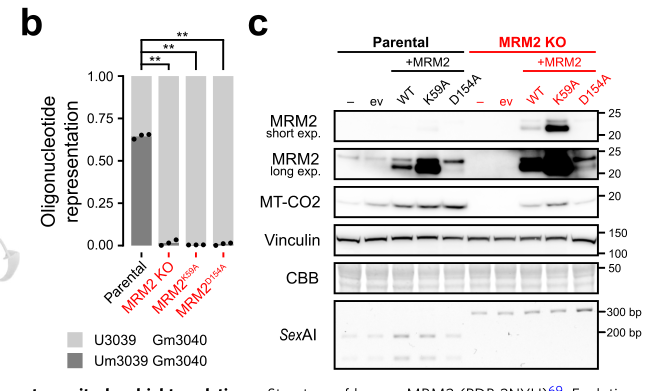
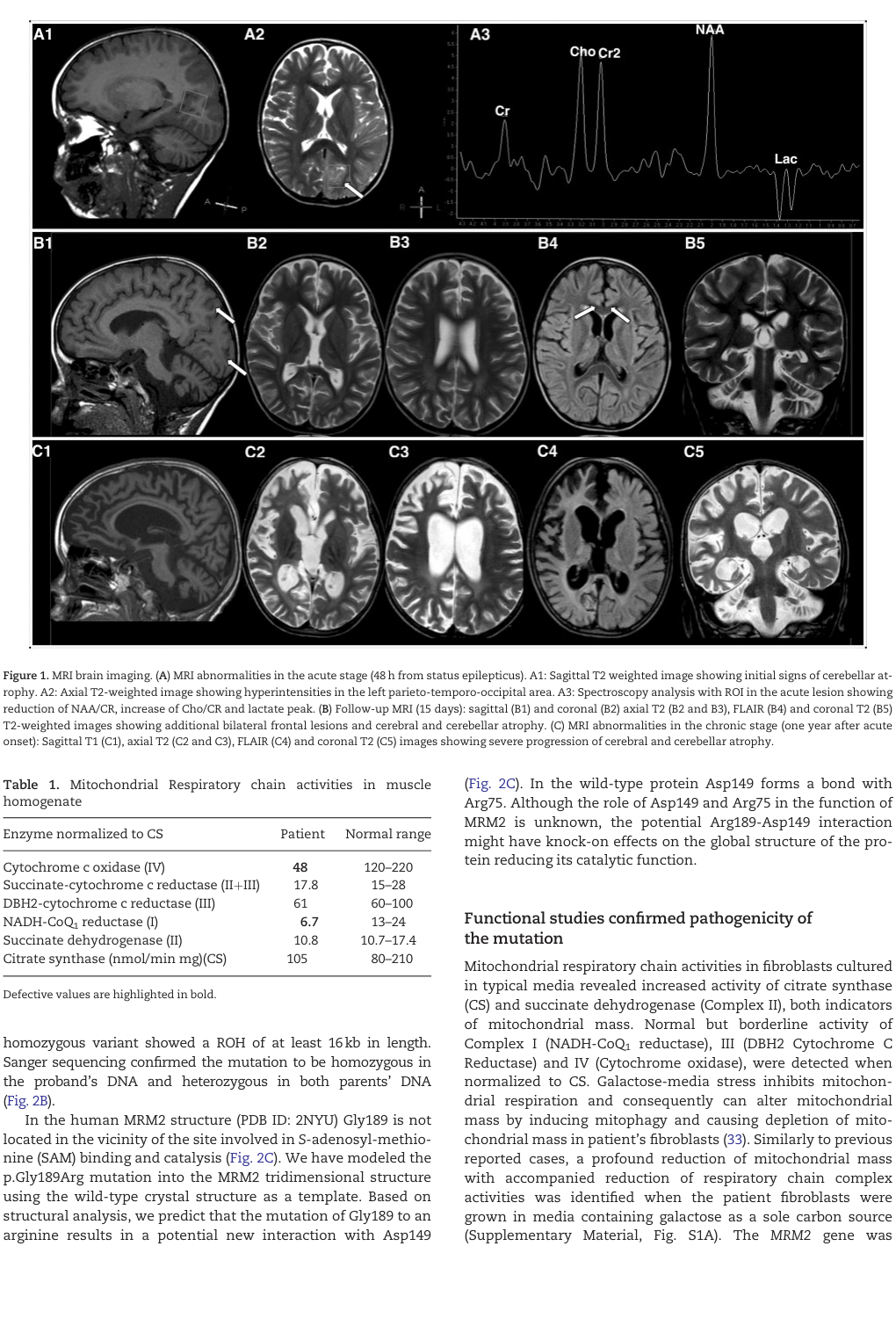
Reference Validation
Checked with linkml-reference-validator 0.3.0.
| Outcome | Count |
|---|---|
| References checked | 11 |
| Resolved | 11 |
| Unresolved (possible confabulation) | 0 |
| Unverifiable | 0 |
| References weighed for topical relevance | 11 |
| On topic | 7 |
| Off topic | 0 |
All extracted references resolved successfully.
Term Validation
Checked with linkml-term-validator 0.4.5, through the ols: adapter.
| Outcome | Count |
|---|---|
| Terms checked | 1 |
| Resolved | 1 |
| Unresolved (possible confabulation) | 0 |
| Obsolete | 0 |
| Unverifiable | 0 |
| Terms whose name was checked | 1 |
| Terms named correctly | 0 |
| Terms named as a different term | 1 |
Terms the report names something else
These identifiers resolve, so nothing about them looks wrong, and the ontology calls them something unrelated to what the report calls them. That usually means the identifier is not the one the sentence needs:
MONDO:0032815(4 mentions) - the report calls it "if available"; MONDO calls it mitochondrial DNA depletion syndrome 17