Macrocephaly, Dysmorphic Facies, and Psychomotor Retardation
Macrocephaly, dysmorphic facies, and psychomotor retardation (MDFPMR; OMIM 617011) is an autosomal recessive neurodevelopmental and overgrowth disorder caused by biallelic variants in HERC1, which encodes a giant (532 kDa) HECT-domain E3 ubiquitin ligase with RCC1-like guanine-nucleotide-exchange-factor domains. Affected individuals have macrocephaly or megalencephaly, somatic overgrowth or tall stature, dysmorphic facial features, hypotonia, and moderate to severe intellectual disability; seizures, kyphoscoliosis, autistic features, a thick corpus callosum, cerebellar atrophy, and pyramidal signs are reported in some families. Most reported alleles are truncating variants that abolish the protein; one HECT-domain missense allele behaves as a gain of function that drives mTORC1 hyperactivation and reduced autophagy in patient fibroblasts.
Ask OpenScientist
Ask a research question about Macrocephaly, Dysmorphic Facies, and Psychomotor Retardation. OpenScientist will conduct autonomous deep research using the Disorder Mechanisms Knowledge Base and PubMed literature (typically 10-30 minutes).
Do not include personal health information in your question. Questions and results are cached in your browser's local storage.
Mappings
Inheritance
1Show evidence (2 references)
Mechanistic Hypotheses
1Show evidence (2 references)
Discussions and Knowledge Gaps
2- Persistent mTORC1 activity and reduced autophagy under starvation in null cells, as in the gain-of-function cells.
- Normal or reduced mTORC1 activity in null cells, indicating that null alleles reach overgrowth by a TSC2-independent route.
Show evidence (2 references)
- Megalencephaly, Purkinje cell loss or learning deficits in null mice.
- Normal brain size and learning in null mice, confining the tambaleante neuronal phenotype to its specific allele.
Show evidence (2 references)
Pathophysiology
7Show evidence (3 references)
Show evidence (2 references)
Show evidence (3 references)
Show evidence (1 reference)
Show evidence (5 references)
Show evidence (4 references)
Show evidence (3 references)
Pathograph
Phenotypes
20Head and Neck 2
Show evidence (2 references)
Show evidence (2 references)
Musculoskeletal 2
Show evidence (2 references)
Show evidence (2 references)
Nervous System 12
Show evidence (2 references)
Show evidence (2 references)
Show evidence (1 reference)
Show evidence (1 reference)
Show evidence (1 reference)
Show evidence (2 references)
Show evidence (1 reference)
Show evidence (1 reference)
Show evidence (1 reference)
Show evidence (1 reference)
Show evidence (1 reference)
Show evidence (1 reference)
Growth 4
Show evidence (2 references)
Show evidence (1 reference)
Show evidence (1 reference)
Show evidence (1 reference)
Genetic Associations
1Show evidence (3 references)
Variants (4)
Show evidence (1 reference)
Show evidence (1 reference)
Show evidence (2 references)
Show evidence (1 reference)
Medical Actions
3Show evidence (1 reference)
Show evidence (1 reference)
Diagnosis
1Show evidence (2 references)
Prevalence
1Show evidence (2 references)
Animal Models
2Show evidence (1 reference)
Show evidence (1 reference)
Show evidence (1 reference)
Show evidence (1 reference)
Show evidence (1 reference)
Show evidence (1 reference)
Show evidence (3 references)
Show evidence (1 reference)
Show evidence (1 reference)
Show evidence (1 reference)
Source YAML
click to showname: Macrocephaly, Dysmorphic Facies, and Psychomotor Retardation
creation_date: "2026-10-13T09:00:00Z"
category: Mendelian
description: >-
Macrocephaly, dysmorphic facies, and psychomotor retardation (MDFPMR; OMIM 617011) is an
autosomal recessive neurodevelopmental and overgrowth disorder caused by biallelic variants in
HERC1, which encodes a giant (532 kDa) HECT-domain E3 ubiquitin ligase with RCC1-like
guanine-nucleotide-exchange-factor domains. Affected individuals have macrocephaly or
megalencephaly, somatic overgrowth or tall stature, dysmorphic facial features, hypotonia, and
moderate to severe intellectual disability; seizures, kyphoscoliosis, autistic features, a thick
corpus callosum, cerebellar atrophy, and pyramidal signs are reported in some families. Most
reported alleles are truncating variants that abolish the protein; one HECT-domain missense allele
behaves as a gain of function that drives mTORC1 hyperactivation and reduced autophagy in patient
fibroblasts.
disease_term:
preferred_term: Macrocephaly, dysmorphic facies, and psychomotor retardation
term:
id: MONDO:0014863
label: macrocephaly, dysmorphic facies, and psychomotor retardation
synonyms:
- MDFPMR
- HERC1-related neurodevelopmental disorder
- megalencephaly-severe kyphoscoliosis-overgrowth syndrome
parents:
- hereditary disease
- Neurodevelopmental disorder
- Overgrowth syndrome
mappings:
mondo_mappings:
- term:
id: MONDO:0018710
label: megalencephaly-severe kyphoscoliosis-overgrowth syndrome
mapping_predicate: skos:narrowMatch
mapping_source: MONDO (Orphanet:457359)
mapping_justification: >-
MONDO places this term as a subclass of MONDO:0014863. It carries Orphanet's name for the
biallelic HERC1 disorder first described in the Colombian siblings with overgrowth, intellectual
disability and facial dysmorphism, so it names the same single-gene disease modeled here rather
than a distinct subtype; narrowMatch records MONDO's subclass placement while keeping the
concept covered by this entry.
inheritance:
- name: Autosomal Recessive
inheritance_term:
preferred_term: Autosomal recessive inheritance
term:
id: HP:0000007
label: Autosomal recessive inheritance
description: >-
All reported families carry homozygous HERC1 variants, most from consanguineous unions; affected
siblings of both sexes with unaffected heterozygous parents are described.
evidence:
- reference: PMID:26153217
reference_title: "A nonsense variant in HERC1 is associated with intellectual disability, megalencephaly, thick corpus callosum and cerebellar atrophy."
supports: SUPPORT
evidence_source: HUMAN_CLINICAL
snippet: "Here, using a whole-exome sequencing in a Moroccan consanguineous family, we show that a novel autosomal-recessive neurological condition characterized by megalencephaly, thick corpus callosum and severe intellectual disability is caused by a homozygous nonsense variant in the HERC1 gene."
explanation: Homozygous nonsense variant segregating as an autosomal recessive condition in a consanguineous family.
- reference: PMID:32921582
reference_title: "A new homozygous HERC1 gain-of-function variant in MDFPMR syndrome leads to mTORC1 hyperactivation and reduced autophagy during cell catabolism."
supports: SUPPORT
evidence_source: HUMAN_CLINICAL
snippet: "Here we describe two sisters from a consanguineous marriage with a novel homozygous missense variant in the C-terminal HECT domain of HERC1"
explanation: A second consanguineous family with two affected homozygous siblings, consistent with recessive inheritance.
prevalence:
- population: Worldwide
measure_type: CASES_IN_LITERATURE
prevalence_class: ULTRA_RARE
notes: >-
No population estimate has been published. The disorder is known from a small number of
families reported since 2015: Colombian siblings, a Moroccan consanguineous family, an Indian
sib pair, a Turkish patient, two sisters from a consanguineous marriage, and an Iranian boy.
evidence:
- reference: PMID:26138117
reference_title: "Biallelic HERC1 mutations in a syndromic form of overgrowth and intellectual disability."
supports: SUPPORT
evidence_source: HUMAN_CLINICAL
snippet: "We report two Colombian siblings affected by overgrowth, intellectual disability and facial dysmorphism."
explanation: The first reported family.
- reference: PMID:27108999
reference_title: "A splice site mutation in HERC1 leads to syndromic intellectual disability with macrocephaly and facial dysmorphism: Further delineation of the phenotypic spectrum."
supports: SUPPORT
evidence_source: HUMAN_CLINICAL
snippet: "In the light of recent reports of HERC1 mutations in two families with a similar phenotypic presentation, this report reiterates the pathogenic nature and clinical consequences of HERC1 disruption."
explanation: By 2016 only three families had been reported, placing the disorder among case-report-level rarities.
pathophysiology:
- name: HERC1 Protein Deficiency
description: >-
Homozygous nonsense, frameshift, and splice-site HERC1 variants trigger nonsense-mediated decay
and abolish the giant HERC1 protein, as shown by complete absence of HERC1 in proband
fibroblasts. HERC1 is a HECT-domain E3 ubiquitin ligase and an RCC1-like-domain guanine
nucleotide exchange factor for ARF and Rab GTPases, so loss removes both activities.
biological_scale: MOLECULAR
mechanism_confidence: ESTABLISHED
genes:
- preferred_term: HERC1
term:
id: hgnc:4867
label: HERC1
genetic_context:
gene:
preferred_term: HERC1
term:
id: hgnc:4867
label: HERC1
variant_origin: GERMLINE
zygosity: HOMOZYGOUS
allele_type: truncating (nonsense, frameshift, splice-site)
functional_impact_category: LOSS_OF_FUNCTION
description: >-
Reported loss-of-function alleles include the nonsense variant c.9748C>T p.(Arg3250*), a
splice-site variant that activates a cryptic site and introduces a premature stop, and the
frameshift c.1280dup p.(Ile469Aspfs*33).
molecular_functions:
- preferred_term: ubiquitin protein ligase activity
term:
id: GO:0061630
label: ubiquitin protein ligase activity
modifier: DECREASED
- preferred_term: guanyl-nucleotide exchange factor activity
term:
id: GO:0005085
label: guanyl-nucleotide exchange factor activity
modifier: DECREASED
notes: >-
No cell type is bound: the absence of HERC1 protein was measured in proband skin fibroblasts,
which are the assay system rather than the cell in which the loss acts, and the germline null
allele is present in every cell.
evidence:
- reference: PMID:26153217
reference_title: "A nonsense variant in HERC1 is associated with intellectual disability, megalencephaly, thick corpus callosum and cerebellar atrophy."
supports: SUPPORT
evidence_source: IN_VITRO
snippet: "Assessment of the primary skin fibroblast from the proband revealed complete absence of the HERC1 protein."
explanation: Direct demonstration that the homozygous nonsense allele abolishes the protein.
- reference: PMID:27108999
reference_title: "A splice site mutation in HERC1 leads to syndromic intellectual disability with macrocephaly and facial dysmorphism: Further delineation of the phenotypic spectrum."
supports: SUPPORT
evidence_source: IN_VITRO
snippet: "Functional analysis revealed use of an alternate splice site resulting in formation of a downstream stop codon and nonsense mediated decay."
explanation: The splice-site allele is also a null through nonsense-mediated decay.
- reference: PMID:28323226
reference_title: "HERC1 mutations in idiopathic intellectual disability."
supports: SUPPORT
evidence_source: IN_VITRO
quote_role: BACKGROUND
snippet: "It is also a guanine nucleotide exchange factor for ARF and Rab family GTPases."
explanation: States the second enzymatic activity lost with the protein.
downstream:
- target: Dysregulated TSC2-mTORC1 Growth Signaling
causal_link_type: INDIRECT_UNKNOWN_INTERMEDIATES
hypothesis_groups:
- herc1_tsc2_mtorc1_model
description: >-
HERC1 binds and destabilizes TSC2, so loss of HERC1 is predicted to stabilize TSC2 and
lower mTORC1 activity; the overgrowth and megalencephaly shared with the gain-of-function
family nevertheless point at the same growth-signaling axis. The intermediates that connect a
null allele to overgrowth are not established.
evidence:
- reference: PMID:26153217
reference_title: "A nonsense variant in HERC1 is associated with intellectual disability, megalencephaly, thick corpus callosum and cerebellar atrophy."
supports: SUPPORT
directness: INDIRECT
evidence_source: IN_VITRO
quote_role: BACKGROUND
snippet: "HERC1 is an ubiquitin ligase that interacts with tuberous sclerosis complex 2, an upstream negative regulator of the mTOR pathway."
explanation: The authors connect the null allele to mTOR through the HERC1-TSC2 interaction; the inference is mechanistic, not measured.
- target: Autophagy-Associated Purkinje Cell Degeneration
causal_link_type: INDIRECT_UNKNOWN_INTERMEDIATES
description: >-
Cerebellar atrophy was observed in the proband with complete loss of HERC1 protein; the
cellular route from absent ligase to Purkinje cell loss has been examined only in the mouse,
whose allele is not a null.
evidence:
- reference: PMID:26153217
reference_title: "A nonsense variant in HERC1 is associated with intellectual disability, megalencephaly, thick corpus callosum and cerebellar atrophy."
supports: SUPPORT
directness: INDIRECT
evidence_source: HUMAN_CLINICAL
snippet: "However, the observation of cerebellar atrophy in our patient confirms the role of this protein in the growth and maintenance of the cerebellar structure."
explanation: The authors attribute the proband's cerebellar atrophy to loss of HERC1; the intermediates are inferred.
- target: Presynaptic Vesicle Depletion and Impaired Synaptic Plasticity
causal_link_type: INDIRECT_UNKNOWN_INTERMEDIATES
description: >-
Intellectual disability is constant in patients lacking HERC1; the presynaptic and plasticity
defects that would explain it are documented only in the tambaleante mouse.
evidence:
- reference: PMID:33328904
reference_title: "HERC1 Ubiquitin Ligase Is Required for Hippocampal Learning and Memory."
supports: SUPPORT
directness: INDIRECT
evidence_source: HUMAN_CLINICAL
quote_role: BACKGROUND
snippet: "Mutations in the human HERC1 E3 ubiquitin ligase protein develop intellectual disability."
explanation: The mouse study's framing of the human cognitive phenotype that its synaptic findings are offered to explain.
- name: HERC1 HECT-Domain Gain-of-Function Variant
description: >-
A homozygous missense variant in the C-terminal HECT domain, p.(Arg4691Pro), does not abolish
the protein but confers a gain of function: patient fibroblasts fail to switch off mTORC1 under
nutrient starvation, consistent with enhanced HERC1-mediated destabilization of TSC2.
biological_scale: MOLECULAR
mechanism_confidence: PROVISIONAL
genes:
- preferred_term: HERC1
term:
id: hgnc:4867
label: HERC1
genetic_context:
gene:
preferred_term: HERC1
term:
id: hgnc:4867
label: HERC1
variant_origin: GERMLINE
zygosity: HOMOZYGOUS
allele_type: missense (HECT domain)
functional_impact_category: GAIN_OF_FUNCTION
description: c.14072G>C p.(Arg4691Pro), homozygous in two sisters from a consanguineous marriage.
molecular_functions:
- preferred_term: ubiquitin protein ligase activity
term:
id: GO:0061630
label: ubiquitin protein ligase activity
modifier: GAIN_OF_FUNCTION
notes: >-
No cell type is bound: the gain of function was demonstrated in patient skin fibroblasts, which
are the assay system; the homozygous germline allele is present in every cell.
evidence:
- reference: PMID:32921582
reference_title: "A new homozygous HERC1 gain-of-function variant in MDFPMR syndrome leads to mTORC1 hyperactivation and reduced autophagy during cell catabolism."
supports: SUPPORT
evidence_source: IN_VITRO
snippet: "These data confirm that the missense variant found in both patients results in a gain-of-function for the mutant HERC1 protein."
explanation: The authors' conclusion from starvation assays in patient versus control fibroblasts.
- reference: PMID:32921582
reference_title: "A new homozygous HERC1 gain-of-function variant in MDFPMR syndrome leads to mTORC1 hyperactivation and reduced autophagy during cell catabolism."
supports: SUPPORT
evidence_source: HUMAN_CLINICAL
snippet: "Here we describe two sisters from a consanguineous marriage with a novel homozygous missense variant in the C-terminal HECT domain of HERC1"
explanation: Identifies the allele and its domain.
downstream:
- target: Dysregulated TSC2-mTORC1 Growth Signaling
causal_link_type: DIRECT
hypothesis_groups:
- herc1_tsc2_mtorc1_model
description: >-
The mutant ligase keeps mTORC1 active when it should be switched off, read out as persistent
S6K1 phosphorylation during starvation.
evidence:
- reference: PMID:32921582
reference_title: "A new homozygous HERC1 gain-of-function variant in MDFPMR syndrome leads to mTORC1 hyperactivation and reduced autophagy during cell catabolism."
supports: SUPPORT
evidence_source: IN_VITRO
snippet: "During catabolic state, mTORC1 activity remained high in patient fibroblasts, which stands in stark contrast to its downregulation in controls."
explanation: Directly measures the consequence of the variant on mTORC1 activity.
- name: Dysregulated TSC2-mTORC1 Growth Signaling
description: >-
HERC1 is a TSC2-interacting ubiquitin ligase; TSC1 stabilizes TSC2 by excluding HERC1 from the
complex, and HERC1-TSC2 interaction destabilizes and degrades TSC2, the GTPase-activating
protein that restrains mTORC1. In the gain-of-function family, mTORC1 activity stays high and
S6K1 remains phosphorylated in patient fibroblasts under starvation. Megalencephaly and somatic
overgrowth are the clinical signatures of excess mTOR-pathway growth signaling; the failure of
starvation-induced autophagy measured in the same cells is modeled as a separate downstream node.
biological_scale: CELLULAR
mechanism_confidence: PROVISIONAL
genes:
- preferred_term: TSC2
term:
id: hgnc:12363
label: TSC2
- preferred_term: TSC1
term:
id: hgnc:12362
label: TSC1
- preferred_term: MTOR
term:
id: hgnc:3942
label: MTOR
biological_processes:
- preferred_term: TORC1 signaling
term:
id: GO:0038202
label: TORC1 signaling
modifier: INCREASED
- preferred_term: protein destabilization (of TSC2)
term:
id: GO:0031648
label: protein destabilization
cell_types:
- preferred_term: dermal fibroblast
term:
id: CL:0002620
label: skin fibroblast
evidence:
- reference: PMID:16464865
reference_title: "TSC1 stabilizes TSC2 by inhibiting the interaction between TSC2 and the HERC1 ubiquitin ligase."
supports: SUPPORT
evidence_source: IN_VITRO
snippet: "Our study reveals a potential molecular mechanism of how TSC1 stabilizes TSC2 by excluding the HERC1 ubiquitin ligase from the TSC2 complex."
explanation: Establishes HERC1 as the ubiquitin ligase that TSC1 shields TSC2 from.
- reference: PMID:32921582
reference_title: "A new homozygous HERC1 gain-of-function variant in MDFPMR syndrome leads to mTORC1 hyperactivation and reduced autophagy during cell catabolism."
supports: SUPPORT
evidence_source: IN_VITRO
snippet: "This was corroborated by an abnormally high phosphorylation of S6K1-kinase, a direct downstream target of mTORC1, in patients."
explanation: mTORC1 output measured in patient fibroblasts.
- reference: PMID:28323226
reference_title: "HERC1 mutations in idiopathic intellectual disability."
supports: SUPPORT
evidence_source: IN_VITRO
quote_role: BACKGROUND
snippet: "HERC1 is a member of HERC protein family of ubiquitin ligases and is a negative regulator of the mTOR pathway."
explanation: Places HERC1 on the mTOR axis in the clinical literature.
downstream:
- target: Reduced Starvation-Induced Autophagy
causal_link_type: DIRECT
hypothesis_groups:
- herc1_tsc2_mtorc1_model
description: >-
mTORC1 is the principal inhibitor of autophagy induction; in the gain-of-function
fibroblasts the persistence of mTORC1 activity under starvation and the failure of autophagy
were measured in the same cells.
evidence:
- reference: PMID:32921582
reference_title: "A new homozygous HERC1 gain-of-function variant in MDFPMR syndrome leads to mTORC1 hyperactivation and reduced autophagy during cell catabolism."
supports: SUPPORT
evidence_source: IN_VITRO
snippet: "During catabolic state, mTORC1 activity remained high in patient fibroblasts, which stands in stark contrast to its downregulation in controls."
explanation: The upstream measurement in the same starvation assay that recorded the autophagy failure.
- target: Megalencephaly
causal_link_type: INDIRECT_UNKNOWN_INTERMEDIATES
hypothesis_groups:
- herc1_tsc2_mtorc1_model
description: >-
Megalencephaly is the hallmark of excess RTK/PI3K/AKT/mTOR signaling in brain development;
the HERC1 phenotype is grouped with that class.
evidence:
- reference: PMID:26153217
reference_title: "A nonsense variant in HERC1 is associated with intellectual disability, megalencephaly, thick corpus callosum and cerebellar atrophy."
supports: SUPPORT
directness: INDIRECT
evidence_source: HUMAN_CLINICAL
quote_role: BACKGROUND
snippet: "This phenotype is often caused by mutations affecting the RTK/PI3K/mTOR (receptor tyrosine kinase-phosphatidylinositol-3-kinase-AKT) signaling and its downstream pathway of mammalian target of rapamycin (mTOR)."
explanation: Links the mTOR axis to megalencephaly as a class; the HERC1-specific step is inferred.
- target: Somatic Overgrowth
causal_link_type: INDIRECT_UNKNOWN_INTERMEDIATES
hypothesis_groups:
- herc1_tsc2_mtorc1_model
description: >-
Somatic overgrowth and tall stature accompany megalencephaly in both the loss-of-function
and gain-of-function families, consistent with systemic mTORC1-driven anabolic growth.
evidence:
- reference: PMID:32921582
reference_title: "A new homozygous HERC1 gain-of-function variant in MDFPMR syndrome leads to mTORC1 hyperactivation and reduced autophagy during cell catabolism."
supports: SUPPORT
directness: INDIRECT
evidence_source: HUMAN_CLINICAL
snippet: "Symptoms compris global developmental delay, macrocephaly, somatic overgrowth, intellectual disability, seizures, schizoaffective disorder, and pyramidal tract signs."
explanation: Somatic overgrowth co-occurs with the documented mTORC1 hyperactivation in this family; causation is inferred.
- target: Tall Stature
causal_link_type: INDIRECT_UNKNOWN_INTERMEDIATES
hypothesis_groups:
- herc1_tsc2_mtorc1_model
description: Tall stature is the linear-growth expression of the same overgrowth.
- target: Large for Gestational Age
causal_link_type: INDIRECT_UNKNOWN_INTERMEDIATES
hypothesis_groups:
- herc1_tsc2_mtorc1_model
description: Overgrowth is already present at birth in several patients, so the same growth-signaling axis is invoked prenatally.
- target: Thick Corpus Callosum
causal_link_type: INDIRECT_UNKNOWN_INTERMEDIATES
description: Callosal thickening accompanies megalencephaly and enlarged white matter in the null-allele proband.
evidence:
- reference: PMID:26153217
reference_title: "A nonsense variant in HERC1 is associated with intellectual disability, megalencephaly, thick corpus callosum and cerebellar atrophy."
supports: SUPPORT
directness: INDIRECT
evidence_source: HUMAN_CLINICAL
snippet: "Brain MRI demonstrated bilateral megalencephaly, a thick corpus callosum, enlarged white matter, septum pellucidum cyst and a small cerebellum"
explanation: The thick corpus callosum is reported together with the megalencephaly and white-matter enlargement; the shared growth-signaling origin is inferred.
- name: Reduced Starvation-Induced Autophagy
description: >-
In fibroblasts carrying the HECT-domain gain-of-function allele, autophagy, which nutrient
starvation normally induces, is down-regulated, in step with the persistence of mTORC1 activity
in the same cells. Whether cells lacking HERC1 show the same failure, or the opposite, has not
been measured; the tambaleante mouse allele produces excess autophagy.
biological_scale: CELLULAR
mechanism_confidence: PROVISIONAL
biological_processes:
- preferred_term: autophagy
term:
id: GO:0006914
label: autophagy
modifier: DECREASED
cell_types:
- preferred_term: dermal fibroblast
term:
id: CL:0002620
label: skin fibroblast
notes: >-
The fibroblast is bound because the reduced autophagy is a cellular state observed in that cell
type under starvation; no neuronal measurement exists in patient-derived cells.
evidence:
- reference: PMID:32921582
reference_title: "A new homozygous HERC1 gain-of-function variant in MDFPMR syndrome leads to mTORC1 hyperactivation and reduced autophagy during cell catabolism."
supports: SUPPORT
evidence_source: IN_VITRO
snippet: "Moreover, autophagy, usually enhanced in catabolic states, was down-regulated in patient fibroblasts."
explanation: The autophagy arm of the starvation assay in gain-of-function patient fibroblasts.
- name: Presynaptic Vesicle Depletion and Impaired Synaptic Plasticity
description: >-
Presynaptic terminals carrying mutant HERC1 have fewer synaptic vesicles and active zones, less
clathrin, and more endosomes and autophagosomes; evoked neurotransmitter release at the
neuromuscular junction is impaired before any neurodegeneration; glutamatergic input to the
lateral amygdala and hippocampal CA1 is reduced, long-term potentiation is absent, and
associative and spatial learning are deficient. All of this is documented in the tambaleante
mouse; in patients the correlates are the constant intellectual disability and hypotonia, which
have no human cellular measurement.
biological_scale: CELLULAR
mechanism_confidence: PROVISIONAL
cell_types:
- preferred_term: pyramidal neuron
term:
id: CL:0000598
label: pyramidal neuron
- preferred_term: motor neuron
term:
id: CL:0000100
label: motor neuron
biological_processes:
- preferred_term: synaptic vesicle recycling
term:
id: GO:0036465
label: synaptic vesicle recycling
modifier: DECREASED
- preferred_term: neurotransmitter secretion
term:
id: GO:0007269
label: neurotransmitter secretion
modifier: DECREASED
- preferred_term: long-term synaptic potentiation
term:
id: GO:0060291
label: long-term synaptic potentiation
modifier: DECREASED
locations:
- preferred_term: hippocampus
term:
id: UBERON:0002421
label: hippocampal formation
- preferred_term: amygdala
term:
id: UBERON:0001876
label: amygdala
- preferred_term: cerebral cortex
term:
id: UBERON:0000956
label: cerebral cortex
evidence:
- reference: PMID:32694577
reference_title: "The HERC1 ubiquitin ligase regulates presynaptic membrane dynamics of central synapses."
supports: SUPPORT
directness: INDIRECT
evidence_source: IN_VITRO
snippet: "Our results show: (1) a decrease in the number of synaptic vesicles; (2) reduced active zones; (3) less clathrin immunoreactivity and less presynaptic endings over the hippocampal main dendritic trees"
explanation: Cultured tambaleante hippocampal neurons; the vesicle and active-zone depletion behind the node.
- reference: PMID:28102468
reference_title: "Mutation of the HERC 1 Ubiquitin Ligase Impairs Associative Learning in the Lateral Amygdala."
supports: SUPPORT
directness: INDIRECT
evidence_source: MODEL_ORGANISM
snippet: "In addition, LTP cannot be detected in these animals and their STP is dampened, as is their glutamatergic input to the lateral amygdala."
explanation: Loss of synaptic potentiation in the mutant amygdala.
- reference: PMID:33328904
reference_title: "HERC1 Ubiquitin Ligase Is Required for Hippocampal Learning and Memory."
supports: SUPPORT
directness: INDIRECT
evidence_source: MODEL_ORGANISM
snippet: "Together, these observations demonstrate the important role of HERC1 in regulating synaptic activity during learning."
explanation: Hippocampal learning deficits with reduced glutamatergic input in the mutant.
- reference: PMID:25746226
reference_title: "The HERC1 E3 Ubiquitin Ligase is essential for normal development and for neurotransmission at the mouse neuromuscular junction."
supports: SUPPORT
directness: INDIRECT
evidence_source: MODEL_ORGANISM
snippet: "This defect is associated with by: (a) a reduction of the motor end-plate area, (b) less efficient neuromuscular activity in vivo, and (c) an impaired evoked neurotransmitter release."
explanation: The presynaptic release defect at the neuromuscular junction, quoted with the source's own wording.
- reference: PMID:39859507
reference_title: "HERC1 E3 Ubiquitin Ligase Is Necessary for Autophagy Processes and for the Maintenance and Homeostasis of Vesicles in Motor Nerve Terminals, but Not for Proteasomal Activity."
supports: SUPPORT
directness: INDIRECT
evidence_source: MODEL_ORGANISM
snippet: "Altogether, our findings show that HERC1 E3 ubiquitin ligase mutation found in tbl mice alters autophagy and vesicular recycling without affecting proteasomal function."
explanation: Places the motor-terminal defect in vesicle recycling and autophagy rather than in proteasomal degradation.
downstream:
- target: Intellectual Disability
causal_link_type: INDIRECT_UNKNOWN_INTERMEDIATES
description: >-
The constant cognitive phenotype; the mouse links HERC1 to synaptic plasticity and learning,
but the human intermediates are unknown.
evidence:
- reference: PMID:28102468
reference_title: "Mutation of the HERC 1 Ubiquitin Ligase Impairs Associative Learning in the Lateral Amygdala."
supports: SUPPORT
directness: INDIRECT
evidence_source: MODEL_ORGANISM
snippet: "In addition, LTP cannot be detected in these animals and their STP is dampened, as is their glutamatergic input to the lateral amygdala."
explanation: Loss of synaptic potentiation in the mouse is the proposed cellular correlate of learning impairment.
- target: Global Developmental Delay
causal_link_type: INDIRECT_UNKNOWN_INTERMEDIATES
description: Delay is the early expression of the same synaptic dysfunction.
- target: Hypotonia
causal_link_type: INDIRECT_UNKNOWN_INTERMEDIATES
description: Central hypotonia is a near-constant feature; the mouse additionally shows impaired neuromuscular transmission.
evidence:
- reference: PMID:25746226
reference_title: "The HERC1 E3 Ubiquitin Ligase is essential for normal development and for neurotransmission at the mouse neuromuscular junction."
supports: SUPPORT
directness: INDIRECT
evidence_source: MODEL_ORGANISM
snippet: "Together, these data suggest that the HERC1 E3 Ubiquitin Ligase is fundamental for normal muscle function and that it is essential for neurotransmitter release at the mouse neuromuscular junction."
explanation: Neuromuscular transmission failure in the mouse is one candidate contributor to hypotonia.
- target: Seizures
causal_link_type: INDIRECT_UNKNOWN_INTERMEDIATES
description: Seizures are frequent; no human or mouse study has resolved their circuit basis.
- target: Autistic Behavior
causal_link_type: INDIRECT_UNKNOWN_INTERMEDIATES
description: Autistic features are reported in some patients.
- target: Abnormal Pyramidal Sign
causal_link_type: INDIRECT_UNKNOWN_INTERMEDIATES
description: Pyramidal tract signs in the gain-of-function sisters.
- target: Behavioral Problems
causal_link_type: INDIRECT_UNKNOWN_INTERMEDIATES
description: Behavioural problems accompany the intellectual disability; no study separates them from the cognitive phenotype.
- target: Schizoaffective Disorder
causal_link_type: INDIRECT_UNKNOWN_INTERMEDIATES
description: Psychosis in the two gain-of-function sisters; the circuit basis is unknown.
- target: Speech Disorder
causal_link_type: INDIRECT_UNKNOWN_INTERMEDIATES
description: Speech disorder accompanies the cognitive impairment in the Iranian proband; no study separates it from the global delay.
- name: Autophagy-Associated Purkinje Cell Degeneration
description: >-
HERC1 dysfunction leads to loss of cerebellar Purkinje cells. In the tambaleante mouse the
mutant protein accumulates and Purkinje cells die progressively from the second month with
extensive autophagy, and autophagic changes are also present in neocortical, CA3 hippocampal and
spinal motor neurons, though with far less cell loss. In patients the only observation is
cerebellar atrophy on MRI in the proband with complete loss of HERC1 protein.
biological_scale: CELLULAR
mechanism_confidence: PROVISIONAL
cell_types:
- preferred_term: Purkinje cell
term:
id: CL:0000121
label: Purkinje cell
biological_processes:
- preferred_term: autophagic cell death
term:
id: GO:0048102
label: autophagic cell death
modifier: INCREASED
- preferred_term: autophagy
term:
id: GO:0006914
label: autophagy
modifier: INCREASED
locations:
- preferred_term: cerebellum
term:
id: UBERON:0002037
label: cerebellum
notes: >-
The INCREASED autophagy modifier records the mouse observation, which runs opposite to the
reduced autophagy measured in gain-of-function patient fibroblasts; see the
mismatch_tambaleante_allele_direction discussion.
evidence:
- reference: PMID:26153217
reference_title: "A nonsense variant in HERC1 is associated with intellectual disability, megalencephaly, thick corpus callosum and cerebellar atrophy."
supports: SUPPORT
evidence_source: HUMAN_CLINICAL
snippet: "However, the observation of cerebellar atrophy in our patient confirms the role of this protein in the growth and maintenance of the cerebellar structure."
explanation: Human cerebellar involvement in the null-allele proband.
- reference: PMID:20041218
reference_title: "Progressive Purkinje cell degeneration in tambaleante mutant mice is a consequence of a missense mutation in HERC1 E3 ubiquitin ligase."
supports: SUPPORT
directness: INDIRECT
evidence_source: MODEL_ORGANISM
snippet: "Here, we report the characterization of a recessive mutation named tambaleante, which causes progressive Purkinje cell degeneration leading to severe ataxia with reduced growth and lifespan in homozygous mice aged over two months."
explanation: A recessive Herc1 allele in mouse is sufficient to degenerate Purkinje cells; the allele mechanism differs from the human alleles.
- reference: PMID:20041218
reference_title: "Progressive Purkinje cell degeneration in tambaleante mutant mice is a consequence of a missense mutation in HERC1 E3 ubiquitin ligase."
supports: SUPPORT
directness: INDIRECT
evidence_source: MODEL_ORGANISM
snippet: "Histological and biochemical studies revealed extensive autophagy associated with an increase of the mutant protein level and a decrease of mTOR activity."
explanation: The autophagic signature of the degeneration in the mouse.
- reference: PMID:27147983
reference_title: "HERC 1 Ubiquitin Ligase Mutation Affects Neocortical, CA3 Hippocampal and Spinal Cord Projection Neurons: An Ultrastructural Study."
supports: SUPPORT
directness: INDIRECT
evidence_source: MODEL_ORGANISM
snippet: "However, the ultrastructural analysis performed here demonstrates that signs of autophagy, such as autophagosomes, lysosomes, and altered mitochondria, are present in neocortical pyramidal, CA3 hippocampal pyramidal, and spinal cord motor neurons."
explanation: Autophagic changes in projection neurons beyond the cerebellum in the mouse.
downstream:
- target: Cerebellar Atrophy
causal_link_type: DIRECT
description: Cerebellar atrophy on MRI in the null-allele proband; Purkinje cell loss in the mouse.
evidence:
- reference: PMID:26153217
reference_title: "A nonsense variant in HERC1 is associated with intellectual disability, megalencephaly, thick corpus callosum and cerebellar atrophy."
supports: SUPPORT
evidence_source: HUMAN_CLINICAL
snippet: "However, the observation of cerebellar atrophy in our patient confirms the role of this protein in the growth and maintenance of the cerebellar structure."
explanation: The authors attribute the cerebellar atrophy to loss of HERC1's role in cerebellar maintenance.
- target: Gait Ataxia
causal_link_type: INDIRECT_UNKNOWN_INTERMEDIATES
description: Cerebellar involvement is the presumed basis of the ataxic gait reported in some patients; in the mouse, Purkinje cell loss produces the ataxia directly.
evidence:
- reference: PMID:20041218
reference_title: "Progressive Purkinje cell degeneration in tambaleante mutant mice is a consequence of a missense mutation in HERC1 E3 ubiquitin ligase."
supports: SUPPORT
directness: INDIRECT
evidence_source: MODEL_ORGANISM
snippet: "Here, we report the characterization of a recessive mutation named tambaleante, which causes progressive Purkinje cell degeneration leading to severe ataxia with reduced growth and lifespan in homozygous mice aged over two months."
explanation: Purkinje cell degeneration produces ataxia in the mouse; the human gait ataxia is attributed to the cerebellum by analogy.
- name: Dysregulated Bone Remodeling
description: >-
HERC1 ubiquitinates C-RAF, and HERC1 deficiency raises C-RAF with increased ERK and p38
phosphorylation during osteogenic differentiation of mesenchymal stem cells. Herc1-knockout
mice develop osteopenia with an altered osteoblast/osteoclast balance. Whether this process
underlies the skeletal features of patients (kyphoscoliosis, tall stature) has not been examined
in human bone.
biological_scale: TISSUE
mechanism_confidence: HYPOTHETICAL
genes:
- preferred_term: RAF1
term:
id: hgnc:9829
label: RAF1
biological_processes:
- preferred_term: bone remodeling
term:
id: GO:0046849
label: bone remodeling
- preferred_term: ERK1 and ERK2 cascade
term:
id: GO:0070371
label: ERK1 and ERK2 cascade
modifier: INCREASED
cell_types:
- preferred_term: osteoblast
term:
id: CL:0000062
label: osteoblast
- preferred_term: osteoclast
term:
id: CL:0000092
label: osteoclast
evidence:
- reference: PMID:36635269
reference_title: "HERC1 deficiency causes osteopenia through transcriptional program dysregulation during bone remodeling."
supports: SUPPORT
evidence_source: IN_VITRO
snippet: "During this process, HERC1 deficiency increases the levels of C-RAF and of phosphorylated ERK and p38."
explanation: Molecular consequence of HERC1 loss during osteogenic differentiation.
- reference: PMID:36635269
reference_title: "HERC1 deficiency causes osteopenia through transcriptional program dysregulation during bone remodeling."
supports: SUPPORT
directness: INDIRECT
evidence_source: MODEL_ORGANISM
snippet: "The Herc1-knockout adult mice developed imbalanced bone homeostasis that presented as osteopenia in both sexes of the adult mice."
explanation: Whole-animal bone phenotype of HERC1 loss.
- reference: PMID:36635269
reference_title: "HERC1 deficiency causes osteopenia through transcriptional program dysregulation during bone remodeling."
supports: SUPPORT
directness: INDIRECT
evidence_source: HUMAN_CLINICAL
quote_role: BACKGROUND
snippet: "Most pathogenic variants cause loss of HERC1 function, and the affected individuals present with features related to altered bone homeostasis."
explanation: The authors' stated rationale for connecting the mouse bone phenotype to the human disorder.
mechanistic_hypotheses:
- hypothesis_group_id: herc1_tsc2_mtorc1_model
hypothesis_label: HERC1-TSC2-mTORC1 growth-signaling model
status: EMERGING
description: >-
Overgrowth and megalencephaly are attributed to dysregulation of the TSC2-mTORC1 axis through
HERC1's role as the ubiquitin ligase that destabilizes TSC2. Direct human evidence of mTORC1
hyperactivation exists only for the HECT-domain gain-of-function family; for the null alleles,
which are the majority, the model predicts the opposite effect on TSC2 and the path to overgrowth
is unexplained.
evidence:
- reference: PMID:32921582
reference_title: "A new homozygous HERC1 gain-of-function variant in MDFPMR syndrome leads to mTORC1 hyperactivation and reduced autophagy during cell catabolism."
supports: SUPPORT
evidence_source: IN_VITRO
snippet: "During catabolic state, mTORC1 activity remained high in patient fibroblasts, which stands in stark contrast to its downregulation in controls."
explanation: The only direct measurement of mTORC1 activity in patient cells.
- reference: PMID:26153217
reference_title: "A nonsense variant in HERC1 is associated with intellectual disability, megalencephaly, thick corpus callosum and cerebellar atrophy."
supports: SUPPORT
directness: INDIRECT
evidence_source: HUMAN_CLINICAL
snippet: "Our data further emphasize the role of the mTOR pathway in the regulation of brain development and the power of next-generation sequencing technique in elucidating the genetic etiology of autosomal-recessive disorders and suggest that HERC1 defect might be a novel cause of autosomal-recessive syndromic megalencephaly."
explanation: The null-allele report frames the phenotype as an mTOR-pathway megalencephaly without measuring pathway activity.
phenotypes:
- category: Neurologic
name: Intellectual Disability
description: Moderate to severe intellectual disability is the constant feature across reported families.
frequency: VERY_FREQUENT
phenotype_term:
preferred_term: Intellectual disability, moderate to severe
term:
id: HP:0001249
label: Intellectual disability
severity: SEVERE
evidence:
- reference: PMID:28323226
reference_title: "HERC1 mutations in idiopathic intellectual disability."
supports: SUPPORT
evidence_source: HUMAN_CLINICAL
snippet: "Moderate to severe intellectual disability, hypotonia, macrocephaly, tall stature, and facial features appear as main clinical features of the condition."
explanation: Names intellectual disability as a main feature and gives its severity range; supports the VERY_FREQUENT band.
- reference: PMID:26153217
reference_title: "A nonsense variant in HERC1 is associated with intellectual disability, megalencephaly, thick corpus callosum and cerebellar atrophy."
supports: SUPPORT
evidence_source: HUMAN_CLINICAL
snippet: "Here, using a whole-exome sequencing in a Moroccan consanguineous family, we show that a novel autosomal-recessive neurological condition characterized by megalencephaly, thick corpus callosum and severe intellectual disability is caused by a homozygous nonsense variant in the HERC1 gene."
explanation: Severe intellectual disability in the null-allele proband.
- category: Neurologic
name: Global Developmental Delay
description: Developmental delay from infancy precedes the diagnosis of intellectual disability.
phenotype_term:
preferred_term: Global developmental delay
term:
id: HP:0001263
label: Global developmental delay
evidence:
- reference: PMID:32921582
reference_title: "A new homozygous HERC1 gain-of-function variant in MDFPMR syndrome leads to mTORC1 hyperactivation and reduced autophagy during cell catabolism."
supports: SUPPORT
evidence_source: HUMAN_CLINICAL
snippet: "Symptoms compris global developmental delay, macrocephaly, somatic overgrowth, intellectual disability, seizures, schizoaffective disorder, and pyramidal tract signs."
explanation: Global developmental delay listed among the presenting symptoms (the word compris is the source's own spelling).
- reference: PMID:39891458
reference_title: "First Case of Macrocephaly, Dysmorphic Facies, and Psychomotor Retardation Harboring Co-inherited Variants in HERC1 and PMP22 Genes from Iran: Two Novel Variants."
supports: SUPPORT
evidence_source: HUMAN_CLINICAL
snippet: "The 2-year-old male presented with seizures, developmental delay, macrocephaly, hypotonia, unilateral hypertrophy, thoracic scoliosis, normal brain MRI, and elevated homocysteine level which normalized after treatment."
explanation: Developmental delay at presentation in a further patient.
- category: Craniofacial
name: Macrocephaly
description: >-
Head circumference is increased in nearly all patients and persists through childhood;
brain MRI shows megalencephaly where imaging is reported.
frequency: VERY_FREQUENT
phenotype_term:
preferred_term: Macrocephaly
term:
id: HP:0000256
label: Macrocephaly
evidence:
- reference: PMID:28323226
reference_title: "HERC1 mutations in idiopathic intellectual disability."
supports: SUPPORT
evidence_source: HUMAN_CLINICAL
snippet: "Moderate to severe intellectual disability, hypotonia, macrocephaly, tall stature, and facial features appear as main clinical features of the condition."
explanation: Macrocephaly named as a main clinical feature; supports the VERY_FREQUENT band.
- reference: PMID:27108999
reference_title: "A splice site mutation in HERC1 leads to syndromic intellectual disability with macrocephaly and facial dysmorphism: Further delineation of the phenotypic spectrum."
supports: SUPPORT
evidence_source: HUMAN_CLINICAL
snippet: "We report on a sib pair of Indian origin presenting with intellectual disability, dysmorphism, and macrocephaly."
explanation: Macrocephaly in both affected sibs of the Indian family.
- category: Neurologic
name: Megalencephaly
description: Bilateral megalencephaly with enlarged white matter on brain MRI.
phenotype_term:
preferred_term: Megalencephaly
term:
id: HP:0001355
label: Megalencephaly
sequelae:
- target: Macrocephaly
causal_link_type: DIRECT
description: Macrocephaly is the clinical correlate of the enlarged brain.
evidence:
- reference: PMID:26153217
reference_title: "A nonsense variant in HERC1 is associated with intellectual disability, megalencephaly, thick corpus callosum and cerebellar atrophy."
supports: SUPPORT
directness: INDIRECT
evidence_source: HUMAN_CLINICAL
snippet: "Our data further emphasize the role of the mTOR pathway in the regulation of brain development and the power of next-generation sequencing technique in elucidating the genetic etiology of autosomal-recessive disorders and suggest that HERC1 defect might be a novel cause of autosomal-recessive syndromic megalencephaly."
explanation: Frames the disorder as a syndromic megalencephaly; head enlargement follows from brain enlargement.
evidence:
- reference: PMID:26153217
reference_title: "A nonsense variant in HERC1 is associated with intellectual disability, megalencephaly, thick corpus callosum and cerebellar atrophy."
supports: SUPPORT
evidence_source: HUMAN_CLINICAL
snippet: "Here, using a whole-exome sequencing in a Moroccan consanguineous family, we show that a novel autosomal-recessive neurological condition characterized by megalencephaly, thick corpus callosum and severe intellectual disability is caused by a homozygous nonsense variant in the HERC1 gene."
explanation: Megalencephaly defined the condition in the null-allele family.
- category: Neurologic
name: Thick Corpus Callosum
description: A thick corpus callosum accompanies megalencephaly on MRI in the null-allele proband.
phenotype_term:
preferred_term: Thick corpus callosum
term:
id: HP:0007074
label: Thick corpus callosum
evidence:
- reference: PMID:26153217
reference_title: "A nonsense variant in HERC1 is associated with intellectual disability, megalencephaly, thick corpus callosum and cerebellar atrophy."
supports: SUPPORT
evidence_source: HUMAN_CLINICAL
snippet: "Brain MRI demonstrated bilateral megalencephaly, a thick corpus callosum, enlarged white matter, septum pellucidum cyst and a small cerebellum"
explanation: The MRI finding in the proband.
- category: Neurologic
name: Cerebellar Atrophy
description: A small cerebellum on MRI, interpreted by the authors as cerebellar atrophy, in the null-allele proband.
phenotype_term:
preferred_term: Cerebellar atrophy
term:
id: HP:0001272
label: Cerebellar atrophy
evidence:
- reference: PMID:26153217
reference_title: "A nonsense variant in HERC1 is associated with intellectual disability, megalencephaly, thick corpus callosum and cerebellar atrophy."
supports: SUPPORT
evidence_source: HUMAN_CLINICAL
snippet: "In summary, we report here a homozygous loss-of-function variant in HERC1 leading to complete loss of the protein in a proband with the unusual association of megalencephaly, thick corpus callosum, cerebellar atrophy and severe ID."
explanation: Cerebellar atrophy in the proband with complete loss of HERC1.
- category: Growth
name: Somatic Overgrowth
description: >-
Somatic overgrowth or tall stature, present from birth in several patients, with some
normalization of birth weight with age.
frequency: VERY_FREQUENT
phenotype_term:
preferred_term: Somatic overgrowth / tall stature
term:
id: HP:0001548
label: Overgrowth
evidence:
- reference: PMID:26138117
reference_title: "Biallelic HERC1 mutations in a syndromic form of overgrowth and intellectual disability."
supports: SUPPORT
evidence_source: HUMAN_CLINICAL
snippet: "We report two Colombian siblings affected by overgrowth, intellectual disability and facial dysmorphism."
explanation: Overgrowth was the leading feature of the first family.
- reference: PMID:28323226
reference_title: "HERC1 mutations in idiopathic intellectual disability."
supports: SUPPORT
evidence_source: HUMAN_CLINICAL
snippet: "Moderate to severe intellectual disability, hypotonia, macrocephaly, tall stature, and facial features appear as main clinical features of the condition."
explanation: Tall stature named as a main clinical feature; supports the VERY_FREQUENT band.
- category: Growth
name: Tall Stature
description: Increased height accompanies the macrocephaly and overgrowth.
phenotype_term:
preferred_term: Tall stature
term:
id: HP:0000098
label: Tall stature
evidence:
- reference: PMID:28323226
reference_title: "HERC1 mutations in idiopathic intellectual disability."
supports: SUPPORT
evidence_source: HUMAN_CLINICAL
snippet: "Moderate to severe intellectual disability, hypotonia, macrocephaly, tall stature, and facial features appear as main clinical features of the condition."
explanation: Tall stature named as a main feature.
- category: Growth
name: Large for Gestational Age
description: Increased birth weight and head size at birth, with some normalization of weight with age.
phenotype_term:
preferred_term: Increased birth weight
term:
id: HP:0001520
label: Large for gestational age
evidence:
- reference: PMID:39891458
reference_title: "First Case of Macrocephaly, Dysmorphic Facies, and Psychomotor Retardation Harboring Co-inherited Variants in HERC1 and PMP22 Genes from Iran: Two Novel Variants."
supports: SUPPORT
evidence_source: HUMAN_CLINICAL
quote_role: BACKGROUND
snippet: "an autosomal recessive neurodevelopmental disorder characterized by oversize head and somatic overgrowth at birth and global developmental delay, often exhibiting dysmorphic facial features and persistent macrocephaly, with some normalization of increased birth weight with age"
explanation: Summarizes the overgrowth-at-birth pattern from the earlier case series.
- category: Craniofacial
name: Facial Dysmorphism
description: >-
Dysmorphic facial features are reported in every family; individual descriptions include a
prominent forehead, long face, and large low-set ears, but the published reports mostly record
the gestalt without itemizing it.
frequency: VERY_FREQUENT
phenotype_term:
preferred_term: Dysmorphic facial features
term:
id: HP:0001999
label: Abnormal facial shape
coarse_binding_basis: SOURCE_UNSPECIFIED
evidence:
- reference: PMID:26138117
reference_title: "Biallelic HERC1 mutations in a syndromic form of overgrowth and intellectual disability."
supports: SUPPORT
evidence_source: HUMAN_CLINICAL
snippet: "We report two Colombian siblings affected by overgrowth, intellectual disability and facial dysmorphism."
explanation: Facial dysmorphism in the first family.
- reference: PMID:28323226
reference_title: "HERC1 mutations in idiopathic intellectual disability."
supports: SUPPORT
evidence_source: HUMAN_CLINICAL
snippet: "Moderate to severe intellectual disability, hypotonia, macrocephaly, tall stature, and facial features appear as main clinical features of the condition."
explanation: Facial features named as a main clinical feature; supports the VERY_FREQUENT band.
- category: Neurologic
name: Hypotonia
description: Hypotonia is a main clinical feature, generalized in the patients where distribution is described.
frequency: VERY_FREQUENT
phenotype_term:
preferred_term: Hypotonia
term:
id: HP:0001252
label: Hypotonia
evidence:
- reference: PMID:28323226
reference_title: "HERC1 mutations in idiopathic intellectual disability."
supports: SUPPORT
evidence_source: HUMAN_CLINICAL
snippet: "Moderate to severe intellectual disability, hypotonia, macrocephaly, tall stature, and facial features appear as main clinical features of the condition."
explanation: Hypotonia named as a main feature; supports the VERY_FREQUENT band.
- reference: PMID:39891458
reference_title: "First Case of Macrocephaly, Dysmorphic Facies, and Psychomotor Retardation Harboring Co-inherited Variants in HERC1 and PMP22 Genes from Iran: Two Novel Variants."
supports: SUPPORT
evidence_source: HUMAN_CLINICAL
snippet: "The 2-year-old male presented with seizures, developmental delay, macrocephaly, hypotonia, unilateral hypertrophy, thoracic scoliosis, normal brain MRI, and elevated homocysteine level which normalized after treatment."
explanation: Hypotonia at presentation in a further patient.
- category: Neurologic
name: Seizures
description: Epileptic seizures accompany the disorder in a majority of reported patients.
frequency: FREQUENT
phenotype_term:
preferred_term: Seizure
term:
id: HP:0001250
label: Seizure
evidence:
- reference: PMID:28323226
reference_title: "HERC1 mutations in idiopathic intellectual disability."
supports: SUPPORT
evidence_source: HUMAN_CLINICAL
snippet: "Kyphoscoliosis and seizures frequently accompany and autistic features might be another feature as recent studies also implicate."
explanation: Seizures described as frequently accompanying; supports the FREQUENT band.
- reference: PMID:32921582
reference_title: "A new homozygous HERC1 gain-of-function variant in MDFPMR syndrome leads to mTORC1 hyperactivation and reduced autophagy during cell catabolism."
supports: SUPPORT
evidence_source: HUMAN_CLINICAL
snippet: "Symptoms compris global developmental delay, macrocephaly, somatic overgrowth, intellectual disability, seizures, schizoaffective disorder, and pyramidal tract signs."
explanation: Seizures in both sisters of the gain-of-function family.
- category: Skeletal
name: Kyphoscoliosis
description: Kyphoscoliosis or thoracic scoliosis is a frequent skeletal feature.
frequency: FREQUENT
phenotype_term:
preferred_term: Kyphoscoliosis
term:
id: HP:0002751
label: Kyphoscoliosis
evidence:
- reference: PMID:28323226
reference_title: "HERC1 mutations in idiopathic intellectual disability."
supports: SUPPORT
evidence_source: HUMAN_CLINICAL
snippet: "Kyphoscoliosis and seizures frequently accompany and autistic features might be another feature as recent studies also implicate."
explanation: Kyphoscoliosis described as frequently accompanying; supports the FREQUENT band.
- reference: PMID:39891458
reference_title: "First Case of Macrocephaly, Dysmorphic Facies, and Psychomotor Retardation Harboring Co-inherited Variants in HERC1 and PMP22 Genes from Iran: Two Novel Variants."
supports: SUPPORT
evidence_source: HUMAN_CLINICAL
snippet: "The 2-year-old male presented with seizures, developmental delay, macrocephaly, hypotonia, unilateral hypertrophy, thoracic scoliosis, normal brain MRI, and elevated homocysteine level which normalized after treatment."
explanation: Thoracic scoliosis already present at two years in a further patient.
- category: Behavioral
name: Autistic Behavior
description: Autistic features are reported in some patients.
phenotype_term:
preferred_term: Autistic features
term:
id: HP:0000729
label: Autistic behavior
evidence:
- reference: PMID:28323226
reference_title: "HERC1 mutations in idiopathic intellectual disability."
supports: SUPPORT
evidence_source: HUMAN_CLINICAL
snippet: "Kyphoscoliosis and seizures frequently accompany and autistic features might be another feature as recent studies also implicate."
explanation: Autistic features raised as a probable feature of the condition.
- category: Behavioral
name: Behavioral Problems
description: Behavioural problems accompany the severe intellectual disability.
phenotype_term:
preferred_term: Behavioural problems
term:
id: HP:0000708
label: Atypical behavior
evidence:
- reference: PMID:28323226
reference_title: "HERC1 mutations in idiopathic intellectual disability."
supports: SUPPORT
evidence_source: HUMAN_CLINICAL
snippet: "HERC1 mutations should be considered in differential diagnosis of severe intellectual disability and behavioural problems, particularly in patients testing negative for fragile X and KANSL1 mutations."
explanation: Behavioural problems are part of the presentation that should prompt HERC1 testing.
- category: Psychiatric
name: Schizoaffective Disorder
description: Schizoaffective disorder in the two sisters carrying the gain-of-function HECT-domain variant.
phenotype_term:
preferred_term: Schizoaffective disorder
term:
id: HP:0000709
label: Psychosis
notes: >-
HPO has no schizoaffective-disorder term (an OLS search of HP for "schizoaffective" returns only
HP:0000725 Psychotic episodes, and HP:0100753 Schizophrenia is a sibling rather than a parent),
so the phenotype is bound to the parent Psychosis.
evidence:
- reference: PMID:32921582
reference_title: "A new homozygous HERC1 gain-of-function variant in MDFPMR syndrome leads to mTORC1 hyperactivation and reduced autophagy during cell catabolism."
supports: SUPPORT
evidence_source: HUMAN_CLINICAL
snippet: "Symptoms compris global developmental delay, macrocephaly, somatic overgrowth, intellectual disability, seizures, schizoaffective disorder, and pyramidal tract signs."
explanation: Schizoaffective disorder listed among the symptoms of the two sisters.
- category: Neurologic
name: Abnormal Pyramidal Sign
description: Pyramidal tract signs in the gain-of-function sisters.
phenotype_term:
preferred_term: Pyramidal tract signs
term:
id: HP:0007256
label: Abnormal pyramidal sign
evidence:
- reference: PMID:32921582
reference_title: "A new homozygous HERC1 gain-of-function variant in MDFPMR syndrome leads to mTORC1 hyperactivation and reduced autophagy during cell catabolism."
supports: SUPPORT
evidence_source: HUMAN_CLINICAL
snippet: "Symptoms compris global developmental delay, macrocephaly, somatic overgrowth, intellectual disability, seizures, schizoaffective disorder, and pyramidal tract signs."
explanation: Pyramidal tract signs listed among the symptoms.
- category: Neurologic
name: Gait Ataxia
description: Gait ataxia is among the neurologic features reported in some patients.
phenotype_term:
preferred_term: Gait ataxia
term:
id: HP:0002066
label: Gait ataxia
evidence:
- reference: PMID:39891458
reference_title: "First Case of Macrocephaly, Dysmorphic Facies, and Psychomotor Retardation Harboring Co-inherited Variants in HERC1 and PMP22 Genes from Iran: Two Novel Variants."
supports: SUPPORT
evidence_source: HUMAN_CLINICAL
quote_role: BACKGROUND
snippet: "Patients may manifest other neurologic features, including hypotonia, seizures, and gait ataxia, accompanied by severe intellectual impairment."
explanation: Summarizes the neurologic spectrum reported in earlier patients.
- category: Neurologic
name: Speech Disorder
description: Speech disorder alongside cognitive impairment and hypotonia in the Iranian proband at two years.
phenotype_term:
preferred_term: Speech disorder
term:
id: HP:0002167
label: Abnormal speech pattern
notes: >-
The report records a speech disorder without stating whether it is a delay, so the phenotype
is bound to the general speech-pattern term rather than to HP:0000750 Delayed speech and
language development.
evidence:
- reference: PMID:39891458
reference_title: "First Case of Macrocephaly, Dysmorphic Facies, and Psychomotor Retardation Harboring Co-inherited Variants in HERC1 and PMP22 Genes from Iran: Two Novel Variants."
supports: SUPPORT
evidence_source: HUMAN_CLINICAL
snippet: "The child had generalized hypotonia, speech disorder, and cognitive impairment."
explanation: Single-patient observation from the clinical description.
- category: Growth
name: Hemihypertrophy
description: Unilateral (right-sided) body hypertrophy in a single reported patient.
phenotype_term:
preferred_term: Unilateral hypertrophy
term:
id: HP:0001528
label: Hemihypertrophy
evidence:
- reference: PMID:39891458
reference_title: "First Case of Macrocephaly, Dysmorphic Facies, and Psychomotor Retardation Harboring Co-inherited Variants in HERC1 and PMP22 Genes from Iran: Two Novel Variants."
supports: SUPPORT
evidence_source: HUMAN_CLINICAL
snippet: "The 2-year-old male presented with seizures, developmental delay, macrocephaly, hypotonia, unilateral hypertrophy, thoracic scoliosis, normal brain MRI, and elevated homocysteine level which normalized after treatment."
explanation: Single-patient observation; this boy also carried a heterozygous PMP22 duplication.
genetic:
- name: HERC1
association: Biallelic (homozygous) HERC1 variants
relationship_type: CAUSATIVE
variant_origin: GERMLINE
gene_term:
preferred_term: HERC1
term:
id: hgnc:4867
label: HERC1
inheritance:
- name: Autosomal Recessive
inheritance_term:
preferred_term: Autosomal recessive inheritance
term:
id: HP:0000007
label: Autosomal recessive inheritance
evidence:
- reference: PMID:26153217
reference_title: "A nonsense variant in HERC1 is associated with intellectual disability, megalencephaly, thick corpus callosum and cerebellar atrophy."
supports: SUPPORT
evidence_source: HUMAN_CLINICAL
snippet: "Here, using a whole-exome sequencing in a Moroccan consanguineous family, we show that a novel autosomal-recessive neurological condition characterized by megalencephaly, thick corpus callosum and severe intellectual disability is caused by a homozygous nonsense variant in the HERC1 gene."
explanation: Homozygous variant in a consanguineous family segregating as an autosomal recessive trait.
features: >-
HERC1 (15q22.31) encodes a 4,861-residue, 532 kDa protein with one HECT domain and two
RCC1-like domains. Reported disease alleles are homozygous nonsense, frameshift, and
splice-site variants that abolish the protein, plus one homozygous HECT-domain missense variant
with gain-of-function behaviour in fibroblasts.
notes: >-
ClinGen has not published a gene-disease validity classification for HERC1 and this disorder, so
no gene_disease_validity assertion is recorded.
variants:
- name: c.9748C>T p.(Arg3250*)
description: Homozygous nonsense variant in exon 49; proband fibroblasts lack HERC1 protein.
type: nonsense
clinical_significance: PATHOGENIC
evidence:
- reference: PMID:26153217
reference_title: "A nonsense variant in HERC1 is associated with intellectual disability, megalencephaly, thick corpus callosum and cerebellar atrophy."
supports: SUPPORT
evidence_source: HUMAN_CLINICAL
snippet: "The c.9748C>T, p.R3250* variant leads to complete loss of HERC1 protein."
explanation: The variant and its consequence in the Moroccan proband.
- name: c.14072G>C p.(Arg4691Pro)
description: Homozygous HECT-domain missense variant in two sisters; gain of function in fibroblast starvation assays.
type: missense
clinical_significance: PATHOGENIC
evidence:
- reference: PMID:32921582
reference_title: "A new homozygous HERC1 gain-of-function variant in MDFPMR syndrome leads to mTORC1 hyperactivation and reduced autophagy during cell catabolism."
supports: SUPPORT
evidence_source: HUMAN_CLINICAL
snippet: "Here we describe two sisters from a consanguineous marriage with a novel homozygous missense variant in the C-terminal HECT domain of HERC1"
explanation: The variant and its domain.
- name: c.1280dup p.(Ile469Aspfs*33)
description: >-
Homozygous frameshift variant classified as likely pathogenic in an Iranian boy who also
carried a heterozygous PMP22 duplication. The published notation is internally inconsistent:
the abstract and results give NM_003922.3:c.1280dup p.(Ile469Aspfs*33), while the same report
elsewhere writes c.12804dup, p.4269Aspfs*33, and a predicted ~4300-residue truncated protein
lacking the HECT domain. The cDNA position and the protein position do not agree under either
spelling, so the variant is recorded under the abstract's notation and should be re-derived
from the transcript before reuse.
type: frameshift
clinical_significance: LIKELY_PATHOGENIC
evidence:
- reference: PMID:39891458
reference_title: "First Case of Macrocephaly, Dysmorphic Facies, and Psychomotor Retardation Harboring Co-inherited Variants in HERC1 and PMP22 Genes from Iran: Two Novel Variants."
supports: SUPPORT
evidence_source: HUMAN_CLINICAL
snippet: "Whole exome sequencing (WES) revealed a co-occurrence of a homozygous novel likely pathogenic variant in the HERC1 gene"
explanation: The variant and its classification.
- reference: PMID:39891458
reference_title: "First Case of Macrocephaly, Dysmorphic Facies, and Psychomotor Retardation Harboring Co-inherited Variants in HERC1 and PMP22 Genes from Iran: Two Novel Variants."
supports: SUPPORT
evidence_source: HUMAN_CLINICAL
snippet: "This genetic alteration results from a duplication of one nucleotide at position 12804, inducing a translational frameshift that predicts an alternate stop codon after 33 amino acids."
explanation: The alternative position the same report gives for the duplication; quoted so the inconsistency is traceable to the source.
- name: Homozygous splice-site variant (Indian sib pair)
description: Activates an alternate splice site, creating a downstream stop codon with nonsense-mediated decay.
type: splice-site
clinical_significance: PATHOGENIC
evidence:
- reference: PMID:27108999
reference_title: "A splice site mutation in HERC1 leads to syndromic intellectual disability with macrocephaly and facial dysmorphism: Further delineation of the phenotypic spectrum."
supports: SUPPORT
evidence_source: HUMAN_CLINICAL
snippet: "Exome sequencing revealed a homozygous splice site HERC1 mutation in both probands."
explanation: The allele in the Indian family.
evidence:
- reference: PMID:26138117
reference_title: "Biallelic HERC1 mutations in a syndromic form of overgrowth and intellectual disability."
supports: SUPPORT
evidence_source: HUMAN_CLINICAL
snippet: "Exome (via NGS) and Sanger sequencing revealed that biallelic sequence variants in a novel gene (HERC1) might be related to the disease pathogenesis."
explanation: The first report implicating biallelic HERC1 variants.
- reference: PMID:28323226
reference_title: "HERC1 mutations in idiopathic intellectual disability."
supports: SUPPORT
evidence_source: HUMAN_CLINICAL
snippet: "Biallelic mutations in HERC1 were recently shown to cause a human phenotype with overgrowth and intellectual disability as main features."
explanation: Confirmation of the gene-disease relationship by an independent family.
- reference: PMID:36635269
reference_title: "HERC1 deficiency causes osteopenia through transcriptional program dysregulation during bone remodeling."
supports: SUPPORT
evidence_source: HUMAN_CLINICAL
quote_role: BACKGROUND
snippet: "Of interest, an association exists between biallelic pathogenic sequence variants in the HERC1 gene and the neurodevelopmental disorder MDFPMR syndrome (macrocephaly, dysmorphic facies, and psychomotor retardation)."
explanation: The gene-disease association as summarized in the later functional literature.
diagnosis:
- name: Exome sequencing
description: >-
The diagnosis rests on identifying biallelic HERC1 variants by exome or genome sequencing; all
reported families were diagnosed by whole-exome sequencing after non-diagnostic standard
work-up, often with fragile X and other overgrowth/ID genes excluded.
diagnosis_term:
preferred_term: whole exome sequencing
term:
id: NCIT:C101295
label: Whole Exome Sequencing
evidence:
- reference: PMID:27108999
reference_title: "A splice site mutation in HERC1 leads to syndromic intellectual disability with macrocephaly and facial dysmorphism: Further delineation of the phenotypic spectrum."
supports: SUPPORT
evidence_source: HUMAN_CLINICAL
snippet: "Exome sequencing revealed a homozygous splice site HERC1 mutation in both probands."
explanation: Exome sequencing as the diagnostic route.
- reference: PMID:28323226
reference_title: "HERC1 mutations in idiopathic intellectual disability."
supports: SUPPORT
evidence_source: HUMAN_CLINICAL
snippet: "HERC1 mutations should be considered in differential diagnosis of severe intellectual disability and behavioural problems, particularly in patients testing negative for fragile X and KANSL1 mutations."
explanation: Where HERC1 testing sits in the diagnostic work-up.
treatments:
- name: Antiseizure pharmacotherapy
description: >-
Seizures are managed with standard antiseizure medication; no HERC1-specific regimen or
disease-modifying therapy has been reported, and no published report describes antiseizure drug
response in this disorder.
action_category: THERAPEUTIC
therapeutic_modality: SMALL_MOLECULE
treatment_term:
preferred_term: Pharmacotherapy
term:
id: NCIT:C15986
label: Pharmacotherapy
therapeutic_agent:
- preferred_term: anticonvulsant agent
term:
id: NCIT:C264
label: Anticonvulsant Agent
target_phenotypes:
- preferred_term: Seizure
term:
id: HP:0001250
label: Seizure
evidence:
- reference: PMID:28323226
reference_title: "HERC1 mutations in idiopathic intellectual disability."
supports: SUPPORT
directness: INDIRECT
evidence_source: HUMAN_CLINICAL
snippet: "Kyphoscoliosis and seizures frequently accompany and autistic features might be another feature as recent studies also implicate."
explanation: Establishes the seizure burden that antiseizure pharmacotherapy addresses; the source does not report treatment outcomes.
- name: Developmental and rehabilitative therapy
description: >-
Supportive management of hypotonia, motor delay, and intellectual disability through physical,
occupational, speech and educational therapy, as for other severe neurodevelopmental disorders;
no outcome data specific to this disorder have been published.
action_category: THERAPEUTIC
therapeutic_modality: BEHAVIORAL
treatment_term:
preferred_term: Rehabilitation
term:
id: NCIT:C15315
label: Rehabilitation
target_phenotypes:
- preferred_term: Hypotonia
term:
id: HP:0001252
label: Hypotonia
- preferred_term: Global developmental delay
term:
id: HP:0001263
label: Global developmental delay
- name: Genetic counseling
description: >-
Autosomal recessive recurrence risk counseling for the family, with carrier testing of parents
and siblings; most reported families are consanguineous.
action_category: COUNSELING_INFORMATIONAL
treatment_term:
preferred_term: Genetic Counseling
term:
id: NCIT:C15240
label: Genetic Counseling
evidence:
- reference: PMID:39891458
reference_title: "First Case of Macrocephaly, Dysmorphic Facies, and Psychomotor Retardation Harboring Co-inherited Variants in HERC1 and PMP22 Genes from Iran: Two Novel Variants."
supports: SUPPORT
directness: INDIRECT
evidence_source: HUMAN_CLINICAL
snippet: "In the case of genetic diseases, this event may have important implications on family members' counseling"
explanation: The case report draws the counseling implication for relatives of a homozygous proband.
animal_models:
- name: Tambaleante mouse (Herc1 Gly483Glu homozygous)
species: Mouse
genotype: Herc1 c.1448G>A p.Gly483Glu homozygous (tbl/tbl), spontaneous
publication: PMID:20041218
genes:
- preferred_term: Herc1
term:
id: hgnc:4867
label: HERC1
description: >-
A spontaneous recessive missense allele in the N-terminal RCC1-like domain that raises mutant
HERC1 protein levels and lowers mTOR activity, causing autophagy-associated progressive Purkinje
cell degeneration with ataxia from the second month, reduced growth and lifespan. Before Purkinje
cell loss the mice already show impaired neuromuscular transmission, peripheral myelin
abnormalities, fewer presynaptic vesicles, absent amygdalar LTP, and deficits in associative and
spatial learning. Transgenic rescue with human HERC1 cDNA validated the locus.
evidence:
- reference: PMID:20041218
reference_title: "Progressive Purkinje cell degeneration in tambaleante mutant mice is a consequence of a missense mutation in HERC1 E3 ubiquitin ligase."
supports: SUPPORT
evidence_source: MODEL_ORGANISM
snippet: "causing a Gly to Glu substitution (Gly483Glu) in the highly conserved N-terminal RCC1-like domain of the HERC1 protein"
explanation: Positional cloning of the tambaleante allele.
- reference: PMID:20041218
reference_title: "Progressive Purkinje cell degeneration in tambaleante mutant mice is a consequence of a missense mutation in HERC1 E3 ubiquitin ligase."
supports: SUPPORT
evidence_source: MODEL_ORGANISM
snippet: "Histological and biochemical studies revealed extensive autophagy associated with an increase of the mutant protein level and a decrease of mTOR activity."
explanation: The molecular signature of the allele, which runs opposite to the human gain-of-function family.
- reference: PMID:29603094
reference_title: "HERC1 Ubiquitin Ligase Is Required for Normal Axonal Myelination in the Peripheral Nervous System."
supports: SUPPORT
evidence_source: MODEL_ORGANISM
snippet: "Morphological analyses of glial cells in motor axons revealed signs of compact myelin damage as tomacula and local hypermyelination foci."
explanation: The peripheral myelin abnormality of the model, which has no human counterpart in this disorder.
modeled_mechanisms:
- target: Autophagy-Associated Purkinje Cell Degeneration
relationship: PARTIALLY_RECAPITULATES
fidelity: LOW
model_scale: CELLULAR
description: >-
Reproduces progressive, autophagy-associated Purkinje cell loss, but through an allele whose
molecular effect (protein accumulation, reduced mTOR, excess autophagy) is the reverse of the
human gain-of-function family and different from the human null alleles.
limitations: >-
Gly483Glu is an RCC1-like-domain missense allele with increased protein and decreased mTOR
activity, whereas human disease alleles are protein nulls or a HECT-domain gain of function
with mTORC1 hyperactivation and reduced autophagy; the mouse is not macrocephalic and shows
reduced rather than increased growth.
divergences:
- divergence_type: CAUSE_UNREPRESENTED
materiality: QUALIFYING
description: >-
The human initiating lesions (complete loss of HERC1 protein, or a HECT-domain gain of
function) are absent from the model; the tambaleante allele accumulates mutant protein and
lowers mTOR activity, the opposite direction on the growth-signaling axis.
evidence:
- reference: PMID:20041218
reference_title: "Progressive Purkinje cell degeneration in tambaleante mutant mice is a consequence of a missense mutation in HERC1 E3 ubiquitin ligase."
supports: SUPPORT
evidence_source: MODEL_ORGANISM
snippet: "Histological and biochemical studies revealed extensive autophagy associated with an increase of the mutant protein level and a decrease of mTOR activity."
explanation: The mouse allele raises mutant protein and lowers mTOR, unlike either human allele class.
- divergence_type: SPECIES_MISMATCH
materiality: QUALIFYING
description: >-
Mouse Purkinje cell loss begins in adult life and produces ataxia with reduced growth; the
human disorder is a congenital overgrowth and neurodevelopmental syndrome in which cerebellar
atrophy is reported in a single proband.
evidence:
- reference: PMID:20041218
reference_title: "Progressive Purkinje cell degeneration in tambaleante mutant mice is a consequence of a missense mutation in HERC1 E3 ubiquitin ligase."
supports: SUPPORT
evidence_source: MODEL_ORGANISM
snippet: "Here, we report the characterization of a recessive mutation named tambaleante, which causes progressive Purkinje cell degeneration leading to severe ataxia with reduced growth and lifespan in homozygous mice aged over two months."
explanation: Adult-onset degeneration with reduced growth, against congenital overgrowth in patients.
readouts:
- name: Cerebellar Purkinje cell number
target: Autophagy-Associated Purkinje Cell Degeneration
description: Histological count of Purkinje cells in homozygous mice over two months of age.
direction: DECREASED
interpretation: Progressive Purkinje cell loss is the structural correlate of the node.
evidence:
- reference: PMID:20041218
reference_title: "Progressive Purkinje cell degeneration in tambaleante mutant mice is a consequence of a missense mutation in HERC1 E3 ubiquitin ligase."
supports: SUPPORT
evidence_source: MODEL_ORGANISM
snippet: "Here, we report the characterization of a recessive mutation named tambaleante, which causes progressive Purkinje cell degeneration leading to severe ataxia with reduced growth and lifespan in homozygous mice aged over two months."
explanation: Reports the Purkinje cell degeneration measured in the mutant.
evidence:
- reference: PMID:27147983
reference_title: "HERC 1 Ubiquitin Ligase Mutation Affects Neocortical, CA3 Hippocampal and Spinal Cord Projection Neurons: An Ultrastructural Study."
supports: SUPPORT
evidence_source: MODEL_ORGANISM
quote_role: BACKGROUND
snippet: "which leads to the increase of mutated protein levels responsible for cerebellar Purkinje cell death by autophagy"
explanation: The model's standing as the source of the autophagic Purkinje cell death attributed to HERC1.
- target: Presynaptic Vesicle Depletion and Impaired Synaptic Plasticity
relationship: PARTIALLY_RECAPITULATES
fidelity: LOW
model_scale: CELLULAR
description: >-
Supplies every presynaptic and plasticity measurement attributed to HERC1 (vesicle depletion,
impaired evoked release, absent LTP, learning deficits), but through an allele that
accumulates mutant protein rather than removing it or activating its ligase.
limitations: >-
The synaptic phenotypes are documented for Gly483Glu, an RCC1-like-domain allele with
increased protein and decreased mTOR activity; whether neurons lacking HERC1, or carrying the
HECT-domain gain of function, share them is untested, and no patient synaptic measurement
exists.
divergences:
- divergence_type: CAUSE_UNREPRESENTED
materiality: QUALIFYING
description: >-
Neither human initiating lesion (absent HERC1 protein, or a HECT-domain gain of function) is
present; the tambaleante allele accumulates mutant HERC1.
evidence:
- reference: PMID:20041218
reference_title: "Progressive Purkinje cell degeneration in tambaleante mutant mice is a consequence of a missense mutation in HERC1 E3 ubiquitin ligase."
supports: SUPPORT
evidence_source: MODEL_ORGANISM
snippet: "Histological and biochemical studies revealed extensive autophagy associated with an increase of the mutant protein level and a decrease of mTOR activity."
explanation: The mouse allele raises mutant protein, unlike either human allele class.
readouts:
- name: Hippocampal learning performance
target: Presynaptic Vesicle Depletion and Impaired Synaptic Plasticity
description: Novel-object recognition, T-maze and Morris water maze performance in tbl mice versus littermates.
direction: DECREASED
interpretation: Learning deficits are the behavioral readout of the synaptic dysfunction attributed to HERC1.
evidence:
- reference: PMID:33328904
reference_title: "HERC1 Ubiquitin Ligase Is Required for Hippocampal Learning and Memory."
supports: SUPPORT
evidence_source: MODEL_ORGANISM
snippet: "The tbl mice performed poorly in the novel-object recognition, T-maze and Morris water maze tests."
explanation: Reports the behavioral measurement.
- name: Evoked neurotransmitter release at the neuromuscular junction
target: Presynaptic Vesicle Depletion and Impaired Synaptic Plasticity
description: In vivo neuromuscular activity and evoked release at postnatal day 30, before cerebellar degeneration.
direction: DECREASED
interpretation: A presynaptic release defect precedes neurodegeneration, pointing at a primary synaptic role of HERC1.
evidence:
- reference: PMID:25746226
reference_title: "The HERC1 E3 Ubiquitin Ligase is essential for normal development and for neurotransmission at the mouse neuromuscular junction."
supports: SUPPORT
evidence_source: MODEL_ORGANISM
snippet: "Our results show that motor performance in mutant mice is altered at postnatal day 30, before the cerebellar neurodegeneration takes place."
explanation: Timing of the neuromuscular defect relative to Purkinje cell loss.
evidence:
- reference: PMID:34848147
reference_title: "The HERC proteins and the nervous system."
supports: SUPPORT
evidence_source: MODEL_ORGANISM
quote_role: REVIEW_SYNTHESIS
snippet: "The tambaleante mouse was the first of these mice to appear and is the best studied, in which the Herc1 mutation elicits: (i) delayed neural transmission in the peripheral nervous system; (ii) impaired learning, memory and motor control; and (iii) altered presynaptic membrane dynamics."
explanation: Review summary of why the model is informative for HERC1 neuronal function.
- target: Reduced Starvation-Induced Autophagy
relationship: FAILS_TO_RECAPITULATE
fidelity: LOW
model_scale: CELLULAR
description: >-
The mouse shows extensive autophagy with reduced mTOR activity, the reverse of the reduced
autophagy and persistent mTORC1 activity measured in gain-of-function patient fibroblasts.
limitations: >-
The comparison is between mouse neurons in vivo and starved patient fibroblasts, and between
an RCC1-like-domain allele and a HECT-domain allele; the human null alleles have been
measured in neither setting.
divergences:
- divergence_type: CAUSE_UNREPRESENTED
materiality: INVALIDATING
description: >-
The HECT-domain gain of function that drives the autophagy failure in patient cells is not
present in the model, whose allele lowers mTOR activity and raises autophagy.
evidence:
- reference: PMID:32921582
reference_title: "A new homozygous HERC1 gain-of-function variant in MDFPMR syndrome leads to mTORC1 hyperactivation and reduced autophagy during cell catabolism."
supports: SUPPORT
evidence_source: IN_VITRO
snippet: "Moreover, autophagy, usually enhanced in catabolic states, was down-regulated in patient fibroblasts."
explanation: The human direction that the model does not reproduce.
evidence:
- reference: PMID:20041218
reference_title: "Progressive Purkinje cell degeneration in tambaleante mutant mice is a consequence of a missense mutation in HERC1 E3 ubiquitin ligase."
supports: REFUTE
evidence_source: MODEL_ORGANISM
snippet: "Histological and biochemical studies revealed extensive autophagy associated with an increase of the mutant protein level and a decrease of mTOR activity."
explanation: Excess autophagy in the mouse contradicts reduced autophagy as a shared feature of HERC1 disease models.
- name: Herc1-knockout mouse
species: Mouse
genotype: Herc1 null (knockout), homozygous
publication: PMID:36635269
genes:
- preferred_term: Herc1
term:
id: hgnc:4867
label: HERC1
description: >-
Adult Herc1-knockout mice of both sexes develop osteopenia with imbalanced bone homeostasis;
young female knockouts additionally show increased osteoclast numbers with reduced testosterone
and dihydrotestosterone. Knockout osteocytes over-express osteocytic genes and raise the
Rankl/Opg ratio, and HERC1-deficient mesenchymal stem cells show elevated C-RAF with increased
ERK and p38 phosphorylation during osteogenic differentiation.
evidence:
- reference: PMID:36635269
reference_title: "HERC1 deficiency causes osteopenia through transcriptional program dysregulation during bone remodeling."
supports: SUPPORT
evidence_source: MODEL_ORGANISM
snippet: "The Herc1-knockout adult mice developed imbalanced bone homeostasis that presented as osteopenia in both sexes of the adult mice."
explanation: The bone phenotype of the knockout.
modeled_mechanisms:
- target: Dysregulated Bone Remodeling
relationship: RECAPITULATES
fidelity: MODERATE
model_scale: TISSUE
description: A true null allele, matching the human protein-null alleles, with a measured whole-animal bone phenotype.
limitations: >-
Osteopenia has not been documented in patients; the human skeletal features are
kyphoscoliosis and tall stature, and no patient bone-density or histomorphometric data exist
to compare with the knockout.
divergences:
- divergence_type: PROXY_QUANTITY
materiality: QUALIFYING
description: >-
The model's quantity is adult bone mineral density and osteoblast/osteoclast balance; the
human skeletal observations are spinal curvature and stature, which the model does not
measure.
evidence:
- reference: PMID:36635269
reference_title: "HERC1 deficiency causes osteopenia through transcriptional program dysregulation during bone remodeling."
supports: SUPPORT
evidence_source: MODEL_ORGANISM
snippet: "The Herc1-knockout adult mice developed imbalanced bone homeostasis that presented as osteopenia in both sexes of the adult mice."
explanation: The measured quantity in the model is bone homeostasis, not spinal curvature or stature.
readouts:
- name: Bone density (osteopenia)
target: Dysregulated Bone Remodeling
description: Bone homeostasis assessed in adult knockout mice of both sexes.
direction: DECREASED
interpretation: Osteopenia is the tissue-level outcome of the remodeling imbalance.
evidence:
- reference: PMID:36635269
reference_title: "HERC1 deficiency causes osteopenia through transcriptional program dysregulation during bone remodeling."
supports: SUPPORT
evidence_source: MODEL_ORGANISM
snippet: "The Herc1-knockout adult mice developed imbalanced bone homeostasis that presented as osteopenia in both sexes of the adult mice."
explanation: Reports the bone measurement.
evidence:
- reference: PMID:36635269
reference_title: "HERC1 deficiency causes osteopenia through transcriptional program dysregulation during bone remodeling."
supports: SUPPORT
evidence_source: MODEL_ORGANISM
snippet: "Herc1-knockout mice offer an excellent model in which to study the role of HERC1 in bone remodeling and to understand its role in disease."
explanation: The authors' stated rationale for the model.
discussions:
- discussion_id: gap_herc1_null_allele_overgrowth_mechanism
prompt: >-
How do protein-null HERC1 alleles produce megalencephaly and somatic overgrowth, when loss of
the ligase that degrades TSC2 is predicted to stabilize TSC2 and lower, not raise, mTORC1
activity?
kind: KNOWLEDGE_GAP
status: OPEN
attaches_to:
- pathophysiology#HERC1 Protein Deficiency
- pathophysiology#Dysregulated TSC2-mTORC1 Growth Signaling
rationale: >-
mTORC1 hyperactivation has been measured only in fibroblasts carrying the HECT-domain
gain-of-function allele. The null-allele families share the overgrowth phenotype, but no study
has measured TSC2 levels, mTORC1 activity, or autophagy in cells lacking HERC1, so the model
that unites the two allele classes is an inference from the HERC1-TSC2 interaction.
posed_by: dismech curation
evidence:
- reference: PMID:32921582
reference_title: "A new homozygous HERC1 gain-of-function variant in MDFPMR syndrome leads to mTORC1 hyperactivation and reduced autophagy during cell catabolism."
supports: SUPPORT
evidence_source: IN_VITRO
snippet: "HERC1-TSC2 interaction destabilizes and degrades TSC2."
explanation: The direction of the HERC1-TSC2 relationship that makes the null-allele mechanism puzzling.
- reference: PMID:26153217
reference_title: "A nonsense variant in HERC1 is associated with intellectual disability, megalencephaly, thick corpus callosum and cerebellar atrophy."
supports: SUPPORT
evidence_source: IN_VITRO
snippet: "Assessment of the primary skin fibroblast from the proband revealed complete absence of the HERC1 protein."
explanation: Patient fibroblasts lacking HERC1 exist, so the measurement is feasible.
proposed_experiments:
- experiment_id: herc1_null_fibroblast_mtorc1_starvation_assay
name: TSC2 abundance, mTORC1 activity and autophagic flux in HERC1-null patient fibroblasts
description: >-
Repeat the nutrient-starvation assay used for the gain-of-function family in fibroblasts from
a protein-null proband, measuring TSC2 protein, S6K1 and 4E-BP1 phosphorylation and LC3-II
flux, against age-matched controls.
would_support:
- pathophysiology#Dysregulated TSC2-mTORC1 Growth Signaling
- pathophysiology#Reduced Starvation-Induced Autophagy
would_refute:
- pathophysiology#Dysregulated TSC2-mTORC1 Growth Signaling
- pathophysiology#Reduced Starvation-Induced Autophagy
supporting_outcome:
- Persistent mTORC1 activity and reduced autophagy under starvation in null cells, as in the gain-of-function cells.
refuting_outcome:
- Normal or reduced mTORC1 activity in null cells, indicating that null alleles reach overgrowth by a TSC2-independent route.
- discussion_id: mismatch_tambaleante_allele_direction
prompt: >-
Does the tambaleante mouse, whose allele accumulates mutant HERC1 and lowers mTOR activity,
model the human disorder, in which alleles are protein nulls or a gain of function with mTORC1
hyperactivation?
kind: HUMAN_MODEL_MISMATCH
status: OPEN
attaches_to:
- pathophysiology#Autophagy-Associated Purkinje Cell Degeneration
- pathophysiology#Presynaptic Vesicle Depletion and Impaired Synaptic Plasticity
- pathophysiology#Reduced Starvation-Induced Autophagy
- animal_models#Tambaleante mouse (Herc1 Gly483Glu homozygous)
rationale: >-
The mouse supplies all of the cellular neurobiology attributed to HERC1 (Purkinje cell
autophagic death, presynaptic vesicle depletion, loss of LTP, learning deficits), yet its
molecular signature runs in the opposite direction on the mTOR axis, it is not macrocephalic,
and its growth is reduced. Which of its neuronal phenotypes transfer to a HERC1-null or
gain-of-function brain is untested.
posed_by: dismech curation
evidence:
- reference: PMID:20041218
reference_title: "Progressive Purkinje cell degeneration in tambaleante mutant mice is a consequence of a missense mutation in HERC1 E3 ubiquitin ligase."
supports: SUPPORT
evidence_source: MODEL_ORGANISM
snippet: "Histological and biochemical studies revealed extensive autophagy associated with an increase of the mutant protein level and a decrease of mTOR activity."
explanation: The molecular direction of the mouse allele.
- reference: PMID:32921582
reference_title: "A new homozygous HERC1 gain-of-function variant in MDFPMR syndrome leads to mTORC1 hyperactivation and reduced autophagy during cell catabolism."
supports: SUPPORT
evidence_source: IN_VITRO
snippet: "Moreover, autophagy, usually enhanced in catabolic states, was down-regulated in patient fibroblasts."
explanation: The opposite direction in human gain-of-function cells.
proposed_experiments:
- experiment_id: herc1_null_mouse_neurodevelopmental_phenotyping
experiment_design: TARGETED_PERTURBATION
name: Brain size, cortical architecture and learning in Herc1-knockout mice
description: >-
Phenotype the existing Herc1-knockout line for brain weight and cortical thickness, Purkinje
cell counts across age, and hippocampal learning, to determine which tambaleante neuronal
phenotypes are reproduced by a null allele.
would_support:
- pathophysiology#Autophagy-Associated Purkinje Cell Degeneration
- pathophysiology#Presynaptic Vesicle Depletion and Impaired Synaptic Plasticity
would_refute:
- animal_models#Tambaleante mouse (Herc1 Gly483Glu homozygous)
supporting_outcome:
- Megalencephaly, Purkinje cell loss or learning deficits in null mice.
refuting_outcome:
- Normal brain size and learning in null mice, confining the tambaleante neuronal phenotype to its specific allele.
references:
- reference: PMID:26138117
title: Biallelic HERC1 mutations in a syndromic form of overgrowth and intellectual disability.
- reference: PMID:26153217
title: "A nonsense variant in HERC1 is associated with intellectual disability, megalencephaly, thick corpus callosum and cerebellar atrophy."
- reference: PMID:32921582
title: A new homozygous HERC1 gain-of-function variant in MDFPMR syndrome leads to mTORC1 hyperactivation and reduced autophagy during cell catabolism.
notes: >-
No GeneReviews chapter exists for this disorder. ClinGen has not classified the HERC1 gene-disease
pair. Orphanet lists the disorder as ORPHA:457359 (megalencephaly-severe kyphoscoliosis-overgrowth
syndrome), the name carried by MONDO:0018710 in the mappings. The HP:0001999 binding for the
facial dysmorphism is coarse because the clinical reports record the gestalt (dysmorphism, facial
features, coarse face) rather than itemized features in their abstracts.
References & Deep Research
References
3Deep Research
1Deep research results are used as seeds for research; they do not undergo the same validation as the main records and may contain errors. How we use deep research.
Evaluations and curation notes (1)
Create: Macrocephaly, Dysmorphic Facies, and Psychomotor Retardation · 2026-10-22T21:11:20Z · View source
De novo curation of MDFPMR (MONDO:0014863; OMIM 617011), the autosomal recessive HERC1 disorder. The Falcon deep-research report (research/Macrocephaly_Dysmorphic_Facies_And_Psychomotor_Retardation-deep-research-falcon.md) was used as a lead list; every cited abstract was fetched into references_cache with just fetch-reference and every snippet is an exact substring of its cache file. Pathograph: HERC1 protein deficiency (nonsense, frameshift, splice-site nulls) and a single HECT-domain gain-of-function allele both feed a TSC2-mTORC1 growth-signaling node that reaches megalencephaly, macrocephaly, overgrowth and tall stature; an impaired neuronal function and cerebellar maintenance node reaches intellectual disability, hypotonia, seizures, cerebellar atrophy and the behavioural phenotypes; a hypothetical bone-remodeling node (C-RAF/ERK) carries the Herc1-knockout osteopenia finding. The mTORC1 model is recorded as an EMERGING mechanistic hypothesis because hyperactivation was measured only in the gain-of-function family, and a KNOWLEDGE_GAP asks how null alleles reach overgrowth. The tambaleante (Gly483Glu) and Herc1-knockout mice are linked with modeled_mechanisms, typed divergences and readouts; a HUMAN_MODEL_MISMATCH records that the tambaleante allele runs the opposite way on the mTOR axis. MONDO:0018710 (Orphanet megalencephaly-severe kyphoscoliosis-overgrowth syndrome) is mapped as skos:narrowMatch rather than modeled as a subtype, since it is Orphanet's name for the same single-gene disease. No GeneReviews chapter (just check-genereviews NO_CHAPTER) and no ClinGen validity assertion exist. ORPHA:457359 was not cited: data/orphadata is not on disk and the manifest pin has drifted from upstream, and repinning belongs in its own PR. Validation: just validate, validate-terms, validate-disorders (88/88 snippets, 91 titles, 0 issues), check-entity-refs, check-causal-targets, check-duplicate-keys, check-qualifier-terms, check-enum-values, check-block-scalar-comments, check-coarse-phenotypes, validate-stubs all pass; compliance 93.3 percent global.
Question: You are an expert researcher providing comprehensive, well-cited information.
Provide detailed information focusing on: 1. Key concepts and definitions with current understanding 2. Recent developments and latest research (prioritize 2023-2024 sources) 3. Current applications and real-world implementations 4. Expert opinions and analysis from authoritative sources 5. Relevant statistics and data from recent studies
Format as a comprehensive research report with proper citations. Include URLs and publication dates where available. Always prioritize recent, authoritative sources and provide specific citations for all major claims.
Disease Characteristics Research Template
Target Disease
- Disease Name: Macrocephaly, Dysmorphic Facies, and Psychomotor Retardation
- MONDO ID: MONDO:0014863 (if available)
- Category: Mendelian
Research Objectives
Please provide a comprehensive research report on Macrocephaly, Dysmorphic Facies, and Psychomotor Retardation covering all of the disease characteristics listed below. This report will be used to populate a disease knowledge base entry. Be thorough and cite primary literature (PMID preferred) for all claims.
For each section, suggested databases/resources are listed. These are the first places you should search for information on each topic.
1. Disease Information
Search first: OMIM, Orphanet, ICD-10/ICD-11, MeSH, PubMed
- What is the disease? Provide a concise overview.
- What are the key identifiers? (OMIM, Orphanet, ICD-10/ICD-11, MeSH, Mondo)
- What are the common synonyms and alternative names?
- Is the information derived from individual patients (e.g., EHR) or aggregated disease-level resources?
2. Etiology
- Disease Causal Factors: What are the primary causes? (genetic, environmental, infectious, mechanistic)
- Risk Factors:
Search first: PubMed, Cochrane Library, UpToDate, clinical guidelines, ClinVar, ClinGen, GWAS Catalog, PheGenI, CTD, CDC, WHO, epidemiological databases
- Genetic risk factors (causal variants, susceptibility loci, modifier genes)
- Environmental risk factors (toxins, lifestyle, occupational exposures, age, sex, family history)
- Protective Factors:
Search first: PubMed, Cochrane Library, clinical trial databases, GWAS Catalog, gnomAD, WHO, CDC, nutrition databases
- Genetic protective factors (protective variants, modifier alleles)
- Environmental protective factors (diet, lifestyle, exposures that reduce risk)
- Gene-Environment Interactions: How do genetic and environmental factors interact to influence disease?
Search first: CTD, PubMed, PheGenI, GxE databases
3. Phenotypes
Search first: HPO (Human Phenotype Ontology), OMIM, Orphanet, PubMed, clinicaltrials.gov, MedDRA, SNOMED CT, DECIPHER, LOINC
For each phenotype, provide: - Phenotype type: symptoms, clinical signs, physical manifestations, behavioral changes, or laboratory abnormalities
For symptoms/signs: HPO, OMIM, Orphanet, PubMed For behavioral changes: HPO, DSM, RDoC (Research Domain Criteria), PubMed For laboratory abnormalities: LOINC, SNOMED CT, LabTests Online, PubMed - Phenotype characteristics: Search first: OMIM, Orphanet, HPO, PubMed - Age of symptom onset (neonatal, childhood, adult-onset, late-onset) - Symptom severity (mild, moderate, severe, variable) - Symptom progression (stable, progressive, episodic, fluctuating) - Frequency among affected individuals (percentage or qualitative) - Quality of life impact: Effects on daily functioning and well-being (per-phenotype when possible) Search first: EQ-5D database, SF-36, WHO QOL databases, PubMed - Suggest HPO (Human Phenotype Ontology) terms for each phenotype
4. Genetic/Molecular Information
- Causal Genes: Gene mutations or chromosomal abnormalities responsible for disease (gene symbols, OMIM IDs)
Search first: OMIM, ClinVar, HGMD, Ensembl, NCBI Gene
- Pathogenic Variants:
- Affected genes (gene symbols, HGNC IDs) > Search first: OMIM, NCBI Gene, Ensembl, HGNC, UniProt, GeneCards
- Variant classification (pathogenic, likely pathogenic, VUS per ACMG/AMP guidelines) > Search first: ClinVar, ClinGen, ACMG/AMP guidelines, VarSome
- Variant type/class (missense, frameshift, nonsense, splice-site, structural)
- Allele frequency in population databases > Search first: gnomAD, 1000 Genomes, ExAC, TOPMed, dbSNP
- Somatic vs germline origin > Search first: COSMIC (somatic), ClinVar, ICGC, TCGA
- Functional consequences (loss of function, gain of function, dominant negative)
- Modifier Genes: Genes that modify disease severity or expression
- Epigenetic Information: DNA methylation, histone modifications, chromatin changes affecting disease
Search first: ENCODE, Roadmap Epigenomics, MethBase, DiseaseMeth
- Chromosomal Abnormalities: Large-scale genetic changes (aneuploidy, translocations, inversions)
Search first: DECIPHER, ClinVar, ECARUCA, UCSC Genome Browser
5. Environmental Information
- Environmental Factors: Non-genetic contributing factors (toxins, radiation, pollution, occupational exposure)
Search first: CTD (Comparative Toxicogenomics Database), TOXNET, PubMed, EPA databases
- Lifestyle Factors: Behavioral factors (smoking, diet, exercise, alcohol consumption)
Search first: CDC databases, WHO, PubMed, NHANES
- Infectious Agents: If applicable, pathogens causing or triggering disease (bacteria, viruses, fungi, parasites)
Search first: NCBI Taxonomy, ViPR, BV-BRC, MicrobeDB, GIDEON
6. Mechanism / Pathophysiology
Present this section as an ordered causal chain first, then the detail below. Open with a numbered sequence of mechanistic steps running from the initiating lesion (mutation, exposure, infection) to the clinical manifestation, one step per line, each naming what it causes next. State the causal verb explicitly ("leads to", "results in") and say where a step is inferred rather than demonstrated. Where the mechanism branches, show the branch. The categories below are a checklist of what to cover within those steps, not the organizing structure — a step may draw on several of them, and a category may contribute to several steps.
- Molecular Pathways: Specific signaling cascades or biochemical pathways involved (Wnt, MAPK, mTOR, PI3K-AKT, etc.)
Search first: KEGG, Reactome, WikiPathways, PathBank, BioCyc
- Cellular Processes: Cell-level mechanisms (apoptosis, autophagy, cell cycle dysregulation, inflammation, etc.)
Search first: Gene Ontology (GO), Reactome, KEGG, PubMed
- Protein Dysfunction: How protein structure or function is altered (misfolding, aggregation, loss of function, gain of function)
Search first: UniProt, PDB (Protein Data Bank), InterPro, Pfam, AlphaFold
- Metabolic Changes: Alterations in metabolic processes (energy metabolism, lipid metabolism, amino acid metabolism)
Search first: KEGG, BioCyc, HMDB (Human Metabolome Database), BRENDA
- Immune System Involvement: Role of immune response (autoimmunity, immunodeficiency, chronic inflammation)
Search first: ImmPort, Immunome Database, IEDB, Gene Ontology
- Tissue Damage Mechanisms: How tissues/ are injured (oxidative stress, ischemia, fibrosis, necrosis)
Search first: PubMed, Gene Ontology, Reactome
- Biochemical Abnormalities: Specific molecular defects (enzyme deficiencies, receptor dysfunction, ion channel defects)
Search first: BRENDA, UniProt, KEGG, OMIM, PubMed
- Epigenetic Changes: DNA methylation, histone modifications affecting gene expression in disease
Search first: ENCODE, Roadmap Epigenomics, MethBase, DiseaseMeth
- Molecular Profiling (if available):
- Transcriptomics/gene expression changes > Search first: GEO (Gene Expression Omnibus), ArrayExpress, GTEx, Human Cell Atlas, SRA
- Proteomics findings > Search first: PRIDE, ProteomeXchange, Human Protein Atlas, STRING, BioGRID
- Metabolomics signatures > Search first: MetaboLights, Metabolomics Workbench, HMDB, METLIN
- Lipidomics alterations > Search first: LIPID MAPS, SwissLipids, LipidHome, Metabolomics Workbench
- Genomic structural features > Search first: UCSC Genome Browser, Ensembl, NCBI, dbVar, DGV
- Advanced Technologies (if applicable):
- Single-cell analysis findings (cell-type specific mechanisms, cellular heterogeneity) > Search first: Human Cell Atlas, Single Cell Portal, GEO, CELLxGENE
- Spatial transcriptomics findings > Search first: GEO, Spatial Research, Vizgen, 10x Genomics data
- Multi-omics integration results > Search first: TCGA, ICGC, cBioPortal, LinkedOmics, PubMed
- Functional genomics screens (CRISPR, RNAi) > Search first: DepMap, GenomeRNAi, PubMed, BioGRID ORCS
For each mechanism, describe: - The causal chain from initial trigger to clinical manifestation - Which mechanisms are upstream vs downstream - What cell types and biological processes are involved - Suggest GO terms for biological processes and CL terms for cell types
7. Anatomical Structures Affected
- Organ Level:
- Primary organs directly affected
- Secondary organ involvement (complications, secondary effects)
- Body systems involved (cardiovascular, nervous, digestive, respiratory, endocrine, etc.)
Search first: Uberon, FMA (Foundational Model of Anatomy), OMIM, HPO, ICD-11, MeSH, SNOMED CT
- Tissue and Cell Level:
- Specific tissue types affected (epithelial, connective, muscle, nervous)
- Specific cell populations targeted (with Cell Ontology terms)
Search first: Uberon, Human Protein Atlas, Cell Ontology, Human Cell Atlas, CellMarker, PanglaoDB
- Subcellular Level:
- Cellular compartments involved (mitochondria, nucleus, ER, lysosomes) (with GO Cellular Component terms)
Search first: Gene Ontology (Cellular Component), UniProt, Human Protein Atlas
- Localization:
- Specific anatomical sites (with UBERON terms) > Search first: FMA, Uberon, NeuroNames (for brain), SNOMED CT
- Lateralization (unilateral, bilateral, asymmetric) > Search first: HPO, clinical literature, imaging databases
8. Temporal Development
- Onset:
- Typical age of onset (congenital, pediatric, adult, geriatric)
- Onset pattern (acute, subacute, chronic, insidious)
Search first: OMIM, Orphanet, HPO, PubMed
- Progression:
- Disease stages (early, intermediate, advanced, end-stage) > Search first: Cancer Staging Manual (AJCC), WHO classifications, PubMed
- Progression rate (rapid, slow, variable)
- Disease course pattern (episodic, relapsing-remitting, progressive, stable)
- Disease duration (self-limited, chronic lifelong)
Search first: Disease registries, longitudinal cohort databases, natural history studies, PubMed, Orphanet, OMIM
- Patterns:
- Remission patterns (spontaneous, treatment-induced) > Search first: Clinical trial databases, disease registries, PubMed
- Critical periods (time windows of vulnerability or opportunity for intervention) > Search first: PubMed, developmental biology databases, clinical guidelines
9. Inheritance and Population
- Epidemiology:
- Prevalence (cases per 100,000 at given time)
- Incidence (new cases per 100,000 per year)
Search first: Orphanet, CDC, WHO, GBD (Global Burden of Disease), national registries, SEER, disease registries
- For Genetic Etiology:
- Inheritance pattern (AD, AR, X-linked, mitochondrial, multifactorial, polygenic) > Search first: OMIM, Orphanet, ClinVar, GTR (Genetic Testing Registry)
- Penetrance (complete, incomplete, age-dependent) > Search first: ClinVar, OMIM, PubMed, ClinGen
- Expressivity (variable, consistent) > Search first: OMIM, ClinVar, PubMed
- Genetic anticipation (increasing severity in successive generations) > Search first: OMIM, PubMed (especially for repeat expansion disorders)
- Germline mosaicism > Search first: ClinVar, OMIM, genetic counseling literature, PubMed
- Founder effects (population-specific mutations) > Search first: gnomAD, population genetics databases, PubMed
- Consanguinity role > Search first: OMIM, population studies, genetic counseling resources
- Carrier frequency > Search first: gnomAD, carrier screening databases, GeneReviews, GTR
- Population Demographics:
- Affected populations (ethnic or demographic groups with higher prevalence) > Search first: gnomAD, 1000 Genomes, PAGE Study, PubMed, population registries
- Geographic distribution (endemic areas, regional variation) > Search first: WHO, CDC, GBD, Orphanet, geographic epidemiology databases
- Geographic distribution of specific variants
- Sex ratio (male:female) > Search first: Disease registries, OMIM, PubMed, epidemiological databases
- Age distribution of affected individuals > Search first: CDC, disease registries, SEER, Orphanet
10. Diagnostics
- Clinical Tests:
- Laboratory tests (blood, urine, tissue chemistry, specific enzyme assays) > Search first: LOINC, LabTests Online, PubMed
- Biomarkers (proteins, metabolites, genetic markers, circulating biomarkers) > Search first: FDA Biomarker List, BEST (Biomarkers, EndpointS, and other Tools), PubMed
- Imaging studies (X-ray, CT, MRI, PET, ultrasound) > Search first: RadLex, DICOM, Radiopaedia, imaging databases
- Functional tests (pulmonary function, cardiac stress tests) > Search first: LOINC, clinical guidelines, PubMed
- Electrophysiology (EEG, EMG, ECG, nerve conduction studies) > Search first: LOINC, clinical neurophysiology databases, PubMed
- Biopsy findings (histopathology, immunohistochemistry) > Search first: SNOMED CT, College of American Pathologists resources, PubMed
- Pathology findings (microscopic examination) > Search first: SNOMED CT, Digital Pathology databases, PubMed
- Genetic Testing:
Search first: GTR (Genetic Testing Registry), GeneReviews, ClinGen
- Overview of recommended genetic testing approach
- Whole genome sequencing (WGS) utility > Search first: GTR, ClinVar, GEL (Genomics England), gnomAD
- Whole exome sequencing (WES) utility > Search first: GTR, ClinVar, OMIM, GeneMatcher
- Gene panels (which panels, which genes) > Search first: GTR, ClinVar, laboratory-specific databases
- Single gene testing > Search first: GTR, ClinVar, OMIM, GeneReviews
- Chromosomal microarray (CMA) > Search first: DECIPHER, ClinVar, dbVar, ECARUCA
- Karyotyping > Search first: Chromosome Abnormality Database, ClinVar, cytogenetics resources
- FISH > Search first: ClinVar, cytogenetics databases, PubMed
- Mitochondrial DNA testing > Search first: MITOMAP, MSeqDR, ClinVar, GTR
- Repeat expansion testing > Search first: GTR, ClinVar, repeat expansion databases, PubMed
- Omics-Based Diagnostics (if applicable):
- RNA sequencing / transcriptomics > Search first: GEO, ArrayExpress, GTEx, RNA-seq databases
- Proteomics > Search first: PRIDE, ProteomeXchange, FDA Biomarker database
- Metabolomics > Search first: MetaboLights, Metabolomics Workbench, HMDB
- Epigenomics > Search first: GEO, ENCODE, Roadmap Epigenomics, MethBase
- Liquid biopsy > Search first: COSMIC, ClinVar, liquid biopsy databases, PubMed
- Clinical Criteria:
- Standardized diagnostic criteria (DSM, ICD, society guidelines) > Search first: DSM-5, ICD-11, clinical society guidelines, UpToDate
- Differential diagnosis (other conditions to rule out, with distinguishing features) > Search first: DynaMed, UpToDate, clinical decision support systems
- Screening:
- Screening methods for asymptomatic individuals (newborn screening, carrier screening, cascade screening) > Search first: ACMG recommendations, CDC newborn screening, GTR
11. Outcome/Prognosis
- Survival and Mortality:
- Survival rate (5-year, 10-year, overall) > Search first: SEER, cancer registries, disease-specific registries, PubMed
- Life expectancy (with and without treatment if applicable) > Search first: Orphanet, disease registries, actuarial databases, PubMed
- Mortality rate > Search first: CDC, WHO, GBD, national mortality databases
- Disease-specific mortality (deaths directly attributable to disease) > Search first: Disease registries, CDC Wonder, GBD, PubMed
- Morbidity and Function:
- Morbidity (disease-related disability and health impacts) > Search first: GBD, WHO, disability databases, PubMed
- Disability outcomes (long-term functional impairments) > Search first: ICF (International Classification of Functioning), disability registries
- Quality of life measures (EQ-5D, SF-36, PROMIS, disease-specific tools) > Search first: EQ-5D database, SF-36, PROMIS, PubMed
- Disease Course:
- Complications (secondary problems: infections, organ failure, etc.) > Search first: ICD codes, disease registries, clinical databases, PubMed
- Recovery potential (likelihood and extent of recovery, with vs without treatment) > Search first: Natural history studies, rehabilitation databases, PubMed
- Prediction:
- Prognostic factors (age, disease severity, biomarkers, treatment response) > Search first: Prognostic models databases, clinical calculators, PubMed
- Prognostic biomarkers (molecular markers predicting disease course) > Search first: FDA Biomarker database, PubMed, cancer prognostic databases
12. Treatment
- Pharmacotherapy:
- Pharmacological treatments (drug names, drug classes, mechanisms of action) > Search first: DrugBank, RxNorm, ATC classification, DailyMed, FDA databases
- Pharmacogenomics (how genetic variants affect drug metabolism, efficacy, toxicity) > Search first: PharmGKB, CPIC (Clinical Pharmacogenetics), FDA Table of PGx Biomarkers
- Advanced Therapeutics:
- Gene therapy (viral vectors, CRISPR, gene replacement, gene editing) > Search first: ClinicalTrials.gov, FDA gene therapy database, ASGCT resources
- Cell therapy (stem cell transplant, CAR-T, cellular therapeutics) > Search first: ClinicalTrials.gov, FDA cell therapy database, FACT standards
- RNA-based therapies (ASOs, siRNA, mRNA therapies) > Search first: ClinicalTrials.gov, FDA approvals, PubMed
- Targeted therapies (treatments directed at specific molecular targets) > Search first: My Cancer Genome, OncoKB, ClinicalTrials.gov, FDA approvals
- Immunotherapies (checkpoint inhibitors, monoclonal antibodies) > Search first: Cancer Immunotherapy Database, FDA approvals, ClinicalTrials.gov
- Surgical and Interventional:
- Surgical interventions (types of surgery, timing, outcomes) > Search first: CPT codes, surgical registries, clinical guidelines, PubMed
- Supportive and Rehabilitative:
- Supportive care (symptom management, pain control, nutrition) > Search first: Clinical guidelines, Cochrane Library, PubMed
- Rehabilitation (physical therapy, occupational therapy, speech therapy) > Search first: Rehabilitation medicine databases, clinical guidelines, PubMed
- Experimental:
- Experimental treatments in clinical trials (with NCT identifiers if available) > Search first: ClinicalTrials.gov, EU Clinical Trials Register, WHO ICTRP
- Treatment Outcomes:
- Treatment response rates > Search first: Clinical trial databases, FDA reviews, systematic reviews, PubMed
- Side effects and adverse events > Search first: FDA Adverse Event Reporting System (FAERS), MedWatch, PubMed
- Treatment Strategy:
- Treatment algorithms (clinical pathways, decision trees) > Search first: Clinical practice guidelines, NCCN Guidelines, UpToDate
- Combination therapies > Search first: ClinicalTrials.gov, treatment guidelines, PubMed
- Personalized medicine approaches (genotype-guided treatment) > Search first: My Cancer Genome, CIViC, PharmGKB, precision medicine databases
For each treatment, suggest NCIT (NCI Thesaurus) clinical-intervention terms where applicable.
13. Prevention
- Prevention Levels:
- Primary prevention (preventing disease occurrence: vaccination, risk factor modification) > Search first: CDC, WHO, USPSTF recommendations, Cochrane Library
- Secondary prevention (early detection and treatment: screening programs, early intervention) > Search first: USPSTF, CDC screening guidelines, WHO
- Tertiary prevention (preventing complications in those with disease) > Search first: Clinical guidelines, disease management protocols, PubMed
- Immunization: Vaccine strategies (if applicable)
Search first: CDC vaccine schedules, WHO immunization, FDA vaccine database
- Screening and Early Detection:
- Screening programs (population-based: newborn screening, cancer screening) > Search first: CDC screening programs, USPSTF, cancer screening databases
- Genetic screening (carrier screening, preimplantation genetic diagnosis, prenatal testing) > Search first: ACMG recommendations, ACOG guidelines, GTR
- Risk stratification (identifying high-risk individuals for targeted prevention) > Search first: Risk prediction models, clinical calculators, PubMed
- Behavioral Interventions: Lifestyle modifications to reduce risk
Search first: CDC, WHO, behavioral intervention databases, Cochrane Library
- Counseling: Genetic counseling (risk assessment, family planning guidance)
Search first: NSGC resources, ACMG guidelines, GeneReviews
- Public Health:
- Public health interventions (sanitation, vector control, health education) > Search first: CDC, WHO, public health databases, PubMed
- Environmental interventions (reducing environmental risk factors) > Search first: EPA databases, WHO environmental health, PubMed
- Prophylaxis: Preventive medications or procedures
Search first: Clinical guidelines, FDA approvals, PubMed
14. Other Species / Natural Disease
- Taxonomy: Species affected (with NCBI Taxon identifiers)
Search first: NCBI Taxonomy
- Breed: Specific breeds affected (with VBO identifiers if applicable)
Search first: VBO (Vertebrate Breed Ontology)
- Gene: Orthologous genes in other species (with NCBI Gene IDs)
Search first: NCBI Gene
- Natural Disease:
- Naturally occurring disease in other species (companion animals, wildlife) > Search first: OMIA (Online Mendelian Inheritance in Animals), VetCompass, PubMed
- Veterinary relevance and importance in animal health > Search first: OMIA, veterinary databases, PubMed
- Comparative Biology:
- Comparative pathology (similarities and differences across species) > Search first: OMIA, comparative pathology databases, PubMed
- Evolutionary conservation of disease mechanisms > Search first: HomoloGene, OrthoMCL, Alliance of Genome Resources
- Transmission (if applicable):
- Zoonotic potential > Search first: CDC zoonotic diseases, WHO zoonoses, GIDEON
- Cross-species susceptibility > Search first: NCBI Taxonomy, veterinary databases, PubMed
15. Model Organisms
- Model Types:
- Model organism type (mammalian, invertebrate, cellular, in vitro) > Search first: Alliance of Genome Resources, model organism databases
- Specific model systems (mouse, rat, zebrafish, Drosophila, C. elegans, yeast, cell lines, organoids, iPSCs) > Search first: MGI, RGD, ZFIN, FlyBase, WormBase, SGD, ATCC, Cellosaurus
- Induced models (drug treatment, surgical intervention, environmental manipulation) > Search first: MGI, model organism databases, PubMed
- Genetic Models:
- Types available (knockout, knock-in, transgenic, conditional, humanized) > Search first: MGI, IMPC, KOMP, EuMMCR, IMSR
- Model Characteristics:
- Phenotype recapitulation (how well model reproduces human disease features) > Search first: Model organism databases, comparative studies, PubMed
- Model limitations (aspects of human disease not captured) > Search first: Model organism databases, PubMed, review articles
- Applications:
- Research applications (what aspects of disease can be studied) > Search first: Model organism databases, PubMed
- Resources:
- Model databases > Search first: MGI, RGD, ZFIN, FlyBase, WormBase, IMSR, EMMA, MMRRC
Citation Requirements
- Cite primary literature (PMID preferred) for all mechanistic and clinical claims
- Prioritize recent reviews and landmark papers
- Include direct quotes from abstracts where possible to support key statements
- Distinguish evidence source types: human clinical, model organism, in vitro, computational
Output Format
Structure your response as a comprehensive narrative organized by the sections above. For each section, provide: - Factual content with specific details (numbers, percentages, gene names, variant nomenclature) - Ontology term suggestions (HPO, GO, CL, UBERON, CHEBI, NCIT, MONDO) where applicable - Evidence citations with PMIDs - Direct quotes from abstracts to support key claims - Clear indication when information is not available or not applicable for this disease
This report will be used to populate a disease knowledge base entry with: - Pathophysiology descriptions with causal chains - Gene/protein annotations (HGNC, GO terms) - Phenotype associations (HP terms) with frequencies - Cell type involvement (CL terms) - Anatomical locations (UBERON terms) - Chemical entities (CHEBI terms) - Treatment annotations (NCIT terms) - Evidence items with PMIDs and exact abstract quotes - Epidemiology, prognosis, diagnostic, and prevention information - Animal model descriptions with phenotype recapitulation details
Disease-characteristics report: HERC1-associated macrocephaly, dysmorphic facies, and psychomotor retardation
Scope and evidence standard. This report concerns MDFPMR, MONDO:0014863 / OMIM #617011, not other disorders that happen to include macrocephaly. The strongest disease-specific evidence is from small human genetic reports; cellular and mouse experiments explain possible mechanisms but do not establish that every patient has every model phenotype. In particular, HERC2-associated Angelman-like neurodevelopmental disorder is a different condition. Where an identifier, frequency, intervention, or outcome could not be verified, it is left unassigned rather than inferred. (OpenTargets Search: Macrocephaly, dysmorphic facies, and psychomotor retardation, sala‑gaston2026proteasomedysfunctionunderlies pages 1-7, reshadmanesh2024firstcaseof pages 1-2)
1. Disease information
MDFPMR is a rare, predominantly autosomal-recessive HERC1-associated neurodevelopmental syndrome characterized by enlarged head size or cerebral overgrowth, dysmorphic facial features, and early developmental delay with intellectual impairment. Hypotonia, seizures, gait abnormalities, and skeletal findings have been reported, but expression varies. Names in the literature include macrocephaly, dysmorphic facies, and psychomotor retardation syndrome, MDFPMR syndrome, and descriptively HERC1-related syndromic overgrowth and intellectual disability. The preferred modern description is developmental delay/intellectual disability rather than the historical term “retardation.” (reshadmanesh2024firstcaseof pages 1-2, reshadmanesh2024firstcaseof pages 2-4, sancheztena2016functionalandpathological pages 11-12)
Identifiers: MONDO:0014863; OMIM phenotype 617011; implicated gene HERC1, Ensembl ENSG00000103657, at 15q22.31. A syndrome-specific Orphanet, MeSH, ICD-10, or ICD-11 identifier was not verified; do not substitute an unspecific macrocephaly code for a molecular diagnosis. The evidence here represents published individual patients and aggregated disease–gene resources, not a patient-level electronic-health-record cohort. The Open Targets association is an aggregated annotation, not a prevalence estimate. (OpenTargets Search: Macrocephaly, dysmorphic facies, and psychomotor retardation, reshadmanesh2024firstcaseof pages 2-4)
2. Etiology, risk, protective factors, and gene–environment interaction
The established causal factor is a biallelic germline HERC1 variant. Reported classes include truncating, splice-altering, and missense variants. Many reported alleles are predicted loss-of-function, but a published homozygous gain-of-function allele was associated with mTORC1 hyperactivation; an exclusively loss-of-function model is therefore inappropriate. Consanguinity can increase the probability of a homozygous recessive genotype, as in the 2024 Iranian case; it is not itself a molecular cause. Family history informs recurrence risk. (OpenTargets Search: Macrocephaly, dysmorphic facies, and psychomotor retardation, reshadmanesh2024firstcaseof pages 1-2, perezcastro2025herc1e3ubiquitin pages 1-2, perezcastro2025herc1e3ubiquitin pages 13-14)
No established disease-specific environmental cause, protective allele, dietary protective factor, infectious trigger, or validated human gene–environment interaction was found. An individual case described regression after a vaccination and an earlier urinary-tract infection; their temporal occurrence does not establish causation or justify avoiding routine vaccination. In that same case, elevated homocysteine normalized after treatment, but this neither establishes a characteristic MDFPMR biochemical defect nor demonstrates reversal of the genetic syndrome. (reshadmanesh2024firstcaseof pages 2-4, reshadmanesh2024firstcaseof pages 1-2)
3. Phenotypes and functioning
The following are candidate disease-knowledge-base phenotype annotations, not formally calculated syndrome-wide frequencies. The source case is one affected child; descriptions of earlier cases were partly available only through subsequent reports. HPO identifiers below are term suggestions that should be checked against the current HPO release before ingestion. (reshadmanesh2024firstcaseof pages 1-2, reshadmanesh2024firstcaseof pages 2-4, sancheztena2016functionalandpathological pages 11-12, reshadmanesh2024firstcaseof media ab02d283)
| Phenotype type and suggested HPO term | Onset, course, frequency, and functional relevance |
|---|---|
| Physical sign: macrocephaly, HP:0000256; consider megalencephaly, HP:0001355, only when actual brain enlargement is established | Head enlargement is a defining, commonly described feature, generally recognized in infancy or childhood; one 2024 child had head circumference at the 66.3rd percentile at birth but later developed macrocephaly. Do not equate a large skull with MRI-confirmed megalencephaly. (reshadmanesh2024firstcaseof pages 1-2, reshadmanesh2024firstcaseof pages 2-4, sancheztena2016functionalandpathological pages 11-12) |
| Physical signs: abnormal facial shape/facial dysmorphism, HP:0001999; prominent forehead, HP:0011220; low-set ears, HP:0000369 | Facial differences are commonly described; the 2024 case had a coarse appearance, prominent forehead, long face, and large, low-set ears. Specific facial signs are variable and not individually diagnostic; the illustrated findings are from one co-diagnosed patient. (reshadmanesh2024firstcaseof pages 2-4, reshadmanesh2024firstcaseof pages 1-2, reshadmanesh2024firstcaseof media df169726) |
| Clinical/developmental signs: global developmental delay, HP:0001263; intellectual disability, HP:0001249; delayed speech and language development, HP:0000750 | Begins in early childhood and may substantially affect communication, education, and independent functioning. Severe impairment occurs in reports, but neither a universal severity grade nor a quantitative quality-of-life score is available. The 2024 child had motor/developmental, cognitive, and speech impairment at age two. (reshadmanesh2024firstcaseof pages 1-2, reshadmanesh2024firstcaseof pages 2-4) |
| Neurologic signs: hypotonia, HP:0001252; seizures, HP:0001250; ataxia, HP:0001251 | Variable rather than required. Hypotonia and seizures were present in the 2024 child; ataxia was described among previous HERC1-associated presentations. Seizures can impose substantial safety and care burdens, but syndrome-specific rates, seizure types, and treatment response are not established. (reshadmanesh2024firstcaseof pages 1-2, reshadmanesh2024firstcaseof pages 2-4) |
| Physical signs: scoliosis, HP:0002650; possible asymmetric overgrowth, long fingers, and chest-wall differences | Documented in some patients; the 2024 child had thoracic scoliosis and right-sided hypertrophy. These are not proven obligatory HERC1 phenotypes, particularly because that child also carried a pathogenic PMP22 duplication. Orthopedic and mobility effects should be assessed individually. (reshadmanesh2024firstcaseof pages 2-4, reshadmanesh2024firstcaseof pages 1-2) |
| Imaging findings: thick corpus callosum and cerebellar atrophy in a published HERC1-associated report | Not universal or necessarily present early: the 2024 child’s MRI at six months was normal. Repeat imaging depends on clinical indications rather than an established MDFPMR-specific surveillance interval. (reshadmanesh2024firstcaseof pages 1-2, sancheztena2016functionalandpathological pages 11-12, perezcastro2025herc1e3ubiquitin pages 13-14) |
Frequency caveat: “present in the 2024 proband” means 1/1 in that report, not 100% of all affected people. There is no adequately ascertained MDFPMR cohort here from which reliable phenotype percentages, standardized EQ-5D/SF-36 scores, or age-specific severity distributions can be calculated. The 2024 article’s comparative table is a case comparison, not a population denominator. (reshadmanesh2024firstcaseof pages 1-2, reshadmanesh2024firstcaseof media ab02d283)
4. Genetic and molecular information
HERC1 encodes a large HECT-domain E3 ubiquitin ligase with RCC1-like and other interaction domains. The 2024 Iranian proband had a reported homozygous, likely pathogenic NM_003922.3:c.1280dup, described in the article as p.Ile469Aspfs*33. The authors predicted premature truncation or nonsense-mediated decay; they reported it absent from the population resources examined, including gnomAD and Iranome. Important curation alert: the article also writes “c.12804dup” in one passage, while the stated c.1280dup and p.Ile469Aspfs*33 are not obviously HGVS-consistent. Independently validate transcript, genomic coordinates, and translated consequence before recording this as a normalized variant. Absence from a searched database is not a measured numerical allele frequency; RNA decay was predicted, not experimentally confirmed in that child. (reshadmanesh2024firstcaseof pages 2-4, reshadmanesh2024firstcaseof pages 1-2)
Earlier disease reports describe biallelic HERC1 variants, a nonsense variant associated with megalencephaly/corpus-callosum abnormalities, and a splice-site variant associated with macrocephaly and facial dysmorphism. A distinct homozygous variant was reported to increase HERC1 activity and mTORC1 signaling. The original articles underlying some of these descriptions were not available in full during this review; their exact HGVS notations and independent clinical classifications should therefore not be reconstructed from secondary references. A 2024 proband additionally carried a heterozygous PMP22 exon 1–5-region duplication, assessed by the authors as pathogenic for a separate Charcot–Marie–Tooth type 1A diagnosis or risk, not as a second causal gene for MDFPMR. (reshadmanesh2024firstcaseof pages 2-4, perezcastro2025herc1e3ubiquitin pages 1-2, sancheztena2016functionalandpathological pages 11-12, perezcastro2025herc1e3ubiquitin pages 13-14)
There is no established MDFPMR-specific modifier gene, pathogenic founder allele, human DNA-methylation signature, repeat expansion, mitochondrial mutation, or recurrent large-scale chromosomal lesion in the available evidence. The PMP22 CNV is a co-occurring condition, not evidence that HERC1 syndrome is intrinsically caused by 17p11.2 duplication. No confirmed somatic driver has been implicated; published disease variants are constitutional/germline. (OpenTargets Search: Macrocephaly, dysmorphic facies, and psychomotor retardation, reshadmanesh2024firstcaseof pages 2-4, reshadmanesh2024firstcaseof pages 1-2)
5. Environmental and infectious information
This is a Mendelian disorder, not an established infection, intoxication, occupational disease, or lifestyle-associated syndrome. No toxin, radiation exposure, smoking, alcohol, diet, infectious agent, zoonosis, or preventive environmental intervention is established as causing MDFPMR. The individual metabolic and infectious observations described above require their own clinical assessment rather than reinterpretation as syndrome-wide causes. (reshadmanesh2024firstcaseof pages 2-4, reshadmanesh2024firstcaseof pages 1-2)
6. Mechanism and pathophysiology
Ordered causal chain, separating observed results from inference:
- Biallelic germline HERC1 variants lead to altered HERC1 protein function—often predicted deficiency from truncating alleles; a different reported missense allele leads to gain of function. Allelic mechanism is not uniform. (reshadmanesh2024firstcaseof pages 2-4, perezcastro2025herc1e3ubiquitin pages 1-2, perezcastro2025herc1e3ubiquitin pages 13-14)
- Altered HERC1 function leads to disturbed ubiquitin-dependent regulation and protein/vesicle homeostasis; HERC1 interacts with the TSC regulatory system. The precise molecular consequences of most human alleles remain inferred from their predicted effects and experimental systems. (reshadmanesh2024firstcaseof pages 1-2, perezcastro2025herc1e3ubiquitin pages 1-2, perezcastro2025herc1e3ubiquitin pages 13-14)
- Gain-of-function branch: a reported human MDFPMR allele leads to increased mTORC1 signaling, which results in reduced autophagy during cell catabolism in the cited functional study. Applying this branch to all HERC1 alleles is unsupported. (perezcastro2025herc1e3ubiquitin pages 1-2, perezcastro2025herc1e3ubiquitin pages 13-14)
- Loss-of-function skeletal branch, directly shown in mouse/cell models: Herc1 deficiency leads to increased C-RAF and ERK/p38 activity during osteogenic differentiation; altered osteocyte transcription leads to a higher RANKL/OPG ratio, promoting osteoclastogenesis and resulting in osteopenia in knockout mice. The proposed link to a patient’s craniofacial or skeletal findings is inferred, not experimentally proven in those patients. (pedrazza2023herc1deficiencycauses pages 1-2, pedrazza2023herc1deficiencycauses pages 6-6, pedrazza2023herc1deficiencycauses pages 6-9)
- Neural branch, directly shown in the tambaleante mouse: a Herc1 missense allele leads to abnormal Schwann-cell/myelin organization and delayed peripheral signal propagation; disturbed autophagy and synaptic-vesicle homeostasis lead to impaired neurotransmitter-release-related phenotypes. Equating this mouse allele and all its features with human MDFPMR is inferred. (bachiller2018herc1ubiquitinligase pages 1-2, perezcastro2025herc1e3ubiquitin pages 1-2)
- Tissue-level convergence, inferred: perturbation of developing neural circuits and possibly skeletal growth/remodeling results in developmental impairment, macrocephaly, facial differences, and variably motor or skeletal findings. Neither a single established cellular lesion nor an experimentally proven route to human macrocephaly covers all reported genotypes. (reshadmanesh2024firstcaseof pages 1-2, pedrazza2023herc1deficiencycauses pages 1-2, sancheztena2016functionalandpathological pages 11-12)
Biological detail and candidate ontology annotations. The upstream protein function is E3-mediated ubiquitylation and signaling regulation; downstream processes implicated experimentally include mTORC1/autophagy, RAF–MAPK/ERK and p38, RANKL–RANK/OPG-dependent bone resorption, and vesicle recycling/myelination. In 2025 tambaleante brain and muscle experiments, measured proteasomal activity was not significantly changed, whereas muscle SQSTM1/p62, clathrin, and synaptophysin readouts were altered: being an E3 ligase does not demonstrate globally defective proteasomes in MDFPMR. HERC2-specific proteasome findings likewise cannot be transferred to HERC1. Suggested GO processes, requiring ontology-release verification: protein ubiquitination (GO:0016567), macroautophagy (GO:0016236), myelination (GO:0042552), osteoclast differentiation (GO:0030316), and synaptic-vesicle recycling (GO:0036465). Candidate cell types: neuron (CL:0000540), Schwann cell (CL:0002573), osteoblast (CL:0000062), osteoclast (CL:0000092), and osteocyte (verify current CL identifier); human cell specificity remains incompletely established. (sala‑gaston2026proteasomedysfunctionunderlies pages 1-7, bachiller2018herc1ubiquitinligase pages 1-2, perezcastro2025herc1e3ubiquitin pages 1-2, pedrazza2023herc1deficiencycauses pages 1-2, pedrazza2023herc1deficiencycauses pages 6-9)
Molecular profiling/advanced technologies: the bone study used knockout/knockdown systems, immunoblots, quantitative gene-expression analyses, and hormone measurements; the 2024 case used exome sequencing with CNV analysis. These are not validated MDFPMR transcriptomic, proteomic, metabolomic, lipidomic, single-cell, spatial, or multi-omics diagnostic signatures. Evidence for a syndrome-specific immune, inflammatory, mitochondrial-energy, lipid, or epigenetic mechanism was not found. (reshadmanesh2024firstcaseof pages 1-2, pedrazza2023herc1deficiencycauses pages 2-3)
7. Anatomy affected
The principal clinically affected system is the developing nervous system, with cranial/head overgrowth and possible brain-structural differences. Peripheral nerves, Schwann-cell myelin, motor terminals, and cerebellar Purkinje cells are strongly represented in mouse experiments, but neuropathy or Purkinje-cell degeneration should not automatically be encoded as universal human features. Bone and vertebral-column findings appear in some patients; a mouse knockout independently establishes an effect on femoral/trabecular bone homeostasis. Candidate localization terms include brain (UBERON:0000955), cerebellum (UBERON:0002037), corpus callosum (UBERON:0002336), peripheral nervous system (UBERON:0000010), and bone (UBERON:0001474); validate identifiers before ingestion. Cellular compartments relevant to the proposed biology include cytosol, synaptic vesicles, and autophagic machinery, but no uniquely affected human organelle or lateralization pattern is established. Right-sided hypertrophy occurred in one 2024 patient, not as a demonstrated recurrent asymmetric pattern. (bachiller2018herc1ubiquitinligase pages 1-2, reshadmanesh2024firstcaseof pages 1-2, pedrazza2023herc1deficiencycauses pages 1-2, sancheztena2016functionalandpathological pages 11-12)
8. Temporal development
The disorder is developmental, generally recognizable in infancy or early childhood, although individual features may become apparent at different ages. The 2024 child showed overgrowth from around two months, later macrocephaly and delay, and a normal MRI at six months despite subsequent neurological findings. Earlier reports discussed later-emerging structural imaging abnormalities in siblings; an early normal scan does not exclude the molecular diagnosis. There is no validated MDFPMR staging system, quantified progression rate, age-specific remission pattern, or documented spontaneous cure. Some motor or neuroimaging findings may change with development, but a uniformly progressive neurodegenerative course has not been shown for all affected humans. Early developmental assessment is a practical opportunity for supportive intervention, not an experimentally established disease-modifying critical period. (reshadmanesh2024firstcaseof pages 1-2, reshadmanesh2024firstcaseof pages 2-4)
9. Inheritance and population
Inheritance supported by the primary disease-specific reports is autosomal recessive, usually with biallelic variants. For two confirmed heterozygous carriers of the same recessive disorder, standard Mendelian segregation gives a 25% affected probability per pregnancy, conditional on the genotypes and absence of an alternative mechanism; individualized counseling should verify segregation and any second diagnosis. A secondary overgrowth-syndrome table labeled the HERC1 condition “autosomal dominant,” conflicting with the biallelic human cases: do not adopt that secondary-table assignment. Penetrance, proportion of de novo cases, germline-mosaicism rate, anticipation, founder effects, carrier frequency, geographic distribution, ancestry-specific risk, sex ratio, and age distribution are unquantified. Neither prevalence per 100,000 nor annual incidence is established; the number of published cases cannot be treated as either measure. (OpenTargets Search: Macrocephaly, dysmorphic facies, and psychomotor retardation, reshadmanesh2024firstcaseof pages 1-2, sancheztena2016functionalandpathological pages 11-12, burkardt2019approachtoovergrowth pages 3-5)
10. Diagnosis and screening
Clinical recognition: measure serial occipitofrontal head circumference against age/sex norms; document dysmorphism, growth pattern, developmental milestones, neurological examination, and family history. Phenotype alone is not specific enough for a definitive HERC1 diagnosis. Molecular confirmation: preferably trio or family-based exome/genome sequencing or a sufficiently comprehensive neurodevelopmental/overgrowth gene panel that includes HERC1, with read-depth/structural-variant analysis and segregation testing; use ACMG/AMP variant interpretation, transcript-level HGVS validation, and orthogonal confirmation when needed. The 2024 implementation used WES plus CNV calling, Sanger assessment of the HERC1 candidate, and MLPA confirmation of the independently relevant PMP22 duplication. Genome sequencing may improve access to difficult structural or noncoding variation but an MDFPMR-specific comparative WGS yield is unavailable. Single-gene HERC1 sequencing is reasonable when a familial pathogenic variant is known; chromosomal microarray, karyotyping, and FISH are not specific confirmations of a small HERC1 sequence variant. Mitochondrial and repeat-expansion testing should follow other clinical suspicions, not be routine MDFPMR markers. (reshadmanesh2024firstcaseof pages 2-4, reshadmanesh2024firstcaseof pages 1-2)
Assessment of manifestations: brain MRI for relevant neurological signs or clinically warranted evaluation; EEG for suspected seizures; targeted metabolic testing to exclude alternatives; hearing/vision, orthopedic, and developmental assessment as indicated. If PMP22 duplication is also present, consider a separate peripheral-neuropathy assessment and age-appropriate electrophysiology. In the reported case lactate and ammonia were normal, homocysteine was recorded at 39.9 μmol/L on one occasion against a 7.9–16.3 μmol/L reference interval, and MRI at six months was normal; none is an MDFPMR diagnostic biomarker. No syndrome-specific histopathological, omics, liquid-biopsy, or validated biochemical assay was identified. (reshadmanesh2024firstcaseof pages 2-4, reshadmanesh2024firstcaseof pages 1-2)
Differential diagnosis: other genetic macrocephaly/overgrowth-plus-delay syndromes, including PTEN-related, PIK3CA-related, DEPDC5-related mTOR-pathway, and other syndromic intellectual-disability conditions, require discrimination by phenotype and molecular results; similar appearances or mTOR activity do not make these conditions interchangeable. There are no verified MDFPMR-specific formal clinical criteria or population newborn-screening programs. Family-based targeted testing becomes feasible after the familial variants have been validated. (reshadmanesh2024firstcaseof pages 1-2, reshadmanesh2024firstcaseof pages 2-4)
11. Outcomes and prognosis
Developmental and intellectual disability can substantially affect communication, mobility, schooling, and care needs; seizures, hypotonia, orthopedic differences, or a second genetic condition can add morbidity. Five-/ten-year survival, life expectancy, MDFPMR-attributable mortality, validated prognostic markers, long-term recovery rates, and standardized quality-of-life measurements are unavailable from these reports. The 2024 case was observed at age two, far too early to support adulthood or mortality projections, and its PMP22 duplication complicates causal attribution. Mouse osteopenia is a biologically important warning, not a measured human MDFPMR fracture or osteoporosis incidence. (reshadmanesh2024firstcaseof pages 2-4, reshadmanesh2024firstcaseof pages 1-2, pedrazza2023herc1deficiencycauses pages 1-2)
12. Treatment and implementation
There is no established curative treatment, approved HERC1-directed drug, genotype-specific medication, or verified disease-specific clinical trial in the evidence retrieved. Care is individualized and supportive: developmental and educational services; physical, occupational, and speech-language therapy for documented impairments; standard specialist-managed seizure treatment when epilepsy is present; orthopedic assessment of clinically important scoliosis; and evaluation of any separately established neuropathy. These are clinical management suggestions, not interventions with measured MDFPMR response rates. Generic NCI Thesaurus concept suggestions, without asserting verified NCIT identifiers, are physical therapy, occupational therapy, speech and language therapy, anticonvulsant therapy, genetic counseling, and orthopedic intervention. (reshadmanesh2024firstcaseof pages 1-2)
Crucially, mTORC1 activation in one variant does not establish sirolimus/rapamycin efficacy, and HERC1 loss-of-function alleles should not be assumed to behave like that gain-of-function allele. No human MDFPMR gene therapy, ASO/RNA treatment, stem-cell therapy, immunotherapy, metabolic treatment, pharmacogenomic algorithm, or documented combination-treatment benefit was identified. The isolated correction of elevated homocysteine in a co-diagnosed child is not a syndrome-level treatment response. (reshadmanesh2024firstcaseof pages 1-2, perezcastro2025herc1e3ubiquitin pages 1-2, perezcastro2025herc1e3ubiquitin pages 13-14)
13. Prevention
Primary: there is no established exposure-avoidance, vaccine, diet, or medication that prevents an inherited HERC1 genotype. Secondary: identify affected children and relatives with molecular confirmation and provide early developmental assessment; offer carrier/cascade testing and reproductive counseling where familial pathogenic variants are confirmed. Tertiary: manage seizures, developmental needs, musculoskeletal findings, and separately diagnosed conditions to reduce complications. Prenatal or preimplantation testing may be technically considered after familial variant validation and counseling; no MDFPMR-specific public-health screening or prophylactic regimen is established. Avoid claiming that routine immunizations cause or prevent this syndrome on the basis of one temporal observation. (reshadmanesh2024firstcaseof pages 2-4, reshadmanesh2024firstcaseof pages 1-2)
14. Other species and natural disease
Humans (Homo sapiens; NCBI Taxon:9606) have the defined MDFPMR diagnosis. Mice (Mus musculus; NCBI Taxon:10090) have orthologous Herc1 and experimentally informative spontaneous and induced phenotypes, but those are model-organism findings, not proof of an identically classified naturally occurring veterinary MDFPMR syndrome. No verified naturally affected companion-animal breed, VBO breed identifier, wildlife reservoir, cross-species transmission, or zoonotic potential was found. The biology of the E3 ligase is conserved sufficiently to motivate comparison; complete clinical equivalence is not established. (bachiller2018herc1ubiquitinligase pages 1-2, perezcastro2025herc1e3ubiquitin pages 1-2, pedrazza2023herc1deficiencycauses pages 1-2)
15. Model organisms and research applications
The spontaneous tambaleante (tbl) mouse, carrying Herc1 p.Gly483Glu, has motor abnormalities and Purkinje-cell degeneration; subsequent studies observed tomacula/local hypermyelination, altered terminal Schwann cells, delayed action-potential propagation, and increased phosphorylated Akt-2. A 2025 study of this model found altered muscle p62, clathrin, and synaptophysin, with no detectable difference in the measured bulk proteasomal activity of brain or muscle. This is useful for investigating neural homeostasis, myelination, vesicle cycling, and autophagy, but its murine variant is not the same as the human truncating variants, and model findings cannot be assigned as clinical frequencies. (bachiller2018herc1ubiquitinligase pages 1-2, perezcastro2025herc1e3ubiquitin pages 1-2, perezcastro2025herc1e3ubiquitin pages 13-14)
A CRISPR/Cas9 exon-8 Herc1-knockout mouse and HERC1-depleted osteogenic cells were used in 2023 to test bone remodeling: adult knockout mice of both sexes showed osteopenia; young female mice also showed osteopenia with increased osteoclasts and reduced testosterone/dihydrotestosterone. This model is particularly useful for testing RAF/ERK–p38 and RANKL/OPG mechanisms, but has not validated a human bone-directed therapy. Dedicated MDFPMR patient-derived organoid, single-cell/spatial atlas, therapeutic-rescue, zebrafish, fly, worm, or humanized-knock-in result was not established by the sources reviewed. Resources for locating or developing models include MGI, IMPC, and IMSR, subject to current catalogue verification. (pedrazza2023herc1deficiencycauses pages 1-2, pedrazza2023herc1deficiencycauses pages 2-3, pedrazza2023herc1deficiencycauses pages 6-9)
The following evidence map keeps observations in people distinct from experiments and identifies important limitations. (reshadmanesh2024firstcaseof pages 1-2, pedrazza2023herc1deficiencycauses pages 1-2)
| Evidence tier | Human genetic and clinical evidence | Mechanistic or model evidence | What is not demonstrated |
|---|---|---|---|
| Foundational human reports | Biallelic HERC1 variants were reported by Ortega-Recalde et al. (2015) in syndromic overgrowth and intellectual disability. Nguyen et al. (2016) reported a nonsense variant associated with intellectual disability, megalencephaly, thick corpus callosum, and cerebellar atrophy. Aggarwal et al. (2016) reported a splice-site variant with macrocephaly, facial dysmorphism, and syndromic intellectual disability. These details were recovered from later bibliographies rather than the complete original articles. (sancheztena2016functionalandpathological pages 11-12, perezcastro2025herc1e3ubiquitin pages 13-14) | Not applicable. | The retrieved evidence does not provide reliable syndrome-wide prevalence, penetrance, or phenotype percentages. It also does not establish a uniform molecular consequence for every HERC1 variant. |
| Direct human evidence: 2024 case | A 2-year-old boy had developmental delay, seizures, macrocephaly, hypotonia, coarse or dysmorphic facies, speech and cognitive impairment, unilateral hypertrophy, thoracic scoliosis, and a normal MRI at 6 months. WES reported homozygous HERC1 c.1280dup and a heterozygous PMP22 exon 1–5 duplication. The HERC1 variant was absent from the population databases examined and classified as likely pathogenic. The reported notation, c.1280dup (p.Ile469Aspfs*33), is internally inconsistent and requires transcript-level validation before knowledge-base deposition. (reshadmanesh2024firstcaseof pages 1-2, reshadmanesh2024firstcaseof pages 2-4) | The reported frameshift was predicted to cause premature truncation or nonsense-mediated decay, but this was not tested directly in patient cells. (reshadmanesh2024firstcaseof pages 2-4) | The pathogenic PMP22 duplication confounds attribution of every neurologic or musculoskeletal feature to HERC1. The child was also too young for some CMT1A manifestations. This single case does not establish population frequency, prognosis, or treatment response. (reshadmanesh2024firstcaseof pages 2-4, reshadmanesh2024firstcaseof pages 1-2) |
| Human cellular mechanism: 2020 | Schwarz et al. reported a homozygous HERC1 gain-of-function variant in MDFPMR. The study was identified through a later bibliography because its complete primary text was not retrieved. (perezcastro2025herc1e3ubiquitin pages 13-14) | The variant was reported to cause mTORC1 hyperactivation and reduced autophagy during cellular catabolism, indicating that at least one MDFPMR allele may act through gain of function rather than simple HERC1 deficiency. (perezcastro2025herc1e3ubiquitin pages 1-2, perezcastro2025herc1e3ubiquitin pages 13-14) | The study does not demonstrate mTORC1 hyperactivation for all MDFPMR variants, particularly truncating alleles, or establish that mTOR inhibitors are safe or effective in affected people. |
| Herc1-knockout mouse: 2023 | The model provides biological plausibility for skeletal abnormalities reported in some patients but is not patient-outcome evidence. | HERC1 deficiency increased C-RAF abundance and ERK and p38 activation during osteogenic differentiation, altered osteoblast and osteocyte transcription, increased the RANKL-to-OPG ratio and osteoclastogenesis, and produced osteopenia in adult mice. Young females showed particular susceptibility associated with reduced androgens. (pedrazza2023herc1deficiencycauses pages 9-10, pedrazza2023herc1deficiencycauses pages 1-2, pedrazza2023herc1deficiencycauses pages 6-9) | The model does not prove that human scoliosis, elongated digits, or other skeletal manifestations arise through the same pathway. Murine sex effects cannot yet be extrapolated to humans. |
| Tambaleante mouse: 2018 | No direct patient-level inference is possible; the spontaneous murine Herc1 Gly483Glu allele is not an established human MDFPMR allele. | Mutant mice showed delayed action-potential propagation, compact-myelin abnormalities, altered terminal Schwann cells, and increased phosphorylated Akt-2, supporting roles for HERC1 in peripheral myelination and neuromuscular function. (bachiller2018herc1ubiquitinligase pages 1-2) | The model does not establish peripheral neuropathy as a universal MDFPMR feature and does not reproduce the complete human syndrome. |
| Tambaleante mouse extension: 2025 | This study supplies recent functional context but not clinical validation. | Mutant brain and muscle showed no detected change in measured proteasomal activity. Muscle p62 expression and clathrin and synaptophysin levels were altered, while pharmacologic autophagy inhibition impaired evoked neurotransmitter release. The authors concluded that the allele disrupts autophagy and synaptic-vesicle recycling without measurably impairing proteasomal function. (perezcastro2025herc1e3ubiquitin pages 1-2, perezcastro2025herc1e3ubiquitin pages 11-13) | The findings do not establish a disease-specific biomarker or treatment and should not be generalized automatically from this murine allele to all human loss-of-function or gain-of-function variants. |
| Overall evidence judgment | Human evidence supports an autosomal-recessive, biallelic HERC1-associated neurodevelopmental syndrome, designated MDFPMR, OMIM 617011, and MONDO:0014863. The small, heterogeneous case literature prevents robust phenotype-frequency estimates. Open Targets associates this disease specifically with HERC1 rather than HERC2. (OpenTargets Search: Macrocephaly, dysmorphic facies, and psychomotor retardation, reshadmanesh2024firstcaseof pages 2-4) | Convergent evidence implicates ubiquitin-dependent protein regulation, membrane and synaptic-vesicle homeostasis, autophagy, mTORC1, RAF–ERK and p38 signaling, myelination, and bone remodeling. The dominant mechanism may depend on the allele and tissue. | HERC2-related Angelman-like neurodevelopmental disorder is distinct and must not be merged with HERC1-associated MDFPMR. No retrieved evidence establishes a curative therapy, an approved molecularly targeted treatment, or an MDFPMR-specific clinical trial. (sala‑gaston2026proteasomedysfunctionunderlies pages 1-7) |
Table: Evidence hierarchy separating direct human genetic observations from cellular and mouse-model mechanisms in HERC1-associated MDFPMR. It highlights variant-specific uncertainty, the 2024 PMP22 confound, and findings that should not be generalized to HERC2 or all HERC1 alleles.
Primary-source pointers and abstract quotations
- Reshadmanesh et al., published 1 December 2024. Archives of Iranian Medicine 27:700–706. DOI: https://doi.org/10.34172/aim.31593. The abstract states: “The 2-year-old male presented with seizures, developmental delay, macrocephaly, hypotonia, unilateral hypertrophy, thoracic scoliosis, normal brain MRI”; it additionally reports a homozygous HERC1 candidate and co-inherited PMP22 duplication. PMID not verified from the retrieved record. This is primary human clinical/genetic evidence. (reshadmanesh2024firstcaseof pages 1-2)
- Pedrazza et al., January 2023. Cell Death & Disease 14. DOI: https://doi.org/10.1038/s41419-023-05549-x. The abstract reports: “Herc1-knockout adult mice developed imbalanced bone homeostasis that presented as osteopenia in both sexes.” PMID not verified; evidence is mouse and cell-based, not a human outcome study. (pedrazza2023herc1deficiencycauses pages 1-2)
- Bachiller et al., accepted 16 March 2018. Molecular Neurobiology 55:8856–8868. DOI: https://doi.org/10.1007/s12035-018-1021-0. The abstract describes “a consistent delay in the propagation of the action potential” in mutant mice. PMID not verified; mouse evidence. (bachiller2018herc1ubiquitinligase pages 1-2)
- Pérez-Castro et al., published 18 January 2025. International Journal of Molecular Sciences 26:793. DOI: https://doi.org/10.3390/ijms26020793. The abstract states that the tbl mutation “alters autophagy and vesicular recycling without affecting proteasomal function.” PMID not verified; mouse tissue and functional evidence. (perezcastro2025herc1e3ubiquitin pages 1-2)
- Foundational articles requiring direct full-text/PMID verification before importing patient-level facts: Ortega-Recalde et al. (2015), Clinical Genetics, DOI https://doi.org/10.1111/cge.12634; Aggarwal et al. (2016), American Journal of Medical Genetics A 170:1868–1873; Nguyen et al. (2016), European Journal of Human Genetics 24:455–458, DOI https://doi.org/10.1038/ejhg.2015.140; Schwarz et al. (2020), Molecular Genetics and Metabolism 131:126–134. Their bibliographic details and broad findings were recovered from later articles; do not attach unverified PMIDs to these titles. Open Targets lists candidate literature PMIDs 26138117, 26153217, 27108999, and 28323226, but those identifiers were not independently matched title-by-title in the retrieved originals. (OpenTargets Search: Macrocephaly, dysmorphic facies, and psychomotor retardation, sancheztena2016functionalandpathological pages 11-12, perezcastro2025herc1e3ubiquitin pages 13-14)
Knowledge-base quality controls: retain the recessive HERC1–MDFPMR disease association; record phenotype evidence at individual-patient versus experimental-model level; flag the inconsistent 2024 HGVS notation and concurrent PMP22 diagnosis; mark population rates, phenotype percentages, survival, disease-specific drug efficacy, and unverified ontology mappings as unknown, not zero. (OpenTargets Search: Macrocephaly, dysmorphic facies, and psychomotor retardation, reshadmanesh2024firstcaseof pages 2-4, reshadmanesh2024firstcaseof pages 1-2, burkardt2019approachtoovergrowth pages 3-5)
References
-
(OpenTargets Search: Macrocephaly, dysmorphic facies, and psychomotor retardation): Open Targets Query (Macrocephaly, dysmorphic facies, and psychomotor retardation, 1 results). Buniello, A. et al. (2025). Open Targets Platform: facilitating therapeutic hypotheses building in drug discovery. Nucleic Acids Research.
-
(sala‑gaston2026proteasomedysfunctionunderlies pages 1-7): Joan Sala‑Gaston, Laura Costa‑Sastre, Manel Garcia‑Diez, Tania López‑Hernández, Juanma Ramírez, Nerea Osinalde, Jose Antonio Valer, Claudia Arnedo‑Pac, Bernat Crosas, Emma L. Baple, Andrew H. Crosby, Ugo Mayor, Francesc Ventura, and Jose Luis Rosa. Proteasome dysfunction underlies herc2-linked neurodevelopmental disorder with angelman-like clinical features. Cell Death Discovery, Apr 2026. URL: https://doi.org/10.1038/s41420-026-03095-x, doi:10.1038/s41420-026-03095-x. This article has 0 citations and is from a peer-reviewed journal.
-
(reshadmanesh2024firstcaseof pages 1-2): Azadeh Reshadmanesh, Shima Dehdahsi, Fatemeh Ahangari, Kimia Kahrizi, Ariana Kariminejad, Shokouh Sadat Mahdavi, Saeed Talebi, and Hossein Najmabadi. First case of macrocephaly, dysmorphic facies, and psychomotor retardation harboring co-inherited variants in herc1 and pmp22 genes from iran: two novel variants. Archives of Iranian Medicine, 27:700-706, Dec 2024. URL: https://doi.org/10.34172/aim.31593, doi:10.34172/aim.31593. This article has 1 citations and is from a peer-reviewed journal.
-
(reshadmanesh2024firstcaseof pages 2-4): Azadeh Reshadmanesh, Shima Dehdahsi, Fatemeh Ahangari, Kimia Kahrizi, Ariana Kariminejad, Shokouh Sadat Mahdavi, Saeed Talebi, and Hossein Najmabadi. First case of macrocephaly, dysmorphic facies, and psychomotor retardation harboring co-inherited variants in herc1 and pmp22 genes from iran: two novel variants. Archives of Iranian Medicine, 27:700-706, Dec 2024. URL: https://doi.org/10.34172/aim.31593, doi:10.34172/aim.31593. This article has 1 citations and is from a peer-reviewed journal.
-
(sancheztena2016functionalandpathological pages 11-12): Susana Sánchez-Tena, Monica Cubillos-Rojas, Taiane Schneider, and Jose Luis Rosa. Functional and pathological relevance of herc family proteins: a decade later. Cellular and Molecular Life Sciences, 73:1955-1968, Jan 2016. URL: https://doi.org/10.1007/s00018-016-2139-8, doi:10.1007/s00018-016-2139-8. This article has 107 citations and is from a domain leading peer-reviewed journal.
-
(perezcastro2025herc1e3ubiquitin pages 1-2): Miguel Ángel Pérez-Castro, Francisco Hernández-Rasco, Isabel María Alonso-Bellido, María S. Letrán-Sánchez, Eva María Pérez-Villegas, Joana Vitallé, Luis Miguel Real, Ezequiel Ruiz-Mateos, José Luis Venero, Lucía Tabares, Ángel Manuel Carrión, José Ángel Armengol, Sara Bachiller, and Rocío Ruiz. Herc1 e3 ubiquitin ligase is necessary for autophagy processes and for the maintenance and homeostasis of vesicles in motor nerve terminals, but not for proteasomal activity. International Journal of Molecular Sciences, 26:793, Jan 2025. URL: https://doi.org/10.3390/ijms26020793, doi:10.3390/ijms26020793. This article has 4 citations.
-
(perezcastro2025herc1e3ubiquitin pages 13-14): Miguel Ángel Pérez-Castro, Francisco Hernández-Rasco, Isabel María Alonso-Bellido, María S. Letrán-Sánchez, Eva María Pérez-Villegas, Joana Vitallé, Luis Miguel Real, Ezequiel Ruiz-Mateos, José Luis Venero, Lucía Tabares, Ángel Manuel Carrión, José Ángel Armengol, Sara Bachiller, and Rocío Ruiz. Herc1 e3 ubiquitin ligase is necessary for autophagy processes and for the maintenance and homeostasis of vesicles in motor nerve terminals, but not for proteasomal activity. International Journal of Molecular Sciences, 26:793, Jan 2025. URL: https://doi.org/10.3390/ijms26020793, doi:10.3390/ijms26020793. This article has 4 citations.
-
(reshadmanesh2024firstcaseof media ab02d283): Azadeh Reshadmanesh, Shima Dehdahsi, Fatemeh Ahangari, Kimia Kahrizi, Ariana Kariminejad, Shokouh Sadat Mahdavi, Saeed Talebi, and Hossein Najmabadi. First case of macrocephaly, dysmorphic facies, and psychomotor retardation harboring co-inherited variants in herc1 and pmp22 genes from iran: two novel variants. Archives of Iranian Medicine, 27:700-706, Dec 2024. URL: https://doi.org/10.34172/aim.31593, doi:10.34172/aim.31593. This article has 1 citations and is from a peer-reviewed journal.
-
(reshadmanesh2024firstcaseof media df169726): Azadeh Reshadmanesh, Shima Dehdahsi, Fatemeh Ahangari, Kimia Kahrizi, Ariana Kariminejad, Shokouh Sadat Mahdavi, Saeed Talebi, and Hossein Najmabadi. First case of macrocephaly, dysmorphic facies, and psychomotor retardation harboring co-inherited variants in herc1 and pmp22 genes from iran: two novel variants. Archives of Iranian Medicine, 27:700-706, Dec 2024. URL: https://doi.org/10.34172/aim.31593, doi:10.34172/aim.31593. This article has 1 citations and is from a peer-reviewed journal.
-
(pedrazza2023herc1deficiencycauses pages 1-2): Leonardo Pedrazza, Arturo Martinez-Martinez, Cristina Sánchez-de-Diego, José Antonio Valer, Carolina Pimenta-Lopes, Joan Sala-Gaston, Michal Szpak, Chris Tyler-Smith, Francesc Ventura, and Jose Luis Rosa. Herc1 deficiency causes osteopenia through transcriptional program dysregulation during bone remodeling. Cell Death & Disease, Jan 2023. URL: https://doi.org/10.1038/s41419-023-05549-x, doi:10.1038/s41419-023-05549-x. This article has 14 citations and is from a peer-reviewed journal.
-
(pedrazza2023herc1deficiencycauses pages 6-6): Leonardo Pedrazza, Arturo Martinez-Martinez, Cristina Sánchez-de-Diego, José Antonio Valer, Carolina Pimenta-Lopes, Joan Sala-Gaston, Michal Szpak, Chris Tyler-Smith, Francesc Ventura, and Jose Luis Rosa. Herc1 deficiency causes osteopenia through transcriptional program dysregulation during bone remodeling. Cell Death & Disease, Jan 2023. URL: https://doi.org/10.1038/s41419-023-05549-x, doi:10.1038/s41419-023-05549-x. This article has 14 citations and is from a peer-reviewed journal.
-
(pedrazza2023herc1deficiencycauses pages 6-9): Leonardo Pedrazza, Arturo Martinez-Martinez, Cristina Sánchez-de-Diego, José Antonio Valer, Carolina Pimenta-Lopes, Joan Sala-Gaston, Michal Szpak, Chris Tyler-Smith, Francesc Ventura, and Jose Luis Rosa. Herc1 deficiency causes osteopenia through transcriptional program dysregulation during bone remodeling. Cell Death & Disease, Jan 2023. URL: https://doi.org/10.1038/s41419-023-05549-x, doi:10.1038/s41419-023-05549-x. This article has 14 citations and is from a peer-reviewed journal.
-
(bachiller2018herc1ubiquitinligase pages 1-2): Sara Bachiller, María Angustias Roca-Ceballos, Irene García-Domínguez, Eva María Pérez-Villegas, David Martos-Carmona, Miguel Ángel Pérez-Castro, Luis Miguel Real, José Luis Rosa, Lucía Tabares, José Luis Venero, José Ángel Armengol, Ángel Manuel Carrión, and Rocío Ruiz. Herc1 ubiquitin ligase is required for normal axonal myelination in the peripheral nervous system. Molecular Neurobiology, 55:8856-8868, Mar 2018. URL: https://doi.org/10.1007/s12035-018-1021-0, doi:10.1007/s12035-018-1021-0. This article has 20 citations and is from a peer-reviewed journal.
-
(pedrazza2023herc1deficiencycauses pages 2-3): Leonardo Pedrazza, Arturo Martinez-Martinez, Cristina Sánchez-de-Diego, José Antonio Valer, Carolina Pimenta-Lopes, Joan Sala-Gaston, Michal Szpak, Chris Tyler-Smith, Francesc Ventura, and Jose Luis Rosa. Herc1 deficiency causes osteopenia through transcriptional program dysregulation during bone remodeling. Cell Death & Disease, Jan 2023. URL: https://doi.org/10.1038/s41419-023-05549-x, doi:10.1038/s41419-023-05549-x. This article has 14 citations and is from a peer-reviewed journal.
-
(burkardt2019approachtoovergrowth pages 3-5): Deepika D. Burkardt, Katrina Tatton‐Brown, William Dobyns, and John M. Graham. Approach to overgrowth syndromes in the genome era. American Journal of Medical Genetics Part C: Seminars in Medical Genetics, 181:483-490, Dec 2019. URL: https://doi.org/10.1002/ajmg.c.31757, doi:10.1002/ajmg.c.31757. This article has 27 citations.
-
(pedrazza2023herc1deficiencycauses pages 9-10): Leonardo Pedrazza, Arturo Martinez-Martinez, Cristina Sánchez-de-Diego, José Antonio Valer, Carolina Pimenta-Lopes, Joan Sala-Gaston, Michal Szpak, Chris Tyler-Smith, Francesc Ventura, and Jose Luis Rosa. Herc1 deficiency causes osteopenia through transcriptional program dysregulation during bone remodeling. Cell Death & Disease, Jan 2023. URL: https://doi.org/10.1038/s41419-023-05549-x, doi:10.1038/s41419-023-05549-x. This article has 14 citations and is from a peer-reviewed journal.
-
(perezcastro2025herc1e3ubiquitin pages 11-13): Miguel Ángel Pérez-Castro, Francisco Hernández-Rasco, Isabel María Alonso-Bellido, María S. Letrán-Sánchez, Eva María Pérez-Villegas, Joana Vitallé, Luis Miguel Real, Ezequiel Ruiz-Mateos, José Luis Venero, Lucía Tabares, Ángel Manuel Carrión, José Ángel Armengol, Sara Bachiller, and Rocío Ruiz. Herc1 e3 ubiquitin ligase is necessary for autophagy processes and for the maintenance and homeostasis of vesicles in motor nerve terminals, but not for proteasomal activity. International Journal of Molecular Sciences, 26:793, Jan 2025. URL: https://doi.org/10.3390/ijms26020793, doi:10.3390/ijms26020793. This article has 4 citations.
Artifacts
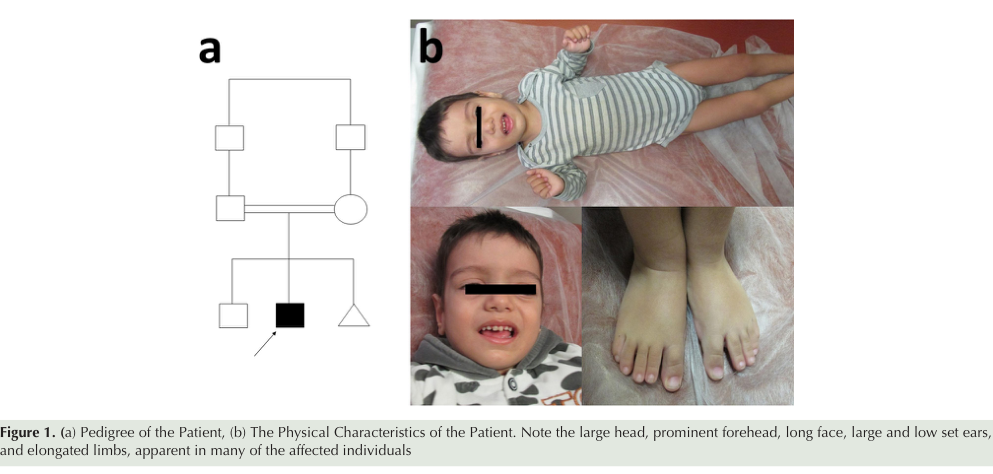
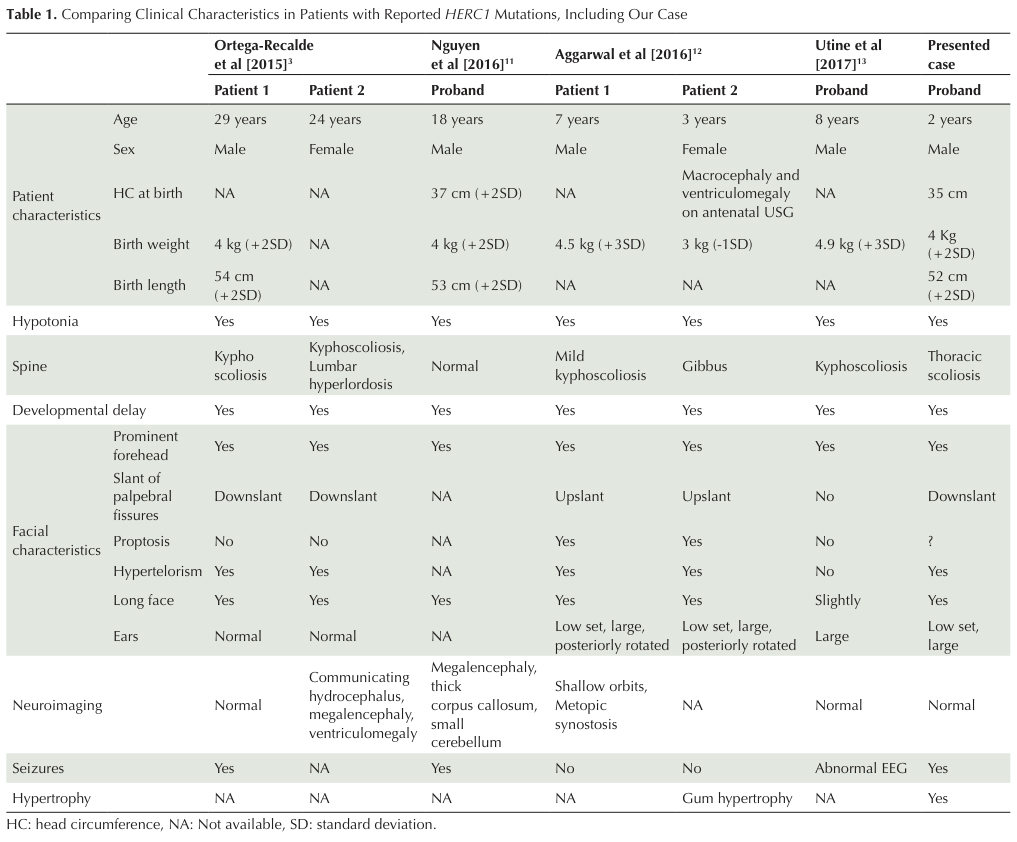
Reference Validation
Checked with linkml-reference-validator 0.3.0.
| Outcome | Count |
|---|---|
| References checked | 9 |
| Resolved | 9 |
| Unresolved (possible confabulation) | 0 |
| Unverifiable | 0 |
| References weighed for topical relevance | 9 |
| On topic | 4 |
| Off topic | 0 |
All extracted references resolved successfully.
Term Validation
Checked with linkml-term-validator 0.4.5, through the ols: adapter.
| Outcome | Count |
|---|---|
| Terms checked | 29 |
| Resolved | 27 |
| Unresolved (possible confabulation) | 0 |
| Obsolete | 0 |
| Unverifiable | 2 |
| Terms whose name was checked | 15 |
| Terms named correctly | 13 |
| Terms named as a different term | 1 |
| Terms whose name is worth a second look | 1 |
Terms the report names something else
These identifiers resolve, so nothing about them looks wrong, and the ontology calls them something unrelated to what the report calls them. That usually means the identifier is not the one the sentence needs:
MONDO:0014863(4 mentions) - the report calls it "if available"; MONDO calls it macrocephaly, dysmorphic facies, and psychomotor retardation
Terms whose name is worth a second look
The report's name for these is recognisably related to the term's own name without being one of them. A loose paraphrase reads the same way as a citation of the wrong sibling term - and so does a related synonym, which the ontology records precisely because it names something adjacent rather than the same thing - so these are listed rather than judged:
UBERON:0001474(1 mention) - the report calls it "bone"; UBERON calls it bone element, and lists "bone" among its other names
Prefixes with no resolver
Terms carrying these prefixes were not checked either way, because no configured ontology covers them. An unrecognised prefix may name an ontology this run could not reach as easily as one that does not exist, so nothing here is evidence of fabrication: Taxon.