Isolated Hyperchlorhidrosis
Isolated hyperchlorhidrosis (HYCHL; OMIM 143860) is a rare autosomal recessive disorder caused by biallelic loss-of-function variants in CA12, encoding the membrane-anchored carbonic anhydrase XII. Reduced CA XII activity in the reabsorptive duct of the eccrine sweat gland impairs bicarbonate-dependent chloride reabsorption, so sweat chloride and sodium are abnormally high while CFTR function is intact. Affected infants present with salt precipitates after sweating, recurrent hyponatremic (and often hypochloremic, hyperkalemic) dehydration, poor feeding and failure to thrive, and the disorder is readily mistaken for cystic fibrosis or pseudohypoaldosteronism. It is managed with dietary salt supplementation; heat and strenuous exercise provoke excessive salt loss and, in adolescents, exertional rhabdomyolysis.
Ask OpenScientist
Ask a research question about Isolated Hyperchlorhidrosis. OpenScientist will conduct autonomous deep research using the Disorder Mechanisms Knowledge Base and PubMed literature (typically 10-30 minutes).
Do not include personal health information in your question. Questions and results are cached in your browser's local storage.
Inheritance
1Show evidence (2 references)
Discussions and Knowledge Gaps
1Show evidence (2 references)
Pathophysiology
6Show evidence (1 reference)
Show evidence (3 references)
Show evidence (2 references)
Show evidence (1 reference)
Show evidence (1 reference)
Show evidence (2 references)
Pathograph
Phenotypes
13Cardiovascular 1
Show evidence (1 reference)
Head and Neck 1
Show evidence (1 reference)
Integument 1
Show evidence (1 reference)
Metabolism 8
Show evidence (1 reference)
Show evidence (1 reference)
Show evidence (1 reference)
Show evidence (1 reference)
Show evidence (1 reference)
Show evidence (1 reference)
Show evidence (1 reference)
Show evidence (1 reference)
Musculoskeletal 1
Show evidence (1 reference)
Growth 1
Show evidence (1 reference)
Genetic Associations
1Show evidence (1 reference)
Variants (5)
Show evidence (2 references)
Show evidence (2 references)
Show evidence (2 references)
Show evidence (1 reference)
Show evidence (1 reference)
Medical Actions
3Show evidence (1 reference)
Show evidence (1 reference)
Show evidence (1 reference)
Environmental Factors
2Show evidence (1 reference)
Show evidence (1 reference)
Diagnosis
1Show evidence (2 references)
Progression
2Show evidence (1 reference)
Show evidence (3 references)
Prevalence
1Show evidence (2 references)
Clinical Burden
Show evidence (1 reference)
Differential Diagnoses
2Conditions with similar clinical presentations that must be differentiated from Isolated Hyperchlorhidrosis:
- Intact CFTR-mediated chloride transport
- Absence of pulmonary and pancreatic disease
Show evidence (1 reference)
- Normal renal function and cortisol/ACTH response
- Salt wasting confined to sweat rather than the kidney
Show evidence (1 reference)
Animal Models
1Show evidence (1 reference)
Show evidence (1 reference)
Show evidence (1 reference)
Show evidence (2 references)
Source YAML
click to showname: Isolated Hyperchlorhidrosis
creation_date: "2026-10-13T00:00:00Z"
category: Mendelian
disease_term:
preferred_term: isolated hyperchlorhidrosis
term:
id: MONDO:0007747
label: isolated hyperchlorhidrosis
synonyms:
- hyperchlorhidrosis, isolated
description: >-
Isolated hyperchlorhidrosis (HYCHL; OMIM 143860) is a rare autosomal recessive
disorder caused by biallelic loss-of-function variants in CA12, encoding the
membrane-anchored carbonic anhydrase XII. Reduced CA XII activity in the
reabsorptive duct of the eccrine sweat gland impairs bicarbonate-dependent
chloride reabsorption, so sweat chloride and sodium are abnormally high while
CFTR function is intact. Affected infants present with salt precipitates after
sweating, recurrent hyponatremic (and often hypochloremic, hyperkalemic)
dehydration, poor feeding and failure to thrive, and the disorder is readily
mistaken for cystic fibrosis or pseudohypoaldosteronism. It is managed with
dietary salt supplementation; heat and strenuous exercise provoke excessive
salt loss and, in adolescents, exertional rhabdomyolysis.
parents:
- autosomal recessive disease
references:
- reference: PMID:21035102
title: "Hyperchlorhidrosis caused by homozygous mutation in CA12, encoding carbonic anhydrase XII."
prevalence:
- population: Worldwide (published case reports)
measure_type: CASES_IN_LITERATURE
prevalence_class: ULTRA_RARE
notes: >-
No population-based prevalence estimate exists; the disorder is known from a
small number of consanguineous kindreds (Israeli Bedouin, Omani) and
individual case reports (Chinese, Jordanian), with four CA12 variants
reported as of 2022.
evidence:
- reference: PMID:35359895
reference_title: "Case Report: Novel CA12 Homozygous Variant Causing Isolated Hyperchloridrosis in a Chinese Child With Hyponatremia."
supports: SUPPORT
evidence_source: HUMAN_CLINICAL
snippet: "To date, only four variants of the CA12 gene have been identified to be associated with HYCHL."
explanation: >-
Records that only four CA12 variants were associated with the disorder as
of this 2022 report, consistent with an ultra-rare disease known from
scattered kindreds.
- reference: PMID:35359895
reference_title: "Case Report: Novel CA12 Homozygous Variant Causing Isolated Hyperchloridrosis in a Chinese Child With Hyponatremia."
supports: SUPPORT
evidence_source: HUMAN_CLINICAL
snippet: "Together with the presented case, 14 cases (9 males and 5 females) and four CA12 mutations were summarized for analysis"
explanation: >-
Gives the literature case count behind the CASES_IN_LITERATURE measure: 14
reported patients in total as of 2022.
inheritance:
- name: Autosomal recessive inheritance
inheritance_term:
preferred_term: Autosomal recessive inheritance
term:
id: HP:0000007
label: Autosomal recessive inheritance
penetrance: INCOMPLETE
description: >-
Disease requires two CA12 loss-of-function alleles. Affected individuals are
homozygous or compound heterozygous; obligate heterozygote parents and
screened heterozygous relatives are clinically unaffected. Penetrance is
recorded as incomplete for the clinical disease, not for the biochemical
defect: screening the Bedouin kindred found 4 of 11 biallelic individuals
with elevated sweat chloride but normal or near-normal serum sodium and
chloride and no salt-losing episodes, so the sweat phenotype is the
penetrant trait and symptomatic salt wasting is not.
evidence:
- reference: PMID:21184099
reference_title: "Autosomal recessive hyponatremia due to isolated salt wasting in sweat associated with a mutation in the active site of Carbonic Anhydrase 12."
supports: SUPPORT
evidence_source: HUMAN_CLINICAL
snippet: "We identified a novel autosomal recessive form of isolated salt wasting in sweat, which leads to severe infantile hyponatremic dehydration."
explanation: >-
Establishes the autosomal recessive inheritance of the salt-wasting sweat
phenotype.
- reference: PMID:24714577
reference_title: "Natural history and clinical manifestations of hyponatremia and hyperchlorhidrosis due to carbonic anhydrase XII deficiency."
supports: SUPPORT
evidence_source: HUMAN_CLINICAL
snippet: "Screening of the entire kindred identified 4 asymptomatic individuals with elevated sweat chloride. All symptomatic patients had failure to thrive and moderate-severe hyponatremia (106-124 mmol l(-1)); 6 had hypochloremia (79-94 mmol l(-1)). All asymptomatic subjects had normal or near-normal serum sodium and chloride concentrations."
explanation: >-
Documents biallelic individuals with the biochemical sweat phenotype but
no clinical salt wasting, which is the basis for recording incomplete
penetrance of the clinical disease.
genetic:
- name: CA12
gene_term:
preferred_term: CA12
term:
id: hgnc:1371
label: CA12
relationship_type: CAUSATIVE
variant_origin: GERMLINE
inheritance:
- name: Autosomal recessive inheritance
inheritance_term:
preferred_term: Autosomal recessive inheritance
term:
id: HP:0000007
label: Autosomal recessive inheritance
evidence:
- reference: PMID:21184099
reference_title: "Autosomal recessive hyponatremia due to isolated salt wasting in sweat associated with a mutation in the active site of Carbonic Anhydrase 12."
supports: SUPPORT
evidence_source: HUMAN_CLINICAL
snippet: "We identified a novel autosomal recessive form of isolated salt wasting in sweat, which leads to severe infantile hyponatremic dehydration."
explanation: >-
Establishes autosomal recessive inheritance of the CA12-associated disorder.
notes: >-
CA12 encodes carbonic anhydrase XII, a plasma-membrane-anchored carbonic
anhydrase with an extracellular catalytic site. No external gene-disease
validity classification (ClinGen) is recorded for the CA12-isolated
hyperchlorhidrosis pair; the evidence base is the reported kindreds and case
reports below.
evidence:
- reference: PMID:21035102
reference_title: "Hyperchlorhidrosis caused by homozygous mutation in CA12, encoding carbonic anhydrase XII."
supports: SUPPORT
evidence_source: HUMAN_CLINICAL
snippet: "we demonstrate that the phenotype is due to a homozygous mutation in CA12, encoding carbonic anhydrase XII."
explanation: >-
The founding report mapping the disorder to a homozygous CA12 mutation.
variants:
- name: p.Glu143Lys (c.427G>A)
description: >-
The founder missense allele in the consanguineous Israeli Bedouin kindred,
homozygous in affected individuals. Glu143 lies in the active site and is
essential for zinc coordination; the mutant enzyme retains partial activity
but, unlike the wild-type, is inhibited by physiologic concentrations of
chloride, and the protein is abnormally glycosylated and retained in the
endoplasmic reticulum.
clinical_significance: PATHOGENIC
evidence:
- reference: PMID:21035102
reference_title: "Hyperchlorhidrosis caused by homozygous mutation in CA12, encoding carbonic anhydrase XII."
supports: SUPPORT
evidence_source: IN_VITRO
snippet: "protein showed 71% activity of the wild-type enzyme for catalyzing the CO₂ hydration to bicarbonate and H(+), and it bound the clinically used sulfonamide inhibitor acetazolamide with high affinity (K(I) of 10 nM)."
explanation: >-
Reports the residual catalytic activity (71% of wild-type) of the
recombinant c.427G>A (p.Glu143Lys) mutant enzyme; the sentence names
the allele as "The mutant (c.427G>A [p.Glu143Lys])", which is omitted
from the quote because of the bracketed span.
- reference: PMID:21035102
reference_title: "Hyperchlorhidrosis caused by homozygous mutation in CA12, encoding carbonic anhydrase XII."
supports: SUPPORT
evidence_source: IN_VITRO
snippet: "Unlike the wild-type enzyme, which is not inhibited by chloride, bromide, or iodide (K(I)s of 73-215 mM), the mutant is inhibited in the submicromolar range by these anions (K(I)s of 0.37-0.73 mM)."
explanation: >-
Shows the key functional defect: the mutant enzyme is inhibited by
chloride at physiologic concentrations, creating chloride-mediated
negative feedback that the wild-type enzyme lacks.
- name: p.His121Gln
description: >-
Homozygous missense variant in a consanguineous Omani family with elevated
sweat chloride, infantile failure to thrive and recurrent hyponatremia;
enzyme activity is severely diminished at physiologic extracellular
chloride.
clinical_significance: PATHOGENIC
evidence:
- reference: PMID:26911677
reference_title: "Loss of carbonic anhydrase XII function in individuals with elevated sweat chloride concentration and pulmonary airway disease."
supports: SUPPORT
evidence_source: HUMAN_CLINICAL
snippet: "In an unrelated consanguineous Omani family, two children with elevated sweat chloride, infantile FTT, and recurrent hyponatremia were homozygous for a novel missense variant (p.His121Gln)."
explanation: >-
Reports the homozygous p.His121Gln allele in affected children.
- reference: PMID:26911677
reference_title: "Loss of carbonic anhydrase XII function in individuals with elevated sweat chloride concentration and pulmonary airway disease."
supports: SUPPORT
evidence_source: IN_VITRO
snippet: "CA XII protein bearing either p.His121Gln or a previously identified p.Glu143Lys missense variant localized to the basolateral membranes of polarized Madin-Darby canine kidney (MDCK) cells, but enzyme activity was severely diminished when assayed at physiologic concentrations of extracellular chloride."
explanation: >-
Shows the allele reaches the basolateral membrane but loses activity at
physiologic chloride, which is the functional defect it shares with
p.Glu143Lys.
- name: c.908-1G>A / c.859_860insACCT (compound heterozygous)
description: >-
Compound heterozygous CA12 alleles - a splice-acceptor variant and a
frameshift insertion - in an American adult who had been diagnosed with
cystic fibrosis on the basis of elevated sweat chloride. Respiratory
epithelial RNA from this proband carried only aberrant CA12 transcripts
with greatly reduced CA XII protein, while CFTR-mediated chloride
transport was intact. The report describes them as deleterious without
assigning an ACMG class, so none is recorded here.
evidence:
- reference: PMID:26911677
reference_title: "Loss of carbonic anhydrase XII function in individuals with elevated sweat chloride concentration and pulmonary airway disease."
supports: SUPPORT
evidence_source: HUMAN_CLINICAL
snippet: "identified deleterious variants in each CA12 gene: c.908-1 G>A in a splice acceptor and a novel frameshift insertion c.859_860insACCT."
explanation: >-
Identifies the two alleles carried by the adult proband.
- reference: PMID:26911677
reference_title: "Loss of carbonic anhydrase XII function in individuals with elevated sweat chloride concentration and pulmonary airway disease."
supports: SUPPORT
evidence_source: IN_VITRO
snippet: "Respiratory epithelial cell RNA from the adult proband revealed only aberrant CA12 transcripts and in vitro analysis showed greatly reduced CA XII protein."
explanation: >-
Shows the alleles leave no normal CA12 transcript and little CA XII
protein, establishing loss of function.
- name: p.Thr255Pro (c.763A>C)
description: >-
Novel homozygous missense variant reported in a Chinese infant with
recurrent hyponatremic hypochloremic dehydration; the first CA12 variant
reported in China. Classified a variant of uncertain significance under
ACMG criteria but segregating with the recessive phenotype.
clinical_significance: UNCERTAIN_SIGNIFICANCE
evidence:
- reference: PMID:35359895
reference_title: "Case Report: Novel CA12 Homozygous Variant Causing Isolated Hyperchloridrosis in a Chinese Child With Hyponatremia."
supports: SUPPORT
evidence_source: HUMAN_CLINICAL
snippet: "revealed a novel homozygous missense variant c.763A>C (p.Thr255Pro) in the CA12 gene (NM_001218.5)"
explanation: >-
Identifies the homozygous c.763A>C (p.Thr255Pro) allele in the affected
child.
- name: p.Tyr195Ter / p.Pro212Leu (compound heterozygous)
description: >-
Compound heterozygous CA12 variants in a Jordanian infant initially
diagnosed with pseudohypoaldosteronism: a likely-pathogenic nonsense allele
c.585C>A (p.Tyr195Ter) and a variant of uncertain significance c.635C>T
(p.Pro212Leu).
evidence:
- reference: PMID:40726654
reference_title: "A case report on pseudohypoaldosteronism with a pathogenic mutation of CA12 causes autosomal recessive isolated hyperchlorhidrosis disorder."
supports: SUPPORT
evidence_source: HUMAN_CLINICAL
snippet: "The genetic workup identified two variants in the CA12 gene: c. 585C>A, p.(Tyr195Ter), classified as likely pathogenic, and c. 635C>T, p.(Pro212Leu), classified as a variant of uncertain significance (VOUS)."
explanation: >-
Documents compound heterozygous CA12 variants, extending the disorder
beyond homozygous founder alleles.
pathophysiology:
- name: CA12 Loss-of-Function Variants
biological_scale: MOLECULAR
description: >-
Biallelic loss-of-function variants in CA12 are the initiating lesion. The
best-characterised allele, the active-site missense p.Glu143Lys, lowers
protein-zinc affinity and leaves the enzyme catalytically partial but, unlike
the wild-type, inhibitable by chloride at physiologic concentrations; other
reported alleles (p.His121Gln, p.Thr255Pro, a nonsense and compound
heterozygous alleles) similarly reduce CA XII function.
genetic_context:
variant_origin: GERMLINE
functional_impact_category: LOSS_OF_FUNCTION
genes:
- preferred_term: CA12
term:
id: hgnc:1371
label: CA12
molecular_functions:
- preferred_term: carbonic anhydrase XII activity
modifier: DECREASED
term:
id: GO:0004089
label: carbonate dehydratase activity
downstream:
- target: Reduced Carbonic Anhydrase XII Catalysis in the Sweat Duct
causal_link_type: DIRECT
evidence:
- reference: PMID:21184099
reference_title: "Autosomal recessive hyponatremia due to isolated salt wasting in sweat associated with a mutation in the active site of Carbonic Anhydrase 12."
supports: SUPPORT
evidence_source: HUMAN_CLINICAL
snippet: "Glu143 in CA12 is essential for zinc coordination in this metalloenzyme and lowering of the protein-metal affinity reduces its catalytic activity."
explanation: >-
Links the active-site variant to reduced catalytic activity of the enzyme.
- target: Impaired Salivary Ductal Fluid and Bicarbonate Secretion
causal_link_type: DIRECT
description: >-
The same loss of CA XII function acts on salivary gland ducts in parallel
with the sweat duct, rather than through the sweat-duct chain.
evidence:
- reference: PMID:21184099
reference_title: "Autosomal recessive hyponatremia due to isolated salt wasting in sweat associated with a mutation in the active site of Carbonic Anhydrase 12."
supports: SUPPORT
evidence_source: HUMAN_CLINICAL
snippet: "Glu143 in CA12 is essential for zinc coordination in this metalloenzyme and lowering of the protein-metal affinity reduces its catalytic activity."
explanation: >-
Explains how the active-site variant reduces carbonic anhydrase catalytic
activity.
- name: Reduced Carbonic Anhydrase XII Catalysis in the Sweat Duct
biological_scale: MOLECULAR
description: >-
Carbonic anhydrase XII catalyses the reversible hydration of carbon dioxide
to bicarbonate and a proton. CA XII is localized basolaterally in the
reabsorptive duct of the human eccrine sweat gland; its role as the major
bicarbonate supplier for the ductal Cl--HCO3- exchanger AE2 was demonstrated
directly in salivary and pancreatic ducts, and is inferred for the sweat
duct. Reduced CA XII catalysis (through diminished activity, chloride
inhibition shown directly for the E143K allele, or ER retention of the
misfolded protein in expression models) lowers local bicarbonate available
to drive anion exchange.
biological_processes:
- preferred_term: ductal bicarbonate supply to the Cl-/HCO3- exchanger AE2
modifier: DECREASED
term:
id: GO:0015701
label: bicarbonate transport
locations:
- preferred_term: duct of eccrine sweat gland
term:
id: UBERON:0035073
label: duct of eccrine sweat gland
downstream:
- target: Impaired Ductal Chloride Reabsorption
causal_link_type: DIRECT
evidence:
- reference: PMID:26486891
reference_title: "Essential role of carbonic anhydrase XII in secretory gland fluid and HCO3 (-) secretion revealed by disease causing human mutation."
supports: SUPPORT
evidence_source: IN_VITRO
directness: INDIRECT
snippet: "CA12 markedly increases the activity and is the major HCO3 (-) supplier of ductal Cl(-) -HCO3 (-) exchanger AE2, but not of NBCe1-B."
explanation: >-
Ductal chloride-bicarbonate exchange depends on CA XII-supplied bicarbonate; this was shown in salivary and pancreatic ducts, so its application to the sweat duct is indirect.
evidence:
- reference: PMID:26486891
reference_title: "Essential role of carbonic anhydrase XII in secretory gland fluid and HCO3 (-) secretion revealed by disease causing human mutation."
supports: SUPPORT
evidence_source: IN_VITRO
directness: INDIRECT
snippet: "CA12 markedly increases the activity and is the major HCO3 (-) supplier of ductal Cl(-) -HCO3 (-) exchanger AE2, but not of NBCe1-B."
explanation: >-
Establishes CA XII as the bicarbonate source for the ductal AE2 anion
exchanger; the measurement was made in salivary and pancreatic ducts, so
its application to the sweat duct is indirect.
- reference: PMID:26486891
reference_title: "Essential role of carbonic anhydrase XII in secretory gland fluid and HCO3 (-) secretion revealed by disease causing human mutation."
supports: SUPPORT
evidence_source: IN_VITRO
directness: INDIRECT
snippet: "Knockdown of AE2 and of CA12 inhibited pancreatic and salivary gland ductal AE2 activity and fluid secretion."
explanation: >-
The AE2-dependence of ductal anion handling was shown in pancreatic and
salivary ducts; the sweat duct was not assayed, so the coupling there is
inferred.
- reference: PMID:26911677
reference_title: "Loss of carbonic anhydrase XII function in individuals with elevated sweat chloride concentration and pulmonary airway disease."
supports: SUPPORT
evidence_source: HUMAN_CLINICAL
snippet: "CA XII protein was localized apically in human bronchiolar epithelia and basolaterally in the reabsorptive duct of human sweat glands."
explanation: >-
Localizes CA XII to the basolateral membrane of the sweat gland
reabsorptive duct, the site of the defect.
- name: Impaired Ductal Chloride Reabsorption
biological_scale: CELLULAR
description: >-
The eccrine duct normally reabsorbs sodium and chloride from the primary
sweat, so sweat emerging at the skin surface is hypotonic. With reduced CA XII
catalysis ductal AE2 activity is lost, so chloride (and the sodium that
follows it) is not reclaimed and remains in the duct lumen. The route to that
loss is not settled: in mouse salivary gland and expression models the
misfolded CA12(E143K) protein is retained in the endoplasmic reticulum,
whereas in polarized MDCK cells the same variant reached the basolateral
membrane with activity lost instead through chloride inhibition. Both were
studied outside the sweat duct, so the molecular route there is inferred.
biological_processes:
- preferred_term: chloride transmembrane transport in the sweat duct
modifier: DECREASED
term:
id: GO:1902476
label: chloride transmembrane transport
downstream:
- target: Elevated Sweat Chloride and Sodium
causal_link_type: DIRECT
evidence:
- reference: PMID:21184099
reference_title: "Autosomal recessive hyponatremia due to isolated salt wasting in sweat associated with a mutation in the active site of Carbonic Anhydrase 12."
supports: SUPPORT
evidence_source: HUMAN_CLINICAL
snippet: "Our data demonstrate the importance of bicarbonate anion and proton production on salt concentration in sweat and its significance for sodium homeostasis."
explanation: >-
Ties loss of ductal bicarbonate-dependent anion handling to the raised salt concentration of sweat.
evidence:
- reference: PMID:26486891
reference_title: "Essential role of carbonic anhydrase XII in secretory gland fluid and HCO3 (-) secretion revealed by disease causing human mutation."
supports: SUPPORT
evidence_source: IN_VITRO
directness: INDIRECT
snippet: "The E143K mutation alters CA12 glycosylation at N28 and N80, resulting in retention of the basolateral CA12 in the ER."
explanation: >-
Identifies ER retention of the misfolded mutant as one route to loss of
AE2-dependent ductal anion handling; shown in mouse salivary gland and
expression models, not the sweat duct.
- reference: PMID:26911677
reference_title: "Loss of carbonic anhydrase XII function in individuals with elevated sweat chloride concentration and pulmonary airway disease."
supports: SUPPORT
evidence_source: IN_VITRO
directness: INDIRECT
snippet: "CA XII protein bearing either p.His121Gln or a previously identified p.Glu143Lys missense variant localized to the basolateral membranes of polarized Madin-Darby canine kidney (MDCK) cells, but enzyme activity was severely diminished when assayed at physiologic concentrations of extracellular chloride."
explanation: >-
In MDCK cells the E143K protein reached the basolateral membrane rather
than being ER-retained, with activity lost through chloride inhibition.
This conflicts with the ER-retention route above, so ductal anion handling
is impaired by one mechanism or the other but which operates in the sweat
duct is unresolved.
- name: Elevated Sweat Chloride and Sodium
biological_scale: TISSUE
description: >-
Failure of ductal salt reabsorption leaves sweat abnormally rich in chloride
and sodium, producing a positive sweat test and visible salt precipitates on
the skin after sweating, despite intact CFTR.
biological_processes:
- preferred_term: chloride ion homeostasis in the sweat duct
modifier: DYSREGULATED
term:
id: GO:0055064
label: chloride ion homeostasis
downstream:
- target: Elevated sweat chloride
causal_link_type: DIRECT
- target: Salt precipitates after sweating
causal_link_type: DIRECT
description: >-
Salt left in the sweat as it reaches the skin surface crystallizes once
the water evaporates.
- target: Heat intolerance
causal_link_type: INDIRECT_KNOWN_INTERMEDIATES
description: >-
Because each volume of thermoregulatory sweat carries an abnormal salt
load, hot environments are poorly tolerated.
- target: Systemic Salt and Water Depletion
causal_link_type: DIRECT
evidence:
- reference: PMID:21184099
reference_title: "Autosomal recessive hyponatremia due to isolated salt wasting in sweat associated with a mutation in the active site of Carbonic Anhydrase 12."
supports: SUPPORT
evidence_source: HUMAN_CLINICAL
snippet: "We identified a novel autosomal recessive form of isolated salt wasting in sweat, which leads to severe infantile hyponatremic dehydration."
explanation: >-
Salt wasting in sweat is stated as the cause of the systemic hyponatremic dehydration.
evidence:
- reference: PMID:21035102
reference_title: "Hyperchlorhidrosis caused by homozygous mutation in CA12, encoding carbonic anhydrase XII."
supports: SUPPORT
evidence_source: HUMAN_CLINICAL
snippet: "whose sole symptoms are visible salt precipitates after sweating, a preponderance to hyponatremic dehydration, and poor feeding and slow weight gain at infancy"
explanation: >-
The finding in the index Bedouin kindred: the salt-rich sweat manifests as
visible precipitates, hyponatremic dehydration and infantile failure to
thrive.
- name: Systemic Salt and Water Depletion
biological_scale: ORGANISM
description: >-
Continuous loss of sodium and chloride through sweat, aggravated by heat and
exercise, depletes body salt and water. In infancy, when surface-area-to-mass
ratio and sweat losses are high relative to intake, this produces hyponatremic
(often hypochloremic, hyperkalemic) dehydration, poor feeding and failure to
thrive.
downstream:
- target: Hyponatremia
causal_link_type: DIRECT
evidence:
- reference: PMID:21184099
reference_title: "Autosomal recessive hyponatremia due to isolated salt wasting in sweat associated with a mutation in the active site of Carbonic Anhydrase 12."
supports: SUPPORT
evidence_source: HUMAN_CLINICAL
snippet: "Three affected individuals from a small Bedouin clan presented with failure to thrive, hyponatremic dehydration and hyperkalemia with isolated sweat salt wasting."
explanation: >-
Reports hyponatremia as a presenting consequence of the sweat salt wasting.
- target: Hypochloremia
causal_link_type: DIRECT
evidence:
- reference: PMID:24714577
reference_title: "Natural history and clinical manifestations of hyponatremia and hyperchlorhidrosis due to carbonic anhydrase XII deficiency."
supports: SUPPORT
evidence_source: HUMAN_CLINICAL
snippet: "6 had hypochloremia (79-94 mmol·l(-1))"
explanation: >-
Reports hypochloremia in most symptomatic patients of the salt-wasting kindred.
- target: Dehydration
causal_link_type: DIRECT
evidence:
- reference: PMID:21184099
reference_title: "Autosomal recessive hyponatremia due to isolated salt wasting in sweat associated with a mutation in the active site of Carbonic Anhydrase 12."
supports: SUPPORT
evidence_source: HUMAN_CLINICAL
snippet: "We identified a novel autosomal recessive form of isolated salt wasting in sweat, which leads to severe infantile hyponatremic dehydration."
explanation: >-
States that the sweat salt wasting leads to infantile dehydration.
- target: Failure to thrive
causal_link_type: DIRECT
evidence:
- reference: PMID:24714577
reference_title: "Natural history and clinical manifestations of hyponatremia and hyperchlorhidrosis due to carbonic anhydrase XII deficiency."
supports: SUPPORT
evidence_source: HUMAN_CLINICAL
directness: INDIRECT
snippet: "All symptomatic patients were treated by dietary salt, which prevents episodes of hyponatremic dehydration and promotes growth."
explanation: >-
The link is inferred from the treatment response: salt replacement restores growth, so the growth failure follows from the salt depletion.
- target: Hyperkalemia
causal_link_type: INDIRECT_UNKNOWN_INTERMEDIATES
description: >-
Hyperkalemia accompanies the hyponatremic dehydration at presentation,
but none of the reports explains the step between sweat salt loss and
the raised serum potassium, so the intermediate is recorded as unknown.
- target: Exertional rhabdomyolysis
causal_link_type: INDIRECT_KNOWN_INTERMEDIATES
description: >-
Salt and water depletion during exertion in heat is the route by which
affected adolescents have developed severe rhabdomyolysis.
evidence:
- reference: PMID:21184099
reference_title: "Autosomal recessive hyponatremia due to isolated salt wasting in sweat associated with a mutation in the active site of Carbonic Anhydrase 12."
supports: SUPPORT
evidence_source: HUMAN_CLINICAL
snippet: "Three affected individuals from a small Bedouin clan presented with failure to thrive, hyponatremic dehydration and hyperkalemia with isolated sweat salt wasting."
explanation: >-
Links the systemic salt/water depletion to the presenting electrolyte
disturbances and failure to thrive.
- name: Impaired Salivary Ductal Fluid and Bicarbonate Secretion
biological_scale: TISSUE
description: >-
CA XII is not confined to the sweat duct: it is the major bicarbonate
supplier for the ductal anion exchanger AE2 in salivary and pancreatic gland
ducts as well, so the same loss of function reduces salivary ductal fluid
and bicarbonate secretion. Delivering the human CA12(E143K) allele to mouse
salivary glands inhibits ductal fluid secretion and salivation, and patients
homozygous for that allele report a dry mouth and dry tongue. This is a
parallel consequence of the molecular lesion rather than a step in the
sweat-duct chain.
biological_processes:
- preferred_term: salivary ductal bicarbonate secretion
modifier: DECREASED
term:
id: GO:0015701
label: bicarbonate transport
locations:
- preferred_term: duct of salivary gland
term:
id: UBERON:0001837
label: duct of salivary gland
downstream:
- target: Xerostomia
causal_link_type: DIRECT
evidence:
- reference: PMID:26486891
reference_title: "Essential role of carbonic anhydrase XII in secretory gland fluid and HCO3 (-) secretion revealed by disease causing human mutation."
supports: SUPPORT
evidence_source: HUMAN_CLINICAL
snippet: "patients homozygous for the CA12(E143K) mutation have a dry mouth, dry tongue phenotype."
explanation: >-
The dry-mouth phenotype in patients is the clinical consequence of the salivary secretory defect.
evidence:
- reference: PMID:26486891
reference_title: "Essential role of carbonic anhydrase XII in secretory gland fluid and HCO3 (-) secretion revealed by disease causing human mutation."
supports: SUPPORT
evidence_source: MODEL_ORGANISM
snippet: "expression of CA12 and of CA12(E143K) in mice salivary glands respectively increased and prominently inhibited ductal fluid secretion and salivation in vivo."
explanation: >-
Shows that the human disease allele inhibits salivary ductal fluid
secretion and salivation when expressed in mouse salivary glands.
- reference: PMID:26486891
reference_title: "Essential role of carbonic anhydrase XII in secretory gland fluid and HCO3 (-) secretion revealed by disease causing human mutation."
supports: SUPPORT
evidence_source: HUMAN_CLINICAL
snippet: "patients homozygous for the CA12(E143K) mutation have a dry mouth, dry tongue phenotype."
explanation: >-
The corresponding human observation, so this node does not rest on
model-organism data alone.
phenotypes:
- category: Laboratory
name: Elevated sweat chloride
phenotype_term:
preferred_term: Elevated sweat chloride
term:
id: HP:0012236
label: Elevated sweat chloride
description: >-
Abnormally high chloride concentration in sweat, giving a positive sweat
test as seen in cystic fibrosis but with normal CFTR function.
evidence:
- reference: PMID:26911677
reference_title: "Loss of carbonic anhydrase XII function in individuals with elevated sweat chloride concentration and pulmonary airway disease."
supports: SUPPORT
evidence_source: HUMAN_CLINICAL
snippet: "two children with elevated sweat chloride, infantile FTT, and recurrent hyponatremia were homozygous for a novel missense variant (p.His121Gln)."
explanation: >-
Reports elevated sweat chloride in affected children.
- category: Laboratory
name: Hyponatremia
phenotype_term:
preferred_term: Hyponatremia
term:
id: HP:0002902
label: Hyponatremia
description: >-
Low serum sodium, often severe (106-124 mmol/L in the Bedouin series),
precipitated by salt loss in sweat.
evidence:
- reference: PMID:24714577
reference_title: "Natural history and clinical manifestations of hyponatremia and hyperchlorhidrosis due to carbonic anhydrase XII deficiency."
supports: SUPPORT
evidence_source: HUMAN_CLINICAL
snippet: "All symptomatic patients had failure to thrive and moderate-severe hyponatremia (106-124 mmol·l(-1))"
explanation: >-
Documents moderate-to-severe hyponatremia in all symptomatic patients.
- category: Laboratory
name: Hypochloremia
phenotype_term:
preferred_term: Hypochloremia
term:
id: HP:0003113
label: Hypochloremia
description: >-
Low serum chloride accompanying the hyponatremia in most symptomatic
patients.
evidence:
- reference: PMID:24714577
reference_title: "Natural history and clinical manifestations of hyponatremia and hyperchlorhidrosis due to carbonic anhydrase XII deficiency."
supports: SUPPORT
evidence_source: HUMAN_CLINICAL
snippet: "6 had hypochloremia (79-94 mmol·l(-1))"
explanation: >-
Documents hypochloremia in the symptomatic cohort.
- category: Laboratory
name: Hyperkalemia
phenotype_term:
preferred_term: Hyperkalemia
term:
id: HP:0002153
label: Hyperkalemia
description: >-
Elevated serum potassium observed at presentation, contributing to the
initial misdiagnosis as pseudohypoaldosteronism.
evidence:
- reference: PMID:21184099
reference_title: "Autosomal recessive hyponatremia due to isolated salt wasting in sweat associated with a mutation in the active site of Carbonic Anhydrase 12."
supports: SUPPORT
evidence_source: HUMAN_CLINICAL
snippet: "Three affected individuals from a small Bedouin clan presented with failure to thrive, hyponatremic dehydration and hyperkalemia with isolated sweat salt wasting."
explanation: >-
Reports hyperkalemia at presentation.
- category: Constitutional
name: Dehydration
phenotype_term:
preferred_term: Hyponatremic dehydration
term:
id: HP:0001944
label: Dehydration
description: >-
Recurrent episodes of dehydration, often precipitated by intercurrent
illness, heat, or reduced intake, which can progress to hypovolemic shock in
infancy.
sequelae:
- target: Hypovolemic shock
causal_link_type: DIRECT
- target: Metabolic acidosis
causal_link_type: INDIRECT_KNOWN_INTERMEDIATES
evidence:
- reference: PMID:21184099
reference_title: "Autosomal recessive hyponatremia due to isolated salt wasting in sweat associated with a mutation in the active site of Carbonic Anhydrase 12."
supports: SUPPORT
evidence_source: HUMAN_CLINICAL
snippet: "which leads to severe infantile hyponatremic dehydration."
explanation: >-
States the severe infantile dehydration that is the main acute danger.
- category: Constitutional
name: Failure to thrive
phenotype_term:
preferred_term: Failure to thrive
term:
id: HP:0001508
label: Failure to thrive
description: >-
Poor feeding and slow weight gain in infancy; dietary salt supplementation
promotes catch-up growth.
evidence:
- reference: PMID:24714577
reference_title: "Natural history and clinical manifestations of hyponatremia and hyperchlorhidrosis due to carbonic anhydrase XII deficiency."
supports: SUPPORT
evidence_source: HUMAN_CLINICAL
snippet: "All symptomatic patients had failure to thrive"
explanation: >-
Documents failure to thrive in all symptomatic patients.
- category: Dermatologic
name: Salt precipitates after sweating
phenotype_term:
preferred_term: Visible salt precipitates on the skin after sweating
term:
id: HP:0040128
label: Abnormal sweat electrolytes
description: >-
Visible accumulation of salt crystals on the skin, especially the face,
after sweating - a hallmark of the excessive electrolyte content of sweat.
evidence:
- reference: PMID:24714577
reference_title: "Natural history and clinical manifestations of hyponatremia and hyperchlorhidrosis due to carbonic anhydrase XII deficiency."
supports: SUPPORT
evidence_source: HUMAN_CLINICAL
snippet: "the chief complaints remained heat intolerance, accumulation of salt precipitates on the face and hyperhidrosis."
explanation: >-
Reports visible salt precipitates on the face as a persistent complaint.
- category: Constitutional
name: Heat intolerance
phenotype_term:
preferred_term: Heat intolerance
term:
id: HP:0002046
label: Heat intolerance
description: >-
Poor tolerance of hot environments, reflecting accelerated salt and water
loss during thermoregulatory sweating.
evidence:
- reference: PMID:24714577
reference_title: "Natural history and clinical manifestations of hyponatremia and hyperchlorhidrosis due to carbonic anhydrase XII deficiency."
supports: SUPPORT
evidence_source: HUMAN_CLINICAL
snippet: "the chief complaints remained heat intolerance, accumulation of salt precipitates on the face and hyperhidrosis."
explanation: >-
Documents heat intolerance as a persistent complaint.
- category: Musculoskeletal
name: Exertional rhabdomyolysis
phenotype_term:
preferred_term: Exercise-induced rhabdomyolysis
term:
id: HP:0009045
label: Exercise-induced rhabdomyolysis
description: >-
Severe rhabdomyolysis triggered by physical activity in a hot climate,
reported in two adolescents and reflecting the persistent risk of excessive
salt loss beyond early childhood.
evidence:
- reference: PMID:29750650
reference_title: "Exertional rhabdomyolysis in carbonic anhydrase 12 deficiency."
supports: SUPPORT
evidence_source: HUMAN_CLINICAL
snippet: "We present two adolescents diagnosed with CA12 deficiency who developed severe rhabdomyolysis as a result of physical activity in a hot climate."
explanation: >-
Reports exertional rhabdomyolysis as a later complication.
- category: Constitutional
name: Hypovolemic shock
phenotype_term:
preferred_term: Hypovolemic shock
term:
id: HP:0031274
label: Hypovolemic shock
description: >-
Circulatory collapse at the extreme of a salt-losing episode, reported in a
Chinese infant who presented with tachycardia at 200 beats/min, blood
pressure 60/30 mmHg and prolonged capillary refill.
evidence:
- reference: PMID:35359895
reference_title: "Case Report: Novel CA12 Homozygous Variant Causing Isolated Hyperchloridrosis in a Chinese Child With Hyponatremia."
supports: SUPPORT
evidence_source: HUMAN_CLINICAL
snippet: "The child was diagnosed with hyponatremia and hypochloremic dehydration with severe acidosis and hypovolemic shock."
explanation: >-
Reports hypovolemic shock as the presenting severity of a salt-losing
episode.
- category: Laboratory
name: Metabolic acidosis
phenotype_term:
preferred_term: Metabolic acidosis
term:
id: HP:0001942
label: Metabolic acidosis
description: >-
Acidosis during acute salt-losing episodes; serum bicarbonate fell to
6.9 mmol/L at the first presentation of the Chinese case. Episodic rather
than a chronic acid-base disturbance.
evidence:
- reference: PMID:35359895
reference_title: "Case Report: Novel CA12 Homozygous Variant Causing Isolated Hyperchloridrosis in a Chinese Child With Hyponatremia."
supports: SUPPORT
evidence_source: HUMAN_CLINICAL
snippet: "His blood biochemistry showed Na+ 117 mmol/L, Cl- 83 mmol/L, K+ 5.8 mmol/L, HCO3- 6.9 mmol/L."
explanation: >-
Records the bicarbonate value behind the acidosis claim.
- category: Dermatologic
name: Hyperhidrosis
phenotype_term:
preferred_term: Hyperhidrosis
term:
id: HP:0000975
label: Hyperhidrosis
description: >-
Excessive sweating, reported as a persisting chief complaint at long-term
follow-up of the Bedouin kindred.
notes: >-
Deliberately left unwired in the pathograph. The disorder is named for the
chloride content of sweat rather than its volume, and no reported mechanism
links reduced CA XII activity to increased sweat production, so no causal
edge is asserted to this node.
evidence:
- reference: PMID:24714577
reference_title: "Natural history and clinical manifestations of hyponatremia and hyperchlorhidrosis due to carbonic anhydrase XII deficiency."
supports: SUPPORT
evidence_source: HUMAN_CLINICAL
snippet: "the chief complaints remained heat intolerance, accumulation of salt precipitates on the face and hyperhidrosis."
explanation: >-
Lists hyperhidrosis among the persisting complaints at follow-up.
- category: Gastrointestinal
name: Xerostomia
phenotype_term:
preferred_term: Dry mouth
term:
id: HP:0000217
label: Xerostomia
description: >-
Dry mouth and dry tongue, reflecting CA XII's role in salivary ductal fluid
and bicarbonate secretion beyond the sweat gland.
evidence:
- reference: PMID:26486891
reference_title: "Essential role of carbonic anhydrase XII in secretory gland fluid and HCO3 (-) secretion revealed by disease causing human mutation."
supports: SUPPORT
evidence_source: HUMAN_CLINICAL
snippet: "patients homozygous for the CA12(E143K) mutation have a dry mouth, dry tongue phenotype."
explanation: >-
Documents the dry-mouth phenotype in homozygous patients.
progression:
- phase: Infantile symptomatic presentation
age_range: First year of life
notes: >-
Symptomatic patients present in infancy with hyponatremic dehydration,
failure to thrive and poor feeding, often precipitated by a mild
intercurrent gastroenteritis, and most are hospitalized before their first
birthday.
evidence:
- reference: PMID:24714577
reference_title: "Natural history and clinical manifestations of hyponatremia and hyperchlorhidrosis due to carbonic anhydrase XII deficiency."
supports: SUPPORT
evidence_source: HUMAN_CLINICAL
snippet: "7 symptomatic patients presented with hyponatremic dehydration in infancy."
explanation: >-
Dates the symptomatic presentation to infancy in the natural-history
series.
- phase: Childhood and adolescence on salt supplementation
notes: >-
On dietary salt the acute dehydration episodes stop and growth normalizes,
leaving heat intolerance, visible salt precipitates and hyperhidrosis as the
persisting complaints. The salt-wasting risk does not disappear with age:
exertional rhabdomyolysis has been reported in adolescents exercising in a
hot climate, which is why follow-up continues beyond early childhood.
evidence:
- reference: PMID:24714577
reference_title: "Natural history and clinical manifestations of hyponatremia and hyperchlorhidrosis due to carbonic anhydrase XII deficiency."
supports: SUPPORT
evidence_source: HUMAN_CLINICAL
snippet: "At follow-up, the chief complaints remained heat intolerance, accumulation of salt precipitates on the face and hyperhidrosis."
explanation: >-
Describes the residual complaints after the infantile episodes are
controlled.
- reference: PMID:29750650
reference_title: "Exertional rhabdomyolysis in carbonic anhydrase 12 deficiency."
supports: SUPPORT
evidence_source: HUMAN_CLINICAL
snippet: "We present two adolescents diagnosed with CA12 deficiency who developed severe rhabdomyolysis as a result of physical activity in a hot climate."
explanation: >-
Establishes that a severe complication still occurs in adolescence.
- reference: PMID:35359895
reference_title: "Case Report: Novel CA12 Homozygous Variant Causing Isolated Hyperchloridrosis in a Chinese Child With Hyponatremia."
supports: SUPPORT
evidence_source: HUMAN_CLINICAL
snippet: "Catch-up growth occurred after 1 year of age, with the longest span of achieving normal growth being up to 6 years of age."
explanation: >-
Gives the timescale over which treated patients recover growth.
diagnosis:
- name: Sweat chloride testing with CA12 sequencing
description: >-
The disorder mimics cystic fibrosis (elevated sweat chloride) and
pseudohypoaldosteronism (hyponatremia, hyperkalemia), so recognition rests on
an elevated sweat chloride with normal CFTR and the absence of renal salt
wasting. The molecular diagnosis is usually made by whole-exome sequencing of
CA12. Distinguishing it from cystic fibrosis and pseudohypoaldosteronism is
important because management differs.
evidence:
- reference: PMID:24714577
reference_title: "Natural history and clinical manifestations of hyponatremia and hyperchlorhidrosis due to carbonic anhydrase XII deficiency."
supports: SUPPORT
evidence_source: HUMAN_CLINICAL
snippet: "Recognizing this newly described entity and differentiating it from cystic fibrosis and pseudohypoaldosteronism are important."
explanation: >-
States the central diagnostic task of differentiating this disorder from
its two mimics.
- reference: PMID:35359895
reference_title: "Case Report: Novel CA12 Homozygous Variant Causing Isolated Hyperchloridrosis in a Chinese Child With Hyponatremia."
supports: SUPPORT
evidence_source: HUMAN_CLINICAL
snippet: "whole-exome sequencing (WES) was performed and revealed a novel homozygous missense variant c.763A>C (p.Thr255Pro) in the CA12 gene"
explanation: >-
Shows whole-exome sequencing establishing the molecular diagnosis.
differential_diagnoses:
- name: Cystic fibrosis
description: >-
Cystic fibrosis also presents with elevated sweat chloride and salt-loss
dehydration, but is caused by CFTR variants and has pulmonary and pancreatic
disease; in CA12 deficiency CFTR-mediated chloride transport is intact.
disease_term:
preferred_term: cystic fibrosis
term:
id: MONDO:0009061
label: cystic fibrosis
distinguishing_features:
- Intact CFTR-mediated chloride transport
- Absence of pulmonary and pancreatic disease
evidence:
- reference: PMID:26911677
reference_title: "Loss of carbonic anhydrase XII function in individuals with elevated sweat chloride concentration and pulmonary airway disease."
supports: SUPPORT
evidence_source: HUMAN_CLINICAL
snippet: "Studies of ion transport across respiratory epithelial cells in vivo and in culture revealed intact CFTR-mediated chloride transport in the adult proband."
explanation: >-
Shows CFTR function is intact in CA12 deficiency, distinguishing it from
cystic fibrosis.
- name: Pseudohypoaldosteronism
description: >-
Pseudohypoaldosteronism presents with hyponatremia and hyperkalemia from
renal (and sweat/salivary) salt wasting with aldosterone resistance; CA12
deficiency spares renal function and cortisol/ACTH responses are normal.
distinguishing_features:
- Normal renal function and cortisol/ACTH response
- Salt wasting confined to sweat rather than the kidney
evidence:
- reference: PMID:40726654
reference_title: "A case report on pseudohypoaldosteronism with a pathogenic mutation of CA12 causes autosomal recessive isolated hyperchlorhidrosis disorder."
supports: SUPPORT
evidence_source: HUMAN_CLINICAL
snippet: "The discovery of CA12 gene mutations in this patient shifted the diagnosis from pseudohypoaldosteronism to autosomal recessive Isolated hyperchlorhidrosis disorder."
explanation: >-
A case initially diagnosed as pseudohypoaldosteronism, reclassified on
finding CA12 variants.
treatments:
- name: Dietary salt supplementation
description: >-
Oral sodium chloride supplementation (e.g. oral 0.9% NaCl in infancy)
replaces the sodium and chloride lost in sweat. It prevents episodes of
hyponatremic dehydration and promotes growth, and is the mainstay of
management.
treatment_term:
preferred_term: sodium chloride dietary supplementation
term:
id: NCIT:C15433
label: Nutritional Support
therapeutic_agent:
- preferred_term: sodium chloride
term:
id: CHEBI:26710
label: sodium chloride
therapeutic_modality: SMALL_MOLECULE
notes: >-
Bound to the generic clinical action with sodium chloride as the
`therapeutic_agent` because NCIT has no electrolyte- or
sodium-supplementation term under NCIT:C25218 Clinical Intervention or
Procedure: searching NCIT for "electrolyte replacement", "sodium
supplementation" and "oral rehydration" returns substance and preparation
terms (NCIT:C29730 Electrolyte Replacement Agent, NCIT:C29638 Electrolyte
Replacement Preparation, NCIT:C111035 Oral Rehydration Solution OS-1),
which are not clinical actions and cannot sit in a `treatment_term`.
target_mechanisms:
- target: Systemic Salt and Water Depletion
treatment_effect: RESTORES
description: >-
Replaces the sodium and chloride lost through sweat, restoring salt and
water balance.
evidence:
- reference: PMID:24714577
reference_title: "Natural history and clinical manifestations of hyponatremia and hyperchlorhidrosis due to carbonic anhydrase XII deficiency."
supports: SUPPORT
evidence_source: HUMAN_CLINICAL
snippet: "All symptomatic patients were treated by dietary salt, which prevents episodes of hyponatremic dehydration and promotes growth."
explanation: >-
Dietary salt prevents the dehydration episodes, which is the restoration of salt and water balance this edge asserts.
evidence:
- reference: PMID:24714577
reference_title: "Natural history and clinical manifestations of hyponatremia and hyperchlorhidrosis due to carbonic anhydrase XII deficiency."
supports: SUPPORT
evidence_source: HUMAN_CLINICAL
snippet: "All symptomatic patients were treated by dietary salt, which prevents episodes of hyponatremic dehydration and promotes growth."
explanation: >-
Establishes dietary salt as the treatment that prevents dehydration and
promotes growth.
- name: Avoidance of heat and strenuous exercise
description: >-
Because heat and intense physical activity accelerate salt loss through
sweat and can precipitate hyponatremic dehydration or rhabdomyolysis,
patients are advised to increase salt intake and avoid prolonged or
strenuous exercise, especially in hot climates, and to continue follow-up
beyond early childhood.
treatment_term:
preferred_term: counseling on heat and exercise precautions
term:
id: NCIT:C61547
label: Counseling
therapeutic_modality: BEHAVIORAL
evidence:
- reference: PMID:29750650
reference_title: "Exertional rhabdomyolysis in carbonic anhydrase 12 deficiency."
supports: SUPPORT
evidence_source: HUMAN_CLINICAL
snippet: "emphasizes the persistent risk of excessive salt loss via sweat and a need for certain precautions, such as increased salt intake and avoidance of prolonged and/or strenuous exercise."
explanation: >-
Recommends increased salt intake and avoidance of strenuous exercise after
an episode of exertional rhabdomyolysis.
- name: Acute intravenous rehydration
description: >-
During acute salt-losing crises with hyponatremic dehydration or hypovolemic
shock, intravenous fluid therapy corrects the electrolyte imbalance and
restores volume until maintenance salt supplementation takes over.
treatment_term:
preferred_term: intravenous fluid therapy
term:
id: NCIT:C116537
label: Fluid Therapy
therapeutic_modality: OTHER
target_mechanisms:
- target: Systemic Salt and Water Depletion
treatment_effect: RESTORES
description: >-
Intravenous fluids acutely replace the sodium, chloride and water lost,
reversing the dehydration during a crisis.
evidence:
- reference: PMID:40726654
reference_title: "A case report on pseudohypoaldosteronism with a pathogenic mutation of CA12 causes autosomal recessive isolated hyperchlorhidrosis disorder."
supports: SUPPORT
evidence_source: HUMAN_CLINICAL
snippet: "The medical team initiated hydration therapy and intravenous fluids (IVF), adjusting the fluid therapy over four days."
explanation: >-
Acute IV fluid therapy corrected the electrolyte imbalance and
dehydration in a crisis later attributed to CA12 deficiency.
evidence:
- reference: PMID:40726654
reference_title: "A case report on pseudohypoaldosteronism with a pathogenic mutation of CA12 causes autosomal recessive isolated hyperchlorhidrosis disorder."
supports: SUPPORT
evidence_source: HUMAN_CLINICAL
snippet: "The medical team initiated hydration therapy and intravenous fluids (IVF), adjusting the fluid therapy over four days."
explanation: >-
Documents acute intravenous fluid therapy during a salt-losing crisis
later attributed to CA12 deficiency.
animal_models:
- name: Adenoviral CA12(E143K) expression in mouse salivary gland
species: Mouse
genotype: >-
Wild-type mice transduced with a replication-defective adenovirus carrying
human CA12 or CA12(E143K) cDNA; no germline Ca12 mutation
background: C57
publication: PMID:26486891
description: >-
An acute physiological preparation rather than a germline disease model: a
first-generation E1-deleted serotype 5 adenovirus carrying human wild-type
CA12 or CA12(E143K) cDNA was delivered by ductal cannulation to 8-week-old
C57 mice, after which pilocarpine-stimulated salivation and fluid secretion
by isolated ducts were measured.
modeled_mechanisms:
- target: Impaired Salivary Ductal Fluid and Bicarbonate Secretion
relationship: PARTIALLY_RECAPITULATES
fidelity: LOW
model_scale: TISSUE
description: >-
Reproduces the secretory-gland arm of CA XII deficiency - the disease
allele inhibits ductal fluid secretion and salivation - in the salivary
gland rather than in the sweat gland where the human disorder presents.
limitations: >-
The animals are wild-type mice transduced in adulthood with a human
CA12(E143K) cDNA, so the experiment reports what the allele does to an
otherwise normal gland rather than what lifelong biallelic loss of CA12
does to a developing one. No sweat chloride or sweat electrolyte
measurement is reported, and the mouse does not carry a human-like
distribution of eccrine sweat glands.
divergences:
- divergence_type: BOUNDARY_OMISSION
materiality: QUALIFYING
description: >-
The eccrine sweat duct, which is where the disorder is expressed in
patients, lies outside the model: only salivary and pancreatic ducts
were studied.
- divergence_type: PROXY_QUANTITY
materiality: QUALIFYING
description: >-
The in vivo measurement is pilocarpine-stimulated salivary flow, which
stands in for the node's quantity of ductal bicarbonate supply to AE2;
bicarbonate itself was assayed in isolated ducts, not in the whole
animal.
- divergence_type: SPECIES_MISMATCH
materiality: QUALIFYING
description: >-
Mouse salivary gland secretion is the measured system, and mouse sweat
gland anatomy differs from the human eccrine gland, so the quantitative
size of the secretory deficit does not transfer to patients.
readouts:
- name: Pilocarpine-stimulated salivation rate
target: Impaired Salivary Ductal Fluid and Bicarbonate Secretion
direction: DECREASED
interpretation: >-
Expressing the disease allele lowers stimulated salivary flow, the
functional correlate of reduced ductal fluid secretion, while
wild-type CA12 raises it.
evidence:
- reference: PMID:26486891
reference_title: "Essential role of carbonic anhydrase XII in secretory gland fluid and HCO3 (-) secretion revealed by disease causing human mutation."
supports: SUPPORT
evidence_source: MODEL_ORGANISM
snippet: "overexpression of CA12 increased the initial rate of pilocarpine-stimulated salivation in mice, while expression of CA12(E143K) markedly inhibited salivation."
explanation: >-
Reports the direction of the salivation measurement in both arms of
the experiment.
- name: Salivary Na+ and Cl- concentration
target: Impaired Salivary Ductal Fluid and Bicarbonate Secretion
direction: INCREASED
interpretation: >-
Expressing the disease allele raised salivary sodium and chloride, the
closest the salivary model comes to the patients' high-salt sweat.
evidence:
- reference: PMID:26486891
reference_title: "Essential role of carbonic anhydrase XII in secretory gland fluid and HCO3 (-) secretion revealed by disease causing human mutation."
supports: SUPPORT
evidence_source: MODEL_ORGANISM
snippet: "expression of CA12(E143K) increased both Na+ and Cl- concentration in the saliva, reproducing the findings with patients' sweat."
explanation: >-
The disease allele raised salivary Na+ and Cl-, which the authors note
reproduces the patients' sweat electrolyte abnormality.
evidence:
- reference: PMID:26486891
reference_title: "Essential role of carbonic anhydrase XII in secretory gland fluid and HCO3 (-) secretion revealed by disease causing human mutation."
supports: SUPPORT
evidence_source: MODEL_ORGANISM
snippet: "Delivery of CA12 to salivary glands increases salivation in mice and of the human mutation CA12(E143K) markedly inhibits it."
explanation: >-
Supports treating this preparation as informative for the secretory-duct
node.
evidence:
- reference: PMID:26486891
reference_title: "Essential role of carbonic anhydrase XII in secretory gland fluid and HCO3 (-) secretion revealed by disease causing human mutation."
supports: SUPPORT
evidence_source: MODEL_ORGANISM
snippet: "The AdCA12 and AdCA12(E143K) vectors used in this study are a first generation, E1-deleted, replication-defective, serotype 5 recombinant adenoviral vector with a human CA12 or CA12(E143K) cDNA."
explanation: >-
Documents the construct behind this model record: an adenovirally
delivered human cDNA rather than a germline mouse mutation.
- reference: PMID:26486891
reference_title: "Essential role of carbonic anhydrase XII in secretory gland fluid and HCO3 (-) secretion revealed by disease causing human mutation."
supports: SUPPORT
evidence_source: MODEL_ORGANISM
snippet: "Viruses were delivered to 8-week-old C57 mice."
explanation: >-
Documents the host animals, fixing the species, background and adult age
at transduction recorded above.
discussions:
- discussion_id: ca12_airway_involvement
kind: KNOWLEDGE_GAP
status: OPEN
prompt: >-
Does loss of CA XII function cause airway disease, or is the bronchiectasis
in the one reported compound heterozygous adult independent of CA12?
attaches_to:
- pathophysiology#CA12 Loss-of-Function Variants
rationale: >-
CA XII protein is expressed apically in human bronchiolar epithelium, and
the single reported compound heterozygous adult was diagnosed with cystic
fibrosis on the strength of elevated sweat chloride and lung disease, which
would make airway bicarbonate and surface pH handling a second organ arm of
the disorder. Against that, long-term follow-up of eleven members of the
Bedouin kindred carrying p.Glu143Lys found no chronic respiratory
abnormality. This entry therefore models no airway node and treats the
pulmonary finding as an unresolved association; resolving it needs airway
phenotyping of further biallelic CA12 patients across genotypes.
evidence:
- reference: PMID:26911677
reference_title: "Loss of carbonic anhydrase XII function in individuals with elevated sweat chloride concentration and pulmonary airway disease."
supports: SUPPORT
evidence_source: HUMAN_CLINICAL
snippet: "CA XII protein was localized apically in human bronchiolar epithelia and basolaterally in the reabsorptive duct of human sweat glands."
explanation: >-
The expression finding that makes an airway arm biologically plausible.
- reference: PMID:24714577
reference_title: "Natural history and clinical manifestations of hyponatremia and hyperchlorhidrosis due to carbonic anhydrase XII deficiency."
supports: REFUTE
evidence_source: HUMAN_CLINICAL
snippet: "No evidence for chronic renal, respiratory, gastrointestinal or fertility abnormalities was found."
explanation: >-
Long-term follow-up of the p.Glu143Lys kindred found no chronic
respiratory disease, arguing against airway involvement as a core feature.
posed_by: "dismech curation (issue #13989)"
posed_date: "2026-10-13T00:00:00Z"
clinical_burden:
burden_level: MODERATE
rationale: >-
Untreated infants face repeated, potentially life-threatening hyponatremic
dehydration and failure to thrive, but dietary salt prevents the episodes
and restores growth, leaving a lifelong requirement for salt supplementation
and heat and exercise precautions rather than progressive organ damage.
evidence:
- reference: PMID:24714577
reference_title: "Natural history and clinical manifestations of hyponatremia and hyperchlorhidrosis due to carbonic anhydrase XII deficiency."
supports: SUPPORT
evidence_source: HUMAN_CLINICAL
snippet: "All symptomatic patients were treated by dietary salt, which prevents episodes of hyponatremic dehydration and promotes growth."
explanation: >-
Supports a burden that is serious when untreated but controllable with a
simple intervention.
environmental:
- name: Heat exposure
description: >-
Hot environments drive thermoregulatory sweating, accelerating the loss of
sodium and chloride that the sweat duct cannot reclaim and precipitating
episodes of salt and water depletion.
exposure_term:
preferred_term: exposure to high temperature environment
term:
id: ECTO:1000007
label: exposure to high temperature environment
evidence:
- reference: PMID:24714577
reference_title: "Natural history and clinical manifestations of hyponatremia and hyperchlorhidrosis due to carbonic anhydrase XII deficiency."
supports: SUPPORT
evidence_source: HUMAN_CLINICAL
snippet: "Patients with CA XII mutations should be followed even after early childhood, especially in hot temperatures and intense physical activity."
explanation: >-
Names hot temperatures as an exposure that keeps patients at risk beyond early childhood.
influences_mechanisms:
- target: Systemic Salt and Water Depletion
environmental_effect: EXACERBATES
causal_link_type: DIRECT
description: >-
Heat-driven sweating increases the volume of sweat from which salt cannot
be reabsorbed, worsening systemic salt and water depletion.
evidence:
- reference: PMID:24714577
reference_title: "Natural history and clinical manifestations of hyponatremia and hyperchlorhidrosis due to carbonic anhydrase XII deficiency."
supports: SUPPORT
evidence_source: HUMAN_CLINICAL
snippet: "Patients with CA XII mutations should be followed even after early childhood, especially in hot temperatures and intense physical activity."
explanation: >-
Identifies hot temperatures as an aggravating exposure requiring ongoing
precautions.
- name: Strenuous exercise
description: >-
Intense physical activity, particularly in a hot climate, markedly increases
sweat salt loss and has precipitated severe exertional rhabdomyolysis in
affected adolescents.
exposure_term:
preferred_term: exposure to strenuous exercise
term:
id: ECTO:6000031
label: exposure to strenuous exercise
evidence:
- reference: PMID:29750650
reference_title: "Exertional rhabdomyolysis in carbonic anhydrase 12 deficiency."
supports: SUPPORT
evidence_source: HUMAN_CLINICAL
snippet: "We present two adolescents diagnosed with CA12 deficiency who developed severe rhabdomyolysis as a result of physical activity in a hot climate."
explanation: >-
Physical activity in heat precipitated severe rhabdomyolysis in two affected adolescents.
influences_mechanisms:
- target: Systemic Salt and Water Depletion
environmental_effect: EXACERBATES
causal_link_type: DIRECT
description: >-
Strenuous exercise increases sweating and salt loss, worsening salt and
water depletion and, in the extreme, triggering rhabdomyolysis.
evidence:
- reference: PMID:29750650
reference_title: "Exertional rhabdomyolysis in carbonic anhydrase 12 deficiency."
supports: SUPPORT
evidence_source: HUMAN_CLINICAL
snippet: "two adolescents diagnosed with CA12 deficiency who developed severe rhabdomyolysis as a result of physical activity in a hot climate."
explanation: >-
Reports strenuous exercise in heat precipitating rhabdomyolysis.
notes: >-
CA XII also supplies bicarbonate for salivary and pancreatic ductal secretion,
which explains the dry-mouth phenotype; no chronic renal, respiratory,
gastrointestinal or fertility abnormality was found on long-term follow-up of
the Bedouin kindred, supporting the "isolated" designation. One adult compound heterozygous for a
CA12 splice and frameshift allele had lung disease with bronchiectasis and had
been diagnosed as having cystic fibrosis (PMID:26911677); the two homozygous
Omani children in the same report were described with sweat, growth and sodium
findings rather than lung disease, and the Bedouin natural-history series found
no chronic respiratory abnormality. Airway involvement is therefore treated as
a reported association rather than a core feature, and is recorded as an open
knowledge gap. No GeneReviews chapter exists for this disorder (checked offline
against the committed Bookshelf index and confirmed with a live PubMed
genereviews[book] title search). ClinGen has no gene-disease validity
assertion for CA12.
No `datasets:` block is curated. `just discover-datasets
Isolated_Hyperchlorhidrosis` returns only GENE_ONLY candidates, reached
through CA12 rather than through the disease, because CA12 is an
estrogen-regulated breast cancer transcript: stage comparisons in
HR-positive breast cancer, AHR-ligand and doxorubicin treatment series, and
a salivary-gland carcinoma ex pleomorphic adenoma microRNA series. No
candidate matches the disease directly, and none measures sweat-duct or
salivary-duct electrolyte handling, so none is a dataset for this disease.
References & Deep Research
References
1Deep Research
1Deep research results are used as seeds for research; they do not undergo the same validation as the main records and may contain errors. How we use deep research.
Evaluations and curation notes (1)
Create: Isolated Hyperchlorhidrosis · 2026-10-22T21:14:17Z · View source
Created the Isolated Hyperchlorhidrosis entry (MONDO:0007747; CA12, hgnc:1371; OMIM 143860) from the Falcon deep-research report research/Isolated_Hyperchlorhidrosis-deep-research-falcon.md, used as a lead list and checked against the cached abstracts and full texts of the cited references. The entry models the chain from biallelic CA12 loss-of-function variants through reduced carbonic anhydrase XII catalysis in the eccrine sweat duct, loss of AE2-dependent ductal chloride reabsorption, elevated sweat chloride and sodium, and systemic salt and water depletion to the infantile hyponatremic dehydration, failure to thrive, hyperkalemia and exertional rhabdomyolysis phenotypes, with a parallel salivary-duct arm explaining xerostomia. Five reported CA12 alleles are recorded as variants. The adenoviral CA12(E143K) salivary-gland mouse preparation (PMID:26486891) is recorded as an animal model with typed divergences. Airway involvement is left as an open KNOWLEDGE_GAP rather than a node because only one compound heterozygous adult had lung disease and the Bedouin natural-history series found no respiratory abnormality. Dietary salt supplementation is bound to NCIT:C15433 with sodium chloride as the therapeutic agent because NCIT has no electrolyte-supplementation clinical-action term. No GeneReviews chapter, Orphanet leaf record in the committed cache, or ClinGen gene-disease validity assertion exists for CA12 and this disorder. Validated with just validate-disorders (53/53 snippets verified, 54 titles checked, 0 issues), just validate-terms, check-entity-refs, check-causal-targets, check-duplicate-keys, check-qualifier-terms, check-coarse-phenotypes, check-enum-values, check-block-scalar-comments, check-genereviews and validate-stubs. The curation was completed across three agent sessions; the final session regraded one enzyme-kinetics evidence item from HUMAN_CLINICAL to IN_VITRO and changed the hyperkalemia edge to INDIRECT_UNKNOWN_INTERMEDIATES.
Question: You are an expert researcher providing comprehensive, well-cited information.
Provide detailed information focusing on: 1. Key concepts and definitions with current understanding 2. Recent developments and latest research (prioritize 2023-2024 sources) 3. Current applications and real-world implementations 4. Expert opinions and analysis from authoritative sources 5. Relevant statistics and data from recent studies
Format as a comprehensive research report with proper citations. Include URLs and publication dates where available. Always prioritize recent, authoritative sources and provide specific citations for all major claims.
Disease Characteristics Research Template
Target Disease
- Disease Name: Isolated Hyperchlorhidrosis
- MONDO ID: MONDO:0007747 (if available)
- Category: Mendelian
Research Objectives
Please provide a comprehensive research report on Isolated Hyperchlorhidrosis covering all of the disease characteristics listed below. This report will be used to populate a disease knowledge base entry. Be thorough and cite primary literature (PMID preferred) for all claims.
For each section, suggested databases/resources are listed. These are the first places you should search for information on each topic.
1. Disease Information
Search first: OMIM, Orphanet, ICD-10/ICD-11, MeSH, PubMed
- What is the disease? Provide a concise overview.
- What are the key identifiers? (OMIM, Orphanet, ICD-10/ICD-11, MeSH, Mondo)
- What are the common synonyms and alternative names?
- Is the information derived from individual patients (e.g., EHR) or aggregated disease-level resources?
2. Etiology
- Disease Causal Factors: What are the primary causes? (genetic, environmental, infectious, mechanistic)
- Risk Factors:
Search first: PubMed, Cochrane Library, UpToDate, clinical guidelines, ClinVar, ClinGen, GWAS Catalog, PheGenI, CTD, CDC, WHO, epidemiological databases
- Genetic risk factors (causal variants, susceptibility loci, modifier genes)
- Environmental risk factors (toxins, lifestyle, occupational exposures, age, sex, family history)
- Protective Factors:
Search first: PubMed, Cochrane Library, clinical trial databases, GWAS Catalog, gnomAD, WHO, CDC, nutrition databases
- Genetic protective factors (protective variants, modifier alleles)
- Environmental protective factors (diet, lifestyle, exposures that reduce risk)
- Gene-Environment Interactions: How do genetic and environmental factors interact to influence disease?
Search first: CTD, PubMed, PheGenI, GxE databases
3. Phenotypes
Search first: HPO (Human Phenotype Ontology), OMIM, Orphanet, PubMed, clinicaltrials.gov, MedDRA, SNOMED CT, DECIPHER, LOINC
For each phenotype, provide: - Phenotype type: symptoms, clinical signs, physical manifestations, behavioral changes, or laboratory abnormalities
For symptoms/signs: HPO, OMIM, Orphanet, PubMed For behavioral changes: HPO, DSM, RDoC (Research Domain Criteria), PubMed For laboratory abnormalities: LOINC, SNOMED CT, LabTests Online, PubMed - Phenotype characteristics: Search first: OMIM, Orphanet, HPO, PubMed - Age of symptom onset (neonatal, childhood, adult-onset, late-onset) - Symptom severity (mild, moderate, severe, variable) - Symptom progression (stable, progressive, episodic, fluctuating) - Frequency among affected individuals (percentage or qualitative) - Quality of life impact: Effects on daily functioning and well-being (per-phenotype when possible) Search first: EQ-5D database, SF-36, WHO QOL databases, PubMed - Suggest HPO (Human Phenotype Ontology) terms for each phenotype
4. Genetic/Molecular Information
- Causal Genes: Gene mutations or chromosomal abnormalities responsible for disease (gene symbols, OMIM IDs)
Search first: OMIM, ClinVar, HGMD, Ensembl, NCBI Gene
- Pathogenic Variants:
- Affected genes (gene symbols, HGNC IDs) > Search first: OMIM, NCBI Gene, Ensembl, HGNC, UniProt, GeneCards
- Variant classification (pathogenic, likely pathogenic, VUS per ACMG/AMP guidelines) > Search first: ClinVar, ClinGen, ACMG/AMP guidelines, VarSome
- Variant type/class (missense, frameshift, nonsense, splice-site, structural)
- Allele frequency in population databases > Search first: gnomAD, 1000 Genomes, ExAC, TOPMed, dbSNP
- Somatic vs germline origin > Search first: COSMIC (somatic), ClinVar, ICGC, TCGA
- Functional consequences (loss of function, gain of function, dominant negative)
- Modifier Genes: Genes that modify disease severity or expression
- Epigenetic Information: DNA methylation, histone modifications, chromatin changes affecting disease
Search first: ENCODE, Roadmap Epigenomics, MethBase, DiseaseMeth
- Chromosomal Abnormalities: Large-scale genetic changes (aneuploidy, translocations, inversions)
Search first: DECIPHER, ClinVar, ECARUCA, UCSC Genome Browser
5. Environmental Information
- Environmental Factors: Non-genetic contributing factors (toxins, radiation, pollution, occupational exposure)
Search first: CTD (Comparative Toxicogenomics Database), TOXNET, PubMed, EPA databases
- Lifestyle Factors: Behavioral factors (smoking, diet, exercise, alcohol consumption)
Search first: CDC databases, WHO, PubMed, NHANES
- Infectious Agents: If applicable, pathogens causing or triggering disease (bacteria, viruses, fungi, parasites)
Search first: NCBI Taxonomy, ViPR, BV-BRC, MicrobeDB, GIDEON
6. Mechanism / Pathophysiology
Present this section as an ordered causal chain first, then the detail below. Open with a numbered sequence of mechanistic steps running from the initiating lesion (mutation, exposure, infection) to the clinical manifestation, one step per line, each naming what it causes next. State the causal verb explicitly ("leads to", "results in") and say where a step is inferred rather than demonstrated. Where the mechanism branches, show the branch. The categories below are a checklist of what to cover within those steps, not the organizing structure — a step may draw on several of them, and a category may contribute to several steps.
- Molecular Pathways: Specific signaling cascades or biochemical pathways involved (Wnt, MAPK, mTOR, PI3K-AKT, etc.)
Search first: KEGG, Reactome, WikiPathways, PathBank, BioCyc
- Cellular Processes: Cell-level mechanisms (apoptosis, autophagy, cell cycle dysregulation, inflammation, etc.)
Search first: Gene Ontology (GO), Reactome, KEGG, PubMed
- Protein Dysfunction: How protein structure or function is altered (misfolding, aggregation, loss of function, gain of function)
Search first: UniProt, PDB (Protein Data Bank), InterPro, Pfam, AlphaFold
- Metabolic Changes: Alterations in metabolic processes (energy metabolism, lipid metabolism, amino acid metabolism)
Search first: KEGG, BioCyc, HMDB (Human Metabolome Database), BRENDA
- Immune System Involvement: Role of immune response (autoimmunity, immunodeficiency, chronic inflammation)
Search first: ImmPort, Immunome Database, IEDB, Gene Ontology
- Tissue Damage Mechanisms: How tissues/ are injured (oxidative stress, ischemia, fibrosis, necrosis)
Search first: PubMed, Gene Ontology, Reactome
- Biochemical Abnormalities: Specific molecular defects (enzyme deficiencies, receptor dysfunction, ion channel defects)
Search first: BRENDA, UniProt, KEGG, OMIM, PubMed
- Epigenetic Changes: DNA methylation, histone modifications affecting gene expression in disease
Search first: ENCODE, Roadmap Epigenomics, MethBase, DiseaseMeth
- Molecular Profiling (if available):
- Transcriptomics/gene expression changes > Search first: GEO (Gene Expression Omnibus), ArrayExpress, GTEx, Human Cell Atlas, SRA
- Proteomics findings > Search first: PRIDE, ProteomeXchange, Human Protein Atlas, STRING, BioGRID
- Metabolomics signatures > Search first: MetaboLights, Metabolomics Workbench, HMDB, METLIN
- Lipidomics alterations > Search first: LIPID MAPS, SwissLipids, LipidHome, Metabolomics Workbench
- Genomic structural features > Search first: UCSC Genome Browser, Ensembl, NCBI, dbVar, DGV
- Advanced Technologies (if applicable):
- Single-cell analysis findings (cell-type specific mechanisms, cellular heterogeneity) > Search first: Human Cell Atlas, Single Cell Portal, GEO, CELLxGENE
- Spatial transcriptomics findings > Search first: GEO, Spatial Research, Vizgen, 10x Genomics data
- Multi-omics integration results > Search first: TCGA, ICGC, cBioPortal, LinkedOmics, PubMed
- Functional genomics screens (CRISPR, RNAi) > Search first: DepMap, GenomeRNAi, PubMed, BioGRID ORCS
For each mechanism, describe: - The causal chain from initial trigger to clinical manifestation - Which mechanisms are upstream vs downstream - What cell types and biological processes are involved - Suggest GO terms for biological processes and CL terms for cell types
7. Anatomical Structures Affected
- Organ Level:
- Primary organs directly affected
- Secondary organ involvement (complications, secondary effects)
- Body systems involved (cardiovascular, nervous, digestive, respiratory, endocrine, etc.)
Search first: Uberon, FMA (Foundational Model of Anatomy), OMIM, HPO, ICD-11, MeSH, SNOMED CT
- Tissue and Cell Level:
- Specific tissue types affected (epithelial, connective, muscle, nervous)
- Specific cell populations targeted (with Cell Ontology terms)
Search first: Uberon, Human Protein Atlas, Cell Ontology, Human Cell Atlas, CellMarker, PanglaoDB
- Subcellular Level:
- Cellular compartments involved (mitochondria, nucleus, ER, lysosomes) (with GO Cellular Component terms)
Search first: Gene Ontology (Cellular Component), UniProt, Human Protein Atlas
- Localization:
- Specific anatomical sites (with UBERON terms) > Search first: FMA, Uberon, NeuroNames (for brain), SNOMED CT
- Lateralization (unilateral, bilateral, asymmetric) > Search first: HPO, clinical literature, imaging databases
8. Temporal Development
- Onset:
- Typical age of onset (congenital, pediatric, adult, geriatric)
- Onset pattern (acute, subacute, chronic, insidious)
Search first: OMIM, Orphanet, HPO, PubMed
- Progression:
- Disease stages (early, intermediate, advanced, end-stage) > Search first: Cancer Staging Manual (AJCC), WHO classifications, PubMed
- Progression rate (rapid, slow, variable)
- Disease course pattern (episodic, relapsing-remitting, progressive, stable)
- Disease duration (self-limited, chronic lifelong)
Search first: Disease registries, longitudinal cohort databases, natural history studies, PubMed, Orphanet, OMIM
- Patterns:
- Remission patterns (spontaneous, treatment-induced) > Search first: Clinical trial databases, disease registries, PubMed
- Critical periods (time windows of vulnerability or opportunity for intervention) > Search first: PubMed, developmental biology databases, clinical guidelines
9. Inheritance and Population
- Epidemiology:
- Prevalence (cases per 100,000 at given time)
- Incidence (new cases per 100,000 per year)
Search first: Orphanet, CDC, WHO, GBD (Global Burden of Disease), national registries, SEER, disease registries
- For Genetic Etiology:
- Inheritance pattern (AD, AR, X-linked, mitochondrial, multifactorial, polygenic) > Search first: OMIM, Orphanet, ClinVar, GTR (Genetic Testing Registry)
- Penetrance (complete, incomplete, age-dependent) > Search first: ClinVar, OMIM, PubMed, ClinGen
- Expressivity (variable, consistent) > Search first: OMIM, ClinVar, PubMed
- Genetic anticipation (increasing severity in successive generations) > Search first: OMIM, PubMed (especially for repeat expansion disorders)
- Germline mosaicism > Search first: ClinVar, OMIM, genetic counseling literature, PubMed
- Founder effects (population-specific mutations) > Search first: gnomAD, population genetics databases, PubMed
- Consanguinity role > Search first: OMIM, population studies, genetic counseling resources
- Carrier frequency > Search first: gnomAD, carrier screening databases, GeneReviews, GTR
- Population Demographics:
- Affected populations (ethnic or demographic groups with higher prevalence) > Search first: gnomAD, 1000 Genomes, PAGE Study, PubMed, population registries
- Geographic distribution (endemic areas, regional variation) > Search first: WHO, CDC, GBD, Orphanet, geographic epidemiology databases
- Geographic distribution of specific variants
- Sex ratio (male:female) > Search first: Disease registries, OMIM, PubMed, epidemiological databases
- Age distribution of affected individuals > Search first: CDC, disease registries, SEER, Orphanet
10. Diagnostics
- Clinical Tests:
- Laboratory tests (blood, urine, tissue chemistry, specific enzyme assays) > Search first: LOINC, LabTests Online, PubMed
- Biomarkers (proteins, metabolites, genetic markers, circulating biomarkers) > Search first: FDA Biomarker List, BEST (Biomarkers, EndpointS, and other Tools), PubMed
- Imaging studies (X-ray, CT, MRI, PET, ultrasound) > Search first: RadLex, DICOM, Radiopaedia, imaging databases
- Functional tests (pulmonary function, cardiac stress tests) > Search first: LOINC, clinical guidelines, PubMed
- Electrophysiology (EEG, EMG, ECG, nerve conduction studies) > Search first: LOINC, clinical neurophysiology databases, PubMed
- Biopsy findings (histopathology, immunohistochemistry) > Search first: SNOMED CT, College of American Pathologists resources, PubMed
- Pathology findings (microscopic examination) > Search first: SNOMED CT, Digital Pathology databases, PubMed
- Genetic Testing:
Search first: GTR (Genetic Testing Registry), GeneReviews, ClinGen
- Overview of recommended genetic testing approach
- Whole genome sequencing (WGS) utility > Search first: GTR, ClinVar, GEL (Genomics England), gnomAD
- Whole exome sequencing (WES) utility > Search first: GTR, ClinVar, OMIM, GeneMatcher
- Gene panels (which panels, which genes) > Search first: GTR, ClinVar, laboratory-specific databases
- Single gene testing > Search first: GTR, ClinVar, OMIM, GeneReviews
- Chromosomal microarray (CMA) > Search first: DECIPHER, ClinVar, dbVar, ECARUCA
- Karyotyping > Search first: Chromosome Abnormality Database, ClinVar, cytogenetics resources
- FISH > Search first: ClinVar, cytogenetics databases, PubMed
- Mitochondrial DNA testing > Search first: MITOMAP, MSeqDR, ClinVar, GTR
- Repeat expansion testing > Search first: GTR, ClinVar, repeat expansion databases, PubMed
- Omics-Based Diagnostics (if applicable):
- RNA sequencing / transcriptomics > Search first: GEO, ArrayExpress, GTEx, RNA-seq databases
- Proteomics > Search first: PRIDE, ProteomeXchange, FDA Biomarker database
- Metabolomics > Search first: MetaboLights, Metabolomics Workbench, HMDB
- Epigenomics > Search first: GEO, ENCODE, Roadmap Epigenomics, MethBase
- Liquid biopsy > Search first: COSMIC, ClinVar, liquid biopsy databases, PubMed
- Clinical Criteria:
- Standardized diagnostic criteria (DSM, ICD, society guidelines) > Search first: DSM-5, ICD-11, clinical society guidelines, UpToDate
- Differential diagnosis (other conditions to rule out, with distinguishing features) > Search first: DynaMed, UpToDate, clinical decision support systems
- Screening:
- Screening methods for asymptomatic individuals (newborn screening, carrier screening, cascade screening) > Search first: ACMG recommendations, CDC newborn screening, GTR
11. Outcome/Prognosis
- Survival and Mortality:
- Survival rate (5-year, 10-year, overall) > Search first: SEER, cancer registries, disease-specific registries, PubMed
- Life expectancy (with and without treatment if applicable) > Search first: Orphanet, disease registries, actuarial databases, PubMed
- Mortality rate > Search first: CDC, WHO, GBD, national mortality databases
- Disease-specific mortality (deaths directly attributable to disease) > Search first: Disease registries, CDC Wonder, GBD, PubMed
- Morbidity and Function:
- Morbidity (disease-related disability and health impacts) > Search first: GBD, WHO, disability databases, PubMed
- Disability outcomes (long-term functional impairments) > Search first: ICF (International Classification of Functioning), disability registries
- Quality of life measures (EQ-5D, SF-36, PROMIS, disease-specific tools) > Search first: EQ-5D database, SF-36, PROMIS, PubMed
- Disease Course:
- Complications (secondary problems: infections, organ failure, etc.) > Search first: ICD codes, disease registries, clinical databases, PubMed
- Recovery potential (likelihood and extent of recovery, with vs without treatment) > Search first: Natural history studies, rehabilitation databases, PubMed
- Prediction:
- Prognostic factors (age, disease severity, biomarkers, treatment response) > Search first: Prognostic models databases, clinical calculators, PubMed
- Prognostic biomarkers (molecular markers predicting disease course) > Search first: FDA Biomarker database, PubMed, cancer prognostic databases
12. Treatment
- Pharmacotherapy:
- Pharmacological treatments (drug names, drug classes, mechanisms of action) > Search first: DrugBank, RxNorm, ATC classification, DailyMed, FDA databases
- Pharmacogenomics (how genetic variants affect drug metabolism, efficacy, toxicity) > Search first: PharmGKB, CPIC (Clinical Pharmacogenetics), FDA Table of PGx Biomarkers
- Advanced Therapeutics:
- Gene therapy (viral vectors, CRISPR, gene replacement, gene editing) > Search first: ClinicalTrials.gov, FDA gene therapy database, ASGCT resources
- Cell therapy (stem cell transplant, CAR-T, cellular therapeutics) > Search first: ClinicalTrials.gov, FDA cell therapy database, FACT standards
- RNA-based therapies (ASOs, siRNA, mRNA therapies) > Search first: ClinicalTrials.gov, FDA approvals, PubMed
- Targeted therapies (treatments directed at specific molecular targets) > Search first: My Cancer Genome, OncoKB, ClinicalTrials.gov, FDA approvals
- Immunotherapies (checkpoint inhibitors, monoclonal antibodies) > Search first: Cancer Immunotherapy Database, FDA approvals, ClinicalTrials.gov
- Surgical and Interventional:
- Surgical interventions (types of surgery, timing, outcomes) > Search first: CPT codes, surgical registries, clinical guidelines, PubMed
- Supportive and Rehabilitative:
- Supportive care (symptom management, pain control, nutrition) > Search first: Clinical guidelines, Cochrane Library, PubMed
- Rehabilitation (physical therapy, occupational therapy, speech therapy) > Search first: Rehabilitation medicine databases, clinical guidelines, PubMed
- Experimental:
- Experimental treatments in clinical trials (with NCT identifiers if available) > Search first: ClinicalTrials.gov, EU Clinical Trials Register, WHO ICTRP
- Treatment Outcomes:
- Treatment response rates > Search first: Clinical trial databases, FDA reviews, systematic reviews, PubMed
- Side effects and adverse events > Search first: FDA Adverse Event Reporting System (FAERS), MedWatch, PubMed
- Treatment Strategy:
- Treatment algorithms (clinical pathways, decision trees) > Search first: Clinical practice guidelines, NCCN Guidelines, UpToDate
- Combination therapies > Search first: ClinicalTrials.gov, treatment guidelines, PubMed
- Personalized medicine approaches (genotype-guided treatment) > Search first: My Cancer Genome, CIViC, PharmGKB, precision medicine databases
For each treatment, suggest NCIT (NCI Thesaurus) clinical-intervention terms where applicable.
13. Prevention
- Prevention Levels:
- Primary prevention (preventing disease occurrence: vaccination, risk factor modification) > Search first: CDC, WHO, USPSTF recommendations, Cochrane Library
- Secondary prevention (early detection and treatment: screening programs, early intervention) > Search first: USPSTF, CDC screening guidelines, WHO
- Tertiary prevention (preventing complications in those with disease) > Search first: Clinical guidelines, disease management protocols, PubMed
- Immunization: Vaccine strategies (if applicable)
Search first: CDC vaccine schedules, WHO immunization, FDA vaccine database
- Screening and Early Detection:
- Screening programs (population-based: newborn screening, cancer screening) > Search first: CDC screening programs, USPSTF, cancer screening databases
- Genetic screening (carrier screening, preimplantation genetic diagnosis, prenatal testing) > Search first: ACMG recommendations, ACOG guidelines, GTR
- Risk stratification (identifying high-risk individuals for targeted prevention) > Search first: Risk prediction models, clinical calculators, PubMed
- Behavioral Interventions: Lifestyle modifications to reduce risk
Search first: CDC, WHO, behavioral intervention databases, Cochrane Library
- Counseling: Genetic counseling (risk assessment, family planning guidance)
Search first: NSGC resources, ACMG guidelines, GeneReviews
- Public Health:
- Public health interventions (sanitation, vector control, health education) > Search first: CDC, WHO, public health databases, PubMed
- Environmental interventions (reducing environmental risk factors) > Search first: EPA databases, WHO environmental health, PubMed
- Prophylaxis: Preventive medications or procedures
Search first: Clinical guidelines, FDA approvals, PubMed
14. Other Species / Natural Disease
- Taxonomy: Species affected (with NCBI Taxon identifiers)
Search first: NCBI Taxonomy
- Breed: Specific breeds affected (with VBO identifiers if applicable)
Search first: VBO (Vertebrate Breed Ontology)
- Gene: Orthologous genes in other species (with NCBI Gene IDs)
Search first: NCBI Gene
- Natural Disease:
- Naturally occurring disease in other species (companion animals, wildlife) > Search first: OMIA (Online Mendelian Inheritance in Animals), VetCompass, PubMed
- Veterinary relevance and importance in animal health > Search first: OMIA, veterinary databases, PubMed
- Comparative Biology:
- Comparative pathology (similarities and differences across species) > Search first: OMIA, comparative pathology databases, PubMed
- Evolutionary conservation of disease mechanisms > Search first: HomoloGene, OrthoMCL, Alliance of Genome Resources
- Transmission (if applicable):
- Zoonotic potential > Search first: CDC zoonotic diseases, WHO zoonoses, GIDEON
- Cross-species susceptibility > Search first: NCBI Taxonomy, veterinary databases, PubMed
15. Model Organisms
- Model Types:
- Model organism type (mammalian, invertebrate, cellular, in vitro) > Search first: Alliance of Genome Resources, model organism databases
- Specific model systems (mouse, rat, zebrafish, Drosophila, C. elegans, yeast, cell lines, organoids, iPSCs) > Search first: MGI, RGD, ZFIN, FlyBase, WormBase, SGD, ATCC, Cellosaurus
- Induced models (drug treatment, surgical intervention, environmental manipulation) > Search first: MGI, model organism databases, PubMed
- Genetic Models:
- Types available (knockout, knock-in, transgenic, conditional, humanized) > Search first: MGI, IMPC, KOMP, EuMMCR, IMSR
- Model Characteristics:
- Phenotype recapitulation (how well model reproduces human disease features) > Search first: Model organism databases, comparative studies, PubMed
- Model limitations (aspects of human disease not captured) > Search first: Model organism databases, PubMed, review articles
- Applications:
- Research applications (what aspects of disease can be studied) > Search first: Model organism databases, PubMed
- Resources:
- Model databases > Search first: MGI, RGD, ZFIN, FlyBase, WormBase, IMSR, EMMA, MMRRC
Citation Requirements
- Cite primary literature (PMID preferred) for all mechanistic and clinical claims
- Prioritize recent reviews and landmark papers
- Include direct quotes from abstracts where possible to support key statements
- Distinguish evidence source types: human clinical, model organism, in vitro, computational
Output Format
Structure your response as a comprehensive narrative organized by the sections above. For each section, provide: - Factual content with specific details (numbers, percentages, gene names, variant nomenclature) - Ontology term suggestions (HPO, GO, CL, UBERON, CHEBI, NCIT, MONDO) where applicable - Evidence citations with PMIDs - Direct quotes from abstracts to support key claims - Clear indication when information is not available or not applicable for this disease
This report will be used to populate a disease knowledge base entry with: - Pathophysiology descriptions with causal chains - Gene/protein annotations (HGNC, GO terms) - Phenotype associations (HP terms) with frequencies - Cell type involvement (CL terms) - Anatomical locations (UBERON terms) - Chemical entities (CHEBI terms) - Treatment annotations (NCIT terms) - Evidence items with PMIDs and exact abstract quotes - Epidemiology, prognosis, diagnostic, and prevention information - Animal model descriptions with phenotype recapitulation details
Disease-characteristics report: isolated hyperchlorhidrosis
Scope and evidence standard. Isolated hyperchlorhidrosis is a rare, predominantly sweat-duct salt-wasting disorder associated with biallelic CA12 variants. “Isolated” distinguishes the original presentation from the multisystem features of classic cystic fibrosis (CF); it does not imply that hyponatremia or occasional additional findings are absent. Most evidence comes from a few families and experimental systems, not population cohorts or electronic-health-record surveillance. Citations below distinguish observations in patients from mechanistic inference. (feldshtein2010hyperchlorhidrosiscausedby pages 1-2, lee2016lossofcarbonic pages 2-4, OpenTargets Search: isolated hyperchlorhidrosis-CA12)
1. Disease information and identifiers
Excess chloride and sodium remain in sweat, creating conspicuous salt deposits and predisposing infants to hyponatremic dehydration. The condition is also called isolated hyperchloridrosis, hyperchlorhidrosis, CA XII deficiency, or CA12-related sweat salt wasting; spelling varies among reports. The disease identifier is MONDO:0007747, confirmed in the Open Targets disease–gene association; OMIM/MIM 143860 identifies the phenotype, whereas OMIM/MIM 603263 identifies the CA12 gene, not a second phenotype. CF is a different condition, OMIM 219700. A disease-specific Orphanet number, MeSH descriptor, or ICD-10/ICD-11 code was not verified in the retrieved evidence; do not substitute a generic hyperhidrosis or CF code as an exact synonym. These are aggregated disease-level conclusions derived from published, consented individuals, rather than a patient-level EHR dataset. [Feldshtein et al., AJHG, 12 November 2010, PMID: 21035102, https://doi.org/10.1016/j.ajhg.2010.10.008; Open Targets disease association, https://platform.opentargets.org/disease/MONDO_0007747] (feldshtein2010hyperchlorhidrosiscausedby pages 1-2, han2022casereportnovel pages 1-2, OpenTargets Search: isolated hyperchlorhidrosis-CA12)
The original investigators’ abstract describes “visible salt precipitates after sweating, a preponderance to hyponatremic dehydration, and poor feeding and slow weight gain at infancy.” This is a better definition than treating any high sweat-chloride result as the disease. (feldshtein2010hyperchlorhidrosiscausedby pages 1-2)
2. Etiology, risk, protection, and gene–environment interaction
Established cause: recessively inherited damaging variants of CA12, encoding the zinc-dependent enzyme carbonic anhydrase XII. Affected people have been homozygous, usually within consanguineous pedigrees, or compound heterozygous. Family history and shared parental ancestry increase the chance of inheriting two relevant alleles; neither sex nor ancestry has been demonstrated to be an independent biological susceptibility factor. No protective allele, validated modifier gene, GWAS locus, or disease-specific epigenetic risk factor was established in the reviewed reports. [Feldshtein 2010, PMID: 21035102; Lee et al., Human Molecular Genetics, online 23 February 2016, PMID: 26911677, https://doi.org/10.1093/hmg/ddw065] (lee2016lossofcarbonic pages 1-2, feldshtein2010hyperchlorhidrosiscausedby pages 3-6, feldshtein2010hyperchlorhidrosiscausedby pages 1-2, lee2016lossofcarbonic pages 5-7)
Modifiers of attacks, rather than causes of the genotype: sweating, inadequate salt/fluid replacement, gastroenteritis, and poor feeding can precipitate dehydration; five of seven affected members of the original kindred were hospitalized in infancy, mostly after mild gastroenteritis. Heat or exercise plausibly increases salt-loss risk, but quantitative CA12-specific exposure–response data are lacking. Carbonic-anhydrase inhibition offers a pharmacological parallel: topiramate-associated high sweat chloride has been reported to resolve on stopping treatment; this does not establish inherited disease or prove that its effects are exclusively mediated by CA XII. Conversely, salt and fluid replacement reduce clinical episodes but do not prevent inheritance or restore CA12 function. No causative pathogen, occupational toxin, smoking association, dietary protective genotype interaction, or formal gene–environment interaction estimate has been established. [Feldshtein 2010, PMID: 21035102; Lee 2016, PMID: 26911677; Han et al., Frontiers in Pediatrics, 14 March 2022, https://doi.org/10.3389/fped.2022.820707] (feldshtein2010hyperchlorhidrosiscausedby pages 1-2, lee2016lossofcarbonic pages 14-16, han2022casereportnovel pages 5-6)
3. Phenotypes
The following frequencies describe ascertained reports, not unbiased penetrance estimates. HPO labels are suggestions; exact HP accessions should be checked against the current ontology release before database import. (feldshtein2010hyperchlorhidrosiscausedby pages 1-2, han2022casereportnovel pages 4-5)
| Phenotype; type and suggested HPO label | Onset, severity, course and ascertainment | Function and quality of life |
|---|---|---|
| High sweat chloride; laboratory abnormality — Elevated sweat chloride | Persistent in all 7/7 affected individuals in the original kindred: 85–156 mmol/L. The Omani siblings in a subsequent report measured 90–110 and 130 mmol/L; sweat chloride was not measured in the 2022 Chinese case. Detectable in childhood, including before symptoms. (feldshtein2010hyperchlorhidrosiscausedby pages 2-3, lee2016lossofcarbonic pages 5-7, feldshtein2010hyperchlorhidrosiscausedby media c52b4fe8, han2022casereportnovel pages 5-6) | Diagnostic indicator, not by itself a measure of sweat volume or disability. |
| Visible salt crystallization after sweating; physical sign — Abnormality of sweat composition | Reported by 7/7 original affected relatives, especially around the nape. Not equivalent to generalized excessive sweating. (feldshtein2010hyperchlorhidrosiscausedby pages 1-2) | May alert caregivers to salt loss; validated symptom-burden scores unavailable. |
| Hyponatremic dehydration, sometimes shock; clinical/laboratory — Hyponatremia, Dehydration, Hypovolemic shock | 5/7 original relatives had one hospitalization before age one; episodes also occurred in later pedigrees. A Chinese infant had serum Na⁺ 117 mmol/L at both first and third admissions and shock at the first; that particular genotype–disease association remains uncertain. Episodes fluctuate with illness and salt replacement. (feldshtein2010hyperchlorhidrosiscausedby pages 1-2, han2022casereportnovel pages 1-2, han2022casereportnovel pages 2-4, lee2016lossofcarbonic pages 5-7) | Can require emergency treatment or admission; serious morbidity is possible despite an otherwise relatively mild baseline phenotype. |
| Poor feeding, slow weight gain/failure to thrive; symptom and growth sign — Feeding difficulties, Failure to thrive | Typically infantile; the seven-patient pedigree attained normal height and weight by age one after clinical care. The American proband presented at 2.5 months. (feldshtein2010hyperchlorhidrosiscausedby pages 1-2, lee2016lossofcarbonic pages 2-4) | Impairs early nutrition and growth; quantitative QoL instruments were not reported. |
| Hyperkalemia, hypochloremia or metabolic acidosis; episodic laboratory abnormalities — corresponding HPO labels | Hyperkalemia is documented among separately reported Bedouin infants; the 2022 infant had chloride 83 mmol/L, bicarbonate 6.9 mmol/L, potassium 5.8 mmol/L during severe dehydration. These are variable, not obligatory biochemical criteria. (han2022casereportnovel pages 4-5, han2022casereportnovel pages 1-2) | Severity depends on the acute episode; no phenotype-specific disability estimates. |
| Dry mouth/dry tongue; symptom — Xerostomia | 3/6 evaluated people with p.Glu143Lys reported recurrent dry-mouth episodes; ages 8–22 years. This finding extends, but does not redefine, the predominantly sweat-duct syndrome. (hong2015essentialroleof pages 10-11, hong2015essentialroleof pages 9-10) | Oral discomfort is plausible; validated scores unavailable. |
| Pulmonary disease; sign — Bronchiectasis, Recurrent respiratory infections | Mild CT-confirmed bronchiectasis and recurrent infection/exacerbations occurred in one American adult with compound-heterozygous variants. Original seven had normal reported pulmonary studies. The causal connection to CA12, and its population frequency, remain uncertain. (feldshtein2010hyperchlorhidrosiscausedby pages 1-2, lee2016lossofcarbonic pages 11-13, lee2016lossofcarbonic pages 4-5) | Possible respiratory treatment burden in that individual; extrapolation to every patient is unjustified. |
| Bilateral heel hyperkeratosis; physical sign — Palmoplantar hyperkeratosis, if phenotype mapping confirms fit | Observed in the two Omani siblings but not in the original cases; investigators specifically considered unrelated recessive variation in that consanguineous pedigree. (lee2016lossofcarbonic pages 5-7) | Disease-specific impact unknown. |
No systematic behavioral or psychiatric phenotype, EQ-5D, SF-36, PROMIS, or disease-specific quality-of-life assessment was identified. Some original cases had steatorrhea during acute infantile illness (2/7), without established chronic pancreatic insufficiency. (feldshtein2010hyperchlorhidrosiscausedby pages 1-2, lee2016lossofcarbonic pages 5-7)
The following compact source comparison distinguishes direct measurements from unresolved attribution. The 2011 row reproduces information from a later literature table because that primary full text was unavailable; the 2022 row is a suspected case without measured sweat chloride. (feldshtein2010hyperchlorhidrosiscausedby pages 2-3, han2022casereportnovel pages 4-5, han2022casereportnovel pages 5-6)
| Source/date | Patients and genotype | Sweat chloride and key outcomes | Evidence limitations |
|---|---|---|---|
| Feldshtein et al., 12 Nov 2010; PMID: 21035102; DOI: 10.1016/j.ajhg.2010.10.008 | Seven affected members of a consanguineous Israeli-Bedouin kindred; homozygous CA12 c.427G>A (p.Glu143Lys) (feldshtein2010hyperchlorhidrosiscausedby pages 3-6, feldshtein2010hyperchlorhidrosiscausedby pages 1-2) | All 7 had elevated sweat chloride: 85, 95, 110, 116, 128, 155, and 156 mmol/L. Visible salt precipitates followed sweating; 5/7 were hospitalized before age 1 year for hyponatremic dehydration, usually with mild gastroenteritis. Sodium supplementation was effective, and growth normalized by age 1 year (feldshtein2010hyperchlorhidrosiscausedby pages 2-3, feldshtein2010hyperchlorhidrosiscausedby pages 1-2, feldshtein2010hyperchlorhidrosiscausedby media c52b4fe8) | Single founder kindred without population-based ascertainment. Pulmonary function and nasal potential difference were normal, supporting a predominantly sweat-duct phenotype rather than classic cystic fibrosis (feldshtein2010hyperchlorhidrosiscausedby pages 1-2). |
| Muhammad et al., 2011; PMID: 21184099; DOI: 10.1007/s00439-010-0930-4 | Three Bedouin boys, aged 1, 4, and 3 months; homozygous CA12 c.427G>A (p.Glu143Lys) | Sweat chloride was 190, 60, and 160 mmol/L, respectively; dehydration, failure to thrive, hyponatremia, and hyperkalemia were reported (han2022casereportnovel pages 4-5) | Values and clinical details are reproduced from Han et al.’s 2022 literature table rather than independently extracted from the 2011 full text. These patients should not be merged with the 2010 kindred without pedigree-level confirmation. |
| Lee et al., online 23 Feb 2016; PMID: 26911677; DOI: 10.1093/hmg/ddw065 | Three affected people in two pedigrees: one American woman compound heterozygous for c.908-1G>A and c.859_860insACCT; two Omani siblings homozygous for c.363C>A (p.His121Gln) (lee2016lossofcarbonic pages 1-2, lee2016lossofcarbonic pages 4-5, lee2016lossofcarbonic pages 5-7) | American proband: 82–88 mmol/L in infancy and 112–116 mmol/L at age 9, recurrent hyponatremia, infantile failure to thrive, airway infections, and mild bronchiectasis. Omani boy: four measurements of 90–110 mmol/L; sister: 130 mmol/L; both developed hyponatremic dehydration (lee2016lossofcarbonic pages 2-4, lee2016lossofcarbonic pages 4-5, lee2016lossofcarbonic pages 5-7) | Only three affected individuals. Bronchiectasis was documented in one intensively treated proband and may not be universally attributable to CA12 deficiency; chest CT was unavailable in the Omani siblings. Preserved CFTR-mediated chloride transport supported a non-CFTR mechanism (lee2016lossofcarbonic pages 11-13, lee2016lossofcarbonic pages 8-10). |
| Han et al., 14 Mar 2022; PMID not verified; DOI: 10.3389/fped.2022.820707 | One Chinese boy with homozygous CA12 c.763A>C (p.Thr255Pro) inherited from heterozygous parents (han2022casereportnovel pages 1-2, han2022casereportnovel pages 2-4) | Sweat chloride was not measured. The child had three admissions for hyponatremic, hypochloremic dehydration, including hypovolemic shock; oral sodium chloride continued to age 18 months, with normal growth and no recurrence through age 3 years (han2022casereportnovel pages 1-2, han2022casereportnovel pages 2-4, han2022casereportnovel pages 5-6) | The authors explicitly classified p.Thr255Pro as an ACMG/AMP VUS (PM1 + PM2 + PP3), despite calling it “pathogenic” elsewhere. Evidence was limited to segregation, absence from gnomAD, and in-silico modeling; no sweat-electrolyte measurement or functional assay was performed (han2022casereportnovel pages 2-4, han2022casereportnovel pages 5-6). |
Table: Compact comparison of the original clinical reports linking biallelic CA12 variants to isolated hyperchlorhidrosis and salt-wasting dehydration. The matrix highlights measured sweat chloride, outcomes, and important evidentiary limitations without implying population frequencies.
The original seven-patient values were also checked against the cropped image of its published sweat-test table. (feldshtein2010hyperchlorhidrosiscausedby media c52b4fe8)
4. Genetic and molecular information
Gene: CA12 (carbonic anhydrase 12; gene OMIM 603263; Ensembl ENSG00000074410), on chromosome 15q22.2. It encodes a membrane-associated extracellular catalytic zinc metalloenzyme. The directly established alleles and their evidence levels differ substantially: (feldshtein2010hyperchlorhidrosiscausedby pages 2-3, han2022casereportnovel pages 1-2, OpenTargets Search: isolated hyperchlorhidrosis-CA12, hong2015essentialroleof pages 1-2)
- c.427G>A, p.Glu143Lys: homozygous missense variant segregating with disease in a Bedouin pedigree, with biochemical functional evidence. In the original assay, purified mutant enzyme retained approximately 71% of wild-type catalytic activity under its assay conditions, yet its chloride-inhibition constant was 0.49 mM versus 73 mM for wild type. With 100 mM NaCl, a later cellular functional study measured approximately 97.1 ± 1.2% less activity than wild type. These are different assay conditions, not contradictory measurements. Of 300 healthy Bedouin controls in the original study, one was heterozygous and none homozygous; this convenience sample does not establish population carrier frequency. (feldshtein2010hyperchlorhidrosiscausedby pages 3-6, feldshtein2010hyperchlorhidrosiscausedby pages 6-7, lee2016lossofcarbonic pages 10-11)
- c.363C>A, p.His121Gln: homozygous missense variant in two Omani siblings. Histidine 121 participates in active-site zinc coordination; measured enzyme activity was 99.2 ± 0.5% lower than wild type at 100 mM NaCl. Functional evidence, segregation, and clinical findings support pathogenicity, but this report alone is not a current ClinGen expert-panel or ClinVar-star classification. (lee2016lossofcarbonic pages 5-7, lee2016lossofcarbonic pages 10-11, lee2016lossofcarbonic pages 11-13)
- c.908-1G>A plus c.859_860insACCT: paternal splice-acceptor and maternal four-base insertion/frameshift, in trans in one affected American woman. Nasal-cell RNA showed exon skipping or insertion-containing abnormal transcripts; insertion-construct CA XII protein was only 7.2–13.3% of wild-type abundance in HEK293 cells. The original report’s ExAC minor allele frequency for the splice variant was 0.00471%; its insertion was absent from ExAC at the time of publication. Later literature writes the insertion as c.859_860dup; confirm sequence normalization and reference transcript before merging records. (lee2016lossofcarbonic pages 7-8, lee2016lossofcarbonic pages 8-10, lee2016lossofcarbonic pages 4-5, lee2016lossofcarbonic pages 5-7)
- c.763A>C, p.Thr255Pro: a homozygous Chinese infant variant, absent from gnomAD in the 2022 report. The authors’ detailed ACMG/AMP assessment explicitly calls it a variant of uncertain significance (VUS; PM1 + PM2 + PP3), although their abstract describes it as pathogenic. Evidence comprises familial segregation and computational modeling; sweat electrolytes were not collected and enzyme activity was not measured. Do not enter this as a confirmed pathogenic allele or a biochemically proven case. (han2022casereportnovel pages 1-2, han2022casereportnovel pages 2-4, han2022casereportnovel pages 5-6)
The reported mutations are inherited germline variants; there is no evidence that somatic mutation, a chromosomal rearrangement, repeat expansion, or mitochondrial variant causes this syndrome. No validated disease-specific epigenetic change, severity-modifying gene, structural variant, or transcriptomic/proteomic/metabolomic/lipidomic diagnostic signature was established. The reported nasal-epithelial RNA and protein assays are patient-specific functional investigations, not a validated molecular-profile classifier. Do not convert CA12 expression changes in unrelated CF or cancer samples into a CA12-deficiency biomarker. (feldshtein2010hyperchlorhidrosiscausedby pages 1-2, lee2016lossofcarbonic pages 7-8, lee2016lossofcarbonic pages 8-10, davis2023humanairwayepithelial pages 1-4)
5. Environmental information
The genetic disorder is not infectious or zoonotic. Mild gastroenteritis accompanied many infantile dehydration events; it is a trigger for volume and electrolyte loss, not evidence for a specific causal microbe. Heat, exercise, intercurrent diarrhea, and insufficient salt replacement may worsen clinical salt wasting. The chloride-sensitive enzyme assays demonstrate an experimentally measured molecular interaction with extracellular chloride, but an epidemiological study quantifying environmental-chloride or heat effects by genotype has not been performed. Topiramate-induced sweat-test elevation is an acquired differential diagnosis, not an established source of congenital CA12 disease. No evidence supports air pollution, radiation, alcohol, or smoking as specific causal factors. (feldshtein2010hyperchlorhidrosiscausedby pages 1-2, feldshtein2010hyperchlorhidrosiscausedby pages 6-7, lee2016lossofcarbonic pages 14-16, han2022casereportnovel pages 5-6)
6. Mechanism and pathophysiology
Ordered causal chain. Distinctions between demonstrated and inferred steps are essential:
- Biallelic damaging CA12 variants lead to altered CA XII production, processing, or catalysis: p.Glu143Lys and p.His121Gln exhibit chloride-sensitive catalytic impairment; the splice/insertion alleles lead to abnormal transcripts and unstable proteins. Demonstrated in recombinant, epithelial-cell, and patient-derived assays. (lee2016lossofcarbonic pages 10-11, feldshtein2010hyperchlorhidrosiscausedby pages 1-2, lee2016lossofcarbonic pages 7-8, lee2016lossofcarbonic pages 8-10)
- Reduced functional CA XII at the sweat-duct basolateral surface leads to disrupted local CO₂/HCO₃⁻/H⁺ handling. Native protein localization is demonstrated by human tissue immunohistochemistry; the precise local metabolic flux in affected human sweat ducts is inferred. (lee2016lossofcarbonic pages 5-7, hong2015essentialroleof pages 1-2)
- Altered local bicarbonate availability and ion-transport coupling lead to less reabsorption of NaCl from sweat. The disease association is demonstrated clinically, and a CA XII–AE2 pathway is demonstrated in non-sweat epithelial models; whether AE2 is the decisive defective transporter in affected human sweat ducts remains inferred. (feldshtein2010hyperchlorhidrosiscausedby pages 1-2, lee2016lossofcarbonic pages 14-16, hong2015essentialroleof pages 1-2, hong2015essentialroleof pages 8-9)
- Reduced ductal salt recovery results in high final-sweat chloride and visible salt residues. Demonstrated in affected people; this is abnormal sweat composition, not proof of increased sweat-production rate. (feldshtein2010hyperchlorhidrosiscausedby pages 1-2, feldshtein2010hyperchlorhidrosiscausedby media c52b4fe8)
- Repeated salt loss during sweating, especially when intake is inadequate or illness adds losses, leads to hypovolemic hyponatremia, dehydration and, in severe episodes, poor feeding, failure to thrive or shock. The syndrome and precipitating clinical contexts are observed; individual quantitative sweat-sodium mass balances were not established in the cited cohorts. (feldshtein2010hyperchlorhidrosiscausedby pages 1-2, han2022casereportnovel pages 1-2, lee2016lossofcarbonic pages 5-7)
- Branch—airway: apically expressed CA XII may lead, when deficient, to altered airway-surface bicarbonate/pH and impaired mucin processing, which may result in airway disease. CA XII localization and one adult’s bronchiectasis are observed, but the proposed intermediate pH/mucin mechanism and causal attribution of bronchiectasis are unproven in this disorder. Branch—salivary gland: CA XII dysfunction leads to impaired AE2-dependent secretion in mouse salivary-duct experiments; human xerostomia was observed in some patients. (lee2016lossofcarbonic pages 11-13, lee2016lossofcarbonic pages 5-7, hong2015essentialroleof pages 1-2, hong2015essentialroleof pages 10-11)
Biochemistry and cell biology. CA XII catalyzes CO₂ + H₂O ⇌ HCO₃⁻ + H⁺, supported by Zn²⁺. Unlike a kinase disorder, its established pathway is acid–base homeostasis and epithelial ion transport, not a demonstrated Wnt, MAPK, mTOR or PI3K–AKT cascade. Extracellular chloride strongly inhibits the disease-associated p.Glu143Lys enzyme under relevant conditions. In HEK cells and mouse secretory ducts, p.Glu143Lys also exhibits altered N28/N80 glycosylation, partial degradation or ER retention and reduced coupling to AE2/SLC4A2. This does not mean every disease allele mislocalizes: Lee et al. found both stable p.Glu143Lys and p.His121Gln proteins basolateral in polarized MDCK cells. The different model systems highlight unresolved tissue-dependent processing. Pancreatic-duct CA12 knockdown reduced native AE2-associated exchange by about 50% and impaired ductal secretion, whereas it did not reduce native NBCe1-B activity in the same experiment. No primary evidence makes apoptosis, immune dysregulation, fibrosis, systemic metabolic disease, or epigenetic silencing central causes of the isolated phenotype. [Hong et al., Journal of Physiology, first online 21 October 2015, https://doi.org/10.1113/JP271378; Lee 2016, PMID: 26911677] (lee2016lossofcarbonic pages 10-11, feldshtein2010hyperchlorhidrosiscausedby pages 6-7, lee2016lossofcarbonic pages 8-10, hong2015essentialroleof pages 1-2, hong2015essentialroleof pages 6-8, hong2015essentialroleof pages 11-12, hong2015essentialroleof pages 8-9)
Suggested knowledge-base annotations: GO biological process bicarbonate transport, chloride transport, sodium ion transport, regulation of intracellular pH; GO molecular function carbonate dehydratase activity; GO cellular component basolateral plasma membrane, apical plasma membrane and, in the experimental misprocessing model, endoplasmic reticulum. Suggested CL labels are eccrine sweat-gland duct epithelial cell, bronchiolar epithelial cell, and salivary duct epithelial cell; confirm whether each has a current exact CL identifier rather than assigning an approximate ID. Relevant chemicals: CHEBI:17996, chloride; CHEBI:28938, ammonium is not the relevant cation here—use verified sodium, bicarbonate, proton and zinc ChEBI entries from the target ontology release instead of importing unverified IDs. Single-cell, spatial-transcriptomic, multi-omics-integration, and CRISPR-screen mechanisms specific to affected CA12 patients were not established. (lee2016lossofcarbonic pages 5-7, hong2015essentialroleof pages 1-2, hong2015essentialroleof pages 8-9)
7. Anatomical structures affected
Primary organ/system: the skin’s eccrine sweat gland, specifically its reabsorptive duct epithelial cells; human immunohistochemistry places CA XII predominantly at their basolateral plasma membrane. A suggested anatomical label is eccrine sweat gland; confirm its current UBERON identifier. The blood/extracellular compartment is secondarily affected during sodium depletion. Possible additional organs: bronchioles and lower respiratory airways, with CA XII localized apically in normal human bronchiolar epithelium; salivary ducts, based on some human xerostomia and experimental secretion studies. The original patients had normal reported renal studies, pancreatic markers, respiratory examination and CFTR-related nasal potential differences, so widespread renal/pancreatic disease should not be treated as an invariant phenotype. No anatomical lateralization is expected for generalized sweating; heel hyperkeratosis was bilateral in the two Omani siblings. Suggested GO cellular component terms are basolateral plasma membrane for sweat duct, apical plasma membrane for airway and endoplasmic reticulum only for variant-processing experiments. (feldshtein2010hyperchlorhidrosiscausedby pages 1-2, lee2016lossofcarbonic pages 8-10, lee2016lossofcarbonic pages 5-7, hong2015essentialroleof pages 1-2, hong2015essentialroleof pages 9-10)
8. Temporal development
The biochemical defect is inherited from birth; clinical onset typically occurs in infancy, often during an acute episode of poor intake, diarrhea or substantial sweat loss. Salt-rich sweat can persist while dehydration is episodic. In the initial kindred, all seven were reported to attain normal growth by one year, and five had been hospitalized once before that age. An Omani sister had high sweat chloride at 11 years while considered asymptomatic, then reported dehydration episodes over the ensuing two years, demonstrating that an abnormal test can precede overt crises. A Chinese child, classified genetically as VUS, had no further similar episodes on supplementation through 18 months and normal reported development at three years. No formal stages, progression rate, spontaneous-cure rate, universally necessary lifelong supplementation schedule, or defined critical intervention window has been established; early infancy is clinically high-risk. (feldshtein2010hyperchlorhidrosiscausedby pages 1-2, han2022casereportnovel pages 2-4, lee2016lossofcarbonic pages 5-7)
9. Inheritance and population
Segregation supports autosomal-recessive inheritance: seven original patients shared a homozygous CA12 haplotype, obligatory parents were heterozygous, and an unrelated affected American woman carried two variants in trans. The 2010 pedigree showed apparent complete co-segregation among examined members, not proof of population-wide complete penetrance. Variable expressivity is suggested by episodic illness, initially asymptomatic individuals, xerostomia variability and the single reported case of bronchiectasis. Genetic anticipation, germline mosaicism and protective modifier alleles have not been demonstrated. Homozygosity within consanguineous Bedouin and Omani pedigrees supports a familial founder possibility, but a quantitative founder age or population allele distribution was not determined. The original authors found one heterozygote among 300 healthy Bedouin controls, an ascertainment-specific observation that must not be converted into a global carrier rate. (feldshtein2010hyperchlorhidrosiscausedby pages 3-6, feldshtein2010hyperchlorhidrosiscausedby pages 1-2, lee2016lossofcarbonic pages 4-5, lee2016lossofcarbonic pages 5-7, hong2015essentialroleof pages 10-11)
A 2022 literature compilation counted 13 previously reported people and 14 including its Chinese child, reporting nine males and five females overall. That 14th child lacked a sweat test and carried a variant explicitly classified VUS; reported-case counts are not prevalence or incidence. No defensible cases-per-100,000 estimate, annual incidence, representative sex ratio, worldwide geographic distribution, or ethnicity-adjusted risk estimate is available. [Han 2022, https://doi.org/10.3389/fped.2022.820707] (han2022casereportnovel pages 2-4, han2022casereportnovel pages 4-5, han2022casereportnovel pages 5-6)
10. Diagnostics
Clinical approach. In an infant with unexplained salt loss, dehydration or high sweat chloride, obtain a properly collected quantitative pilocarpine-iontophoresis sweat chloride, ideally repeated or confirmed where clinically indicated in an accredited laboratory; conductivity measures total ionic conductance and is not interchangeable with quantitative chloride. Contemporary CF-oriented interpretation commonly uses <30 mmol/L as CF unlikely, 30–59 intermediate and ≥60 as requiring thorough CF evaluation. A result ≥60 is not specific for CF: the original CA12 cases measured 85–156 mmol/L. Assess serum Na⁺, K⁺, Cl⁻, bicarbonate, volume status, growth and illness history; blood gases, renin/aldosterone, urinary electrolytes and renal evaluation can help rule out competing causes. [Gokdemir and Karadag, Frontiers in Pediatrics, May 2021, https://doi.org/10.3389/fped.2021.649904; Feldshtein 2010, PMID: 21035102] (gokdemir2021sweattestingand pages 2-4, gokdemir2021sweattestingand pages 4-5, feldshtein2010hyperchlorhidrosiscausedby pages 2-3, feldshtein2010hyperchlorhidrosiscausedby pages 1-2)
Differential diagnosis: prioritize CFTR-related CF, epithelial sodium-channel pseudohypoaldosteronism (SCNN1A/SCNN1B/SCNN1G), mineralocorticoid resistance (NR3C2) and acquired high-sweat-chloride conditions, including malnutrition, hypothyroidism, ectodermal/skin disease, technical sweat-sample evaporation and medication exposure. CFTR sequencing and, where still ambiguous, nasal potential difference or patient-cell CFTR functional testing can distinguish mechanisms; the American CA12 proband retained forskolin/IBMX-responsive CFTR current 9.34/9.15 μA/cm², versus 2.1 μA/cm² in a concurrently examined CF comparator. Normal pulmonary and pancreatic evaluation helps characterize a more isolated presentation, but one CA12 patient had CT-documented bronchiectasis. A negative limited CFTR variant panel alone cannot definitively exclude every form of CF. (gokdemir2021sweattestingand pages 4-5, feldshtein2010hyperchlorhidrosiscausedby pages 1-2, lee2016lossofcarbonic pages 8-10, lee2016lossofcarbonic pages 4-5, lee2016lossofcarbonic pages 5-7)
Genetic strategy: if the phenotype and differential support CA12 disease, sequence CA12 and confirm recessive segregation; where the differential is broad, a salt-wasting/CF-like-condition multigene panel or trio exome can cover CA12, CFTR, SCNN1A/B/G and NR3C2. Exome sequencing found the 2016 alleles and the candidate 2022 allele, while 2010 mapping followed by single-gene sequencing found p.Glu143Lys. Whole-genome sequencing can be considered for unresolved cases, but no CA12-specific WGS clinical-yield study establishes superiority. Variant interpretation needs transcript-consistent nomenclature, segregation, case phenotype and functional data; a VUS must not independently establish diagnosis. Nasal epithelial RNA analysis can resolve splice effects when accessible; it is not a routine validated clinical assay for this disease. Imaging, lung-function tests and high-resolution CT are indication-driven for respiratory symptoms, not universal screening tests; the single adult CT showed mild bronchiectasis. There is no role established for routine karyotype, FISH, CMA, mtDNA/repeat testing, liquid biopsy, proteomics, metabolomics or epigenomics. No established population or newborn-screening programme targets CA12 deficiency; sweat testing and familial testing are targeted assessments. (feldshtein2010hyperchlorhidrosiscausedby pages 2-3, feldshtein2010hyperchlorhidrosiscausedby pages 1-2, han2022casereportnovel pages 1-2, han2022casereportnovel pages 2-4, lee2016lossofcarbonic pages 7-8, lee2016lossofcarbonic pages 8-10, lee2016lossofcarbonic pages 4-5, lee2016lossofcarbonic pages 5-7)
11. Outcomes and prognosis
The major documented morbidity is potentially severe but treatable hyponatremic dehydration, with one reported Chinese infant requiring intensive care for Na⁺ 117 mmol/L, hypotension and shock. After sodium replacement the original affected children reportedly reached normal growth by age one; the Chinese case reportedly developed normally to age three. One adult had recurrent respiratory morbidity and mild bronchiectasis, but whether this is a reproducible CA12 complication is unresolved. Neither survival rates nor excess mortality, life expectancy, long-term renal or pulmonary prognosis, formal disability scales, validated QoL estimates, or prognostic biomarkers have been measured in an adequately characterized cohort. Clinical severity, ability to replace sweat losses, and occurrence of intercurrent illness are practical monitoring factors, not validated prognostic-model predictors. (feldshtein2010hyperchlorhidrosiscausedby pages 1-2, lee2016lossofcarbonic pages 11-13, han2022casereportnovel pages 1-2, han2022casereportnovel pages 2-4)
12. Treatment and implementation
Treat salt and fluid loss, not CFTR dysfunction. During severe dehydration, the reported infant received isotonic sodium-containing intravenous fluid, correction of electrolyte/acid–base disturbances, and hospital monitoring; sodium rose from 117 to 133 mmol/L after one day at the first admission. Oral NaCl supplementation corrected hyponatremia in the original kindred; the Omani boy’s episodes improved with oral rehydration solution and unrestricted dietary salt; the Chinese case received oral 0.9% NaCl solution until 18 months, with no similar attacks reported by age three. Dosing and duration require clinical monitoring—no disease-specific randomized comparison or standardized schedule is available. Suggested NCIT intervention labels, without asserting exact NCIT IDs, are Intravenous Fluid Replacement, Oral Rehydration Therapy, Sodium Chloride Supplementation and Genetic Counseling. Suggested chemical labels include sodium chloride and bicarbonate; verify exact ChEBI concept IDs in the target database. (feldshtein2010hyperchlorhidrosiscausedby pages 1-2, han2022casereportnovel pages 1-2, han2022casereportnovel pages 2-4, lee2016lossofcarbonic pages 5-7)
If respiratory symptoms exist, evaluate and manage them individually; the American woman received antibiotics, bronchodilator, hypertonic-saline inhalation and airway-clearance treatment while believed to have CF. This is a case history, not demonstrated efficacy or an indicated standard CA12-specific regimen. No validated CA XII replacement, gene editing, gene therapy, RNA therapy, cell therapy, immunotherapy, targeted restorative drug, prophylactic surgery, or genotype-guided pharmacogenomic regimen was identified. The examined ClinicalTrials.gov searches yielded no clearly relevant disease-specific interventional trial or applicable NCT efficacy estimate. Carbonic-anhydrase inhibitors such as acetazolamide suppress the enzyme experimentally and are not treatments to correct CA XII deficiency. [Feldshtein 2010, PMID: 21035102; Lee 2016, PMID: 26911677; Han 2022, https://doi.org/10.3389/fped.2022.820707] (feldshtein2010hyperchlorhidrosiscausedby pages 3-6, feldshtein2010hyperchlorhidrosiscausedby pages 1-2, han2022casereportnovel pages 2-4, lee2016lossofcarbonic pages 4-5, lee2016lossofcarbonic pages 5-7)
13. Prevention
Primary prevention of the inherited genotype: no vaccine, medication, diet or environmental intervention prevents conception with two pathogenic CA12 alleles. For a genetically confirmed affected child, testing relatives and counseling the family about autosomal-recessive reproductive risk are appropriate; a 25% recurrence probability per pregnancy applies when both parents are confirmed heterozygous carriers, under standard Mendelian assumptions. Variant-specific prenatal or preimplantation testing requires a confirmed familial pathogenic genotype; neither is a population-screening recommendation. (feldshtein2010hyperchlorhidrosiscausedby pages 3-6, feldshtein2010hyperchlorhidrosiscausedby pages 1-2, lee2016lossofcarbonic pages 5-7)
Secondary/tertiary prevention: recognize salt deposits or unexplained infantile dehydration, measure sweat chloride and serum electrolytes, diagnose the molecular cause, and plan hydration/NaCl replacement during illness or substantial sweating. Such measures are supported by case observations but have no disease-specific controlled prevention-effect estimate. Avoid interpreting a high sweat-chloride result as sufficient proof of CF or a VUS as proof of CA12 disease. Vaccination, infection control and other public-health programmes have no condition-specific preventive indication beyond usual care. (feldshtein2010hyperchlorhidrosiscausedby pages 1-2, han2022casereportnovel pages 2-4, han2022casereportnovel pages 5-6, lee2016lossofcarbonic pages 5-7)
14. Other species and naturally occurring disease
The human disorder is documented in Homo sapiens (NCBI Taxon:9606). CA12 orthologous physiology can be studied in Mus musculus (NCBI Taxon:10090) and cultured canine-derived MDCK epithelial cells; these experimental systems do not demonstrate naturally occurring isolated hyperchlorhidrosis in a mouse or dog. No affected breed, VBO breed term, comparative natural-case series, or veterinary prevalence was substantiated. There is no infectious transmission or zoonotic potential. Species-specific ortholog NCBI Gene identifiers should be verified directly before ontology import rather than inferred from the shared gene symbol. (lee2016lossofcarbonic pages 10-11, hong2015essentialroleof pages 1-2, hong2015essentialroleof pages 2-3)
15. Model organisms and research systems
Mouse physiological model—not a validated full disease model. Investigators delivered adenovirus expressing human wild-type CA12 or CA12(E143K) to the parotid and submandibular glands of 8-week-old C57 mice, then studied isolated ducts and pilocarpine-stimulated salivation. Wild-type expression almost doubled parotid-duct fluid secretion, whereas variant expression reduced it by approximately 60%; the variant increased saliva sodium and chloride. Ex vivo CA12 or AE2 siRNA experiments in secretory ducts further implicated an AE2-linked bicarbonate/anion-transport pathway. No direct mouse sweat-chloride measurement is reported in this experiment: its strongest phenotype match is defective secretory-gland physiology, not demonstrated recapitulation of the full human sweat disorder. [Hong 2015, https://doi.org/10.1113/JP271378] (hong2015essentialroleof pages 3-4, hong2015essentialroleof pages 1-2, hong2015essentialroleof pages 10-11, hong2015essentialroleof pages 11-12, hong2015essentialroleof pages 8-9)
Cellular and computational systems. Purified recombinant variant enzymes test CO₂ hydration and chloride sensitivity; HEK293 cells test protein abundance and glycosylation; polarized MDCK cells assess membrane localization; patient-derived nasal epithelium tests splicing and preserves measurable CFTR activity. The Chinese p.Thr255Pro assignment rests partly on in-silico structural prediction, not a functional model. Searches did not substantiate a disease-validated Ca12 knock-in/knockout mouse with quantified human-like sweat salt wasting, zebrafish or invertebrate recapitulation, patient iPSC organoid, single-cell model, spatial assay, or CRISPR therapeutic screen. Suitable resources for future model registration include MGI/IMSR and cell-line registries, but specific accession numbers were not verified. (lee2016lossofcarbonic pages 10-11, han2022casereportnovel pages 2-4, lee2016lossofcarbonic pages 8-10, hong2015essentialroleof pages 3-4, hong2015essentialroleof pages 1-2)
Evidence-based interpretation and recent literature
The strongest causal evidence remains human segregation plus biochemical and epithelial experiments from 2010, 2015 and 2016; the 2022 Chinese case expands possible geographic ascertainment but is not an independently confirmed pathogenic p.Thr255Pro/sweat-chloride-positive case. A 2023 preprint found increased CA XII protein in cultured CF bronchial, but not nasal, epithelium; it studied CFTR-associated CF, not individuals with CA12 deficiency, so it informs airway-pH research without revising CA12 disease prevalence or establishing its airway mechanism. No verified 2023–2024 primary CA12-hyperchlorhidrosis cohort or therapy trial emerged from this literature search. [Davis et al., preprint posted 23 August 2023, https://doi.org/10.21203/rs.3.rs-3266530/v1; Han 2022, https://doi.org/10.3389/fped.2022.820707] (han2022casereportnovel pages 2-4, han2022casereportnovel pages 5-6, hong2015essentialroleof pages 1-2, davis2023humanairwayepithelial pages 1-4, davis2023humanairwayepithelial pages 7-10)
Short exact primary-source quotations for evidence records: Feldshtein 2010: “Sodium supplementation was effective in the treatment of hyponatremia in all cases”; Lee 2016: “Deleterious CFTR variants were absent in both pedigrees”; Hong 2015: “Knockdown of AE2 and of CA12 inhibited pancreatic and salivary gland ductal AE2 activity and fluid secretion”; Han 2022, in the methods/results rather than the abstract: “classified as a variant of uncertain significance (VUS).” These quotations convey, respectively, treatment observation, differential diagnosis, model-system mechanism and a critical variant-interpretation limitation. (feldshtein2010hyperchlorhidrosiscausedby pages 1-2, lee2016lossofcarbonic pages 1-2, hong2015essentialroleof pages 1-2, han2022casereportnovel pages 2-4)
References
-
(feldshtein2010hyperchlorhidrosiscausedby pages 1-2): Maya Feldshtein, Suliman Elkrinawi, Baruch Yerushalmi, Barak Marcus, Daniela Vullo, Hila Romi, Rivka Ofir, Daniel Landau, Sara Sivan, Claudiu T. Supuran, and Ohad S. Birk. Hyperchlorhidrosis caused by homozygous mutation in ca12, encoding carbonic anhydrase xii. American journal of human genetics, 87 5:713-20, Nov 2010. URL: https://doi.org/10.1016/j.ajhg.2010.10.008, doi:10.1016/j.ajhg.2010.10.008. This article has 60 citations and is from a highest quality peer-reviewed journal.
-
(lee2016lossofcarbonic pages 2-4): Melissa Lee, Briana Vecchio-Pagán, Neeraj Sharma, Abdul Waheed, Xiaopeng Li, Karen S. Raraigh, Sarah Robbins, Sangwoo T. Han, Arianna L. Franca, Matthew J. Pellicore, Taylor A. Evans, Kristin M. Arcara, Hien Nguyen, Shan Luan, Deborah Belchis, Jozef Hertecant, Joseph Zabner, William S. Sly, and Garry R. Cutting. Loss of carbonic anhydrase xii function in individuals with elevated sweat chloride concentration and pulmonary airway disease. Human molecular genetics, 25 10:1923-1933, Feb 2016. URL: https://doi.org/10.1093/hmg/ddw065, doi:10.1093/hmg/ddw065. This article has 53 citations and is from a domain leading peer-reviewed journal.
-
(OpenTargets Search: isolated hyperchlorhidrosis-CA12): Open Targets Query (isolated hyperchlorhidrosis-CA12, 1 results). Buniello, A. et al. (2025). Open Targets Platform: facilitating therapeutic hypotheses building in drug discovery. Nucleic Acids Research.
-
(han2022casereportnovel pages 1-2): Meigui Han, Min Peng, Ziming Han, Xiaojuan Zhu, Qian Huang, Weiyue Gu, and Yong Guo. Case report: novel ca12 homozygous variant causing isolated hyperchloridrosis in a chinese child with hyponatremia. Frontiers in Pediatrics, Mar 2022. URL: https://doi.org/10.3389/fped.2022.820707, doi:10.3389/fped.2022.820707. This article has 2 citations.
-
(lee2016lossofcarbonic pages 1-2): Melissa Lee, Briana Vecchio-Pagán, Neeraj Sharma, Abdul Waheed, Xiaopeng Li, Karen S. Raraigh, Sarah Robbins, Sangwoo T. Han, Arianna L. Franca, Matthew J. Pellicore, Taylor A. Evans, Kristin M. Arcara, Hien Nguyen, Shan Luan, Deborah Belchis, Jozef Hertecant, Joseph Zabner, William S. Sly, and Garry R. Cutting. Loss of carbonic anhydrase xii function in individuals with elevated sweat chloride concentration and pulmonary airway disease. Human molecular genetics, 25 10:1923-1933, Feb 2016. URL: https://doi.org/10.1093/hmg/ddw065, doi:10.1093/hmg/ddw065. This article has 53 citations and is from a domain leading peer-reviewed journal.
-
(feldshtein2010hyperchlorhidrosiscausedby pages 3-6): Maya Feldshtein, Suliman Elkrinawi, Baruch Yerushalmi, Barak Marcus, Daniela Vullo, Hila Romi, Rivka Ofir, Daniel Landau, Sara Sivan, Claudiu T. Supuran, and Ohad S. Birk. Hyperchlorhidrosis caused by homozygous mutation in ca12, encoding carbonic anhydrase xii. American journal of human genetics, 87 5:713-20, Nov 2010. URL: https://doi.org/10.1016/j.ajhg.2010.10.008, doi:10.1016/j.ajhg.2010.10.008. This article has 60 citations and is from a highest quality peer-reviewed journal.
-
(lee2016lossofcarbonic pages 5-7): Melissa Lee, Briana Vecchio-Pagán, Neeraj Sharma, Abdul Waheed, Xiaopeng Li, Karen S. Raraigh, Sarah Robbins, Sangwoo T. Han, Arianna L. Franca, Matthew J. Pellicore, Taylor A. Evans, Kristin M. Arcara, Hien Nguyen, Shan Luan, Deborah Belchis, Jozef Hertecant, Joseph Zabner, William S. Sly, and Garry R. Cutting. Loss of carbonic anhydrase xii function in individuals with elevated sweat chloride concentration and pulmonary airway disease. Human molecular genetics, 25 10:1923-1933, Feb 2016. URL: https://doi.org/10.1093/hmg/ddw065, doi:10.1093/hmg/ddw065. This article has 53 citations and is from a domain leading peer-reviewed journal.
-
(lee2016lossofcarbonic pages 14-16): Melissa Lee, Briana Vecchio-Pagán, Neeraj Sharma, Abdul Waheed, Xiaopeng Li, Karen S. Raraigh, Sarah Robbins, Sangwoo T. Han, Arianna L. Franca, Matthew J. Pellicore, Taylor A. Evans, Kristin M. Arcara, Hien Nguyen, Shan Luan, Deborah Belchis, Jozef Hertecant, Joseph Zabner, William S. Sly, and Garry R. Cutting. Loss of carbonic anhydrase xii function in individuals with elevated sweat chloride concentration and pulmonary airway disease. Human molecular genetics, 25 10:1923-1933, Feb 2016. URL: https://doi.org/10.1093/hmg/ddw065, doi:10.1093/hmg/ddw065. This article has 53 citations and is from a domain leading peer-reviewed journal.
-
(han2022casereportnovel pages 5-6): Meigui Han, Min Peng, Ziming Han, Xiaojuan Zhu, Qian Huang, Weiyue Gu, and Yong Guo. Case report: novel ca12 homozygous variant causing isolated hyperchloridrosis in a chinese child with hyponatremia. Frontiers in Pediatrics, Mar 2022. URL: https://doi.org/10.3389/fped.2022.820707, doi:10.3389/fped.2022.820707. This article has 2 citations.
-
(han2022casereportnovel pages 4-5): Meigui Han, Min Peng, Ziming Han, Xiaojuan Zhu, Qian Huang, Weiyue Gu, and Yong Guo. Case report: novel ca12 homozygous variant causing isolated hyperchloridrosis in a chinese child with hyponatremia. Frontiers in Pediatrics, Mar 2022. URL: https://doi.org/10.3389/fped.2022.820707, doi:10.3389/fped.2022.820707. This article has 2 citations.
-
(feldshtein2010hyperchlorhidrosiscausedby pages 2-3): Maya Feldshtein, Suliman Elkrinawi, Baruch Yerushalmi, Barak Marcus, Daniela Vullo, Hila Romi, Rivka Ofir, Daniel Landau, Sara Sivan, Claudiu T. Supuran, and Ohad S. Birk. Hyperchlorhidrosis caused by homozygous mutation in ca12, encoding carbonic anhydrase xii. American journal of human genetics, 87 5:713-20, Nov 2010. URL: https://doi.org/10.1016/j.ajhg.2010.10.008, doi:10.1016/j.ajhg.2010.10.008. This article has 60 citations and is from a highest quality peer-reviewed journal.
-
(feldshtein2010hyperchlorhidrosiscausedby media c52b4fe8): Maya Feldshtein, Suliman Elkrinawi, Baruch Yerushalmi, Barak Marcus, Daniela Vullo, Hila Romi, Rivka Ofir, Daniel Landau, Sara Sivan, Claudiu T. Supuran, and Ohad S. Birk. Hyperchlorhidrosis caused by homozygous mutation in ca12, encoding carbonic anhydrase xii. American journal of human genetics, 87 5:713-20, Nov 2010. URL: https://doi.org/10.1016/j.ajhg.2010.10.008, doi:10.1016/j.ajhg.2010.10.008. This article has 60 citations and is from a highest quality peer-reviewed journal.
-
(han2022casereportnovel pages 2-4): Meigui Han, Min Peng, Ziming Han, Xiaojuan Zhu, Qian Huang, Weiyue Gu, and Yong Guo. Case report: novel ca12 homozygous variant causing isolated hyperchloridrosis in a chinese child with hyponatremia. Frontiers in Pediatrics, Mar 2022. URL: https://doi.org/10.3389/fped.2022.820707, doi:10.3389/fped.2022.820707. This article has 2 citations.
-
(hong2015essentialroleof pages 10-11): Jeong Hee Hong, Emad Muhammad, Changyu Zheng, Eli Hershkovitz, Soliman Alkrinawi, Neta Loewenthal, Ruti Parvari, and Shmuel Muallem. Essential role of carbonic anhydrase xii in secretory gland fluid and hco3− secretion revealed by disease causing human mutation. The Journal of Physiology, 593:5299-5312, Dec 2015. URL: https://doi.org/10.1113/jp271378, doi:10.1113/jp271378. This article has 64 citations.
-
(hong2015essentialroleof pages 9-10): Jeong Hee Hong, Emad Muhammad, Changyu Zheng, Eli Hershkovitz, Soliman Alkrinawi, Neta Loewenthal, Ruti Parvari, and Shmuel Muallem. Essential role of carbonic anhydrase xii in secretory gland fluid and hco3− secretion revealed by disease causing human mutation. The Journal of Physiology, 593:5299-5312, Dec 2015. URL: https://doi.org/10.1113/jp271378, doi:10.1113/jp271378. This article has 64 citations.
-
(lee2016lossofcarbonic pages 11-13): Melissa Lee, Briana Vecchio-Pagán, Neeraj Sharma, Abdul Waheed, Xiaopeng Li, Karen S. Raraigh, Sarah Robbins, Sangwoo T. Han, Arianna L. Franca, Matthew J. Pellicore, Taylor A. Evans, Kristin M. Arcara, Hien Nguyen, Shan Luan, Deborah Belchis, Jozef Hertecant, Joseph Zabner, William S. Sly, and Garry R. Cutting. Loss of carbonic anhydrase xii function in individuals with elevated sweat chloride concentration and pulmonary airway disease. Human molecular genetics, 25 10:1923-1933, Feb 2016. URL: https://doi.org/10.1093/hmg/ddw065, doi:10.1093/hmg/ddw065. This article has 53 citations and is from a domain leading peer-reviewed journal.
-
(lee2016lossofcarbonic pages 4-5): Melissa Lee, Briana Vecchio-Pagán, Neeraj Sharma, Abdul Waheed, Xiaopeng Li, Karen S. Raraigh, Sarah Robbins, Sangwoo T. Han, Arianna L. Franca, Matthew J. Pellicore, Taylor A. Evans, Kristin M. Arcara, Hien Nguyen, Shan Luan, Deborah Belchis, Jozef Hertecant, Joseph Zabner, William S. Sly, and Garry R. Cutting. Loss of carbonic anhydrase xii function in individuals with elevated sweat chloride concentration and pulmonary airway disease. Human molecular genetics, 25 10:1923-1933, Feb 2016. URL: https://doi.org/10.1093/hmg/ddw065, doi:10.1093/hmg/ddw065. This article has 53 citations and is from a domain leading peer-reviewed journal.
-
(lee2016lossofcarbonic pages 8-10): Melissa Lee, Briana Vecchio-Pagán, Neeraj Sharma, Abdul Waheed, Xiaopeng Li, Karen S. Raraigh, Sarah Robbins, Sangwoo T. Han, Arianna L. Franca, Matthew J. Pellicore, Taylor A. Evans, Kristin M. Arcara, Hien Nguyen, Shan Luan, Deborah Belchis, Jozef Hertecant, Joseph Zabner, William S. Sly, and Garry R. Cutting. Loss of carbonic anhydrase xii function in individuals with elevated sweat chloride concentration and pulmonary airway disease. Human molecular genetics, 25 10:1923-1933, Feb 2016. URL: https://doi.org/10.1093/hmg/ddw065, doi:10.1093/hmg/ddw065. This article has 53 citations and is from a domain leading peer-reviewed journal.
-
(hong2015essentialroleof pages 1-2): Jeong Hee Hong, Emad Muhammad, Changyu Zheng, Eli Hershkovitz, Soliman Alkrinawi, Neta Loewenthal, Ruti Parvari, and Shmuel Muallem. Essential role of carbonic anhydrase xii in secretory gland fluid and hco3− secretion revealed by disease causing human mutation. The Journal of Physiology, 593:5299-5312, Dec 2015. URL: https://doi.org/10.1113/jp271378, doi:10.1113/jp271378. This article has 64 citations.
-
(feldshtein2010hyperchlorhidrosiscausedby pages 6-7): Maya Feldshtein, Suliman Elkrinawi, Baruch Yerushalmi, Barak Marcus, Daniela Vullo, Hila Romi, Rivka Ofir, Daniel Landau, Sara Sivan, Claudiu T. Supuran, and Ohad S. Birk. Hyperchlorhidrosis caused by homozygous mutation in ca12, encoding carbonic anhydrase xii. American journal of human genetics, 87 5:713-20, Nov 2010. URL: https://doi.org/10.1016/j.ajhg.2010.10.008, doi:10.1016/j.ajhg.2010.10.008. This article has 60 citations and is from a highest quality peer-reviewed journal.
-
(lee2016lossofcarbonic pages 10-11): Melissa Lee, Briana Vecchio-Pagán, Neeraj Sharma, Abdul Waheed, Xiaopeng Li, Karen S. Raraigh, Sarah Robbins, Sangwoo T. Han, Arianna L. Franca, Matthew J. Pellicore, Taylor A. Evans, Kristin M. Arcara, Hien Nguyen, Shan Luan, Deborah Belchis, Jozef Hertecant, Joseph Zabner, William S. Sly, and Garry R. Cutting. Loss of carbonic anhydrase xii function in individuals with elevated sweat chloride concentration and pulmonary airway disease. Human molecular genetics, 25 10:1923-1933, Feb 2016. URL: https://doi.org/10.1093/hmg/ddw065, doi:10.1093/hmg/ddw065. This article has 53 citations and is from a domain leading peer-reviewed journal.
-
(lee2016lossofcarbonic pages 7-8): Melissa Lee, Briana Vecchio-Pagán, Neeraj Sharma, Abdul Waheed, Xiaopeng Li, Karen S. Raraigh, Sarah Robbins, Sangwoo T. Han, Arianna L. Franca, Matthew J. Pellicore, Taylor A. Evans, Kristin M. Arcara, Hien Nguyen, Shan Luan, Deborah Belchis, Jozef Hertecant, Joseph Zabner, William S. Sly, and Garry R. Cutting. Loss of carbonic anhydrase xii function in individuals with elevated sweat chloride concentration and pulmonary airway disease. Human molecular genetics, 25 10:1923-1933, Feb 2016. URL: https://doi.org/10.1093/hmg/ddw065, doi:10.1093/hmg/ddw065. This article has 53 citations and is from a domain leading peer-reviewed journal.
-
(davis2023humanairwayepithelial pages 1-4): Michael D Davis, Benjamin Gaston, Laura Smith, Rania Abdul Rahman, Faiza Khalid, Calvin Cotton, James Chmiel, Katie Boyne, I. Scott Ramsey, and Nadzeya Marozkina. Human airway epithelial cell ph regulatory proteins in cystic fibrosis: differential expression in nasal and bronchial airway cells. Aug 2023. URL: https://doi.org/10.21203/rs.3.rs-3266530/v1, doi:10.21203/rs.3.rs-3266530/v1.
-
(hong2015essentialroleof pages 8-9): Jeong Hee Hong, Emad Muhammad, Changyu Zheng, Eli Hershkovitz, Soliman Alkrinawi, Neta Loewenthal, Ruti Parvari, and Shmuel Muallem. Essential role of carbonic anhydrase xii in secretory gland fluid and hco3− secretion revealed by disease causing human mutation. The Journal of Physiology, 593:5299-5312, Dec 2015. URL: https://doi.org/10.1113/jp271378, doi:10.1113/jp271378. This article has 64 citations.
-
(hong2015essentialroleof pages 6-8): Jeong Hee Hong, Emad Muhammad, Changyu Zheng, Eli Hershkovitz, Soliman Alkrinawi, Neta Loewenthal, Ruti Parvari, and Shmuel Muallem. Essential role of carbonic anhydrase xii in secretory gland fluid and hco3− secretion revealed by disease causing human mutation. The Journal of Physiology, 593:5299-5312, Dec 2015. URL: https://doi.org/10.1113/jp271378, doi:10.1113/jp271378. This article has 64 citations.
-
(hong2015essentialroleof pages 11-12): Jeong Hee Hong, Emad Muhammad, Changyu Zheng, Eli Hershkovitz, Soliman Alkrinawi, Neta Loewenthal, Ruti Parvari, and Shmuel Muallem. Essential role of carbonic anhydrase xii in secretory gland fluid and hco3− secretion revealed by disease causing human mutation. The Journal of Physiology, 593:5299-5312, Dec 2015. URL: https://doi.org/10.1113/jp271378, doi:10.1113/jp271378. This article has 64 citations.
-
(gokdemir2021sweattestingand pages 2-4): Y. Gokdemir and B. Karadag. Sweat testing and recent advances. Frontiers in Pediatrics, May 2021. URL: https://doi.org/10.3389/fped.2021.649904, doi:10.3389/fped.2021.649904. This article has 39 citations.
-
(gokdemir2021sweattestingand pages 4-5): Y. Gokdemir and B. Karadag. Sweat testing and recent advances. Frontiers in Pediatrics, May 2021. URL: https://doi.org/10.3389/fped.2021.649904, doi:10.3389/fped.2021.649904. This article has 39 citations.
-
(hong2015essentialroleof pages 2-3): Jeong Hee Hong, Emad Muhammad, Changyu Zheng, Eli Hershkovitz, Soliman Alkrinawi, Neta Loewenthal, Ruti Parvari, and Shmuel Muallem. Essential role of carbonic anhydrase xii in secretory gland fluid and hco3− secretion revealed by disease causing human mutation. The Journal of Physiology, 593:5299-5312, Dec 2015. URL: https://doi.org/10.1113/jp271378, doi:10.1113/jp271378. This article has 64 citations.
-
(hong2015essentialroleof pages 3-4): Jeong Hee Hong, Emad Muhammad, Changyu Zheng, Eli Hershkovitz, Soliman Alkrinawi, Neta Loewenthal, Ruti Parvari, and Shmuel Muallem. Essential role of carbonic anhydrase xii in secretory gland fluid and hco3− secretion revealed by disease causing human mutation. The Journal of Physiology, 593:5299-5312, Dec 2015. URL: https://doi.org/10.1113/jp271378, doi:10.1113/jp271378. This article has 64 citations.
-
(davis2023humanairwayepithelial pages 7-10): Michael D Davis, Benjamin Gaston, Laura Smith, Rania Abdul Rahman, Faiza Khalid, Calvin Cotton, James Chmiel, Katie Boyne, I. Scott Ramsey, and Nadzeya Marozkina. Human airway epithelial cell ph regulatory proteins in cystic fibrosis: differential expression in nasal and bronchial airway cells. Aug 2023. URL: https://doi.org/10.21203/rs.3.rs-3266530/v1, doi:10.21203/rs.3.rs-3266530/v1.
Artifacts
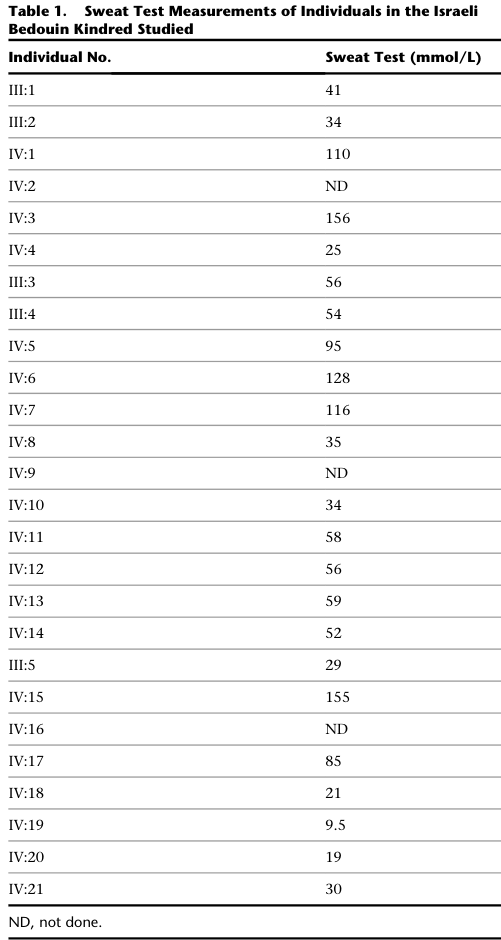
Reference Validation
Checked with linkml-reference-validator 0.3.0.
| Outcome | Count |
|---|---|
| References checked | 11 |
| Resolved | 11 |
| Unresolved (possible confabulation) | 0 |
| Unverifiable | 0 |
| References weighed for topical relevance | 11 |
| On topic | 6 |
| Off topic | 0 |
All extracted references resolved successfully.
Term Validation
Checked with linkml-term-validator 0.4.5, through the ols: adapter.
| Outcome | Count |
|---|---|
| Terms checked | 5 |
| Resolved | 3 |
| Unresolved (possible confabulation) | 0 |
| Obsolete | 0 |
| Unverifiable | 2 |
| Terms whose name was checked | 1 |
| Terms named correctly | 0 |
| Terms named as a different term | 1 |
Terms the report names something else
These identifiers resolve, so nothing about them looks wrong, and the ontology calls them something unrelated to what the report calls them. That usually means the identifier is not the one the sentence needs:
MONDO:0007747(2 mentions) - the report calls it "if available"; MONDO calls it isolated hyperchlorhidrosis
Prefixes with no resolver
Terms carrying these prefixes were not checked either way, because no configured ontology covers them. An unrecognised prefix may name an ontology this run could not reach as easily as one that does not exist, so nothing here is evidence of fabrication: Taxon.