Familial Pityriasis Rubra Pilaris
Familial pityriasis rubra pilaris is the autosomal dominant, CARD14-defined form of pityriasis rubra pilaris (PRP), corresponding to Griffiths type V (atypical juvenile) PRP and the PRP-like end of the CARD14-associated papulosquamous eruption (CAPE) spectrum. Heterozygous gain-of-function CARD14 variants, clustered in and around the coiled-coil domain, break the autoinhibition of the keratinocyte scaffold CARD14 so that it constitutively assembles with BCL10 and MALT1 and activates NF-kappaB. The resulting keratinocyte chemokine and cytokine output recruits and amplifies an IL-23/IL-17 response, producing infantile-onset follicular hyperkeratosis, orange-red scaling plaques with islands of sparing, prominent facial erythema and palmoplantar keratoderma that respond poorly to conventional psoriasis therapy but well to IL-12/23 and IL-17A blockade. This entry is scoped to the CARD14-defined familial form. The sporadic clinical types of PRP (Griffiths types I-IV and the HIV-associated type VI) have no single conserved mechanism and are out of scope here; the broader concept pityriasis rubra pilaris (MONDO:0100017) is mapped only as a broad match. CARD14 gain-of-function variants also cause PSORS2 familial psoriasis, which is curated in the Psoriasis entry and cross-referenced rather than duplicated.
Ask OpenScientist
Ask a research question about Familial Pityriasis Rubra Pilaris. OpenScientist will conduct autonomous deep research using the Disorder Mechanisms Knowledge Base and PubMed literature (typically 10-30 minutes).
Do not include personal health information in your question. Questions and results are cached in your browser's local storage.
Mappings
Inheritance
1Show evidence (3 references)
Discussions and Knowledge Gaps
2Show evidence (2 references)
Show evidence (2 references)
Pathophysiology
7Show evidence (3 references)
Show evidence (3 references)
Show evidence (4 references)
Show evidence (4 references)
Show evidence (5 references)
Show evidence (3 references)
Show evidence (2 references)
Pathograph
Phenotypes
9Cardiovascular 1
Show evidence (2 references)
Head and Neck 1
Show evidence (2 references)
Immune 1
Show evidence (2 references)
Integument 6
Show evidence (2 references)
Show evidence (3 references)
Show evidence (3 references)
Show evidence (1 reference)
Show evidence (1 reference)
Show evidence (2 references)
Genetic Associations
1Show evidence (3 references)
Variants (7)
Show evidence (1 reference)
Show evidence (1 reference)
Show evidence (1 reference)
Show evidence (2 references)
Show evidence (1 reference)
Show evidence (1 reference)
Show evidence (1 reference)
Medical Actions
7Show evidence (4 references)
Show evidence (6 references)
Show evidence (4 references)
Show evidence (1 reference)
Show evidence (1 reference)
Show evidence (2 references)
Show evidence (2 references)
Diagnosis
2Show evidence (2 references)
Show evidence (1 reference)
Progression
2Show evidence (2 references)
Show evidence (2 references)
Prevalence
1Show evidence (2 references)
Animal Models
2Show evidence (1 reference)
Show evidence (1 reference)
Show evidence (1 reference)
Show evidence (1 reference)
Show evidence (2 references)
Show evidence (1 reference)
Source YAML
click to showname: Familial Pityriasis Rubra Pilaris
creation_date: "2026-10-13T12:00:00Z"
category: Mendelian
description: >-
Familial pityriasis rubra pilaris is the autosomal dominant, CARD14-defined form of
pityriasis rubra pilaris (PRP), corresponding to Griffiths type V (atypical juvenile)
PRP and the PRP-like end of the CARD14-associated papulosquamous eruption (CAPE)
spectrum. Heterozygous gain-of-function CARD14 variants, clustered in and around the
coiled-coil domain, break the autoinhibition of the keratinocyte scaffold CARD14 so
that it constitutively assembles with BCL10 and MALT1 and activates NF-kappaB. The
resulting keratinocyte chemokine and cytokine output recruits and amplifies an
IL-23/IL-17 response, producing infantile-onset follicular hyperkeratosis, orange-red
scaling plaques with islands of sparing, prominent facial erythema and palmoplantar
keratoderma that respond poorly to conventional psoriasis therapy but well to IL-12/23
and IL-17A blockade. This entry is scoped to the CARD14-defined familial form. The
sporadic clinical types of PRP (Griffiths types I-IV and the HIV-associated type VI)
have no single conserved mechanism and are out of scope here; the broader concept
pityriasis rubra pilaris (MONDO:0100017) is mapped only as a broad match. CARD14
gain-of-function variants also cause PSORS2 familial psoriasis, which is curated in
the Psoriasis entry and cross-referenced rather than duplicated.
disease_term:
preferred_term: familial pityriasis rubra pilaris
term:
id: MONDO:0008251
label: familial pityriasis rubra pilaris
mappings:
mondo_mappings:
- term:
id: MONDO:0100017
label: pityriasis rubra pilaris
mapping_predicate: skos:broadMatch
mapping_source: MONDO
mapping_justification: >-
The MONDO parent concept covers all six Griffiths clinical types of PRP; this
entry covers only the CARD14-defined familial (type V) form.
synonyms:
- hereditary pityriasis rubra pilaris
- pityriasis rubra pilaris, familial type
- PRP type V (atypical juvenile)
- atypical juvenile pityriasis rubra pilaris
- CARD14-associated papulosquamous eruption, PRP-like
parents:
- Hereditary skin disorder
notes: >-
Orphanet has no familial-specific PRP record, so no ORPHA: structured-source row is
cited. ClinGen has not published a gene-disease validity assertion for CARD14 in
pityriasis rubra pilaris, so gene_disease_validity is left absent rather than
assigned. No GeneReviews chapter exists for this disease (offline Bookshelf index,
2026-09-10 snapshot). The guselkumab, ixekizumab and secukinumab single-arm trials in
adult PRP (NCT03975153, NCT03485976, NCT03342573) enrolled no participants with
pathogenic CARD14 variants and are therefore not recorded as trials of this disease.
Onset is infantile (4 to 36 months in the gene-discovery kindreds, before one year in
most CARD14 index cases) and is recorded under progression; HP:0003593 Infantile onset
is a clinical-course modifier outside the PhenotypeTerm enum and is not bound as a
phenotype.
prevalence:
- population: Worldwide (familial cases as a fraction of all PRP)
measure_type: UNKNOWN
prevalence_class: RARE
notes: >-
No population prevalence has been measured for the familial form. Familial,
autosomal dominant PRP is reported as under 6% of all PRP, itself a rare disease;
the largest genotyped series is 15 kindreds.
evidence:
- reference: PMID:25734815
reference_title: "Analysis of CARD14 Polymorphisms in Pityriasis Rubra Pilaris: Activation of NF-κB."
supports: SUPPORT
evidence_source: HUMAN_CLINICAL
quote_role: BACKGROUND
snippet: "Most cases of PRP are sporadic and without family history, but a familial form with an autosomal dominant inheritance with partial penetrance represents <6% of all cases."
explanation: >-
The familial fraction of PRP, stated as background in a CARD14 polymorphism
study of sporadic PRP.
- reference: PMID:28301045
reference_title: Beneficial effect of ustekinumab in familial pityriasis rubra pilaris with a new missense mutation in CARD14.
supports: SUPPORT
evidence_source: HUMAN_CLINICAL
quote_role: BACKGROUND
snippet: "Pityriasis rubra pilaris (PRP) represents a group of rare chronic inflammatory skin disorders in which around one in 20 affected individuals show autosomal dominant inheritance."
explanation: >-
Independent estimate that about one in twenty PRP patients has the dominant
familial form.
inheritance:
- name: Autosomal dominant inheritance
inheritance_term:
preferred_term: Autosomal dominant inheritance
term:
id: HP:0000006
label: Autosomal dominant inheritance
penetrance: INCOMPLETE
expressivity: VARIABLE
description: >-
Heterozygous CARD14 variants segregate dominantly in multigeneration kindreds and
also arise de novo; two of the three type V patients in the first Japanese series
carried de novo variants. Penetrance is incomplete and expression ranges from
limited plaques to erythroderma within the same family.
evidence:
- reference: PMID:22703878
reference_title: Familial pityriasis rubra pilaris is caused by mutations in CARD14.
supports: SUPPORT
evidence_source: HUMAN_CLINICAL
snippet: "To identify the genetic cause of familial PRP, we ascertained four unrelated families affected by autosomal-dominant PRP."
explanation: >-
Dominant transmission in the four gene-discovery kindreds.
- reference: PMID:25734815
reference_title: "Analysis of CARD14 Polymorphisms in Pityriasis Rubra Pilaris: Activation of NF-κB."
supports: SUPPORT
evidence_source: HUMAN_CLINICAL
quote_role: BACKGROUND
snippet: "Most cases of PRP are sporadic and without family history, but a familial form with an autosomal dominant inheritance with partial penetrance represents <6% of all cases."
explanation: >-
Records the partial penetrance of the dominant familial form.
- reference: PMID:27760266
reference_title: Pityriasis Rubra Pilaris Type V as an Autoinflammatory Disease by CARD14 Mutations.
supports: SUPPORT
evidence_source: HUMAN_CLINICAL
snippet: "Among 3 patients with PRP type V, all were found to have CARD14 mutations: 2 de novo novel mutations (p.Cys127Ser and p.Gln136Leu), and another previously reported mutation (p.Gly117Ser)."
explanation: >-
De novo occurrence of the same dominant alleles, so a negative family history
does not exclude the diagnosis.
genetic:
- name: CARD14
gene_term:
preferred_term: CARD14
term:
id: hgnc:16446
label: CARD14
relationship_type: CAUSATIVE
variant_origin: GERMLINE
association: Causative
notes: >-
Heterozygous gain-of-function variants in CARD14 (caspase recruitment domain family
member 14, CARMA2), the keratinocyte scaffold that activates NF-kappaB. Familial
PRP alleles cluster in the coiled-coil domain and the exon 3/4 splice junction, the
same region that carries the PSORS2 psoriasis alleles; the two diseases are allelic
and the same gene is curated as causative for PSORS2 familial psoriasis in the
Psoriasis entry. ClinGen has not classified the CARD14-PRP pair, so no
gene_disease_validity tier is recorded.
evidence:
- reference: PMID:22703878
reference_title: Familial pityriasis rubra pilaris is caused by mutations in CARD14.
supports: SUPPORT
evidence_source: HUMAN_CLINICAL
snippet: "Using a combination of linkage analysis followed by targeted whole-exome sequencing and candidate-gene screening, we identified three different heterozygous mutations in CARD14, which encodes caspase recruitment domain family, member 14."
explanation: >-
Gene discovery by linkage and exome sequencing in four dominant kindreds.
- reference: PMID:22703878
reference_title: Familial pityriasis rubra pilaris is caused by mutations in CARD14.
supports: SUPPORT
evidence_source: HUMAN_CLINICAL
snippet: "The present data demonstrate that autosomal-dominant PRP is allelic to familial psoriasis, which was recently shown to also be caused by mutations in CARD14."
explanation: >-
Allelism with PSORS2 psoriasis.
- reference: PMID:38159213
reference_title: "Pityriasis Rubra Pilaris: An Updated Review of Clinical Presentation, Etiopathogenesis, and Treatment Options."
supports: SUPPORT
evidence_source: HUMAN_CLINICAL
quote_role: REVIEW_SYNTHESIS
snippet: "Type V PRP is often due to inborn CARD14 mutations."
explanation: >-
Review placing CARD14 as the cause of the type V clinical form.
variants:
- name: CARD14 p.Leu156Pro (c.467T>C)
description: >-
Coiled-coil missense allele found in two unrelated gene-discovery families on
different haplotypes.
variant_type: single nucleotide variant
clinical_significance: PATHOGENIC
evidence:
- reference: PMID:22703878
reference_title: Familial pityriasis rubra pilaris is caused by mutations in CARD14.
supports: SUPPORT
evidence_source: HUMAN_CLINICAL
snippet: "we identified three different heterozygous mutations in CARD14"
explanation: >-
One of the three gene-discovery alleles; the abstract does not name the
individual alleles, which are given in the body of the paper.
- name: CARD14 p.Cys127Ser
description: >-
De novo coiled-coil missense allele in a Japanese type V patient; the allele
modelled in the Card14 C127S knock-in mouse.
variant_type: single nucleotide variant
clinical_significance: PATHOGENIC
evidence:
- reference: PMID:27760266
reference_title: Pityriasis Rubra Pilaris Type V as an Autoinflammatory Disease by CARD14 Mutations.
supports: SUPPORT
evidence_source: HUMAN_CLINICAL
snippet: "2 de novo novel mutations (p.Cys127Ser and p.Gln136Leu), and another previously reported mutation (p.Gly117Ser)"
explanation: >-
De novo p.Cys127Ser in a type V patient.
- name: CARD14 p.Gln136Leu
description: De novo coiled-coil missense allele in a Japanese type V patient.
variant_type: single nucleotide variant
clinical_significance: PATHOGENIC
evidence:
- reference: PMID:27760266
reference_title: Pityriasis Rubra Pilaris Type V as an Autoinflammatory Disease by CARD14 Mutations.
supports: SUPPORT
evidence_source: HUMAN_CLINICAL
snippet: "2 de novo novel mutations (p.Cys127Ser and p.Gln136Leu), and another previously reported mutation (p.Gly117Ser)"
explanation: >-
De novo p.Gln136Leu in a type V patient.
- name: CARD14 p.Gly117Ser (c.349G>A)
description: >-
Exon 3 terminal missense allele that also alters splicing between exons 3 and 4;
the founding PSORS2 psoriasis allele, also found in type V PRP and, in
homozygous form, in a severe CAPE proband.
variant_type: single nucleotide variant
clinical_significance: PATHOGENIC
evidence:
- reference: PMID:22521418
reference_title: PSORS2 is due to mutations in CARD14.
supports: SUPPORT
evidence_source: HUMAN_CLINICAL
snippet: "The mutations c.349G>A (p.Gly117Ser) (in the family of European descent) and c.349+5G>A (in the Taiwanese family) altered splicing between CARD14 exons 3 and 4."
explanation: >-
The allele and its splicing effect in the PSORS2 psoriasis kindred.
- reference: PMID:27760266
reference_title: Pityriasis Rubra Pilaris Type V as an Autoinflammatory Disease by CARD14 Mutations.
supports: SUPPORT
evidence_source: HUMAN_CLINICAL
snippet: "another previously reported mutation (p.Gly117Ser)"
explanation: >-
The same allele in a type V PRP patient.
- name: CARD14 p.Met119Arg (c.356T>G)
description: Coiled-coil missense allele in a mother and son with generalized PRP.
variant_type: single nucleotide variant
clinical_significance: PATHOGENIC
evidence:
- reference: PMID:28301045
reference_title: Beneficial effect of ustekinumab in familial pityriasis rubra pilaris with a new missense mutation in CARD14.
supports: SUPPORT
evidence_source: HUMAN_CLINICAL
snippet: "Following informed consent, Sanger sequencing of CARD14 in both individuals revealed a new heterozygous single-nucleotide transversion in exon 4, c.356T>G, resulting in the missense mutation p.Met119Arg."
explanation: >-
Segregating allele in a two-generation family.
- name: CARD14 p.Met119Thr (c.356T>C)
description: Coiled-coil missense allele at the same codon as p.Met119Arg and p.Met119Lys.
variant_type: single nucleotide variant
clinical_significance: PATHOGENIC
evidence:
- reference: PMID:42561834
reference_title: Ixekizumab for genetically confirmed type 5 pityriasis rubra pilaris with a CARD14 p.Met119Thr variant.
supports: SUPPORT
evidence_source: HUMAN_CLINICAL
snippet: "Whole-exome sequencing identified a heterozygous missense variant in CARD14 (NM_001366385.1: c.356T>C; p.Met119Thr), classified as likely pathogenic per American College of Medical Genetics and Genomics criteria (PM1, PM2, PM5, PP5, BP4), establishing the diagnosis of type 5 PRP."
explanation: >-
Allele in a woman with lifelong type V PRP and affected first-degree relatives.
- name: CARD14 p.Glu138Lys (c.412G>A)
description: >-
Coiled-coil missense allele at the codon that also carries the psoriasis alleles
p.Glu138Ala and p.Glu138del; reported in lifelong PRP diagnosed at age 70.
variant_type: single nucleotide variant
clinical_significance: PATHOGENIC
evidence:
- reference: PMID:33431438
reference_title: "Identification of a pathogenic CARD14 mutation in a 70-year-old woman with pityriasis rubra pilaris: when genetic diagnosis influences choice of treatment strategy."
supports: SUPPORT
evidence_source: HUMAN_CLINICAL
snippet: "We present a case of lifelong PRP in a 70-year-old woman, where genetic testing revealed a heterozygote missense variant c.412G>A, p.(Glu138Lys) in CARD14."
explanation: >-
Allele in a late-diagnosed lifelong case.
pathophysiology:
- name: CARD14 Gain-of-Function Variant
biological_scale: MOLECULAR
description: >-
Heterozygous missense, in-frame deletion or splice-site variants clustered in the
coiled-coil domain of CARD14 (CARMA2), the skin-restricted member of the CARMA
scaffold family. The variants disrupt the autoinhibitory contact between the linker
region and the CARD/coiled-coil domains, so that the mutant scaffold signals without
an upstream stimulus. Gain of function is demonstrated biochemically for the
psoriasis alleles p.Glu138Ala and p.Gly117Ser (the latter also a PRP allele) and
inferred for the other PRP alleles from their position in the same domain and the
NF-kappaB activation seen in patient skin.
notes: >-
GO:0035591 signaling adaptor activity is CARD14's QuickGO molecular-function
annotation (Q9BXL6, IBA). The modifier is GAIN_OF_FUNCTION rather than INCREASED
because the mutant scaffold has escaped its linker-region autoinhibition and
signals independently of any upstream stimulus, a qualitative change in
regulatory control.
genetic_context:
variant_origin: GERMLINE
zygosity: HETEROZYGOUS
functional_impact_category: GAIN_OF_FUNCTION
description: >-
Dominant, usually inherited but sometimes de novo; one homozygous p.Gly117Ser CAPE
proband was more severely affected than her heterozygous relatives.
genes:
- preferred_term: CARD14
term:
id: hgnc:16446
label: CARD14
molecular_functions:
- preferred_term: CARD14 signaling adaptor activity, constitutively active
modifier: GAIN_OF_FUNCTION
term:
id: GO:0035591
label: signaling adaptor activity
cell_types:
- preferred_term: keratinocyte
term:
id: CL:0000312
label: keratinocyte
evidence:
- reference: PMID:22703878
reference_title: Familial pityriasis rubra pilaris is caused by mutations in CARD14.
supports: SUPPORT
evidence_source: HUMAN_CLINICAL
snippet: "CARD14 was found to be specifically expressed in the skin."
explanation: >-
Skin-restricted expression places the lesion in keratinocytes.
- reference: PMID:27071417
reference_title: Psoriasis mutations disrupt CARD14 autoinhibition promoting BCL10-MALT1-dependent NF-κB activation.
supports: SUPPORT
evidence_source: IN_VITRO
directness: INDIRECT
snippet: "These alterations disrupted the inhibitory effect of the CARD14 linker region (LR) on NF-κB activation by facilitating BCL10 binding."
explanation: >-
Loss of linker-region autoinhibition shown for the psoriasis alleles p.Glu138Ala
and p.Gly117Ser; the latter also causes type V PRP, and the PRP-specific alleles
lie in the same coiled-coil region, so the mechanism is inferred for them.
- reference: PMID:29980436
reference_title: Gain-of-Function Mutation of Card14 Leads to Spontaneous Psoriasis-like Skin Inflammation through Enhanced Keratinocyte Response to IL-17A.
supports: SUPPORT
evidence_source: MODEL_ORGANISM
directness: INDIRECT
snippet: "Here we showed that Card14E138A/+ and Card14ΔQ136/+ mice developed spontaneous psoriasis-like skin inflammation, which resulted from constitutively activated CARMA2 via self-aggregation leading to the enhanced activation of the IL-23-IL-17A cytokine axis."
explanation: >-
Constitutive self-aggregation of mutant CARMA2 in knock-in mice carrying
psoriasis alleles from the same domain.
downstream:
- target: Constitutive CARD14-BCL10-MALT1 Complex Assembly
causal_link_type: DIRECT
description: >-
With autoinhibition lost, the mutant scaffold binds BCL10 and recruits MALT1
without any receptor stimulus.
evidence:
- reference: PMID:27071417
reference_title: Psoriasis mutations disrupt CARD14 autoinhibition promoting BCL10-MALT1-dependent NF-κB activation.
supports: SUPPORT
evidence_source: IN_VITRO
snippet: "In contrast with wild-type CARD14, CARD14(E138A) and CARD14(G117S) psoriasis mutants interacted constitutively with BCL10 and MALT1, and triggered BCL10- and MALT1-dependent activation of NF-κB in keratinocytes."
explanation: >-
Constitutive BCL10 and MALT1 binding by activating CARD14 alleles, including p.Gly117Ser.
- target: Replication Stress-Driven Revertant Mosaicism
causal_link_type: INDIRECT_UNKNOWN_INTERMEDIATES
description: >-
Mutant CARD14 increases double-strand breaks under replication stress, which
favours recombination-mediated loss of the mutant allele in epidermal clones.
evidence:
- reference: PMID:34004138
reference_title: Altered replication stress response due to CARD14 mutations promotes recombination-induced revertant mosaicism.
supports: SUPPORT
evidence_source: IN_VITRO
snippet: "Rather than altering the DNA damage response to exogenous stimuli, such as X-irradiation or etoposide treatment, mutant CARD14 increased DNA double-strand breaks under conditions of replication stress."
explanation: >-
The replication-stress lesion that feeds recombination-mediated reversion.
- name: Constitutive CARD14-BCL10-MALT1 Complex Assembly
biological_scale: MOLECULAR
description: >-
Mutant CARD14 constitutively associates with BCL10 and the paracaspase MALT1 to
form a CBM-type signalosome in keratinocytes, the counterpart of the
CARD11-BCL10-MALT1 complex formed in lymphocytes after antigen-receptor
stimulation. The complex engages IKK and also activates MALT1 protease activity,
which cleaves negative regulators of NF-kappaB; MALT1 deficiency or inhibition
blunts mutant CARD14 signalling in keratinocytes and in mice.
cell_types:
- preferred_term: keratinocyte
term:
id: CL:0000312
label: keratinocyte
cellular_components:
- preferred_term: CARD14-BCL10-MALT1 (CBM) complex
modifier: INCREASED
term:
id: GO:0032449
label: CBM complex
genes:
- preferred_term: BCL10
term:
id: hgnc:989
label: BCL10
- preferred_term: MALT1
term:
id: hgnc:6819
label: MALT1
evidence:
- reference: PMID:27071417
reference_title: Psoriasis mutations disrupt CARD14 autoinhibition promoting BCL10-MALT1-dependent NF-κB activation.
supports: SUPPORT
evidence_source: IN_VITRO
snippet: "In contrast with wild-type CARD14, CARD14(E138A) and CARD14(G117S) psoriasis mutants interacted constitutively with BCL10 and MALT1, and triggered BCL10- and MALT1-dependent activation of NF-κB in keratinocytes."
explanation: >-
Constitutive CBM assembly by mutant CARD14 in keratinocytes, including the
p.Gly117Ser allele shared with type V PRP.
- reference: PMID:27113748
reference_title: The paracaspase MALT1 mediates CARD14-induced signaling in keratinocytes.
supports: SUPPORT
evidence_source: IN_VITRO
snippet: "Mechanistically, we demonstrate that CARD14 physically interacts with paracaspase MALT1 and activates MALT1 proteolytic activity and inflammatory gene expression, which are enhanced by psoriasis-associated CARD14 mutations."
explanation: >-
Physical CARD14-MALT1 interaction and MALT1 protease activation, enhanced by
activating alleles.
- reference: PMID:33419765
reference_title: Intrinsic Abnormalities of Keratinocytes Initiate Skin Inflammation through the IL-23/T17 Axis in a MALT1-Dependent Manner.
supports: SUPPORT
evidence_source: MODEL_ORGANISM
snippet: "Targeting CBM complex by conditional deletion of MALT1 or BCL10 in keratinocytes abrogated both the cutaneous and systemic inflammation of heterozygous Card14 E138A/+ mice."
explanation: >-
Genetic requirement for the keratinocyte CBM complex in a CARD14 knock-in model.
downstream:
- target: Keratinocyte NF-kappaB Hyperactivation
causal_link_type: DIRECT
description: >-
The assembled CBM signalosome activates IKK, and MALT1 protease activity removes
NF-kappaB inhibitors, giving sustained canonical NF-kappaB signalling.
evidence:
- reference: PMID:27071417
reference_title: Psoriasis mutations disrupt CARD14 autoinhibition promoting BCL10-MALT1-dependent NF-κB activation.
supports: SUPPORT
evidence_source: IN_VITRO
snippet: "In contrast with wild-type CARD14, CARD14(E138A) and CARD14(G117S) psoriasis mutants interacted constitutively with BCL10 and MALT1, and triggered BCL10- and MALT1-dependent activation of NF-κB in keratinocytes."
explanation: >-
NF-kappaB activation by mutant CARD14 requires BCL10 and MALT1.
- name: Keratinocyte NF-kappaB Hyperactivation
biological_scale: CELLULAR
description: >-
Canonical NF-kappaB is constitutively active in CARD14-mutant keratinocytes, with
nuclear p65 demonstrable in lesional familial PRP skin. ERK1/2 and p38 MAP kinase
activation accompanies NF-kappaB and is needed for maximal target-gene induction.
Because CARD14 also transduces IL-17A signalling through the ACT1-TRAF6 complex,
mutant keratinocytes respond more strongly to the IL-17A that the downstream immune
response produces, closing a feed-forward loop.
cell_types:
- preferred_term: keratinocyte
term:
id: CL:0000312
label: keratinocyte
biological_processes:
- preferred_term: canonical NF-kappaB signal transduction
modifier: INCREASED
term:
id: GO:0007249
label: canonical NF-kappaB signal transduction
genes:
- preferred_term: RELA (p65)
term:
id: hgnc:9955
label: RELA
locations:
- preferred_term: skin epidermis
term:
id: UBERON:0001003
label: skin epidermis
evidence:
- reference: PMID:22703878
reference_title: Familial pityriasis rubra pilaris is caused by mutations in CARD14.
supports: SUPPORT
evidence_source: HUMAN_CLINICAL
snippet: "Accordingly, CARD14 levels were increased, and p65 was found to be activated in the skin of PRP-affected individuals."
explanation: >-
Activated p65 in lesional skin of the familial PRP kindreds.
- reference: PMID:30018619
reference_title: Nuclear Factor κB Activation in a Type V Pityriasis Rubra Pilaris Patient Harboring Multiple CARD14 Variants.
supports: SUPPORT
evidence_source: IN_VITRO
snippet: "Immunofluorescent staining of the NFκB p65 subunit and NFκB-luciferase reporter assay demonstrated significantly increased NFκB activity in skin samples and keratinocytes from the PRP patient compared to healthy samples."
explanation: >-
Increased NF-kappaB activity in patient skin sections and cultured patient
keratinocytes; the patient carried CARD14 variants of uncertain individual
effect, so this is a type V phenotype-level observation.
- reference: PMID:22521418
reference_title: PSORS2 is due to mutations in CARD14.
supports: SUPPORT
evidence_source: IN_VITRO
directness: INDIRECT
snippet: "CARD14 activates nuclear factor kappa B (NF-kB), and compared with wild-type CARD14, the p.Gly117Ser and p.Glu138Ala substitutions were shown to lead to enhanced NF-kB activation and upregulation of a subset of psoriasis-associated genes in keratinocytes."
explanation: >-
Enhanced NF-kappaB reporter activity for the p.Gly117Ser allele, which also
causes type V PRP; measured in a psoriasis study.
- reference: PMID:29980436
reference_title: Gain-of-Function Mutation of Card14 Leads to Spontaneous Psoriasis-like Skin Inflammation through Enhanced Keratinocyte Response to IL-17A.
supports: SUPPORT
evidence_source: MODEL_ORGANISM
snippet: "CARMA2, mainly expressed in keratinocytes, associates with the ACT1-TRAF6 signaling complex and mediates IL-17A-induced NF-κB and MAPK signaling pathway activation, which leads to expression of pro-inflammatory factors."
explanation: >-
CARD14 sits in the keratinocyte IL-17A pathway, so the mutant amplifies the
cytokine response it initiates.
downstream:
- target: Keratinocyte Chemokine and Cytokine Production
causal_link_type: DIRECT
description: >-
NF-kappaB drives transcription of CCL20, CXCL8, IL1B, IL36G and antimicrobial
peptides in the mutant keratinocyte.
evidence:
- reference: PMID:22521418
reference_title: PSORS2 is due to mutations in CARD14.
supports: SUPPORT
directness: INDIRECT
evidence_source: IN_VITRO
snippet: "CARD14 activates nuclear factor kappa B (NF-kB), and compared with wild-type CARD14, the p.Gly117Ser and p.Glu138Ala substitutions were shown to lead to enhanced NF-kB activation and upregulation of a subset of psoriasis-associated genes in keratinocytes."
explanation: >-
Enhanced NF-kappaB activation by the activating alleles upregulates the chemokine genes in keratinocytes.
- name: Keratinocyte Chemokine and Cytokine Production
biological_scale: CELLULAR
description: >-
NF-kappaB-dependent transcription in CARD14-mutant keratinocytes raises CCL20,
CXCL8 (IL-8), IL1B, IL36G, S100A8/A9 and antimicrobial peptides. CCL20 recruits
CCR6-positive dendritic cells and Th17 cells, and IL-36 and inflammasome products
amplify innate inflammation, which the Card14 C127S PRP mouse reproduces in the
interfollicular epidermis and follicular outer root sheath. MALT1 protease activity
is needed for full CCL20 and IL-8 induction.
cell_types:
- preferred_term: keratinocyte
term:
id: CL:0000312
label: keratinocyte
biological_processes:
- preferred_term: chemokine production
modifier: INCREASED
term:
id: GO:0032602
label: chemokine production
- preferred_term: inflammatory response
modifier: INCREASED
term:
id: GO:0006954
label: inflammatory response
genes:
- preferred_term: CCL20
term:
id: hgnc:10619
label: CCL20
- preferred_term: CXCL8 (IL-8)
term:
id: hgnc:6025
label: CXCL8
- preferred_term: IL1B
term:
id: hgnc:5992
label: IL1B
evidence:
- reference: PMID:22521418
reference_title: PSORS2 is due to mutations in CARD14.
supports: SUPPORT
evidence_source: IN_VITRO
snippet: "These genes included chemokine (C-C motif) ligand 20 (CCL20) and interleukin 8 (IL8)."
explanation: >-
The NF-kappaB targets induced by activating CARD14 alleles in keratinocytes.
- reference: PMID:27113748
reference_title: The paracaspase MALT1 mediates CARD14-induced signaling in keratinocytes.
supports: SUPPORT
evidence_source: IN_VITRO
snippet: "Moreover, we show that MALT1 deficiency or pharmacological inhibition of MALT1 catalytic activity inhibits pathogenic mutant CARD14-induced cytokine and chemokine expression in human primary keratinocytes."
explanation: >-
Mutant CARD14-driven cytokine and chemokine output in primary human
keratinocytes, and its MALT1 dependence.
- reference: DOI:10.21203/rs.3.rs-2513325/v1
reference_title: IL-17 axis is a significant driver of skin inflammation in Card14 mutant pityriasis rubra pilaris model mice
supports: SUPPORT
evidence_source: MODEL_ORGANISM
snippet: "the hyperactivation of innate immunity via the IL-36 signaling and inflammasome pathways, and the excessive activation of the IL-17 axis in the outer root sheath and interfollicular epidermis"
explanation: >-
The PRP-allele knock-in mouse shows the IL-36/inflammasome and IL-17 output in
the follicular and interfollicular epidermis.
- reference: PMID:29689250
reference_title: CARD14 Gain-of-Function Mutation Alone Is Sufficient to Drive IL-23/IL-17-Mediated Psoriasiform Skin Inflammation In Vivo.
supports: SUPPORT
evidence_source: MODEL_ORGANISM
snippet: "Affected skin of these mice is characterized by elevated expression of anti-microbial peptides, chemokines, and cytokines (including T helper type 17 cell-signature cytokines) and an immune infiltrate rich in neutrophils, myeloid cells, and T cells, reminiscent of human psoriatic skin."
explanation: >-
Chemokine, cytokine and antimicrobial-peptide output in a CARD14 gain-of-function
knock-in model.
downstream:
- target: IL-23/IL-17 Axis Amplification
causal_link_type: INDIRECT_KNOWN_INTERMEDIATES
description: >-
Keratinocyte chemokines recruit dendritic cells and T cells; dendritic-cell IL-23
sustains IL-17- and IL-22-producing T cells.
evidence:
- reference: PMID:29477734
reference_title: "CARD14-associated papulosquamous eruption: A spectrum including features of psoriasis and pityriasis rubra pilaris."
supports: SUPPORT
quote_role: REVIEW_SYNTHESIS
evidence_source: HUMAN_CLINICAL
snippet: "Elevated NF-κB activity leads to increases in chemokines such as IL-8 and CCL20, which lead to recruitment and differentiation of inflammatory cells, including production of IL-23 by dendritic cells and IL-17 and IL-22 by T cells"
explanation: >-
The chemokine-to-IL-23/IL-17 step as synthesised in the CAPE series.
- name: IL-23/IL-17 Axis Amplification
biological_scale: TISSUE
description: >-
Recruited dendritic cells produce IL-23, which maintains Th17 and other type 17
lymphocytes producing IL-17A, IL-17F and IL-22 in the dermis. The axis is
demonstrated genetically in CARD14 knock-in mice, where IL-23p19 neutralisation or
anti-IL-17A antibody reduces disease, and is the target of the biologics that work
in patients. Human lesional-skin cytokine profiling showing IL-17A/IL-17F/IL-22
elevation comes from sporadic PRP rather than genotyped familial cases.
cell_types:
- preferred_term: T-helper 17 cell
term:
id: CL:0000899
label: T-helper 17 cell
- preferred_term: dendritic cell
term:
id: CL:0000451
label: dendritic cell
biological_processes:
- preferred_term: T-helper 17 type immune response
modifier: INCREASED
term:
id: GO:0072538
label: T-helper 17 type immune response
- preferred_term: interleukin-17 production
modifier: INCREASED
term:
id: GO:0032620
label: interleukin-17 production
- preferred_term: interleukin-23 production
modifier: INCREASED
term:
id: GO:0032627
label: interleukin-23 production
genes:
- preferred_term: IL23A
term:
id: hgnc:15488
label: IL23A
- preferred_term: IL17A
term:
id: hgnc:5981
label: IL17A
- preferred_term: IL17F
term:
id: hgnc:16404
label: IL17F
locations:
- preferred_term: dermis
term:
id: UBERON:0002067
label: dermis
evidence:
- reference: PMID:29689250
reference_title: CARD14 Gain-of-Function Mutation Alone Is Sufficient to Drive IL-23/IL-17-Mediated Psoriasiform Skin Inflammation In Vivo.
supports: SUPPORT
evidence_source: MODEL_ORGANISM
snippet: "Disease pathogenesis was driven by the IL-23/IL-17 axis, and neutralization of IL-23p19, the key cytokine in maintaining T helper type 17 cell polarization, significantly reduced skin lesions and the expression of antimicrobial peptides and proinflammatory cytokines."
explanation: >-
IL-23 dependence of CARD14 gain-of-function skin disease in mice.
- reference: PMID:33419765
reference_title: Intrinsic Abnormalities of Keratinocytes Initiate Skin Inflammation through the IL-23/T17 Axis in a MALT1-Dependent Manner.
supports: SUPPORT
evidence_source: MODEL_ORGANISM
snippet: "Together, our results suggest a sequence of events under CARD14-mutation-induced psoriasis condition that keratinocyte-intrinsic activation of CBM complex initiates the skin inflammation depending on the IL-23/T17 axis."
explanation: >-
Orders keratinocyte CBM activation upstream of the IL-23/T17 axis.
- reference: DOI:10.21203/rs.3.rs-2513325/v1
reference_title: IL-17 axis is a significant driver of skin inflammation in Card14 mutant pityriasis rubra pilaris model mice
supports: SUPPORT
evidence_source: MODEL_ORGANISM
snippet: "Administering anti-IL-17A neutralizing antibody significantly attenuates the skin symptoms in mutant mice."
explanation: >-
IL-17A dependence of skin disease in the PRP-allele knock-in mouse.
- reference: PMID:28122069
reference_title: Interleukin 23-Helper T Cell 17 Axis as a Treatment Target for Pityriasis Rubra Pilaris.
supports: SUPPORT
evidence_source: HUMAN_CLINICAL
directness: INDIRECT
snippet: "Among adaptive T-cell cytokines, an increase of TH1 cytokines and, in particular, TH17 cytokines IL-17A, IL-17F, and IL-22 was seen in PRP."
explanation: >-
Th17 cytokine elevation in lesional PRP skin; the patients were not genotyped
for CARD14, so this supports the axis in PRP generally rather than in the
familial form specifically.
- reference: PMID:29477734
reference_title: "CARD14-associated papulosquamous eruption: A spectrum including features of psoriasis and pityriasis rubra pilaris."
supports: SUPPORT
evidence_source: HUMAN_CLINICAL
quote_role: REVIEW_SYNTHESIS
snippet: "Elevated NF-κB activity leads to increases in chemokines such as IL-8 and CCL20, which lead to recruitment and differentiation of inflammatory cells, including production of IL-23 by dendritic cells and IL-17 and IL-22 by T cells"
explanation: >-
The CAPE series' synthesis of the chemokine-to-IL-23/IL-17 chain that its
ustekinumab responses support.
downstream:
- target: Epidermal Hyperproliferation and Abnormal Cornification
causal_link_type: INDIRECT_KNOWN_INTERMEDIATES
description: >-
IL-17A, IL-22 and IL-36 drive keratinocyte proliferation, altered
differentiation and follicular plugging; the mutant keratinocyte's heightened
IL-17A responsiveness sustains the loop.
evidence:
- reference: DOI:10.21203/rs.3.rs-2513325/v1
reference_title: IL-17 axis is a significant driver of skin inflammation in Card14 mutant pityriasis rubra pilaris model mice
supports: SUPPORT
directness: INDIRECT
evidence_source: MODEL_ORGANISM
snippet: "Administering anti-IL-17A neutralizing antibody significantly attenuates the skin symptoms in mutant mice."
explanation: >-
Neutralising IL-17A reduces the epidermal disease of the PRP-allele mouse, placing the axis upstream of the tissue change.
- name: Epidermal Hyperproliferation and Abnormal Cornification
biological_scale: TISSUE
description: >-
Acanthosis with broad rete ridges, alternating vertical and horizontal
orthokeratosis and parakeratosis (checkerboard pattern), hypergranulosis,
follicular plugging and dilated papillary vessels, with a superficial lymphocytic
infiltrate. The Card14 C127S knock-in mouse reproduces hair-follicle dilatation,
follicular plugs and palmoplantar hyperkeratosis and shows reduced filaggrin
expression with barrier dysfunction.
notes: >-
Barrier dysfunction (establishment of skin barrier, DECREASED) is documented only
in the homozygous Card14 C127S mouse, at about sixfold transepidermal water loss;
it has not been measured in patients.
cell_types:
- preferred_term: keratinocyte
term:
id: CL:0000312
label: keratinocyte
- preferred_term: outer root sheath cell
term:
id: CL:0002561
label: outer root sheath cell
biological_processes:
- preferred_term: keratinocyte proliferation
modifier: INCREASED
term:
id: GO:0043616
label: keratinocyte proliferation
- preferred_term: keratinization
modifier: ABNORMAL
term:
id: GO:0031424
label: keratinization
- preferred_term: establishment of skin barrier
modifier: DECREASED
term:
id: GO:0061436
label: establishment of skin barrier
locations:
- preferred_term: skin epidermis
term:
id: UBERON:0001003
label: skin epidermis
- preferred_term: hair follicle
term:
id: UBERON:0002073
label: hair follicle
evidence:
- reference: PMID:31849081
reference_title: Histopathologic findings characteristic of CARD14-associated papulosquamous eruption.
supports: SUPPORT
evidence_source: HUMAN_CLINICAL
snippet: "Lesional skin biopsies from patients with CARD14-associated papulosquamous eruption consistently showed alternating checkerboard parakeratosis and orthokeratosis, acanthosis without acantholysis, and dilated vessels in the dermal papillae, with some cases also showing follicular plugging."
explanation: >-
The epidermal histopathology in genotyped CARD14 patients.
- reference: DOI:10.21203/rs.3.rs-2513325/v1
reference_title: IL-17 axis is a significant driver of skin inflammation in Card14 mutant pityriasis rubra pilaris model mice
supports: SUPPORT
evidence_source: MODEL_ORGANISM
snippet: "The Card14C127S/C127S knock-in mice recapitulate key aspects of human PRP, including hair follicle dilatation, follicular plugs, and palmoplantar hyperkeratosis, and show skin barrier dysfunction"
explanation: >-
Follicular plugging, palmoplantar hyperkeratosis and barrier loss in the
PRP-allele mouse.
- reference: PMID:29689250
reference_title: CARD14 Gain-of-Function Mutation Alone Is Sufficient to Drive IL-23/IL-17-Mediated Psoriasiform Skin Inflammation In Vivo.
supports: SUPPORT
evidence_source: MODEL_ORGANISM
snippet: "Here, we report that heterozygous mice harboring a CARD14 gain-of-function mutation (Card14ΔE138) spontaneously develop a chronic psoriatic phenotype with characteristic scaling skin lesions, epidermal thickening, keratinocyte hyperproliferation, hyperkeratosis, and immune cell infiltration."
explanation: >-
Epidermal thickening and keratinocyte hyperproliferation from a heterozygous
CARD14 gain-of-function allele.
downstream:
- target: Follicular hyperkeratosis
causal_link_type: DIRECT
description: Follicular plugging by retained cornified material produces the keratotic follicular papules.
evidence:
- reference: PMID:31849081
reference_title: Histopathologic findings characteristic of CARD14-associated papulosquamous eruption.
supports: SUPPORT
evidence_source: HUMAN_CLINICAL
snippet: "Lesional skin biopsies from patients with CARD14-associated papulosquamous eruption consistently showed alternating checkerboard parakeratosis and orthokeratosis, acanthosis without acantholysis, and dilated vessels in the dermal papillae, with some cases also showing follicular plugging."
explanation: >-
Follicular plugging in lesional biopsies of genotyped patients.
- target: Palmoplantar keratoderma
causal_link_type: DIRECT
description: Hyperkeratosis of palmar and plantar epidermis.
evidence:
- reference: DOI:10.21203/rs.3.rs-2513325/v1
reference_title: IL-17 axis is a significant driver of skin inflammation in Card14 mutant pityriasis rubra pilaris model mice
supports: SUPPORT
directness: INDIRECT
evidence_source: MODEL_ORGANISM
snippet: "The Card14C127S/C127S knock-in mice recapitulate key aspects of human PRP, including hair follicle dilatation, follicular plugs, and palmoplantar hyperkeratosis"
explanation: >-
Palmoplantar hyperkeratosis arising from the same epidermal process in the PRP-allele mouse.
- target: Orange-red scaling plaques
causal_link_type: DIRECT
description: Confluent acanthosis with checkerboard parakeratosis and dilated papillary vessels gives the erythematous scaling plaques.
- target: Facial erythema
causal_link_type: DIRECT
description: The same plaque process involving the cheeks, chin and ears.
- target: Erythroderma
causal_link_type: DIRECT
description: Generalisation of the plaque process over most of the body surface.
- target: Checkerboard parakeratosis with follicular plugging
causal_link_type: DIRECT
description: The histological correlate of the abnormal cornification.
evidence:
- reference: PMID:31849081
reference_title: Histopathologic findings characteristic of CARD14-associated papulosquamous eruption.
supports: SUPPORT
evidence_source: HUMAN_CLINICAL
snippet: "Lesional skin biopsies from patients with CARD14-associated papulosquamous eruption consistently showed alternating checkerboard parakeratosis and orthokeratosis, acanthosis without acantholysis, and dilated vessels in the dermal papillae, with some cases also showing follicular plugging."
explanation: >-
The checkerboard pattern and follicular plugging in genotyped patients.
- name: Replication Stress-Driven Revertant Mosaicism
biological_scale: CELLULAR
description: >-
In some patients, clinically normal skin patches arise in which the epidermis has
lost the germline CARD14 mutation, mostly through copy-neutral loss of
heterozygosity of 17q. Mutant CARD14 increases double-strand breaks under
replication stress and suppresses new origin firing, favouring break-induced
replication; this is a somatic compensatory branch, not part of the pathogenic
chain, and is observed rather than therapeutically exploitable.
cell_types:
- preferred_term: keratinocyte
term:
id: CL:0000312
label: keratinocyte
biological_processes:
- preferred_term: double-strand break repair via homologous recombination
modifier: INCREASED
term:
id: GO:0000724
label: double-strand break repair via homologous recombination
evidence:
- reference: PMID:34004138
reference_title: Altered replication stress response due to CARD14 mutations promotes recombination-induced revertant mosaicism.
supports: SUPPORT
evidence_source: HUMAN_CLINICAL
snippet: "Here we show that heterozygous pathogenic CARD14 mutations causing autoinflammatory skin diseases, including psoriasis and pityriasis rubra pilaris, are repaired mainly via homologous recombination."
explanation: >-
Revertant patches in CARD14-mutant patients, including PRP, arise by homologous
recombination.
- reference: PMID:34004138
reference_title: Altered replication stress response due to CARD14 mutations promotes recombination-induced revertant mosaicism.
supports: SUPPORT
evidence_source: IN_VITRO
snippet: "Rather than altering the DNA damage response to exogenous stimuli, such as X-irradiation or etoposide treatment, mutant CARD14 increased DNA double-strand breaks under conditions of replication stress."
explanation: >-
The cellular mechanism proposed for the reversion events, from cultured cells.
phenotypes:
- name: Follicular hyperkeratosis
category: Dermatologic
frequency: FREQUENT
description: >-
Keratotic follicular papules, the defining PRP lesion, were present in 6 of 15
CARD14 index cases and 45% of 31 reviewed paediatric cases; they are less
constant in CARD14-related disease than in classic adult PRP.
phenotype_term:
preferred_term: Keratotic follicular papules
term:
id: HP:0007502
label: Follicular hyperkeratosis
evidence:
- reference: PMID:34448248
reference_title: "CARD14-associated papulosquamous eruption (CAPE) in pediatric patients: Three additional cases and review of the literature."
supports: SUPPORT
evidence_source: HUMAN_CLINICAL
snippet: "In the 31 previously reported cases, clinical features typical of PRP such as follicular papules were observed in 45%, islands of sparing in 42%, palmoplantar keratoderma in 68%, and sclerodermatous changes of the hands in 6%."
explanation: >-
Frequency of follicular papules across reported paediatric CARD14 cases.
- reference: PMID:42561834
reference_title: Ixekizumab for genetically confirmed type 5 pityriasis rubra pilaris with a CARD14 p.Met119Thr variant.
supports: SUPPORT
evidence_source: HUMAN_CLINICAL
snippet: "Physical examination revealed generalized erythematous, hyperkeratotic, follicular papules and plaques involving the trunk and extremities, with prominent palmoplantar keratoderma"
explanation: >-
Follicular papules in a genotyped type V patient.
- name: Palmoplantar keratoderma
category: Dermatologic
frequency: VERY_FREQUENT
description: >-
Waxy orange-red or yellowish thickening of palms and soles, often with painful
fissuring; present in 12 of 15 CARD14 index cases and 68% of reviewed paediatric
cases.
phenotype_term:
preferred_term: Palmoplantar keratoderma
term:
id: HP:0000982
label: Palmoplantar keratoderma
evidence:
- reference: PMID:29477734
reference_title: "CARD14-associated papulosquamous eruption: A spectrum including features of psoriasis and pityriasis rubra pilaris."
supports: SUPPORT
evidence_source: HUMAN_CLINICAL
snippet: "Most (12/15) subjects had some degree of palmoplantar keratoderma, and two had scleroderma-like changes of the hands."
explanation: >-
Frequency in the 15-kindred series.
- reference: PMID:34448248
reference_title: "CARD14-associated papulosquamous eruption (CAPE) in pediatric patients: Three additional cases and review of the literature."
supports: SUPPORT
evidence_source: HUMAN_CLINICAL
snippet: "In the 31 previously reported cases, clinical features typical of PRP such as follicular papules were observed in 45%, islands of sparing in 42%, palmoplantar keratoderma in 68%, and sclerodermatous changes of the hands in 6%."
explanation: >-
Frequency across 31 reviewed paediatric cases.
- reference: PMID:39104646
reference_title: Severe atypical juvenile pityriasis rubra pilaris diagnosed in adulthood with a dramatic improvement with ustekinumab.
supports: SUPPORT
evidence_source: HUMAN_CLINICAL
snippet: "From aged six weeks and throughout childhood she had scaly erythroderma, sparing the flexural surfaces and parts of the back, and yellowish hyperkeratotic palms and soles."
explanation: >-
Palmoplantar hyperkeratosis from infancy in a genotyped type V patient.
- name: Orange-red scaling plaques
category: Dermatologic
frequency: VERY_FREQUENT
description: >-
Well-demarcated, confluent, orange-red to pink-red scaly plaques, characteristically
leaving islands of unaffected skin (seen in 42% of reviewed paediatric cases);
scalp involvement with thick scale is common.
phenotype_term:
preferred_term: Orange-red scaly plaques with islands of sparing
term:
id: HP:0040189
label: Scaling skin
notes: >-
HPO has no term for islands of sparing or for the orange-red plaque of PRP; the
binding is to the scaling itself and the specificity is carried in preferred_term.
evidence:
- reference: PMID:40766060
reference_title: "Case Report: Successful treatment of a novel variant of CARD14-mutated juvenile Pityriasis rubra pilaris with ixekizumab."
supports: SUPPORT
evidence_source: HUMAN_CLINICAL
snippet: "The further physical examination revealed prominent facial involvement of cheeks and ears with erythematosquamous plaques, palmar and plantar waxy orange-red keratoderma, bilateral ectropion and extensive thick scaly plaques on the scalp (Figure 1A)."
explanation: >-
Scaly plaques, scalp scale and keratoderma in a 3-year-old with a novel CARD14
variant.
- reference: PMID:28301045
reference_title: Beneficial effect of ustekinumab in familial pityriasis rubra pilaris with a new missense mutation in CARD14.
supports: SUPPORT
evidence_source: HUMAN_CLINICAL
snippet: "A 49-year-old woman and her 20-year-old son had lifelong, generalized, patchy erythematous scale with a few islands of sparing, as well as minor nail ridging and mild palmoplantar keratoderma, features consistent with generalized PRP."
explanation: >-
Generalized erythematous scale with islands of sparing in a p.Met119Arg family.
- reference: PMID:34448248
reference_title: "CARD14-associated papulosquamous eruption (CAPE) in pediatric patients: Three additional cases and review of the literature."
supports: SUPPORT
evidence_source: HUMAN_CLINICAL
snippet: "In the 31 previously reported cases, clinical features typical of PRP such as follicular papules were observed in 45%, islands of sparing in 42%, palmoplantar keratoderma in 68%, and sclerodermatous changes of the hands in 6%."
explanation: >-
Frequency of islands of sparing across reviewed paediatric cases.
- name: Facial erythema
category: Dermatologic
frequency: VERY_FREQUENT
description: >-
Early, symmetric, well-demarcated pink-red patches or thin plaques of the cheeks,
chin and ears with sparing of the infralabial region; present in 14 of 15 index
cases and 93% of reviewed paediatric cases, and the feature that most distinguishes
CARD14-related disease from sporadic PRP and psoriasis.
phenotype_term:
preferred_term: Facial erythema involving cheeks, chin and ears
term:
id: HP:0001041
label: Facial erythema
evidence:
- reference: PMID:29477734
reference_title: "CARD14-associated papulosquamous eruption: A spectrum including features of psoriasis and pityriasis rubra pilaris."
supports: SUPPORT
evidence_source: HUMAN_CLINICAL
snippet: "The most notable characteristic among the group is prominent facial involvement, which was displayed by all but 1 subject and in most cases presented early in the disease course as symmetric, well-demarcated pink-red patches or thin plaques involving the bilateral cheeks and chin with sparing of the infralabial region (Figure 1)."
explanation: >-
Facial involvement in 14 of 15 index cases.
- reference: PMID:34448248
reference_title: "CARD14-associated papulosquamous eruption (CAPE) in pediatric patients: Three additional cases and review of the literature."
supports: SUPPORT
evidence_source: HUMAN_CLINICAL
snippet: "As described in 93% of the 31 previously described patients, all of our patients had facial involvement that occurred early as symmetric, well-demarcated pink-red plaques involving the cheeks, chin, and ears with sparing of the infralabial region."
explanation: >-
Facial involvement in 93% of reviewed paediatric cases.
- name: Erythroderma
category: Dermatologic
frequency: OCCASIONAL
description: >-
Generalisation to erythroderma occurs in a minority, sometimes from infancy and
sometimes as a flare during intercurrent infection.
phenotype_term:
preferred_term: Erythroderma
term:
id: HP:0001019
label: Erythroderma
evidence:
- reference: PMID:29477734
reference_title: "CARD14-associated papulosquamous eruption: A spectrum including features of psoriasis and pityriasis rubra pilaris."
supports: SUPPORT
evidence_source: HUMAN_CLINICAL
snippet: "The skin phenotype ranged from predominantly psoriasis-like to predominantly PRP-like, with several patients showing features typical of both diseases. Two patients were erythrodermic."
explanation: >-
Two of 15 index cases were erythrodermic.
- reference: PMID:39104646
reference_title: Severe atypical juvenile pityriasis rubra pilaris diagnosed in adulthood with a dramatic improvement with ustekinumab.
supports: SUPPORT
evidence_source: HUMAN_CLINICAL
snippet: "From aged six weeks and throughout childhood she had scaly erythroderma, sparing the flexural surfaces and parts of the back, and yellowish hyperkeratotic palms and soles."
explanation: >-
Infantile-onset erythroderma in a genotyped type V patient.
- name: Ectropion
category: Ophthalmologic
frequency: OCCASIONAL
description: >-
Bilateral ectropion accompanies severe facial and periorbital involvement in some
children; reported in 6% of reviewed paediatric cases.
phenotype_term:
preferred_term: Ectropion
term:
id: HP:0000656
label: Ectropion
evidence:
- reference: PMID:40766060
reference_title: "Case Report: Successful treatment of a novel variant of CARD14-mutated juvenile Pityriasis rubra pilaris with ixekizumab."
supports: SUPPORT
evidence_source: HUMAN_CLINICAL
snippet: "palmar and plantar waxy orange-red keratoderma, bilateral ectropion and extensive thick scaly plaques on the scalp"
explanation: >-
Bilateral ectropion in a 3-year-old with a novel CARD14 variant.
- reference: PMID:34448248
reference_title: "CARD14-associated papulosquamous eruption (CAPE) in pediatric patients: Three additional cases and review of the literature."
supports: SUPPORT
evidence_source: HUMAN_CLINICAL
snippet: "Bilateral ectropion, palmoplantar keratoderma, and scleroderma-like changes in the hands were also noted."
explanation: >-
Ectropion in one of the three new paediatric cases.
- name: Patchy macular hyperpigmentation
category: Dermatologic
frequency: OCCASIONAL
description: >-
Patchy macular brown hyperpigmentation was present in all three CARD14-positive
type V patients of the Japanese series and proposed as a clue to the genotype; it
is not reported as a constant feature in other series, and its mechanism is not
established, so it is left unconnected in the pathograph.
phenotype_term:
preferred_term: Patchy macular brown hyperpigmentation
term:
id: HP:0000953
label: Hyperpigmentation of the skin
evidence:
- reference: PMID:27760266
reference_title: Pityriasis Rubra Pilaris Type V as an Autoinflammatory Disease by CARD14 Mutations.
supports: SUPPORT
evidence_source: HUMAN_CLINICAL
snippet: "All 3 patients displayed unique patchy macular brown hyperpigmentation additionally to other typical features of PRP."
explanation: >-
The pigmentary feature in all three genotyped type V patients.
- name: Pruritus
category: Dermatologic
frequency: FREQUENT
description: >-
Itch accompanies the plaques in most children and improves with IL-17A blockade.
phenotype_term:
preferred_term: Pruritus
term:
id: HP:0000989
label: Pruritus
notes: >-
Itch is a feature of the inflamed plaque rather than a separately mechanised
phenotype; it is left unconnected rather than wired to a node that does not explain
it.
evidence:
- reference: PMID:40433052
reference_title: Clinical Characteristics of CARD14-Associated Papulosquamous Eruption and Evaluation of Therapeutic Efficacy of Secukinumab.
supports: SUPPORT
evidence_source: HUMAN_CLINICAL
snippet: "Eight of these patients reported pruritus."
explanation: >-
Pruritus in all eight genotyped paediatric CAPE patients.
- name: Checkerboard parakeratosis with follicular plugging
category: Histopathologic
frequency: VERY_FREQUENT
description: >-
Alternating vertical and horizontal orthokeratosis and parakeratosis, acanthosis
without acantholysis, dilated papillary vessels and, in some biopsies, follicular
plugging; the pattern favours PRP over psoriasis and was found consistently in
biopsies from genotyped patients.
phenotype_term:
preferred_term: Checkerboard parakeratosis
term:
id: HP:0001036
label: Parakeratosis
evidence:
- reference: PMID:31849081
reference_title: Histopathologic findings characteristic of CARD14-associated papulosquamous eruption.
supports: SUPPORT
evidence_source: HUMAN_CLINICAL
snippet: "Lesional skin biopsies from patients with CARD14-associated papulosquamous eruption consistently showed alternating checkerboard parakeratosis and orthokeratosis, acanthosis without acantholysis, and dilated vessels in the dermal papillae, with some cases also showing follicular plugging."
explanation: >-
The defining histopathology in genotyped patients.
- reference: PMID:31849081
reference_title: Histopathologic findings characteristic of CARD14-associated papulosquamous eruption.
supports: SUPPORT
evidence_source: HUMAN_CLINICAL
snippet: "CARD14-associated papulosquamous eruption has a range of findings, with a predominance of features typically associated with pityriasis rubra pilaris."
explanation: >-
The histology favours PRP over psoriasis.
progression:
- phase: Infantile onset
age_range: Birth to 3 years (4 to 36 months in the gene-discovery kindreds; before 1 year in most CARD14 index cases)
notes: >-
Facial erythema and scale usually precede truncal and palmoplantar disease.
evidence:
- reference: PMID:29477734
reference_title: "CARD14-associated papulosquamous eruption: A spectrum including features of psoriasis and pityriasis rubra pilaris."
supports: SUPPORT
evidence_source: HUMAN_CLINICAL
snippet: "With the exception of 2 subjects, all had onset of their disease at or before one year of age."
explanation: >-
Onset timing in the 15-kindred series.
- reference: PMID:34448248
reference_title: "CARD14-associated papulosquamous eruption (CAPE) in pediatric patients: Three additional cases and review of the literature."
supports: SUPPORT
evidence_source: HUMAN_CLINICAL
quote_role: REVIEW_SYNTHESIS
snippet: "Patients with CARD14 mutations can be distinguished from more common forms of psoriasis and acquired PRP by the early age of onset (primarily before 1 year of age), prominent facial involvement (cheeks, chin and ears), frequent family history of psoriasis or PRP, and limited response to conventional topical and systemic therapies for psoriasis or PRP."
explanation: >-
Early onset as a distinguishing feature of CARD14-related disease.
- phase: Chronic persistent course
age_range: Childhood through adult life
notes: >-
Unlike classic adult (type I) PRP, which usually remits within a few years, the
familial form persists lifelong without treatment, with flares during intercurrent
infection; somatic revertant patches can appear but do not generalise.
evidence:
- reference: PMID:29477734
reference_title: "CARD14-associated papulosquamous eruption: A spectrum including features of psoriasis and pityriasis rubra pilaris."
supports: SUPPORT
evidence_source: HUMAN_CLINICAL
snippet: "None has experienced remission of disease without treatment."
explanation: >-
No spontaneous remission in 15 kindreds.
- reference: PMID:33431438
reference_title: "Identification of a pathogenic CARD14 mutation in a 70-year-old woman with pityriasis rubra pilaris: when genetic diagnosis influences choice of treatment strategy."
supports: SUPPORT
evidence_source: HUMAN_CLINICAL
snippet: "We present a case of lifelong PRP in a 70-year-old woman, where genetic testing revealed a heterozygote missense variant c.412G>A, p.(Glu138Lys) in CARD14."
explanation: >-
Lifelong persistence into the eighth decade.
diagnosis:
- name: CARD14 sequencing
description: >-
Sequencing of CARD14 coding exons and splice junctions (single-gene, keratinization
panel or exome) in a child with early-onset papulosquamous disease, prominent facial
involvement, a family history of PRP or psoriasis, and poor response to conventional
therapy; deep sequencing of lesional skin can detect mosaic alleles missed in blood.
diagnosis_term:
preferred_term: CARD14 gene sequencing
term:
id: NCIT:C15709
label: Genetic Testing
evidence:
- reference: PMID:29477734
reference_title: "CARD14-associated papulosquamous eruption: A spectrum including features of psoriasis and pityriasis rubra pilaris."
supports: SUPPORT
evidence_source: HUMAN_CLINICAL
snippet: "Subjects with clinical features suggestive of CAPE should undergo CARD14 sequencing and may benefit from treatment with ustekinumab."
explanation: >-
Recommendation for CARD14 sequencing from the largest genotyped series.
- reference: PMID:40433052
reference_title: Clinical Characteristics of CARD14-Associated Papulosquamous Eruption and Evaluation of Therapeutic Efficacy of Secukinumab.
supports: SUPPORT
evidence_source: HUMAN_CLINICAL
snippet: "Whole-exome sequencing (WES) was performed in all patients to identify the mutation type."
explanation: >-
Exome sequencing as the diagnostic route in a paediatric series.
- name: Lesional skin biopsy
description: >-
Histopathology showing checkerboard parakeratosis and orthokeratosis, acanthosis
without acantholysis and follicular plugging supports PRP over psoriasis, but the
overlap with psoriasis means biopsy cannot replace genotyping.
diagnosis_term:
preferred_term: Skin biopsy
term:
id: NCIT:C51692
label: Skin Biopsy
evidence:
- reference: PMID:31849081
reference_title: Histopathologic findings characteristic of CARD14-associated papulosquamous eruption.
supports: SUPPORT
evidence_source: HUMAN_CLINICAL
snippet: "CARD14-associated papulosquamous eruption has a range of findings, with a predominance of features typically associated with pityriasis rubra pilaris."
explanation: >-
Biopsy findings in genotyped patients.
treatments:
- name: Ustekinumab (IL-12/IL-23 p40 blockade)
description: >-
The best-documented therapy: near-complete clearance in 5 of 6 treated subjects in
the 15-kindred series and in several familial PRP families, often after failure of
retinoids, methotrexate and TNF inhibitors. Weight-based or more frequent dosing
than the psoriasis label has been needed to maintain response.
therapeutic_modality: MONOCLONAL_ANTIBODY
treatment_term:
preferred_term: Pharmacotherapy
term:
id: NCIT:C15986
label: Pharmacotherapy
therapeutic_agent:
- preferred_term: ustekinumab
term:
id: NCIT:C84237
label: Ustekinumab
target_mechanisms:
- target: IL-23/IL-17 Axis Amplification
treatment_effect: INHIBITS
description: Binds the shared p40 subunit of IL-12 and IL-23, removing the IL-23 signal that maintains the type 17 response.
evidence:
- reference: PMID:29477734
reference_title: "CARD14-associated papulosquamous eruption: A spectrum including features of psoriasis and pityriasis rubra pilaris."
supports: SUPPORT
directness: INDIRECT
evidence_source: HUMAN_CLINICAL
snippet: "Notable is the near complete response to ustekinumab in 5 of 6 subjects treated and partial response in the sixth (subject 5), who had the most severe phenotype and was also notably the heaviest and thus may have required a higher dosage."
explanation: >-
Clinical response to p40 blockade as evidence that the axis drives the disease.
evidence:
- reference: PMID:29477734
reference_title: "CARD14-associated papulosquamous eruption: A spectrum including features of psoriasis and pityriasis rubra pilaris."
supports: SUPPORT
evidence_source: HUMAN_CLINICAL
snippet: "Notable is the near complete response to ustekinumab in 5 of 6 subjects treated and partial response in the sixth (subject 5), who had the most severe phenotype and was also notably the heaviest and thus may have required a higher dosage."
explanation: >-
Response in six genotyped subjects.
- reference: PMID:28301045
reference_title: Beneficial effect of ustekinumab in familial pityriasis rubra pilaris with a new missense mutation in CARD14.
supports: SUPPORT
evidence_source: HUMAN_CLINICAL
snippet: "Ustekinumab, at a dose of 45 mg every 12 weeks, brought about a significant physical and emotional improvement in both the mother and son within a few days of the initial dose, which was sustained on maintenance dosing."
explanation: >-
Sustained response in a p.Met119Arg family.
- reference: PMID:33431438
reference_title: "Identification of a pathogenic CARD14 mutation in a 70-year-old woman with pityriasis rubra pilaris: when genetic diagnosis influences choice of treatment strategy."
supports: SUPPORT
evidence_source: HUMAN_CLINICAL
snippet: "Therapy with ustekinumab was initiated with remarkable effect, which improved the patient's quality of life significantly."
explanation: >-
Response in a p.Glu138Lys patient after a lifetime of disease.
- reference: PMID:36529810
reference_title: Treatment Options for Juvenile Pityriasis Rubra Pilaris.
supports: SUPPORT
evidence_source: HUMAN_CLINICAL
quote_role: REVIEW_SYNTHESIS
snippet: "Ustekinumab, in particular, is emerging as a first-line agent for patients with pityriasis rubra pilaris with CARD14 gene variations."
explanation: >-
Review consensus on ustekinumab for CARD14-related PRP.
- name: IL-17 blockade (secukinumab, ixekizumab, bimekizumab)
description: >-
Secukinumab gave 84.6%, 76.9% and 68.8% PASI improvement at 52 weeks in three
genotyped children, and ixekizumab produced rapid clearance in genotyped type V
patients, although one subject in the 15-kindred series had only a partial
response to ixekizumab. Three adult CAPE patients reported in the literature
improved on the IL-17A/F inhibitor bimekizumab. In the Card14 C127S mouse
anti-IL-17A reduced inflammation without restoring barrier function.
therapeutic_modality: MONOCLONAL_ANTIBODY
treatment_term:
preferred_term: Pharmacotherapy
term:
id: NCIT:C15986
label: Pharmacotherapy
therapeutic_agent:
- preferred_term: secukinumab
term:
id: NCIT:C152315
label: Secukinumab
- preferred_term: ixekizumab
term:
id: NCIT:C174646
label: Ixekizumab
- preferred_term: bimekizumab
term:
id: NCIT:C171829
label: Bimekizumab
target_mechanisms:
- target: IL-23/IL-17 Axis Amplification
treatment_effect: INHIBITS
description: Neutralises IL-17A, the effector cytokine of the axis and the ligand of the CARD14-dependent keratinocyte IL-17 receptor pathway.
evidence:
- reference: DOI:10.21203/rs.3.rs-2513325/v1
reference_title: IL-17 axis is a significant driver of skin inflammation in Card14 mutant pityriasis rubra pilaris model mice
supports: SUPPORT
evidence_source: MODEL_ORGANISM
snippet: "Administering anti-IL-17A neutralizing antibody significantly attenuates the skin symptoms in mutant mice."
explanation: >-
Preclinical IL-17A dependence of the PRP-allele mouse disease.
evidence:
- reference: PMID:40433052
reference_title: Clinical Characteristics of CARD14-Associated Papulosquamous Eruption and Evaluation of Therapeutic Efficacy of Secukinumab.
supports: SUPPORT
evidence_source: HUMAN_CLINICAL
snippet: "They achieved 84.6%, 76.9%, and 68.8% improvement in PASI score, respectively."
explanation: >-
52-week PASI responses to secukinumab in three genotyped children.
- reference: PMID:40433052
reference_title: Clinical Characteristics of CARD14-Associated Papulosquamous Eruption and Evaluation of Therapeutic Efficacy of Secukinumab.
supports: SUPPORT
quote_role: REVIEW_SYNTHESIS
evidence_source: HUMAN_CLINICAL
snippet: "Following the treatment with IL-17A inhibitors (five pediatric patients receiving secukinumab, two adult patients receiving ixekizumab and three adult patients receiving bimekizumab, an IL-17A/F inhibitor), there was significant improvement in skin lesions, and pruritus was alleviated or resolved."
explanation: >-
The authors' pooled summary of their own cases and the reported literature,
including the three adults treated with bimekizumab.
- reference: PMID:40766060
reference_title: "Case Report: Successful treatment of a novel variant of CARD14-mutated juvenile Pityriasis rubra pilaris with ixekizumab."
supports: SUPPORT
evidence_source: HUMAN_CLINICAL
snippet: "Here, we present a case of successful treatment with ixekizumab, a humanized monoclonal anti-IL-17A antibody, in an atypical juvenile PRP (type V) patient with a novel variant of CARD14 mutation."
explanation: >-
Ixekizumab response in a genotyped type V child.
- reference: PMID:42561834
reference_title: Ixekizumab for genetically confirmed type 5 pityriasis rubra pilaris with a CARD14 p.Met119Thr variant.
supports: SUPPORT
evidence_source: HUMAN_CLINICAL
snippet: "At 24-weeks, clinical remission persisted (PGA 0–1) without adverse events."
explanation: >-
Sustained remission on ixekizumab in a p.Met119Thr patient.
- reference: PMID:41798160
reference_title: Familial CARD14-associated papulosquamous eruption with a novel mutation successfully treated with secukinumab.
supports: SUPPORT
evidence_source: HUMAN_CLINICAL
snippet: "we describe an infrequent familial presentation involving a father and daughter with severe disease who carried a previously unreported CARD14 variant (c.356T>A; p.Met119Lys)"
explanation: >-
A father-daughter p.Met119Lys family treated with secukinumab.
- reference: DOI:10.21203/rs.3.rs-2513325/v1
reference_title: IL-17 axis is a significant driver of skin inflammation in Card14 mutant pityriasis rubra pilaris model mice
supports: SUPPORT
evidence_source: MODEL_ORGANISM
snippet: "Administering anti-IL-17A neutralizing antibody significantly attenuates the skin symptoms in mutant mice."
explanation: >-
Preclinical IL-17A dependence in the PRP-allele mouse.
- name: Systemic retinoids (acitretin, isotretinoin)
description: >-
Oral retinoids are the conventional first-line systemic therapy for juvenile PRP
and control some CARD14 patients, but responses in genotyped series are variable
and often partial, and several families failed retinoids before responding to
biologics.
therapeutic_modality: SMALL_MOLECULE
treatment_term:
preferred_term: Pharmacotherapy
term:
id: NCIT:C15986
label: Pharmacotherapy
therapeutic_agent:
- preferred_term: acitretin
term:
id: CHEBI:50172
label: acitretin
- preferred_term: isotretinoin
term:
id: CHEBI:6067
label: isotretinoin
target_mechanisms:
- target: Epidermal Hyperproliferation and Abnormal Cornification
treatment_effect: MODULATES
description: Retinoids normalise keratinocyte differentiation and cornification without acting on the upstream CARD14 signal.
evidence:
- reference: PMID:34075616
reference_title: CARD14-associated papulosquamous eruption (CAPE) in a toddler responding to treatment with acitretin.
supports: SUPPORT
evidence_source: HUMAN_CLINICAL
snippet: "She was refractory to treatment with topical emollients and topical corticosteroids, but responsive to oral acitretin."
explanation: >-
Acitretin response in a genotyped toddler.
- reference: PMID:39104646
reference_title: Severe atypical juvenile pityriasis rubra pilaris diagnosed in adulthood with a dramatic improvement with ustekinumab.
supports: SUPPORT
evidence_source: HUMAN_CLINICAL
snippet: "Her skin was very well controlled on acitretin 20 mg daily for many years."
explanation: >-
Long-term acitretin control before a switch for pregnancy planning.
- reference: PMID:28301045
reference_title: Beneficial effect of ustekinumab in familial pityriasis rubra pilaris with a new missense mutation in CARD14.
supports: REFUTE
evidence_source: HUMAN_CLINICAL
snippet: "Topical steroids, phototherapy and oral retinoids proved ineffective."
explanation: >-
Retinoid failure in a p.Met119Arg family.
- reference: PMID:36529810
reference_title: Treatment Options for Juvenile Pityriasis Rubra Pilaris.
supports: SUPPORT
evidence_source: HUMAN_CLINICAL
quote_role: REVIEW_SYNTHESIS
snippet: "Despite concerns over their side-effect profiles, oral retinoids are generally accepted as a first-line systemic therapy."
explanation: >-
Retinoids as conventional first-line systemic therapy for juvenile PRP.
- name: TNF inhibition (etanercept)
description: >-
TNF inhibitors, like topical therapy and methotrexate, give little benefit in most
CARD14 patients: of eight subjects treated with etanercept monotherapy in the
15-kindred series, one had a partial response, six minimal response and one
worsened. Recorded here as a documented poor response rather than a recommended
treatment.
therapeutic_modality: PROTEIN_REPLACEMENT
treatment_term:
preferred_term: Pharmacotherapy
term:
id: NCIT:C15986
label: Pharmacotherapy
therapeutic_agent:
- preferred_term: etanercept
term:
id: NCIT:C2381
label: Etanercept
notes: >-
Etanercept is a TNF receptor-Fc fusion protein, not a monoclonal antibody; no
therapeutic_modality value names a receptor-fusion biologic, so PROTEIN_REPLACEMENT
is used as the nearest recombinant-protein platform value, not as a claim that it
replaces a deficient protein.
evidence:
- reference: PMID:29477734
reference_title: "CARD14-associated papulosquamous eruption: A spectrum including features of psoriasis and pityriasis rubra pilaris."
supports: REFUTE
evidence_source: HUMAN_CLINICAL
snippet: "Among the eight subjects who had been treated with etanercept as monotherapy, only one subject demonstrated partial response, six had minimal response, and one had worsening."
explanation: >-
Poor response to etanercept in genotyped subjects.
- name: Topical therapy (corticosteroids, calcineurin inhibitors, vitamin D analogues)
description: >-
Topical corticosteroids, calcineurin inhibitors, vitamin D analogues, topical
retinoids and tar preparations gave universally minimal responses across the
15-kindred series. Recorded as a documented poor response, not a recommended
treatment.
therapeutic_modality: SMALL_MOLECULE
treatment_term:
preferred_term: topical pharmacotherapy
term:
id: NCIT:C15986
label: Pharmacotherapy
therapeutic_agent:
- preferred_term: topical corticosteroid
term:
id: CHEBI:50858
label: corticosteroid
evidence:
- reference: PMID:29477734
reference_title: "CARD14-associated papulosquamous eruption: A spectrum including features of psoriasis and pityriasis rubra pilaris."
supports: REFUTE
evidence_source: HUMAN_CLINICAL
snippet: "Response to topical medications, including corticosteroids, calcineurin inhibitors, Vitamin D analogues, topical retinoids, and tar preparations had been universally minimal among the group."
explanation: >-
Minimal response to every class of topical therapy in the genotyped series.
- name: Methotrexate
description: >-
Methotrexate has been used in CARD14 patients as a conventional psoriasis agent
with variable and generally inadequate response in the 15-kindred series, where
failure of methotrexate, acitretin or TNF inhibition is treated as part of the
picture suggesting CAPE. Recorded as a documented poor response, not a
recommended treatment.
therapeutic_modality: SMALL_MOLECULE
treatment_term:
preferred_term: Pharmacotherapy
term:
id: NCIT:C15986
label: Pharmacotherapy
therapeutic_agent:
- preferred_term: methotrexate
term:
id: CHEBI:44185
label: methotrexate
evidence:
- reference: PMID:29477734
reference_title: "CARD14-associated papulosquamous eruption: A spectrum including features of psoriasis and pityriasis rubra pilaris."
supports: SUPPORT
evidence_source: HUMAN_CLINICAL
snippet: "Responses to other treatments, including phototherapy, oral retinoids, methotrexate, cyclosporine and biological therapies had been variable and are detailed in the Table."
explanation: >-
Methotrexate was among the conventional agents used in the series, with variable
response.
- reference: PMID:29477734
reference_title: "CARD14-associated papulosquamous eruption: A spectrum including features of psoriasis and pityriasis rubra pilaris."
supports: SUPPORT
evidence_source: HUMAN_CLINICAL
snippet: "the constellation of findings are highly suggestive of CAPE, particularly when coupled with inadequate response to conventional psoriasis therapies such as methotrexate, acitretin or TNF-α inhibitors."
explanation: >-
The authors treat inadequate response to methotrexate as characteristic of the
genotyped disease.
- name: MALT1 protease inhibition (preclinical)
description: >-
Genetic deletion or oral pharmacological inhibition of MALT1 protease in
keratinocytes suppresses CARD14 E138A-driven skin disease in mice. This is a
mechanism-directed rationale established in psoriasis-allele models; no MALT1
inhibitor has been given to a patient with familial PRP.
therapeutic_modality: SMALL_MOLECULE
treatment_term:
preferred_term: Pharmacotherapy
term:
id: NCIT:C15986
label: Pharmacotherapy
target_mechanisms:
- target: Constitutive CARD14-BCL10-MALT1 Complex Assembly
treatment_effect: INHIBITS
description: Blocks the paracaspase activity of MALT1 within the mutant CARD14 signalosome.
evidence:
- reference: PMID:32343482
reference_title: MALT1 targeting suppresses CARD14-induced psoriatic dermatitis in mice.
supports: SUPPORT
evidence_source: MODEL_ORGANISM
snippet: "Keratinocyte-specific MALT1 deletion as well as oral treatment of mice with a specific MALT1 protease inhibitor strongly reduces psoriatic skin disease in CARD14E138A mice."
explanation: >-
In vivo proof of concept for MALT1 inhibition against mutant CARD14 signalling.
- reference: PMID:27113748
reference_title: The paracaspase MALT1 mediates CARD14-induced signaling in keratinocytes.
supports: SUPPORT
evidence_source: IN_VITRO
snippet: "Moreover, we show that MALT1 deficiency or pharmacological inhibition of MALT1 catalytic activity inhibits pathogenic mutant CARD14-induced cytokine and chemokine expression in human primary keratinocytes."
explanation: >-
MALT1 inhibition blunts mutant CARD14 output in human keratinocytes.
animal_models:
- name: Card14 C127S knock-in mouse (PRP allele)
species: Mouse
genotype: Card14 c.380G>C (p.Cys127Ser) knock-in, homozygous (heterozygotes show milder, transient disease)
publication: PMID:39159782
description: >-
The first mouse carrying a PRP-causing human allele. Homozygotes develop generalized
scaling, hair-follicle dilatation and plugging, palmoplantar hyperkeratosis,
markedly increased transepidermal water loss, IL-36/inflammasome and IL-17-axis
activation in the outer root sheath and interfollicular epidermis, and high neonatal
mortality; anti-IL-17A improves inflammation but not barrier function. Heterozygotes,
the genotype that matches patients, have mild transient disease.
notes: >-
The peer-reviewed report is PMID:39159782 (J Invest Dermatol 2025). The quoted
sentences are from the authors' 2023 Research Square preprint of the same study
(DOI:10.21203/rs.3.rs-2513325/v1), which reports the same allele, genotype and
anti-IL-17A result.
evidence:
- reference: DOI:10.21203/rs.3.rs-2513325/v1
reference_title: IL-17 axis is a significant driver of skin inflammation in Card14 mutant pityriasis rubra pilaris model mice
supports: SUPPORT
evidence_source: MODEL_ORGANISM
snippet: "We report the first mouse model of PRP to carry a homozygous knock-in mutation, c.380G>C (p.Cys127Ser) corresponding to a PRP-causative human mutation, in CARD14."
explanation: >-
Establishes the model: a knock-in of a human PRP-causing CARD14 allele.
modeled_mechanisms:
- target: Epidermal Hyperproliferation and Abnormal Cornification
relationship: RECAPITULATES
fidelity: MODERATE
model_scale: TISSUE
description: >-
Follicular plugging, follicle dilatation and palmoplantar hyperkeratosis, the
histological core of the human disease.
limitations: >-
The full phenotype requires homozygosity, whereas patients are heterozygous;
heterozygous mice have only mild, self-resolving disease.
evidence:
- reference: DOI:10.21203/rs.3.rs-2513325/v1
reference_title: IL-17 axis is a significant driver of skin inflammation in Card14 mutant pityriasis rubra pilaris model mice
supports: SUPPORT
evidence_source: MODEL_ORGANISM
snippet: "The Card14C127S/C127S knock-in mice recapitulate key aspects of human PRP, including hair follicle dilatation, follicular plugs, and palmoplantar hyperkeratosis"
explanation: >-
The follicular and palmoplantar phenotype of the homozygous knock-in.
- target: IL-23/IL-17 Axis Amplification
relationship: RECAPITULATES
fidelity: MODERATE
model_scale: TISSUE
description: >-
IL-17 axis activation in follicular and interfollicular epidermis, and clinical
improvement with anti-IL-17A antibody.
limitations: >-
Anti-IL-17A improved inflammation but not transepidermal water loss, so
inflammation and barrier dysfunction are separable in this model.
evidence:
- reference: DOI:10.21203/rs.3.rs-2513325/v1
reference_title: IL-17 axis is a significant driver of skin inflammation in Card14 mutant pityriasis rubra pilaris model mice
supports: SUPPORT
evidence_source: MODEL_ORGANISM
snippet: "Administering anti-IL-17A neutralizing antibody significantly attenuates the skin symptoms in mutant mice."
explanation: >-
IL-17A dependence of the model's skin disease.
- name: Card14 delta-E138 knock-in mouse (psoriasis allele)
species: Mouse
genotype: Card14 p.Glu138del knock-in, heterozygous
publication: PMID:29689250
description: >-
Heterozygous knock-in of a psoriasis-associated gain-of-function allele from the
same coiled-coil region. Mice spontaneously develop chronic psoriasiform scaling,
epidermal thickening, keratinocyte hyperproliferation and a neutrophil- and
T-cell-rich infiltrate driven by the IL-23/IL-17 axis; IL-23p19 neutralisation
reduces disease. Related Card14 E138A knock-ins show that the disease is
keratinocyte-intrinsic and depends on the CBM complex.
evidence:
- reference: PMID:29689250
reference_title: CARD14 Gain-of-Function Mutation Alone Is Sufficient to Drive IL-23/IL-17-Mediated Psoriasiform Skin Inflammation In Vivo.
supports: SUPPORT
evidence_source: MODEL_ORGANISM
snippet: "Here, we report that heterozygous mice harboring a CARD14 gain-of-function mutation (Card14ΔE138) spontaneously develop a chronic psoriatic phenotype with characteristic scaling skin lesions, epidermal thickening, keratinocyte hyperproliferation, hyperkeratosis, and immune cell infiltration."
explanation: >-
Establishes the model: a heterozygous knock-in of a psoriasis-associated
CARD14 gain-of-function allele with spontaneous skin disease.
modeled_mechanisms:
- target: IL-23/IL-17 Axis Amplification
relationship: PARTIALLY_RECAPITULATES
fidelity: MODERATE
model_scale: TISSUE
description: >-
The IL-23/IL-17-dependent inflammation downstream of a CARD14 gain-of-function
allele, in a heterozygous animal.
limitations: >-
The allele is a psoriasis allele and the readout is psoriasiform rather than
PRP-like dermatitis, without follicular plugging or palmoplantar keratoderma.
evidence:
- reference: PMID:29689250
reference_title: CARD14 Gain-of-Function Mutation Alone Is Sufficient to Drive IL-23/IL-17-Mediated Psoriasiform Skin Inflammation In Vivo.
supports: SUPPORT
evidence_source: MODEL_ORGANISM
snippet: "Disease pathogenesis was driven by the IL-23/IL-17 axis, and neutralization of IL-23p19, the key cytokine in maintaining T helper type 17 cell polarization, significantly reduced skin lesions and the expression of antimicrobial peptides and proinflammatory cytokines."
explanation: >-
IL-23 dependence of the model.
- target: Constitutive CARD14-BCL10-MALT1 Complex Assembly
relationship: PERTURBS
fidelity: MODERATE
model_scale: CELLULAR
description: >-
Keratinocyte-specific deletion of MALT1 or BCL10 in the related Card14 E138A/+
knock-in abolishes skin and systemic inflammation, placing the keratinocyte CBM
complex upstream of the whole cascade.
limitations: >-
Shown for the E138A psoriasis allele; the PRP alleles have not been tested this
way in vivo.
evidence:
- reference: PMID:33419765
reference_title: Intrinsic Abnormalities of Keratinocytes Initiate Skin Inflammation through the IL-23/T17 Axis in a MALT1-Dependent Manner.
supports: SUPPORT
evidence_source: MODEL_ORGANISM
snippet: "Targeting CBM complex by conditional deletion of MALT1 or BCL10 in keratinocytes abrogated both the cutaneous and systemic inflammation of heterozygous Card14 E138A/+ mice."
explanation: >-
Genetic epistasis placing the CBM complex upstream in vivo.
- reference: PMID:32597759
reference_title: CARD14(E138A) signalling in keratinocytes induces TNF-dependent skin and systemic inflammation.
supports: SUPPORT
evidence_source: MODEL_ORGANISM
snippet: "CARD14E138A-induced skin inflammation and systemic disease were independent of adaptive immune cells, ameliorated by blocking TNF and induced by CARD14E138A signalling only in keratinocytes."
explanation: >-
The keratinocyte-intrinsic origin of CARD14 gain-of-function disease.
discussions:
- discussion_id: fprp_hom_mouse_vs_het_human
kind: HUMAN_MODEL_MISMATCH
status: OPEN
prompt: >-
Why does the Card14 C127S knock-in mouse need homozygosity to show PRP-like
disease, when every reported patient with the same allele is heterozygous, and
does the heterozygous mouse's transient disease mean mouse skin buffers CARD14
gain of function more effectively than human skin?
rationale: >-
The only PRP-allele model recapitulates follicular plugging and palmoplantar
hyperkeratosis in homozygotes, with early mortality and barrier failure that have
no human counterpart, while heterozygous mice resolve by 6-7 weeks. Mechanism
claims drawn from the model (IL-36/inflammasome activation, barrier loss) may
reflect the doubled allele dose rather than the human disease state.
attaches_to:
- pathophysiology#Epidermal Hyperproliferation and Abnormal Cornification
- pathophysiology#IL-23/IL-17 Axis Amplification
evidence:
- reference: DOI:10.21203/rs.3.rs-2513325/v1
reference_title: IL-17 axis is a significant driver of skin inflammation in Card14 mutant pityriasis rubra pilaris model mice
supports: SUPPORT
evidence_source: MODEL_ORGANISM
snippet: "We report the first mouse model of PRP to carry a homozygous knock-in mutation, c.380G>C (p.Cys127Ser) corresponding to a PRP-causative human mutation, in CARD14."
explanation: >-
The model that recapitulates PRP is homozygous for an allele that is
heterozygous in every reported patient.
- reference: PMID:27760266
reference_title: Pityriasis Rubra Pilaris Type V as an Autoinflammatory Disease by CARD14 Mutations.
supports: SUPPORT
evidence_source: HUMAN_CLINICAL
snippet: "2 de novo novel mutations (p.Cys127Ser and p.Gln136Leu), and another previously reported mutation (p.Gly117Ser)"
explanation: >-
The human p.Cys127Ser case was heterozygous and de novo.
posed_by: dismech curation
posed_date: "2026-10-23T00:00:00Z"
- discussion_id: fprp_allele_phenotype_prp_vs_psoriasis
kind: KNOWLEDGE_GAP
status: OPEN
prompt: >-
What determines whether a CARD14 gain-of-function allele produces PRP-like,
psoriasis-like or mixed disease, given that p.Gly117Ser causes both and that
members of one kindred can carry the same allele with different phenotypes?
rationale: >-
The functional studies cited in this entry compare each CARD14 allele with wild
type, not PRP alleles with psoriasis alleles, so they cannot say whether the two
phenotypes differ biochemically; and none of them tests a modifier locus. Until a
study does, the familial PRP and PSORS2 entries rest on clinical rather than
mechanistic separation.
attaches_to:
- pathophysiology#CARD14 Gain-of-Function Variant
- genetic#CARD14
evidence:
- reference: PMID:22703878
reference_title: Familial pityriasis rubra pilaris is caused by mutations in CARD14.
supports: SUPPORT
evidence_source: HUMAN_CLINICAL
snippet: "The present data demonstrate that autosomal-dominant PRP is allelic to familial psoriasis, which was recently shown to also be caused by mutations in CARD14."
explanation: >-
The allelism that makes the PRP-versus-psoriasis determinant an open question.
- reference: PMID:27760266
reference_title: Pityriasis Rubra Pilaris Type V as an Autoinflammatory Disease by CARD14 Mutations.
supports: SUPPORT
evidence_source: HUMAN_CLINICAL
snippet: "another previously reported mutation (p.Gly117Ser)"
explanation: >-
The PSORS2 psoriasis allele p.Gly117Ser recurring in a type V PRP patient.
posed_by: dismech curation
posed_date: "2026-10-23T00:00:00Z"
References & Deep Research
Deep Research
1Deep research results are used as seeds for research; they do not undergo the same validation as the main records and may contain errors. How we use deep research.
Evaluations and curation notes (2)
Review round 1: Familial Pityriasis Rubra Pilaris · 2026-10-24T00:05:53Z · View source
Answered the first automated review of PR 15418. The topical-therapy REFUTE item that sat under the etanercept treatment was moved to its own Topical therapy treatment record bound to CHEBI:50858 corticosteroid. A Methotrexate treatment record was added, citing the 15-kindred series (PMID:29477734) full text for its variable and generally inadequate response. Bimekizumab (NCIT:C171829) was added as a third therapeutic agent on the IL-17 blockade row with the pooled-literature sentence from PMID:40433052 graded REVIEW_SYNTHESIS, and the row renamed IL-17 blockade. The 9-of-10-biopsies figure, which came from the deep-research report rather than the cached abstract of PMID:31849081, was softened to the abstract's consistently. The knowledge-gap rationale was reworded to state only what the cited functional studies do and do not compare. Declined: splitting the PMID:30018619 item by evidence_source, because its single sentence cannot be divided into two substantive quotes and repeating it under two grades would trip check-snippet-grading; and replacing the p.Leu156Pro snippet, because PMID:22703878 full text is not in PMC (publisher-free access only). Validated with just validate-disorders (107 of 107 snippets), validate-terms, check-entity-refs, check-causal-targets, check-enum-values, check-duplicate-keys and check-block-scalar-comments.
Create: Familial Pityriasis Rubra Pilaris · 2026-10-23T23:16:54Z · View source
De novo curation of the CARD14-defined familial (type V) form of pityriasis rubra pilaris (MONDO:0008251, OMIM 173200), scoped to the gain-of-function CARD14 disease and mapped to the broader PRP concept (MONDO:0100017) only as skos:broadMatch; the sporadic Griffiths types are stated as out of scope. Sources: a Falcon deep-research report (research/Familial_Pityriasis_Rubra_Pilaris-deep-research-falcon.md, preflight-dr PASS on CARD14/OMIM 173200) used as a lead, with every claim re-grounded in cached PubMed abstracts: the 2012 gene-discovery paper (Fuchs-Telem, PMID:22703878), the PSORS2 allelism paper (PMID:22521418), the CAPE 15-kindred series (Craiglow, PMID:29477734) and its histopathology companion (PMID:31849081), the paediatric CAPE review (PMID:34448248), the Japanese type V series (PMID:27760266), the CBM biochemistry papers (PMID:27071417, PMID:27113748), Card14 knock-in mouse studies (PMID:29689250, PMID:29980436, PMID:32597759, PMID:33419765, PMID:32343482) and the Card14 C127S PRP-allele mouse (quoted from the 2023 Research Square preprint DOI:10.21203/rs.3.rs-2513325/v1 because the J Invest Dermatol abstract, PMID:39159782, has no cached content), the revertant-mosaicism study (PMID:34004138), and ustekinumab, secukinumab, ixekizumab and acitretin case reports or series in genotyped patients. Pathograph: CARD14 GOF variant (GO:0035591 signaling adaptor activity, GAIN_OF_FUNCTION) -> constitutive CBM complex (GO:0032449) -> keratinocyte NF-kappaB hyperactivation -> keratinocyte chemokine/cytokine production -> IL-23/IL-17 axis amplification -> epidermal hyperproliferation and abnormal cornification -> six dermatologic/histopathologic phenotypes, plus a replication-stress revertant-mosaicism side branch. Pruritus and patchy hyperpigmentation are deliberately left unconnected. Two animal models carry modeled_mechanisms with the homozygous-mouse versus heterozygous-human caveat recorded as a HUMAN_MODEL_MISMATCH discussion. Treatments: ustekinumab, IL-17A blockade, systemic retinoids, etanercept (documented poor response) and preclinical MALT1 inhibition, each with target_mechanisms. No ORPHA record exists for the familial form and ClinGen has not classified CARD14-PRP, so no structured-source rows or gene_disease_validity are recorded; check-genereviews reports no GeneReviews chapter. Validation: just validate-disorders (104/104 snippets verified, 0 issues), validate-terms passed, check-gene-activity-grounding does not list the entry, plus the offline entity-ref, causal-target, duplicate-key, qualifier-term, coarse-phenotype, enum-value and block-scalar gates. Stub stubs/Familial_Pityriasis_Rubra_Pilaris.yaml set to entry_type DISEASE and deleted.
Question: You are an expert researcher providing comprehensive, well-cited information.
Provide detailed information focusing on: 1. Key concepts and definitions with current understanding 2. Recent developments and latest research (prioritize 2023-2024 sources) 3. Current applications and real-world implementations 4. Expert opinions and analysis from authoritative sources 5. Relevant statistics and data from recent studies
Format as a comprehensive research report with proper citations. Include URLs and publication dates where available. Always prioritize recent, authoritative sources and provide specific citations for all major claims.
Disease Characteristics Research Template
Target Disease
- Disease Name: Familial Pityriasis Rubra Pilaris
- MONDO ID: MONDO:0008251 (if available)
- Category: Mendelian
Research Objectives
Please provide a comprehensive research report on Familial Pityriasis Rubra Pilaris covering all of the disease characteristics listed below. This report will be used to populate a disease knowledge base entry. Be thorough and cite primary literature (PMID preferred) for all claims.
For each section, suggested databases/resources are listed. These are the first places you should search for information on each topic.
1. Disease Information
Search first: OMIM, Orphanet, ICD-10/ICD-11, MeSH, PubMed
- What is the disease? Provide a concise overview.
- What are the key identifiers? (OMIM, Orphanet, ICD-10/ICD-11, MeSH, Mondo)
- What are the common synonyms and alternative names?
- Is the information derived from individual patients (e.g., EHR) or aggregated disease-level resources?
2. Etiology
- Disease Causal Factors: What are the primary causes? (genetic, environmental, infectious, mechanistic)
- Risk Factors:
Search first: PubMed, Cochrane Library, UpToDate, clinical guidelines, ClinVar, ClinGen, GWAS Catalog, PheGenI, CTD, CDC, WHO, epidemiological databases
- Genetic risk factors (causal variants, susceptibility loci, modifier genes)
- Environmental risk factors (toxins, lifestyle, occupational exposures, age, sex, family history)
- Protective Factors:
Search first: PubMed, Cochrane Library, clinical trial databases, GWAS Catalog, gnomAD, WHO, CDC, nutrition databases
- Genetic protective factors (protective variants, modifier alleles)
- Environmental protective factors (diet, lifestyle, exposures that reduce risk)
- Gene-Environment Interactions: How do genetic and environmental factors interact to influence disease?
Search first: CTD, PubMed, PheGenI, GxE databases
3. Phenotypes
Search first: HPO (Human Phenotype Ontology), OMIM, Orphanet, PubMed, clinicaltrials.gov, MedDRA, SNOMED CT, DECIPHER, LOINC
For each phenotype, provide: - Phenotype type: symptoms, clinical signs, physical manifestations, behavioral changes, or laboratory abnormalities
For symptoms/signs: HPO, OMIM, Orphanet, PubMed For behavioral changes: HPO, DSM, RDoC (Research Domain Criteria), PubMed For laboratory abnormalities: LOINC, SNOMED CT, LabTests Online, PubMed - Phenotype characteristics: Search first: OMIM, Orphanet, HPO, PubMed - Age of symptom onset (neonatal, childhood, adult-onset, late-onset) - Symptom severity (mild, moderate, severe, variable) - Symptom progression (stable, progressive, episodic, fluctuating) - Frequency among affected individuals (percentage or qualitative) - Quality of life impact: Effects on daily functioning and well-being (per-phenotype when possible) Search first: EQ-5D database, SF-36, WHO QOL databases, PubMed - Suggest HPO (Human Phenotype Ontology) terms for each phenotype
4. Genetic/Molecular Information
- Causal Genes: Gene mutations or chromosomal abnormalities responsible for disease (gene symbols, OMIM IDs)
Search first: OMIM, ClinVar, HGMD, Ensembl, NCBI Gene
- Pathogenic Variants:
- Affected genes (gene symbols, HGNC IDs) > Search first: OMIM, NCBI Gene, Ensembl, HGNC, UniProt, GeneCards
- Variant classification (pathogenic, likely pathogenic, VUS per ACMG/AMP guidelines) > Search first: ClinVar, ClinGen, ACMG/AMP guidelines, VarSome
- Variant type/class (missense, frameshift, nonsense, splice-site, structural)
- Allele frequency in population databases > Search first: gnomAD, 1000 Genomes, ExAC, TOPMed, dbSNP
- Somatic vs germline origin > Search first: COSMIC (somatic), ClinVar, ICGC, TCGA
- Functional consequences (loss of function, gain of function, dominant negative)
- Modifier Genes: Genes that modify disease severity or expression
- Epigenetic Information: DNA methylation, histone modifications, chromatin changes affecting disease
Search first: ENCODE, Roadmap Epigenomics, MethBase, DiseaseMeth
- Chromosomal Abnormalities: Large-scale genetic changes (aneuploidy, translocations, inversions)
Search first: DECIPHER, ClinVar, ECARUCA, UCSC Genome Browser
5. Environmental Information
- Environmental Factors: Non-genetic contributing factors (toxins, radiation, pollution, occupational exposure)
Search first: CTD (Comparative Toxicogenomics Database), TOXNET, PubMed, EPA databases
- Lifestyle Factors: Behavioral factors (smoking, diet, exercise, alcohol consumption)
Search first: CDC databases, WHO, PubMed, NHANES
- Infectious Agents: If applicable, pathogens causing or triggering disease (bacteria, viruses, fungi, parasites)
Search first: NCBI Taxonomy, ViPR, BV-BRC, MicrobeDB, GIDEON
6. Mechanism / Pathophysiology
Present this section as an ordered causal chain first, then the detail below. Open with a numbered sequence of mechanistic steps running from the initiating lesion (mutation, exposure, infection) to the clinical manifestation, one step per line, each naming what it causes next. State the causal verb explicitly ("leads to", "results in") and say where a step is inferred rather than demonstrated. Where the mechanism branches, show the branch. The categories below are a checklist of what to cover within those steps, not the organizing structure — a step may draw on several of them, and a category may contribute to several steps.
- Molecular Pathways: Specific signaling cascades or biochemical pathways involved (Wnt, MAPK, mTOR, PI3K-AKT, etc.)
Search first: KEGG, Reactome, WikiPathways, PathBank, BioCyc
- Cellular Processes: Cell-level mechanisms (apoptosis, autophagy, cell cycle dysregulation, inflammation, etc.)
Search first: Gene Ontology (GO), Reactome, KEGG, PubMed
- Protein Dysfunction: How protein structure or function is altered (misfolding, aggregation, loss of function, gain of function)
Search first: UniProt, PDB (Protein Data Bank), InterPro, Pfam, AlphaFold
- Metabolic Changes: Alterations in metabolic processes (energy metabolism, lipid metabolism, amino acid metabolism)
Search first: KEGG, BioCyc, HMDB (Human Metabolome Database), BRENDA
- Immune System Involvement: Role of immune response (autoimmunity, immunodeficiency, chronic inflammation)
Search first: ImmPort, Immunome Database, IEDB, Gene Ontology
- Tissue Damage Mechanisms: How tissues/ are injured (oxidative stress, ischemia, fibrosis, necrosis)
Search first: PubMed, Gene Ontology, Reactome
- Biochemical Abnormalities: Specific molecular defects (enzyme deficiencies, receptor dysfunction, ion channel defects)
Search first: BRENDA, UniProt, KEGG, OMIM, PubMed
- Epigenetic Changes: DNA methylation, histone modifications affecting gene expression in disease
Search first: ENCODE, Roadmap Epigenomics, MethBase, DiseaseMeth
- Molecular Profiling (if available):
- Transcriptomics/gene expression changes > Search first: GEO (Gene Expression Omnibus), ArrayExpress, GTEx, Human Cell Atlas, SRA
- Proteomics findings > Search first: PRIDE, ProteomeXchange, Human Protein Atlas, STRING, BioGRID
- Metabolomics signatures > Search first: MetaboLights, Metabolomics Workbench, HMDB, METLIN
- Lipidomics alterations > Search first: LIPID MAPS, SwissLipids, LipidHome, Metabolomics Workbench
- Genomic structural features > Search first: UCSC Genome Browser, Ensembl, NCBI, dbVar, DGV
- Advanced Technologies (if applicable):
- Single-cell analysis findings (cell-type specific mechanisms, cellular heterogeneity) > Search first: Human Cell Atlas, Single Cell Portal, GEO, CELLxGENE
- Spatial transcriptomics findings > Search first: GEO, Spatial Research, Vizgen, 10x Genomics data
- Multi-omics integration results > Search first: TCGA, ICGC, cBioPortal, LinkedOmics, PubMed
- Functional genomics screens (CRISPR, RNAi) > Search first: DepMap, GenomeRNAi, PubMed, BioGRID ORCS
For each mechanism, describe: - The causal chain from initial trigger to clinical manifestation - Which mechanisms are upstream vs downstream - What cell types and biological processes are involved - Suggest GO terms for biological processes and CL terms for cell types
7. Anatomical Structures Affected
- Organ Level:
- Primary organs directly affected
- Secondary organ involvement (complications, secondary effects)
- Body systems involved (cardiovascular, nervous, digestive, respiratory, endocrine, etc.)
Search first: Uberon, FMA (Foundational Model of Anatomy), OMIM, HPO, ICD-11, MeSH, SNOMED CT
- Tissue and Cell Level:
- Specific tissue types affected (epithelial, connective, muscle, nervous)
- Specific cell populations targeted (with Cell Ontology terms)
Search first: Uberon, Human Protein Atlas, Cell Ontology, Human Cell Atlas, CellMarker, PanglaoDB
- Subcellular Level:
- Cellular compartments involved (mitochondria, nucleus, ER, lysosomes) (with GO Cellular Component terms)
Search first: Gene Ontology (Cellular Component), UniProt, Human Protein Atlas
- Localization:
- Specific anatomical sites (with UBERON terms) > Search first: FMA, Uberon, NeuroNames (for brain), SNOMED CT
- Lateralization (unilateral, bilateral, asymmetric) > Search first: HPO, clinical literature, imaging databases
8. Temporal Development
- Onset:
- Typical age of onset (congenital, pediatric, adult, geriatric)
- Onset pattern (acute, subacute, chronic, insidious)
Search first: OMIM, Orphanet, HPO, PubMed
- Progression:
- Disease stages (early, intermediate, advanced, end-stage) > Search first: Cancer Staging Manual (AJCC), WHO classifications, PubMed
- Progression rate (rapid, slow, variable)
- Disease course pattern (episodic, relapsing-remitting, progressive, stable)
- Disease duration (self-limited, chronic lifelong)
Search first: Disease registries, longitudinal cohort databases, natural history studies, PubMed, Orphanet, OMIM
- Patterns:
- Remission patterns (spontaneous, treatment-induced) > Search first: Clinical trial databases, disease registries, PubMed
- Critical periods (time windows of vulnerability or opportunity for intervention) > Search first: PubMed, developmental biology databases, clinical guidelines
9. Inheritance and Population
- Epidemiology:
- Prevalence (cases per 100,000 at given time)
- Incidence (new cases per 100,000 per year)
Search first: Orphanet, CDC, WHO, GBD (Global Burden of Disease), national registries, SEER, disease registries
- For Genetic Etiology:
- Inheritance pattern (AD, AR, X-linked, mitochondrial, multifactorial, polygenic) > Search first: OMIM, Orphanet, ClinVar, GTR (Genetic Testing Registry)
- Penetrance (complete, incomplete, age-dependent) > Search first: ClinVar, OMIM, PubMed, ClinGen
- Expressivity (variable, consistent) > Search first: OMIM, ClinVar, PubMed
- Genetic anticipation (increasing severity in successive generations) > Search first: OMIM, PubMed (especially for repeat expansion disorders)
- Germline mosaicism > Search first: ClinVar, OMIM, genetic counseling literature, PubMed
- Founder effects (population-specific mutations) > Search first: gnomAD, population genetics databases, PubMed
- Consanguinity role > Search first: OMIM, population studies, genetic counseling resources
- Carrier frequency > Search first: gnomAD, carrier screening databases, GeneReviews, GTR
- Population Demographics:
- Affected populations (ethnic or demographic groups with higher prevalence) > Search first: gnomAD, 1000 Genomes, PAGE Study, PubMed, population registries
- Geographic distribution (endemic areas, regional variation) > Search first: WHO, CDC, GBD, Orphanet, geographic epidemiology databases
- Geographic distribution of specific variants
- Sex ratio (male:female) > Search first: Disease registries, OMIM, PubMed, epidemiological databases
- Age distribution of affected individuals > Search first: CDC, disease registries, SEER, Orphanet
10. Diagnostics
- Clinical Tests:
- Laboratory tests (blood, urine, tissue chemistry, specific enzyme assays) > Search first: LOINC, LabTests Online, PubMed
- Biomarkers (proteins, metabolites, genetic markers, circulating biomarkers) > Search first: FDA Biomarker List, BEST (Biomarkers, EndpointS, and other Tools), PubMed
- Imaging studies (X-ray, CT, MRI, PET, ultrasound) > Search first: RadLex, DICOM, Radiopaedia, imaging databases
- Functional tests (pulmonary function, cardiac stress tests) > Search first: LOINC, clinical guidelines, PubMed
- Electrophysiology (EEG, EMG, ECG, nerve conduction studies) > Search first: LOINC, clinical neurophysiology databases, PubMed
- Biopsy findings (histopathology, immunohistochemistry) > Search first: SNOMED CT, College of American Pathologists resources, PubMed
- Pathology findings (microscopic examination) > Search first: SNOMED CT, Digital Pathology databases, PubMed
- Genetic Testing:
Search first: GTR (Genetic Testing Registry), GeneReviews, ClinGen
- Overview of recommended genetic testing approach
- Whole genome sequencing (WGS) utility > Search first: GTR, ClinVar, GEL (Genomics England), gnomAD
- Whole exome sequencing (WES) utility > Search first: GTR, ClinVar, OMIM, GeneMatcher
- Gene panels (which panels, which genes) > Search first: GTR, ClinVar, laboratory-specific databases
- Single gene testing > Search first: GTR, ClinVar, OMIM, GeneReviews
- Chromosomal microarray (CMA) > Search first: DECIPHER, ClinVar, dbVar, ECARUCA
- Karyotyping > Search first: Chromosome Abnormality Database, ClinVar, cytogenetics resources
- FISH > Search first: ClinVar, cytogenetics databases, PubMed
- Mitochondrial DNA testing > Search first: MITOMAP, MSeqDR, ClinVar, GTR
- Repeat expansion testing > Search first: GTR, ClinVar, repeat expansion databases, PubMed
- Omics-Based Diagnostics (if applicable):
- RNA sequencing / transcriptomics > Search first: GEO, ArrayExpress, GTEx, RNA-seq databases
- Proteomics > Search first: PRIDE, ProteomeXchange, FDA Biomarker database
- Metabolomics > Search first: MetaboLights, Metabolomics Workbench, HMDB
- Epigenomics > Search first: GEO, ENCODE, Roadmap Epigenomics, MethBase
- Liquid biopsy > Search first: COSMIC, ClinVar, liquid biopsy databases, PubMed
- Clinical Criteria:
- Standardized diagnostic criteria (DSM, ICD, society guidelines) > Search first: DSM-5, ICD-11, clinical society guidelines, UpToDate
- Differential diagnosis (other conditions to rule out, with distinguishing features) > Search first: DynaMed, UpToDate, clinical decision support systems
- Screening:
- Screening methods for asymptomatic individuals (newborn screening, carrier screening, cascade screening) > Search first: ACMG recommendations, CDC newborn screening, GTR
11. Outcome/Prognosis
- Survival and Mortality:
- Survival rate (5-year, 10-year, overall) > Search first: SEER, cancer registries, disease-specific registries, PubMed
- Life expectancy (with and without treatment if applicable) > Search first: Orphanet, disease registries, actuarial databases, PubMed
- Mortality rate > Search first: CDC, WHO, GBD, national mortality databases
- Disease-specific mortality (deaths directly attributable to disease) > Search first: Disease registries, CDC Wonder, GBD, PubMed
- Morbidity and Function:
- Morbidity (disease-related disability and health impacts) > Search first: GBD, WHO, disability databases, PubMed
- Disability outcomes (long-term functional impairments) > Search first: ICF (International Classification of Functioning), disability registries
- Quality of life measures (EQ-5D, SF-36, PROMIS, disease-specific tools) > Search first: EQ-5D database, SF-36, PROMIS, PubMed
- Disease Course:
- Complications (secondary problems: infections, organ failure, etc.) > Search first: ICD codes, disease registries, clinical databases, PubMed
- Recovery potential (likelihood and extent of recovery, with vs without treatment) > Search first: Natural history studies, rehabilitation databases, PubMed
- Prediction:
- Prognostic factors (age, disease severity, biomarkers, treatment response) > Search first: Prognostic models databases, clinical calculators, PubMed
- Prognostic biomarkers (molecular markers predicting disease course) > Search first: FDA Biomarker database, PubMed, cancer prognostic databases
12. Treatment
- Pharmacotherapy:
- Pharmacological treatments (drug names, drug classes, mechanisms of action) > Search first: DrugBank, RxNorm, ATC classification, DailyMed, FDA databases
- Pharmacogenomics (how genetic variants affect drug metabolism, efficacy, toxicity) > Search first: PharmGKB, CPIC (Clinical Pharmacogenetics), FDA Table of PGx Biomarkers
- Advanced Therapeutics:
- Gene therapy (viral vectors, CRISPR, gene replacement, gene editing) > Search first: ClinicalTrials.gov, FDA gene therapy database, ASGCT resources
- Cell therapy (stem cell transplant, CAR-T, cellular therapeutics) > Search first: ClinicalTrials.gov, FDA cell therapy database, FACT standards
- RNA-based therapies (ASOs, siRNA, mRNA therapies) > Search first: ClinicalTrials.gov, FDA approvals, PubMed
- Targeted therapies (treatments directed at specific molecular targets) > Search first: My Cancer Genome, OncoKB, ClinicalTrials.gov, FDA approvals
- Immunotherapies (checkpoint inhibitors, monoclonal antibodies) > Search first: Cancer Immunotherapy Database, FDA approvals, ClinicalTrials.gov
- Surgical and Interventional:
- Surgical interventions (types of surgery, timing, outcomes) > Search first: CPT codes, surgical registries, clinical guidelines, PubMed
- Supportive and Rehabilitative:
- Supportive care (symptom management, pain control, nutrition) > Search first: Clinical guidelines, Cochrane Library, PubMed
- Rehabilitation (physical therapy, occupational therapy, speech therapy) > Search first: Rehabilitation medicine databases, clinical guidelines, PubMed
- Experimental:
- Experimental treatments in clinical trials (with NCT identifiers if available) > Search first: ClinicalTrials.gov, EU Clinical Trials Register, WHO ICTRP
- Treatment Outcomes:
- Treatment response rates > Search first: Clinical trial databases, FDA reviews, systematic reviews, PubMed
- Side effects and adverse events > Search first: FDA Adverse Event Reporting System (FAERS), MedWatch, PubMed
- Treatment Strategy:
- Treatment algorithms (clinical pathways, decision trees) > Search first: Clinical practice guidelines, NCCN Guidelines, UpToDate
- Combination therapies > Search first: ClinicalTrials.gov, treatment guidelines, PubMed
- Personalized medicine approaches (genotype-guided treatment) > Search first: My Cancer Genome, CIViC, PharmGKB, precision medicine databases
For each treatment, suggest NCIT (NCI Thesaurus) clinical-intervention terms where applicable.
13. Prevention
- Prevention Levels:
- Primary prevention (preventing disease occurrence: vaccination, risk factor modification) > Search first: CDC, WHO, USPSTF recommendations, Cochrane Library
- Secondary prevention (early detection and treatment: screening programs, early intervention) > Search first: USPSTF, CDC screening guidelines, WHO
- Tertiary prevention (preventing complications in those with disease) > Search first: Clinical guidelines, disease management protocols, PubMed
- Immunization: Vaccine strategies (if applicable)
Search first: CDC vaccine schedules, WHO immunization, FDA vaccine database
- Screening and Early Detection:
- Screening programs (population-based: newborn screening, cancer screening) > Search first: CDC screening programs, USPSTF, cancer screening databases
- Genetic screening (carrier screening, preimplantation genetic diagnosis, prenatal testing) > Search first: ACMG recommendations, ACOG guidelines, GTR
- Risk stratification (identifying high-risk individuals for targeted prevention) > Search first: Risk prediction models, clinical calculators, PubMed
- Behavioral Interventions: Lifestyle modifications to reduce risk
Search first: CDC, WHO, behavioral intervention databases, Cochrane Library
- Counseling: Genetic counseling (risk assessment, family planning guidance)
Search first: NSGC resources, ACMG guidelines, GeneReviews
- Public Health:
- Public health interventions (sanitation, vector control, health education) > Search first: CDC, WHO, public health databases, PubMed
- Environmental interventions (reducing environmental risk factors) > Search first: EPA databases, WHO environmental health, PubMed
- Prophylaxis: Preventive medications or procedures
Search first: Clinical guidelines, FDA approvals, PubMed
14. Other Species / Natural Disease
- Taxonomy: Species affected (with NCBI Taxon identifiers)
Search first: NCBI Taxonomy
- Breed: Specific breeds affected (with VBO identifiers if applicable)
Search first: VBO (Vertebrate Breed Ontology)
- Gene: Orthologous genes in other species (with NCBI Gene IDs)
Search first: NCBI Gene
- Natural Disease:
- Naturally occurring disease in other species (companion animals, wildlife) > Search first: OMIA (Online Mendelian Inheritance in Animals), VetCompass, PubMed
- Veterinary relevance and importance in animal health > Search first: OMIA, veterinary databases, PubMed
- Comparative Biology:
- Comparative pathology (similarities and differences across species) > Search first: OMIA, comparative pathology databases, PubMed
- Evolutionary conservation of disease mechanisms > Search first: HomoloGene, OrthoMCL, Alliance of Genome Resources
- Transmission (if applicable):
- Zoonotic potential > Search first: CDC zoonotic diseases, WHO zoonoses, GIDEON
- Cross-species susceptibility > Search first: NCBI Taxonomy, veterinary databases, PubMed
15. Model Organisms
- Model Types:
- Model organism type (mammalian, invertebrate, cellular, in vitro) > Search first: Alliance of Genome Resources, model organism databases
- Specific model systems (mouse, rat, zebrafish, Drosophila, C. elegans, yeast, cell lines, organoids, iPSCs) > Search first: MGI, RGD, ZFIN, FlyBase, WormBase, SGD, ATCC, Cellosaurus
- Induced models (drug treatment, surgical intervention, environmental manipulation) > Search first: MGI, model organism databases, PubMed
- Genetic Models:
- Types available (knockout, knock-in, transgenic, conditional, humanized) > Search first: MGI, IMPC, KOMP, EuMMCR, IMSR
- Model Characteristics:
- Phenotype recapitulation (how well model reproduces human disease features) > Search first: Model organism databases, comparative studies, PubMed
- Model limitations (aspects of human disease not captured) > Search first: Model organism databases, PubMed, review articles
- Applications:
- Research applications (what aspects of disease can be studied) > Search first: Model organism databases, PubMed
- Resources:
- Model databases > Search first: MGI, RGD, ZFIN, FlyBase, WormBase, IMSR, EMMA, MMRRC
Citation Requirements
- Cite primary literature (PMID preferred) for all mechanistic and clinical claims
- Prioritize recent reviews and landmark papers
- Include direct quotes from abstracts where possible to support key statements
- Distinguish evidence source types: human clinical, model organism, in vitro, computational
Output Format
Structure your response as a comprehensive narrative organized by the sections above. For each section, provide: - Factual content with specific details (numbers, percentages, gene names, variant nomenclature) - Ontology term suggestions (HPO, GO, CL, UBERON, CHEBI, NCIT, MONDO) where applicable - Evidence citations with PMIDs - Direct quotes from abstracts to support key claims - Clear indication when information is not available or not applicable for this disease
This report will be used to populate a disease knowledge base entry with: - Pathophysiology descriptions with causal chains - Gene/protein annotations (HGNC, GO terms) - Phenotype associations (HP terms) with frequencies - Cell type involvement (CL terms) - Anatomical locations (UBERON terms) - Chemical entities (CHEBI terms) - Treatment annotations (NCIT terms) - Evidence items with PMIDs and exact abstract quotes - Epidemiology, prognosis, diagnostic, and prevention information - Animal model descriptions with phenotype recapitulation details
Familial pityriasis rubra pilaris: disease-characteristics research report
Scope and evidence convention. Familial pityriasis rubra pilaris (PRP) is principally an early-onset, often autosomal-dominant inflammatory keratinization disorder associated with activating CARD14 variants and the atypical juvenile, or type V, PRP phenotype. Type V can also arise de novo; conversely, the wider category of CARD14-associated papulosquamous eruption (CAPE) includes psoriasis-like disease and is not synonymous with familial PRP. Findings from unselected or adult-onset PRP are identified separately below. This entry synthesizes published families, case series, experiments, reviews and trial registrations—not individual electronic health records. (fuchstelem2012familialpityriasisrubra pages 1-2, takeichi2017pityriasisrubrapilaris pages 1-2, frare2021card14‐associatedpapulosquamouseruption pages 1-3)
The following evidence map makes those distinctions explicit. (fuchstelem2012familialpityriasisrubra pages 1-2, takeichi2017pityriasisrubrapilaris pages 1-2, frare2021card14‐associatedpapulosquamouseruption pages 3-4, yoshikawa2023il17axisis pages 4-6, zhou2024updatesonpityriasis pages 3-4, zhao2025clinicalcharacteristicsof pages 3-6)
| Study date / setting | Exact observation | Evidence grade | Applicability / limitation |
|---|---|---|---|
| 2012 — Four unrelated autosomal-dominant familial-PRP kindreds | Linkage mapped disease to 17q25.3; three heterozygous CARD14 variants segregated: c.467T>C (p.Leu156Pro) in families A/B, c.412_414delGAG (p.Glu138del) in family C, and c.349+1G>A in family D, the latter producing a 66-bp intronic insertion. Variants were absent from 200 matched-control alleles and >8,200 reference sequences. Onset was 4–36 months; two asymptomatic obligatory carriers demonstrated incomplete penetrance. PRP skin showed increased CARD14, activated p65, and NF-κB target expression. (fuchstelem2012familialpityriasisrubra pages 1-2, fuchstelem2012familialpityriasisrubra pages 2-4, fuchstelem2012familialpityriasisrubra pages 4-6, fuchstelem2012familialpityriasisrubra pages 6-7) | Strong disease-specific human genetic evidence | Foundational causal evidence for familial PRP. The 90% penetrance used in linkage analysis was a modeling assumption, not an observed penetrance estimate; functional work examined affected skin rather than variant-specific reporter activity. |
| 2017 — Case series of 22 patients across five PRP subtypes | All 3/3 type V patients carried CARD14 variants: p.Cys127Ser and p.Gln136Leu were de novo, and p.Gly117Ser was previously reported. All three had patchy macular brown hyperpigmentation. (takeichi2017pityriasisrubrapilaris pages 1-2) | Moderate-to-strong subtype-specific human evidence | Supports a close CARD14–type V association, but the denominator was only three type V cases; pathogenicity relied partly on in-silico prediction, and rare variants also occurred in one type I and one type IV case. |
| 2021 — Three new pediatric CAPE cases plus 31 previously reported pediatric cases | Among the 31 prior cases, facial involvement occurred in 93%, palmoplantar keratoderma in 68%, follicular papules in 45%, islands of sparing in 42%, truncal disease in 64%, ectropion in 6%, and sclerodermatous hand change in 6%. Mean onset was 12.4 months overall. (frare2021card14‐associatedpapulosquamouseruption pages 3-4) | Moderate phenotypic-spectrum evidence | CAPE spans psoriasis-like and PRP-like disease and is broader than strictly diagnosed familial/type V PRP. Percentages describe the previous 31 pediatric CAPE cases, not all familial PRP patients. |
| 2023 preprint; subsequently published in revised form — CRISPR Card14 p.Cys127Ser knock-in mice | Homozygous Card14C127S/C127S mice developed generalized scaling, follicular plugs, palmoplantar hyperkeratosis, approximately sixfold higher TEWL, IL-17/IL-36 and inflammasome activation, and high neonatal mortality; anti-IL-17A improved inflammation but not TEWL. Heterozygotes had milder, transient disease. (yoshikawa2023il17axisis pages 1-4, yoshikawa2023il17axisis pages 6-9, yoshikawa2023il17axisis media dc3c37bf, yoshikawa2023il17axisis pages 4-6) | Strong mechanistic animal evidence | PRP-specific mutation and morphology strengthen relevance, but severe disease required homozygosity whereas human disease is usually heterozygous. Single-cell RNA sequencing compared only one 12-month-old mutant with one wild-type mouse, limiting inference. |
| 2024 — Scoping review of PRP literature through October 2022 | Treatment reports covered 192 individuals, but only 5 had type V PRP; 55 were untyped. CARD14 evidence was concentrated in familial/type V disease, and no validated PRP severity score existed. (zhou2024updatesonpityriasis pages 2-3, zhou2024updatesonpityriasis pages 3-4, zhou2024updatesonpityriasis pages 4-6, zhou2024updatesonpityriasis pages 6-7) | Moderate aggregated PRP evidence; weak familial-specific treatment evidence | Apparent response rates combine heterogeneous case reports, case series, nonvalidated PASI/BSA measures, combination therapies, and multiple PRP subtypes; they should not be interpreted as familial-PRP efficacy estimates. |
| 2024 — Guselkumab nonrandomized adult-PRP trial, NCT03975153 | Open-label phase 2 study enrolled 15 adults and evaluated IL-23p19 blockade over 20 weeks; linked publication: JAMA Dermatology, June 1, 2024, DOI 10.1001/jamadermatol.2024.0257, PMID 38598229. (NCT03975153 chunk 1, NCT03975153 chunk 2) | Prospective interventional evidence for PRP generally | Not familial/type V-specific; the registry does not establish that participants carried pathogenic CARD14 variants. Familial-PRP-specific response cannot be inferred. |
| Adult PRP trials — Ixekizumab NCT03485976 and secukinumab NCT03342573 | Ixekizumab enrolled 12 adults for 24 weeks; secukinumab enrolled 12 adults for 28 weeks, both single-arm and open-label. (NCT03485976 chunk 1, NCT03342573 chunk 1) | Prospective but uncontrolled PRP evidence | Not familial-specific and largely adult/acquired PRP. Small enrollment, no randomized comparator, PASI is not validated for PRP, and outcomes cannot be assigned to CARD14-associated type V disease without genotype-stratified data. |
| 2025 — Eight pediatric CAPE patients; three treated with secukinumab | Seven patients had germline CARD14 variants; one had mosaic p.Glu138Lys with variant allele fractions of 24% in lesional skin and 4% in blood. Three secukinumab-treated patients had PASI changes 5.2→0.8, 35.5→8.2, and 25.3→7.9 over 52 weeks, corresponding to 84.6%, 76.9%, and 68.8% improvement. (zhao2025clinicalcharacteristicsof pages 1-2, zhao2025clinicalcharacteristicsof pages 2-3, zhao2025clinicalcharacteristicsof pages 3-6) | Moderate, recent genotype-defined clinical evidence | Retrospective, uncontrolled pediatric CAPE series; only three treated patients, heterogeneous genotypes/phenotypes and dosing, and residual disease was substantial in two. CAPE is relevant to but not synonymous with familial/type V PRP. |
Table: Evidence-grading summary separating familial/type V PRP and CARD14-associated CAPE findings from studies of unselected adult PRP. It highlights exact denominators, genotype-specific observations, and major limitations affecting clinical interpretation.
1. Disease information and identifiers
Familial PRP causes persistent erythematous, scaly plaques, keratotic follicular papules and palmoplantar keratoderma, often with sharply bounded islands of unaffected skin. The foundational four-family study described onset at 4–36 months and characteristic alternating orthokeratosis and parakeratosis on biopsy. Its abstract states: “We ascertained four unrelated families affected by autosomal-dominant PRP” and “identified three different heterozygous mutations in CARD14.” Primary human genetic evidence: Fuchs-Telem et al., published 13 July 2012, DOI 10.1016/j.ajhg.2012.05.010. (fuchstelem2012familialpityriasisrubra pages 1-2, fuchstelem2012familialpityriasisrubra pages 2-4)
Verified identifiers: familial PRP MONDO:0008251; broader PRP MONDO:0100017, OMIM/MIM 173200, and MeSH D010916; causal-gene record CARD14 OMIM/MIM 607211, Ensembl ENSG00000141527. The general PRP clinical code is ICD-10 L44.0; it does not uniquely designate the familial genotype. A familial-specific Orphanet identifier or ICD-11 code was not independently verified and should not be populated by inference. Synonyms or related search terms include familial PRP, atypical juvenile PRP, type V PRP, Devergie disease (for PRP broadly), and, for the broader genotype-associated spectrum, CAPE. (OpenTargets Search: pityriasis rubra pilaris-CARD14, miyauchi2021alteredreplicationstress pages 1-2, NCT03485976 chunk 2, zhou2024updatesonpityriasis pages 1-2, frare2021card14‐associatedpapulosquamouseruption pages 1-3)
2. Etiology: causal, risk and protective factors
The established cause in the original kindreds is a heterozygous germline CARD14 alteration. Familial clustering is therefore an important risk indicator. In linkage analysis, the kindreds mapped to chromosome 17q25.3, overlapping psoriasis susceptibility locus PSORS2; two obligate variant/haplotype carriers had no symptoms, showing incomplete penetrance. The study’s 90% penetrance was an assumption used to calculate linkage, not a measured population estimate. CARD14 variants can also arise de novo, so a negative family history does not exclude genotype-associated type V disease. (fuchstelem2012familialpityriasisrubra pages 1-2, fuchstelem2012familialpityriasisrubra pages 2-4, takeichi2017pityriasisrubrapilaris pages 1-2)
Environment and gene–environment interaction. Sun exposure aggravated scaling in one CARD14-associated type V case; one CAPE child worsened to erythroderma during a viral illness despite methotrexate, and another flared during an upper-respiratory infection while receiving secukinumab. These are individual observations, not established causal risk factors. A 2024 review found reports of COVID-19 infection/vaccination and malignancy preceding PRP generally; these observations must not be transferred to inherited familial PRP or interpreted as proof of causation. Host–microbiome interactions and unidentified genetic or environmental modifiers were explicitly proposed, rather than demonstrated, in the original families. No reproducible protective allele, diet, toxin, occupational exposure or proven preventive lifestyle intervention was established. (takeichi2017pityriasisrubrapilaris pages 1-2, frare2021card14‐associatedpapulosquamouseruption pages 1-3, zhao2025clinicalcharacteristicsof pages 3-6, zhou2024updatesonpityriasis pages 2-3, fuchstelem2012familialpityriasisrubra pages 6-7)
A potentially protective somatic process has been observed after disease begins: two people with type V PRP had clinically normalized skin patches in which the germline CARD14 mutation was absent from the epidermis. All 6/6 examined patches showed reversion; 4/6 had chromosome-17q copy-neutral loss of heterozygosity. This is revertant mosaicism, not an inherited protective allele or a validated therapy. Primary human-plus-cell study: Miyauchi et al., 3 June 2021, DOI 10.1016/j.ajhg.2021.04.021. (miyauchi2021alteredreplicationstress pages 5-7, miyauchi2021alteredreplicationstress pages 1-2)
3. Phenotypes and quality of life
| Phenotype and type | Onset, course and severity | Frequency and ontology suggestion |
|---|---|---|
| Follicular keratotic papules/plugging—physical sign | Usually early childhood; variable and often chronic. Follicular plugging can be seen histologically. | Present in the four foundational kindreds; follicular papules in 45% of 31 previously reported pediatric CAPE cases, not a familial-PRP prevalence. Suggested HPO label: follicular hyperkeratosis. (fuchstelem2012familialpityriasisrubra pages 1-2, frare2021card14‐associatedpapulosquamouseruption pages 3-4) |
| Orange-red or pink-red scaly plaques, erythema—physical signs | May become widespread or erythrodermic; extent fluctuates. | Found in founding families; 6/8 children in a 2025 CAPE series had scaly plaques, 1/8 erythroderma. Suggested HPO labels: erythema, scaling skin, erythroderma. (fuchstelem2012familialpityriasisrubra pages 1-2, zhao2025clinicalcharacteristicsof pages 1-2) |
| Palmoplantar keratoderma—physical sign | Persistent thickening and sometimes painful fissuring, affecting hand/foot function; severity variable. | 68% of the 31 earlier CAPE cases; 5/8 in the 2025 CAPE series. Suggested HPO label: palmoplantar keratoderma. (frare2021card14‐associatedpapulosquamouseruption pages 3-4, zhao2025clinicalcharacteristicsof pages 1-2, NCT03975153 chunk 1) |
| Islands of spared skin—distributional sign | Appears amid confluent plaques; not universal across CAPE. | 42% of the earlier 31 CAPE cases. Suggested HPO label: islands of spared skin, subject to ontology verification. (fuchstelem2012familialpityriasisrubra pages 1-2, frare2021card14‐associatedpapulosquamouseruption pages 3-4) |
| Facial/scalp involvement—site-specific signs | Facial involvement can be early, symmetric and pronounced; may interfere with appearance and comfort. | 93% facial involvement among the earlier 31 CAPE cases; scalp involvement varied in the four founding families. Suggested HPO labels: facial erythema, scalp scaling. (frare2021card14‐associatedpapulosquamouseruption pages 3-4, fuchstelem2012familialpityriasisrubra pages 2-4) |
| Pruritus, burning or painful fissures—symptoms | Variable, potentially disruptive to sleep and activities. | Pruritus in 6/8 children with CAPE in 2025; familial-specific rates unavailable. Suggested HPO label: pruritus. (zhao2025clinicalcharacteristicsof pages 1-2, NCT03975153 chunk 1) |
| Ectropion, nail/hair changes and pigmentation—less-consistent physical signs | Ectropion occurs with severe facial disease; brown macules described in one type V series. | Ectropion 6% in 31 earlier CAPE cases but 3/8 in a differently ascertained 2025 series; all 3/3 CARD14-positive type V patients in a 2017 series had patchy brown hyperpigmentation. Suggested HPO labels: ectropion, hyperpigmentation of the skin; neither percentage is a population estimate. (frare2021card14‐associatedpapulosquamouseruption pages 3-4, zhao2025clinicalcharacteristicsof pages 1-2, takeichi2017pityriasisrubrapilaris pages 1-2) |
These HPO labels are suggested mappings, not verified HP accession numbers. There is no established familial-PRP behavioral or laboratory-abnormality phenotype, and no validated phenotype-by-phenotype severity scale. In PRP-wide surveys, impairment of dermatology-specific quality of life and psychological distress were reported, but those results cannot be assigned to familial/type V cases; DLQI, Skindex and PASI have been used in research although no PRP-specific severity instrument is validated. (zhou2024updatesonpityriasis pages 4-6, zhou2024updatesonpityriasis pages 6-7, NCT06444399 chunk 1)
4. Genetic and molecular information
CARD14 encodes the epithelial scaffold CARD14/CARMA2, rather than an enzyme whose deficiency explains the usual familial disease. In the founding study, NM_024110.4:c.467T>C (p.Leu156Pro) occurred in families A and B on different haplotypes, arguing against a single founder; c.412_414delGAG (p.Glu138del) occurred in C; and c.349+1G>A, a splice-donor alteration yielding a 66-base intronic insertion, occurred in D. These variants were absent from 200 ancestry-matched control alleles and from the historical reference sequences examined in 2012. Those historical absences are not contemporary gnomAD allele frequencies. The original authors demonstrated variant cosegregation and enhanced NF-κB activity in affected tissue, not variant-specific biochemical activity for every allele. Figure 3 documents the three alleles and their splice effect. (fuchstelem2012familialpityriasisrubra pages 2-4, fuchstelem2012familialpityriasisrubra pages 4-6, fuchstelem2012familialpityriasisrubra media 6dfcbce5, fuchstelem2012familialpityriasisrubra media 59870192)
Other reported type V-associated changes include p.Cys127Ser, p.Gln136Leu and p.Gly117Ser; two of three type V cases in Takeichi et al. were de novo. That study sequenced 22 PRP patients but contained only three type V cases: 3/3 carried these variants, an ascertainment-limited observation, not evidence that 100% of all type V patients have pathogenic CARD14 changes. A specific variant’s ClinVar/ACMG classification, current frequency and molecular effect must be checked individually before clinical reporting. (takeichi2017pityriasisrubrapilaris pages 1-2)
A 2025 pediatric CAPE, not familial-PRP-only, series found seven germline-positive children and one somatic mosaic p.Glu138Lys child; measured variant fractions in that child were 24% in lesional skin and 4% in blood. Three newly described sequence changes were c.392_397del, c.391_392delinsTT and c.-280C>T; novelty or author-described activation is not, by itself, a laboratory-specific pathogenic classification. No established familial-PRP chromosomal aneuploidy, recurrent structural rearrangement, validated severity-modifier gene or characteristic DNA-methylation signature was identified. The observed chromosome-17q loss of heterozygosity occurs somatically in revertant patches, not as the usual inherited initiating lesion. (zhao2025clinicalcharacteristicsof pages 1-2, zhao2025clinicalcharacteristicsof pages 2-3, miyauchi2021alteredreplicationstress pages 5-7)
5. Environmental and infectious information
No environmental exposure or pathogen is established as the primary cause of CARD14-related familial PRP. Published infection, vaccination, UV-exacerbation and malignancy observations pertain to individual cases or mixed-etiology PRP; they do not establish transmissibility, a vaccine contraindication or a preventive exposure threshold for mutation carriers. HIV-associated type VI PRP is a distinct clinical subtype, not a demonstration that familial/type V PRP is caused by HIV. Consequently, assigning an infectious-agent taxon, lifestyle risk factor or CHEBI-coded toxin to the Mendelian entry would currently overstate the evidence. (fuchstelem2012familialpityriasisrubra pages 1-2, takeichi2017pityriasisrubrapilaris pages 1-2, zhou2024updatesonpityriasis pages 2-3, zhou2024updatesonpityriasis pages 6-7)
6. Mechanism and pathophysiology
Ordered causal chain—observed links versus inference:
- Germline activating CARD14 variation leads to altered CARD14 signaling in epidermal keratinocytes. Human cosegregation is demonstrated; gain of function is supported by related cellular and animal experiments, but should not be presumed for every reported allele. (fuchstelem2012familialpityriasisrubra pages 1-2, fuchstelem2012familialpityriasisrubra pages 4-6, mellett2018card14gainoffunctionmutation pages 4-6)
- Altered CARD14–BCL10–MALT1 complex activity leads to greater NF-κB signaling and inflammatory transcription. CARD14/p65 and downstream CCL20, IL1B, NOS2 were elevated in familial-PRP skin; keratinocyte-specific Malt1 deletion suppressed disease in a psoriasis-associated E138A mouse, so extension of that intervention to human type V PRP remains inferred. (fuchstelem2012familialpityriasisrubra pages 4-6, fuchstelem2012familialpityriasisrubra pages 6-7, nuffel2020malt1targetingsuppresses pages 1-2)
- Epidermal inflammatory transcription leads to chemokine production, immune-cell recruitment and an amplifying IL-23/IL-17 response. This branch is experimentally supported in C127S PRP-model mice; exact initiating cytokine sequence in humans is inferred. A parallel IL-1/IL-36/inflammasome branch accompanies IL-17 signaling in mutant mouse epidermis and follicular outer-root-sheath cells. (yoshikawa2023il17axisis pages 4-6, yoshikawa2023il17axisis pages 6-9)
- IL-17-driven signaling and epithelial differentiation changes lead to epidermal hyperplasia, scale and follicular plugging; down-regulated filaggrin/FLG2 contributes to a barrier-dysfunction branch. The expression and lesion changes are observed in mice; a direct causal route from an individual cytokine to human follicular plugs is inferred. (yoshikawa2023il17axisis pages 4-6, yoshikawa2023il17axisis pages 6-9, yoshikawa2023il17axisis media dc3c37bf)
- Epidermal thickening, follicular obstruction, inflammation and barrier disruption result in papules, red scaly plaques, palmoplantar keratoderma and sometimes erythroderma; clinical manifestations are documented in human families and reproduced incompletely by the model. (fuchstelem2012familialpityriasisrubra pages 1-2, yoshikawa2023il17axisis pages 1-4, yoshikawa2023il17axisis media dc3c37bf)
- Separate compensatory branch: in some carriers, replication-stress-associated somatic recombination leads to loss of the mutant allele in epidermal clones, resulting in clinically spared revertant patches. Somatic reversion is observed; break-induced replication as the precise repair route remains a mechanistic interpretation. (miyauchi2021alteredreplicationstress pages 1-2, miyauchi2021alteredreplicationstress pages 5-7, miyauchi2021alteredreplicationstress pages 9-10)
Profiling and cellular resolution. In the 2023 PRP-model preprint, mouse skin at postnatal day 5 had 760 upregulated and 459 downregulated genes at a twofold threshold; enriched pathways included IL-17, cytokine–receptor, NOD-like receptor and TNF signaling. Il17a/f, Il23a, Il1b, Il6, S100a8/a9, Krt16 and phospholipase-A2 genes increased, whereas Flg/Flg2 decreased. Single-cell analysis of 8,364 cells implicated granular keratinocytes, follicular outer-root-sheath keratinocytes and fibroblasts; increased Il17ra and Pla2g2f in outer-root-sheath cells support, but do not prove, their role in follicular plugging. Crucially, this single-cell comparison used one mutant and one control adult mouse. Anti-IL-17A reduced inflammation and ear thickness without an apparent improvement in measured ear transepidermal water loss: inflammation and barrier dysfunction must not be represented as identical processes. The 2023 text is a preprint DOI 10.21203/rs.3.rs-2513325/v1; a subsequent journal article is listed with DOI 10.1016/j.jid.2024.04.036, but the detailed numbers here were checked against the accessible preprint. (yoshikawa2023il17axisis pages 4-6, yoshikawa2023il17axisis pages 14-17, yoshikawa2023il17axisis pages 6-9)
Candidate annotations—not verified accession mappings: biological processes GO: NF-κB signaling, GO: inflammatory response, GO: epidermis development, GO: keratinocyte differentiation, GO: response to interleukin-17, and GO: DNA repair by homologous recombination; cell types CL: keratinocyte, CL: dermal fibroblast, CL: dendritic cell, CL: CD4-positive T cell and CL: lymphocyte. Candidate components are GO: cytoplasm/CARD14 signalosome and GO: nucleus/NF-κB transcriptional activity. MAPK/AP-1 involvement has experimental support in related CARD14 psoriasis models; Wnt, PI3K–AKT, mTOR, disease-specific metabolomics, lipidomics, spatial transcriptomics, human PRP CRISPR screens and a validated epigenetic mechanism were not established by the familial-specific evidence reviewed. Phospholipase expression alone is not a measured lipidomic signature. (mellett2018card14gainoffunctionmutation pages 4-6, nuffel2020malt1targetingsuppresses pages 1-2, fuchstelem2012familialpityriasisrubra pages 4-6, yoshikawa2023il17axisis pages 4-6)
7. Anatomical structures affected
The primary organ is skin, especially interfollicular epidermis, hair-follicle epithelium/outer root sheath, palms and soles, and often the face and scalp. The superficial dermis shows inflammatory-cell infiltration; widespread severe disease can impair skin barrier function and cause fissuring, but a distinct, routinely affected internal organ has not been established for familial type V PRP. The mouse model directly demonstrates follicular plugging and barrier injury, with human biopsies supporting epidermal and follicular involvement. Candidate ontology labels requiring UBERON/CL identifier validation are skin of face, scalp, skin of palm, skin of sole, epidermis, dermis, hair follicle, keratinocyte and fibroblast. Clinical distribution is often symmetric or widespread rather than consistently unilateral; Blaschko-linear lesions in one CAPE patient reflected somatic mosaicism, not the standard familial distribution. (fuchstelem2012familialpityriasisrubra pages 1-2, fuchstelem2012familialpityriasisrubra pages 2-4, yoshikawa2023il17axisis media dc3c37bf, yoshikawa2023il17axisis pages 4-6, zhao2025clinicalcharacteristicsof pages 1-2)
8. Temporal development
Founding-kindred onset occurred at 4, 8, 9 and 36 months, respectively; other CARD14-positive cases arose de novo. Familial/type V disease tends to persist or recur, rather than following the relatively favorable spontaneous-remission course described for classical adult/type I PRP. Disease extent and itching may fluctuate during infections or treatment. There is no validated sequence of early/intermediate/end stages, progression rate, critical intervention window, or lifetime remission percentage for genetically confirmed familial PRP. In one individual, somatic reversion produced unaffected skin islands, but this does not establish generalized spontaneous cure. (fuchstelem2012familialpityriasisrubra pages 2-4, zhou2024updatesonpityriasis pages 1-2, miyauchi2021alteredreplicationstress pages 5-7, zhao2025clinicalcharacteristicsof pages 3-6)
9. Inheritance, epidemiology and population
Autosomal dominant with incomplete penetrance and variable expressivity best describes the original pedigrees. Across reported families, de novo type V variants and mosaic CAPE further broaden the presentation; there is no reliable numerical penetrance, carrier frequency, genetic anticipation, consanguinity effect, germline-mosaicism rate or established population founder variant. The same p.Leu156Pro variant arose on different family haplotypes, arguing against one founder in those kindreds. (fuchstelem2012familialpityriasisrubra pages 1-2, fuchstelem2012familialpityriasisrubra pages 2-4, fuchstelem2012familialpityriasisrubra pages 4-6, takeichi2017pityriasisrubrapilaris pages 1-2, zhao2025clinicalcharacteristicsof pages 1-2)
Historical figures of approximately 1 PRP case per 5,000 dermatology patients, up to 6.5% of PRP cases reporting family history, and approximately 5% classified as type V have different denominators and are not incidence or prevalence per 100,000 residents. No trustworthy familial/type V population incidence, prevalence, geographic enrichment or sex ratio was identified. The 2017 mixed-subtype cohort included 12 men and 10 women, which should not be recast as a familial-case sex ratio. (fuchstelem2012familialpityriasisrubra pages 1-2, takeichi2017pityriasisrubrapilaris pages 1-2)
10. Diagnosis and screening
Clinical approach: identify early-onset persistent papulosquamous disease, follicular papules, orange-red plaques, facial involvement, palmoplantar keratoderma, islands of sparing and a compatible family history; document body-surface involvement and symptoms. Biopsy may reveal checkerboard alternating orthokeratosis/parakeratosis, hypergranulosis, broad rete ridges, follicular plugs and superficial lymphocytic inflammation. In a CAPE pathology study, 9/10 biopsies showed alternating parakeratosis and orthokeratosis, although the series was seven CAPE patients, not seven confirmed familial type V cases. Diagnostic appearances overlap psoriasis and may change over time; repeat clinicopathological assessment may be necessary. (fuchstelem2012familialpityriasisrubra pages 1-2, ring2020histopathologicfindingscharacteristic pages 1-3, zhou2024updatesonpityriasis pages 6-7)
Genetic approach: for strongly suggestive disease, sequence CARD14, including coding exons and relevant splice junctions, with copy-number analysis if the assay design supports it. A genodermatosis/inflammatory-keratinization multigene panel or WES/WGS is reasonable when presentation is atypical, the single-gene test is negative or another disorder is possible. Trio testing and segregation studies help establish de novo status and interpretation; deep sequencing of affected skin plus blood can detect mosaicism that ordinary blood-based sequencing may miss. The original families required linkage, exome and targeted Sanger sequencing; a 2025 pediatric series used WES and found different lesional-skin versus blood variant fractions in a mosaic child. Testing must use contemporary variant classification and laboratory validation rather than treating every rare CARD14 change as pathogenic. Routine karyotype, CMA, FISH, mitochondrial DNA or repeat-expansion assays have no established role in otherwise typical familial PRP. (fuchstelem2012familialpityriasisrubra pages 2-4, fuchstelem2012familialpityriasisrubra pages 4-6, zhao2025clinicalcharacteristicsof pages 1-2, zhao2025clinicalcharacteristicsof pages 2-3)
Differential diagnosis: psoriasis—particularly infantile or familial CARD14-related psoriasis—eczema/atopic dermatitis, other inherited keratinization disorders, acquired adult PRP, HIV-associated type VI PRP, erythrodermic drug reactions and inflammatory follicular dermatoses. Some cases genuinely lie on a CAPE spectrum rather than being separable by a single biopsy. Neither diagnostic blood chemistry nor imaging, ECG, EEG, electrophysiology, liquid biopsy, RNA-seq or proteomics is a validated routine test for familial PRP. Population newborn screening is not established; targeted cascade testing can be considered after a familial causal variant has been established. (frare2021card14‐associatedpapulosquamouseruption pages 1-3, ring2020histopathologicfindingscharacteristic pages 1-3, zhou2024updatesonpityriasis pages 6-7, fuchstelem2012familialpityriasisrubra pages 2-4)
11. Outcomes and prognosis
The principal burden is chronic skin inflammation, discomfort, pruritus, visible lesions, palmoplantar fissuring and functional/psychosocial impairment. Extensive disease can become erythrodermic; serious secondary infection has been documented in severe PRP generally, but its incidence in familial/type V disease is unknown. In homozygous mouse mutants, most pups died by postnatal day 11 with severe barrier dysfunction; that animal result must not be presented as human mortality or life expectancy. No familial-PRP-specific survival probability, mortality rate, standardized disability distribution, validated prognostic model or prognostic biomarker was identified. Variable expression and incomplete penetrance complicate individual prediction. (frare2021card14‐associatedpapulosquamouseruption pages 1-3, zhou2024updatesonpityriasis pages 3-4, yoshikawa2023il17axisis pages 1-4, fuchstelem2012familialpityriasisrubra pages 1-2)
12. Treatment and real-world implementation
Strategy: specialist-directed emollients and topical anti-inflammatory treatment for limited symptoms; for extensive or refractory disease, consider systemic retinoids, methotrexate or immunomodulation with safety monitoring; for severe genotype-defined CAPE/type V-like disease, discuss off-label cytokine-directed biologics. No treatment is established as curative or specifically approved for familial PRP; PASI and DLQI may track responses but PASI is not validated for PRP. Suggested NCIT intervention labels—topical corticosteroid therapy, systemic retinoid therapy, methotrexate therapy, phototherapy, anti-IL-12/23 therapy, anti-IL-17 therapy, anti-IL-23 therapy and genetic counseling—are label suggestions, not verified NCIT codes. (frare2021card14‐associatedpapulosquamouseruption pages 1-3, zhou2024updatesonpityriasis pages 3-4, NCT03342573 chunk 1)
- Supportive/topical treatments and retinoids. Emollients and topical corticosteroids may ease scaling and inflammation; a familial/type V-like child responded only partially to isotretinoin, then methotrexate, before improving with ustekinumab. In a 2025 CAPE series, acitretin improved one patient’s PASI 22.2→10.5 at 16 weeks but plateaued; in another, palms/soles remained affected. Systemic retinoids entail pregnancy-prevention and hepatic/lipid monitoring according to the drug used; the 2024 PRP review reported a liver-injury case, not a familial-specific adverse-event rate. (frare2021card14‐associatedpapulosquamouseruption pages 1-3, zhao2025clinicalcharacteristicsof pages 2-3, zhou2024updatesonpityriasis pages 4-6)
- Ustekinumab, targeting IL-12/23 p40. A pediatric CAPE literature synthesis reported 7/8 near-complete/complete responses, a highly selected and uncontrolled observation. One reported child’s affected body surface fell from 80% to 20% initially and 11% after interval adjustment. This cannot be interpreted as a familial-PRP trial response probability; infections and other biologic risks require individualized monitoring. (frare2021card14‐associatedpapulosquamouseruption pages 6-6, frare2021card14‐associatedpapulosquamouseruption pages 1-3)
- IL-17A blockade. A 2025 retrospective series of eight genotype-defined pediatric CAPE patients, three receiving secukinumab, reported respective 52-week PASI improvements of 84.6%, 76.9% and 68.8%; two still had considerable residual affected surface area. This is the most directly relevant recent treatment series but is CAPE-wide, n=3 treated, uncontrolled, with heterogeneous phenotypes and dosing. In PRP-model mice, anti-IL-17A improved skin inflammation but did not restore measured ear barrier function. (zhao2025clinicalcharacteristicsof pages 1-2, zhao2025clinicalcharacteristicsof pages 3-6, yoshikawa2023il17axisis pages 6-9)
- Adults with PRP of mixed or different subtypes: phase-2 single-arm ixekizumab, NCT03485976, enrolled 12; guselkumab, NCT03975153, enrolled 15 and has a 2024 report, DOI 10.1001/jamadermatol.2024.0257, PMID 38598229; adult-onset secukinumab, NCT03342573, enrolled 12. The ixekizumab report is PMID 32293641; the adult secukinumab report is PMID 35701384. These trials do not supply genotype-stratified efficacy for inherited type V PRP in the material examined. A more recent TYK2-inhibitor study, NCT06444399, began in 2024 and enrolled seven adults with types I/II, explicitly excluding atypical presentations: it cannot be cited as a familial/type V treatment trial, despite its proposed single-cell biomarker analysis. (NCT03485976 chunk 1, NCT03975153 chunk 2, NCT03342573 chunk 1, NCT06444399 chunk 1)
- Experimental mechanism-directed treatment: genetic or oral pharmacological MALT1 inhibition suppresses CARD14-E138A-driven mouse psoriasis-like dermatitis. It is a preclinical rationale, not demonstrated treatment for people with familial PRP. No established familial-PRP gene replacement/editing, RNA therapeutic, stem-cell intervention, surgical correction or validated pharmacogenomic dosing rule was identified. (nuffel2020malt1targetingsuppresses pages 1-2, nuffel2020malt1targetingsuppresses pages 6-8)
The 2024 scoping review assembled treatment reports for 192 PRP patients but only five identified type V cases. Reported pooled biologic responses combine case reports, nonvalidated outcomes, different subtypes and sometimes other systemic drugs; their percentages should not be imported as familial-PRP-specific efficacy or adverse-event estimates. Expert appraisal accordingly favors separating mechanistically plausible therapies from proven disease-specific outcomes. (zhou2024updatesonpityriasis pages 3-4, zhou2024updatesonpityriasis pages 4-6, zhou2024updatesonpityriasis pages 6-7)
13. Prevention and counseling
Primary prevention of a germline CARD14 allele is not available. After molecular confirmation, genetic counseling can explain autosomal-dominant transmission—a 1-in-2 probability of passing a heterozygous allele to each offspring, distinct from the child’s uncertain probability of clinical disease—and discuss variant-specific cascade, prenatal or preimplantation testing according to family preferences. Secondary prevention means prompt assessment of symptomatic at-risk relatives and early care of inflammatory/barrier complications, not universal screening. Tertiary prevention includes skin care, assessment of fissures/infection, and therapy-specific safety monitoring. No familial-PRP-specific vaccine, antimicrobial prophylaxis, exposure-avoidance regimen or public-health prevention program is established. (fuchstelem2012familialpityriasisrubra pages 1-2, fuchstelem2012familialpityriasisrubra pages 2-4, frare2021card14‐associatedpapulosquamouseruption pages 1-3)
14. Other species and natural disease
The naturally described familial disorder is human (Homo sapiens, NCBI Taxonomy 9606). Orthologous mouse Card14 underlies an engineered model discussed below; an ortholog does not establish naturally occurring veterinary PRP. The material reviewed establishes no naturally occurring CARD14-related familial PRP in a named nonhuman species or breed, no verified VBO breed or animal-ortholog NCBI Gene identifier, and no zoonotic or cross-species infectious transmission. Conservation of the mutated region was examined in the founding genetics paper, but model and human phenotypes differ. (fuchstelem2012familialpityriasisrubra pages 4-6, yoshikawa2023il17axisis pages 1-4, yoshikawa2023il17axisis media dc3c37bf)
15. Model organisms and model limitations
The most disease-directed model is laboratory mouse (Mus musculus, NCBI Taxonomy 10090) carrying a CRISPR-generated Card14 c.380G>C/p.Cys127Ser knock-in, homologous to a human type V-associated allele. Homozygous mice develop early generalized scaling, follicular dilation/plugging, palmoplantar hyperkeratosis, roughly sixfold greater transepidermal water loss, inflammatory gene expression and substantial early mortality; only 8/42 homozygotes in the described cohort survived comparably to controls. Heterozygous mice—genetically more analogous to affected people—develop milder, transient changes that resolved by approximately 6–7 weeks. Thus the model captures follicular pathology and pathway activation but its severe homozygote phenotype overstates typical heterozygous human disease. Anti-IL-17A intervention and one-animal-per-genotype adult single-cell profiling make it valuable for hypothesis testing, not a validated predictor of patient response. Mouse Figure 1 visually corroborates the genotype contrast, plugging and barrier measurement. (yoshikawa2023il17axisis pages 1-4, yoshikawa2023il17axisis pages 4-6, yoshikawa2023il17axisis pages 14-17, yoshikawa2023il17axisis media dc3c37bf)
Other Card14 E138A/ΔE138 mouse lines and primary keratinocyte or engineered cell systems interrogate CARD14–BCL10–MALT1, NF-κB and IL-23/IL-17 signaling, but their primary readout is commonly psoriasis-like inflammation. Human affected/revertant skin plus cultured-cell replication-stress assays separately illuminate somatic correction. No independently established PRP-specific organoid, zebrafish, fly or naturally affected animal breed was found in the reviewed evidence. (mellett2018card14gainoffunctionmutation pages 4-6, nuffel2020malt1targetingsuppresses pages 1-2, miyauchi2021alteredreplicationstress pages 5-7)
Source-quality and annotation note
The strongest familial-specific evidence is the four-kindred human linkage/segregation study, supplemented by type V cases and human revertant patches. 2023–2024 developments add a PRP-allele knock-in with transcriptomic and single-cell analyses, a comprehensive 2024 PRP evidence review, and a 2024 adult-PRP guselkumab study; the 2025 genotype-defined pediatric CAPE series adds treatment and somatic-mosaic observations. Exact PMIDs are given only where verified in the retrieved records; DOI links identify other primary studies without inventing PubMed identifiers. Suggested HPO/GO/CL/UBERON/NCIT labels require ontology lookup before automated ID assignment, and unsupported gene-frequency, prevalence, prognosis or treatment-response fields should remain unpopulated rather than inherit values from all-PRP or psoriasis cohorts. (fuchstelem2012familialpityriasisrubra pages 1-2, takeichi2017pityriasisrubrapilaris pages 1-2, miyauchi2021alteredreplicationstress pages 5-7, yoshikawa2023il17axisis pages 4-6, zhou2024updatesonpityriasis pages 1-2, NCT03975153 chunk 2, zhao2025clinicalcharacteristicsof pages 1-2, zhou2024updatesonpityriasis pages 3-4)
References
-
(fuchstelem2012familialpityriasisrubra pages 1-2): Dana Fuchs-Telem, Ofer Sarig, Maurice A.M. van Steensel, Ofer Isakov, Shirli Israeli, Janna Nousbeck, Katharina Richard, Veronique Winnepenninckx, Marigje Vernooij, Noam Shomron, Jouni Uitto, Philip Fleckman, Gabriele Richard, and Eli Sprecher. Familial pityriasis rubra pilaris is caused by mutations in card14. American journal of human genetics, 91 1:163-70, Jul 2012. URL: https://doi.org/10.1016/j.ajhg.2012.05.010, doi:10.1016/j.ajhg.2012.05.010. This article has 206 citations and is from a highest quality peer-reviewed journal.
-
(takeichi2017pityriasisrubrapilaris pages 1-2): Takuya Takeichi, Kazumitsu Sugiura, Toshifumi Nomura, Taiko Sakamoto, Yasushi Ogawa, Naoki Oiso, Yuko Futei, Aki Fujisaki, Akiko Koizumi, Yumi Aoyama, Kimiko Nakajima, Yutaka Hatano, Kei Hayashi, Akemi Ishida-Yamamoto, Sakuhei Fujiwara, Shigetoshi Sano, Keiji Iwatsuki, Akira Kawada, Yasushi Suga, Hiroshi Shimizu, John A. McGrath, and Masashi Akiyama. Pityriasis rubra pilaris type v as an autoinflammatory disease by card14 mutations. JAMA Dermatology, 153:66–70, Jan 2017. URL: https://doi.org/10.1001/jamadermatol.2016.3601, doi:10.1001/jamadermatol.2016.3601. This article has 97 citations and is from a domain leading peer-reviewed journal.
-
(frare2021card14‐associatedpapulosquamouseruption pages 1-3): Cindy P. Frare, Alli J. Blumstein, Amy S. Paller, Lia Pieretti, Keith A. Choate, Anne M. Bowcock, and Margarita Larralde. Card14‐associated papulosquamous eruption (cape) in pediatric patients: three additional cases and review of the literature. Pediatric Dermatology, 38:1237-1242, Aug 2021. URL: https://doi.org/10.1111/pde.14779, doi:10.1111/pde.14779. This article has 24 citations and is from a peer-reviewed journal.
-
(frare2021card14‐associatedpapulosquamouseruption pages 3-4): Cindy P. Frare, Alli J. Blumstein, Amy S. Paller, Lia Pieretti, Keith A. Choate, Anne M. Bowcock, and Margarita Larralde. Card14‐associated papulosquamous eruption (cape) in pediatric patients: three additional cases and review of the literature. Pediatric Dermatology, 38:1237-1242, Aug 2021. URL: https://doi.org/10.1111/pde.14779, doi:10.1111/pde.14779. This article has 24 citations and is from a peer-reviewed journal.
-
(yoshikawa2023il17axisis pages 4-6): Takenori Yoshikawa, Takuya Takeichi, Tetsuya Hirabayashi, Yoshinao Muro, Yuki Miyasaka, Tamio Ohno, and Masashi Akiyama. Il-17 axis is a significant driver of skin inflammation in card14 mutant pityriasis rubra pilaris model mice. Feb 2023. URL: https://doi.org/10.21203/rs.3.rs-2513325/v1, doi:10.21203/rs.3.rs-2513325/v1.
-
(zhou2024updatesonpityriasis pages 3-4): Ted Zhou, Abdullah Al Muqrin, and Mohannad Abu-Hilal. Updates on pityriasis rubra pilaris: a scoping review. Journal of Cutaneous Medicine and Surgery, 28:158-166, Jan 2024. URL: https://doi.org/10.1177/12034754231223159, doi:10.1177/12034754231223159. This article has 31 citations and is from a peer-reviewed journal.
-
(zhao2025clinicalcharacteristicsof pages 3-6): Xinrong Zhao, Zhaoyang Wang, Yunliu Chen, Xin Xiang, Yuanxiang Liu, Chaoyang Miao, and Zigang Xu. Clinical characteristics of card14-associated papulosquamous eruption and evaluation of therapeutic efficacy of secukinumab. Journal of Inflammation Research, 18:6597-6605, May 2025. URL: https://doi.org/10.2147/jir.s519554, doi:10.2147/jir.s519554. This article has 2 citations and is from a peer-reviewed journal.
-
(fuchstelem2012familialpityriasisrubra pages 2-4): Dana Fuchs-Telem, Ofer Sarig, Maurice A.M. van Steensel, Ofer Isakov, Shirli Israeli, Janna Nousbeck, Katharina Richard, Veronique Winnepenninckx, Marigje Vernooij, Noam Shomron, Jouni Uitto, Philip Fleckman, Gabriele Richard, and Eli Sprecher. Familial pityriasis rubra pilaris is caused by mutations in card14. American journal of human genetics, 91 1:163-70, Jul 2012. URL: https://doi.org/10.1016/j.ajhg.2012.05.010, doi:10.1016/j.ajhg.2012.05.010. This article has 206 citations and is from a highest quality peer-reviewed journal.
-
(fuchstelem2012familialpityriasisrubra pages 4-6): Dana Fuchs-Telem, Ofer Sarig, Maurice A.M. van Steensel, Ofer Isakov, Shirli Israeli, Janna Nousbeck, Katharina Richard, Veronique Winnepenninckx, Marigje Vernooij, Noam Shomron, Jouni Uitto, Philip Fleckman, Gabriele Richard, and Eli Sprecher. Familial pityriasis rubra pilaris is caused by mutations in card14. American journal of human genetics, 91 1:163-70, Jul 2012. URL: https://doi.org/10.1016/j.ajhg.2012.05.010, doi:10.1016/j.ajhg.2012.05.010. This article has 206 citations and is from a highest quality peer-reviewed journal.
-
(fuchstelem2012familialpityriasisrubra pages 6-7): Dana Fuchs-Telem, Ofer Sarig, Maurice A.M. van Steensel, Ofer Isakov, Shirli Israeli, Janna Nousbeck, Katharina Richard, Veronique Winnepenninckx, Marigje Vernooij, Noam Shomron, Jouni Uitto, Philip Fleckman, Gabriele Richard, and Eli Sprecher. Familial pityriasis rubra pilaris is caused by mutations in card14. American journal of human genetics, 91 1:163-70, Jul 2012. URL: https://doi.org/10.1016/j.ajhg.2012.05.010, doi:10.1016/j.ajhg.2012.05.010. This article has 206 citations and is from a highest quality peer-reviewed journal.
-
(yoshikawa2023il17axisis pages 1-4): Takenori Yoshikawa, Takuya Takeichi, Tetsuya Hirabayashi, Yoshinao Muro, Yuki Miyasaka, Tamio Ohno, and Masashi Akiyama. Il-17 axis is a significant driver of skin inflammation in card14 mutant pityriasis rubra pilaris model mice. Feb 2023. URL: https://doi.org/10.21203/rs.3.rs-2513325/v1, doi:10.21203/rs.3.rs-2513325/v1.
-
(yoshikawa2023il17axisis pages 6-9): Takenori Yoshikawa, Takuya Takeichi, Tetsuya Hirabayashi, Yoshinao Muro, Yuki Miyasaka, Tamio Ohno, and Masashi Akiyama. Il-17 axis is a significant driver of skin inflammation in card14 mutant pityriasis rubra pilaris model mice. Feb 2023. URL: https://doi.org/10.21203/rs.3.rs-2513325/v1, doi:10.21203/rs.3.rs-2513325/v1.
-
(yoshikawa2023il17axisis media dc3c37bf): Takenori Yoshikawa, Takuya Takeichi, Tetsuya Hirabayashi, Yoshinao Muro, Yuki Miyasaka, Tamio Ohno, and Masashi Akiyama. Il-17 axis is a significant driver of skin inflammation in card14 mutant pityriasis rubra pilaris model mice. Feb 2023. URL: https://doi.org/10.21203/rs.3.rs-2513325/v1, doi:10.21203/rs.3.rs-2513325/v1.
-
(zhou2024updatesonpityriasis pages 2-3): Ted Zhou, Abdullah Al Muqrin, and Mohannad Abu-Hilal. Updates on pityriasis rubra pilaris: a scoping review. Journal of Cutaneous Medicine and Surgery, 28:158-166, Jan 2024. URL: https://doi.org/10.1177/12034754231223159, doi:10.1177/12034754231223159. This article has 31 citations and is from a peer-reviewed journal.
-
(zhou2024updatesonpityriasis pages 4-6): Ted Zhou, Abdullah Al Muqrin, and Mohannad Abu-Hilal. Updates on pityriasis rubra pilaris: a scoping review. Journal of Cutaneous Medicine and Surgery, 28:158-166, Jan 2024. URL: https://doi.org/10.1177/12034754231223159, doi:10.1177/12034754231223159. This article has 31 citations and is from a peer-reviewed journal.
-
(zhou2024updatesonpityriasis pages 6-7): Ted Zhou, Abdullah Al Muqrin, and Mohannad Abu-Hilal. Updates on pityriasis rubra pilaris: a scoping review. Journal of Cutaneous Medicine and Surgery, 28:158-166, Jan 2024. URL: https://doi.org/10.1177/12034754231223159, doi:10.1177/12034754231223159. This article has 31 citations and is from a peer-reviewed journal.
-
(NCT03975153 chunk 1): Teri Greiling. Guselkumab in the Treatment of Pityriasis Rubra Pilaris (PRP). Oregon Health and Science University. 2019. ClinicalTrials.gov Identifier: NCT03975153
-
(NCT03975153 chunk 2): Teri Greiling. Guselkumab in the Treatment of Pityriasis Rubra Pilaris (PRP). Oregon Health and Science University. 2019. ClinicalTrials.gov Identifier: NCT03975153
-
(NCT03485976 chunk 1): Teri Greiling. Ixekizumab in the Treatment of Pityriasis Rubra Pilaris (PRP). Oregon Health and Science University. 2018. ClinicalTrials.gov Identifier: NCT03485976
-
(NCT03342573 chunk 1): Jason Sluzevich MD. Cosentyx (Secukinumab) for the Treatment of Adult Onset Pityriasis Rubra Pilaris. Mayo Clinic. 2018. ClinicalTrials.gov Identifier: NCT03342573
-
(zhao2025clinicalcharacteristicsof pages 1-2): Xinrong Zhao, Zhaoyang Wang, Yunliu Chen, Xin Xiang, Yuanxiang Liu, Chaoyang Miao, and Zigang Xu. Clinical characteristics of card14-associated papulosquamous eruption and evaluation of therapeutic efficacy of secukinumab. Journal of Inflammation Research, 18:6597-6605, May 2025. URL: https://doi.org/10.2147/jir.s519554, doi:10.2147/jir.s519554. This article has 2 citations and is from a peer-reviewed journal.
-
(zhao2025clinicalcharacteristicsof pages 2-3): Xinrong Zhao, Zhaoyang Wang, Yunliu Chen, Xin Xiang, Yuanxiang Liu, Chaoyang Miao, and Zigang Xu. Clinical characteristics of card14-associated papulosquamous eruption and evaluation of therapeutic efficacy of secukinumab. Journal of Inflammation Research, 18:6597-6605, May 2025. URL: https://doi.org/10.2147/jir.s519554, doi:10.2147/jir.s519554. This article has 2 citations and is from a peer-reviewed journal.
-
(OpenTargets Search: pityriasis rubra pilaris-CARD14): Open Targets Query (pityriasis rubra pilaris-CARD14, 2 results). Buniello, A. et al. (2025). Open Targets Platform: facilitating therapeutic hypotheses building in drug discovery. Nucleic Acids Research.
-
(miyauchi2021alteredreplicationstress pages 1-2): Toshinari Miyauchi, Shotaro Suzuki, Masae Takeda, Jin Teng Peh, Masayuki Aiba, Ken Natsuga, Yasuyuki Fujita, Takuya Takeichi, Taiko Sakamoto, Masashi Akiyama, Hiroshi Shimizu, and Toshifumi Nomura. Altered replication stress response due to card14 mutations promotes recombination-induced revertant mosaicism. The American Journal of Human Genetics, 108:1026-1039, Jun 2021. URL: https://doi.org/10.1016/j.ajhg.2021.04.021, doi:10.1016/j.ajhg.2021.04.021. This article has 9 citations.
-
(NCT03485976 chunk 2): Teri Greiling. Ixekizumab in the Treatment of Pityriasis Rubra Pilaris (PRP). Oregon Health and Science University. 2018. ClinicalTrials.gov Identifier: NCT03485976
-
(zhou2024updatesonpityriasis pages 1-2): Ted Zhou, Abdullah Al Muqrin, and Mohannad Abu-Hilal. Updates on pityriasis rubra pilaris: a scoping review. Journal of Cutaneous Medicine and Surgery, 28:158-166, Jan 2024. URL: https://doi.org/10.1177/12034754231223159, doi:10.1177/12034754231223159. This article has 31 citations and is from a peer-reviewed journal.
-
(miyauchi2021alteredreplicationstress pages 5-7): Toshinari Miyauchi, Shotaro Suzuki, Masae Takeda, Jin Teng Peh, Masayuki Aiba, Ken Natsuga, Yasuyuki Fujita, Takuya Takeichi, Taiko Sakamoto, Masashi Akiyama, Hiroshi Shimizu, and Toshifumi Nomura. Altered replication stress response due to card14 mutations promotes recombination-induced revertant mosaicism. The American Journal of Human Genetics, 108:1026-1039, Jun 2021. URL: https://doi.org/10.1016/j.ajhg.2021.04.021, doi:10.1016/j.ajhg.2021.04.021. This article has 9 citations.
-
(NCT06444399 chunk 1): Aaron R. Mangold. Deucravacitinib (BMS-986165) for Pityriasis Rubra Pilaris. Mayo Clinic. 2024. ClinicalTrials.gov Identifier: NCT06444399
-
(fuchstelem2012familialpityriasisrubra media 6dfcbce5): Dana Fuchs-Telem, Ofer Sarig, Maurice A.M. van Steensel, Ofer Isakov, Shirli Israeli, Janna Nousbeck, Katharina Richard, Veronique Winnepenninckx, Marigje Vernooij, Noam Shomron, Jouni Uitto, Philip Fleckman, Gabriele Richard, and Eli Sprecher. Familial pityriasis rubra pilaris is caused by mutations in card14. American journal of human genetics, 91 1:163-70, Jul 2012. URL: https://doi.org/10.1016/j.ajhg.2012.05.010, doi:10.1016/j.ajhg.2012.05.010. This article has 206 citations and is from a highest quality peer-reviewed journal.
-
(fuchstelem2012familialpityriasisrubra media 59870192): Dana Fuchs-Telem, Ofer Sarig, Maurice A.M. van Steensel, Ofer Isakov, Shirli Israeli, Janna Nousbeck, Katharina Richard, Veronique Winnepenninckx, Marigje Vernooij, Noam Shomron, Jouni Uitto, Philip Fleckman, Gabriele Richard, and Eli Sprecher. Familial pityriasis rubra pilaris is caused by mutations in card14. American journal of human genetics, 91 1:163-70, Jul 2012. URL: https://doi.org/10.1016/j.ajhg.2012.05.010, doi:10.1016/j.ajhg.2012.05.010. This article has 206 citations and is from a highest quality peer-reviewed journal.
-
(mellett2018card14gainoffunctionmutation pages 4-6): Mark Mellett, Barbara Meier, Deepa Mohanan, Rebekka Schairer, Phil Cheng, Takashi K. Satoh, Betina Kiefer, Caroline Ospelt, Stephan Nobbe, Margot Thome, Emmanuel Contassot, and Lars E. French. Card14 gain-of-function mutation alone is sufficient to drive il-23/il-17-mediated psoriasiform skin inflammation in vivo. The Journal of investigative dermatology, 138 9:2010-2023, Sep 2018. URL: https://doi.org/10.1016/j.jid.2018.03.1525, doi:10.1016/j.jid.2018.03.1525. This article has 90 citations.
-
(nuffel2020malt1targetingsuppresses pages 1-2): Elien Van Nuffel, Jens Staal, Griet Baudelet, Mira Haegman, Yasmine Driege, Tino Hochepied, Inna S Afonina, and Rudi Beyaert. Malt1 targeting suppresses card14‐induced psoriatic dermatitis in mice. EMBO reports, Apr 2020. URL: https://doi.org/10.15252/embr.201949237, doi:10.15252/embr.201949237. This article has 32 citations and is from a highest quality peer-reviewed journal.
-
(miyauchi2021alteredreplicationstress pages 9-10): Toshinari Miyauchi, Shotaro Suzuki, Masae Takeda, Jin Teng Peh, Masayuki Aiba, Ken Natsuga, Yasuyuki Fujita, Takuya Takeichi, Taiko Sakamoto, Masashi Akiyama, Hiroshi Shimizu, and Toshifumi Nomura. Altered replication stress response due to card14 mutations promotes recombination-induced revertant mosaicism. The American Journal of Human Genetics, 108:1026-1039, Jun 2021. URL: https://doi.org/10.1016/j.ajhg.2021.04.021, doi:10.1016/j.ajhg.2021.04.021. This article has 9 citations.
-
(yoshikawa2023il17axisis pages 14-17): Takenori Yoshikawa, Takuya Takeichi, Tetsuya Hirabayashi, Yoshinao Muro, Yuki Miyasaka, Tamio Ohno, and Masashi Akiyama. Il-17 axis is a significant driver of skin inflammation in card14 mutant pityriasis rubra pilaris model mice. Feb 2023. URL: https://doi.org/10.21203/rs.3.rs-2513325/v1, doi:10.21203/rs.3.rs-2513325/v1.
-
(ring2020histopathologicfindingscharacteristic pages 1-3): Nan G. Ring, Brittany G. Craiglow, Gauri Panse, Richard J. Antaya, Kurt Ashack, Richard Ashack, Esteban F. Faith, Amy S. Paller, Jennifer M. McNiff, Keith A. Choate, and Christine J. Ko. Histopathologic findings characteristic of card14‐associated papulosquamous eruption. Journal of Cutaneous Pathology, 47:425-430, Dec 2020. URL: https://doi.org/10.1111/cup.13633, doi:10.1111/cup.13633. This article has 23 citations and is from a peer-reviewed journal.
-
(frare2021card14‐associatedpapulosquamouseruption pages 6-6): Cindy P. Frare, Alli J. Blumstein, Amy S. Paller, Lia Pieretti, Keith A. Choate, Anne M. Bowcock, and Margarita Larralde. Card14‐associated papulosquamous eruption (cape) in pediatric patients: three additional cases and review of the literature. Pediatric Dermatology, 38:1237-1242, Aug 2021. URL: https://doi.org/10.1111/pde.14779, doi:10.1111/pde.14779. This article has 24 citations and is from a peer-reviewed journal.
-
(nuffel2020malt1targetingsuppresses pages 6-8): Elien Van Nuffel, Jens Staal, Griet Baudelet, Mira Haegman, Yasmine Driege, Tino Hochepied, Inna S Afonina, and Rudi Beyaert. Malt1 targeting suppresses card14‐induced psoriatic dermatitis in mice. EMBO reports, Apr 2020. URL: https://doi.org/10.15252/embr.201949237, doi:10.15252/embr.201949237. This article has 32 citations and is from a highest quality peer-reviewed journal.
Artifacts
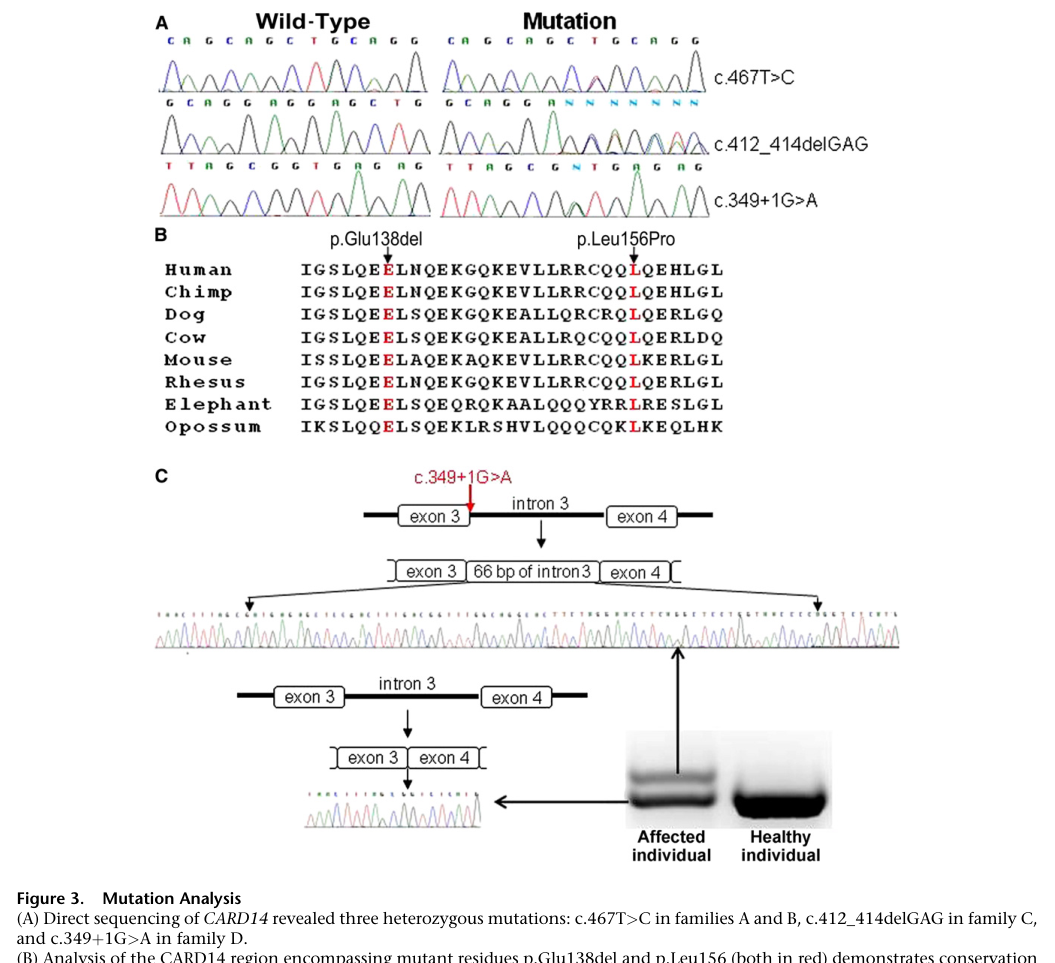
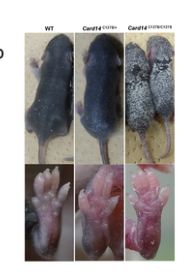
Reference Validation
Checked with linkml-reference-validator 0.3.0.
| Outcome | Count |
|---|---|
| References checked | 15 |
| Resolved | 15 |
| Unresolved (possible confabulation) | 0 |
| Unverifiable | 0 |
| References weighed for topical relevance | 15 |
| On topic | 7 |
| Off topic | 0 |
All extracted references resolved successfully.
Term Validation
Checked with linkml-term-validator 0.4.5, through the ols: adapter.
| Outcome | Count |
|---|---|
| Terms checked | 2 |
| Resolved | 2 |
| Unresolved (possible confabulation) | 0 |
| Obsolete | 0 |
| Unverifiable | 0 |
| Terms whose name was checked | 1 |
| Terms named correctly | 0 |
| Terms named as a different term | 1 |
Terms the report names something else
These identifiers resolve, so nothing about them looks wrong, and the ontology calls them something unrelated to what the report calls them. That usually means the identifier is not the one the sentence needs:
MONDO:0008251(2 mentions) - the report calls it "if available"; MONDO calls it familial pityriasis rubra pilaris