Chondrocalcinosis 2
Chondrocalcinosis 2 (CCAL2; familial calcium pyrophosphate dihydrate crystal deposition disease, OMIM 118600) is an autosomal dominant disorder caused by heterozygous variants in ANKH, the gene encoding the multipass transmembrane protein ANK that exports intracellular inorganic pyrophosphate (PPi) into the extracellular matrix. The disease-causing variants cluster at the amino terminus (P5L, P5T, P5S, M48T, and a 5'-UTR change creating an upstream start codon) with one carboxy-terminal codon deletion (E490del), and they behave as gain-of-function alleles: they raise extracellular PPi in chondrocyte culture and rescue, rather than phenocopy, the Ank-null mouse. Excess extracellular PPi in articular cartilage precipitates with calcium as calcium pyrophosphate dihydrate (CPPD) crystals in hyaline cartilage and fibrocartilage. The deposits are seen radiographically as chondrocalcinosis, typically from the third or fourth decade and usually in many joints, and clinically they drive two patterns of arthritis: recurrent acute CPP crystal arthritis (pseudogout), in which crystals activate the NLRP3 inflammasome and an IL-1-beta-dependent neutrophilic synovitis, and a chronic degenerative, osteoarthritis-like arthropathy. Involvement of intervertebral discs and entheses has been described in familial cases. Scope. This entry covers the ANKH-driven familial disease only. Sporadic, age-associated CPPD disease, chondrocalcinosis secondary to haemochromatosis, hyperparathyroidism, hypomagnesaemia or hypophosphatasia, and the CCAL1 form (chromosome 8q, TNFRSF11B) are different entities and are not curated here. The allelic ANKH disorder craniometaphyseal dysplasia, in which ANKH variants abolish pyrophosphate transport and the phenotype is a sclerosing bone dysplasia without joint crystals, is curated separately in Craniometaphyseal_Dysplasia.
Ask OpenScientist
Ask a research question about Chondrocalcinosis 2. OpenScientist will conduct autonomous deep research using the Disorder Mechanisms Knowledge Base and PubMed literature (typically 10-30 minutes).
Do not include personal health information in your question. Questions and results are cached in your browser's local storage.
Classifications
Inheritance
1Show evidence (2 references)
Discussions and Knowledge Gaps
1Show evidence (4 references)
Pathophysiology
7Show evidence (3 references)
Show evidence (4 references)
Show evidence (3 references)
Show evidence (3 references)
Show evidence (3 references)
Show evidence (2 references)
Show evidence (3 references)
Pathograph
Phenotypes
6Metabolism 1
Show evidence (1 reference)
Musculoskeletal 4
Show evidence (3 references)
Show evidence (3 references)
Show evidence (3 references)
Show evidence (2 references)
Constitutional 1
Show evidence (2 references)
Genetic Associations
1Show evidence (4 references)
Variants (6)
Show evidence (1 reference)
Show evidence (1 reference)
Show evidence (2 references)
Show evidence (2 references)
Show evidence (1 reference)
Show evidence (2 references)
Medical Actions
7Show evidence (2 references)
Show evidence (4 references)
Show evidence (2 references)
Show evidence (2 references)
Show evidence (3 references)
Show evidence (1 reference)
Show evidence (2 references)
Diagnosis
3Show evidence (2 references)
Show evidence (3 references)
Show evidence (1 reference)
Prevalence
1Show evidence (1 reference)
Clinical Trials
2Show evidence (2 references)
Show evidence (1 reference)
Animal Models
2Show evidence (2 references)
Show evidence (2 references)
Show evidence (1 reference)
Show evidence (1 reference)
Show evidence (1 reference)
Source YAML
click to showname: Chondrocalcinosis 2
creation_date: "2026-10-13T00:00:00Z"
category: Mendelian
description: >-
Chondrocalcinosis 2 (CCAL2; familial calcium pyrophosphate dihydrate crystal
deposition disease, OMIM 118600) is an autosomal dominant disorder caused by
heterozygous variants in ANKH, the gene encoding the multipass transmembrane
protein ANK that exports intracellular inorganic pyrophosphate (PPi) into the
extracellular matrix. The disease-causing variants cluster at the amino
terminus (P5L, P5T, P5S, M48T, and a 5'-UTR change creating an upstream start
codon) with one carboxy-terminal codon deletion (E490del), and they behave as
gain-of-function alleles: they raise extracellular PPi in chondrocyte culture
and rescue, rather than phenocopy, the Ank-null mouse. Excess extracellular
PPi in articular cartilage precipitates with calcium as calcium pyrophosphate
dihydrate (CPPD) crystals in hyaline cartilage and fibrocartilage. The
deposits are seen radiographically as chondrocalcinosis, typically from the
third or fourth decade and usually in many joints, and clinically they drive
two patterns of arthritis: recurrent acute CPP crystal arthritis (pseudogout),
in which crystals activate the NLRP3 inflammasome and an IL-1-beta-dependent
neutrophilic synovitis, and a chronic degenerative, osteoarthritis-like
arthropathy. Involvement of intervertebral discs and entheses has been
described in familial cases.
Scope. This entry covers the ANKH-driven familial disease only. Sporadic,
age-associated CPPD disease, chondrocalcinosis secondary to haemochromatosis,
hyperparathyroidism, hypomagnesaemia or hypophosphatasia, and the CCAL1 form
(chromosome 8q, TNFRSF11B) are different entities and are not curated here.
The allelic ANKH disorder craniometaphyseal dysplasia, in which ANKH variants
abolish pyrophosphate transport and the phenotype is a sclerosing bone
dysplasia without joint crystals, is curated separately in
Craniometaphyseal_Dysplasia.
synonyms:
- familial calcium pyrophosphate dihydrate crystal deposition disease
- familial calcium pyrophosphate deposition disease
- familial CPPD
- familial chondrocalcinosis
- familial articular chondrocalcinosis
- CCAL2
- chondrocalcinosis type 2
disease_term:
preferred_term: chondrocalcinosis 2
term:
id: MONDO:0007319
label: chondrocalcinosis 2
parents:
- Musculoskeletal Disease
- Metabolic Disease
classifications:
harrisons_chapter:
- classification_value: IMMUNE_RHEUMATOLOGIC
notes: A crystal arthritis; the clinical home is rheumatology.
evidence:
- reference: PMID:27355536
reference_title: "Calcium Pyrophosphate Deposition Disease."
supports: SUPPORT
evidence_source: OTHER
quote_role: REVIEW_SYNTHESIS
snippet: "Calcium pyrophosphate deposition (CPPD) disease is arthritis caused by calcium pyrophosphate (CPP) crystals"
explanation: The disease is defined as an arthritis, which places it in the rheumatologic chapter.
notes: >-
Relationship to Craniometaphyseal_Dysplasia. Both diseases are caused by
heterozygous ANKH variants, but at opposite ends of the pyrophosphate axis
and in different parts of the protein. CMD variants cluster in the middle of
ANKH, transport no pyrophosphate in oocytes and cannot rescue Ank-null mice;
the chondrocalcinosis variants sit near either end of the protein, retain
transport activity, rescue the null mouse, and raise extracellular PPi. The
CMD entry carries the loss-of-function chain, the Ank knock-in and null
mouse models, and the mineralization-module scoping note; none of that is
repeated here, and this entry declares no `conforms_to` against the
`defective_skeletal_mineralization` module for the mirror-image reason that
entry gives: CPPD crystal deposition is excess precipitation of an alternative
mineral, not failure of hydroxyapatite deposition.
One ANKH variant, G389R, has been reported in both CMD and a CPPD case, so
the protein-region rule is a tendency rather than a boundary.
Direction of the ANKH defect. The 2002 Williams report postulated loss of
function; the 2002 Pendleton report and the 2004 and 2006 chondrocyte studies
showed increased activity or increased extracellular PPi; and the 2006 oocyte
transport assay found the chondrocalcinosis mutants indistinguishable from
wild type. The entry records gain of function because that is what the
functional data and the mouse rescue support, and carries the disagreement as
a `CONTROVERSY` discussion rather than resolving it.
Orphanet. MONDO:0007319 cross-references ORPHA:1416, "Familial calcium
pyrophosphate deposition", but that record is not among the leaf disorders
in the local Orphadata cache (no references_cache/ORPHA_1416.md), so it is
not cited here.
ClinGen. The ClinGen gene-validity export of 2026-01-24 carries no assertion
for ANKH in any disease, so no `gene_disease_validity` tier is recorded.
GeneReviews. No GeneReviews chapter covers this disease or any of its
synonyms (Bookshelf index of 2026-09-10 and a PubMed title search). The
StatPearls chapter on calcium pyrophosphate deposition disease covers the
common sporadic disease and does not address the familial form, so it is
not cited.
Clinical trials. Every registered trial in CPPD disease enrols the common
sporadic disease without ANKH genotyping; the two recorded here are kept
because one is the only large randomized trial of acute-attack therapy and
the other the only trial aimed at the pyrophosphate axis.
inheritance:
- name: Autosomal dominant
inheritance_term:
preferred_term: Autosomal dominant inheritance
term:
id: HP:0000006
label: Autosomal dominant inheritance
description: >-
Heterozygous ANKH variants segregate with disease in every reported CCAL2
kindred; affected members are heterozygotes and the variants are absent
from controls.
evidence:
- reference: PMID:12297989
reference_title: "Autosomal dominant familial calcium pyrophosphate dihydrate deposition disease is caused by mutation in the transmembrane protein ANKH."
supports: SUPPORT
evidence_source: HUMAN_CLINICAL
snippet: "Familial autosomal dominant calcium pyrophosphate dihydrate (CPPD) chondrocalcinosis has previously been mapped to chromosome 5p15. We have identified a mutation in the ANKH gene that segregates with the disease in a family with this condition."
explanation: Establishes the autosomal dominant pattern and the segregating ANKH variant in a CCAL2 family.
- reference: PMID:13130483
reference_title: "Mutations in the amino terminus of ANKH in two US families with calcium pyrophosphate dihydrate crystal deposition disease."
supports: SUPPORT
evidence_source: HUMAN_CLINICAL
snippet: "All affected members were heterozygous for the P-to-T variant, and the mutation was not seen in 204 control alleles."
explanation: Heterozygosity in every affected member of two unrelated families is the dominant pattern.
prevalence:
- population: General population
measure_type: UNKNOWN
prevalence_class: RARE
notes: >-
No numeric estimate for the familial form is published; the literature
describes it only as a rare familial presentation of CPPD disease, which
itself is common with ageing.
evidence:
- reference: PMID:12707589
reference_title: "Familial calcium pyrophosphate dihydrate deposition disease and the ANKH gene."
supports: SUPPORT
evidence_source: OTHER
quote_role: REVIEW_SYNTHESIS
snippet: "Rarely, crystal deposition presents as a familial disorder."
explanation: The review states the familial form is rare without giving a figure, which is all the qualitative band asserts.
genetic:
- name: ANKH
gene_term:
preferred_term: ANKH
term:
id: hgnc:15492
label: ANKH
relationship_type: CAUSATIVE
variant_origin: GERMLINE
notes: >-
ANKH encodes a 492-residue multipass transmembrane protein that moves
intracellular inorganic pyrophosphate into the extracellular matrix. The
CCAL2 variants are small (one to four residues) and cluster at the amino
terminus, with one carboxy-terminal single-codon deletion; functionally they
increase ANK activity or abundance rather than removing it.
evidence:
- reference: PMID:12297987
reference_title: "Mutations in ANKH cause chondrocalcinosis."
supports: SUPPORT
evidence_source: HUMAN_CLINICAL
snippet: "Here, we show that two previously described families with CCAL2 have mutations in the human homolog of the mouse progressive ankylosis gene (ANKH)."
explanation: Gene identification in the two linked CCAL2 families.
- reference: PMID:12297987
reference_title: "Mutations in ANKH cause chondrocalcinosis."
supports: SUPPORT
evidence_source: HUMAN_CLINICAL
snippet: "Both mutations segregate completely with disease status and are not found in control subjects."
explanation: Segregation and absence from controls support a causative relationship.
- reference: PMID:15951203
reference_title: "Genetics of chondrocalcinosis."
supports: SUPPORT
evidence_source: OTHER
quote_role: REVIEW_SYNTHESIS
snippet: "In CPPD disease, mutations in a recently discovered gene, ANKH, have been demonstrated in five affected families and may also be associated with the idiopathic deposition of calcium pyrophosphate dihydrate crystals."
explanation: Review tallying the independent families with ANKH variants.
- reference: PMID:17186460
reference_title: "Biochemical and genetic analysis of ANK in arthritis and bone disease."
supports: SUPPORT
evidence_source: OTHER
quote_role: BACKGROUND
snippet: "The familial CCAL2 mutations cluster at the N terminus of the ANKH protein, and each results in a change of only 1-4 aa."
explanation: States the clustering and small size of the CCAL2 variants, from the introduction of a transport-assay paper.
variants:
- name: p.Met48Thr (M48T)
description: >-
Missense substitution of a conserved residue in a predicted transmembrane
segment, found in the British CCAL2 family.
gene:
preferred_term: ANKH
term:
id: hgnc:15492
label: ANKH
clinical_significance: PATHOGENIC
type: missense_variant
variant_type: single nucleotide variant
evidence:
- reference: PMID:12297987
reference_title: "Mutations in ANKH cause chondrocalcinosis."
supports: SUPPORT
evidence_source: HUMAN_CLINICAL
snippet: "One of the human mutations results in the substitution of a highly conserved amino acid residue within a predicted transmembrane segment."
explanation: Describes the transmembrane missense variant in one of the two linked families.
- name: c.-11C>T (5'-UTR upstream start codon)
description: >-
A 5'-untranslated-region change that creates a new ATG and adds four
residues to the amino terminus of ANKH, found in the French (Alsace)
CCAL2 family.
gene:
preferred_term: ANKH
term:
id: hgnc:15492
label: ANKH
clinical_significance: PATHOGENIC
type: 5_prime_UTR_variant
variant_type: single nucleotide variant
evidence:
- reference: PMID:12297987
reference_title: "Mutations in ANKH cause chondrocalcinosis."
supports: SUPPORT
evidence_source: HUMAN_CLINICAL
snippet: "The other creates a new ATG start site that adds four additional residues to the ANKH protein."
explanation: Describes the upstream start-codon variant in the second linked family.
- name: p.Pro5Leu (P5L)
description: >-
Amino-terminal missense variant reported in an Argentine family of
northern Italian ancestry; the variant with the strongest increase in
extracellular PPi in chondrocyte culture.
gene:
preferred_term: ANKH
term:
id: hgnc:15492
label: ANKH
clinical_significance: PATHOGENIC
type: missense_variant
variant_type: single nucleotide variant
evidence:
- reference: PMID:13130483
reference_title: "Mutations in the amino terminus of ANKH in two US families with calcium pyrophosphate dihydrate crystal deposition disease."
supports: SUPPORT
evidence_source: HUMAN_CLINICAL
snippet: "This same position (P5) was the site of a missense mutation in an Argentine family of northern Italian ancestry; however, the sequence variant in that family generated a P5L mutation."
explanation: Names the P5L variant and the family it was found in.
- reference: PMID:17067391
reference_title: "P5L mutation in Ank results in an increase in extracellular inorganic pyrophosphate during proliferation and nonmineralizing hypertrophy in stably transduced ATDC5 cells."
supports: SUPPORT
evidence_source: IN_VITRO
snippet: "The cell line expressing the proline to leucine mutation at position 5 (P5L) consistently displayed higher levels of extracellular inorganic pyrophosphate and higher phosphodiesterase activity than the other transduced lines."
explanation: Functional consequence of P5L in a mineralization-competent chondrogenic cell line.
- name: p.Pro5Thr (P5T)
description: >-
Amino-terminal missense variant found independently in two unrelated US
families on distinct haplotypes; codon 5 is a mutational hot spot.
gene:
preferred_term: ANKH
term:
id: hgnc:15492
label: ANKH
clinical_significance: PATHOGENIC
type: missense_variant
variant_type: single nucleotide variant
evidence:
- reference: PMID:13130483
reference_title: "Mutations in the amino terminus of ANKH in two US families with calcium pyrophosphate dihydrate crystal deposition disease."
supports: SUPPORT
evidence_source: HUMAN_CLINICAL
snippet: "The two US families displayed the same mutation at position 5 of the ANKH gene product (P5T)."
explanation: Identifies the P5T variant in two linked families.
- reference: PMID:13130483
reference_title: "Mutations in the amino terminus of ANKH in two US families with calcium pyrophosphate dihydrate crystal deposition disease."
supports: SUPPORT
evidence_source: HUMAN_CLINICAL
snippet: "the evolutionarily conserved P5 position of ANKH may represent a hot spot for mutation in families with autosomal-dominant CPPD"
explanation: Three independent families carry a codon-5 substitution.
- name: p.Pro5Ser (P5S)
description: >-
Third substitution at codon 5, reported in a woman with early-onset,
widespread CPPD and inherited from her affected father.
gene:
preferred_term: ANKH
term:
id: hgnc:15492
label: ANKH
clinical_significance: LIKELY_PATHOGENIC
type: missense_variant
variant_type: single nucleotide variant
evidence:
- reference: PMID:22647861
reference_title: "Novel ANKH amino terminus mutation (Pro5Ser) associated with early-onset calcium pyrophosphate disease with associated phosphaturia."
supports: SUPPORT
evidence_source: HUMAN_CLINICAL
snippet: "a novel isolated nonsynonymous mutation (c.13 C>T), altering amino acid in codon 5 from proline to serine (CCG>TCG)"
explanation: Identifies the variant; it segregated to the affected father but has no functional assay, hence likely pathogenic.
- name: p.Glu490del (E490del)
description: >-
Single-codon deletion at the carboxy terminus, first found in a UK
patient with sporadic chondrocalcinosis and in her sister; in transfected
chondrocytes the mutant protein is retained in the cytoplasm yet still
increases mineralization.
gene:
preferred_term: ANKH
term:
id: hgnc:15492
label: ANKH
clinical_significance: LIKELY_PATHOGENIC
type: inframe_deletion
variant_type: deletion
evidence:
- reference: PMID:12297987
reference_title: "Mutations in ANKH cause chondrocalcinosis."
supports: SUPPORT
evidence_source: HUMAN_CLINICAL
snippet: "In addition, 1 of 95 U.K. patients with sporadic CC showed a deletion of a single codon in the ANKH gene. The same change was found in a sister who had bilateral knee replacement for osteoarthritis."
explanation: First report of the codon deletion, in a sibling pair rather than a linked pedigree.
- reference: PMID:32366894
reference_title: "Differences in intracellular localisation of ANKH mutants that relate to mechanisms of calcium pyrophosphate deposition disease and craniometaphyseal dysplasia."
supports: SUPPORT
evidence_source: IN_VITRO
snippet: "E490del remained mostly cytoplasmic, forming punctate co-localisations with LC3, increased mineralization, ENPP1 and ENPP1 activity"
explanation: Cellular behaviour of the E490del mutant in CH-8 chondrocytes.
pathophysiology:
- name: ANKH Gain-of-Function Variant
biological_scale: MOLECULAR
description: >-
The initiating lesion. Heterozygous amino-terminal (or, for E490del,
carboxy-terminal) ANKH variants increase the activity or abundance of the
ANK pyrophosphate exporter rather than removing it: in a cellular PPi assay
all three original human variants were more active than the mouse ank
nonsense allele, and in a direct oocyte transport assay the chondrocalcinosis
mutants retain wild-type transport and rescue the Ank-null joint phenotype,
which the loss-of-function CMD mutants cannot do.
genetic_context:
gene:
preferred_term: ANKH
term:
id: hgnc:15492
label: ANKH
variant_origin: GERMLINE
zygosity: HETEROZYGOUS
functional_impact_category: GAIN_OF_FUNCTION
description: >-
The category is set from the cellular PPi and mouse-rescue data; see the
CONTROVERSY discussion for the published dissent.
genes:
- preferred_term: ANKH
term:
id: hgnc:15492
label: ANKH
molecular_functions:
- preferred_term: ANK inorganic pyrophosphate transmembrane exporter activity
term:
id: GO:0022857
label: transmembrane transporter activity
modifier: INCREASED
description: >-
GO has no live molecular-function term for inorganic pyrophosphate
(diphosphate) transmembrane transport. GO:0030504 "inorganic diphosphate
transmembrane transporter activity" exists but is obsolete, and OLS
records GO:0022857 as its replacement. OLS searches of GO for "inorganic
diphosphate transmembrane transporter activity", "pyrophosphate
transmembrane transporter" and "diphosphate transport" return only the
thiamine- and isopentenyl-pyrophosphate transporter activities, the
diphosphate-hydrolysis-driven proton transporter (GO:0009678) and the
biological process GO:0030505, which is bound on the export node. The
parent transporter activity is bound instead. GO:0005347 ATP
transmembrane transporter activity, annotated to ANKH from the ATP-efflux
model, is deliberately not bound here because the functional assays the
node cites measure pyrophosphate, not ATP, transport.
evidence:
- reference: PMID:12297987
reference_title: "Mutations in ANKH cause chondrocalcinosis."
supports: SUPPORT
evidence_source: IN_VITRO
snippet: "All three of the human mutations showed significantly more activity than a previously described nonsense mutation that causes severe hydroxyapatite mineral deposition and widespread joint ankylosis in mice."
explanation: The reconstructed human variants are more active, not less, in the cellular pyrophosphate assay.
- reference: PMID:15474385
reference_title: "The ANKH gene and familial calcium pyrophosphate dihydrate deposition disease."
supports: SUPPORT
evidence_source: OTHER
quote_role: REVIEW_SYNTHESIS
snippet: "Numerous ANKH gene mutations cause familial CCAL2; they enhance ANKH protein activity, thereby elevating extracellular pyrophosphate levels and promoting the formation of pyrophosphate crystals, which produce the manifestations of the disease."
explanation: Review statement of the gain-of-function model for the whole chain.
- reference: PMID:17186460
reference_title: "Biochemical and genetic analysis of ANK in arthritis and bone disease."
supports: SUPPORT
directness: INDIRECT
evidence_source: MODEL_ORGANISM
snippet: "Chondrocalcinosis mutations retain apparently wild-type transport activity and can rescue the joint-fusion phenotype of Ank null mice."
explanation: Rescue of the null mouse shows the variants are not loss-of-function alleles; it does not by itself show a gain, hence INDIRECT.
downstream:
- target: Increased Chondrocyte Pyrophosphate Export
causal_link_type: DIRECT
description: >-
The mutant exporter raises extracellular PPi when expressed in
chondrocytes.
evidence:
- reference: PMID:17067391
reference_title: "P5L mutation in Ank results in an increase in extracellular inorganic pyrophosphate during proliferation and nonmineralizing hypertrophy in stably transduced ATDC5 cells."
supports: SUPPORT
evidence_source: IN_VITRO
snippet: "These results suggest that the P5L Ank mutant is capable of demonstrating a gain-of-function with respect to extracellular inorganic pyrophosphate elaboration"
explanation: The edge claim stated directly for the P5L variant in a chondrogenic cell line.
- name: Increased Chondrocyte Pyrophosphate Export
biological_scale: CELLULAR
description: >-
ANK sits in the chondrocyte plasma membrane and exports intracellular PPi
into the matrix. Chondrocytes expressing CCAL2-mutant ANK release more
extracellular PPi than cells expressing wild-type ANK, most consistently for
P5L; the 5'-UTR and E490del variants also increase ANKH translation in
vitro, so part of the effect may be more protein rather than a faster
transporter. Later work models ANK as also mediating ATP efflux, with
extracellular ENPP1 converting the ATP to pyrophosphate; by either route
the net output of the node is more matrix pyrophosphate.
cell_types:
- preferred_term: articular chondrocyte
term:
id: CL:1001607
label: articular chondrocyte
biological_processes:
- preferred_term: inorganic pyrophosphate export from chondrocytes
term:
id: GO:0030505
label: inorganic diphosphate transport
modifier: INCREASED
evidence:
- reference: PMID:32366894
reference_title: "Differences in intracellular localisation of ANKH mutants that relate to mechanisms of calcium pyrophosphate deposition disease and craniometaphyseal dysplasia."
supports: SUPPORT
evidence_source: IN_VITRO
snippet: "P5L delayed cell membrane localisation but once recruited into the membrane it increased extracellular inorganic pyrophosphate, mineralization, and ENPP1 activity."
explanation: Direct measurement of extracellular PPi from chondrocytes expressing the P5L mutant.
- reference: PMID:15818664
reference_title: "Association of sporadic chondrocalcinosis with a -4-basepair G-to-A transition in the 5'-untranslated region of ANKH that promotes enhanced expression of ANKH protein and excess generation of extracellular inorganic pyrophosphate."
supports: SUPPORT
evidence_source: IN_VITRO
snippet: "This -4-bp transition, as well as 2 mutations previously linked with familial and sporadic chondrocalcinosis (+14 bp C-to-T and C-terminal GAG deletion, respectively), but not the French familial chondrocalcinosis kindred 143-bp T-to-C mutation, increased reticulocyte ANKH transcription/ANKH translation in vitro."
explanation: Shows that two of the heritable variants raise ANKH protein output, one route to more export; also records that the M48T (143 T-to-C) variant does not.
- reference: PMID:32366894
reference_title: "Differences in intracellular localisation of ANKH mutants that relate to mechanisms of calcium pyrophosphate deposition disease and craniometaphyseal dysplasia."
supports: SUPPORT
evidence_source: OTHER
quote_role: BACKGROUND
snippet: "whilst ANKH exports intracellular PPi (iPPi) into the ECM"
explanation: States the normal direction of ANKH transport that the node's INCREASED modifier is applied to.
- reference: clinicaltrials:NCT02243631
reference_title: "ANK-dependent ATP Efflux Causes Calcium Pyrophosphate Deposition in Cartilage"
supports: SUPPORT
directness: INDIRECT
evidence_source: OTHER
quote_role: BACKGROUND
snippet: "There is good evidence that CPPD results from an excess of ATP in joints."
explanation: Background statement in a trial registration for the ATP-efflux route to pyrophosphate excess; cited for the route, not as a measurement.
downstream:
- target: Extracellular Pyrophosphate Excess in Articular Cartilage
causal_link_type: DIRECT
description: >-
More export from chondrocytes raises the pyrophosphate concentration of
the cartilage matrix.
evidence:
- reference: PMID:22647861
reference_title: "Novel ANKH amino terminus mutation (Pro5Ser) associated with early-onset calcium pyrophosphate disease with associated phosphaturia."
supports: SUPPORT
evidence_source: OTHER
quote_role: BACKGROUND
snippet: "promoting CPPD crystal deposition via extracellular matrix PPi supersaturation"
explanation: The authors' statement of the proposed link from chondrocyte PPi leakage to matrix supersaturation.
- name: Extracellular Pyrophosphate Excess in Articular Cartilage
biological_scale: TISSUE
description: >-
Pyrophosphate in cartilage is normally generated from extracellular ATP by
ENPP1 and degraded by alkaline phosphatase; at physiological levels it
inhibits hydroxyapatite formation. In CCAL2 the exporter pushes matrix PPi
above the concentration at which it instead precipitates with calcium.
Lymphocytes and fibroblasts from familial CPPD patients also carry high
PPi, so the excess is systemic even though the deposits are articular.
chemical_entities:
- preferred_term: extracellular inorganic pyrophosphate
term:
id: CHEBI:18361
label: diphosphate(4-)
modifier: INCREASED
locations:
- preferred_term: articular cartilage
term:
id: UBERON:0010996
label: articular cartilage of joint
evidence:
- reference: PMID:39089298
reference_title: "Calcium pyrophosphate deposition disease."
supports: SUPPORT
evidence_source: OTHER
quote_role: REVIEW_SYNTHESIS
snippet: "CPPD is caused by elevated extracellular-pyrophosphate concentrations in the cartilage and causes inflammation by activation of the NLRP3 inflammasome."
explanation: Review statement that cartilage PPi excess is the proximate cause of CPPD.
- reference: PMID:27355536
reference_title: "Calcium Pyrophosphate Deposition Disease."
supports: SUPPORT
evidence_source: HUMAN_CLINICAL
quote_role: REVIEW_SYNTHESIS
snippet: "Lymphocytes and skin fibroblasts from patients with familial CPPD disease show high levels of inorganic pyrophosphate"
explanation: Patient cells from the familial disease carry elevated PPi.
- reference: PMID:27355536
reference_title: "Calcium Pyrophosphate Deposition Disease."
supports: SUPPORT
evidence_source: OTHER
quote_role: REVIEW_SYNTHESIS
snippet: "In cartilage, most inorganic pyrophosphate is generated from extracellular ATP."
explanation: Background on the normal source of cartilage PPi that ANKH-driven export adds to.
downstream:
- target: Calcium Pyrophosphate Crystal Deposition in Hyaline and Fibrocartilage
causal_link_type: DIRECT
description: >-
Above its solubility limit pyrophosphate precipitates with calcium as
CPPD crystals.
evidence:
- reference: PMID:17186460
reference_title: "Biochemical and genetic analysis of ANK in arthritis and bone disease."
supports: SUPPORT
evidence_source: OTHER
quote_role: BACKGROUND
snippet: "when present at high levels, PPi itself can precipitate with calcium ions to form an alternative type of crystal"
explanation: The chemical step linking PPi excess to CPPD crystal formation, stated in the paper's introduction.
- name: Calcium Pyrophosphate Crystal Deposition in Hyaline and Fibrocartilage
biological_scale: TISSUE
description: >-
CPPD crystals deposit within articular hyaline cartilage and fibrocartilage
(menisci, triangular fibrocartilage, symphysis pubis) and, in familial
disease, also in intervertebral discs and at entheses. The deposits are the
radiographic sign chondrocalcinosis and the substrate for both the acute
and the chronic arthritis.
chemical_entities:
- preferred_term: calcium pyrophosphate dihydrate crystals
term:
id: CHEBI:32598
label: calcium diphosphate
modifier: INCREASED
locations:
- preferred_term: articular hyaline cartilage
term:
id: UBERON:0010996
label: articular cartilage of joint
- preferred_term: fibrocartilage
term:
id: UBERON:0001995
label: fibrocartilage
evidence:
- reference: PMID:22647861
reference_title: "Novel ANKH amino terminus mutation (Pro5Ser) associated with early-onset calcium pyrophosphate disease with associated phosphaturia."
supports: SUPPORT
evidence_source: OTHER
quote_role: BACKGROUND
snippet: "Calcium pyrophosphate disease (CPPD) is characterized by deposition of calcium pyrophosphate (CPP) crystals within articular hyaline and fibrocartilages, as well as certain soft tissues."
explanation: States the tissue distribution of CPP crystal deposits.
- reference: PMID:22647861
reference_title: "Novel ANKH amino terminus mutation (Pro5Ser) associated with early-onset calcium pyrophosphate disease with associated phosphaturia."
supports: SUPPORT
evidence_source: HUMAN_CLINICAL
snippet: "Radiographs of multiple regions revealed extensive CC of small and large joints within the articular cartilage and fibrocartilage, as well as along tendon insertions in the feet"
explanation: Radiographic deposits in hyaline cartilage, fibrocartilage and entheses in an ANKH P5S proband.
- reference: PMID:17186460
reference_title: "Biochemical and genetic analysis of ANK in arthritis and bone disease."
supports: SUPPORT
evidence_source: OTHER
quote_role: BACKGROUND
snippet: "the crystals found in the joints of patients with CCAL2 are composed of CPPD and do not appear until the 3rd or 4th decade of life"
explanation: Crystal composition and age of appearance in CCAL2, contrasted with the hydroxyapatite of the mouse.
downstream:
- target: NLRP3 Inflammasome Activation by CPP Crystals
causal_link_type: DIRECT
description: >-
Shed crystals are sensed by synovial macrophages as a danger signal.
evidence:
- reference: PMID:39089298
reference_title: "Calcium pyrophosphate deposition disease."
supports: SUPPORT
evidence_source: OTHER
quote_role: REVIEW_SYNTHESIS
snippet: "Calcium pyrophosphate deposition (CPPD) disease is a consequence of the immune response to the pathological presence of calcium pyrophosphate (CPP) crystals inside joints, which causes acute or chronic inflammatory arthritis."
explanation: The crystals, once present in the joint, are what the immune response is to.
- target: Crystal-Driven Cartilage Matrix Degradation
causal_link_type: DIRECT
description: >-
Crystals act directly on chondrocytes and synoviocytes and alter the
mechanics of the cartilage they sit in.
evidence:
- reference: PMID:27355536
reference_title: "Calcium Pyrophosphate Deposition Disease."
supports: SUPPORT
evidence_source: OTHER
quote_role: REVIEW_SYNTHESIS
snippet: "CPP crystal deposits in articular cartilage also alter the mechanical properties of cartilage, which may cause or accelerate joint damage"
explanation: Direct mechanical route from deposits to joint damage.
- target: Chondrocalcinosis
causal_link_type: DIRECT
description: >-
The deposits themselves are what radiographs and ultrasound detect as
chondrocalcinosis.
evidence:
- reference: PMID:12297987
reference_title: "Mutations in ANKH cause chondrocalcinosis."
supports: SUPPORT
evidence_source: OTHER
quote_role: BACKGROUND
snippet: "Chondrocalcinosis (CC) is a common cause of joint pain and arthritis that is caused by the deposition of calcium-containing crystals within articular cartilage."
explanation: Defines chondrocalcinosis as the crystal deposition itself.
- target: Intervertebral disk calcification
causal_link_type: DIRECT
description: >-
In familial disease the same deposits form in the fibrocartilage of the
intervertebral discs and are seen as disc calcification.
evidence:
- reference: PMID:22647861
reference_title: "Novel ANKH amino terminus mutation (Pro5Ser) associated with early-onset calcium pyrophosphate disease with associated phosphaturia."
supports: SUPPORT
evidence_source: HUMAN_CLINICAL
snippet: "In addition, calcifications were observed throughout the spine within intervertebral disks"
explanation: Disc deposits on radiographs of an ANKH P5S proband.
- name: NLRP3 Inflammasome Activation by CPP Crystals
biological_scale: CELLULAR
description: >-
CPPD crystals engage the caspase-1-activating NLRP3 (NALP3) inflammasome
in macrophages, producing active IL-1-beta and IL-18. Macrophages lacking
NLRP3, ASC or caspase-1 cannot mount the crystal-induced IL-1-beta
response.
cell_types:
- preferred_term: macrophage
term:
id: CL:0000235
label: macrophage
biological_processes:
- preferred_term: NLRP3 inflammasome complex assembly
term:
id: GO:0044546
label: NLRP3 inflammasome complex assembly
modifier: INCREASED
- preferred_term: interleukin-1 beta production
term:
id: GO:0032611
label: interleukin-1 beta production
modifier: INCREASED
evidence:
- reference: PMID:16407889
reference_title: "Gout-associated uric acid crystals activate the NALP3 inflammasome."
supports: SUPPORT
evidence_source: IN_VITRO
snippet: "Here we show that MSU and CPPD engage the caspase-1-activating NALP3 (also called cryopyrin) inflammasome, resulting in the production of active interleukin (IL)-1beta and IL-18."
explanation: The original demonstration that CPPD crystals activate the NLRP3 inflammasome in macrophages.
- reference: PMID:16407889
reference_title: "Gout-associated uric acid crystals activate the NALP3 inflammasome."
supports: SUPPORT
evidence_source: IN_VITRO
snippet: "Macrophages from mice deficient in various components of the inflammasome such as caspase-1, ASC and NALP3 are defective in crystal-induced IL-1beta activation."
explanation: Genetic dependence of crystal-induced IL-1beta on the inflammasome components.
- reference: PMID:27355536
reference_title: "Calcium Pyrophosphate Deposition Disease."
supports: SUPPORT
evidence_source: OTHER
quote_role: REVIEW_SYNTHESIS
snippet: "They initiate inflammation by activating components of the NLRP3 inflammasome"
explanation: Review placing inflammasome activation as the first inflammatory step after crystal formation.
downstream:
- target: Neutrophilic Crystal Synovitis
causal_link_type: DIRECT
description: >-
IL-1-beta released by the inflammasome recruits neutrophils into the
joint.
evidence:
- reference: PMID:16407889
reference_title: "Gout-associated uric acid crystals activate the NALP3 inflammasome."
supports: SUPPORT
evidence_source: MODEL_ORGANISM
snippet: "Moreover, an impaired neutrophil influx is found in an in vivo model of crystal-induced peritonitis in inflammasome-deficient mice or mice deficient in the IL-1beta receptor (IL-1R)."
explanation: Crystal-induced neutrophil influx depends on the inflammasome and on IL-1 receptor signalling in vivo.
- name: Neutrophilic Crystal Synovitis
biological_scale: TISSUE
description: >-
The acute attack: an IL-1-dependent neutrophil-rich synovitis of one or a
few joints, clinically indistinguishable from gout, with warmth, erythema
and swelling, which is self-limited over days to weeks and recurs. Crystals
also drive neutrophil extracellular trap formation.
cell_types:
- preferred_term: neutrophil
term:
id: CL:0000775
label: neutrophil
biological_processes:
- preferred_term: neutrophil chemotaxis into the joint
term:
id: GO:0030593
label: neutrophil chemotaxis
modifier: INCREASED
- preferred_term: acute inflammatory response
term:
id: GO:0002526
label: acute inflammatory response
modifier: INCREASED
evidence:
- reference: PMID:27355536
reference_title: "Calcium Pyrophosphate Deposition Disease."
supports: SUPPORT
evidence_source: HUMAN_CLINICAL
quote_role: REVIEW_SYNTHESIS
snippet: "The vigorous inflammatory response to CPP crystals manifests as warmth, erythema, and swelling in and around the affected joint, and the clinical picture is often indistinguishable from acute gouty arthritis"
explanation: Clinical description of the acute crystal synovitis.
- reference: PMID:16407889
reference_title: "Gout-associated uric acid crystals activate the NALP3 inflammasome."
supports: SUPPORT
evidence_source: OTHER
quote_role: BACKGROUND
snippet: "Development of the acute and chronic inflammatory responses known as gout and pseudogout are associated with the deposition of monosodium urate (MSU) or calcium pyrophosphate dihydrate (CPPD) crystals, respectively, in joints and periarticular tissues."
explanation: Links the acute inflammatory response (pseudogout) to CPPD crystal deposition.
downstream:
- target: Acute CPP crystal arthritis
causal_link_type: DIRECT
description: Pseudogout attacks are the clinical face of the crystal synovitis.
evidence:
- reference: PMID:27355536
reference_title: "Calcium Pyrophosphate Deposition Disease."
supports: SUPPORT
evidence_source: HUMAN_CLINICAL
quote_role: REVIEW_SYNTHESIS
snippet: "The vigorous inflammatory response to CPP crystals manifests as warmth, erythema, and swelling in and around the affected joint, and the clinical picture is often indistinguishable from acute gouty arthritis"
explanation: The inflammatory response to the crystals is what presents as the acute attack.
- target: Joint swelling
causal_link_type: DIRECT
description: Swollen, warm, tender joints are the examination finding of the synovitis.
evidence:
- reference: PMID:22647861
reference_title: "Novel ANKH amino terminus mutation (Pro5Ser) associated with early-onset calcium pyrophosphate disease with associated phosphaturia."
supports: SUPPORT
evidence_source: HUMAN_CLINICAL
snippet: "On presentation, examination revealed multiple swollen, warm, and markedly tender joints"
explanation: Joint swelling found on examination during attacks in an ANKH P5S proband.
- target: Arthralgia
causal_link_type: DIRECT
description: The inflamed joint is painful; pain and swelling arrive together at onset.
evidence:
- reference: PMID:22647861
reference_title: "Novel ANKH amino terminus mutation (Pro5Ser) associated with early-onset calcium pyrophosphate disease with associated phosphaturia."
supports: SUPPORT
evidence_source: HUMAN_CLINICAL
snippet: "a history of onset of bilateral ankle swelling and pain dating back to age 20"
explanation: Joint pain accompanying the swelling of the attacks from disease onset in an ANKH P5S proband.
- name: Crystal-Driven Cartilage Matrix Degradation
biological_scale: TISSUE
description: >-
Independently of inflammation, CPP crystals have direct catabolic effects
on chondrocytes and synoviocytes, eliciting matrix metalloproteinases and
prostaglandins, and deposits alter the mechanical properties of cartilage.
The result is a chronic, polyarticular, osteoarthritis-like arthropathy
with unusually severe articular damage, which in familial disease begins
decades earlier than sporadic CPPD. Whether crystals cause or follow the
cartilage degradation is not settled in sporadic disease; the early-onset
familial form argues for crystals first.
cell_types:
- preferred_term: chondrocyte
term:
id: CL:0000138
label: chondrocyte
- preferred_term: synoviocyte
term:
id: CL:0000214
label: synovial cell
biological_processes:
- preferred_term: cartilage extracellular matrix disassembly
term:
id: GO:0022617
label: extracellular matrix disassembly
modifier: INCREASED
evidence:
- reference: PMID:27355536
reference_title: "Calcium Pyrophosphate Deposition Disease."
supports: SUPPORT
evidence_source: OTHER
quote_role: REVIEW_SYNTHESIS
snippet: "eliciting the production of destructive matrix metalloproteinases and prostaglandins"
explanation: The catabolic effector output of crystal-exposed chondrocytes and synoviocytes.
- reference: PMID:27355536
reference_title: "Calcium Pyrophosphate Deposition Disease."
supports: SUPPORT
evidence_source: OTHER
quote_role: REVIEW_SYNTHESIS
snippet: "Apart from inducing inflammation, CPP crystals have important direct catabolic effects on chondrocytes"
explanation: Direct, inflammation-independent catabolic action of crystals on chondrocytes.
- reference: PMID:39089298
reference_title: "Calcium pyrophosphate deposition disease."
supports: SUPPORT
directness: INDIRECT
evidence_source: OTHER
quote_role: REVIEW_SYNTHESIS
snippet: "CPPD is strongly associated with cartilage degradation and osteoarthritis, although the direction of causality is unclear."
explanation: Records the association and, honestly, that causal direction is unsettled in the general (mostly sporadic) disease.
downstream:
- target: Osteoarthritis
causal_link_type: DIRECT
description: Chronic CPP crystal arthritis presents as a polyarticular osteoarthritis-like arthropathy.
evidence:
- reference: PMID:27355536
reference_title: "Calcium Pyrophosphate Deposition Disease."
supports: SUPPORT
evidence_source: HUMAN_CLINICAL
quote_role: REVIEW_SYNTHESIS
snippet: "Chronic CPP crystal arthritis comprises several clinical phenotypes. Most affected patients have a polyarticular form of arthritis that resembles osteoarthritis."
explanation: The chronic arthropathy phenotype that follows crystal-driven damage.
phenotypes:
- name: Chondrocalcinosis
category: Imaging
description: >-
Linear or punctate calcification of articular hyaline cartilage and
fibrocartilage on radiographs or ultrasound. In CCAL2 it is polyarticular,
involves small and large joints, and first appears in the third or fourth
decade, decades before sporadic chondrocalcinosis.
frequency: VERY_FREQUENT
phenotype_term:
preferred_term: Polyarticular chondrocalcinosis
term:
id: HP:0005017
label: Polyarticular chondrocalcinosis
onset:
onset_category: YOUNG_ADULT
notes: Crystals in CCAL2 do not appear until the third or fourth decade of life.
evidence:
- reference: PMID:22647861
reference_title: "Novel ANKH amino terminus mutation (Pro5Ser) associated with early-onset calcium pyrophosphate disease with associated phosphaturia."
supports: SUPPORT
evidence_source: HUMAN_CLINICAL
snippet: "severe arthropathy and chondrocalcinosis involving multiple peripheral joints and intervertebral disks"
explanation: Polyarticular chondrocalcinosis in an ANKH codon-5 proband.
- reference: PMID:12707589
reference_title: "Familial calcium pyrophosphate dihydrate deposition disease and the ANKH gene."
supports: SUPPORT
evidence_source: OTHER
quote_role: REVIEW_SYNTHESIS
snippet: "Most affected family members display radiographically detectable crystals of calcium pyrophosphate dihydrate in their joint spaces."
explanation: Supports the VERY_FREQUENT band, since radiographic chondrocalcinosis is the defining finding in affected family members.
- reference: PMID:17186460
reference_title: "Biochemical and genetic analysis of ANK in arthritis and bone disease."
supports: SUPPORT
evidence_source: OTHER
quote_role: BACKGROUND
snippet: "the crystals found in the joints of patients with CCAL2 are composed of CPPD and do not appear until the 3rd or 4th decade of life"
explanation: Supports the young-adult onset recorded on the descriptor.
- name: Acute CPP crystal arthritis
category: Clinical
description: >-
Pseudogout: recurrent, self-limited attacks of acute monoarticular or
oligoarticular inflammatory arthritis, most often of the knee, wrist or
ankle, indistinguishable at the bedside from gout and diagnosed by CPP
crystals in synovial fluid. No series quantifies how many ANKH carriers
have attacks, so no frequency band is recorded.
phenotype_term:
preferred_term: Acute calcium pyrophosphate crystal arthritis (pseudogout)
term:
id: HP:0001369
label: Arthritis
temporality: RECURRENT
evidence:
- reference: PMID:22647861
reference_title: "Novel ANKH amino terminus mutation (Pro5Ser) associated with early-onset calcium pyrophosphate disease with associated phosphaturia."
supports: SUPPORT
evidence_source: HUMAN_CLINICAL
snippet: "The inflammatory attacks were self-limited, lasting days to weeks and recurring every few months."
explanation: Recurrent self-limited inflammatory attacks in an ANKH P5S proband.
- reference: PMID:22647861
reference_title: "Novel ANKH amino terminus mutation (Pro5Ser) associated with early-onset calcium pyrophosphate disease with associated phosphaturia."
supports: SUPPORT
evidence_source: HUMAN_CLINICAL
snippet: "An ankle aspiration revealed CPP crystals via compensated polarized microscopic analysis."
explanation: Crystal-proven arthritis in the same proband.
- reference: PMID:27355536
reference_title: "Calcium Pyrophosphate Deposition Disease."
supports: SUPPORT
evidence_source: HUMAN_CLINICAL
quote_role: REVIEW_SYNTHESIS
snippet: "Acute CPP crystal arthritis (or pseudogout) is the most widely recognized form of CPPD disease. Patients typically present with the acute onset of monoarticular or oligoarticular arthritis."
explanation: Clinical pattern of the acute attacks in CPPD disease generally, which the familial cases share.
- name: Osteoarthritis
category: Clinical
description: >-
Chronic CPP crystal arthritis: a polyarticular degenerative arthropathy
resembling osteoarthritis but with inflammatory flares, unusually severe
articular damage, involvement of joints osteoarthritis spares, and onset
decades early in familial disease; joint replacement is sometimes needed.
No series quantifies its share among ANKH carriers, so no frequency band
is recorded.
phenotype_term:
preferred_term: Chronic CPP crystal arthropathy (osteoarthritis-like)
term:
id: HP:0002758
label: Osteoarthritis
clinical_course: PROGRESSIVE
evidence:
- reference: PMID:22647861
reference_title: "Novel ANKH amino terminus mutation (Pro5Ser) associated with early-onset calcium pyrophosphate disease with associated phosphaturia."
supports: SUPPORT
evidence_source: HUMAN_CLINICAL
snippet: "Subsequent clinical evaluation demonstrated extensive chondrocalcinosis and degenerative arthropathy in the proband's father."
explanation: Degenerative arthropathy in an ANKH P5S carrier.
- reference: PMID:22647861
reference_title: "Novel ANKH amino terminus mutation (Pro5Ser) associated with early-onset calcium pyrophosphate disease with associated phosphaturia."
supports: SUPPORT
evidence_source: HUMAN_CLINICAL
snippet: "Over the years, attacks became less self-limited and a chronic, polyarticular arthropathy evolved."
explanation: Progressive course from episodic attacks to chronic polyarticular arthropathy, supporting PROGRESSIVE.
- reference: PMID:12297987
reference_title: "Mutations in ANKH cause chondrocalcinosis."
supports: SUPPORT
evidence_source: HUMAN_CLINICAL
snippet: "The same change was found in a sister who had bilateral knee replacement for osteoarthritis."
explanation: Osteoarthritis requiring arthroplasty in an E490del carrier.
- name: Joint swelling
category: Clinical
description: Warm, swollen, tender joints during acute attacks.
phenotype_term:
preferred_term: Joint swelling
term:
id: HP:0001386
label: Joint swelling
temporality: RECURRENT
evidence:
- reference: PMID:22647861
reference_title: "Novel ANKH amino terminus mutation (Pro5Ser) associated with early-onset calcium pyrophosphate disease with associated phosphaturia."
supports: SUPPORT
evidence_source: HUMAN_CLINICAL
snippet: "On presentation, examination revealed multiple swollen, warm, and markedly tender joints"
explanation: Examination findings during attacks in an ANKH proband.
- name: Arthralgia
category: Clinical
description: Joint pain, both during attacks and from the chronic arthropathy.
phenotype_term:
preferred_term: Arthralgia
term:
id: HP:0002829
label: Arthralgia
evidence:
- reference: PMID:22647861
reference_title: "Novel ANKH amino terminus mutation (Pro5Ser) associated with early-onset calcium pyrophosphate disease with associated phosphaturia."
supports: SUPPORT
evidence_source: HUMAN_CLINICAL
snippet: "a history of onset of bilateral ankle swelling and pain dating back to age 20"
explanation: Joint pain from disease onset in an ANKH proband.
- reference: PMID:12297987
reference_title: "Mutations in ANKH cause chondrocalcinosis."
supports: SUPPORT
evidence_source: OTHER
quote_role: BACKGROUND
snippet: "Chondrocalcinosis (CC) is a common cause of joint pain and arthritis"
explanation: Joint pain as a general consequence of chondrocalcinosis.
- name: Intervertebral disk calcification
category: Imaging
description: >-
Calcification of intervertebral discs, which is rare in sporadic CPPD but
has been described in familial cases and suggests a generalized
enthesopathic distribution of deposits.
phenotype_term:
preferred_term: Intervertebral disk calcification
term:
id: HP:0005645
label: Intervertebral disk calcification
evidence:
- reference: PMID:22647861
reference_title: "Novel ANKH amino terminus mutation (Pro5Ser) associated with early-onset calcium pyrophosphate disease with associated phosphaturia."
supports: SUPPORT
evidence_source: HUMAN_CLINICAL
snippet: "In addition, calcifications were observed throughout the spine within intervertebral disks"
explanation: Disc calcification on radiographs of an ANKH P5S proband.
- reference: PMID:22647861
reference_title: "Novel ANKH amino terminus mutation (Pro5Ser) associated with early-onset calcium pyrophosphate disease with associated phosphaturia."
supports: SUPPORT
evidence_source: OTHER
quote_role: REVIEW_SYNTHESIS
snippet: "Involvement of the vertebral disks is rare in idiopathic CPPD but has been described in familial forms, suggesting a generalized enthesopathic pattern."
explanation: Places disc involvement as a feature of familial rather than sporadic disease; frequency is omitted because no series quantifies it.
diagnosis:
- name: Synovial fluid CPP crystal identification
description: >-
Demonstration of calcium pyrophosphate crystals in synovial fluid by
compensated polarized light microscopy is sufficient on its own to classify
symptomatic CPPD disease under the 2023 ACR/EULAR criteria, and is how the
acute attacks are distinguished from gout.
evidence:
- reference: PMID:37495237
reference_title: "The 2023 ACR/EULAR classification criteria for calcium pyrophosphate deposition disease."
supports: SUPPORT
evidence_source: HUMAN_CLINICAL
snippet: "the presence of crowned dens syndrome or calcium pyrophosphate crystals in synovial fluid are sufficient to classify a patient as having CPPD disease"
explanation: Synovial fluid crystals are a sufficient criterion in the validated classification criteria.
- reference: PMID:22647861
reference_title: "Novel ANKH amino terminus mutation (Pro5Ser) associated with early-onset calcium pyrophosphate disease with associated phosphaturia."
supports: SUPPORT
evidence_source: HUMAN_CLINICAL
snippet: "An ankle aspiration revealed CPP crystals via compensated polarized microscopic analysis."
explanation: The method applied in an ANKH-variant case.
- name: Joint imaging for chondrocalcinosis
description: >-
Conventional radiography of knees, wrists and pelvis, and increasingly
ultrasonography, detect cartilage calcification; knee meniscal
calcification is the most sensitive single radiographic finding. Imaging
alone shows deposition, not arthritis, and the 2023 ACR/EULAR criteria
weight it alongside clinical and laboratory items when synovial fluid
crystals are not available.
evidence:
- reference: PMID:39089298
reference_title: "Calcium pyrophosphate deposition disease."
supports: SUPPORT
evidence_source: OTHER
quote_role: REVIEW_SYNTHESIS
snippet: "Apart from the detection of CPP crystals in synovial fluid, imaging evidence of CPPD in joints by mainly conventional radiography, and increasingly ultrasonography, has a central role in the diagnosis of CPPD disease."
explanation: Role of radiography and ultrasound in diagnosis.
- reference: PMID:37495237
reference_title: "The 2023 ACR/EULAR classification criteria for calcium pyrophosphate deposition disease."
supports: SUPPORT
evidence_source: HUMAN_CLINICAL
snippet: "These criteria had a sensitivity of 92.2% and specificity of 87.9% in the derivation cohort (190 CPPD cases, 148 mimickers), whereas sensitivity was 99.2% and specificity was 92.5% in the validation cohort (251 CPPD cases, 162 mimickers)."
explanation: Performance of the weighted criteria that incorporate imaging.
- reference: PMID:11346223
reference_title: "Cross-sectional study of 50 patients with calcium pyrophosphate dihydrate crystal arthropathy."
supports: SUPPORT
evidence_source: HUMAN_CLINICAL
snippet: "The knee meniscus calcifications were the most sensitive single finding for establishing the diagnosis of CPPA."
explanation: Identifies the most sensitive single radiographic site, in a (mostly sporadic) CPPD series.
- name: ANKH sequencing
description: >-
Direct sequencing of the ANKH promoter, 5'-UTR and coding exons identifies
the causal variant in a family with early-onset or polyarticular
chondrocalcinosis; it separates CCAL2 from CCAL1 and from secondary
metabolic chondrocalcinosis.
evidence:
- reference: PMID:22647861
reference_title: "Novel ANKH amino terminus mutation (Pro5Ser) associated with early-onset calcium pyrophosphate disease with associated phosphaturia."
supports: SUPPORT
evidence_source: HUMAN_CLINICAL
snippet: "ANKH mutations were assessed by direct sequencing of promoter and coding regions, using primers flanking intron/exon boundaries"
explanation: The sequencing approach used to find a codon-5 variant.
treatments:
- name: Intra-articular glucocorticoid injection
description: >-
Joint aspiration with intra-articular glucocorticoid is first-line for an
acute attack in a joint that can be injected; aspiration also provides the
diagnostic fluid.
therapeutic_modality: SMALL_MOLECULE
treatment_term:
preferred_term: intra-articular corticosteroid injection
term:
id: NCIT:C121366
label: Intraarticular Corticosteroid Therapy
therapeutic_agent:
- preferred_term: glucocorticoid
term:
id: CHEBI:24261
label: glucocorticoid
target_phenotypes:
- preferred_term: Acute calcium pyrophosphate crystal arthritis (pseudogout)
term:
id: HP:0001369
label: Arthritis
evidence:
- reference: PMID:27355536
reference_title: "Calcium Pyrophosphate Deposition Disease."
supports: SUPPORT
evidence_source: OTHER
quote_role: REVIEW_SYNTHESIS
snippet: "Intraarticular glucocorticoids work well for patients with acute CPP crystal arthritis, and this treatment is typically recommended as first-line therapy for joints that are amenable to injection."
explanation: First-line status for injectable joints.
- reference: PMID:21257614
reference_title: "EULAR recommendations for calcium pyrophosphate deposition. Part II: management."
supports: SUPPORT
evidence_source: OTHER
quote_role: REVIEW_SYNTHESIS
snippet: "For acute CPP crystal arthritis, cool packs, temporary rest and joint aspiration combined with steroid injection are often sufficient."
explanation: EULAR consensus recommendation for acute attacks.
- name: Colchicine
description: >-
Low-dose oral colchicine (0.5-1.2 mg daily) treats acute attacks in
patients without significant renal or hepatic impairment and is used
prophylactically to reduce attack frequency; mild diarrhoea is the main
adverse effect. Reported as part of maintenance therapy in an ANKH P5S case.
therapeutic_modality: SMALL_MOLECULE
treatment_term:
preferred_term: Pharmacotherapy
term:
id: NCIT:C15986
label: Pharmacotherapy
therapeutic_agent:
- preferred_term: colchicine
term:
id: CHEBI:23359
label: colchicine
target_phenotypes:
- preferred_term: Acute calcium pyrophosphate crystal arthritis (pseudogout)
term:
id: HP:0001369
label: Arthritis
evidence:
- reference: PMID:21257614
reference_title: "EULAR recommendations for calcium pyrophosphate deposition. Part II: management."
supports: SUPPORT
evidence_source: OTHER
quote_role: REVIEW_SYNTHESIS
snippet: "For prophylaxis or chronic inflammatory arthritis with CPPD, oral non-steroidal anti-inflammatory drugs with gastroprotective treatment and/or low-dose colchicine 0.5-1.0 mg daily may be used."
explanation: EULAR recommendation for colchicine prophylaxis.
- reference: PMID:39089298
reference_title: "Calcium pyrophosphate deposition disease."
supports: SUPPORT
evidence_source: OTHER
quote_role: REVIEW_SYNTHESIS
snippet: "Prednisone might provide the best benefit-risk ratio for the treatment of acute CPP-crystal arthritis, but low-dose colchicine is also effective with a risk of mild diarrhoea."
explanation: Efficacy for acute attacks and the main adverse effect.
- reference: PMID:27355536
reference_title: "Calcium Pyrophosphate Deposition Disease."
supports: SUPPORT
evidence_source: OTHER
quote_role: REVIEW_SYNTHESIS
snippet: "Some evidence supports the efficacy of daily colchicine, given prophylactically, to decrease the frequency of acute attacks."
explanation: Prophylactic use.
- reference: PMID:22647861
reference_title: "Novel ANKH amino terminus mutation (Pro5Ser) associated with early-onset calcium pyrophosphate disease with associated phosphaturia."
supports: SUPPORT
evidence_source: HUMAN_CLINICAL
snippet: "Treatment was instituted with intra-articular steroids and oral prednisone for acute attacks and a combination of hydroxychloroquine, magnesium oxide, probenecid, and colchicine for long-term maintenance therapy."
explanation: Colchicine used for maintenance in an ANKH-variant patient.
- name: Nonsteroidal anti-inflammatory drugs
description: >-
NSAIDs at anti-inflammatory doses, with gastroprotection, for acute flares
and as an alternative to colchicine for prophylaxis; limited by renal,
gastrointestinal and cardiovascular risk in the older patients who make up
most CPPD disease.
therapeutic_modality: SMALL_MOLECULE
treatment_term:
preferred_term: Pharmacotherapy
term:
id: NCIT:C15986
label: Pharmacotherapy
therapeutic_agent:
- preferred_term: non-steroidal anti-inflammatory drug
term:
id: NCIT:C257
label: Nonsteroidal Antiinflammatory Drug
target_phenotypes:
- preferred_term: Acute calcium pyrophosphate crystal arthritis (pseudogout)
term:
id: HP:0001369
label: Arthritis
evidence:
- reference: PMID:27355536
reference_title: "Calcium Pyrophosphate Deposition Disease."
supports: SUPPORT
evidence_source: OTHER
quote_role: REVIEW_SYNTHESIS
snippet: "Nonsteroidal antiinflammatory drugs (NSAIDs), given at antiinflammatory daily doses and preferably used along with gastroprotection, may be effective for treating acute flares."
explanation: NSAID use for acute flares.
- reference: PMID:21257614
reference_title: "EULAR recommendations for calcium pyrophosphate deposition. Part II: management."
supports: SUPPORT
evidence_source: OTHER
quote_role: REVIEW_SYNTHESIS
snippet: "For prophylaxis or chronic inflammatory arthritis with CPPD, oral non-steroidal anti-inflammatory drugs with gastroprotective treatment and/or low-dose colchicine 0.5-1.0 mg daily may be used."
explanation: EULAR recommendation for NSAIDs in prophylaxis and chronic arthritis.
- name: Systemic glucocorticoids
description: >-
Oral or parenteral corticosteroid for acute attacks when injection is not
feasible or other measures fail, and low-dose oral prednisone for chronic
CPP crystal arthritis not controlled by colchicine or NSAIDs.
therapeutic_modality: SMALL_MOLECULE
treatment_term:
preferred_term: systemic corticosteroid therapy
term:
id: NCIT:C122080
label: Systemic Corticosteroid Therapy
therapeutic_agent:
- preferred_term: prednisone
term:
id: CHEBI:8382
label: prednisone
target_phenotypes:
- preferred_term: Acute calcium pyrophosphate crystal arthritis (pseudogout)
term:
id: HP:0001369
label: Arthritis
evidence:
- reference: PMID:21257614
reference_title: "EULAR recommendations for calcium pyrophosphate deposition. Part II: management."
supports: SUPPORT
evidence_source: OTHER
quote_role: REVIEW_SYNTHESIS
snippet: "Other recommendations included parenteral or oral corticosteroid for acute CPP arthritis in those unresponsive or unsuited to other measures, and low-dose corticosteroid, methotrexate or hydroxychloroquine for chronic inflammatory arthritis with CPPD."
explanation: EULAR recommendations for systemic corticosteroid in acute and chronic disease.
- reference: PMID:39089298
reference_title: "Calcium pyrophosphate deposition disease."
supports: SUPPORT
evidence_source: OTHER
quote_role: REVIEW_SYNTHESIS
snippet: "Prednisone might provide the best benefit-risk ratio for the treatment of acute CPP-crystal arthritis, but low-dose colchicine is also effective with a risk of mild diarrhoea."
explanation: Prednisone's benefit-risk ratio for acute attacks.
- name: Interleukin-1 blockade (anakinra)
description: >-
Anakinra, a recombinant IL-1 receptor antagonist, is used for acute attacks
refractory to, or contraindicated for, conventional anti-inflammatory
therapy; a 2025 meta-analysis of 84 patients found a 76% response rate. It
acts on the inflammasome-IL-1 step rather than on crystal formation.
therapeutic_modality: PROTEIN_REPLACEMENT
treatment_term:
preferred_term: Pharmacotherapy
term:
id: NCIT:C15986
label: Pharmacotherapy
therapeutic_agent:
- preferred_term: anakinra
term:
id: NCIT:C38717
label: Anakinra
target_mechanisms:
- target: Neutrophilic Crystal Synovitis
description: >-
Blocks the IL-1 receptor downstream of inflammasome-derived IL-1-beta,
so it interrupts the IL-1-receptor-dependent neutrophil recruitment of
the synovitis rather than inflammasome assembly or IL-1-beta production.
evidence:
- reference: PMID:41206733
reference_title: "Efficacy and safety of anakinra for acute calcium pyrophosphate deposition disease flare: a systematic review and meta-analysis."
supports: SUPPORT
evidence_source: HUMAN_CLINICAL
quote_role: BACKGROUND
snippet: "Anakinra, an interleukin-1 inhibitor, is a promising alternative."
explanation: Identifies the drug's target as IL-1, in the meta-analysis's framing of the drug.
target_phenotypes:
- preferred_term: Acute calcium pyrophosphate crystal arthritis (pseudogout)
term:
id: HP:0001369
label: Arthritis
evidence:
- reference: PMID:41206733
reference_title: "Efficacy and safety of anakinra for acute calcium pyrophosphate deposition disease flare: a systematic review and meta-analysis."
supports: SUPPORT
evidence_source: HUMAN_CLINICAL
snippet: "Subjective physician assessments of clinical response were reported in all studies with a combined positive treatment response rate of 76% (95% CI: 61-86, I2 = 0%)."
explanation: Pooled response rate across six studies of anakinra for acute CPPD flares.
- reference: PMID:27355536
reference_title: "Calcium Pyrophosphate Deposition Disease."
supports: SUPPORT
evidence_source: OTHER
quote_role: REVIEW_SYNTHESIS
snippet: "Case reports also support the effectiveness of systemic interleukin-1β inhibitors in patients with acute CPP crystal arthritis."
explanation: IL-1 inhibition in acute attacks.
- reference: PMID:39089298
reference_title: "Calcium pyrophosphate deposition disease."
supports: SUPPORT
evidence_source: OTHER
quote_role: REVIEW_SYNTHESIS
snippet: "Additionally, biologics inhibiting IL-1 and IL-6 might have a role in the management of refractory disease."
explanation: Positions IL-1 blockade as a refractory-disease option.
notes: >-
Anakinra is a recombinant interleukin-1 receptor antagonist protein;
PROTEIN_REPLACEMENT is applied under that modality's recombinant-protein
clause, not because a deficient protein is being replaced.
- name: Probenecid
description: >-
Probenecid inhibits ANK-dependent ATP efflux from chondrocytes, the step
upstream of extracellular pyrophosphate generation, and is the only agent
studied that acts on the pyrophosphate axis rather than on inflammation.
It has been used off-label within a maintenance regimen in an ANKH P5S
case, and an early phase 1 study (NCT02243631, eight participants)
measured synovial fluid ATP before and after five days of treatment. No
clinical benefit in ANKH-variant disease has been shown and it is not a
recommended treatment.
therapeutic_modality: SMALL_MOLECULE
treatment_term:
preferred_term: Pharmacotherapy
term:
id: NCIT:C15986
label: Pharmacotherapy
therapeutic_agent:
- preferred_term: probenecid
term:
id: NCIT:C772
label: Probenecid
target_mechanisms:
- target: Increased Chondrocyte Pyrophosphate Export
description: >-
Aims to block the ANK-dependent release of ATP, the substrate from which
extracellular pyrophosphate is generated.
evidence:
- reference: clinicaltrials:NCT02243631
reference_title: "ANK-dependent ATP Efflux Causes Calcium Pyrophosphate Deposition in Cartilage"
supports: SUPPORT
directness: INDIRECT
evidence_source: HUMAN_CLINICAL
snippet: "This study will investigate the hypothesis that probenecid, a medication currently used for gout, reduces levels of ATP in the joint fluid of patients with calcium pyrophosphate deposition disease (CPPD)"
explanation: The trial's hypothesis names joint-fluid ATP, the ANK-exported precursor of extracellular pyrophosphate, as probenecid's target; a stated hypothesis rather than a result, hence INDIRECT.
evidence:
- reference: PMID:22647861
reference_title: "Novel ANKH amino terminus mutation (Pro5Ser) associated with early-onset calcium pyrophosphate disease with associated phosphaturia."
supports: SUPPORT
evidence_source: HUMAN_CLINICAL
snippet: "Treatment was instituted with intra-articular steroids and oral prednisone for acute attacks and a combination of hydroxychloroquine, magnesium oxide, probenecid, and colchicine for long-term maintenance therapy."
explanation: Probenecid used within a combination maintenance regimen in an ANKH-variant patient; the contribution of each component is not separable in a single case.
- name: Joint replacement
description: >-
Arthroplasty for end-stage chronic CPP crystal arthropathy, with outcomes
similar to those for primary osteoarthritis.
therapeutic_modality: SURGERY
treatment_term:
preferred_term: joint replacement
term:
id: NCIT:C131579
label: Joint Replacement
target_phenotypes:
- preferred_term: Chronic CPP crystal arthropathy (osteoarthritis-like)
term:
id: HP:0002758
label: Osteoarthritis
evidence:
- reference: PMID:27355536
reference_title: "Calcium Pyrophosphate Deposition Disease."
supports: SUPPORT
evidence_source: OTHER
quote_role: REVIEW_SYNTHESIS
snippet: "Ultimately, joint replacement may be necessary in patients with CPPD disease."
explanation: Surgical end point for destroyed joints.
- reference: PMID:12297987
reference_title: "Mutations in ANKH cause chondrocalcinosis."
supports: SUPPORT
evidence_source: HUMAN_CLINICAL
snippet: "The same change was found in a sister who had bilateral knee replacement for osteoarthritis."
explanation: Bilateral knee arthroplasty in an ANKH E490del carrier.
clinical_trials:
- name: NCT03128905
phase: PHASE_III
status: COMPLETED
description: >-
Open-label, randomized, multicentre equivalence trial of colchicine versus
oral prednisone for acute CPPD arthritis, 111 participants, the first
large randomized trial in acute CPP crystal arthritis. It enrolled CPPD
disease generally and was not stratified by ANKH genotype, so its result
bears on the acute attacks rather than on the familial disease itself.
target_phenotypes:
- preferred_term: Acute calcium pyrophosphate crystal arthritis (pseudogout)
term:
id: HP:0001369
label: Arthritis
evidence:
- reference: clinicaltrials:NCT03128905
reference_title: "Colchicine or Prednisone for the Treatment of Acute Calcium Pyrophosphate Deposition (CPPD) Arthritis: Open-label, Randomized, Multicenter, Equivalence Trial of Efficacy and Safety"
supports: SUPPORT
evidence_source: HUMAN_CLINICAL
snippet: "This is the first large randomized controlled trial for CPPD acute arthritis."
explanation: Registration summary establishing the trial's scope.
- reference: clinicaltrials:NCT03128905
reference_title: "Colchicine or Prednisone for the Treatment of Acute Calcium Pyrophosphate Deposition (CPPD) Arthritis: Open-label, Randomized, Multicenter, Equivalence Trial of Efficacy and Safety"
supports: SUPPORT
evidence_source: HUMAN_CLINICAL
snippet: "Among recommended treatments, colchicine and oral steroids are recommended as first-line treatments, while NSAIDs are used with caution in elderly populations of patients."
explanation: The two first-line agents the trial compares.
- name: NCT02243631
phase: PHASE_I
status: COMPLETED
description: >-
Early phase 1 study of probenecid as an inhibitor of ANK-dependent ATP
efflux, measuring synovial fluid ATP before and after five days of
treatment in CPPD disease (eight participants). ClinicalTrials.gov
records the phase as early phase 1, for which PHASE_I is the nearest
enum value. It is the only registered trial directed at the pyrophosphate
axis rather than at inflammation, and it was not genotype-stratified.
evidence:
- reference: clinicaltrials:NCT02243631
reference_title: "ANK-dependent ATP Efflux Causes Calcium Pyrophosphate Deposition in Cartilage"
supports: SUPPORT
evidence_source: HUMAN_CLINICAL
snippet: "The investigators will measure levels of ATP in joint fluid before and after 5 days of treatment with probenecid."
explanation: Registration summary of the study design.
animal_models:
- name: Ank-null and ank/ank progressive ankylosis mouse
species: Mouse
genotype: Ank null (targeted) or ank (E440 nonsense) homozygous
description: >-
The loss-of-function ANK mouse. It is curated here because it is the
model the CCAL2 variants were tested against and because it does not
reproduce the human disease: homozygous loss of Ank deposits hydroxyapatite,
not CPPD, in almost every joint from a few weeks of age and progresses to
ankylosis, whereas the dominant human variants retain transport, rescue
this phenotype when reconstructed in a BAC transgene, and produce adult-onset
CPPD crystals. There is no published mouse carrying a CCAL2 allele that
develops CPPD crystal deposition.
publication: PMID:17186460
modeled_mechanisms:
- target: Calcium Pyrophosphate Crystal Deposition in Hyaline and Fibrocartilage
relationship: FAILS_TO_RECAPITULATE
fidelity: LOW
model_scale: TISSUE
description: >-
Loss of ANK produces ectopic joint mineral, but of the wrong kind and in
the wrong direction of the pyrophosphate axis.
limitations: >-
Recessive loss of function versus dominant gain of function; the deposit
is hydroxyapatite driven by low extracellular PPi, not CPPD driven by
high PPi; and the human CCAL2 alleles rescue rather than reproduce this
phenotype.
divergences:
- divergence_type: PROXY_QUANTITY
materiality: INVALIDATING
description: >-
The model's mineral is hydroxyapatite formed when pyrophosphate is
absent; the node's mineral is calcium pyrophosphate formed when
pyrophosphate is in excess. Same tissue, opposite lesion.
evidence:
- reference: PMID:17186460
reference_title: "Biochemical and genetic analysis of ANK in arthritis and bone disease."
supports: SUPPORT
evidence_source: MODEL_ORGANISM
snippet: "In mice, recessive loss-of-function mutations cause arthritis, ectopic crystal formation, and joint fusion throughout the body."
explanation: The mouse phenotype that the human dominant variants do not share.
- reference: PMID:12297987
reference_title: "Mutations in ANKH cause chondrocalcinosis."
supports: SUPPORT
evidence_source: IN_VITRO
snippet: "Increased ANK activity may explain the different types of crystals commonly deposited in human CCAL2 families and mutant mice and may provide a useful pharmacological target for treating some forms of human CC."
explanation: The authors' own statement that the mouse deposits a different crystal because its ANK defect runs the other way.
evidence:
- reference: PMID:16869722
reference_title: "Mineral formation in joints caused by complete or joint-specific loss of ANK function."
supports: SUPPORT
evidence_source: MODEL_ORGANISM
snippet: "Anknull/Anknull mice develop severe ectopic postnatal crystal deposition in almost every joint of the body, leading to eventual joint fusion and loss of mobility."
explanation: Phenotype of the targeted null allele.
- reference: PMID:17186460
reference_title: "Biochemical and genetic analysis of ANK in arthritis and bone disease."
supports: SUPPORT
evidence_source: MODEL_ORGANISM
snippet: "Chondrocalcinosis mutations retain apparently wild-type transport activity and can rescue the joint-fusion phenotype of Ank null mice."
explanation: The CCAL2 alleles rescue the null, which is why the null is not a model of CCAL2.
- name: CPP crystal-induced inflammation mouse
species: Mouse
genotype: Wild-type, with inflammasome- and IL-1 receptor-deficient strains as comparators
description: >-
Synthetic CPP crystals injected into the ankle joint, a dorsal air pouch or
the peritoneum of mice reproduce the acute, neutrophil-rich, IL-1-dependent
sterile inflammation of a pseudogout attack. The model covers the
downstream inflammatory branch only: there is no ANKH lesion, no
pyrophosphate excess and no spontaneous crystal nucleation in cartilage.
publication: DOI:10.3389/fmed.2024.1417318
modeled_mechanisms:
- target: Neutrophilic Crystal Synovitis
relationship: PARTIALLY_RECAPITULATES
fidelity: MODERATE
model_scale: TISSUE
description: >-
Crystal injection reproduces the neutrophil influx and its dependence on
the inflammasome and on IL-1 receptor signalling.
limitations: >-
Crystals are supplied preformed, so the model says nothing about the
inherited ANKH lesion, pyrophosphate export or crystal formation, and the
peritoneal and air-pouch variants are not joints.
divergences:
- divergence_type: BOUNDARY_OMISSION
materiality: QUALIFYING
description: >-
The upstream chain from the ANKH variant through pyrophosphate export to
crystal nucleation is outside the model; the crystals are injected.
readouts:
- name: Neutrophil influx after crystal injection
target: Neutrophilic Crystal Synovitis
direction: INCREASED
interpretation: >-
Neutrophil recruitment is the defining cellular event of the acute
attack; its loss in inflammasome- or IL-1R-deficient mice ties it to
the upstream inflammasome node.
evidence:
- reference: PMID:16407889
reference_title: "Gout-associated uric acid crystals activate the NALP3 inflammasome."
supports: SUPPORT
evidence_source: MODEL_ORGANISM
snippet: "Moreover, an impaired neutrophil influx is found in an in vivo model of crystal-induced peritonitis in inflammasome-deficient mice or mice deficient in the IL-1beta receptor (IL-1R)."
explanation: Neutrophil influx measured in the crystal-induced peritonitis model and shown to depend on the inflammasome and IL-1R.
evidence:
- reference: DOI:10.3389/fmed.2024.1417318
reference_title: "The translational value of calcium pyrophosphate deposition disease experimental mouse models"
supports: SUPPORT
evidence_source: OTHER
quote_role: REVIEW_SYNTHESIS
snippet: "the direct injection of crystals into the ankles, dorsal air pouch or peritoneum constitutes a useful and reliable methodology that resembles the CPP induced-inflammatory condition in humans"
explanation: Review of CPPD mouse models placing crystal injection as the model of the inflammatory condition.
evidence:
- reference: DOI:10.3389/fmed.2024.1417318
reference_title: "The translational value of calcium pyrophosphate deposition disease experimental mouse models"
supports: SUPPORT
evidence_source: OTHER
quote_role: REVIEW_SYNTHESIS
snippet: "Experimental calcium pyrophosphate deposition disease (CPPD) models are divided into genetically modified models and crystal-induced inflammation models. The former do not reproduce phenotypes overlapping with the human disease"
explanation: The review's division of CPPD models and its verdict on the genetic ones, which is why the crystal-injection model is the one carried for the inflammatory branch.
discussions:
- discussion_id: controversy_ankh_gain_versus_loss
kind: CONTROVERSY
status: OPEN
attaches_to:
- pathophysiology#ANKH Gain-of-Function Variant
- pathophysiology#Increased Chondrocyte Pyrophosphate Export
prompt: >-
Do CCAL2 ANKH variants increase pyrophosphate export by changing the
transporter's activity, by increasing the amount of ANKH protein, or by
some non-transport effect, and is "gain of function" the right label for
all of them?
rationale: >-
The gene-discovery papers disagreed from the start: one group postulated
loss of function, the other measured increased activity in a cellular PPi
assay. A direct oocyte transport assay later found the chondrocalcinosis
mutants indistinguishable from wild type while the CMD mutants transported
nothing, so the dominant human phenotype cannot be read off transporter
kinetics alone. Translation assays showed the 5'-UTR and E490del variants
increase ANKH protein output and the M48T variant does not, and the E490del
protein is largely cytoplasmic yet still raises mineralization and ENPP1
activity. The variants may therefore reach the same extracellular PPi
excess by different routes, which matters for any attempt to drug ANKH
directly. The entry labels the lesion GAIN_OF_FUNCTION on the net-output
evidence while this stays open.
evidence:
- reference: PMID:12297989
reference_title: "Autosomal dominant familial calcium pyrophosphate dihydrate deposition disease is caused by mutation in the transmembrane protein ANKH."
supports: REFUTE
evidence_source: HUMAN_CLINICAL
snippet: "We postulate that loss of function of ANKH causes elevated extracellular PPi levels, predisposing to CPPD crystal deposition."
explanation: The competing loss-of-function postulate from the second 2002 gene-discovery paper; refutes the gain-of-function label as stated, though not the PPi excess.
- reference: PMID:17186460
reference_title: "Biochemical and genetic analysis of ANK in arthritis and bone disease."
supports: SUPPORT
evidence_source: MODEL_ORGANISM
snippet: "Chondrocalcinosis mutations retain apparently wild-type transport activity and can rescue the joint-fusion phenotype of Ank null mice."
explanation: >-
States that the chondrocalcinosis alleles keep wild-type transport
activity, which argues against loss of function; graded MODEL_ORGANISM
because the same sentence reports the Ank null mouse rescue.
- reference: PMID:15818664
reference_title: "Association of sporadic chondrocalcinosis with a -4-basepair G-to-A transition in the 5'-untranslated region of ANKH that promotes enhanced expression of ANKH protein and excess generation of extracellular inorganic pyrophosphate."
supports: SUPPORT
evidence_source: IN_VITRO
snippet: "Distinct ANKH mutations associated with heritable chondrocalcinosis may promote disease by divergent effects on extracellular PPi and chondrocyte hypertrophy, which is likely to mediate differences in the clinical phenotypes and severity of the disease."
explanation: The authors' conclusion that the variants act by different mechanisms.
- reference: PMID:32366894
reference_title: "Differences in intracellular localisation of ANKH mutants that relate to mechanisms of calcium pyrophosphate deposition disease and craniometaphyseal dysplasia."
supports: SUPPORT
evidence_source: IN_VITRO
snippet: "Mutations near either end of ANKH are mostly associated with CPPDD while mutations in the middle have been reported to cause CMD"
explanation: Position-dependence of the two allelic diseases, with the stated exceptions.
posed_by: dismech curation
posed_date: "2026-10-13T00:00:00Z"
references:
- reference: PMID:12297987
title: "Mutations in ANKH cause chondrocalcinosis."
- reference: PMID:12297989
title: "Autosomal dominant familial calcium pyrophosphate dihydrate deposition disease is caused by mutation in the transmembrane protein ANKH."
- reference: PMID:13130483
title: "Mutations in the amino terminus of ANKH in two US families with calcium pyrophosphate dihydrate crystal deposition disease."
- reference: PMID:15474385
title: "The ANKH gene and familial calcium pyrophosphate dihydrate deposition disease."
- reference: PMID:27355536
title: "Calcium Pyrophosphate Deposition Disease."
- reference: PMID:37495237
title: "The 2023 ACR/EULAR classification criteria for calcium pyrophosphate deposition disease."
References & Deep Research
References
6Deep Research
1Deep research results are used as seeds for research; they do not undergo the same validation as the main records and may contain errors. How we use deep research.
Evaluations and curation notes (1)
Create: Chondrocalcinosis 2 · 2026-10-22T21:14:36Z · View source
Created the Chondrocalcinosis 2 (MONDO:0007319; familial CPPD, OMIM 118600) entry from the Falcon deep-research report (research/Chondrocalcinosis_2-deep-research-falcon.md) and the primary literature it pointed to. The pathograph runs from the heterozygous ANKH gain-of-function variant (genetic_context GAIN_OF_FUNCTION, with the published loss-of-function postulate carried as a CONTROVERSY discussion) through increased chondrocyte pyrophosphate export and cartilage PPi excess to CPPD crystal deposition, which then branches into NLRP3 inflammasome activation and neutrophilic crystal synovitis (acute CPP crystal arthritis, joint swelling, arthralgia) and into crystal-driven cartilage degradation (osteoarthritis-like chronic arthropathy); chondrocalcinosis and intervertebral disk calcification hang directly off the deposition node. Six ANKH variants (M48T, c.-11C>T, P5L, P5T, P5S, E490del) are recorded with their family reports and functional assays. Treatments are NCIT-bound with CHEBI/NCIT therapeutic agents (intra-articular and systemic glucocorticoid, colchicine, NSAIDs, anakinra targeting the inflammasome node, probenecid targeting the export node, joint replacement). Two ClinicalTrials.gov records (NCT03128905, NCT02243631) and two mouse models are linked; the Ank-null mouse is recorded as FAILS_TO_RECAPITULATE with a PROXY_QUANTITY divergence because it deposits hydroxyapatite under low PPi, and the crystal-injection model PARTIALLY_RECAPITULATES the synovitis node with a BOUNDARY_OMISSION divergence. The allelic loss-of-function disorder is cross-referenced to Craniometaphyseal_Dysplasia rather than duplicated; sporadic CPPD and CCAL1 are declared out of scope. No ORPHA, CGGV or GeneReviews source exists for the familial form (check-genereviews: NO_CHAPTER). Phenotype frequency bands were left off the two arthritis phenotypes because no series quantifies them among ANKH carriers. A GO molecular_functions binding (GO:0022857 transmembrane transporter activity, INCREASED, with the recorded OLS search showing GO has no inorganic-pyrophosphate transporter activity term) was added on the ANKH variant node to satisfy the check-gene-activity-grounding ratchet. Validated with just validate-disorders (schema, terms, 102/102 snippets exact against the reference cache, 108 titles), check-entity-refs, check-causal-targets, check-duplicate-keys, check-qualifier-terms, check-enum-values, check-block-scalar-comments, check-coarse-phenotypes, validate-stubs and compliance.
Question: You are an expert researcher providing comprehensive, well-cited information.
Provide detailed information focusing on: 1. Key concepts and definitions with current understanding 2. Recent developments and latest research (prioritize 2023-2024 sources) 3. Current applications and real-world implementations 4. Expert opinions and analysis from authoritative sources 5. Relevant statistics and data from recent studies
Format as a comprehensive research report with proper citations. Include URLs and publication dates where available. Always prioritize recent, authoritative sources and provide specific citations for all major claims.
Disease Characteristics Research Template
Target Disease
- Disease Name: Chondrocalcinosis 2
- MONDO ID: MONDO:0007319 (if available)
- Category: Mendelian
Research Objectives
Please provide a comprehensive research report on Chondrocalcinosis 2 covering all of the disease characteristics listed below. This report will be used to populate a disease knowledge base entry. Be thorough and cite primary literature (PMID preferred) for all claims.
For each section, suggested databases/resources are listed. These are the first places you should search for information on each topic.
1. Disease Information
Search first: OMIM, Orphanet, ICD-10/ICD-11, MeSH, PubMed
- What is the disease? Provide a concise overview.
- What are the key identifiers? (OMIM, Orphanet, ICD-10/ICD-11, MeSH, Mondo)
- What are the common synonyms and alternative names?
- Is the information derived from individual patients (e.g., EHR) or aggregated disease-level resources?
2. Etiology
- Disease Causal Factors: What are the primary causes? (genetic, environmental, infectious, mechanistic)
- Risk Factors:
Search first: PubMed, Cochrane Library, UpToDate, clinical guidelines, ClinVar, ClinGen, GWAS Catalog, PheGenI, CTD, CDC, WHO, epidemiological databases
- Genetic risk factors (causal variants, susceptibility loci, modifier genes)
- Environmental risk factors (toxins, lifestyle, occupational exposures, age, sex, family history)
- Protective Factors:
Search first: PubMed, Cochrane Library, clinical trial databases, GWAS Catalog, gnomAD, WHO, CDC, nutrition databases
- Genetic protective factors (protective variants, modifier alleles)
- Environmental protective factors (diet, lifestyle, exposures that reduce risk)
- Gene-Environment Interactions: How do genetic and environmental factors interact to influence disease?
Search first: CTD, PubMed, PheGenI, GxE databases
3. Phenotypes
Search first: HPO (Human Phenotype Ontology), OMIM, Orphanet, PubMed, clinicaltrials.gov, MedDRA, SNOMED CT, DECIPHER, LOINC
For each phenotype, provide: - Phenotype type: symptoms, clinical signs, physical manifestations, behavioral changes, or laboratory abnormalities
For symptoms/signs: HPO, OMIM, Orphanet, PubMed For behavioral changes: HPO, DSM, RDoC (Research Domain Criteria), PubMed For laboratory abnormalities: LOINC, SNOMED CT, LabTests Online, PubMed - Phenotype characteristics: Search first: OMIM, Orphanet, HPO, PubMed - Age of symptom onset (neonatal, childhood, adult-onset, late-onset) - Symptom severity (mild, moderate, severe, variable) - Symptom progression (stable, progressive, episodic, fluctuating) - Frequency among affected individuals (percentage or qualitative) - Quality of life impact: Effects on daily functioning and well-being (per-phenotype when possible) Search first: EQ-5D database, SF-36, WHO QOL databases, PubMed - Suggest HPO (Human Phenotype Ontology) terms for each phenotype
4. Genetic/Molecular Information
- Causal Genes: Gene mutations or chromosomal abnormalities responsible for disease (gene symbols, OMIM IDs)
Search first: OMIM, ClinVar, HGMD, Ensembl, NCBI Gene
- Pathogenic Variants:
- Affected genes (gene symbols, HGNC IDs) > Search first: OMIM, NCBI Gene, Ensembl, HGNC, UniProt, GeneCards
- Variant classification (pathogenic, likely pathogenic, VUS per ACMG/AMP guidelines) > Search first: ClinVar, ClinGen, ACMG/AMP guidelines, VarSome
- Variant type/class (missense, frameshift, nonsense, splice-site, structural)
- Allele frequency in population databases > Search first: gnomAD, 1000 Genomes, ExAC, TOPMed, dbSNP
- Somatic vs germline origin > Search first: COSMIC (somatic), ClinVar, ICGC, TCGA
- Functional consequences (loss of function, gain of function, dominant negative)
- Modifier Genes: Genes that modify disease severity or expression
- Epigenetic Information: DNA methylation, histone modifications, chromatin changes affecting disease
Search first: ENCODE, Roadmap Epigenomics, MethBase, DiseaseMeth
- Chromosomal Abnormalities: Large-scale genetic changes (aneuploidy, translocations, inversions)
Search first: DECIPHER, ClinVar, ECARUCA, UCSC Genome Browser
5. Environmental Information
- Environmental Factors: Non-genetic contributing factors (toxins, radiation, pollution, occupational exposure)
Search first: CTD (Comparative Toxicogenomics Database), TOXNET, PubMed, EPA databases
- Lifestyle Factors: Behavioral factors (smoking, diet, exercise, alcohol consumption)
Search first: CDC databases, WHO, PubMed, NHANES
- Infectious Agents: If applicable, pathogens causing or triggering disease (bacteria, viruses, fungi, parasites)
Search first: NCBI Taxonomy, ViPR, BV-BRC, MicrobeDB, GIDEON
6. Mechanism / Pathophysiology
Present this section as an ordered causal chain first, then the detail below. Open with a numbered sequence of mechanistic steps running from the initiating lesion (mutation, exposure, infection) to the clinical manifestation, one step per line, each naming what it causes next. State the causal verb explicitly ("leads to", "results in") and say where a step is inferred rather than demonstrated. Where the mechanism branches, show the branch. The categories below are a checklist of what to cover within those steps, not the organizing structure — a step may draw on several of them, and a category may contribute to several steps.
- Molecular Pathways: Specific signaling cascades or biochemical pathways involved (Wnt, MAPK, mTOR, PI3K-AKT, etc.)
Search first: KEGG, Reactome, WikiPathways, PathBank, BioCyc
- Cellular Processes: Cell-level mechanisms (apoptosis, autophagy, cell cycle dysregulation, inflammation, etc.)
Search first: Gene Ontology (GO), Reactome, KEGG, PubMed
- Protein Dysfunction: How protein structure or function is altered (misfolding, aggregation, loss of function, gain of function)
Search first: UniProt, PDB (Protein Data Bank), InterPro, Pfam, AlphaFold
- Metabolic Changes: Alterations in metabolic processes (energy metabolism, lipid metabolism, amino acid metabolism)
Search first: KEGG, BioCyc, HMDB (Human Metabolome Database), BRENDA
- Immune System Involvement: Role of immune response (autoimmunity, immunodeficiency, chronic inflammation)
Search first: ImmPort, Immunome Database, IEDB, Gene Ontology
- Tissue Damage Mechanisms: How tissues/ are injured (oxidative stress, ischemia, fibrosis, necrosis)
Search first: PubMed, Gene Ontology, Reactome
- Biochemical Abnormalities: Specific molecular defects (enzyme deficiencies, receptor dysfunction, ion channel defects)
Search first: BRENDA, UniProt, KEGG, OMIM, PubMed
- Epigenetic Changes: DNA methylation, histone modifications affecting gene expression in disease
Search first: ENCODE, Roadmap Epigenomics, MethBase, DiseaseMeth
- Molecular Profiling (if available):
- Transcriptomics/gene expression changes > Search first: GEO (Gene Expression Omnibus), ArrayExpress, GTEx, Human Cell Atlas, SRA
- Proteomics findings > Search first: PRIDE, ProteomeXchange, Human Protein Atlas, STRING, BioGRID
- Metabolomics signatures > Search first: MetaboLights, Metabolomics Workbench, HMDB, METLIN
- Lipidomics alterations > Search first: LIPID MAPS, SwissLipids, LipidHome, Metabolomics Workbench
- Genomic structural features > Search first: UCSC Genome Browser, Ensembl, NCBI, dbVar, DGV
- Advanced Technologies (if applicable):
- Single-cell analysis findings (cell-type specific mechanisms, cellular heterogeneity) > Search first: Human Cell Atlas, Single Cell Portal, GEO, CELLxGENE
- Spatial transcriptomics findings > Search first: GEO, Spatial Research, Vizgen, 10x Genomics data
- Multi-omics integration results > Search first: TCGA, ICGC, cBioPortal, LinkedOmics, PubMed
- Functional genomics screens (CRISPR, RNAi) > Search first: DepMap, GenomeRNAi, PubMed, BioGRID ORCS
For each mechanism, describe: - The causal chain from initial trigger to clinical manifestation - Which mechanisms are upstream vs downstream - What cell types and biological processes are involved - Suggest GO terms for biological processes and CL terms for cell types
7. Anatomical Structures Affected
- Organ Level:
- Primary organs directly affected
- Secondary organ involvement (complications, secondary effects)
- Body systems involved (cardiovascular, nervous, digestive, respiratory, endocrine, etc.)
Search first: Uberon, FMA (Foundational Model of Anatomy), OMIM, HPO, ICD-11, MeSH, SNOMED CT
- Tissue and Cell Level:
- Specific tissue types affected (epithelial, connective, muscle, nervous)
- Specific cell populations targeted (with Cell Ontology terms)
Search first: Uberon, Human Protein Atlas, Cell Ontology, Human Cell Atlas, CellMarker, PanglaoDB
- Subcellular Level:
- Cellular compartments involved (mitochondria, nucleus, ER, lysosomes) (with GO Cellular Component terms)
Search first: Gene Ontology (Cellular Component), UniProt, Human Protein Atlas
- Localization:
- Specific anatomical sites (with UBERON terms) > Search first: FMA, Uberon, NeuroNames (for brain), SNOMED CT
- Lateralization (unilateral, bilateral, asymmetric) > Search first: HPO, clinical literature, imaging databases
8. Temporal Development
- Onset:
- Typical age of onset (congenital, pediatric, adult, geriatric)
- Onset pattern (acute, subacute, chronic, insidious)
Search first: OMIM, Orphanet, HPO, PubMed
- Progression:
- Disease stages (early, intermediate, advanced, end-stage) > Search first: Cancer Staging Manual (AJCC), WHO classifications, PubMed
- Progression rate (rapid, slow, variable)
- Disease course pattern (episodic, relapsing-remitting, progressive, stable)
- Disease duration (self-limited, chronic lifelong)
Search first: Disease registries, longitudinal cohort databases, natural history studies, PubMed, Orphanet, OMIM
- Patterns:
- Remission patterns (spontaneous, treatment-induced) > Search first: Clinical trial databases, disease registries, PubMed
- Critical periods (time windows of vulnerability or opportunity for intervention) > Search first: PubMed, developmental biology databases, clinical guidelines
9. Inheritance and Population
- Epidemiology:
- Prevalence (cases per 100,000 at given time)
- Incidence (new cases per 100,000 per year)
Search first: Orphanet, CDC, WHO, GBD (Global Burden of Disease), national registries, SEER, disease registries
- For Genetic Etiology:
- Inheritance pattern (AD, AR, X-linked, mitochondrial, multifactorial, polygenic) > Search first: OMIM, Orphanet, ClinVar, GTR (Genetic Testing Registry)
- Penetrance (complete, incomplete, age-dependent) > Search first: ClinVar, OMIM, PubMed, ClinGen
- Expressivity (variable, consistent) > Search first: OMIM, ClinVar, PubMed
- Genetic anticipation (increasing severity in successive generations) > Search first: OMIM, PubMed (especially for repeat expansion disorders)
- Germline mosaicism > Search first: ClinVar, OMIM, genetic counseling literature, PubMed
- Founder effects (population-specific mutations) > Search first: gnomAD, population genetics databases, PubMed
- Consanguinity role > Search first: OMIM, population studies, genetic counseling resources
- Carrier frequency > Search first: gnomAD, carrier screening databases, GeneReviews, GTR
- Population Demographics:
- Affected populations (ethnic or demographic groups with higher prevalence) > Search first: gnomAD, 1000 Genomes, PAGE Study, PubMed, population registries
- Geographic distribution (endemic areas, regional variation) > Search first: WHO, CDC, GBD, Orphanet, geographic epidemiology databases
- Geographic distribution of specific variants
- Sex ratio (male:female) > Search first: Disease registries, OMIM, PubMed, epidemiological databases
- Age distribution of affected individuals > Search first: CDC, disease registries, SEER, Orphanet
10. Diagnostics
- Clinical Tests:
- Laboratory tests (blood, urine, tissue chemistry, specific enzyme assays) > Search first: LOINC, LabTests Online, PubMed
- Biomarkers (proteins, metabolites, genetic markers, circulating biomarkers) > Search first: FDA Biomarker List, BEST (Biomarkers, EndpointS, and other Tools), PubMed
- Imaging studies (X-ray, CT, MRI, PET, ultrasound) > Search first: RadLex, DICOM, Radiopaedia, imaging databases
- Functional tests (pulmonary function, cardiac stress tests) > Search first: LOINC, clinical guidelines, PubMed
- Electrophysiology (EEG, EMG, ECG, nerve conduction studies) > Search first: LOINC, clinical neurophysiology databases, PubMed
- Biopsy findings (histopathology, immunohistochemistry) > Search first: SNOMED CT, College of American Pathologists resources, PubMed
- Pathology findings (microscopic examination) > Search first: SNOMED CT, Digital Pathology databases, PubMed
- Genetic Testing:
Search first: GTR (Genetic Testing Registry), GeneReviews, ClinGen
- Overview of recommended genetic testing approach
- Whole genome sequencing (WGS) utility > Search first: GTR, ClinVar, GEL (Genomics England), gnomAD
- Whole exome sequencing (WES) utility > Search first: GTR, ClinVar, OMIM, GeneMatcher
- Gene panels (which panels, which genes) > Search first: GTR, ClinVar, laboratory-specific databases
- Single gene testing > Search first: GTR, ClinVar, OMIM, GeneReviews
- Chromosomal microarray (CMA) > Search first: DECIPHER, ClinVar, dbVar, ECARUCA
- Karyotyping > Search first: Chromosome Abnormality Database, ClinVar, cytogenetics resources
- FISH > Search first: ClinVar, cytogenetics databases, PubMed
- Mitochondrial DNA testing > Search first: MITOMAP, MSeqDR, ClinVar, GTR
- Repeat expansion testing > Search first: GTR, ClinVar, repeat expansion databases, PubMed
- Omics-Based Diagnostics (if applicable):
- RNA sequencing / transcriptomics > Search first: GEO, ArrayExpress, GTEx, RNA-seq databases
- Proteomics > Search first: PRIDE, ProteomeXchange, FDA Biomarker database
- Metabolomics > Search first: MetaboLights, Metabolomics Workbench, HMDB
- Epigenomics > Search first: GEO, ENCODE, Roadmap Epigenomics, MethBase
- Liquid biopsy > Search first: COSMIC, ClinVar, liquid biopsy databases, PubMed
- Clinical Criteria:
- Standardized diagnostic criteria (DSM, ICD, society guidelines) > Search first: DSM-5, ICD-11, clinical society guidelines, UpToDate
- Differential diagnosis (other conditions to rule out, with distinguishing features) > Search first: DynaMed, UpToDate, clinical decision support systems
- Screening:
- Screening methods for asymptomatic individuals (newborn screening, carrier screening, cascade screening) > Search first: ACMG recommendations, CDC newborn screening, GTR
11. Outcome/Prognosis
- Survival and Mortality:
- Survival rate (5-year, 10-year, overall) > Search first: SEER, cancer registries, disease-specific registries, PubMed
- Life expectancy (with and without treatment if applicable) > Search first: Orphanet, disease registries, actuarial databases, PubMed
- Mortality rate > Search first: CDC, WHO, GBD, national mortality databases
- Disease-specific mortality (deaths directly attributable to disease) > Search first: Disease registries, CDC Wonder, GBD, PubMed
- Morbidity and Function:
- Morbidity (disease-related disability and health impacts) > Search first: GBD, WHO, disability databases, PubMed
- Disability outcomes (long-term functional impairments) > Search first: ICF (International Classification of Functioning), disability registries
- Quality of life measures (EQ-5D, SF-36, PROMIS, disease-specific tools) > Search first: EQ-5D database, SF-36, PROMIS, PubMed
- Disease Course:
- Complications (secondary problems: infections, organ failure, etc.) > Search first: ICD codes, disease registries, clinical databases, PubMed
- Recovery potential (likelihood and extent of recovery, with vs without treatment) > Search first: Natural history studies, rehabilitation databases, PubMed
- Prediction:
- Prognostic factors (age, disease severity, biomarkers, treatment response) > Search first: Prognostic models databases, clinical calculators, PubMed
- Prognostic biomarkers (molecular markers predicting disease course) > Search first: FDA Biomarker database, PubMed, cancer prognostic databases
12. Treatment
- Pharmacotherapy:
- Pharmacological treatments (drug names, drug classes, mechanisms of action) > Search first: DrugBank, RxNorm, ATC classification, DailyMed, FDA databases
- Pharmacogenomics (how genetic variants affect drug metabolism, efficacy, toxicity) > Search first: PharmGKB, CPIC (Clinical Pharmacogenetics), FDA Table of PGx Biomarkers
- Advanced Therapeutics:
- Gene therapy (viral vectors, CRISPR, gene replacement, gene editing) > Search first: ClinicalTrials.gov, FDA gene therapy database, ASGCT resources
- Cell therapy (stem cell transplant, CAR-T, cellular therapeutics) > Search first: ClinicalTrials.gov, FDA cell therapy database, FACT standards
- RNA-based therapies (ASOs, siRNA, mRNA therapies) > Search first: ClinicalTrials.gov, FDA approvals, PubMed
- Targeted therapies (treatments directed at specific molecular targets) > Search first: My Cancer Genome, OncoKB, ClinicalTrials.gov, FDA approvals
- Immunotherapies (checkpoint inhibitors, monoclonal antibodies) > Search first: Cancer Immunotherapy Database, FDA approvals, ClinicalTrials.gov
- Surgical and Interventional:
- Surgical interventions (types of surgery, timing, outcomes) > Search first: CPT codes, surgical registries, clinical guidelines, PubMed
- Supportive and Rehabilitative:
- Supportive care (symptom management, pain control, nutrition) > Search first: Clinical guidelines, Cochrane Library, PubMed
- Rehabilitation (physical therapy, occupational therapy, speech therapy) > Search first: Rehabilitation medicine databases, clinical guidelines, PubMed
- Experimental:
- Experimental treatments in clinical trials (with NCT identifiers if available) > Search first: ClinicalTrials.gov, EU Clinical Trials Register, WHO ICTRP
- Treatment Outcomes:
- Treatment response rates > Search first: Clinical trial databases, FDA reviews, systematic reviews, PubMed
- Side effects and adverse events > Search first: FDA Adverse Event Reporting System (FAERS), MedWatch, PubMed
- Treatment Strategy:
- Treatment algorithms (clinical pathways, decision trees) > Search first: Clinical practice guidelines, NCCN Guidelines, UpToDate
- Combination therapies > Search first: ClinicalTrials.gov, treatment guidelines, PubMed
- Personalized medicine approaches (genotype-guided treatment) > Search first: My Cancer Genome, CIViC, PharmGKB, precision medicine databases
For each treatment, suggest NCIT (NCI Thesaurus) clinical-intervention terms where applicable.
13. Prevention
- Prevention Levels:
- Primary prevention (preventing disease occurrence: vaccination, risk factor modification) > Search first: CDC, WHO, USPSTF recommendations, Cochrane Library
- Secondary prevention (early detection and treatment: screening programs, early intervention) > Search first: USPSTF, CDC screening guidelines, WHO
- Tertiary prevention (preventing complications in those with disease) > Search first: Clinical guidelines, disease management protocols, PubMed
- Immunization: Vaccine strategies (if applicable)
Search first: CDC vaccine schedules, WHO immunization, FDA vaccine database
- Screening and Early Detection:
- Screening programs (population-based: newborn screening, cancer screening) > Search first: CDC screening programs, USPSTF, cancer screening databases
- Genetic screening (carrier screening, preimplantation genetic diagnosis, prenatal testing) > Search first: ACMG recommendations, ACOG guidelines, GTR
- Risk stratification (identifying high-risk individuals for targeted prevention) > Search first: Risk prediction models, clinical calculators, PubMed
- Behavioral Interventions: Lifestyle modifications to reduce risk
Search first: CDC, WHO, behavioral intervention databases, Cochrane Library
- Counseling: Genetic counseling (risk assessment, family planning guidance)
Search first: NSGC resources, ACMG guidelines, GeneReviews
- Public Health:
- Public health interventions (sanitation, vector control, health education) > Search first: CDC, WHO, public health databases, PubMed
- Environmental interventions (reducing environmental risk factors) > Search first: EPA databases, WHO environmental health, PubMed
- Prophylaxis: Preventive medications or procedures
Search first: Clinical guidelines, FDA approvals, PubMed
14. Other Species / Natural Disease
- Taxonomy: Species affected (with NCBI Taxon identifiers)
Search first: NCBI Taxonomy
- Breed: Specific breeds affected (with VBO identifiers if applicable)
Search first: VBO (Vertebrate Breed Ontology)
- Gene: Orthologous genes in other species (with NCBI Gene IDs)
Search first: NCBI Gene
- Natural Disease:
- Naturally occurring disease in other species (companion animals, wildlife) > Search first: OMIA (Online Mendelian Inheritance in Animals), VetCompass, PubMed
- Veterinary relevance and importance in animal health > Search first: OMIA, veterinary databases, PubMed
- Comparative Biology:
- Comparative pathology (similarities and differences across species) > Search first: OMIA, comparative pathology databases, PubMed
- Evolutionary conservation of disease mechanisms > Search first: HomoloGene, OrthoMCL, Alliance of Genome Resources
- Transmission (if applicable):
- Zoonotic potential > Search first: CDC zoonotic diseases, WHO zoonoses, GIDEON
- Cross-species susceptibility > Search first: NCBI Taxonomy, veterinary databases, PubMed
15. Model Organisms
- Model Types:
- Model organism type (mammalian, invertebrate, cellular, in vitro) > Search first: Alliance of Genome Resources, model organism databases
- Specific model systems (mouse, rat, zebrafish, Drosophila, C. elegans, yeast, cell lines, organoids, iPSCs) > Search first: MGI, RGD, ZFIN, FlyBase, WormBase, SGD, ATCC, Cellosaurus
- Induced models (drug treatment, surgical intervention, environmental manipulation) > Search first: MGI, model organism databases, PubMed
- Genetic Models:
- Types available (knockout, knock-in, transgenic, conditional, humanized) > Search first: MGI, IMPC, KOMP, EuMMCR, IMSR
- Model Characteristics:
- Phenotype recapitulation (how well model reproduces human disease features) > Search first: Model organism databases, comparative studies, PubMed
- Model limitations (aspects of human disease not captured) > Search first: Model organism databases, PubMed, review articles
- Applications:
- Research applications (what aspects of disease can be studied) > Search first: Model organism databases, PubMed
- Resources:
- Model databases > Search first: MGI, RGD, ZFIN, FlyBase, WormBase, IMSR, EMMA, MMRRC
Citation Requirements
- Cite primary literature (PMID preferred) for all mechanistic and clinical claims
- Prioritize recent reviews and landmark papers
- Include direct quotes from abstracts where possible to support key statements
- Distinguish evidence source types: human clinical, model organism, in vitro, computational
Output Format
Structure your response as a comprehensive narrative organized by the sections above. For each section, provide: - Factual content with specific details (numbers, percentages, gene names, variant nomenclature) - Ontology term suggestions (HPO, GO, CL, UBERON, CHEBI, NCIT, MONDO) where applicable - Evidence citations with PMIDs - Direct quotes from abstracts to support key claims - Clear indication when information is not available or not applicable for this disease
This report will be used to populate a disease knowledge base entry with: - Pathophysiology descriptions with causal chains - Gene/protein annotations (HGNC, GO terms) - Phenotype associations (HP terms) with frequencies - Cell type involvement (CL terms) - Anatomical locations (UBERON terms) - Chemical entities (CHEBI terms) - Treatment annotations (NCIT terms) - Evidence items with PMIDs and exact abstract quotes - Epidemiology, prognosis, diagnostic, and prevention information - Animal model descriptions with phenotype recapitulation details
Chondrocalcinosis 2 (CCAL2): disease-characteristics research report
Scope and evidence convention. Chondrocalcinosis 2 is the inherited, ANKH-associated form of calcium pyrophosphate deposition (CPPD) linked to the CCAL2 locus. It must not be equated with all radiographic chondrocalcinosis or all CPPD: most recent cohorts, treatment studies and experimental crystal-injection models are not selected by ANKH genotype. Accordingly, findings below are labeled familial human, general human CPPD, experimental, or inference where that distinction matters. Bibliographic links are supplied where available; a PubMed identifier is not assigned when it could not be verified from retrieved sources. (williams2003mutationsinthe pages 1-3, williams2003mutationsinthe pages 4-6, pascart2024featuresassociatedwitha pages 1-3)
The following evidence comparison provides a compact distinction between the inherited condition and the much broader CPPD literature. (williams2003mutationsinthe pages 1-3, pascart2024featuresassociatedwitha pages 1-3)
| Evidence population/system | Finding | Interpretation/limits | Source DOI and year |
|---|---|---|---|
| Two U.S. CCAL2 pedigrees with autosomal-dominant CPPD | Across three generations, 9 relatives were clinically affected and 15 were unaffected. All affected relatives were heterozygous for the ANKH p.Pro5Thr (P5T) variant; three younger carriers had not yet developed CPPD. The variant was absent from 204 control alleles. In US-A, recurrent pseudogout began in the third decade; in US-B, approximately half of affected relatives had acute attacks superimposed on chronic joint disease. (williams2003mutationsinthe pages 1-3, williams2003mutationsinthe pages 3-4, williams2003mutationsinthe pages 4-6, williams2003mutationsinthe media da924bf4) | Primary, genotype-specific human evidence for CCAL2. The young asymptomatic carriers support age-dependent expression and preclude an inference of complete penetrance from this cross-sectional study. The sample was too small to estimate population prevalence or variant penetrance precisely. | 10.1002/art.11133, 2003 |
| 2023 ACR/EULAR CPPD classification validation cohort | The validation cohort included 251 definite CPPD cases and 162 mimickers. The complete framework—entry and exclusion rules, sufficient criteria, and a score >56 when needed—had 99.2% sensitivity and 92.5% specificity. (abhishek2023the2023american pages 6-8, abhishek2023the2023american pages 1-3) | Validated for symptomatic CPPD generally, not specifically for genetically confirmed CCAL2. These are research classification rather than clinical diagnostic criteria. The abstract's derivation figures of 92.2% sensitivity and 87.9% specificity refer to the scored subgroup; application of the entire derivation framework yielded 97.8% sensitivity and 87.9% specificity. | 10.1002/art.42619, 2023 |
| International ACR/EULAR CPPD cohort; 618 participants, not genetically selected | Mean age was 74.0 years and 56% were female; 53.7% had recurrent acute CPP crystal arthritis, 25.6% persistent inflammatory arthritis, and 7.3% crowned dens syndrome. (pascart2024featuresassociatedwitha pages 1-3) | Contemporary description of symptomatic CPPD phenotypes, but not CCAL2 natural history: participants were predominantly older and were not selected for pathogenic ANKH variants. Frequencies must not be interpreted as penetrance or phenotype prevalence in hereditary CCAL2 families. | 10.1002/art.42962, 2024 |
| Experimental mouse systems: spontaneous ank/ank mutant and CPP-crystal injection model | Recessive ank/ank mice develop early arthritis, progressive ankylosis, ectopic calcification, and vertebral fusion, but deposits are hydroxyapatite rather than calcium pyrophosphate. Direct CPP-crystal ankle injection causes swelling within hours, peaking near 48 hours and persisting beyond six days, with neutrophil/macrophage infiltration and possible cartilage injury. (luisetto2024thetranslationalvalue pages 2-3, luisetto2024thetranslationalvalue pages 1-2) | The ank/ank model does not faithfully phenocopy heterozygous human ANKH-associated CCAL2. Crystal-injection models reproduce downstream acute sterile inflammation, not inherited ANKH dysfunction, spontaneous CPP formation, chronic progression, or age-dependent disease. | 10.3389/fmed.2024.1417318, 2024 |
Table: A compact comparison of genotype-specific human pedigrees, general CPPD classification and phenotype cohorts, and experimental mouse models. The table explicitly separates evidence directly applicable to ANKH-associated CCAL2 from findings that apply only indirectly to CPPD generally.
1. Disease information
Definition. CCAL2 is a usually autosomal-dominant familial mineralization disorder in which calcium pyrophosphate crystals accumulate in articular hyaline cartilage and fibrocartilage. Manifestations range from radiographic calcification without symptoms to recurrent acute CPP crystal arthritis—historically called pseudogout—and chronic, sometimes destructive arthropathy. Chondrocalcinosis describes cartilage calcification on imaging, whereas CPPD disease denotes clinically relevant crystal-associated disease; radiographic calcification alone does not invariably identify the crystal species or establish symptomatic CPPD. (williams2003mutationsinthe pages 1-3, williams2003mutationsinthe pages 3-4, williams2003mutationsinthe pages 4-6, voulgari2024recentadvancesin pages 1-2)
Identifiers and synonyms. Disease: MONDO:0007319; OMIM/MIM 118600; locus symbol CCAL2, chromosome 5p15.1. Causal gene: ANKH, OMIM 605145, Ensembl ENSG00000154122; current gene name ANKH inorganic pyrophosphate transport regulator. Search synonyms include chondrocalcinosis, familial, 2; familial calcium pyrophosphate dihydrate deposition disease, CCAL2-linked; and hereditary CPPD. “Pseudogout” refers to an acute manifestation rather than the complete genetic disorder. A unique disease-subtype-specific ICD-10/ICD-11, MeSH, Orphanet, HGNC or NCIT code was not verified in the available evidence; generic CPPD codes should not be represented as specific CCAL2 identifiers. This report synthesizes published pedigree observations and aggregated literature, not an individual’s EHR. (OpenTargets Search: Chondrocalcinosis 2-ANKH, williams2003mutationsinthe pages 1-3, williams2003mutationsinthe pages 4-6)
Primary-source abstract quotation. Williams and colleagues state: “The two US families displayed the same mutation at position 5 of the ANKH gene product (P5T). All affected members were heterozygous for the P-to-T variant, and the mutation was not seen in 204 control alleles.” Arthritis & Rheumatism, September 2003, https://doi.org/10.1002/art.11133. (williams2003mutationsinthe pages 1-3)
2. Etiology, risk and protection
Established cause—familial human evidence. Heterozygous germline ANKH variants segregate with autosomal-dominant CPPD in linked pedigrees. In two unrelated US families, the same exon-1 p.Pro5Thr (P5T) substitution occurred on distinct disease haplotypes; the absence of this change from 204 control alleles is historical segregation evidence, not a modern gnomAD frequency or ACMG/AMP classification. Other reported familial changes include p.Pro5Leu, p.Met48Thr, and an upstream initiation-region substitution producing an ANKH protein four residues longer. Different variants may perturb ANKH activity differently; neither a universal biochemical effect nor pathogenicity of every ANKH variant can be assumed. (williams2003mutationsinthe pages 1-3, williams2003mutationsinthe pages 3-4, williams2003mutationsinthe pages 4-6, williams2003mutationsinthe media da924bf4)
Contextual modifiers—general CPPD, not proven CCAL2-specific penetrance factors. Older age, preceding joint injury, osteoarthritis and metabolic abnormalities—particularly hypomagnesemia, primary hyperparathyroidism, hemochromatosis and hypophosphatasia—are associated with CPPD generally. They can coexist with an inherited predisposition, but studies retrieved here do not quantify ANKH-by-environment interactions. Hypomagnesemia and altered extracellular phosphate–pyrophosphate balance provide mechanistic plausibility; neither proves that an exposure caused a particular carrier’s symptoms. No reproducibly established protective ANKH allele, protective diet, smoking/alcohol effect, toxin exposure or infectious cause specific to CCAL2 was identified. Treating relevant metabolic illness is sensible clinical care but has not been shown to prevent inherited ANKH disease. (sirotti2024calciumpyrophosphatecrystal pages 2-4, zhang2011eularrecommendationsfor pages 2-3, voulgari2024recentadvancesin pages 1-2)
3. Phenotypes and consequences for daily life
| Phenotype; proposed HPO search label* | Type, course and familial evidence | Function and frequency limitations |
|---|---|---|
| Cartilage calcification / chondrocalcinosis | Imaging sign in hyaline and fibrocartilage, notably knees and feet in US-A; may precede symptoms; typically persistent. | Some US-B relatives had radiographic disease without reported symptoms; no reliable CCAL2-wide percentage. (williams2003mutationsinthe pages 3-4) |
| Acute inflammatory arthritis / recurrent arthritis, joint swelling, arthralgia | Episodic painful, swollen joints; in US-A, attacks began as early as the third decade. Approximately one-half of affected US-B relatives had acute episodes; denominator within that family was not specified. | Attacks impair mobility and activity; do not apply the percentage to all CCAL2 families. (williams2003mutationsinthe pages 3-4, williams2003mutationsinthe pages 4-6) |
| Chronic joint pain / joint stiffness, polyarthritis | Chronic symptoms were reported in affected US-A members; most affected US-B members had polyarticular disease. Course and severity vary. | Persistent pain and restricted joint use can compromise work, walking and well-being; a genotype-specific EQ-5D/SF-36 estimate was not found. (williams2003mutationsinthe pages 3-4, williams2003mutationsinthe pages 4-6) |
| Degenerative joint disease / osteoarthritis | Later osteoarthritis in US-A; radiographically confirmed degenerative disease in US-B. Can become structurally progressive. | Advanced disease may cause lasting disability; prognosis cannot be quantified from these pedigrees. (williams2003mutationsinthe pages 3-4, williams2003mutationsinthe pages 4-6) |
| CPP crystals in joint fluid / abnormal synovial-fluid crystal finding | Laboratory/pathology sign documented in aspirates from affected US-A members. | Useful diagnostic evidence, not itself a patient-reported symptom. (williams2003mutationsinthe pages 3-4) |
HPO phrases are candidate mapping labels, not verified exact HPO preferred terms or IDs; an ontology service should validate them before database import. There is no basis to add a behavioral or psychiatric phenotype. In a 2024 general, genetically unselected CPPD cohort of 618 people, 53.7% had recurrent acute arthritis, 25.6% persistent inflammatory arthritis and 7.3% crowned dens syndrome; these figures must not* populate CCAL2-specific phenotype frequencies. (pascart2024featuresassociatedwitha pages 1-3)
4. Genetic and molecular information
Gene and variant representation. Record ANKH, OMIM 605145, 5p15.1, with autosomal-dominant germline transmission. The strongest directly inspected familial variant is p.Pro5Thr, a missense CCG→ACG codon substitution in exon 1 that cosegregated with affected relatives in two unrelated families. The original publication lists a coding-DNA position 13 using its own numbering; do not automatically convert that historical numbering to a modern HGVS c. notation without a reference transcript and genomic build. The study additionally describes an Argentine p.Pro5Leu, French p.Met48Thr and British upstream variant generating four additional N-terminal residues. The original variant table and pedigree visually corroborate those descriptions. (williams2003mutationsinthe pages 1-3, williams2003mutationsinthe pages 3-4, williams2003mutationsinthe pages 4-6, williams2003mutationsinthe media da924bf4)
Interpretation boundaries. Segregation, independent disease haplotypes and rarity in historical controls support a causal role, but the retrieved sources do not establish a current variant-by-variant ClinVar expert-panel classification, exact modern allele frequencies, penetrance estimates or HGNC identifier. P5T mutant mRNA was demonstrated; the same pedigree study did not demonstrate a P5T-specific increase in ATP export or extracellular pyrophosphate. Functional “gain of function” is a broader working interpretation of familial CPPD variants, not an experimentally established effect for every allele. ANKH variants causing craniometaphyseal dysplasia may have different functional consequences and must not be annotated indiscriminately as CCAL2 alleles. No established CCAL2-specific modifier gene, methylation signature, recurrent structural rearrangement, somatic origin or repeat expansion was demonstrated. ENPP1 and tissue-nonspecific alkaline phosphatase (ALPL/TNAP) are important pathway participants, not established second causal genes for this particular MONDO entity. (sirotti2024calciumpyrophosphatecrystal pages 2-4, vijen2021functionalcharacterisationof pages 236-240, vijen2021functionalcharacterisationof pages 35-39, williams2003mutationsinthe pages 4-6)
5. Environmental information
CCAL2 is a noninfectious, inherited disorder. Mechanical joint damage, aging and metabolic disorders may increase susceptibility to CPPD generally, but evidence was not found for a specific occupational chemical, pollutant, radiation dose, pathogen, smoking habit, alcohol exposure, diet or exercise regimen causing or preventing ANKH-associated disease. A history of surgery, trauma or metabolic illness should be documented as potential cofactors rather than alternate definitions of CCAL2. (zhang2011eularrecommendationsfor pages 2-3, voulgari2024recentadvancesin pages 1-2)
6. Mechanism and pathophysiology
Ordered causal chain—distinguishing demonstration from inference
- A heterozygous inherited ANKH change leads to altered ANKH function in the joint-cartilage environment; cosegregation is demonstrated in familial humans, whereas the precise P5T transport effect remains inferred. (williams2003mutationsinthe pages 1-3, williams2003mutationsinthe pages 4-6)
- Altered ANKH-dependent nucleotide handling is proposed to lead to increased extracellular ATP availability in susceptible cartilage; ANKH-mediated ATP export is supported by modern general mechanistic work, but its magnitude for an individual CCAL2 allele is not established. (sirotti2024calciumpyrophosphatecrystal pages 2-4)
- ENPP1 hydrolysis of extracellular ATP leads to extracellular inorganic pyrophosphate (PPi); reduced TNAP-mediated PPi breakdown, if present, may lead to still higher local PPi. This branch is a plausible pathway modifier, not a demonstrated universal CCAL2 lesion. (sirotti2024calciumpyrophosphatecrystal pages 2-4)
- Excess extracellular PPi together with calcium leads to calcium pyrophosphate nucleation and growth in chondrocyte-derived vesicles and cartilage extracellular matrix, producing fibrocartilage/hyaline-cartilage calcification. Extrapolation from general CPPD biology to each family is inferred. (sirotti2024calciumpyrophosphatecrystal pages 2-4, sirotti2024calciumpyrophosphatecrystal pages 1-2)
- Deposits retained in cartilage lead to altered matrix mechanics and progressive joint damage; the branch in which crystals enter synovial fluid leads to innate-immune activation. (sirotti2024calciumpyrophosphatecrystal pages 1-2, voulgari2024recentadvancesin pages 1-2)
- Phagocytosis/lysosomal injury and ion flux lead to NLRP3 inflammasome activation, IL-1β signaling and neutrophil/macrophage recruitment, which result in episodic inflammatory arthritis. Parallel synoviocyte/chondrocyte matrix-degrading responses lead to persistent synovitis and degeneration. These downstream processes are supported principally by in-vitro/general CPPD and induced-mouse evidence, not familial allele-specific proof. (luisetto2024thetranslationalvalue pages 3-5, sirotti2024calciumpyrophosphatecrystal pages 1-2, voulgari2024recentadvancesin pages 1-2)
Cellular and biochemical detail. ANKH is a multipass plasma-membrane protein. Earlier work modeled it as a direct PPi exporter; newer work emphasizes ATP efflux followed by extracellular ENPP1 conversion to PPi. Chondrocytes and their articular cartilage vesicles are upstream crystal-forming systems; synovial macrophages, neutrophils and fibroblasts participate downstream in inflammation, while osteoclast-related TGF-β effects, MAPK/ERK signaling, matrix composition and senescence are proposed in broader CPPD—not established CCAL2-specific mandatory steps. Mouse ank loss of function instead lowers extracellular PPi and produces hydroxyapatite, illustrating why “ANKH mutation” cannot be assigned one uniform mechanism. Suggested GO concepts for ontology verification are ATP transmembrane transport, inorganic diphosphate metabolism, biomineralization, inflammatory response and IL-1β production; suggested CL concepts are chondrocyte, synovial fibroblast, macrophage, neutrophil and osteoclast; suggested chemical concepts are ATP, pyrophosphate, calcium ion and calcium pyrophosphate. Their exact GO/CL/ChEBI IDs require lookup before annotation. No reproducible CCAL2-specific single-cell, spatial-transcriptomic, proteomic, metabolomic, lipidomic, epigenomic or CRISPR-screen signature was established; exploratory Raman spectroscopy and omics are promising general CPPD research directions rather than approved tests. (sirotti2024calciumpyrophosphatecrystal pages 2-4, luisetto2024thetranslationalvalue pages 2-3, luisetto2024thetranslationalvalue pages 3-5, sirotti2024calciumpyrophosphatecrystal pages 1-2)
7. Anatomical structures affected
Primary system: synovial joints—particularly hyaline articular cartilage, meniscal/fibrocartilaginous tissue, synovial fluid and synovium. The directly observed US-A distribution favored knees and feet; US-B was often polyarticular. Other general CPPD sites include wrists, ankles, shoulders, hips and cervical peri-odontoid tissues; their appearance in unselected cohorts does not prove equal involvement in CCAL2. In US-A, no extra-articular calcification was found. Cartilage extracellular matrix/articular vesicles and the chondrocyte plasma membrane are the most relevant subcellular locations; phagolysosomes and inflammasome-associated cytosol belong to the downstream inflammatory branch. Candidate anatomy mappings for validation are UBERON articular cartilage, knee joint, foot, synovial membrane, synovial fluid and intervertebral/cervical region only if observed; candidate GO cellular-component mappings are plasma membrane, extracellular region and lysosome. No consistent laterality, cardiac, renal or neurologic CCAL2-specific organ phenotype was established. (sirotti2024calciumpyrophosphatecrystal pages 2-4, williams2003mutationsinthe pages 3-4, sirotti2024calciumpyrophosphatecrystal pages 1-2, voulgari2024recentadvancesin pages 1-2)
8. Temporal development
CCAL2 is genetically present from conception, but clinical disease is age-dependent, not necessarily congenital. Some US-A relatives had recurrent attacks beginning in their twenties; three younger P5T carriers in the studied pedigrees did not yet display CPPD when sampled. Episodes may recur over years and coexist with chronic symptoms; osteoarthritis can develop later. These observations imply variable, age-dependent clinical expression, but do not yield a median onset, standardized stage scheme, annual progression rate, remission probability or critical treatment window. The 1–3-week spontaneous duration reported for untreated acute CPP arthritis is from general CPPD literature, not measured as CCAL2 natural history. (williams2003mutationsinthe pages 3-4, williams2003mutationsinthe pages 4-6, luisetto2024thetranslationalvalue pages 2-3)
9. Inheritance and population
Autosomal dominant inheritance is supported by linked multigeneration families; affected people in the 2003 report were heterozygous for P5T. The two US families, one of British and one of German/Swiss ancestry, had different disease haplotypes; the independently reported Argentine kindred of northern Italian ancestry had P5L at the same amino-acid position. This is evidence for recurrent mutation at a residue, not proof of a shared founder. Nine clinically affected and 15 clinically unaffected people across the two US families constitute an ascertained pedigree, not a prevalence sample. The younger asymptomatic variant carriers prevent any sound assertion of complete lifetime penetrance, while asymptomatic imaging-positive relatives demonstrate variable clinical expression. A CCAL2-specific population prevalence, incidence, carrier frequency, sex ratio, anticipation rate, germline-mosaicism rate and consanguinity effect are unavailable. (williams2003mutationsinthe pages 1-3, williams2003mutationsinthe pages 3-4, williams2003mutationsinthe pages 4-6)
Do not substitute general CPPD epidemiology: a 2023 consensus paper reports radiographic chondrocalcinosis in approximately 4% to at least 10% of older adults, while a 2024 review quotes about 15% in adults aged ≥60 using another definition/source. Neither estimates prevalence of pathogenic ANKH-associated CCAL2 or even necessarily symptomatic CPPD. In the 2024 symptomatic CPPD cohort, 56% were female and mean age was 74.0 years; those are selected, genetically unstratified patients. (pascart2024featuresassociatedwitha pages 1-3, abhishek2023the2023american pages 1-3, voulgari2024recentadvancesin pages 1-2)
10. Diagnostics
Clinical assessment. In an inflamed joint, aspirate synovial fluid when feasible for compensated polarized-light identification of CPP crystals and simultaneously evaluate for infection and other crystals when clinically indicated. Crystal analysis has meaningful false-negative and observer-variability limitations; negative findings do not automatically rule out CPPD. Conventional radiographs may show linear or punctate cartilage calcification; ultrasound can detect deposits in hyaline cartilage or fibrocartilage, and CT is useful for atypical/cervical sites. Imaging-only chondrocalcinosis does not prove a pathogenic ANKH variant. Review serum calcium, magnesium and relevant metabolic causes when evaluating unexpectedly early or polyarticular CPPD. Functional electrophysiology, liquid biopsy and omics testing are not established routine CCAL2 investigations. (williams2003mutationsinthe pages 3-4, abhishek2023the2023american pages 8-9, voulgari2024recentadvancesin pages 1-2, abhishek2023the2023american pages 1-3)
2023 ACR/EULAR research classification. Entry requires joint pain, tenderness or swelling not fully explained by an alternative illness. Crowned dens syndrome or CPP crystals in symptomatic-joint fluid suffice for CPPD classification; joint-tissue histopathology may also suffice under the stated conditions. Otherwise, assess clinical, laboratory and imaging domains, image at least one symptomatic peripheral joint, and require a score >56. The framework yielded 99.2% sensitivity and 92.5% specificity in its full validation sample of 251 definite cases and 162 mimickers. These are research classification criteria, not an ANKH-genotyping algorithm or substitute for diagnosing septic arthritis. Notably, the abstract reports 92.2% derivation sensitivity for its scored comparison, while the full framework’s derivation sensitivity in the body text was 97.8%; these different analyses should not be conflated. Abhishek et al., Arthritis & Rheumatology, October 2023, https://doi.org/10.1002/art.42619. Abstract quotation: “the presence of crowned dens syndrome or CPP crystals in synovial fluid are sufficient to classify as CPPD disease.” (abhishek2023the2023american pages 1-3, abhishek2023the2023american pages 6-8)
Genetic testing and differential. When there is a clear multigeneration pattern or unusually early crystal-proven disease, consider clinical genetics referral and ANKH sequencing, with segregation testing for a well-characterized familial variant; a broader inherited-mineralization panel or exome/genome sequencing may be appropriate if phenotype and family history are compelling but single-gene testing is unrevealing. Those are reasoned testing approaches, not a retrieved formal CCAL2-specific practice guideline. Interpret rare variants under current ACMG/AMP criteria and validate transcript, allele frequency and phenotype. CMA, karyotype, FISH, mitochondrial testing and repeat-expansion testing have no established routine role for this point-variant disorder. Differentials include sporadic CPPD, gout, septic arthritis, osteoarthritis, hemochromatosis, hypomagnesemia-associated CPPD and other familial chondrocalcinosis loci; crystal chemistry, metabolic investigations and pedigree/genotype provide distinction. Cascade evaluation of relatives is more appropriate than general-population or newborn screening. (williams2003mutationsinthe pages 1-3, williams2003mutationsinthe pages 4-6, abhishek2023the2023american pages 8-9, zhang2011eularrecommendationsfor pages 2-3, voulgari2024recentadvancesin pages 1-2)
11. Outcome and prognosis
The principal documented morbidity is recurrent painful arthritis plus chronic symptoms and later degenerative joint disease; in severe familial cases, functional loss can be considerable. No CCAL2-specific prospective survival curve, mortality rate, reduction in life expectancy, EQ-5D/SF-36 score, validated prognostic biomarker, or treatment-specific recovery probability was identified. The sometimes quoted fracture associations and other adverse outcomes derive from general CPPD populations and should not be transferred to a Mendelian CCAL2 entry as variant-specific prognosis. Asymptomatic calcification in some relatives also cautions against predicting disability from genotype or radiography alone. (williams2003mutationsinthe pages 3-4, williams2003mutationsinthe pages 4-6, sirotti2024calciumpyrophosphatecrystal pages 4-6)
12. Treatment and implementation
No approved ANKH-correcting treatment or proven crystal-dissolving therapy was identified. Manage the manifestation rather than presume that a drug changes the inherited cause. Appropriate NCIT mapping labels for validation include arthrocentesis, intra-articular corticosteroid therapy, nonsteroidal anti-inflammatory drug therapy, colchicine therapy, glucocorticoid therapy, physical therapy and joint replacement surgery; no exact NCIT identifier was verified. (turlej2024treatmentstrategiesfor pages 1-3, zhang2011eularrecommendationsfor pages 2-3, voulgari2024recentadvancesin pages 1-2)
- Asymptomatic chondrocalcinosis: generally no anti-inflammatory treatment. Acute one/few-joint arthritis: rest, ice, aspiration and, after excluding infection, consider local glucocorticoid injection. (turlej2024treatmentstrategiesfor pages 1-3, turlej2024treatmentstrategiesfor pages 5-6, voulgari2024recentadvancesin pages 2-3)
- Acute polyarticular disease or unsuitable injection: choose an NSAID, low-dose colchicine or a short systemic glucocorticoid course according to kidney function, ulcer/bleeding risk, cardiovascular disease, diabetes, drug interactions and frailty. NSAIDs inhibit cyclooxygenase; colchicine disrupts microtubules and leukocyte recruitment; glucocorticoids suppress inflammation. The 111-enrollee phase-3 NCT03128905 compared colchicine with prednisone for acute general CPPD; later reviews describe broadly similar early efficacy, with more diarrhea on colchicine and more hypertension/hyperglycemia on prednisone. The registry lists completion in May 2022; this is not an ANKH-stratified trial. https://clinicaltrials.gov/study/NCT03128905. (voulgari2024recentadvancesin pages 3-5, turlej2024treatmentstrategiesfor pages 5-6, NCT03128905 chunk 2, NCT03128905 chunk 1)
- Recurrent/chronic inflammatory CPPD: consider low-dose colchicine or NSAIDs where safe; low-dose steroids, hydroxychloroquine or methotrexate have limited or mixed evidence. A 26-patient randomized crossover methotrexate study did not demonstrate significant benefit in the review; anakinra, an IL-1 receptor antagonist, is an off-label refractory option supported mainly by small general-CPPD studies. Reported response figures from heterogeneous small series are not CCAL2 response rates. Physical/occupational therapy can address pain and mobility; standard orthopedic intervention may be considered for advanced structural damage, without evidence that it prevents ongoing crystal formation. (turlej2024treatmentstrategiesfor pages 5-6, turlej2024treatmentstrategiesfor pages 6-8, voulgari2024recentadvancesin pages 1-2)
- Mechanism-directed research, not established care: early-phase NCT02243631 tested probenecid as an inhibitor of ANK-related ATP release in CPPD; it enrolled eight participants, completed in 2021, and did not establish genotype-specific clinical benefit. https://clinicaltrials.gov/study/NCT02243631. The NCT06768294 baricitinib study and NCT06855433 colchicine study enroll general CPPD populations, not genetically verified CCAL2; registry status and start dates may change and should be checked directly before reuse. No supported ANKH-specific pharmacogenomic protocol, gene editing, RNA therapy or cell therapy was found. (sirotti2024calciumpyrophosphatecrystal pages 2-4, NCT06855433 chunk 1, NCT06768294 chunk 1, NCT02243631 chunk 1)
13. Prevention
Primary prevention: inherited pathogenic variants cannot presently be prevented by a validated drug, vaccine, diet or environmental intervention. Secondary prevention: obtain pedigree and consider appropriately counseled familial-variant testing and clinical assessment of at-risk adult relatives; identify and treat coexisting metabolic abnormalities. A variant-positive person can be asymptomatic when young, so negative symptoms at one visit do not resolve lifetime risk. Reproductive genetic counseling can discuss the approximately one-in-two chance of transmitting an autosomal-dominant allele per pregnancy, while emphasizing that this is a transmission probability, not a proven 50% chance of clinical disease. Tertiary prevention: promptly assess flares, exclude infection when appropriate, limit recurrent inflammation and preserve function using individualized arthritis management. Population or newborn screening, prophylactic medication in unaffected carriers and immunization against CCAL2 have no established role. (williams2003mutationsinthe pages 1-3, williams2003mutationsinthe pages 4-6, turlej2024treatmentstrategiesfor pages 1-3, zhang2011eularrecommendationsfor pages 2-3)
14. Other species and naturally occurring disease
Relevant comparative taxa are Homo sapiens—NCBI Taxon 9606, Mus musculus—10090, and Danio rerio—7955; taxon identifiers are standard ontology suggestions, not evidence of equivalent natural disease. Naturally occurring ank/ank mutant mice have a progressive calcifying/ankylosing phenotype, but their deposits are hydroxyapatite rather than human CCAL2-type CPP. A genetically verified, naturally occurring ANKH-associated CPPD syndrome in a named animal breed, corresponding VBO breed identifier, veterinary carrier frequency or zoonotic transmission was not established. Zebrafish ankha and ankhb are conserved paralogs, but expression homology does not itself imply naturally occurring disease; orthologous NCBI Gene IDs were not verified. This mineralization disorder is not transmissible between species. (luisetto2024thetranslationalvalue pages 2-3, wathuliyadde2024evolutionandspatiotemporal pages 12-13, wathuliyadde2024evolutionandspatiotemporal pages 1-2, wathuliyadde2024evolutionandspatiotemporal pages 9-12)
15. Model organisms and research applications
Genetic mouse model: recessive, spontaneous ank/ank mice permit investigation of ANK-related nucleotide/PPi handling, but show early severe arthritis, ankylosis and hydroxyapatite deposition—not spontaneous CPP crystals or a faithful heterozygous CCAL2 phenotype. Induced mouse models: injecting CPP crystals into the ankle, dorsal air pouch or peritoneum reproduces downstream acute sterile inflammation. Intra-ankle swelling peaks around 48 hours and can persist beyond six days; NLRP3/IL-1-linked inflammation and neutrophil/macrophage recruitment are experimentally tractable. These models do not test an inherited ANKH lesion, spontaneous crystal nucleation or decades of human joint degeneration. Luisetto and Scanu, Frontiers in Medicine, May 2024, https://doi.org/10.3389/fmed.2024.1417318. Their abstract cautions that genetically modified models “do not reproduce phenotypes overlapping with the human disease.” (luisetto2024thetranslationalvalue pages 2-3, luisetto2024thetranslationalvalue pages 1-2, luisetto2024thetranslationalvalue pages 3-5)
Other systems: engineered ANKH-mutant cell systems can assay localization and extracellular PPi, but allele-specific results should not be generalized across human variants. A 2024 zebrafish study established overlapping ankha/ankhb developmental expression and found ankhb closer to human ANKH; it did not generate or validate a CPPD-phenocopying zebrafish line. Wathuliyadde et al., Journal of Developmental Biology, September 2024, https://doi.org/10.3390/jdb12030023. Verified disease-specific organoid, iPSC, humanized-knock-in, single-cell or spatial models were not identified in the retrieved literature. Appropriate resources to verify future mouse lines include MGI/IMSR and, for zebrafish, ZFIN. (vijen2021functionalcharacterisationof pages 236-240, wathuliyadde2024evolutionandspatiotemporal pages 12-13, wathuliyadde2024evolutionandspatiotemporal pages 1-2, wathuliyadde2024evolutionandspatiotemporal pages 9-12)
Knowledge-base curation priority. Assign the ANKH–CCAL2 gene–disease association, inheritance, P5T-family segregation, early onset and cartilage/arthritis findings as direct human evidence. Tag general-CPPD phenotype percentages, treatment effects, mechanistic pathways and animal-induced inflammation as supportive but indirect. Verify all proposed HPO/GO/CL/UBERON/ChEBI/NCIT identifiers and any new ClinVar or population-frequency claims against live ontology and variant databases before importing them as exact annotations. (OpenTargets Search: Chondrocalcinosis 2-ANKH, williams2003mutationsinthe pages 1-3, pascart2024featuresassociatedwitha pages 1-3, abhishek2023the2023american pages 1-3)
References
-
(williams2003mutationsinthe pages 1-3): Charlene J. Williams, Adrian Pendleton, Gina Bonavita, Antonio J. Reginato, Anne E. Hughes, Shelly Peariso, Michael Doherty, Daniel J. McCarty, and Lawrence M. Ryan. Mutations in the amino terminus of ankh in two us families with calcium pyrophosphate dihydrate crystal deposition disease. Arthritis and rheumatism, 48 9:2627-31, Sep 2003. URL: https://doi.org/10.1002/art.11133, doi:10.1002/art.11133. This article has 94 citations.
-
(williams2003mutationsinthe pages 4-6): Charlene J. Williams, Adrian Pendleton, Gina Bonavita, Antonio J. Reginato, Anne E. Hughes, Shelly Peariso, Michael Doherty, Daniel J. McCarty, and Lawrence M. Ryan. Mutations in the amino terminus of ankh in two us families with calcium pyrophosphate dihydrate crystal deposition disease. Arthritis and rheumatism, 48 9:2627-31, Sep 2003. URL: https://doi.org/10.1002/art.11133, doi:10.1002/art.11133. This article has 94 citations.
-
(pascart2024featuresassociatedwitha pages 1-3): T Pascart, A Latourte, and SK Tedeschi. Features associated with different inflammatory phenotypes of calcium pyrophosphate. Unknown journal, 2024.
-
(williams2003mutationsinthe pages 3-4): Charlene J. Williams, Adrian Pendleton, Gina Bonavita, Antonio J. Reginato, Anne E. Hughes, Shelly Peariso, Michael Doherty, Daniel J. McCarty, and Lawrence M. Ryan. Mutations in the amino terminus of ankh in two us families with calcium pyrophosphate dihydrate crystal deposition disease. Arthritis and rheumatism, 48 9:2627-31, Sep 2003. URL: https://doi.org/10.1002/art.11133, doi:10.1002/art.11133. This article has 94 citations.
-
(williams2003mutationsinthe media da924bf4): Charlene J. Williams, Adrian Pendleton, Gina Bonavita, Antonio J. Reginato, Anne E. Hughes, Shelly Peariso, Michael Doherty, Daniel J. McCarty, and Lawrence M. Ryan. Mutations in the amino terminus of ankh in two us families with calcium pyrophosphate dihydrate crystal deposition disease. Arthritis and rheumatism, 48 9:2627-31, Sep 2003. URL: https://doi.org/10.1002/art.11133, doi:10.1002/art.11133. This article has 94 citations.
-
(abhishek2023the2023american pages 6-8): A. Abhishek, Sara K. Tedeschi, Tristan Pascart, A. Latourte, N. Dalbeth, T. Neogi, A. Fuller, A. Rosenthal, F. Becce, T. Bardin, H. Ea, G. Filippou, J. Fitzgerald, A. Iagnocco, F. Lioté, G. Mccarthy, R. Ramonda, P. Richette, F. Sivera, M. Andrés, E. Cipolletta, M. Doherty, E. Pascual, F. Pérez-Ruiz, A. So, T. Jansen, Minna J. Kohler, L. Stamp, Janeth Yinh, A. Adinolfi, U. Arad, Thanda Aung, E. Benillouche, A. Bortoluzzi, J. Dau, Ernest Maningding, Mei-Ka A. Fang, F. Figus, E. Filippucci, J. Haslett, M. Janssen, Marian Kaldas, Maryann Kimoto, K. Leamy, Geraldine M Navarro, P. Sarzi-Puttini, C. Scirè, E. Silvagni, S. Sirotti, J. Stack, L. Truong, Chen Xie, C. Yokose, Alison M. Hendry, R. Terkeltaub, W. Taylor, and Hyon K. Choi. The 2023 american college of rheumatology/european alliance of associations for rheumatology classification criteria for calcium pyrophosphate deposition (cppd) disease. Annals of the rheumatic diseases, 82:1248-1257, Jul 2023. URL: https://doi.org/10.1002/art.42619, doi:10.1002/art.42619. This article has 121 citations and is from a highest quality peer-reviewed journal.
-
(abhishek2023the2023american pages 1-3): A. Abhishek, Sara K. Tedeschi, Tristan Pascart, A. Latourte, N. Dalbeth, T. Neogi, A. Fuller, A. Rosenthal, F. Becce, T. Bardin, H. Ea, G. Filippou, J. Fitzgerald, A. Iagnocco, F. Lioté, G. Mccarthy, R. Ramonda, P. Richette, F. Sivera, M. Andrés, E. Cipolletta, M. Doherty, E. Pascual, F. Pérez-Ruiz, A. So, T. Jansen, Minna J. Kohler, L. Stamp, Janeth Yinh, A. Adinolfi, U. Arad, Thanda Aung, E. Benillouche, A. Bortoluzzi, J. Dau, Ernest Maningding, Mei-Ka A. Fang, F. Figus, E. Filippucci, J. Haslett, M. Janssen, Marian Kaldas, Maryann Kimoto, K. Leamy, Geraldine M Navarro, P. Sarzi-Puttini, C. Scirè, E. Silvagni, S. Sirotti, J. Stack, L. Truong, Chen Xie, C. Yokose, Alison M. Hendry, R. Terkeltaub, W. Taylor, and Hyon K. Choi. The 2023 american college of rheumatology/european alliance of associations for rheumatology classification criteria for calcium pyrophosphate deposition (cppd) disease. Annals of the rheumatic diseases, 82:1248-1257, Jul 2023. URL: https://doi.org/10.1002/art.42619, doi:10.1002/art.42619. This article has 121 citations and is from a highest quality peer-reviewed journal.
-
(luisetto2024thetranslationalvalue pages 2-3): Roberto Luisetto and Anna Scanu. The translational value of calcium pyrophosphate deposition disease experimental mouse models. Frontiers in Medicine, May 2024. URL: https://doi.org/10.3389/fmed.2024.1417318, doi:10.3389/fmed.2024.1417318. This article has 5 citations.
-
(luisetto2024thetranslationalvalue pages 1-2): Roberto Luisetto and Anna Scanu. The translational value of calcium pyrophosphate deposition disease experimental mouse models. Frontiers in Medicine, May 2024. URL: https://doi.org/10.3389/fmed.2024.1417318, doi:10.3389/fmed.2024.1417318. This article has 5 citations.
-
(voulgari2024recentadvancesin pages 1-2): Paraskevi V. Voulgari, Aliki I. Venetsanopoulou, and Alexandros A. Drosos. Recent advances in the therapeutic management of calcium pyrophosphate deposition disease. Frontiers in Medicine, Mar 2024. URL: https://doi.org/10.3389/fmed.2024.1327715, doi:10.3389/fmed.2024.1327715. This article has 22 citations.
-
(OpenTargets Search: Chondrocalcinosis 2-ANKH): Open Targets Query (Chondrocalcinosis 2-ANKH, 3 results). Buniello, A. et al. (2025). Open Targets Platform: facilitating therapeutic hypotheses building in drug discovery. Nucleic Acids Research.
-
(sirotti2024calciumpyrophosphatecrystal pages 2-4): Silvia Sirotti, Anna Scanu, Tristan Pascart, Tom Niessink, Paola Maroni, Giovanni Lombardi, and Georgios Filippou. Calcium pyrophosphate crystal formation and deposition: where do we stand and what does the future hold? Current Rheumatology Reports, 26:354-365, Aug 2024. URL: https://doi.org/10.1007/s11926-024-01161-w, doi:10.1007/s11926-024-01161-w. This article has 11 citations and is from a peer-reviewed journal.
-
(zhang2011eularrecommendationsfor pages 2-3): Wei-Ya Zhang, M. Doherty, E. Pascual, V. Barskova, P. Guerne, T. L. Th.A. Jansen, B. Leeb, F. Pérez-Ruiz, J. Pimentão, L. Punzi, P. Richette, F. Sivera, T. Uhlig, I. Watt, and T. Bardin. Eular recommendations for calcium pyrophosphate deposition. part ii: management. Annals of the Rheumatic Diseases, 70:571-575, Apr 2011. URL: https://doi.org/10.1136/ard.2010.139360, doi:10.1136/ard.2010.139360. This article has 228 citations and is from a highest quality peer-reviewed journal.
-
(vijen2021functionalcharacterisationof pages 236-240): Sunny Vijen. Functional characterisation of ankh mutants in the pathology of cppdd and cmd. Dissertation, 2021. URL: https://doi.org/10.24384/86wj-gw21, doi:10.24384/86wj-gw21. This article has 0 citations.
-
(vijen2021functionalcharacterisationof pages 35-39): Sunny Vijen. Functional characterisation of ankh mutants in the pathology of cppdd and cmd. Dissertation, 2021. URL: https://doi.org/10.24384/86wj-gw21, doi:10.24384/86wj-gw21. This article has 0 citations.
-
(sirotti2024calciumpyrophosphatecrystal pages 1-2): Silvia Sirotti, Anna Scanu, Tristan Pascart, Tom Niessink, Paola Maroni, Giovanni Lombardi, and Georgios Filippou. Calcium pyrophosphate crystal formation and deposition: where do we stand and what does the future hold? Current Rheumatology Reports, 26:354-365, Aug 2024. URL: https://doi.org/10.1007/s11926-024-01161-w, doi:10.1007/s11926-024-01161-w. This article has 11 citations and is from a peer-reviewed journal.
-
(luisetto2024thetranslationalvalue pages 3-5): Roberto Luisetto and Anna Scanu. The translational value of calcium pyrophosphate deposition disease experimental mouse models. Frontiers in Medicine, May 2024. URL: https://doi.org/10.3389/fmed.2024.1417318, doi:10.3389/fmed.2024.1417318. This article has 5 citations.
-
(abhishek2023the2023american pages 8-9): A. Abhishek, Sara K. Tedeschi, Tristan Pascart, A. Latourte, N. Dalbeth, T. Neogi, A. Fuller, A. Rosenthal, F. Becce, T. Bardin, H. Ea, G. Filippou, J. Fitzgerald, A. Iagnocco, F. Lioté, G. Mccarthy, R. Ramonda, P. Richette, F. Sivera, M. Andrés, E. Cipolletta, M. Doherty, E. Pascual, F. Pérez-Ruiz, A. So, T. Jansen, Minna J. Kohler, L. Stamp, Janeth Yinh, A. Adinolfi, U. Arad, Thanda Aung, E. Benillouche, A. Bortoluzzi, J. Dau, Ernest Maningding, Mei-Ka A. Fang, F. Figus, E. Filippucci, J. Haslett, M. Janssen, Marian Kaldas, Maryann Kimoto, K. Leamy, Geraldine M Navarro, P. Sarzi-Puttini, C. Scirè, E. Silvagni, S. Sirotti, J. Stack, L. Truong, Chen Xie, C. Yokose, Alison M. Hendry, R. Terkeltaub, W. Taylor, and Hyon K. Choi. The 2023 american college of rheumatology/european alliance of associations for rheumatology classification criteria for calcium pyrophosphate deposition (cppd) disease. Annals of the rheumatic diseases, 82:1248-1257, Jul 2023. URL: https://doi.org/10.1002/art.42619, doi:10.1002/art.42619. This article has 121 citations and is from a highest quality peer-reviewed journal.
-
(sirotti2024calciumpyrophosphatecrystal pages 4-6): Silvia Sirotti, Anna Scanu, Tristan Pascart, Tom Niessink, Paola Maroni, Giovanni Lombardi, and Georgios Filippou. Calcium pyrophosphate crystal formation and deposition: where do we stand and what does the future hold? Current Rheumatology Reports, 26:354-365, Aug 2024. URL: https://doi.org/10.1007/s11926-024-01161-w, doi:10.1007/s11926-024-01161-w. This article has 11 citations and is from a peer-reviewed journal.
-
(turlej2024treatmentstrategiesfor pages 1-3): Anna J. Turlej and Angelo L. Gaffo. Treatment strategies for calcium pyrophosphate deposition disease. Exploration of Musculoskeletal Diseases, 2:279-292, Jul 2024. URL: https://doi.org/10.37349/emd.2024.00056, doi:10.37349/emd.2024.00056. This article has 2 citations.
-
(turlej2024treatmentstrategiesfor pages 5-6): Anna J. Turlej and Angelo L. Gaffo. Treatment strategies for calcium pyrophosphate deposition disease. Exploration of Musculoskeletal Diseases, 2:279-292, Jul 2024. URL: https://doi.org/10.37349/emd.2024.00056, doi:10.37349/emd.2024.00056. This article has 2 citations.
-
(voulgari2024recentadvancesin pages 2-3): Paraskevi V. Voulgari, Aliki I. Venetsanopoulou, and Alexandros A. Drosos. Recent advances in the therapeutic management of calcium pyrophosphate deposition disease. Frontiers in Medicine, Mar 2024. URL: https://doi.org/10.3389/fmed.2024.1327715, doi:10.3389/fmed.2024.1327715. This article has 22 citations.
-
(voulgari2024recentadvancesin pages 3-5): Paraskevi V. Voulgari, Aliki I. Venetsanopoulou, and Alexandros A. Drosos. Recent advances in the therapeutic management of calcium pyrophosphate deposition disease. Frontiers in Medicine, Mar 2024. URL: https://doi.org/10.3389/fmed.2024.1327715, doi:10.3389/fmed.2024.1327715. This article has 22 citations.
-
(NCT03128905 chunk 2): Trial of Colchicine Versus Prednisone for the Treatment of Acute CPPD Arthritis. Lille Catholic University. 2018. ClinicalTrials.gov Identifier: NCT03128905
-
(NCT03128905 chunk 1): Trial of Colchicine Versus Prednisone for the Treatment of Acute CPPD Arthritis. Lille Catholic University. 2018. ClinicalTrials.gov Identifier: NCT03128905
-
(turlej2024treatmentstrategiesfor pages 6-8): Anna J. Turlej and Angelo L. Gaffo. Treatment strategies for calcium pyrophosphate deposition disease. Exploration of Musculoskeletal Diseases, 2:279-292, Jul 2024. URL: https://doi.org/10.37349/emd.2024.00056, doi:10.37349/emd.2024.00056. This article has 2 citations.
-
(NCT06855433 chunk 1): Sara Tedeschi, M.D., M.P.H.. Colchicine to Reduce Your SympToms And Lower Levels of Inflammation, Zeroing in on Effective CPPD Disease Treatment. Brigham and Women's Hospital. 2026. ClinicalTrials.gov Identifier: NCT06855433
-
(NCT06768294 chunk 1): Baricitinib in CPPD - the BAPTIST Study. I.R.C.C.S Ospedale Galeazzi-Sant'Ambrogio. 2025. ClinicalTrials.gov Identifier: NCT06768294
-
(NCT02243631 chunk 1): Effect of Probenecid on Synovial Fluid ATP Levels in CPPD. VA Office of Research and Development. 2014. ClinicalTrials.gov Identifier: NCT02243631
-
(wathuliyadde2024evolutionandspatiotemporal pages 12-13): Nuwanthika Wathuliyadde, Katherine E. Willmore, and Gregory M. Kelly. Evolution and spatiotemporal expression of ankha and ankhb in zebrafish. Journal of Developmental Biology, 12:23, Sep 2024. URL: https://doi.org/10.3390/jdb12030023, doi:10.3390/jdb12030023. This article has 2 citations.
-
(wathuliyadde2024evolutionandspatiotemporal pages 1-2): Nuwanthika Wathuliyadde, Katherine E. Willmore, and Gregory M. Kelly. Evolution and spatiotemporal expression of ankha and ankhb in zebrafish. Journal of Developmental Biology, 12:23, Sep 2024. URL: https://doi.org/10.3390/jdb12030023, doi:10.3390/jdb12030023. This article has 2 citations.
-
(wathuliyadde2024evolutionandspatiotemporal pages 9-12): Nuwanthika Wathuliyadde, Katherine E. Willmore, and Gregory M. Kelly. Evolution and spatiotemporal expression of ankha and ankhb in zebrafish. Journal of Developmental Biology, 12:23, Sep 2024. URL: https://doi.org/10.3390/jdb12030023, doi:10.3390/jdb12030023. This article has 2 citations.
Artifacts
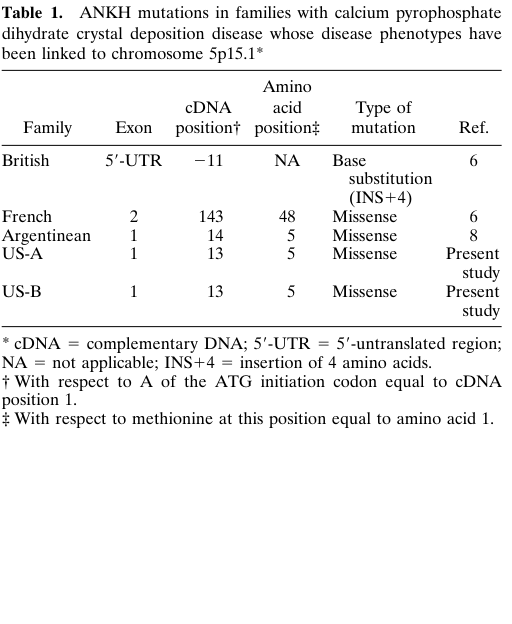
Reference Validation
Checked with linkml-reference-validator 0.3.0.
| Outcome | Count |
|---|---|
| References checked | 10 |
| Resolved | 10 |
| Unresolved (possible confabulation) | 0 |
| Unverifiable | 0 |
| References weighed for topical relevance | 10 |
| On topic | 5 |
| Off topic | 0 |
All extracted references resolved successfully.
Term Validation
Checked with linkml-term-validator 0.4.5, through the ols: adapter.
| Outcome | Count |
|---|---|
| Terms checked | 1 |
| Resolved | 1 |
| Unresolved (possible confabulation) | 0 |
| Obsolete | 0 |
| Unverifiable | 0 |
| Terms whose name was checked | 1 |
| Terms named correctly | 0 |
| Terms named as a different term | 0 |
| Terms whose name is worth a second look | 1 |
Terms whose name is worth a second look
The report's name for these is recognisably related to the term's own name without being one of them. A loose paraphrase reads the same way as a citation of the wrong sibling term - and so does a related synonym, which the ontology records precisely because it names something adjacent rather than the same thing - so these are listed rather than judged:
MONDO:0007319(2 mentions) - the report calls it "if available"; MONDO calls it chondrocalcinosis 2, and lists "familial CC" among its other names
Every term resolved, and every label the report gave matched.