Cerebellar Ataxia-Hypogonadism Syndrome
Cerebellar ataxia-hypogonadism syndrome (Gordon Holmes syndrome) is a genetically heterogeneous neurodegenerative-neuroendocrine disorder characterized by cerebellar ataxia and hypogonadotropic hypogonadism. Cognitive decline, movement disorders and cerebral white-matter changes vary with genotype and disease stage. Recessive RNF216 and STUB1 disease and a reported digenic RNF216/OTUD4 form involve ubiquitin regulation; biallelic PNPLA6 variants produce a distinct phospholipid-metabolism disorder within the overlapping PNPLA6 clinical spectrum. Endocrine abnormalities can precede overt neurologic signs. Chorioretinal dystrophy suggests overlap with Boucher-Neuhauser syndrome rather than a universal Gordon Holmes feature.
Ask OpenScientist
Ask a research question about Cerebellar Ataxia-Hypogonadism Syndrome. OpenScientist will conduct autonomous deep research using the Disorder Mechanisms Knowledge Base and PubMed literature (typically 10-30 minutes).
Do not include personal health information in your question. Questions and results are cached in your browser's local storage.
Inheritance
2Show evidence (2 references)
Show evidence (1 reference)
Subtypes
4Pathophysiology
8Show evidence (2 references)
Show evidence (2 references)
Show evidence (2 references)
Show evidence (5 references)
Show evidence (2 references)
Show evidence (1 reference)
Show evidence (2 references)
Show evidence (1 reference)
Pathograph
Phenotypes
26Breast 1
Show evidence (1 reference)
Digestive 1
Show evidence (1 reference)
Endocrine 2
Show evidence (3 references)
Show evidence (1 reference)
Eye 5
Show evidence (2 references)
Show evidence (1 reference)
Show evidence (3 references)
Show evidence (1 reference)
Show evidence (1 reference)
Genitourinary 3
Show evidence (1 reference)
Show evidence (1 reference)
Show evidence (1 reference)
Musculoskeletal 1
Show evidence (1 reference)
Nervous System 13
Show evidence (2 references)
Show evidence (3 references)
Show evidence (1 reference)
Show evidence (2 references)
Show evidence (2 references)
Show evidence (1 reference)
Show evidence (2 references)
Show evidence (1 reference)
Show evidence (1 reference)
Show evidence (1 reference)
Show evidence (1 reference)
Show evidence (1 reference)
Show evidence (1 reference)
Genetic Associations
4Show evidence (2 references)
Show evidence (1 reference)
Show evidence (1 reference)
Show evidence (2 references)
Medical Actions
15Show evidence (2 references)
Show evidence (1 reference)
Show evidence (1 reference)
Show evidence (1 reference)
Show evidence (1 reference)
Show evidence (1 reference)
Show evidence (1 reference)
Show evidence (1 reference)
Show evidence (1 reference)
Show evidence (1 reference)
Show evidence (1 reference)
Show evidence (1 reference)
Show evidence (1 reference)
Show evidence (2 references)
Show evidence (1 reference)
Biochemical Markers
1Show evidence (1 reference)
Show evidence (1 reference)
Diagnosis
3Show evidence (4 references)
Show evidence (1 reference)
Show evidence (2 references)
Progression
3Show evidence (1 reference)
Show evidence (1 reference)
Clinical Trials
1Show evidence (2 references)
Animal Models
4Show evidence (1 reference)
Show evidence (2 references)
Show evidence (2 references)
Show evidence (1 reference)
Show evidence (1 reference)
Show evidence (1 reference)
Show evidence (1 reference)
Show evidence (1 reference)
Show evidence (1 reference)
Show evidence (1 reference)
Source YAML
click to showname: Cerebellar Ataxia-Hypogonadism Syndrome
creation_date: "2026-06-04T12:00:00Z"
category: Mendelian
description: >-
Cerebellar ataxia-hypogonadism syndrome (Gordon Holmes syndrome) is a genetically heterogeneous neurodegenerative-neuroendocrine
disorder characterized by cerebellar ataxia and hypogonadotropic hypogonadism. Cognitive decline, movement
disorders and cerebral white-matter changes vary with genotype and disease stage. Recessive RNF216 and
STUB1 disease and a reported digenic RNF216/OTUD4 form involve ubiquitin regulation; biallelic PNPLA6
variants produce a distinct phospholipid-metabolism disorder within the overlapping PNPLA6 clinical
spectrum. Endocrine abnormalities can precede overt neurologic signs. Chorioretinal dystrophy suggests
overlap with Boucher-Neuhauser syndrome rather than a universal Gordon Holmes feature.
disease_term:
preferred_term: Cerebellar Ataxia-Hypogonadism Syndrome
term:
id: MONDO:0008935
label: cerebellar ataxia-hypogonadism syndrome
synonyms:
- Gordon Holmes syndrome
- Gordon-Holmes syndrome
- ataxia-hypogonadotropic hypogonadism
- ataxia, dementia, and hypogonadotropism
references:
- reference: PMID:25299038
title: "PNPLA6 Disorders."
tags:
- GeneReviews
inheritance:
- name: Autosomal recessive inheritance
inheritance_term:
preferred_term: Autosomal recessive inheritance
term:
id: HP:0000007
label: Autosomal recessive inheritance
description: Biallelic RNF216, STUB1 or PNPLA6 variants can cause an ataxia-hypogonadism phenotype. For PNPLA6 disease with both parents confirmed heterozygous, each conception has a 25% affected, 50% carrier and 25% unaffected non-carrier probability. Family counseling should use the established genotype; these single-locus probabilities are not applied to the digenic pedigree.
evidence:
- reference: PMID:23656588
reference_title: Ataxia, dementia, and hypogonadotropism caused by disordered ubiquitination.
supports: SUPPORT
evidence_source: HUMAN_CLINICAL
snippet: Additional screening identified compound heterozygous truncating mutations in RNF216 in an unrelated patient
explanation: Biallelic truncating RNF216 variants establish a single-locus recessive form.
- reference: PMID:25299038
reference_title: PNPLA6 Disorders.
supports: SUPPORT
evidence_source: OTHER
snippet: If both parents are known to be heterozygous for a PNPLA6 pathogenic variant, each sib of an affected individual has at conception a 25% chance of being affected, a 50% chance of being an asymptomatic carrier, and a 25% chance of being unaffected and not a carrier.
explanation: GeneReviews gives recurrence risks conditional on confirmed parental PNPLA6 carrier status.
quote_role: REVIEW_SYNTHESIS
- name: Digenic inheritance (RNF216/OTUD4)
inheritance_term:
preferred_term: Digenic inheritance
term:
id: HP:0010984
label: Digenic inheritance
description: >-
Three affected siblings in one consanguineous family carried homozygous variants at both RNF216 and
OTUD4. Zebrafish knockdown and rescue support a functional interaction. This reported two-locus form
involves homozygosity at both loci and does not establish isolated OTUD4 disease or a physical RNF216-OTUD4
protein interaction.
evidence:
- reference: PMID:23656588
reference_title: "Ataxia, dementia, and hypogonadotropism caused by disordered ubiquitination."
supports: SUPPORT
evidence_source: HUMAN_CLINICAL
snippet: "Digenic homozygous mutations in RNF216 and OTUD4, which encode a ubiquitin E3 ligase and a deubiquitinase, respectively, were found in three affected siblings in a consanguineous family."
explanation: >-
The discovery study reports the two-locus genotype and its co-segregation
with disease in three affected siblings.
pathophysiology:
- name: RNF216 K63-linked ubiquitination deficiency
description: GHS-associated RNF216 catalytic-region variants impair E3 ubiquitin ligase activity. RNF216 synthesizes K63-linked chains in biochemical assays, implicating altered ubiquitin signaling. The relevant neuronal substrates and the steps connecting this defect to human neurodegeneration remain incompletely resolved.
genes:
- preferred_term: RNF216
term:
id: hgnc:21698
label: RNF216
molecular_functions:
- preferred_term: ubiquitin protein ligase activity
term:
id: GO:0061630
label: ubiquitin protein ligase activity
modifier: DECREASED
biological_processes:
- preferred_term: protein K63-linked ubiquitination
term:
id: GO:0070534
label: protein K63-linked ubiquitination
modifier: DECREASED
evidence:
- reference: PMID:30886743
reference_title: TRIAD3/RNF216 E3 ligase specifically synthesises K63-linked ubiquitin chains and is inactivated by mutations associated with Gordon Holmes syndrome.
supports: SUPPORT
evidence_source: IN_VITRO
snippet: Strikingly, we found that TRIAD3 synthesises specifically lysine-63 (K63)-linked poly-ubiquitin chains in vitro, a chain type that usually plays a role in mediating signalling events rather than triggering proteasomal degradation.
explanation: Biochemical chain-linkage experiments distinguish RNF216 K63 ubiquitination from a uniform K48/proteasomal degradation mechanism.
- reference: PMID:30886743
reference_title: TRIAD3/RNF216 E3 ligase specifically synthesises K63-linked ubiquitin chains and is inactivated by mutations associated with Gordon Holmes syndrome.
supports: SUPPORT
evidence_source: IN_VITRO
snippet: Our results provide in vitro evidence that point mutations found in patients with Gordon Holmes syndrome5 abrogate TRIAD3’s E3 activity.
explanation: The study tests GHS-associated catalytic-region substitutions; retained activity of Huntington-like-disorder variants elsewhere in RNF216 cautions against a universal variant mechanism.
notes: ARC and endocytic proteins were candidate interactors or substrates in overexpression and lysate experiments. These findings do not establish a complete human disease pathway through proteasomal degradation.
downstream:
- target: Cerebellar degeneration
description: RNF216-related disease includes cerebellar degeneration; intervening molecular events are unresolved.
causal_link_type: INDIRECT_UNKNOWN_INTERMEDIATES
evidence:
- reference: PMID:23656588
reference_title: Ataxia, dementia, and hypogonadotropism caused by disordered ubiquitination.
supports: SUPPORT
evidence_source: HUMAN_CLINICAL
snippet: The syndrome of hypogonadotropic hypogonadism, ataxia, and dementia can be caused by inactivating mutations in RNF216 or by the combination of mutations in RNF216 and OTUD4.
explanation: Human genetics supports the disease association; cellular intermediates between altered ubiquitination and regional pathology remain unresolved.
- reference: PMID:23656588
reference_title: Ataxia, dementia, and hypogonadotropism caused by disordered ubiquitination.
supports: SUPPORT
evidence_source: HUMAN_CLINICAL
snippet: Neuronal loss was observed in cerebellar pathways and the hippocampus; surviving hippocampal neurons contained ubiquitin-immunoreactive intranuclear inclusions.
explanation: Autopsy in one affected RNF216/OTUD4 family member documents regional neuronal loss and inclusions; it does not establish that the inclusions cause cell death.
- target: Hippocampal neuronal loss
description: Hippocampal neuronal loss was demonstrated in an affected member of the digenic RNF216/OTUD4 family.
causal_link_type: INDIRECT_UNKNOWN_INTERMEDIATES
evidence:
- reference: PMID:23656588
reference_title: Ataxia, dementia, and hypogonadotropism caused by disordered ubiquitination.
supports: SUPPORT
evidence_source: HUMAN_CLINICAL
snippet: Neuronal loss was observed in cerebellar pathways and the hippocampus; surviving hippocampal neurons contained ubiquitin-immunoreactive intranuclear inclusions.
explanation: Autopsy in one affected RNF216/OTUD4 family member documents regional neuronal loss and inclusions; it does not establish that the inclusions cause cell death.
- target: Reproductive Endocrine Axis Dysfunction
description: RNF216-related disease involves hypothalamic and pituitary reproductive function through incompletely defined intermediates.
causal_link_type: INDIRECT_UNKNOWN_INTERMEDIATES
evidence:
- reference: PMID:23656588
reference_title: Ataxia, dementia, and hypogonadotropism caused by disordered ubiquitination.
supports: SUPPORT
evidence_source: HUMAN_CLINICAL
snippet: The syndrome of hypogonadotropic hypogonadism, ataxia, and dementia can be caused by inactivating mutations in RNF216 or by the combination of mutations in RNF216 and OTUD4.
explanation: Human genetics supports the disease association; cellular intermediates between altered ubiquitination and regional pathology remain unresolved.
- target: Altered microglial state in RNF216 models
description: Constitutive Rnf216 loss alters microglial features in mice; intermediate steps and relevance to human disease remain unresolved.
causal_link_type: INDIRECT_UNKNOWN_INTERMEDIATES
evidence:
- reference: PMID:38164552
reference_title: Gordon Holmes Syndrome Model Mice Exhibit Alterations in Microglia, Age, and Sex-Specific Disruptions in Cognitive and Proprioceptive Function.
supports: SUPPORT
evidence_source: MODEL_ORGANISM
snippet: KO mice also showed age-dependent strategy and associative learning impairments with sex-dependent alterations of microglia in the hippocampus and cortex.
explanation: Constitutive Rnf216 loss is associated with sex- and region-dependent microglial changes and age-dependent learning phenotypes. Their causal relationship is not established.
- name: OTUD4-associated ubiquitin regulation defect
mechanism_confidence: PROVISIONAL
description: A homozygous OTUD4 variant co-segregated with a homozygous RNF216 variant in the original three-sibling family. OTUD4 encodes a deubiquitinase, and combined knockdown worsened developmental brain abnormalities in zebrafish. The exact catalytic consequence of the patient OTUD4 variant and its contribution independently of RNF216 remain unresolved.
genes:
- preferred_term: OTUD4
term:
id: hgnc:24949
label: OTUD4
molecular_functions:
- preferred_term: deubiquitinase activity
term:
id: GO:0101005
label: deubiquitinase activity
notes: The molecular-function annotation describes OTUD4 protein activity; the direction and linkage specificity of any change caused by the patient variant have not been established.
evidence:
- reference: PMID:23656588
reference_title: "Ataxia, dementia, and hypogonadotropism caused by disordered ubiquitination."
supports: SUPPORT
evidence_source: HUMAN_CLINICAL
snippet: "Digenic homozygous mutations in RNF216 and OTUD4, which encode a ubiquitin E3 ligase and a deubiquitinase, respectively, were found in three affected siblings in a consanguineous family."
explanation: >-
The discovery study reports the two-locus genotype and its co-segregation
with disease in three affected siblings.
- reference: PMID:23656588
reference_title: Ataxia, dementia, and hypogonadotropism caused by disordered ubiquitination.
supports: SUPPORT
evidence_source: MODEL_ORGANISM
snippet: Knockdown of rnf216 or otud4 in zebrafish embryos induced defects in the eye, optic tectum, and cerebellum; combinatorial suppression of both genes exacerbated these phenotypes, which were rescued by nonmutant, but not mutant, human RNF216 or OTUD4 messenger RNA.
explanation: Knockdown and rescue support functional interaction between the two genes, without establishing a physical protein interaction or the exact OTUD4 catalytic defect.
downstream:
- target: Cerebellar degeneration
description: The combined RNF216/OTUD4 genotype is associated with cerebellar pathology; zebrafish experiments support interaction, with unknown human intermediates.
causal_link_type: INDIRECT_UNKNOWN_INTERMEDIATES
evidence:
- reference: PMID:23656588
reference_title: Ataxia, dementia, and hypogonadotropism caused by disordered ubiquitination.
supports: SUPPORT
evidence_source: HUMAN_CLINICAL
snippet: Neuronal loss was observed in cerebellar pathways and the hippocampus; surviving hippocampal neurons contained ubiquitin-immunoreactive intranuclear inclusions.
explanation: Autopsy in one affected RNF216/OTUD4 family member documents regional neuronal loss and inclusions; it does not establish that the inclusions cause cell death.
- reference: PMID:23656588
reference_title: Ataxia, dementia, and hypogonadotropism caused by disordered ubiquitination.
supports: SUPPORT
evidence_source: MODEL_ORGANISM
snippet: Knockdown of rnf216 or otud4 in zebrafish embryos induced defects in the eye, optic tectum, and cerebellum; combinatorial suppression of both genes exacerbated these phenotypes, which were rescued by nonmutant, but not mutant, human RNF216 or OTUD4 messenger RNA.
explanation: Knockdown and rescue support functional interaction between the two genes, without establishing a physical protein interaction or the exact OTUD4 catalytic defect.
- name: STUB1 CHIP ubiquitin ligase deficiency
description: The recessive GHS-associated STUB1 Thr246Met variant disrupts the ubiquitin ligase activity of CHIP, a co-chaperone involved in protein quality control. Recombinant-protein and cell assays demonstrate the molecular loss of function.
genes:
- preferred_term: STUB1
term:
id: hgnc:11427
label: STUB1
molecular_functions:
- preferred_term: ubiquitin protein ligase activity
term:
id: GO:0061630
label: ubiquitin protein ligase activity
modifier: DECREASED
evidence:
- reference: PMID:24113144
reference_title: Ataxia and hypogonadism caused by the loss of ubiquitin ligase activity of the U box protein CHIP.
supports: SUPPORT
evidence_source: IN_VITRO
snippet: Introduction of the Thr246Met mutation into CHIP results in a loss of ubiquitin ligase activity measured directly using recombinant proteins as well as in cell culture models.
explanation: The experimentally tested Thr246Met variant impairs CHIP E3 activity. This assay result is not generalized to every STUB1 variant.
- reference: url:https://pmc.ncbi.nlm.nih.gov/articles/PMC3900109/?report=classic
reference_title: Ataxia and hypogonadism caused by the loss of ubiquitin ligase activity of the U box protein CHIP - PMC
supports: SUPPORT
evidence_source: IN_VITRO
snippet: while still maintaining chaperone interactions
explanation: The full-text functional study shows that loss of E3 activity does not imply loss of chaperone binding.
downstream:
- target: Cerebellar degeneration
causal_link_type: INDIRECT_UNKNOWN_INTERMEDIATES
description: CHIP loss is associated with Purkinje-layer degeneration in mice, providing experimental support for an indirect cerebellar pathway.
evidence:
- reference: url:https://pmc.ncbi.nlm.nih.gov/articles/PMC3900109/?report=classic
reference_title: Ataxia and hypogonadism caused by the loss of ubiquitin ligase activity of the U box protein CHIP - PMC
supports: SUPPORT
evidence_source: MODEL_ORGANISM
snippet: cellular loss throughout the various lobes of the cerebellum, specifically in the Purkinje cell layer
explanation: Cerebellar histology in Chip-null mice demonstrates Purkinje-layer cell loss; this is experimental support, not human STUB1 neuropathology.
- target: Reproductive Endocrine Axis Dysfunction
description: CHIP-related disease includes hypogonadism; the precise site and molecular route remain incompletely characterized.
causal_link_type: INDIRECT_UNKNOWN_INTERMEDIATES
evidence:
- reference: PMID:24113144
reference_title: Ataxia and hypogonadism caused by the loss of ubiquitin ligase activity of the U box protein CHIP.
supports: SUPPORT
evidence_source: MODEL_ORGANISM
snippet: Loss of CHIP function in mice resulted in behavioral and reproductive impairments that mimic human ataxia and hypogonadism.
explanation: CHIP loss reproduces aspects of the motor and reproductive phenotype in mice; this does not localize every endocrine lesion.
notes: Thr246Met retained chaperone interactions despite impaired ubiquitination. The null mouse removes all CHIP function and is not an exact replica of this patient allele.
- name: PNPLA6 / Neuropathy Target Esterase Phospholipid Dysfunction
description: >-
Biallelic PNPLA6 variants can reduce neuropathy target esterase (NTE) activity. This endoplasmic-reticulum-associated
phospholipase participates in phospholipid homeostasis. Variant-specific residual activity helps explain
tissue involvement across the PNPLA6 spectrum, including its Gordon Holmes presentation; downstream
neuronal and endocrine pathways remain incompletely defined.
genes:
- preferred_term: PNPLA6
term:
id: hgnc:16268
label: PNPLA6
cellular_components:
- preferred_term: endoplasmic reticulum
term:
id: GO:0005783
label: endoplasmic reticulum
evidence:
- reference: PMID:35069422
reference_title: "Multifaceted and Age-Dependent Phenotypes Associated With Biallelic PNPLA6 Gene Variants: Eight Novel Cases and Review of the Literature."
supports: SUPPORT
evidence_source: HUMAN_CLINICAL
snippet: "A wide spectrum of neurodegenerative diseases has been associated with pathogenic variants in the PNPLA6 (patatin-like phospholipase domain-containing protein 6) gene, including spastic paraplegia type 39, Gordon-Holmes, Boucher-Neuhauser, Oliver-Mc Farlane, and Laurence-Moon syndromes."
explanation: >
Establishes PNPLA6 as a cause of the Gordon Holmes / Boucher-Neuhauser
ataxia-hypogonadism continuum.
- reference: PMID:25299038
reference_title: "PNPLA6 Disorders."
supports: SUPPORT
evidence_source: OTHER
snippet: "PNPLA6 disorders span a phenotypic continuum characterized by variable combinations of cerebellar ataxia; upper motor neuron involvement manifesting as spasticity and/or brisk reflexes; chorioretinal dystrophy associated with variable degrees of reduced visual function; and hypogonadotropic hypogonadism"
explanation: >
GeneReviews defines the PNPLA6 phenotypic continuum encompassing the
ataxia-hypogonadism syndromes.
quote_role: REVIEW_SYNTHESIS
- reference: url:https://pmc.ncbi.nlm.nih.gov/articles/PMC11146429/?report=classic
reference_title: Neuropathy target esterase activity defines phenotypes among PNPLA6 disorders - PMC
supports: SUPPORT
evidence_source: IN_VITRO
snippet: The NTE activity of all disease-associated missense/in-frame and truncating variants was significantly reduced compared to the wild-type control
explanation: Full-length variant assays support reduced NTE activity; this does not imply that every truncating allele has zero residual function.
- reference: url:https://pmc.ncbi.nlm.nih.gov/articles/PMC11146429/?report=classic
reference_title: Neuropathy target esterase activity defines phenotypes among PNPLA6 disorders - PMC
supports: SUPPORT
evidence_source: COMPUTATIONAL
snippet: Individual genotype activity levels were determined by the average activity of the two individual variants.
explanation: Patient-level activity in the genotype-phenotype analysis was estimated from individual in-vitro variant activities, rather than measured directly in every patient.
- reference: url:https://pmc.ncbi.nlm.nih.gov/articles/PMC11146429/?report=classic
reference_title: Neuropathy target esterase activity defines phenotypes among PNPLA6 disorders - PMC
supports: SUPPORT
evidence_source: HUMAN_CLINICAL
snippet: There was no apparent relationship between the activity of NTE and the onset of retinopathy or endocrinopathy.
explanation: The tissue-association analysis did not establish age-at-onset prediction.
downstream:
- target: Cerebellar degeneration
description: >-
PNPLA6-related ataxia can include cerebellar atrophy; the cohort does not establish a direct molecular
route to neuronal death or hippocampal degeneration.
causal_link_type: INDIRECT_UNKNOWN_INTERMEDIATES
evidence:
- reference: PMID:35069422
reference_title: "Multifaceted and Age-Dependent Phenotypes Associated With Biallelic PNPLA6 Gene Variants: Eight Novel Cases and Review of the Literature."
supports: SUPPORT
evidence_source: HUMAN_CLINICAL
snippet: "Cerebellar ataxia was observed in seven patients and spastic paraplegia in one patient. Progression of cerebellar symptoms was slow in all patients, who retained ambulation even after a mean disease duration of 15 years. Brain MRI showed cerebellar atrophy in 6/8 patients, more pronounced in superior and dorsal vermis lobules (I to VII)."
explanation: >-
The eight-person PNPLA6 cohort contains three Gordon Holmes cases and other PNPLA6 phenotypes.
Its aggregate imaging findings support cerebellar involvement across that spectrum, not GHS-specific
penetrance.
- target: Reproductive Endocrine Axis Dysfunction
description: >-
PNPLA6-related GHS includes central hypogonadism; the molecular intermediates are incompletely resolved.
causal_link_type: INDIRECT_UNKNOWN_INTERMEDIATES
evidence:
- reference: PMID:25299038
reference_title: "PNPLA6 Disorders."
supports: SUPPORT
evidence_source: OTHER
snippet: "hypogonadotropic hypogonadism (delayed puberty and lack of secondary sex characteristics). The hypogonadotropic hypogonadism occurs either in isolation or as part of anterior hypopituitarism"
explanation: >
GeneReviews confirms hypogonadotropic hypogonadism as a core feature of
PNPLA6 disorders, connecting PNPLA6 dysfunction to reproductive endocrine
axis impairment.
quote_role: REVIEW_SYNTHESIS
notes: The 2024 study found lower estimated residual activity associated with retinopathy and endocrinopathy across the PNPLA6 spectrum, but no clear relationship with age at onset. These research estimates are not a validated individual prognostic threshold. GHS remains clinically distinguishable from the retinal-predominant Boucher-Neuhauser/Oliver-McFarlane overlap.
molecular_functions:
- preferred_term: glycerophospholipase activity
term:
id: GO:0004620
label: glycerophospholipase activity
modifier: DECREASED
- name: Cerebellar degeneration
description: Cerebellar pathway neuronal loss was demonstrated at autopsy in RNF216/OTUD4-related disease. Cerebellar atrophy is also documented by MRI in PNPLA6-related ataxia. Histological neuronal loss is not inferred from imaging alone. CHIP-deficient mice also show Purkinje-layer cell loss, which supplies model support for STUB1 involvement.
cell_types:
- preferred_term: Purkinje cell
term:
id: CL:0000121
label: Purkinje cell
locations:
- preferred_term: cerebellum
term:
id: UBERON:0002037
label: cerebellum
evidence:
- reference: PMID:23656588
reference_title: Ataxia, dementia, and hypogonadotropism caused by disordered ubiquitination.
supports: SUPPORT
evidence_source: HUMAN_CLINICAL
snippet: Neuronal loss was observed in cerebellar pathways and the hippocampus; surviving hippocampal neurons contained ubiquitin-immunoreactive intranuclear inclusions.
explanation: Autopsy in one affected RNF216/OTUD4 family member documents regional neuronal loss and inclusions; it does not establish that the inclusions cause cell death.
- reference: url:https://pmc.ncbi.nlm.nih.gov/articles/PMC3900109/?report=classic
reference_title: Ataxia and hypogonadism caused by the loss of ubiquitin ligase activity of the U box protein CHIP - PMC
supports: SUPPORT
evidence_source: MODEL_ORGANISM
snippet: cellular loss throughout the various lobes of the cerebellum, specifically in the Purkinje cell layer
explanation: Cerebellar histology in Chip-null mice demonstrates Purkinje-layer cell loss; this is experimental support, not human STUB1 neuropathology.
downstream:
- target: Cerebellar ataxia
description: Degeneration of cerebellar pathways contributes to impaired gait and coordination.
causal_link_type: INDIRECT_UNKNOWN_INTERMEDIATES
evidence:
- reference: PMID:23656588
reference_title: Ataxia, dementia, and hypogonadotropism caused by disordered ubiquitination.
supports: SUPPORT
evidence_source: HUMAN_CLINICAL
snippet: The syndrome of hypogonadotropic hypogonadism, ataxia, and dementia can be caused by inactivating mutations in RNF216 or by the combination of mutations in RNF216 and OTUD4.
explanation: Human genetics supports the disease association; cellular intermediates between altered ubiquitination and regional pathology remain unresolved.
- reference: PMID:23656588
reference_title: Ataxia, dementia, and hypogonadotropism caused by disordered ubiquitination.
supports: SUPPORT
evidence_source: HUMAN_CLINICAL
snippet: Neuronal loss was observed in cerebellar pathways and the hippocampus; surviving hippocampal neurons contained ubiquitin-immunoreactive intranuclear inclusions.
explanation: Autopsy in one affected RNF216/OTUD4 family member documents regional neuronal loss and inclusions; it does not establish that the inclusions cause cell death.
- target: Cerebellar atrophy
description: Loss of cerebellar tissue is reflected in reduced cerebellar volume on imaging.
causal_link_type: INDIRECT_UNKNOWN_INTERMEDIATES
evidence:
- reference: PMID:23656588
reference_title: Ataxia, dementia, and hypogonadotropism caused by disordered ubiquitination.
supports: SUPPORT
evidence_source: HUMAN_CLINICAL
snippet: Neuronal loss was observed in cerebellar pathways and the hippocampus; surviving hippocampal neurons contained ubiquitin-immunoreactive intranuclear inclusions.
explanation: Autopsy in one affected RNF216/OTUD4 family member documents regional neuronal loss and inclusions; it does not establish that the inclusions cause cell death.
- reference: PMID:37977846
reference_title: A novel mutation in RNF216 gene in an Indian case with Gordon Holmes syndrome.
supports: SUPPORT
evidence_source: HUMAN_CLINICAL
snippet: pan-cerebellar atrophy with bilateral cerebral white matter hyperintensities
explanation: MRI documents cerebellar atrophy in an RNF216 case. Alongside the separately cited autopsy findings, this supports the tissue-loss interpretation without equating MRI with cell-specific histology.
- target: Dysarthria
description: Cerebellar disease contributes to motor speech impairment.
causal_link_type: INDIRECT_UNKNOWN_INTERMEDIATES
evidence:
- reference: url:https://www.ncbi.nlm.nih.gov/sites/books/NBK247161/
reference_title: PNPLA6 Disorders - GeneReviews® - NCBI Bookshelf
supports: SUPPORT
evidence_source: OTHER
snippet: Dysarthria and dysphagia are recurrent features ... evolving throughout the disease course in almost all individuals with cerebellar ataxia.
explanation: GeneReviews associates dysarthria with cerebellar ataxia in the PNPLA6 spectrum; the indirect edge does not specify unmeasured neuronal intermediates.
quote_role: REVIEW_SYNTHESIS
- name: Hippocampal neuronal loss
description: An autopsy from the original RNF216/OTUD4 family showed hippocampal neuronal loss and ubiquitin-immunoreactive inclusions in surviving neurons. Their coexistence does not prove that inclusions caused neuronal death.
locations:
- preferred_term: hippocampal formation
term:
id: UBERON:0002421
label: hippocampal formation
evidence:
- reference: PMID:23656588
reference_title: Ataxia, dementia, and hypogonadotropism caused by disordered ubiquitination.
supports: SUPPORT
evidence_source: HUMAN_CLINICAL
snippet: Neuronal loss was observed in cerebellar pathways and the hippocampus; surviving hippocampal neurons contained ubiquitin-immunoreactive intranuclear inclusions.
explanation: Autopsy in one affected RNF216/OTUD4 family member documents regional neuronal loss and inclusions; it does not establish that the inclusions cause cell death.
downstream:
- target: Cognitive decline and dementia
description: Hippocampal neuronal loss plausibly contributes to cognitive deterioration alongside broader brain involvement.
causal_link_type: INDIRECT_UNKNOWN_INTERMEDIATES
evidence:
- reference: PMID:23656588
reference_title: Ataxia, dementia, and hypogonadotropism caused by disordered ubiquitination.
supports: SUPPORT
evidence_source: HUMAN_CLINICAL
snippet: Neuronal loss was observed in cerebellar pathways and the hippocampus; surviving hippocampal neurons contained ubiquitin-immunoreactive intranuclear inclusions.
explanation: Autopsy in one affected RNF216/OTUD4 family member documents regional neuronal loss and inclusions; it does not establish that the inclusions cause cell death.
- reference: PMID:23656588
reference_title: Ataxia, dementia, and hypogonadotropism caused by disordered ubiquitination.
supports: SUPPORT
evidence_source: HUMAN_CLINICAL
snippet: The syndrome of hypogonadotropic hypogonadism, ataxia, and dementia can be caused by inactivating mutations in RNF216 or by the combination of mutations in RNF216 and OTUD4.
explanation: Human genetics supports the disease association; cellular intermediates between altered ubiquitination and regional pathology remain unresolved.
- name: Reproductive Endocrine Axis Dysfunction
description: >-
Hypothalamic and pituitary reproductive dysfunction causes central hypogonadism. Detailed RNF216 endocrine
testing showed variable responses to exogenous GnRH, with declining or absent pituitary responsiveness
in some patients as disease progressed. The relative contributions of hypothalamic and pituitary dysfunction
vary; the same cellular localization is not established for every genetic form.
cell_types:
- preferred_term: hypothalamic gonadotropin-releasing hormone neuron
term:
id: CL:0011111
label: hypothalamic gonadotropin-releasing hormone neuron
locations:
- preferred_term: pituitary gland
term:
id: UBERON:0000007
label: pituitary gland
evidence:
- reference: PMID:23656588
reference_title: "Ataxia, dementia, and hypogonadotropism caused by disordered ubiquitination."
supports: SUPPORT
evidence_source: HUMAN_CLINICAL
snippet: "Defects were detected at the hypothalamic and pituitary levels of the reproductive endocrine axis."
explanation: >
Localizes the hypogonadotropic hypogonadism to combined hypothalamic and
pituitary dysfunction.
- reference: PMID:23656588
reference_title: Ataxia, dementia, and hypogonadotropism caused by disordered ubiquitination.
supports: SUPPORT
evidence_source: HUMAN_CLINICAL
snippet: Pituitary responsiveness to GnRH was lost in patients late in the course of their disease.
explanation: Longitudinal and late-stage endocrine testing supports progressive pituitary involvement in selected RNF216 cases.
downstream:
- target: Hypogonadotropic hypogonadism
description: Reduced central gonadotropin drive produces hypogonadotropic hypogonadism.
causal_link_type: DIRECT
evidence:
- reference: PMID:23656588
reference_title: "Ataxia, dementia, and hypogonadotropism caused by disordered ubiquitination."
supports: SUPPORT
evidence_source: HUMAN_CLINICAL
snippet: "Defects were detected at the hypothalamic and pituitary levels of the reproductive endocrine axis."
explanation: >
Localizes the hypogonadotropic hypogonadism to combined hypothalamic and
pituitary dysfunction.
- name: Altered microglial state in RNF216 models
mechanism_confidence: PROVISIONAL
description: Constitutive Rnf216 knockout mice show sex- and region-dependent changes in microglial density, morphology and soma size. These observations are candidate disease intermediates and have not established a corresponding human neuroinflammatory mechanism.
cell_types:
- preferred_term: microglial cell
term:
id: CL:0000129
label: microglial cell
evidence:
- &id001
reference: PMID:38164552
reference_title: Gordon Holmes Syndrome Model Mice Exhibit Alterations in Microglia, Age, and Sex-Specific Disruptions in Cognitive and Proprioceptive Function.
supports: SUPPORT
evidence_source: MODEL_ORGANISM
snippet: KO mice also showed age-dependent strategy and associative learning impairments with sex-dependent alterations of microglia in the hippocampus and cortex.
explanation: Constitutive Rnf216 loss is associated with sex- and region-dependent microglial changes and age-dependent learning phenotypes. Their causal relationship is not established.
notes: 'No causal edge from microglial changes to human neuronal loss is asserted: the study allows both causal and unrelated interpretations of its microglial and electrophysiological findings.'
phenotypes:
- category: Neurologic
name: Cerebellar ataxia
description: >-
Progressive cerebellar ataxia is a defining manifestation of established GHS. It may be absent during
an early endocrine-only presentation.
phenotype_term:
preferred_term: Cerebellar ataxia
term:
id: HP:0002073
label: Progressive cerebellar ataxia
clinical_course: PROGRESSIVE
evidence:
- reference: PMID:24113144
reference_title: "Ataxia and hypogonadism caused by the loss of ubiquitin ligase activity of the U box protein CHIP."
supports: SUPPORT
evidence_source: HUMAN_CLINICAL
snippet: "Gordon Holmes syndrome (GHS) is a rare Mendelian neurodegenerative disorder characterized by ataxia and hypogonadism."
explanation: Ataxia is one of the two defining clinical features of the syndrome.
- reference: PMID:23656588
reference_title: "Ataxia, dementia, and hypogonadotropism caused by disordered ubiquitination."
supports: SUPPORT
evidence_source: HUMAN_CLINICAL
snippet: "All patients had progressive ataxia and dementia."
explanation: All RNF216-mutation patients in the index cohort had progressive ataxia.
- category: Endocrine
name: Hypogonadotropic hypogonadism
description: >
Central hypogonadotropic hypogonadism with low/inappropriately normal
gonadotropins and low sex steroids, manifesting as delayed or absent puberty
and absent secondary sexual characteristics. May be the first presentation,
particularly in males.
phenotype_term:
preferred_term: Hypogonadotropic hypogonadism
term:
id: HP:0000044
label: Hypogonadotropic hypogonadism
evidence:
- reference: PMID:39444518
reference_title: "Hypogonadotropic Hypogonadism as First Presentation of the Severe Neuroendocrine Disorder Caused by RNF216."
supports: SUPPORT
evidence_source: HUMAN_CLINICAL
snippet: "Biallelic pathogenic variants in RNF216 cause a syndrome characterized by hypogonadotropic hypogonadism, cerebellar ataxia, chorea, and cognitive impairment, a combination first described as Gordon Holmes syndrome (MIM 212840)."
explanation: Defines hypogonadotropic hypogonadism as a core feature of the RNF216 syndrome.
- reference: PMID:39444518
reference_title: "Hypogonadotropic Hypogonadism as First Presentation of the Severe Neuroendocrine Disorder Caused by RNF216."
supports: SUPPORT
evidence_source: HUMAN_CLINICAL
snippet: "hypogonadotropic hypogonadism may be the initial manifestation of this severe neuroendocrine disorder, especially in males."
explanation: Hypogonadism can precede neurologic signs as the presenting complaint.
- reference: ORPHA:1173
reference_title: "Cerebellar ataxia-hypogonadism syndrome"
supports: SUPPORT
evidence_source: OTHER
snippet: "HP:0000135 | Hypogonadism | Very frequent (99-80%)"
explanation: Orphanet lists hypogonadism as a very frequent phenotype.
notes: The broader Orphanet hypogonadism annotation is retained here as context; the primary clinical sources establish the central subtype. Hypothalamic/pituitary localization is represented separately in the reproductive-axis mechanism.
- category: Reproductive
name: Decreased fertility
description: >-
Decreased fertility is reported in the Orphanet syndrome profile. Its prevalence across individual
genetic forms is not established by that profile.
phenotype_term:
preferred_term: Decreased fertility
term:
id: HP:0000144
label: Decreased fertility
evidence:
- reference: ORPHA:1173
reference_title: "Cerebellar ataxia-hypogonadism syndrome"
supports: SUPPORT
evidence_source: OTHER
snippet: "HP:0000144 | Decreased fertility | Very frequent (99-80%)"
explanation: Orphanet lists decreased fertility as a very frequent phenotype.
notes: The Orphanet syndrome profile assigns VERY_FREQUENT; this unstratified profile is retained as evidence but is not used as a penetrance estimate across genetically distinct forms.
- category: Endocrine
name: Gynecomastia
description: >-
Gynecomastia is reported in the Orphanet syndrome profile. Its prevalence across individual genetic
forms is not established by that profile.
phenotype_term:
preferred_term: Gynecomastia
term:
id: HP:0000771
label: Gynecomastia
evidence:
- reference: ORPHA:1173
reference_title: "Cerebellar ataxia-hypogonadism syndrome"
supports: SUPPORT
evidence_source: OTHER
snippet: "HP:0000771 | Gynecomastia | Very frequent (99-80%)"
explanation: Orphanet lists gynecomastia as a very frequent phenotype.
notes: The Orphanet syndrome profile assigns VERY_FREQUENT; this unstratified profile is retained as evidence but is not used as a penetrance estimate across genetically distinct forms.
- category: Endocrine
name: Delayed puberty
description: >
Delayed or absent puberty with lack of secondary sexual characteristics
secondary to hypogonadotropic hypogonadism.
phenotype_term:
preferred_term: Delayed puberty
term:
id: HP:0000823
label: Delayed puberty
evidence:
- reference: PMID:39444518
reference_title: "Hypogonadotropic Hypogonadism as First Presentation of the Severe Neuroendocrine Disorder Caused by RNF216."
supports: SUPPORT
evidence_source: HUMAN_CLINICAL
snippet: "We report 2 siblings who were referred due to absent or delayed puberty."
explanation: Affected siblings presented with absent or delayed puberty.
- category: Endocrine
name: Primary amenorrhea
description: >
Primary amenorrhea in affected females reflecting hypogonadotropic
hypogonadism.
phenotype_term:
preferred_term: Primary amenorrhea
term:
id: HP:0000786
label: Primary amenorrhea
evidence:
- reference: PMID:39444518
reference_title: "Hypogonadotropic Hypogonadism as First Presentation of the Severe Neuroendocrine Disorder Caused by RNF216."
supports: SUPPORT
evidence_source: HUMAN_CLINICAL
snippet: "His 15-year-old sister was referred due to primary amenorrhea."
explanation: An affected female sibling presented with primary amenorrhea.
- category: Cognitive
name: Cognitive decline and dementia
description: >-
Progressive dementia was present in the original RNF216 cohort, but cognitive impairment is neither
uniformly severe nor necessarily present early. A later RNF216 family included one brother without
cognitive impairment at evaluation.
phenotype_term:
preferred_term: Dementia
term:
id: HP:0000726
label: Dementia
clinical_course: PROGRESSIVE
evidence:
- reference: PMID:23656588
reference_title: "Ataxia, dementia, and hypogonadotropism caused by disordered ubiquitination."
supports: SUPPORT
evidence_source: HUMAN_CLINICAL
snippet: "Dementia was also prominent, with personality changes and memory loss occurring at the onset of the disease"
explanation: Dementia with personality changes and memory loss is prominent in RNF216-related disease.
- reference: PMID:37161390
reference_title: "A novel mutation in RNF216 gene in a Turkish case with Gordon Holmes syndrome."
supports: SUPPORT
evidence_source: HUMAN_CLINICAL
snippet: "Gordon Holmes syndrome (GHS) is a rare autosomal recessive disorder characterized by hypogonadotropic hypogonadism, cognitive decline, and cerebellar ataxia."
explanation: Cognitive decline is listed as one of the core GHS features.
- reference: PMID:27441066
reference_title: Ataxia and Hypogonadotropic Hypogonadism with Intrafamilial Variability Caused by RNF216 Mutation.
supports: REFUTE
evidence_source: HUMAN_CLINICAL
snippet: No nystagmus or cognitive impairment were noted.
explanation: The younger affected RNF216 brother had preserved cognition at the reported evaluation.
- category: Cognitive
name: Personality changes
description: >-
Personality changes is reported in the Orphanet syndrome profile. Its prevalence across individual
genetic forms is not established by that profile.
phenotype_term:
preferred_term: Personality changes
term:
id: HP:0000751
label: Personality changes
evidence:
- reference: ORPHA:1173
reference_title: "Cerebellar ataxia-hypogonadism syndrome"
supports: SUPPORT
evidence_source: OTHER
snippet: "HP:0000751 | Personality changes | Occasional (29-5%)"
explanation: Orphanet lists personality changes as an occasional phenotype.
notes: The Orphanet syndrome profile assigns OCCASIONAL; this unstratified profile is retained as evidence but is not used as a penetrance estimate across genetically distinct forms.
- category: Neurologic
name: Cerebellar atrophy
description: >
Cerebellar atrophy is a recurring MRI feature, often with vermian
predominance in PNPLA6-related disease; pan-cerebellar atrophy is reported
in RNF216 cases.
phenotype_term:
preferred_term: Cerebellar atrophy
term:
id: HP:0001272
label: Cerebellar atrophy
evidence:
- reference: PMID:35069422
reference_title: "Multifaceted and Age-Dependent Phenotypes Associated With Biallelic PNPLA6 Gene Variants: Eight Novel Cases and Review of the Literature."
supports: SUPPORT
evidence_source: HUMAN_CLINICAL
snippet: "Brain MRI showed cerebellar atrophy in 6/8 patients, more pronounced in superior and dorsal vermis lobules (I to VII)."
explanation: Cerebellar atrophy with vermian predominance was found in most PNPLA6 patients.
- reference: PMID:37977846
reference_title: "A novel mutation in RNF216 gene in an Indian case with Gordon Holmes syndrome."
supports: SUPPORT
evidence_source: HUMAN_CLINICAL
snippet: "pan-cerebellar atrophy with bilateral cerebral white matter hyperintensities"
explanation: Pan-cerebellar atrophy documented in an RNF216 case.
- category: Neurologic
name: Cerebral white matter abnormality
description: >
Patchy subcortical/cerebral white-matter T2/FLAIR hyperintensities
(leukoencephalopathy) are a consistent feature of RNF216-associated disease
and may precede neurologic symptom onset.
phenotype_term:
preferred_term: Abnormal cerebral white matter morphology
term:
id: HP:0002500
label: Abnormal cerebral white matter morphology
evidence:
- reference: PMID:23656588
reference_title: "Ataxia, dementia, and hypogonadotropism caused by disordered ubiquitination."
supports: SUPPORT
evidence_source: HUMAN_CLINICAL
snippet: "The subcortical white matter contained patchy areas of hyperintensity on T2-weighted imaging and fluid-attenuated inversion recovery (FLAIR) imaging"
explanation: Subcortical white-matter hyperintensities are documented across RNF216-mutation patients.
- reference: PMID:39444518
reference_title: "Hypogonadotropic Hypogonadism as First Presentation of the Severe Neuroendocrine Disorder Caused by RNF216."
supports: SUPPORT
evidence_source: HUMAN_CLINICAL
snippet: "an extensive supratentorial leuko-encephalopathy"
explanation: Extensive supratentorial leukoencephalopathy was found on MRI in an RNF216 case.
- category: Neurologic
name: Chorea
description: >
Chorea and other movement disorders (parkinsonism, dystonia, tremor) occur
in a subset of patients, particularly RNF216-related disease.
phenotype_term:
preferred_term: Chorea
term:
id: HP:0002072
label: Chorea
evidence:
- reference: PMID:39444518
reference_title: "Hypogonadotropic Hypogonadism as First Presentation of the Severe Neuroendocrine Disorder Caused by RNF216."
supports: SUPPORT
evidence_source: HUMAN_CLINICAL
snippet: "Biallelic pathogenic variants in RNF216 cause a syndrome characterized by hypogonadotropic hypogonadism, cerebellar ataxia, chorea, and cognitive impairment"
explanation: Chorea is part of the RNF216 syndrome phenotype.
- category: Neurologic
name: Dysarthria
description: >
Cerebellar dysarthria; dysarthria may be the initial neurologic symptom in
some patients.
phenotype_term:
preferred_term: Dysarthria
term:
id: HP:0001260
label: Dysarthria
evidence:
- reference: PMID:23656588
reference_title: "Ataxia, dementia, and hypogonadotropism caused by disordered ubiquitination."
supports: SUPPORT
evidence_source: HUMAN_CLINICAL
snippet: "Dysarthria was the initial neurologic symptom in some patients"
explanation: Dysarthria can be the presenting neurologic feature.
- reference: url:https://www.ncbi.nlm.nih.gov/sites/books/NBK247161/
reference_title: PNPLA6 Disorders - GeneReviews® - NCBI Bookshelf
supports: SUPPORT
evidence_source: OTHER
snippet: Dysarthria and dysphagia are recurrent features ... evolving throughout the disease course in almost all individuals with cerebellar ataxia.
explanation: GeneReviews describes evolving bulbar symptoms in ataxic PNPLA6 disorders; this is not a measured all-genotype GHS frequency.
quote_role: REVIEW_SYNTHESIS
- category: Neurologic
name: Abnormality of speech or vocalization
description: >-
Abnormality of speech or vocalization is reported in the Orphanet syndrome profile. Its prevalence
across individual genetic forms is not established by that profile.
phenotype_term:
preferred_term: Abnormality of speech or vocalization
term:
id: HP:0002167
label: Abnormal speech pattern
evidence:
- reference: ORPHA:1173
reference_title: "Cerebellar ataxia-hypogonadism syndrome"
supports: SUPPORT
evidence_source: OTHER
snippet: "HP:0002167 | Abnormality of speech or vocalization | Very frequent (99-80%)"
explanation: Orphanet lists abnormality of speech or vocalization as a very frequent phenotype.
notes: The Orphanet syndrome profile assigns VERY_FREQUENT; this unstratified profile is retained as evidence but is not used as a penetrance estimate across genetically distinct forms.
- category: Ophthalmologic
name: Chorioretinal dystrophy
description: >
Chorioretinal dystrophy with reduced visual function characterizes the
Boucher-Neuhauser end of the PNPLA6 continuum and distinguishes it from
RNF216/STUB1-related Gordon Holmes syndrome.
phenotype_term:
preferred_term: Chorioretinal dystrophy
term:
id: HP:0001135
label: Chorioretinal dystrophy
evidence:
- reference: PMID:33650466
reference_title: "Chorioretinal dystrophy, hypogonadotropic hypogonadism, and cerebellar ataxia: Boucher-Neuhauser syndrome due to a homozygous (c.3524C>G (p.Ser1175Cys)) variant in PNPLA6 gene."
supports: SUPPORT
evidence_source: HUMAN_CLINICAL
snippet: "neurologic, ophthalmologic, endocrine, and genetic evaluations established a diagnosis of BNHS"
explanation: Chorioretinal dystrophy is a defining feature of the Boucher-Neuhauser (PNPLA6) form.
- reference: PMID:25299038
reference_title: "PNPLA6 Disorders."
supports: SUPPORT
evidence_source: OTHER
snippet: "chorioretinal dystrophy associated with variable degrees of reduced visual function"
explanation: GeneReviews documents chorioretinal dystrophy with reduced visual function in PNPLA6 disorders.
quote_role: REVIEW_SYNTHESIS
notes: ' Retinal findings require genotype and overlap assessment: chorioretinal dystrophy distinguishes the Boucher-Neuhauser cluster from typical PNPLA6-related GHS.'
- category: Ophthalmologic
name: Abnormal electroretinogram
description: >-
Abnormal electroretinogram is reported in the Orphanet syndrome profile. Its prevalence across individual
genetic forms is not established by that profile.
phenotype_term:
preferred_term: Abnormal electroretinogram
term:
id: HP:0000512
label: Abnormal electroretinogram
evidence:
- reference: ORPHA:1173
reference_title: "Cerebellar ataxia-hypogonadism syndrome"
supports: SUPPORT
evidence_source: OTHER
snippet: "HP:0000512 | Abnormal electroretinogram | Very frequent (99-80%)"
explanation: Orphanet lists abnormal electroretinogram as a very frequent phenotype.
reports_on:
- target: PNPLA6 / Neuropathy Target Esterase Phospholipid Dysfunction
relationship: READOUT_OF
endpoint_context: DIAGNOSTIC
interpretation: >
PNPLA6-related retinal dysfunction can be detected electrophysiologically.
notes: 'The Orphanet syndrome profile assigns VERY_FREQUENT; this unstratified profile is retained as evidence but is not used as a penetrance estimate across genetically distinct forms. Retinal findings require genotype and overlap assessment: chorioretinal dystrophy distinguishes the Boucher-Neuhauser cluster from typical PNPLA6-related GHS.'
- category: Ophthalmologic
name: Nystagmus
description: >-
Nystagmus is reported in the Orphanet syndrome profile. Its prevalence across individual genetic forms
is not established by that profile.
phenotype_term:
preferred_term: Nystagmus
term:
id: HP:0000639
label: Nystagmus
evidence:
- reference: ORPHA:1173
reference_title: "Cerebellar ataxia-hypogonadism syndrome"
supports: SUPPORT
evidence_source: OTHER
snippet: "HP:0000639 | Nystagmus | Very frequent (99-80%)"
explanation: Orphanet lists nystagmus as a very frequent phenotype.
- reference: PMID:27441066
reference_title: Ataxia and Hypogonadotropic Hypogonadism with Intrafamilial Variability Caused by RNF216 Mutation.
supports: REFUTE
evidence_source: HUMAN_CLINICAL
snippet: No nystagmus was noted. His workup showed low luteinizing hormone level
explanation: The more severely affected RNF216 brother lacked nystagmus, limiting generalization of the Orphanet frequency.
- reference: url:https://pmc.ncbi.nlm.nih.gov/articles/PMC3900109/?report=classic
reference_title: Ataxia and hypogonadism caused by the loss of ubiquitin ligase activity of the U box protein CHIP - PMC
supports: SUPPORT
evidence_source: HUMAN_CLINICAL
snippet: Patient II-1 exhibited horizontal gaze-evoked nystagmus
explanation: The STUB1 proband had gaze-evoked nystagmus, supporting genotype-dependent heterogeneity.
notes: 'The Orphanet syndrome profile assigns VERY_FREQUENT; this unstratified profile is retained as evidence but is not used as a penetrance estimate across genetically distinct forms. Nystagmus is not uniform across genetic forms: the original RNF216 cohort and the two subsequently reported RNF216 brothers lacked nystagmus, whereas the STUB1 discovery family had gaze-evoked nystagmus.'
- category: Ophthalmologic
name: Optic atrophy
description: >-
Optic atrophy is reported in the Orphanet syndrome profile. Its prevalence across individual genetic
forms is not established by that profile.
phenotype_term:
preferred_term: Optic atrophy
term:
id: HP:0000648
label: Optic atrophy
evidence:
- reference: ORPHA:1173
reference_title: "Cerebellar ataxia-hypogonadism syndrome"
supports: SUPPORT
evidence_source: OTHER
snippet: "HP:0000648 | Optic atrophy | Very frequent (99-80%)"
explanation: Orphanet lists optic atrophy as a very frequent phenotype.
notes: 'The Orphanet syndrome profile assigns VERY_FREQUENT; this unstratified profile is retained as evidence but is not used as a penetrance estimate across genetically distinct forms. Retinal findings require genotype and overlap assessment: chorioretinal dystrophy distinguishes the Boucher-Neuhauser cluster from typical PNPLA6-related GHS.'
- category: Ophthalmologic
name: Abnormality of retinal pigmentation
description: >-
Abnormality of retinal pigmentation is reported in the Orphanet syndrome profile. Its prevalence across
individual genetic forms is not established by that profile.
phenotype_term:
preferred_term: Abnormality of retinal pigmentation
term:
id: HP:0007703
label: Abnormal retinal pigmentation
evidence:
- reference: ORPHA:1173
reference_title: "Cerebellar ataxia-hypogonadism syndrome"
supports: SUPPORT
evidence_source: OTHER
snippet: "HP:0007703 | Abnormality of retinal pigmentation | Very frequent (99-80%)"
explanation: Orphanet lists abnormality of retinal pigmentation as a very frequent phenotype.
notes: 'The Orphanet syndrome profile assigns VERY_FREQUENT; this unstratified profile is retained as evidence but is not used as a penetrance estimate across genetically distinct forms. Retinal findings require genotype and overlap assessment: chorioretinal dystrophy distinguishes the Boucher-Neuhauser cluster from typical PNPLA6-related GHS.'
- category: Neurologic
name: Hyperreflexia
description: >
Upper motor neuron involvement manifesting as brisk reflexes/spasticity is
seen in the PNPLA6 continuum and is a variable feature of Gordon Holmes
syndrome.
phenotype_term:
preferred_term: Hyperreflexia
term:
id: HP:0001347
label: Hyperreflexia
evidence:
- reference: PMID:25299038
reference_title: "PNPLA6 Disorders."
supports: SUPPORT
evidence_source: OTHER
snippet: "Gordon Holmes syndrome (cerebellar ataxia, hypogonadotropic hypogonadism, and – to a variable degree – brisk reflexes)"
explanation: GeneReviews lists variable brisk reflexes within the Gordon Holmes cluster of PNPLA6 disorders.
quote_role: REVIEW_SYNTHESIS
- category: Neurologic
name: Hemiplegia/hemiparesis
description: >-
Hemiplegia/hemiparesis is reported in the Orphanet syndrome profile. Its prevalence across individual
genetic forms is not established by that profile.
phenotype_term:
preferred_term: Hemiplegia/hemiparesis
term:
id: HP:0004374
label: Hemiplegia/hemiparesis
evidence:
- reference: ORPHA:1173
reference_title: "Cerebellar ataxia-hypogonadism syndrome"
supports: SUPPORT
evidence_source: OTHER
snippet: "HP:0004374 | Hemiplegia/hemiparesis | Frequent (79-30%)"
explanation: Orphanet lists hemiplegia/hemiparesis as a frequent phenotype.
notes: The Orphanet syndrome profile assigns FREQUENT; this unstratified profile is retained as evidence but is not used as a penetrance estimate across genetically distinct forms.
- name: Dysphagia
category: Neurologic
description: Swallowing difficulty can emerge during progression of PNPLA6-related ataxia; detailed longitudinal timing remains incompletely characterized.
phenotype_term:
preferred_term: Dysphagia
term:
id: HP:0002015
label: Dysphagia
subtypes:
- PNPLA6-related Gordon Holmes syndrome
evidence:
- reference: url:https://www.ncbi.nlm.nih.gov/sites/books/NBK247161/
reference_title: PNPLA6 Disorders - GeneReviews® - NCBI Bookshelf
supports: SUPPORT
evidence_source: OTHER
snippet: Dysarthria and dysphagia are recurrent features ... evolving throughout the disease course in almost all individuals with cerebellar ataxia.
explanation: GeneReviews describes evolving bulbar symptoms in ataxic PNPLA6 disorders; this is not a measured all-genotype GHS frequency.
quote_role: REVIEW_SYNTHESIS
- name: Parkinsonism
category: Neurologic
description: Reported in a patient with homozygous RNF216 frameshift variation; frequency across GHS is unknown.
phenotype_term:
preferred_term: Parkinsonism
term:
id: HP:0001300
label: Parkinsonism
subtypes:
- RNF216-related Gordon Holmes syndrome
evidence:
- reference: PMID:37161390
reference_title: A novel mutation in RNF216 gene in a Turkish case with Gordon Holmes syndrome.
supports: SUPPORT
evidence_source: HUMAN_CLINICAL
snippet: also co-occurrence of parkinsonism and dystonia which was not reported before.
explanation: The reported case supports occurrence, not population frequency.
- name: Dystonia
category: Neurologic
description: Reported in a patient with homozygous RNF216 frameshift variation; frequency across GHS is unknown.
phenotype_term:
preferred_term: Dystonia
term:
id: HP:0001332
label: Dystonia
subtypes:
- RNF216-related Gordon Holmes syndrome
evidence:
- reference: PMID:37161390
reference_title: A novel mutation in RNF216 gene in a Turkish case with Gordon Holmes syndrome.
supports: SUPPORT
evidence_source: HUMAN_CLINICAL
snippet: also co-occurrence of parkinsonism and dystonia which was not reported before.
explanation: The reported case supports occurrence, not population frequency.
- name: Spasticity
category: Neurologic
description: Spasticity may accompany PNPLA6-related ataxia. It is not required for the GHS presentation and is assessed separately from brisk reflexes.
phenotype_term:
preferred_term: Spasticity
term:
id: HP:0001257
label: Spasticity
evidence:
- reference: PMID:25299038
reference_title: PNPLA6 Disorders.
supports: SUPPORT
evidence_source: OTHER
snippet: upper motor neuron involvement manifesting as spasticity and/or brisk reflexes
explanation: GeneReviews supports upper motor neuron manifestations across the PNPLA6 spectrum.
quote_role: REVIEW_SYNTHESIS
subtypes:
- PNPLA6-related Gordon Holmes syndrome
- name: Urinary urgency
category: Neurologic
description: Urinary urgency is reported in PNPLA6-associated ataxias; its frequency and longitudinal course have not been systematically established.
phenotype_term:
preferred_term: Urinary urgency
term:
id: HP:0000012
label: Urinary urgency
evidence:
- reference: url:https://www.ncbi.nlm.nih.gov/sites/books/NBK247161/
reference_title: PNPLA6 Disorders - GeneReviews® - NCBI Bookshelf
supports: SUPPORT
evidence_source: OTHER
snippet: urinary urgency appears to be a recurrent feature at least in individuals with
explanation: GeneReviews describes a clinical impression and explicitly notes the lack of systematic investigation.
quote_role: REVIEW_SYNTHESIS
subtypes:
- PNPLA6-related Gordon Holmes syndrome
- name: Cognitive impairment
category: Neurologic
description: Selective or milder cognitive deficits can occur without established dementia, including in the STUB1 discovery family. Cognitive severity varies with genotype and disease stage.
phenotype_term:
preferred_term: Cognitive impairment
term:
id: HP:0100543
label: Cognitive impairment
evidence:
- reference: url:https://pmc.ncbi.nlm.nih.gov/articles/PMC3900109/?report=classic
reference_title: Ataxia and hypogonadism caused by the loss of ubiquitin ligase activity of the U box protein CHIP - PMC
supports: SUPPORT
evidence_source: HUMAN_CLINICAL
snippet: did reveal cognitive deficiencies in both sisters
explanation: MoCA detected cognitive deficits in the STUB1 sisters, despite normal MMSE scores in the reported assessment.
genetic:
- name: RNF216 biallelic pathogenic variants
gene_term:
preferred_term: RNF216
term:
id: hgnc:21698
label: RNF216
association: Causative biallelic (and digenic with OTUD4) pathogenic variants
relationship_type: CAUSATIVE
variant_origin: GERMLINE
inheritance:
- name: Autosomal recessive inheritance
inheritance_term:
preferred_term: Autosomal recessive inheritance
term:
id: HP:0000007
label: Autosomal recessive inheritance
evidence:
- reference: PMID:37161390
reference_title: "A novel mutation in RNF216 gene in a Turkish case with Gordon Holmes syndrome."
supports: SUPPORT
evidence_source: HUMAN_CLINICAL
snippet: "Gordon Holmes syndrome (GHS) is a rare autosomal recessive disorder"
explanation: Confirms autosomal recessive inheritance of RNF216-related GHS.
notes: >
Reported variants include splice-site (c.2061G>A), frameshift (c.1860_1861dupCT, p.Cys621SerfsTer56),
nonsense, and missense (e.g., p.R751C) changes. The original NEJM kindred carried a digenic homozygous
RNF216/OTUD4 genotype.
evidence:
- reference: PMID:23656588
reference_title: "Ataxia, dementia, and hypogonadotropism caused by disordered ubiquitination."
supports: SUPPORT
evidence_source: HUMAN_CLINICAL
snippet: "The syndrome of hypogonadotropic hypogonadism, ataxia, and dementia can be caused by inactivating mutations in RNF216 or by the combination of mutations in RNF216 and OTUD4."
explanation: Establishes RNF216 (and digenic RNF216/OTUD4) as the genetic cause.
- reference: PMID:27441066
reference_title: "Ataxia and Hypogonadotropic Hypogonadism with Intrafamilial Variability Caused by RNF216 Mutation."
supports: SUPPORT
evidence_source: HUMAN_CLINICAL
snippet: "We identified a novel splicing variant in RNF216 that is likely to abolish the canonical splice site at the junction of exon/intron 13 (NM_207111.3:c.2061G>A)."
explanation: A novel RNF216 splice-site variant causes GHS, illustrating allelic heterogeneity.
- name: OTUD4 (digenic with RNF216) pathogenic variants
gene_term:
preferred_term: OTUD4
term:
id: hgnc:24949
label: OTUD4
association: Digenic contributor with RNF216
relationship_type: COOPERATING
variant_origin: GERMLINE
inheritance:
- name: Digenic inheritance
inheritance_term:
preferred_term: Digenic inheritance
term:
id: HP:0010984
label: Digenic inheritance
evidence:
- reference: PMID:23656588
reference_title: "Ataxia, dementia, and hypogonadotropism caused by disordered ubiquitination."
supports: SUPPORT
evidence_source: HUMAN_CLINICAL
snippet: "Digenic homozygous mutations in RNF216 and OTUD4, which encode a ubiquitin E3 ligase and a deubiquitinase, respectively, were found in three affected siblings in a consanguineous family."
explanation: The reported family carried homozygous variants at both RNF216 and OTUD4 loci, supporting digenic inheritance rather than isolated OTUD4 causation.
notes: >-
OTUD4 encodes a deubiquitinase. A homozygous variant co-segregated with a homozygous RNF216 variant
in the original consanguineous kindred; zebrafish double knockdown supported functional interaction.
This does not establish physical protein partnership or isolated OTUD4 causation.
evidence:
- reference: PMID:23656588
reference_title: "Ataxia, dementia, and hypogonadotropism caused by disordered ubiquitination."
supports: SUPPORT
evidence_source: HUMAN_CLINICAL
snippet: "Digenic homozygous mutations in RNF216 and OTUD4, which encode a ubiquitin E3 ligase and a deubiquitinase, respectively, were found in three affected siblings in a consanguineous family."
explanation: Documents OTUD4 as a digenic contributor with RNF216.
- name: STUB1 (CHIP) biallelic pathogenic variants
gene_term:
preferred_term: STUB1
term:
id: hgnc:11427
label: STUB1
association: Causative biallelic pathogenic variants
relationship_type: CAUSATIVE
variant_origin: GERMLINE
inheritance:
- name: Autosomal recessive inheritance
inheritance_term:
preferred_term: Autosomal recessive inheritance
term:
id: HP:0000007
label: Autosomal recessive inheritance
evidence:
- reference: PMID:24113144
reference_title: "Ataxia and hypogonadism caused by the loss of ubiquitin ligase activity of the U box protein CHIP."
supports: SUPPORT
evidence_source: HUMAN_CLINICAL
snippet: "We performed exome sequencing in a family with two of three siblings afflicted with ataxia and hypogonadism and identified a homozygous mutation in STUB1"
explanation: A homozygous STUB1 variant in affected siblings indicates autosomal recessive inheritance.
notes: >
Homozygous STUB1 c.737C>T (p.Thr246Met) causes loss of CHIP E3 ubiquitin
ligase activity producing ataxia with hypogonadism consistent with GHS.
evidence:
- reference: PMID:24113144
reference_title: "Ataxia and hypogonadism caused by the loss of ubiquitin ligase activity of the U box protein CHIP."
supports: SUPPORT
evidence_source: HUMAN_CLINICAL
snippet: "identified a homozygous mutation in STUB1 (NM_005861) c.737C→T, p.Thr246Met, a gene that encodes the protein CHIP (C-terminus of HSC70-interacting protein)."
explanation: Identifies a homozygous STUB1/CHIP variant causing GHS.
- name: PNPLA6 biallelic pathogenic variants
gene_term:
preferred_term: PNPLA6
term:
id: hgnc:16268
label: PNPLA6
association: Causative biallelic pathogenic variants (Gordon Holmes / Boucher-Neuhauser continuum)
relationship_type: CAUSATIVE
variant_origin: GERMLINE
inheritance:
- name: Autosomal recessive inheritance
inheritance_term:
preferred_term: Autosomal recessive inheritance
term:
id: HP:0000007
label: Autosomal recessive inheritance
evidence:
- reference: PMID:25299038
reference_title: "PNPLA6 Disorders."
supports: SUPPORT
evidence_source: OTHER
snippet: "PNPLA6 disorders are inherited in an autosomal recessive manner."
explanation: GeneReviews confirms autosomal recessive inheritance of PNPLA6 disorders.
quote_role: REVIEW_SYNTHESIS
notes: >-
PNPLA6 variants cause an overlapping clinical spectrum. The c.3524C>G (p.Ser1175Cys) publication concerns
Boucher-Neuhauser syndrome, not isolated GHS. The eight-person ataxia/spastic-paraplegia cohort included
three GHS cases, two Boucher-Neuhauser cases, one SPG case and two pure late-onset ataxia cases; its
detection rate is not GHS prevalence.
evidence:
- reference: PMID:35069422
reference_title: "Multifaceted and Age-Dependent Phenotypes Associated With Biallelic PNPLA6 Gene Variants: Eight Novel Cases and Review of the Literature."
supports: SUPPORT
evidence_source: HUMAN_CLINICAL
snippet: "We identified six novel and four recurrent PNPLA6 gene variants in eight patients (2.7%)."
explanation: Quantifies PNPLA6 variant detection in an ataxia/spastic paraplegia screening cohort.
- reference: PMID:33650466
reference_title: "Chorioretinal dystrophy, hypogonadotropic hypogonadism, and cerebellar ataxia: Boucher-Neuhauser syndrome due to a homozygous (c.3524C>G (p.Ser1175Cys)) variant in PNPLA6 gene."
supports: SUPPORT
evidence_source: HUMAN_CLINICAL
snippet: "We identified a missense homozygous variant (c.3524 C > G (p.Ser1175Cys)) in the PNPLA6 gene, which explains the phenotype of the patient"
explanation: A homozygous PNPLA6 missense variant causes Boucher-Neuhauser within the continuum.
treatments:
- name: Sex Hormone Replacement Therapy
description: >-
Sex-steroid replacement supports pubertal development and secondary sexual characteristics under endocrine
supervision. Testosterone improved secondary sexual characteristics in the reported RNF216 brothers
without changing their neurologic symptoms. Fertility requires separate assessment; sex-steroid replacement
is not evidence of restored fertility.
therapeutic_modality: SMALL_MOLECULE
treatment_term:
preferred_term: Hormone Replacement Therapy
term:
id: NCIT:C15599
label: Hormone Replacement Therapy
therapeutic_agent:
- preferred_term: testosterone
term:
id: CHEBI:17347
label: testosterone
- preferred_term: estradiol
term:
id: CHEBI:23965
label: estradiol
evidence:
- reference: PMID:25299038
reference_title: "PNPLA6 Disorders."
supports: SUPPORT
evidence_source: OTHER
snippet: "Hypogonadotropic hypogonadism. Hormone replacement therapy at the expected time of puberty."
explanation: GeneReviews recommends hormone replacement therapy for the hypogonadotropic hypogonadism.
quote_role: REVIEW_SYNTHESIS
- reference: PMID:27441066
reference_title: Ataxia and Hypogonadotropic Hypogonadism with Intrafamilial Variability Caused by RNF216 Mutation.
supports: SUPPORT
evidence_source: HUMAN_CLINICAL
snippet: Both showed good response to treatment regarding secondary sexual characteristics, in the form of facial, axillary and pubic hair growth, and deepening of voice. There was no change in their neurological symptoms with treatment.
explanation: Clinical follow-up separates endocrine benefit from neurologic response.
target_phenotypes:
- preferred_term: Hypogonadotropic hypogonadism
term:
id: HP:0000044
label: Hypogonadotropic hypogonadism
- preferred_term: Delayed puberty
term:
id: HP:0000823
label: Delayed puberty
- name: Multidisciplinary Supportive and Rehabilitative Care
description: >
Management is symptomatic and individually tailored: continuous training of
speech and swallowing, fine-motor skills, gait, and balance for ataxia;
physical therapy and assistive devices for spasticity; low-vision aids for
chorioretinal dystrophy; and periodic multidisciplinary reevaluation. No
disease-modifying therapy exists.
treatment_term:
preferred_term: supportive care
term:
id: NCIT:C15747
label: Supportive Care
evidence:
- reference: PMID:25299038
reference_title: "PNPLA6 Disorders."
supports: SUPPORT
evidence_source: OTHER
snippet: "Management is symptomatic and individually tailored."
explanation: GeneReviews describes symptomatic, individually tailored supportive management.
quote_role: REVIEW_SYNTHESIS
- name: Physical Therapy
description: >
Physical therapy, assistive walking devices, and ankle-foot orthotics to
improve strength and agility and prevent contractures, particularly when
spasticity is present.
therapeutic_modality: BEHAVIORAL
treatment_term:
preferred_term: Physical Therapy
term:
id: NCIT:C15302
label: Physical Therapy
evidence:
- reference: PMID:25299038
reference_title: "PNPLA6 Disorders."
supports: SUPPORT
evidence_source: OTHER
snippet: "Interventions to improve strength and agility and to prevent contractures, such as physical therapy, assistive walking devices and/or ankle-foot orthotics"
explanation: GeneReviews recommends physical therapy and assistive devices for spasticity.
quote_role: REVIEW_SYNTHESIS
- name: Genetic Counseling
description: >
Genetic counseling for affected families. Once the pathogenic variants are
identified, carrier testing, prenatal testing, and preimplantation genetic
testing are possible.
treatment_term:
preferred_term: Genetic Counseling
term:
id: NCIT:C15240
label: Genetic Counseling
evidence:
- reference: PMID:25299038
reference_title: "PNPLA6 Disorders."
supports: SUPPORT
evidence_source: OTHER
snippet: "carrier testing for at-risk relatives, prenatal testing for a pregnancy at increased risk, and preimplantation genetic testing are possible."
explanation: GeneReviews outlines genetic counseling and reproductive testing options.
quote_role: REVIEW_SYNTHESIS
action_category: COUNSELING_INFORMATIONAL
- name: Speech and communication therapy
description: Provide speech-language therapy and assess alternative communication methods when needed, particularly as PNPLA6-related dysarthria progresses.
evidence:
- reference: url:https://www.ncbi.nlm.nih.gov/sites/books/NBK247161/
reference_title: PNPLA6 Disorders - GeneReviews® - NCBI Bookshelf
supports: SUPPORT
evidence_source: OTHER
snippet: Consider alternative communication methods (e.g., writing pads, digital devices) as needed.
explanation: GeneReviews supports communication adaptations.
quote_role: REVIEW_SYNTHESIS
treatment_term:
preferred_term: Speech Language Therapy
term:
id: NCIT:C159273
label: Speech Language Therapy
target_phenotypes:
- preferred_term: Dysarthria
term:
id: HP:0001260
label: Dysarthria
- name: Swallowing and nutrition support
description: Assess swallowing safety, feeding strategies, aspiration risk and nutritional status when dysphagia develops in PNPLA6-related disease.
evidence:
- reference: url:https://www.ncbi.nlm.nih.gov/sites/books/NBK247161/
reference_title: PNPLA6 Disorders - GeneReviews® - NCBI Bookshelf
supports: SUPPORT
evidence_source: OTHER
snippet: Feeding therapy programs to improve nutrition ... Education re strategies to mitigate aspiration
explanation: GeneReviews supports feeding therapy and aspiration prevention.
quote_role: REVIEW_SYNTHESIS
treatment_term:
preferred_term: Swallowing Therapy
term:
id: NCIT:C156237
label: Swallowing Therapy
target_phenotypes:
- preferred_term: Dysphagia
term:
id: HP:0002015
label: Dysphagia
- name: Occupational therapy and adaptive equipment
description: Use occupational therapy and adaptive devices to support daily activities and mobility in PNPLA6-related ataxia.
evidence:
- reference: url:https://www.ncbi.nlm.nih.gov/sites/books/NBK247161/
reference_title: PNPLA6 Disorders - GeneReviews® - NCBI Bookshelf
supports: SUPPORT
evidence_source: OTHER
snippet: OT to optimize ADL (incl use of adaptive devices, e.g., weighted eating utensils, dressing hooks)
explanation: GeneReviews specifies functional support.
quote_role: REVIEW_SYNTHESIS
treatment_term:
preferred_term: Occupational Therapy
term:
id: NCIT:C121351
label: Occupational Therapy
target_phenotypes:
- preferred_term: Cerebellar ataxia
term:
id: HP:0002073
label: Progressive cerebellar ataxia
clinical_course: PROGRESSIVE
- name: Low-vision support
description: For individuals with PNPLA6-related retinal overlap and impaired vision, provide low-vision aids, mobility training and support for independent living. This is conditional care, not evidence that all GHS patients develop retinal disease.
evidence:
- reference: PMID:25299038
reference_title: PNPLA6 Disorders.
supports: SUPPORT
evidence_source: OTHER
snippet: Low vision aids when central acuity is reduced; involvement with agencies for the visually impaired, mobility training, and skills for independent living.
explanation: GeneReviews supports vision-specific care when the relevant phenotype is present.
quote_role: REVIEW_SYNTHESIS
target_phenotypes:
- preferred_term: Chorioretinal dystrophy
term:
id: HP:0001135
label: Chorioretinal dystrophy
- name: Multidisciplinary surveillance
description: Reassess neurologic function, swallowing, nutrition, communication, endocrine function and relevant ocular manifestations in PNPLA6-related disease. Frequency is individualized, often annually or with changes in symptoms or treatment.
evidence:
- reference: url:https://www.ncbi.nlm.nih.gov/sites/books/NBK247161/
reference_title: PNPLA6 Disorders - GeneReviews® - NCBI Bookshelf
supports: SUPPORT
evidence_source: OTHER
snippet: Note that the frequency of recommended surveillance is at the discretion of treating specialists (usually annually or as symptoms change or as medication needs change).
explanation: The full GeneReviews chapter qualifies the surveillance interval.
quote_role: REVIEW_SYNTHESIS
action_category: MONITORING
- name: Avoidance counseling for PNPLA6 disorders
description: Counsel against alcohol, obesity and inactivity, and review medications or chemicals that may worsen neuropathy. These recommendations derive from the PNPLA6 baseline.
evidence:
- reference: PMID:25299038
reference_title: PNPLA6 Disorders.
supports: SUPPORT
evidence_source: OTHER
snippet: 'Agents/circumstances to avoid: Alcohol; obesity; inactive, sedentary lifestyle; exposure to medications or chemicals that exacerbate neuropathy.'
explanation: GeneReviews lists avoidances.
quote_role: REVIEW_SYNTHESIS
treatment_term:
preferred_term: Lifestyle Counseling
term:
id: NCIT:C180632
label: Lifestyle Counseling
action_category: COUNSELING_INFORMATIONAL
- name: Medication for spasticity
description: For PNPLA6-related spasticity, individualized oral or intrathecal antispasticity treatment may include baclofen or tolperisone under specialist care. These are symptomatic options; no effect on underlying neurodegeneration is established.
evidence:
- reference: url:https://www.ncbi.nlm.nih.gov/sites/books/NBK247161/
reference_title: PNPLA6 Disorders - GeneReviews® - NCBI Bookshelf
supports: SUPPORT
evidence_source: OTHER
snippet: Consider baclofen (oral or intrathecal), tolperison; Botox
explanation: The GeneReviews treatment table names symptomatic antispasticity options.
quote_role: REVIEW_SYNTHESIS
treatment_term:
preferred_term: Pharmacotherapy
term:
id: NCIT:C15986
label: Pharmacotherapy
therapeutic_agent:
- preferred_term: Baclofen
term:
id: NCIT:C28858
label: Baclofen
- preferred_term: Tolperisone
term:
id: NCIT:C84219
label: Tolperisone
target_phenotypes:
- preferred_term: Spasticity
term:
id: HP:0001257
label: Spasticity
- name: Management of urinary urgency
description: For PNPLA6-related bladder symptoms, urologic assessment may include oxybutynin to reduce urgency.
evidence:
- reference: url:https://www.ncbi.nlm.nih.gov/sites/books/NBK247161/
reference_title: PNPLA6 Disorders - GeneReviews® - NCBI Bookshelf
supports: SUPPORT
evidence_source: OTHER
snippet: Incl pharmacologic treatment (e.g., oxybutynin) to ... urinary urgency
explanation: The GeneReviews bladder-management row specifies oxybutynin for urgency.
quote_role: REVIEW_SYNTHESIS
treatment_term:
preferred_term: Pharmacotherapy
term:
id: NCIT:C15986
label: Pharmacotherapy
therapeutic_agent:
- preferred_term: Oxybutynin
term:
id: NCIT:C47647
label: Oxybutynin
target_phenotypes:
- preferred_term: Urinary urgency
term:
id: HP:0000012
label: Urinary urgency
- name: Cognitive and educational support
description: Assess cognitive function and provide an individualized educational or neuropsychological support plan when impairment is present in PNPLA6-related disease.
evidence:
- reference: url:https://www.ncbi.nlm.nih.gov/sites/books/NBK247161/
reference_title: PNPLA6 Disorders - GeneReviews® - NCBI Bookshelf
supports: SUPPORT
evidence_source: OTHER
snippet: Neuropsychiatric eval ... educ plan per developmental pediatrician
explanation: GeneReviews includes neuropsychiatric evaluation and educational planning for cognitive dysfunction.
quote_role: REVIEW_SYNTHESIS
target_phenotypes:
- preferred_term: Cognitive impairment
term:
id: HP:0100543
label: Cognitive impairment
- name: Replacement of additional deficient pituitary-dependent hormones
description: When additional hormone deficiencies are documented in PNPLA6-related disease, replace thyroid hormone and provide growth hormone during childhood or adolescence as indicated. These are conditional interventions and do not imply that every GHS patient has these deficiencies.
evidence:
- reference: url:https://www.ncbi.nlm.nih.gov/sites/books/NBK247161/
reference_title: PNPLA6 Disorders - GeneReviews® - NCBI Bookshelf
supports: SUPPORT
evidence_source: OTHER
snippet: Thyroid hormone replacement as per treating endocrinologist
explanation: GeneReviews specifies endocrine replacement when hypothyroidism is present.
quote_role: REVIEW_SYNTHESIS
- reference: PMID:25299038
reference_title: PNPLA6 Disorders.
supports: SUPPORT
evidence_source: OTHER
snippet: Growth hormone deficiency. Hormone replacement therapy during childhood and/or adolescence as indicated.
explanation: GeneReviews scopes growth hormone replacement to documented deficiency and developmental stage.
quote_role: REVIEW_SYNTHESIS
treatment_term:
preferred_term: Hormone Replacement Therapy
term:
id: NCIT:C15599
label: Hormone Replacement Therapy
- name: Botulinum toxin injections for spasticity
description: Botulinum toxin injections are a conditional symptomatic option for spasticity in PNPLA6-related disease.
evidence:
- reference: url:https://www.ncbi.nlm.nih.gov/sites/books/NBK247161/
reference_title: PNPLA6 Disorders - GeneReviews® - NCBI Bookshelf
supports: SUPPORT
evidence_source: OTHER
snippet: Consider baclofen (oral or intrathecal), tolperison; Botox
explanation: The GeneReviews treatment table names symptomatic antispasticity options.
quote_role: REVIEW_SYNTHESIS
treatment_term:
preferred_term: Botulinum Toxin Therapy
term:
id: NCIT:C157775
label: Botulinum Toxin Therapy
target_phenotypes:
- preferred_term: Spasticity
term:
id: HP:0001257
label: Spasticity
datasets: []
animal_models:
- name: Constitutive Rnf216 knockout mouse
species: Mus musculus
genotype: Rnf216-/-
description: Constitutive deletion model followed through one year for motor and learning behaviors, with sex-specific microglial and electrophysiological analyses.
evidence:
- *id001
- reference: PMID:38164552
reference_title: Gordon Holmes Syndrome Model Mice Exhibit Alterations in Microglia, Age, and Sex-Specific Disruptions in Cognitive and Proprioceptive Function.
supports: SUPPORT
evidence_source: MODEL_ORGANISM
snippet: we were unable to detect motor impairments or other measures of behavior that would be indicative of ataxia in these mice
explanation: The tested constitutive knockout failed to reproduce overt ataxia within the observation period.
modeled_mechanisms:
- target: Altered microglial state in RNF216 models
relationship: RECAPITULATES
description: Demonstrates the model-specific microglial state changes described by this node.
evidence:
- reference: PMID:38164552
reference_title: Gordon Holmes Syndrome Model Mice Exhibit Alterations in Microglia, Age, and Sex-Specific Disruptions in Cognitive and Proprioceptive Function.
supports: SUPPORT
evidence_source: MODEL_ORGANISM
snippet: KO mice also showed age-dependent strategy and associative learning impairments with sex-dependent alterations of microglia in the hippocampus and cortex.
explanation: Constitutive Rnf216 loss is associated with sex- and region-dependent microglial changes and age-dependent learning phenotypes. Their causal relationship is not established.
- target: Cerebellar degeneration
relationship: FAILS_TO_RECAPITULATE
limitations: No reduction in cerebellar mass or overt ataxia was detected in the tested knockout through approximately one year; normal mass does not exclude subtle cellular abnormalities.
evidence:
- reference: PMID:38164552
reference_title: Gordon Holmes Syndrome Model Mice Exhibit Alterations in Microglia, Age, and Sex-Specific Disruptions in Cognitive and Proprioceptive Function.
supports: SUPPORT
evidence_source: MODEL_ORGANISM
snippet: This lack of phenotype was also coupled with our inability to detect decreases in cerebellar mass
explanation: The lack of reduced cerebellar mass limits the model as a representation of human cerebellar degeneration.
- reference: PMID:38164552
reference_title: Gordon Holmes Syndrome Model Mice Exhibit Alterations in Microglia, Age, and Sex-Specific Disruptions in Cognitive and Proprioceptive Function.
supports: SUPPORT
evidence_source: MODEL_ORGANISM
snippet: we were unable to detect motor impairments or other measures of behavior that would be indicative of ataxia in these mice
explanation: The tested constitutive knockout failed to reproduce overt ataxia within the observation period.
- name: Chip-deficient mouse
species: Mus musculus
genotype: Stub1 (Chip) knockout
description: Loss of CHIP produces behavioral and reproductive abnormalities resembling aspects of GHS.
evidence:
- reference: PMID:24113144
reference_title: Ataxia and hypogonadism caused by the loss of ubiquitin ligase activity of the U box protein CHIP.
supports: SUPPORT
evidence_source: MODEL_ORGANISM
snippet: Loss of CHIP function in mice resulted in behavioral and reproductive impairments that mimic human ataxia and hypogonadism.
explanation: CHIP loss reproduces aspects of the motor and reproductive phenotype in mice; this does not localize every endocrine lesion.
modeled_mechanisms:
- target: STUB1 CHIP ubiquitin ligase deficiency
relationship: PERTURBS
description: CHIP deficiency removes protein function rather than reproducing only the patient Thr246Met substitution.
evidence:
- reference: PMID:24113144
reference_title: Ataxia and hypogonadism caused by the loss of ubiquitin ligase activity of the U box protein CHIP.
supports: SUPPORT
evidence_source: MODEL_ORGANISM
snippet: Loss of CHIP function in mice resulted in behavioral and reproductive impairments that mimic human ataxia and hypogonadism.
explanation: CHIP loss reproduces aspects of the motor and reproductive phenotype in mice; this does not localize every endocrine lesion.
- target: Cerebellar degeneration
relationship: PARTIALLY_RECAPITULATES
description: Shows cerebellar Purkinje-layer cell loss and abnormal motor behavior.
limitations: The complete knockout does not preserve the chaperone-binding function retained by the human Thr246Met protein.
evidence:
- reference: url:https://pmc.ncbi.nlm.nih.gov/articles/PMC3900109/?report=classic
reference_title: Ataxia and hypogonadism caused by the loss of ubiquitin ligase activity of the U box protein CHIP - PMC
supports: SUPPORT
evidence_source: MODEL_ORGANISM
snippet: cellular loss throughout the various lobes of the cerebellum, specifically in the Purkinje cell layer
explanation: Cerebellar histology in Chip-null mice demonstrates Purkinje-layer cell loss; this is experimental support, not human STUB1 neuropathology.
- name: rnf216 and otud4 zebrafish morphants
species: Danio rerio
genotype: rnf216 and/or otud4 morpholino knockdown
description: Embryonic knockdown model with more severe brain and eye defects following combined suppression and rescue by wild-type human mRNA.
evidence:
- reference: PMID:23656588
reference_title: Ataxia, dementia, and hypogonadotropism caused by disordered ubiquitination.
supports: SUPPORT
evidence_source: MODEL_ORGANISM
snippet: Knockdown of rnf216 or otud4 in zebrafish embryos induced defects in the eye, optic tectum, and cerebellum; combinatorial suppression of both genes exacerbated these phenotypes, which were rescued by nonmutant, but not mutant, human RNF216 or OTUD4 messenger RNA.
explanation: Knockdown and rescue support functional interaction between the two genes, without establishing a physical protein interaction or the exact OTUD4 catalytic defect.
modeled_mechanisms:
- target: OTUD4-associated ubiquitin regulation defect
relationship: PERTURBS
description: Tests functional interaction by single and combined gene knockdown and human mRNA rescue.
limitations: Embryonic morpholino phenotypes do not reproduce the complete progressive adult human syndrome or identify the OTUD4 catalytic defect.
evidence:
- reference: PMID:23656588
reference_title: Ataxia, dementia, and hypogonadotropism caused by disordered ubiquitination.
supports: SUPPORT
evidence_source: MODEL_ORGANISM
snippet: Knockdown of rnf216 or otud4 in zebrafish embryos induced defects in the eye, optic tectum, and cerebellum; combinatorial suppression of both genes exacerbated these phenotypes, which were rescued by nonmutant, but not mutant, human RNF216 or OTUD4 messenger RNA.
explanation: Knockdown and rescue support functional interaction between the two genes, without establishing a physical protein interaction or the exact OTUD4 catalytic defect.
- name: Pnpla6 residual-activity allelic mouse series
species: Mus musculus
genotype: Pnpla6 p.Met1030Val homozygotes and p.Met1030Val/p.Met1030Valfs*2 compound heterozygotes
description: An allelic series compares residual NTE activity and retinal function across different Pnpla6 genotypes, providing a functional model for the wider PNPLA6 spectrum.
evidence:
- reference: PMID:38735647
reference_title: Neuropathy target esterase activity defines phenotypes among PNPLA6 disorders.
supports: SUPPORT
evidence_source: MODEL_ORGANISM
snippet: This phenomenon was recaptured in vivo in an allelic mouse series, where a similar NTE threshold for retinopathy exists.
explanation: The mouse series tests residual NTE activity and retinal outcomes across the PNPLA6 spectrum; it does not reproduce the entire GHS neuroendocrine phenotype.
modeled_mechanisms:
- target: PNPLA6 / Neuropathy Target Esterase Phospholipid Dysfunction
relationship: PARTIALLY_RECAPITULATES
description: Models the relationship between genotype, residual enzyme activity and tissue dysfunction.
limitations: Retinal outcomes were studied across SPG39-like and retinal-overlap genotypes; this is not a complete GHS model and does not establish pituitary dysfunction in the viable lines.
evidence:
- reference: PMID:38735647
reference_title: Neuropathy target esterase activity defines phenotypes among PNPLA6 disorders.
supports: SUPPORT
evidence_source: MODEL_ORGANISM
snippet: This phenomenon was recaptured in vivo in an allelic mouse series, where a similar NTE threshold for retinopathy exists.
explanation: The mouse series tests residual NTE activity and retinal outcomes across the PNPLA6 spectrum; it does not reproduce the entire GHS neuroendocrine phenotype.
has_subtypes:
- name: RNF216-related Gordon Holmes syndrome
genes:
- preferred_term: RNF216
term:
id: hgnc:21698
label: RNF216
description: Recessive RNF216 disease with ataxia, central hypogonadism and variable cognitive decline, white-matter changes or movement disorders. Endocrine signs may precede neurologic disease.
evidence:
- reference: PMID:39444518
reference_title: Hypogonadotropic Hypogonadism as First Presentation of the Severe Neuroendocrine Disorder Caused by RNF216.
supports: SUPPORT
evidence_source: HUMAN_CLINICAL
snippet: hypogonadotropic hypogonadism may be the initial manifestation of this severe neuroendocrine disorder, especially in males.
explanation: RNF216 disease can first present to endocrine care.
- name: RNF216/OTUD4-related Gordon Holmes syndrome
genes:
- preferred_term: RNF216
term:
id: hgnc:21698
label: RNF216
- preferred_term: OTUD4
term:
id: hgnc:24949
label: OTUD4
description: Reported two-locus form with homozygous variants in both genes in three affected siblings; functional interaction was supported by zebrafish knockdown and rescue.
evidence:
- reference: PMID:23656588
reference_title: "Ataxia, dementia, and hypogonadotropism caused by disordered ubiquitination."
supports: SUPPORT
evidence_source: HUMAN_CLINICAL
snippet: "Digenic homozygous mutations in RNF216 and OTUD4, which encode a ubiquitin E3 ligase and a deubiquitinase, respectively, were found in three affected siblings in a consanguineous family."
explanation: >-
The discovery study reports the two-locus genotype and its co-segregation
with disease in three affected siblings.
- name: STUB1-related Gordon Holmes syndrome
genes:
- preferred_term: STUB1
term:
id: hgnc:11427
label: STUB1
description: The recessive ataxia-hypogonadism presentation of STUB1 disease. The original Thr246Met sisters had cerebellar atrophy, hypogonadism and selective cognitive deficits. This subtype does not encompass all recessive or dominant STUB1 ataxias.
evidence:
- reference: PMID:24113144
reference_title: Ataxia and hypogonadism caused by the loss of ubiquitin ligase activity of the U box protein CHIP.
supports: SUPPORT
evidence_source: HUMAN_CLINICAL
snippet: We conclude that GHS can be caused by a loss-of-function mutation in CHIP.
explanation: The discovery family establishes a STUB1-related GHS form.
review_notes: MONDO:0014339 covers any recessive STUB1 cerebellar ataxia, according to its current definition inspected with runoak -i sqlite:obo:mondo info MONDO:0014339 -O obo. It is broader than the ataxia-hypogonadism presentation represented here and is not asserted as an exact subtype identity.
- name: PNPLA6-related Gordon Holmes syndrome
genes:
- preferred_term: PNPLA6
term:
id: hgnc:16268
label: PNPLA6
description: The ataxia-hypogonadotropic hypogonadism presentation of biallelic PNPLA6 disease, often with brisk reflexes. Boucher-Neuhauser, Oliver-McFarlane and SPG39 presentations belong to the broader overlapping PNPLA6 spectrum and are not listed as GHS subtypes.
evidence:
- reference: PMID:25299038
reference_title: PNPLA6 Disorders.
supports: SUPPORT
evidence_source: OTHER
snippet: Gordon Holmes syndrome (cerebellar ataxia, hypogonadotropic hypogonadism, and – to a variable degree – brisk reflexes)
explanation: GeneReviews distinguishes the GHS cluster within the overlapping PNPLA6 spectrum.
quote_role: REVIEW_SYNTHESIS
- reference: PMID:24355708
reference_title: PNPLA6 mutations cause Boucher-Neuhauser and Gordon Holmes syndromes as part of a broad neurodegenerative spectrum.
supports: SUPPORT
evidence_source: HUMAN_CLINICAL
snippet: both clinically distinct entities are allelic for recessive mutations in the gene PNPLA6.
explanation: The discovery study connects both GHS and Boucher-Neuhauser clinical clusters to biallelic PNPLA6 variation.
diagnosis:
- name: Molecular genetic diagnosis
diagnosis_term:
preferred_term: Genetic Testing
term:
id: NCIT:C15709
label: Genetic Testing
description: Investigate the clinical ataxia-hypogonadism phenotype with molecular testing of relevant genes, using panel or genomic approaches and segregation as appropriate. PNPLA6 disease requires biallelic pathogenic variants; variants of uncertain significance alone do not establish the diagnosis.
evidence:
- reference: PMID:25299038
reference_title: PNPLA6 Disorders.
supports: SUPPORT
evidence_source: OTHER
snippet: The diagnosis of a PNPLA6 disorder is established in a proband with suggestive findings and biallelic PNPLA6 pathogenic variants identified on homologous alleles by molecular genetic testing.
explanation: GeneReviews defines molecular confirmation for the PNPLA6 form.
quote_role: REVIEW_SYNTHESIS
- reference: PMID:23656588
reference_title: Ataxia, dementia, and hypogonadotropism caused by disordered ubiquitination.
supports: SUPPORT
evidence_source: HUMAN_CLINICAL
snippet: We performed whole-exome sequencing in a patient with ataxia and hypogonadotropic hypogonadism, followed by targeted sequencing of candidate genes in similarly affected patients.
explanation: The discovery study demonstrates a phenotype-led genomic and targeted testing strategy.
- reference: url:https://www.ncbi.nlm.nih.gov/sites/books/NBK247161/
reference_title: PNPLA6 Disorders - GeneReviews® - NCBI Bookshelf
supports: SUPPORT
evidence_source: OTHER
snippet: variant of uncertain significance) does not establish or rule out the diagnosis.
explanation: GeneReviews explicitly cautions that biallelic VUS, or one pathogenic variant with one VUS, do not establish or exclude PNPLA6 disease.
quote_role: REVIEW_SYNTHESIS
- reference: url:https://www.ncbi.nlm.nih.gov/sites/books/NBK247161/
reference_title: PNPLA6 Disorders - GeneReviews® - NCBI Bookshelf
supports: SUPPORT
evidence_source: OTHER
snippet: the next step is to perform gene-targeted ... deletion/duplication analysis ... to detect exon and whole-gene deletions or duplications.
explanation: GeneReviews recommends subsequent gene-targeted deletion/duplication analysis when initial sequencing is incomplete.
quote_role: REVIEW_SYNTHESIS
notes: Single-gene sequence analysis may require deletion/duplication analysis if one or no pathogenic variant is detected; panels or genomic approaches are selected according to the clinical presentation.
- name: Brain MRI
diagnosis_term:
preferred_term: Magnetic Resonance Imaging
term:
id: NCIT:C16809
label: Magnetic Resonance Imaging
description: Assess cerebellar atrophy and cerebral white-matter abnormalities. Imaging supports the phenotype and longitudinal assessment but does not identify the causal genotype by itself.
evidence:
- reference: PMID:37161390
reference_title: A novel mutation in RNF216 gene in a Turkish case with Gordon Holmes syndrome.
supports: SUPPORT
evidence_source: HUMAN_CLINICAL
snippet: Brain magnetic resonance imaging (MRI) revealed progressive cerebellar, vermian, and cerebral cortical atrophy, and periventricular confluent white matter hyperintensities in 2022 compared to 2018.
explanation: Serial MRI documents progressive structural abnormalities in one RNF216 case.
- name: Reproductive endocrine evaluation
description: Assess puberty, sex steroids and gonadotropins in clinical context. Selected cases undergo dynamic evaluation to characterize hypothalamic and pituitary contributions; preserved early responses do not exclude later dysfunction.
evidence:
- reference: PMID:23656588
reference_title: Ataxia, dementia, and hypogonadotropism caused by disordered ubiquitination.
supports: SUPPORT
evidence_source: HUMAN_CLINICAL
snippet: Defects were detected at the hypothalamic and pituitary levels of the reproductive endocrine axis.
explanation: The original clinical investigation localizes central endocrine dysfunction.
- reference: PMID:27441066
reference_title: Ataxia and Hypogonadotropic Hypogonadism with Intrafamilial Variability Caused by RNF216 Mutation.
supports: SUPPORT
evidence_source: HUMAN_CLINICAL
snippet: Reproductive endocrine evaluation in both patients revealed only low levels of LH and testosterone, no other pituitary hormones were affected.
explanation: The RNF216 brothers illustrate a selective reproductive endocrine deficit.
progression:
- phase: Endocrine-first presentation
subtype: RNF216-related Gordon Holmes syndrome
notes: Hypogonadotropic hypogonadism may precede overt neurologic signs. A normal neurologic examination during an endocrine presentation does not exclude later disease.
evidence:
- reference: PMID:39444518
reference_title: Hypogonadotropic Hypogonadism as First Presentation of the Severe Neuroendocrine Disorder Caused by RNF216.
supports: SUPPORT
evidence_source: HUMAN_CLINICAL
snippet: hypogonadotropic hypogonadism may be the initial manifestation of this severe neuroendocrine disorder, especially in males.
explanation: The report documents an endocrine-first presentation.
- phase: Variable neurologic progression
subtype: RNF216-related Gordon Holmes syndrome
notes: Ataxia and cognitive dysfunction may progress substantially, with intrafamilial variation. Available cases do not establish a reliable survival estimate or a uniform progression rate.
evidence:
- reference: PMID:27441066
reference_title: Ataxia and Hypogonadotropic Hypogonadism with Intrafamilial Variability Caused by RNF216 Mutation.
supports: SUPPORT
evidence_source: HUMAN_CLINICAL
snippet: His disease progressively worsened with clear cognitive deterioration and need for support in daily activities to the degree that he became totally dependent.
explanation: The older RNF216 brother developed severe functional dependence; the younger brother had milder disease at assessment.
- phase: Slowly progressive PNPLA6-related ataxia
subtype: PNPLA6-related Gordon Holmes syndrome
notes: A mixed PNPLA6 cohort that included three GHS cases showed slow cerebellar progression with retained ambulation. The cohort mean is not a GHS-specific prognosis.
evidence:
- reference: PMID:35069422
reference_title: 'Multifaceted and Age-Dependent Phenotypes Associated With Biallelic PNPLA6 Gene Variants: Eight Novel Cases and Review of the Literature.'
supports: SUPPORT
evidence_source: HUMAN_CLINICAL
snippet: Progression of cerebellar symptoms was slow in all patients, who retained ambulation even after a mean disease duration of 15 years.
explanation: The observation covers all ataxic patients in a mixed PNPLA6 cohort, including GHS and other phenotypes.
clinical_trials:
- name: NCT01793168
phase: NOT_APPLICABLE
status: RECRUITING
description: CoRDS is an international observational rare-disease registry. Its listed conditions include cerebellar ataxia-hypogonadism; it supports patient-researcher connection and data collection rather than testing a GHS treatment.
notes: Registry status checked against the ClinicalTrials.gov API on 2026-10-05; the record was last updated on 2025-05-29. Enrollment is broad and includes rare disease, unknown prevalence, undiagnosed participants and unaffected carriers.
evidence:
- reference: clinicaltrials:NCT01793168
reference_title: Coordination of Rare Diseases at Sanford
supports: SUPPORT
evidence_source: OTHER
snippet: It provides researchers with a centralized, international patient registry for all rare diseases.
explanation: The registry summary describes broad observational rare-disease research rather than a treatment trial; the API evidence separately establishes the listed syndrome, study type and current recruitment status.
- reference: url:https://clinicaltrials.gov/api/v2/studies/NCT01793168
reference_title: https://clinicaltrials.gov/api/v2/studies/NCT01793168
supports: SUPPORT
evidence_source: OTHER
snippet: '"overallStatus":"RECRUITING" ... It provides researchers with a centralized, international patient registry for all rare diseases. ... "Cerebellar Ataxia - Hypogonadism" ... "studyType":"OBSERVATIONAL"'
explanation: The current record identifies recruiting observational registry research, describes its broad rare-disease scope and explicitly lists cerebellar ataxia-hypogonadism.
biochemical:
- name: Reduced PNPLA6 neuropathy target esterase activity
subtypes:
- PNPLA6-related Gordon Holmes syndrome
presence: Reduced
notes: Variant-function research measure. Patient-level residual activity in the 2024 analysis was estimated from the two independently tested alleles. These estimates are not a validated individual clinical cutoff or age-at-onset predictor.
evidence:
- reference: url:https://pmc.ncbi.nlm.nih.gov/articles/PMC11146429/?report=classic
reference_title: Neuropathy target esterase activity defines phenotypes among PNPLA6 disorders - PMC
supports: SUPPORT
evidence_source: IN_VITRO
snippet: The NTE activity of all disease-associated missense/in-frame and truncating variants was significantly reduced compared to the wild-type control
explanation: Full-length protein assays support impaired NTE activity.
readouts:
- target: PNPLA6 / Neuropathy Target Esterase Phospholipid Dysfunction
relationship: READOUT_OF
interpretation: The esterase assay measures the functional deficit; interpretation depends on the particular genotype and experimental assay.
evidence:
- reference: url:https://pmc.ncbi.nlm.nih.gov/articles/PMC11146429/?report=classic
reference_title: Neuropathy target esterase activity defines phenotypes among PNPLA6 disorders - PMC
supports: SUPPORT
evidence_source: COMPUTATIONAL
snippet: Individual genotype activity levels were determined by the average activity of the two individual variants.
explanation: The study separates individual variant assays from estimated biallelic genotype activity.
References & Deep Research
References
1Deep Research
1Deep research results are used as seeds for research; they do not undergo the same validation as the main records and may contain errors. How we use deep research.
Question: You are an expert researcher providing comprehensive, well-cited information.
Provide detailed information focusing on: 1. Key concepts and definitions with current understanding 2. Recent developments and latest research (prioritize 2023-2024 sources) 3. Current applications and real-world implementations 4. Expert opinions and analysis from authoritative sources 5. Relevant statistics and data from recent studies
Format as a comprehensive research report with proper citations. Include URLs and publication dates where available. Always prioritize recent, authoritative sources and provide specific citations for all major claims.
Disease Characteristics Research Template
Target Disease
- Disease Name: Cerebellar Ataxia-Hypogonadism Syndrome
- MONDO ID: (if available)
- Category: Mendelian
Research Objectives
Please provide a comprehensive research report on Cerebellar Ataxia-Hypogonadism Syndrome covering all of the disease characteristics listed below. This report will be used to populate a disease knowledge base entry. Be thorough and cite primary literature (PMID preferred) for all claims.
For each section, suggested databases/resources are listed. These are the first places you should search for information on each topic.
1. Disease Information
Search first: OMIM, Orphanet, ICD-10/ICD-11, MeSH, PubMed
- What is the disease? Provide a concise overview.
- What are the key identifiers? (OMIM, Orphanet, ICD-10/ICD-11, MeSH, Mondo)
- What are the common synonyms and alternative names?
- Is the information derived from individual patients (e.g., EHR) or aggregated disease-level resources?
2. Etiology
- Disease Causal Factors: What are the primary causes? (genetic, environmental, infectious, mechanistic)
- Risk Factors:
Search first: PubMed, Cochrane Library, UpToDate, clinical guidelines, ClinVar, ClinGen, GWAS Catalog, PheGenI, CTD, CDC, WHO, epidemiological databases
- Genetic risk factors (causal variants, susceptibility loci, modifier genes)
- Environmental risk factors (toxins, lifestyle, occupational exposures, age, sex, family history)
- Protective Factors:
Search first: PubMed, Cochrane Library, clinical trial databases, GWAS Catalog, gnomAD, WHO, CDC, nutrition databases
- Genetic protective factors (protective variants, modifier alleles)
- Environmental protective factors (diet, lifestyle, exposures that reduce risk)
- Gene-Environment Interactions: How do genetic and environmental factors interact to influence disease?
Search first: CTD, PubMed, PheGenI, GxE databases
3. Phenotypes
Search first: HPO (Human Phenotype Ontology), OMIM, Orphanet, PubMed, clinicaltrials.gov, MedDRA, SNOMED CT, DECIPHER, LOINC
For each phenotype, provide: - Phenotype type: symptoms, clinical signs, physical manifestations, behavioral changes, or laboratory abnormalities
For symptoms/signs: HPO, OMIM, Orphanet, PubMed For behavioral changes: HPO, DSM, RDoC (Research Domain Criteria), PubMed For laboratory abnormalities: LOINC, SNOMED CT, LabTests Online, PubMed - Phenotype characteristics: Search first: OMIM, Orphanet, HPO, PubMed - Age of symptom onset (neonatal, childhood, adult-onset, late-onset) - Symptom severity (mild, moderate, severe, variable) - Symptom progression (stable, progressive, episodic, fluctuating) - Frequency among affected individuals (percentage or qualitative) - Quality of life impact: Effects on daily functioning and well-being (per-phenotype when possible) Search first: EQ-5D database, SF-36, WHO QOL databases, PubMed - Suggest HPO (Human Phenotype Ontology) terms for each phenotype
4. Genetic/Molecular Information
- Causal Genes: Gene mutations or chromosomal abnormalities responsible for disease (gene symbols, OMIM IDs)
Search first: OMIM, ClinVar, HGMD, Ensembl, NCBI Gene
- Pathogenic Variants:
- Affected genes (gene symbols, HGNC IDs) > Search first: OMIM, NCBI Gene, Ensembl, HGNC, UniProt, GeneCards
- Variant classification (pathogenic, likely pathogenic, VUS per ACMG/AMP guidelines) > Search first: ClinVar, ClinGen, ACMG/AMP guidelines, VarSome
- Variant type/class (missense, frameshift, nonsense, splice-site, structural)
- Allele frequency in population databases > Search first: gnomAD, 1000 Genomes, ExAC, TOPMed, dbSNP
- Somatic vs germline origin > Search first: COSMIC (somatic), ClinVar, ICGC, TCGA
- Functional consequences (loss of function, gain of function, dominant negative)
- Modifier Genes: Genes that modify disease severity or expression
- Epigenetic Information: DNA methylation, histone modifications, chromatin changes affecting disease
Search first: ENCODE, Roadmap Epigenomics, MethBase, DiseaseMeth
- Chromosomal Abnormalities: Large-scale genetic changes (aneuploidy, translocations, inversions)
Search first: DECIPHER, ClinVar, ECARUCA, UCSC Genome Browser
5. Environmental Information
- Environmental Factors: Non-genetic contributing factors (toxins, radiation, pollution, occupational exposure)
Search first: CTD (Comparative Toxicogenomics Database), TOXNET, PubMed, EPA databases
- Lifestyle Factors: Behavioral factors (smoking, diet, exercise, alcohol consumption)
Search first: CDC databases, WHO, PubMed, NHANES
- Infectious Agents: If applicable, pathogens causing or triggering disease (bacteria, viruses, fungi, parasites)
Search first: NCBI Taxonomy, ViPR, BV-BRC, MicrobeDB, GIDEON
6. Mechanism / Pathophysiology
- Molecular Pathways: Specific signaling cascades or biochemical pathways involved (Wnt, MAPK, mTOR, PI3K-AKT, etc.)
Search first: KEGG, Reactome, WikiPathways, PathBank, BioCyc
- Cellular Processes: Cell-level mechanisms (apoptosis, autophagy, cell cycle dysregulation, inflammation, etc.)
Search first: Gene Ontology (GO), Reactome, KEGG, PubMed
- Protein Dysfunction: How protein structure or function is altered (misfolding, aggregation, loss of function, gain of function)
Search first: UniProt, PDB (Protein Data Bank), InterPro, Pfam, AlphaFold
- Metabolic Changes: Alterations in metabolic processes (energy metabolism, lipid metabolism, amino acid metabolism)
Search first: KEGG, BioCyc, HMDB (Human Metabolome Database), BRENDA
- Immune System Involvement: Role of immune response (autoimmunity, immunodeficiency, chronic inflammation)
Search first: ImmPort, Immunome Database, IEDB, Gene Ontology
- Tissue Damage Mechanisms: How tissues/ are injured (oxidative stress, ischemia, fibrosis, necrosis)
Search first: PubMed, Gene Ontology, Reactome
- Biochemical Abnormalities: Specific molecular defects (enzyme deficiencies, receptor dysfunction, ion channel defects)
Search first: BRENDA, UniProt, KEGG, OMIM, PubMed
- Epigenetic Changes: DNA methylation, histone modifications affecting gene expression in disease
Search first: ENCODE, Roadmap Epigenomics, MethBase, DiseaseMeth
- Molecular Profiling (if available):
- Transcriptomics/gene expression changes > Search first: GEO (Gene Expression Omnibus), ArrayExpress, GTEx, Human Cell Atlas, SRA
- Proteomics findings > Search first: PRIDE, ProteomeXchange, Human Protein Atlas, STRING, BioGRID
- Metabolomics signatures > Search first: MetaboLights, Metabolomics Workbench, HMDB, METLIN
- Lipidomics alterations > Search first: LIPID MAPS, SwissLipids, LipidHome, Metabolomics Workbench
- Genomic structural features > Search first: UCSC Genome Browser, Ensembl, NCBI, dbVar, DGV
- Advanced Technologies (if applicable):
- Single-cell analysis findings (cell-type specific mechanisms, cellular heterogeneity) > Search first: Human Cell Atlas, Single Cell Portal, GEO, CELLxGENE
- Spatial transcriptomics findings > Search first: GEO, Spatial Research, Vizgen, 10x Genomics data
- Multi-omics integration results > Search first: TCGA, ICGC, cBioPortal, LinkedOmics, PubMed
- Functional genomics screens (CRISPR, RNAi) > Search first: DepMap, GenomeRNAi, PubMed, BioGRID ORCS
For each mechanism, describe: - The causal chain from initial trigger to clinical manifestation - Which mechanisms are upstream vs downstream - What cell types and biological processes are involved - Suggest GO terms for biological processes and CL terms for cell types
7. Anatomical Structures Affected
- Organ Level:
- Primary organs directly affected
- Secondary organ involvement (complications, secondary effects)
- Body systems involved (cardiovascular, nervous, digestive, respiratory, endocrine, etc.)
Search first: Uberon, FMA (Foundational Model of Anatomy), OMIM, HPO, ICD-11, MeSH, SNOMED CT
- Tissue and Cell Level:
- Specific tissue types affected (epithelial, connective, muscle, nervous)
- Specific cell populations targeted (with Cell Ontology terms)
Search first: Uberon, Human Protein Atlas, Cell Ontology, Human Cell Atlas, CellMarker, PanglaoDB
- Subcellular Level:
- Cellular compartments involved (mitochondria, nucleus, ER, lysosomes) (with GO Cellular Component terms)
Search first: Gene Ontology (Cellular Component), UniProt, Human Protein Atlas
- Localization:
- Specific anatomical sites (with UBERON terms) > Search first: FMA, Uberon, NeuroNames (for brain), SNOMED CT
- Lateralization (unilateral, bilateral, asymmetric) > Search first: HPO, clinical literature, imaging databases
8. Temporal Development
- Onset:
- Typical age of onset (congenital, pediatric, adult, geriatric)
- Onset pattern (acute, subacute, chronic, insidious)
Search first: OMIM, Orphanet, HPO, PubMed
- Progression:
- Disease stages (early, intermediate, advanced, end-stage) > Search first: Cancer Staging Manual (AJCC), WHO classifications, PubMed
- Progression rate (rapid, slow, variable)
- Disease course pattern (episodic, relapsing-remitting, progressive, stable)
- Disease duration (self-limited, chronic lifelong)
Search first: Disease registries, longitudinal cohort databases, natural history studies, PubMed, Orphanet, OMIM
- Patterns:
- Remission patterns (spontaneous, treatment-induced) > Search first: Clinical trial databases, disease registries, PubMed
- Critical periods (time windows of vulnerability or opportunity for intervention) > Search first: PubMed, developmental biology databases, clinical guidelines
9. Inheritance and Population
- Epidemiology:
- Prevalence (cases per 100,000 at given time)
- Incidence (new cases per 100,000 per year)
Search first: Orphanet, CDC, WHO, GBD (Global Burden of Disease), national registries, SEER, disease registries
- For Genetic Etiology:
- Inheritance pattern (AD, AR, X-linked, mitochondrial, multifactorial, polygenic) > Search first: OMIM, Orphanet, ClinVar, GTR (Genetic Testing Registry)
- Penetrance (complete, incomplete, age-dependent) > Search first: ClinVar, OMIM, PubMed, ClinGen
- Expressivity (variable, consistent) > Search first: OMIM, ClinVar, PubMed
- Genetic anticipation (increasing severity in successive generations) > Search first: OMIM, PubMed (especially for repeat expansion disorders)
- Germline mosaicism > Search first: ClinVar, OMIM, genetic counseling literature, PubMed
- Founder effects (population-specific mutations) > Search first: gnomAD, population genetics databases, PubMed
- Consanguinity role > Search first: OMIM, population studies, genetic counseling resources
- Carrier frequency > Search first: gnomAD, carrier screening databases, GeneReviews, GTR
- Population Demographics:
- Affected populations (ethnic or demographic groups with higher prevalence) > Search first: gnomAD, 1000 Genomes, PAGE Study, PubMed, population registries
- Geographic distribution (endemic areas, regional variation) > Search first: WHO, CDC, GBD, Orphanet, geographic epidemiology databases
- Geographic distribution of specific variants
- Sex ratio (male:female) > Search first: Disease registries, OMIM, PubMed, epidemiological databases
- Age distribution of affected individuals > Search first: CDC, disease registries, SEER, Orphanet
10. Diagnostics
- Clinical Tests:
- Laboratory tests (blood, urine, tissue chemistry, specific enzyme assays) > Search first: LOINC, LabTests Online, PubMed
- Biomarkers (proteins, metabolites, genetic markers, circulating biomarkers) > Search first: FDA Biomarker List, BEST (Biomarkers, EndpointS, and other Tools), PubMed
- Imaging studies (X-ray, CT, MRI, PET, ultrasound) > Search first: RadLex, DICOM, Radiopaedia, imaging databases
- Functional tests (pulmonary function, cardiac stress tests) > Search first: LOINC, clinical guidelines, PubMed
- Electrophysiology (EEG, EMG, ECG, nerve conduction studies) > Search first: LOINC, clinical neurophysiology databases, PubMed
- Biopsy findings (histopathology, immunohistochemistry) > Search first: SNOMED CT, College of American Pathologists resources, PubMed
- Pathology findings (microscopic examination) > Search first: SNOMED CT, Digital Pathology databases, PubMed
- Genetic Testing:
Search first: GTR (Genetic Testing Registry), GeneReviews, ClinGen
- Overview of recommended genetic testing approach
- Whole genome sequencing (WGS) utility > Search first: GTR, ClinVar, GEL (Genomics England), gnomAD
- Whole exome sequencing (WES) utility > Search first: GTR, ClinVar, OMIM, GeneMatcher
- Gene panels (which panels, which genes) > Search first: GTR, ClinVar, laboratory-specific databases
- Single gene testing > Search first: GTR, ClinVar, OMIM, GeneReviews
- Chromosomal microarray (CMA) > Search first: DECIPHER, ClinVar, dbVar, ECARUCA
- Karyotyping > Search first: Chromosome Abnormality Database, ClinVar, cytogenetics resources
- FISH > Search first: ClinVar, cytogenetics databases, PubMed
- Mitochondrial DNA testing > Search first: MITOMAP, MSeqDR, ClinVar, GTR
- Repeat expansion testing > Search first: GTR, ClinVar, repeat expansion databases, PubMed
- Omics-Based Diagnostics (if applicable):
- RNA sequencing / transcriptomics > Search first: GEO, ArrayExpress, GTEx, RNA-seq databases
- Proteomics > Search first: PRIDE, ProteomeXchange, FDA Biomarker database
- Metabolomics > Search first: MetaboLights, Metabolomics Workbench, HMDB
- Epigenomics > Search first: GEO, ENCODE, Roadmap Epigenomics, MethBase
- Liquid biopsy > Search first: COSMIC, ClinVar, liquid biopsy databases, PubMed
- Clinical Criteria:
- Standardized diagnostic criteria (DSM, ICD, society guidelines) > Search first: DSM-5, ICD-11, clinical society guidelines, UpToDate
- Differential diagnosis (other conditions to rule out, with distinguishing features) > Search first: DynaMed, UpToDate, clinical decision support systems
- Screening:
- Screening methods for asymptomatic individuals (newborn screening, carrier screening, cascade screening) > Search first: ACMG recommendations, CDC newborn screening, GTR
11. Outcome/Prognosis
- Survival and Mortality:
- Survival rate (5-year, 10-year, overall) > Search first: SEER, cancer registries, disease-specific registries, PubMed
- Life expectancy (with and without treatment if applicable) > Search first: Orphanet, disease registries, actuarial databases, PubMed
- Mortality rate > Search first: CDC, WHO, GBD, national mortality databases
- Disease-specific mortality (deaths directly attributable to disease) > Search first: Disease registries, CDC Wonder, GBD, PubMed
- Morbidity and Function:
- Morbidity (disease-related disability and health impacts) > Search first: GBD, WHO, disability databases, PubMed
- Disability outcomes (long-term functional impairments) > Search first: ICF (International Classification of Functioning), disability registries
- Quality of life measures (EQ-5D, SF-36, PROMIS, disease-specific tools) > Search first: EQ-5D database, SF-36, PROMIS, PubMed
- Disease Course:
- Complications (secondary problems: infections, organ failure, etc.) > Search first: ICD codes, disease registries, clinical databases, PubMed
- Recovery potential (likelihood and extent of recovery, with vs without treatment) > Search first: Natural history studies, rehabilitation databases, PubMed
- Prediction:
- Prognostic factors (age, disease severity, biomarkers, treatment response) > Search first: Prognostic models databases, clinical calculators, PubMed
- Prognostic biomarkers (molecular markers predicting disease course) > Search first: FDA Biomarker database, PubMed, cancer prognostic databases
12. Treatment
- Pharmacotherapy:
- Pharmacological treatments (drug names, drug classes, mechanisms of action) > Search first: DrugBank, RxNorm, ATC classification, DailyMed, FDA databases
- Pharmacogenomics (how genetic variants affect drug metabolism, efficacy, toxicity) > Search first: PharmGKB, CPIC (Clinical Pharmacogenetics), FDA Table of PGx Biomarkers
- Advanced Therapeutics:
- Gene therapy (viral vectors, CRISPR, gene replacement, gene editing) > Search first: ClinicalTrials.gov, FDA gene therapy database, ASGCT resources
- Cell therapy (stem cell transplant, CAR-T, cellular therapeutics) > Search first: ClinicalTrials.gov, FDA cell therapy database, FACT standards
- RNA-based therapies (ASOs, siRNA, mRNA therapies) > Search first: ClinicalTrials.gov, FDA approvals, PubMed
- Targeted therapies (treatments directed at specific molecular targets) > Search first: My Cancer Genome, OncoKB, ClinicalTrials.gov, FDA approvals
- Immunotherapies (checkpoint inhibitors, monoclonal antibodies) > Search first: Cancer Immunotherapy Database, FDA approvals, ClinicalTrials.gov
- Surgical and Interventional:
- Surgical interventions (types of surgery, timing, outcomes) > Search first: CPT codes, surgical registries, clinical guidelines, PubMed
- Supportive and Rehabilitative:
- Supportive care (symptom management, pain control, nutrition) > Search first: Clinical guidelines, Cochrane Library, PubMed
- Rehabilitation (physical therapy, occupational therapy, speech therapy) > Search first: Rehabilitation medicine databases, clinical guidelines, PubMed
- Experimental:
- Experimental treatments in clinical trials (with NCT identifiers if available) > Search first: ClinicalTrials.gov, EU Clinical Trials Register, WHO ICTRP
- Treatment Outcomes:
- Treatment response rates > Search first: Clinical trial databases, FDA reviews, systematic reviews, PubMed
- Side effects and adverse events > Search first: FDA Adverse Event Reporting System (FAERS), MedWatch, PubMed
- Treatment Strategy:
- Treatment algorithms (clinical pathways, decision trees) > Search first: Clinical practice guidelines, NCCN Guidelines, UpToDate
- Combination therapies > Search first: ClinicalTrials.gov, treatment guidelines, PubMed
- Personalized medicine approaches (genotype-guided treatment) > Search first: My Cancer Genome, CIViC, PharmGKB, precision medicine databases
For each treatment, suggest MAXO (Medical Action Ontology) terms where applicable.
13. Prevention
- Prevention Levels:
- Primary prevention (preventing disease occurrence: vaccination, risk factor modification) > Search first: CDC, WHO, USPSTF recommendations, Cochrane Library
- Secondary prevention (early detection and treatment: screening programs, early intervention) > Search first: USPSTF, CDC screening guidelines, WHO
- Tertiary prevention (preventing complications in those with disease) > Search first: Clinical guidelines, disease management protocols, PubMed
- Immunization: Vaccine strategies (if applicable)
Search first: CDC vaccine schedules, WHO immunization, FDA vaccine database
- Screening and Early Detection:
- Screening programs (population-based: newborn screening, cancer screening) > Search first: CDC screening programs, USPSTF, cancer screening databases
- Genetic screening (carrier screening, preimplantation genetic diagnosis, prenatal testing) > Search first: ACMG recommendations, ACOG guidelines, GTR
- Risk stratification (identifying high-risk individuals for targeted prevention) > Search first: Risk prediction models, clinical calculators, PubMed
- Behavioral Interventions: Lifestyle modifications to reduce risk
Search first: CDC, WHO, behavioral intervention databases, Cochrane Library
- Counseling: Genetic counseling (risk assessment, family planning guidance)
Search first: NSGC resources, ACMG guidelines, GeneReviews
- Public Health:
- Public health interventions (sanitation, vector control, health education) > Search first: CDC, WHO, public health databases, PubMed
- Environmental interventions (reducing environmental risk factors) > Search first: EPA databases, WHO environmental health, PubMed
- Prophylaxis: Preventive medications or procedures
Search first: Clinical guidelines, FDA approvals, PubMed
14. Other Species / Natural Disease
- Taxonomy: Species affected (with NCBI Taxon identifiers)
Search first: NCBI Taxonomy
- Breed: Specific breeds affected (with VBO identifiers if applicable)
Search first: VBO (Vertebrate Breed Ontology)
- Gene: Orthologous genes in other species (with NCBI Gene IDs)
Search first: NCBI Gene
- Natural Disease:
- Naturally occurring disease in other species (companion animals, wildlife) > Search first: OMIA (Online Mendelian Inheritance in Animals), VetCompass, PubMed
- Veterinary relevance and importance in animal health > Search first: OMIA, veterinary databases, PubMed
- Comparative Biology:
- Comparative pathology (similarities and differences across species) > Search first: OMIA, comparative pathology databases, PubMed
- Evolutionary conservation of disease mechanisms > Search first: HomoloGene, OrthoMCL, Alliance of Genome Resources
- Transmission (if applicable):
- Zoonotic potential > Search first: CDC zoonotic diseases, WHO zoonoses, GIDEON
- Cross-species susceptibility > Search first: NCBI Taxonomy, veterinary databases, PubMed
15. Model Organisms
- Model Types:
- Model organism type (mammalian, invertebrate, cellular, in vitro) > Search first: Alliance of Genome Resources, model organism databases
- Specific model systems (mouse, rat, zebrafish, Drosophila, C. elegans, yeast, cell lines, organoids, iPSCs) > Search first: MGI, RGD, ZFIN, FlyBase, WormBase, SGD, ATCC, Cellosaurus
- Induced models (drug treatment, surgical intervention, environmental manipulation) > Search first: MGI, model organism databases, PubMed
- Genetic Models:
- Types available (knockout, knock-in, transgenic, conditional, humanized) > Search first: MGI, IMPC, KOMP, EuMMCR, IMSR
- Model Characteristics:
- Phenotype recapitulation (how well model reproduces human disease features) > Search first: Model organism databases, comparative studies, PubMed
- Model limitations (aspects of human disease not captured) > Search first: Model organism databases, PubMed, review articles
- Applications:
- Research applications (what aspects of disease can be studied) > Search first: Model organism databases, PubMed
- Resources:
- Model databases > Search first: MGI, RGD, ZFIN, FlyBase, WormBase, IMSR, EMMA, MMRRC
Citation Requirements
- Cite primary literature (PMID preferred) for all mechanistic and clinical claims
- Prioritize recent reviews and landmark papers
- Include direct quotes from abstracts where possible to support key statements
- Distinguish evidence source types: human clinical, model organism, in vitro, computational
Output Format
Structure your response as a comprehensive narrative organized by the sections above. For each section, provide: - Factual content with specific details (numbers, percentages, gene names, variant nomenclature) - Ontology term suggestions (HPO, GO, CL, UBERON, CHEBI, MAXO, MONDO) where applicable - Evidence citations with PMIDs - Direct quotes from abstracts to support key claims - Clear indication when information is not available or not applicable for this disease
This report will be used to populate a disease knowledge base entry with: - Pathophysiology descriptions with causal chains - Gene/protein annotations (HGNC, GO terms) - Phenotype associations (HP terms) with frequencies - Cell type involvement (CL terms) - Anatomical locations (UBERON terms) - Chemical entities (CHEBI terms) - Treatment annotations (MAXO terms) - Evidence items with PMIDs and exact abstract quotes - Epidemiology, prognosis, diagnostic, and prevention information - Animal model descriptions with phenotype recapitulation details
Cerebellar Ataxia–Hypogonadism Syndrome (Gordon Holmes syndrome spectrum): comprehensive disease characteristics report
Executive summary
Cerebellar ataxia–hypogonadism syndrome is a rare, genetically heterogeneous, Mendelian neurodegenerative–neuroendocrine disorder classically described as Gordon Holmes syndrome (GHS), with a core association of progressive cerebellar ataxia and hypogonadotropic hypogonadism (HH) and frequent additional features such as cognitive decline/dementia and other movement disorders. Multiple genes converge on protein homeostasis/ubiquitin signaling (e.g., RNF216, OTUD4, STUB1/CHIP) or phospholipid metabolism (PNPLA6), producing overlapping syndromic entities such as GHS and Boucher–Neuhauser syndrome (BNHS) (ataxia–HH–chorioretinal dystrophy). Recent case reports (2023–2024) expand the phenotype (e.g., pituitary/white-matter imaging findings; endocrine-first presentations) and add mechanistic insight from new animal model work implicating microglia/neuroinflammation in RNF216-related disease. (shi2014ataxiaandhypogonadism pages 1-2, rochtus2024hypogonadotropichypogonadismas pages 1-2, george2024gordonholmessyndrome pages 1-2, nanetti2022multifacetedandagedependent pages 1-2)
1. Disease information
1.1 Definition and current understanding
Gordon Holmes syndrome (GHS) is defined in primary literature as a Mendelian neurodegenerative disorder characterized by ataxia and hypogonadism (“Gordon Holmes syndrome (GHS) is a rare Mendelian neurodegenerative disorder characterized by ataxia and hypogonadism.”). (shi2014ataxiaandhypogonadism pages 1-2)
A 2024 endocrine case report explicitly situates the disorder as a neuroendocrine condition in which HH may precede neurodegeneration and notes the phenotype combination “first described as Gordon Holmes syndrome.” (rochtus2024hypogonadotropichypogonadismas pages 1-2)
Related/overlapping syndromes within the ataxia–hypogonadism spectrum include: - Boucher–Neuhauser syndrome (BNHS/BNS) (ataxia + HH + chorioretinal dystrophy) due to PNPLA6 variants. (liampas2024twocasereports pages 5-8, deik2014compoundheterozygouspnpla6 pages 1-2) - 4H syndrome (hypodontia, hypomyelination, ataxia, hypogonadotropic hypogonadism) reported in association with RNF216 and also POLR3-related leukodystrophy genes in differential lists. (wu2022gordonholmessyndrome pages 7-11, calandra2019gordonholmessyndrome pages 1-4)
1.2 Key identifiers and synonyms
- OMIM/MIM: The syndrome is labeled Gordon Holmes syndrome, MIM #212840 in 2023 and 2024 sources. (kallupurakkal2023anovelmutation pages 1-2, rochtus2024hypogonadotropichypogonadismas pages 1-2)
- BNHS MIM: Boucher–Neuhauser syndrome, MIM #215470; PNPLA6 gene, MIM #603197. (deik2014compoundheterozygouspnpla6 pages 1-2)
- Other curated identifiers (MONDO, Orphanet, MeSH, ICD-10/ICD-11): Not present in the retrieved full-text evidence for this run; therefore not reported here. (No direct evidence found in provided corpus)
1.3 Synonyms / alternative names
- “Gordon Holmes syndrome” is used as the syndromic name for the ataxia–hypogonadism association; the broader entry term in many contexts is “ataxia–hypogonadotropic hypogonadism” (as used in clinical descriptions and titles). (alqwaifly2016ataxiaandhypogonadotropic pages 1-2, rochtus2024hypogonadotropichypogonadismas pages 1-2)
1.4 Evidence source type
The disease characterization in this report is derived from: - Primary human studies/case reports/series (NEJM 2013; multiple 2014–2024 case reports and cohorts). (margolin2013ataxiadementiaand pages 9-11, kallupurakkal2023anovelmutation pages 1-2, celik2023anovelmutation pages 1-2, nanetti2022multifacetedandagedependent pages 1-2) - Model organism studies (Rnf216 knockout mice; CHIP/STUB1 functional work and mouse phenotyping). (george2024gordonholmessyndrome pages 1-2, shi2014ataxiaandhypogonadism pages 1-2)
2. Etiology
2.1 Disease causal factors (genetic/mechanistic)
This is primarily a genetic (Mendelian) disorder with multiple causal genes: - RNF216 biallelic pathogenic variants cause a syndrome characterized by HH with neurodegeneration (ataxia ± chorea ± cognitive impairment), historically termed GHS. (rochtus2024hypogonadotropichypogonadismas pages 1-2) - STUB1 (CHIP) biallelic variants can cause ataxia with HH consistent with GHS, attributed to impaired ubiquitin ligase activity and protein quality control. (shi2014ataxiaandhypogonadism pages 1-2) - PNPLA6 biallelic variants cause overlapping disorders including GHS and BNHS with endocrine and neuro-ophthalmologic manifestations. (nanetti2022multifacetedandagedependent pages 1-2, deik2014compoundheterozygouspnpla6 pages 1-2)
A key mechanistic theme is disordered ubiquitination/protein homeostasis in RNF216/OTUD4/STUB1-related disease. (margolin2013ataxiadementiaand pages 9-11, shi2014ataxiaandhypogonadism pages 1-2)
2.2 Risk factors
- Genetic risk factors: biallelic pathogenic variants in RNF216, STUB1, PNPLA6; in some families digenic/oligogenic inheritance has been reported (RNF216 with OTUD4; and other interacting genes in reviews). (margolin2013ataxiadementiaand pages 9-11, wu2022gordonholmessyndrome pages 1-4)
-
Family history/consanguinity: multiple reports highlight homozygous variants and parental heterozygosity consistent with recessive inheritance; consanguinity is frequent in recessive ataxia syndromes and reported in PNPLA6 and RNF216 cases. (deik2014compoundheterozygouspnpla6 pages 1-2, calandra2019gordonholmessyndrome pages 1-4, canbek2024…>g pages 2-4)
-
Environmental risk factors: not established in the retrieved evidence; one animal model paper notes that “compound mutations or environmental factors may worsen phenotype” as a general consideration rather than a proven interaction. (george2024gordonholmessyndrome pages 16-17)
2.3 Protective factors
No protective genetic or environmental factors were identified in the retrieved evidence. (No direct evidence found)
2.4 Gene–environment interactions
Not established in the retrieved evidence beyond speculative mention that environmental factors could modulate phenotype severity. (george2024gordonholmessyndrome pages 16-17)
3. Phenotypes
3.1 Core neurologic and endocrine phenotypes
Across the GHS spectrum, commonly reported features include: - Cerebellar ataxia (gait instability, dysarthria, nystagmus) with cerebellar atrophy on MRI. (shi2014ataxiaandhypogonadism pages 1-2) - Hypogonadotropic hypogonadism presenting as delayed/absent puberty, primary amenorrhea, low gonadotropins/sex steroids; HH may be an initial presentation in RNF216-related disease. (rochtus2024hypogonadotropichypogonadismas pages 1-2, alqwaifly2016ataxiaandhypogonadotropic pages 1-2) - Cognitive decline/dementia is frequently described in RNF216-related and some STUB1-related disease. (margolin2013ataxiadementiaand pages 9-11, celik2023anovelmutation pages 1-2) - Additional movement disorders can include chorea, parkinsonism, dystonia, and tremor in some cases. (rochtus2024hypogonadotropichypogonadismas pages 1-2, celik2023anovelmutation pages 1-2, kallupurakkal2023anovelmutation pages 1-2)
3.2 Phenotype frequency data (recent cohort statistics)
Because the term “Cerebellar ataxia–hypogonadism syndrome” encompasses multiple genes, the most quantitative frequency data in the retrieved corpus come from a PNPLA6 cohort: - In Nanetti et al. 2022 (probe-based panel screening of 292 ataxia/spastic paraplegia patients), PNPLA6 variants were found in 8/292 (2.7%); among these 8: - Cerebellar ataxia: 7/8 - Hypogonadotropic hypogonadism: 5/8 - Cerebellar atrophy on MRI: 6/8 (with vermian predominance) - Peripheral axonal neuropathy: 4/8 - Cognitive impairment: 3/8 - Chorioretinal dystrophy: 2/8 - Growth hormone deficiency: 2/8 - Vestibular areflexia with reduced VVOR: 1/8 - Natural history: slow progression, with retained ambulation after a mean disease duration of 15 years. (nanetti2022multifacetedandagedependent pages 1-2)
BNHS-specific literature review frequency data (primarily visual phenotype) were summarized in a 2021 ophthalmic genetics report (review of molecularly confirmed PNPLA6-BNHS): - Chorioretinal dystrophy: 96.4% in the reviewed BNHS cases. - First presenting symptoms in their compiled cases included delayed puberty 32.1% and ataxia 28.6%. (dogan2021chorioretinaldystrophyhypogonadotropic pages 1-3)
3.3 Onset, severity, progression
- RNF216-related GHS: neurologic features often emerge in adolescence/young adulthood; HH may precede neurologic features and can be the presenting complaint (endocrine-first). (rochtus2024hypogonadotropichypogonadismas pages 1-2)
- PNPLA6-related disease: age-dependent manifestation is emphasized; in Nanetti et al. 2022, infantile/juvenile onset occurred in 6/8, with adult onset in 2/8, and symptom type varied by age (retinal symptoms early, HH juvenile, ataxia adult). (nanetti2022multifacetedandagedependent pages 1-2)
3.4 Quality-of-life impact
Direct QoL instrument data (EQ-5D, SF-36, PROMIS) were not identified in the retrieved evidence. Nonetheless, reported features imply substantial functional impact via progressive gait ataxia, endocrine dysfunction (pubertal failure/infertility), neurocognitive decline, and visual loss (in BNHS). (liampas2024twocasereports pages 5-8, rochtus2024hypogonadotropichypogonadismas pages 1-2, shi2014ataxiaandhypogonadism pages 1-2)
3.5 Suggested HPO terms (examples)
(These are ontology suggestions for curation; they are not claims of prevalence beyond the cited clinical evidence.) - Cerebellar ataxia HP:0001251 - Dysarthria HP:0001260 - Nystagmus HP:0000639 (incl. gaze-evoked) - Cerebellar atrophy HP:0001272 - Hypogonadotropic hypogonadism HP:0000046 - Delayed puberty HP:0000821 / Primary amenorrhea HP:0000786 - Cognitive impairment HP:0100543 / Dementia HP:0000726 - Chorea HP:0002072 - White matter abnormalities / leukoencephalopathy HP:0002500 - Chorioretinal dystrophy HP:0000602 / Vision loss HP:0000572 - Peripheral axonal neuropathy HP:0003477
4. Genetic / molecular information
4.1 Causal genes (current evidence-backed set)
Genes directly implicated in the retrieved primary literature include RNF216, OTUD4 (digenic with RNF216), STUB1 (CHIP), PNPLA6. (margolin2013ataxiadementiaand pages 9-11, shi2014ataxiaandhypogonadism pages 1-2, rochtus2024hypogonadotropichypogonadismas pages 1-2, nanetti2022multifacetedandagedependent pages 1-2)
Additional genes are listed as associated with ataxia–hypogonadism overlap (e.g., POLR3A/POLR3B/POLR1C in 4H syndrome context) but without variant-level evidence in the retrieved snippets. (calandra2019gordonholmessyndrome pages 1-4, wu2022gordonholmessyndrome pages 7-11)
4.2 Pathogenic variants and types (examples from evidence)
Representative variants reported in the retrieved evidence include: - RNF216: splice-site (c.2061G>A), frameshift (c.1860_1861dupCT; c.591_592insTG), nonsense (c.1549C>T), missense (c.2042C>T p.P606L). (alqwaifly2016ataxiaandhypogonadotropic pages 1-2, celik2023anovelmutation pages 1-2, kallupurakkal2023anovelmutation pages 1-2, wu2022gordonholmessyndrome pages 7-11, calandra2019gordonholmessyndrome pages 1-4) - STUB1: homozygous missense c.737C>T (p.Thr246Met) causing loss of ubiquitin ligase activity. (shi2014ataxiaandhypogonadism pages 1-2) - PNPLA6: missense variants including c.3524C>G (p.Ser1175Cys), c.3323G>A (p.Arg1108Gln), c.3380C>G (p.Ser1127Cys). (dogan2021chorioretinaldystrophyhypogonadotropic pages 1-3, liampas2024twocasereports pages 1-5, canbek2024…>g pages 2-4)
Variant classification (ACMG) is reported variably; e.g., a 2024 PNPLA6 report presents p.Arg1108Gln as a VUS in that family context. (liampas2024twocasereports pages 5-8)
4.3 Functional consequences and pathways
- RNF216 encodes an RBR-class E3 ubiquitin ligase, with pathogenic variants clustering in the RBR domain or C-terminal extension and presumed to disrupt E3 activity in GHS. (rochtus2024hypogonadotropichypogonadismas pages 1-2, wu2022gordonholmessyndrome pages 1-4)
- STUB1/CHIP: “CHIP plays a central role in regulating protein quality control” and the p.Thr246Met mutation causes “a loss of ubiquitin ligase activity,” linking impaired ubiquitination/proteostasis to ataxia and HH. (shi2014ataxiaandhypogonadism pages 1-2)
- PNPLA6 encodes neuropathy target esterase (NTE), an ER-localized lysophospholipase; PNPLA6-related phenotypes span neurodegeneration, endocrine dysfunction, and retinal degeneration. (nanetti2022multifacetedandagedependent pages 1-2, deik2014compoundheterozygouspnpla6 pages 1-2)
4.4 Modifier genes / oligogenicity
A landmark human genetics study reported a digenic/epistatic interaction between RNF216 and OTUD4, with experimental support for more severe phenotypes after simultaneous knockdown, and noted the potential for oligogenicity to be increasingly recognized with exome sequencing. (margolin2013ataxiadementiaand pages 9-11)
A later review of RNF216-related cases reports both monogenic recessive and oligogenic patterns involving OTUD4 or other genes. (wu2022gordonholmessyndrome pages 1-4)
4.5 Epigenetics and chromosomal abnormalities
No disease-specific epigenetic mechanisms or recurrent chromosomal abnormalities were identified in the retrieved evidence. (No direct evidence found)
5. Environmental information
No established toxin, lifestyle, radiation, or infectious triggers were identified in the retrieved evidence as causal for this Mendelian syndrome, though phenotype variability may be influenced by non-genetic modifiers in principle. (george2024gordonholmessyndrome pages 16-17)
6. Mechanism / pathophysiology
6.1 Ubiquitin–proteasome / proteostasis mechanisms (RNF216, OTUD4, STUB1)
Primary human genetics and functional evidence link disordered ubiquitination to combined neurodegeneration and HH: - NEJM 2013 describes neuroimaging (cerebellar/cortical atrophy and white-matter hyperintensities) and neuropathology featuring ubiquitin-immunoreactive intranuclear inclusions, implicating ubiquitin pathway dysfunction in the disease biology. (margolin2013ataxiadementiaand pages 9-11) - STUB1/CHIP work demonstrates that introducing a disease mutation into CHIP leads to loss of E3 ubiquitin ligase activity, and notes that loss of CHIP function in mice causes behavioral and reproductive impairments mimicking human phenotypes. (shi2014ataxiaandhypogonadism pages 1-2)
Causal chain (conceptual): biallelic loss-of-function (or loss of critical E3 function) in ubiquitin pathway enzymes → impaired ubiquitination/protein quality control (and possibly autophagy regulation) → accumulation of toxic proteins/inclusions and neural circuit dysfunction → cerebellar and extra-cerebellar neurodegeneration (ataxia, cognitive decline, movement disorders) plus hypothalamic–pituitary–gonadal axis dysfunction (HH). (margolin2013ataxiadementiaand pages 9-11, shi2014ataxiaandhypogonadism pages 1-2, rochtus2024hypogonadotropichypogonadismas pages 1-2)
6.2 Neuroinflammation and microglia (recent 2024 model evidence)
A 2024 Rnf216 knockout mouse study reports sex- and age-dependent microglial alterations in hippocampus/cortex and proposes microglial activation/neuroinflammation as a mechanistic link preceding learning deficits; endocrine changes were also observed in males (elevated FSH, reduced inhibin B; increased IL‑1β). (george2024gordonholmessyndrome pages 16-17)
This work represents a recent development (2024) suggesting potential mechanistic intermediates (microglia, cytokine signaling) that may be upstream contributors to cognitive impairment in RNF216-related disease. (george2024gordonholmessyndrome pages 16-17)
6.3 Lipid/phospholipase biology (PNPLA6)
PNPLA6-associated ataxia–HH syndromes are linked to dysfunction of neuropathy target esterase (lysophospholipase/phospholipid metabolism) with multi-system involvement (cerebellum, retina, peripheral nerves, endocrine axes). (nanetti2022multifacetedandagedependent pages 1-2, deik2014compoundheterozygouspnpla6 pages 1-2)
6.4 Suggested GO biological process / cellular component terms (examples)
(ontology suggestions for curation) - GO:0006511 ubiquitin-dependent protein catabolic process - GO:0016567 protein ubiquitination - GO:0006914 autophagy (for RNF216/STUB1-related discussions) (celik2023anovelmutation pages 1-2, shi2014ataxiaandhypogonadism pages 1-2) - GO:0006954 inflammatory response / GO:0001775 cell activation (microglia-related) (george2024gordonholmessyndrome pages 16-17) - GO cellular component: GO:0005783 endoplasmic reticulum (PNPLA6/NTE is ER-localized) (nanetti2022multifacetedandagedependent pages 1-2)
6.5 Suggested CL cell types (examples)
- Microglia CL:0000129 (implicated in Rnf216 KO phenotypes) (george2024gordonholmessyndrome pages 16-17)
- Purkinje cell CL:0000121 (relevant to cerebellar degeneration/ataxia; not directly measured in retrieved evidence)
- GnRH neuron CL:0000543 (relevant to HH mechanism; endocrine physiology testing supports central HH) (margolin2013ataxiadementiaand pages 9-11, shi2014ataxiaandhypogonadism pages 1-2)
7. Anatomical structures affected
7.1 Organ/system level (evidence-backed)
- Central nervous system: cerebellum (cerebellar atrophy), cerebral cortex, and cerebral white matter (hyperintensities/leukoencephalopathy). (shi2014ataxiaandhypogonadism pages 1-2, margolin2013ataxiadementiaand pages 9-11, rochtus2024hypogonadotropichypogonadismas pages 1-2)
- Endocrine/reproductive axis: hypothalamic–pituitary–gonadal axis dysfunction causing HH; pituitary anomalies (e.g., hypoplastic posterior pituitary, partial empty sella) reported in some RNF216 cases. (rochtus2024hypogonadotropichypogonadismas pages 1-2, alqwaifly2016ataxiaandhypogonadotropic pages 1-2)
- Eye/retina: chorioretinal dystrophy in BNHS/BNS. (liampas2024twocasereports pages 5-8, dogan2021chorioretinaldystrophyhypogonadotropic pages 1-3)
- Peripheral nervous system: peripheral axonal neuropathy in PNPLA6 cohorts/cases. (nanetti2022multifacetedandagedependent pages 1-2, liampas2024twocasereports pages 1-5)
7.2 Suggested UBERON terms (examples)
- Cerebellum UBERON:0002037
- Cerebral cortex UBERON:0000956
- White matter UBERON:0002319
- Pituitary gland UBERON:0000007
- Retina UBERON:0000966
- Hypothalamus UBERON:0001898
7.3 Subcellular localization (from evidence)
- PNPLA6/NTE is described as ER-localized in the PNPLA6 cohort paper. (nanetti2022multifacetedandagedependent pages 1-2)
8. Temporal development
- Onset: often adolescent/young adult for RNF216 and classic GHS, but endocrine-first (pubertal delay) presentations are increasingly recognized. (rochtus2024hypogonadotropichypogonadismas pages 1-2)
- Progression: neurodegeneration is typically progressive; PNPLA6 cohort data indicate slow progression with preserved ambulation after long durations in many patients. (nanetti2022multifacetedandagedependent pages 1-2)
- Course patterns: generally chronic progressive; episodic/remitting patterns not described in retrieved evidence. (No direct evidence found)
9. Inheritance and population
9.1 Inheritance patterns
- Predominantly autosomal recessive with biallelic pathogenic variants (RNF216, STUB1, PNPLA6). (rochtus2024hypogonadotropichypogonadismas pages 1-2, shi2014ataxiaandhypogonadism pages 1-2, nanetti2022multifacetedandagedependent pages 1-2)
- Digenic/oligogenic inheritance is documented in RNF216-related disease (RNF216 with OTUD4; reported oligogenic fraction in a case-collection analysis). (margolin2013ataxiadementiaand pages 9-11, wu2022gordonholmessyndrome pages 1-4)
9.2 Population data (epidemiology)
No prevalence/incidence estimates were identified in the retrieved evidence. The condition is consistently described as rare, and available data are largely case-based or small cohorts. (shi2014ataxiaandhypogonadism pages 1-2, kallupurakkal2023anovelmutation pages 1-2)
9.3 Sex ratio and demographics
A review of RNF216-related disorders reported male predominance in the GHS subgroup compared with Huntington-like presentations and noted sex differences in pubertal development problems. (wu2022gordonholmessyndrome pages 1-4)
10. Diagnostics
10.1 Clinical testing (endocrine and neurologic)
Common diagnostic components include: - Endocrine labs: gonadotropins (LH/FSH) and sex steroids (testosterone/estradiol); HH characterized by low/inappropriately normal LH/FSH with low sex steroids. (gonzalez‐latapi2021movementdisordersassociated pages 2-4, rochtus2024hypogonadotropichypogonadismas pages 1-2) - GnRH stimulation testing: in STUB1-related GHS sisters, GnRH stimulation demonstrated pituitary responsiveness; imaging and hormone details are summarized in Shi et al. with tabulated data. (shi2014ataxiaandhypogonadism pages 1-2, shi2014ataxiaandhypogonadism media 6ceea760)
10.2 Imaging
- Brain MRI: cerebellar atrophy is a recurring feature (e.g., “remarkable atrophy of the cerebellum” in STUB1 sisters); white-matter hyperintensities/leukoencephalopathy and corpus callosum thinning have been reported particularly in RNF216-related disease. (shi2014ataxiaandhypogonadism pages 1-2, margolin2013ataxiadementiaand pages 9-11, calandra2019gordonholmessyndrome pages 1-4, rochtus2024hypogonadotropichypogonadismas pages 1-2)
10.3 Genetic testing approaches
- WES / exome-based diagnosis: used across multiple reports to identify homozygous/compound heterozygous variants in RNF216, STUB1, and PNPLA6. (shi2014ataxiaandhypogonadism pages 1-2, rochtus2024hypogonadotropichypogonadismas pages 1-2, liampas2024twocasereports pages 1-5)
10.4 Differential diagnosis
A 2024 PNPLA6-BNS case report lists differential diagnoses including Gordon Holmes syndrome, Woodhouse–Sakati syndrome, and mitochondrial disorders; BNS is distinguished by chorioretinal dystrophy and often absent/mild cognitive dysfunction. (liampas2024twocasereports pages 5-8)
11. Outcome / prognosis
Robust survival estimates were not identified in the retrieved evidence. Available natural history data suggest: - PNPLA6-associated disease can show slow progression with long-term ambulation preserved in many patients (mean duration 15 years in one cohort). (nanetti2022multifacetedandagedependent pages 1-2) - RNF216 and STUB1-related presentations may include substantial cognitive decline and multisystem complications in some families, implying variable but potentially severe outcomes. (celik2023anovelmutation pages 1-2, shi2014ataxiaandhypogonadism pages 1-2)
12. Treatment and current applications (real-world implementation)
12.1 Disease-modifying therapy
No disease-modifying therapy is described in the retrieved evidence for GHS/BNHS; management is largely supportive/symptom-directed. (liampas2024twocasereports pages 5-8)
12.2 Symptomatic and supportive care
Evidence-backed management elements include: - Hormone replacement/substitution for HH to induce/maintain secondary sexual characteristics and menstruation/fertility planning (e.g., PNPLA6-related GHS case report describes hormone replacement establishing menstruation and secondary sexual features; RNF216 case series notes testosterone therapy improved secondary sexual characteristics but not neurologic signs). (canbek2024…>g pages 2-4, alqwaifly2016ataxiaandhypogonadotropic pages 1-2) - Multidisciplinary supportive care for BNS: visual aids, speech/occupational/physiotherapy, genetic and psychosocial counseling. (liampas2024twocasereports pages 5-8)
12.3 Suggested MAXO terms (examples)
(ontology suggestions) - Hormone replacement therapy MAXO:0000647 (sex steroid replacement) - Genetic counseling MAXO:0000747 - Physical therapy MAXO:0000011 - Occupational therapy MAXO:0000010 - Speech therapy MAXO:0000129 - Assistive devices for mobility/vision MAXO:0000880 (broad)
13. Prevention
Primary prevention is not applicable for an inherited Mendelian disorder in the usual sense. Preventive strategies in practice focus on: - Genetic counseling and family planning in affected families. (liampas2024twocasereports pages 5-8) - Cascade testing of at-risk relatives (implied by carrier-parent findings in recessive families). (rochtus2024hypogonadotropichypogonadismas pages 1-2, liampas2024twocasereports pages 1-5)
14. Other species / natural disease
No naturally occurring non-human disease analogs were identified in the retrieved evidence. (No direct evidence found)
15. Model organisms
15.1 RNF216 models (2024 development)
A 2024 eNeuro study used constitutive Rnf216 knockout mice and found age- and sex-dependent abnormalities in learning strategies and microglia, providing a mechanistic foothold for RNF216-related GHS biology beyond descriptive genetics. (george2024gordonholmessyndrome pages 1-2, george2024gordonholmessyndrome pages 16-17)
15.2 STUB1/CHIP models
STUB1/CHIP functional work reports that CHIP loss of function in mice results in behavioral and reproductive impairments that mimic human ataxia and hypogonadism. (shi2014ataxiaandhypogonadism pages 1-2)
Recent developments and expert analysis (prioritizing 2023–2024)
- 2023 RNF216 case expansion: A 2023 BMC Medical Genomics case report reiterates core GHS features and documents expanded movement-disorder manifestations (parkinsonism, dystonia) while emphasizing limited genotype–phenotype correlation. Publication date: May 2023; URL: https://doi.org/10.1186/s12920-023-01529-4. (celik2023anovelmutation pages 1-2)
- 2023 BMJ Case Reports: A 2023 BMJ Case Reports paper highlights clinical utility of recognizing hypogonadism to narrow ataxia differentials and links GHS to RNF216/OTUD4 ubiquitin-proteasome biology. Publication date: Nov 2023; URL: https://doi.org/10.1136/bcr-2023-256994. (kallupurakkal2023anovelmutation pages 1-2)
- 2024 endocrine-first RNF216: A 2024 JCEM Case Reports article stresses that HH may be the first manifestation, particularly in males, supporting earlier genetic evaluation in delayed puberty with suggestive imaging/neuro signs. Publication date: Oct 2024; URL: https://doi.org/10.1210/jcemcr/luae195. (rochtus2024hypogonadotropichypogonadismas pages 1-2)
- 2024 mechanistic mouse work: A 2024 eNeuro paper provides new mechanistic data implicating microglia/neuroinflammation and sex-specific neuroendocrine differences in Rnf216 deficiency. Publication date: Dec 2024; URL: https://doi.org/10.1523/eneuro.0074-23.2023. (george2024gordonholmessyndrome pages 1-2, george2024gordonholmessyndrome pages 16-17)
- 2024 PNPLA6 case reports: A 2024 Molecular Biology Reports paper reiterates lack of disease-modifying treatment and provides explicit management recommendations for BNS. Publication date: Apr 2024; URL: https://doi.org/10.1007/s11033-024-09515-4. (liampas2024twocasereports pages 5-8)
Current applications and real-world implementations (registries/clinical research)
A broad rare-disease registry and natural history platform CoRDS (Coordination of Rare Diseases at Sanford; NCT01793168) is recruiting and includes rare hereditary ataxias among its condition list, providing an infrastructure for patient–researcher connection and longitudinal data collection (ClinicalTrials.gov first posted 2013-02-15; last update posted 2025-05-29). (NCT01793168 chunk 2, NCT01793168 chunk 3)
Visual evidence from primary literature
Shi et al. (Human Molecular Genetics, 2014) provides a consolidated table and MRI/hormone stimulation figure for STUB1/CHIP-related GHS: - Table with clinical scores and reproductive hormones/ultrasound findings (Table 1). (shi2014ataxiaandhypogonadism media 319d7677) - MRI evidence of cerebellar atrophy and GnRH stimulation response curves (Figure 1). (shi2014ataxiaandhypogonadism media 6ceea760) - Genetic analysis/pedigree identifying homozygous STUB1 p.Thr246Met and recessive inheritance (Figure 2). (shi2014ataxiaandhypogonadism media 8fe7f28b)
Summary tables
| Gene | Syndrome label(s) in sources | Inheritance noted | Example variants (HGVS) reported in evidence | Core molecular function/pathway | Key clinical features/imaging from evidence | Key sources with year and DOI URL |
|---|---|---|---|---|---|---|
| RNF216 | Gordon Holmes syndrome (GHS); RNF216-related disorder; also reported with Huntington-like disease, 4H syndrome, congenital hypogonadotropic hypogonadism | Usually autosomal recessive/monogenic biallelic; oligogenic/digenic cases also reported with OTUD4 and SRA1 | c.1860_1861dupCT (p.Cys621SerfsTer56); c.2061G>A (splice); c.1549C>T (p.R517X); c.591_592insTG (p.Gln198CysfsTer43); c.2042C>T (p.P606L) | RBR-class E3 ubiquitin ligase; ubiquitin-proteasome/autophagy pathway; E3 activity depends on RBR domain + C-terminal extension | Core phenotype: hypogonadotropic hypogonadism, cerebellar ataxia, cognitive decline/dementia, chorea/other movement disorders; MRI: cerebellar and cortical atrophy, cerebral white-matter hyperintensities/leukoencephalopathy, thin posterior corpus callosum; some pituitary anomalies (hypoplastic posterior pituitary, partial empty sella) (rochtus2024hypogonadotropichypogonadismas pages 1-2, alqwaifly2016ataxiaandhypogonadotropic pages 1-2, calandra2019gordonholmessyndrome pages 1-4, wu2022gordonholmessyndrome pages 7-11, wu2022gordonholmessyndrome pages 1-4, kallupurakkal2023anovelmutation pages 1-2, celik2023anovelmutation pages 1-2) | Rochtus 2024, https://doi.org/10.1210/jcemcr/luae195; Çelik 2023, https://doi.org/10.1186/s12920-023-01529-4; Kallupurakkal 2023, https://doi.org/10.1136/bcr-2023-256994; Alqwaifly 2016, https://doi.org/10.4081/ni.2016.6444; Calandra 2019, https://doi.org/10.1002/mdc3.12721; Wu 2022, https://doi.org/10.21203/rs.3.rs-1310364/v1 |
| OTUD4 | GHS; RNF216/OTUD4 digenic form | Digenic/oligogenic with RNF216 reported | Not specified in provided snippets | Deubiquitinase; disordered ubiquitination pathway | Included in GHS spectrum with ataxia, hypogonadotropic hypogonadism, dementia/cognitive decline; more severe phenotypes reported when combined with RNF216 dysfunction in source summaries (margolin2013ataxiadementiaand pages 9-11, alqwaifly2016ataxiaandhypogonadotropic pages 1-2, calandra2019gordonholmessyndrome pages 1-4, wu2022gordonholmessyndrome pages 7-11, george2024gordonholmessyndrome pages 16-17) | Margolin 2013, https://doi.org/10.1056/NEJMoa1215993; Alqwaifly 2016, https://doi.org/10.4081/ni.2016.6444; Wu 2022, https://doi.org/10.21203/rs.3.rs-1310364/v1 |
| STUB1 (CHIP) | GHS; SCAR16/STUB1-related multisystemic neurodegeneration | Autosomal recessive/biallelic in reported GHS cases | c.737C>T (p.Thr246Met); c.194A>G (p.Asn65Ser); c.82G>A (p.Glu28Lys); c.430A>T (p.Lys144Ter) | Co-chaperone/E3 ubiquitin ligase in protein quality control/homeostasis | Cerebellar ataxia with hypogonadotropic hypogonadism; dysarthria, gaze-evoked nystagmus, severe dementia/cognitive impairment in some families; MRI: remarkable cerebellar atrophy; pituitary responsive to GnRH in reported sisters; broader multisystemic features can include spastic tetraparesis, epilepsy, autonomic dysfunction (shi2014ataxiaandhypogonadism pages 1-2, shi2014ataxiaandhypogonadism media 319d7677, shi2014ataxiaandhypogonadism media 6ceea760, shi2014ataxiaandhypogonadism media 8fe7f28b) | Shi 2014, https://doi.org/10.1093/hmg/ddt497; Hayer 2017, https://doi.org/10.1186/s13023-017-0580-x; Heimdal 2014, https://doi.org/10.1186/s13023-014-0146-0 |
| PNPLA6 | Gordon Holmes syndrome (GH/GDHS); Boucher-Neuhauser syndrome (BNHS/BNS); also broader PNPLA6-related spectrum (SPG39, Oliver-McFarlane, Laurence-Moon) | Autosomal recessive/biallelic; often sibling cases; consanguinity common in several reports | c.3524C>G (p.Ser1175Cys); c.3323G>A (p.Arg1108Gln); c.3380C>G (p.Ser1127Cys); c.3847G>A (p.V1283M); c.3929A>T (p.D1310V) | Neuropathy target esterase (NTE); ER-localized lysophospholipase/phospholipase esterase | GHS/BNHS spectrum with cerebellar ataxia, hypogonadotropic hypogonadism, chorioretinal dystrophy/vision loss; additional features include peripheral axonal neuropathy, spasticity, growth hormone deficiency, cognitive impairment, vestibular areflexia; MRI often shows cerebellar atrophy, especially superior/dorsal vermis; progression may be slow with retained ambulation after long disease duration in some cohorts (nanetti2022multifacetedandagedependent pages 1-2, dogan2021chorioretinaldystrophyhypogonadotropic pages 1-3, nanetti2022multifacetedandagedependent pages 3-5, liampas2024twocasereports pages 5-8, liampas2024twocasereports pages 1-5, deik2014compoundheterozygouspnpla6 pages 1-2, canbek2024…>g pages 2-4, teive2018differentcerebellarataxia pages 5-6) | Nanetti 2022, https://doi.org/10.3389/fneur.2021.793547; Doğan 2021, https://doi.org/10.1080/13816810.2021.1894461; Liampas 2024, https://doi.org/10.1007/s11033-024-09515-4; Deik 2014, https://doi.org/10.1007/s00415-014-7516-3; Teive 2018, https://doi.org/10.1007/s12311-017-0909-y |
| POLR3A / POLR3B / POLR1C | 4H syndrome listed among ataxia-hypogonadism differential/overlap disorders | Not specified in provided snippets | Not specified in provided snippets | RNA polymerase III pathway (specific function not detailed in snippets) | Mentioned as genes associated with ataxia plus hypogonadism spectrum/4H overlap; no variant-level or imaging detail provided in the retrieved evidence snippets (calandra2019gordonholmessyndrome pages 1-4, wu2022gordonholmessyndrome pages 7-11, kallupurakkal2023anovelmutation pages 1-2, celik2023anovelmutation pages 1-2) | Calandra 2019, https://doi.org/10.1002/mdc3.12721; Wu 2022, https://doi.org/10.21203/rs.3.rs-1310364/v1; Kallupurakkal 2023, https://doi.org/10.1136/bcr-2023-256994 |
Table: This table summarizes the principal genes implicated across the cerebellar ataxia–hypogonadism / Gordon Holmes syndrome spectrum, including inheritance models, representative variants, molecular functions, and phenotype/imaging findings supported by the retrieved evidence.
Key evidence-backed abstract quotes (verbatim)
- “Gordon Holmes syndrome (GHS) is a rare Mendelian neurodegenerative disorder characterized by ataxia and hypogonadism.” (Shi et al., 2014; https://doi.org/10.1093/hmg/ddt497) (shi2014ataxiaandhypogonadism pages 1-2)
Evidence gaps / limitations
- Curated identifiers beyond MIM/OMIM (MONDO, Orphanet, MeSH, ICD-10/11) were not present in the retrieved evidence for this run; population prevalence/incidence and standardized diagnostic criteria were also not identified.
- Many “Cerebellar ataxia–hypogonadism” cases are genetically heterogeneous; phenotype frequencies depend strongly on the causal gene (e.g., RNF216 vs PNPLA6), so frequency statements are reported only where explicitly quantified in the cited sources (not generalized across the entire syndrome label). (nanetti2022multifacetedandagedependent pages 1-2, rochtus2024hypogonadotropichypogonadismas pages 1-2)
References
-
(shi2014ataxiaandhypogonadism pages 1-2): Chang-He Shi, Jonathan C. Schisler, Carrie E. Rubel, Song Tan, Bo Song, Holly McDonough, Lei Xu, Andrea L. Portbury, Cheng-Yuan Mao, Cadence True, Rui-Hao Wang, Qing-Zhi Wang, Shi-Lei Sun, Stephanie B. Seminara, Cam Patterson, and Yu-Ming Xu. Ataxia and hypogonadism caused by the loss of ubiquitin ligase activity of the u box protein chip. Human molecular genetics, 23 4:1013-24, Feb 2014. URL: https://doi.org/10.1093/hmg/ddt497, doi:10.1093/hmg/ddt497. This article has 153 citations and is from a domain leading peer-reviewed journal.
-
(rochtus2024hypogonadotropichypogonadismas pages 1-2): Anne Rochtus, Willeke Asscherickx, Marijke Timmers, Sascha Vermeer, and Leen Antonio. Hypogonadotropic hypogonadism as first presentation of the severe neuroendocrine disorder caused by rnf216. JCEM Case Reports, Oct 2024. URL: https://doi.org/10.1210/jcemcr/luae195, doi:10.1210/jcemcr/luae195. This article has 2 citations.
-
(george2024gordonholmessyndrome pages 1-2): Arlene J. George, Wei Wei, Dhanya N. Pyaram, Morgan Gomez, Nitheyaa Shree, Jayashree Kadirvelu, Hannah Lail, Desiree Wanders, Anne Z. Murphy, and Angela M. Mabb. Gordon holmes syndrome model mice exhibit alterations in microglia, age, and sex-specific disruptions in cognitive and proprioceptive function. eNeuro, 11:ENEURO.0074-23.2023, Dec 2024. URL: https://doi.org/10.1523/eneuro.0074-23.2023, doi:10.1523/eneuro.0074-23.2023. This article has 0 citations and is from a peer-reviewed journal.
-
(nanetti2022multifacetedandagedependent pages 1-2): Lorenzo Nanetti, Daniela Di Bella, Stefania Magri, Mario Fichera, Elisa Sarto, Anna Castaldo, Alessia Mongelli, Silvia Baratta, Silvia Fenu, Marco Moscatelli, Maria Teresa Bonati, Andrea Martinuzzi, Caterina Mariotti, and Franco Taroni. Multifaceted and age-dependent phenotypes associated with biallelic pnpla6 gene variants: eight novel cases and review of the literature. Frontiers in Neurology, Jan 2022. URL: https://doi.org/10.3389/fneur.2021.793547, doi:10.3389/fneur.2021.793547. This article has 18 citations and is from a peer-reviewed journal.
-
(liampas2024twocasereports pages 5-8): Andreas Liampas, Paschalis Nicolaou, Christina Votsi, Anthi Georghiou, Kyproula Christodoulou, George A Tanteles, and Marios Pantzaris. Two case reports of a novel missense mutation in the pnpla6 gene in two siblings with chorioretinal dystrophy, hypogonadotropic hypogonadism, and cerebellar ataxia. Molecular biology reports, 51 1:590, Apr 2024. URL: https://doi.org/10.1007/s11033-024-09515-4, doi:10.1007/s11033-024-09515-4. This article has 0 citations and is from a peer-reviewed journal.
-
(deik2014compoundheterozygouspnpla6 pages 1-2): A. Deik, Brooke Johannes, J. Rucker, E. Sánchez, S. Brodie, E. Deegan, K. Landy, Y. Kajiwara, S. Scelsa, R. Saunders-Pullman, R. Saunders-Pullman, and C. Paisán-Ruiz. Compound heterozygous pnpla6 mutations cause boucher–neuhäuser syndrome with late-onset ataxia. Journal of Neurology, 261:2411-2423, Sep 2014. URL: https://doi.org/10.1007/s00415-014-7516-3, doi:10.1007/s00415-014-7516-3. This article has 44 citations and is from a domain leading peer-reviewed journal.
-
(wu2022gordonholmessyndrome pages 7-11): Chujun Wu and Zaiqiang Zhang. Gordon holmes syndrome and huntington-like disease: two types of rnf216-related disorders. ArXiv, Feb 2022. URL: https://doi.org/10.21203/rs.3.rs-1310364/v1, doi:10.21203/rs.3.rs-1310364/v1. This article has 1 citations.
-
(calandra2019gordonholmessyndrome pages 1-4): Cristian R. Calandra, Yamile Mocarbel, Sebastian A. Vishnopolska, Vanessa Toneguzzo, Jaen Oliveri, Enrique Carlos Cazado, German Biagioli, Adrián G. Turjanksi, and Marcelo Marti. Gordon holmes syndrome caused by rnf216 novel mutation in 2 argentinean siblings. Movement Disorders Clinical Practice, 6:259-262, Mar 2019. URL: https://doi.org/10.1002/mdc3.12721, doi:10.1002/mdc3.12721. This article has 26 citations and is from a peer-reviewed journal.
-
(kallupurakkal2023anovelmutation pages 1-2): Arjun Bal Kallupurakkal, Rajesh Verma, and Rajarshi Chakraborty. A novel mutation in rnf216 gene in an indian case with gordon holmes syndrome. BMJ Case Reports, 16:e256994, Nov 2023. URL: https://doi.org/10.1136/bcr-2023-256994, doi:10.1136/bcr-2023-256994. This article has 6 citations and is from a peer-reviewed journal.
-
(alqwaifly2016ataxiaandhypogonadotropic pages 1-2): Mohammed Alqwaifly and Saeed Bohlega. Ataxia and hypogonadotropic hypogonadism with intrafamilial variability caused by rnf216 mutation. Neurology International, Jun 2016. URL: https://doi.org/10.4081/ni.2016.6444, doi:10.4081/ni.2016.6444. This article has 46 citations.
-
(margolin2013ataxiadementiaand pages 9-11): David H. Margolin, Maria Kousi, Yee-Ming Chan, Elaine T. Lim, Jeremy D. Schmahmann, Marios Hadjivassiliou, Janet E. Hall, Ibrahim Adam, Andrew Dwyer, Lacey Plummer, Stephanie V. Aldrin, Julia O'Rourke, Andrew Kirby, Kasper Lage, Aubrey Milunsky, Jeff M. Milunsky, Jennifer Chan, E. Tessa Hedley-Whyte, Mark J. Daly, Nicholas Katsanis, and Stephanie B. Seminara. Ataxia, dementia, and hypogonadotropism caused by disordered ubiquitination. New England Journal of Medicine, 368:1992-2003, May 2013. URL: https://doi.org/10.1056/nejmoa1215993, doi:10.1056/nejmoa1215993. This article has 268 citations and is from a highest quality peer-reviewed journal.
-
(celik2023anovelmutation pages 1-2): Nazlı Durmaz Çelik, Ebru Erzurumluoğlu, Serkan Özben, Uğur Toprak, Göknur Yorulmaz, Sevilhan Artan, and Serhat Özkan. A novel mutation in rnf216 gene in a turkish case with gordon holmes syndrome. BMC Medical Genomics, May 2023. URL: https://doi.org/10.1186/s12920-023-01529-4, doi:10.1186/s12920-023-01529-4. This article has 9 citations and is from a peer-reviewed journal.
-
(wu2022gordonholmessyndrome pages 1-4): Chujun Wu and Zaiqiang Zhang. Gordon holmes syndrome and huntington-like disease: two types of rnf216-related disorders. ArXiv, Feb 2022. URL: https://doi.org/10.21203/rs.3.rs-1310364/v1, doi:10.21203/rs.3.rs-1310364/v1. This article has 1 citations.
-
(canbek2024…>g pages 2-4): S Canbek and MG Şenol. … > g missense mutation in pnpla6 gene in a case of gordon holmes syndrome associated with hypogonadotropic hypogonadism, cerebellar ataxia, and juvenile type …. Unknown journal, 2024.
-
(george2024gordonholmessyndrome pages 16-17): Arlene J. George, Wei Wei, Dhanya N. Pyaram, Morgan Gomez, Nitheyaa Shree, Jayashree Kadirvelu, Hannah Lail, Desiree Wanders, Anne Z. Murphy, and Angela M. Mabb. Gordon holmes syndrome model mice exhibit alterations in microglia, age, and sex-specific disruptions in cognitive and proprioceptive function. eNeuro, 11:ENEURO.0074-23.2023, Dec 2024. URL: https://doi.org/10.1523/eneuro.0074-23.2023, doi:10.1523/eneuro.0074-23.2023. This article has 0 citations and is from a peer-reviewed journal.
-
(dogan2021chorioretinaldystrophyhypogonadotropic pages 1-3): Mustafa Doğan, Recep Eröz, and Emrah Öztürk. Chorioretinal dystrophy, hypogonadotropic hypogonadism, and cerebellar ataxia: boucher-neuhauser syndrome due to a homozygous (c.3524c>g (p.ser1175cys)) variant in pnpla6 gene. Ophthalmic Genetics, 42:276-282, Mar 2021. URL: https://doi.org/10.1080/13816810.2021.1894461, doi:10.1080/13816810.2021.1894461. This article has 12 citations and is from a peer-reviewed journal.
-
(liampas2024twocasereports pages 1-5): Andreas Liampas, Paschalis Nicolaou, Christina Votsi, Anthi Georghiou, Kyproula Christodoulou, George A Tanteles, and Marios Pantzaris. Two case reports of a novel missense mutation in the pnpla6 gene in two siblings with chorioretinal dystrophy, hypogonadotropic hypogonadism, and cerebellar ataxia. Molecular biology reports, 51 1:590, Apr 2024. URL: https://doi.org/10.1007/s11033-024-09515-4, doi:10.1007/s11033-024-09515-4. This article has 0 citations and is from a peer-reviewed journal.
-
(gonzalez‐latapi2021movementdisordersassociated pages 2-4): Paulina Gonzalez‐Latapi, Mario Sousa, and Anthony E. Lang. Movement disorders associated with hypogonadism. Movement Disorders Clinical Practice, 8:997-1011, Jul 2021. URL: https://doi.org/10.1002/mdc3.13308, doi:10.1002/mdc3.13308. This article has 17 citations and is from a peer-reviewed journal.
-
(shi2014ataxiaandhypogonadism media 6ceea760): Chang-He Shi, Jonathan C. Schisler, Carrie E. Rubel, Song Tan, Bo Song, Holly McDonough, Lei Xu, Andrea L. Portbury, Cheng-Yuan Mao, Cadence True, Rui-Hao Wang, Qing-Zhi Wang, Shi-Lei Sun, Stephanie B. Seminara, Cam Patterson, and Yu-Ming Xu. Ataxia and hypogonadism caused by the loss of ubiquitin ligase activity of the u box protein chip. Human molecular genetics, 23 4:1013-24, Feb 2014. URL: https://doi.org/10.1093/hmg/ddt497, doi:10.1093/hmg/ddt497. This article has 153 citations and is from a domain leading peer-reviewed journal.
-
(NCT01793168 chunk 2): Rare Disease Patient Registry & Natural History Study - Coordination of Rare Diseases at Sanford. Sanford Health. 2010. ClinicalTrials.gov Identifier: NCT01793168
-
(NCT01793168 chunk 3): Rare Disease Patient Registry & Natural History Study - Coordination of Rare Diseases at Sanford. Sanford Health. 2010. ClinicalTrials.gov Identifier: NCT01793168
-
(shi2014ataxiaandhypogonadism media 319d7677): Chang-He Shi, Jonathan C. Schisler, Carrie E. Rubel, Song Tan, Bo Song, Holly McDonough, Lei Xu, Andrea L. Portbury, Cheng-Yuan Mao, Cadence True, Rui-Hao Wang, Qing-Zhi Wang, Shi-Lei Sun, Stephanie B. Seminara, Cam Patterson, and Yu-Ming Xu. Ataxia and hypogonadism caused by the loss of ubiquitin ligase activity of the u box protein chip. Human molecular genetics, 23 4:1013-24, Feb 2014. URL: https://doi.org/10.1093/hmg/ddt497, doi:10.1093/hmg/ddt497. This article has 153 citations and is from a domain leading peer-reviewed journal.
-
(shi2014ataxiaandhypogonadism media 8fe7f28b): Chang-He Shi, Jonathan C. Schisler, Carrie E. Rubel, Song Tan, Bo Song, Holly McDonough, Lei Xu, Andrea L. Portbury, Cheng-Yuan Mao, Cadence True, Rui-Hao Wang, Qing-Zhi Wang, Shi-Lei Sun, Stephanie B. Seminara, Cam Patterson, and Yu-Ming Xu. Ataxia and hypogonadism caused by the loss of ubiquitin ligase activity of the u box protein chip. Human molecular genetics, 23 4:1013-24, Feb 2014. URL: https://doi.org/10.1093/hmg/ddt497, doi:10.1093/hmg/ddt497. This article has 153 citations and is from a domain leading peer-reviewed journal.
-
(nanetti2022multifacetedandagedependent pages 3-5): Lorenzo Nanetti, Daniela Di Bella, Stefania Magri, Mario Fichera, Elisa Sarto, Anna Castaldo, Alessia Mongelli, Silvia Baratta, Silvia Fenu, Marco Moscatelli, Maria Teresa Bonati, Andrea Martinuzzi, Caterina Mariotti, and Franco Taroni. Multifaceted and age-dependent phenotypes associated with biallelic pnpla6 gene variants: eight novel cases and review of the literature. Frontiers in Neurology, Jan 2022. URL: https://doi.org/10.3389/fneur.2021.793547, doi:10.3389/fneur.2021.793547. This article has 18 citations and is from a peer-reviewed journal.
-
(teive2018differentcerebellarataxia pages 5-6): Hélio Afonso Ghizoni Teive, Carlos Henrique F. Camargo, Mario Teruo Sato, Naoye Shiokawa, Cesar L. Boguszewski, Salmo Raskin, Cassandra Buck, Stephanie B. Seminara, and Renato Puppi Munhoz. Different cerebellar ataxia phenotypes associated with mutations of the pnpla6 gene in brazilian patients with recessive ataxias. The Cerebellum, 17:380-385, Dec 2018. URL: https://doi.org/10.1007/s12311-017-0909-y, doi:10.1007/s12311-017-0909-y. This article has 35 citations.
Artifacts
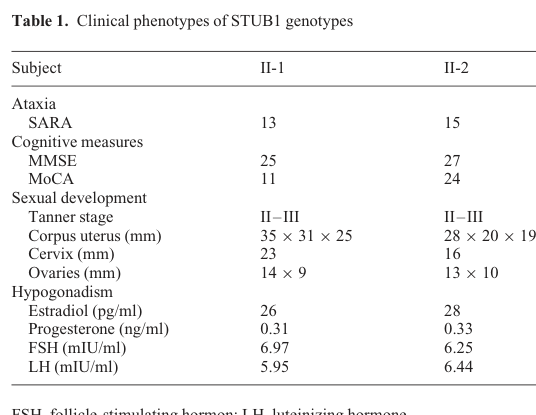
Reference Validation
Checked with linkml-reference-validator 0.3.0rc3.
| Outcome | Count |
|---|---|
| References checked | 18 |
| Resolved | 18 |
| Unresolved (possible confabulation) | 0 |
| Unverifiable | 0 |
| Quoted claims checked | 0 |
| Quoted claims found in source | 0 |
| Quoted claims not found in source | 0 |
| Quoted claims with nothing to check against | 1 |
| References weighed for topical relevance | 18 |
| On topic | 8 |
| Off topic | 0 |
Quotes that could not be checked
There was no text to compare these against, so they are neither confirmed nor contradicted:
DOI:10.1093/hmg/ddt497: "Gordon Holmes syndrome (GHS) is a rare Mendelian neurodegenerative disorder characterized by ataxia and hypogonadism."- Reference resolved but exposes no abstract or full text to search
All extracted references resolved successfully.
Term Validation
Checked with linkml-term-validator 0.4.5, through the ols: adapter.
| Outcome | Count |
|---|---|
| Terms checked | 35 |
| Resolved | 33 |
| Unresolved (possible confabulation) | 0 |
| Obsolete | 2 |
| Unverifiable | 0 |
Obsolete terms
These terms are real but deprecated. Citing one is not a fabrication; it does mean the report is naming something the ontology has retired:
CL:0000543(obsolete sieve tube member) (1 mention) - replaced byPO:0000289MAXO:0000129(obsolete biopsy procedure) (1 mention) - replaced byOBI:0002650
33 of 35 terms resolved to a current term; the rest could not be looked up either way.