Cerebellar Ataxia, Intellectual Disability, and Dysequilibrium Syndrome
Cerebellar ataxia, intellectual disability, and dysequilibrium syndrome (CAMRQ) is a genetically heterogeneous group of autosomal recessive neurological disorders associated with biallelic variants in VLDLR (CAMRQ1), WDR81 (CAMRQ2), CA8 (CAMRQ3), or ATP8A2 (CAMRQ4). Early motor impairment, ataxia and developmental difficulties vary widely in severity; intellectual disability, quadrupedal locomotion and severe delay in walking are not universal. Inferior cerebellar hypoplasia is characteristic of VLDLR-related disease, whereas CA8-related disease frequently includes progressive cerebellar ataxia and superior vermis atrophy. ATP8A2-related disease can produce severe hypotonia and hyperkinetic movements despite normal brain MRI. Clinical course, imaging and management needs therefore require interpretation by subtype and individual presentation. Care is supportive.
Ask OpenScientist
Ask a research question about Cerebellar Ataxia, Intellectual Disability, and Dysequilibrium Syndrome. OpenScientist will conduct autonomous deep research using the Disorder Mechanisms Knowledge Base and PubMed literature (typically 10-30 minutes).
Do not include personal health information in your question. Questions and results are cached in your browser's local storage.
Inheritance
1Show evidence (2 references)
Subtypes
4Show evidence (2 references)
Show evidence (2 references)
Show evidence (2 references)
Show evidence (2 references)
Pathophysiology
8Show evidence (3 references)
Show evidence (2 references)
Show evidence (1 reference)
Show evidence (2 references)
Show evidence (3 references)
Show evidence (2 references)
Show evidence (1 reference)
Show evidence (3 references)
Pathograph
Phenotypes
49Cardiovascular 1
Show evidence (1 reference)
Digestive 1
Show evidence (1 reference)
Ear 1
Show evidence (1 reference)
Eye 8
Show evidence (2 references)
Show evidence (2 references)
Show evidence (3 references)
Show evidence (1 reference)
Show evidence (1 reference)
Show evidence (1 reference)
Show evidence (1 reference)
Show evidence (1 reference)
Head and Neck 2
Show evidence (2 references)
Show evidence (1 reference)
Musculoskeletal 4
Show evidence (2 references)
Show evidence (2 references)
Show evidence (1 reference)
Show evidence (1 reference)
Nervous System 29
Show evidence (2 references)
Show evidence (3 references)
Show evidence (1 reference)
Show evidence (2 references)
Show evidence (1 reference)
Show evidence (2 references)
Show evidence (1 reference)
Show evidence (1 reference)
Show evidence (2 references)
Show evidence (2 references)
Show evidence (1 reference)
Show evidence (1 reference)
Show evidence (1 reference)
Show evidence (3 references)
Show evidence (3 references)
Show evidence (1 reference)
Show evidence (1 reference)
Show evidence (1 reference)
Show evidence (3 references)
Show evidence (1 reference)
Show evidence (1 reference)
Show evidence (2 references)
Show evidence (1 reference)
Show evidence (2 references)
Show evidence (1 reference)
Show evidence (1 reference)
Show evidence (1 reference)
Show evidence (1 reference)
Show evidence (2 references)
Voice 1
Show evidence (1 reference)
Growth 2
Show evidence (1 reference)
Show evidence (1 reference)
Genetic Associations
4Show evidence (2 references)
Show evidence (3 references)
Show evidence (2 references)
Show evidence (4 references)
Medical Actions
7Show evidence (2 references)
Show evidence (2 references)
Show evidence (2 references)
Show evidence (1 reference)
Show evidence (1 reference)
Show evidence (1 reference)
Show evidence (1 reference)
Diagnosis
6Show evidence (3 references)
Show evidence (2 references)
Show evidence (3 references)
Show evidence (1 reference)
Show evidence (1 reference)
Show evidence (1 reference)
Progression
3Show evidence (2 references)
Show evidence (1 reference)
Show evidence (2 references)
Experimental Models
5Show evidence (1 reference)
Show evidence (1 reference)
Show evidence (1 reference)
Show evidence (1 reference)
Show evidence (1 reference)
Show evidence (1 reference)
Show evidence (1 reference)
Show evidence (2 references)
Show evidence (1 reference)
Show evidence (2 references)
Animal Models
3Show evidence (1 reference)
Show evidence (2 references)
Show evidence (3 references)
Show evidence (1 reference)
Source YAML
click to showname: Cerebellar Ataxia, Intellectual Disability, and Dysequilibrium Syndrome
creation_date: '2026-05-13T00:00:00Z'
category: Mendelian
synonyms:
- CAMRQ
- Dysequilibrium syndrome
- Cerebellar ataxia, mental retardation, and dysequilibrium syndrome
references:
- reference: PMID:20301729
title: VLDLR Cerebellar Hypoplasia.
tags:
- GeneReviews
description: Cerebellar ataxia, intellectual disability, and dysequilibrium syndrome (CAMRQ) is a genetically heterogeneous group of autosomal recessive neurological disorders associated with biallelic variants in VLDLR (CAMRQ1), WDR81 (CAMRQ2), CA8 (CAMRQ3), or ATP8A2 (CAMRQ4). Early motor impairment, ataxia and developmental difficulties vary widely in severity; intellectual disability, quadrupedal locomotion and severe delay in walking are not universal. Inferior cerebellar hypoplasia is characteristic of VLDLR-related disease, whereas CA8-related disease frequently includes progressive cerebellar ataxia and superior vermis atrophy. ATP8A2-related disease can produce severe hypotonia and hyperkinetic movements despite normal brain MRI. Clinical course, imaging and management needs therefore require interpretation by subtype and individual presentation. Care is supportive.
disease_term:
preferred_term: cerebellar ataxia, intellectual disability, and dysequilibrium
term:
id: MONDO:0009133
label: cerebellar ataxia, intellectual disability, and dysequilibrium
parents:
- Mendelian Disorder
- Cerebellar disorder
inheritance:
- name: Autosomal recessive
inheritance_term:
preferred_term: Autosomal recessive inheritance
term:
id: HP:0000007
label: Autosomal recessive inheritance
description: The four CAMRQ subtypes are associated with biallelic pathogenic variants and autosomal recessive inheritance. Consanguineous and non-consanguineous families have been reported; family structure is not a diagnostic requirement.
evidence:
- reference: PMID:42051465
reference_title: 'Identification of a Novel VLDLR Variant in the First Report of CAMRQ1 From Africa: Expanding the Spectrum of Cerebellar Ataxia Syndromes.'
supports: SUPPORT
evidence_source: HUMAN_CLINICAL
snippet: Cerebellar ataxia, mental retardation, and disequilibrium syndrome (CAMRQ)-related disorders are rare, nonprogressive, autosomal recessive conditions
explanation: The paper summarizes recessive inheritance in its background; its blanket nonprogressive wording does not describe every CA8-related case.
quote_role: BACKGROUND
- reference: PMID:35321980
reference_title: Two Siblings with Cerebellar Ataxia, Mental Retardation, and Disequilibrium Syndrome 4 and a Novel Variant of ATP8A2.
supports: SUPPORT
evidence_source: HUMAN_CLINICAL
snippet: Japanese siblings presented with athetotic movements at 1 and 2 months of age. ... Whole exome sequencing revealed compound heterozygous variants of ATP8A2
explanation: Compound heterozygosity in the Japanese siblings complements the homozygous variants reported in consanguineous families.
has_subtypes:
- name: CAMRQ1
display_name: CAMRQ Type 1 (VLDLR)
description: CAMRQ1 (OMIM 224050) is caused by biallelic loss-of-function variants in VLDLR (very-low-density lipoprotein receptor), a co-receptor in the Reelin signaling pathway that guides neuronal migration during cerebellar and cortical development. First described in a Hutterite kindred with a homozygous deletion of the entire VLDLR gene. A much milder presentation has also been reported with homozygous p.C419Y; the proposed relationship to domain location has not been established as a general genotype-phenotype rule.
subtype_term:
preferred_term: cerebellar ataxia, intellectual disability, and dysequilibrium syndrome 1
term:
id: MONDO:0024542
label: cerebellar ataxia, intellectual disability, and dysequilibrium syndrome 1
evidence:
- reference: PMID:16080122
reference_title: Homozygous deletion of the very low density lipoprotein receptor gene causes autosomal recessive cerebellar hypoplasia with cerebral gyral simplification.
supports: SUPPORT
evidence_source: HUMAN_CLINICAL
snippet: A 199-kb homozygous deletion encompassing the entire very low density lipoprotein receptor (VLDLR) gene was present in all affected individuals.
explanation: First identification of VLDLR loss as the cause of the Hutterite CAMRQ1 phenotype.
- reference: PMID:27251579
reference_title: Very mild features of dysequilibrium syndrome associated with a novel VLDLR missense mutation.
supports: SUPPORT
evidence_source: HUMAN_CLINICAL
snippet: We report an Italian girl with very mild DES caused by the novel homozygous VLDLR missense mutation p.(C419Y).
explanation: Documents a mild presentation without proving the hypothesized structural explanation.
genes:
- preferred_term: VLDLR
term:
id: hgnc:12698
label: VLDLR
- name: CAMRQ2
display_name: CAMRQ Type 2 (WDR81)
description: CAMRQ2 (OMIM 610185) is caused by biallelic variants in WDR81, encoding a BEACH/WD40-repeat protein implicated in endolysosomal trafficking and selective autophagy. Patients show congenital cerebellar ataxia, intellectual disability and, in some, quadrupedal gait. A nonconsanguineous family report documents milder disease with bipedal gait and age-appropriate speech despite the same P856L variant found in the original severely affected kindred.
subtype_term:
preferred_term: cerebellar ataxia, intellectual disability, and dysequilibrium syndrome 2
term:
id: MONDO:0012430
label: cerebellar ataxia, intellectual disability, and dysequilibrium syndrome 2
evidence:
- reference: PMID:21885617
reference_title: Homozygosity mapping and targeted genomic sequencing reveal the gene responsible for cerebellar hypoplasia and quadrupedal locomotion in a consanguineous kindred.
supports: SUPPORT
evidence_source: HUMAN_CLINICAL
snippet: Targeted sequencing of the entire homozygous region in three affected individuals and two obligate carriers uncovered a private missense mutation, WDR81 p.P856L, which cosegregated with the condition in the extended family.
explanation: Original human identification of WDR81 as the CAMRQ2 gene in a consanguineous Turkish kindred with quadrupedal locomotion.
- reference: PMID:40013199
reference_title: 'Cerebellar Ataxia, Impaired Intellectual Development, and Disequilibrium Syndrome-2: A Case Report.'
supports: SUPPORT
evidence_source: HUMAN_CLINICAL
snippet: She has age-appropriate speech skills and a bipedal gait (although with ataxia and frequent falls), and she is able to jump on two feet and dance.
explanation: The later case broadens motor and developmental severity; formal intellectual testing was not reported.
genes:
- preferred_term: WDR81
term:
id: hgnc:26600
label: WDR81
- name: CAMRQ3
display_name: CAMRQ Type 3 (CA8)
description: 'CAMRQ3 is caused by biallelic variants in CA8, encoding carbonic anhydrase 8, an enzymatically inactive isoform highly expressed in cerebellar Purkinje cells that modulates IP3-receptor calcium signaling. Recent series have refined the phenotype: progressive cerebellar atrophy (especially superior vermis) and variable pyramidal signs distinguish CA8-related disease from other CAMRQ subtypes. A reported p.Asn84Ser case had severe ataxia with normal serial brain MRI, so cerebellar atrophy is not obligatory.'
subtype_term:
preferred_term: cerebellar ataxia, intellectual disability, and dysequilibrium syndrome 3
term:
id: MONDO:0013188
label: cerebellar ataxia, intellectual disability, and dysequilibrium syndrome 3
evidence:
- reference: PMID:38581205
reference_title: Clinical and Molecular Spectrum of Autosomal Recessive CA8-Related Cerebellar Ataxia.
supports: SUPPORT
evidence_source: HUMAN_CLINICAL
snippet: biallelic CA8 variants have currently been associated with a recessive neurological disorder named, cerebellar ataxia, mental retardation, and dysequilibrium syndrome 3 (CAMRQ-3).
explanation: Establishes CA8 as the gene for CAMRQ3 (CA8-related disorder).
- reference: PMID:32808436
reference_title: Novel homozygous variant of carbonic anhydrase 8 gene expanding the phenotype of cerebellar ataxia, mental retardation, and disequilibrium syndrome subtype 3.
supports: SUPPORT
evidence_source: HUMAN_CLINICAL
snippet: Strikingly, three consecutive MRIs did not show any sign of cerebellar abnormalities
explanation: A CA8 case with p.Asn84Ser had severe clinical ataxia despite normal serial structural imaging; atrophy is not obligatory in every reported case.
genes:
- preferred_term: CA8
term:
id: hgnc:1382
label: CA8
- name: CAMRQ4
display_name: CAMRQ Type 4 (ATP8A2)
description: CAMRQ4 is caused by biallelic pathogenic variants in ATP8A2, encoding a P4-type phosphatidylserine flippase. Reported presentations range from severe developmental impairment with hypotonia, hyperkinetic movements and optic atrophy to cerebellar ataxia without encephalopathy. A consistent clinical severity relationship with residual ATPase activity has not been established.
subtype_term:
preferred_term: cerebellar ataxia, intellectual disability, and dysequilibrium syndrome 4
term:
id: MONDO:0014104
label: cerebellar ataxia, intellectual disability, and dysequilibrium syndrome 4
evidence:
- reference: PMID:31612321
reference_title: ATP8A2-related disorders as recessive cerebellar ataxia.
supports: SUPPORT
evidence_source: HUMAN_CLINICAL
snippet: ATP8A2-related disorders are autosomal recessive conditions that associate encephalopathy with or without hypotonia, psychomotor delay, abnormal movements, chorea, tremor, optic atrophy and cerebellar atrophy (CARMQ4).
explanation: Defines the ATP8A2-related CAMRQ4 phenotype and its severity spectrum.
- reference: PMID:31612321
reference_title: ATP8A2-related disorders as recessive cerebellar ataxia.
supports: SUPPORT
evidence_source: HUMAN_CLINICAL
snippet: Two patients from one family with the homozygous p.Gly585Val mutation had a milder presentation without encephalopathy.
explanation: The milder presentation is an observed familial phenotype, not proof of a residual-activity gradient.
genes:
- preferred_term: ATP8A2
term:
id: hgnc:13533
label: ATP8A2
pathophysiology:
- name: Impaired VLDLR surface delivery (CAMRQ1)
subtypes:
- CAMRQ1
description: Selected VLDLR missense variants impair receptor maturation and trafficking. In transfected HeLa and HEK293T cells, p.P565Q is retained in the endoplasmic reticulum and fails to acquire the mature glycosylation pattern. Accumulation in HRD1-deficient cells implicates ER-associated degradation. Reduced downstream Reelin signaling is inferred from the loss of surface receptor; the study did not directly measure neuronal migration or Reelin responses.
genes:
- preferred_term: VLDLR
term:
id: hgnc:12698
label: VLDLR
evidence:
- reference: PMID:42051465
reference_title: 'Identification of a Novel VLDLR Variant in the First Report of CAMRQ1 From Africa: Expanding the Spectrum of Cerebellar Ataxia Syndromes.'
supports: SUPPORT
evidence_source: IN_VITRO
snippet: In contrast, only the immature band was observed for p.(P565Q), confirming its retention in the ER
explanation: Endoglycosidase H and immunoblot assays establish defective receptor maturation for this particular variant.
- reference: PMID:42051465
reference_title: 'Identification of a Novel VLDLR Variant in the First Report of CAMRQ1 From Africa: Expanding the Spectrum of Cerebellar Ataxia Syndromes.'
supports: SUPPORT
evidence_source: IN_VITRO
snippet: Our results revealed a marked and significant accumulation of p.(P565Q) in HRD1 KO cells compared with its respective controls
explanation: HRD1 knockout supports involvement of ER-associated degradation in the overexpression system.
- reference: PMID:42051465
reference_title: 'Identification of a Novel VLDLR Variant in the First Report of CAMRQ1 From Africa: Expanding the Spectrum of Cerebellar Ataxia Syndromes.'
supports: SUPPORT
evidence_source: IN_VITRO
snippet: demonstrated the retention of the p.(P565Q) VLDLR protein in the endoplasmic reticulum (ER), impairing its trafficking to the plasma membrane
explanation: Imaging and biochemical experiments demonstrate defective surface delivery for p.P565Q.
downstream:
- target: Disrupted Reelin Signaling (CAMRQ1)
description: Reduced delivery of the receptor to the plasma membrane is expected to impair Reelin signaling.
causal_link_type: INDIRECT_KNOWN_INTERMEDIATES
evidence:
- reference: PMID:42051465
reference_title: 'Identification of a Novel VLDLR Variant in the First Report of CAMRQ1 From Africa: Expanding the Spectrum of Cerebellar Ataxia Syndromes.'
supports: SUPPORT
evidence_source: IN_VITRO
snippet: This ER retention is expected to disrupt VLDLR-mediated signaling pathways, including reelin signaling, thereby affecting neuronal migration.
explanation: The authors explicitly describe the signaling consequence as expected, beyond the measured trafficking defect.
biological_processes:
- preferred_term: protein localization to plasma membrane
term:
id: GO:0072659
label: protein localization to plasma membrane
modifier: DECREASED
- name: Disrupted Reelin Signaling (CAMRQ1)
description: VLDLR is a Reelin receptor that cooperates with ApoER2 and DAB1 signaling to provide positional cues during neuronal migration. Biallelic VLDLR loss disrupts this developmental pathway in CAMRQ1. Receptor loss through whole-gene deletion and impaired surface delivery of selected missense proteins are distinct routes to reduced receptor availability.
subtypes:
- CAMRQ1
biological_processes:
- preferred_term: reelin-mediated signaling pathway
term:
id: GO:0038026
label: reelin-mediated signaling pathway
modifier: DECREASED
- preferred_term: neuron migration
term:
id: GO:0001764
label: neuron migration
modifier: DECREASED
evidence:
- reference: PMID:16080122
reference_title: Homozygous deletion of the very low density lipoprotein receptor gene causes autosomal recessive cerebellar hypoplasia with cerebral gyral simplification.
supports: SUPPORT
evidence_source: HUMAN_CLINICAL
snippet: VLDLR is part of the reelin signaling pathway, which guides neuroblast migration in the cerebral cortex and cerebellum.
explanation: Mechanistically links VLDLR loss to disrupted Reelin signaling and neuronal migration.
- reference: PMID:16080122
reference_title: Homozygous deletion of the very low density lipoprotein receptor gene causes autosomal recessive cerebellar hypoplasia with cerebral gyral simplification.
supports: SUPPORT
evidence_source: OTHER
snippet: With reelin binding, the cytoplasmic adaptor protein disabled-1 (Dab1) docks to the NPxY sequence in the intracellular region of VLDLR and ApoER2 and becomes phosphorylated
explanation: The human deletion paper summarizes the receptor-adaptor mechanism established in prior experimental studies.
quote_role: REVIEW_SYNTHESIS
downstream:
- target: Cerebellar developmental hypoplasia (CAMRQ1)
description: Disrupted Reelin-dependent neuronal positioning contributes to abnormal cerebellar development.
causal_link_type: INDIRECT_KNOWN_INTERMEDIATES
evidence:
- reference: PMID:16080122
reference_title: Homozygous deletion of the very low density lipoprotein receptor gene causes autosomal recessive cerebellar hypoplasia with cerebral gyral simplification.
supports: SUPPORT
evidence_source: OTHER
snippet: However, the Vldlr-deficient mouse cerebellum is small, with reduced foliation and heterotopic Purkinje cells
explanation: The human deletion report summarizes developmental findings in Vldlr-deficient mice; this does not establish identical cellular pathology in every human subtype.
quote_role: REVIEW_SYNTHESIS
- target: Simplified cortical gyration
description: Disrupted Reelin-dependent cortical neuronal positioning contributes to gyral simplification in VLDLR-related disease.
causal_link_type: INDIRECT_KNOWN_INTERMEDIATES
evidence:
- reference: PMID:16080122
reference_title: Homozygous deletion of the very low density lipoprotein receptor gene causes autosomal recessive cerebellar hypoplasia with cerebral gyral simplification.
supports: SUPPORT
evidence_source: HUMAN_CLINICAL
snippet: VLDLR is part of the reelin signaling pathway, which guides neuroblast migration in the cerebral cortex and cerebellum.
explanation: Mechanistically links VLDLR loss to disrupted Reelin signaling and neuronal migration.
- reference: PMID:16080122
reference_title: Homozygous deletion of the very low density lipoprotein receptor gene causes autosomal recessive cerebellar hypoplasia with cerebral gyral simplification.
supports: SUPPORT
evidence_source: HUMAN_CLINICAL
snippet: is associated with inferior cerebellar hypoplasia and mild cerebral gyral simplification in the Hutterite population.
explanation: Imaging evidence of inferior cerebellar hypoplasia in CAMRQ1.
genes:
- preferred_term: VLDLR
term:
id: hgnc:12698
label: VLDLR
molecular_functions:
- preferred_term: reelin receptor activity
term:
id: GO:0038025
label: reelin receptor activity
modifier: DECREASED
- name: Cerebellar developmental hypoplasia (CAMRQ1)
subtypes:
- CAMRQ1
description: Inferior cerebellar and vermian hypoplasia is a characteristic developmental lesion of VLDLR-related cerebellar hypoplasia. It must be distinguished from progressive cerebellar atrophy in CA8-related disease. The human imaging finding does not itself identify a cell-autonomous defect.
biological_processes:
- preferred_term: cerebellum development
term:
id: GO:0021549
label: cerebellum development
modifier: ABNORMAL
evidence: &id001
- reference: PMID:16080122
reference_title: Homozygous deletion of the very low density lipoprotein receptor gene causes autosomal recessive cerebellar hypoplasia with cerebral gyral simplification.
supports: SUPPORT
evidence_source: HUMAN_CLINICAL
snippet: An autosomal recessive syndrome of nonprogressive cerebellar ataxia and mental retardation is associated with inferior cerebellar hypoplasia and mild cerebral gyral simplification in the Hutterite population.
explanation: The original VLDLR deletion cohort links a defined developmental imaging phenotype with nonprogressive ataxia.
downstream:
- target: Cerebellar Ataxia
description: The developmental cerebellar lesion contributes to nonprogressive ataxia in CAMRQ1.
causal_link_type: INDIRECT_UNKNOWN_INTERMEDIATES
evidence: *id001
- target: Cerebellar Hypoplasia
description: The developmental cerebellar lesion is observed as inferior cerebellar and vermian hypoplasia on MRI.
causal_link_type: DIRECT
evidence:
- reference: PMID:16080122
reference_title: Homozygous deletion of the very low density lipoprotein receptor gene causes autosomal recessive cerebellar hypoplasia with cerebral gyral simplification.
supports: SUPPORT
evidence_source: HUMAN_CLINICAL
snippet: is associated with inferior cerebellar hypoplasia and mild cerebral gyral simplification in the Hutterite population.
explanation: Imaging evidence of inferior cerebellar hypoplasia in CAMRQ1.
- target: Delayed Ambulation
description: Congenital cerebellar ataxia contributes to delayed independent walking in VLDLR-related disease.
causal_link_type: INDIRECT_UNKNOWN_INTERMEDIATES
evidence:
- reference: PMID:20301729
reference_title: VLDLR Cerebellar Hypoplasia.
supports: SUPPORT
evidence_source: OTHER
quote_role: REVIEW_SYNTHESIS
snippet: VLDLR cerebellar hypoplasia (VLDLR-CH) is characterized by non-progressive congenital ataxia that is predominantly truncal and results in delayed ambulation, moderate-to-profound intellectual disability, dysarthria, strabismus, and seizures.
explanation: The course statement applies specifically to VLDLR-related disease.
- target: Truncal ataxia
description: The developmental cerebellar lesion contributes to predominantly truncal ataxia in VLDLR-related disease.
causal_link_type: INDIRECT_UNKNOWN_INTERMEDIATES
evidence:
- reference: PMID:20301729
reference_title: VLDLR Cerebellar Hypoplasia.
supports: SUPPORT
evidence_source: OTHER
quote_role: REVIEW_SYNTHESIS
snippet: VLDLR cerebellar hypoplasia (VLDLR-CH) is characterized by non-progressive congenital ataxia that is predominantly truncal and results in delayed ambulation, moderate-to-profound intellectual disability, dysarthria, strabismus, and seizures.
explanation: The course statement applies specifically to VLDLR-related disease.
- target: Nonprogressive cerebellar ataxia
description: The regional cerebellar lesion contributes to this subtype-associated clinical ataxia phenotype.
causal_link_type: INDIRECT_UNKNOWN_INTERMEDIATES
evidence:
- reference: PMID:20301729
reference_title: VLDLR Cerebellar Hypoplasia.
supports: SUPPORT
evidence_source: OTHER
quote_role: REVIEW_SYNTHESIS
snippet: VLDLR cerebellar hypoplasia (VLDLR-CH) is characterized by non-progressive congenital ataxia that is predominantly truncal and results in delayed ambulation, moderate-to-profound intellectual disability, dysarthria, strabismus, and seizures.
explanation: The course statement applies specifically to VLDLR-related disease.
- name: Impaired endosome maturation (CAMRQ2)
subtypes:
- CAMRQ2
description: WDR81 and WDR91 form a complex that restrains Beclin1-associated endosomal PI3K activity. WDR81 knockout in human cultured cells increases endosomal PtdIns3P, enlarges early endosomes and impairs lysosomal EGFR degradation. These experiments establish a cellular function of WDR81; they do not directly establish the effect of the CAMRQ2 p.P856L allele or the intervening steps leading to human cerebellar malformation.
genes:
- preferred_term: WDR81
term:
id: hgnc:26600
label: WDR81
biological_processes:
- preferred_term: early endosome to late endosome transport
term:
id: GO:0045022
label: early endosome to late endosome transport
modifier: DECREASED
evidence:
- reference: PMID:26783301
reference_title: Negative regulation of phosphatidylinositol 3-phosphate levels in early-to-late endosome conversion.
supports: SUPPORT
evidence_source: IN_VITRO
snippet: In mammalian cells, inactivation of WDR91 and WDR81, the homologs of SORF-1 and SORF-2, induces Beclin1-dependent enlargement of PtdIns3P-enriched endosomes and defective degradation of epidermal growth factor receptor.
explanation: Knockout and Beclin1-depletion experiments support the endosomal trafficking mechanism.
- reference: PMID:26783301
reference_title: Negative regulation of phosphatidylinositol 3-phosphate levels in early-to-late endosome conversion.
supports: SUPPORT
evidence_source: IN_VITRO
snippet: WDR91 and WDR81 interact with Beclin1 and inhibit PI3K complex activity.
explanation: Coimmunoprecipitation and kinase assays support negative regulation of the endosomal PI3K complex.
- name: Impaired selective aggregate clearance (CAMRQ2)
subtypes:
- CAMRQ2
description: WDR81 coordinates p62-dependent recognition of ubiquitinated protein aggregates with recruitment of LC3C through its LC3-interacting regions. WDR81 loss impairs this selective aggrephagy function in cultured cells. This function is separable from the WDR91-dependent endosomal role and does not imply failure of general autophagy. Brain-specific Wdr81 knockout causes neuronal p62 accumulation in mice but does not reproduce the gross developmental brain abnormalities of human CAMRQ2; a patient-variant-specific aggrephagy defect remains unestablished.
genes:
- preferred_term: WDR81
term:
id: hgnc:26600
label: WDR81
molecular_functions:
- preferred_term: protein-macromolecule adaptor activity
term:
id: GO:0030674
label: protein-macromolecule adaptor activity
modifier: DECREASED
biological_processes:
- preferred_term: aggrephagy
term:
id: GO:0035973
label: aggrephagy
modifier: DECREASED
evidence:
- reference: PMID:28404643
reference_title: The BEACH-containing protein WDR81 coordinates p62 and LC3C to promote aggrephagy.
supports: SUPPORT
evidence_source: IN_VITRO
snippet: These findings collectively suggest that WDR81 coordinates p62-dependent recognition of Ub proteins with LC3C-mediated assembly of autophagosomes, thereby facilitating Ub protein clearance through autophagy.
explanation: Binding, knockout and rescue experiments support the adaptor role in selective aggregate clearance.
- reference: PMID:28404643
reference_title: The BEACH-containing protein WDR81 coordinates p62 and LC3C to promote aggrephagy.
supports: SUPPORT
evidence_source: IN_VITRO
snippet: The function of WDR81 in aggrephagy does not require WDR91.
explanation: The aggrephagy and endosome functions are experimentally separable.
- reference: PMID:28404643
reference_title: The BEACH-containing protein WDR81 coordinates p62 and LC3C to promote aggrephagy.
supports: SUPPORT
evidence_source: MODEL_ORGANISM
snippet: Intriguingly, no obvious brain abnormalities were observed in WDR81f/f cKO mice, unlike the defective development of the corpus callosum, third ventricle, fourth ventricle, and cerebellum in human CAMRQ2 patients carrying a WDR81 mutation
explanation: The conditional knockout provides evidence about aggregate clearance, with an explicit limitation in recapitulating the human developmental phenotype.
- name: Dysregulated Purkinje Cell Calcium Signaling (CAMRQ3)
description: CA8 encodes an enzymatically inactive carbonic-anhydrase-related protein, also called CARP, enriched in cerebellar Purkinje cells. Biochemical experiments show that CARP binds the modulatory region of ITPR1 and reduces its affinity for IP3. Loss of this regulation is a proposed link between CA8 dysfunction and disturbed calcium signaling. Human imaging and whole-embryo zebrafish knockout experiments do not by themselves establish Purkinje-cell-autonomous pathology or the functional effect of each human missense allele.
subtypes:
- CAMRQ3
cell_types:
- preferred_term: Purkinje cell
term:
id: CL:0000121
label: Purkinje cell
biological_processes:
- preferred_term: calcium-mediated signaling
term:
id: GO:0019722
label: calcium-mediated signaling
modifier: ABNORMAL
evidence:
- reference: PMID:12611586
reference_title: Carbonic anhydrase-related protein is a novel binding protein for inositol 1,4,5-trisphosphate receptor type 1.
supports: SUPPORT
evidence_source: IN_VITRO
snippet: CARP inhibits IP(3) binding to IP(3)R1 by reducing the affinity of the receptor for IP(3).
explanation: Biochemical ligand-binding experiments establish a regulatory function, not carbonic anhydrase catalytic activity.
- reference: PMID:12611586
reference_title: Carbonic anhydrase-related protein is a novel binding protein for inositol 1,4,5-trisphosphate receptor type 1.
supports: SUPPORT
evidence_source: IN_VITRO
snippet: Using deletion mutagenesis, we established that amino acids 45-291 of CARP are essential for its association with IP(3)R1, and that the CARP-binding site is located within the modulatory domain of IP(3)R1 amino acids 1387-1647.
explanation: Deletion constructs identify interacting regions of CA8/CARP and ITPR1.
genes:
- preferred_term: CA8
term:
id: hgnc:1382
label: CA8
- name: Progressive cerebellar atrophy (CAMRQ3)
subtypes:
- CAMRQ3
description: CA8-related disease frequently includes progressive cerebellar atrophy, predominantly involving the superior vermis. Clinical progression varies, and serial imaging is available only for a subset of reported patients. The cellular steps connecting altered CA8-dependent signaling to regional tissue loss remain unresolved.
evidence:
- reference: PMID:38581205
reference_title: Clinical and Molecular Spectrum of Autosomal Recessive CA8-Related Cerebellar Ataxia.
supports: SUPPORT
evidence_source: HUMAN_CLINICAL
snippet: Progressive selective cerebellar atrophy, predominantly affecting the superior vermis, was a key diagnostic finding in all patients.
explanation: The cohort supports the characteristic regional imaging finding; its full text limits longitudinal MRI observations to a subset.
downstream:
- target: Progressive Cerebellar Vermis Atrophy
description: Regional cerebellar tissue loss appears as vermian atrophy on MRI.
causal_link_type: DIRECT
evidence:
- reference: PMID:38581205
reference_title: Clinical and Molecular Spectrum of Autosomal Recessive CA8-Related Cerebellar Ataxia.
supports: SUPPORT
evidence_source: HUMAN_CLINICAL
snippet: Progressive selective cerebellar atrophy, predominantly affecting the superior vermis, was a key diagnostic finding in all patients.
explanation: This edge connects the regional structural process to its imaging manifestation.
- target: Cerebellar Ataxia
description: Regional cerebellar tissue loss contributes to the ataxic syndrome in CA8-related disease; clinical progression varies and imaging does not identify the intervening cellular steps.
causal_link_type: INDIRECT_UNKNOWN_INTERMEDIATES
evidence:
- reference: PMID:38581205
reference_title: Clinical and Molecular Spectrum of Autosomal Recessive CA8-Related Cerebellar Ataxia.
supports: SUPPORT
evidence_source: HUMAN_CLINICAL
snippet: Patients exhibited varying degrees of neurodevelopmental disorders (NDD), along with predominantly progressive cerebellar ataxia and pyramidal signs and variable bradykinesia, dystonia, and sensory impairment.
explanation: The combined CA8 cohort included 27 individuals from 14 families; the clinical ataxia was predominantly progressive, so a non-progressive course cannot be generalized across CAMRQ subtypes.
- target: Progressive cerebellar ataxia
description: The regional cerebellar lesion contributes to this subtype-associated clinical ataxia phenotype.
causal_link_type: INDIRECT_UNKNOWN_INTERMEDIATES
evidence:
- reference: PMID:38581205
reference_title: Clinical and Molecular Spectrum of Autosomal Recessive CA8-Related Cerebellar Ataxia.
supports: SUPPORT
evidence_source: HUMAN_CLINICAL
snippet: Patients exhibited varying degrees of neurodevelopmental disorders (NDD), along with predominantly progressive cerebellar ataxia and pyramidal signs and variable bradykinesia, dystonia, and sensory impairment.
explanation: The combined CA8 cohort included 27 individuals from 14 families; the clinical ataxia was predominantly progressive, so a non-progressive course cannot be generalized across CAMRQ subtypes.
- reference: url:https://scientiasalut.gencat.cat/bitstream/handle/11351/11654/clinical_molecular_spectrum_autosomal_recessive_ca8_related_cerebellar_ataxia_2024.pdf?sequence=1
reference_title: https://scientiasalut.gencat.cat/bitstream/handle/11351/11654/clinical_molecular_spectrum_autosomal_recessive_ca8_related_cerebellar_ataxia_2024.pdf?sequence=1
supports: SUPPORT
evidence_source: HUMAN_CLINICAL
snippet: In terms of disease progression, ataxia was progressive in 10/15 patients and improved in 5/15 patients.
explanation: Denominators are limited to patients with course information.
- name: Impaired Phospholipid Translocation in Neuronal Membranes (CAMRQ4)
description: 'ATP8A2 is a P4 ATPase that translocates phosphatidylserine from the exoplasmic to the cytosolic membrane leaflet. Disease-associated variants can impair protein folding and abundance or intrinsic phospholipid-activated ATPase activity. These mechanisms require separate assessment: some catalytically inactive variants retain normal abundance, whereas R1147W has reduced abundance with preserved specific ATPase activity. Functional results alone do not establish a monotonic relationship between residual activity and clinical severity.'
subtypes:
- CAMRQ4
biological_processes:
- preferred_term: phospholipid translocation
term:
id: GO:0045332
label: phospholipid translocation
modifier: DECREASED
evidence:
- reference: PMID:31612321
reference_title: ATP8A2-related disorders as recessive cerebellar ataxia.
supports: SUPPORT
evidence_source: IN_VITRO
snippet: Expression and functional studies of the missense mutations demonstrated that protein levels of four of the five missense variants were very low and lacked phosphatidylserine-activated ATPase activity.
explanation: Four tested variants had very low abundance and lacked PS-activated ATPase activity; this result is not generalized to all missense variants.
- reference: PMID:38436085
reference_title: Functional and in silico analysis of ATP8A2 and other P4-ATPase variants associated with human genetic diseases.
supports: SUPPORT
evidence_source: IN_VITRO
snippet: The activities of the G447R and A772P variants were not determined owing to their low expression.
explanation: Low expression prevented measurement of intrinsic activity for these two variants; absent protein is not an activity measurement.
- reference: PMID:38436085
reference_title: Functional and in silico analysis of ATP8A2 and other P4-ATPase variants associated with human genetic diseases.
supports: SUPPORT
evidence_source: OTHER
snippet: However, functional studies indicate that both variants are devoid of ATPase activity, in line with the key role of K429 within the conserved Asp-Lys-Thr-Gly-Thr (DKTGT) motif required for transient phosphorylation as part of the reaction cycle.
explanation: 'The discussion contrasts previously characterized K429N and K429M: different protein abundance but loss of catalytic activity for both.'
quote_role: REVIEW_SYNTHESIS
genes:
- preferred_term: ATP8A2
term:
id: hgnc:13533
label: ATP8A2
molecular_functions:
- preferred_term: phosphatidylserine flippase activity
term:
id: GO:0140346
label: phosphatidylserine flippase activity
modifier: DECREASED
phenotypes:
- name: Cerebellar Ataxia
category: Neurological
description: Cerebellar ataxia is a major motor manifestation across the CAMRQ spectrum. VLDLR-related ataxia is characteristically congenital and non-progressive; CA8-related disease frequently has progressive clinical ataxia as well as progressive cerebellar atrophy.
phenotype_term:
preferred_term: Ataxia
term:
id: HP:0001251
label: Ataxia
evidence:
- reference: PMID:42051465
reference_title: 'Identification of a Novel VLDLR Variant in the First Report of CAMRQ1 From Africa: Expanding the Spectrum of Cerebellar Ataxia Syndromes.'
supports: SUPPORT
evidence_source: HUMAN_CLINICAL
snippet: primarily characterized by cerebellar ataxia, hypotonia, intellectual disability, delayed ambulation
explanation: Supports cerebellar ataxia as a cardinal feature of CAMRQ-related disorders.
- reference: PMID:38581205
reference_title: Clinical and Molecular Spectrum of Autosomal Recessive CA8-Related Cerebellar Ataxia.
supports: SUPPORT
evidence_source: HUMAN_CLINICAL
snippet: Patients exhibited varying degrees of neurodevelopmental disorders (NDD), along with predominantly progressive cerebellar ataxia and pyramidal signs and variable bradykinesia, dystonia, and sensory impairment.
explanation: The combined CA8 cohort included 27 individuals from 14 families; the clinical ataxia was predominantly progressive, so a non-progressive course cannot be generalized across CAMRQ subtypes.
- name: Intellectual Disability
category: Neurological
description: Intellectual disability is common and ranges in severity, but normal intelligence has been documented in some CA8-related cases. Its absence does not exclude the broader genetically defined CAMRQ spectrum. A WDR81 case with age-appropriate speech and grade-level academic work with tutoring further illustrates milder development, although this is not a formal IQ measurement.
phenotype_term:
preferred_term: Intellectual disability
term:
id: HP:0001249
label: Intellectual disability
evidence:
- reference: PMID:42051465
reference_title: 'Identification of a Novel VLDLR Variant in the First Report of CAMRQ1 From Africa: Expanding the Spectrum of Cerebellar Ataxia Syndromes.'
supports: SUPPORT
evidence_source: HUMAN_CLINICAL
snippet: primarily characterized by cerebellar ataxia, hypotonia, intellectual disability, delayed ambulation
explanation: Supports intellectual disability as a common feature of CAMRQ-related disorders.
- reference: url:https://scientiasalut.gencat.cat/bitstream/handle/11351/11654/clinical_molecular_spectrum_autosomal_recessive_ca8_related_cerebellar_ataxia_2024.pdf?sequence=1
reference_title: https://scientiasalut.gencat.cat/bitstream/handle/11351/11654/clinical_molecular_spectrum_autosomal_recessive_ca8_related_cerebellar_ataxia_2024.pdf?sequence=1
supports: SUPPORT
evidence_source: HUMAN_CLINICAL
snippet: Two of 27 patients had a normal intelligence quotient (IQ)
explanation: 'Full text of PMID:38581205: The CA8 cohort includes normal intellect; the syndrome name does not establish universal intellectual disability.'
- reference: PMID:40013199
reference_title: 'Cerebellar Ataxia, Impaired Intellectual Development, and Disequilibrium Syndrome-2: A Case Report.'
supports: SUPPORT
evidence_source: HUMAN_CLINICAL
snippet: She is working at grade level in school with tutoring support but without formal academic interventional services.
explanation: School performance supports a milder developmental presentation without substituting for formal cognitive testing.
- name: Cerebellar Hypoplasia
category: Neurological
description: Inferior cerebellar and vermian hypoplasia is characteristic of VLDLR-related CAMRQ1. Developmental hypoplasia is distinct from progressive tissue loss, which is represented separately for CA8-related disease.
phenotype_term:
preferred_term: Cerebellar hypoplasia
term:
id: HP:0001321
label: Cerebellar hypoplasia
evidence:
- reference: PMID:16080122
reference_title: Homozygous deletion of the very low density lipoprotein receptor gene causes autosomal recessive cerebellar hypoplasia with cerebral gyral simplification.
supports: SUPPORT
evidence_source: HUMAN_CLINICAL
snippet: is associated with inferior cerebellar hypoplasia and mild cerebral gyral simplification in the Hutterite population.
explanation: Imaging evidence of inferior cerebellar hypoplasia in CAMRQ1.
subtype: CAMRQ1
- name: Delayed Ambulation
category: Neurological
description: Independent ambulation is markedly delayed or never achieved in many affected individuals. In VLDLR-related disease, walking often begins after six years if achieved. Quadrupedal locomotion is a separate, variable adaptation.
phenotype_term:
preferred_term: Delayed ability to walk
term:
id: HP:0031936
label: Delayed ability to walk
evidence:
- reference: PMID:42051465
reference_title: 'Identification of a Novel VLDLR Variant in the First Report of CAMRQ1 From Africa: Expanding the Spectrum of Cerebellar Ataxia Syndromes.'
supports: SUPPORT
evidence_source: HUMAN_CLINICAL
snippet: primarily characterized by cerebellar ataxia, hypotonia, intellectual disability, delayed ambulation, and, in some cases, quadrupedal locomotion.
explanation: Supports delayed ambulation (with occasional quadrupedal locomotion) as a defining feature.
- reference: url:https://www.ncbi.nlm.nih.gov/sites/books/NBK1874/
reference_title: VLDLR Cerebellar Hypoplasia - GeneReviews® - NCBI Bookshelf
supports: SUPPORT
evidence_source: OTHER
quote_role: REVIEW_SYNTHESIS
snippet: Children either learn to walk very late (often after age 6 years) or never achieve independent ambulation.
explanation: Specifies delayed walking and possible non-acquisition in CAMRQ1.
- name: Global Developmental Delay
category: Neurological
description: Severe developmental delay is frequent in ATP8A2-related disease, although milder ataxia without encephalopathy is also reported. Developmental impairment also occurs in the other CAMRQ subtypes.
phenotype_term:
preferred_term: Global developmental delay
term:
id: HP:0001263
label: Global developmental delay
subtype: CAMRQ4
evidence:
- reference: PMID:31612321
reference_title: ATP8A2-related disorders as recessive cerebellar ataxia.
supports: SUPPORT
evidence_source: HUMAN_CLINICAL
snippet: ATP8A2-related disorders are autosomal recessive conditions that associate encephalopathy with or without hypotonia, psychomotor delay, abnormal movements, chorea, tremor, optic atrophy and cerebellar atrophy (CARMQ4).
explanation: Supports psychomotor delay as part of the ATP8A2 spectrum, without making it an exclusive discriminator.
- name: Hypotonia
category: Neurological
description: Hypotonia is common across CAMRQ subtypes and can contribute to delayed motor milestones. Severe persistent hypotonia is prominent in many ATP8A2-related cases.
phenotype_term:
preferred_term: Generalized hypotonia
term:
id: HP:0001290
label: Generalized hypotonia
evidence:
- reference: PMID:42051465
reference_title: 'Identification of a Novel VLDLR Variant in the First Report of CAMRQ1 From Africa: Expanding the Spectrum of Cerebellar Ataxia Syndromes.'
supports: SUPPORT
evidence_source: HUMAN_CLINICAL
snippet: primarily characterized by cerebellar ataxia, hypotonia, intellectual disability, delayed ambulation
explanation: Recent review identifies hypotonia as a primary clinical feature of CAMRQ-related disorders.
- reference: PMID:30012219
reference_title: Recessive mutations in ATP8A2 cause severe hypotonia, cognitive impairment, hyperkinetic movement disorders and progressive optic atrophy.
supports: SUPPORT
evidence_source: HUMAN_CLINICAL
snippet: All patients exhibited severe hypotonia at or within 6 months after birth which persisted
explanation: Persistent early hypotonia in the ATP8A2 cohort.
- name: Quadrupedal Locomotion
category: Neurological
description: Quadrupedal locomotion (walking on hands and feet) is a clinically distinctive but not obligate feature of CAMRQ. Most prominently reported in CAMRQ1 (VLDLR) and CAMRQ2 (WDR81) consanguineous kindreds, it occurs in a subset of CA8-related patients as well.
phenotype_term:
preferred_term: Cerebellar ataxia associated with quadrupedal gait
term:
id: HP:0009878
label: Cerebellar ataxia associated with quadrupedal gait
evidence:
- reference: PMID:42051465
reference_title: 'Identification of a Novel VLDLR Variant in the First Report of CAMRQ1 From Africa: Expanding the Spectrum of Cerebellar Ataxia Syndromes.'
supports: SUPPORT
evidence_source: HUMAN_CLINICAL
snippet: delayed ambulation, and, in some cases, quadrupedal locomotion.
explanation: Establishes quadrupedal locomotion as a clinically distinctive subset feature of CAMRQ.
- reference: PMID:21885617
reference_title: Homozygosity mapping and targeted genomic sequencing reveal the gene responsible for cerebellar hypoplasia and quadrupedal locomotion in a consanguineous kindred.
supports: SUPPORT
evidence_source: HUMAN_CLINICAL
snippet: WDR81 represents the third gene, after VLDLR and CA8, implicated in quadrupedal locomotion in humans.
explanation: Supports quadrupedal locomotion as a CAMRQ feature shared across VLDLR, CA8, and WDR81 genetic subtypes.
- name: Progressive Cerebellar Vermis Atrophy
category: Neurological
description: CAMRQ3 (CA8-related) is distinguished from other CAMRQ subtypes by progressive selective cerebellar atrophy on serial imaging, predominantly affecting the superior vermis. This is in contrast to the largely non-progressive inferior cerebellar hypoplasia seen in CAMRQ1.
phenotype_term:
preferred_term: Progressive superior vermis atrophy
term:
id: HP:0006855
label: Cerebellar vermis atrophy
clinical_course: PROGRESSIVE
subtype: CAMRQ3
evidence:
- reference: PMID:38581205
reference_title: Clinical and Molecular Spectrum of Autosomal Recessive CA8-Related Cerebellar Ataxia.
supports: SUPPORT
evidence_source: HUMAN_CLINICAL
snippet: Progressive selective cerebellar atrophy, predominantly affecting the superior vermis, was a key diagnostic finding in all patients.
explanation: CA8-specific progressive superior vermis atrophy as a key diagnostic imaging feature.
- name: Chorea
category: Neurological
description: Chorea is an involuntary movement phenotype reported in ATP8A2-related CAMRQ4, within a broader hyperkinetic movement disorder spectrum.
phenotype_term:
preferred_term: Chorea
term:
id: HP:0002072
label: Chorea
subtype: CAMRQ4
evidence:
- reference: PMID:31612321
reference_title: ATP8A2-related disorders as recessive cerebellar ataxia.
supports: SUPPORT
evidence_source: HUMAN_CLINICAL
snippet: ATP8A2-related disorders are autosomal recessive conditions that associate encephalopathy with or without hypotonia, psychomotor delay, abnormal movements, chorea, tremor, optic atrophy and cerebellar atrophy (CARMQ4).
explanation: Identifies chorea as part of the CAMRQ4-distinguishing abnormal movement spectrum.
- name: Tremor
category: Neurological
description: Tremor is reported in ATP8A2-related CAMRQ4. It is not specific to this subtype; CA8-related disease can also include intention tremor.
phenotype_term:
preferred_term: Tremor
term:
id: HP:0001337
label: Tremor
evidence:
- reference: PMID:31612321
reference_title: ATP8A2-related disorders as recessive cerebellar ataxia.
supports: SUPPORT
evidence_source: HUMAN_CLINICAL
snippet: ATP8A2-related disorders are autosomal recessive conditions that associate encephalopathy with or without hypotonia, psychomotor delay, abnormal movements, chorea, tremor, optic atrophy and cerebellar atrophy (CARMQ4).
explanation: Supports tremor in the ATP8A2-related spectrum without establishing specificity relative to other subtypes.
- reference: url:https://scientiasalut.gencat.cat/bitstream/handle/11351/11654/clinical_molecular_spectrum_autosomal_recessive_ca8_related_cerebellar_ataxia_2024.pdf?sequence=1
reference_title: https://scientiasalut.gencat.cat/bitstream/handle/11351/11654/clinical_molecular_spectrum_autosomal_recessive_ca8_related_cerebellar_ataxia_2024.pdf?sequence=1
supports: SUPPORT
evidence_source: HUMAN_CLINICAL
snippet: Cerebellar signs Gait ataxia was observed in 25/27 patients, dysarthria in 21/27, dysmetria in 17/27 patients, dysdiadochokinesia in 16/27 patients, truncal ataxia in 15/27 patients, and intention tremor in 13/27 patients
explanation: 'Full text of PMID:38581205: The CA8 series also documents intention tremor; frequency estimates are not generalized across CAMRQ and the paper gives a different tremor count elsewhere.'
- name: Optic Atrophy
category: Neurological
description: Optic atrophy is an important feature of ATP8A2-related CAMRQ4 and can become apparent after an initially normal eye examination.
phenotype_term:
preferred_term: Optic atrophy
term:
id: HP:0000648
label: Optic atrophy
subtype: CAMRQ4
evidence:
- reference: PMID:31612321
reference_title: ATP8A2-related disorders as recessive cerebellar ataxia.
supports: SUPPORT
evidence_source: HUMAN_CLINICAL
snippet: ATP8A2-related disorders are autosomal recessive conditions that associate encephalopathy with or without hypotonia, psychomotor delay, abnormal movements, chorea, tremor, optic atrophy and cerebellar atrophy (CARMQ4).
explanation: Identifies optic atrophy as a CAMRQ4 feature that warrants ophthalmologic surveillance.
- reference: PMID:30012219
reference_title: Recessive mutations in ATP8A2 cause severe hypotonia, cognitive impairment, hyperkinetic movement disorders and progressive optic atrophy.
supports: SUPPORT
evidence_source: HUMAN_CLINICAL
snippet: Optic atrophy is common and may only become apparent in the first few years of life, necessitating repeat ophthalmologic evaluation in older children.
explanation: The cohort and serial examination of one child establish the possibility of later detection.
- name: Dysarthria
category: Neurological
description: Dysarthria is characteristic of verbally communicating individuals with VLDLR-related disease and is also common in CA8-related disease.
phenotype_term:
preferred_term: Dysarthria
term:
id: HP:0001260
label: Dysarthria
evidence:
- reference: url:https://www.ncbi.nlm.nih.gov/sites/books/NBK1874/
reference_title: VLDLR Cerebellar Hypoplasia - GeneReviews® - NCBI Bookshelf
supports: SUPPORT
evidence_source: OTHER
quote_role: REVIEW_SYNTHESIS
snippet: Those who are able to communicate verbally demonstrate dysarthria. ... The majority of individuals have strabismus.
explanation: The GeneReviews finding applies to the VLDLR-related subtype; no overall CAMRQ frequency is inferred.
- reference: url:https://scientiasalut.gencat.cat/bitstream/handle/11351/11654/clinical_molecular_spectrum_autosomal_recessive_ca8_related_cerebellar_ataxia_2024.pdf?sequence=1
reference_title: https://scientiasalut.gencat.cat/bitstream/handle/11351/11654/clinical_molecular_spectrum_autosomal_recessive_ca8_related_cerebellar_ataxia_2024.pdf?sequence=1
supports: SUPPORT
evidence_source: HUMAN_CLINICAL
snippet: Cerebellar signs Gait ataxia was observed in 25/27 patients, dysarthria in 21/27, dysmetria in 17/27 patients, dysdiadochokinesia in 16/27 patients, truncal ataxia in 15/27 patients, and intention tremor in 13/27 patients
explanation: 'Full text of PMID:38581205: Clinical finding in the CA8 cohort.'
- name: Strabismus
category: Neurological
description: Strabismus is common in VLDLR-related cerebellar hypoplasia and is also reported in CA8-related disease.
phenotype_term:
preferred_term: Strabismus
term:
id: HP:0000486
label: Strabismus
evidence:
- reference: url:https://www.ncbi.nlm.nih.gov/sites/books/NBK1874/
reference_title: VLDLR Cerebellar Hypoplasia - GeneReviews® - NCBI Bookshelf
supports: SUPPORT
evidence_source: OTHER
quote_role: REVIEW_SYNTHESIS
snippet: Those who are able to communicate verbally demonstrate dysarthria. ... The majority of individuals have strabismus.
explanation: The GeneReviews finding applies to the VLDLR-related subtype; no overall CAMRQ frequency is inferred.
- reference: url:https://scientiasalut.gencat.cat/bitstream/handle/11351/11654/clinical_molecular_spectrum_autosomal_recessive_ca8_related_cerebellar_ataxia_2024.pdf?sequence=1
reference_title: https://scientiasalut.gencat.cat/bitstream/handle/11351/11654/clinical_molecular_spectrum_autosomal_recessive_ca8_related_cerebellar_ataxia_2024.pdf?sequence=1
supports: SUPPORT
evidence_source: HUMAN_CLINICAL
snippet: Strabismus was observed in 7/27 patients.
explanation: 'Full text of PMID:38581205: Clinical finding in the CA8 cohort.'
- name: Lower limb hyperreflexia
category: Neurological
subtype: CAMRQ1
description: Brisk lower-extremity tendon reflexes are reported in CAMRQ1.
phenotype_term:
preferred_term: Lower limb hyperreflexia
term:
id: HP:0002395
label: Lower limb hyperreflexia
evidence:
- reference: url:https://www.ncbi.nlm.nih.gov/sites/books/NBK1874/
reference_title: VLDLR Cerebellar Hypoplasia - GeneReviews® - NCBI Bookshelf
supports: SUPPORT
evidence_source: OTHER
quote_role: REVIEW_SYNTHESIS
snippet: Deep tendon reflexes in the lower extremities tend to be brisk.
explanation: The GeneReviews finding applies to the VLDLR-related subtype; no overall CAMRQ frequency is inferred.
- name: Microcephaly
category: Neurological
description: Microcephaly is variably reported in VLDLR- and ATP8A2-related disease.
phenotype_term:
preferred_term: Microcephaly
term:
id: HP:0000252
label: Microcephaly
evidence:
- reference: url:https://www.ncbi.nlm.nih.gov/sites/books/NBK1874/
reference_title: VLDLR Cerebellar Hypoplasia - GeneReviews® - NCBI Bookshelf
supports: SUPPORT
evidence_source: OTHER
quote_role: REVIEW_SYNTHESIS
snippet: Microcephaly (2-4 SD below the mean) has been reported in a few affected individuals.
explanation: The GeneReviews finding applies to the VLDLR-related subtype; no overall CAMRQ frequency is inferred.
- reference: PMID:30012219
reference_title: Recessive mutations in ATP8A2 cause severe hypotonia, cognitive impairment, hyperkinetic movement disorders and progressive optic atrophy.
supports: SUPPORT
evidence_source: HUMAN_CLINICAL
snippet: 5/11 (45%) had OFC at or below the second percentile for age.
explanation: Small head circumference in the ATP8A2 cohort; not an obligate feature.
- name: Short stature
category: Growth
subtype: CAMRQ1
description: Short stature is variably reported in CAMRQ1.
phenotype_term:
preferred_term: Short stature
term:
id: HP:0004322
label: Short stature
evidence:
- reference: url:https://www.ncbi.nlm.nih.gov/sites/books/NBK1874/
reference_title: VLDLR Cerebellar Hypoplasia - GeneReviews® - NCBI Bookshelf
supports: SUPPORT
evidence_source: OTHER
quote_role: REVIEW_SYNTHESIS
snippet: Short stature (height just below the 2nd centile) is a feature in a few affected individuals.
explanation: The GeneReviews finding applies to the VLDLR-related subtype; no overall CAMRQ frequency is inferred.
- name: Pontine hypoplasia
category: Neurological
subtype: CAMRQ1
description: A small pons commonly accompanies the cerebellar malformation in VLDLR-related disease.
phenotype_term:
preferred_term: Hypoplasia of the pons
term:
id: HP:0012110
label: Hypoplasia of the pons
evidence:
- reference: url:https://www.ncbi.nlm.nih.gov/sites/books/NBK1874/
reference_title: VLDLR Cerebellar Hypoplasia - GeneReviews® - NCBI Bookshelf
supports: SUPPORT
evidence_source: OTHER
quote_role: REVIEW_SYNTHESIS
snippet: the majority of affected individuals show a simplified gyration of the cerebral hemispheres with minimally thickened but uniform cortex, lack of clear anteroposterior gradient, and small brain stem (particularly the pons).
explanation: The GeneReviews finding applies to the VLDLR-related subtype; no overall CAMRQ frequency is inferred.
- name: Simplified cortical gyration
category: Neurological
subtype: CAMRQ1
description: Cerebral gyral simplification with minimally thickened uniform cortex is a characteristic VLDLR-related imaging finding.
phenotype_term:
preferred_term: Simplified gyral pattern
term:
id: HP:0009879
label: Simplified gyral pattern
evidence:
- reference: url:https://www.ncbi.nlm.nih.gov/sites/books/NBK1874/
reference_title: VLDLR Cerebellar Hypoplasia - GeneReviews® - NCBI Bookshelf
supports: SUPPORT
evidence_source: OTHER
quote_role: REVIEW_SYNTHESIS
snippet: Simplified gyration of the cerebral hemispheres with minimally thickened but uniform cortex and lack of clear anteroposterior gradient
explanation: The GeneReviews finding applies to the VLDLR-related subtype; no overall CAMRQ frequency is inferred.
- name: Seizures
category: Neurological
description: Seizures are variable. They are reported in VLDLR-related disease and in some ATP8A2 cases; seizure rates from the Hutterite population are not applied to all CAMRQ. Focal seizures have also been reported in CA8-related disease.
phenotype_term:
preferred_term: Seizure
term:
id: HP:0001250
label: Seizure
evidence:
- reference: url:https://www.ncbi.nlm.nih.gov/sites/books/NBK1874/
reference_title: VLDLR Cerebellar Hypoplasia - GeneReviews® - NCBI Bookshelf
supports: SUPPORT
evidence_source: OTHER
snippet: Epileptic seizures were reported in 40% of the affected individuals from the Hutterite population
explanation: The frequency is limited to the Hutterite VLDLR cohort.
quote_role: REVIEW_SYNTHESIS
- reference: PMID:30012219
reference_title: Recessive mutations in ATP8A2 cause severe hypotonia, cognitive impairment, hyperkinetic movement disorders and progressive optic atrophy.
supports: SUPPORT
evidence_source: HUMAN_CLINICAL
snippet: Seizures were observed in two siblings from a single family, with the remaining 9/11 patients being seizure-free.
explanation: Epilepsy is not obligatory in the ATP8A2 cohort.
- reference: PMID:32808436
reference_title: Novel homozygous variant of carbonic anhydrase 8 gene expanding the phenotype of cerebellar ataxia, mental retardation, and disequilibrium syndrome subtype 3.
supports: SUPPORT
evidence_source: HUMAN_CLINICAL
snippet: The proband differed with other reported CA8 mutations by the absence of clear cerebellar signs on brain MRI and the presence of focal seizures.
explanation: CA8-associated focal seizures are distinct from isolated febrile seizures reported in other cases.
- name: Nystagmus
category: Neurological
description: Nystagmus occurs across genetic subtypes, including VLDLR-, CA8- and ATP8A2-related disease.
phenotype_term:
preferred_term: Nystagmus
term:
id: HP:0000639
label: Nystagmus
evidence:
- reference: url:https://www.ncbi.nlm.nih.gov/sites/books/NBK1874/
reference_title: VLDLR Cerebellar Hypoplasia - GeneReviews® - NCBI Bookshelf
supports: SUPPORT
evidence_source: OTHER
snippet: Nystagmus is reported in some individuals and is described as gaze evoked.
explanation: VLDLR-specific clinical description.
quote_role: REVIEW_SYNTHESIS
- reference: PMID:39066872
reference_title: A novel missense variant in the ATPase domain of ATP8A2 and review of phenotypic variability of ATP8A2-related disorders caused by missense changes.
supports: SUPPORT
evidence_source: HUMAN_CLINICAL
snippet: Microcephaly, nystagmus, and spasticity of upper and lower limbs were present, but there was no ataxia.
explanation: The younger ATP8A2-affected sibling illustrates variability of the clinical combination.
- reference: url:https://scientiasalut.gencat.cat/bitstream/handle/11351/11654/clinical_molecular_spectrum_autosomal_recessive_ca8_related_cerebellar_ataxia_2024.pdf?sequence=1
reference_title: https://scientiasalut.gencat.cat/bitstream/handle/11351/11654/clinical_molecular_spectrum_autosomal_recessive_ca8_related_cerebellar_ataxia_2024.pdf?sequence=1
supports: SUPPORT
evidence_source: HUMAN_CLINICAL
snippet: Ten of 27 patients displayed horizontal nystagmus
explanation: 'Full text of PMID:38581205: Clinical finding in the CA8 cohort.'
- name: Spasticity
category: Neurological
description: Upper or lower limb spasticity occurs in CA8-related disease and has also been documented in ATP8A2-related cases.
phenotype_term:
preferred_term: Spasticity
term:
id: HP:0001257
label: Spasticity
evidence:
- reference: url:https://scientiasalut.gencat.cat/bitstream/handle/11351/11654/clinical_molecular_spectrum_autosomal_recessive_ca8_related_cerebellar_ataxia_2024.pdf?sequence=1
reference_title: https://scientiasalut.gencat.cat/bitstream/handle/11351/11654/clinical_molecular_spectrum_autosomal_recessive_ca8_related_cerebellar_ataxia_2024.pdf?sequence=1
supports: SUPPORT
evidence_source: HUMAN_CLINICAL
snippet: 8/27 patients exhibited upper or lower limb spasticity.
explanation: 'Full text of PMID:38581205: Spasticity in the combined CA8 cohort.'
- reference: PMID:39066872
reference_title: A novel missense variant in the ATPase domain of ATP8A2 and review of phenotypic variability of ATP8A2-related disorders caused by missense changes.
supports: SUPPORT
evidence_source: HUMAN_CLINICAL
snippet: Microcephaly, nystagmus, and spasticity of upper and lower limbs were present, but there was no ataxia.
explanation: Spasticity is not restricted to CA8 disease.
- name: Dystonia
category: Neurological
description: Dystonia can accompany the ataxic syndrome in CA8-related disease and the hyperkinetic motor disorder in ATP8A2-related disease. Focal dystonia has also been described in a VLDLR family.
phenotype_term:
preferred_term: Dystonia
term:
id: HP:0001332
label: Dystonia
evidence:
- reference: PMID:38581205
reference_title: Clinical and Molecular Spectrum of Autosomal Recessive CA8-Related Cerebellar Ataxia.
supports: SUPPORT
evidence_source: HUMAN_CLINICAL
snippet: Patients exhibited varying degrees of neurodevelopmental disorders (NDD), along with predominantly progressive cerebellar ataxia and pyramidal signs and variable bradykinesia, dystonia, and sensory impairment.
explanation: CA8-associated movement disorder spectrum.
- reference: PMID:30012219
reference_title: Recessive mutations in ATP8A2 cause severe hypotonia, cognitive impairment, hyperkinetic movement disorders and progressive optic atrophy.
supports: SUPPORT
evidence_source: HUMAN_CLINICAL
snippet: Dystonia and/or facial dyskinesia were noted in a smaller proportion of patients
explanation: ATP8A2-associated dystonia in a cohort dominated by chorea/choreoathetosis.
- reference: PMID:33981800
reference_title: Broadening the Clinical Spectrum of Very Low Density Lipoprotein Receptor Associated Dysequilibrium Syndrome.
supports: SUPPORT
evidence_source: HUMAN_CLINICAL
snippet: Elements of focal dystonia were present in all cases
explanation: The family report included nine homozygotes and one heterozygous individual with a confounded phenotype; no penetrance estimate is inferred.
- name: Bradykinesia
category: Neurological
description: Bradykinesia and other mild parkinsonian motor signs have been reported in a subset of CA8-related cases.
phenotype_term:
preferred_term: Bradykinesia
term:
id: HP:0002067
label: Bradykinesia
evidence:
- reference: PMID:38581205
reference_title: Clinical and Molecular Spectrum of Autosomal Recessive CA8-Related Cerebellar Ataxia.
supports: SUPPORT
evidence_source: HUMAN_CLINICAL
snippet: Patients exhibited varying degrees of neurodevelopmental disorders (NDD), along with predominantly progressive cerebellar ataxia and pyramidal signs and variable bradykinesia, dystonia, and sensory impairment.
explanation: The CA8 cohort documents bradykinesia without making it obligatory.
subtype: CAMRQ3
- name: Feeding difficulties
category: Gastrointestinal
description: Severe ATP8A2-related disease frequently includes feeding difficulties requiring assistance, texture modification or, in selected patients, gastrostomy because of aspiration risk.
phenotype_term:
preferred_term: Feeding difficulties
term:
id: HP:0011968
label: Feeding difficulties
evidence:
- reference: PMID:30012219
reference_title: Recessive mutations in ATP8A2 cause severe hypotonia, cognitive impairment, hyperkinetic movement disorders and progressive optic atrophy.
supports: SUPPORT
evidence_source: HUMAN_CLINICAL
snippet: Feeding difficulties were a significant feature of our cohort and were reported in 10/11 (91%) individuals. All 10 patients required modified feeds such as pureed or thickened feeds, and all required significant assistance with feeding.
explanation: Describes the ascertainment cohort rather than a population penetrance estimate.
subtype: CAMRQ4
- name: Ophthalmoplegia
category: Neurological
description: Ophthalmoplegia occurs in ATP8A2-related disease, including severely affected infants and children.
phenotype_term:
preferred_term: Ophthalmoplegia
term:
id: HP:0000602
label: Ophthalmoplegia
evidence:
- reference: PMID:35321980
reference_title: Two Siblings with Cerebellar Ataxia, Mental Retardation, and Disequilibrium Syndrome 4 and a Novel Variant of ATP8A2.
supports: SUPPORT
evidence_source: HUMAN_CLINICAL
snippet: They also had ptosis, ophthalmoplegia, feeding difficulty, hypotonia, and severely delayed development.
explanation: The two reported siblings had ophthalmoplegia.
subtype: CAMRQ4
- name: Ptosis
category: Neurological
description: Ptosis is variably present in ATP8A2-related disease.
phenotype_term:
preferred_term: Ptosis
term:
id: HP:0000508
label: Ptosis
evidence:
- reference: PMID:35321980
reference_title: Two Siblings with Cerebellar Ataxia, Mental Retardation, and Disequilibrium Syndrome 4 and a Novel Variant of ATP8A2.
supports: SUPPORT
evidence_source: HUMAN_CLINICAL
snippet: They also had ptosis, ophthalmoplegia, feeding difficulty, hypotonia, and severely delayed development.
explanation: The two reported siblings had ptosis.
subtype: CAMRQ4
- name: Hearing impairment
category: Audiological
description: Hearing impairment is reported in ATP8A2-related disease. Auditory brainstem responses can deteriorate over time, as documented in a sibling report.
phenotype_term:
preferred_term: Hearing impairment
term:
id: HP:0000365
label: Hearing impairment
evidence:
- reference: PMID:35321980
reference_title: Two Siblings with Cerebellar Ataxia, Mental Retardation, and Disequilibrium Syndrome 4 and a Novel Variant of ATP8A2.
supports: SUPPORT
evidence_source: HUMAN_CLINICAL
snippet: However, visual and hearing impairments associated with involuntary movements and severe developmental delay may be a clue to suspect CAMRQ4.
explanation: Clinical recognition of sensory involvement in the ATP8A2 spectrum.
subtype: CAMRQ4
- name: Thin corpus callosum
category: Neurological
description: A thin corpus callosum is a variable ATP8A2-related MRI finding and is not required for diagnosis.
phenotype_term:
preferred_term: Thin corpus callosum
term:
id: HP:0033725
label: Thin corpus callosum
evidence:
- reference: PMID:39066872
reference_title: A novel missense variant in the ATPase domain of ATP8A2 and review of phenotypic variability of ATP8A2-related disorders caused by missense changes.
supports: SUPPORT
evidence_source: HUMAN_CLINICAL
snippet: Brain MRI showed a mildly thinned corpus callosum and mildly dilated lateral ventricles
explanation: The older sibling had callosal thinning with an intact cerebellum.
subtype: CAMRQ4
- name: Delayed myelination
category: Neurological
description: Delayed myelination is reported in a subset of ATP8A2-related cases.
phenotype_term:
preferred_term: Delayed CNS myelination
term:
id: HP:0002188
label: Delayed CNS myelination
evidence:
- reference: PMID:30012219
reference_title: Recessive mutations in ATP8A2 cause severe hypotonia, cognitive impairment, hyperkinetic movement disorders and progressive optic atrophy.
supports: SUPPORT
evidence_source: HUMAN_CLINICAL
snippet: A smaller proportion was noted to have mild cortical atrophy (30%), delayed myelination (20%) and/or hypoplastic optic nerves (20%).
explanation: These proportions describe the small imaged cohort, not all CAMRQ.
subtype: CAMRQ4
- name: Cerebellar atrophy
category: Neurological
description: Cerebellar atrophy is variably reported in ATP8A2-related disease. Severe functional impairment may occur without cerebellar atrophy or other intracranial MRI abnormalities. Vermis-predominant atrophy is also reported in WDR81-related disease.
phenotype_term:
preferred_term: Cerebellar atrophy
term:
id: HP:0001272
label: Cerebellar atrophy
evidence:
- reference: PMID:31612321
reference_title: ATP8A2-related disorders as recessive cerebellar ataxia.
supports: SUPPORT
evidence_source: HUMAN_CLINICAL
snippet: ATP8A2-related disorders are autosomal recessive conditions that associate encephalopathy with or without hypotonia, psychomotor delay, abnormal movements, chorea, tremor, optic atrophy and cerebellar atrophy (CARMQ4).
explanation: Supports variable cerebellar atrophy.
- reference: PMID:30012219
reference_title: Recessive mutations in ATP8A2 cause severe hypotonia, cognitive impairment, hyperkinetic movement disorders and progressive optic atrophy.
supports: SUPPORT
evidence_source: HUMAN_CLINICAL
snippet: MRI of the brain was normal in 50% of the patients.
explanation: Normal imaging in this cohort demonstrates that structural abnormalities are not obligatory.
- reference: PMID:40013199
reference_title: 'Cerebellar Ataxia, Impaired Intellectual Development, and Disequilibrium Syndrome-2: A Case Report.'
supports: SUPPORT
evidence_source: HUMAN_CLINICAL
snippet: Brain MRI reported cerebellar atrophy, most pronounced in the vermis, with ex-vacuo dilation of the fourth ventricle
explanation: A CAMRQ2 clinical MRI observation, distinct from mouse cellular pathology.
- name: Conjunctival telangiectasia
category: Ophthalmologic
subtype: CAMRQ1
description: Conjunctival telangiectasia was reported in several members of one VLDLR family. Its mechanism and general frequency remain uncertain.
phenotype_term:
preferred_term: Conjunctival telangiectasia
term:
id: HP:0000524
label: Conjunctival telangiectasia
evidence:
- reference: PMID:33981800
reference_title: Broadening the Clinical Spectrum of Very Low Density Lipoprotein Receptor Associated Dysequilibrium Syndrome.
supports: SUPPORT
evidence_source: HUMAN_CLINICAL
snippet: Presence of ocular telangiectasia in 5 cases is a novel finding not documented in previous reports of VLDLR gene mutation. The pathogenesis of this feature is unclear.
explanation: The report and supplementary figure identify the conjunctival finding; it is not used to infer retinal neovascularization in humans.
- name: Dysmetria
category: Neurological
description: Dysmetria is a common cerebellar sign in reported CA8-related disease.
phenotype_term:
preferred_term: Dysmetria
term:
id: HP:0001310
label: Dysmetria
evidence:
- reference: url:https://scientiasalut.gencat.cat/bitstream/handle/11351/11654/clinical_molecular_spectrum_autosomal_recessive_ca8_related_cerebellar_ataxia_2024.pdf?sequence=1
reference_title: https://scientiasalut.gencat.cat/bitstream/handle/11351/11654/clinical_molecular_spectrum_autosomal_recessive_ca8_related_cerebellar_ataxia_2024.pdf?sequence=1
supports: SUPPORT
evidence_source: HUMAN_CLINICAL
snippet: Cerebellar signs Gait ataxia was observed in 25/27 patients, dysarthria in 21/27, dysmetria in 17/27 patients, dysdiadochokinesia in 16/27 patients, truncal ataxia in 15/27 patients, and intention tremor in 13/27 patients
explanation: 'Full text of PMID:38581205: The combined CA8 series reports this cerebellar sign; the denominator is not a population prevalence estimate.'
subtype: CAMRQ3
- name: Dysdiadochokinesis
category: Neurological
description: Impaired rapid alternating movements are common in the CA8 cohort.
phenotype_term:
preferred_term: Dysdiadochokinesis
term:
id: HP:0002075
label: Dysdiadochokinesis
evidence:
- reference: url:https://scientiasalut.gencat.cat/bitstream/handle/11351/11654/clinical_molecular_spectrum_autosomal_recessive_ca8_related_cerebellar_ataxia_2024.pdf?sequence=1
reference_title: https://scientiasalut.gencat.cat/bitstream/handle/11351/11654/clinical_molecular_spectrum_autosomal_recessive_ca8_related_cerebellar_ataxia_2024.pdf?sequence=1
supports: SUPPORT
evidence_source: HUMAN_CLINICAL
snippet: Cerebellar signs Gait ataxia was observed in 25/27 patients, dysarthria in 21/27, dysmetria in 17/27 patients, dysdiadochokinesia in 16/27 patients, truncal ataxia in 15/27 patients, and intention tremor in 13/27 patients
explanation: 'Full text of PMID:38581205: The combined CA8 series reports this cerebellar sign; the denominator is not a population prevalence estimate.'
subtype: CAMRQ3
- name: Truncal ataxia
category: Neurological
description: Truncal ataxia occurs in CA8-related disease and is also characteristic of VLDLR-related ataxia.
phenotype_term:
preferred_term: Truncal ataxia
term:
id: HP:0002078
label: Truncal ataxia
evidence:
- reference: url:https://scientiasalut.gencat.cat/bitstream/handle/11351/11654/clinical_molecular_spectrum_autosomal_recessive_ca8_related_cerebellar_ataxia_2024.pdf?sequence=1
reference_title: https://scientiasalut.gencat.cat/bitstream/handle/11351/11654/clinical_molecular_spectrum_autosomal_recessive_ca8_related_cerebellar_ataxia_2024.pdf?sequence=1
supports: SUPPORT
evidence_source: HUMAN_CLINICAL
snippet: Cerebellar signs Gait ataxia was observed in 25/27 patients, dysarthria in 21/27, dysmetria in 17/27 patients, dysdiadochokinesia in 16/27 patients, truncal ataxia in 15/27 patients, and intention tremor in 13/27 patients
explanation: 'Full text of PMID:38581205: The combined CA8 series reports this cerebellar sign; the denominator is not a population prevalence estimate.'
- reference: PMID:20301729
reference_title: VLDLR Cerebellar Hypoplasia.
supports: SUPPORT
evidence_source: OTHER
quote_role: REVIEW_SYNTHESIS
snippet: VLDLR cerebellar hypoplasia (VLDLR-CH) is characterized by non-progressive congenital ataxia that is predominantly truncal and results in delayed ambulation, moderate-to-profound intellectual disability, dysarthria, strabismus, and seizures.
explanation: The course statement applies specifically to VLDLR-related disease.
- name: Hypophonia
category: Neurological
description: Hypophonia was reported in a subset of CA8-related cases.
phenotype_term:
preferred_term: Weak voice
term:
id: HP:0001621
label: Weak voice
evidence:
- reference: url:https://scientiasalut.gencat.cat/bitstream/handle/11351/11654/clinical_molecular_spectrum_autosomal_recessive_ca8_related_cerebellar_ataxia_2024.pdf?sequence=1
reference_title: https://scientiasalut.gencat.cat/bitstream/handle/11351/11654/clinical_molecular_spectrum_autosomal_recessive_ca8_related_cerebellar_ataxia_2024.pdf?sequence=1
supports: SUPPORT
evidence_source: HUMAN_CLINICAL
snippet: Hypophonia and hypomimia were observed in 6/27 patients.
explanation: 'Full text of PMID:38581205: Observed clinical finding in the combined CA8 cohort; not an obligate feature.'
subtype: CAMRQ3
- name: Hypomimia
category: Neurological
description: Reduced facial expression was reported in a subset of CA8-related cases.
phenotype_term:
preferred_term: Hypomimic face
term:
id: HP:0000338
label: Hypomimic face
evidence:
- reference: url:https://scientiasalut.gencat.cat/bitstream/handle/11351/11654/clinical_molecular_spectrum_autosomal_recessive_ca8_related_cerebellar_ataxia_2024.pdf?sequence=1
reference_title: https://scientiasalut.gencat.cat/bitstream/handle/11351/11654/clinical_molecular_spectrum_autosomal_recessive_ca8_related_cerebellar_ataxia_2024.pdf?sequence=1
supports: SUPPORT
evidence_source: HUMAN_CLINICAL
snippet: Hypophonia and hypomimia were observed in 6/27 patients.
explanation: 'Full text of PMID:38581205: Observed clinical finding in the combined CA8 cohort; not an obligate feature.'
subtype: CAMRQ3
- name: Rigidity
category: Neurological
description: Rigidity is an occasional parkinsonian sign in CA8-related disease.
phenotype_term:
preferred_term: Rigidity
term:
id: HP:0002063
label: Rigidity
evidence:
- reference: url:https://scientiasalut.gencat.cat/bitstream/handle/11351/11654/clinical_molecular_spectrum_autosomal_recessive_ca8_related_cerebellar_ataxia_2024.pdf?sequence=1
reference_title: https://scientiasalut.gencat.cat/bitstream/handle/11351/11654/clinical_molecular_spectrum_autosomal_recessive_ca8_related_cerebellar_ataxia_2024.pdf?sequence=1
supports: SUPPORT
evidence_source: HUMAN_CLINICAL
snippet: Rigidity was noted in 3/27 patients
explanation: 'Full text of PMID:38581205: Observed clinical finding in the combined CA8 cohort; not an obligate feature.'
subtype: CAMRQ3
- name: Abnormal ocular pursuit
category: Neurological
description: Abnormal pursuit was reported in CA8-related disease without a uniform direction or detailed waveform in the cohort summary.
phenotype_term:
preferred_term: Abnormality of ocular smooth pursuit
term:
id: HP:0000617
label: Abnormality of ocular smooth pursuit
evidence:
- reference: url:https://scientiasalut.gencat.cat/bitstream/handle/11351/11654/clinical_molecular_spectrum_autosomal_recessive_ca8_related_cerebellar_ataxia_2024.pdf?sequence=1
reference_title: https://scientiasalut.gencat.cat/bitstream/handle/11351/11654/clinical_molecular_spectrum_autosomal_recessive_ca8_related_cerebellar_ataxia_2024.pdf?sequence=1
supports: SUPPORT
evidence_source: HUMAN_CLINICAL
snippet: Abnormal pursuit and saccades were observed in 11/27 and 9/27 patients, respectively.
explanation: 'Full text of PMID:38581205: Observed clinical finding in the combined CA8 cohort; not an obligate feature.'
subtype: CAMRQ3
- name: Abnormal saccades
category: Neurological
description: Saccadic abnormalities occur in CA8-related disease; the cohort summary does not establish a uniform slowing or direction.
phenotype_term:
preferred_term: Abnormal saccadic eye movements
term:
id: HP:0000570
label: Abnormal saccadic eye movements
evidence:
- reference: url:https://scientiasalut.gencat.cat/bitstream/handle/11351/11654/clinical_molecular_spectrum_autosomal_recessive_ca8_related_cerebellar_ataxia_2024.pdf?sequence=1
reference_title: https://scientiasalut.gencat.cat/bitstream/handle/11351/11654/clinical_molecular_spectrum_autosomal_recessive_ca8_related_cerebellar_ataxia_2024.pdf?sequence=1
supports: SUPPORT
evidence_source: HUMAN_CLINICAL
snippet: Abnormal pursuit and saccades were observed in 11/27 and 9/27 patients, respectively.
explanation: 'Full text of PMID:38581205: Observed clinical finding in the combined CA8 cohort; not an obligate feature.'
subtype: CAMRQ3
- name: Hypoesthesia
category: Neurological
description: Reduced sensation to pain and temperature was documented in a subset of CA8-related cases.
phenotype_term:
preferred_term: Hypoesthesia
term:
id: HP:0033748
label: Hypoesthesia
evidence:
- reference: url:https://scientiasalut.gencat.cat/bitstream/handle/11351/11654/clinical_molecular_spectrum_autosomal_recessive_ca8_related_cerebellar_ataxia_2024.pdf?sequence=1
reference_title: https://scientiasalut.gencat.cat/bitstream/handle/11351/11654/clinical_molecular_spectrum_autosomal_recessive_ca8_related_cerebellar_ataxia_2024.pdf?sequence=1
supports: SUPPORT
evidence_source: HUMAN_CLINICAL
snippet: Four of 27 patients exhibited hypoesthesia for pain and temperature.
explanation: 'Full text of PMID:38581205: Observed clinical finding in the combined CA8 cohort; not an obligate feature.'
subtype: CAMRQ3
- name: Muscle weakness
category: Neurological
description: Mild weakness, predominantly in the upper limbs, is reported in CA8-related disease.
phenotype_term:
preferred_term: Muscle weakness
term:
id: HP:0001324
label: Muscle weakness
evidence:
- reference: url:https://scientiasalut.gencat.cat/bitstream/handle/11351/11654/clinical_molecular_spectrum_autosomal_recessive_ca8_related_cerebellar_ataxia_2024.pdf?sequence=1
reference_title: https://scientiasalut.gencat.cat/bitstream/handle/11351/11654/clinical_molecular_spectrum_autosomal_recessive_ca8_related_cerebellar_ataxia_2024.pdf?sequence=1
supports: SUPPORT
evidence_source: HUMAN_CLINICAL
snippet: Mild muscle weakness was observed in 8/27 patients, mainly in the upper limbs
explanation: 'Full text of PMID:38581205: Observed clinical finding in the combined CA8 cohort; not an obligate feature.'
subtype: CAMRQ3
- name: Delayed speech and language development
category: Neurological
description: Speech development is delayed in many CA8-related cases. Severe ATP8A2-related disease can also substantially limit expressive language.
phenotype_term:
preferred_term: Delayed speech and language development
term:
id: HP:0000750
label: Delayed speech and language development
evidence:
- reference: url:https://scientiasalut.gencat.cat/bitstream/handle/11351/11654/clinical_molecular_spectrum_autosomal_recessive_ca8_related_cerebellar_ataxia_2024.pdf?sequence=1
reference_title: https://scientiasalut.gencat.cat/bitstream/handle/11351/11654/clinical_molecular_spectrum_autosomal_recessive_ca8_related_cerebellar_ataxia_2024.pdf?sequence=1
supports: SUPPORT
evidence_source: HUMAN_CLINICAL
snippet: 16 of 27 patients presented with speech delay.
explanation: 'Full text of PMID:38581205: Observed clinical finding in the combined CA8 cohort; not an obligate feature.'
- reference: PMID:30012219
reference_title: Recessive mutations in ATP8A2 cause severe hypotonia, cognitive impairment, hyperkinetic movement disorders and progressive optic atrophy.
supports: SUPPORT
evidence_source: HUMAN_CLINICAL
snippet: Most children (9/11, 82%) did not develop any meaningful speech
explanation: The ATP8A2 cohort documents severe expressive language impairment.
- name: Failure to thrive
category: Growth
description: Feeding impairment and poor weight gain are frequent in severe ATP8A2-related disease.
phenotype_term:
preferred_term: Failure to thrive
term:
id: HP:0001508
label: Failure to thrive
evidence:
- reference: PMID:30012219
reference_title: Recessive mutations in ATP8A2 cause severe hypotonia, cognitive impairment, hyperkinetic movement disorders and progressive optic atrophy.
supports: SUPPORT
evidence_source: HUMAN_CLINICAL
snippet: Feeding difficulties and failure to thrive occur frequently, and require dietary modification and occasional intervention such as G-tube placement.
explanation: Clinical or imaging finding from the 2018 ATP8A2 cohort; frequencies are not generalized to all CAMRQ.
subtype: CAMRQ4
- name: Cerebral cortical atrophy
category: Neurological
description: Mild cortical atrophy is a variable ATP8A2-related imaging finding.
phenotype_term:
preferred_term: Cerebral cortical atrophy
term:
id: HP:0002120
label: Cerebral cortical atrophy
evidence:
- reference: PMID:30012219
reference_title: Recessive mutations in ATP8A2 cause severe hypotonia, cognitive impairment, hyperkinetic movement disorders and progressive optic atrophy.
supports: SUPPORT
evidence_source: HUMAN_CLINICAL
snippet: A smaller proportion was noted to have mild cortical atrophy (30%), delayed myelination (20%) and/or hypoplastic optic nerves (20%).
explanation: Clinical or imaging finding from the 2018 ATP8A2 cohort; frequencies are not generalized to all CAMRQ.
subtype: CAMRQ4
- name: Optic nerve hypoplasia
category: Neurological
description: Optic nerve hypoplasia was reported on imaging in a subset of ATP8A2 cases; it is distinct from optic atrophy on serial ophthalmological assessment.
phenotype_term:
preferred_term: Optic nerve hypoplasia
term:
id: HP:0000609
label: Optic nerve hypoplasia
evidence:
- reference: PMID:30012219
reference_title: Recessive mutations in ATP8A2 cause severe hypotonia, cognitive impairment, hyperkinetic movement disorders and progressive optic atrophy.
supports: SUPPORT
evidence_source: HUMAN_CLINICAL
snippet: A smaller proportion was noted to have mild cortical atrophy (30%), delayed myelination (20%) and/or hypoplastic optic nerves (20%).
explanation: Clinical or imaging finding from the 2018 ATP8A2 cohort; frequencies are not generalized to all CAMRQ.
subtype: CAMRQ4
- name: Orofacial dyskinesia
category: Neurological
description: Facial dyskinesia is a variable component of the ATP8A2-associated hyperkinetic movement disorder.
phenotype_term:
preferred_term: Orofacial dyskinesia
term:
id: HP:0002310
label: Orofacial dyskinesia
evidence:
- reference: PMID:30012219
reference_title: Recessive mutations in ATP8A2 cause severe hypotonia, cognitive impairment, hyperkinetic movement disorders and progressive optic atrophy.
supports: SUPPORT
evidence_source: HUMAN_CLINICAL
snippet: Dystonia and/or facial dyskinesia were noted in a smaller proportion of patients
explanation: Clinical or imaging finding from the 2018 ATP8A2 cohort; frequencies are not generalized to all CAMRQ.
subtype: CAMRQ4
- name: Sleep disturbance
category: Neurological
description: Sleep disturbance was recorded in four of ten individuals with information in the ATP8A2 cohort. The table does not characterize a specific sleep disorder.
phenotype_term:
preferred_term: Sleep disturbance
term:
id: HP:0002360
label: Sleep disturbance
evidence:
- reference: PMID:30012219
reference_title: Recessive mutations in ATP8A2 cause severe hypotonia, cognitive impairment, hyperkinetic movement disorders and progressive optic atrophy.
supports: SUPPORT
evidence_source: HUMAN_CLINICAL
snippet: Sleep disturbance | Yes | Yes | No | N/a | No | Yes | No | No | No | No | Yes | 40%; 4/10
explanation: Clinical or imaging finding from the 2018 ATP8A2 cohort; frequencies are not generalized to all CAMRQ.
subtype: CAMRQ4
- name: Nonprogressive cerebellar ataxia
category: Neurological
subtype: CAMRQ1
description: VLDLR-related congenital ataxia characteristically has a nonprogressive course, despite marked developmental delay.
phenotype_term:
preferred_term: Nonprogressive cerebellar ataxia
term:
id: HP:0002470
label: Nonprogressive cerebellar ataxia
evidence:
- reference: PMID:20301729
reference_title: VLDLR Cerebellar Hypoplasia.
supports: SUPPORT
evidence_source: OTHER
quote_role: REVIEW_SYNTHESIS
snippet: VLDLR cerebellar hypoplasia (VLDLR-CH) is characterized by non-progressive congenital ataxia that is predominantly truncal and results in delayed ambulation, moderate-to-profound intellectual disability, dysarthria, strabismus, and seizures.
explanation: The course statement applies specifically to VLDLR-related disease.
- name: Progressive cerebellar ataxia
category: Neurological
subtype: CAMRQ3
description: Clinical ataxia is progressive in many CA8-related cases. Improvement was also reported, so this course is not obligatory for the subtype.
phenotype_term:
preferred_term: Progressive cerebellar ataxia
term:
id: HP:0002073
label: Progressive cerebellar ataxia
evidence:
- reference: PMID:38581205
reference_title: Clinical and Molecular Spectrum of Autosomal Recessive CA8-Related Cerebellar Ataxia.
supports: SUPPORT
evidence_source: HUMAN_CLINICAL
snippet: Patients exhibited varying degrees of neurodevelopmental disorders (NDD), along with predominantly progressive cerebellar ataxia and pyramidal signs and variable bradykinesia, dystonia, and sensory impairment.
explanation: The combined CA8 cohort included 27 individuals from 14 families; the clinical ataxia was predominantly progressive, so a non-progressive course cannot be generalized across CAMRQ subtypes.
- reference: url:https://scientiasalut.gencat.cat/bitstream/handle/11351/11654/clinical_molecular_spectrum_autosomal_recessive_ca8_related_cerebellar_ataxia_2024.pdf?sequence=1
reference_title: https://scientiasalut.gencat.cat/bitstream/handle/11351/11654/clinical_molecular_spectrum_autosomal_recessive_ca8_related_cerebellar_ataxia_2024.pdf?sequence=1
supports: SUPPORT
evidence_source: HUMAN_CLINICAL
snippet: In terms of disease progression, ataxia was progressive in 10/15 patients and improved in 5/15 patients.
explanation: 'Full text of PMID:38581205: Denominators are limited to patients with course information.'
genetic:
- name: VLDLR mutations (CAMRQ1)
association: Causative
relationship_type: CAUSATIVE
notes: Biallelic loss-of-function variants in VLDLR (very-low-density lipoprotein receptor) cause CAMRQ1. The originally described Hutterite kindred carried a 199-kb homozygous deletion encompassing the entire VLDLR gene. Missense variants that retain mutant VLDLR protein in the endoplasmic reticulum (impairing plasma-membrane trafficking and Reelin signaling) have subsequently been reported worldwide. In a later frameshift family report, nine affected individuals were homozygous and one was heterozygous with possible prior polio; the latter individual is not evidence for dominant VLDLR cerebellar disease.
gene_term:
preferred_term: VLDLR
term:
id: hgnc:12698
label: VLDLR
subtype: CAMRQ1
evidence:
- reference: PMID:16080122
reference_title: Homozygous deletion of the very low density lipoprotein receptor gene causes autosomal recessive cerebellar hypoplasia with cerebral gyral simplification.
supports: SUPPORT
evidence_source: HUMAN_CLINICAL
snippet: A 199-kb homozygous deletion encompassing the entire very low density lipoprotein receptor (VLDLR) gene was present in all affected individuals.
explanation: Identifies VLDLR loss as the cause of CAMRQ1 in the original Hutterite cohort.
- reference: PMID:33981800
reference_title: Broadening the Clinical Spectrum of Very Low Density Lipoprotein Receptor Associated Dysequilibrium Syndrome.
supports: SUPPORT
evidence_source: HUMAN_CLINICAL
snippet: Genotype–phenotype correlation in case III‐7 remains controversial.
explanation: The authors explicitly qualify the heterozygous individual, whose gait was also potentially confounded by a history suggestive of polio.
- name: WDR81 mutations (CAMRQ2)
association: Causative
relationship_type: CAUSATIVE
notes: Biallelic variants in WDR81, encoding a BEACH-domain WD40-repeat protein, cause CAMRQ2. WDR81 is implicated in endolysosomal trafficking and selective autophagy. The gene was originally mapped in a consanguineous Turkish family with quadrupedal locomotion and cerebro-cerebellar hypoplasia. The same P856L allele was reported in a later, more mildly affected child from a reportedly nonconsanguineous family. This case does not establish a causal benefit of early therapy or environmental modifiers.
gene_term:
preferred_term: WDR81
term:
id: hgnc:26600
label: WDR81
subtype: CAMRQ2
evidence:
- reference: PMID:21885617
reference_title: Homozygosity mapping and targeted genomic sequencing reveal the gene responsible for cerebellar hypoplasia and quadrupedal locomotion in a consanguineous kindred.
supports: SUPPORT
evidence_source: HUMAN_CLINICAL
snippet: Targeted sequencing of the entire homozygous region in three affected individuals and two obligate carriers uncovered a private missense mutation, WDR81 p.P856L, which cosegregated with the condition in the extended family.
explanation: The human family study establishes genotype-phenotype segregation.
- reference: PMID:40013199
reference_title: 'Cerebellar Ataxia, Impaired Intellectual Development, and Disequilibrium Syndrome-2: A Case Report.'
supports: SUPPORT
evidence_source: HUMAN_CLINICAL
snippet: Interestingly, she has the same variant in the WDR81 gene (P856L) as in the Turkish family studied
explanation: Demonstrates variable clinical severity associated with the same reported allele.
- reference: url:https://genome.cshlp.org/content/21/12/1995.full
reference_title: Homozygosity mapping and targeted genomic sequencing reveal the gene responsible for cerebellar hypoplasia and quadrupedal locomotion in a consanguineous kindred | Genome Research
supports: SUPPORT
evidence_source: HUMAN_CLINICAL
snippet: None of the 172 unaffected individuals in the kindred is homozygous for WDR81 p.P856L.
explanation: 'Full text of PMID:21885617: extended-kindred segregation supports the recessive association without establishing a cellular effect of the allele.'
- name: CA8 mutations (CAMRQ3)
association: Causative
relationship_type: CAUSATIVE
notes: Biallelic variants in CA8 (carbonic anhydrase 8), an enzymatically inactive isoform enriched in cerebellar Purkinje cells that modulates IP3-receptor calcium signaling, cause CAMRQ3. The CA8-related phenotype is distinguished by progressive selective cerebellar atrophy (predominantly superior vermis) and frequent pyramidal signs. Reported variant classes include missense, nonsense and splice-site variants. Splicing consequences in the 2024 series were predicted rather than experimentally established for each allele.
gene_term:
preferred_term: CA8
term:
id: hgnc:1382
label: CA8
subtype: CAMRQ3
evidence:
- reference: PMID:38581205
reference_title: Clinical and Molecular Spectrum of Autosomal Recessive CA8-Related Cerebellar Ataxia.
supports: SUPPORT
evidence_source: HUMAN_CLINICAL
snippet: biallelic CA8 variants have currently been associated with a recessive neurological disorder named, cerebellar ataxia, mental retardation, and dysequilibrium syndrome 3 (CAMRQ-3).
explanation: Confirms biallelic CA8 variants as causative for CAMRQ3.
- reference: url:https://scientiasalut.gencat.cat/bitstream/handle/11351/11654/clinical_molecular_spectrum_autosomal_recessive_ca8_related_cerebellar_ataxia_2024.pdf?sequence=1
reference_title: https://scientiasalut.gencat.cat/bitstream/handle/11351/11654/clinical_molecular_spectrum_autosomal_recessive_ca8_related_cerebellar_ataxia_2024.pdf?sequence=1
supports: SUPPORT
evidence_source: HUMAN_CLINICAL
snippet: 'The observed variants included two missense: ... two nonsense ... and three splicing'
explanation: The CA8 series includes missense, nonsense and splice-site variants; functional effects of individual splice variants were predicted.
- name: ATP8A2 mutations (CAMRQ4)
association: Causative
relationship_type: CAUSATIVE
notes: 'Biallelic pathogenic ATP8A2 variants cause CAMRQ4. Reported variant classes include missense and splice variants. Expression, localization and ATPase assays have different interpretations: preserved activity was reported for p.Ile215Leu, and p.Gly585Val was associated with milder ataxia without encephalopathy despite belonging to a series in which four of five tested missense proteins had very low levels and lacked activity. Normal assay results require cautious variant interpretation rather than a blanket assignment of loss of function. A later patient blood RNA study confirmed exon 18 skipping for c.1580-3C>G, which the authors classified as likely pathogenic. Protein abundance assays for p.Leu538Pro show near-complete loss of expression, including in siblings able to walk with support; this further cautions against a simple severity gradient.'
gene_term:
preferred_term: ATP8A2
term:
id: hgnc:13533
label: ATP8A2
subtype: CAMRQ4
evidence:
- reference: PMID:31612321
reference_title: ATP8A2-related disorders as recessive cerebellar ataxia.
supports: SUPPORT
evidence_source: HUMAN_CLINICAL
snippet: we identified six point mutations (one splice site and five missense mutations) involving ATP8A2 in six individuals from five families.
explanation: Confirms ATP8A2 variants as causative for CAMRQ4 in a multi-family cohort.
- reference: PMID:31612321
reference_title: ATP8A2-related disorders as recessive cerebellar ataxia.
supports: SUPPORT
evidence_source: IN_VITRO
snippet: One variant p.Ile215Leu, however, expressed at normal levels and displayed phospholipid-activated ATPase activity similar to the non-mutated protein.
explanation: Not every reported missense variant has demonstrated functional loss.
- reference: PMID:40312603
reference_title: 'Expanding the spectrum of ATP8A2 mutations: a new splicing variant and systematic review of CAMRQ4 syndrome.'
supports: SUPPORT
evidence_source: HUMAN_CLINICAL
snippet: Experimental validation revealed skipping of exon 18, confirming a significant impact on splicing and supporting the reclassification of the variant as "likely pathogenic" based on ACMG criteria (PM2, PP3, and now PS3).
explanation: Patient blood RNA confirmed an exon-skipping effect of c.1580-3C>G; the classification is attributed to the authors.
- reference: PMID:39066872
reference_title: A novel missense variant in the ATPase domain of ATP8A2 and review of phenotypic variability of ATP8A2-related disorders caused by missense changes.
supports: SUPPORT
evidence_source: IN_VITRO
snippet: Our in vitro studies supported this prediction, as the p.Leu538Pro variant resulted in a severe reduction in protein expression
explanation: Transfected-cell immunoblots establish reduced abundance, not a direct catalytic activity measurement.
treatments:
- name: Supportive Care
description: Care is tailored to developmental, neurological and functional needs. For VLDLR-related disease, GeneReviews recommends early developmental services, special education, standard treatment of seizures and strabismus, and regular neurological and rehabilitation review. These are supportive measures; experimental strategies targeting protein trafficking have not established a disease-modifying treatment.
treatment_term:
preferred_term: Supportive Care
term:
id: NCIT:C15747
label: Supportive Care
evidence:
- reference: url:https://www.ncbi.nlm.nih.gov/sites/books/NBK1874/
reference_title: VLDLR Cerebellar Hypoplasia - GeneReviews® - NCBI Bookshelf
supports: SUPPORT
evidence_source: OTHER
quote_role: REVIEW_SYNTHESIS
snippet: Treatment of seizures and strabismus is done in the standard manner.
explanation: Symptom-directed care for these manifestations in CAMRQ1.
- reference: url:https://www.ncbi.nlm.nih.gov/sites/books/NBK1874/
reference_title: VLDLR Cerebellar Hypoplasia - GeneReviews® - NCBI Bookshelf
supports: SUPPORT
evidence_source: OTHER
quote_role: REVIEW_SYNTHESIS
snippet: Consultation with a developmental pediatrician is recommended to ensure the involvement of appropriate community, state, and educational agencies (US) and to support parents in maximizing quality of life.
explanation: Supports developmental and educational services, with the source jurisdiction made explicit.
action_category: THERAPEUTIC
target_phenotypes:
- preferred_term: Seizures
term:
id: HP:0001250
label: Seizure
- preferred_term: Strabismus
term:
id: HP:0000486
label: Strabismus
- name: Physical Therapy
description: For VLDLR-related disease, physical therapy aims to maximize mobility and promote ambulation. Adaptive equipment is selected according to the individual's needs.
therapeutic_modality: BEHAVIORAL
treatment_term:
preferred_term: Physical Therapy
term:
id: NCIT:C15302
label: Physical Therapy
evidence:
- reference: url:https://www.ncbi.nlm.nih.gov/sites/books/NBK1874/
reference_title: VLDLR Cerebellar Hypoplasia - GeneReviews® - NCBI Bookshelf
supports: SUPPORT
evidence_source: OTHER
quote_role: REVIEW_SYNTHESIS
snippet: Physical therapy is recommended to maximize mobility and to promote ambulation.
explanation: GeneReviews management recommendation for CAMRQ1.
- reference: url:https://www.ncbi.nlm.nih.gov/sites/books/NBK1874/
reference_title: VLDLR Cerebellar Hypoplasia - GeneReviews® - NCBI Bookshelf
supports: SUPPORT
evidence_source: OTHER
quote_role: REVIEW_SYNTHESIS
snippet: Consider use of durable medical equipment and positioning devices as needed (e.g., wheelchairs, walkers, bath chairs, orthotics, adaptive strollers).
explanation: Adaptive equipment is conditional on the individual's functional needs.
action_category: THERAPEUTIC
target_phenotypes:
- preferred_term: Delayed Ambulation
term:
id: HP:0031936
label: Delayed ability to walk
- name: Genetic Counselling
description: Genetic counseling addresses the molecular diagnosis, carrier testing and reproductive options. For parents carrying the two familial pathogenic variants of an autosomal recessive subtype, each pregnancy has a 25% affected risk, 50% carrier risk and 25% chance of inheriting neither variant. Prenatal and preimplantation testing depend on identifying the familial variants. Consanguinity is not required for recessive disease.
treatment_term:
preferred_term: genetic counseling
term:
id: NCIT:C15240
label: Genetic Counseling
evidence:
- reference: PMID:20301729
reference_title: VLDLR Cerebellar Hypoplasia.
supports: SUPPORT
evidence_source: OTHER
quote_role: REVIEW_SYNTHESIS
snippet: At conception, each sib of an affected individual has a 25% chance of being affected, a 50% chance of being an asymptomatic carrier, and a 25% chance of being unaffected and not a carrier.
explanation: VLDLR GeneReviews gives the recurrence risks under the recessive carrier-parent scenario.
- reference: PMID:20301729
reference_title: VLDLR Cerebellar Hypoplasia.
supports: SUPPORT
evidence_source: OTHER
quote_role: REVIEW_SYNTHESIS
snippet: Carrier testing for at-risk relatives, prenatal testing for a pregnancy at increased risk and preimplantation genetic testing are possible when the pathogenic variants in a family are known.
explanation: Familial molecular findings enable carrier and reproductive testing.
action_category: COUNSELING_INFORMATIONAL
- name: Occupational therapy
treatment_term:
preferred_term: Occupational Therapy
term:
id: NCIT:C121351
label: Occupational Therapy
description: For VLDLR-related disease, occupational therapy addresses fine-motor limitations affecting feeding, grooming, dressing and writing.
evidence:
- reference: url:https://www.ncbi.nlm.nih.gov/sites/books/NBK1874/
reference_title: VLDLR Cerebellar Hypoplasia - GeneReviews® - NCBI Bookshelf
supports: SUPPORT
evidence_source: OTHER
snippet: Occupational therapy is recommended for difficulty with fine motor skills that affect adaptive function such as feeding, grooming, dressing, and writing.
explanation: Functional management recommendation for CAMRQ1.
quote_role: REVIEW_SYNTHESIS
action_category: THERAPEUTIC
- name: Speech therapy and augmentative communication
treatment_term:
preferred_term: Speech Language Therapy
term:
id: NCIT:C159273
label: Speech Language Therapy
description: For VLDLR-related disease, speech-language assessment identifies communication needs and suitable augmentative or alternative communication methods for individuals with expressive language difficulties.
evidence:
- reference: url:https://www.ncbi.nlm.nih.gov/sites/books/NBK1874/
reference_title: VLDLR Cerebellar Hypoplasia - GeneReviews® - NCBI Bookshelf
supports: SUPPORT
evidence_source: OTHER
snippet: Consider evaluation for alternative means of communication ... Augmentative and Alternative Communication ... [AAC]) for individuals who have expressive language difficulties. An AAC evaluation can be completed by a speech-language pathologist who has expertise in the area.
explanation: Communication support is based on the individual's abilities and needs.
quote_role: REVIEW_SYNTHESIS
action_category: THERAPEUTIC
- name: Feeding support
treatment_term:
preferred_term: Nutritional Support
term:
id: NCIT:C15433
label: Nutritional Support
description: ATP8A2-related feeding difficulties may require assistance and modified food textures. Swallowing safety and nutrition determine whether enteral access is needed.
evidence:
- reference: PMID:30012219
reference_title: Recessive mutations in ATP8A2 cause severe hypotonia, cognitive impairment, hyperkinetic movement disorders and progressive optic atrophy.
supports: SUPPORT
evidence_source: HUMAN_CLINICAL
snippet: All 10 patients required modified feeds such as pureed or thickened feeds, and all required significant assistance with feeding.
explanation: Describes supportive feeding measures used in the cohort.
action_category: THERAPEUTIC
target_phenotypes:
- preferred_term: Feeding difficulties
term:
id: HP:0011968
label: Feeding difficulties
- preferred_term: Failure to thrive
term:
id: HP:0001508
label: Failure to thrive
- name: Gastrostomy when oral feeding is unsafe
treatment_term:
preferred_term: Gastrostomy
term:
id: NCIT:C52006
label: Gastrostomy
description: Selected patients with ATP8A2-related disease require gastrostomy because of aspiration risk; it is not a universal intervention.
evidence:
- reference: PMID:30012219
reference_title: Recessive mutations in ATP8A2 cause severe hypotonia, cognitive impairment, hyperkinetic movement disorders and progressive optic atrophy.
supports: SUPPORT
evidence_source: HUMAN_CLINICAL
snippet: Three patients (Patients 1, 2 and 9) required gastrostomy tubes due to their risk of aspiration when drinking thin liquids.
explanation: Observed indication for gastrostomy in three cohort members.
action_category: THERAPEUTIC
target_phenotypes:
- preferred_term: Feeding difficulties
term:
id: HP:0011968
label: Feeding difficulties
datasets: []
diagnosis:
- name: Molecular diagnosis
description: The phenotype and imaging guide testing, but the genetic subtype requires molecular confirmation. For VLDLR-related disease, biallelic pathogenic or likely pathogenic variants establish the diagnosis; biallelic VUS, or a pathogenic variant with a VUS, are insufficient. Panels or exome/genome testing can address overlap among genetic ataxias. Reanalysis of initially nondiagnostic exome data can be useful, as illustrated by a WDR81 case diagnosed after re-evaluation at age five.
evidence:
- reference: PMID:20301729
reference_title: VLDLR Cerebellar Hypoplasia.
supports: SUPPORT
evidence_source: OTHER
quote_role: REVIEW_SYNTHESIS
snippet: The diagnosis of VLDLR cerebellar hypoplasia is established in a proband with suggestive clinical and brain MRI findings by identification of biallelic pathogenic variants in VLDLR on molecular genetic testing.
explanation: Establishes molecular diagnostic criteria for the VLDLR subtype.
- reference: url:https://www.ncbi.nlm.nih.gov/sites/books/NBK1874/
reference_title: VLDLR Cerebellar Hypoplasia - GeneReviews® - NCBI Bookshelf
supports: SUPPORT
evidence_source: OTHER
quote_role: REVIEW_SYNTHESIS
snippet: Identification of ... biallelic ... variants of ... uncertain significance ... does not establish or rule out the diagnosis.
explanation: GeneReviews explicitly states that biallelic VUS, or a pathogenic variant paired with a VUS, do not establish or exclude VLDLR-related disease.
- reference: PMID:40013199
reference_title: 'Cerebellar Ataxia, Impaired Intellectual Development, and Disequilibrium Syndrome-2: A Case Report.'
supports: SUPPORT
evidence_source: HUMAN_CLINICAL
snippet: Re-analysis of the data from the previous whole exome trio resulted in a homozygous pathogenic variant in WDR81.
explanation: A case-specific example of successful reanalysis, not a universal diagnostic yield.
diagnosis_term:
preferred_term: Genetic Testing
term:
id: NCIT:C15709
label: Genetic Testing
- name: Deletion and duplication analysis
description: VLDLR testing must account for intragenic and whole-gene deletions as well as sequence variants. GeneReviews recommends deletion/duplication analysis when sequencing is unrevealing. The Hutterite founder whole-gene deletion is a population-specific reason to consider targeted analysis.
evidence:
- reference: url:https://www.ncbi.nlm.nih.gov/sites/books/NBK1874/
reference_title: VLDLR Cerebellar Hypoplasia - GeneReviews® - NCBI Bookshelf
supports: SUPPORT
evidence_source: OTHER
quote_role: REVIEW_SYNTHESIS
snippet: Depending on the sequencing method used, single- ... exon ... multiexon, or whole-gene deletions/duplications may not be detected.
explanation: Sequence-only methods can miss structural variants.
- reference: url:https://www.ncbi.nlm.nih.gov/sites/books/NBK1874/
reference_title: VLDLR Cerebellar Hypoplasia - GeneReviews® - NCBI Bookshelf
supports: SUPPORT
evidence_source: OTHER
quote_role: REVIEW_SYNTHESIS
snippet: If no variant is detected by the sequencing method used, the next step is to perform gene-targeted ... deletion/duplication analysis ... to detect exon and whole-gene deletions or duplications.
explanation: Specifies complementary testing for VLDLR-related disease.
diagnosis_term:
preferred_term: Genetic Testing
term:
id: NCIT:C15709
label: Genetic Testing
- name: Brain MRI and differential diagnosis
description: VLDLR-related disease typically shows inferior cerebellar hypoplasia, simplified cortical gyration and a small pons. Developmental hypoplasia and acquired atrophy can be difficult to distinguish on early imaging, so imaging course and the molecular findings must be considered together. The pattern is not universal across CAMRQ subtypes. Normal brain MRI does not exclude ATP8A2-related disease. A CA8-related case also had normal serial structural MRI; the reported FDG-PET abnormalities are a case observation, not a validated routine diagnostic biomarker.
evidence:
- reference: url:https://www.ncbi.nlm.nih.gov/sites/books/NBK1874/
reference_title: VLDLR Cerebellar Hypoplasia - GeneReviews® - NCBI Bookshelf
supports: SUPPORT
evidence_source: OTHER
quote_role: REVIEW_SYNTHESIS
snippet: Because cerebellar hypoplasia can be difficult to distinguish from cerebellar atrophy on early imaging, conditions characterized by the latter should also be considered
explanation: Early imaging alone may not distinguish developmental hypoplasia from progressive atrophy.
- reference: PMID:30012219
reference_title: Recessive mutations in ATP8A2 cause severe hypotonia, cognitive impairment, hyperkinetic movement disorders and progressive optic atrophy.
supports: SUPPORT
evidence_source: HUMAN_CLINICAL
snippet: MRI of the brain was normal in 50% of the patients.
explanation: Substantial clinical impairment can occur with normal MRI.
- reference: PMID:32808436
reference_title: Novel homozygous variant of carbonic anhydrase 8 gene expanding the phenotype of cerebellar ataxia, mental retardation, and disequilibrium syndrome subtype 3.
supports: SUPPORT
evidence_source: HUMAN_CLINICAL
snippet: Strikingly, three consecutive MRIs did not show any sign of cerebellar abnormalities
explanation: A CA8 case with p.Asn84Ser had severe clinical ataxia despite normal serial structural imaging; atrophy is not obligatory in every reported case.
diagnosis_term:
preferred_term: Magnetic Resonance Imaging
term:
id: NCIT:C16809
label: Magnetic Resonance Imaging
- name: Ophthalmological assessment
diagnosis_term:
preferred_term: Eye Examination
term:
id: NCIT:C38060
label: Eye Examination
description: Assess ocular alignment and visual function. In ATP8A2-related disease, repeat examinations can identify optic atrophy emerging after an initially normal examination.
evidence:
- reference: PMID:30012219
reference_title: Recessive mutations in ATP8A2 cause severe hypotonia, cognitive impairment, hyperkinetic movement disorders and progressive optic atrophy.
supports: SUPPORT
evidence_source: HUMAN_CLINICAL
snippet: Optic atrophy is common and may only become apparent in the first few years of life, necessitating repeat ophthalmologic evaluation in older children.
explanation: Supports repeat assessment in the ATP8A2 subtype.
- name: Audiological assessment
diagnosis_term:
preferred_term: Evoked Response Audiometry
term:
id: NCIT:C85857
label: Evoked Response Audiometry
description: In ATP8A2-related disease with suspected sensory impairment, audiological assessment and auditory brainstem responses help characterize hearing involvement. Abnormal responses are supportive findings, not a substitute for molecular diagnosis.
evidence:
- reference: PMID:35321980
reference_title: Two Siblings with Cerebellar Ataxia, Mental Retardation, and Disequilibrium Syndrome 4 and a Novel Variant of ATP8A2.
supports: SUPPORT
evidence_source: HUMAN_CLINICAL
snippet: Flattening of the auditory brainstem responses and areflexia developed. ... However, visual and hearing impairments associated with involuntary movements and severe developmental delay may be a clue to suspect CAMRQ4.
explanation: The sibling report documents evolving auditory pathway abnormalities.
- name: Neurological and rehabilitation surveillance
description: GeneReviews recommends annual neurological and rehabilitation evaluations for VLDLR-related cerebellar hypoplasia.
evidence:
- reference: PMID:20301729
reference_title: VLDLR Cerebellar Hypoplasia.
supports: SUPPORT
evidence_source: OTHER
snippet: 'Surveillance: Annual neurologic and rehabilitation evaluations.'
explanation: The interval is a VLDLR-specific recommendation.
quote_role: REVIEW_SYNTHESIS
diagnosis_term:
preferred_term: Neurologic Examination
term:
id: NCIT:C81313
label: Neurologic Examination
progression:
- phase: Congenital nonprogressive ataxia
subtype: CAMRQ1
notes: VLDLR-related cerebellar hypoplasia has a nonprogressive motor syndrome, although developmental milestones are severely delayed. Life span has not been formally studied; Hutterite experience cannot establish prognosis for every genotype.
evidence:
- reference: PMID:20301729
reference_title: VLDLR Cerebellar Hypoplasia.
supports: SUPPORT
evidence_source: OTHER
quote_role: REVIEW_SYNTHESIS
snippet: VLDLR cerebellar hypoplasia (VLDLR-CH) is characterized by non-progressive congenital ataxia that is predominantly truncal and results in delayed ambulation, moderate-to-profound intellectual disability, dysarthria, strabismus, and seizures.
explanation: The course statement applies specifically to VLDLR-related disease.
- reference: url:https://www.ncbi.nlm.nih.gov/sites/books/NBK1874/
reference_title: VLDLR Cerebellar Hypoplasia - GeneReviews® - NCBI Bookshelf
supports: SUPPORT
evidence_source: OTHER
quote_role: REVIEW_SYNTHESIS
snippet: There has been no formal study of life span in this disorder, but experience from the Hutterite population suggests that life span is not significantly reduced.
explanation: Separates limited observational experience from a formal survival estimate.
- phase: Variable progressive ataxia
subtype: CAMRQ3
notes: CA8-related clinical ataxia is frequently progressive, but improvement was also recorded. The retrospective series reported progression in 10 of 15 patients with course information and improvement in five; this is not a prospective natural-history prediction.
evidence:
- reference: url:https://scientiasalut.gencat.cat/bitstream/handle/11351/11654/clinical_molecular_spectrum_autosomal_recessive_ca8_related_cerebellar_ataxia_2024.pdf?sequence=1
reference_title: https://scientiasalut.gencat.cat/bitstream/handle/11351/11654/clinical_molecular_spectrum_autosomal_recessive_ca8_related_cerebellar_ataxia_2024.pdf?sequence=1
supports: SUPPORT
evidence_source: HUMAN_CLINICAL
snippet: In terms of disease progression, ataxia was progressive in 10/15 patients and improved in 5/15 patients.
explanation: Denominators are limited to patients with course information.
- phase: Early motor impairment with later sensory manifestations
subtype: CAMRQ4
notes: Early motor impairment can appear nonprogressive and resemble dyskinetic cerebral palsy, whereas optic or auditory abnormalities may become more evident over time.
evidence:
- reference: PMID:35321980
reference_title: Two Siblings with Cerebellar Ataxia, Mental Retardation, and Disequilibrium Syndrome 4 and a Novel Variant of ATP8A2.
supports: SUPPORT
evidence_source: HUMAN_CLINICAL
snippet: The symptoms did not progress in the early period of development, which makes it difficult to distinguish from dyskinetic cerebral palsy, particularly in solitary cases.
explanation: A stable early motor presentation does not establish lifelong absence of progression.
- reference: PMID:30012219
reference_title: Recessive mutations in ATP8A2 cause severe hypotonia, cognitive impairment, hyperkinetic movement disorders and progressive optic atrophy.
supports: SUPPORT
evidence_source: HUMAN_CLINICAL
snippet: Optic atrophy is common and may only become apparent in the first few years of life, necessitating repeat ophthalmologic evaluation in older children.
explanation: Supports later detection of visual involvement.
animal_models:
- name: Brain-specific Wdr81 conditional knockout mouse
species: Mus musculus
genotype: Wdr81 floxed exons 2-4; Nestin-Cre
description: Brain-specific Wdr81 deletion causes p62-positive aggregates in cortical neurons; surviving adults also have striatal aggregates. Most animals die around birth. The study did not observe gross brain developmental abnormalities comparable to human CAMRQ2.
evidence:
- &id002
reference: PMID:28404643
reference_title: The BEACH-containing protein WDR81 coordinates p62 and LC3C to promote aggrephagy.
supports: SUPPORT
evidence_source: MODEL_ORGANISM
snippet: However, p62 foci strongly accumulated in the cortex of both dead and surviving WDR81f/f cKO mice at postnatal day 0 (P0)
explanation: The conditional deletion model accumulates an aggregate-associated autophagy substrate.
- reference: PMID:28404643
reference_title: The BEACH-containing protein WDR81 coordinates p62 and LC3C to promote aggrephagy.
supports: SUPPORT
evidence_source: MODEL_ORGANISM
snippet: Intriguingly, no obvious brain abnormalities were observed in WDR81f/f cKO mice, unlike the defective development of the corpus callosum, third ventricle, fourth ventricle, and cerebellum in human CAMRQ2 patients carrying a WDR81 mutation
explanation: The model does not recapitulate the gross human developmental phenotype.
modeled_mechanisms:
- target: Impaired selective aggregate clearance (CAMRQ2)
relationship: PARTIALLY_RECAPITULATES
description: Neuronal substrate accumulation supports impaired clearance.
evidence:
- *id002
limitations: The null model is not a CAMRQ2 missense knock-in. Gross developmental malformations are absent, and the mouse LC3C-like protein was not molecularly identified.
- name: Wdr81 nur5 mouse
species: Mus musculus
genotype: Homozygous Wdr81 p.Leu1349Pro
description: The ENU-derived nur5 allele produces progressive patterned Purkinje cell loss and early photoreceptor degeneration. Wild-type Wdr81 transgene expression rescues the phenotype. Aberrant mitochondria precede Purkinje cell loss, but the study does not establish whether this is caused by impaired aggrephagy or endosomal maturation.
evidence:
- reference: PMID:23595742
reference_title: WDR81 is necessary for purkinje and photoreceptor cell survival.
supports: SUPPORT
evidence_source: MODEL_ORGANISM
snippet: Adult mice from the N-ethyl-N-nitrosourea-induced mutant mouse line nur5 display tremor and an abnormal gait, as well as Purkinje cell degeneration and photoreceptor cell loss.
explanation: The ENU allele reproduces motor and regional neuronal degeneration phenotypes.
- reference: PMID:23595742
reference_title: WDR81 is necessary for purkinje and photoreceptor cell survival.
supports: SUPPORT
evidence_source: MODEL_ORGANISM
snippet: Moreover, homozygous nur5 mice that carry a wild-type Wdr81 transgene are rescued from the abnormal phenotype, indicating that Wdr81 is the causative gene in nur5.
explanation: Transgenic rescue establishes the causal mouse locus.
- reference: PMID:23595742
reference_title: WDR81 is necessary for purkinje and photoreceptor cell survival.
supports: SUPPORT
evidence_source: MODEL_ORGANISM
snippet: Electron microscopy analysis revealed that a subset of mitochondria in Purkinje cell dendrites of the mutant animals displayed an aberrant, large spheroid-like structure.
explanation: Ultrastructural findings support a model-specific mitochondrial abnormality without proving a human mitochondrial disease mechanism.
notes: The mouse L1349P allele differs from human P856L. No modeled-mechanism link to aggrephagy or endosome maturation is asserted because those processes were not tested in this model.
- name: ca8 F0 crispant zebrafish
species: Danio rerio
genotype: F0 CRISPR/Cas9 ca8 knockout targeting the first two exons
description: The ca8 F0 model has early brain-patterning and ventricular abnormalities with reduced spontaneous coiling and touch-evoked motor responses. Gross morphology is largely preserved and motor-neuron axons appear normal. It is not a patient-variant model and does not establish adult progressive atrophy or Purkinje-cell-autonomous calcium dysregulation.
evidence:
- reference: PMID:38581205
reference_title: Clinical and Molecular Spectrum of Autosomal Recessive CA8-Related Cerebellar Ataxia.
supports: SUPPORT
evidence_source: MODEL_ORGANISM
snippet: Zebrafish models demonstrated impaired early neurodevelopment and motor behavior on ca8 knockout.
explanation: Whole-embryo F0 CRISPR perturbation supports developmental and motor consequences of ca8 loss.
notes: Whole-embryo early developmental readouts do not measure the ITPR1-binding mechanism or the adult regional atrophy node directly.
experimental_models:
- name: WDR81-knockout endosomal trafficking cells
experimental_model_type: CELL_LINE
cell_source: HeLa knockout cells and HEK293 interaction assays
description: WDR81/WDR91 deletion and Beclin1 perturbation test endosomal PtdIns3P, endosome size and EGFR degradation.
evidence:
- &id003
reference: PMID:26783301
reference_title: Negative regulation of phosphatidylinositol 3-phosphate levels in early-to-late endosome conversion.
supports: SUPPORT
evidence_source: IN_VITRO
snippet: In mammalian cells, inactivation of WDR91 and WDR81, the homologs of SORF-1 and SORF-2, induces Beclin1-dependent enlargement of PtdIns3P-enriched endosomes and defective degradation of epidermal growth factor receptor.
explanation: The knockout system supports an endosomal cargo-transport defect.
modeled_mechanisms:
- target: Impaired endosome maturation (CAMRQ2)
relationship: RECAPITULATES
description: Measures the cellular endosomal defect defined in this mechanism.
evidence:
- *id003
limitations: Cultured-cell knockout does not establish the effect of human P856L or cerebellar malformation.
- name: WDR81 selective aggrephagy cell models
experimental_model_type: CELL_LINE
cell_source: HeLa and SH-SY5Y cells with WDR81 loss; HEK293 interaction assays
description: WDR81 loss, p62 and LC3C interactions, and LIR-mutant rescue distinguish selective aggregate clearance from general autophagy.
evidence:
- &id004
reference: PMID:28404643
reference_title: The BEACH-containing protein WDR81 coordinates p62 and LC3C to promote aggrephagy.
supports: SUPPORT
evidence_source: IN_VITRO
snippet: These findings collectively suggest that WDR81 coordinates p62-dependent recognition of Ub proteins with LC3C-mediated assembly of autophagosomes, thereby facilitating Ub protein clearance through autophagy.
explanation: Knockout, binding and rescue experiments support a selective aggregate-clearance function.
modeled_mechanisms:
- target: Impaired selective aggregate clearance (CAMRQ2)
relationship: RECAPITULATES
description: Demonstrates the selective cellular clearance function.
evidence:
- *id004
limitations: Engineered loss or LIR mutations are not direct functional assays of the CAMRQ2 P856L allele.
- name: VLDLR p.P565Q trafficking assay
experimental_model_type: CELL_LINE
cell_source: Transfected HeLa, HEK293T and HRD1-knockout HEK293 cells
description: Imaging, Endo H susceptibility and HRD1 knockout assess surface delivery, maturation and degradation of the variant receptor.
evidence:
- &id005
reference: PMID:42051465
reference_title: 'Identification of a Novel VLDLR Variant in the First Report of CAMRQ1 From Africa: Expanding the Spectrum of Cerebellar Ataxia Syndromes.'
supports: SUPPORT
evidence_source: IN_VITRO
snippet: In contrast, only the immature band was observed for p.(P565Q), confirming its retention in the ER
explanation: The transfected variant fails to acquire mature glycosylation.
modeled_mechanisms:
- target: Impaired VLDLR surface delivery (CAMRQ1)
relationship: RECAPITULATES
description: Models the variant-specific trafficking defect.
evidence:
- *id005
limitations: Overexpression experiments do not directly measure Reelin signaling or neuroblast migration.
- name: ATP8A2 expression and ATPase assays
experimental_model_type: CELL_LINE
cell_source: HEK293T and HeLa cells cotransfected with ATP8A2 variants and CDC50A
description: Protein abundance and localization are evaluated separately from PS-activated ATPase activity. R1147W has reduced abundance with retained specific activity; E459Q behaves similarly to wild type.
evidence:
- &id006
reference: PMID:38436085
reference_title: Functional and in silico analysis of ATP8A2 and other P4-ATPase variants associated with human genetic diseases.
supports: SUPPORT
evidence_source: IN_VITRO
snippet: The activities of the G447R and A772P variants were not determined owing to their low expression.
explanation: Expression limitations constrain interpretation of the activity experiments.
- reference: PMID:38436085
reference_title: Functional and in silico analysis of ATP8A2 and other P4-ATPase variants associated with human genetic diseases.
supports: SUPPORT
evidence_source: IN_VITRO
snippet: The R1147W variant was present at about 50% of WT ATP8A2 levels
explanation: Quantifies reduced abundance rather than a measured reduction in specific catalytic activity.
modeled_mechanisms:
- target: Impaired Phospholipid Translocation in Neuronal Membranes (CAMRQ4)
relationship: MEASURES
description: Separately assesses expression, localization and catalytic readouts.
evidence:
- *id006
limitations: Very low expression prevented intrinsic activity measurement for G447R and A772P. Assay results alone are not a clinical severity predictor.
- name: Patient-derived ATP8A2 foregut endoderm
experimental_model_type: IPSC_DERIVED_MODEL
cell_source: Patient fibroblasts reprogrammed to iPSCs and differentiated toward foregut endoderm
description: Cells from one patient with ATP8A2 splice and intragenic deletion variants show reduced ATP8A2 RNA and protein. Endoderm was used because fibroblasts had little detectable ATP8A2; these are not patient-derived neurons.
evidence:
- &id007
reference: PMID:30012219
reference_title: Recessive mutations in ATP8A2 cause severe hypotonia, cognitive impairment, hyperkinetic movement disorders and progressive optic atrophy.
supports: SUPPORT
evidence_source: IN_VITRO
snippet: ATP8A2 mRNA expression was significantly lower in the patient compared to control cells and there was diminished ATP8A2 protein in the patient cells, confirming the deleterious effect of the mutations
explanation: Patient-derived endoderm cells show reduced RNA and protein abundance.
- reference: PMID:30012219
reference_title: Recessive mutations in ATP8A2 cause severe hypotonia, cognitive impairment, hyperkinetic movement disorders and progressive optic atrophy.
supports: SUPPORT
evidence_source: IN_VITRO
snippet: We found that early endoderm derivatives expressed high levels of ATP8A2 and allowed analyses of RNA expression and ATP8A2 protein expression.
explanation: Defines the tissue lineage of the experimental system.
modeled_mechanisms:
- target: Impaired Phospholipid Translocation in Neuronal Membranes (CAMRQ4)
relationship: MEASURES
description: Measures a reduction in ATP8A2 abundance in patient-derived cells.
evidence:
- *id007
limitations: One patient-derived non-neuronal lineage; no direct lipid-flipping, neuronal or clinical severity readout.
References & Deep Research
References
1Deep Research
2Deep research results are used as seeds for research; they do not undergo the same validation as the main records and may contain errors. How we use deep research.
Cerebellar Ataxia, Intellectual Disability, and Dysequilibrium Syndrome (CAMRQ / Dysequilibrium Syndrome): Comprehensive Research Report
Target disease
- Disease name (preferred): Cerebellar ataxia, intellectual disability, and dysequilibrium (CAMRQ spectrum) (beaudin2019thenosologyof pages 27-28, OpenTargets Search: Dysequilibrium syndrome,cerebellar ataxia intellectual disability dysequilibrium syndrome)
- Category: Mendelian, neurodevelopmental disorder; typically autosomal recessive (beaudin2019thenosologyof pages 27-28, boycott2009mutationsinvldlr pages 1-2)
- MONDO ID: MONDO:0009133 (disease group) (OpenTargets Search: Dysequilibrium syndrome,cerebellar ataxia intellectual disability dysequilibrium syndrome)
- Orphanet ID: Orphanet:1766 (“Dysequilibrium syndrome”) (OpenTargets Search: Dysequilibrium syndrome,cerebellar ataxia intellectual disability dysequilibrium syndrome)
Executive summary (current understanding)
CAMRQ (also historically called dysequilibrium syndrome, DES) is a genetically heterogeneous group of congenital/early-onset neurodevelopmental disorders characterized by cerebellar ataxia/disequilibrium with intellectual disability and variable neuroimaging abnormalities (most classically inferior cerebellar hypoplasia with simplified gyration in VLDLR-associated disease, but MRI can be normal in ATP8A2-associated disease). Core pathophysiology differs by subtype but converges on disrupted neurodevelopmental circuitry (neuronal migration/synapse development for VLDLR; membrane lipid asymmetry/neuronal maintenance for ATP8A2; cerebellar circuit development for CA8; endosomal/autophagy-linked neuronal homeostasis for WDR81). Management is currently supportive (rehabilitation, educational support, feeding/respiratory management, symptomatic seizure management). (boycott2009mutationsinvldlr pages 1-2, boycott2009mutationsinvldlr pages 2-4, alsahli2018furtherdelineationof pages 1-2, narishige2022twosiblingswith pages 1-2, hochman2025cerebellarataxiaimpaired pages 1-2)
1. Disease information
1.1 What is the disease?
Dysequilibrium syndrome/CAMRQ is described as an autosomal recessive genetically heterogeneous condition with congenital onset, non-progressive cerebellar ataxia, disequilibrium, and intellectual disability, associated with cerebellar hypoplasia in many cases. (wali2021broadeningtheclinical pages 1-2, boycott2009mutationsinvldlr pages 1-2)
Direct abstract quote (authoritative definition): - “Dysequilibrium syndrome (DES) is an autosomal recessive genetically heterogeneous condition characterized clinically by congenital onset of non-progressive cerebellar ataxia, disturbed equilibrium and mental retardation associated with cerebellar hypoplasia.” (Movement Disorders Clinical Practice; May 2021; https://doi.org/10.1002/mdc3.13184) (wali2021broadeningtheclinical pages 1-2)
1.2 Key identifiers and synonyms
A harmonized identifier map supported by OpenTargets (for MONDO/Orphanet) and ataxia nosology literature (for OMIM subtype mapping) is summarized here:
| Concept | Preferred name | Synonyms | MONDO ID | Orphanet ID | OMIM phenotype number | Causal gene(s) | Inheritance | Key notes |
|---|---|---|---|---|---|---|---|---|
| Disease group | Cerebellar ataxia, intellectual disability, and dysequilibrium | Dysequilibrium syndrome; DES; CAMRQ; cerebellar ataxia with mental retardation and dysequilibrium | MONDO:0009133 | Orphanet:1766 | — | Genetically heterogeneous; key mapped genes include VLDLR, WDR81, CA8, ATP8A2 | Autosomal recessive | OpenTargets links MONDO:0009133 to VLDLR, WDR81, CA8, ATP8A2 and Orphanet:1766 corresponds to dysequilibrium syndrome; core phenotype is congenital/early-onset ataxia with impaired intellectual development and disequilibrium (OpenTargets Search: Dysequilibrium syndrome,cerebellar ataxia intellectual disability dysequilibrium syndrome, beaudin2019thenosologyof pages 27-28, beaudin2019thenosologyof pages 57-57) |
| Disease group | Dysequilibrium syndrome | DES; CAMRQ; cerebellar ataxia, intellectual disability, and dysequilibrium | — | Orphanet:1766 | — | VLDLR, WDR81, CA8, ATP8A2 | Autosomal recessive | Orphanet disease entity used in OpenTargets; aggregates the genetically heterogeneous CAMRQ spectrum (OpenTargets Search: Dysequilibrium syndrome,cerebellar ataxia intellectual disability dysequilibrium syndrome, beaudin2019thenosologyof pages 27-28) |
| Subtype | Cerebellar ataxia, intellectual disability, and dysequilibrium syndrome 1 | CAMRQ1; VLDLR-associated dysequilibrium syndrome; VLDLR-associated cerebellar hypoplasia | — | — | 224050 | VLDLR | Autosomal recessive | Typically non-progressive; associated with inferior cerebellar hypoplasia and cortical gyral simplification; historically a major cause of DES (beaudin2019thenosologyof pages 27-28, boycott2009mutationsinvldlr pages 2-4, boycott2009mutationsinvldlr pages 1-2) |
| Subtype | Cerebellar ataxia, intellectual disability, and dysequilibrium syndrome 2 | CAMRQ2; DES2 | MONDO:0012430 | — | 610185 | WDR81 | Autosomal recessive | MONDO subtype in OpenTargets; reported with cerebellar/corpus callosum hypoplasia and variable quadrupedal gait in published families (OpenTargets Search: Dysequilibrium syndrome,cerebellar ataxia intellectual disability dysequilibrium syndrome, hochman2025cerebellarataxiaimpaired pages 1-2, beaudin2019thenosologyof pages 27-28) |
| Subtype | Cerebellar ataxia, intellectual disability, and dysequilibrium syndrome 3 | CAMRQ3 | — | — | 613227 | CA8 | Autosomal recessive | CA8-related subtype; MRI findings can include cerebellar atrophy and white matter abnormalities, although imaging may be variable (beaudin2019thenosologyof pages 27-28) |
| Subtype | Cerebellar ataxia, intellectual disability, and dysequilibrium syndrome 4 | CAMRQ4 | — | — | 615268 | ATP8A2 | Autosomal recessive | ATP8A2-related subtype; often severe early-onset neuromotor disorder with hypotonia, developmental delay, abnormal movements, and sometimes normal brain MRI despite marked disability (beaudin2019thenosologyof pages 27-28, teov2023compoundheterozygosityin pages 1-3, alsahli2018furtherdelineationof pages 1-2) |
Table: This table summarizes the disease-group and subtype nomenclature for cerebellar ataxia, intellectual disability, and dysequilibrium syndrome, including MONDO, Orphanet, OMIM, and gene mappings. It is useful for harmonizing disease knowledge base entries across aggregated rare-disease resources and subtype-specific literature.
Notes on missing identifiers: This tool-based evidence set did not contain explicit ICD-10/ICD-11 or MeSH IDs for CAMRQ/DES; these should be sourced from OMIM/Orphanet/MeSH directly during curation (not retrievable in the current evidence set). (beaudin2019thenosologyof pages 27-28, OpenTargets Search: Dysequilibrium syndrome,cerebellar ataxia intellectual disability dysequilibrium syndrome)
1.3 Data provenance (individual vs aggregated)
- Aggregated resources: OpenTargets associations connecting Dysequilibrium syndrome (Orphanet:1766) and CAMRQ MONDO terms to genes (ATP8A2, VLDLR, WDR81, CA8) (OpenTargets Search: Dysequilibrium syndrome,cerebellar ataxia intellectual disability dysequilibrium syndrome).
- Individual/family-level primary clinical genetics: numerous family/case-series reports for VLDLR-DES and ATP8A2-CAMRQ4 and rarer WDR81/CA8 subtypes (boycott2009mutationsinvldlr pages 1-2, narishige2022twosiblingswith pages 1-2, alsahli2018furtherdelineationof pages 1-2, hochman2025cerebellarataxiaimpaired pages 1-2).
2. Etiology
2.1 Disease causal factors
Primary cause is genetic (Mendelian, autosomal recessive) with multiple subtype genes: - CAMRQ1: VLDLR (VLDLR-associated cerebellar hypoplasia/dysequilibrium syndrome) (beaudin2019thenosologyof pages 27-28, boycott2009mutationsinvldlr pages 1-2) - CAMRQ2: WDR81 (beaudin2019thenosologyof pages 27-28, hochman2025cerebellarataxiaimpaired pages 1-2) - CAMRQ3: CA8 (beaudin2019thenosologyof pages 27-28, richmond2020cerebellarataxiawith pages 6-11) - CAMRQ4: ATP8A2 (beaudin2019thenosologyof pages 27-28, alsahli2018furtherdelineationof pages 1-2)
2.2 Risk factors
- Consanguinity is frequently reported for CAMRQ4 cohorts (e.g., “consanguinity in 90%” in one CAMRQ4 cohort) (alsahli2018furtherdelineationof pages 1-2).
- Population clustering/founder effects are reported for specific VLDLR variants (e.g., Hutterite population; founder mutation in Oman) (boycott2009mutationsinvldlr pages 1-2, ali2012amissensefounder pages 1-3).
2.3 Protective factors
No validated genetic or environmental protective factors were identified in the retrieved evidence.
2.4 Gene–environment interactions
No CAMRQ-specific gene–environment interactions were identified in the retrieved evidence.
3. Phenotypes
3.1 Core clinical phenotype and frequencies (with HPO)
Quantitative phenotype frequencies are best described for CAMRQ4 (ATP8A2) cohorts; VLDLR-DES has classic imaging plus selected frequency estimates (e.g., seizures). A phenotype/HPO mapping table with frequencies is provided:
| Phenotype (plain language) | Suggested HPO term(s) | Typical onset/course | Notes | Reported frequency (with numerator/denominator when available) | Most-associated subtype/gene | Key citation |
|---|---|---|---|---|---|---|
| Global developmental delay | HP:0001263 Global developmental delay | Infancy; usually persistent, non-progressive developmental impairment | Core feature across CAMRQ; often first recognized in infancy | 33/33 (100%) in compiled CAMRQ4 cohort | CAMRQ4 / ATP8A2 | (narishige2022twosiblingswith pages 4-5, alsahli2018furtherdelineationof pages 1-2) |
| Intellectual disability / impaired intellectual development | HP:0001249 Intellectual disability | Early childhood onward; persistent, severity variable | Often moderate to profound in VLDLR-DES; may be milder in some subtype-specific cases | 29/33 (88%) in CAMRQ4; moderate-to-profound commonly described in VLDLR-DES | All subtypes; especially CAMRQ1 / VLDLR and CAMRQ4 / ATP8A2 | (narishige2022twosiblingswith pages 4-5, boycott2009mutationsinvldlr pages 2-4, boycott2009mutationsinvldlr pages 1-2) |
| Feeding difficulty | HP:0011968 Feeding difficulties | Infancy; may persist in severe cases | Common in severe CAMRQ4 and contributes to disability burden | 22/26 (85%) in CAMRQ4 | CAMRQ4 / ATP8A2 | (narishige2022twosiblingswith pages 4-5, narishige2022twosiblingswith pages 1-2) |
| Non-ambulatory / inability to walk independently | HP:0002540 Unable to walk; HP:0002509 Abnormality of gait | Infancy/childhood; usually chronic, some achieve limited ambulation | Delayed or absent walking is a defining feature; quadrupedal locomotion may occur in some families | 29/33 (88%) non-ambulatory in CAMRQ4; only 40% achieved ambulation at least once in another cohort | CAMRQ4 / ATP8A2; also seen in CAMRQ1-3 | (narishige2022twosiblingswith pages 4-5, alsahli2018furtherdelineationof pages 1-2, wali2021broadeningtheclinical pages 1-2) |
| Hypotonia | HP:0001252 Muscular hypotonia; HP:0001290 Generalized hypotonia | Neonatal/infantile onset; often persistent | Truncal hypotonia is particularly emphasized in VLDLR-DES and severe CAMRQ4 | 28/32 (88%) in CAMRQ4; 100% in one CAMRQ4 cohort | CAMRQ4 / ATP8A2; CAMRQ1 / VLDLR | (narishige2022twosiblingswith pages 4-5, alsahli2018furtherdelineationof pages 1-2, wali2021broadeningtheclinical pages 1-2) |
| Chorea / choreoathetosis / dyskinetic movements | HP:0002072 Chorea; HP:0001266 Choreoathetosis | Infancy or early childhood; persistent but variable | Helpful clue for CAMRQ4, sometimes mimics dyskinetic cerebral palsy early on | 22/27 (81%) in CAMRQ4; abnormal movements 50% in one cohort | CAMRQ4 / ATP8A2 | (narishige2022twosiblingswith pages 4-5, narishige2022twosiblingswith pages 1-2, alsahli2018furtherdelineationof pages 1-2) |
| Lack of sitting and/or head control | HP:0001270 Motor delay; HP:0002429 Complete lack of development of motor skills; HP:0010869 Inability to lift head | Infancy; persistent in severe cases | Marker of severe neuromotor involvement | 20/30 (73%) in CAMRQ4 | CAMRQ4 / ATP8A2 | (narishige2022twosiblingswith pages 4-5, narishige2022twosiblingswith pages 1-2) |
| Cerebellar ataxia / truncal ataxia / disequilibrium | HP:0001251 Ataxia; HP:0002066 Gait ataxia; HP:0002078 Truncal ataxia | Congenital or infancy-onset; usually non-progressive or slowly evolving | Core syndrome-defining feature across all CAMRQ subtypes | 17/20 (85%) in CAMRQ4; 100% in one CAMRQ4 cohort | All subtypes; classic in CAMRQ1 / VLDLR | (narishige2022twosiblingswith pages 4-5, alsahli2018furtherdelineationof pages 1-2, boycott2009mutationsinvldlr pages 2-4) |
| Optic atrophy / visual pathway involvement | HP:0000648 Optic atrophy | Childhood; may emerge over time | More prominent in ATP8A2-related disease than in classic VLDLR-DES | 16/27 (59%) in CAMRQ4 | CAMRQ4 / ATP8A2 | (narishige2022twosiblingswith pages 4-5, narishige2022twosiblingswith pages 1-2) |
| Ophthalmoplegia / abnormal eye movements | HP:0000602 Ophthalmoplegia; HP:0000508 Abnormality of eye movement | Infancy/childhood; persistent | Ocular motor abnormalities are recurrent in CAMRQ4 and abnormal ocular movements are also reported in DES broadly | 13/26 (50%) in CAMRQ4 | CAMRQ4 / ATP8A2 | (narishige2022twosiblingswith pages 4-5, narishige2022twosiblingswith pages 1-2, micalizzi2016verymildfeatures pages 1-2) |
| Seizures | HP:0001250 Seizure | Variable; may occur in childhood | Not universal; historically reported in VLDLR-DES cohorts, absent in some later pedigrees | ~40% in reviewed VLDLR-DES patients | CAMRQ1 / VLDLR | (boycott2009mutationsinvldlr pages 1-2, wali2021broadeningtheclinical pages 1-2) |
| Short stature | HP:0004322 Short stature | Childhood; persistent | Minor but reported associated feature in VLDLR-DES | ~15% in reviewed VLDLR-DES patients | CAMRQ1 / VLDLR | (boycott2009mutationsinvldlr pages 1-2) |
| Cerebellar atrophy on MRI | HP:0001272 Cerebellar atrophy | Usually detected in childhood imaging; may be absent early | More variable in ATP8A2 disease than in VLDLR-DES; some CAMRQ4 patients have normal MRI | 6/31 (19%) in CAMRQ4 | CAMRQ4 / ATP8A2 | (narishige2022twosiblingswith pages 4-5, alsahli2018furtherdelineationof pages 1-2) |
| Cerebral atrophy on MRI | HP:0002059 Cerebral atrophy | Variable | Seen in a minority of CAMRQ4 cases | 5/31 (16%) in CAMRQ4 | CAMRQ4 / ATP8A2 | (narishige2022twosiblingswith pages 4-5) |
| Thin / hypotrophic corpus callosum on MRI | HP:0002079 Hypoplasia of the corpus callosum; HP:0001273 Agenesis of corpus callosum (broader differential) | Variable; developmental structural finding | Reported in CAMRQ4 and CAMRQ2; may accompany white matter changes | 5/31 (16%) in CAMRQ4 | CAMRQ4 / ATP8A2; CAMRQ2 / WDR81 | (narishige2022twosiblingswith pages 4-5, teov2023compoundheterozygosityin pages 1-3, hochman2025cerebellarataxiaimpaired pages 1-2) |
| Delayed myelination on MRI | HP:0002188 Delayed CNS myelination | Infancy/childhood | Supports neurodevelopmental disorder; not specific | 3/31 (10%) in CAMRQ4 | CAMRQ4 / ATP8A2 | (narishige2022twosiblingswith pages 4-5, teov2023compoundheterozygosityin pages 1-3, narishige2022twosiblingswith pages 1-2) |
| Inferior cerebellar hypoplasia pattern on MRI | HP:0001321 Cerebellar hypoplasia; HP:0011329 Vermis hypoplasia | Congenital structural malformation; typically stable | Classic radiologic signature of VLDLR-DES involving inferior vermis and hemispheres | Qualitative hallmark; frequency not consistently enumerated in extracted text | CAMRQ1 / VLDLR | (boycott2009mutationsinvldlr pages 2-4, boycott2009mutationsinvldlr pages 1-2, boycott2009mutationsinvldlr media 6fdfc298) |
| Pontine hypoplasia / small pons on MRI | HP:0007366 Small pons; HP:0001306 Pontine hypoplasia | Congenital structural malformation; typically stable | Often accompanies VLDLR-related cerebellar hypoplasia | Qualitative hallmark; frequency not consistently enumerated in extracted text | CAMRQ1 / VLDLR | (boycott2009mutationsinvldlr pages 2-4, boycott2009mutationsinvldlr pages 1-2, boycott2009mutationsinvldlr media 6fdfc298) |
| Simplified gyration / cortical sulcal simplification on MRI | HP:0009879 Simplified gyral pattern; HP:0009875 Abnormal cerebral gyration | Congenital developmental brain malformation | In VLDLR-DES, cortical sulcation is simplified with mildly thickened cortex | Qualitative hallmark; frequency not consistently enumerated in extracted text | CAMRQ1 / VLDLR | (boycott2009mutationsinvldlr pages 2-4, boycott2009mutationsinvldlr pages 1-2, boycott2009mutationsinvldlr media 6fdfc298) |
Table: This table summarizes the most consistently reported clinical and MRI phenotypes across CAMRQ/dysequilibrium syndrome, with HPO mappings and subtype associations. It emphasizes quantitative frequencies from CAMRQ4 cohorts and the classic neuroradiologic pattern of VLDLR-associated disease.
3.2 Key neuroradiologic signature (VLDLR subtype)
VLDLR-associated disease has a recognizable MRI pattern including inferior cerebellar vermis/hemisphere hypoplasia and simplified gyration. Figure-level evidence was captured from Boycott et al. (2009) showing these characteristic findings. (boycott2009mutationsinvldlr media 6fdfc298)
3.3 Quality-of-life impact
Direct quality-of-life instrument data (EQ-5D/SF-36/PROMIS) were not identified in the retrieved literature. However, the high frequency of non-ambulation and feeding difficulties in CAMRQ4 indicates substantial functional dependence. (narishige2022twosiblingswith pages 4-5, narishige2022twosiblingswith pages 2-4)
4. Genetic / molecular information
4.1 Causal genes
Causal gene mapping for the CAMRQ spectrum is supported by ataxia nosology and OpenTargets disease–gene associations (beaudin2019thenosologyof pages 27-28, OpenTargets Search: Dysequilibrium syndrome,cerebellar ataxia intellectual disability dysequilibrium syndrome).
4.2 Pathogenic variants (examples) and functional class
Representative pathogenic variants and mechanistic themes are summarized:
| Subtype | Gene (HGNC symbol) | Example pathogenic variants mentioned in evidence (HGVS c./p.) | Variant class | Molecular mechanism summary | Key pathway/process (with suggested GO terms) | Evidence type | Key citation |
|---|---|---|---|---|---|---|---|
| CAMRQ1 / VLDLR-associated dysequilibrium syndrome | VLDLR | c.1561G>C p.(Asp521His); c.1711_1712dupT p.(Tyr571Leufs*7) | Missense; frameshift | Biallelic VLDLR loss impairs receptor function in the Reelin pathway, disrupting neuronal migration and producing inferior cerebellar hypoplasia, small pons, and simplified gyration | Reelin signaling; neuronal migration; cerebellar development (GO:0001764 neuron migration, GO:0021549 cerebellum development, GO:0030335 positive regulation of cell migration) | Human case-series; neuroimaging; molecular genetics | (boycott2009mutationsinvldlr pages 2-4, boycott2009mutationsinvldlr pages 1-2, boycott2009mutationsinvldlr media 6fdfc298) |
| CAMRQ1 / VLDLR-associated dysequilibrium syndrome | VLDLR | c.658_743del p.(Asp220Trpfs*6) | Frameshift | Predicted loss-of-function/truncation causing VLDLR deficiency; associated with classic DES plus broadened phenotype including varied locomotor patterns, truncal hypotonia, focal dystonia, and ocular telangiectasia in one large family | Reelin signaling; neuronal migration; synaptogenesis/synaptic plasticity (GO:0001764, GO:0048167 regulation of synaptic plasticity, GO:0050808 synapse organization) | Human family study / case-series | (wali2021broadeningtheclinical pages 1-2) |
| CAMRQ4 | ATP8A2 | c.1741C>T p.(Arg581); c.2158C>T p.(Arg720) | Nonsense; nonsense | Truncating ATP8A2 variants cause loss of a neuronal P4-ATPase phospholipid flippase required for membrane lipid asymmetry; linked to severe early-onset neuromotor disorder, sensory impairment, and profound developmental disability | Aminophospholipid translocation; membrane lipid asymmetry; neuron survival (GO:0140148 phospholipid transport, GO:0006869 lipid transport, GO:0048678 response to axon injury/neuronal maintenance related) | Human case report / family genetics | (narishige2022twosiblingswith pages 1-2) |
| CAMRQ4 | ATP8A2 | p.(Leu538Pro) | Missense | Missense change in the nucleotide-binding/ATPase domain causing near-complete loss of protein expression, consistent with protein misfolding and ATPase loss-of-function; associated with ataxia, spasticity, nystagmus, and thin corpus callosum | Phospholipid translocation; protein folding quality control; vesicle trafficking (GO:0140148, GO:0006457 protein folding, GO:0016192 vesicle-mediated transport) | Human family study with functional interpretation | (flannery2024anovelmissense pages 1-5) |
| CAMRQ4 | ATP8A2 | p.(Gly447Arg); p.(Ala772Pro); p.(Glu459Gln); p.(Arg1147Trp) | Missense | Functional cell studies showed Gly447Arg and Ala772Pro are low-expression/mislocalized misfolding variants causing CAMRQ4; Glu459Gln had wild-type behavior and is likely non-causative; Arg1147Trp retained partial function and may confer a milder phenotype | Protein folding; Golgi/endosome localization; ATPase activity; membrane trafficking (GO:0006457, GO:0006886 intracellular protein transport, GO:0140148) | Functional cell assay / in vitro | (matsell2024functionalandin pages 1-3) |
| CAMRQ3 | CA8 | c.232C>T p.(Arg78*) | Nonsense | Truncating CA8 variant is predicted to undergo nonsense-mediated decay, causing loss of carbonic anhydrase VIII/CARP8 function; model data support disrupted granule-cell proliferation and Purkinje-cell circuit patterning as the basis of ataxia | Cerebellar Purkinje cell development; regulation of intracellular calcium signaling; cerebellar circuit patterning (GO:0021549 cerebellum development, GO:0051480 regulation of cytosolic calcium ion concentration, GO:0061564 axon development/circuit organization related) | Human case report; model organism support (wdl mouse) | (richmond2020cerebellarataxiawith pages 6-11) |
| CAMRQ2 | WDR81 | c.2567C>T p.(Pro856Leu) | Missense | Homozygous WDR81 missense variant associated with CAMRQ2; human phenotype includes cerebellar ataxia, hypotonia, mild nystagmus, and cerebellar atrophy. Broader functional literature implicates WDR81 in neuronal development, endosomal maturation, and autophagic clearance of aggregates | Autophagy; endosome maturation; neuronal viability (GO:0006914 autophagy, GO:0006897 endocytosis, GO:0043524 negative regulation of neuron apoptotic process / cell viability related) | Human case report; supporting functional/model literature | (hochman2025cerebellarataxiaimpaired pages 1-2, matsell2025characterizingthefunctiona pages 108-112) |
Table: This table summarizes representative CAMRQ subtype genes, example pathogenic variants, and the main mechanistic themes supported by human and functional evidence. It is useful for linking subtype-specific variants to shared and distinct neurodevelopmental pathways relevant to diagnosis and interpretation.
Key examples: - VLDLR (CAMRQ1): compound heterozygous variants p.(Asp521His) and p.(Tyr571Leufs7) reported as causal in non-Hutterite family; consistent with autosomal recessive disease (Journal of Child Neurology; Mar 2009; https://doi.org/10.1177/0883073809332696) (boycott2009mutationsinvldlr pages 2-4, boycott2009mutationsinvldlr media 6fdfc298). - ATP8A2 (CAMRQ4): compound heterozygous truncating variants p.(Arg581) and p.(Arg720*) in severe early-onset cases (Tohoku J Exp Med; Mar 2022; https://doi.org/10.1620/tjem.2022.j010) (narishige2022twosiblingswith pages 1-2).
4.3 Variant class, population frequency, and somatic/germline
- Evidence supports germline biallelic pathogenic variants as causal; somatic mechanisms are not implicated in the retrieved CAMRQ evidence. (boycott2009mutationsinvldlr pages 1-2, narishige2022twosiblingswith pages 1-2)
- This evidence set did not include allele frequencies from gnomAD/ExAC; such frequencies require external database query.
4.4 Modifier genes / epigenetics
No validated modifier genes or CAMRQ-specific epigenetic signatures were identified in the retrieved evidence.
5. Environmental information
No CAMRQ-specific environmental, lifestyle, or infectious causal factors were identified in the retrieved evidence; CAMRQ is best supported as a primary genetic neurodevelopmental disorder. (wali2021broadeningtheclinical pages 1-2, alsahli2018furtherdelineationof pages 1-2)
6. Mechanism / pathophysiology
6.1 Unifying disease model (causal chain)
- Biallelic loss-of-function or deleterious missense variants in subtype genes (VLDLR/WDR81/CA8/ATP8A2). (beaudin2019thenosologyof pages 27-28, boycott2009mutationsinvldlr pages 1-2)
- Gene-specific molecular dysfunction:
- VLDLR: impaired Reelin signaling affecting neuronal migration and cortical/cerebellar development (boycott2009mutationsinvldlr pages 2-4, onat2012identificationofatp8a2a pages 155-159).
- ATP8A2: impaired P4-ATPase lipid flippase activity and/or protein misfolding, disrupting membrane asymmetry, vesicle trafficking, and neuronal maintenance (alsahli2018furtherdelineationof pages 1-2, matsell2024functionalandin pages 1-3, narishige2022twosiblingswith pages 1-2).
- CA8: loss of CA8 function (often via NMD) with downstream disruption of cerebellar circuit development; mouse data supports Purkinje/granule-cell circuit effects (richmond2020cerebellarataxiawith pages 6-11).
- WDR81: associated with CAMRQ2; broader functional literature links WDR81 to neuronal homeostasis mechanisms including autophagy/endosomal biology (hochman2025cerebellarataxiaimpaired pages 1-2, matsell2025characterizingthefunctiona pages 108-112).
- Systems-level neurodevelopmental outcomes: cerebellar hypoplasia/atrophy and altered cerebro-cerebellar circuitry.
- Clinical manifestations: congenital/early onset ataxia/disequilibrium, delayed/absent ambulation (sometimes quadrupedal locomotion), hypotonia, and intellectual disability. (boycott2009mutationsinvldlr pages 1-2, narishige2022twosiblingswith pages 4-5)
6.2 Pathways and suggested ontology terms
- VLDLR/Reelin pathway: neuronal migration and cerebellar development.
- Suggested GO: GO:0001764 (neuron migration), GO:0021549 (cerebellum development).
- ATP8A2 lipid flipping / membrane asymmetry: phospholipid transport and protein folding quality control when misfolding.
- Suggested GO: GO:0006869 (lipid transport), GO:0006457 (protein folding).
- CA8 cerebellar circuit development: Purkinje/granule-cell development.
- Suggested GO: GO:0021549 (cerebellum development).
6.3 Cell types (Cell Ontology suggestions)
Evidence in this set implicates cerebellar circuitry and (for CA8) Purkinje cell circuit patterning; suggested CL terms: - Purkinje neuron: CL:0000121 - Cerebellar granule cell: CL:0000120
6.4 Molecular profiling / omics
No CAMRQ-specific transcriptomic/proteomic/metabolomic cohort profiling was retrieved. A CA8 case report highlighted FDG-PET hypometabolism as a potential early marker despite normal MRI, but this is imaging-metabolic rather than molecular omics. (paternoster2020novelhomozygousvariant pages 1-2)
7. Anatomical structures affected
7.1 Organ/system level
- Primary system: central nervous system—cerebellum and associated brainstem/cortical development (boycott2009mutationsinvldlr pages 2-4, boycott2009mutationsinvldlr media 6fdfc298).
7.2 Tissue/cell level
- Cerebellar cortex circuits (Purkinje and granule cell-related circuitry) (richmond2020cerebellarataxiawith pages 6-11).
7.3 Subcellular level (selected)
- ATP8A2-related: plasma membrane/Golgi/endosome lipid asymmetry and protein folding/trafficking (alsahli2018furtherdelineationof pages 1-2, matsell2024functionalandin pages 1-3).
7.4 UBERON suggestions
- Cerebellum: UBERON:0002037
- Cerebellar vermis: UBERON:0001305
- Pons: UBERON:0000974
8. Temporal development
- Onset: typically congenital/infancy. (boycott2009mutationsinvldlr pages 1-2, wali2021broadeningtheclinical pages 1-2)
- Course: often characterized as non-progressive (particularly in classic DES/VLDLR descriptions), but severity and evolution vary; some CAMRQ4 reports note degenerative features in imaging summaries. (micalizzi2016verymildfeatures pages 1-2, narishige2022twosiblingswith pages 4-5)
9. Inheritance and population
9.1 Inheritance
- Predominantly autosomal recessive across subtypes (VLDLR, WDR81, CA8, ATP8A2). (beaudin2019thenosologyof pages 27-28, alsahli2018furtherdelineationof pages 1-2, hochman2025cerebellarataxiaimpaired pages 1-2)
9.2 Epidemiology and populations (limited quantitative prevalence data)
Formal prevalence/incidence estimates were not identified in the retrieved evidence. Published case aggregates suggest extreme rarity: - For VLDLR-associated DES, one report noted “Approximately 50 genetically proven cases have been published to date” (as of May 2021). (wali2021broadeningtheclinical pages 1-2) - CAMRQ2 has been described as “fewer than 20 published cases” in a recent case report (note: case-report statement). (hochman2025cerebellarataxiaimpaired pages 1-2)
Reported populations/founder contexts include: - North American Hutterites (historic VLDLR deletion cohort), and additional families with Turkish, Iranian, Iraqi, Caucasian, Indian, and Omani background. (boycott2009mutationsinvldlr pages 1-2, wali2021broadeningtheclinical pages 1-2, ali2012amissensefounder pages 1-3)
10. Diagnostics
A practical diagnostic and differential approach is summarized here:
| Diagnostic domain | Findings/tests | When used | Notes/pitfalls | Evidence source |
|---|---|---|---|---|
| Neurologic exam and developmental assessment | Congenital/early infantile hypotonia, truncal/cerebellar ataxia, delayed ambulation or non-ambulation, intellectual/developmental impairment, dysarthria, abnormal gait including quadrupedal or crawling patterns; assess head control, sitting, speech, coordination, ocular movements | First-line at initial clinical suspicion in infants/children with developmental delay and disequilibrium | Core syndrome is often recognizable clinically, but severity is variable across subtypes; some CAMRQ2/CAMRQ4 cases are milder than classic descriptions | (boycott2009mutationsinvldlr pages 2-4, boycott2009mutationsinvldlr pages 1-2, alsahli2018furtherdelineationof pages 1-2, hochman2025cerebellarataxiaimpaired pages 1-2) |
| Brain MRI: classic VLDLR-pattern | Inferior cerebellar vermis and hemisphere hypoplasia, small pons/brainstem, simplified cortical sulcation/gyral pattern, mildly thickened cortex | Early neuroimaging in children with congenital ataxia/intellectual disability | Highly suggestive of VLDLR-associated disease (CAMRQ1), but not all CAMRQ subtypes share this pattern | (boycott2009mutationsinvldlr pages 2-4, boycott2009mutationsinvldlr pages 1-2, boycott2009mutationsinvldlr media 6fdfc298) |
| Brain MRI: ATP8A2-pattern | MRI may be normal or only mildly abnormal; reported findings include cerebellar atrophy, cerebral atrophy, thin/hypotrophic corpus callosum, delayed myelination, ventriculomegaly | Use in suspected CAMRQ4, especially when phenotype is severe but diagnosis unclear | Normal MRI does not exclude CAMRQ4; one cohort reported normal brain MRI in 60% of patients, so overreliance on MRI can delay diagnosis | (alsahli2018furtherdelineationof pages 1-2, narishige2022twosiblingswith pages 4-5, teov2023compoundheterozygosityin pages 1-3, narishige2022twosiblingswith pages 1-2, flannery2024anovelmissense pages 1-5) |
| Brain MRI: WDR81/CAMRQ2 pattern | Cerebellar atrophy or hypoplasia, corpus callosum hypoplasia/atrophy, generalized brain atrophy; vermian-predominant cerebellar atrophy in some cases | Use when CAMRQ2 is in differential for congenital ataxia with ID and gait abnormality | CAMRQ2 is very rare and neuroradiology may overlap with other cerebellar malformation syndromes | (hochman2025cerebellarataxiaimpaired pages 1-2) |
| Ophthalmology | Fundoscopy/ophthalmic exam for optic atrophy, retinal degeneration, abnormal ocular movements, strabismus, ophthalmoplegia | Early in workup when CAMRQ4 or broader CAMRQ is suspected | Visual system involvement is particularly helpful for recognizing ATP8A2-related disease; ocular motor abnormalities also occur in other CAMRQ subtypes | (narishige2022twosiblingswith pages 1-2, narishige2022twosiblingswith pages 4-5, micalizzi2016verymildfeatures pages 1-2, boycott2009mutationsinvldlr pages 2-4) |
| Audiology | Auditory brainstem response (ABR) testing | When severe developmental delay/hypotonia with possible sensory impairment is present, especially in CAMRQ4 | Abnormal or flattened ABR can support ATP8A2-related disease and help distinguish from isolated cerebral palsy-like presentations | (narishige2022twosiblingswith pages 1-2) |
| Electrophysiology | Somatosensory evoked potentials (SSEP); targeted EEG if seizures suspected | Adjunctive testing in severe CAMRQ4 or unexplained neurodevelopmental disorder | Flattened cortical SSEPs were reported in CAMRQ4; electrophysiology is supportive rather than diagnostic | (narishige2022twosiblingswith pages 1-2) |
| Metabolic screening | Plasma/CSF biochemistry, urine organic acids/GC-MS, other metabolic tests to exclude treatable neurometabolic disorders | Early exclusionary step in infants/children with hypotonia, ataxia, developmental delay | Often normal in genetically confirmed CAMRQ; useful mainly to rule out mimics before/alongside genomic testing | (narishige2022twosiblingswith pages 1-2, richmond2020cerebellarataxiawith pages 6-11) |
| Genetic testing strategy | Whole-exome sequencing (WES) or broad ataxia/neurodevelopmental panel; trio testing when possible; segregation by Sanger sequencing in relatives; ACMG/AMP variant classification; CNV analysis when indicated | Recommended once syndromic congenital ataxia/dysequilibrium is recognized or MRI/clinical clues suggest CAMRQ | Broad sequencing is especially important because CAMRQ is genetically heterogeneous (VLDLR, WDR81, CA8, ATP8A2) and MRI may be normal in CAMRQ4; reanalysis can be informative in rare subtypes | (alsahli2018furtherdelineationof pages 1-2, teov2023compoundheterozygosityin pages 1-3, richmond2020cerebellarataxiawith pages 6-11, hochman2025cerebellarataxiaimpaired pages 1-2) |
| Differential diagnosis: dyskinetic cerebral palsy | Early non-progressive hypotonia, dyskinesia/choreoathetosis, severe motor delay may resemble dyskinetic CP | Consider during initial pediatric neurology assessment, especially in infancy | CAMRQ4 can mimic dyskinetic cerebral palsy early; associated visual/hearing impairment, family history/consanguinity, and genomic testing help distinguish it | (narishige2022twosiblingswith pages 1-2) |
| Differential diagnosis: hereditary/nonprogressive congenital ataxias and cerebellar malformations | Distinguish from other recessive ataxias, pontocerebellar hypoplasia spectrum, Joubert-related disorders, and CA8-related ataxia with normal intellect | Use after initial MRI and exam narrow to congenital cerebellar disorder | Imaging-phenotype discordance can occur, especially CA8 and ATP8A2 cases with normal or subtle MRI findings | (richmond2020cerebellarataxiawith pages 6-11, paternoster2020novelhomozygousvariant pages 1-2, alsahli2018furtherdelineationof pages 1-2) |
| Diagnostic counseling/real-world implementation | Use molecular diagnosis to inform prognosis, recurrence risk, family testing, and educational/rehabilitative planning | After confirmation of pathogenic/likely pathogenic variants | Published cases document supportive services (special education, daily care support, PT in some cases), but no disease-specific diagnostic biomarker or targeted therapy is established | (richmond2020cerebellarataxiawith pages 6-11, narishige2022twosiblingswith pages 1-2, hochman2025cerebellarataxiaimpaired pages 1-2) |
Table: This table summarizes the practical diagnostic workup and key differential diagnoses for cerebellar ataxia, intellectual disability, and dysequilibrium syndrome across major subtypes. It highlights where MRI is informative, where it may be misleading, and why broad genomic testing is central to diagnosis.
Key points for real-world implementation: - MRI pattern can be highly informative for VLDLR disease (inferior cerebellar hypoplasia + simplified gyration) (boycott2009mutationsinvldlr media 6fdfc298). - Normal MRI does not exclude CAMRQ4 (ATP8A2), and WES may be indicated even when imaging is non-diagnostic. (alsahli2018furtherdelineationof pages 1-2) - CAMRQ4 can mimic dyskinetic cerebral palsy early; sensory involvement (vision/hearing) and genomic testing help resolve diagnosis. (narishige2022twosiblingswith pages 1-2)
11. Outcome / prognosis
- Functional outcomes are variable by subtype and variant severity.
- In a CAMRQ4 cohort, severe disability was common and 2/10 deaths were attributed to “recurrent respiratory infection.” (alsahli2018furtherdelineationof pages 3-5)
- CAMRQ2 case report suggested early diagnosis and therapies may contribute to milder presentation and “more favorable outcome” (author interpretation). (hochman2025cerebellarataxiaimpaired pages 2-3)
12. Treatment
12.1 Current standard of care (supportive)
No disease-modifying pharmacotherapy was identified in the retrieved evidence; care is symptomatic and supportive: - Rehabilitation therapies: physical therapy / occupational therapy (CAMRQ2 case). (hochman2025cerebellarataxiaimpaired pages 1-2) - Educational supports: tutoring/special needs schooling and structured daily care support described in CAMRQ2 and CAMRQ4 cases. (hochman2025cerebellarataxiaimpaired pages 1-2, narishige2022twosiblingswith pages 1-2) - Seizure management: valproic acid used for suspected epilepsy in CAMRQ4. (narishige2022twosiblingswith pages 1-2) - Feeding management: feeding adaptations and monitoring for choking/feeding difficulty are described (CAMRQ2/CAMRQ4). (hochman2025cerebellarataxiaimpaired pages 1-2, narishige2022twosiblingswith pages 1-2)
12.2 MAXO term suggestions (for knowledge base annotation)
- Physical therapy: MAXO:0000010
- Occupational therapy: MAXO:0000011
- Speech therapy evaluation/therapy: MAXO:0000012
- Antiseizure medication therapy: MAXO:0001026 (broad category; exact MAXO mapping may vary by ontology version)
- Special education services: MAXO:0000127 (or related educational intervention term; verify in MAXO version used)
12.3 Experimental / targeted therapies
No CAMRQ-specific interventional clinical trials were identified in the retrieved ClinicalTrials.gov query results; hits appeared unrelated to CAMRQ genetics and likely reflect the ambiguity of “disequilibrium” as a symptom term. (clinical trials tool output; no CAMRQ-relevant trial context IDs available)
13. Prevention
Primary prevention is not established (genetic disease), but recurrence risk reduction is feasible through: - Genetic counseling after molecular diagnosis. - Carrier testing and reproductive planning; one CA8 case explicitly noted the diagnosis “informed reproductive planning.” (richmond2020cerebellarataxiawith pages 6-11)
14. Other species / natural disease
No naturally occurring veterinary CAMRQ/DES analogs were identified in the retrieved evidence.
15. Model organisms
Model evidence supports subtype mechanisms: - CA8: spontaneous wdl mouse model supports CA8 loss-of-function with ataxic phenotype and cerebellar circuit abnormalities (Purkinje/granule cell patterning). (richmond2020cerebellarataxiawith pages 6-11) - ATP8A2: mouse data summarized in foundational ATP8A2 work indicates neurologic phenotypes (ataxia/tremor) and axonal transport defects with Atp8a2 deficiency. (onat2012identificationofatp8a2 pages 155-159)
Recent developments (prioritizing 2023–2024)
- 2024 functional interpretation of ATP8A2 variants (CAMRQ4): Disease Models & Mechanisms (Apr 2024; https://doi.org/10.1242/dmm.050546) experimentally distinguished misfolding variants from likely non-causative variants, supporting improved variant interpretation and (future) proteostasis-directed rescue strategies. (matsell2024functionalandin pages 1-3)
- 2024 CAMRQ4 missense variant spectrum expansion: Neurogenetics (Jul 2024; https://doi.org/10.1007/s10048-024-00773-9) reported a novel ATP8A2 missense variant p.(Leu538Pro) with near-complete loss of protein expression and described diffusion MRI abnormalities, broadening imaging correlates. (flannery2024anovelmissense pages 1-5)
- 2023 CAMRQ4 case report with novel compound heterozygosity: PRILOZI (Dec 2023; https://doi.org/10.2478/prilozi-2023-0051) reported a novel ATP8A2 frameshift in trans with a known stop variant, with white matter/corpus callosum abnormalities on MRI, adding to the allelic spectrum. (teov2023compoundheterozygosityin pages 1-3)
Limitations of this tool-based report
- ICD-10/ICD-11 and MeSH identifiers, gnomAD allele frequencies, and comprehensive epidemiology (prevalence/incidence) were not present in the retrieved evidence set and should be added by querying the recommended external resources (OMIM, Orphanet, MeSH, gnomAD) during knowledge base population.
- CAMRQ subtypes 2 and 3 are underrepresented in the retrieved primary literature compared with CAMRQ1 and CAMRQ4; additional targeted retrieval may be needed for complete frequency tables outside ATP8A2 cohorts.
References
-
(beaudin2019thenosologyof pages 27-28): M Beaudin. The nosology of hereditary cerebellar ataxias: development of a classification for recessive ataxias and phenotypical description of spinocerebellar ataxia 34. Unknown journal, 2019.
-
(OpenTargets Search: Dysequilibrium syndrome,cerebellar ataxia intellectual disability dysequilibrium syndrome): Open Targets Query (Dysequilibrium syndrome,cerebellar ataxia intellectual disability dysequilibrium syndrome, 17 results). Buniello, A. et al. (2025). Open Targets Platform: facilitating therapeutic hypotheses building in drug discovery. Nucleic Acids Research.
-
(boycott2009mutationsinvldlr pages 1-2): Kym M. Boycott, Carsten Bonnemann, Joachim Herz, Stephanie Neuert, Chandree Beaulieu, James N. Scott, Anuradha Venkatasubramanian, and Jillian S. Parboosingh. Mutations in vldlr as a cause for autosomal recessive cerebellar ataxia with mental retardation (dysequilibrium syndrome). Journal of Child Neurology, 24:1310-1315, Mar 2009. URL: https://doi.org/10.1177/0883073809332696, doi:10.1177/0883073809332696. This article has 80 citations and is from a peer-reviewed journal.
-
(boycott2009mutationsinvldlr pages 2-4): Kym M. Boycott, Carsten Bonnemann, Joachim Herz, Stephanie Neuert, Chandree Beaulieu, James N. Scott, Anuradha Venkatasubramanian, and Jillian S. Parboosingh. Mutations in vldlr as a cause for autosomal recessive cerebellar ataxia with mental retardation (dysequilibrium syndrome). Journal of Child Neurology, 24:1310-1315, Mar 2009. URL: https://doi.org/10.1177/0883073809332696, doi:10.1177/0883073809332696. This article has 80 citations and is from a peer-reviewed journal.
-
(alsahli2018furtherdelineationof pages 1-2): Saud Alsahli, Muhammad Talal Alrifai, Saeed Al Tala, Fuad Al Mutairi, and Majid Alfadhel. Further delineation of the clinical phenotype of cerebellar ataxia, mental retardation, and disequilibrium syndrome type 4. Journal of Central Nervous System Disease, Feb 2018. URL: https://doi.org/10.1177/1179573518759682, doi:10.1177/1179573518759682. This article has 30 citations and is from a peer-reviewed journal.
-
(narishige2022twosiblingswith pages 1-2): Yuta Narishige, Hisao Yaoita, Moriei Shibuya, Miki Ikeda, Kaori Kodama, Aritomo Kawashima, Yukimune Okubo, Wakaba Endo, Takehiko Inui, Noriko Togashi, Soichiro Tanaka, Yasuko Kobayashi, Akira Onuma, Jun Takayama, Gen Tamiya, Atsuo Kikuchi, Shigeo Kure, and Kazuhiro Haginoya. Two siblings with cerebellar ataxia, mental retardation, and disequilibrium syndrome 4 and a novel variant of atp8a2. The Tohoku journal of experimental medicine, 256:321-326, Mar 2022. URL: https://doi.org/10.1620/tjem.2022.j010, doi:10.1620/tjem.2022.j010. This article has 13 citations.
-
(hochman2025cerebellarataxiaimpaired pages 1-2): Livia Hochman, Alrick Drummond, and Kara Morgan. Cerebellar ataxia, impaired intellectual development, and disequilibrium syndrome-2: a case report. Cureus, Jan 2025. URL: https://doi.org/10.7759/cureus.78066, doi:10.7759/cureus.78066. This article has 0 citations.
-
(wali2021broadeningtheclinical pages 1-2): Gurusidheshwar M. Wali and Gautam Wali. Broadening the clinical spectrum of very low density lipoprotein receptor associated dysequilibrium syndrome. Movement Disorders Clinical Practice, 8:619-623, May 2021. URL: https://doi.org/10.1002/mdc3.13184, doi:10.1002/mdc3.13184. This article has 2 citations and is from a peer-reviewed journal.
-
(beaudin2019thenosologyof pages 57-57): M Beaudin. The nosology of hereditary cerebellar ataxias: development of a classification for recessive ataxias and phenotypical description of spinocerebellar ataxia 34. Unknown journal, 2019.
-
(teov2023compoundheterozygosityin pages 1-3): Bojan Teov, Aleksandra Janchevska, Ardiana Beqiri-Jasari, Velibor Tasic, Goran Kungulovski, and Zoran Gucev. Compound heterozygosity in cerebellar ataxia, mental retardation, and disequilibrium syndrome type 4. PRILOZI, 44:85-90, Dec 2023. URL: https://doi.org/10.2478/prilozi-2023-0051, doi:10.2478/prilozi-2023-0051. This article has 0 citations.
-
(richmond2020cerebellarataxiawith pages 6-11): Christopher M. Richmond, Richard Leventer, Monique M. Ryan, and Martin B. Delatycki. Cerebellar ataxia with normal intellect associated with a homozygous truncating variant in ca8. Clinical Genetics, 97:516-520, Nov 2020. URL: https://doi.org/10.1111/cge.13666, doi:10.1111/cge.13666. This article has 6 citations and is from a peer-reviewed journal.
-
(ali2012amissensefounder pages 1-3): Bassam R Ali, Jennifer L Silhavy, Matthew J Gleeson, Joseph G Gleeson, and Lihadh Al-Gazali. A missense founder mutation in vldlr is associated with dysequilibrium syndrome without quadrupedal locomotion. BMC Medical Genetics, 13:80-80, Sep 2012. URL: https://doi.org/10.1186/1471-2350-13-80, doi:10.1186/1471-2350-13-80. This article has 44 citations and is from a peer-reviewed journal.
-
(narishige2022twosiblingswith pages 4-5): Yuta Narishige, Hisao Yaoita, Moriei Shibuya, Miki Ikeda, Kaori Kodama, Aritomo Kawashima, Yukimune Okubo, Wakaba Endo, Takehiko Inui, Noriko Togashi, Soichiro Tanaka, Yasuko Kobayashi, Akira Onuma, Jun Takayama, Gen Tamiya, Atsuo Kikuchi, Shigeo Kure, and Kazuhiro Haginoya. Two siblings with cerebellar ataxia, mental retardation, and disequilibrium syndrome 4 and a novel variant of atp8a2. The Tohoku journal of experimental medicine, 256:321-326, Mar 2022. URL: https://doi.org/10.1620/tjem.2022.j010, doi:10.1620/tjem.2022.j010. This article has 13 citations.
-
(micalizzi2016verymildfeatures pages 1-2): Alessia Micalizzi, Isabella Moroni, Monia Ginevrino, Tommaso Biagini, Tommaso Mazza, Marta Romani, and Enza Maria Valente. Very mild features of dysequilibrium syndrome associated with a novel vldlr missense mutation. neurogenetics, 17:191-195, Jun 2016. URL: https://doi.org/10.1007/s10048-016-0488-y, doi:10.1007/s10048-016-0488-y. This article has 10 citations and is from a peer-reviewed journal.
-
(boycott2009mutationsinvldlr media 6fdfc298): Kym M. Boycott, Carsten Bonnemann, Joachim Herz, Stephanie Neuert, Chandree Beaulieu, James N. Scott, Anuradha Venkatasubramanian, and Jillian S. Parboosingh. Mutations in vldlr as a cause for autosomal recessive cerebellar ataxia with mental retardation (dysequilibrium syndrome). Journal of Child Neurology, 24:1310-1315, Mar 2009. URL: https://doi.org/10.1177/0883073809332696, doi:10.1177/0883073809332696. This article has 80 citations and is from a peer-reviewed journal.
-
(narishige2022twosiblingswith pages 2-4): Yuta Narishige, Hisao Yaoita, Moriei Shibuya, Miki Ikeda, Kaori Kodama, Aritomo Kawashima, Yukimune Okubo, Wakaba Endo, Takehiko Inui, Noriko Togashi, Soichiro Tanaka, Yasuko Kobayashi, Akira Onuma, Jun Takayama, Gen Tamiya, Atsuo Kikuchi, Shigeo Kure, and Kazuhiro Haginoya. Two siblings with cerebellar ataxia, mental retardation, and disequilibrium syndrome 4 and a novel variant of atp8a2. The Tohoku journal of experimental medicine, 256:321-326, Mar 2022. URL: https://doi.org/10.1620/tjem.2022.j010, doi:10.1620/tjem.2022.j010. This article has 13 citations.
-
(flannery2024anovelmissense pages 1-5): Kyle P. Flannery, Sylvia Safwat, Eli Matsell, Namarata Battula, Ahlam A. A. Hamed, Inaam N. Mohamed, Maha A. Elseed, Mahmoud Koko, Rayan Abubaker, Fatima Abozar, Liena E. O. Elsayed, Vikram Bhise, Robert S. Molday, Mustafa A. Salih, Ashraf Yahia, and M. Chiara Manzini. A novel missense variant in the atpase domain of atp8a2 and review of phenotypic variability of atp8a2-related disorders caused by missense changes. Neurogenetics, 25:425-433, Jul 2024. URL: https://doi.org/10.1007/s10048-024-00773-9, doi:10.1007/s10048-024-00773-9. This article has 6 citations and is from a peer-reviewed journal.
-
(matsell2024functionalandin pages 1-3): Eli Matsell, Jens Peter Andersen, and Robert S. Molday. Functional and in silico analysis of atp8a2 and other p4-atpase variants associated with human genetic diseases. Disease Models & Mechanisms, Apr 2024. URL: https://doi.org/10.1242/dmm.050546, doi:10.1242/dmm.050546. This article has 9 citations and is from a domain leading peer-reviewed journal.
-
(matsell2025characterizingthefunctiona pages 108-112): EW Matsell. Characterizing the function of atp8a2 and its role in neurodegenerative disease. Unknown journal, 2025.
-
(onat2012identificationofatp8a2a pages 155-159): OE Onat. Identification of atp8a2 gene mutation in a consaguineous family segregating cerebellar atrophy and quadrupedal gait. Unknown journal, 2012.
-
(paternoster2020novelhomozygousvariant pages 1-2): Lionel Paternoster, Julie Soblet, Alec Aeby, Xavier De Tiège, Serge Goldman, Wyatt W. Yue, Sandra Coppens, Guillaume Smits, Catheline Vilain, and Nicolas Deconinck. Novel homozygous variant of carbonic anhydrase 8 gene expanding the phenotype of cerebellar ataxia, mental retardation, and disequilibrium syndrome subtype 3. American Journal of Medical Genetics Part A, 182:2685-2693, Aug 2020. URL: https://doi.org/10.1002/ajmg.a.61805, doi:10.1002/ajmg.a.61805. This article has 4 citations.
-
(alsahli2018furtherdelineationof pages 3-5): Saud Alsahli, Muhammad Talal Alrifai, Saeed Al Tala, Fuad Al Mutairi, and Majid Alfadhel. Further delineation of the clinical phenotype of cerebellar ataxia, mental retardation, and disequilibrium syndrome type 4. Journal of Central Nervous System Disease, Feb 2018. URL: https://doi.org/10.1177/1179573518759682, doi:10.1177/1179573518759682. This article has 30 citations and is from a peer-reviewed journal.
-
(hochman2025cerebellarataxiaimpaired pages 2-3): Livia Hochman, Alrick Drummond, and Kara Morgan. Cerebellar ataxia, impaired intellectual development, and disequilibrium syndrome-2: a case report. Cureus, Jan 2025. URL: https://doi.org/10.7759/cureus.78066, doi:10.7759/cureus.78066. This article has 0 citations.
-
(onat2012identificationofatp8a2 pages 155-159): OE Onat. Identification of atp8a2 gene mutation in a consaguineous family segregating cerebellar atrophy and quadrupedal gait. Unknown journal, 2012.
Artifacts
- Edison artifact artifact-00
- Edison artifact artifact-01
- Edison artifact artifact-02
- Edison artifact artifact-03
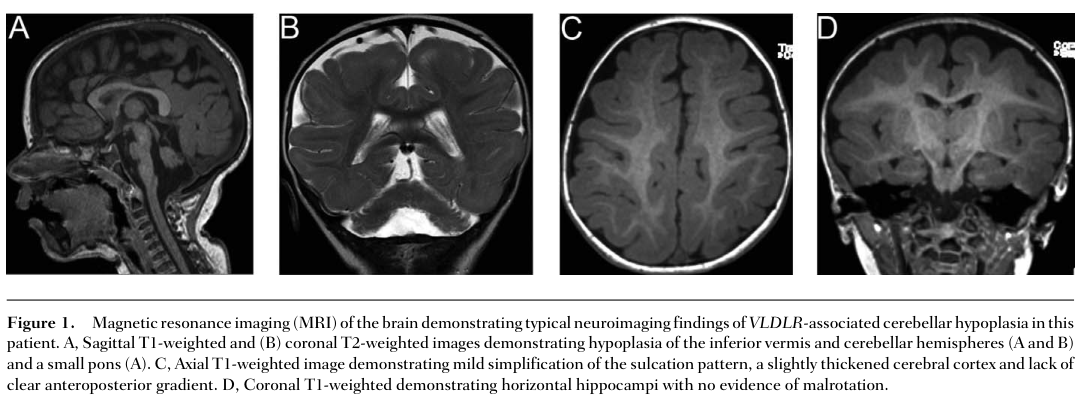
Reference Validation
Checked with linkml-reference-validator 0.3.0rc3.
| Outcome | Count |
|---|---|
| References checked | 12 |
| Resolved | 12 |
| Unresolved (possible confabulation) | 0 |
| Unverifiable | 0 |
| Quoted claims checked | 0 |
| Quoted claims found in source | 0 |
| Quoted claims not found in source | 0 |
| Quoted claims with nothing to check against | 1 |
| References weighed for topical relevance | 12 |
| On topic | 8 |
| Off topic | 0 |
Quotes that could not be checked
There was no text to compare these against, so they are neither confirmed nor contradicted:
DOI:10.1002/mdc3.13184: "Dysequilibrium syndrome (DES) is an autosomal recessive genetically heterogeneous condition characterized clinically by congenital onset of non-progressive cerebellar ataxia, disturbed equilibrium and mental retardation associated with cerebellar hypoplasia."- Reference resolved but exposes no abstract or full text to search
All extracted references resolved successfully.
Cerebellar Ataxia, Intellectual Disability, and Dysequilibrium (CAMRQ) Deep Research Fallback
Provider Attempts
No interactive deep-research provider artifact was generated for the initial CAMRQ curation. This fallback document records the literature sources that were used to construct the entry, along with the curation conclusions surfaced when addressing claude-review feedback on PR #2696 (issue #2684).
No references_cache/*.md files were hand-edited; all PMIDs cited below were
fetched with just fetch-reference against the live PubMed E-utilities API.
Evidence Scope Used For Curation
- PMID:16080122 (Boycott et al., 2005) — original Hutterite VLDLR homozygous deletion paper. Source for VLDLR/CAMRQ1 identification, inferior cerebellar hypoplasia with cerebral gyral simplification, and the role of VLDLR in Reelin signaling and neuroblast migration.
- PMID:21885617 (Gulsuner et al., 2011, Genome Res) — homozygosity mapping and targeted sequencing identification of WDR81 p.P856L as the cause of cerebro-cerebellar hypoplasia with quadrupedal locomotion in a consanguineous Turkish kindred. Source for human CAMRQ2 genetic evidence, cerebellar peduncle atrophy, and Purkinje-cell-layer WDR81 expression.
- PMID:27390838 (Doldur-Balli et al., 2015, BMC Neurosci) — zebrafish
wdr81 characterization confirming BEACH/WD40 domain architecture and
developmental expression in Purkinje cells. Source for the conserved
endolysosomal/autophagy role tagged
MODEL_ORGANISM. - PMID:31612321 (Mikolajczak et al., 2019) — ATP8A2-related CAMRQ4 phenotype spectrum and functional studies showing loss of phosphatidylserine-activated ATPase activity in missense alleles. Source for CAMRQ4 mechanism and the CAMRQ4-distinguishing global developmental delay / encephalopathy phenotype.
- PMID:38581205 (Kaiyrzhanov et al., 2024, Mov Disord) — clinical and molecular spectrum of autosomal recessive CA8-related cerebellar ataxia (27 patients, 14 families). Source for the CAMRQ3 distinguishing progressive superior vermis atrophy, the CA8 / IP3R1 Purkinje-cell calcium-signaling mechanism, and ca8-knockout zebrafish recapitulation.
- PMID:42051465 (Jawabri et al., 2026, Hum Mutat) — first African family with CAMRQ1, novel VLDLR p.P565Q variant retained in the ER. Source for the CAMRQ-wide clinical signature (cerebellar ataxia, hypotonia, intellectual disability, delayed ambulation, sometimes quadrupedal locomotion) and for the four-gene CAMRQ subtype list.
Curation Conclusions
The accepted disease model is a clinically and genetically heterogeneous group of four autosomal-recessive non-progressive cerebellar disorders (CAMRQ1-4), unified by:
- A convergent neuroanatomical substrate of cerebellar hypoplasia or atrophy with prominent Purkinje cell involvement.
- A convergent clinical phenotype of ataxia, intellectual disability, hypotonia, delayed ambulation, and sometimes quadrupedal locomotion.
- Distinct molecular mechanisms per subtype:
- CAMRQ1 / VLDLR: disrupted Reelin signaling → impaired neuronal migration → cerebellar lamination defect.
- CAMRQ2 / WDR81: BEACH/WD40 endolysosomal-trafficking and selective autophagy defect in Purkinje cells.
- CAMRQ3 / CA8: loss of IP3R1 inhibition by CA8 in Purkinje cells → dysregulated calcium signaling → progressive superior vermis atrophy.
- CAMRQ4 / ATP8A2: loss of P4-type phosphatidylserine flippase activity → loss of neuronal membrane lipid asymmetry.
Mechanistic nodes for all four subtypes converge on a single "Cerebellar Hypoplasia and Purkinje Cell Dysfunction" pathophysiology node whose downstream output is the clinical motor/cognitive dysfunction node.
Notes for Future Refresh
- A live deep-research provider run (e.g.
just research-disorder asta
  Cerebellar_Ataxia_Intellectual_Disability_and_Dysequilibrium
) would be valuable to expand frequency data, MorPhiC/iPSC cellular phenotype coverage, and rare/atypical features (e.g. epilepsy, pyramidal signs in CAMRQ3). - Subtype names use short slug-style identifiers (
CAMRQ1-CAMRQ4) as foreign-key targets per the subtype-naming convention in CLAUDE.md;display_namecarries the verbose form.