Centronuclear Myopathy
Centronuclear myopathy (CNM) is a genetically heterogeneous group of congenital myopathies characterized by excessive central or internal skeletal-muscle nuclei, often with fiber hypotrophy and type 1 predominance. Major forms involve MTM1, DNM2 and BIN1; additional genetic forms or overlapping congenital-myopathy phenotypes involve RYR1, TTN, SPEG, CCDC78, MAP3K20 and CACNA1S. Membrane remodeling and excitation-contraction coupling are recurrent mechanisms, while titin-related sarcomeric dysfunction and MAP3K20 signaling provide distinct routes. These mechanisms are not established uniformly across all genotypes. Severity ranges from neonatal respiratory failure in classic X-linked myotubular myopathy to childhood- or adult-onset weakness; symptomatic females occur in MTM1-related disease and BIN1 disease can be dominant or recessive.
Ask OpenScientist
Ask a research question about Centronuclear Myopathy. OpenScientist will conduct autonomous deep research using the Disorder Mechanisms Knowledge Base and PubMed literature (typically 10-30 minutes).
Do not include personal health information in your question. Questions and results are cached in your browser's local storage.
Inheritance
3Show evidence (3 references)
Show evidence (4 references)
Show evidence (3 references)
Subtypes
9Show evidence (3 references)
Show evidence (1 reference)
Show evidence (3 references)
Show evidence (1 reference)
Show evidence (1 reference)
Show evidence (2 references)
Show evidence (2 references)
Show evidence (1 reference)
Show evidence (1 reference)
Pathophysiology
16Show evidence (1 reference)
Show evidence (4 references)
Show evidence (3 references)
Show evidence (4 references)
Show evidence (2 references)
Show evidence (1 reference)
Show evidence (1 reference)
Show evidence (2 references)
Show evidence (1 reference)
Show evidence (3 references)
Show evidence (2 references)
Show evidence (1 reference)
Show evidence (2 references)
Show evidence (2 references)
Show evidence (1 reference)
Show evidence (2 references)
Pathograph
Phenotypes
37Blood 3
Show evidence (1 reference)
Show evidence (1 reference)
Show evidence (1 reference)
Cardiovascular 7
Show evidence (2 references)
Show evidence (1 reference)
Show evidence (1 reference)
Show evidence (1 reference)
Show evidence (1 reference)
Show evidence (1 reference)
Show evidence (1 reference)
Digestive 3
Show evidence (1 reference)
Show evidence (1 reference)
Show evidence (1 reference)
Eye 3
Show evidence (3 references)
Show evidence (3 references)
Show evidence (1 reference)
Genitourinary 3
Show evidence (1 reference)
Show evidence (1 reference)
Show evidence (1 reference)
Head and Neck 5
Show evidence (1 reference)
Show evidence (1 reference)
Show evidence (1 reference)
Show evidence (1 reference)
Show evidence (1 reference)
Limbs 1
Show evidence (1 reference)
Musculoskeletal 7
Show evidence (1 reference)
Show evidence (1 reference)
Show evidence (3 references)
Show evidence (1 reference)
Show evidence (1 reference)
Show evidence (1 reference)
Show evidence (1 reference)
Nervous System 2
Show evidence (2 references)
Show evidence (1 reference)
Prenatal and Birth 2
Show evidence (1 reference)
Show evidence (1 reference)
Respiratory 1
Show evidence (2 references)
Genetic Associations
9Show evidence (1 reference)
Show evidence (1 reference)
Show evidence (2 references)
Show evidence (1 reference)
Show evidence (2 references)
Show evidence (2 references)
Show evidence (2 references)
Show evidence (1 reference)
Show evidence (1 reference)
Medical Actions
15Show evidence (2 references)
Show evidence (1 reference)
Show evidence (2 references)
Show evidence (1 reference)
Show evidence (1 reference)
Show evidence (1 reference)
Show evidence (1 reference)
Show evidence (2 references)
Show evidence (2 references)
Show evidence (2 references)
Show evidence (4 references)
Show evidence (2 references)
Show evidence (2 references)
Show evidence (2 references)
Show evidence (1 reference)
Diagnosis
3Show evidence (2 references)
Show evidence (1 reference)
Show evidence (2 references)
Progression
1Show evidence (1 reference)
Prevalence
1Show evidence (2 references)
Clinical Trials
6Show evidence (2 references)
Show evidence (2 references)
Show evidence (2 references)
Show evidence (2 references)
Show evidence (2 references)
Show evidence (2 references)
Animal Models
3Show evidence (1 reference)
Show evidence (1 reference)
Show evidence (1 reference)
Show evidence (1 reference)
Show evidence (1 reference)
Show evidence (1 reference)
Show evidence (1 reference)
Source YAML
click to showname: Centronuclear Myopathy
creation_date: "2026-06-16T00:00:00Z"
category: Mendelian
description: >-
Centronuclear myopathy (CNM) is a genetically heterogeneous group of congenital myopathies characterized by excessive
central or internal skeletal-muscle nuclei, often with fiber hypotrophy and type 1 predominance. Major forms involve
MTM1, DNM2 and BIN1; additional genetic forms or overlapping congenital-myopathy phenotypes involve RYR1, TTN,
SPEG, CCDC78, MAP3K20 and CACNA1S. Membrane remodeling and excitation-contraction coupling are recurrent mechanisms,
while titin-related sarcomeric dysfunction and MAP3K20 signaling provide distinct routes. These mechanisms are
not established uniformly across all genotypes. Severity ranges from neonatal respiratory failure in classic X-linked
myotubular myopathy to childhood- or adult-onset weakness; symptomatic females occur in MTM1-related disease and
BIN1 disease can be dominant or recessive.
disease_term:
preferred_term: centronuclear myopathy
term:
id: MONDO:0018947
label: centronuclear myopathy
parents:
- Congenital myopathy
has_subtypes:
- name: XLMTM
display_name: X-linked myotubular myopathy (MTM1)
subtype_term:
preferred_term: X-linked myotubular myopathy
term:
id: MONDO:0010683
label: X-linked myotubular myopathy
description: >-
X-linked myotubular myopathy is caused by hemizygous loss-of-function mutations in MTM1 encoding myotubularin,
a phosphoinositide 3-phosphatase. It is the most severe and best-characterized form, with ~80% of affected males
presenting with severe (classic) neonatal weakness, hypotonia, and respiratory failure. Symptomatic heterozygous
females can have severe childhood weakness or milder, often asymmetric adult-onset disease.
evidence:
- reference: PMID:20301605
reference_title: "X-Linked Myotubular Myopathy."
supports: SUPPORT
evidence_source: HUMAN_CLINICAL
snippet: >-
Approximately 80% of affected males present with severe (classic) X-MTM
characterized by polyhydramnios, decreased fetal movement, and neonatal
weakness, hypotonia, and respiratory failure.
explanation: >-
GeneReviews establishes the severe neonatal MTM1 presentation as the
dominant XLMTM phenotype.
- reference: PMID:8640223
reference_title: "A gene mutated in X-linked myotubular myopathy defines a new putative tyrosine phosphatase family conserved in yeast."
supports: SUPPORT
evidence_source: HUMAN_CLINICAL
snippet: >-
X-linked recessive myotubular myopathy (MTM1) is characterized by severe
hypotonia and generalized muscle weakness, with impaired maturation of
muscle fibres.
explanation: >-
The MTM1 gene-discovery paper defines the X-linked myotubular myopathy
clinical entity.
- reference: PMID:20301605
reference_title: X-Linked Myotubular Myopathy.
supports: SUPPORT
evidence_source: HUMAN_CLINICAL
quote_role: REVIEW_SYNTHESIS
snippet: >-
In affected females, symptoms range from severe, generalized weakness presenting in childhood, with infantile
onset similar to affected male patients, to mild (often asymmetric) weakness manifesting in adulthood.
explanation: >-
Captures the female spectrum within MTM1-related disease without labeling female carriers uniformly unaffected.
genes:
- preferred_term: MTM1
term:
id: hgnc:7448
label: MTM1
- name: DNM2-CNM
display_name: DNM2-related centronuclear myopathy
description: >-
Heterozygous DNM2 missense variants cause autosomal dominant centronuclear myopathy. Onset and severity vary
from severe congenital disease to slowly progressive childhood- or adult-onset weakness. DNM2 encodes dynamin
2, a membrane-remodeling GTPase. MONDO:0008048 includes OMIM:160150 (DNM2/CNM1) and OMIM:614408 (CNM3), has
an exact MYF6-associated synonym, and is defined by dominant inheritance rather than a DNM2 restriction. It
is therefore not used as an exact identity for this gene-specific subtype.
evidence:
- reference: PMID:16227997
reference_title: "Mutations in dynamin 2 cause dominant centronuclear myopathy."
supports: SUPPORT
evidence_source: HUMAN_CLINICAL
snippet: >-
Autosomal dominant centronuclear myopathy is a rare congenital myopathy
characterized by delayed motor milestones and muscular weakness.
explanation: >-
The DNM2 gene-discovery paper defines the autosomal dominant CNM clinical
entity and its causal gene.
genes:
- preferred_term: DNM2
term:
id: hgnc:2974
label: DNM2
inheritance:
- name: Autosomal dominant
inheritance_term:
preferred_term: Autosomal dominant inheritance
term:
id: HP:0000006
label: Autosomal dominant inheritance
- name: BIN1-CNM
display_name: BIN1-related centronuclear myopathy
description: >-
BIN1-related CNM includes recessive and dominant forms with different variant mechanisms. Biallelic variants
were first described in congenital or childhood-onset CNM. Heterozygous amphipathic-helix and stop-loss variants
can cause progressive dominant CNM, often presenting in adulthood; childhood-onset myalgia, exercise intolerance
and mild proximal weakness have also been reported. MONDO:0009709 (OMIM:255200) has a BIN1-specific definition
but is classified under autosomal recessive centronuclear myopathy. This subtype deliberately includes both
dominant and recessive BIN1 disease, so the narrower inheritance classification is not asserted as its exact
identity.
evidence:
- reference: PMID:17676042
reference_title: "Mutations in amphiphysin 2 (BIN1) disrupt interaction with dynamin 2 and cause autosomal recessive centronuclear myopathy."
supports: SUPPORT
evidence_source: HUMAN_CLINICAL
snippet: >-
we identified homozygous mutations in amphiphysin 2 (BIN1) in three
families with autosomal recessive inheritance.
explanation: >-
The BIN1 gene-discovery paper defines the autosomal recessive CNM form and
its causal gene.
- reference: PMID:25260562
reference_title: Adult-onset autosomal dominant centronuclear myopathy due to BIN1 mutations.
supports: SUPPORT
evidence_source: HUMAN_CLINICAL
quote_role: PRIMARY_RESULT
snippet: >-
Our data provide the evidence that specific BIN1 mutations can cause either recessive or dominant centronuclear
myopathy and that both disorders involve different pathomechanisms.
explanation: >-
The primary dominant-BIN1 report expands inheritance beyond recessive CNM; it does not imply that every BIN1
variant acts dominantly.
- reference: PMID:29103045
reference_title: Dominant Centronuclear Myopathy with Early Childhood Onset due to a Novel Mutation in BIN1.
supports: SUPPORT
evidence_source: HUMAN_CLINICAL
quote_role: PRIMARY_RESULT
snippet: >-
The main features were mild proximal weakness with pronounced myalgia, exercise intolerance and large muscle
mass, with a childhood onset in the youngest generation and mild cognitive features.
explanation: >-
A dominant BIN1 family demonstrates that adult onset is not obligatory.
genes:
- preferred_term: BIN1
term:
id: hgnc:1052
label: BIN1
inheritance:
- name: Autosomal recessive
inheritance_term:
preferred_term: Autosomal recessive inheritance
term:
id: HP:0000007
label: Autosomal recessive inheritance
- name: Autosomal dominant
inheritance_term:
preferred_term: Autosomal dominant inheritance
term:
id: HP:0000006
label: Autosomal dominant inheritance
- name: RYR1-CNM
display_name: RYR1-related centronuclear myopathy
description: >-
RYR1 mutations, encoding the skeletal muscle ryanodine receptor / calcium
release channel, can produce a centronuclear myopathy phenotype, expanding the
histological spectrum of RYR1-related congenital myopathy to include central
nuclei. RyR1 directly regulates excitation-contraction coupling.
evidence:
- reference: PMID:20839240
reference_title: RYR1 mutations are a common cause of congenital myopathies with central nuclei.
supports: SUPPORT
evidence_source: HUMAN_CLINICAL
quote_role: PRIMARY_RESULT
snippet: >-
We sequenced the entire RYR1 coding sequence in 24 patients with a diagnosis of CNM from South Africa (n =
14) and Europe (n = 10) and identified mutations in 17 patients. The most common genotypes featured compound
heterozygosity for RYR1 missense mutations and mutations resulting in reduced protein expression, including
intronic splice site and frameshift mutations.
explanation: >-
Direct RYR1-CNM cohort evidence; the selected cohort and South African founder effects preclude interpreting
17/24 as a general population case fraction.
genes:
- preferred_term: RYR1
term:
id: hgnc:10483
label: RYR1
inheritance:
- name: Autosomal recessive
inheritance_term:
preferred_term: Autosomal recessive inheritance
term:
id: HP:0000007
label: Autosomal recessive inheritance
- name: TTN-CNM
display_name: TTN-related centronuclear myopathy
description: >-
Biallelic truncating TTN variants were identified in a CNM cohort without MTM1, DNM2 or BIN1 variants. Titin
forms the sarcomeric backbone, so this genotype provides a sarcomeric route to a centronuclear histologic phenotype,
distinct from the membrane-remodeling mechanisms of several classic CNM genes.
genes:
- preferred_term: TTN
term:
id: hgnc:12403
label: TTN
inheritance:
- name: Autosomal recessive
inheritance_term:
preferred_term: Autosomal recessive inheritance
term:
id: HP:0000007
label: Autosomal recessive inheritance
evidence:
- reference: PMID:23975875
reference_title: >-
Recessive truncating titin gene, TTN, mutations presenting as centronuclear
myopathy.
supports: SUPPORT
evidence_source: HUMAN_CLINICAL
snippet: >-
Autosomal recessive compound heterozygous truncating mutations of the titin
gene, TTN, were identified in 5 individuals.
explanation: >-
The exome study that establishes biallelic truncating TTN variants as a
cause of a CNM-diagnosed myopathy.
- name: SPEG-CNM
display_name: SPEG-related centronuclear myopathy
subtype_term:
preferred_term: SPEG-related centronuclear myopathy
term:
id: MONDO:0014418
label: myopathy, centronuclear, 5
description: >-
Recessive mutations in SPEG (striated muscle preferentially expressed protein
kinase) cause a centronuclear myopathy that may be accompanied by dilated
cardiomyopathy, reflecting SPEG's role in triad maturation.
genes:
- preferred_term: SPEG
term:
id: hgnc:16901
label: SPEG
inheritance:
- name: Autosomal recessive
inheritance_term:
preferred_term: Autosomal recessive inheritance
term:
id: HP:0000007
label: Autosomal recessive inheritance
evidence:
- reference: PMID:25087613
reference_title: >-
SPEG interacts with myotubularin, and its deficiency causes centronuclear
myopathy with dilated cardiomyopathy.
supports: SUPPORT
evidence_source: HUMAN_CLINICAL
snippet: >-
Using whole-exome sequencing, we identified three unrelated CNM-affected
probands, including two with documented dilated cardiomyopathy, carrying
homozygous or compound-heterozygous SPEG mutations.
explanation: >-
The gene-discovery study establishing biallelic SPEG variants as a cause of
centronuclear myopathy and linking the form to dilated cardiomyopathy.
- reference: PMID:28624463
reference_title: >-
Insights from genotype-phenotype correlations by novel SPEG mutations
causing centronuclear myopathy.
supports: SUPPORT
evidence_source: HUMAN_CLINICAL
snippet: >-
The clinical phenotype was distinctive in the two patients since patient 2
developed a dilated cardiomyopathy with milder myopathy features, while
patient 1 showed only myopathic features without cardiac involvement.
explanation: >-
An independent series showing that cardiac involvement is variable rather
than obligate in SPEG-related CNM.
- name: CCDC78-CNM
display_name: CCDC78-related myopathy with internal nuclei
description: >-
Dominant CCDC78-associated myopathy spans early-onset distal weakness with internal nuclei and atypical cores
in the original family and a milder adult myalgia/cramp phenotype with sarcoplasmic-reticulum abnormalities
in a second family. Allele- and isoform-dependent effects remain incompletely defined.
genes:
- preferred_term: CCDC78
term:
id: hgnc:14153
label: CCDC78
inheritance:
- name: Autosomal dominant
inheritance_term:
preferred_term: Autosomal dominant inheritance
term:
id: HP:0000006
label: Autosomal dominant inheritance
evidence:
- reference: PMID:22818856
reference_title: Dominant mutation of CCDC78 in a unique congenital myopathy with prominent internal nuclei and atypical cores.
supports: SUPPORT
evidence_source: HUMAN_CLINICAL
quote_role: PRIMARY_RESULT
snippet: >-
A splice-acceptor variant in previously uncharacterized CCDC78 was detected in affected individuals and absent
in unaffected family members and > 10,000 controls. This variant alters RNA-transcript processing and results
in a 222 bp in-frame insertion.
explanation: >-
Segregation and transcript evidence from the original dominant family support the CCDC78 association.
- reference: PMID:39273074
reference_title: "CCDC78: Unveiling the Function of a Novel Gene Associated with Hereditary Myopathy."
supports: SUPPORT
evidence_source: HUMAN_CLINICAL
quote_role: PRIMARY_RESULT
snippet: >-
Here, we analyze for the first time a family harboring a CCDC78 nonsense mutation to better understand the
role of CCDC78 in muscle.
explanation: >-
A second family extends the association. The full text describes an adult with myalgia, cramps, calf hypertrophy
and mild central nucleation, without measured strength deficit; his daughter had calf hypertrophy. This is
a small family-level evidence base, not a penetrance estimate.
subtype_term:
preferred_term: CCDC78-related myopathy with internal nuclei
term:
id: MONDO:0013890
label: congenital myopathy with internal nuclei and atypical cores
- name: MAP3K20-CNM
display_name: MAP3K20-related centronuclear myopathy with fiber-type disproportion
description: >-
Biallelic truncating variants in MAP3K20, also called ZAK, cause congenital or childhood-onset slowly progressive
myopathy with type 1 fiber predominance, central nuclei and variable respiratory impairment. Contractures with
distal joint laxity and subsarcolemmal mitochondrial accumulation were family-dependent findings.
genes:
- preferred_term: MAP3K20
term:
id: hgnc:17797
label: MAP3K20
inheritance:
- name: Autosomal recessive
inheritance_term:
preferred_term: Autosomal recessive inheritance
term:
id: HP:0000007
label: Autosomal recessive inheritance
evidence:
- reference: PMID:27816943
reference_title: Recessive mutations in the kinase ZAK cause a congenital myopathy with fibre type disproportion.
supports: SUPPORT
evidence_source: HUMAN_CLINICAL
quote_role: PRIMARY_RESULT
snippet: >-
We identified two homozygous frameshift mutations and a homozygous nonsense mutation in the mitogen-activated
protein triple kinase ZAK. In total, six affected patients carry these mutations.
explanation: >-
Three families establish a recessive MAP3K20/ZAK congenital myopathy with type 1 predominance and central
nuclei.
subtype_term:
preferred_term: MAP3K20-related centronuclear myopathy with fiber-type disproportion
term:
id: MONDO:0054695
label: myopathy, centronuclear, 6, with fiber-type disproportion
- name: CACNA1S-CNM
display_name: CACNA1S-related congenital myopathy with internal nuclei
description: >-
Dominant or recessive CACNA1S variants cause a congenital myopathy with perinatal hypotonia, severe axial and
generalized weakness and sometimes ophthalmoplegia. Internal nuclei occur within a broader biopsy spectrum of
sarcoplasmic-reticulum dilation and myofibrillar disorganization. This overlapping phenotype is not equivalent
to every CACNA1S-related disorder.
genes:
- preferred_term: CACNA1S
term:
id: hgnc:1397
label: CACNA1S
inheritance:
- name: Autosomal recessive
inheritance_term:
preferred_term: Autosomal recessive inheritance
term:
id: HP:0000007
label: Autosomal recessive inheritance
- name: Autosomal dominant
inheritance_term:
preferred_term: Autosomal dominant inheritance
term:
id: HP:0000006
label: Autosomal dominant inheritance
evidence:
- reference: PMID:28012042
reference_title: "Dihydropyridine receptor (DHPR, CACNA1S) congenital myopathy."
supports: SUPPORT
evidence_source: HUMAN_CLINICAL
quote_role: PRIMARY_RESULT
snippet: >-
Exome sequencing revealed ten recessive or dominant mutations in CACNA1S (Cav1.1), the pore-forming subunit
of DHPR in skeletal muscle.
explanation: >-
The congenital-myopathy series identifies both inheritance patterns; the biopsy spectrum includes internal
nuclei but is broader than classic CNM.
inheritance:
- name: X-linked recessive
inheritance_term:
preferred_term: X-linked recessive inheritance
term:
id: HP:0001419
label: X-linked recessive inheritance
description: >-
MTM1-related XLMTM is X-linked. A mother carrying an MTM1 pathogenic variant has a 50% chance of transmitting
it in each pregnancy. Hemizygous sons are affected; heterozygous daughters may be asymptomatic or manifest weakness.
Some simplex cases arise de novo, and maternal germline mosaicism means that a negative maternal blood test
does not eliminate recurrence risk.
evidence:
- reference: PMID:20301605
reference_title: X-Linked Myotubular Myopathy.
supports: SUPPORT
evidence_source: HUMAN_CLINICAL
quote_role: REVIEW_SYNTHESIS
snippet: >-
If the mother is a carrier, each sib has a 50% chance of inheriting the MTM1 pathogenic variant.
explanation: >-
The transmission risk applies to offspring of a carrier mother, not to all families with an affected child.
- reference: PMID:20301605
reference_title: X-Linked Myotubular Myopathy.
supports: SUPPORT
evidence_source: HUMAN_CLINICAL
quote_role: REVIEW_SYNTHESIS
snippet: >-
Thus, about 10%-20% of males who represent simplex cases have a de novo pathogenic variant in MTM1 and a mother
who is not a carrier. Germline mosaicism has been reported.
explanation: >-
Explains sporadic presentations and why maternal carrier assessment matters.
- reference: PMID:20301605
reference_title: X-Linked Myotubular Myopathy.
supports: SUPPORT
evidence_source: HUMAN_CLINICAL
quote_role: REVIEW_SYNTHESIS
snippet: >-
Female carriers of X-MTM are generally asymptomatic, although manifesting heterozygotes are increasingly being
identified.
explanation: >-
Female heterozygosity does not guarantee absence of manifestations.
- name: Autosomal dominant
inheritance_term:
preferred_term: Autosomal dominant inheritance
term:
id: HP:0000006
label: Autosomal dominant inheritance
description: >-
DNM2-related CNM, specific heterozygous BIN1 forms and CCDC78-associated myopathy show dominant inheritance.
CACNA1S-related congenital myopathy with internal nuclei includes dominant and recessive forms.
evidence:
- reference: PMID:16227997
reference_title: "Mutations in dynamin 2 cause dominant centronuclear myopathy."
supports: SUPPORT
evidence_source: HUMAN_CLINICAL
snippet: >-
Autosomal dominant centronuclear myopathy is a rare congenital myopathy
characterized by delayed motor milestones and muscular weakness.
explanation: >-
Documents the autosomal dominant inheritance of DNM2-related CNM.
- reference: PMID:25260562
reference_title: Adult-onset autosomal dominant centronuclear myopathy due to BIN1 mutations.
supports: SUPPORT
evidence_source: HUMAN_CLINICAL
quote_role: PRIMARY_RESULT
snippet: >-
Our data provide the evidence that specific BIN1 mutations can cause either recessive or dominant centronuclear
myopathy and that both disorders involve different pathomechanisms.
explanation: >-
The primary dominant-BIN1 report expands inheritance beyond recessive CNM; it does not imply that every BIN1
variant acts dominantly.
- reference: PMID:22818856
reference_title: Dominant mutation of CCDC78 in a unique congenital myopathy with prominent internal nuclei and atypical cores.
supports: SUPPORT
evidence_source: HUMAN_CLINICAL
quote_role: PRIMARY_RESULT
snippet: >-
A splice-acceptor variant in previously uncharacterized CCDC78 was detected in affected individuals and absent
in unaffected family members and > 10,000 controls. This variant alters RNA-transcript processing and results
in a 222 bp in-frame insertion.
explanation: >-
Segregation and transcript evidence from the original dominant family support the CCDC78 association.
- reference: PMID:28012042
reference_title: "Dihydropyridine receptor (DHPR, CACNA1S) congenital myopathy."
supports: SUPPORT
evidence_source: HUMAN_CLINICAL
quote_role: PRIMARY_RESULT
snippet: >-
Exome sequencing revealed ten recessive or dominant mutations in CACNA1S (Cav1.1), the pore-forming subunit
of DHPR in skeletal muscle.
explanation: >-
The congenital-myopathy series identifies both inheritance patterns; the biopsy spectrum includes internal
nuclei but is broader than classic CNM.
- name: Autosomal recessive
inheritance_term:
preferred_term: Autosomal recessive inheritance
term:
id: HP:0000007
label: Autosomal recessive inheritance
description: >-
Biallelic BIN1, SPEG, TTN, RYR1 and MAP3K20 variants cause recessive CNM forms; CACNA1S-related congenital myopathy
also includes recessive disease. Inheritance is gene- and allele-specific.
evidence:
- reference: PMID:17676042
reference_title: "Mutations in amphiphysin 2 (BIN1) disrupt interaction with dynamin 2 and cause autosomal recessive centronuclear myopathy."
supports: SUPPORT
evidence_source: HUMAN_CLINICAL
snippet: >-
we identified homozygous mutations in amphiphysin 2 (BIN1) in three
families with autosomal recessive inheritance.
explanation: >-
Documents the autosomal recessive inheritance of BIN1-related CNM.
- reference: PMID:27816943
reference_title: Recessive mutations in the kinase ZAK cause a congenital myopathy with fibre type disproportion.
supports: SUPPORT
evidence_source: HUMAN_CLINICAL
quote_role: PRIMARY_RESULT
snippet: >-
We identified two homozygous frameshift mutations and a homozygous nonsense mutation in the mitogen-activated
protein triple kinase ZAK. In total, six affected patients carry these mutations.
explanation: >-
Three families establish a recessive MAP3K20/ZAK congenital myopathy with type 1 predominance and central
nuclei.
- reference: PMID:28012042
reference_title: "Dihydropyridine receptor (DHPR, CACNA1S) congenital myopathy."
supports: SUPPORT
evidence_source: HUMAN_CLINICAL
quote_role: PRIMARY_RESULT
snippet: >-
Exome sequencing revealed ten recessive or dominant mutations in CACNA1S (Cav1.1), the pore-forming subunit
of DHPR in skeletal muscle.
explanation: >-
The congenital-myopathy series identifies both inheritance patterns; the biopsy spectrum includes internal
nuclei but is broader than classic CNM.
pathophysiology:
- name: MTM1 myotubularin phosphatase deficiency
description: >-
Loss-of-function MTM1 variants reduce myotubularin phosphoinositide phosphatase activity. Myotubularin dephosphorylates
PI3P and PI(3,5)P2, lipids involved in membrane organization and trafficking. Skeletal-muscle triad defects
are well studied; a separate hepatocyte trafficking pathway is supported by zebrafish experiments and remains
provisional for human liver disease.
gene:
preferred_term: MTM1
description: >
Myotubularin, a phosphoinositide phosphatase whose loss of function causes
X-linked myotubular myopathy.
term:
id: hgnc:7448
label: MTM1
cell_types:
- preferred_term: Skeletal muscle fiber
term:
id: CL:0008002
label: skeletal muscle fiber
- preferred_term: Hepatocyte
term:
id: CL:0000182
label: hepatocyte
biological_processes:
- preferred_term: Phosphatidylinositol dephosphorylation
modifier: DECREASED
term:
id: GO:0046856
label: phosphatidylinositol dephosphorylation
evidence:
- reference: PMID:19846786
reference_title: T-tubule disorganization and defective excitation-contraction coupling in muscle fibers lacking myotubularin lipid phosphatase.
supports: SUPPORT
evidence_source: OTHER
quote_role: BACKGROUND
snippet: >-
Myotubularin is a ubiquitously expressed phosphoinositide (PI) 3-phosphatase that acts on both phosphatidylinositol
3-phosphate ... and 3,5-bisphosphate ... in vitro and in vivo
explanation: >-
The full text defines the actual lipid substrates; the 1996 sequence-motif observation alone did not establish
this substrate specificity.
downstream:
- target: Disrupted triad organization and T-tubule remodeling
description: >-
Loss of myotubularin disrupts triad organization in Mtm1-null muscle; the intervening lipid-dependent steps
are not fully resolved.
causal_link_type: INDIRECT_UNKNOWN_INTERMEDIATES
evidence:
- reference: PMID:19846786
reference_title: T-tubule disorganization and defective excitation-contraction coupling in muscle fibers lacking myotubularin lipid phosphatase.
supports: SUPPORT
evidence_source: MODEL_ORGANISM
quote_role: PRIMARY_RESULT
snippet: >-
Using a mouse model of the disease, we report that Mtm1-deficient muscle fibers have a decreased number
of triads and abnormal longitudinally oriented T-tubules.
explanation: >-
The Mtm1-null mouse provides direct experimental evidence for triad disorganization; transfer of the complete
causal sequence to human disease remains an inference.
- target: Hepatocyte recycling-endosome trafficking defect
description: >-
Loss of Mtm1 alters Rab11-associated canalicular transporter trafficking in zebrafish hepatocytes. Human pathway
assignment remains provisional.
causal_link_type: INDIRECT_UNKNOWN_INTERMEDIATES
subtypes:
- XLMTM
molecular_functions:
- preferred_term: Phosphatidylinositol-3-phosphate phosphatase activity
term:
id: GO:0004438
label: phosphatidylinositol-3-phosphate phosphatase activity
modifier: DECREASED
- preferred_term: Phosphatidylinositol-3,5-bisphosphate 3-phosphatase activity
term:
id: GO:0052629
label: phosphatidylinositol-3,5-bisphosphate 3-phosphatase activity
modifier: DECREASED
- name: DNM2 dynamin-2 dysfunction
description: >-
CNM-associated DNM2 missense variants alter the membrane-remodeling GTPase dynamin 2. Functional studies support
increased GTPase activity and stabilized oligomers for tested variants. Increased protein abundance is additionally
reported for particular alleles, including R369W, and must be distinguished from intrinsic enzymatic gain of
function. Endocytosis findings depend on allele and experimental system; a uniform increase or decrease in endocytosis
is not established.
gene:
preferred_term: DNM2
description: >
Dynamin 2, a membrane-remodeling GTPase; gain-of-function missense variants
cause autosomal dominant centronuclear myopathy.
term:
id: hgnc:2974
label: DNM2
cell_types:
- preferred_term: Skeletal muscle fiber
term:
id: CL:0008002
label: skeletal muscle fiber
biological_processes:
- preferred_term: Endocytosis
modifier: ABNORMAL
term:
id: GO:0006897
label: endocytosis
evidence:
- reference: PMID:16227997
reference_title: "Mutations in dynamin 2 cause dominant centronuclear myopathy."
supports: SUPPORT
evidence_source: HUMAN_CLINICAL
snippet: >-
we identified recurrent and de novo missense mutations in the gene dynamin 2
(DNM2, 19p13.2), which encodes a protein involved in endocytosis and
membrane trafficking, actin assembly and centrosome cohesion.
explanation: >-
Establishes DNM2 missense mutations as the cause of dominant CNM and defines
dynamin 2's role in endocytosis and membrane trafficking.
- reference: PMID:34768808
reference_title: "Common Pathogenic Mechanisms in Centronuclear and Myotubular Myopathies and Latest Treatment Advances."
supports: SUPPORT
evidence_source: OTHER
snippet: >-
Dynamin 2 plays a crucial role in CNM physiopathology and has been validated
as a common therapeutic target for three CNM forms.
explanation: >-
Establishes dynamin 2 as a central, convergent node in CNM pathophysiology.
- reference: PMID:37547294
reference_title: "DNM2 levels normalization improves muscle phenotypes of a novel mouse model for moderate centronuclear myopathy."
supports: SUPPORT
evidence_source: MODEL_ORGANISM
snippet: >-
Normalization of DNM2 levels through intramuscular injection of AAV-shDnm2
targeting Dnm2 mRNA significantly improved histopathology and muscle and
myofiber hypotrophy.
explanation: >-
Normalization improves the R369W knock-in mouse phenotype. This supports dosage sensitivity in that model,
not increased expression as a universal mechanism for every DNM2 variant.
- reference: PMID:34768808
reference_title: Common Pathogenic Mechanisms in Centronuclear and Myotubular Myopathies and Latest Treatment Advances.
supports: SUPPORT
evidence_source: OTHER
quote_role: REVIEW_SYNTHESIS
snippet: >-
They are suspected to be gain-of-function mutations that result in more stable oligomer structures and increased
GTPase activity in vitro compared to wild-type dynamin 2
explanation: >-
The review summarizes biochemical evidence for tested CNM variants, distinct from expression-level changes.
downstream:
- target: Disrupted triad organization and T-tubule remodeling
description: >-
Abnormal dynamin function contributes to T-tubule defects in CNM models; the extent varies with allele.
causal_link_type: INDIRECT_UNKNOWN_INTERMEDIATES
evidence:
- reference: PMID:37547294
reference_title: DNM2 levels normalization improves muscle phenotypes of a novel mouse model for moderate centronuclear myopathy.
supports: SUPPORT
evidence_source: MODEL_ORGANISM
quote_role: PRIMARY_RESULT
snippet: >-
The electron microscopy also revealed a combination of triads with normal aspect and others with shape defects
in the Dnm2R369W/+ muscles, as enlargement of the T-tubule
explanation: >-
The primary R369W model shows mixed normal and abnormal triads, rather than uniform destruction of the coupling
apparatus.
subtypes:
- DNM2-CNM
molecular_functions:
- preferred_term: GTPase activity
term:
id: GO:0003924
label: GTPase activity
modifier: INCREASED
- name: BIN1 amphiphysin-2 dysfunction
description: >-
BIN1 variants impair amphiphysin-2 membrane remodeling through allele-specific defects. Recessive BAR-domain
missense variants reduce tubulation, while SH3-domain truncation impairs dynamin-2 interaction and recruitment.
Dominant N-terminal amphipathic-helix variants also reduce membrane deformation; dominant stop-loss alleles
extend the protein. Reduced protein abundance is not established as a shared mechanism. BIN1 variants can also
disrupt cytoskeletal partner interactions involved in nuclear positioning.
gene:
preferred_term: BIN1
description: >-
Amphiphysin 2 is a membrane-curvature-sensing BAR-domain protein; specific biallelic and heterozygous variants
cause CNM through distinct functional defects.
term:
id: hgnc:1052
label: BIN1
cell_types:
- preferred_term: Skeletal muscle fiber
term:
id: CL:0008002
label: skeletal muscle fiber
biological_processes:
- preferred_term: Membrane tubulation
modifier: DECREASED
term:
id: GO:0097749
label: membrane tubulation
evidence:
- reference: PMID:17676042
reference_title: "Mutations in amphiphysin 2 (BIN1) disrupt interaction with dynamin 2 and cause autosomal recessive centronuclear myopathy."
supports: SUPPORT
evidence_source: IN_VITRO
snippet: >-
Two missense mutations affecting the BAR (Bin1/amphiphysin/RVS167) domain
disrupt its membrane tubulation properties in transfected cells, and a
partial truncation of the C-terminal SH3 domain abrogates the interaction
with DNM2 and its recruitment to the membrane tubules.
explanation: >-
Demonstrates that BIN1 mutations impair membrane tubulation and the
BIN1-DNM2 interaction in cellular assays.
- reference: PMID:17676042
reference_title: "Mutations in amphiphysin 2 (BIN1) disrupt interaction with dynamin 2 and cause autosomal recessive centronuclear myopathy."
supports: SUPPORT
evidence_source: IN_VITRO
snippet: >-
Our results suggest that mutations in BIN1 cause centronuclear myopathy by
interfering with remodeling of T tubules and/or endocytic membranes
explanation: >-
Links BIN1 dysfunction to impaired T-tubule remodeling, the convergent CNM
mechanism.
- reference: PMID:25260562
reference_title: Adult-onset autosomal dominant centronuclear myopathy due to BIN1 mutations.
supports: SUPPORT
evidence_source: IN_VITRO
quote_role: PRIMARY_RESULT
snippet: >-
Two mutations in the N-terminal amphipathic helix strongly decreased the membrane-deforming properties of
amphiphysin 2 and three stop-loss mutations resulted in a stable protein containing 52 supernumerary amino
acids.
explanation: >-
Dominant variants have distinct biochemical consequences; neither dominant nor recessive BIN1 disease implies
universally decreased abundance.
downstream:
- target: Disrupted triad organization and T-tubule remodeling
description: >
Loss of BIN1 membrane-tubulation activity impairs T-tubule biogenesis.
causal_link_type: INDIRECT_UNKNOWN_INTERMEDIATES
- target: Disrupted myonuclear positioning
description: BIN1 variants can also alter N-WASP-dependent cytoskeletal organization and nuclear positioning; this is a parallel protein-function defect, not a demonstrated consequence of T-tubule loss.
causal_link_type: INDIRECT_UNKNOWN_INTERMEDIATES
evidence:
- reference: PMID:34768808
reference_title: Common Pathogenic Mechanisms in Centronuclear and Myotubular Myopathies and Latest Treatment Advances.
supports: SUPPORT
evidence_source: OTHER
quote_role: REVIEW_SYNTHESIS
snippet: BIN1 mutations in the SH3 domain disrupt N-WASP interaction, participating in nuclei mispositioning
explanation: The review links an actin-regulatory interaction defect to nuclear mispositioning; it does not establish nuclear centralization as the cause of weakness.
subtypes:
- BIN1-CNM
molecular_functions:
- preferred_term: Membrane curvature sensor activity
term:
id: GO:0140090
label: membrane curvature sensor activity
notes: >-
The molecular-function term identifies the normal membrane-sensing role. The cited variant assays measured membrane
tubulation or partner interaction, so no uniform decrease in curvature sensing is asserted.
- name: SPEG deficiency
description: >-
Biallelic SPEG variants cause loss or reduction of striated muscle preferentially expressed protein kinase.
SPEG interacts with myotubularin and desmin and localizes near triads. In striated-muscle-specific Speg-knockout
mice, triad proteins are reduced or mislocalized. Cardiomyopathy in some human cases reflects additional cardiac
involvement and is not a downstream effect of skeletal muscle weakness.
gene:
preferred_term: SPEG
description: >
Striated muscle preferentially expressed protein kinase; biallelic
loss-of-function variants cause centronuclear myopathy 5, with or without
dilated cardiomyopathy.
modifier: DECREASED
term:
id: hgnc:16901
label: SPEG
cell_types:
- preferred_term: Skeletal muscle fiber
term:
id: CL:0008002
label: skeletal muscle fiber
subtypes:
- SPEG-CNM
evidence:
- reference: PMID:25087613
reference_title: >-
SPEG interacts with myotubularin, and its deficiency causes centronuclear
myopathy with dilated cardiomyopathy.
supports: SUPPORT
evidence_source: IN_VITRO
snippet: >-
Striated muscle preferentially expressed protein kinase (SPEG), the product
of SPEG complex locus (SPEG), was identified as an MTM1-interacting
protein, confirmed by immunoprecipitation and immunofluorescence studies.
explanation: >-
Demonstrates interaction with MTM1; physical interaction alone does not prove impaired triad maturation.
- reference: PMID:25087613
reference_title: >-
SPEG interacts with myotubularin, and its deficiency causes centronuclear
myopathy with dilated cardiomyopathy.
supports: SUPPORT
evidence_source: IN_VITRO
snippet: >-
SPEG localizes in a double line, flanking desmin over the Z lines, and is
apparently in alignment with the terminal cisternae of the sarcoplasmic
reticulum.
explanation: >-
Localises SPEG to the terminal sarcoplasmic reticulum, the triad
compartment disrupted in this disease.
- reference: PMID:25087613
reference_title: >-
SPEG interacts with myotubularin, and its deficiency causes centronuclear
myopathy with dilated cardiomyopathy.
supports: SUPPORT
evidence_source: MODEL_ORGANISM
snippet: >-
Examination of muscle samples from Speg-knockout mice revealed an increased
frequency of central nuclei, as seen in human subjects.
explanation: >-
Speg-knockout mouse muscle reproduces the defining centronuclear
histopathology, supporting SPEG loss as causal rather than incidental.
- reference: PMID:33355670
reference_title: SPEG binds with desmin and its deficiency causes defects in triad and focal adhesion proteins.
supports: SUPPORT
evidence_source: MODEL_ORGANISM
quote_role: PRIMARY_RESULT
snippet: >-
The amount of RyR1 and triadin were markedly reduced, whereas DHPRα1, SERCA1 and triadin were abnormally accumulated
in discrete areas of Speg-KO myofibers.
explanation: >-
A skeletal-muscle knockout model supplies functional-context evidence beyond the original colocalization finding.
downstream:
- target: Disrupted triad organization and T-tubule remodeling
description: >-
SPEG deficiency alters the abundance and localization of triad proteins in knockout muscle.
causal_link_type: INDIRECT_UNKNOWN_INTERMEDIATES
evidence:
- reference: PMID:33355670
reference_title: SPEG binds with desmin and its deficiency causes defects in triad and focal adhesion proteins.
supports: SUPPORT
evidence_source: MODEL_ORGANISM
quote_role: PRIMARY_RESULT
snippet: >-
The amount of RyR1 and triadin were markedly reduced, whereas DHPRα1, SERCA1 and triadin were abnormally
accumulated in discrete areas of Speg-KO myofibers.
explanation: >-
A skeletal-muscle knockout model supplies functional-context evidence beyond the original colocalization
finding.
- target: Dilated cardiomyopathy
description: >-
SPEG-associated disease can involve myocardium; the intermediate cardiac pathway is not specified by these
clinical reports.
causal_link_type: INDIRECT_UNKNOWN_INTERMEDIATES
evidence:
- reference: PMID:25087613
reference_title: >-
SPEG interacts with myotubularin, and its deficiency causes centronuclear
myopathy with dilated cardiomyopathy.
supports: SUPPORT
evidence_source: HUMAN_CLINICAL
snippet: >-
Using whole-exome sequencing, we identified three unrelated CNM-affected
probands, including two with documented dilated cardiomyopathy, carrying
homozygous or compound-heterozygous SPEG mutations.
explanation: >-
The gene-discovery study establishing biallelic SPEG variants as a cause of
centronuclear myopathy and linking the form to dilated cardiomyopathy.
molecular_functions:
- preferred_term: Protein serine/threonine kinase activity
term:
id: GO:0004674
label: protein serine/threonine kinase activity
modifier: DECREASED
notes: >-
Reduced kinase capacity follows loss of SPEG protein; the cited patient series does not measure the activity
of each variant against individual substrates. Triad-protein consequences are supported by a knockout model.
- name: Titin truncation and sarcomeric backbone disruption
description: >-
Biallelic truncating TTN variants produce truncated titin and increased degradation in patient muscle. Loss
of sarcomeric structural integrity provides a route to impaired contractile function distinct from the membrane-remodeling
pathway; the link to central nuclear positioning is incompletely resolved.
gene:
preferred_term: TTN
description: >
Titin, the giant sarcomeric protein forming the myofibrillar backbone;
biallelic truncating variants can present as centronuclear myopathy.
modifier: ABNORMAL
term:
id: hgnc:12403
label: TTN
cell_types:
- preferred_term: Skeletal muscle fiber
term:
id: CL:0008002
label: skeletal muscle fiber
subtypes:
- TTN-CNM
evidence:
- reference: PMID:23975875
reference_title: >-
Recessive truncating titin gene, TTN, mutations presenting as centronuclear
myopathy.
supports: SUPPORT
evidence_source: HUMAN_CLINICAL
snippet: >-
Biochemical analyses demonstrated increased titin degradation and truncated
titin proteins in patient muscles, establishing the impact of the
mutations.
explanation: >-
Demonstrates the protein-level consequence of the TTN truncating variants
directly in patient muscle.
- reference: PMID:23975875
reference_title: >-
Recessive truncating titin gene, TTN, mutations presenting as centronuclear
myopathy.
supports: SUPPORT
evidence_source: OTHER
quote_role: BACKGROUND
snippet: >-
Unlike the classic CNM genes that are all involved in excitation-contraction
coupling at the triad, TTN encodes the giant sarcomeric protein titin, which
forms a myofibrillar backbone for the components of the contractile
machinery.
explanation: >-
The authors restate established titin biology to set their finding apart
from the triad genes; this is why the TTN route is modelled as a separate
node reaching the shared endpoint rather than feeding the triad node.
downstream:
- target: Muscle contractile dysfunction
description: >-
Titin disruption impairs the sarcomeric backbone supporting muscle contraction.
causal_link_type: INDIRECT_UNKNOWN_INTERMEDIATES
molecular_functions:
- preferred_term: Structural constituent of muscle
term:
id: GO:0008307
label: structural constituent of muscle
modifier: ABNORMAL
- name: RYR1 calcium-release channel dysfunction
description: >-
RYR1-related CNM commonly involves compound heterozygous alleles combining missense changes with reduced expression.
RyR1 is the sarcoplasmic-reticulum calcium-release channel of the coupling apparatus. The direction and molecular
basis of dysfunction depend on the alleles; a uniform gain of function is not asserted for this CNM spectrum.
gene:
preferred_term: RYR1
term:
id: hgnc:10483
label: RYR1
subtypes:
- RYR1-CNM
cell_types:
- preferred_term: Skeletal muscle fiber
term:
id: CL:0008002
label: skeletal muscle fiber
molecular_functions:
- preferred_term: Ryanodine-sensitive calcium-release channel activity
term:
id: GO:0005219
label: ryanodine-sensitive calcium-release channel activity
modifier: ABNORMAL
evidence:
- reference: PMID:20839240
reference_title: RYR1 mutations are a common cause of congenital myopathies with central nuclei.
supports: SUPPORT
evidence_source: HUMAN_CLINICAL
quote_role: PRIMARY_RESULT
snippet: >-
We sequenced the entire RYR1 coding sequence in 24 patients with a diagnosis of CNM from South Africa (n =
14) and Europe (n = 10) and identified mutations in 17 patients. The most common genotypes featured compound
heterozygosity for RYR1 missense mutations and mutations resulting in reduced protein expression, including
intronic splice site and frameshift mutations.
explanation: >-
Direct RYR1-CNM cohort evidence; the selected cohort and South African founder effects preclude interpreting
17/24 as a general population case fraction.
downstream:
- target: Impaired excitation-contraction coupling
description: >-
Primary defects in the skeletal-muscle calcium-release channel impair the coupling apparatus.
causal_link_type: INDIRECT_UNKNOWN_INTERMEDIATES
- name: CACNA1S voltage-sensor dysfunction
description: >-
Congenital-myopathy CACNA1S variants reduce DHPR protein and impair depolarization-induced calcium release in
patient-derived myotubes. Cav1.1 is both an L-type calcium channel and the voltage sensor coupling T-tubule
depolarization to RYR1. Reduced coupling is directly measured; reduced calcium current through Cav1.1 is not
assumed from that assay.
gene:
preferred_term: CACNA1S
term:
id: hgnc:1397
label: CACNA1S
modifier: DECREASED
subtypes:
- CACNA1S-CNM
cell_types:
- preferred_term: Skeletal muscle fiber
term:
id: CL:0008002
label: skeletal muscle fiber
molecular_functions:
- preferred_term: Voltage-gated calcium channel activity
term:
id: GO:0005245
label: voltage-gated calcium channel activity
evidence:
- reference: PMID:28012042
reference_title: "Dihydropyridine receptor (DHPR, CACNA1S) congenital myopathy."
supports: SUPPORT
evidence_source: IN_VITRO
quote_role: PRIMARY_RESULT
snippet: >-
Both recessive and dominant mutations correlated with a consistent phenotype, a decrease in protein level,
and with a major impairment of Ca2+ release induced by depolarization in cultured myotubes.
explanation: >-
Patient-derived CACNA1S-mutant myotubes demonstrate impaired depolarization-evoked calcium release.
downstream:
- target: Impaired excitation-contraction coupling
description: >-
Patient-derived myotubes show reduced calcium release in response to depolarization.
causal_link_type: DIRECT
- name: MAP3K20 kinase deficiency
description: >-
Biallelic truncating MAP3K20/ZAK variants reduce transcript abundance through nonsense-mediated decay and markedly
reduce the shorter kinase isoform in examined patient muscle. Loss of this MAP kinase kinase kinase implicates
MAPK signaling, but the precise chain from kinase deficiency to myofiber pathology remains unresolved.
gene:
preferred_term: MAP3K20
term:
id: hgnc:17797
label: MAP3K20
modifier: DECREASED
subtypes:
- MAP3K20-CNM
cell_types:
- preferred_term: Skeletal muscle fiber
term:
id: CL:0008002
label: skeletal muscle fiber
molecular_functions:
- preferred_term: MAP kinase kinase kinase activity
term:
id: GO:0004709
label: MAP kinase kinase kinase activity
modifier: DECREASED
mechanism_confidence: PROVISIONAL
evidence:
- reference: PMID:27816943
reference_title: Recessive mutations in the kinase ZAK cause a congenital myopathy with fibre type disproportion.
supports: SUPPORT
evidence_source: HUMAN_CLINICAL
quote_role: PRIMARY_RESULT
snippet: >-
Reverse transcription polymerase chain reaction and transcriptome analyses suggested nonsense mRNA decay as
a main impact of mutations.
explanation: >-
Patient transcript data support loss of expression. Reduced total kinase capacity is inferred from loss of
the kinase protein; enzymatic activity was not directly assayed.
- reference: url:https://pmc.ncbi.nlm.nih.gov/articles/PMC5226058/
reference_title: Recessive mutations in the kinase ZAK cause a congenital myopathy with fibre type disproportion - PMC
supports: SUPPORT
evidence_source: HUMAN_CLINICAL
quote_role: PRIMARY_RESULT
snippet: >-
showed a marked reduction in intensity of the 52 kDa protein that corresponds to the shorter isoform 2 of
ZAK in comparison to two controls
explanation: >-
The full text reports a protein reduction in muscle from Patient III-2. Kinase capacity is inferred from protein
loss; substrate-specific kinase activity was not directly measured.
notes: >-
The full text reports reduced ZAK protein in one muscle biopsy and downregulated MAPK-pathway transcripts in
another. It proposes a link to myogenesis and fiber-type changes, without demonstrating a specific p38/JNK/ERK
cascade as the causal mechanism in patients.
downstream:
- target: Muscle contractile dysfunction
description: >-
The causal congenital-myopathy association supports a link to weakness, but the intervening kinase-dependent
steps remain unresolved.
causal_link_type: INDIRECT_UNKNOWN_INTERMEDIATES
- name: CCDC78 sarcoplasmic-reticulum protein interaction defect
description: >-
In muscle from the 2024 CCDC78 family, co-immunoprecipitation showed loss of the detectable SERCA1 interaction
and a possible reduction in CASQ1 interaction. The same muscle showed sarcoplasmic-reticulum dilation and protein
aggregates. These findings support altered protein complexes; they do not directly measure calcium flux or prove
a universal mechanism for the earlier splice variant.
gene:
preferred_term: CCDC78
term:
id: hgnc:14153
label: CCDC78
subtypes:
- CCDC78-CNM
cell_types:
- preferred_term: Skeletal muscle fiber
term:
id: CL:0008002
label: skeletal muscle fiber
molecular_functions:
- preferred_term: SERCA1 binding
term:
id: GO:0051117
label: ATPase binding
modifier: DECREASED
mechanism_confidence: PROVISIONAL
evidence:
- reference: PMID:39273074
reference_title: "CCDC78: Unveiling the Function of a Novel Gene Associated with Hereditary Myopathy."
supports: SUPPORT
evidence_source: IN_VITRO
quote_role: PRIMARY_RESULT
snippet: >-
Notably, the presence of the CCDC78 mutation was able to abolish the interactions with SERCA1 and apparently
to decrease the interaction with CASQ1
explanation: >-
Muscle-extract co-immunoprecipitation and immunoblot evidence supports loss of detectable interaction with
the ATPase SERCA1 in the studied variant context. It does not distinguish direct binding from membership of
a larger complex.
notes: >-
No direct CCDC78-RyR1 interaction was detected in the study. The proposed effect on excitation-contraction coupling
remains unmeasured, so this node has no asserted edge to calcium-release failure. The gene association is supported
separately by family and model data. The interaction-defect family had no measured strength deficit; weakness
in the original splice-variant family does not establish that this different molecular defect causes contractile
failure.
- name: Disrupted triad organization and T-tubule remodeling
description: >-
Several CNM genotypes disrupt the triad, where T-tubules meet terminal sarcoplasmic-reticulum cisternae. Patient
observations and animal models support a recurring membrane-organizational defect, with allele-dependent severity.
Mtm1-null mouse experiments show early triad abnormalities followed by impaired voltage-evoked calcium release.
This pathway is not asserted to explain every genotype or to establish the cause of central nuclear positioning.
cell_types:
- preferred_term: Skeletal muscle fiber
term:
id: CL:0008002
label: skeletal muscle fiber
biological_processes:
- preferred_term: T-tubule organization
modifier: ABNORMAL
term:
id: GO:0033292
label: T-tubule organization
evidence:
- reference: PMID:34768808
reference_title: "Common Pathogenic Mechanisms in Centronuclear and Myotubular Myopathies and Latest Treatment Advances."
supports: SUPPORT
evidence_source: OTHER
snippet: >-
Several CNM animal models have been generated or identified, which confirm
shared pathological anomalies in T-tubule remodeling, ECC, organelle
mispositioning, protein homeostasis, neuromuscular junction, and muscle
regeneration.
explanation: >-
The review supports recurring T-tubule and excitation-contraction defects in several CNM models, without establishing
a universal mechanism for every genotype.
- reference: PMID:25168790
reference_title: "Triadopathies: an emerging class of skeletal muscle diseases."
supports: SUPPORT
evidence_source: OTHER
snippet: >-
The triad is a skeletal muscle substructure responsible for the regulation
of excitation-contraction coupling. It is formed by the close apposition of
the T-tubule and the terminal sarcoplasmic reticulum.
explanation: >-
Defines the triad structure whose disorganization underlies CNM as a
triadopathy.
- reference: PMID:19846786
reference_title: T-tubule disorganization and defective excitation-contraction coupling in muscle fibers lacking myotubularin lipid phosphatase.
supports: SUPPORT
evidence_source: MODEL_ORGANISM
quote_role: PRIMARY_RESULT
snippet: >-
Using a mouse model of the disease, we report that Mtm1-deficient muscle fibers have a decreased number of
triads and abnormal longitudinally oriented T-tubules.
explanation: >-
The Mtm1-null mouse provides direct experimental evidence for triad disorganization; transfer of the complete
causal sequence to human disease remains an inference.
downstream:
- target: Impaired excitation-contraction coupling
description: >-
Triad defects accompany impaired voltage-triggered calcium release in Mtm1-null muscle; altered channel abundance
and possible direct lipid effects may also contribute.
causal_link_type: INDIRECT_UNKNOWN_INTERMEDIATES
subtypes:
- XLMTM
- DNM2-CNM
- BIN1-CNM
- SPEG-CNM
mechanism_confidence: PROVISIONAL
- name: Impaired excitation-contraction coupling
description: >-
Reduced coupling of membrane depolarization to sarcoplasmic-reticulum calcium release limits the calcium transient
available to activate contraction. This is a convergent route reached through membrane organization defects
or primary defects in the RYR1/CACNA1S coupling apparatus. The mechanistic evidence and direction of individual
calcium-handling changes remain genotype- and model-dependent.
subtypes:
- XLMTM
- DNM2-CNM
- BIN1-CNM
- SPEG-CNM
- RYR1-CNM
- CACNA1S-CNM
cell_types:
- preferred_term: Skeletal muscle fiber
term:
id: CL:0008002
label: skeletal muscle fiber
biological_processes:
- preferred_term: Release of sequestered calcium ion into cytosol by sarcoplasmic reticulum
modifier: DECREASED
term:
id: GO:0014808
label: release of sequestered calcium ion into cytosol by sarcoplasmic reticulum
evidence:
- reference: PMID:19846786
reference_title: T-tubule disorganization and defective excitation-contraction coupling in muscle fibers lacking myotubularin lipid phosphatase.
supports: SUPPORT
evidence_source: MODEL_ORGANISM
quote_role: PRIMARY_RESULT
snippet: >-
In addition, SR Ca(2+) release elicited by voltage-clamp depolarizations is strongly depressed in myotubularin-deficient
muscle fibers, with myoplasmic Ca(2+) removal and SR Ca(2+) content essentially unaffected.
explanation: >-
Voltage-clamp measurements identify impaired release in Mtm1-null mouse muscle without inferring depletion
of calcium stores.
- reference: PMID:28012042
reference_title: "Dihydropyridine receptor (DHPR, CACNA1S) congenital myopathy."
supports: SUPPORT
evidence_source: IN_VITRO
quote_role: PRIMARY_RESULT
snippet: >-
Both recessive and dominant mutations correlated with a consistent phenotype, a decrease in protein level,
and with a major impairment of Ca2+ release induced by depolarization in cultured myotubes.
explanation: >-
Patient-derived CACNA1S-mutant myotubes demonstrate impaired depolarization-evoked calcium release.
downstream:
- target: Muscle contractile dysfunction
description: >-
Inadequate calcium release reduces activation of the contractile apparatus.
causal_link_type: INDIRECT_UNKNOWN_INTERMEDIATES
evidence:
- reference: PMID:19846786
reference_title: T-tubule disorganization and defective excitation-contraction coupling in muscle fibers lacking myotubularin lipid phosphatase.
supports: SUPPORT
evidence_source: MODEL_ORGANISM
quote_role: PRIMARY_RESULT
snippet: >-
In the present study, we show that absence of myotubularin in skeletal muscle induces alterations in the
architecture of T-tubules and triads and a severe impairment of depolarization-induced Ca2+ release from
the SR that is expected to lead to a reduced Ca2+-troponin occupancy and thus to depressed contraction and
force development.
explanation: >-
The authors distinguish measured calcium-release impairment from its expected contractile consequence in
the mouse model.
- name: Muscle contractile dysfunction
description: >-
Impaired force production in affected skeletal muscles produces weakness, hypotonia and functional limitations.
Respiratory, bulbar, facial and limb involvement vary by genotype and severity. Central nuclear position and
fiber-type predominance are histologic findings, not consequences inferred from weakness; hepatobiliary disease
and myopia require separate explanations.
cell_types:
- preferred_term: Skeletal muscle fiber
term:
id: CL:0008002
label: skeletal muscle fiber
evidence:
- reference: PMID:34768808
reference_title: "Common Pathogenic Mechanisms in Centronuclear and Myotubular Myopathies and Latest Treatment Advances."
supports: SUPPORT
evidence_source: OTHER
snippet: >-
Centronuclear myopathies (CNM) are rare congenital disorders characterized
by muscle weakness and structural defects including fiber hypotrophy and
organelle mispositioning.
explanation: >-
Supports muscle weakness as a shared clinical feature, while the same source separately describes structural
abnormalities.
downstream:
- target: Neonatal hypotonia
description: >
Diffuse skeletal muscle weakness at birth directly manifests clinically as
neonatal hypotonia.
causal_link_type: DIRECT
- target: Polyhydramnios
description: >
Severe prenatal muscle weakness reduces fetal swallowing and movement,
producing polyhydramnios through developmental intermediates.
causal_link_type: INDIRECT_UNKNOWN_INTERMEDIATES
- target: Decreased fetal movement
description: >
Prenatal skeletal muscle weakness directly reduces fetal movement.
causal_link_type: DIRECT
- target: Motor delay
description: >
Persistent congenital skeletal muscle weakness delays acquisition of motor
milestones.
causal_link_type: INDIRECT_UNKNOWN_INTERMEDIATES
- target: Generalized muscle weakness
description: >-
Reduced skeletal-muscle force manifests as clinical weakness.
causal_link_type: DIRECT
- target: Respiratory failure requiring assisted ventilation
description: >
Respiratory muscle weakness causes ventilatory failure requiring assisted
ventilation.
causal_link_type: INDIRECT_UNKNOWN_INTERMEDIATES
- target: Weakness of facial musculature
description: >
The CNM weakness phenotype includes facial skeletal muscles.
causal_link_type: DIRECT
- target: Ptosis
description: >
Extraocular and eyelid muscle weakness downstream of CNM produces ptosis.
causal_link_type: INDIRECT_UNKNOWN_INTERMEDIATES
- target: Ophthalmoplegia
description: >
Extraocular muscle involvement downstream of CNM weakness produces
ophthalmoplegia.
causal_link_type: INDIRECT_UNKNOWN_INTERMEDIATES
- target: Feeding difficulties
description: >
Bulbar and generalized weakness impair feeding and swallowing.
causal_link_type: INDIRECT_UNKNOWN_INTERMEDIATES
- target: Scoliosis
description: >
Chronic axial muscle weakness contributes to spinal curvature.
causal_link_type: INDIRECT_UNKNOWN_INTERMEDIATES
- name: Neuromuscular transmission impairment
description: >-
A myasthenic component contributes to weakness in some CNM patients. Small clinical series document electrophysiologic
transmission defects in XLMTM and in two of five reviewed DNM2 cases, with treatment responses in some patients.
Zebrafish models also show junctional abnormalities. These findings do not establish a transmission defect in
every patient or genotype.
subtypes:
- XLMTM
- DNM2-CNM
mechanism_confidence: PROVISIONAL
evidence:
- reference: PMID:21440438
reference_title: Impaired neuromuscular transmission and response to acetylcholinesterase inhibitors in centronuclear myopathies.
supports: SUPPORT
evidence_source: HUMAN_CLINICAL
quote_role: PRIMARY_RESULT
snippet: >-
A fourth case, with XLMTM, also showed electrophysiological features of a neuromuscular transmission defect.
explanation: >-
One genetically defined XLMTM case is distinguished from three pathologically diagnosed, genetically unresolved
CNM cases.
- reference: PMID:23338057
reference_title: Neuromuscular junction abnormalities in DNM2-related centronuclear myopathy.
supports: SUPPORT
evidence_source: HUMAN_CLINICAL
quote_role: PRIMARY_RESULT
snippet: >-
Based on these results, we reviewed the clinical history of five patients with two different DNM2-CNM mutations
(S619L and E368K) and found electrophysiological evidence of abnormal neuromuscular transmission in two of
the individuals.
explanation: >-
The primary paper reports electrophysiologic confirmation in two, not all five, individuals.
downstream:
- target: Muscle contractile dysfunction
description: >-
Impaired neuromuscular transmission may add to weakness in the affected subset.
causal_link_type: INDIRECT_UNKNOWN_INTERMEDIATES
- name: Hepatocyte recycling-endosome trafficking defect
description: >-
In mtm1-mutant zebrafish, Rab11 loses its normal pericanalicular distribution and forms dispersed cytoplasmic
aggregates. Mdr1 and Bsep canalicular protein abundance is reduced despite the absence of reduced transporter
transcripts. This supports a trafficking or stability defect; the intervening molecular steps have not been
completely resolved.
subtypes:
- XLMTM
cell_types:
- preferred_term: Hepatocyte
term:
id: CL:0000182
label: hepatocyte
cellular_components:
- preferred_term: Recycling endosome
term:
id: GO:0055037
label: recycling endosome
mechanism_confidence: PROVISIONAL
evidence:
- reference: DOI:10.1172/JCI166275
reference_title: Loss of Mtm1 causes cholestatic liver disease in a model of X-linked myotubular myopathy
supports: SUPPORT
evidence_source: MODEL_ORGANISM
quote_role: PRIMARY_RESULT
snippet: >-
Using a reporter-tagged Mtm1 zebrafish line, we established localization of Mtm1 in the liver in association
with Rab11, a marker of recycling endosomes, and canalicular transport proteins
explanation: >-
The experiment places Mtm1 near recycling endosomes and canalicular cargo. Full-text mutant imaging shows
dispersed Rab11; colocalization alone does not establish direct protein binding.
- reference: DOI:10.1172/JCI166275
reference_title: Loss of Mtm1 causes cholestatic liver disease in a model of X-linked myotubular myopathy
supports: SUPPORT
evidence_source: MODEL_ORGANISM
quote_role: PRIMARY_RESULT
snippet: >-
Rab11 was found to be dispersed throughout the cytoplasm, in large cytoplasmic aggregates
explanation: >-
This mutant-hepatocyte observation directly supports mislocalization, separate from the reporter colocalization
finding.
downstream:
- target: Impaired canalicular bile transport
description: >-
Altered endosomal trafficking is proposed to reduce canalicular transporter delivery or stability in the zebrafish
model.
causal_link_type: INDIRECT_UNKNOWN_INTERMEDIATES
- name: Impaired canalicular bile transport
description: >-
Mtm1-deficient zebrafish have disrupted canalicular architecture, reduced Mdr1/Bsep protein localization and
impaired bile flux. Hepatocyte-restricted Mtm1 reexpression restores localization and partially improves the
flux readout. These findings support a liver-autonomous component in the model, while the corresponding human
mechanism and susceptibility to AAV-associated injury remain unresolved.
subtypes:
- XLMTM
cell_types:
- preferred_term: Hepatocyte
term:
id: CL:0000182
label: hepatocyte
biological_processes:
- preferred_term: Canalicular bile acid transport
term:
id: GO:0015722
label: canalicular bile acid transport
modifier: DECREASED
mechanism_confidence: PROVISIONAL
evidence:
- reference: DOI:10.1172/JCI166275
reference_title: Loss of Mtm1 causes cholestatic liver disease in a model of X-linked myotubular myopathy
supports: SUPPORT
evidence_source: MODEL_ORGANISM
quote_role: PRIMARY_RESULT
snippet: >-
by 7 dpf, both Mdr1 and Bsep protein expression levels were nearly absent in the mtm fish, suggesting a nearly
complete loss of transporter expression
explanation: >-
Reduced transporter protein is measured in larval zebrafish; it is not a demonstrated reduction of transporter
transcription.
notes: >-
In Figure 7, normal bile-flux readout occurred in 30% of mutant fish without the transgene and 65% with it,
with one-sided Fisher P=0.0532. This is partial improvement and does not meet a conventional 0.05 significance
threshold. Liver steatosis and bile-duct dilation were not rescued. Mammalian Mtm1-deficient models do not consistently
reproduce the hepatic phenotype.
downstream:
- target: Intrahepatic cholestasis
description: >-
Impaired canalicular bile export provides a provisional model-derived explanation for cholestasis; the full
pathway has not been demonstrated in human XLMTM.
causal_link_type: INDIRECT_UNKNOWN_INTERMEDIATES
- name: Disrupted myonuclear positioning
description: Altered actin, microtubule and intermediate-filament organization can impair myonuclear positioning. BIN1-dependent N-WASP interactions and abnormal desmin organization provide candidate routes in CNM, with genotype-specific evidence. The relation between central nuclear position and muscle weakness remains unresolved.
mechanism_confidence: PROVISIONAL
subtypes:
- XLMTM
- DNM2-CNM
- BIN1-CNM
cell_types:
- preferred_term: Skeletal muscle fiber
term:
id: CL:0008002
label: skeletal muscle fiber
biological_processes:
- preferred_term: Myonuclear positioning
term:
id: GO:0051647
label: nucleus localization
modifier: ABNORMAL
evidence:
- reference: PMID:34768808
reference_title: Common Pathogenic Mechanisms in Centronuclear and Myotubular Myopathies and Latest Treatment Advances.
supports: SUPPORT
evidence_source: OTHER
quote_role: REVIEW_SYNTHESIS
snippet: BIN1 mutations in the SH3 domain disrupt N-WASP interaction, participating in nuclei mispositioning
explanation: The review links an actin-regulatory interaction defect to nuclear mispositioning; it does not establish nuclear centralization as the cause of weakness.
- reference: PMID:34768808
reference_title: Common Pathogenic Mechanisms in Centronuclear and Myotubular Myopathies and Latest Treatment Advances.
supports: SUPPORT
evidence_source: OTHER
quote_role: REVIEW_SYNTHESIS
snippet: Desmin localization and expression were found to be commonly dysregulated in patients with mutations in DNM2 ... MTM1 ... BIN1 ... and RYR1 ... Desmin accumulated in the center of the myofibers.
explanation: Patient findings support altered cytoskeletal organization; its role in nuclear positioning is provisional.
downstream:
- target: Centrally nucleated skeletal muscle fibers
description: Impaired movement or maintenance of myonuclei at the fiber periphery provides a provisional explanation for the defining histology.
causal_link_type: INDIRECT_UNKNOWN_INTERMEDIATES
notes: Central nuclei do not consistently correlate with disease severity and are not reproduced by all CNM mouse models. No causal edge from centralization to muscle weakness is asserted. MTM1-associated desmin defects can be phosphatase-independent, so they are not assigned downstream of phosphatase activity loss alone.
phenotypes:
- name: Neonatal hypotonia
description: >
Hypotonia present from birth, severe and generalized in X-linked myotubular
myopathy and milder in dominant forms.
phenotype_term:
preferred_term: Neonatal hypotonia
term:
id: HP:0001319
label: Neonatal hypotonia
evidence:
- reference: PMID:20301605
reference_title: "X-Linked Myotubular Myopathy."
supports: SUPPORT
evidence_source: HUMAN_CLINICAL
snippet: >-
Approximately 80% of affected males present with severe (classic) X-MTM
characterized by polyhydramnios, decreased fetal movement, and neonatal
weakness, hypotonia, and respiratory failure.
explanation: >-
GeneReviews documents neonatal hypotonia as a core feature of the severe
XLMTM presentation.
subtype: XLMTM
- name: Polyhydramnios
subtype: XLMTM
description: >
Excess amniotic fluid in pregnancy, a prenatal feature of the severe
(classic) X-linked myotubular myopathy presentation reflecting reduced fetal
swallowing from in-utero weakness.
phenotype_term:
preferred_term: Polyhydramnios
term:
id: HP:0001561
label: Polyhydramnios
evidence:
- reference: PMID:20301605
reference_title: "X-Linked Myotubular Myopathy."
supports: SUPPORT
evidence_source: HUMAN_CLINICAL
snippet: >-
Approximately 80% of affected males present with severe (classic) X-MTM
characterized by polyhydramnios, decreased fetal movement, and neonatal
weakness, hypotonia, and respiratory failure.
explanation: >-
GeneReviews documents polyhydramnios as a prenatal feature of the severe
XLMTM presentation.
- name: Decreased fetal movement
subtype: XLMTM
description: >
Reduced fetal movements in utero, a prenatal hallmark of severe (classic)
XLMTM caused by profound congenital muscle weakness.
phenotype_term:
preferred_term: Decreased fetal movement
term:
id: HP:0001558
label: Decreased fetal movement
evidence:
- reference: PMID:20301605
reference_title: "X-Linked Myotubular Myopathy."
supports: SUPPORT
evidence_source: HUMAN_CLINICAL
snippet: >-
Approximately 80% of affected males present with severe (classic) X-MTM
characterized by polyhydramnios, decreased fetal movement, and neonatal
weakness, hypotonia, and respiratory failure.
explanation: >-
GeneReviews documents decreased fetal movement as a prenatal feature of
the severe XLMTM presentation.
- name: Motor delay
description: >
Delayed acquisition of motor milestones, significantly delayed in severe
XLMTM and a defining feature of DNM2-related autosomal dominant CNM.
phenotype_term:
preferred_term: Delayed motor milestones
term:
id: HP:0001270
label: Motor delay
evidence:
- reference: PMID:20301605
reference_title: "X-Linked Myotubular Myopathy."
supports: SUPPORT
evidence_source: HUMAN_CLINICAL
snippet: >-
Motor milestones are significantly delayed
explanation: >-
GeneReviews documents significantly delayed motor milestones in XLMTM.
- reference: PMID:16227997
reference_title: "Mutations in dynamin 2 cause dominant centronuclear myopathy."
supports: SUPPORT
evidence_source: HUMAN_CLINICAL
snippet: >-
Autosomal dominant centronuclear myopathy is a rare congenital myopathy
characterized by delayed motor milestones and muscular weakness.
explanation: >-
The DNM2 gene-discovery paper describes delayed motor milestones as a
defining feature of autosomal dominant CNM.
- name: Generalized muscle weakness
description: >
Generalized skeletal muscle weakness, profound in XLMTM neonates and more
slowly progressive and predominantly proximal/limb-girdle in DNM2-related
disease.
phenotype_term:
preferred_term: Generalized muscle weakness
term:
id: HP:0003324
label: Generalized muscle weakness
evidence:
- reference: PMID:8640223
reference_title: "A gene mutated in X-linked myotubular myopathy defines a new putative tyrosine phosphatase family conserved in yeast."
supports: SUPPORT
evidence_source: HUMAN_CLINICAL
snippet: >-
X-linked recessive myotubular myopathy (MTM1) is characterized by severe
hypotonia and generalized muscle weakness, with impaired maturation of
muscle fibres.
explanation: >-
Documents severe generalized muscle weakness as a defining feature of XLMTM.
- name: Respiratory failure requiring assisted ventilation
description: >
Respiratory muscle weakness causing respiratory failure; in severe XLMTM
respiratory failure is nearly uniform with most individuals requiring 24-hour
ventilatory assistance.
phenotype_term:
preferred_term: Respiratory failure requiring assisted ventilation
term:
id: HP:0004887
label: Respiratory failure requiring assisted ventilation
evidence:
- reference: PMID:20301605
reference_title: "X-Linked Myotubular Myopathy."
supports: SUPPORT
evidence_source: HUMAN_CLINICAL
snippet: >-
Respiratory failure is nearly uniform, with most individuals requiring
24-hour ventilatory assistance.
explanation: >-
GeneReviews documents near-universal ventilator-dependent respiratory
failure in severe XLMTM.
- reference: PMID:39285418
reference_title: "An algorithm for discontinuing mechanical ventilation in boys with x-linked myotubular myopathy after positive response to gene therapy: the ASPIRO experience."
supports: SUPPORT
evidence_source: HUMAN_CLINICAL
snippet: >-
At birth, 85-90% of children with XLMTM require mechanical ventilation
explanation: >-
The ASPIRO respiratory-management paper cites this neonatal ventilation estimate as background from prior
studies; it is not a new estimate from the dosed trial cohort.
quote_role: BACKGROUND
- name: Weakness of facial musculature
description: >
Facial muscle weakness, frequently present in XLMTM where weakness often
involves facial and extraocular muscles.
phenotype_term:
preferred_term: Weakness of facial musculature
term:
id: HP:0030319
label: Weakness of facial musculature
evidence:
- reference: PMID:20301605
reference_title: "X-Linked Myotubular Myopathy."
supports: SUPPORT
evidence_source: HUMAN_CLINICAL
snippet: >-
Weakness is profound and often involves facial and extraocular muscles.
explanation: >-
GeneReviews documents facial muscle involvement in XLMTM.
- name: Ptosis
description: >-
Drooping of the eyelids, reported across the CNM spectrum and a surveillance target in XLMTM (annual ophthalmologic
examination to evaluate for ptosis). Both findings are also reported in DNM2-related CNM.
phenotype_term:
preferred_term: Ptosis
term:
id: HP:0000508
label: Ptosis
evidence:
- reference: PMID:20301605
reference_title: "X-Linked Myotubular Myopathy."
supports: SUPPORT
evidence_source: HUMAN_CLINICAL
snippet: >-
annual ophthalmologic examinations to evaluate for ophthalmoplegia, ptosis,
and myopia
explanation: >-
GeneReviews lists ptosis among the ophthalmologic features monitored in
XLMTM.
- reference: PMID:30902907
reference_title: "X-linked myotubular myopathy: A prospective international natural history study."
supports: SUPPORT
evidence_source: HUMAN_CLINICAL
quote_role: PRIMARY_RESULT
snippet: >-
Ophthalmoplegia and ptosis were common in all phenotypes and present in 96% and 78% of patients, respectively.
explanation: >-
These percentages apply to the 45-male XLMTM cohort, not all genetic CNM subtypes.
- reference: PMID:34768808
reference_title: Common Pathogenic Mechanisms in Centronuclear and Myotubular Myopathies and Latest Treatment Advances.
supports: SUPPORT
evidence_source: OTHER
quote_role: REVIEW_SYNTHESIS
snippet: Ophthalmoplegia and ptosis frequently present.
explanation: The review clinical table specifically lists both findings for DNM2-related autosomal dominant CNM; the nearby XLMTM cohort percentages do not quantify DNM2 prevalence.
notes: >-
The quantified observation is specific to XLMTM; other CNM genotypes can also have ocular muscle involvement.
- name: Ophthalmoplegia
description: >-
External ophthalmoplegia / limitation of extraocular movements, a feature that distinguishes CNM from many other
congenital myopathies; weakness in XLMTM often involves extraocular muscles. Both findings are also reported
in DNM2-related CNM.
phenotype_term:
preferred_term: Ophthalmoplegia
term:
id: HP:0000602
label: Ophthalmoplegia
evidence:
- reference: PMID:20301605
reference_title: "X-Linked Myotubular Myopathy."
supports: SUPPORT
evidence_source: HUMAN_CLINICAL
snippet: >-
Weakness is profound and often involves facial and extraocular muscles.
explanation: >-
GeneReviews documents extraocular muscle involvement underlying
ophthalmoplegia in XLMTM.
- reference: PMID:30902907
reference_title: "X-linked myotubular myopathy: A prospective international natural history study."
supports: SUPPORT
evidence_source: HUMAN_CLINICAL
quote_role: PRIMARY_RESULT
snippet: >-
Ophthalmoplegia and ptosis were common in all phenotypes and present in 96% and 78% of patients, respectively.
explanation: >-
These percentages apply to the 45-male XLMTM cohort, not all genetic CNM subtypes.
- reference: PMID:34768808
reference_title: Common Pathogenic Mechanisms in Centronuclear and Myotubular Myopathies and Latest Treatment Advances.
supports: SUPPORT
evidence_source: OTHER
quote_role: REVIEW_SYNTHESIS
snippet: Ophthalmoplegia and ptosis frequently present.
explanation: The review clinical table specifically lists both findings for DNM2-related autosomal dominant CNM; the nearby XLMTM cohort percentages do not quantify DNM2 prevalence.
notes: >-
The quantified observation is specific to XLMTM; other CNM genotypes can also have ocular muscle involvement.
- name: Myopia
description: >
Nearsightedness, an ophthalmologic surveillance target in XLMTM evaluated by
annual examination alongside ophthalmoplegia and ptosis.
phenotype_term:
preferred_term: Myopia
term:
id: HP:0000545
label: Myopia
evidence:
- reference: PMID:20301605
reference_title: "X-Linked Myotubular Myopathy."
supports: SUPPORT
evidence_source: HUMAN_CLINICAL
snippet: >-
ophthalmologic examinations to evaluate for ophthalmoplegia, ptosis, and
myopia
explanation: >-
GeneReviews lists myopia among the ophthalmologic features monitored in
XLMTM.
subtype: XLMTM
- name: Feeding difficulties
description: >
Feeding difficulties are common in severe CNM, frequently necessitating
gastrostomy tube feeding.
phenotype_term:
preferred_term: Feeding difficulties
term:
id: HP:0011968
label: Feeding difficulties
evidence:
- reference: PMID:37280644
reference_title: "Real-world analysis of healthcare resource utilization by patients with X-linked myotubular myopathy (XLMTM) in the United States."
supports: SUPPORT
evidence_source: HUMAN_CLINICAL
snippet: >-
feeding difficulties (81%), feeding support (72%), gastrostomy (69%)
explanation: >-
US claims analysis of XLMTM patients identifies feeding difficulties (81%)
as a common burden frequently requiring feeding support and gastrostomy.
subtype: XLMTM
- name: Scoliosis
description: >-
Scoliosis often develops in later childhood in XLMTM. GeneReviews cites 75% in one study; that series-specific
estimate should not be generalized to all CNM genetic forms. Progressive curvature can worsen respiratory insufficiency.
phenotype_term:
preferred_term: Scoliosis
term:
id: HP:0002650
label: Scoliosis
evidence:
- reference: url:https://www.ncbi.nlm.nih.gov/sites/books/NBK1432/
reference_title: X-Linked Myotubular Myopathy - GeneReviews® - NCBI Bookshelf
supports: SUPPORT
evidence_source: HUMAN_CLINICAL
quote_role: REVIEW_SYNTHESIS
snippet: >-
Scoliosis often develops in later childhood (75% of individuals in one study) and may require surgical intervention
explanation: >-
The full chapter provides timing and a study-specific frequency, beyond the prior surveillance-only quote.
- reference: url:https://www.ncbi.nlm.nih.gov/sites/books/NBK1432/
reference_title: X-Linked Myotubular Myopathy - GeneReviews® - NCBI Bookshelf
supports: SUPPORT
evidence_source: HUMAN_CLINICAL
quote_role: REVIEW_SYNTHESIS
snippet: >-
Scoliosis can exacerbate respiratory insufficiency, in some cases causing ventilator-independent males to
become ventilator dependent again as it progresses.
explanation: >-
Supports an orthopedic contribution to respiratory impairment in XLMTM.
- reference: PMID:30902907
reference_title: "X-linked myotubular myopathy: A prospective international natural history study."
supports: SUPPORT
evidence_source: HUMAN_CLINICAL
quote_role: PRIMARY_RESULT
snippet: >-
Scoliosis was present in 60% of patients and was more frequently encountered in patients with the severe phenotype
explanation: >-
An independent 45-male prospective cohort provides a 60% observation; this does not replace a differently
ascertained series or the 42% claims-coded rate.
subtype: XLMTM
- name: Centrally nucleated skeletal muscle fibers
description: >
The defining histopathological feature: an abnormally high proportion of
skeletal muscle fibers with centrally located nuclei on biopsy, not secondary
to regeneration.
category: Histopathologic
phenotype_term:
preferred_term: Centrally nucleated skeletal muscle fibers
term:
id: HP:0003687
label: Centrally nucleated skeletal muscle fibers
evidence:
- reference: PMID:17676042
reference_title: "Mutations in amphiphysin 2 (BIN1) disrupt interaction with dynamin 2 and cause autosomal recessive centronuclear myopathy."
supports: SUPPORT
evidence_source: HUMAN_CLINICAL
snippet: >-
Centronuclear myopathies are characterized by muscle weakness and abnormal
centralization of nuclei in muscle fibers not secondary to regeneration.
explanation: >-
Defines the centronuclear histopathology as the hallmark diagnostic feature
of CNM.
- name: Type 1 muscle fiber predominance
description: >
Muscle biopsy in CNM commonly shows type 1 (slow oxidative) fiber predominance
alongside fiber hypotrophy and central nuclei.
category: Histopathologic
phenotype_term:
preferred_term: Type 1 muscle fiber predominance
term:
id: HP:0003803
label: Type 1 muscle fiber predominance
evidence:
- reference: PMID:28624463
reference_title: Insights from genotype-phenotype correlations by novel SPEG mutations causing centronuclear myopathy.
supports: SUPPORT
evidence_source: HUMAN_CLINICAL
quote_role: BACKGROUND
snippet: >-
Centronuclear myopathies (CNM) are a clinically and genetically heterogeneous group of congenital myopathies,
defined histologically by increased number of fibres with centrally located nuclei, and type I fibre predominance
in muscle biopsy.
explanation: >-
Explicitly supports type I predominance, rather than relying on a quote about fiber hypotrophy.
- name: Dolichocephaly
subtype: XLMTM
description: >-
Elongated head shape is part of the characteristic facies described in infants with severe/classic XLMTM.
phenotype_term:
preferred_term: Dolichocephaly
term:
id: HP:0000268
label: Dolichocephaly
evidence:
- reference: url:https://www.ncbi.nlm.nih.gov/sites/books/NBK1432/
reference_title: X-Linked Myotubular Myopathy - GeneReviews® - NCBI Bookshelf
supports: SUPPORT
evidence_source: HUMAN_CLINICAL
quote_role: REVIEW_SYNTHESIS
snippet: >-
Affected infants often have typical myopathic facies with dolichocephaly, high forehead, long face with midface
retrusion, prominent eyes, narrow high-arched palate, and severe malocclusion.
explanation: >-
The full GeneReviews clinical description provides this manifestation in severe/classic XLMTM.
- name: Long face
subtype: XLMTM
description: >-
A long face with midface retrusion is described in severe/classic XLMTM.
phenotype_term:
preferred_term: Long face
term:
id: HP:0000276
label: Long face
evidence:
- reference: url:https://www.ncbi.nlm.nih.gov/sites/books/NBK1432/
reference_title: X-Linked Myotubular Myopathy - GeneReviews® - NCBI Bookshelf
supports: SUPPORT
evidence_source: HUMAN_CLINICAL
quote_role: REVIEW_SYNTHESIS
snippet: >-
Affected infants often have typical myopathic facies with dolichocephaly, high forehead, long face with midface
retrusion, prominent eyes, narrow high-arched palate, and severe malocclusion.
explanation: >-
The full GeneReviews clinical description provides this manifestation in severe/classic XLMTM.
- name: High-arched palate
subtype: XLMTM
description: >-
A narrow high-arched palate occurs in the severe/classic XLMTM craniofacial phenotype.
phenotype_term:
preferred_term: High-arched palate
term:
id: HP:0000218
label: High palate
evidence:
- reference: url:https://www.ncbi.nlm.nih.gov/sites/books/NBK1432/
reference_title: X-Linked Myotubular Myopathy - GeneReviews® - NCBI Bookshelf
supports: SUPPORT
evidence_source: HUMAN_CLINICAL
quote_role: REVIEW_SYNTHESIS
snippet: >-
Affected infants often have typical myopathic facies with dolichocephaly, high forehead, long face with midface
retrusion, prominent eyes, narrow high-arched palate, and severe malocclusion.
explanation: >-
The full GeneReviews clinical description provides this manifestation in severe/classic XLMTM.
- name: Dental malocclusion
subtype: XLMTM
description: >-
Malocclusion is part of the severe/classic XLMTM craniofacial phenotype and may require orthodontic care.
phenotype_term:
preferred_term: Dental malocclusion
term:
id: HP:0000689
label: Dental malocclusion
evidence:
- reference: url:https://www.ncbi.nlm.nih.gov/sites/books/NBK1432/
reference_title: X-Linked Myotubular Myopathy - GeneReviews® - NCBI Bookshelf
supports: SUPPORT
evidence_source: HUMAN_CLINICAL
quote_role: REVIEW_SYNTHESIS
snippet: >-
Affected infants often have typical myopathic facies with dolichocephaly, high forehead, long face with midface
retrusion, prominent eyes, narrow high-arched palate, and severe malocclusion.
explanation: >-
The full GeneReviews clinical description provides this manifestation in severe/classic XLMTM.
- name: Long fingers
subtype: XLMTM
description: >-
Long fingers and/or toes are reported in 43% in the severe/classic XLMTM description in GeneReviews. This is
a subtype-specific clinical estimate, not a frequency across all CNM genes.
phenotype_term:
preferred_term: Long fingers
term:
id: HP:0100807
label: Long fingers
evidence:
- reference: url:https://www.ncbi.nlm.nih.gov/sites/books/NBK1432/
reference_title: X-Linked Myotubular Myopathy - GeneReviews® - NCBI Bookshelf
supports: SUPPORT
evidence_source: HUMAN_CLINICAL
quote_role: REVIEW_SYNTHESIS
snippet: >-
Additional features include length greater than the 90th centile with a proportionately lower weight (60%
of infants), long fingers and/toes (43%)
explanation: >-
The full GeneReviews clinical description provides this manifestation in severe/classic XLMTM.
- name: Areflexia
subtype: XLMTM
description: >-
Absent reflexes are reported in 60% in the severe/classic XLMTM description in GeneReviews. Other CNM genotypes
can also affect reflexes, but this percentage is specific to the cited XLMTM population.
phenotype_term:
preferred_term: Areflexia
term:
id: HP:0001284
label: Areflexia
evidence:
- reference: url:https://www.ncbi.nlm.nih.gov/sites/books/NBK1432/
reference_title: X-Linked Myotubular Myopathy - GeneReviews® - NCBI Bookshelf
supports: SUPPORT
evidence_source: HUMAN_CLINICAL
quote_role: REVIEW_SYNTHESIS
snippet: >-
contractures including clubfeet (30%), and areflexia (60%).
explanation: >-
The full GeneReviews clinical description provides this manifestation in severe/classic XLMTM.
- name: Joint contracture
subtype: XLMTM
description: >-
Joint contractures, including clubfeet, occur in the severe/classic XLMTM phenotype; GeneReviews reports contractures
in 30% in that clinical description.
phenotype_term:
preferred_term: Joint contracture
term:
id: HP:0034392
label: Joint contracture
evidence:
- reference: url:https://www.ncbi.nlm.nih.gov/sites/books/NBK1432/
reference_title: X-Linked Myotubular Myopathy - GeneReviews® - NCBI Bookshelf
supports: SUPPORT
evidence_source: HUMAN_CLINICAL
quote_role: REVIEW_SYNTHESIS
snippet: >-
contractures including clubfeet (30%), and areflexia (60%).
explanation: >-
The 30% figure applies to contractures in severe/classic XLMTM, not to every CNM genotype or to clubfoot alone.
- name: Dilated cardiomyopathy
category: Cardiovascular
subtype: SPEG-CNM
phenotype_term:
preferred_term: Dilated cardiomyopathy
term:
id: HP:0001644
label: Dilated cardiomyopathy
description: >-
Dilated cardiomyopathy accompanies some SPEG-related CNM cases. It was documented in two of three original probands
and one of two patients in a subsequent series; these small selected reports establish variability rather than
a population frequency.
evidence:
- reference: PMID:25087613
reference_title: >-
SPEG interacts with myotubularin, and its deficiency causes centronuclear
myopathy with dilated cardiomyopathy.
supports: SUPPORT
evidence_source: HUMAN_CLINICAL
snippet: >-
Using whole-exome sequencing, we identified three unrelated CNM-affected
probands, including two with documented dilated cardiomyopathy, carrying
homozygous or compound-heterozygous SPEG mutations.
explanation: >-
The gene-discovery study establishing biallelic SPEG variants as a cause of
centronuclear myopathy and linking the form to dilated cardiomyopathy.
- reference: PMID:28624463
reference_title: >-
Insights from genotype-phenotype correlations by novel SPEG mutations
causing centronuclear myopathy.
supports: SUPPORT
evidence_source: HUMAN_CLINICAL
snippet: >-
The clinical phenotype was distinctive in the two patients since patient 2
developed a dilated cardiomyopathy with milder myopathy features, while
patient 1 showed only myopathic features without cardiac involvement.
explanation: >-
An independent series showing that cardiac involvement is variable rather
than obligate in SPEG-related CNM.
- name: Cryptorchidism
subtype: XLMTM
description: >-
Cryptorchidism was reported in 17 of the 25 severely affected males in a prospective XLMTM cohort. This denominator
is the severe subgroup, not all CNM.
phenotype_term:
preferred_term: Cryptorchidism
term:
id: HP:0000028
label: Cryptorchidism
evidence:
- reference: PMID:30902907
reference_title: "X-linked myotubular myopathy: A prospective international natural history study."
supports: SUPPORT
evidence_source: HUMAN_CLINICAL
quote_role: PRIMARY_RESULT
snippet: >-
Severe patients were often affected by cryptorchidism (17/25) and phimosis (5/25).
explanation: >-
Provides a primary clinical count with an explicit severity-defined denominator.
- name: Phimosis
subtype: XLMTM
description: >-
Phimosis was reported in five of 25 severely affected males in the prospective XLMTM cohort.
phenotype_term:
preferred_term: Phimosis
term:
id: HP:0001741
label: Phimosis
evidence:
- reference: PMID:30902907
reference_title: "X-linked myotubular myopathy: A prospective international natural history study."
supports: SUPPORT
evidence_source: HUMAN_CLINICAL
quote_role: PRIMARY_RESULT
snippet: >-
Severe patients were often affected by cryptorchidism (17/25) and phimosis (5/25).
explanation: >-
Documents an associated genitourinary finding; its causal relationship to MTM1 deficiency is uncertain.
- name: Kidney stones
subtype: XLMTM
description: >-
Kidney stones were reported in five of 45 males in the prospective cohort. Observed in the 45-male prospective
XLMTM natural-history cohort; the report does not establish whether this comorbidity is a direct consequence
of MTM1 deficiency.
phenotype_term:
preferred_term: Kidney stones
term:
id: HP:0000787
label: Nephrolithiasis
evidence:
- reference: PMID:30902907
reference_title: "X-linked myotubular myopathy: A prospective international natural history study."
supports: SUPPORT
evidence_source: HUMAN_CLINICAL
quote_role: PRIMARY_RESULT
snippet: >-
Three patients reported cholelithiasis and 5 nephrolithiasis.
explanation: >-
Observed in the 45-male prospective XLMTM natural-history cohort; the report does not establish whether this
comorbidity is a direct consequence of MTM1 deficiency.
- name: Cardiac conduction abnormality
subtype: XLMTM
description: >-
Conduction abnormalities were reported in five of 45 males. Observed in the 45-male prospective XLMTM natural-history
cohort; the report does not establish whether this comorbidity is a direct consequence of MTM1 deficiency.
phenotype_term:
preferred_term: Cardiac conduction abnormality
term:
id: HP:0031546
label: Cardiac conduction abnormality
evidence:
- reference: PMID:30902907
reference_title: "X-linked myotubular myopathy: A prospective international natural history study."
supports: SUPPORT
evidence_source: HUMAN_CLINICAL
quote_role: PRIMARY_RESULT
snippet: >-
Conduction and heart rhythm abnormalities were reported in 5 and 7 patients, respectively.
explanation: >-
Observed in the 45-male prospective XLMTM natural-history cohort; the report does not establish whether this
comorbidity is a direct consequence of MTM1 deficiency.
- name: Arrhythmia
subtype: XLMTM
description: >-
Heart rhythm abnormalities were reported in seven of 45 males. Observed in the 45-male prospective XLMTM natural-history
cohort; the report does not establish whether this comorbidity is a direct consequence of MTM1 deficiency.
phenotype_term:
preferred_term: Arrhythmia
term:
id: HP:0011675
label: Arrhythmia
evidence:
- reference: PMID:30902907
reference_title: "X-linked myotubular myopathy: A prospective international natural history study."
supports: SUPPORT
evidence_source: HUMAN_CLINICAL
quote_role: PRIMARY_RESULT
snippet: >-
Conduction and heart rhythm abnormalities were reported in 5 and 7 patients, respectively.
explanation: >-
Observed in the 45-male prospective XLMTM natural-history cohort; the report does not establish whether this
comorbidity is a direct consequence of MTM1 deficiency.
- name: Abnormal bleeding
subtype: XLMTM
description: >-
Abnormal bleeding was reported in 7 of 45 males. Observed in the 45-male prospective XLMTM natural-history cohort;
the report does not establish whether this comorbidity is a direct consequence of MTM1 deficiency.
phenotype_term:
preferred_term: Abnormal bleeding
term:
id: HP:0001892
label: Abnormal bleeding
evidence:
- reference: PMID:30902907
reference_title: "X-linked myotubular myopathy: A prospective international natural history study."
supports: SUPPORT
evidence_source: HUMAN_CLINICAL
quote_role: PRIMARY_RESULT
snippet: >-
Episodes of abnormal bleeding were reported in 7 patients, abnormal clotting in 2 patients, anemia in 9 patients,
and thrombocytopenia and hypertension in 5 patients.
explanation: >-
Observed in the 45-male prospective XLMTM natural-history cohort; the report does not establish whether this
comorbidity is a direct consequence of MTM1 deficiency.
- name: Anemia
subtype: XLMTM
description: >-
Anemia was reported in 9 of 45 males. Observed in the 45-male prospective XLMTM natural-history cohort; the
report does not establish whether this comorbidity is a direct consequence of MTM1 deficiency.
phenotype_term:
preferred_term: Anemia
term:
id: HP:0001903
label: Anemia
evidence:
- reference: PMID:30902907
reference_title: "X-linked myotubular myopathy: A prospective international natural history study."
supports: SUPPORT
evidence_source: HUMAN_CLINICAL
quote_role: PRIMARY_RESULT
snippet: >-
Episodes of abnormal bleeding were reported in 7 patients, abnormal clotting in 2 patients, anemia in 9 patients,
and thrombocytopenia and hypertension in 5 patients.
explanation: >-
Observed in the 45-male prospective XLMTM natural-history cohort; the report does not establish whether this
comorbidity is a direct consequence of MTM1 deficiency.
- name: Thrombocytopenia
subtype: XLMTM
description: >-
Thrombocytopenia was reported in 5 of 45 males. Observed in the 45-male prospective XLMTM natural-history cohort;
the report does not establish whether this comorbidity is a direct consequence of MTM1 deficiency.
phenotype_term:
preferred_term: Thrombocytopenia
term:
id: HP:0001873
label: Thrombocytopenia
evidence:
- reference: PMID:30902907
reference_title: "X-linked myotubular myopathy: A prospective international natural history study."
supports: SUPPORT
evidence_source: HUMAN_CLINICAL
quote_role: PRIMARY_RESULT
snippet: >-
Episodes of abnormal bleeding were reported in 7 patients, abnormal clotting in 2 patients, anemia in 9 patients,
and thrombocytopenia and hypertension in 5 patients.
explanation: >-
Observed in the 45-male prospective XLMTM natural-history cohort; the report does not establish whether this
comorbidity is a direct consequence of MTM1 deficiency.
- name: Hypertension
subtype: XLMTM
description: >-
Hypertension was reported in 5 of 45 males. Observed in the 45-male prospective XLMTM natural-history cohort;
the report does not establish whether this comorbidity is a direct consequence of MTM1 deficiency.
phenotype_term:
preferred_term: Hypertension
term:
id: HP:0000822
label: Hypertension
evidence:
- reference: PMID:30902907
reference_title: "X-linked myotubular myopathy: A prospective international natural history study."
supports: SUPPORT
evidence_source: HUMAN_CLINICAL
quote_role: PRIMARY_RESULT
snippet: >-
Episodes of abnormal bleeding were reported in 7 patients, abnormal clotting in 2 patients, anemia in 9 patients,
and thrombocytopenia and hypertension in 5 patients.
explanation: >-
Observed in the 45-male prospective XLMTM natural-history cohort; the report does not establish whether this
comorbidity is a direct consequence of MTM1 deficiency.
- name: Chest dysmorphism
subtype: XLMTM
description: >-
Chest dysmorphism was recorded in five of 45 males, without a more specific morphology in this report.
phenotype_term:
preferred_term: Chest dysmorphism
term:
id: HP:0000765
label: Abnormal thorax morphology
coarse_binding_basis: SOURCE_UNSPECIFIED
evidence:
- reference: PMID:30902907
reference_title: "X-linked myotubular myopathy: A prospective international natural history study."
supports: SUPPORT
evidence_source: HUMAN_CLINICAL
quote_role: PRIMARY_RESULT
snippet: >-
Physicians reported contracture in 25 patients, areflexia in 13, high arched palate in 11, and chest dysmorphism
in 5 patients.
explanation: >-
Observed in the 45-male prospective XLMTM natural-history cohort; the report does not establish whether this
comorbidity is a direct consequence of MTM1 deficiency.
- name: Intrahepatic cholestasis
subtype: XLMTM
description: >-
Recurrent intrahepatic cholestasis can occur in XLMTM without experimental therapy. Presentations include pruritus,
jaundice, high bile acids and conjugated bilirubin with relatively normal GGT; one patient in the five-case
series progressed to decompensated liver disease. This complication is distinct from hepatic peliosis and from
post-gene-therapy liver injury.
phenotype_term:
preferred_term: Intrahepatic cholestasis
term:
id: HP:0001406
label: Intrahepatic cholestasis
evidence:
- reference: PMID:34366366
reference_title: "Intrahepatic Cholestasis Is a Clinically Significant Feature Associated with Natural History of X-Linked Myotubular Myopathy (XLMTM): A Case Series and Biopsy Report."
supports: SUPPORT
evidence_source: HUMAN_CLINICAL
quote_role: PRIMARY_RESULT
snippet: >-
We present the cases of five patients with genetically confirmed XLMTM who were not treated with any investigational
agent and demonstrated clinically significant intrahepatic cholestasis
explanation: >-
The untreated case series establishes naturally occurring intrahepatic cholestasis; it does not estimate its
prevalence.
- name: Peliosis hepatis
subtype: XLMTM
description: >-
Hepatic peliosis is a vascular lesion with blood-filled cystic spaces that can cause fatal hepatic or intraperitoneal
hemorrhage in XLMTM. It is separate from intrahepatic cholestasis.
phenotype_term:
preferred_term: Peliosis hepatis
term:
id: HP:0001392
label: Abnormality of the liver
coarse_binding_basis: NO_HPO_TERM
term_gap: >-
The OLS HPO search `runoak -i ols:hp search 't~peliosis' 't~peliotic'` returned no term. The liver parent
is retained while preferred_term records the specific vascular lesion; no term request has been filed.
evidence:
- reference: PMID:34366366
reference_title: "Intrahepatic Cholestasis Is a Clinically Significant Feature Associated with Natural History of X-Linked Myotubular Myopathy (XLMTM): A Case Series and Biopsy Report."
supports: SUPPORT
evidence_source: HUMAN_CLINICAL
quote_role: BACKGROUND
snippet: >-
Hepatic peliosis, a life-threatening vascular lesion characterized by blood-filled, cystic cavities, has been
the primary liver abnormality reported in XLMTM
explanation: >-
The clinical paper distinguishes the vascular lesion from its newly described cholestasis cases.
- name: Ventricular hypertrophy
subtype: XLMTM
description: >-
Ventricular hypertrophy was among the structural cardiac findings reported in the prospective XLMTM cohort.
Seven of 45 males had at least one listed structural finding, but the source does not give a separate count
for this lesion. A direct causal relationship to MTM1 deficiency is not established.
phenotype_term:
preferred_term: Ventricular hypertrophy
term:
id: HP:0001714
label: Ventricular hypertrophy
evidence:
- reference: PMID:30902907
reference_title: "X-linked myotubular myopathy: A prospective international natural history study."
supports: SUPPORT
evidence_source: HUMAN_CLINICAL
quote_role: PRIMARY_RESULT
snippet: >-
Seven had abnormal heart structure (ventricular hypertrophy, patent foramen ovale, and ventricular septal
defect).
explanation: >-
Observed in the 45-male prospective XLMTM natural-history cohort; the report does not establish whether this
comorbidity is a direct consequence of MTM1 deficiency.
- name: Patent foramen ovale
subtype: XLMTM
description: >-
Patent foramen ovale was among the structural cardiac findings reported in the prospective XLMTM cohort. Seven
of 45 males had at least one listed structural finding, but the source does not give a separate count for this
lesion. A direct causal relationship to MTM1 deficiency is not established.
phenotype_term:
preferred_term: Patent foramen ovale
term:
id: HP:0001655
label: Patent foramen ovale
evidence:
- reference: PMID:30902907
reference_title: "X-linked myotubular myopathy: A prospective international natural history study."
supports: SUPPORT
evidence_source: HUMAN_CLINICAL
quote_role: PRIMARY_RESULT
snippet: >-
Seven had abnormal heart structure (ventricular hypertrophy, patent foramen ovale, and ventricular septal
defect).
explanation: >-
Observed in the 45-male prospective XLMTM natural-history cohort; the report does not establish whether this
comorbidity is a direct consequence of MTM1 deficiency.
- name: Ventricular septal defect
subtype: XLMTM
description: >-
Ventricular septal defect was among the structural cardiac findings reported in the prospective XLMTM cohort.
Seven of 45 males had at least one listed structural finding, but the source does not give a separate count
for this lesion. A direct causal relationship to MTM1 deficiency is not established.
phenotype_term:
preferred_term: Ventricular septal defect
term:
id: HP:0001629
label: Ventricular septal defect
evidence:
- reference: PMID:30902907
reference_title: "X-linked myotubular myopathy: A prospective international natural history study."
supports: SUPPORT
evidence_source: HUMAN_CLINICAL
quote_role: PRIMARY_RESULT
snippet: >-
Seven had abnormal heart structure (ventricular hypertrophy, patent foramen ovale, and ventricular septal
defect).
explanation: >-
Observed in the 45-male prospective XLMTM natural-history cohort; the report does not establish whether this
comorbidity is a direct consequence of MTM1 deficiency.
genetic:
- name: MTM1 loss-of-function variants
association: Causative
subtype: XLMTM
gene_term:
preferred_term: MTM1
description: >
MTM1 on Xq28 encodes myotubularin, a phosphoinositide 3-phosphatase.
Loss-of-function variants (frameshift, missense, nonsense, splice) cause
X-linked myotubular myopathy, the most severe CNM form.
term:
id: hgnc:7448
label: MTM1
inheritance:
- name: X-linked recessive
inheritance_term:
preferred_term: X-linked recessive inheritance
term:
id: HP:0001419
label: X-linked recessive inheritance
evidence:
- reference: PMID:8640223
reference_title: "A gene mutated in X-linked myotubular myopathy defines a new putative tyrosine phosphatase family conserved in yeast."
supports: SUPPORT
evidence_source: HUMAN_CLINICAL
snippet: >-
The presence of frameshift or missense mutations (of which two are new
mutations) in seven patients proved that one of these genes is indeed
implicated in MTM1.
explanation: >-
Establishes MTM1 loss-of-function variants as causal for X-linked myotubular
myopathy.
relationship_type: CAUSATIVE
- name: DNM2 missense variants
association: Causative
subtype: DNM2-CNM
gene_term:
preferred_term: DNM2
description: >
DNM2 on 19p13.2 encodes dynamin 2. Heterozygous missense mutations cause
autosomal dominant centronuclear myopathy.
term:
id: hgnc:2974
label: DNM2
inheritance:
- name: Autosomal dominant
inheritance_term:
preferred_term: Autosomal dominant inheritance
term:
id: HP:0000006
label: Autosomal dominant inheritance
evidence:
- reference: PMID:16227997
reference_title: "Mutations in dynamin 2 cause dominant centronuclear myopathy."
supports: SUPPORT
evidence_source: HUMAN_CLINICAL
snippet: >-
In 11 families affected by centronuclear myopathy, we identified recurrent
and de novo missense mutations in the gene dynamin 2 (DNM2, 19p13.2)
explanation: >-
Establishes DNM2 missense mutations as causal for autosomal dominant CNM.
relationship_type: CAUSATIVE
- name: BIN1 recessive and dominant variants
association: Causative
subtype: BIN1-CNM
gene_term:
preferred_term: BIN1
description: >-
BIN1-related CNM includes recessive and dominant forms with different variant mechanisms. Biallelic variants
were first described in congenital or childhood-onset CNM. Heterozygous amphipathic-helix and stop-loss variants
can cause progressive dominant CNM, often presenting in adulthood; childhood-onset myalgia, exercise intolerance
and mild proximal weakness have also been reported.
term:
id: hgnc:1052
label: BIN1
inheritance:
- name: Autosomal recessive
inheritance_term:
preferred_term: Autosomal recessive inheritance
term:
id: HP:0000007
label: Autosomal recessive inheritance
- name: Autosomal dominant
inheritance_term:
preferred_term: Autosomal dominant inheritance
term:
id: HP:0000006
label: Autosomal dominant inheritance
evidence:
- reference: PMID:17676042
reference_title: "Mutations in amphiphysin 2 (BIN1) disrupt interaction with dynamin 2 and cause autosomal recessive centronuclear myopathy."
supports: SUPPORT
evidence_source: HUMAN_CLINICAL
snippet: >-
we identified homozygous mutations in amphiphysin 2 (BIN1) in three
families with autosomal recessive inheritance.
explanation: >-
Establishes biallelic BIN1 mutations as causal for autosomal recessive CNM.
- reference: PMID:25260562
reference_title: Adult-onset autosomal dominant centronuclear myopathy due to BIN1 mutations.
supports: SUPPORT
evidence_source: HUMAN_CLINICAL
quote_role: PRIMARY_RESULT
snippet: >-
Our data provide the evidence that specific BIN1 mutations can cause either recessive or dominant centronuclear
myopathy and that both disorders involve different pathomechanisms.
explanation: >-
The primary dominant-BIN1 report expands inheritance beyond recessive CNM; it does not imply that every BIN1
variant acts dominantly.
relationship_type: CAUSATIVE
- name: RYR1 variants
association: Causative
subtype: RYR1-CNM
gene_term:
preferred_term: RYR1
description: >-
RYR1 encodes the skeletal muscle sarcoplasmic-reticulum calcium-release channel. The CNM cohort most commonly
carried compound heterozygous missense and reduced-expression alleles. This centronuclear phenotype lies within
the broader spectrum of RYR1-related congenital myopathies.
term:
id: hgnc:10483
label: RYR1
inheritance:
- name: Autosomal recessive
inheritance_term:
preferred_term: Autosomal recessive inheritance
term:
id: HP:0000007
label: Autosomal recessive inheritance
evidence:
- reference: PMID:20839240
reference_title: RYR1 mutations are a common cause of congenital myopathies with central nuclei.
supports: SUPPORT
evidence_source: HUMAN_CLINICAL
quote_role: PRIMARY_RESULT
snippet: >-
We sequenced the entire RYR1 coding sequence in 24 patients with a diagnosis of CNM from South Africa (n =
14) and Europe (n = 10) and identified mutations in 17 patients. The most common genotypes featured compound
heterozygosity for RYR1 missense mutations and mutations resulting in reduced protein expression, including
intronic splice site and frameshift mutations.
explanation: >-
Direct RYR1-CNM cohort evidence; the selected cohort and South African founder effects preclude interpreting
17/24 as a general population case fraction.
relationship_type: CAUSATIVE
- name: SPEG biallelic loss-of-function variants
association: Causative
relationship_type: CAUSATIVE
subtype: SPEG-CNM
gene_term:
preferred_term: SPEG
description: >
SPEG encodes striated muscle preferentially expressed protein kinase, an
MTM1-interacting protein of the triad. Homozygous or compound-heterozygous
loss-of-function variants cause centronuclear myopathy 5 (MONDO:0014418),
which may be accompanied by dilated cardiomyopathy because SPEG is also
expressed in cardiac muscle.
term:
id: hgnc:16901
label: SPEG
inheritance:
- name: Autosomal recessive
inheritance_term:
preferred_term: Autosomal recessive inheritance
term:
id: HP:0000007
label: Autosomal recessive inheritance
notes: >-
Cardiac involvement is variable rather than obligate: of the three probands in
the gene-discovery report two had documented dilated cardiomyopathy, and an
independent two-patient series found cardiomyopathy in one and isolated
myopathy in the other.
evidence:
- reference: PMID:25087613
reference_title: >-
SPEG interacts with myotubularin, and its deficiency causes centronuclear
myopathy with dilated cardiomyopathy.
supports: SUPPORT
evidence_source: HUMAN_CLINICAL
snippet: >-
Using whole-exome sequencing, we identified three unrelated CNM-affected
probands, including two with documented dilated cardiomyopathy, carrying
homozygous or compound-heterozygous SPEG mutations.
explanation: >-
Establishes biallelic SPEG variants as causal for centronuclear myopathy in
unrelated probands.
- reference: PMID:28624463
reference_title: >-
Insights from genotype-phenotype correlations by novel SPEG mutations
causing centronuclear myopathy.
supports: SUPPORT
evidence_source: HUMAN_CLINICAL
snippet: >-
Next generation sequencing revealed novel biallelic homozygous mutations in
SPEG in both cases.
explanation: >-
Independent replication of biallelic SPEG variants in centronuclear
myopathy, three years after the original report.
- name: TTN biallelic truncating variants
association: Causative
relationship_type: CAUSATIVE
subtype: TTN-CNM
gene_term:
preferred_term: TTN
description: >
TTN encodes titin, the giant sarcomeric protein that forms the myofibrillar
backbone of the contractile machinery. Recessive truncating variants were
found in a CNM cohort screened after MTM1, DNM2 and BIN1 were excluded, and
produce truncated titin and increased titin degradation in patient muscle.
term:
id: hgnc:12403
label: TTN
inheritance:
- name: Autosomal recessive
inheritance_term:
preferred_term: Autosomal recessive inheritance
term:
id: HP:0000007
label: Autosomal recessive inheritance
notes: >-
TTN-related disease is the mechanistic outlier of this entry: the other CNM
genes act at the triad, whereas titin is a sarcomeric structural protein. The
cohort here was deliberately depleted of MTM1, DNM2 and BIN1 cases, so the
5-of-29 figure is a yield in a preselected series and is not a case fraction
for centronuclear myopathy as a whole; no `case_fractions` record is made from
it for that reason.
evidence:
- reference: PMID:23975875
reference_title: >-
Recessive truncating titin gene, TTN, mutations presenting as centronuclear
myopathy.
supports: SUPPORT
evidence_source: HUMAN_CLINICAL
snippet: >-
Autosomal recessive compound heterozygous truncating mutations of the titin
gene, TTN, were identified in 5 individuals.
explanation: >-
Establishes biallelic truncating TTN variants in patients carrying a
clinicopathologic diagnosis of centronuclear myopathy.
- reference: PMID:23975875
reference_title: >-
Recessive truncating titin gene, TTN, mutations presenting as centronuclear
myopathy.
supports: SUPPORT
evidence_source: HUMAN_CLINICAL
snippet: >-
Whole-exome or -genome sequencing was performed in a cohort of 29 unrelated
patients with clinicopathologic diagnoses of CNM or related myopathy
depleted for cases with mutations of MTM1, DNM2, and BIN1.
explanation: >-
Records the ascertainment of the cohort, which is why its TTN yield is not
treated as a population case fraction.
- name: CCDC78 variants
association: Causative
relationship_type: CAUSATIVE
subtype: CCDC78-CNM
gene_term:
preferred_term: CCDC78
term:
id: hgnc:14153
label: CCDC78
description: >-
Dominant CCDC78-associated myopathy spans early-onset distal weakness with internal nuclei and atypical cores
in the original family and a milder adult myalgia/cramp phenotype with sarcoplasmic-reticulum abnormalities
in a second family. Allele- and isoform-dependent effects remain incompletely defined.
inheritance:
- name: Autosomal dominant
inheritance_term:
preferred_term: Autosomal dominant inheritance
term:
id: HP:0000006
label: Autosomal dominant inheritance
evidence:
- reference: PMID:22818856
reference_title: Dominant mutation of CCDC78 in a unique congenital myopathy with prominent internal nuclei and atypical cores.
supports: SUPPORT
evidence_source: HUMAN_CLINICAL
quote_role: PRIMARY_RESULT
snippet: >-
A splice-acceptor variant in previously uncharacterized CCDC78 was detected in affected individuals and absent
in unaffected family members and > 10,000 controls. This variant alters RNA-transcript processing and results
in a 222 bp in-frame insertion.
explanation: >-
Segregation and transcript evidence from the original dominant family support the CCDC78 association.
- reference: PMID:39273074
reference_title: "CCDC78: Unveiling the Function of a Novel Gene Associated with Hereditary Myopathy."
supports: SUPPORT
evidence_source: HUMAN_CLINICAL
quote_role: PRIMARY_RESULT
snippet: >-
Here, we analyze for the first time a family harboring a CCDC78 nonsense mutation to better understand the
role of CCDC78 in muscle.
explanation: >-
A second family extends the association. The full text describes an adult with myalgia, cramps, calf hypertrophy
and mild central nucleation, without measured strength deficit; his daughter had calf hypertrophy. This is
a small family-level evidence base, not a penetrance estimate.
notes: >-
Evidence comes from two reported families with distinct variants and phenotypes. The 2024 allele is nonsense
in one transcript and missense in another; nonsense-mediated decay, selective isoform reduction and altered
protein interactions do not establish one uniform haploinsufficiency mechanism for all CCDC78-associated disease.
- name: MAP3K20 variants
association: Causative
relationship_type: CAUSATIVE
subtype: MAP3K20-CNM
gene_term:
preferred_term: MAP3K20
term:
id: hgnc:17797
label: MAP3K20
description: >-
Biallelic truncating variants in MAP3K20, also called ZAK, cause congenital or childhood-onset slowly progressive
myopathy with type 1 fiber predominance, central nuclei and variable respiratory impairment. Contractures
with distal joint laxity and subsarcolemmal mitochondrial accumulation were family-dependent findings.
inheritance:
- name: Autosomal recessive
inheritance_term:
preferred_term: Autosomal recessive inheritance
term:
id: HP:0000007
label: Autosomal recessive inheritance
evidence:
- reference: PMID:27816943
reference_title: Recessive mutations in the kinase ZAK cause a congenital myopathy with fibre type disproportion.
supports: SUPPORT
evidence_source: HUMAN_CLINICAL
quote_role: PRIMARY_RESULT
snippet: >-
We identified two homozygous frameshift mutations and a homozygous nonsense mutation in the mitogen-activated
protein triple kinase ZAK. In total, six affected patients carry these mutations.
explanation: >-
Three families establish a recessive MAP3K20/ZAK congenital myopathy with type 1 predominance and central
nuclei.
- name: CACNA1S variants
association: Causative
relationship_type: CAUSATIVE
subtype: CACNA1S-CNM
gene_term:
preferred_term: CACNA1S
term:
id: hgnc:1397
label: CACNA1S
description: >-
Dominant or recessive CACNA1S variants cause a congenital myopathy with perinatal hypotonia, severe axial
and generalized weakness and sometimes ophthalmoplegia. Internal nuclei occur within a broader biopsy spectrum
of sarcoplasmic-reticulum dilation and myofibrillar disorganization. This overlapping phenotype is not equivalent
to every CACNA1S-related disorder.
inheritance:
- name: Autosomal recessive
inheritance_term:
preferred_term: Autosomal recessive inheritance
term:
id: HP:0000007
label: Autosomal recessive inheritance
- name: Autosomal dominant
inheritance_term:
preferred_term: Autosomal dominant inheritance
term:
id: HP:0000006
label: Autosomal dominant inheritance
evidence:
- reference: PMID:28012042
reference_title: "Dihydropyridine receptor (DHPR, CACNA1S) congenital myopathy."
supports: SUPPORT
evidence_source: HUMAN_CLINICAL
quote_role: PRIMARY_RESULT
snippet: >-
Exome sequencing revealed ten recessive or dominant mutations in CACNA1S (Cav1.1), the pore-forming subunit
of DHPR in skeletal muscle.
explanation: >-
The congenital-myopathy series identifies both inheritance patterns; the biopsy spectrum includes internal
nuclei but is broader than classic CNM.
prevalence:
- population: Male births (X-linked myotubular myopathy)
measure_type: BIRTH_PREVALENCE
prevalence_class: BAND_1_9_PER_100000
rate_per_100000: 2.0
rate_denominator: LIVE_BIRTHS
notes: >-
XLMTM, the most severe CNM form, is a rare, life-threatening congenital
disease. The 2 per 100,000 male births figure is the estimate given in the
Orphanet review cited below, which in its body attributes it to unpublished
observations of molecularly confirmed cases in France; it is quoted here as
that source's estimate rather than as a measured population rate. No
epidemiological figure is available for the non-XLMTM centronuclear
myopathy forms in the sources cited in this entry.
evidence:
- reference: PMID:18817572
reference_title: "Centronuclear (myotubular) myopathy."
supports: SUPPORT
evidence_source: OTHER
quote_role: REVIEW_SYNTHESIS
snippet: >-
The incidence of X-linked myotubular myopathy is estimated at 2/100000
male births but epidemiological data for other forms are not currently
available.
explanation: >-
Source of the XLMTM incidence estimate, and of the statement that the
other centronuclear myopathy forms have no epidemiological data.
- reference: PMID:38715109
reference_title: "A healthcare claims analysis to identify and characterize patients with suspected X-Linked Myotubular Myopathy (XLMTM) in the Brazilian Healthcare System."
supports: SUPPORT
evidence_source: HUMAN_CLINICAL
snippet: >-
X-linked myotubular myopathy (XLMTM) is a rare, life-threatening
congenital disease
explanation: >-
Characterizes XLMTM as a rare, life-threatening congenital disease in a
population claims study.
treatments:
- name: Supportive and multidisciplinary care
description: >
Treatment of CNM is primarily supportive. Management optimally involves a team
of specialists in long-term neuromuscular care (pulmonology, neurology, physical
therapy/rehabilitation, clinical genetics), and frequently requires
tracheostomy, gastrostomy feeding, and assistive devices in severe XLMTM.
treatment_term:
preferred_term: supportive care
term:
id: NCIT:C15747
label: Supportive Care
evidence:
- reference: PMID:20301605
reference_title: "X-Linked Myotubular Myopathy."
supports: SUPPORT
evidence_source: HUMAN_CLINICAL
snippet: >-
Treatment of manifestations: Treatment is supportive.
explanation: >-
GeneReviews establishes supportive care as the mainstay of XLMTM management.
- reference: url:https://www.ncbi.nlm.nih.gov/sites/books/NBK1432/
reference_title: X-Linked Myotubular Myopathy - GeneReviews® - NCBI Bookshelf
supports: SUPPORT
evidence_source: HUMAN_CLINICAL
quote_role: REVIEW_SYNTHESIS
snippet: >-
Such teams often include a pulmonologist, neurologist, physical therapist and/or rehabilitation medicine specialist,
and clinical geneticist.
explanation: >-
Names the components of the recommended neuromuscular care team.
- name: Assisted ventilation
description: >
Respiratory support including assisted/mechanical ventilation is central to
management of severe XLMTM, where most affected boys require ventilatory
assistance.
treatment_term:
preferred_term: Mechanical ventilation
term:
id: NCIT:C70909
label: Mechanical Ventilation
evidence:
- reference: PMID:20301605
reference_title: "X-Linked Myotubular Myopathy."
supports: SUPPORT
evidence_source: HUMAN_CLINICAL
snippet: >-
Respiratory failure is nearly uniform, with most individuals requiring
24-hour ventilatory assistance.
explanation: >-
GeneReviews documents the central role of ventilatory support in XLMTM.
therapeutic_modality: DEVICE
- name: MTM1 gene replacement therapy (resamirigene bilparvovec)
description: >
AAV8-mediated MTM1 gene replacement therapy (resamirigene bilparvovec, AT132)
was investigated in the ASPIRO trial for XLMTM; a substantial proportion of
dosed boys achieved ventilator independence, though dosing was stopped due to
serious safety events including hepatobiliary toxicity and fatalities.
therapeutic_modality: GENE_THERAPY
treatment_term:
preferred_term: gene therapy
term:
id: NCIT:C15238
label: Gene Therapy
therapeutic_agent:
- preferred_term: resamirigene bilparvovec
term:
id: NCIT:C177083
label: Resamirigene Bilparvovec
evidence:
- reference: PMID:39285418
reference_title: "An algorithm for discontinuing mechanical ventilation in boys with x-linked myotubular myopathy after positive response to gene therapy: the ASPIRO experience."
supports: SUPPORT
evidence_source: HUMAN_CLINICAL
snippet: >-
16 of 24 dosed participants achieved ventilator independence between 14 and
97 weeks after dosing
explanation: >-
Reports ventilator independence in 16 of 24 dosed trial participants; this selected-cohort outcome must be
interpreted alongside the fatal hepatic safety events.
- reference: PMID:39285418
reference_title: "An algorithm for discontinuing mechanical ventilation in boys with x-linked myotubular myopathy after positive response to gene therapy: the ASPIRO experience."
supports: SUPPORT
evidence_source: HUMAN_CLINICAL
quote_role: PRIMARY_RESULT
snippet: >-
The resamirigene bilparvovec program has been paused to investigate the deaths of four participants who experienced
severe cholestatic liver failure after receiving the investigational gene therapy in ASPIRO
explanation: >-
The full text supplies the safety finding omitted from the existing efficacy-only evidence. Dosing cessation
and long-term follow-up are distinct from recruitment status.
target_mechanisms:
- target: MTM1 myotubularin phosphatase deficiency
treatment_effect: MODULATES
description: Intended delivery of functional MTM1 to address myotubularin deficiency. This records the molecular target, not established clinical benefit or resolution of the liver-safety risk.
- name: Genetic counseling and family testing
description: >-
Offer family-specific genetic counseling, maternal and at-risk relative testing for MTM1-related disease, and
discussion of reproductive options. Prenatal testing is possible when the familial MTM1 variant is known. Recurrence
counseling must account for de novo variants and germline mosaicism.
evidence:
- reference: PMID:20301605
reference_title: X-Linked Myotubular Myopathy.
supports: SUPPORT
evidence_source: HUMAN_CLINICAL
quote_role: REVIEW_SYNTHESIS
snippet: >-
Carrier testing of at-risk female relatives and prenatal testing for a pregnancy at risk are possible if the
MTM1 pathogenic variant has been identified in an affected male relative.
explanation: >-
Supports family testing and reproductive counseling in XLMTM.
treatment_term:
preferred_term: Genetic counseling
term:
id: NCIT:C15240
label: Genetic Counseling
- name: Enteral nutrition
description: >-
Provide individualized nutritional support for XLMTM with inadequate oral feeding; gastrostomy tube feeding
is often required.
evidence:
- reference: PMID:20301605
reference_title: X-Linked Myotubular Myopathy.
supports: SUPPORT
evidence_source: HUMAN_CLINICAL
quote_role: REVIEW_SYNTHESIS
snippet: >-
Tracheostomy, G-tube feeding, and assistive communication devices are often required.
explanation: >-
GeneReviews identifies concrete supportive interventions in XLMTM.
therapeutic_modality: DEVICE
- name: Pulmonary and sleep surveillance
description: >-
GeneReviews recommends annual pulmonary assessment and polysomnography every one to three years for XLMTM, with
clinical evaluation tailored to symptoms and ventilatory needs.
evidence:
- reference: PMID:20301605
reference_title: X-Linked Myotubular Myopathy.
supports: SUPPORT
evidence_source: HUMAN_CLINICAL
quote_role: REVIEW_SYNTHESIS
snippet: >-
Surveillance: Annual pulmonary assessment; polysomnography every one to three years; routine examination for
scoliosis; annual ophthalmologic examinations to evaluate for ophthalmoplegia, ptosis, and myopia; routine
assessment for dental malocclusion.
explanation: >-
Supports the pulmonary and sleep surveillance schedule.
- name: Orthopedic, ophthalmologic and dental surveillance
description: >-
Monitor individuals with XLMTM for scoliosis and dental malocclusion, and obtain annual ophthalmologic examinations
for ophthalmoplegia, ptosis and myopia.
evidence:
- reference: PMID:20301605
reference_title: X-Linked Myotubular Myopathy.
supports: SUPPORT
evidence_source: HUMAN_CLINICAL
quote_role: REVIEW_SYNTHESIS
snippet: >-
Surveillance: Annual pulmonary assessment; polysomnography every one to three years; routine examination for
scoliosis; annual ophthalmologic examinations to evaluate for ophthalmoplegia, ptosis, and myopia; routine
assessment for dental malocclusion.
explanation: >-
Supports surveillance for extrapulmonary complications.
- name: Anesthetic precautions in XLMTM
description: >-
Avoid succinylcholine for anesthesia in MTM1-related XLMTM. The GeneReviews chapter distinguishes this precaution
from malignant-hyperthermia susceptibility; the RYR1-related myopathy risk must be assessed separately by genotype.
evidence:
- reference: url:https://www.ncbi.nlm.nih.gov/sites/books/NBK1432/
reference_title: X-Linked Myotubular Myopathy - GeneReviews® - NCBI Bookshelf
supports: SUPPORT
evidence_source: HUMAN_CLINICAL
quote_role: REVIEW_SYNTHESIS
snippet: >-
It is generally agreed that neuromuscular paralytics such as succinylcholine should be avoided as part of
anesthesia for patients with X-MTM.
explanation: >-
The full chapter gives a specific agent-to-avoid recommendation for the MTM1 subtype.
- reference: url:https://www.ncbi.nlm.nih.gov/sites/books/NBK1432/
reference_title: X-Linked Myotubular Myopathy - GeneReviews® - NCBI Bookshelf
supports: SUPPORT
evidence_source: HUMAN_CLINICAL
quote_role: REVIEW_SYNTHESIS
snippet: >-
However, it is important to note that individuals with X-MTM are NOT susceptible to malignant hyperthermia
explanation: >-
GeneReviews explicitly distinguishes MTM1-related XLMTM from malignant-hyperthermia-susceptible myopathies.
- name: Hepatic surveillance and cholestasis management
description: >-
Evaluate XLMTM-associated liver disease with transaminases, GGT, total and direct bilirubin, serum bile acids
and abdominal ultrasonography. The clinical case-series authors recommend repeat assessment during intercurrent
illness or cholestatic symptoms until resolution. Ursodeoxycholic acid and cholestyramine were used in the small
uncontrolled series; their reported responses do not establish general efficacy.
evidence:
- reference: PMID:34366366
reference_title: "Intrahepatic Cholestasis Is a Clinically Significant Feature Associated with Natural History of X-Linked Myotubular Myopathy (XLMTM): A Case Series and Biopsy Report."
supports: SUPPORT
evidence_source: HUMAN_CLINICAL
quote_role: REVIEW_SYNTHESIS
snippet: >-
Recommendations for monitoring the liver function of patients with XLMTM include a hepatic panel—transaminases,
GGT, total and direct bilirubin, and serum bile acids—and abdominal ultrasonography.
explanation: >-
Disease-specific monitoring recommendation from the clinical liver series.
- reference: PMID:34366366
reference_title: "Intrahepatic Cholestasis Is a Clinically Significant Feature Associated with Natural History of X-Linked Myotubular Myopathy (XLMTM): A Case Series and Biopsy Report."
supports: SUPPORT
evidence_source: HUMAN_CLINICAL
quote_role: PRIMARY_RESULT
snippet: >-
Patients 1–4 responded well to choleretic treatment with UDCA and cholestyramine.
explanation: >-
Uncontrolled treatment experience in four cases; the individual regimens differed and the fifth case progressed
to liver failure.
- name: Assistive communication
description: >-
Provide assistive communication devices when severe weakness or ventilatory dependence limits speech in XLMTM.
Educational planning and neuropsychologic evaluation may also help children with learning difficulties.
evidence:
- reference: PMID:20301605
reference_title: X-Linked Myotubular Myopathy.
supports: SUPPORT
evidence_source: HUMAN_CLINICAL
quote_role: REVIEW_SYNTHESIS
snippet: >-
Tracheostomy, G-tube feeding, and assistive communication devices are often required.
explanation: >-
GeneReviews identifies concrete supportive interventions in XLMTM.
- reference: url:https://www.ncbi.nlm.nih.gov/sites/books/NBK1432/
reference_title: X-Linked Myotubular Myopathy - GeneReviews® - NCBI Bookshelf
supports: SUPPORT
evidence_source: HUMAN_CLINICAL
quote_role: REVIEW_SYNTHESIS
snippet: >-
Based on the emerging natural history study data, neuropsychologic evaluation may help identify learning difficulties
and enable optimized educational planning.
explanation: >-
The recommendation concerns identifying educational needs; it does not imply universal intellectual disability.
therapeutic_modality: DEVICE
- name: Pyridostigmine for selected patients with a myasthenic component
description: >-
Acetylcholinesterase inhibition has produced symptomatic improvements in small uncontrolled CNM series, including
DNM2-related disease and XLMTM. Evidence is limited and responses are not uniform; a prospective XLMTM natural-history
study did not detect different outcomes in patients receiving pyridostigmine. This is a selectively considered
symptomatic strategy, not an established disease-modifying therapy.
therapeutic_modality: SMALL_MOLECULE
treatment_term:
preferred_term: Pyridostigmine pharmacotherapy
term:
id: NCIT:C15986
label: Pharmacotherapy
therapeutic_agent:
- preferred_term: Pyridostigmine
term:
id: CHEBI:8665
label: Pyridostigmine
evidence:
- reference: PMID:23338057
reference_title: Neuromuscular junction abnormalities in DNM2-related centronuclear myopathy.
supports: SUPPORT
evidence_source: HUMAN_CLINICAL
quote_role: PRIMARY_RESULT
snippet: >-
All five patients showed improved muscle strength and motor function, and/or reduced fatigability following
acetylcholinesterase inhibitor treatment.
explanation: >-
Uncontrolled observations in five DNM2 patients; electrophysiologic transmission defects were documented in
only two.
- reference: PMID:21440438
reference_title: Impaired neuromuscular transmission and response to acetylcholinesterase inhibitors in centronuclear myopathies.
supports: SUPPORT
evidence_source: HUMAN_CLINICAL
quote_role: PRIMARY_RESULT
snippet: >-
Three (including the XLMTM case) showed improved strength with acetylcholinesterase inhibitor treatment.
explanation: >-
The small series included genetically unresolved CNM and one XLMTM case.
- reference: PMID:30902907
reference_title: "X-linked myotubular myopathy: A prospective international natural history study."
supports: SUPPORT
evidence_source: HUMAN_CLINICAL
quote_role: PRIMARY_RESULT
snippet: >-
Lastly, there was no indication that patients treated with pyridostigmine had different outcomes.
explanation: >-
The prospective observational study did not show a distinguishable treatment-associated outcome; this is not
a randomized efficacy test.
- reference: PMID:34768808
reference_title: Common Pathogenic Mechanisms in Centronuclear and Myotubular Myopathies and Latest Treatment Advances.
supports: SUPPORT
evidence_source: OTHER
quote_role: REVIEW_SYNTHESIS
snippet: >-
Pyridostigmine treatment in patients with DNM2 mutations resulted in reduced fatigability and improvement
in muscle strength and motor function
explanation: >-
The review identifies the agent used in the clinical treatment observations.
target_mechanisms:
- target: Neuromuscular transmission impairment
treatment_effect: MODULATES
description: >-
Acetylcholinesterase inhibition prolongs synaptic acetylcholine action and may improve transmission in the
responsive subset.
- name: DNM2-lowering antisense therapy (DYN101, investigational)
description: >-
DYN101 was developed to lower DNM2 RNA in DNM2- or MTM1-related CNM. The phase 1/2 Unite-CNM study was terminated
because low-dose tolerability findings prevented continued dosing or escalation. Preclinical rescue does not
establish human efficacy or safety.
therapeutic_modality: ANTISENSE_OLIGONUCLEOTIDE
evidence:
- reference: PMID:34768808
reference_title: Common Pathogenic Mechanisms in Centronuclear and Myotubular Myopathies and Latest Treatment Advances.
supports: SUPPORT
evidence_source: OTHER
quote_role: REVIEW_SYNTHESIS
snippet: >-
This study aims to assess safety, tolerability, pharmacokinetics (PK) and pharmacodynamics (PD) as well as
the preliminary efficacy of intravenous injection (IV) of an ASO against human DNM2 mRNA in male and female
patients ≥16 years with confirmed DNM2 or MTM1 mutations.
explanation: >-
The review describes the intervention and intended RNA target; its historical trial status is superseded by
the current registry snapshot.
- reference: url:https://clinicaltrials.gov/api/v2/studies/NCT04033159
reference_title: "https://clinicaltrials.gov/api/v2/studies/NCT04033159"
supports: SUPPORT
evidence_source: HUMAN_CLINICAL
quote_role: PRIMARY_RESULT
snippet: >-
"officialTitle":"A Phase 1/2 Trial on the Safety, Tolerability, Pharmacokinetics, Pharmacodynamics and Exploratory
Efficacy of DYN101 in Patients ≥ 16 Years of Age With Centronuclear Myopathies Caused by Mutations in DNM2
or MTM1.","acronym":"Unite-CNM"},"statusModule":{"statusVerifiedDate":"2023-06","overallStatus":"TERMINATED","whyStopped":"Based
on tolerability findings at the low dose level thus far, continuation of dosing or even dose escalation is
not possible."
explanation: >-
Dated ClinicalTrials.gov API snapshot identifies this study and its recruitment status; it also records the
reason dosing could not continue.
target_mechanisms:
- target: DNM2 dynamin-2 dysfunction
treatment_effect: MODULATES
description: >-
Intended DNM2 lowering; tolerability stopped the clinical program, so this edge records the therapeutic target
rather than proven clinical benefit.
- name: Tamoxifen (investigational XLMTM repurposing)
description: >-
Tamoxifen was tested to improve motor and respiratory function in the phase 1/2 TAM4MTM study. The registry
records termination due to safety concerns. It should not be presented as an established XLMTM treatment.
therapeutic_modality: SMALL_MOLECULE
treatment_term:
preferred_term: Tamoxifen pharmacotherapy
term:
id: NCIT:C15986
label: Pharmacotherapy
therapeutic_agent:
- preferred_term: Tamoxifen
term:
id: CHEBI:41774
label: tamoxifen
evidence:
- reference: clinicaltrials:NCT04915846
reference_title: "TAM4MTM: a Phase 1/2 Randomized, Placebo-Controlled, Double-Blinded, Single Crossover Study to Determine the Safety and Efficacy of Tamoxifen Therapy for Myotubular Myopathy (XLMTM)"
supports: SUPPORT
snippet: >-
to test the efficacy and safety of tamoxifen therapy to improve motor and
respiratory function in males with XLMTM
explanation: >-
TAM4MTM evaluated repurposed tamoxifen as a small-molecule therapy in XLMTM.
- reference: url:https://clinicaltrials.gov/api/v2/studies/NCT04915846
reference_title: "https://clinicaltrials.gov/api/v2/studies/NCT04915846"
supports: SUPPORT
evidence_source: HUMAN_CLINICAL
quote_role: PRIMARY_RESULT
snippet: >-
"officialTitle":"TAM4MTM: a Phase 1/2 Randomized, Placebo-Controlled, Double-Blinded, Single Crossover Study
to Determine the Safety and Efficacy of Tamoxifen Therapy for Myotubular Myopathy (XLMTM)","acronym":"TAM4MTM"},"statusModule":{"statusVerifiedDate":"2024-03","overallStatus":"TERMINATED","whyStopped":"Study
terminated due to safety concerns."
explanation: >-
Dated ClinicalTrials.gov API snapshot identifies this study and its recruitment status; it also records the
reason dosing could not continue.
- name: ASP2957 MTM1 gene therapy (investigational)
description: >-
ASP2957 is being evaluated in a first-in-human phase 1/2 study in invasively ventilated males with XLMTM. The
registry reports recruitment as of the October 2026 check. Its aim is MTM1 gene delivery; a recruiting trial
is not evidence of established benefit or safety.
therapeutic_modality: GENE_THERAPY
evidence:
- reference: clinicaltrials:NCT07052929
reference_title: "A Phase 1/2, Multicenter, Open-label, Dose Escalation and Expansion Clinical Study to Evaluate the Safety, Tolerability and Preliminary Efficacy of ASP2957 in Male Participants With Invasive Ventilator-dependent X-linked Myotubular Myopathy"
supports: SUPPORT
snippet: >-
Researchers have developed ASP2957 to get a healthy MTM1 gene into the
body. This could help improve muscle development and function in young
children with XLMTM.
explanation: >-
ASP2957 is a next-generation MTM1 gene therapy entering first-in-human
study for ventilator-dependent XLMTM.
- reference: url:https://clinicaltrials.gov/api/v2/studies/NCT07052929
reference_title: "https://clinicaltrials.gov/api/v2/studies/NCT07052929"
supports: SUPPORT
evidence_source: HUMAN_CLINICAL
quote_role: PRIMARY_RESULT
snippet: >-
"officialTitle":"A Phase 1/2, Multicenter, Open-label, Dose Escalation and Expansion Clinical Study to Evaluate
the Safety, Tolerability and Preliminary Efficacy of ASP2957 in Male Participants With Invasive Ventilator-dependent
X-linked Myotubular Myopathy"},"statusModule":{"statusVerifiedDate":"2026-09","overallStatus":"RECRUITING"
explanation: >-
Dated ClinicalTrials.gov API snapshot identifies this study and its recruitment status.
target_mechanisms:
- target: MTM1 myotubularin phosphatase deficiency
treatment_effect: MODULATES
description: Intended MTM1 replacement to address myotubularin deficiency; efficacy remains investigational.
- name: Mobility aids and orthotic support
description: >-
Individuals with substantial motor limitations may require wheelchairs, standers, orthotics or splints. Support
should be individualized to ambulatory function and orthopedic needs within multidisciplinary neuromuscular
care.
therapeutic_modality: DEVICE
evidence:
- reference: PMID:30902907
reference_title: "X-linked myotubular myopathy: A prospective international natural history study."
supports: SUPPORT
evidence_source: HUMAN_CLINICAL
quote_role: PRIMARY_RESULT
snippet: >-
Sixty-nine percent of patients older than 2 years of age were nonambulant and required assistive devices such
as manual or powered wheelchairs, standers, orthotics, or splints.
explanation: >-
The prospective XLMTM cohort documents the need for mobility and orthotic support; the percentage applies
to participants older than two years, not all CNM.
clinical_trials:
- name: NCT03199469
phase: PHASE_III
status: ACTIVE_NOT_RECRUITING
description: >
ASPIRO: single intravenous AAV8-MTM1 gene therapy (resamirigene bilparvovec,
AT132) in ventilator-dependent boys under 5 years with genetically confirmed
XLMTM. Dosing was stopped for safety after serious adverse events.
target_phenotypes:
- preferred_term: Respiratory failure requiring assisted ventilation
term:
id: HP:0004887
label: Respiratory failure requiring assisted ventilation
evidence:
- reference: clinicaltrials:NCT03199469
reference_title: "ASPIRO: A Phase 1/2/3, Randomized, Open-Label, Ascending-Dose, Delayed-Treatment Concurrent Control Clinical Study to Evaluate the Safety and Efficacy of AT132, an AAV8-Delivered Gene Therapy in X-Linked Myotubular Myopathy (XLMTM) Patients"
supports: SUPPORT
snippet: >-
AT132 is a gene therapy that gets a healthy MTM1 gene into the body to help
improve muscle development and function in young children with the disease.
explanation: >-
The ASPIRO trial evaluates MTM1 (AAV8) gene replacement therapy in XLMTM.
- reference: url:https://clinicaltrials.gov/api/v2/studies/NCT03199469
reference_title: "https://clinicaltrials.gov/api/v2/studies/NCT03199469"
supports: SUPPORT
evidence_source: HUMAN_CLINICAL
quote_role: PRIMARY_RESULT
snippet: >-
"officialTitle":"ASPIRO: A Phase 1/2/3, Randomized, Open-Label, Ascending-Dose, Delayed-Treatment Concurrent
Control Clinical Study to Evaluate the Safety and Efficacy of AT132, an AAV8-Delivered Gene Therapy in X-Linked
Myotubular Myopathy (XLMTM) Patients","acronym":"ASPIRO"},"statusModule":{"statusVerifiedDate":"2026-08","overallStatus":"ACTIVE_NOT_RECRUITING"
explanation: >-
Dated ClinicalTrials.gov API snapshot identifies this study and its recruitment status.
notes: >-
ClinicalTrials.gov checked 2026-10-04: registered phases 2/3, active but not recruiting. The phase field records
the highest registered phase. Dosing is stopped; long-term follow-up of dosed participants continues.
- name: NCT04033159
phase: PHASE_II
status: TERMINATED
description: >
DYN101: intravenous antisense oligonucleotide targeting DNM2 RNA in patients
>=16 years with CNM due to DNM2 or MTM1 mutations. Terminated because
tolerability at the low dose prevented continuation/escalation.
target_phenotypes:
- preferred_term: Generalized muscle weakness
term:
id: HP:0003324
label: Generalized muscle weakness
evidence:
- reference: clinicaltrials:NCT04033159
reference_title: "A Phase 1/2 Trial on the Safety, Tolerability, Pharmacokinetics, Pharmacodynamics and Exploratory Efficacy of DYN101 in Patients ≥ 16 Years of Age With Centronuclear Myopathies Caused by Mutations in DNM2 or MTM1."
supports: SUPPORT
snippet: >-
a new medicine called DYN101 in patients ≥ 16 years of age with CNM caused
by mutations in Dynamin2 (DNM2) or Myotubularin1 (MTM1)
explanation: >-
DYN101 tested DNM2-lowering antisense therapy in DNM2- or MTM1-related CNM.
- reference: url:https://clinicaltrials.gov/api/v2/studies/NCT04033159
reference_title: "https://clinicaltrials.gov/api/v2/studies/NCT04033159"
supports: SUPPORT
evidence_source: HUMAN_CLINICAL
quote_role: PRIMARY_RESULT
snippet: >-
"officialTitle":"A Phase 1/2 Trial on the Safety, Tolerability, Pharmacokinetics, Pharmacodynamics and Exploratory
Efficacy of DYN101 in Patients ≥ 16 Years of Age With Centronuclear Myopathies Caused by Mutations in DNM2
or MTM1.","acronym":"Unite-CNM"},"statusModule":{"statusVerifiedDate":"2023-06","overallStatus":"TERMINATED","whyStopped":"Based
on tolerability findings at the low dose level thus far, continuation of dosing or even dose escalation is
not possible."
explanation: >-
Dated ClinicalTrials.gov API snapshot identifies this study and its recruitment status; it also records the
reason dosing could not continue.
notes: >-
Registered as combined Phase 1/2; the phase field records the highest registered phase. Recruitment status checked
against ClinicalTrials.gov on 2026-10-04.
- name: NCT04915846
phase: PHASE_II
status: TERMINATED
description: >-
TAM4MTM: a randomized, placebo-controlled, crossover trial of repurposed tamoxifen to improve motor and respiratory
function in males with XLMTM, testing a small-molecule modality distinct from gene/ASO therapies. The registry
reports termination because of safety concerns; it should not be interpreted as an established effective treatment.
target_phenotypes:
- preferred_term: Respiratory failure requiring assisted ventilation
term:
id: HP:0004887
label: Respiratory failure requiring assisted ventilation
evidence:
- reference: clinicaltrials:NCT04915846
reference_title: "TAM4MTM: a Phase 1/2 Randomized, Placebo-Controlled, Double-Blinded, Single Crossover Study to Determine the Safety and Efficacy of Tamoxifen Therapy for Myotubular Myopathy (XLMTM)"
supports: SUPPORT
snippet: >-
to test the efficacy and safety of tamoxifen therapy to improve motor and
respiratory function in males with XLMTM
explanation: >-
TAM4MTM evaluated repurposed tamoxifen as a small-molecule therapy in XLMTM.
- reference: url:https://clinicaltrials.gov/api/v2/studies/NCT04915846
reference_title: "https://clinicaltrials.gov/api/v2/studies/NCT04915846"
supports: SUPPORT
evidence_source: HUMAN_CLINICAL
quote_role: PRIMARY_RESULT
snippet: >-
"officialTitle":"TAM4MTM: a Phase 1/2 Randomized, Placebo-Controlled, Double-Blinded, Single Crossover Study
to Determine the Safety and Efficacy of Tamoxifen Therapy for Myotubular Myopathy (XLMTM)","acronym":"TAM4MTM"},"statusModule":{"statusVerifiedDate":"2024-03","overallStatus":"TERMINATED","whyStopped":"Study
terminated due to safety concerns."
explanation: >-
Dated ClinicalTrials.gov API snapshot identifies this study and its recruitment status; it also records the
reason dosing could not continue.
notes: >-
Registered as combined Phase 1/2; the phase field records the highest registered phase. Recruitment status checked
against ClinicalTrials.gov on 2026-10-04.
- name: NCT07052929
phase: PHASE_II
status: RECRUITING
description: >
ASP2957: a first-in-human, dose-escalation Phase 1/2 study of a
next-generation AAV-delivered MTM1 gene therapy in invasive
ventilator-dependent males with XLMTM.
target_phenotypes:
- preferred_term: Respiratory failure requiring assisted ventilation
term:
id: HP:0004887
label: Respiratory failure requiring assisted ventilation
evidence:
- reference: clinicaltrials:NCT07052929
reference_title: "A Phase 1/2, Multicenter, Open-label, Dose Escalation and Expansion Clinical Study to Evaluate the Safety, Tolerability and Preliminary Efficacy of ASP2957 in Male Participants With Invasive Ventilator-dependent X-linked Myotubular Myopathy"
supports: SUPPORT
snippet: >-
Researchers have developed ASP2957 to get a healthy MTM1 gene into the
body. This could help improve muscle development and function in young
children with XLMTM.
explanation: >-
ASP2957 is a next-generation MTM1 gene therapy entering first-in-human
study for ventilator-dependent XLMTM.
- reference: url:https://clinicaltrials.gov/api/v2/studies/NCT07052929
reference_title: "https://clinicaltrials.gov/api/v2/studies/NCT07052929"
supports: SUPPORT
evidence_source: HUMAN_CLINICAL
quote_role: PRIMARY_RESULT
snippet: >-
"officialTitle":"A Phase 1/2, Multicenter, Open-label, Dose Escalation and Expansion Clinical Study to Evaluate
the Safety, Tolerability and Preliminary Efficacy of ASP2957 in Male Participants With Invasive Ventilator-dependent
X-linked Myotubular Myopathy"},"statusModule":{"statusVerifiedDate":"2026-09","overallStatus":"RECRUITING"
explanation: >-
Dated ClinicalTrials.gov API snapshot identifies this study and its recruitment status.
notes: >-
Registered as combined Phase 1/2; the phase field records the highest registered phase. Recruitment status checked
against ClinicalTrials.gov on 2026-10-04.
- name: NCT06581146
phase: NOT_APPLICABLE
status: RECRUITING
description: >-
EXCEL is a prospective observational liver-health study in boys under 18 with genetically confirmed XLMTM. It
collects hepatobiliary outcomes and possible modifiers, without assigning an investigational treatment.
notes: >-
ClinicalTrials.gov API recruitment status checked 2026-10-04. The registry designation is recruiting; an estimated
completion date alone does not establish closure.
evidence:
- reference: clinicaltrials:NCT06581146
reference_title: "A Non-interventional, Epidemiologic Study of XLMTM and Clinical Expression in the Liver"
supports: SUPPORT
evidence_source: HUMAN_CLINICAL
quote_role: PRIMARY_RESULT
snippet: >-
This study is about collecting information only. This is known as an observational study.
explanation: >-
Establishes the observational study design and disease scope.
- reference: url:https://clinicaltrials.gov/api/v2/studies/NCT06581146
reference_title: "https://clinicaltrials.gov/api/v2/studies/NCT06581146"
supports: SUPPORT
evidence_source: HUMAN_CLINICAL
quote_role: PRIMARY_RESULT
snippet: >-
"officialTitle":"A Non-interventional, Epidemiologic Study of XLMTM and Clinical Expression in the Liver","acronym":"EXCEL"},"statusModule":{"statusVerifiedDate":"2026-09","overallStatus":"RECRUITING"
explanation: >-
Dated ClinicalTrials.gov API snapshot identifies this study and its recruitment status.
- name: NCT04064307
phase: NOT_APPLICABLE
status: RECRUITING
description: >-
International patient-reported myotubular and centronuclear myopathy registry supporting natural-history research
and trial readiness; it is an observational database, not an interventional treatment trial.
notes: >-
ClinicalTrials.gov API recruitment status checked 2026-10-04. The registry designation is recruiting; an estimated
completion date alone does not establish closure.
evidence:
- reference: clinicaltrials:NCT04064307
reference_title: Myotubular and Centronuclear Myopathy Patient Registry
supports: SUPPORT
evidence_source: HUMAN_CLINICAL
quote_role: PRIMARY_RESULT
snippet: >-
The Myotubular and Centronuclear Myopathy Patient Registry (also referred to as the 'MTM and CNM Registry')
is an international, patient-reported database specific to these conditions.
explanation: >-
Establishes the observational study design and disease scope.
- reference: url:https://clinicaltrials.gov/api/v2/studies/NCT04064307
reference_title: "https://clinicaltrials.gov/api/v2/studies/NCT04064307"
supports: SUPPORT
evidence_source: HUMAN_CLINICAL
quote_role: PRIMARY_RESULT
snippet: >-
"officialTitle":"Myotubular and Centronuclear Myopathy Patient Registry"},"statusModule":{"statusVerifiedDate":"2025-04","overallStatus":"RECRUITING"
explanation: >-
Dated ClinicalTrials.gov API snapshot identifies this study and its recruitment status.
references:
- reference: PMID:20301605
title: "X-Linked Myotubular Myopathy."
tags:
- GeneReviews
- reference: PMID:34768808
title: "Common Pathogenic Mechanisms in Centronuclear and Myotubular Myopathies and Latest Treatment Advances."
synonyms:
- CNM
- Myopathy, centronuclear
diagnosis:
- name: Molecular confirmation of XLMTM
description: >-
Confirm suspected MTM1-related myotubular myopathy by molecular genetic testing in the clinical context. A hemizygous
pathogenic MTM1 variant establishes the diagnosis in an affected male. The broader CNM phenotype warrants testing
of other causal genes when MTM1 findings do not explain the presentation.
diagnosis_term:
preferred_term: Genetic testing
term:
id: NCIT:C15709
label: Genetic Testing
evidence:
- reference: PMID:20301605
reference_title: X-Linked Myotubular Myopathy.
supports: SUPPORT
evidence_source: HUMAN_CLINICAL
quote_role: REVIEW_SYNTHESIS
snippet: >-
The diagnosis of X-MTM is established in a proband with suggestive clinical findings and identification of
a hemizygous pathogenic variant in MTM1 by molecular genetic testing.
explanation: >-
GeneReviews specifies molecular confirmation of the MTM1 subtype.
- reference: PMID:23975875
reference_title: "Recessive truncating titin gene, TTN, mutations presenting as centronuclear myopathy."
supports: SUPPORT
evidence_source: HUMAN_CLINICAL
quote_role: PRIMARY_RESULT
snippet: >-
This study expands the phenotypic spectrum associated with TTN mutations and indicates that TTN mutation analysis
should be considered in cases of possible CNM without mutations in the classic CNM genes.
explanation: >-
The TTN series supports extending genetic evaluation beyond the classic CNM genes when unresolved.
- name: Muscle biopsy with histopathology
description: >-
Muscle biopsy identifies the centronuclear pattern: central or internal myonuclei, fiber hypotrophy and often
type 1 predominance. These findings support a CNM diagnosis but do not by themselves establish the causal gene.
Interpret morphology alongside the clinical phenotype and genetic results.
diagnosis_term:
preferred_term: Muscle biopsy
term:
id: NCIT:C51895
label: Muscle Biopsy
evidence:
- reference: PMID:28624463
reference_title: Insights from genotype-phenotype correlations by novel SPEG mutations causing centronuclear myopathy.
supports: SUPPORT
evidence_source: HUMAN_CLINICAL
quote_role: BACKGROUND
snippet: >-
Centronuclear myopathies (CNM) are a clinically and genetically heterogeneous group of congenital myopathies,
defined histologically by increased number of fibres with centrally located nuclei, and type I fibre predominance
in muscle biopsy.
explanation: >-
The clinical report defines the histologic pattern across genetically heterogeneous CNM.
- name: Assessment of neuromuscular transmission when function declines
description: >-
Unexpected loss of motor skills in XLMTM warrants evaluation for an additional neuromuscular-junction component.
Electrophysiology can identify impaired transmission; a myasthenic presentation does not exclude centronuclear
myopathy.
evidence:
- reference: url:https://www.ncbi.nlm.nih.gov/sites/books/NBK1432/
reference_title: X-Linked Myotubular Myopathy - GeneReviews® - NCBI Bookshelf
supports: SUPPORT
evidence_source: HUMAN_CLINICAL
quote_role: REVIEW_SYNTHESIS
snippet: >-
Children with X-MTM and an unexpected decline in motor skills should be evaluated for a potential abnormality
in neuromuscular junction (NMJ) function.
explanation: >-
GeneReviews gives a clinical trigger for additional evaluation.
- reference: PMID:21440438
reference_title: Impaired neuromuscular transmission and response to acetylcholinesterase inhibitors in centronuclear myopathies.
supports: SUPPORT
evidence_source: HUMAN_CLINICAL
quote_role: PRIMARY_RESULT
snippet: >-
Muscle biopsy should be considered in infants suspected to have CMS, especially if treatment response is incomplete,
or no CMS gene mutation is identified.
explanation: >-
The clinical series describes overlap with congenital myasthenic syndromes and the role of muscle histology
in unresolved presentations.
progression:
- subtype: XLMTM
notes: >-
A prospective 45-male survivor cohort documented loss of previously acquired milestones in some individuals,
including mildly affected males. MFM32 motor scores declined modestly over one year, whereas several respiratory
and strength measures were stable. Slow progression should not be equated with rapid deterioration in every
patient.
evidence:
- reference: PMID:30902907
reference_title: "X-linked myotubular myopathy: A prospective international natural history study."
supports: SUPPORT
evidence_source: HUMAN_CLINICAL
quote_role: PRIMARY_RESULT
snippet: >-
Standardized pulmonary function test, motor function test other than MFM32, and upper limb strength test scores
remained stable over 1 year, confirming the very slow progression of the disease.
explanation: >-
The full text places progression in context rather than treating the disorder as uniformly static or rapidly
progressive.
animal_models:
- name: Mtm1-null mouse
species: Mouse
genotype: Mtm1-/y
publication: PMID:19846786
description: Myotubularin-deficient male mice model severe XLMTM muscle disease, including triad disorganization and reduced depolarization-evoked calcium release. Hepatic manifestations differ from the zebrafish model.
modeled_mechanisms:
- target: Disrupted triad organization and T-tubule remodeling
relationship: RECAPITULATES
description: Reduced triad number and abnormal longitudinal T-tubules in myotubularin-deficient muscle.
evidence:
- reference: PMID:19846786
reference_title: T-tubule disorganization and defective excitation-contraction coupling in muscle fibers lacking myotubularin lipid phosphatase.
supports: SUPPORT
evidence_source: MODEL_ORGANISM
quote_role: PRIMARY_RESULT
snippet: >-
Using a mouse model of the disease, we report that Mtm1-deficient muscle fibers have a decreased number
of triads and abnormal longitudinally oriented T-tubules.
explanation: >-
The Mtm1-null mouse provides direct experimental evidence for triad disorganization; transfer of the complete
causal sequence to human disease remains an inference.
- target: Impaired excitation-contraction coupling
relationship: RECAPITULATES
description: Voltage-evoked SR calcium release is reduced while calcium removal and store content remain essentially intact.
evidence:
- reference: PMID:19846786
reference_title: T-tubule disorganization and defective excitation-contraction coupling in muscle fibers lacking myotubularin lipid phosphatase.
supports: SUPPORT
evidence_source: MODEL_ORGANISM
quote_role: PRIMARY_RESULT
snippet: >-
In addition, SR Ca(2+) release elicited by voltage-clamp depolarizations is strongly depressed in myotubularin-deficient
muscle fibers, with myoplasmic Ca(2+) removal and SR Ca(2+) content essentially unaffected.
explanation: >-
Voltage-clamp measurements identify impaired release in Mtm1-null mouse muscle without inferring depletion
of calcium stores.
- target: Impaired canalicular bile transport
relationship: FAILS_TO_RECAPITULATE
limitations: A separate Mtm1-/y organ-comparison study found no liver functional or morphological defect. The mouse therefore does not reproduce the overt cholestatic liver phenotype; this does not establish that every individual transporter process is normal.
evidence:
- reference: DOI:10.1007/s00018-024-05512-9
reference_title: Potential compensatory mechanisms preserving cardiac function in myotubular myopathy
supports: SUPPORT
evidence_source: MODEL_ORGANISM
quote_role: PRIMARY_RESULT
snippet: Our findings revealed no defects in liver function or morphology.
explanation: The organ-comparison study found preserved hepatic function and morphology in Mtm1-deficient mice, limiting extrapolation from the zebrafish liver phenotype.
- name: Dnm2 R369W heterozygous knock-in mouse
species: Mouse
genotype: Dnm2R369W/+
publication: PMID:37547294
description: An allele-specific model of moderate DNM2-CNM with increased muscle DNM2 abundance, reduced force, muscle and fiber hypotrophy, and progressive organelle mispositioning. DNM2 lowering improves histopathology and hypotrophy.
modeled_mechanisms:
- target: DNM2 dynamin-2 dysfunction
relationship: PARTIALLY_RECAPITULATES
description: Models the R369W-associated abundance and muscle phenotype.
limitations: The raised DNM2 abundance is allele-specific and is not asserted for all DNM2-CNM variants.
evidence:
- reference: PMID:37547294
reference_title: DNM2 levels normalization improves muscle phenotypes of a novel mouse model for moderate centronuclear myopathy.
supports: SUPPORT
evidence_source: MODEL_ORGANISM
quote_role: PRIMARY_RESULT
snippet: Dnm2R369W/+ mice presented with increased DNM2 protein level in muscle and moderate CNM-like phenotypes with force deficit, muscle and fiber hypotrophy, impaired mTOR signaling, and progressive mitochondria and nuclei mis-position with age.
explanation: Defines the observed phenotype of this knock-in model.
- target: Disrupted triad organization and T-tubule remodeling
relationship: PARTIALLY_RECAPITULATES
limitations: Normal and abnormal triads coexist; this is not uniform loss of triads.
evidence:
- reference: PMID:37547294
reference_title: DNM2 levels normalization improves muscle phenotypes of a novel mouse model for moderate centronuclear myopathy.
supports: SUPPORT
evidence_source: MODEL_ORGANISM
quote_role: PRIMARY_RESULT
snippet: >-
The electron microscopy also revealed a combination of triads with normal aspect and others with shape defects
in the Dnm2R369W/+ muscles, as enlargement of the T-tubule
explanation: >-
The primary R369W model shows mixed normal and abnormal triads, rather than uniform destruction of the coupling
apparatus.
- name: mtm1 loss-of-function zebrafish liver model
species: Zebrafish
genotype: mtm1 loss-of-function mutant
publication: DOI:10.1172/JCI166275
description: Larval mtm1-mutant zebrafish exhibit cholestatic liver abnormalities, mislocalized Rab11 and reduced canalicular transporter proteins. Hepatocyte-restricted Mtm1 expression provides partial rescue.
modeled_mechanisms:
- target: Hepatocyte recycling-endosome trafficking defect
relationship: PARTIALLY_RECAPITULATES
limitations: The trafficking phenotype is measured in larval fish; the corresponding sequence in human hepatocytes remains unproven.
evidence:
- reference: DOI:10.1172/JCI166275
reference_title: Loss of Mtm1 causes cholestatic liver disease in a model of X-linked myotubular myopathy
supports: SUPPORT
evidence_source: MODEL_ORGANISM
quote_role: PRIMARY_RESULT
snippet: >-
Rab11 was found to be dispersed throughout the cytoplasm, in large cytoplasmic aggregates
explanation: >-
This mutant-hepatocyte observation directly supports mislocalization, separate from the reporter colocalization
finding.
- target: Impaired canalicular bile transport
relationship: PARTIALLY_RECAPITULATES
limitations: The cholestatic phenotype is not consistently reproduced in mammalian Mtm1 models. Hepatocyte transgene rescue is partial, with bile-flux P=.0532 and persistent steatosis/duct dilation; poor AAV uptake prevented testing interaction with gene-therapy toxicity.
evidence:
- reference: DOI:10.1172/JCI166275
reference_title: Loss of Mtm1 causes cholestatic liver disease in a model of X-linked myotubular myopathy
supports: SUPPORT
evidence_source: MODEL_ORGANISM
quote_role: PRIMARY_RESULT
snippet: >-
by 7 dpf, both Mdr1 and Bsep protein expression levels were nearly absent in the mtm fish, suggesting a
nearly
complete loss of transporter expression
explanation: >-
Reduced transporter protein is measured in larval zebrafish; it is not a demonstrated reduction of transporter
transcription.
References & Deep Research
References
2Deep Research
1Deep research results are used as seeds for research; they do not undergo the same validation as the main records and may contain errors. How we use deep research.
Centronuclear Myopathy (CNM) — Disease Characteristics Research Report
Executive summary
Centronuclear myopathies (CNMs) are genetically heterogeneous congenital myopathies defined histopathologically by an increased proportion of skeletal muscle fibers with centrally located nuclei. A major CNM subtype is X-linked myotubular myopathy (XLMTM), caused by MTM1 loss of function and typically presenting with severe neonatal hypotonia and respiratory failure. Recent (2023–2024) work has expanded understanding of multisystem involvement (notably hepatobiliary disease), refined disease-burden estimates using claims data, and advanced experimental and clinical therapeutic strategies (AAV gene replacement, DNM2-lowering approaches, and supportive respiratory management algorithms). (souza2024ahealthcareclaims pages 1-2, graham2024analgorithmfor pages 1-2, zhang2024congenitalmyopathiespathophysiological pages 1-2)
1. Disease information
1.1 Definition and overview
- Centronuclear myopathy (CNM): A congenital myopathy characterized by “the presence of a central nucleus in muscle fibers.” (zhang2024congenitalmyopathiespathophysiological pages 1-2)
- CNM is commonly described as comprising (i) severe X-linked myotubular myopathy (XLMTM) due to MTM1, (ii) autosomal dominant CNM often due to DNM2, and (iii) autosomal recessive CNM including BIN1-related disease. (castilloferran2023apossiblecase pages 1-2)
1.2 Key identifiers (OMIM/Orphanet/ICD/MeSH/MONDO)
- ICD-10 (XLMTM-specific code): A dedicated ICD-10 code for XLMTM (G71.220) was approved in October 2020 and used to identify additional cases in US claims analyses. (graham2023realworldanalysisof pages 1-2)
- ICD-10 (broader congenital myopathy code used in Brazil claims): Brazil’s DATASUS analysis used congenital myopathies code G71.2 as an initial filter because an XLMTM-specific code was not available in that system during 2015–2019. (souza2024ahealthcareclaims pages 1-2)
- OMIM / Orphanet / MeSH / MONDO: These identifiers were not retrievable from the currently available evidence corpus using the enabled tools in this run; therefore they are not reported here and should be filled from OMIM/Orphanet/MONDO directly in a subsequent curation pass.
1.3 Synonyms and alternative names
- CNM synonyms/related terms: “centronuclear congenital myopathy,” “centronuclear myopathy (CNM).” (castilloferran2023apossiblecase pages 5-6, castilloferran2023apossiblecase pages 1-2)
- XLMTM synonyms: “X-linked centronuclear (myotubular) myopathy,” “X-linked myotubular myopathy (XLMTM).” (souza2024ahealthcareclaims pages 1-2, graham2024analgorithmfor pages 1-2)
1.4 Evidence sources
Evidence cited here comes from: * Aggregated, disease-level resources (claims databases; clinical trial registries) (graham2023realworldanalysisof pages 1-2, NCT04033159 chunk 1, NCT03199469 chunk 1) * Human clinical cohort analyses and trial-derived observational data (graham2024analgorithmfor pages 1-2, graham2023realworldanalysisof pages 1-2) * Preclinical animal-model studies (mouse, zebrafish) and molecular interactomics (simon2024potentialcompensatorymechanisms pages 1-2, karolczak2023lossofmtm1 pages 1-2, neves2023dnm2levelsnormalization pages 7-8, zambo2024uncoveringthebin1sh3 pages 1-2)
2. Etiology
2.1 Disease causal factors
CNM is primarily a genetic (Mendelian) disorder group. Major genes emphasized in recent clinical literature include MTM1, DNM2, RYR1, TTN, with BIN1, CCDC78, SPEG as rarer causes. (castilloferran2023apossiblecase pages 1-2)
2.2 Risk factors
- Primary risk factor: Inheritance of a pathogenic variant in a causal gene (e.g., MTM1 for XLMTM). (souza2024ahealthcareclaims pages 1-2, castilloferran2023apossiblecase pages 1-2)
- Sex as a risk factor for XLMTM: XLMTM is X-linked; severe neonatal presentation is most typical in affected males. (souza2024ahealthcareclaims pages 1-2, graham2024analgorithmfor pages 1-2)
2.3 Protective factors / gene–environment interactions
No validated protective genetic variants or gene–environment interactions were identified in the retrieved evidence. The ongoing EXCEL observational study is explicitly designed to evaluate environmental/medication/immunization/infectious/dietary modifiers of cholestasis risk in XLMTM. (NCT06581146 chunk 1)
3. Phenotypes
3.1 Core phenotype domains (human)
Muscle / motor: * Muscle weakness and hypotonia from birth/early infancy are typical for CNM and especially XLMTM. (graham2024analgorithmfor pages 1-2, castilloferran2023apossiblecase pages 1-2)
Respiratory: * In XLMTM, most children have severe respiratory insufficiency at birth. * “Most (80%) children with XLMTM have profound muscle weakness and hypotonia at birth resulting in severe respiratory insufficiency…” (abstract quote) (graham2024analgorithmfor pages 1-2) * “At birth, 85–90% of children with XLMTM require mechanical ventilation…” (abstract quote) (graham2024analgorithmfor pages 1-2) * Claims-based utilization underscores respiratory burden in routine care (e.g., respiratory events 82%, ventilation management 82%). (graham2023realworldanalysisof pages 1-2, graham2023realworldanalysisof media 10a889b7)
Feeding / bulbar: * Feeding difficulties are common (claims-based: feeding difficulties 81%, feeding support 72%, gastrostomy 69%). (graham2023realworldanalysisof pages 1-2, graham2023realworldanalysisof media 10a889b7)
Hepatobiliary: * Hepatobiliary abnormalities are increasingly recognized in XLMTM, including intrahepatic cholestasis; in a Brazilian review section, hepatobiliary disease history is described as occurring in roughly one quarter of patients, and one natural history cohort is described as having high rates of hepatobiliary abnormalities. (souza2024ahealthcareclaims pages 1-2) * Clinical trial safety signals (gene therapy-associated liver failure) have motivated mechanistic work (see Mechanisms) and prospective liver monitoring studies (EXCEL). (simon2024potentialcompensatorymechanisms pages 1-2, NCT06581146 chunk 1)
3.2 Phenotype frequencies and statistics (from recent real-world studies)
US claims analysis (192 males with XLMTM) quantified high-frequency conditions/procedures: respiratory events (82%), ventilation management (82%), feeding difficulties (81%), feeding support (72%), gastrostomy (69%), tracheostomy (64%). (graham2023realworldanalysisof pages 1-2, graham2023realworldanalysisof media 10a889b7)
3.3 Suggested HPO terms (non-exhaustive; mapping based on described phenotypes)
- Muscle weakness: HP:0001324
- Hypotonia: HP:0001252
- Respiratory insufficiency / failure: HP:0002093 / HP:0002878
- Need for mechanical ventilation: HP:0011935
- Feeding difficulties: HP:0011968
- Gastrostomy tube feeding: HP:0031284
- Ptosis: HP:0000508 (reported in CNM spectrum) (castilloferran2023apossiblecase pages 5-6, castilloferran2023apossiblecase pages 1-2)
- Ophthalmoplegia: HP:0000602 (reported in CNM spectrum) (castilloferran2023apossiblecase pages 5-6)
- Cholestasis: HP:0001396 (XLMTM hepatobiliary complications) (karolczak2023lossofmtm1 pages 1-2, NCT06581146 chunk 1)
3.4 Quality-of-life and functioning
Direct, validated QoL instrument results were not present in the retrieved full-text evidence. However, the ASPIRO trial registry lists caregiver- and pediatric QoL outcomes as secondary endpoints (indicating recognized QoL impact and measurement intent). (NCT03199469 chunk 2)
4. Genetic / molecular information
4.1 Causal genes and inheritance
A gene/subtype summary is provided in the table below.
| CNM subtype / entity | Major causal gene(s) | Typical inheritance | Hallmark clinical features | Hallmark biopsy / pathology features | Brief notes | Key citations |
|---|---|---|---|---|---|---|
| X-linked myotubular myopathy (XLMTM; severe CNM form) | MTM1 | X-linked recessive | Usually neonatal/congenital onset; severe hypotonia and generalized weakness; respiratory insufficiency often requiring mechanical ventilation; feeding difficulties; early mortality common; multisystem involvement including hepatobiliary disease increasingly recognized | Centralized nuclei, organelle mislocalization, hypotrophic fibers with type 1 fiber predominance; classic “myotubular” pattern on muscle biopsy | Caused by loss of myotubularin, a phosphoinositide phosphatase; most severe canonical CNM subtype in current literature | (souza2024ahealthcareclaims pages 1-2, simon2024potentialcompensatorymechanisms pages 1-2, graham2024analgorithmfor pages 1-2, castilloferran2023apossiblecase pages 1-2) |
| Autosomal dominant centronuclear myopathy | DNM2 | Autosomal dominant | Often childhood-to-adult onset; slowly progressive limb weakness; may include facial weakness, ptosis, ophthalmoplegia in some cases, but milder adult phenotypes also reported; can show unusual electrophysiologic myotonia without clinical myotonia | Central nuclei; type 1 fiber predominance; “localized nuclear internalization” and sarcoplasmic radiating strands are classically associated pathologic clues | DNM2-related disease is linked to increased/abnormal dynamin-2 activity or abundance; experimental DNM2 lowering improves mouse phenotypes | (castilloferran2023apossiblecase pages 5-6, castilloferran2023apossiblecase pages 1-2, neves2023dnm2levelsnormalization pages 7-8, neves2023dnm2levelsnormalization pages 1-3, neves2023dnm2levelsnormalization pages 3-4) |
| Autosomal recessive centronuclear myopathy | BIN1 | Autosomal recessive (rare dominant truncating SH3-domain alleles also reported in mechanistic studies) | Congenital myopathy with weakness/hypotonia; often linked mechanistically to T-tubule/triad defects | Aggregates of central nuclei and rounded type 1 atrophic fibers; pathology reflects membrane-remodeling/triad defects | BIN1 encodes amphiphysin 2; SH3-domain disruption impairs BIN1–DNM2 interactions important for T-tubule biogenesis; recent interactomics suggests wider partner disruption | (castilloferran2023apossiblecase pages 5-6, zambo2024uncoveringthebin1sh3 pages 1-2, zambo2024uncoveringthebin1sh3 pages 4-5, zambo2024uncoveringthebin1sh3 pages 2-4, zhang2024congenitalmyopathiespathophysiological pages 4-5) |
| CNM / congenital myopathy with centronuclear histology | RYR1 | Usually autosomal dominant or recessive depending on allele | Broad congenital myopathy spectrum; weakness, facial weakness, ptosis/ophthalmoplegia can occur; in one recent Indian cohort, RYR1 was the most common pathogenic gene among genetically confirmed congenital myopathies and centronuclear myopathy was the most common histologic pattern | May present with centronuclear histology rather than a gene-specific classic CNM pattern | Important differential/overlap gene because excitation–contraction coupling and triad defects can converge on centronuclear pathology | (zhang2024congenitalmyopathiespathophysiological pages 1-2, castilloferran2023apossiblecase pages 1-2) |
| CNM / congenital myopathy with centronuclear histology | TTN | Usually autosomal recessive or dominant depending on variant context | Listed among common CNM-associated genes in recent clinical review/case literature; phenotype can overlap congenital myopathy with axial/limb weakness | No distinctive TTN-specific CNM biopsy signature established in the gathered evidence beyond centronuclear pathology | Included as a recognized genetic cause/overlap contributor in CNM disease definitions | (castilloferran2023apossiblecase pages 1-2) |
| Rare CNM subtype | CCDC78 | Autosomal dominant in reported families | Rare congenital myopathy/CNM overlap; weakness and congenital onset reported historically | Centronuclear pathology; no additional hallmark biopsy detail provided in gathered evidence | Mentioned as a minor/rarer CNM cause in current case-based review literature | (castilloferran2023apossiblecase pages 1-2) |
| Rare CNM subtype / overlap congenital myopathy | SPEG | Usually autosomal recessive | Congenital weakness/hypotonia; may overlap with CNM and cardiomyopathy phenotypes in broader literature | Centronuclear pathology possible; no detailed biopsy hallmark provided in the gathered evidence set | Mentioned as a minor/rarer CNM cause in recent review/case literature | (castilloferran2023apossiblecase pages 1-2) |
Table: This table summarizes the principal centronuclear myopathy subtypes and genes identified in the gathered evidence, with inheritance, key clinical manifestations, and characteristic pathology. It is useful for quickly comparing classic XLMTM/MTM1, DNM2-related, BIN1-related, and rarer gene-associated CNM forms.
Key points supported by evidence: * XLMTM is caused by MTM1 mutations leading to loss/dysfunction of myotubularin. (souza2024ahealthcareclaims pages 1-2, simon2024potentialcompensatorymechanisms pages 1-2) * DNM2 variants cause autosomal dominant CNM; DNM2-CNM can present with slowly progressive limb weakness and centronuclear pathology. (castilloferran2023apossiblecase pages 1-2, castilloferran2023apossiblecase pages 5-6) * BIN1 SH3-domain disruption (including truncations and specific missense variants) is mechanistically linked to CNM via impaired recruitment of DNM2 and broader interactome disruption. (zambo2024uncoveringthebin1sh3 pages 1-2, zambo2024uncoveringthebin1sh3 pages 4-5)
4.2 Variant examples and functional consequences (from retrieved evidence)
- DNM2 R369W is described as a “common DNM2 R369W missense mutation” modeled in a knock-in mouse, with increased DNM2 protein and CNM-like phenotypes. (neves2023dnm2levelsnormalization pages 7-8, neves2023dnm2levelsnormalization pages 3-4)
- BIN1 SH3 truncations (e.g., Q573*, K575*) are cited as causing CNM; natural BIN1 SH3 variants (e.g., Y531S, D537V, F584S) can disrupt BIN1–DNM2 binding/recruitment in vitro and in cells. (zambo2024uncoveringthebin1sh3 pages 1-2, zambo2024uncoveringthebin1sh3 pages 4-5)
Mechanistic implication: DNM2-CNM evidence supports a disease model where increased DNM2 abundance/activity contributes to pathology and partial DNM2 reduction can be therapeutic (see Mechanisms/Treatment). (neves2023dnm2levelsnormalization pages 7-8, neves2023dnm2levelsnormalization pages 1-3)
4.3 Modifier genes / epigenetics / chromosomal abnormalities
No robust modifier genes, epigenetic signatures, or chromosomal abnormalities specific to CNM were identified in the retrieved evidence corpus.
5. Environmental information
CNM is primarily genetic. Environmental contributors are most relevant as modifiers/complications (e.g., infections, medications, nutrition) rather than causes. The EXCEL observational study explicitly aims to identify environmental and medical modifiers of cholestasis risk in XLMTM. (NCT06581146 chunk 1)
6. Mechanism / pathophysiology
6.1 Unifying pathologic concept
CNM is unified by disordered skeletal muscle fiber architecture with central nucleation and, for key CNM genes, defects in triad/T-tubule structure, membrane remodeling, trafficking, and excitation–contraction coupling. (zhang2024congenitalmyopathiespathophysiological pages 1-2, zhang2024congenitalmyopathiespathophysiological pages 4-5)
6.2 MTM1 / XLMTM mechanisms
Key molecular function: MTM1 encodes myotubularin, a lipid phosphatase that dephosphorylates PtdIns3P. (simon2024potentialcompensatorymechanisms pages 1-2)
Skeletal muscle disease signature and pathways (mouse): Multi-organ profiling in Mtm1−/y mice identified dysregulation of: * muscle development * inflammation * cell adhesion * oxidative phosphorylation as key pathomechanisms shared across skeletal muscles. (simon2024potentialcompensatorymechanisms pages 1-2)
Organ-selective compensation (heart vs skeletal muscle): The same work found mild cardiac effects and opposite regulation of pathways like mitochondrial function and beta integrin trafficking in heart vs skeletal muscle, alongside biochemical differences (PtdIns3P and DNM2 increased in skeletal but not cardiac muscle), supporting compensatory mechanisms preserving cardiac function. (simon2024potentialcompensatorymechanisms pages 1-2)
Hepatobiliary pathophysiology (zebrafish): Loss of mtm1 caused cholestatic liver disease features including impaired bile flux and canalicular defects; one quantitative readout was that “93% of the WT larvae showed BODIPY transit into the gall-bladder, whereas in mtm larvae the rate was only 28%.” (karolczak2023lossofmtm1 pages 1-2)
Causal chain (illustrative, evidence-based): MTM1 loss → altered phosphoinositide metabolism/trafficking (PtdIns3P-related) → disrupted endosomal recycling/canalicular transporter localization (Rab11 mislocalization; reduced Bsep/Mdr1 protein) → impaired bile canaliculus structure and bile flux → cholestatic phenotype (zebrafish) and clinically relevant hepatobiliary complications in XLMTM. (karolczak2023lossofmtm1 pages 1-2, karolczak2023lossofmtm1 pages 9-11, karolczak2023lossofmtm1 pages 3-5)
6.3 DNM2 mechanisms
DNM2 is a membrane remodeling GTPase. DNM2-CNM models show increased DNM2 protein and CNM hallmarks (fiber hypotrophy, force deficits, mitochondrial/triad alterations). (neves2023dnm2levelsnormalization pages 7-8, neves2023dnm2levelsnormalization pages 3-4)
A therapeutic-normalization experiment supports a causal role for excess DNM2: “DNM2 normalization upon a single injection of adeno-associated virus (AAV)-shDnm2 was sufficient to improve these alterations.” (neves2023dnm2levelsnormalization pages 3-4)
6.4 BIN1 mechanisms
BIN1 is a membrane-remodeling protein essential for T-tubule biogenesis. Its SH3 domain interacts with dynamins to regulate T-tubules. (zhang2024congenitalmyopathiespathophysiological pages 4-5)
Recent mechanistic evidence in eLife emphasizes that BIN1 SH3 truncation causes CNM and that BIN1 SH3 binds many partners beyond DNM2; the authors report “hundreds of new BIN1 interaction partners proteome-wide,” suggesting broader cellular roles (including cell division/mitosis) may contribute to disease mechanisms. (zambo2024uncoveringthebin1sh3 pages 1-2)
6.5 Suggested ontology terms (examples)
GO biological process (suggested): * T-tubule organization / membrane invagination (fits BIN1/DNM2 evidence) * Endosomal recycling / vesicle-mediated transport (fits MTM1 liver and muscle trafficking evidence) * Oxidative phosphorylation / mitochondrial organization (fits skeletal muscle transcriptomic signature) (simon2024potentialcompensatorymechanisms pages 1-2, zhang2024congenitalmyopathiespathophysiological pages 4-5, karolczak2023lossofmtm1 pages 1-2)
CL cell types (suggested): * Skeletal muscle fiber / skeletal muscle myocyte * Hepatocyte (liver-autonomous cholestasis model) (karolczak2023lossofmtm1 pages 1-2)
7. Anatomical structures affected
7.1 Organ and system level
- Primary: Skeletal muscle (congenital myopathy; central nuclei in fibers). (zhang2024congenitalmyopathiespathophysiological pages 1-2, castilloferran2023apossiblecase pages 1-2)
- Respiratory system: respiratory insufficiency requiring ventilation is central in XLMTM. (graham2024analgorithmfor pages 1-2, graham2023realworldanalysisof pages 1-2)
- Gastrointestinal/nutrition support: feeding difficulties and gastrostomy are common in claims datasets. (graham2023realworldanalysisof pages 1-2, graham2023realworldanalysisof media 10a889b7)
- Hepatobiliary system: cholestasis and liver involvement recognized clinically and modeled mechanistically. (souza2024ahealthcareclaims pages 1-2, karolczak2023lossofmtm1 pages 1-2)
- Cardiac: preclinical evidence suggests mild functional alterations with compensatory mechanisms in XLMTM mouse models. (simon2024potentialcompensatorymechanisms pages 1-2)
7.2 UBERON suggestions
- Skeletal muscle tissue
- Liver
- Bile canaliculus / biliary system
- Lung / respiratory system (ventilation dependence) (graham2024analgorithmfor pages 1-2, karolczak2023lossofmtm1 pages 1-2)
8. Temporal development
8.1 Onset
- XLMTM often presents at birth with profound weakness/hypotonia and respiratory insufficiency. (graham2024analgorithmfor pages 1-2, souza2024ahealthcareclaims pages 1-2)
8.2 Progression and course
- CNMs are often described as non-progressive or slowly progressive in general congenital myopathy literature; individual CNM subtypes (e.g., XLMTM) are life-threatening with high early mortality. (castilloferran2023apossiblecase pages 5-6, simon2024potentialcompensatorymechanisms pages 1-2)
9. Inheritance and population
9.1 Epidemiology
- XLMTM is described as having an estimated incidence of ~1 in 50,000 male births. (souza2024ahealthcareclaims pages 1-2)
9.2 Mortality / prognosis statistics
- The XLMTM mouse-model paper’s abstract contextualizes XLMTM as severe with “reduced life expectancy,” noting that “More than half of patients die by two years of age.” (simon2024potentialcompensatorymechanisms pages 1-2)
- A mechanistic paper provides additional context that “Approximately 25%–50% of patients with XLMTM die in the first year of life,” and many survivors have major dependencies (e.g., tracheostomy and feeding tube). (karolczak2023lossofmtm1 pages 1-2)
10. Diagnostics
10.1 Core diagnostic modalities
- Muscle biopsy (histopathology): central nuclei are diagnostic-defining for CNM; in settings without genetics, biopsy can enable diagnosis. (castilloferran2023apossiblecase pages 6-7, castilloferran2023apossiblecase pages 1-2)
- Electrophysiology (EMG/NCS): congenital myopathies may show myogenic or normal EMG, though neurogenic features can occur in some cases; one CNM case report described a chronic neurogenic pattern without clear myopathic injury. (castilloferran2023apossiblecase pages 2-5, zhang2024congenitalmyopathiespathophysiological pages 1-2)
- Genetic testing: clinical trial eligibility for XLMTM gene therapy required genetically confirmed MTM1 mutations, reflecting a modern standard for definitive diagnosis when available. (NCT03199469 chunk 2)
10.2 Real-world diagnostic practice (evidence)
- Brazil claims analysis: 96% of suspected XLMTM cases were diagnosed by muscle biopsy, while only one diagnosis by genetic test was recorded, highlighting underutilization of genetic testing. (souza2024ahealthcareclaims pages 1-2)
10.3 Differential diagnosis considerations
CNM may overlap clinically/pathologically with other congenital myopathies and neuromuscular disorders; for example, EMG findings can complicate differentiation from neurogenic disorders in individual cases. (castilloferran2023apossiblecase pages 2-5)
11. Outcome / prognosis
11.1 Morbidity and healthcare resource utilization (recent data)
US claims analysis quantified high healthcare utilization and procedures, including frequent hospitalizations and high rates of tracheostomy/gastrostomy and ventilation-related services. (graham2023realworldanalysisof pages 1-2, graham2023realworldanalysisof pages 5-7)
Visual evidence: Table 2 from Graham et al. summarizes common XLMTM conditions/procedures and their frequencies. (graham2023realworldanalysisof media 10a889b7)
11.2 Complications
- Respiratory complications and chronic respiratory care needs are highly prevalent in XLMTM claims data. (graham2023realworldanalysisof pages 1-2)
- Hepatobiliary abnormalities are frequently coded and clinically relevant, motivating liver-focused prospective monitoring studies. (graham2023realworldanalysisof pages 7-8, NCT06581146 chunk 1)
12. Treatment
12.1 Supportive and rehabilitative care (current standard)
Supportive multidisciplinary management is central (respiratory support/ventilation, feeding support, rehabilitation and specialty care). (castilloferran2023apossiblecase pages 2-5, graham2023realworldanalysisof pages 1-2)
Suggested MAXO terms (examples): * Mechanical ventilation * Gastrostomy tube placement / enteral feeding support * Physical therapy / physiotherapy (also high usage in Brazil claims data) (souza2024ahealthcareclaims pages 1-2)
12.2 Advanced therapeutics and clinical trials (2023–2025 evidence)
A structured overview of recent real-world studies, preclinical work, and key clinical trials is provided below.
| Study/Trial | Year & publication date | Type | Population/model | Intervention/exposure | Key quantitative findings | Status (if trial) | URL | Key citations |
|---|---|---|---|---|---|---|---|---|
| Graham et al. US claims analysis | 2023; Jun 2023 | Real-world claims | 192 males with XLMTM in US claims datasets | Healthcare utilization in routine care; ICD-10 code G71.220 introduced Oct 2020 | Annual patients with claims increased 120→154 (2016–2020); mean claims/patient/year 93→134; among 146 with hospitalization claims, 55% first hospitalized at age 0–4 years; hospitalization frequency: 31% had 1–2, 32% had 3–9, 14% had ≥10 hospitalizations; common burdens: respiratory events 82%, ventilation management 82%, feeding difficulties 81%, feeding support 72%, gastrostomy 69%, tracheostomy 64%; 96% of those with respiratory events had chronic respiratory claims | N/A | https://doi.org/10.1186/s13023-023-02733-2 | (graham2023realworldanalysisof pages 1-2, graham2023realworldanalysisof pages 2-5, graham2023realworldanalysisof pages 5-7, graham2023realworldanalysisof pages 7-8, graham2023realworldanalysisof media 10a889b7) |
| Souza et al. Brazil claims analysis | 2024; May 2024 | Real-world claims | 173 patients with suspected XLMTM in Brazilian public healthcare system (DATASUS) | Administrative claims-based identification of suspected XLMTM | 39% were <5 years at index; 96% diagnosed by muscle biopsy, only 1 patient by genetic test; nearly 50% hospitalized at some point; ~25% required mobility support; respiratory support 3% and feeding support 12%, suggesting 5–21 severe cases; >85% of patients <5 years had physiotherapy at index | N/A | https://doi.org/10.1186/s13023-024-03144-7 | (souza2024ahealthcareclaims pages 1-2) |
| Graham et al. ASPIRO ventilation weaning paper | 2024; Sep 2024 | Clinical trial follow-up / practice algorithm | Boys with XLMTM in ASPIRO gene therapy trial | Ventilator weaning after resamirigene bilparvovec response | 80% of children with XLMTM have profound weakness/hypotonia at birth; 85–90% require mechanical ventilation at birth; in INCEPTUS baseline ventilator dependence averaged 21.4 h/day and remained ~21.7 h/day over median 13 months; in ASPIRO, 16/24 dosed participants achieved ventilator independence between 14–97 weeks after dosing | Published post-trial management paper; ASPIRO no longer screening/enrolling/dosing | https://doi.org/10.1186/s12931-024-02966-0 | (graham2024analgorithmfor pages 1-2) |
| ASPIRO (NCT03199469) | 2017 record; active record accessed in 2025 | Interventional clinical trial | Pediatric males <5 years with genetically confirmed XLMTM; ventilator-dependent | Single IV resamirigene bilparvovec (AT132), AAV8-MTM1 gene therapy; low dose 1.3×10^14 vg/kg and high dose 3.5×10^14 vg/kg | Primary endpoint: change from baseline in hours of ventilation support at Week 24; secondary outcomes included CHOP-INTEND, MIP, ventilator independence, survival, QoL, myotubularin expression; safety concerns prominent, with severe complications/fatalities reported and dosing stopped | ACTIVE_NOT_RECRUITING; dosing/administration stopped for safety | https://clinicaltrials.gov/study/NCT03199469 | (NCT03199469 chunk 1, NCT03199469 chunk 2, NCT03199469 chunk 3) |
| DYN101 (NCT04033159) | 2020 record; terminated by 2022 | Interventional clinical trial | Patients ≥16 years with CNM due to DNM2 or MTM1 mutations | IV constrained ethyl gapmer antisense oligonucleotide targeting DNM2 RNA | Planned SAD + MAD + extension; dose cohorts 1.5, 4.5, 9 mg/kg; enrollment 14; primary outcome was drug-related TEAEs with PK/PD/preliminary efficacy secondary measures; terminated because tolerability at low dose prevented continuation/escalation | TERMINATED | https://clinicaltrials.gov/study/NCT04033159 | (NCT04033159 chunk 1) |
| TAM4MTM (NCT04915846) | 2020 record; terminated | Interventional clinical trial | Males with XLMTM; minimum age 6 months; small enrolled cohort | Oral tamoxifen citrate (ApoTamox) 10 mg twice daily for ~6 months in randomized, double-blind, placebo-controlled crossover design | Actual enrollment 6; primary motor endpoints included MFM32, CHOP-INTEND, and 10-meter walk test; secondary endpoints included FEV1, FVC, cough flow, MEP/MIP, time off invasive ventilation, CTCAE adverse events, and miR133a biomarker; trial terminated for safety concerns | TERMINATED | https://clinicaltrials.gov/study/NCT04915846 | (NCT04915846 chunk 1, NCT04915846 chunk 2) |
| MTM & CNM Patient Registry (NCT04064307) | 2013 registry start; recruiting in 2025 | Observational registry | International patient-reported registry for MTM/CNM; estimated enrollment 500 | Online registry data collection on diagnosis, genotype, motor/respiratory/cardiac/feeding status, surgery, family history, reports upload | Primary outcome is patient questionnaire over 12 months; captures motor function, wheelchair use, ventilation type, chest infections, feeding, heart function, neuromuscular examination, scoliosis surgery, genetic and biopsy reports | RECRUITING | https://clinicaltrials.gov/study/NCT04064307 | (NCT04064307 chunk 1) |
| ASP2957 gene therapy study (NCT07052929) | 2025 record | Interventional clinical trial | Male ventilator-dependent children with XLMTM; estimated enrollment 9 | Single IV ASP2957 (MyoAAV3.8-MHCK7-hMTM1) with immunosuppression prophylaxis (methylprednisolone, prednisolone, sirolimus) | Phase 1/2 open-label dose-escalation/expansion; primary endpoints are TEAEs and adverse events of special interest through 52 weeks; secondary endpoints include change in ventilation hours/day at Week 52, vector DNA biodistribution, and anti-capsid/anti-myotubularin antibodies | RECRUITING | https://clinicaltrials.gov/study/NCT07052929 | (NCT07052929 chunk 2, NCT07052929 chunk 3, NCT07052929 chunk 1) |
| EXCEL liver health study (NCT06581146) | 2025 record | Observational study | ~50 boys <18 years with genetically confirmed MTM1 mutations requiring some ventilatory support | Prospective hepatobiliary/liver surveillance in XLMTM; no investigational drug | Follow-up ~48 weeks with assessments about every 6 weeks; primary endpoints are cholestasis incidence over 48 weeks, baseline point prevalence, and 1-year prevalence; secondary outcomes include MTM1 variant associations and environmental/medication/immunization/infectious/dietary modifiers plus healthcare use | RECRUITING | https://clinicaltrials.gov/study/NCT06581146 | (NCT06581146 chunk 1) |
| Karolczak et al. JCI zebrafish mtm1 liver study | 2023; Sep 2023 | Preclinical | Zebrafish mtm1 loss-of-function model of XLMTM liver disease | MTM1 loss; hepatocyte-specific rescue; targeted chemical screen including Dynasore/Dyngo-4a | 93% of WT vs 28% of mtm larvae showed gallbladder BODIPY transit; 66% of mtm larvae had severe steatosis; hepatocyte-specific Mtm1 reexpression improved bile flux (WT−GFP 88%, WT+GFP 96%, mtm−GFP 30%, mtm+GFP 65%); Dynasore improved bile flux (30.6% vs 3.67% DMSO, P=0.019) and partially restored canalicular structure/transporter localization | N/A | https://doi.org/10.1172/JCI166275 | (karolczak2023lossofmtm1 pages 5-7, karolczak2023lossofmtm1 pages 1-2, karolczak2023lossofmtm1 pages 9-11, karolczak2023lossofmtm1 pages 2-3, karolczak2023lossofmtm1 pages 3-5) |
| Neves et al. Dnm2R369W/+ AAV-shDnm2 study | 2023; Sep 2023 | Preclinical | CRISPR knock-in Dnm2R369W/+ mouse model of moderate DNM2-CNM | Intramuscular AAV9-shDnm2 to normalize DNM2 levels | DNM2 protein increased ~50% in mutant muscle; shDnm2 reduced pan-Dnm2 mRNA by 25–27% and DNM2 protein by 38% in mutant mice, normalizing expression; improved muscle/body-weight ratio, fiber diameter, SDH abnormalities (14%→10.3%), mitochondrial/triad ultrastructure, and absolute/specific TA force | N/A | https://doi.org/10.1016/j.omtn.2023.07.003 | (neves2023dnm2levelsnormalization pages 7-8, neves2023dnm2levelsnormalization pages 1-3, neves2023dnm2levelsnormalization pages 8-10, neves2023dnm2levelsnormalization pages 3-4) |
| Simon et al. multi-organ RNA-seq in Mtm1-/y | 2024; Dec 2024 | Preclinical | Mtm1−/y mouse; skeletal muscles, heart, liver | Multi-organ transcriptomics and functional phenotyping in XLMTM model | Skeletal muscle disease signature implicated dysregulated muscle development, inflammation, cell adhesion, and oxidative phosphorylation; heart showed only mild functional changes; PtdIns3P and DNM2 increased in skeletal but not cardiac muscle, supporting tissue-specific compensation; paper notes >50% of patients die by age 2 years | N/A | https://doi.org/10.1007/s00018-024-05512-9 | (simon2024potentialcompensatorymechanisms pages 1-2) |
Table: This table summarizes major 2023-2025 real-world studies, preclinical investigations, and clinical trials relevant to centronuclear myopathy, with an emphasis on X-linked myotubular myopathy. It is useful for quickly comparing populations, interventions, key quantitative findings, and current trial status across the recent evidence base.
AAV gene therapy in XLMTM (AT132/resamirigene bilparvovec): * ASPIRO trial registry defines the intervention as an AAV8 vector carrying a functional human MTM1 gene and uses ventilation-hours change at Week 24 as the primary endpoint. (NCT03199469 chunk 2) * A 2024 Respiratory Research report summarizes post-treatment clinical management and notes that in ASPIRO “16 of 24 dosed participants achieved ventilator independence between 14 and 97 weeks after dosing.” (graham2024analgorithmfor pages 1-2) * Safety concerns are significant: the ASPIRO trial record states severe complications/fatalities and indicates dosing/administration was stopped due to safety. (NCT03199469 chunk 1)
Next-generation MTM1 gene therapy (ASP2957): Astellas’ NCT07052929 describes a Phase 1/2, open-label dose-escalation/expansion study of a single IV MTM1 gene therapy (MyoAAV3.8-MHCK7-hMTM1) with predefined adverse events of special interest including hepatobiliary disorders and TMA, with efficacy-relevant secondary endpoints such as change in ventilation hours/day at Week 52. (NCT07052929 chunk 1)
DNM2-lowering therapies (antisense / RNA-based): * Clinical trial DYN101 (NCT04033159) tested an antisense oligonucleotide targeting DNM2 RNA in DNM2- or MTM1-related CNM; it was terminated due to tolerability findings preventing continuation or dose escalation. (NCT04033159 chunk 1) * In a DNM2-CNM mouse model, partial DNM2 reduction via AAV-shRNA improved multiple muscle phenotypes, supporting the target biologically even as clinical tolerability remains challenging. (neves2023dnm2levelsnormalization pages 3-4)
Tamoxifen repurposing attempt: NCT04915846 tested tamoxifen in XLMTM with motor and pulmonary endpoints but was terminated due to safety concerns. (NCT04915846 chunk 1)
12.3 Expert/authoritative analysis (from recent sources)
- A 2024 translational review notes that “supportive treatment and pharmacological remission are the mainstay of treatment, with no cure available,” while AAV gene therapies show promise for MTM1/BIN1 but are mutation- and disease-specific and not fully generalizable. (zhang2024congenitalmyopathiespathophysiological pages 1-2)
- A 2023 neuromuscular gene therapy safety summit report (meeting report) highlights the field-wide emphasis on AAV safety and adverse events in neuromuscular disease gene transfer, consistent with safety concerns noted in XLMTM trials. (zhang2024congenitalmyopathiespathophysiological pages 1-2)
13. Prevention
Primary prevention is generally not applicable for established Mendelian CNM, but genetic counseling, carrier testing, and prenatal/preimplantation genetic testing are standard preventive strategies in practice; explicit guideline statements were not present in the retrieved corpus.
Secondary/tertiary prevention includes proactive management of respiratory insufficiency, feeding/nutrition, and monitoring for complications (e.g., hepatobiliary surveillance as in EXCEL). (NCT06581146 chunk 1)
14. Other species / natural disease
No naturally occurring CNM in non-human species (e.g., OMIA-reported companion animal CNM) was identified in the retrieved evidence corpus.
15. Model organisms
Recent evidence includes: * Mouse models: Mtm1−/y mouse used for multi-organ transcriptomics and functional analyses relevant to XLMTM. (simon2024potentialcompensatorymechanisms pages 1-2) * Zebrafish models: mtm1 loss-of-function zebrafish used to model cholestatic liver disease and test rescue strategies including hepatocyte-specific reexpression and chemical screening (DNM2 inhibitors). (karolczak2023lossofmtm1 pages 1-2, karolczak2023lossofmtm1 pages 9-11) * DNM2 knock-in mouse model: Dnm2R369W/+ model for moderate DNM2-CNM, used to test AAV-shRNA DNM2 normalization as a therapeutic strategy. (neves2023dnm2levelsnormalization pages 3-4)
Notes on evidence gaps and curation priorities
- Ontology identifiers (MONDO/OMIM/Orphanet/MeSH): not retrievable in this run; should be added by direct database lookup.
- Human phenotype frequencies across CNM subtypes: robust subtype-specific penetrance/frequency data (beyond XLMTM claims-based procedures and XLMTM respiratory statistics) were limited in retrieved sources.
- Patient-reported outcomes/QoL: limited to trial endpoint listings rather than published outcomes.
Key URLs (by evidence item)
- Graham et al. 2023 (Orphanet J Rare Dis): https://doi.org/10.1186/s13023-023-02733-2 (published Jun 2023) (graham2023realworldanalysisof pages 1-2)
- Souza et al. 2024 (Orphanet J Rare Dis): https://doi.org/10.1186/s13023-024-03144-7 (published May 2024) (souza2024ahealthcareclaims pages 1-2)
- Graham et al. 2024 (Respiratory Research): https://doi.org/10.1186/s12931-024-02966-0 (published Sep 2024) (graham2024analgorithmfor pages 1-2)
- Simon et al. 2024 (CMLS): https://doi.org/10.1007/s00018-024-05512-9 (published Dec 2024) (simon2024potentialcompensatorymechanisms pages 1-2)
- Karolczak et al. 2023 (JCI): https://doi.org/10.1172/jci166275 (published Sep 2023) (karolczak2023lossofmtm1 pages 1-2)
- Neves et al. 2023 (Mol Ther Nucleic Acids): https://doi.org/10.1016/j.omtn.2023.07.003 (published Sep 2023) (neves2023dnm2levelsnormalization pages 3-4)
- Zambo et al. 2024 (eLife): https://doi.org/10.1101/2023.02.14.528471 (published Apr 2024) (zambo2024uncoveringthebin1sh3 pages 1-2)
- ASPIRO: https://clinicaltrials.gov/study/NCT03199469 (record initiated 2017) (NCT03199469 chunk 1)
- DYN101: https://clinicaltrials.gov/study/NCT04033159 (record initiated 2020) (NCT04033159 chunk 1)
- TAM4MTM: https://clinicaltrials.gov/study/NCT04915846 (record initiated 2020) (NCT04915846 chunk 1)
- ASP2957: https://clinicaltrials.gov/study/NCT07052929 (record 2025) (NCT07052929 chunk 1)
- EXCEL liver study: https://clinicaltrials.gov/study/NCT06581146 (record 2025) (NCT06581146 chunk 1)
References
-
(souza2024ahealthcareclaims pages 1-2): Paulo Victor Sgobbi Souza, Tmirah Haselkorn, Jader Baima, Renato Watanabe Oliveira, Fabián Hernández, Marina G. Birck, and Marcondes C. França. A healthcare claims analysis to identify and characterize patients with suspected x-linked myotubular myopathy (xlmtm) in the brazilian healthcare system. Orphanet Journal of Rare Diseases, May 2024. URL: https://doi.org/10.1186/s13023-024-03144-7, doi:10.1186/s13023-024-03144-7. This article has 1 citations and is from a peer-reviewed journal.
-
(graham2024analgorithmfor pages 1-2): Robert J. Graham, Reshma Amin, Nadir Demirel, Lisa Edel, Charlotte Lilien, Victoria MacBean, Gerrard F. Rafferty, Hemant Sawnani, Carola Schön, Barbara K. Smith, Faiza Syed, Micaela Sarazen, Suyash Prasad, Salvador Rico, and Geovanny F. Perez. An algorithm for discontinuing mechanical ventilation in boys with x-linked myotubular myopathy after positive response to gene therapy: the aspiro experience. Respiratory Research, Sep 2024. URL: https://doi.org/10.1186/s12931-024-02966-0, doi:10.1186/s12931-024-02966-0. This article has 2 citations and is from a domain leading peer-reviewed journal.
-
(zhang2024congenitalmyopathiespathophysiological pages 1-2): Han Zhang, Mengyuan Chang, Daiyue Chen, Jiawen Yang, Yijie Zhang, Jiacheng Sun, Xinlei Yao, Hualin Sun, Xiaosong Gu, Meiyuan Li, Yuntian Shen, and Bin Dai. Congenital myopathies: pathophysiological mechanisms and promising therapies. Journal of Translational Medicine, Sep 2024. URL: https://doi.org/10.1186/s12967-024-05626-5, doi:10.1186/s12967-024-05626-5. This article has 18 citations and is from a peer-reviewed journal.
-
(castilloferran2023apossiblecase pages 1-2): Narjara Castillo-Ferrán, Juan Mario Junco-Rodriguez, Zurina Lestayo-O’Farrill, María de los Angeles Robinson-Agramonte, Zoilo Camejo-León, Héctor Jesús Gómez-Suárez, Mercedes Salinas-Olivares, Evelyn Antiguas-Valdez, Elizabeth Falcón-Lamazares, and Dario Siniscalco. A possible case of centronuclear myopathy: a case report. Medicina, 59:1112, Jun 2023. URL: https://doi.org/10.3390/medicina59061112, doi:10.3390/medicina59061112. This article has 1 citations.
-
(graham2023realworldanalysisof pages 1-2): Robert J. Graham, Basil T. Darras, Tmirah Haselkorn, Dan Fisher, Casie A. Genetti, Weston Miller, and Alan H. Beggs. Real-world analysis of healthcare resource utilization by patients with x-linked myotubular myopathy (xlmtm) in the united states. Orphanet Journal of Rare Diseases, Jun 2023. URL: https://doi.org/10.1186/s13023-023-02733-2, doi:10.1186/s13023-023-02733-2. This article has 5 citations and is from a peer-reviewed journal.
-
(castilloferran2023apossiblecase pages 5-6): Narjara Castillo-Ferrán, Juan Mario Junco-Rodriguez, Zurina Lestayo-O’Farrill, María de los Angeles Robinson-Agramonte, Zoilo Camejo-León, Héctor Jesús Gómez-Suárez, Mercedes Salinas-Olivares, Evelyn Antiguas-Valdez, Elizabeth Falcón-Lamazares, and Dario Siniscalco. A possible case of centronuclear myopathy: a case report. Medicina, 59:1112, Jun 2023. URL: https://doi.org/10.3390/medicina59061112, doi:10.3390/medicina59061112. This article has 1 citations.
-
(NCT04033159 chunk 1): Early Phase Human Drug Trial to Investigate Dynamin 101 (DYN101) in Patients ≥ 16 Years With Centronuclear Myopathies. Dynacure. 2020. ClinicalTrials.gov Identifier: NCT04033159
-
(NCT03199469 chunk 1): A Study of AT132 in Young Children With X-Linked Myotubular Myopathy (XLMTM). Astellas Gene Therapies. 2017. ClinicalTrials.gov Identifier: NCT03199469
-
(simon2024potentialcompensatorymechanisms pages 1-2): Alix Simon, Nadège Diedhiou, David Reiss, Marie Goret, Erwan Grandgirard, and Jocelyn Laporte. Potential compensatory mechanisms preserving cardiac function in myotubular myopathy. Cellular and Molecular Life Sciences: CMLS, Dec 2024. URL: https://doi.org/10.1007/s00018-024-05512-9, doi:10.1007/s00018-024-05512-9. This article has 6 citations.
-
(karolczak2023lossofmtm1 pages 1-2): Sophie Karolczak, Ashish R. Deshwar, Evangelina Aristegui, Binita M. Kamath, Michael W. Lawlor, Gaia Andreoletti, Jonathan Volpatti, Jillian L. Ellis, Chunyue Yin, and James J. Dowling. Loss of mtm1 causes cholestatic liver disease in a model of x-linked myotubular myopathy. Journal of Clinical Investigation, Sep 2023. URL: https://doi.org/10.1172/jci166275, doi:10.1172/jci166275. This article has 24 citations and is from a highest quality peer-reviewed journal.
-
(neves2023dnm2levelsnormalization pages 7-8): Juliana de Carvalho Neves, Foteini Moschovaki-Filippidou, Johann Böhm, and Jocelyn Laporte. Dnm2 levels normalization improves muscle phenotypes of a novel mouse model for moderate centronuclear myopathy. Molecular Therapy - Nucleic Acids, 33:321-334, Sep 2023. URL: https://doi.org/10.1016/j.omtn.2023.07.003, doi:10.1016/j.omtn.2023.07.003. This article has 12 citations.
-
(zambo2024uncoveringthebin1sh3 pages 1-2): Boglarka Zambo, Evelina Edelweiss, Bastien Morlet, Luc Negroni, Mátyás Pajkos, Zsuzsanna Dosztányi, Soren Ostergaard, Gilles Trave, Jocelyn Laporte, and Gergo Gogl. Uncovering the bin1-sh3 interactome underpinning centronuclear myopathy. eLife, Apr 2024. URL: https://doi.org/10.1101/2023.02.14.528471, doi:10.1101/2023.02.14.528471. This article has 12 citations and is from a domain leading peer-reviewed journal.
-
(NCT06581146 chunk 1): A Study to Check Liver Health in Boys With XLMTM, a Serious Genetic Muscle Condition. Astellas Gene Therapies. 2025. ClinicalTrials.gov Identifier: NCT06581146
-
(graham2023realworldanalysisof media 10a889b7): Robert J. Graham, Basil T. Darras, Tmirah Haselkorn, Dan Fisher, Casie A. Genetti, Weston Miller, and Alan H. Beggs. Real-world analysis of healthcare resource utilization by patients with x-linked myotubular myopathy (xlmtm) in the united states. Orphanet Journal of Rare Diseases, Jun 2023. URL: https://doi.org/10.1186/s13023-023-02733-2, doi:10.1186/s13023-023-02733-2. This article has 5 citations and is from a peer-reviewed journal.
-
(NCT03199469 chunk 2): A Study of AT132 in Young Children With X-Linked Myotubular Myopathy (XLMTM). Astellas Gene Therapies. 2017. ClinicalTrials.gov Identifier: NCT03199469
-
(neves2023dnm2levelsnormalization pages 1-3): Juliana de Carvalho Neves, Foteini Moschovaki-Filippidou, Johann Böhm, and Jocelyn Laporte. Dnm2 levels normalization improves muscle phenotypes of a novel mouse model for moderate centronuclear myopathy. Molecular Therapy - Nucleic Acids, 33:321-334, Sep 2023. URL: https://doi.org/10.1016/j.omtn.2023.07.003, doi:10.1016/j.omtn.2023.07.003. This article has 12 citations.
-
(neves2023dnm2levelsnormalization pages 3-4): Juliana de Carvalho Neves, Foteini Moschovaki-Filippidou, Johann Böhm, and Jocelyn Laporte. Dnm2 levels normalization improves muscle phenotypes of a novel mouse model for moderate centronuclear myopathy. Molecular Therapy - Nucleic Acids, 33:321-334, Sep 2023. URL: https://doi.org/10.1016/j.omtn.2023.07.003, doi:10.1016/j.omtn.2023.07.003. This article has 12 citations.
-
(zambo2024uncoveringthebin1sh3 pages 4-5): Boglarka Zambo, Evelina Edelweiss, Bastien Morlet, Luc Negroni, Mátyás Pajkos, Zsuzsanna Dosztányi, Soren Ostergaard, Gilles Trave, Jocelyn Laporte, and Gergo Gogl. Uncovering the bin1-sh3 interactome underpinning centronuclear myopathy. eLife, Apr 2024. URL: https://doi.org/10.1101/2023.02.14.528471, doi:10.1101/2023.02.14.528471. This article has 12 citations and is from a domain leading peer-reviewed journal.
-
(zambo2024uncoveringthebin1sh3 pages 2-4): Boglarka Zambo, Evelina Edelweiss, Bastien Morlet, Luc Negroni, Mátyás Pajkos, Zsuzsanna Dosztányi, Soren Ostergaard, Gilles Trave, Jocelyn Laporte, and Gergo Gogl. Uncovering the bin1-sh3 interactome underpinning centronuclear myopathy. eLife, Apr 2024. URL: https://doi.org/10.1101/2023.02.14.528471, doi:10.1101/2023.02.14.528471. This article has 12 citations and is from a domain leading peer-reviewed journal.
-
(zhang2024congenitalmyopathiespathophysiological pages 4-5): Han Zhang, Mengyuan Chang, Daiyue Chen, Jiawen Yang, Yijie Zhang, Jiacheng Sun, Xinlei Yao, Hualin Sun, Xiaosong Gu, Meiyuan Li, Yuntian Shen, and Bin Dai. Congenital myopathies: pathophysiological mechanisms and promising therapies. Journal of Translational Medicine, Sep 2024. URL: https://doi.org/10.1186/s12967-024-05626-5, doi:10.1186/s12967-024-05626-5. This article has 18 citations and is from a peer-reviewed journal.
-
(karolczak2023lossofmtm1 pages 9-11): Sophie Karolczak, Ashish R. Deshwar, Evangelina Aristegui, Binita M. Kamath, Michael W. Lawlor, Gaia Andreoletti, Jonathan Volpatti, Jillian L. Ellis, Chunyue Yin, and James J. Dowling. Loss of mtm1 causes cholestatic liver disease in a model of x-linked myotubular myopathy. Journal of Clinical Investigation, Sep 2023. URL: https://doi.org/10.1172/jci166275, doi:10.1172/jci166275. This article has 24 citations and is from a highest quality peer-reviewed journal.
-
(karolczak2023lossofmtm1 pages 3-5): Sophie Karolczak, Ashish R. Deshwar, Evangelina Aristegui, Binita M. Kamath, Michael W. Lawlor, Gaia Andreoletti, Jonathan Volpatti, Jillian L. Ellis, Chunyue Yin, and James J. Dowling. Loss of mtm1 causes cholestatic liver disease in a model of x-linked myotubular myopathy. Journal of Clinical Investigation, Sep 2023. URL: https://doi.org/10.1172/jci166275, doi:10.1172/jci166275. This article has 24 citations and is from a highest quality peer-reviewed journal.
-
(castilloferran2023apossiblecase pages 6-7): Narjara Castillo-Ferrán, Juan Mario Junco-Rodriguez, Zurina Lestayo-O’Farrill, María de los Angeles Robinson-Agramonte, Zoilo Camejo-León, Héctor Jesús Gómez-Suárez, Mercedes Salinas-Olivares, Evelyn Antiguas-Valdez, Elizabeth Falcón-Lamazares, and Dario Siniscalco. A possible case of centronuclear myopathy: a case report. Medicina, 59:1112, Jun 2023. URL: https://doi.org/10.3390/medicina59061112, doi:10.3390/medicina59061112. This article has 1 citations.
-
(castilloferran2023apossiblecase pages 2-5): Narjara Castillo-Ferrán, Juan Mario Junco-Rodriguez, Zurina Lestayo-O’Farrill, María de los Angeles Robinson-Agramonte, Zoilo Camejo-León, Héctor Jesús Gómez-Suárez, Mercedes Salinas-Olivares, Evelyn Antiguas-Valdez, Elizabeth Falcón-Lamazares, and Dario Siniscalco. A possible case of centronuclear myopathy: a case report. Medicina, 59:1112, Jun 2023. URL: https://doi.org/10.3390/medicina59061112, doi:10.3390/medicina59061112. This article has 1 citations.
-
(graham2023realworldanalysisof pages 5-7): Robert J. Graham, Basil T. Darras, Tmirah Haselkorn, Dan Fisher, Casie A. Genetti, Weston Miller, and Alan H. Beggs. Real-world analysis of healthcare resource utilization by patients with x-linked myotubular myopathy (xlmtm) in the united states. Orphanet Journal of Rare Diseases, Jun 2023. URL: https://doi.org/10.1186/s13023-023-02733-2, doi:10.1186/s13023-023-02733-2. This article has 5 citations and is from a peer-reviewed journal.
-
(graham2023realworldanalysisof pages 7-8): Robert J. Graham, Basil T. Darras, Tmirah Haselkorn, Dan Fisher, Casie A. Genetti, Weston Miller, and Alan H. Beggs. Real-world analysis of healthcare resource utilization by patients with x-linked myotubular myopathy (xlmtm) in the united states. Orphanet Journal of Rare Diseases, Jun 2023. URL: https://doi.org/10.1186/s13023-023-02733-2, doi:10.1186/s13023-023-02733-2. This article has 5 citations and is from a peer-reviewed journal.
-
(graham2023realworldanalysisof pages 2-5): Robert J. Graham, Basil T. Darras, Tmirah Haselkorn, Dan Fisher, Casie A. Genetti, Weston Miller, and Alan H. Beggs. Real-world analysis of healthcare resource utilization by patients with x-linked myotubular myopathy (xlmtm) in the united states. Orphanet Journal of Rare Diseases, Jun 2023. URL: https://doi.org/10.1186/s13023-023-02733-2, doi:10.1186/s13023-023-02733-2. This article has 5 citations and is from a peer-reviewed journal.
-
(NCT03199469 chunk 3): A Study of AT132 in Young Children With X-Linked Myotubular Myopathy (XLMTM). Astellas Gene Therapies. 2017. ClinicalTrials.gov Identifier: NCT03199469
-
(NCT04915846 chunk 1): James Dowling. Tamoxifen Therapy for Myotubular Myopathy. James Dowling. 2020. ClinicalTrials.gov Identifier: NCT04915846
-
(NCT04915846 chunk 2): James Dowling. Tamoxifen Therapy for Myotubular Myopathy. James Dowling. 2020. ClinicalTrials.gov Identifier: NCT04915846
-
(NCT04064307 chunk 1): Chiara Marini Bettolo. Myotubular and Centronuclear Myopathy Patient Registry. Newcastle-upon-Tyne Hospitals NHS Trust. 2013. ClinicalTrials.gov Identifier: NCT04064307
-
(NCT07052929 chunk 2): Study of ASP2957 in Male Participants With X-linked Myotubular Myopathy Who Need Ventilators. Astellas Gene Therapies. 2025. ClinicalTrials.gov Identifier: NCT07052929
-
(NCT07052929 chunk 3): Study of ASP2957 in Male Participants With X-linked Myotubular Myopathy Who Need Ventilators. Astellas Gene Therapies. 2025. ClinicalTrials.gov Identifier: NCT07052929
-
(NCT07052929 chunk 1): Study of ASP2957 in Male Participants With X-linked Myotubular Myopathy Who Need Ventilators. Astellas Gene Therapies. 2025. ClinicalTrials.gov Identifier: NCT07052929
-
(karolczak2023lossofmtm1 pages 5-7): Sophie Karolczak, Ashish R. Deshwar, Evangelina Aristegui, Binita M. Kamath, Michael W. Lawlor, Gaia Andreoletti, Jonathan Volpatti, Jillian L. Ellis, Chunyue Yin, and James J. Dowling. Loss of mtm1 causes cholestatic liver disease in a model of x-linked myotubular myopathy. Journal of Clinical Investigation, Sep 2023. URL: https://doi.org/10.1172/jci166275, doi:10.1172/jci166275. This article has 24 citations and is from a highest quality peer-reviewed journal.
-
(karolczak2023lossofmtm1 pages 2-3): Sophie Karolczak, Ashish R. Deshwar, Evangelina Aristegui, Binita M. Kamath, Michael W. Lawlor, Gaia Andreoletti, Jonathan Volpatti, Jillian L. Ellis, Chunyue Yin, and James J. Dowling. Loss of mtm1 causes cholestatic liver disease in a model of x-linked myotubular myopathy. Journal of Clinical Investigation, Sep 2023. URL: https://doi.org/10.1172/jci166275, doi:10.1172/jci166275. This article has 24 citations and is from a highest quality peer-reviewed journal.
-
(neves2023dnm2levelsnormalization pages 8-10): Juliana de Carvalho Neves, Foteini Moschovaki-Filippidou, Johann Böhm, and Jocelyn Laporte. Dnm2 levels normalization improves muscle phenotypes of a novel mouse model for moderate centronuclear myopathy. Molecular Therapy - Nucleic Acids, 33:321-334, Sep 2023. URL: https://doi.org/10.1016/j.omtn.2023.07.003, doi:10.1016/j.omtn.2023.07.003. This article has 12 citations.
Artifacts
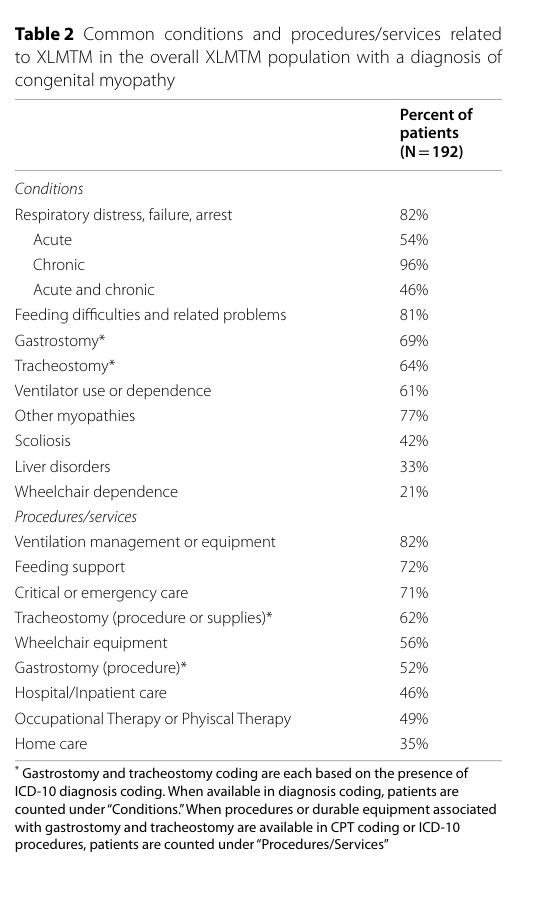
Reference Validation
Checked with linkml-reference-validator 0.3.0rc3.
| Outcome | Count |
|---|---|
| References checked | 10 |
| Resolved | 10 |
| Unresolved (possible confabulation) | 0 |
| Unverifiable | 0 |
| References weighed for topical relevance | 10 |
| On topic | 7 |
| Off topic | 0 |
All extracted references resolved successfully.
Term Validation
Checked with linkml-term-validator 0.4.5, through the ols: adapter.
| Outcome | Count |
|---|---|
| Terms checked | 10 |
| Resolved | 10 |
| Unresolved (possible confabulation) | 0 |
| Obsolete | 0 |
| Unverifiable | 0 |
| Terms whose name was checked | 1 |
| Terms named correctly | 0 |
| Terms named as a different term | 1 |
Terms the report names something else
These identifiers resolve, so nothing about them looks wrong, and the ontology calls them something unrelated to what the report calls them. That usually means the identifier is not the one the sentence needs:
HP:0001396(1 mention) - the report calls it "XLMTM hepatobiliary complications"; HP calls it Cholestasis