Autosomal Recessive Nonsyndromic Hearing Loss 32
CDC14A-related autosomal recessive hearing loss ranges from congenital severe-to-profound loss to moderate or later-recognized impairment, with variable progression. Some affected males also have infertility and abnormal semen parameters, termed hearing impairment and infertile male syndrome (HIIMS); other affected men have children or semen results within or near reference ranges. Published families do not establish a reliable fertility prognosis for every allele. Normal bedside balance testing has been reported, without proving universal preservation of vestibular function. This entry covers the CDC14A allelic spectrum represented by OMIM:608653 and retains HIIMS as a subtype bound to MONDO:0100069. MONDO:0012091 names nonsyndromic hearing loss, so this is a broader curation scope than that term alone. Clinical subtype assignment requires reproductive assessment where informative; an affected child or a family containing only affected females cannot establish the fertility phenotype of that allele. Loss of CDC14A phosphatase function in mice produces progressive cochlear hair-cell degeneration and male reproductive abnormalities. For the human p.Arg345Ter allele, leukocyte RNA remains detectable, and engineered truncated mouse protein retains catalytic activity but localizes abnormally in transfected inner-ear explants. These findings support allele-dependent mechanisms, but neither the exact human cochlear lesion nor the critical physiological substrates have been established. Other exon-11 variants cannot automatically be assigned the same RNA, protein or fertility consequences.
Ask OpenScientist
Ask a research question about Autosomal Recessive Nonsyndromic Hearing Loss 32. OpenScientist will conduct autonomous deep research using the Disorder Mechanisms Knowledge Base and PubMed literature (typically 10-30 minutes).
Do not include personal health information in your question. Questions and results are cached in your browser's local storage.
Classifications
Mappings
Inheritance
1Show evidence (3 references)
Subtypes
2Show evidence (2 references)
Show evidence (2 references)
Discussions and Knowledge Gaps
3- Consistent differences in reproductive measures by allele would strengthen a probabilistic genotype–phenotype association, without proving individual fertility or universal penetrance.
- Overlapping distributions or discordant reproductive findings would weaken a simple exon-position prediction rule; neither result would erase the already observed HIIMS families.
Show evidence (5 references)
- Reproducible site-specific hyperphosphorylation together with direct CDC14A activity and phenotype rescue would support a particular substrate pathway.
- A negative bulk phosphoproteome result would leave the substrate unresolved; it would not refute the known catalytic-site requirement because timing, abundance, cell composition and assay sensitivity may mask the relevant event.
Show evidence (3 references)
- Normal kinocilia in double mutants would weaken a simple CDC14A-paralog requirement for kinocilium length, while leaving other compensation or perturbation differences unresolved.
- Short kinocilia or impaired auditory readouts in double mutants would support paralog redundancy as an explanation for the single-mutant findings; rescue and matched developmental measurements would strengthen that inference.
Show evidence (3 references)
Pathophysiology
7Show evidence (2 references)
Show evidence (2 references)
Show evidence (1 reference)
Show evidence (1 reference)
Show evidence (4 references)
Show evidence (1 reference)
Show evidence (1 reference)
Pathograph
Phenotypes
8Ear 3
Show evidence (5 references)
Show evidence (2 references)
Show evidence (4 references)
Genitourinary 5
Show evidence (3 references)
Show evidence (1 reference)
Show evidence (1 reference)
Show evidence (1 reference)
Show evidence (2 references)
Genetic Associations
1Show evidence (9 references)
Medical Actions
5Show evidence (2 references)
Show evidence (2 references)
Show evidence (1 reference)
Show evidence (1 reference)
Show evidence (1 reference)
Diagnosis
2Show evidence (3 references)
Show evidence (1 reference)
Progression
2Show evidence (1 reference)
Show evidence (1 reference)
Prevalence
2Show evidence (1 reference)
Show evidence (1 reference)
Animal Models
5Show evidence (1 reference)
Show evidence (1 reference)
Show evidence (1 reference)
Show evidence (1 reference)
Show evidence (1 reference)
Show evidence (1 reference)
Show evidence (1 reference)
Source YAML
click to showname: Autosomal Recessive Nonsyndromic Hearing Loss 32
category: Mendelian
creation_date: "2026-10-01T20:35:52Z"
synonyms:
- DFNB32
- DFNB105
- autosomal recessive deafness 32
- autosomal recessive nonsyndromic deafness 32
- autosomal recessive deafness 105
- autosomal recessive nonsyndromic deafness type 105
- deafness, autosomal recessive 105
- deafness, autosomal recessive 32, with or without immotile sperm
- CDC14A autosomal recessive nonsyndromic deafness
- autosomal recessive nonsyndromic deafness caused by mutation in CDC14A
description: >-
CDC14A-related autosomal recessive hearing loss ranges from congenital severe-to-profound loss to moderate or later-recognized impairment, with variable progression. Some affected males also have infertility and abnormal semen parameters, termed hearing impairment and infertile male syndrome (HIIMS); other affected men have children or semen results within or near reference ranges. Published families do not establish a reliable fertility prognosis for every allele. Normal bedside balance testing has been reported, without proving universal preservation of vestibular function.
This entry covers the CDC14A allelic spectrum represented by OMIM:608653 and retains HIIMS as a subtype bound to MONDO:0100069. MONDO:0012091 names nonsyndromic hearing loss, so this is a broader curation scope than that term alone. Clinical subtype assignment requires reproductive assessment where informative; an affected child or a family containing only affected females cannot establish the fertility phenotype of that allele.
Loss of CDC14A phosphatase function in mice produces progressive cochlear hair-cell degeneration and male reproductive abnormalities. For the human p.Arg345Ter allele, leukocyte RNA remains detectable, and engineered truncated mouse protein retains catalytic activity but localizes abnormally in transfected inner-ear explants. These findings support allele-dependent mechanisms, but neither the exact human cochlear lesion nor the critical physiological substrates have been established. Other exon-11 variants cannot automatically be assigned the same RNA, protein or fertility consequences.
disease_term:
preferred_term: autosomal recessive nonsyndromic hearing loss 32
term:
id: MONDO:0012091
label: autosomal recessive nonsyndromic hearing loss 32
parents:
- Autosomal Recessive Nonsyndromic Hearing Loss
mappings:
mondo_mappings:
- term:
id: MONDO:0012091
label: autosomal recessive nonsyndromic hearing loss 32
mapping_predicate: skos:exactMatch
mapping_source: MONDO
classifications:
harrisons_chapter:
- classification_value: DISORDER_OF_EAR
- classification_value: GENETICS_ENVIRONMENT_DISEASE
references:
- reference: PMID:12634867
title: "Mapping of a new autosomal recessive nonsyndromic hearing loss locus (DFNB32) to chromosome 1p13.3-22.1."
- reference: PMID:27259055
title: "Mutations in CDC14A, Encoding a Protein Phosphatase Involved in Hair Cell Ciliogenesis, Cause Autosomal-Recessive Severe to Profound Deafness."
- reference: PMID:29293958
title: "CDC14A phosphatase is essential for hearing and male fertility in mouse and human."
- reference: PMID:32231217
title: "When transcripts matter: delineating between non-syndromic hearing loss DFNB32 and hearing impairment infertile male syndrome (HIIMS)."
- reference: PMID:31906439
title: "Novel Loss-of-Function Variants in CDC14A are Associated with Recessive Sensorineural Hearing Loss in Iranian and Pakistani Patients."
- reference: PMID:39119445
title: "Delineating the Disease Boundaries: Homozygous CDC14A Variants Underlying Nonsyndromic Hearing Loss and Hearing Impairment Infertile Male Syndrome."
- reference: PMID:41308992
title: "A truncated CDC14A retains catalytic structure and phosphatase activity preserving male fertility but causes nonsyndromic deafness."
- reference: PMID:36056583
title: "Mutation spectrum of non-syndromic hearing loss in the UAE, a retrospective cohort study and literature review."
- reference: PMID:32679235
title: "Cdc14a has a role in spermatogenesis, sperm maturation and male fertility."
- reference: PMID:30467237
title: "The human phosphatase CDC14A modulates primary cilium length by regulating centrosomal actin nucleation."
- reference: url:https://www.ncbi.nlm.nih.gov/sites/books/NBK1434/pdf/Bookshelf_NBK1434.pdf
title: https://www.ncbi.nlm.nih.gov/sites/books/NBK1434/pdf/Bookshelf_NBK1434.pdf
tags:
- GeneReviews
- reference: url:https://www.ncbi.nlm.nih.gov/pmc/articles/PMC11305659/
title: 'Delineating the Disease Boundaries: Homozygous CDC14A Variants Underlying Nonsyndromic Hearing Loss and Hearing Impairment Infertile Male Syndrome - PMC'
findings:
- statement: The publisher full text classifies both p.Gln334Ter and p.Asn228Lys as variants of uncertain significance, despite segregating family phenotypes and in-silico predictions. No variant-specific functional assay was reported.
- statement: Table 1 reports sperm concentrations of 85 and 82 million/mL in family A and below 0.1 million/mL in both family B males. Motility and morphology were not available for family B.
- reference: PMID:20301607
title: Genetic Hearing Loss Overview.
tags:
- GeneReviews
has_subtypes:
- name: DFNB32
display_name: DFNB32 (deafness with preserved male fertility)
classification: clinical_phenotype
description: >-
The clinically nonsyndromic presentation includes affected men with documented paternity or semen results within or near reference ranges. This is best documented for p.Arg345Ter and p.Arg376Ter. C-terminal variants are often associated with this presentation, but fertility was unassessed for several reported alleles: the p.Ala451Thrfs*43 family contained only affected females, and the two affected men with p.Ser348Glnfs*2 were unmarried and had no children. The intron-14 splice-variant family also contained only affected females. Variant position and a predicted preserved short transcript do not by themselves establish male fertility. The 2024 p.Gln334Ter report found normal semen parameters but classified the variant as uncertain significance.
evidence:
- reference: PMID:32231217
reference_title: "When transcripts matter: delineating between non-syndromic hearing loss DFNB32 and hearing impairment infertile male syndrome (HIIMS)."
supports: SUPPORT
evidence_source: HUMAN_CLINICAL
snippet: "We conclude that DFNB32 is a distinct phenotypic entity in males."
explanation: >-
Conclusion drawn from semen analyses of deaf men homozygous for exon 11 truncations,
which were normal or near normal.
- reference: PMID:41308992
reference_title: "A truncated CDC14A retains catalytic structure and phosphatase activity preserving male fertility but causes nonsyndromic deafness."
supports: SUPPORT
evidence_source: HUMAN_CLINICAL
snippet: "Variants affecting the globular N-terminal domains of human CDC14A are associated with HIIMS, whereas mutations in the IDR cause nonsyndromic deafness DFNB32."
explanation: >-
The later structural study summarizes an allele-position association; it does not document fertility or biochemical activity for every reported variant.
- name: HIIMS
display_name: Hearing impairment and infertile male syndrome
classification: clinical_phenotype
subtype_term:
preferred_term: hearing impairment and infertile male syndrome
term:
id: MONDO:0100069
label: hearing impairment and infertile male syndrome
description: >-
Hearing impairment with male infertility is reported in families carrying early truncating, splice-altering or catalytic-domain CDC14A alleles. The 2018 series identified infertility by history in five families, with limited semen assessment. p.Arg312Gln was associated with hearing loss but its reproductive phenotype was not established. The 2024 p.Asn228Lys family had profound hearing loss and severe oligozoospermia, but the authors classified that variant as uncertain significance and did not perform a variant-specific functional assay. Female fertility has been observed in affected families; this does not quantify reproductive penetrance across all CDC14A genotypes. MONDO treats HIIMS as a separate syndromic disease, represented here within the shared allelic spectrum.
evidence:
- reference: PMID:29293958
reference_title: "CDC14A phosphatase is essential for hearing and male fertility in mouse and human."
supports: SUPPORT
evidence_source: HUMAN_CLINICAL
snippet: "Infertility of some deaf males is associated with specific variants of CDC14A and defines a new monogenic syndrome (designated HIIMS) owing to insufficient phosphatase activity, while other variants with residual activity are associated with non-syndromic deafness DFNB32."
explanation: >-
The original definition of HIIMS as an allele-specific syndromic form of the same
CDC14A disease.
- reference: PMID:39119445
reference_title: "Delineating the Disease Boundaries: Homozygous CDC14A Variants Underlying Nonsyndromic Hearing Loss and Hearing Impairment Infertile Male Syndrome."
supports: SUPPORT
evidence_source: HUMAN_CLINICAL
snippet: "Variants in exon 10 and upstream cause HIIMS, and those in exon 11 and downstream are linked exclusively to hearing impairment."
explanation: >-
The authors propose an exon-based correlation, but classify both newly reported variants as VUS in the full text. This is not a validated individual fertility prediction.
directness: INDIRECT
inheritance:
- name: Autosomal recessive
description: >-
Homozygous CDC14A variants segregating with deafness in consanguineous families from
Tunisia, Pakistan, Iran and Mauritania; heterozygous parents and siblings hear normally.
Infertility in the HIIMS subtype is male-limited, which is a sex-limited expression of an
autosomal recessive genotype rather than a different mode of inheritance.
inheritance_term:
preferred_term: Autosomal recessive inheritance
term:
id: HP:0000007
label: Autosomal recessive inheritance
evidence:
- reference: PMID:12634867
reference_title: "Mapping of a new autosomal recessive nonsyndromic hearing loss locus (DFNB32) to chromosome 1p13.3-22.1."
supports: SUPPORT
evidence_source: HUMAN_CLINICAL
snippet: "We have ascertained 10 individuals from a large consanguineous Tunisian family with congenital profound autosomal recessive deafness."
explanation: The founding DFNB32 family and its recessive segregation.
- reference: PMID:32231217
reference_title: "When transcripts matter: delineating between non-syndromic hearing loss DFNB32 and hearing impairment infertile male syndrome (HIIMS)."
supports: SUPPORT
evidence_source: HUMAN_CLINICAL
snippet: "All affected individuals in each family are homozygous for the variants"
explanation: Homozygosity in every affected member of six further Iranian families.
- reference: url:https://www.ncbi.nlm.nih.gov/sites/books/NBK1434/pdf/Bookshelf_NBK1434.pdf
reference_title: https://www.ncbi.nlm.nih.gov/sites/books/NBK1434/pdf/Bookshelf_NBK1434.pdf
supports: SUPPORT
evidence_source: OTHER
quote_role: REVIEW_SYNTHESIS
directness: DIRECT
snippet: If both parents are known to be heterozygous for an autosomal recessive hearing loss-related pathogenic variant, each sib of the proband has at conception a 25% chance of having hearing loss, a 50% chance of having no hearing loss and being a carrier, and a 25% chance of having no hearing loss and not being a carrier.
explanation: These Mendelian probabilities apply to two confirmed heterozygous carrier parents; they are not estimates of CDC14A reproductive penetrance.
pathophysiology:
- name: Loss of CDC14A Catalytic Phosphatase Activity
description: >-
CDC14A catalytic loss is supported by knockout and catalytic-cysteine p.Cys278Ser mouse models with hearing loss and male infertility. Prior biochemical work supported preservation of the C278S protein fold, and localization was examined in transfected cells; these are not direct measurements of every human allele in vivo. Human early truncations and c.839-3C>G splice products disrupt the catalytic region, whereas the effects of p.Arg312Gly, p.Arg312Gln and p.Gln320Pro were principally modeled computationally. The splice products do not delete the entire catalytic domain, and reproductive status was not established for p.Arg312Gln. Individual human alleles should not all be treated as experimentally demonstrated catalytic nulls.
biological_scale: MOLECULAR
subtypes:
- HIIMS
genes:
- preferred_term: CDC14A
term:
id: hgnc:1718
label: CDC14A
molecular_functions:
- preferred_term: CDC14A dual-specificity phosphatase activity
term:
id: GO:0008138
label: protein tyrosine/serine/threonine phosphatase activity
modifier: DECREASED
genetic_context:
variant_origin: GERMLINE
zygosity: HOMOZYGOUS
functional_impact_category: LOSS_OF_FUNCTION
downstream:
- target: Postnatal Hair Cell Degeneration
causal_link_type: INDIRECT_UNKNOWN_INTERMEDIATES
description: >-
Removing catalytic activity alone, in the p.Cys278Ser mouse, causes the same
stereocilia fusion and hair cell degeneration as the null alleles. The substrates
whose phosphorylation state matters in the hair cell are not known, so the
intermediates are unknown.
evidence:
- reference: PMID:29293958
reference_title: "CDC14A phosphatase is essential for hearing and male fertility in mouse and human."
supports: SUPPORT
evidence_source: MODEL_ORGANISM
snippet: "By SEM, inner ears of P60 deaf F0 homozygous C278S-CDC14A mice show fusion of stereocilia and degeneration of hair cells indistinguishable from other mutant alleles of Cdc14a"
explanation: >-
Catalytic-cysteine substitution reproduces the mouse hair-cell lesion. This supports an enzymatic requirement, without identifying the physiological substrates or proving identical effects for each human variant.
- target: Seminiferous Tubule Degeneration
causal_link_type: INDIRECT_UNKNOWN_INTERMEDIATES
description: >-
The same catalytically dead mouse allele causes male infertility with seminiferous
tubule degeneration. Which substrates link the enzyme to the spermatogenic lesion is
unknown.
evidence:
- reference: PMID:29293958
reference_title: "CDC14A phosphatase is essential for hearing and male fertility in mouse and human."
supports: SUPPORT
evidence_source: MODEL_ORGANISM
snippet: "Homozygous F0 C278S-CDC14A male mice were infertile and showed degeneration of seminiferous tubules"
explanation: The engineered catalytic-site mouse allele produces testicular degeneration; the relevant substrates remain unresolved.
- target: Outer Hair Cell Functional Impairment
description: Loss of CDC14A in the mouse allelic series is associated with early loss of otoacoustic emissions; the intervening substrate pathway is unknown.
causal_link_type: INDIRECT_UNKNOWN_INTERMEDIATES
evidence:
- reference: PMID:29293958
reference_title: CDC14A phosphatase is essential for hearing and male fertility in mouse and human.
supports: SUPPORT
evidence_source: MODEL_ORGANISM
quote_role: PRIMARY_RESULT
directness: DIRECT
snippet: Absent distortion-product otoacoustic emissions (DPOAEs) at all ages tested (P16, 30, 60 and 90; Supplementary Material, Fig. S8C) indicated a loss of outer hair cell (OHC) function for both rare homozygotes and compound heterozygotes as early as P16.
explanation: Absent emissions show early mouse outer-hair-cell dysfunction, before extensive hair-cell loss. This is not a direct electrophysiological measurement in human hair cells.
- target: Impaired Spermiation
description: Loss-of-function mouse testes show impaired spermatid release alongside degeneration; the substrate pathway is not established.
causal_link_type: INDIRECT_UNKNOWN_INTERMEDIATES
evidence:
- reference: PMID:29293958
reference_title: CDC14A phosphatase is essential for hearing and male fertility in mouse and human.
supports: SUPPORT
evidence_source: MODEL_ORGANISM
quote_role: PRIMARY_RESULT
directness: DIRECT
snippet: In addition, there were retained spermatid heads at the basement membranes and/or aggregates of spermatids around residual bodies compared with control animals
explanation: Retained spermatid heads and aggregates in mutant mouse testes support impaired spermiation. Human spermiation was not examined.
evidence:
- reference: PMID:29293958
reference_title: "CDC14A phosphatase is essential for hearing and male fertility in mouse and human."
supports: SUPPORT
evidence_source: MODEL_ORGANISM
snippet: "Collectively, these data indicate that the phosphatase catalytic activity of mouse CDC14A is essential for male fertility and hearing and promotes perinatal viability."
explanation: The authors' conclusion from the knockout and catalytic-dead mouse alleles.
quote_role: PRIMARY_RESULT
- reference: PMID:29293958
reference_title: "CDC14A phosphatase is essential for hearing and male fertility in mouse and human."
supports: SUPPORT
evidence_source: COMPUTATIONAL
snippet: "As a result, the p.Q320P variant of CDC14A would not hydrolyze the covalent bond between C278 and the phosphate, resulting in a catalytically inactive CDC14A, where the substrate remains bound."
explanation: >-
Structural-model prediction that one of the human HIIMS missense alleles is
catalytically dead. A model, not a measured activity.
mechanism_confidence: PROVISIONAL
- name: Loss of the CDC14A C-Terminal Disordered Region
description: >-
The p.Arg345Ter human allele removes the C-terminal region beyond the globular domains. Its RNA remains detectable in patient leukocytes, but cochlear and testicular RNA and protein were not directly assayed. A proposed short-transcript explanation does not establish the same outcome for all exon-11 alleles: p.Ser348Glnfs*2 was associated with markedly reduced blood RNA. The structural study used engineered mouse residues 1–345 expressed in insect cells. The active truncated construct retained phosphatase activity; crystallography used a separate catalytically inactive truncated construct. Full-length and truncated lysates had similar substrate-affinity estimates, but unknown protein concentrations precluded comparing catalytic efficiency. Loss of the disordered tail and its export signal supports altered localization as a mechanism for this allele, without establishing a universal molecular or fertility boundary between DFNB32 and HIIMS.
biological_scale: MOLECULAR
subtypes:
- DFNB32
genes:
- preferred_term: CDC14A
term:
id: hgnc:1718
label: CDC14A
genetic_context:
variant_origin: GERMLINE
zygosity: HOMOZYGOUS
functional_impact_category: PARTIAL_LOSS_OF_FUNCTION
downstream:
- target: Nuclear Retention and Hair Bundle Mislocalization of CDC14A
causal_link_type: DIRECT
description: >-
Removing the C-terminal region increases nuclear retention in transfected mouse inner-ear explants. Some truncated protein still reaches the cytoplasm and hair bundle.
evidence:
- reference: PMID:41308992
reference_title: "A truncated CDC14A retains catalytic structure and phosphatase activity preserving male fertility but causes nonsyndromic deafness."
supports: SUPPORT
evidence_source: IN_VITRO
snippet: "These data indicate that residues 346 to 603 are required for robust export from the nucleus and normal subcellular localization of CDC14A in the inner ear, which are indispensable for hearing."
explanation: >-
Tagged full-length and truncated CDC14A compared in inner ear explants; the
truncated protein accumulates in the nucleus.
evidence:
- reference: PMID:41308992
reference_title: "A truncated CDC14A retains catalytic structure and phosphatase activity preserving male fertility but causes nonsyndromic deafness."
supports: SUPPORT
evidence_source: HUMAN_CLINICAL
snippet: "Quantitative analyses of CDC14A mRNA in blood leukocytes from the PKSN10 family showed that CDC14A transcripts are stable, including p.R345∗ transcripts, which evade nonsense-mediated decay."
explanation: >-
Stable p.Arg345Ter RNA was measured in patient blood leukocytes. This does not establish protein abundance or isoform function in cochlea or testis.
- reference: PMID:41308992
reference_title: "A truncated CDC14A retains catalytic structure and phosphatase activity preserving male fertility but causes nonsyndromic deafness."
supports: SUPPORT
evidence_source: IN_VITRO
snippet: "Kinetic functional studies and X-ray crystallographic findings of purified ΔC-CDC14A protein indicate that it retains structural integrity and phosphatase activity."
explanation: The study combines activity measurements on engineered mouse ΔC protein with structures of a separate phosphatase-dead ΔC construct. It did not purify patient protein or demonstrate equal catalytic efficiency to full-length CDC14A.
mechanism_confidence: PROVISIONAL
- name: Nuclear Retention and Hair Bundle Mislocalization of CDC14A
description: >-
In transfected P2–P3 mouse inner-ear explants, EGFP-tagged full-length mouse CDC14A localized to cytoplasm, stereocilia and kinocilia, whereas the truncated 1–345 construct accumulated predominantly in the nucleus. Some truncated protein remained in the cytoplasm and hair bundle. These findings concern introduced constructs, not direct localization in patient hair cells. Mislocalization is a proposed contributor to p.Arg345Ter-associated hearing loss; a corresponding knock-in model linking this defect to hair-cell survival had not been reported in the structural study.
biological_scale: CELLULAR
subtypes:
- DFNB32
cell_types:
- preferred_term: auditory hair cell
term:
id: CL:0000202
label: auditory hair cell
cellular_components:
- preferred_term: nucleus
term:
id: GO:0005634
label: nucleus
- preferred_term: kinocilium
term:
id: GO:0060091
label: kinocilium
- preferred_term: stereocilium
term:
id: GO:0032420
label: stereocilium
biological_processes:
- preferred_term: CDC14A nuclear export
term:
id: GO:0006611
label: protein export from nucleus
modifier: DECREASED
downstream:
- target: Postnatal Hair Cell Degeneration
causal_link_type: INDIRECT_UNKNOWN_INTERMEDIATES
description: >-
Proposed rather than shown. The causal step from mislocalised enzyme to hair cell loss
has not been tested in an animal carrying a DFNB32-type truncation.
evidence:
- reference: PMID:41308992
reference_title: "A truncated CDC14A retains catalytic structure and phosphatase activity preserving male fertility but causes nonsyndromic deafness."
supports: SUPPORT
evidence_source: IN_VITRO
directness: INDIRECT
snippet: "In addition, we show that the C-terminal IDR of CDC14A is required for normal hearing, likely because it is necessary for normal localization of CDC14A in hair cells."
explanation: >-
The authors' inference linking the localisation defect to deafness; indirect because
the localisation data come from transfected explants and the hearing data from
patients, not from one model.
quote_role: PRIMARY_RESULT
evidence:
- reference: PMID:41308992
reference_title: "A truncated CDC14A retains catalytic structure and phosphatase activity preserving male fertility but causes nonsyndromic deafness."
supports: SUPPORT
evidence_source: IN_VITRO
snippet: "In contrast, the majority of EGFP-ΔC-CDC14A, which retains an NLS, but lacks the C-terminal IDR, including NES, was trapped in the nucleus."
explanation: Predominant nuclear retention of the EGFP-tagged truncation in transfected mouse explants, with residual extranuclear localization.
mechanism_confidence: PROVISIONAL
- name: Outer Hair Cell Functional Impairment
description: Distortion-product otoacoustic emissions were absent in Cdc14a mutant mice from the earliest tested age, P16. Only a small fraction of apical hair cells had degenerated around this age, so extensive cell loss alone cannot account for the early functional deficit. The molecular defect in surviving cells and its human counterpart remain unresolved.
biological_scale: CELLULAR
mechanism_confidence: PROVISIONAL
evidence:
- reference: PMID:29293958
reference_title: CDC14A phosphatase is essential for hearing and male fertility in mouse and human.
supports: SUPPORT
evidence_source: MODEL_ORGANISM
quote_role: PRIMARY_RESULT
directness: DIRECT
snippet: Absent distortion-product otoacoustic emissions (DPOAEs) at all ages tested (P16, 30, 60 and 90; Supplementary Material, Fig. S8C) indicated a loss of outer hair cell (OHC) function for both rare homozygotes and compound heterozygotes as early as P16.
explanation: Absent emissions show early mouse outer-hair-cell dysfunction, before extensive hair-cell loss. This is not a direct electrophysiological measurement in human hair cells.
cell_types:
- preferred_term: cochlear outer hair cell
term:
id: CL:0000601
label: cochlear outer hair cell
downstream:
- target: Bilateral Sensorineural Hearing Impairment
description: Early outer-hair-cell dysfunction provides a model-supported contributor to hearing loss; transfer to human CDC14A disease is indirect.
causal_link_type: INDIRECT_UNKNOWN_INTERMEDIATES
evidence:
- reference: PMID:29293958
reference_title: CDC14A phosphatase is essential for hearing and male fertility in mouse and human.
supports: SUPPORT
evidence_source: MODEL_ORGANISM
quote_role: PRIMARY_RESULT
directness: INDIRECT
snippet: Absent distortion-product otoacoustic emissions (DPOAEs) at all ages tested (P16, 30, 60 and 90; Supplementary Material, Fig. S8C) indicated a loss of outer hair cell (OHC) function for both rare homozygotes and compound heterozygotes as early as P16.
explanation: Absent emissions show early mouse outer-hair-cell dysfunction, before extensive hair-cell loss. This is not a direct electrophysiological measurement in human hair cells.
- name: Postnatal Hair Cell Degeneration
description: >-
Cdc14a mutant mouse hair bundles and kinocilia appear morphologically normal at P7–P9, but stereocilia subsequently fuse and hair cells degenerate, with inner hair-cell loss preceding outer hair-cell loss. About 5% of apical hair cells had degenerated at P17 and about half were absent at P90. Normal early morphology does not exclude an earlier functional or developmental defect that becomes apparent later. Normal measured endocochlear potentials argue against primary failure of the strial voltage supply, without excluding every strial contribution. Profound hearing loss despite remaining cells also indicates that cell number alone does not explain the functional deficit. Comparable histology has not been established in affected humans.
biological_scale: TISSUE
cell_types:
- preferred_term: cochlear inner hair cell
term:
id: CL:0000589
label: cochlear inner hair cell
- preferred_term: cochlear outer hair cell
term:
id: CL:0000601
label: cochlear outer hair cell
locations:
- preferred_term: organ of Corti
term:
id: UBERON:0002227
label: spiral organ of cochlea
biological_processes:
- preferred_term: auditory hair cell stereocilium maintenance
term:
id: GO:0060088
label: auditory receptor cell stereocilium organization
modifier: DECREASED
downstream:
- target: Bilateral Sensorineural Hearing Impairment
causal_link_type: INDIRECT_UNKNOWN_INTERMEDIATES
evidence:
- reference: PMID:29293958
reference_title: "CDC14A phosphatase is essential for hearing and male fertility in mouse and human."
supports: SUPPORT
evidence_source: MODEL_ORGANISM
snippet: "Auditory hair cells of postnatal Cdc14a mutants develop normally, but subsequently degenerate causing deafness."
explanation: The authors' causal statement linking hair cell degeneration to deafness.
directness: INDIRECT
description: The mouse lesion supports a candidate explanation for human hearing impairment; the corresponding human cochlear histology and intermediate events have not been measured.
- target: Progressive Sensorineural Hearing Impairment
causal_link_type: INDIRECT_UNKNOWN_INTERMEDIATES
evidence:
- reference: PMID:29293958
reference_title: "CDC14A phosphatase is essential for hearing and male fertility in mouse and human."
supports: SUPPORT
evidence_source: MODEL_ORGANISM
snippet: "Progressive degeneration of hair cells paralleled the partial conservation of hearing at younger ages (P16-P30)."
explanation: >-
The time course of hair cell loss matches the time course of threshold loss in
mice, which is the mouse counterpart of progression in patients.
directness: INDIRECT
description: The mouse lesion supports a candidate explanation for human hearing impairment; the corresponding human cochlear histology and intermediate events have not been measured.
- target: Congenital Severe to Profound Hearing Impairment
causal_link_type: INDIRECT_UNKNOWN_INTERMEDIATES
description: >-
Mice already have only residual low-frequency hearing at postnatal day 16, shortly
after hearing begins. Whether the congenital profound presentation in some human
families reflects the same degeneration run earlier, or the second defect suggested by
the mismatch between hair cell numbers and thresholds, is not known.
evidence:
- reference: PMID:29293958
reference_title: "CDC14A phosphatase is essential for hearing and male fertility in mouse and human."
supports: SUPPORT
evidence_source: MODEL_ORGANISM
directness: INDIRECT
snippet: "the rare homozygotes and compound heterozygotes had only residual hearing at low frequencies (8 and 16 kHz)"
explanation: >-
Hearing is already severely impaired at the first time point tested, postnatal day
16; indirect for the human congenital claim because mouse hearing onset is postnatal.
evidence:
- reference: PMID:29293958
reference_title: "CDC14A phosphatase is essential for hearing and male fertility in mouse and human."
supports: SUPPORT
evidence_source: MODEL_ORGANISM
snippet: "By P17, 5% of mutant-derived inner and OHCs in the apical turn had degenerated and some stereocilia were fused to one another"
explanation: Onset of the structural lesion shortly after hearing begins.
- reference: PMID:29293958
reference_title: "CDC14A phosphatase is essential for hearing and male fertility in mouse and human."
supports: SUPPORT
evidence_source: MODEL_ORGANISM
snippet: "These data indicate that CDC14A phosphatase is not necessary for the development of the wild-type architecture of hair bundles including transiently present kinocilia."
explanation: >-
Early mouse bundle morphology appears normal. This does not exclude an earlier functional or developmental defect that manifests later.
- reference: PMID:29293958
reference_title: "CDC14A phosphatase is essential for hearing and male fertility in mouse and human."
supports: SUPPORT
evidence_source: MODEL_ORGANISM
snippet: "Approximately 50% of hair cells were still present at P90 although all mutant mice were profoundly deaf suggesting that there may be an additional malfunction in the auditory system contributing to the HL of Cdc14a mutant mice."
explanation: The mismatch between surviving hair cells and profound deafness.
- reference: PMID:29293958
reference_title: "CDC14A phosphatase is essential for hearing and male fertility in mouse and human."
supports: SUPPORT
evidence_source: MODEL_ORGANISM
snippet: "However, CDC14A seems unimportant for stria vascularis function as Cdc14a mutant mice have endocochlear potentials (EPs) that are in the normal range"
explanation: Normal measured endocochlear potentials argue against loss of the strial voltage supply as the primary defect; they do not exclude all strial involvement.
mechanism_confidence: PROVISIONAL
- name: Seminiferous Tubule Degeneration
description: >-
Infertile Cdc14a mutant male mice show loss of spermatogenic cells, vacuolization of sustentacular cells and partial collapse of seminiferous-tubule lumina. An independent knockout study also reported empty spaces in tubules and subfertility. Human testicular histology was not measured, so the corresponding lesion in men with HIIMS remains inferred from reproductive and semen findings. These experiments do not establish that every C-terminal allele spares the testis or quantify reproductive penetrance.
biological_scale: TISSUE
subtypes:
- HIIMS
locations:
- preferred_term: seminiferous tubule
term:
id: UBERON:0001343
label: seminiferous tubule of testis
cell_types:
- preferred_term: spermatid
term:
id: CL:0000018
label: spermatid
- preferred_term: Sertoli cell
term:
id: CL:0000216
label: Sertoli cell
biological_processes:
- preferred_term: spermatogenesis
term:
id: GO:0007283
label: spermatogenesis
modifier: DECREASED
downstream:
- target: Male Infertility
causal_link_type: INDIRECT_UNKNOWN_INTERMEDIATES
evidence:
- reference: PMID:29293958
reference_title: "CDC14A phosphatase is essential for hearing and male fertility in mouse and human."
supports: SUPPORT
evidence_source: MODEL_ORGANISM
snippet: "In mutant male mice, degeneration of seminiferous tubules and spermiation defects result in low sperm count, and abnormal sperm motility and morphology."
explanation: The authors' causal statement for the male reproductive phenotype.
directness: INDIRECT
description: Mouse reproductive pathology supports a candidate contributor to the human semen or fertility phenotype; the corresponding human histology and intervening steps are unmeasured.
- target: Oligozoospermia
causal_link_type: INDIRECT_UNKNOWN_INTERMEDIATES
evidence:
- reference: PMID:32679235
reference_title: "Cdc14a has a role in spermatogenesis, sperm maturation and male fertility."
supports: SUPPORT
evidence_source: MODEL_ORGANISM
snippet: "The number of sperm was decreased, the sperm motility was impaired, and the proportion of sperm with abnormal morphology was elevated in Cdc14a-/- mice."
explanation: Reduced sperm number in an independent knockout line.
directness: INDIRECT
description: Mouse reproductive pathology supports a candidate contributor to the human semen or fertility phenotype; the corresponding human histology and intervening steps are unmeasured.
- target: Reduced Sperm Motility
causal_link_type: INDIRECT_UNKNOWN_INTERMEDIATES
evidence:
- reference: PMID:32679235
reference_title: "Cdc14a has a role in spermatogenesis, sperm maturation and male fertility."
supports: SUPPORT
evidence_source: MODEL_ORGANISM
snippet: "The number of sperm was decreased, the sperm motility was impaired, and the proportion of sperm with abnormal morphology was elevated in Cdc14a-/- mice."
explanation: Impaired motility in an independent knockout line.
directness: INDIRECT
description: Mouse reproductive pathology supports a candidate contributor to the human semen or fertility phenotype; the corresponding human histology and intervening steps are unmeasured.
- target: Abnormal Sperm Morphology
causal_link_type: INDIRECT_UNKNOWN_INTERMEDIATES
evidence:
- reference: PMID:32679235
reference_title: "Cdc14a has a role in spermatogenesis, sperm maturation and male fertility."
supports: SUPPORT
evidence_source: MODEL_ORGANISM
snippet: "The number of sperm was decreased, the sperm motility was impaired, and the proportion of sperm with abnormal morphology was elevated in Cdc14a-/- mice."
explanation: Abnormal morphology in an independent knockout line.
directness: INDIRECT
description: Mouse reproductive pathology supports a candidate contributor to the human semen or fertility phenotype; the corresponding human histology and intervening steps are unmeasured.
evidence:
- reference: PMID:29293958
reference_title: "CDC14A phosphatase is essential for hearing and male fertility in mouse and human."
supports: SUPPORT
evidence_source: MODEL_ORGANISM
snippet: "The degeneration was characterized by loss of spermatogenic cells, vacuolization of sustentacular cells and partial collapse of the lumina."
explanation: The testicular histopathology of the mutant mice.
mechanism_confidence: PROVISIONAL
- name: Impaired Spermiation
description: Cdc14a mutant mouse testes contain retained spermatid heads near the basement membrane and aggregates around residual bodies, consistent with defective release of spermatids. This is distinct from degeneration of the seminiferous epithelium; the relative contributions of these lesions to low sperm counts are unresolved.
biological_scale: CELLULAR
mechanism_confidence: PROVISIONAL
evidence:
- reference: PMID:29293958
reference_title: CDC14A phosphatase is essential for hearing and male fertility in mouse and human.
supports: SUPPORT
evidence_source: MODEL_ORGANISM
quote_role: PRIMARY_RESULT
directness: DIRECT
snippet: In addition, there were retained spermatid heads at the basement membranes and/or aggregates of spermatids around residual bodies compared with control animals
explanation: Retained spermatid heads and aggregates in mutant mouse testes support impaired spermiation. Human spermiation was not examined.
subtypes:
- HIIMS
cell_types:
- preferred_term: spermatid
term:
id: CL:0000018
label: spermatid
- preferred_term: Sertoli cell
term:
id: CL:0000216
label: Sertoli cell
locations:
- preferred_term: seminiferous tubule of testis
term:
id: UBERON:0001343
label: seminiferous tubule of testis
downstream:
- target: Oligozoospermia
description: Impaired sperm release is a plausible contributor to reduced counts; human histology and the relative contribution of spermiation versus cell loss are unmeasured.
causal_link_type: INDIRECT_UNKNOWN_INTERMEDIATES
evidence:
- reference: PMID:29293958
reference_title: CDC14A phosphatase is essential for hearing and male fertility in mouse and human.
supports: SUPPORT
evidence_source: MODEL_ORGANISM
quote_role: PRIMARY_RESULT
directness: INDIRECT
snippet: In addition, there were retained spermatid heads at the basement membranes and/or aggregates of spermatids around residual bodies compared with control animals
explanation: Retained spermatid heads and aggregates in mutant mouse testes support impaired spermiation. Human spermiation was not examined.
phenotypes:
- name: Bilateral Sensorineural Hearing Impairment
category: Auditory
description: >-
Bilateral sensorineural hearing loss is the ascertainment feature of the published CDC14A families, with moderate-to-profound severity and occasional asymmetry. Hearing-loss penetrance has not been measured in an unselected genotype cohort. Some families report congenital or early-childhood loss; others report recognition at school age. The absence of vestibular complaints or abnormalities on Romberg and tandem-gait testing in examined families does not establish a universal absence of vestibular dysfunction.
phenotype_term:
preferred_term: Bilateral sensorineural hearing impairment
term:
id: HP:0008619
label: Bilateral sensorineural hearing impairment
evidence:
- reference: PMID:31906439
reference_title: "Novel Loss-of-Function Variants in CDC14A are Associated with Recessive Sensorineural Hearing Loss in Iranian and Pakistani Patients."
supports: SUPPORT
evidence_source: HUMAN_CLINICAL
snippet: "All patients reported congenital, bilateral, sensorineural HL"
explanation: Bilateral sensorineural loss in an Iranian and a Pakistani family.
- reference: PMID:29293958
reference_title: "CDC14A phosphatase is essential for hearing and male fertility in mouse and human."
supports: SUPPORT
evidence_source: HUMAN_CLINICAL
snippet: "In family PKDF539 segregating the p.Q320P substitution of CDC14A, HL is the most severe among the eight families"
explanation: Allele-dependent severity, with the catalytic-site allele at the severe end.
- reference: PMID:32231217
reference_title: "When transcripts matter: delineating between non-syndromic hearing loss DFNB32 and hearing impairment infertile male syndrome (HIIMS)."
supports: SUPPORT
evidence_source: HUMAN_CLINICAL
snippet: "Regardless of gender, the loss of CDC14A and its phosphatase activity results in hearing loss."
explanation: Hearing loss is shared by both sexes and both allelic classes.
- reference: PMID:29293958
reference_title: "CDC14A phosphatase is essential for hearing and male fertility in mouse and human."
supports: SUPPORT
evidence_source: HUMAN_CLINICAL
snippet: "No vestibular problems were reported by affected individuals and no obvious balance problems were detected using Romberg and tandem gait tests."
explanation: Bedside vestibular assessment across the 2018 families.
- reference: PMID:31906439
reference_title: "Novel Loss-of-Function Variants in CDC14A are Associated with Recessive Sensorineural Hearing Loss in Iranian and Pakistani Patients."
supports: SUPPORT
evidence_source: HUMAN_CLINICAL
snippet: "There were no complaints of vestibular dysfunction or tinnitus in the affected individuals of family 2."
explanation: Absence of vestibular complaints in an independent family.
- name: Congenital Severe to Profound Hearing Impairment
category: Auditory
description: >-
Congenital severe-to-profound loss was reported in the original Tunisian and Iranian families and in the two families of the 2020 functional study. Other families reported recognition at ages 1–3 years or school entry. These accounts do not establish congenital onset in every affected individual or a disease-specific newborn-screening sensitivity.
phenotype_term:
preferred_term: Congenital severe to profound sensorineural hearing impairment
term:
id: HP:0008527
label: Congenital sensorineural hearing impairment
evidence:
- reference: PMID:27259055
reference_title: "Mutations in CDC14A, Encoding a Protein Phosphatase Involved in Hair Cell Ciliogenesis, Cause Autosomal-Recessive Severe to Profound Deafness."
supports: SUPPORT
evidence_source: HUMAN_CLINICAL
snippet: "By genetic linkage analysis in a large consanguineous Iranian family with eleven individuals affected by severe to profound congenital deafness"
explanation: Congenital severe-to-profound deafness in the gene-discovery family.
- reference: PMID:12634867
reference_title: "Mapping of a new autosomal recessive nonsyndromic hearing loss locus (DFNB32) to chromosome 1p13.3-22.1."
supports: SUPPORT
evidence_source: HUMAN_CLINICAL
snippet: "We have ascertained 10 individuals from a large consanguineous Tunisian family with congenital profound autosomal recessive deafness."
explanation: Congenital profound deafness in the family that defined the locus.
- name: Progressive Sensorineural Hearing Impairment
category: Auditory
description: >-
Progression is reported in some families and explicitly absent in others. In three
Pakistani families of the 2018 series younger affected individuals had better thresholds
than older ones, and many reported worsening with age; an Iranian family homozygous for
p.Arg345Ter described postlingual, progressive loss first noticed at school. By contrast,
one Iranian family homozygous for p.Arg376Ter and the proband of a family with an intron
14 splice variant were described as non-progressive. Longitudinal audiograms are scarce,
so most of the progression evidence is cross-sectional or by report.
phenotype_term:
preferred_term: Progressive sensorineural hearing impairment
term:
id: HP:0000408
label: Progressive sensorineural hearing impairment
evidence:
- reference: PMID:29293958
reference_title: "CDC14A phosphatase is essential for hearing and male fertility in mouse and human."
supports: SUPPORT
evidence_source: HUMAN_CLINICAL
snippet: "Although we only have longitudinal audiometric data for some individuals, many affected individuals reported progressive loss of hearing with age, an observation corroborated by their parents."
explanation: Progression by report and cross-sectional audiometry, with the authors' own caveat.
- reference: PMID:32231217
reference_title: "When transcripts matter: delineating between non-syndromic hearing loss DFNB32 and hearing impairment infertile male syndrome (HIIMS)."
supports: SUPPORT
evidence_source: HUMAN_CLINICAL
snippet: "Affected individuals report postlingual and progressive hearing loss that was first noticed when they started school."
explanation: Postlingual progressive loss in a family homozygous for p.Arg345Ter.
- reference: PMID:32231217
reference_title: "When transcripts matter: delineating between non-syndromic hearing loss DFNB32 and hearing impairment infertile male syndrome (HIIMS)."
supports: REFUTE
evidence_source: HUMAN_CLINICAL
snippet: "Affected individuals in family GL10179 are reported to have moderate to severe non-progressive sensorineural hearing loss."
explanation: A family in which the loss is reported as stable, so progression is not universal.
- reference: PMID:31906439
reference_title: "Novel Loss-of-Function Variants in CDC14A are Associated with Recessive Sensorineural Hearing Loss in Iranian and Pakistani Patients."
supports: REFUTE
evidence_source: HUMAN_CLINICAL
snippet: "Furthermore, the HL in the proband of family 1 can be described as non-progressive."
explanation: A second family described as non-progressive.
- name: Male Infertility
category: Reproductive
subtype: HIIMS
description: >-
Men in five families of the 2018 series reported inability to father children, whereas some affected men with p.Arg345Ter or p.Arg376Ter and affected women had children. The methods report semen assessment in six consenting men; the main text describes heterogeneous abnormalities. Fertility has not been measured for every reported CDC14A allele. The independent 2024 family with p.Asn228Lys had severe oligozoospermia, but variant causality remained uncertain under that study's ACMG classification.
phenotype_term:
preferred_term: Male infertility
term:
id: HP:0003251
label: Male infertility
evidence:
- reference: PMID:29293958
reference_title: "CDC14A phosphatase is essential for hearing and male fertility in mouse and human."
supports: SUPPORT
evidence_source: HUMAN_CLINICAL
snippet: "In five of these families segregating pathogenic variants of CDC14A, deaf males are infertile, while deaf females are fertile."
explanation: Male-limited infertility in the human families.
- reference: PMID:29293958
reference_title: "CDC14A phosphatase is essential for hearing and male fertility in mouse and human."
supports: SUPPORT
evidence_source: MODEL_ORGANISM
snippet: "These males did not give rise to progeny, while Cdc14a homozygous mutant deaf females had many litters of healthy pups."
explanation: The same sex-limited pattern in mutant mice, which argues against coincidence.
- reference: PMID:39119445
reference_title: "Delineating the Disease Boundaries: Homozygous CDC14A Variants Underlying Nonsyndromic Hearing Loss and Hearing Impairment Infertile Male Syndrome."
supports: SUPPORT
evidence_source: HUMAN_CLINICAL
snippet: "both families had clinical evidence of deafness, and family B also had infertility, so we referred to them as having nonsyndromic hearing loss (NSHL) and hearing impairment infertile male syndrome (HIIMS), respectively."
explanation: The 2024 family had hearing loss and infertility; the associated p.Asn228Lys variant was classified as VUS, so this does not prove its functional mechanism.
- name: Reduced Sperm Motility
category: Reproductive
subtype: HIIMS
description: >-
In the 2018 series, 67 to 100 percent of sperm were immotile in four men, including two brothers with normal sperm counts. OMIM's name for the disease ("with or without immotile sperm") is taken from this finding.
phenotype_term:
preferred_term: Immotile or poorly motile sperm
term:
id: HP:0012207
label: Reduced sperm motility
evidence:
- reference: PMID:29293958
reference_title: "CDC14A phosphatase is essential for hearing and male fertility in mouse and human."
supports: SUPPORT
evidence_source: HUMAN_CLINICAL
snippet: "Deaf male V:3 family (MORL1) has a normal sperm count but 67% were immotile."
explanation: Immotile sperm with a normal count in a man homozygous for p.Arg312Gly.
- name: Oligozoospermia
category: Reproductive
subtype: HIIMS
description: Low sperm count was reported in an affected man in family HPK1 in the 2018 series. Two men in the 2024 p.Asn228Lys family had severe oligozoospermia, with sperm concentration below 0.1 million/mL; the study classified that associated variant as uncertain significance. These selected observations do not provide a population frequency.
phenotype_term:
preferred_term: Oligozoospermia
term:
id: HP:0000798
label: Oligozoospermia
evidence:
- reference: PMID:29293958
reference_title: "CDC14A phosphatase is essential for hearing and male fertility in mouse and human."
supports: SUPPORT
evidence_source: HUMAN_CLINICAL
snippet: "showed a low sperm count, and 75% of his sperm present were immotile and 60% had an abnormal morphology"
explanation: Low count, poor motility and abnormal morphology in one HIIMS male.
- name: Azoospermia
category: Reproductive
subtype: HIIMS
description: >-
No sperm in the semen of one 38-year-old affected man. This is a single observation and
is recorded as such; whether it represents the severe end of the same spermiation defect
or a separate process is not known.
phenotype_term:
preferred_term: Azoospermia
term:
id: HP:0000027
label: Azoospermia
evidence:
- reference: PMID:29293958
reference_title: "CDC14A phosphatase is essential for hearing and male fertility in mouse and human."
supports: SUPPORT
evidence_source: HUMAN_CLINICAL
snippet: "had no detectable sperm in his semen"
explanation: Azoospermia in an affected man from family HLRB11.
- name: Abnormal Sperm Morphology
category: Reproductive
subtypes:
- HIIMS
- DFNB32
description: >-
Abnormal sperm morphology is part of the HIIMS semen picture. It is also the one semen
abnormality reported in DFNB32-type males: two brothers homozygous for p.Arg376Ter had
normal counts and motility but only 3 to 4 percent normally formed sperm, which is at the
lower reference limit. The authors still classed those men as fertile-range. Whether
DFNB32 alleles cause a mild sperm phenotype, or this is incidental, has not been tested in
more men.
phenotype_term:
preferred_term: Abnormal sperm morphology
term:
id: HP:0012864
label: Abnormal sperm morphology
evidence:
- reference: PMID:29293958
reference_title: "CDC14A phosphatase is essential for hearing and male fertility in mouse and human."
supports: SUPPORT
evidence_source: HUMAN_CLINICAL
snippet: "showed a low sperm count, and 75% of his sperm present were immotile and 60% had an abnormal morphology"
explanation: Abnormal morphology in an HIIMS male.
- reference: PMID:32231217
reference_title: "When transcripts matter: delineating between non-syndromic hearing loss DFNB32 and hearing impairment infertile male syndrome (HIIMS)."
supports: SUPPORT
evidence_source: HUMAN_CLINICAL
snippet: "The two brothers of L1096 however, had a borderline percentage of healthy morphological sperm, with only 3–4% of overall sperm exhibiting normal morphology."
explanation: Borderline morphology in two men carrying a DFNB32-type allele.
genetic:
- name: CDC14A
relationship_type: CAUSATIVE
gene_term:
preferred_term: CDC14A
term:
id: hgnc:1718
label: CDC14A
notes: >-
CDC14A has multiple alternatively spliced transcripts. Transcript identifiers and exon numbering must accompany variant interpretation; a predicted short-isoform effect does not demonstrate the same RNA or protein outcome in cochlea and testis. The 2018 study found two abnormal leukocyte splice products for c.839-3C>G. The 2020 study demonstrated cryptic splice-site use for c.1421+2T>C in a HEK293T minigene assay and strongly reduced whole-blood RNA for c.1041dup (p.Ser348Glnfs*2). The later p.Arg345Ter study instead found stable leukocyte RNA. p.Arg376Ter shared a haplotype across four Iranian families, supporting a possible founder origin in that series. Penetrance and ancestry-wide carrier frequency are unknown. CDC14B did not compensate for hearing and fertility defects in the studied mouse mutants; this does not exclude compensation for other functions.
evidence:
- reference: PMID:27259055
reference_title: "Mutations in CDC14A, Encoding a Protein Phosphatase Involved in Hair Cell Ciliogenesis, Cause Autosomal-Recessive Severe to Profound Deafness."
supports: SUPPORT
evidence_source: HUMAN_CLINICAL
snippet: "Subsequent screening of 115 unrelated individuals affected by severe or profound congenital deafness of unknown genetic cause led us to identify another CDC14A biallelic nonsense mutation"
explanation: A second, independent family with a biallelic CDC14A nonsense allele in the gene-discovery report.
- reference: PMID:29293958
reference_title: "CDC14A phosphatase is essential for hearing and male fertility in mouse and human."
supports: SUPPORT
evidence_source: HUMAN_CLINICAL
snippet: "Here we report eight families segregating different homozygous recessive mutant alleles of CDC14A associated with human deafness DFNB32."
explanation: >-
Eight homozygous CDC14A alleles in eight families, including families linked to the
original DFNB32 interval after GPSM2 had been excluded.
- reference: PMID:41308992
reference_title: "A truncated CDC14A retains catalytic structure and phosphatase activity preserving male fertility but causes nonsyndromic deafness."
supports: SUPPORT
evidence_source: HUMAN_CLINICAL
snippet: "To date, 16 recessive variants of human CDC14A are associated with hearing loss."
explanation: The size of the reported allelic series.
- reference: PMID:32231217
reference_title: "When transcripts matter: delineating between non-syndromic hearing loss DFNB32 and hearing impairment infertile male syndrome (HIIMS)."
supports: SUPPORT
evidence_source: HUMAN_CLINICAL
snippet: "This study implicates the p.Arg376Ter mutation might be as a founder mutation in the Iranian population."
explanation: Founder allele in Iran.
- reference: PMID:31906439
reference_title: Novel Loss-of-Function Variants in CDC14A are Associated with Recessive Sensorineural Hearing Loss in Iranian and Pakistani Patients.
supports: SUPPORT
evidence_source: HUMAN_CLINICAL
quote_role: PRIMARY_RESULT
directness: DIRECT
snippet: Since both affected individuals in family 1 are female and the unmarried status of both affected males in family 2, we cannot exclude that the newly identified CDC14A variants would also cause male infertility.
explanation: Reproductive phenotype was not established for either newly reported allele.
- reference: PMID:31906439
reference_title: Novel Loss-of-Function Variants in CDC14A are Associated with Recessive Sensorineural Hearing Loss in Iranian and Pakistani Patients.
supports: SUPPORT
evidence_source: IN_VITRO
quote_role: PRIMARY_RESULT
directness: DIRECT
snippet: The eight nucleotide deletion leads to a frameshift c.1414_1421del, p.Val472Leufs*20 (NM_033312.2) and the incorporation of a premature stop codon 20 triplicate bp positions downstream (Figure 2e).
explanation: The experimentally observed eight-nucleotide deletion changes the reading frame and introduces a premature stop. Protein production in patient tissues was not measured.
- reference: PMID:31906439
reference_title: Novel Loss-of-Function Variants in CDC14A are Associated with Recessive Sensorineural Hearing Loss in Iranian and Pakistani Patients.
supports: SUPPORT
evidence_source: HUMAN_CLINICAL
quote_role: PRIMARY_RESULT
directness: DIRECT
snippet: The RT-qPCR analysis showed that the relative expression levels of CDC14A were significantly reduced by approximately 99% relative expression for both targeted regions for the homozygous individual (II.2) relative to WT controls.
explanation: Whole-blood RNA from a c.1041dup homozygote was strongly reduced; NMD and tissue-specific consequences remain inferred.
- reference: url:https://www.ncbi.nlm.nih.gov/pmc/articles/PMC11305659/
reference_title: 'Delineating the Disease Boundaries: Homozygous CDC14A Variants Underlying Nonsyndromic Hearing Loss and Hearing Impairment Infertile Male Syndrome - PMC'
supports: SUPPORT
evidence_source: HUMAN_CLINICAL
quote_role: PRIMARY_RESULT
directness: DIRECT
snippet: both variants were classified as variants of uncertain significance by ACMG classification
explanation: The primary full text classifies p.Gln334Ter and p.Asn228Lys as VUS. Segregation and in-silico predictions do not establish a measured variant-specific biochemical mechanism.
- reference: PMID:31906439
reference_title: Novel Loss-of-Function Variants in CDC14A are Associated with Recessive Sensorineural Hearing Loss in Iranian and Pakistani Patients.
supports: SUPPORT
evidence_source: IN_VITRO
quote_role: PRIMARY_RESULT
directness: DIRECT
snippet: The effect of the splice variant (c.1421+2T>C) in intron 14 was subjected to testing using a minigene assay that included cloning of exon 14, as well as the 5′ and 3′ flanking intronic sequences into an exon trapping vector
explanation: The splice effect was tested using an exon-trapping minigene, rather than patient cochlear or testicular RNA.
prevalence:
- population: Worldwide
measure_type: CASES_IN_LITERATURE
notes: >-
The 2025/2026 structural study summarized 16 reported recessive CDC14A variants. A variant count is not a patient count or a population prevalence estimate. The published family studies do not supply a population rate.
evidence:
- reference: PMID:41308992
reference_title: "A truncated CDC14A retains catalytic structure and phosphatase activity preserving male fertility but causes nonsyndromic deafness."
supports: SUPPORT
evidence_source: HUMAN_CLINICAL
snippet: "To date, 16 recessive variants of human CDC14A are associated with hearing loss."
explanation: Size of the reported literature.
- population: Emirati patients with nonsyndromic hearing loss, retrospective genetic cohort
measure_type: UNKNOWN
notes: >-
Nine patients in a retrospective Emirati clinic cohort were homozygous for p.Arg312Gly. The study included 72 molecularly diagnosed patients and excluded ten with negative or incomplete evaluations; this is a selected clinical observation, not population prevalence or a general diagnostic sensitivity. No fertility problems were reported, but CDC14A-specific age, sex and semen-assessment data were not provided.
evidence:
- reference: PMID:36056583
reference_title: "Mutation spectrum of non-syndromic hearing loss in the UAE, a retrospective cohort study and literature review."
supports: SUPPORT
evidence_source: HUMAN_CLINICAL
snippet: "The second commonly found variant is c.934C > G (p.Arg312Gly) in the CDC14A gene, found in 9 patients."
explanation: Frequency of the CDC14A allele in the Emirati cohort.
progression:
- phase: Onset
age_range: congenital to school age
notes: >-
Most families report congenital or prelingual onset. In several Iranian families onset
was placed between ages 1 and 3, and in one family carrying p.Arg345Ter the loss was
first noticed at school entry.
evidence:
- reference: PMID:32231217
reference_title: "When transcripts matter: delineating between non-syndromic hearing loss DFNB32 and hearing impairment infertile male syndrome (HIIMS)."
supports: SUPPORT
evidence_source: HUMAN_CLINICAL
snippet: "In each family hearing impairment was reported to have occurred between ages 1 and 3 years."
explanation: Reported age of onset in four Iranian families.
- phase: Course
age_range: childhood to adulthood
notes: >-
Variable. Some families worsen through childhood and adolescence and others are
described as stable. Male infertility in the HIIMS subtype is recognised only in
adulthood, when affected men try to father children; it is a later-detected feature
rather than a demonstrated later-onset one.
evidence:
- reference: PMID:29293958
reference_title: "CDC14A phosphatase is essential for hearing and male fertility in mouse and human."
supports: SUPPORT
evidence_source: HUMAN_CLINICAL
snippet: "who were married stated that for many years they have been unable to father children"
explanation: Infertility recognised in married adult men.
diagnosis:
- name: CDC14A sequencing on hearing loss panels or exome
description: >-
Molecular diagnosis requires biallelic pathogenic or likely pathogenic CDC14A variants, with recessive phase and segregation assessed where needed, using an appropriate hearing-loss panel or genomic test. A variant of uncertain significance is not diagnostic. Transcript-specific RNA or protein evidence can aid interpretation. Discuss reproductive history and offer semen assessment or fertility referral to appropriately counseled adult males when indicated; variant position alone does not diagnose infertility or guarantee fertility.
evidence:
- reference: PMID:32231217
reference_title: "When transcripts matter: delineating between non-syndromic hearing loss DFNB32 and hearing impairment infertile male syndrome (HIIMS)."
supports: SUPPORT
evidence_source: HUMAN_CLINICAL
snippet: "Mutations that preserve the function of the NM_033313.2 transcripts are expected to result in DFNB32 deafness rather than HIIMS, whereas mutations that oblate this transcript are expected to result in HIIMS."
explanation: A proposed transcript-based correlation, not a validated rule for diagnosing or excluding male infertility.
quote_role: PRIMARY_RESULT
directness: INDIRECT
- reference: url:https://www.ncbi.nlm.nih.gov/sites/books/NBK1434/pdf/Bookshelf_NBK1434.pdf
reference_title: https://www.ncbi.nlm.nih.gov/sites/books/NBK1434/pdf/Bookshelf_NBK1434.pdf
supports: SUPPORT
evidence_source: OTHER
quote_role: REVIEW_SYNTHESIS
directness: DIRECT
snippet: The identification of variant(s) of uncertain significance cannot be used to confirm or rule out the diagnosis.
explanation: General genetic hearing-loss guidance supplies the diagnostic limit for VUS.
- reference: url:https://www.ncbi.nlm.nih.gov/sites/books/NBK1434/pdf/Bookshelf_NBK1434.pdf
reference_title: https://www.ncbi.nlm.nih.gov/sites/books/NBK1434/pdf/Bookshelf_NBK1434.pdf
supports: SUPPORT
evidence_source: OTHER
quote_role: REVIEW_SYNTHESIS
directness: DIRECT
snippet: Recommended molecular genetic testing approaches include use of a multigene hearing loss panel and/or genomic testing.
explanation: General guidance supports panel or genomic testing; it is not a CDC14A-specific diagnostic-yield estimate.
- name: Serial audiologic assessment
description: Perform sequential audiologic examinations to establish individual stability or progression and identify superimposed acquired hearing loss. Frequency should be individualized; the reviewed sources do not establish a CDC14A-specific interval or justify translating the mouse timeline directly to human follow-up.
evidence:
- reference: url:https://www.ncbi.nlm.nih.gov/sites/books/NBK1434/pdf/Bookshelf_NBK1434.pdf
reference_title: https://www.ncbi.nlm.nih.gov/sites/books/NBK1434/pdf/Bookshelf_NBK1434.pdf
supports: SUPPORT
evidence_source: OTHER
quote_role: REVIEW_SYNTHESIS
directness: DIRECT
snippet: Regular follow up is recommended for all individuals with genetic hearing loss
explanation: General GeneReviews follow-up guidance supports ongoing assessment; the accompanying surveillance section recommends sequential audiologic examinations tailored to diagnosis and prognosis.
treatments:
- name: Genetic Counseling
description: >-
Provide recessive-inheritance counseling and discuss the uncertainty in allele-specific male fertility. When both parents are confirmed heterozygous carriers, each pregnancy has a 25% probability of an affected child, 50% of a carrier and 25% of a child inheriting neither familial allele. Fertility counseling should use the individual's reproductive assessment and the evidence for the specific allele, rather than an exon-position rule alone.
therapeutic_modality: OTHER
treatment_term:
preferred_term: genetic counseling
term:
id: NCIT:C15240
label: Genetic Counseling
evidence:
- reference: PMID:32231217
reference_title: "When transcripts matter: delineating between non-syndromic hearing loss DFNB32 and hearing impairment infertile male syndrome (HIIMS)."
supports: SUPPORT
evidence_source: HUMAN_CLINICAL
snippet: "The semen analysis results in this study help provide a road map for counseling and caring for individuals with CDC14A-related deafness."
explanation: The authors' statement that the genotype-fertility correlation is for counselling.
quote_role: PRIMARY_RESULT
- reference: url:https://www.ncbi.nlm.nih.gov/sites/books/NBK1434/pdf/Bookshelf_NBK1434.pdf
reference_title: https://www.ncbi.nlm.nih.gov/sites/books/NBK1434/pdf/Bookshelf_NBK1434.pdf
supports: SUPPORT
evidence_source: OTHER
quote_role: REVIEW_SYNTHESIS
directness: DIRECT
snippet: If both parents are known to be heterozygous for an autosomal recessive hearing loss-related pathogenic variant, each sib of the proband has at conception a 25% chance of having hearing loss, a 50% chance of having no hearing loss and being a carrier, and a 25% chance of having no hearing loss and not being a carrier.
explanation: These Mendelian probabilities apply to two confirmed heterozygous carrier parents; they are not estimates of CDC14A reproductive penetrance.
- name: Hearing Amplification
therapeutic_modality: DEVICE
treatment_term:
preferred_term: hearing aid amplification
term:
id: NCIT:C15315
label: Rehabilitation
qualifiers:
- predicate:
preferred_term: medical device
term:
id: NCIT:C16830
label: Medical Device
value:
preferred_term: hearing aid
term:
id: NCIT:C183182
label: Hearing Aid
description: >-
Hearing aids were used for oral communication in two families in the 2018 series. This documents use, without a CDC14A-specific response rate or a demonstrated longitudinal loss of benefit.
evidence:
- reference: PMID:29293958
reference_title: "CDC14A phosphatase is essential for hearing and male fertility in mouse and human."
supports: SUPPORT
evidence_source: HUMAN_CLINICAL
snippet: "affected individuals from the families HPK1 and PKSN10 use hearing aids for oral communication"
explanation: Documented use, not a measured outcome.
- reference: url:https://www.ncbi.nlm.nih.gov/sites/books/NBK1434/pdf/Bookshelf_NBK1434.pdf
reference_title: https://www.ncbi.nlm.nih.gov/sites/books/NBK1434/pdf/Bookshelf_NBK1434.pdf
supports: SUPPORT
evidence_source: OTHER
quote_role: REVIEW_SYNTHESIS
directness: DIRECT
snippet: Hearing aids (sound amplification), customized by an audiologist to the degree and frequency of hearing loss, can be used in individuals with mild-to-severe hearing loss.
explanation: General guidance supports fitting to residual hearing; primary CDC14A families document use without a response-rate estimate.
target_phenotypes:
- preferred_term: Bilateral Sensorineural Hearing Impairment
term:
id: HP:0008619
label: Bilateral sensorineural hearing impairment
- name: Cochlear Implantation
therapeutic_modality: DEVICE
treatment_term:
preferred_term: cochlear device implantation
term:
id: NCIT:C15329
label: Surgical Procedure
qualifiers:
- predicate:
preferred_term: medical device
term:
id: NCIT:C16830
label: Medical Device
value:
preferred_term: cochlear implant
term:
id: NCIT:C157820
label: Cochlear Implant
description: >-
Cochlear implantation may be considered according to general candidacy criteria for severe-to-profound sensorineural hearing loss and inadequate aided benefit. The reviewed CDC14A studies do not establish a gene-specific implant outcome. Mouse hair-cell degeneration supports a possible rationale, but does not establish that human auditory neural function is preserved.
evidence:
- reference: url:https://www.ncbi.nlm.nih.gov/sites/books/NBK1434/pdf/Bookshelf_NBK1434.pdf
reference_title: https://www.ncbi.nlm.nih.gov/sites/books/NBK1434/pdf/Bookshelf_NBK1434.pdf
supports: SUPPORT
evidence_source: OTHER
quote_role: REVIEW_SYNTHESIS
directness: DIRECT
snippet: Cochlear implantation can be considered in children with severe-to-profound hearing loss who are older than age nine months.
explanation: General genetic hearing-loss guidance supports candidacy assessment; it does not demonstrate a CDC14A-specific implant outcome.
target_phenotypes:
- preferred_term: Bilateral Sensorineural Hearing Impairment
term:
id: HP:0008619
label: Bilateral sensorineural hearing impairment
- name: Communication and language support
therapeutic_modality: OTHER
treatment_term:
preferred_term: Communication and language rehabilitation
term:
id: NCIT:C15315
label: Rehabilitation
description: Establish individual and family communication goals and provide early access to language, including spoken and sign-language resources, educational support and speech-language services as appropriate. This follows general genetic hearing-loss care and is not evidence for a CDC14A-specific treatment response.
target_phenotypes:
- preferred_term: Bilateral Sensorineural Hearing Impairment
term:
id: HP:0008619
label: Bilateral sensorineural hearing impairment
evidence:
- reference: url:https://www.ncbi.nlm.nih.gov/sites/books/NBK1434/pdf/Bookshelf_NBK1434.pdf
reference_title: https://www.ncbi.nlm.nih.gov/sites/books/NBK1434/pdf/Bookshelf_NBK1434.pdf
supports: SUPPORT
evidence_source: OTHER
quote_role: REVIEW_SYNTHESIS
directness: DIRECT
snippet: On initial evaluation of individuals with hearing loss, the goals for communication must be established with a focus on equipping individuals with language and appropriate access to language.
explanation: General hearing-loss guidance prioritizes communication access and individualized goals.
- name: Avoidance of additional noise injury
therapeutic_modality: OTHER
description: Counsel people with hearing loss to avoid repeated excessive noise exposure. This limits additional acquired injury; a CDC14A-specific excess susceptibility to noise is not established.
evidence:
- reference: url:https://www.ncbi.nlm.nih.gov/sites/books/NBK1434/pdf/Bookshelf_NBK1434.pdf
reference_title: https://www.ncbi.nlm.nih.gov/sites/books/NBK1434/pdf/Bookshelf_NBK1434.pdf
supports: SUPPORT
evidence_source: OTHER
quote_role: REVIEW_SYNTHESIS
directness: DIRECT
snippet: Since this risk can be minimized by avoidance, persons with documented hearing loss should be counseled appropriately and repeated overexposure to loud noises should be avoided.
explanation: General hearing-loss care guidance; no CDC14A-specific gene–environment interaction is asserted.
animal_models:
- name: Cdc14a knockout-first and exon 3 deletion mice
species: Mouse
genotype: Cdc14a tm1a, tm1b and tm1d homozygotes and tm1a/tm1b compound heterozygotes
publication: PMID:29293958
description: >-
Three loss-of-function alleles derived from a knockout-first construct cause substantial perinatal loss. Surviving homozygotes numbered 12 among 436 total progeny from heterozygote crosses (2.8% of all progeny, compared with the expected 25% homozygotes); this is not a 2.8% survival rate among mutant homozygotes. Survivors had residual low-frequency hearing at P16, profound hearing loss by P90 and absent otoacoustic emissions at all tested ages. Examined mutant males were infertile and mutant females produced litters.
genes:
- preferred_term: Cdc14a (mouse ortholog of CDC14A)
term:
id: hgnc:1718
label: CDC14A
modeled_mechanisms:
- target: Postnatal Hair Cell Degeneration
relationship: RECAPITULATES
fidelity: MODERATE
model_scale: TISSUE
description: >-
Initially normal-appearing hair bundles followed by stereocilia fusion and hair-cell loss.
limitations: >-
Perinatal loss selects the surviving mice. Human perinatal lethality was not reported in the reviewed CDC14A families. Mouse hearing develops postnatally, and these loss-of-function alleles do not specifically model the human C-terminal truncations or prove normal early hair-cell physiology.
evidence:
- reference: PMID:29293958
reference_title: "CDC14A phosphatase is essential for hearing and male fertility in mouse and human."
supports: SUPPORT
evidence_source: MODEL_ORGANISM
snippet: "Auditory hair cells of postnatal Cdc14a mutants develop normally, but subsequently degenerate causing deafness."
explanation: The hair cell phenotype of the mutant mice.
- target: Seminiferous Tubule Degeneration
relationship: RECAPITULATES
fidelity: MODERATE
model_scale: TISSUE
description: Testicular degeneration, low sperm counts and male-only infertility.
limitations: >-
Human testicular histology has not been examined, so whether the human lesion is the
same spermiation failure is inferred from semen findings alone.
evidence:
- reference: PMID:29293958
reference_title: "CDC14A phosphatase is essential for hearing and male fertility in mouse and human."
supports: SUPPORT
evidence_source: MODEL_ORGANISM
snippet: "In mutant male mice, degeneration of seminiferous tubules and spermiation defects result in low sperm count, and abnormal sperm motility and morphology."
explanation: The testicular phenotype of the mutant mice.
- target: Outer Hair Cell Functional Impairment
description: Absent emissions from P16 indicate early outer-hair-cell dysfunction.
evidence:
- reference: PMID:29293958
reference_title: CDC14A phosphatase is essential for hearing and male fertility in mouse and human.
supports: SUPPORT
evidence_source: MODEL_ORGANISM
quote_role: PRIMARY_RESULT
directness: DIRECT
snippet: Absent distortion-product otoacoustic emissions (DPOAEs) at all ages tested (P16, 30, 60 and 90; Supplementary Material, Fig. S8C) indicated a loss of outer hair cell (OHC) function for both rare homozygotes and compound heterozygotes as early as P16.
explanation: Absent emissions show early mouse outer-hair-cell dysfunction, before extensive hair-cell loss. This is not a direct electrophysiological measurement in human hair cells.
relationship: PARTIALLY_RECAPITULATES
model_scale: CELLULAR
limitations: Human otoacoustic and cochlear cellular mechanisms have not been established for every allele.
fidelity: MODERATE
- target: Impaired Spermiation
description: Spermatid retention and aggregates support impaired spermiation.
evidence:
- reference: PMID:29293958
reference_title: CDC14A phosphatase is essential for hearing and male fertility in mouse and human.
supports: SUPPORT
evidence_source: MODEL_ORGANISM
quote_role: PRIMARY_RESULT
directness: DIRECT
snippet: In addition, there were retained spermatid heads at the basement membranes and/or aggregates of spermatids around residual bodies compared with control animals
explanation: Retained spermatid heads and aggregates in mutant mouse testes support impaired spermiation. Human spermiation was not examined.
relationship: PARTIALLY_RECAPITULATES
model_scale: CELLULAR
limitations: Comparable human testicular histology is unavailable.
fidelity: MODERATE
- name: Cdc14a p.Cys278Ser catalytic-dead mouse
species: Mouse
genotype: Cdc14a c.832T>A (p.C278S), CRISPR/Cas9 knock-in, homozygous
publication: PMID:29293958
description: >-
The engineered catalytic-cysteine p.Cys278Ser substitution produces hearing loss, stereocilia fusion, hair-cell degeneration and male infertility in mice. Prior biochemical evidence and transfected-cell localization support its use to interrogate catalytic function; these should not be presented as direct fold and localization measurements throughout the living knock-in animal. Homozygous survivors numbered five among 153 total progeny of a heterozygous cross. This is not the survival percentage among homozygotes.
genes:
- preferred_term: Cdc14a (mouse ortholog of CDC14A)
term:
id: hgnc:1718
label: CDC14A
modeled_mechanisms:
- target: Loss of CDC14A Catalytic Phosphatase Activity
relationship: RECAPITULATES
fidelity: HIGH
model_scale: MOLECULAR
description: >-
Removes exactly the activity that the human catalytic-domain missense alleles are
predicted to remove.
limitations: >-
The human missense alleles are not the same substitution; p.Arg312Gln, for example,
also causes the protein to aggregate in transfected cells, which is a second defect
the catalytic-dead mouse does not model.
evidence:
- reference: PMID:29293958
reference_title: "CDC14A phosphatase is essential for hearing and male fertility in mouse and human."
supports: SUPPORT
evidence_source: MODEL_ORGANISM
snippet: "Collectively, these data indicate that the phosphatase catalytic activity of mouse CDC14A is essential for male fertility and hearing and promotes perinatal viability."
explanation: The authors' conclusion from this allele.
- name: Cdc14a knockout mouse (male reproductive study)
species: Mouse
genotype: Cdc14a -/-
publication: PMID:32679235
description: >-
An independent Cdc14a knockout study reported male subfertility with few offspring and death of most embryos after fertilization. Semen findings included reduced count and motility and increased abnormal morphology. Increased proportions of pachytene spermatocytes and fewer γH2ax-stained germ cells were interpreted by the authors as impaired meiotic initiation; those observations are not a direct developmental time course. CDC25A, WEE1 and PR-SET7 levels were raised, without establishing which substrate mediates the phenotype. The cached abstract does not report hearing assessment.
genes:
- preferred_term: Cdc14a (mouse ortholog of CDC14A)
term:
id: hgnc:1718
label: CDC14A
modeled_mechanisms:
- target: Seminiferous Tubule Degeneration
relationship: RECAPITULATES
fidelity: MODERATE
model_scale: TISSUE
description: Reduced sperm count and motility and more abnormally formed sperm, with empty spaces in seminiferous tubules.
limitations: >-
Subfertility rather than the complete infertility seen in the 2018 lines; the
difference between the two knockout designs has not been reconciled. The raised
substrate levels are correlative and do not show which substrate matters.
evidence:
- reference: PMID:32679235
reference_title: "Cdc14a has a role in spermatogenesis, sperm maturation and male fertility."
supports: SUPPORT
evidence_source: MODEL_ORGANISM
snippet: "Cdc14a-/- male mice were subfertile and they could only produce very few offspring."
explanation: Male subfertility in an independent knockout.
- name: cdc14aa germline frameshift zebrafish
species: Zebrafish
genotype: cdc14aa c.854_860del (p.G284fs4X), CRISPR/Cas9, homozygous
publication: PMID:29293958
description: >-
A germline frameshift disrupts one of the two zebrafish CDC14A orthologs. The study reported a normal tap-evoked startle response at six days postfertilization, FM1–43 dye uptake at five days (data not shown), normal kinocilium length and fertile adult males. These readouts do not constitute comprehensive audiometry or direct mechanotransduction-current measurements. The unaltered paralog cdc14ab and other genetic compensation are possible explanations for the difference from mouse and morphant findings.
genes:
- preferred_term: cdc14aa (zebrafish ortholog of CDC14A)
term:
id: hgnc:1718
label: CDC14A
modeled_mechanisms:
- target: Postnatal Hair Cell Degeneration
relationship: FAILS_TO_RECAPITULATE
fidelity: LOW
description: >-
The reported larval startle, dye-uptake and kinocilium measurements did not reproduce the mouse auditory lesion; long-term hair-cell degeneration was not comprehensively excluded.
limitations: >-
Only cdc14aa was mutated; cdc14ab may compensate, and genetic compensation triggered
by the germline mutation is also possible. A double mutant has not been reported.
evidence:
- reference: PMID:29293958
reference_title: "CDC14A phosphatase is essential for hearing and male fertility in mouse and human."
supports: SUPPORT
evidence_source: MODEL_ORGANISM
snippet: "Kinocilia of germ-line mutants of mouse and zebrafish have normal lengths, which does not recapitulate the published cdc14aa knockdown morphant phenotype of short kinocilia."
explanation: The negative result in the germline fish.
- name: cdc14aa splice-blocking morphant zebrafish
species: Zebrafish
genotype: Transient splice-blocking morpholino knockdown
publication: PMID:27259055
description: The 2016 gene-discovery study injected a splice-blocking morpholino at the one- to two-cell stage. Inner-ear kinocilia were shorter at three days postfertilization than in mismatch-morpholino or uninjected controls, without gross inner-ear malformation or hair-bundle shape anomalies. This transient knockdown differs from the later germline frameshift model. The study did not establish the corresponding human cochlear lesion or a gene-specific treatment response.
discussions:
- discussion_id: cdc14a_dfnb32_vs_hiims_boundary
kind: INTERPRETATION
prompt: >-
Is CDC14A deafness one disease with a male-limited syndromic subtype, or two diseases,
and how reliable is the exon 10 versus exon 11 rule that is used to tell them apart?
attaches_to:
- has_subtypes#DFNB32
- has_subtypes#HIIMS
- phenotypes#Male Infertility
rationale: >-
This entry groups the CDC14A allelic spectrum while retaining the distinct MONDO HIIMS subtype. Clinical absence of assessed infertility should not be inferred from childhood, female-only families or allele position. Paternity and semen results support preserved reproductive function in some men with p.Arg345Ter or p.Arg376Ter, but the number of assessed men is small and two p.Arg376Ter brothers had borderline normal sperm morphology. Nine Emirati p.Arg312Gly cases had no reported fertility issues, with no CDC14A-specific reproductive assessment supplied; that is a knowledge gap rather than evidence against HIIMS. Stable p.Arg345Ter blood RNA and activity of an engineered truncation support an allele-specific explanation. Markedly reduced blood RNA for p.Ser348Glnfs*2 shows that exon-11 RNA behavior is not uniform, without directly measuring its testicular isoforms. Both variants in the 2024 family report were classified as VUS. Counseling should therefore use assessed individual reproductive findings and variant-specific evidence.
evidence:
- reference: PMID:29293958
reference_title: "CDC14A phosphatase is essential for hearing and male fertility in mouse and human."
supports: SUPPORT
evidence_source: HUMAN_CLINICAL
snippet: "Nevertheless, not all deaf males with homozygous mutations of CDC14A are infertile."
explanation: The observation that created the two subtypes.
- reference: PMID:32231217
reference_title: "When transcripts matter: delineating between non-syndromic hearing loss DFNB32 and hearing impairment infertile male syndrome (HIIMS)."
supports: SUPPORT
evidence_source: HUMAN_CLINICAL
snippet: "The clinical results from affected males suggest the NM_033313.2 transcript alone is sufficient for proper male fertility, but not for proper auditory function."
explanation: The authors infer short-transcript sufficiency from clinical fertility results; tissue-specific transcript and protein function were not directly measured.
directness: INDIRECT
quote_role: PRIMARY_RESULT
- reference: PMID:36056583
reference_title: "Mutation spectrum of non-syndromic hearing loss in the UAE, a retrospective cohort study and literature review."
supports: SUPPORT
evidence_source: HUMAN_CLINICAL
snippet: "Interestingly, the same mutation was reported before to be associated with deafness and male infertility (Imtiaz, 2017), none of our patients had fertility issues reported."
explanation: >-
No fertility issues were reported, but reproductive assessment was not documented. This supports an ascertainment limitation and does not refute the association with HIIMS.
- reference: PMID:32231217
reference_title: "When transcripts matter: delineating between non-syndromic hearing loss DFNB32 and hearing impairment infertile male syndrome (HIIMS)."
supports: SUPPORT
evidence_source: HUMAN_CLINICAL
snippet: "The two brothers of L1096 however, had a borderline percentage of healthy morphological sperm, with only 3–4% of overall sperm exhibiting normal morphology."
explanation: Borderline morphology illustrates heterogeneity within men carrying a C-terminal allele; it does not itself establish infertility.
- reference: PMID:31906439
reference_title: "Novel Loss-of-Function Variants in CDC14A are Associated with Recessive Sensorineural Hearing Loss in Iranian and Pakistani Patients."
supports: SUPPORT
evidence_source: HUMAN_CLINICAL
directness: INDIRECT
snippet: "the c.1041dup variant results in a defective transcript that is likely degraded by nonsense-mediated mRNA decay"
explanation: >-
Blood RNA was strongly reduced for this exon-11 allele. The study did not assess male fertility or directly determine testicular isoform expression.
proposed_experiments:
- experiment_id: exp_cdc14a_semen_analysis_by_allele
name: Semen analysis of adult men homozygous for each reported CDC14A allele
description: >-
Offer semen analysis, with WHO reference criteria, to affected adult men in the
Emirati p.Arg312Gly families and in all families carrying exon 11 or more 3'
truncations, and compare sperm count, motility and morphology by allele position.
would_support:
- has_subtypes#HIIMS
supporting_outcome:
- Consistent differences in reproductive measures by allele would strengthen a probabilistic genotype–phenotype association, without proving individual fertility or universal penetrance.
would_refute:
- has_subtypes#HIIMS
refuting_outcome:
- Overlapping distributions or discordant reproductive findings would weaken a simple exon-position prediction rule; neither result would erase the already observed HIIMS families.
- discussion_id: cdc14a_substrates_in_ear_and_testis
kind: KNOWLEDGE_GAP
prompt: >-
Which physiological substrates connect CDC14A loss to hair-cell dysfunction and reproductive pathology, and do early defects precede visible degeneration?
attaches_to:
- pathophysiology#Loss of CDC14A Catalytic Phosphatase Activity
- pathophysiology#Postnatal Hair Cell Degeneration
- pathophysiology#Seminiferous Tubule Degeneration
rationale: >-
The critical in-vivo substrate pathways remain unresolved, although candidate mechanisms exist. Human RPE1 cells with a 77-residue catalytic-region deletion have elongated primary cilia. CDC14A counteracts drebrin S142 phosphorylation, and pericentrosomal actin regulation contributes to that cell-line phenotype. Increased endocytic trafficking and early basal-body myosin Va accumulation were drebrin-independent. These experiments do not establish a drebrin-mediated pathway in auditory hair cells. In mouse testis, altered germ-cell composition and raised CDC25A, WEE1 and PR-SET7 levels provide additional observations, but no causal substrate has been shown to account for the reproductive phenotype.
evidence:
- reference: PMID:29293958
reference_title: "CDC14A phosphatase is essential for hearing and male fertility in mouse and human."
supports: SUPPORT
evidence_source: MODEL_ORGANISM
snippet: "The phosphoprotein substrates of CDC14A critical for hearing and male fertility have not yet been identified, but the search is delimited by the subcellular localizations of CDC14A."
explanation: The gap as stated by the group that made the mouse models.
- reference: PMID:29293958
reference_title: "CDC14A phosphatase is essential for hearing and male fertility in mouse and human."
supports: SUPPORT
evidence_source: MODEL_ORGANISM
snippet: "Our observations leave open the question as to whether CDC14A-associated deafness in humans and mice is the result of malfunctioning kinocilia, stereocilia or primary defects elsewhere that subsequently trigger degeneration of hair cells."
explanation: Even the compartment in which the defect starts is unresolved.
- reference: PMID:30467237
reference_title: "The human phosphatase CDC14A modulates primary cilium length by regulating centrosomal actin nucleation."
supports: SUPPORT
evidence_source: IN_VITRO
directness: INDIRECT
snippet: "Indeed, we find that hCDC14A counteracts the CDK5-dependent phosphorylation of drebrin at S142 during ciliogenesis."
explanation: >-
A candidate substrate identified in a human epithelial cell line; indirect because it
has not been tested in hair cells.
proposed_experiments:
- experiment_id: exp_cdc14a_hair_cell_phosphoproteome
name: Phosphoproteomics of Cdc14a catalytic-dead cochlea before degeneration
description: >-
Compare cochlear sensory-epithelium phosphoproteomes from wild-type and catalytic-site mutant mice before extensive degeneration. Test candidate sites with phosphomimetic and phospho-resistant constructs, direct enzyme assays and functional rescue, while controlling for tissue composition and assay sensitivity.
would_support:
- pathophysiology#Loss of CDC14A Catalytic Phosphatase Activity
supporting_outcome:
- Reproducible site-specific hyperphosphorylation together with direct CDC14A activity and phenotype rescue would support a particular substrate pathway.
refuting_outcome:
- A negative bulk phosphoproteome result would leave the substrate unresolved; it would not refute the known catalytic-site requirement because timing, abundance, cell composition and assay sensitivity may mask the relevant event.
- discussion_id: cdc14a_kinocilium_hypothesis_and_model_mismatch
kind: HUMAN_MODEL_MISMATCH
prompt: >-
The gene-discovery report attributed DFNB32 to short kinocilia, based on zebrafish
morpholino knockdown. Germline mouse and zebrafish mutants have normal kinocilia. Is
there any kinocilium defect in human CDC14A deafness, and which model should be
trusted?
attaches_to:
- pathophysiology#Postnatal Hair Cell Degeneration
- animal_models#cdc14aa germline frameshift zebrafish
- animal_models#cdc14aa splice-blocking morphant zebrafish
rationale: >-
Transient zebrafish morpholino knockdown produced shorter kinocilia, whereas the later germline cdc14aa mutant and mouse mutants had normal measured kinocilium lengths. Mouse hair-cell dysfunction and degeneration therefore do not require demonstrable early kinocilium shortening in those models. This discrepancy does not establish that the morphant finding was an artifact: paralog redundancy, other genetic compensation, developmental timing and perturbation design remain alternatives. RPE1 catalytic-region deletion instead produced longer primary cilia, a different cell type and perturbation. No patient hair-cell or kinocilium measurement resolves these model differences.
evidence:
- reference: PMID:27259055
reference_title: "Mutations in CDC14A, Encoding a Protein Phosphatase Involved in Hair Cell Ciliogenesis, Cause Autosomal-Recessive Severe to Profound Deafness."
supports: SUPPORT
evidence_source: MODEL_ORGANISM
snippet: "By using a morpholino strategy to knockdown cdc14a in zebrafish larvae, we found that the length of the kinocilia was reduced in inner-ear hair cells."
explanation: The original kinocilium finding.
- reference: PMID:29293958
reference_title: "CDC14A phosphatase is essential for hearing and male fertility in mouse and human."
supports: REFUTE
evidence_source: MODEL_ORGANISM
snippet: "Kinocilia of germ-line mutants of mouse and zebrafish have normal lengths, which does not recapitulate the published cdc14aa knockdown morphant phenotype of short kinocilia."
explanation: Germline mutants of two species do not reproduce it.
- reference: PMID:30467237
reference_title: "The human phosphatase CDC14A modulates primary cilium length by regulating centrosomal actin nucleation."
supports: REFUTE
evidence_source: IN_VITRO
directness: INDIRECT
snippet: "Here, we show that human RPE1 hCDC14APD cells, encoding a phosphatase dead version of hCDC14A, have longer cilia than wild-type cells, while hCDC14A overexpression reduces cilia formation."
explanation: >-
In human cells, loss of activity lengthens cilia, the opposite of the morphant
result. Indirect because these are epithelial cells, not hair cells.
proposed_experiments:
- experiment_id: exp_cdc14aa_cdc14ab_double_mutant
name: cdc14aa and cdc14ab double germline mutant zebrafish
description: >-
Generate fish lacking both CDC14A orthologs and measure kinocilium length, hair cell
mechanotransduction, startle response and male fertility.
would_support:
- animal_models#cdc14aa germline frameshift zebrafish
supporting_outcome:
- Normal kinocilia in double mutants would weaken a simple CDC14A-paralog requirement for kinocilium length, while leaving other compensation or perturbation differences unresolved.
would_refute:
- animal_models#cdc14aa germline frameshift zebrafish
refuting_outcome:
- Short kinocilia or impaired auditory readouts in double mutants would support paralog redundancy as an explanation for the single-mutant findings; rescue and matched developmental measurements would strengthen that inference.
notes: >-
The entry includes HIIMS within the CDC14A allelic spectrum while binding that subtype to its separate MONDO term. A future standalone HIIMS entry should be cross-linked through curated_in. General genetic hearing-loss guidance supplies supportive care and counseling; primary CDC14A families supply the clinical phenotype baseline.
References & Deep Research
References
13Deep Research
1Deep research results are used as seeds for research; they do not undergo the same validation as the main records and may contain errors. How we use deep research.
Evaluations and curation notes (1)
Create: Autosomal Recessive Nonsyndromic Hearing Loss 32 (DFNB32, CDC14A) · 2026-10-01T20:58:18Z · View source
New entry for CDC14A-related autosomal recessive hearing loss (MONDO:0012091), claimed in issue 13349. Deep research: falcon (Edison) report research/Autosomal_Recessive_Nonsyndromic_Hearing_Loss_32-deep-research-falcon.md, used as a lead; its disease-specific sources (Imtiaz 2018, Mohseni 2020, Doll 2020, Delmaghani 2016, Zehri 2024) were fetched and quoted directly. Its general hearing-loss reviews (otoacoustic emissions, newborn screening, gene therapy) were not cited because they say nothing specific about CDC14A. Additional primary sources found by PubMed search: Masmoudi 2003 (locus mapping), Shabbir 2026 (truncated CDC14A structure, NMD escape, nuclear retention), the UAE cohort 2022 (p.Arg312Gly frequency and absent reported infertility), Wen 2020 (independent Cdc14a knockout testis phenotype) and Uddin 2019 (drebrin substrate, cilium length in RPE1 cells). Scope decision: MONDO carries a separate syndromic term, hearing impairment and infertile male syndrome (MONDO:0100069, parent MONDO:0002254 syndromic disease), checked on OLS. OMIM 608653 lumps both as deafness with or without immotile sperm. The entry lumps and records HIIMS as a has_subtypes row bound to MONDO:0100069, with the allele boundary (catalytic domain / exon 10 and upstream versus exon 11 and downstream) and its weaknesses recorded in an INTERPRETATION discussion. Further discussions record the unknown phosphatase substrates (KNOWLEDGE_GAP) and the morpholino kinocilium result that germline mutants did not reproduce (HUMAN_MODEL_MISMATCH). Ten references are cited, all PMID-keyed and cached; caches fetched during research but not cited (seven DOI-keyed reviews and PMID:33187236) were removed. The entry's two pathophysiology branches are allele-specific: a catalytic-loss node (GO:0008138 protein tyrosine/serine/threonine phosphatase activity, DECREASED, HIIMS subtype) that feeds both hair cell degeneration and the seminiferous tubule lesion, and a C-terminal truncation node (DFNB32 subtype) that feeds nuclear retention of an active enzyme and then hair cell degeneration. Male infertility and the semen phenotypes are scoped to the HIIMS subtype. just preflight-dr was not run: it requires a local MONDO build, which was not downloaded because disk was limited. Validation: just validate, count-verified-snippets (all snippets verified), validate-terms, the offline gates, check_gene_activity_grounding, check-genereviews --online (NO_CHAPTER) and validate-disorders.
Question: You are an expert researcher providing comprehensive, well-cited information.
Provide detailed information focusing on: 1. Key concepts and definitions with current understanding 2. Recent developments and latest research (prioritize 2023-2024 sources) 3. Current applications and real-world implementations 4. Expert opinions and analysis from authoritative sources 5. Relevant statistics and data from recent studies
Format as a comprehensive research report with proper citations. Include URLs and publication dates where available. Always prioritize recent, authoritative sources and provide specific citations for all major claims.
Disease Characteristics Research Template
Target Disease
- Disease Name: Autosomal Recessive Nonsyndromic Hearing Loss 32
- MONDO ID: MONDO:0012091 (if available)
- Category: Mendelian
Research Objectives
Please provide a comprehensive research report on Autosomal Recessive Nonsyndromic Hearing Loss 32 covering all of the disease characteristics listed below. This report will be used to populate a disease knowledge base entry. Be thorough and cite primary literature (PMID preferred) for all claims.
For each section, suggested databases/resources are listed. These are the first places you should search for information on each topic.
1. Disease Information
Search first: OMIM, Orphanet, ICD-10/ICD-11, MeSH, PubMed
- What is the disease? Provide a concise overview.
- What are the key identifiers? (OMIM, Orphanet, ICD-10/ICD-11, MeSH, Mondo)
- What are the common synonyms and alternative names?
- Is the information derived from individual patients (e.g., EHR) or aggregated disease-level resources?
2. Etiology
- Disease Causal Factors: What are the primary causes? (genetic, environmental, infectious, mechanistic)
- Risk Factors:
Search first: PubMed, Cochrane Library, UpToDate, clinical guidelines, ClinVar, ClinGen, GWAS Catalog, PheGenI, CTD, CDC, WHO, epidemiological databases
- Genetic risk factors (causal variants, susceptibility loci, modifier genes)
- Environmental risk factors (toxins, lifestyle, occupational exposures, age, sex, family history)
- Protective Factors:
Search first: PubMed, Cochrane Library, clinical trial databases, GWAS Catalog, gnomAD, WHO, CDC, nutrition databases
- Genetic protective factors (protective variants, modifier alleles)
- Environmental protective factors (diet, lifestyle, exposures that reduce risk)
- Gene-Environment Interactions: How do genetic and environmental factors interact to influence disease?
Search first: CTD, PubMed, PheGenI, GxE databases
3. Phenotypes
Search first: HPO (Human Phenotype Ontology), OMIM, Orphanet, PubMed, clinicaltrials.gov, MedDRA, SNOMED CT, DECIPHER, LOINC
For each phenotype, provide: - Phenotype type: symptoms, clinical signs, physical manifestations, behavioral changes, or laboratory abnormalities
For symptoms/signs: HPO, OMIM, Orphanet, PubMed For behavioral changes: HPO, DSM, RDoC (Research Domain Criteria), PubMed For laboratory abnormalities: LOINC, SNOMED CT, LabTests Online, PubMed - Phenotype characteristics: Search first: OMIM, Orphanet, HPO, PubMed - Age of symptom onset (neonatal, childhood, adult-onset, late-onset) - Symptom severity (mild, moderate, severe, variable) - Symptom progression (stable, progressive, episodic, fluctuating) - Frequency among affected individuals (percentage or qualitative) - Quality of life impact: Effects on daily functioning and well-being (per-phenotype when possible) Search first: EQ-5D database, SF-36, WHO QOL databases, PubMed - Suggest HPO (Human Phenotype Ontology) terms for each phenotype
4. Genetic/Molecular Information
- Causal Genes: Gene mutations or chromosomal abnormalities responsible for disease (gene symbols, OMIM IDs)
Search first: OMIM, ClinVar, HGMD, Ensembl, NCBI Gene
- Pathogenic Variants:
- Affected genes (gene symbols, HGNC IDs) > Search first: OMIM, NCBI Gene, Ensembl, HGNC, UniProt, GeneCards
- Variant classification (pathogenic, likely pathogenic, VUS per ACMG/AMP guidelines) > Search first: ClinVar, ClinGen, ACMG/AMP guidelines, VarSome
- Variant type/class (missense, frameshift, nonsense, splice-site, structural)
- Allele frequency in population databases > Search first: gnomAD, 1000 Genomes, ExAC, TOPMed, dbSNP
- Somatic vs germline origin > Search first: COSMIC (somatic), ClinVar, ICGC, TCGA
- Functional consequences (loss of function, gain of function, dominant negative)
- Modifier Genes: Genes that modify disease severity or expression
- Epigenetic Information: DNA methylation, histone modifications, chromatin changes affecting disease
Search first: ENCODE, Roadmap Epigenomics, MethBase, DiseaseMeth
- Chromosomal Abnormalities: Large-scale genetic changes (aneuploidy, translocations, inversions)
Search first: DECIPHER, ClinVar, ECARUCA, UCSC Genome Browser
5. Environmental Information
- Environmental Factors: Non-genetic contributing factors (toxins, radiation, pollution, occupational exposure)
Search first: CTD (Comparative Toxicogenomics Database), TOXNET, PubMed, EPA databases
- Lifestyle Factors: Behavioral factors (smoking, diet, exercise, alcohol consumption)
Search first: CDC databases, WHO, PubMed, NHANES
- Infectious Agents: If applicable, pathogens causing or triggering disease (bacteria, viruses, fungi, parasites)
Search first: NCBI Taxonomy, ViPR, BV-BRC, MicrobeDB, GIDEON
6. Mechanism / Pathophysiology
Present this section as an ordered causal chain first, then the detail below. Open with a numbered sequence of mechanistic steps running from the initiating lesion (mutation, exposure, infection) to the clinical manifestation, one step per line, each naming what it causes next. State the causal verb explicitly ("leads to", "results in") and say where a step is inferred rather than demonstrated. Where the mechanism branches, show the branch. The categories below are a checklist of what to cover within those steps, not the organizing structure — a step may draw on several of them, and a category may contribute to several steps.
- Molecular Pathways: Specific signaling cascades or biochemical pathways involved (Wnt, MAPK, mTOR, PI3K-AKT, etc.)
Search first: KEGG, Reactome, WikiPathways, PathBank, BioCyc
- Cellular Processes: Cell-level mechanisms (apoptosis, autophagy, cell cycle dysregulation, inflammation, etc.)
Search first: Gene Ontology (GO), Reactome, KEGG, PubMed
- Protein Dysfunction: How protein structure or function is altered (misfolding, aggregation, loss of function, gain of function)
Search first: UniProt, PDB (Protein Data Bank), InterPro, Pfam, AlphaFold
- Metabolic Changes: Alterations in metabolic processes (energy metabolism, lipid metabolism, amino acid metabolism)
Search first: KEGG, BioCyc, HMDB (Human Metabolome Database), BRENDA
- Immune System Involvement: Role of immune response (autoimmunity, immunodeficiency, chronic inflammation)
Search first: ImmPort, Immunome Database, IEDB, Gene Ontology
- Tissue Damage Mechanisms: How tissues/ are injured (oxidative stress, ischemia, fibrosis, necrosis)
Search first: PubMed, Gene Ontology, Reactome
- Biochemical Abnormalities: Specific molecular defects (enzyme deficiencies, receptor dysfunction, ion channel defects)
Search first: BRENDA, UniProt, KEGG, OMIM, PubMed
- Epigenetic Changes: DNA methylation, histone modifications affecting gene expression in disease
Search first: ENCODE, Roadmap Epigenomics, MethBase, DiseaseMeth
- Molecular Profiling (if available):
- Transcriptomics/gene expression changes > Search first: GEO (Gene Expression Omnibus), ArrayExpress, GTEx, Human Cell Atlas, SRA
- Proteomics findings > Search first: PRIDE, ProteomeXchange, Human Protein Atlas, STRING, BioGRID
- Metabolomics signatures > Search first: MetaboLights, Metabolomics Workbench, HMDB, METLIN
- Lipidomics alterations > Search first: LIPID MAPS, SwissLipids, LipidHome, Metabolomics Workbench
- Genomic structural features > Search first: UCSC Genome Browser, Ensembl, NCBI, dbVar, DGV
- Advanced Technologies (if applicable):
- Single-cell analysis findings (cell-type specific mechanisms, cellular heterogeneity) > Search first: Human Cell Atlas, Single Cell Portal, GEO, CELLxGENE
- Spatial transcriptomics findings > Search first: GEO, Spatial Research, Vizgen, 10x Genomics data
- Multi-omics integration results > Search first: TCGA, ICGC, cBioPortal, LinkedOmics, PubMed
- Functional genomics screens (CRISPR, RNAi) > Search first: DepMap, GenomeRNAi, PubMed, BioGRID ORCS
For each mechanism, describe: - The causal chain from initial trigger to clinical manifestation - Which mechanisms are upstream vs downstream - What cell types and biological processes are involved - Suggest GO terms for biological processes and CL terms for cell types
7. Anatomical Structures Affected
- Organ Level:
- Primary organs directly affected
- Secondary organ involvement (complications, secondary effects)
- Body systems involved (cardiovascular, nervous, digestive, respiratory, endocrine, etc.)
Search first: Uberon, FMA (Foundational Model of Anatomy), OMIM, HPO, ICD-11, MeSH, SNOMED CT
- Tissue and Cell Level:
- Specific tissue types affected (epithelial, connective, muscle, nervous)
- Specific cell populations targeted (with Cell Ontology terms)
Search first: Uberon, Human Protein Atlas, Cell Ontology, Human Cell Atlas, CellMarker, PanglaoDB
- Subcellular Level:
- Cellular compartments involved (mitochondria, nucleus, ER, lysosomes) (with GO Cellular Component terms)
Search first: Gene Ontology (Cellular Component), UniProt, Human Protein Atlas
- Localization:
- Specific anatomical sites (with UBERON terms) > Search first: FMA, Uberon, NeuroNames (for brain), SNOMED CT
- Lateralization (unilateral, bilateral, asymmetric) > Search first: HPO, clinical literature, imaging databases
8. Temporal Development
- Onset:
- Typical age of onset (congenital, pediatric, adult, geriatric)
- Onset pattern (acute, subacute, chronic, insidious)
Search first: OMIM, Orphanet, HPO, PubMed
- Progression:
- Disease stages (early, intermediate, advanced, end-stage) > Search first: Cancer Staging Manual (AJCC), WHO classifications, PubMed
- Progression rate (rapid, slow, variable)
- Disease course pattern (episodic, relapsing-remitting, progressive, stable)
- Disease duration (self-limited, chronic lifelong)
Search first: Disease registries, longitudinal cohort databases, natural history studies, PubMed, Orphanet, OMIM
- Patterns:
- Remission patterns (spontaneous, treatment-induced) > Search first: Clinical trial databases, disease registries, PubMed
- Critical periods (time windows of vulnerability or opportunity for intervention) > Search first: PubMed, developmental biology databases, clinical guidelines
9. Inheritance and Population
- Epidemiology:
- Prevalence (cases per 100,000 at given time)
- Incidence (new cases per 100,000 per year)
Search first: Orphanet, CDC, WHO, GBD (Global Burden of Disease), national registries, SEER, disease registries
- For Genetic Etiology:
- Inheritance pattern (AD, AR, X-linked, mitochondrial, multifactorial, polygenic) > Search first: OMIM, Orphanet, ClinVar, GTR (Genetic Testing Registry)
- Penetrance (complete, incomplete, age-dependent) > Search first: ClinVar, OMIM, PubMed, ClinGen
- Expressivity (variable, consistent) > Search first: OMIM, ClinVar, PubMed
- Genetic anticipation (increasing severity in successive generations) > Search first: OMIM, PubMed (especially for repeat expansion disorders)
- Germline mosaicism > Search first: ClinVar, OMIM, genetic counseling literature, PubMed
- Founder effects (population-specific mutations) > Search first: gnomAD, population genetics databases, PubMed
- Consanguinity role > Search first: OMIM, population studies, genetic counseling resources
- Carrier frequency > Search first: gnomAD, carrier screening databases, GeneReviews, GTR
- Population Demographics:
- Affected populations (ethnic or demographic groups with higher prevalence) > Search first: gnomAD, 1000 Genomes, PAGE Study, PubMed, population registries
- Geographic distribution (endemic areas, regional variation) > Search first: WHO, CDC, GBD, Orphanet, geographic epidemiology databases
- Geographic distribution of specific variants
- Sex ratio (male:female) > Search first: Disease registries, OMIM, PubMed, epidemiological databases
- Age distribution of affected individuals > Search first: CDC, disease registries, SEER, Orphanet
10. Diagnostics
- Clinical Tests:
- Laboratory tests (blood, urine, tissue chemistry, specific enzyme assays) > Search first: LOINC, LabTests Online, PubMed
- Biomarkers (proteins, metabolites, genetic markers, circulating biomarkers) > Search first: FDA Biomarker List, BEST (Biomarkers, EndpointS, and other Tools), PubMed
- Imaging studies (X-ray, CT, MRI, PET, ultrasound) > Search first: RadLex, DICOM, Radiopaedia, imaging databases
- Functional tests (pulmonary function, cardiac stress tests) > Search first: LOINC, clinical guidelines, PubMed
- Electrophysiology (EEG, EMG, ECG, nerve conduction studies) > Search first: LOINC, clinical neurophysiology databases, PubMed
- Biopsy findings (histopathology, immunohistochemistry) > Search first: SNOMED CT, College of American Pathologists resources, PubMed
- Pathology findings (microscopic examination) > Search first: SNOMED CT, Digital Pathology databases, PubMed
- Genetic Testing:
Search first: GTR (Genetic Testing Registry), GeneReviews, ClinGen
- Overview of recommended genetic testing approach
- Whole genome sequencing (WGS) utility > Search first: GTR, ClinVar, GEL (Genomics England), gnomAD
- Whole exome sequencing (WES) utility > Search first: GTR, ClinVar, OMIM, GeneMatcher
- Gene panels (which panels, which genes) > Search first: GTR, ClinVar, laboratory-specific databases
- Single gene testing > Search first: GTR, ClinVar, OMIM, GeneReviews
- Chromosomal microarray (CMA) > Search first: DECIPHER, ClinVar, dbVar, ECARUCA
- Karyotyping > Search first: Chromosome Abnormality Database, ClinVar, cytogenetics resources
- FISH > Search first: ClinVar, cytogenetics databases, PubMed
- Mitochondrial DNA testing > Search first: MITOMAP, MSeqDR, ClinVar, GTR
- Repeat expansion testing > Search first: GTR, ClinVar, repeat expansion databases, PubMed
- Omics-Based Diagnostics (if applicable):
- RNA sequencing / transcriptomics > Search first: GEO, ArrayExpress, GTEx, RNA-seq databases
- Proteomics > Search first: PRIDE, ProteomeXchange, FDA Biomarker database
- Metabolomics > Search first: MetaboLights, Metabolomics Workbench, HMDB
- Epigenomics > Search first: GEO, ENCODE, Roadmap Epigenomics, MethBase
- Liquid biopsy > Search first: COSMIC, ClinVar, liquid biopsy databases, PubMed
- Clinical Criteria:
- Standardized diagnostic criteria (DSM, ICD, society guidelines) > Search first: DSM-5, ICD-11, clinical society guidelines, UpToDate
- Differential diagnosis (other conditions to rule out, with distinguishing features) > Search first: DynaMed, UpToDate, clinical decision support systems
- Screening:
- Screening methods for asymptomatic individuals (newborn screening, carrier screening, cascade screening) > Search first: ACMG recommendations, CDC newborn screening, GTR
11. Outcome/Prognosis
- Survival and Mortality:
- Survival rate (5-year, 10-year, overall) > Search first: SEER, cancer registries, disease-specific registries, PubMed
- Life expectancy (with and without treatment if applicable) > Search first: Orphanet, disease registries, actuarial databases, PubMed
- Mortality rate > Search first: CDC, WHO, GBD, national mortality databases
- Disease-specific mortality (deaths directly attributable to disease) > Search first: Disease registries, CDC Wonder, GBD, PubMed
- Morbidity and Function:
- Morbidity (disease-related disability and health impacts) > Search first: GBD, WHO, disability databases, PubMed
- Disability outcomes (long-term functional impairments) > Search first: ICF (International Classification of Functioning), disability registries
- Quality of life measures (EQ-5D, SF-36, PROMIS, disease-specific tools) > Search first: EQ-5D database, SF-36, PROMIS, PubMed
- Disease Course:
- Complications (secondary problems: infections, organ failure, etc.) > Search first: ICD codes, disease registries, clinical databases, PubMed
- Recovery potential (likelihood and extent of recovery, with vs without treatment) > Search first: Natural history studies, rehabilitation databases, PubMed
- Prediction:
- Prognostic factors (age, disease severity, biomarkers, treatment response) > Search first: Prognostic models databases, clinical calculators, PubMed
- Prognostic biomarkers (molecular markers predicting disease course) > Search first: FDA Biomarker database, PubMed, cancer prognostic databases
12. Treatment
- Pharmacotherapy:
- Pharmacological treatments (drug names, drug classes, mechanisms of action) > Search first: DrugBank, RxNorm, ATC classification, DailyMed, FDA databases
- Pharmacogenomics (how genetic variants affect drug metabolism, efficacy, toxicity) > Search first: PharmGKB, CPIC (Clinical Pharmacogenetics), FDA Table of PGx Biomarkers
- Advanced Therapeutics:
- Gene therapy (viral vectors, CRISPR, gene replacement, gene editing) > Search first: ClinicalTrials.gov, FDA gene therapy database, ASGCT resources
- Cell therapy (stem cell transplant, CAR-T, cellular therapeutics) > Search first: ClinicalTrials.gov, FDA cell therapy database, FACT standards
- RNA-based therapies (ASOs, siRNA, mRNA therapies) > Search first: ClinicalTrials.gov, FDA approvals, PubMed
- Targeted therapies (treatments directed at specific molecular targets) > Search first: My Cancer Genome, OncoKB, ClinicalTrials.gov, FDA approvals
- Immunotherapies (checkpoint inhibitors, monoclonal antibodies) > Search first: Cancer Immunotherapy Database, FDA approvals, ClinicalTrials.gov
- Surgical and Interventional:
- Surgical interventions (types of surgery, timing, outcomes) > Search first: CPT codes, surgical registries, clinical guidelines, PubMed
- Supportive and Rehabilitative:
- Supportive care (symptom management, pain control, nutrition) > Search first: Clinical guidelines, Cochrane Library, PubMed
- Rehabilitation (physical therapy, occupational therapy, speech therapy) > Search first: Rehabilitation medicine databases, clinical guidelines, PubMed
- Experimental:
- Experimental treatments in clinical trials (with NCT identifiers if available) > Search first: ClinicalTrials.gov, EU Clinical Trials Register, WHO ICTRP
- Treatment Outcomes:
- Treatment response rates > Search first: Clinical trial databases, FDA reviews, systematic reviews, PubMed
- Side effects and adverse events > Search first: FDA Adverse Event Reporting System (FAERS), MedWatch, PubMed
- Treatment Strategy:
- Treatment algorithms (clinical pathways, decision trees) > Search first: Clinical practice guidelines, NCCN Guidelines, UpToDate
- Combination therapies > Search first: ClinicalTrials.gov, treatment guidelines, PubMed
- Personalized medicine approaches (genotype-guided treatment) > Search first: My Cancer Genome, CIViC, PharmGKB, precision medicine databases
For each treatment, suggest NCIT (NCI Thesaurus) clinical-intervention terms where applicable.
13. Prevention
- Prevention Levels:
- Primary prevention (preventing disease occurrence: vaccination, risk factor modification) > Search first: CDC, WHO, USPSTF recommendations, Cochrane Library
- Secondary prevention (early detection and treatment: screening programs, early intervention) > Search first: USPSTF, CDC screening guidelines, WHO
- Tertiary prevention (preventing complications in those with disease) > Search first: Clinical guidelines, disease management protocols, PubMed
- Immunization: Vaccine strategies (if applicable)
Search first: CDC vaccine schedules, WHO immunization, FDA vaccine database
- Screening and Early Detection:
- Screening programs (population-based: newborn screening, cancer screening) > Search first: CDC screening programs, USPSTF, cancer screening databases
- Genetic screening (carrier screening, preimplantation genetic diagnosis, prenatal testing) > Search first: ACMG recommendations, ACOG guidelines, GTR
- Risk stratification (identifying high-risk individuals for targeted prevention) > Search first: Risk prediction models, clinical calculators, PubMed
- Behavioral Interventions: Lifestyle modifications to reduce risk
Search first: CDC, WHO, behavioral intervention databases, Cochrane Library
- Counseling: Genetic counseling (risk assessment, family planning guidance)
Search first: NSGC resources, ACMG guidelines, GeneReviews
- Public Health:
- Public health interventions (sanitation, vector control, health education) > Search first: CDC, WHO, public health databases, PubMed
- Environmental interventions (reducing environmental risk factors) > Search first: EPA databases, WHO environmental health, PubMed
- Prophylaxis: Preventive medications or procedures
Search first: Clinical guidelines, FDA approvals, PubMed
14. Other Species / Natural Disease
- Taxonomy: Species affected (with NCBI Taxon identifiers)
Search first: NCBI Taxonomy
- Breed: Specific breeds affected (with VBO identifiers if applicable)
Search first: VBO (Vertebrate Breed Ontology)
- Gene: Orthologous genes in other species (with NCBI Gene IDs)
Search first: NCBI Gene
- Natural Disease:
- Naturally occurring disease in other species (companion animals, wildlife) > Search first: OMIA (Online Mendelian Inheritance in Animals), VetCompass, PubMed
- Veterinary relevance and importance in animal health > Search first: OMIA, veterinary databases, PubMed
- Comparative Biology:
- Comparative pathology (similarities and differences across species) > Search first: OMIA, comparative pathology databases, PubMed
- Evolutionary conservation of disease mechanisms > Search first: HomoloGene, OrthoMCL, Alliance of Genome Resources
- Transmission (if applicable):
- Zoonotic potential > Search first: CDC zoonotic diseases, WHO zoonoses, GIDEON
- Cross-species susceptibility > Search first: NCBI Taxonomy, veterinary databases, PubMed
15. Model Organisms
- Model Types:
- Model organism type (mammalian, invertebrate, cellular, in vitro) > Search first: Alliance of Genome Resources, model organism databases
- Specific model systems (mouse, rat, zebrafish, Drosophila, C. elegans, yeast, cell lines, organoids, iPSCs) > Search first: MGI, RGD, ZFIN, FlyBase, WormBase, SGD, ATCC, Cellosaurus
- Induced models (drug treatment, surgical intervention, environmental manipulation) > Search first: MGI, model organism databases, PubMed
- Genetic Models:
- Types available (knockout, knock-in, transgenic, conditional, humanized) > Search first: MGI, IMPC, KOMP, EuMMCR, IMSR
- Model Characteristics:
- Phenotype recapitulation (how well model reproduces human disease features) > Search first: Model organism databases, comparative studies, PubMed
- Model limitations (aspects of human disease not captured) > Search first: Model organism databases, PubMed, review articles
- Applications:
- Research applications (what aspects of disease can be studied) > Search first: Model organism databases, PubMed
- Resources:
- Model databases > Search first: MGI, RGD, ZFIN, FlyBase, WormBase, IMSR, EMMA, MMRRC
Citation Requirements
- Cite primary literature (PMID preferred) for all mechanistic and clinical claims
- Prioritize recent reviews and landmark papers
- Include direct quotes from abstracts where possible to support key statements
- Distinguish evidence source types: human clinical, model organism, in vitro, computational
Output Format
Structure your response as a comprehensive narrative organized by the sections above. For each section, provide: - Factual content with specific details (numbers, percentages, gene names, variant nomenclature) - Ontology term suggestions (HPO, GO, CL, UBERON, CHEBI, NCIT, MONDO) where applicable - Evidence citations with PMIDs - Direct quotes from abstracts to support key claims - Clear indication when information is not available or not applicable for this disease
This report will be used to populate a disease knowledge base entry with: - Pathophysiology descriptions with causal chains - Gene/protein annotations (HGNC, GO terms) - Phenotype associations (HP terms) with frequencies - Cell type involvement (CL terms) - Anatomical locations (UBERON terms) - Chemical entities (CHEBI terms) - Treatment annotations (NCIT terms) - Evidence items with PMIDs and exact abstract quotes - Epidemiology, prognosis, diagnostic, and prevention information - Animal model descriptions with phenotype recapitulation details
Autosomal recessive nonsyndromic hearing loss 32 (DFNB32): disease-characteristics report
Scope and evidence. DFNB32 denotes CDC14A-associated recessive hearing loss without an established extra-auditory phenotype. Some biallelic CDC14A genotypes instead cause hearing impairment–infertile male syndrome (HIIMS). The distinction matters when annotating individual variants and counseling males. Evidence below is labeled human, mouse, zebrafish, in vitro, or inference where the distinction affects interpretation. Most disease-specific clinical evidence comes from small families, not registries. (doll2020novellossoffunctionvariants pages 1-3, imtiaz2018cdc14aphosphataseis pages 1-2, mohseni2020whentranscriptsmatter pages 1-2)
1. Disease information and identifiers
DFNB32 is a rare Mendelian form of bilateral, usually early-onset sensorineural hearing loss (SNHL), attributable to biallelic variants in CDC14A, encoding cell division cycle 14A phosphatase. Names used in the literature include autosomal recessive nonsyndromic deafness 32, nonsyndromic hearing loss DFNB32, and CDC14A-related hearing loss. HIIMS is a related but clinically distinct CDC14A-associated phenotype, not a synonym for isolated DFNB32. The original linkage region was described as chromosome 1p13.3–p22.1; subsequent mapping places CDC14A at 1p21.2. (imtiaz2018cdc14aphosphataseis pages 2-3, doll2020novellossoffunctionvariants pages 1-3, delmaghani2016mutationsincdc14a pages 1-3)
Identifiers: disease OMIM #608653, which must be interpreted alongside the later HIIMS phenotype descriptions; gene OMIM *603504 and Ensembl ENSG00000079335. The requested MONDO:0012091 is retained as a user-supplied candidate identifier: its current preferred label and cross-references were not independently verified in the material retrieved. A distinct DFNB32-specific Orphanet number, MeSH descriptor, or ICD-10/ICD-11 code was likewise not verified; broad hearing-loss billing codes should not be represented as disease-specific. Sources here are published aggregate disease-level studies and consented family investigations, not an EHR-derived individual-patient record. (doll2020novellossoffunctionvariants pages 1-3, OpenTargets Search: autosomal recessive nonsyndromic hearing loss 32-CDC14A, delmaghani2016mutationsincdc14a pages 1-3)
2. Etiology, risk, protection, and gene–environment effects
Established cause: inherited biallelic CDC14A variants, including nonsense, frameshift, splice-altering, and some missense alleles. Genotype, affected transcript, and retained protein activity influence whether hearing loss is isolated or accompanies male infertility. Consanguinity increases the probability of inheriting the same rare allele from both parents; it does not itself change the molecular mechanism. Family history, including affected siblings and unaffected carrier parents, is clinically informative. (imtiaz2018cdc14aphosphataseis pages 3-4, doll2020novellossoffunctionvariants pages 1-3, mohseni2020whentranscriptsmatter pages 1-2, zehri2024delineatingthedisease pages 3-4)
No DFNB32-specific protective allele, independently established modifier gene, diet, medication, infectious trigger, occupational exposure, or quantified gene–environment interaction was identified. Avoiding hazardous noise and ototoxic drugs is prudent hearing conservation in general, not demonstrated prevention of CDC14A-mediated disease. A putative compensating paralog, CDC14B, and zebrafish cdc14ab are hypotheses, not proven human protective modifiers. (imtiaz2018cdc14aphosphataseis pages 12-13, imtiaz2018cdc14aphosphataseis pages 8-9)
3. Phenotypes and proposed HPO annotation
| Feature and phenotype type | Onset, severity, course, and available frequency | Proposed HPO term; evidence qualification |
|---|---|---|
| Bilateral SNHL; clinical sign and audiometric abnormality | Core observed feature of published affected individuals, generally congenital/prelingual or noticed in childhood; moderate–profound, commonly severe–profound. These selected families do not support a population-level percentage. | Sensorineural hearing impairment HP:0000407; bilateral hearing impairment HP:0008619. Confirm exact ontology labels against the HPO release used for ingestion. (delmaghani2016mutationsincdc14a pages 1-3, mohseni2020whentranscriptsmatter pages 2-4, doll2020novellossoffunctionvariants pages 1-3, zehri2024delineatingthedisease pages 3-4) |
| Progressive hearing loss; longitudinal clinical sign | Documented in several original families; other families reported nonprogressive loss, and progression was simply unreported in some. One Iranian family had postlingual, school-age progressive loss. | Progressive hearing impairment HP:0001730 is a candidate requiring release verification; do not assert it in every case. (imtiaz2018cdc14aphosphataseis pages 6-8, mohseni2020whentranscriptsmatter pages 2-4, doll2020novellossoffunctionvariants pages 6-8) |
| Severe/profound hearing impairment or deafness; clinical sign | Both affected members in each of the two 2024 Pakistani families had congenital bilateral profound SNHL. Other alleles/families had moderate-to-severe loss. | Severe hearing impairment HP:0012715 / profound hearing impairment HP:0012714 are candidate terms: verify labels and IDs before importing. (zehri2024delineatingthedisease pages 3-4, imtiaz2018cdc14aphosphataseis pages 6-8) |
| Speech/language or communication difficulties; functional consequence | Plausible consequence of early severe hearing loss; no CDC14A-specific frequency, standardized language score, or quality-of-life estimate was reported in the reviewed cohorts. Some previously affected individuals used hearing aids for oral communication. | Annotate delayed speech/language only if directly observed in a case, rather than assigning an unverified DFNB32 frequency. (imtiaz2018cdc14aphosphataseis pages 6-8, hatzopoulos2024theotoacousticemissions pages 1-2) |
| Infertility/severe oligozoospermia in males; reproductive symptom and semen-test abnormality | HIIMS branch, not a required DFNB32 feature. In the 2024 family B, two affected males each had sperm concentration <0.1 × 10⁶/mL; family A's two affected males had 85 and 82 × 10⁶/mL. Both groups had bilateral profound SNHL. | Male infertility HP:0003251 and oligozoospermia HP:0000798 are candidate HPO annotations requiring term verification; apply to HIIMS or explicitly phenotyped individuals, never automatically to DFNB32. (zehri2024delineatingthedisease pages 3-4, zehri2024delineatingthedisease media 37c2e9b5) |
Affected people in the original discovery families had no reported major additional ciliopathy features; 2018 investigators reported no obvious vestibular complaints or balance abnormalities. Absence of an observation in a small family is not proof of universal absence. No per-phenotype EQ-5D, SF-36, or DFNB32-specific quality-of-life estimates were identified. Childhood hearing loss generally affects communication and developmental opportunities, which motivates early, accessible language and hearing support. (delmaghani2016mutationsincdc14a pages 4-5, imtiaz2018cdc14aphosphataseis pages 6-8, hatzopoulos2024theotoacousticemissions pages 1-2)
4. Genetic and molecular information
Causal gene: CDC14A, chromosome 1p21.2, protein phosphatase with a conserved dual-specificity catalytic region. Record the HGNC-approved symbol CDC14A; a numeric HGNC identifier was not verified and should not be guessed. Report all variants with their reference transcript/version: CDC14A has multiple alternatively spliced isoforms, and the same genomic variant can have different exon and protein-level interpretations. Variants studied in patients are inherited/germline, not tumor-somatic mutations. (doll2020novellossoffunctionvariants pages 1-3, mohseni2020whentranscriptsmatter pages 5-6, zehri2024delineatingthedisease pages 4-5)
The following comparison separates segregation, experimental function, and uncertain classifications. (delmaghani2016mutationsincdc14a pages 1-3, imtiaz2018cdc14aphosphataseis pages 1-2, doll2020novellossoffunctionvariants pages 6-8, zehri2024delineatingthedisease pages 4-5)
| Study | Representative human variant(s) and transcript | Patient phenotype | Evidence and uncertainty |
|---|---|---|---|
| Delmaghani et al., 2016 | CDC14A c.1126C>T, p.Arg376*; c.1015C>T, p.Arg339*. Exact RefSeq version was not confirmed in the retrieved text. | c.1126C>T segregated in a consanguineous Iranian family with 11 individuals affected by congenital/prelingual severe-to-profound cochlear hearing loss; c.1015C>T was homozygous in one Mauritanian patient with severe/profound congenital deafness. No major extra-auditory features were reported. | Linkage defined a 2.8-Mb interval at 1p21.2–p21.1. Segregation, rarity, predicted truncation/NMD, mouse kinocilium localization, and zebrafish morpholino data supported causality. The proposed short-kinocilium mechanism was later challenged by germline mouse and zebrafish mutants with normal-length kinocilia. (delmaghani2016mutationsincdc14a pages 1-3, delmaghani2016mutationsincdc14a pages 3-4, imtiaz2018cdc14aphosphataseis pages 12-13) |
| Imtiaz et al., 2018 | c.376delT, p.Tyr126Ilefs*64; c.417C>G, p.Tyr139*; c.934C>G, p.Arg312Gly; c.959A>C, p.Gln320Pro. Exact RefSeq version was not confirmed in the retrieved text. | Homozygous variants segregated with progressive moderate-to-profound or severe-to-profound hearing loss in Pakistani and Iranian families. Deaf males in several families were infertile, whereas deaf females remained fertile; the p.Gln320Pro family had profound deafness. | Human segregation plus mouse null and phosphatase-dead p.Cys278Ser models supported a recessive phosphatase-loss mechanism. Mice developed normally patterned hair bundles followed by hair-cell degeneration. Individual variant effects and residual activity were not uniformly assayed. (imtiaz2018cdc14aphosphataseis pages 3-4, imtiaz2018cdc14aphosphataseis pages 1-2, imtiaz2018cdc14aphosphataseis pages 6-8, imtiaz2018cdc14aphosphataseis pages 9-10) |
| Mohseni et al., 2020 | NM_033313.2: c.1033C>T, p.Arg345*; c.1126C>T, p.Arg376*. NM_033312.2: c.1351_1352del, p.Ala451Thrfs*43. | Six Iranian families had isolated bilateral moderate-to-profound hearing loss, usually beginning at ages 1–3 years; p.Arg345* produced postlingual progressive loss and p.Ala451Thrfs*43 prelingual severe-to-profound loss. Evaluated males had preserved fertility, although two p.Arg376* homozygotes had borderline sperm morphology. | Segregation, rarity, founder-haplotype evidence for p.Arg376*, and semen analyses supported DFNB32 rather than HIIMS. Transcript-specific preservation of NM_033313.2 was proposed to maintain fertility, but direct protein-function assays were not reported for every allele. (mohseni2020whentranscriptsmatter pages 6-7, mohseni2020whentranscriptsmatter pages 2-4, mohseni2020whentranscriptsmatter pages 4-5) |
| Doll et al., 2020 | NM_033312.2: c.1421+2T>C, producing c.1414_1421del and p.Val472Leufs*20; c.1041dup, p.Ser348Glnfs*2. | Two consanguineous families—one Iranian and one Pakistani—each included two individuals with congenital bilateral sensorineural hearing loss ranging from severe-to-profound to profound; progression was not reported. | A minigene assay demonstrated cryptic splice-site activation for c.1421+2T>C. Blood RT-qPCR showed approximately 99% lower CDC14A expression in a c.1041dup homozygote, consistent with NMD. Reproductive phenotyping was insufficient to define DFNB32 versus HIIMS for every affected male. (doll2020novellossoffunctionvariants pages 1-3, doll2020novellossoffunctionvariants pages 6-8) |
| Zehri et al., 2024 | NM_003672.4: c.1000C>T, p.Gln334*; c.684C>A, p.Asn228Lys. | p.Gln334* segregated in family A with congenital bilateral profound sensorineural hearing loss and normal semen parameters (85 and 82 million sperm/mL). p.Asn228Lys segregated in family B with the same hearing phenotype plus severe oligozoospermia (below 0.1 million sperm/mL) and normal hormone profiles. | Both variants were absent from the queried population resources and matched controls and segregated in consanguineous families, but both were classified as ACMG VUS (PP1, PM2, PP3). No variant-specific functional assay was performed; p.Gln334* should not automatically be treated as proven loss-of-function, and p.Asn228Lys/HIIMS causality remains provisional. (zehri2024delineatingthedisease pages 1-2, zehri2024delineatingthedisease pages 3-4, zehri2024delineatingthedisease media 37c2e9b5, zehri2024delineatingthedisease pages 4-5, zehri2024delineatingthedisease pages 5-6) |
Table: Disease-specific human CDC14A variants reported in DFNB32 and HIIMS, with transcript information, associated phenotypes, and the strength or limitations of supporting evidence. The table preserves the 2024 authors’ VUS classifications and avoids treating untested variants as definitively pathogenic.
Variant interpretation safeguards. A 2020 study demonstrated that c.1421+2T>C activated a cryptic donor, generating c.1414_1421del, p.Val472Leufs*20 in an assayed transcript; a c.1041dup, p.Ser348Glnfs*2 homozygote showed approximately 99% lower CDC14A RNA expression in blood than controls, consistent with nonsense-mediated decay. These functional findings cannot automatically be assigned to every missense or stop-gain allele. The 2024 authors explicitly classified both their reported variants as VUS, despite family segregation and computational predictions. Their c.1000C>T, p.Gln334 is described as an exon-11 DFNB32 allele on NM_003672.4*; protein residue number alone is not a reliable way to apply an exon-position rule across transcripts. ClinVar classifications and current gnomAD frequencies should be rechecked for the precise genome build/transcript before clinical reporting. (doll2020novellossoffunctionvariants pages 6-8, zehri2024delineatingthedisease pages 4-5)
A 2020 report recorded p.Arg376Ter frequency 0.0004% in gnomAD and 0.06% in Iranome at the time analyzed; it proposed a shared Iranian founder haplotype. The p.Ala451Thrfs43 allele was absent from the authors’ queried gnomAD release and 800 Iranian control samples. Database absence is not* an exact modern population-frequency estimate. No large-scale aneuploidy, recurrent translocation, repeat expansion, established somatic mutation, disease-specific methylation signature, or confirmed modifier was found for DFNB32. (mohseni2020whentranscriptsmatter pages 2-4, mohseni2020whentranscriptsmatter pages 4-5, imtiaz2018cdc14aphosphataseis pages 12-13)
5. Environmental, lifestyle, and infectious information
Not established as etiologies of DFNB32: infection, toxin, radiation, air pollution, smoking, diet, alcohol, or occupational exposure. Clinical evaluation should nevertheless consider common alternative or superimposed causes of SNHL, such as acquired infection or noise/ototoxic exposure, without conflating them with inheritance of CDC14A disease. No pathogen, vaccine-targetable causal infection, or disease-specific environmental protective factor was identified. (doll2020novellossoffunctionvariants pages 1-3, rosa2024hearinglossgenetic pages 2-4)
6. Mechanism and pathophysiology
Ordered causal chain
- Biallelic CDC14A sequence changes lead to loss, altered localization, or reduced activity of particular CDC14A phosphatase isoforms; the precise consequence is variant-dependent and must be experimentally demonstrated when uncertain. (imtiaz2018cdc14aphosphataseis pages 1-2, doll2020novellossoffunctionvariants pages 6-8, imtiaz2018cdc14aphosphataseis pages 6-8)
- Reduced CDC14A function in auditory sensory cells leads to impaired maintenance of normally initially formed cochlear hair cells and their stereocilia; which critical phosphoprotein substrate and subcellular event act first remain unidentified. (imtiaz2018cdc14aphosphataseis pages 12-13, imtiaz2018cdc14aphosphataseis pages 6-8)
- Hair-cell dysfunction leads to lost outer-hair-cell-generated otoacoustic emissions and progressive hair-bundle fusion/hair-cell degeneration in mutant mice; an additional early auditory defect is inferred, because some mice are profoundly deaf while many hair cells remain. (imtiaz2018cdc14aphosphataseis pages 9-10, imtiaz2018cdc14aphosphataseis pages 8-8)
- Diminished cochlear sound encoding results in bilateral sensorineural hearing impairment in affected humans; mapping the exact mouse cellular sequence onto each human allele is inferred, not directly demonstrated in patient inner-ear tissue. (delmaghani2016mutationsincdc14a pages 1-3, imtiaz2018cdc14aphosphataseis pages 1-2)
- Branch—if residual CDC14A activity/isoform expression preserves spermatogenesis, this leads to isolated DFNB32; if activity is insufficient in male reproductive tissue, this results in seminiferous-tubule/spermiation defects and male infertility (HIIMS). Transcript-based preservation of fertility is supported by human semen measurements but its exact biochemical threshold is inferred. (mohseni2020whentranscriptsmatter pages 1-2, zehri2024delineatingthedisease pages 3-4, imtiaz2018cdc14aphosphataseis pages 1-2)
Direct mechanistic observations and limits. Endogenous mouse CDC14A labels auditory/vestibular hair-cell kinocilia, basal bodies, and stereocilia, with expression also in supporting cells and spiral-ganglion regions. Null/compound-mutant mouse hair bundles appeared normal at P7–P9; approximately 5% of apical inner/outer hair cells had degenerated by P17, versus roughly 50% missing at P90 in the apical turn, compared with approximately 0.5% in wild-type littermates. Auditory responses worsened to profound loss by P90. Mutant-mouse endocochlear potentials were reported within the normal range, whereas distortion-product otoacoustic emissions were absent: this argues against making strial voltage failure the primary established mechanism. Direct cochlear transduction-current measurements were not identified. (imtiaz2018cdc14aphosphataseis pages 6-8, imtiaz2018cdc14aphosphataseis pages 9-10, imtiaz2018cdc14aphosphataseis pages 8-8)
Important revision to an earlier model. The 2016 original paper's zebrafish morpholino knockdown found mean kinocilia lengths approximately 4.89 versus 6.31 μm in controls and proposed defective ciliogenesis. The 2018 germline mutant zebrafish and mouse instead had normal-length kinocilia, while mouse sensory cells subsequently degenerated. Morpholino effects, genetic compensation, or paralog redundancy remain possible explanations; a primary human kinocilium-shortening defect must not be represented as settled fact. Zebrafish germline mutants also retained FM1–43 hair-cell labeling, which does not establish normal function of mammalian cochlear hair cells. (delmaghani2016mutationsincdc14a pages 3-4, imtiaz2018cdc14aphosphataseis pages 12-13, imtiaz2018cdc14aphosphataseis pages 8-9)
Pathway/omics checklist: CDC14A can dephosphorylate serine, threonine, and tyrosine residues; generic cell-cycle/CDK1, centrosomal, cytoskeletal, and ciliogenesis functions are known, but no Wnt/MAPK/mTOR/PI3K–AKT cascade or critical CDC14A substrate has been validated as the DFNB32 causal pathway. A proposed relationship with EPS8/RN-tre/Rab5 is a hypothesis, not proven EPS8 dephosphorylation in affected ears. Reported RNA-level work concerns individual variant function, not a validated diagnostic transcriptomic signature. Disease-specific proteomic, metabolomic, lipidomic, epigenomic, spatial-transcriptomic, single-cell, or genome-wide CRISPR-screen signatures were not established by the retrieved evidence. Suggested GO concepts, subject to ontology-version verification: protein dephosphorylation, auditory receptor cell maintenance, sensory perception of sound, cilium organization, and stereocilium organization; annotate apoptosis, immune inflammation, oxidative stress, and metabolism only if subsequently demonstrated. (imtiaz2018cdc14aphosphataseis pages 1-2, imtiaz2018cdc14aphosphataseis pages 12-13, doll2020novellossoffunctionvariants pages 6-8)
7. Anatomical localization
Primary organ/system: auditory inner ear, especially cochlea and organ of Corti (sensory/auditory system). Tissue/cell candidates: sensory epithelium; inner and outer cochlear hair cells (proposed CL concepts: auditory inner hair cell and auditory outer hair cell); supporting cells and spiral ganglion are expression sites, but their causal contributions are not established. Subcellular GO cellular-component candidates: kinocilium/cilium, basal body, stereocilium, cytoplasm, and nucleus; use validated release-specific IDs when importing. UBERON concepts to resolve in the target ontology release: inner ear, cochlea, organ of Corti, stereocilium bundle, and testis/seminiferous tubule for HIIMS only. Human loss is predominantly bilateral; one patient had asymmetric audiometric thresholds. No consistent secondary visceral involvement or laterality-specific lesion is established. (imtiaz2018cdc14aphosphataseis pages 6-8, mohseni2020whentranscriptsmatter pages 2-4, imtiaz2018cdc14aphosphataseis pages 1-2, zehri2024delineatingthedisease pages 3-4)
8. Temporal development
Onset: often congenital or prelingual; one six-family series reported recognition around 1–3 years, with one postlingual, school-age presentation. Course: lifelong hearing impairment with variable progression—some families show worsening from childhood to adolescence/adulthood, one reported nonprogressive loss, and other small reports lack sufficient longitudinal assessment. There is no validated DFNB32-specific stage classification, annual threshold-decline estimate, or spontaneous-remission rate. Early childhood is an important general hearing/language intervention window, not a proven CDC14A-specific reversal window. (delmaghani2016mutationsincdc14a pages 1-3, mohseni2020whentranscriptsmatter pages 2-4, imtiaz2018cdc14aphosphataseis pages 6-8, hatzopoulos2024theotoacousticemissions pages 1-2)
9. Inheritance and population
Autosomal recessive: two disease-causing alleles are expected in affected individuals; when both parents are confirmed heterozygous carriers of the same recessive condition, the conventional risk per pregnancy is 25% affected, 50% carrier, and 25% inheriting neither familial allele. Penetrance has not been quantified; expressivity varies by allele, transcript, age, and, for infertility, sex. Anticipation and germline mosaicism have not been demonstrated. Consanguineous Iranian, Pakistani, Tunisian, and Mauritanian families have been published; this indicates ascertainment and autozygosity, not disease restricted to these ancestries. A shared Iranian p.Arg376Ter haplotype suggests a founder effect. No defensible DFNB32-specific prevalence, annual incidence, sex ratio, global geographic distribution, or overall CDC14A carrier frequency was identified. The general figure 1–2 per 1,000 newborns with hearing loss must not be assigned to DFNB32. (delmaghani2016mutationsincdc14a pages 1-3, doll2020novellossoffunctionvariants pages 1-3, mohseni2020whentranscriptsmatter pages 6-7, imtiaz2018cdc14aphosphataseis pages 3-4)
10. Diagnostic assessment
Audiology and clinical examination. Record laterality, air/bone-conduction thresholds, serial age-appropriate audiograms, speech perception, and development; use otoacoustic emissions and diagnostic auditory brainstem response (ABR) where appropriate, especially in infants. Ask about progression, vestibular complaints, family history, and alternative causes. An OAE newborn-screen pass does not exclude later-recognized hereditary hearing loss: in a 2024 Russian mixed-genotype cohort, 21% of genetically diagnosed children had passed newborn screening; that percentage is not a CDC14A-specific false-negative rate. Normal endocochlear potential is a research mouse observation, not a proposed clinical test. (chibisova2024towardscomprehensivenewborn pages 1-2, hatzopoulos2024theotoacousticemissions pages 1-2, imtiaz2018cdc14aphosphataseis pages 8-8)
Molecular approach. Use a contemporary comprehensive hearing-loss gene panel including CDC14A and common alternative genes, with sequencing and clinically appropriate deletion/duplication assessment; consider exome or genome sequencing and segregation testing when panel results are unresolved. Assess coverage, splice sites, structural variants, allele phase, reference sequence, and transcript-specific consequences; variant of uncertain significance is not a stand-alone molecular diagnosis. WES found CDC14A mutations in consanguineous families, and patient RNA/minigene assays resolved splice and frameshift effects. Broader 2025 hearing-loss WGS research identified a cause in 37/140 families (26%), including classes overlooked by exome sequencing: this is a mixed-etiology yield, not a DFNB32 test sensitivity. Karyotype, FISH, chromosomal microarray, mitochondrial sequencing, repeat-expansion testing, biochemical assays, and biopsy are not routine confirmatory tests for an established biallelic CDC14A sequence variant; use them for a specific differential indication. CT/MRI may be considered according to general otologic or implant-planning indications, not to visualize a CDC14A-specific lesion. (delmaghani2016mutationsincdc14a pages 1-3, doll2020novellossoffunctionvariants pages 6-8, zehri2024delineatingthedisease pages 4-5, rosa2024hearinglossgenetic pages 2-4)
Differentiate HIIMS and alternatives. In appropriately counseled, consenting postpubertal/adult males with relevant CDC14A alleles, discuss reproductive history and offer semen analysis/fertility referral when indicated; do not diagnose infertility from variant position alone. Distinguish isolated DFNB32 from STRC/CATSPER2 contiguous-deletion deafness–infertility syndrome, other nonsyndromic genes such as GJB2 or OTOF, and syndromic hearing disorders when examination suggests them. The 2024 comparative families illustrate why the semen measurement changes phenotype assignment. There are no validated CDC14A-specific protein/metabolite biomarkers, standalone imaging signs, diagnostic liquid biopsy, or omics assay. (zehri2024delineatingthedisease pages 3-4, zehri2024delineatingthedisease media 37c2e9b5, zehri2024delineatingthedisease pages 1-2, rosa2024hearinglossgenetic pages 2-4)
11. Outcomes and prognosis
Hearing impairment is generally persistent and may progress; communication and educational effects depend strongly on severity, age at recognition, access to language, and rehabilitation. No DFNB32-specific mortality excess, five-/ten-year survival estimate, reduction in life expectancy, hearing-aid response rate, cochlear-implant response rate, formal quality-of-life score, or validated prognostic biomarker was found. Mouse perinatal lethality with some engineered null alleles should not be extrapolated to human DFNB32 survival. Fertility is often preserved in well-characterized isolated DFNB32 males but can be seriously impaired in HIIMS. (imtiaz2018cdc14aphosphataseis pages 6-8, mohseni2020whentranscriptsmatter pages 1-2, zehri2024delineatingthedisease media 37c2e9b5)
12. Treatment and current implementation
Current care is supportive and individualized: prompt audiologic follow-up, appropriately fitted hearing aids, accessible early language/communication support and speech-language services where desired, educational accommodations, and cochlear implant assessment for sufficiently severe loss or inadequate aided benefit. At least some genetically affected patients used hearing aids for oral communication; the 2024 two-family report specifically states its affected individuals had not used hearing aids or cochlear implantation—so their measurements are not evidence that these treatments failed. A 2024 international hearing-care guidance document emphasizes integrated screening, audiology, amplification, medical assessment, early intervention, and family support. NCIT clinical-intervention term suggestions, with IDs to verify: hearing aid therapy, cochlear implantation, auditory rehabilitation, speech-language therapy, genetic counseling, and semen analysis/fertility evaluation. (imtiaz2018cdc14aphosphataseis pages 6-8, zehri2024delineatingthedisease pages 1-2, hatzopoulos2024theotoacousticemissions pages 1-2, chibisova2024towardscomprehensivenewborn pages 1-2)
No CDC14A-correcting drug, approved gene therapy, proven cell/RNA therapy, established phosphatase-directed medication, disease-specific pharmacogenomic intervention, or DFNB32-specific response rate was identified. Searches of ClinicalTrials.gov for CDC14A and DFNB32 did not identify a relevant targeted therapeutic trial or NCT identifier; registry searches are not proof that no unregistered research exists. Notably, the 2024 bilateral OTOF/DFNB9, not CDC14A/DFNB32, AAV trial reported restored bilateral hearing in five children, 36 adverse events, and no dose-limiting toxicity or serious adverse event in its interim analysis. This demonstrates feasibility of therapy for another genotype, not treatment efficacy, safety, or trial eligibility in DFNB32. Avoid assigning its adverse-event or response statistics to CDC14A. (wang2024bilateralgenetherapy pages 1-2, rosa2024hearinglossgenetic pages 2-4)
13. Prevention and screening
Primary prevention of inherited occurrence: voluntary carrier testing in at-risk families, reproductive genetic counseling, and discussion of prenatal testing or preimplantation genetic testing when familial pathogenic/likely pathogenic alleles are established and consistent with family preferences and local practice. Do not base reproductive decisions on an unresolved VUS alone. Secondary prevention: universal newborn physiologic hearing screening, reassessment despite an early screen pass if concern arises, and targeted testing of relatives with an established familial variant. Tertiary prevention: serial audiology, hearing technology when beneficial, and early accessible language/educational support. Reducing noise and avoidable ototoxic exposures may protect residual hearing generally, but has not been shown to prevent DFNB32. No vaccine or prophylactic drug prevents biallelic CDC14A inheritance. (zehri2024delineatingthedisease pages 4-5, chibisova2024towardscomprehensivenewborn pages 1-2, hatzopoulos2024theotoacousticemissions pages 1-2, rosa2024hearinglossgenetic pages 2-4)
14. Naturally occurring disease in other species
The human disorder is not infectious or zoonotic and has no cross-species transmission. The experimentally demonstrated orthologous phenotype is in Mus musculus (NCBI Taxon 10090) with Cdc14a disruption; Danio rerio (NCBI Taxon 7955) has the studied cdc14aa paralog. These are engineered models, not evidence for a naturally occurring breed-associated veterinary DFNB32 equivalent. No affected animal breed, VBO breed ID, spontaneous OMIA case series, or independently verified ortholog NCBI Gene numerical IDs were identified. Human taxon: Homo sapiens, NCBI Taxon 9606. (imtiaz2018cdc14aphosphataseis pages 1-2, imtiaz2018cdc14aphosphataseis pages 8-9, imtiaz2018cdc14aphosphataseis pages 12-13)
15. Model organisms and research applications
Mouse—strongest disease model: Cdc14a knockout-first/tm1a, exon-trap or exon-3-deletion tm1b/tm1d, compound-mutant, and CRISPR phosphatase-dead p.Cys278Ser lines. In surviving homozygous animals, ABR/DPOAE deficits, later stereocilia/hair-cell degeneration, and male infertility reproduce important human phenotypes. A striking 12/436 (2.8%) homozygous mutant offspring survived to weaning in one cross, versus 25% expected under simple Mendelian viability; 5/153 p.Cys278Ser homozygotes survived another cross. These are mouse-genotype-specific, not human epidemiological estimates. Mouse models may interrogate catalytic dependence, hair-cell maintenance, fertility, and candidate rescue windows, but do not resolve human transcript-specific fertility or establish human infant treatment efficacy. Resources for model lookup include MGI/IMPC/IMSR; exact stock IDs need independent verification. (imtiaz2018cdc14aphosphataseis pages 8-9, imtiaz2018cdc14aphosphataseis pages 6-8, imtiaz2018cdc14aphosphataseis pages 9-10)
Zebrafish—important limitation: cdc14aa morpholino knockdown initially suggested shorter kinocilia; a later germline phosphatase-domain frameshift p.Gly284fs*4 did not reproduce shorter kinocilia, apparent mechanotransduction loss, or male infertility. Fish paralogs and knockdown-versus-mutant compensation limit extrapolation. In vitro: HEK293T minigene splicing and patient-blood RT-qPCR establish consequences of two specific human variants; cell models cannot reproduce the full cochlear and reproductive phenotype. No validated DFNB32-specific human iPSC organoid, single-cell/spatial atlas result, natural-disease animal breed, or restorative gene-editing model with demonstrated clinical efficacy was identified. Suggested model resource: ZFIN for zebrafish alleles; confirm each accession before database ingestion. (delmaghani2016mutationsincdc14a pages 3-4, imtiaz2018cdc14aphosphataseis pages 8-9, doll2020novellossoffunctionvariants pages 6-8, imtiaz2018cdc14aphosphataseis pages 12-13)
Key primary publications and exact abstract excerpts
- Delmaghani et al., published June 2016, American Journal of Human Genetics 98:1266–1270, DOI 10.1016/j.ajhg.2016.04.015. Original human genetic discovery; the abstract reports “eleven individuals affected by severe to profound congenital deafness” and a “2.8 Mb critical interval.” Its proposed kinocilium mechanism derives partly from morpholino experiments subsequently challenged by germline mutants. PMID not independently verified from the retrieved text. (delmaghani2016mutationsincdc14a pages 1-3, delmaghani2016mutationsincdc14a pages 3-4, imtiaz2018cdc14aphosphataseis pages 12-13)
- Imtiaz et al., online 23 December 2017; 2018 journal issue, Human Molecular Genetics 27:780–798, DOI 10.1093/hmg/ddx440; PMID 29293958 is listed in retrieved Open Targets literature metadata. Its abstract states “Auditory hair cells of postnatal Cdc14a mutants develop normally, but subsequently degenerate causing deafness.” These are human familial plus mouse/zebrafish experimental data. (imtiaz2018cdc14aphosphataseis pages 1-2, OpenTargets Search: autosomal recessive nonsyndromic hearing loss 32-CDC14A)
- Doll et al., published 2 January 2020, International Journal of Molecular Sciences 21:311, DOI 10.3390/ijms21010311. Its abstract reports that “the c.1421+2T>C variant activates a cryptic splice site”; evidence includes patient sequencing and in-vitro functional testing. PMID was not independently verified. (doll2020novellossoffunctionvariants pages 1-3, doll2020novellossoffunctionvariants pages 6-8)
- Mohseni et al., published 2020, Journal of Human Genetics 65:609–617, DOI 10.1038/s10038-020-0740-z; PMID 32679235 appears in the retrieved Open Targets literature metadata, but its mapping to this paper was not independently confirmed, so use its DOI as the dependable link. Human fertility assessment supports transcript-dependent distinction between DFNB32 and HIIMS. (mohseni2020whentranscriptsmatter pages 1-2, mohseni2020whentranscriptsmatter pages 6-7, OpenTargets Search: autosomal recessive nonsyndromic hearing loss 32-CDC14A)
- Zehri et al., published February 2024, Molecular Syndromology 15:269–274, DOI 10.1159/000536016. Its abstract says: “family B also had infertility” and describes c.1000C>T versus c.684C>A. Importantly, the article's results classify both as VUS, and its Table 1 provides the directly measured sperm concentrations; PMID was not independently verified. (zehri2024delineatingthedisease pages 1-2, zehri2024delineatingthedisease media 37c2e9b5, zehri2024delineatingthedisease pages 4-5)
Knowledge-base confidence summary: High for the CDC14A–recessive hearing-loss association and mouse hair-cell-maintenance phenotype; moderate for allele/transcript-specific prediction of isolated DFNB32 versus HIIMS; low or unavailable for precise DFNB32 epidemiology, intervention-specific outcomes, molecular substrates, human modifier effects, and unverified ontology cross-references. Preserve these distinctions rather than imputing values from hearing loss as a whole. (delmaghani2016mutationsincdc14a pages 1-3, imtiaz2018cdc14aphosphataseis pages 1-2, mohseni2020whentranscriptsmatter pages 1-2, zehri2024delineatingthedisease pages 4-5)
References
-
(doll2020novellossoffunctionvariants pages 1-3): Julia Doll, Susanne Kolb, Linda Schnapp, Aboulfazl Rad, Franz Rüschendorf, Imran Khan, Abolfazl Adli, Atefeh Hasanzadeh, Daniel Liedtke, Sabine Knaup, Michaela AH Hofrichter, Tobias Müller, Marcus Dittrich, Il-Keun Kong, Hyung-Goo Kim, Thomas Haaf, and Barbara Vona. Novel loss-of-function variants in cdc14a are associated with recessive sensorineural hearing loss in iranian and pakistani patients. International Journal of Molecular Sciences, 21:311, Jan 2020. URL: https://doi.org/10.3390/ijms21010311, doi:10.3390/ijms21010311. This article has 19 citations.
-
(imtiaz2018cdc14aphosphataseis pages 1-2): Ayesha Imtiaz, Inna A Belyantseva, Alisha J Beirl, Cristina Fenollar-Ferrer, Rasheeda Bashir, Ihtisham Bukhari, Amal Bouzid, Uzma Shaukat, Hela Azaiez, Kevin T Booth, Kimia Kahrizi, Hossein Najmabadi, Azra Maqsood, Elizabeth A Wilson, Tracy S Fitzgerald, Abdelaziz Tlili, Rafal Olszewski, Merete Lund, Taimur Chaudhry, Atteeq U Rehman, Matthew F Starost, Ali M Waryah, Michael Hoa, Lijin Dong, Robert J Morell, Richard J H Smith, Sheikh Riazuddin, Saber Masmoudi, Katie S Kindt, Sadaf Naz, and Thomas B Friedman. Cdc14a phosphatase is essential for hearing and male fertility in mouse and human. Human Molecular Genetics, 27:780–798, Mar 2018. URL: https://doi.org/10.1093/hmg/ddx440, doi:10.1093/hmg/ddx440. This article has 72 citations and is from a domain leading peer-reviewed journal.
-
(mohseni2020whentranscriptsmatter pages 1-2): Marzieh Mohseni, Mojdeh Akbari, Kevin T. Booth, Mojgan Babanejad, Hela Azaiez, Fariba Ardalani, Sanaz Arzhangi, Khadijeh Jalalvand, Nooshin Nikzat, Fatemeh Ghodratpour, Payman Jamali, Omid Ali Adeli, Haleh Habibi, Kimia Kahrizi, and Hossein Najmabadi. When transcripts matter: delineating between non-syndromic hearing loss dfnb32 and hearing impairment infertile male syndrome (hiims). Journal of Human Genetics, 65:609-617, Mar 2020. URL: https://doi.org/10.1038/s10038-020-0740-z, doi:10.1038/s10038-020-0740-z. This article has 10 citations and is from a peer-reviewed journal.
-
(imtiaz2018cdc14aphosphataseis pages 2-3): Ayesha Imtiaz, Inna A Belyantseva, Alisha J Beirl, Cristina Fenollar-Ferrer, Rasheeda Bashir, Ihtisham Bukhari, Amal Bouzid, Uzma Shaukat, Hela Azaiez, Kevin T Booth, Kimia Kahrizi, Hossein Najmabadi, Azra Maqsood, Elizabeth A Wilson, Tracy S Fitzgerald, Abdelaziz Tlili, Rafal Olszewski, Merete Lund, Taimur Chaudhry, Atteeq U Rehman, Matthew F Starost, Ali M Waryah, Michael Hoa, Lijin Dong, Robert J Morell, Richard J H Smith, Sheikh Riazuddin, Saber Masmoudi, Katie S Kindt, Sadaf Naz, and Thomas B Friedman. Cdc14a phosphatase is essential for hearing and male fertility in mouse and human. Human Molecular Genetics, 27:780–798, Mar 2018. URL: https://doi.org/10.1093/hmg/ddx440, doi:10.1093/hmg/ddx440. This article has 72 citations and is from a domain leading peer-reviewed journal.
-
(delmaghani2016mutationsincdc14a pages 1-3): Sedigheh Delmaghani, Asadollah Aghaie, Yosra Bouyacoub, Hala El Hachmi, Crystel Bonnet, Zied Riahi, Sebastien Chardenoux, Isabelle Perfettini, Jean-Pierre Hardelin, Ahmed Houmeida, Philippe Herbomel, and Christine Petit. Mutations in cdc14a, encoding a protein phosphatase involved in hair cell ciliogenesis, cause autosomal-recessive severe to profound deafness. American journal of human genetics, 98 6:1266-1270, Jun 2016. URL: https://doi.org/10.1016/j.ajhg.2016.04.015, doi:10.1016/j.ajhg.2016.04.015. This article has 51 citations and is from a highest quality peer-reviewed journal.
-
(OpenTargets Search: autosomal recessive nonsyndromic hearing loss 32-CDC14A): Open Targets Query (autosomal recessive nonsyndromic hearing loss 32-CDC14A, 2 results). Buniello, A. et al. (2025). Open Targets Platform: facilitating therapeutic hypotheses building in drug discovery. Nucleic Acids Research.
-
(imtiaz2018cdc14aphosphataseis pages 3-4): Ayesha Imtiaz, Inna A Belyantseva, Alisha J Beirl, Cristina Fenollar-Ferrer, Rasheeda Bashir, Ihtisham Bukhari, Amal Bouzid, Uzma Shaukat, Hela Azaiez, Kevin T Booth, Kimia Kahrizi, Hossein Najmabadi, Azra Maqsood, Elizabeth A Wilson, Tracy S Fitzgerald, Abdelaziz Tlili, Rafal Olszewski, Merete Lund, Taimur Chaudhry, Atteeq U Rehman, Matthew F Starost, Ali M Waryah, Michael Hoa, Lijin Dong, Robert J Morell, Richard J H Smith, Sheikh Riazuddin, Saber Masmoudi, Katie S Kindt, Sadaf Naz, and Thomas B Friedman. Cdc14a phosphatase is essential for hearing and male fertility in mouse and human. Human Molecular Genetics, 27:780–798, Mar 2018. URL: https://doi.org/10.1093/hmg/ddx440, doi:10.1093/hmg/ddx440. This article has 72 citations and is from a domain leading peer-reviewed journal.
-
(zehri2024delineatingthedisease pages 3-4): Zamrud Zehri, Hammal Khan, Sohail Ahmed, Muhammad Javed Khan, Nisar Ahmed Shahwani, Shoaib Nawaz, and Muhammad Umair. Delineating the disease boundaries: homozygous cdc14a variants underlying nonsyndromic hearing loss and hearing impairment infertile male syndrome. Molecular Syndromology, 15:269-274, Feb 2024. URL: https://doi.org/10.1159/000536016, doi:10.1159/000536016. This article has 2 citations and is from a peer-reviewed journal.
-
(imtiaz2018cdc14aphosphataseis pages 12-13): Ayesha Imtiaz, Inna A Belyantseva, Alisha J Beirl, Cristina Fenollar-Ferrer, Rasheeda Bashir, Ihtisham Bukhari, Amal Bouzid, Uzma Shaukat, Hela Azaiez, Kevin T Booth, Kimia Kahrizi, Hossein Najmabadi, Azra Maqsood, Elizabeth A Wilson, Tracy S Fitzgerald, Abdelaziz Tlili, Rafal Olszewski, Merete Lund, Taimur Chaudhry, Atteeq U Rehman, Matthew F Starost, Ali M Waryah, Michael Hoa, Lijin Dong, Robert J Morell, Richard J H Smith, Sheikh Riazuddin, Saber Masmoudi, Katie S Kindt, Sadaf Naz, and Thomas B Friedman. Cdc14a phosphatase is essential for hearing and male fertility in mouse and human. Human Molecular Genetics, 27:780–798, Mar 2018. URL: https://doi.org/10.1093/hmg/ddx440, doi:10.1093/hmg/ddx440. This article has 72 citations and is from a domain leading peer-reviewed journal.
-
(imtiaz2018cdc14aphosphataseis pages 8-9): Ayesha Imtiaz, Inna A Belyantseva, Alisha J Beirl, Cristina Fenollar-Ferrer, Rasheeda Bashir, Ihtisham Bukhari, Amal Bouzid, Uzma Shaukat, Hela Azaiez, Kevin T Booth, Kimia Kahrizi, Hossein Najmabadi, Azra Maqsood, Elizabeth A Wilson, Tracy S Fitzgerald, Abdelaziz Tlili, Rafal Olszewski, Merete Lund, Taimur Chaudhry, Atteeq U Rehman, Matthew F Starost, Ali M Waryah, Michael Hoa, Lijin Dong, Robert J Morell, Richard J H Smith, Sheikh Riazuddin, Saber Masmoudi, Katie S Kindt, Sadaf Naz, and Thomas B Friedman. Cdc14a phosphatase is essential for hearing and male fertility in mouse and human. Human Molecular Genetics, 27:780–798, Mar 2018. URL: https://doi.org/10.1093/hmg/ddx440, doi:10.1093/hmg/ddx440. This article has 72 citations and is from a domain leading peer-reviewed journal.
-
(mohseni2020whentranscriptsmatter pages 2-4): Marzieh Mohseni, Mojdeh Akbari, Kevin T. Booth, Mojgan Babanejad, Hela Azaiez, Fariba Ardalani, Sanaz Arzhangi, Khadijeh Jalalvand, Nooshin Nikzat, Fatemeh Ghodratpour, Payman Jamali, Omid Ali Adeli, Haleh Habibi, Kimia Kahrizi, and Hossein Najmabadi. When transcripts matter: delineating between non-syndromic hearing loss dfnb32 and hearing impairment infertile male syndrome (hiims). Journal of Human Genetics, 65:609-617, Mar 2020. URL: https://doi.org/10.1038/s10038-020-0740-z, doi:10.1038/s10038-020-0740-z. This article has 10 citations and is from a peer-reviewed journal.
-
(imtiaz2018cdc14aphosphataseis pages 6-8): Ayesha Imtiaz, Inna A Belyantseva, Alisha J Beirl, Cristina Fenollar-Ferrer, Rasheeda Bashir, Ihtisham Bukhari, Amal Bouzid, Uzma Shaukat, Hela Azaiez, Kevin T Booth, Kimia Kahrizi, Hossein Najmabadi, Azra Maqsood, Elizabeth A Wilson, Tracy S Fitzgerald, Abdelaziz Tlili, Rafal Olszewski, Merete Lund, Taimur Chaudhry, Atteeq U Rehman, Matthew F Starost, Ali M Waryah, Michael Hoa, Lijin Dong, Robert J Morell, Richard J H Smith, Sheikh Riazuddin, Saber Masmoudi, Katie S Kindt, Sadaf Naz, and Thomas B Friedman. Cdc14a phosphatase is essential for hearing and male fertility in mouse and human. Human Molecular Genetics, 27:780–798, Mar 2018. URL: https://doi.org/10.1093/hmg/ddx440, doi:10.1093/hmg/ddx440. This article has 72 citations and is from a domain leading peer-reviewed journal.
-
(doll2020novellossoffunctionvariants pages 6-8): Julia Doll, Susanne Kolb, Linda Schnapp, Aboulfazl Rad, Franz Rüschendorf, Imran Khan, Abolfazl Adli, Atefeh Hasanzadeh, Daniel Liedtke, Sabine Knaup, Michaela AH Hofrichter, Tobias Müller, Marcus Dittrich, Il-Keun Kong, Hyung-Goo Kim, Thomas Haaf, and Barbara Vona. Novel loss-of-function variants in cdc14a are associated with recessive sensorineural hearing loss in iranian and pakistani patients. International Journal of Molecular Sciences, 21:311, Jan 2020. URL: https://doi.org/10.3390/ijms21010311, doi:10.3390/ijms21010311. This article has 19 citations.
-
(hatzopoulos2024theotoacousticemissions pages 1-2): Stavros Hatzopoulos, Ludovica Cardinali, Piotr Henryk Skarżyński, and Giovanna Zimatore. The otoacoustic emissions in the universal neonatal hearing screening: an update on the european data (2004 to 2024). Children, 11:1276, Oct 2024. URL: https://doi.org/10.3390/children11111276, doi:10.3390/children11111276. This article has 12 citations.
-
(zehri2024delineatingthedisease media 37c2e9b5): Zamrud Zehri, Hammal Khan, Sohail Ahmed, Muhammad Javed Khan, Nisar Ahmed Shahwani, Shoaib Nawaz, and Muhammad Umair. Delineating the disease boundaries: homozygous cdc14a variants underlying nonsyndromic hearing loss and hearing impairment infertile male syndrome. Molecular Syndromology, 15:269-274, Feb 2024. URL: https://doi.org/10.1159/000536016, doi:10.1159/000536016. This article has 2 citations and is from a peer-reviewed journal.
-
(delmaghani2016mutationsincdc14a pages 4-5): Sedigheh Delmaghani, Asadollah Aghaie, Yosra Bouyacoub, Hala El Hachmi, Crystel Bonnet, Zied Riahi, Sebastien Chardenoux, Isabelle Perfettini, Jean-Pierre Hardelin, Ahmed Houmeida, Philippe Herbomel, and Christine Petit. Mutations in cdc14a, encoding a protein phosphatase involved in hair cell ciliogenesis, cause autosomal-recessive severe to profound deafness. American journal of human genetics, 98 6:1266-1270, Jun 2016. URL: https://doi.org/10.1016/j.ajhg.2016.04.015, doi:10.1016/j.ajhg.2016.04.015. This article has 51 citations and is from a highest quality peer-reviewed journal.
-
(mohseni2020whentranscriptsmatter pages 5-6): Marzieh Mohseni, Mojdeh Akbari, Kevin T. Booth, Mojgan Babanejad, Hela Azaiez, Fariba Ardalani, Sanaz Arzhangi, Khadijeh Jalalvand, Nooshin Nikzat, Fatemeh Ghodratpour, Payman Jamali, Omid Ali Adeli, Haleh Habibi, Kimia Kahrizi, and Hossein Najmabadi. When transcripts matter: delineating between non-syndromic hearing loss dfnb32 and hearing impairment infertile male syndrome (hiims). Journal of Human Genetics, 65:609-617, Mar 2020. URL: https://doi.org/10.1038/s10038-020-0740-z, doi:10.1038/s10038-020-0740-z. This article has 10 citations and is from a peer-reviewed journal.
-
(zehri2024delineatingthedisease pages 4-5): Zamrud Zehri, Hammal Khan, Sohail Ahmed, Muhammad Javed Khan, Nisar Ahmed Shahwani, Shoaib Nawaz, and Muhammad Umair. Delineating the disease boundaries: homozygous cdc14a variants underlying nonsyndromic hearing loss and hearing impairment infertile male syndrome. Molecular Syndromology, 15:269-274, Feb 2024. URL: https://doi.org/10.1159/000536016, doi:10.1159/000536016. This article has 2 citations and is from a peer-reviewed journal.
-
(delmaghani2016mutationsincdc14a pages 3-4): Sedigheh Delmaghani, Asadollah Aghaie, Yosra Bouyacoub, Hala El Hachmi, Crystel Bonnet, Zied Riahi, Sebastien Chardenoux, Isabelle Perfettini, Jean-Pierre Hardelin, Ahmed Houmeida, Philippe Herbomel, and Christine Petit. Mutations in cdc14a, encoding a protein phosphatase involved in hair cell ciliogenesis, cause autosomal-recessive severe to profound deafness. American journal of human genetics, 98 6:1266-1270, Jun 2016. URL: https://doi.org/10.1016/j.ajhg.2016.04.015, doi:10.1016/j.ajhg.2016.04.015. This article has 51 citations and is from a highest quality peer-reviewed journal.
-
(imtiaz2018cdc14aphosphataseis pages 9-10): Ayesha Imtiaz, Inna A Belyantseva, Alisha J Beirl, Cristina Fenollar-Ferrer, Rasheeda Bashir, Ihtisham Bukhari, Amal Bouzid, Uzma Shaukat, Hela Azaiez, Kevin T Booth, Kimia Kahrizi, Hossein Najmabadi, Azra Maqsood, Elizabeth A Wilson, Tracy S Fitzgerald, Abdelaziz Tlili, Rafal Olszewski, Merete Lund, Taimur Chaudhry, Atteeq U Rehman, Matthew F Starost, Ali M Waryah, Michael Hoa, Lijin Dong, Robert J Morell, Richard J H Smith, Sheikh Riazuddin, Saber Masmoudi, Katie S Kindt, Sadaf Naz, and Thomas B Friedman. Cdc14a phosphatase is essential for hearing and male fertility in mouse and human. Human Molecular Genetics, 27:780–798, Mar 2018. URL: https://doi.org/10.1093/hmg/ddx440, doi:10.1093/hmg/ddx440. This article has 72 citations and is from a domain leading peer-reviewed journal.
-
(mohseni2020whentranscriptsmatter pages 6-7): Marzieh Mohseni, Mojdeh Akbari, Kevin T. Booth, Mojgan Babanejad, Hela Azaiez, Fariba Ardalani, Sanaz Arzhangi, Khadijeh Jalalvand, Nooshin Nikzat, Fatemeh Ghodratpour, Payman Jamali, Omid Ali Adeli, Haleh Habibi, Kimia Kahrizi, and Hossein Najmabadi. When transcripts matter: delineating between non-syndromic hearing loss dfnb32 and hearing impairment infertile male syndrome (hiims). Journal of Human Genetics, 65:609-617, Mar 2020. URL: https://doi.org/10.1038/s10038-020-0740-z, doi:10.1038/s10038-020-0740-z. This article has 10 citations and is from a peer-reviewed journal.
-
(mohseni2020whentranscriptsmatter pages 4-5): Marzieh Mohseni, Mojdeh Akbari, Kevin T. Booth, Mojgan Babanejad, Hela Azaiez, Fariba Ardalani, Sanaz Arzhangi, Khadijeh Jalalvand, Nooshin Nikzat, Fatemeh Ghodratpour, Payman Jamali, Omid Ali Adeli, Haleh Habibi, Kimia Kahrizi, and Hossein Najmabadi. When transcripts matter: delineating between non-syndromic hearing loss dfnb32 and hearing impairment infertile male syndrome (hiims). Journal of Human Genetics, 65:609-617, Mar 2020. URL: https://doi.org/10.1038/s10038-020-0740-z, doi:10.1038/s10038-020-0740-z. This article has 10 citations and is from a peer-reviewed journal.
-
(zehri2024delineatingthedisease pages 1-2): Zamrud Zehri, Hammal Khan, Sohail Ahmed, Muhammad Javed Khan, Nisar Ahmed Shahwani, Shoaib Nawaz, and Muhammad Umair. Delineating the disease boundaries: homozygous cdc14a variants underlying nonsyndromic hearing loss and hearing impairment infertile male syndrome. Molecular Syndromology, 15:269-274, Feb 2024. URL: https://doi.org/10.1159/000536016, doi:10.1159/000536016. This article has 2 citations and is from a peer-reviewed journal.
-
(zehri2024delineatingthedisease pages 5-6): Zamrud Zehri, Hammal Khan, Sohail Ahmed, Muhammad Javed Khan, Nisar Ahmed Shahwani, Shoaib Nawaz, and Muhammad Umair. Delineating the disease boundaries: homozygous cdc14a variants underlying nonsyndromic hearing loss and hearing impairment infertile male syndrome. Molecular Syndromology, 15:269-274, Feb 2024. URL: https://doi.org/10.1159/000536016, doi:10.1159/000536016. This article has 2 citations and is from a peer-reviewed journal.
-
(rosa2024hearinglossgenetic pages 2-4): Maria Agustina De Rosa, Maria T. Bernardi, Soledad Kleppe, and Katherina Walz. Hearing loss: genetic testing, current advances and the situation in latin america. Genes, 15:178, Jan 2024. URL: https://doi.org/10.3390/genes15020178, doi:10.3390/genes15020178. This article has 14 citations.
-
(imtiaz2018cdc14aphosphataseis pages 8-8): Ayesha Imtiaz, Inna A Belyantseva, Alisha J Beirl, Cristina Fenollar-Ferrer, Rasheeda Bashir, Ihtisham Bukhari, Amal Bouzid, Uzma Shaukat, Hela Azaiez, Kevin T Booth, Kimia Kahrizi, Hossein Najmabadi, Azra Maqsood, Elizabeth A Wilson, Tracy S Fitzgerald, Abdelaziz Tlili, Rafal Olszewski, Merete Lund, Taimur Chaudhry, Atteeq U Rehman, Matthew F Starost, Ali M Waryah, Michael Hoa, Lijin Dong, Robert J Morell, Richard J H Smith, Sheikh Riazuddin, Saber Masmoudi, Katie S Kindt, Sadaf Naz, and Thomas B Friedman. Cdc14a phosphatase is essential for hearing and male fertility in mouse and human. Human Molecular Genetics, 27:780–798, Mar 2018. URL: https://doi.org/10.1093/hmg/ddx440, doi:10.1093/hmg/ddx440. This article has 72 citations and is from a domain leading peer-reviewed journal.
-
(chibisova2024towardscomprehensivenewborn pages 1-2): Svetlana Chibisova, Tatiana Markova, Evgenia Tsigankova, and George Tavartkiladze. Towards comprehensive newborn hearing and genetic screening in russia: perspectives of implementation. Journal of Otorhinolaryngology, Hearing and Balance Medicine, 5:6, May 2024. URL: https://doi.org/10.3390/ohbm5010006, doi:10.3390/ohbm5010006. This article has 2 citations.
-
(wang2024bilateralgenetherapy pages 1-2): Hui Wang, Yuxin Chen, Jun Lv, Xiaoting Cheng, Qi Cao, Daqi Wang, Longlong Zhang, Biyun Zhu, Min Shen, Chunxin Xu, Mengzhao Xun, Zijing Wang, Honghai Tang, Shaowei Hu, Chong Cui, Luoying Jiang, Yanbo Yin, Luo Guo, Yi Zhou, Lei Han, Ziwen Gao, Jiajia Zhang, Sha Yu, Kaiyu Gao, Jinghan Wang, Bing Chen, Wuqing Wang, Zheng-Yi Chen, Huawei Li, and Yilai Shu. Bilateral gene therapy in children with autosomal recessive deafness 9: single-arm trial results. Nature Medicine, 30:1898-1904, Jun 2024. URL: https://doi.org/10.1038/s41591-024-03023-5, doi:10.1038/s41591-024-03023-5. This article has 182 citations and is from a highest quality peer-reviewed journal.
Artifacts
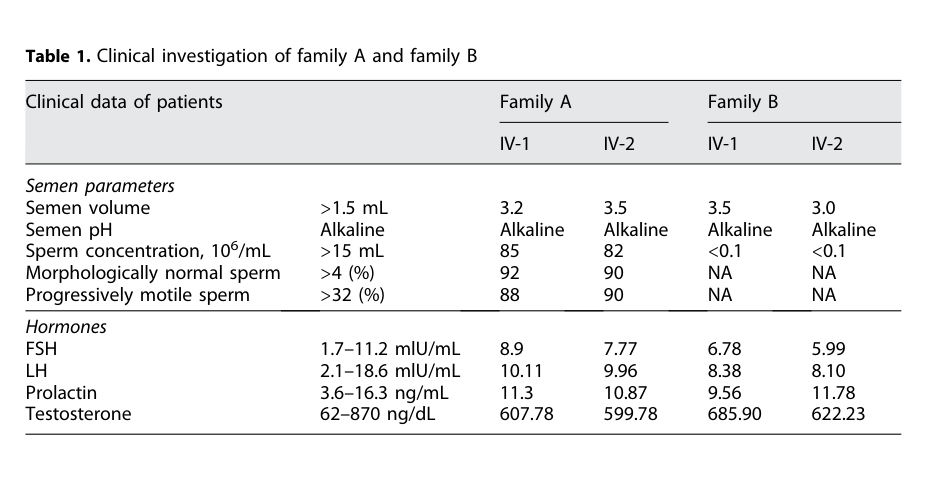
Reference Validation
Checked with linkml-reference-validator 0.3.0rc3.
| Outcome | Count |
|---|---|
| References checked | 11 |
| Resolved | 11 |
| Unresolved (possible confabulation) | 0 |
| Unverifiable | 0 |
| References weighed for topical relevance | 11 |
| On topic | 4 |
| Off topic | 0 |
All extracted references resolved successfully.
Term Validation
Checked with linkml-term-validator 0.4.5, through the ols: adapter.
| Outcome | Count |
|---|---|
| Terms checked | 8 |
| Resolved | 8 |
| Unresolved (possible confabulation) | 0 |
| Obsolete | 0 |
| Unverifiable | 0 |
| Terms whose name was checked | 1 |
| Terms named correctly | 0 |
| Terms named as a different term | 1 |
Terms the report names something else
These identifiers resolve, so nothing about them looks wrong, and the ontology calls them something unrelated to what the report calls them. That usually means the identifier is not the one the sentence needs:
MONDO:0012091(2 mentions) - the report calls it "if available"; MONDO calls it autosomal recessive nonsyndromic hearing loss 32