3-Hydroxy-3-Methylglutaryl-CoA Synthase Deficiency
3-hydroxy-3-methylglutaryl-CoA synthase deficiency is an autosomal recessive disorder of hepatic ketogenesis caused by biallelic pathogenic variants in HMGCS2. During fasting, poor intake, or intercurrent illness, impaired mitochondrial HMG-CoA formation limits ketone-body production and can precipitate acute metabolic decompensation. Hypoglycemia with inadequate ketosis is typical but is not required; normoglycemic and hyperglycemic crises and occasional ketonuria are documented. Crisis-phase urinary 4-hydroxy-6-methyl-2-pyrone, dicarboxylic acids, and an increased plasma C2/C0 acylcarnitine ratio can support recognition, while molecular genetic testing establishes the diagnosis. Management centers on fasting avoidance, an individualized sick-day plan, and early carbohydrate or intravenous dextrose support when oral intake is inadequate.
Ask OpenScientist
Ask a research question about 3-Hydroxy-3-Methylglutaryl-CoA Synthase Deficiency. OpenScientist will conduct autonomous deep research using the Disorder Mechanisms Knowledge Base and PubMed literature (typically 10-30 minutes).
Do not include personal health information in your question. Questions and results are cached in your browser's local storage.
Inheritance
1Show evidence (2 references)
Mechanistic Hypotheses
2Show evidence (2 references)
Show evidence (2 references)
Discussions and Knowledge Gaps
4Show evidence (3 references)
Show evidence (2 references)
Show evidence (3 references)
Show evidence (1 reference)
Pathophysiology
5Show evidence (2 references)
Show evidence (1 reference)
Show evidence (2 references)
Show evidence (2 references)
Show evidence (2 references)
Pathograph
Phenotypes
17Blood 1
Show evidence (1 reference)
Cardiovascular 1
Show evidence (1 reference)
Digestive 4
Show evidence (1 reference)
Show evidence (1 reference)
Show evidence (1 reference)
Show evidence (1 reference)
Metabolism 6
Show evidence (3 references)
Show evidence (1 reference)
Show evidence (1 reference)
Show evidence (2 references)
Show evidence (2 references)
Show evidence (1 reference)
Nervous System 4
Show evidence (1 reference)
Show evidence (1 reference)
Show evidence (1 reference)
Show evidence (1 reference)
Respiratory 1
Show evidence (1 reference)
Genetic Associations
1Show evidence (1 reference)
Variants (1)
Show evidence (2 references)
Medical Actions
6Show evidence (1 reference)
Show evidence (1 reference)
Show evidence (1 reference)
Show evidence (1 reference)
Show evidence (1 reference)
Biochemical Markers
4Show evidence (1 reference)
Show evidence (1 reference)
Show evidence (1 reference)
Show evidence (1 reference)
Show evidence (1 reference)
Show evidence (2 references)
Show evidence (1 reference)
Show evidence (1 reference)
Diagnosis
4Show evidence (1 reference)
Show evidence (1 reference)
Show evidence (1 reference)
Show evidence (2 references)
Imaging Findings
1Show evidence (1 reference)
Progression
4Show evidence (1 reference)
Show evidence (2 references)
Show evidence (2 references)
Show evidence (1 reference)
Prevalence
2Show evidence (1 reference)
Show evidence (2 references)
Differential Diagnoses
6Conditions with similar clinical presentations that must be differentiated from 3-Hydroxy-3-Methylglutaryl-CoA Synthase Deficiency:
- C5OH elevation and leucine-degradation metabolites in urine favor HMGCL deficiency; HMGCS2 deficiency more often shows dicarboxylic aciduria, 4HMP, and increased acute plasma C2/C0.
Show evidence (1 reference)
- Characteristic chain-length acylcarnitine elevations support a specific fatty-acid oxidation defect.
- Increased acute C2 and C2/C0 with the HMGCS2 urine-organic-acid pattern favors HMGCS2 deficiency.
Show evidence (3 references)
- Permanent ketosis strongly favors SCOT deficiency; ketoacidotic crises can occur in beta-ketothiolase deficiency.
Show evidence (3 references)
- Metabolic decompensation, hepatic involvement, or biallelic HMGCS2 variants distinguish HMGCS2 deficiency from primary cyclic vomiting syndrome.
Show evidence (1 reference)
- Failure of urine organic-acid analysis to confirm MSUD plus biallelic HMGCS2 variants supported HMGCS2 deficiency in the reported neonatal mimic.
Show evidence (3 references)
- Because clinical presentations overlap, disease-specific biochemical and molecular findings rather than symptoms alone are required to distinguish these disorders.
Show evidence (2 references)
Source YAML
click to showname: 3-Hydroxy-3-Methylglutaryl-CoA Synthase Deficiency
creation_date: '2026-05-04T09:20:00Z'
category: Mendelian
description: >-
3-hydroxy-3-methylglutaryl-CoA synthase deficiency is an autosomal
recessive disorder of hepatic ketogenesis caused by biallelic pathogenic
variants in HMGCS2. During fasting, poor intake, or intercurrent illness,
impaired mitochondrial HMG-CoA formation limits ketone-body production and
can precipitate acute metabolic decompensation. Hypoglycemia with inadequate
ketosis is typical but is not required; normoglycemic and hyperglycemic
crises and occasional ketonuria are documented. Crisis-phase urinary
4-hydroxy-6-methyl-2-pyrone, dicarboxylic acids, and an increased plasma
C2/C0 acylcarnitine ratio can support recognition, while molecular genetic
testing establishes the diagnosis. Management centers on fasting avoidance,
an individualized sick-day plan, and early carbohydrate or intravenous
dextrose support when oral intake is inadequate.
disease_term:
preferred_term: 3-hydroxy-3-methylglutaryl-CoA synthase deficiency
term:
id: MONDO:0011614
label: 3-hydroxy-3-methylglutaryl-CoA synthase deficiency
synonyms:
- HMG-CoA synthase deficiency
- HMG-CoA synthase-2 deficiency
- HMGCS2 deficiency
- HMGCS2D
- Mitochondrial HMG-CoA synthase deficiency
parents:
- Disorder of Fatty Acid Oxidation and Ketogenesis
- Inborn Error of Metabolism
notes: >-
Published case counts are not directly interchangeable. A 2025 biochemical
systematic review considered 93 reported cases plus two newly diagnosed
patients, whereas a later 2025 patient-level analysis assembled 59 published
and 16 previously undescribed individuals. The difference likely reflects
distinct inclusion and confirmation criteria; neither count is treated as a
population prevalence estimate. The human disease mechanism is separated
below from liver-specific and neonatal Hmgcs2-knockout findings whose
translation to affected patients remains unproven.
inheritance:
- name: Autosomal recessive
inheritance_term:
preferred_term: Autosomal recessive inheritance
term:
id: HP:0000007
label: Autosomal recessive inheritance
evidence:
- reference: ORPHA:35701
reference_title: 3-hydroxy-3-methylglutaryl-CoA synthase deficiency
supports: SUPPORT
evidence_source: OTHER
snippet: Autosomal recessive
explanation: Orphanet records autosomal recessive inheritance.
- reference: PMID:40515583
reference_title: "Mitochondrial 3-hydroxy-3-methylglutaryl-coenzyme A synthase deficiency: From metabolism to clinical implications."
supports: SUPPORT
evidence_source: HUMAN_CLINICAL
snippet: >-
Mitochondrial 3-hydroxy-3-methylglutaryl-coenzyme A synthase deficiency
(HMGCS2D) is an autosomal recessive disorder of ketogenesis caused by
biallelic variants in HMGCS2.
explanation: The 75-patient analysis defines the causal and inheritance model.
prevalence:
- population: Worldwide
measure_type: POINT_PREVALENCE
prevalence_class: BELOW_1_IN_1000000
rate_high: 0.1
notes: >-
Orphanet assigns a worldwide point-prevalence band below 1 per 1,000,000;
the source does not provide a measured point estimate.
evidence:
- reference: ORPHA:35701
reference_title: 3-hydroxy-3-methylglutaryl-CoA synthase deficiency
supports: SUPPORT
evidence_source: OTHER
snippet: "<1 / 1 000 000 | Worldwide | Point prevalence | ORPHANET"
explanation: Orphanet supplies the structured worldwide prevalence band.
- population: Published and newly assembled international cases
measure_type: CASES_IN_LITERATURE
prevalence_class: RARE
notes: >-
A 2025 patient-level analysis included 75 individuals: 59 previously
published and 16 not previously described. This literature count is kept
distinct from the Orphanet population-rate estimate and from the 95 cases
considered by a separate biochemical review.
evidence:
- reference: PMID:40515583
reference_title: "Mitochondrial 3-hydroxy-3-methylglutaryl-coenzyme A synthase deficiency: From metabolism to clinical implications."
supports: SUPPORT
evidence_source: HUMAN_CLINICAL
snippet: >-
We performed a comprehensive literature search to identify all published
cases of HMGCS2D (n = 59). Additionally, the data of 16 patients with
this disorder who are yet undescribed were collected.
explanation: The methods state the two components of the 75-person analysis.
- reference: PMID:39798988
reference_title: Mitochondrial HMG-CoA synthase deficiency.
supports: SUPPORT
evidence_source: HUMAN_CLINICAL
snippet: >-
We systematically reviewed the clinical presentations, biochemical and
genetic abnormalities in 93 reported cases and 2 new patients diagnosed
based on biochemical findings.
explanation: >-
A separate review used broader biochemical inclusion criteria and reached
a different case count, so it is recorded as a qualified comparison.
progression:
- phase: Neonatal presentation
age_range: Rarely within the neonatal period
notes: >-
Most presentations occur after the neonatal period, but severe neonatal
acidosis, hyperammonemia, and coma have been reported.
evidence:
- reference: PMID:40548098
reference_title: "HMG-CoA Synthase-2 Deficiency: Neonatal Hyperammonemic Coma and Abnormal Metabolic Screening Resembling Maple Syrup Urine Disease."
supports: SUPPORT
evidence_source: HUMAN_CLINICAL
snippet: >-
Patient 1 presented on day of life 7 with a sepsis-like condition, coma,
metabolic acidosis, and marked elevation of ammonium level at 1081 μmol/L.
explanation: This report establishes that neonatal presentation is possible.
- phase: First acute metabolic decompensation
age_range: Usually infancy or early childhood
notes: >-
Acute presentation usually occurs in the first year of life after poor
intake, fasting, vomiting, fever, or gastroenteritis-like illness, although
later childhood presentation occurs.
evidence:
- reference: PMID:40515583
reference_title: "Mitochondrial 3-hydroxy-3-methylglutaryl-coenzyme A synthase deficiency: From metabolism to clinical implications."
supports: SUPPORT
evidence_source: HUMAN_CLINICAL
snippet: >-
Sixty-eight patients (91%) presented with an acute metabolic
decompensation, mostly within the first year of life but beyond the
neonatal period.
explanation: The largest patient-level analysis quantifies acute presentation and timing.
- reference: PMID:40004108
reference_title: Mitochondrial HMG-CoA Synthase Deficiency in Vietnamese Patients.
supports: SUPPORT
evidence_source: HUMAN_CLINICAL
snippet: >-
The onset of the first acute episode occurred between 10 days and 28
months of age. Triggers for the initial crisis in the symptomatic cases
included poor feeding (93.8%), vomiting (56.3%), diarrhea (25.0%), and
fever (18.8%).
explanation: The Vietnamese cohort supplies a defined onset range and trigger frequencies.
- phase: Intercritical interval and asymptomatic state
notes: >-
Patients may be clinically well between episodes, crisis-associated
biochemical abnormalities can normalize, and biallelic relatives may be
asymptomatic when identified. Asymptomatic relatives should not be assumed
never to be at risk for later decompensation.
evidence:
- reference: PMID:35308163
reference_title: "Clinical, Biochemical, Molecular, and Outcome Features of Mitochondrial 3-Hydroxy-3-Methylglutaryl-CoA Synthase Deficiency in 10 Chinese Patients."
supports: SUPPORT
evidence_source: HUMAN_CLINICAL
snippet: >-
During the metabolic acidosis episode, we observed high dicarboxylic acid
values in urine, and the elevated ratio of blood acetylcarnitine to free
carnitine may have been an additional biochemical signature. However,
all returned to normal during the interictal interval.
explanation: The cohort documents normalization of crisis-associated biochemical findings.
- reference: PMID:40515583
reference_title: "Mitochondrial 3-hydroxy-3-methylglutaryl-coenzyme A synthase deficiency: From metabolism to clinical implications."
supports: SUPPORT
evidence_source: HUMAN_CLINICAL
snippet: Asymptomatic individuals were identified in several families.
explanation: The patient-level analysis documents asymptomatic biallelic individuals.
- phase: Survival and long-term neurologic outcome
notes: >-
The initial crisis carries the greatest reported mortality risk. Among
survivors represented in the 2025 analysis, neurologic development was
usually normal, but the estimate is conditioned on survival and available
follow-up.
evidence:
- reference: PMID:40515583
reference_title: "Mitochondrial 3-hydroxy-3-methylglutaryl-coenzyme A synthase deficiency: From metabolism to clinical implications."
supports: SUPPORT
evidence_source: HUMAN_CLINICAL
snippet: >-
Six patients (8%) had died, mainly during the initial metabolic crisis.
The neurologic long-term outcome of surviving patients was favorable with
almost all patients (98%) showing normal development.
explanation: The analysis provides mortality and survivor-development estimates.
mechanistic_hypotheses:
- hypothesis_group_id: canonical_human_hmgcs2_ketogenesis_failure
hypothesis_label: Canonical Human HMGCS2 Ketogenesis-Failure Model
status: CANONICAL
description: >-
Biallelic pathogenic HMGCS2 variants reduce mitochondrial HMG-CoA synthase
activity in hepatocytes. The resulting block in HMG-CoA formation limits
hepatic ketone-body synthesis. When fasting or illness increases reliance
on ketogenesis, inadequate alternative-fuel production predisposes to an
acute hypoketotic metabolic crisis. Hypoglycemia is common but is not a
required component of the crisis.
evidence:
- reference: PMID:39798988
reference_title: Mitochondrial HMG-CoA synthase deficiency.
supports: SUPPORT
evidence_source: HUMAN_CLINICAL
snippet: >-
Mitochondrial 3-hydroxy-3-methylglutaryl-CoA synthase 2 (HMGCS2)
deficiency is a rare, potentially life-threatening autosomal recessive
disorder resulting from mutations in the HMGCS2 gene, leading to impaired
ketogenesis.
explanation: The systematic review supports the core gene-to-ketogenesis mechanism.
- reference: PMID:32905056
reference_title: "Hypoglycemia is not a defining feature of metabolic crisis in mitochondrial 3-hydroxy-3-methylglutaryl-CoA synthase deficiency: Further evidence of specific biochemical markers which may aid diagnosis."
supports: SUPPORT
evidence_source: HUMAN_CLINICAL
snippet: >-
This case provides further evidence that hypoglycemia is not invariably
present in symptomatic mHS deficiency.
explanation: Human evidence qualifies hypoglycemia as common rather than required.
- hypothesis_group_id: preclinical_acetyl_coa_handling_model
hypothesis_label: Preclinical Acetyl-CoA Handling and Hepatic Lipid-Partitioning Model
status: EMERGING
description: >-
In Hmgcs2-deficient mouse models, impaired ketogenesis is associated with
hepatic acetyl-CoA accumulation, mitochondrial protein hyperacetylation,
and ACSL1-dependent fatty-acid re-esterification. These experiments offer
plausible explanations for fatty liver but have not established that the
same intracellular pathway operates in patients with HMGCS2 deficiency.
evidence:
- reference: PMID:33619377
reference_title: Murine neonatal ketogenesis preserves mitochondrial energetics by preventing protein hyperacetylation.
supports: SUPPORT
evidence_source: MODEL_ORGANISM
snippet: >-
Electron microscopic analysis and metabolite profiling indicate a
restricted energy production capacity and accumulation of acetyl-CoA in
Hmgcs2 KO mice. Furthermore, acetylome analysis of Hmgcs2 KO cells
revealed enhanced acetylation of mitochondrial proteins.
explanation: The pathway is directly demonstrated in neonatal knockout mice, not patients.
- reference: PMID:40692014
reference_title: Hepatic Ketogenesis Regulates Lipid Homeostasis via ACSL1-mediated Fatty Acid Partitioning.
supports: SUPPORT
evidence_source: MODEL_ORGANISM
snippet: >-
Mechanistically, the accumulation of acetyl-CoA because of impaired
hepatic ketogenesis drives the elevated translocation of ACSL1 to the ER.
explanation: The ACSL1 mechanism comes from liver-specific knockout experiments.
pathophysiology:
- name: HMGCS2 Catalytic Loss
description: >-
Biallelic pathogenic HMGCS2 variants reduce or abolish mitochondrial
hydroxymethylglutaryl-CoA synthase activity, establishing the initiating
molecular lesion.
gene:
preferred_term: HMGCS2
term:
id: hgnc:5008
label: HMGCS2
molecular_functions:
- preferred_term: hydroxymethylglutaryl-CoA synthase activity
term:
id: GO:0004421
label: hydroxymethylglutaryl-CoA synthase activity
modifier: DECREASED
locations:
- preferred_term: mitochondrial matrix
term:
id: GO:0005759
label: mitochondrial matrix
cell_types:
- preferred_term: hepatocyte
term:
id: CL:0000182
label: hepatocyte
evidence:
- reference: CGGV:assertion_b3f49254-4635-4961-83b9-31c7ebc7f159-2018-05-22T160000.000Z
reference_title: HMGCS2 / 3-hydroxy-3-methylglutaryl-CoA synthase deficiency (Definitive)
supports: SUPPORT
evidence_source: OTHER
snippet: "HMGCS2 | HGNC:5008 | 3-hydroxy-3-methylglutaryl-CoA synthase deficiency | MONDO:0011614 | AR | Definitive"
explanation: ClinGen assigns definitive validity to the HMGCS2-disease relationship.
- reference: PMID:32952630
reference_title: "Japanese patients with mitochondrial 3-hydroxy-3-methylglutaryl-CoA synthase deficiency: In vitro functional analysis of five novel HMGCS2 mutations."
supports: SUPPORT
evidence_source: IN_VITRO
snippet: >-
The other four variants had either no detectable activity or negligible
enzymatic activity.
explanation: Functional assays show absent or negligible activity for four patient variants.
downstream:
- target: Impaired Hepatic Ketogenesis
description: Reduced HMGCS2 catalysis blocks mitochondrial HMG-CoA formation in ketogenesis.
causal_link_type: DIRECT
evidence:
- reference: PMID:39798988
reference_title: Mitochondrial HMG-CoA synthase deficiency.
supports: SUPPORT
evidence_source: HUMAN_CLINICAL
snippet: mutations in the HMGCS2 gene, leading to impaired ketogenesis.
explanation: The human systematic review directly links HMGCS2 variants to impaired ketogenesis.
- name: Impaired Hepatic Ketogenesis
description: >-
HMGCS2 normally condenses acetyl-CoA and acetoacetyl-CoA to form HMG-CoA at
the first rate-limiting step of ketone-body biosynthesis. Loss of this step
prevents an adequate rise in hepatic ketone production during ketogenic
stress.
biological_processes:
- preferred_term: ketone body biosynthetic process
term:
id: GO:0046951
label: ketone body biosynthetic process
modifier: DECREASED
chemical_entities:
- preferred_term: ketone body
term:
id: CHEBI:73693
label: ketone body
modifier: DECREASED
- preferred_term: acetyl-CoA
term:
id: CHEBI:15351
label: acetyl-CoA
- preferred_term: acetoacetyl-CoA
term:
id: CHEBI:15345
label: acetoacetyl-CoA
locations:
- preferred_term: mitochondrial matrix
term:
id: GO:0005759
label: mitochondrial matrix
cell_types:
- preferred_term: hepatocyte
term:
id: CL:0000182
label: hepatocyte
evidence:
- reference: PMID:32905056
reference_title: "Hypoglycemia is not a defining feature of metabolic crisis in mitochondrial 3-hydroxy-3-methylglutaryl-CoA synthase deficiency: Further evidence of specific biochemical markers which may aid diagnosis."
supports: SUPPORT
evidence_source: OTHER
snippet: >-
Mitochondrial 3‐hydroxy‐3‐methylglutaryl‐CoA (HMG‐CoA) synthase (EC
2.3.3.10) catalyzes the first and rate‐limiting step of ketone body
biosynthesis from fatty acids and is essential for providing energy to the
brain during fasting.
explanation: The biochemical role of mitochondrial HMG-CoA synthase is stated directly.
downstream:
- target: Catabolic Stress-Unmasked Ketone-Body Energy Deficit
description: Inadequate ketone production limits alternative-fuel availability when glucose intake falls.
causal_link_type: INDIRECT_KNOWN_INTERMEDIATES
intermediate_mechanisms:
- Reduced hepatic ketone-body output during fasting or illness limits fuel transfer to extrahepatic tissues, including brain.
evidence:
- reference: PMID:40515583
reference_title: "Mitochondrial 3-hydroxy-3-methylglutaryl-coenzyme A synthase deficiency: From metabolism to clinical implications."
supports: SUPPORT
evidence_source: HUMAN_CLINICAL
snippet: Ketone bodies represent an important energy source and can contribute much to the energy supply of the brain.
explanation: This supplies the known energetic intermediate between ketogenesis and crisis risk.
- target: Preclinical Hepatic Acetyl-CoA and Lipid-Handling Changes
description: Mouse knockout studies show a parallel acetyl-CoA-handling branch whose relevance to human HMGCS2 deficiency is unresolved.
causal_link_type: INDIRECT_KNOWN_INTERMEDIATES
intermediate_mechanisms:
- Model-specific hepatic acetyl-CoA accumulation after disruption of ketogenesis.
evidence:
- reference: PMID:33619377
reference_title: Murine neonatal ketogenesis preserves mitochondrial energetics by preventing protein hyperacetylation.
supports: SUPPORT
evidence_source: MODEL_ORGANISM
snippet: >-
Electron microscopic analysis and metabolite profiling indicate a
restricted energy production capacity and accumulation of acetyl-CoA in
Hmgcs2 KO mice.
explanation: The edge is supported in knockout mice but not established in affected humans.
- name: Catabolic Stress-Unmasked Ketone-Body Energy Deficit
description: >-
Fasting, poor intake, or illness increases dependence on hepatic
ketogenesis. Inadequate ketone-body availability then creates a systemic
energy deficit and susceptibility to decompensation; glucose concentration
can be low, normal, or high at presentation.
evidence:
- reference: PMID:39798988
reference_title: Mitochondrial HMG-CoA synthase deficiency.
supports: SUPPORT
evidence_source: HUMAN_CLINICAL
snippet: >-
In most patients, the initial metabolic decompensation occurs after an
episode of gastroenteritis or gastroenteritis-like symptoms.
explanation: The systematic review identifies catabolic illness as a usual crisis context.
- reference: PMID:32905056
reference_title: "Hypoglycemia is not a defining feature of metabolic crisis in mitochondrial 3-hydroxy-3-methylglutaryl-CoA synthase deficiency: Further evidence of specific biochemical markers which may aid diagnosis."
supports: SUPPORT
evidence_source: HUMAN_CLINICAL
snippet: >-
This case provides further evidence that hypoglycemia is not invariably
present in symptomatic mHS deficiency.
explanation: Normoglycemic crisis evidence prevents equating the energy deficit with obligatory hypoglycemia.
downstream:
- target: Acute Hypoketotic Metabolic Decompensation
description: Catabolic demand unmasks the ketogenesis defect and precipitates systemic metabolic crisis.
causal_link_type: INDIRECT_KNOWN_INTERMEDIATES
intermediate_mechanisms:
- Inadequate alternative-fuel production during increased fasting or illness demand.
evidence:
- reference: PMID:40515583
reference_title: "Mitochondrial 3-hydroxy-3-methylglutaryl-coenzyme A synthase deficiency: From metabolism to clinical implications."
supports: SUPPORT
evidence_source: HUMAN_CLINICAL
snippet: >-
Sixty-eight patients (91%) presented with an acute metabolic
decompensation, mostly within the first year of life but beyond the
neonatal period.
explanation: Acute decompensation is the predominant clinical presentation.
- name: Acute Hypoketotic Metabolic Decompensation
conforms_to: "metabolic_intoxication_decompensation#Acute Metabolic Decompensation"
description: >-
The acute crisis can combine inadequate ketosis, metabolic acidosis,
vomiting or poor intake, lethargy or encephalopathy, hepatomegaly,
transaminase elevation, tachypnea, and—in severe episodes—seizures, shock,
or coma. Hypoglycemia is frequent in selected cohorts but is not defining.
evidence:
- reference: PMID:39798988
reference_title: Mitochondrial HMG-CoA synthase deficiency.
supports: SUPPORT
evidence_source: HUMAN_CLINICAL
snippet: >-
Most patients presented with acute metabolic decompensation with
hypoglycemia, dicarboxyluria and inadequate ketonuria.
explanation: The systematic review describes the characteristic acute pattern.
- reference: PMID:40004108
reference_title: Mitochondrial HMG-CoA Synthase Deficiency in Vietnamese Patients.
supports: SUPPORT
evidence_source: HUMAN_CLINICAL
snippet: >-
The biochemical abnormalities observed included elevated plasma
transaminases (100%), metabolic acidosis (75%), hypoglycemia (56.3%), and
elevated plasma ammonia levels (31.3%).
explanation: Cohort frequencies show that hypoglycemia and other findings are not universal.
downstream:
- target: Hypoketotic hypoglycemia
description: Many crises include hypoglycemia with an inappropriately small ketone response, but other glycemic states occur.
causal_link_type: INDIRECT_KNOWN_INTERMEDIATES
intermediate_mechanisms:
- Falling glucose availability during catabolic stress combined with inadequate ketone-body production.
evidence:
- reference: PMID:39798988
reference_title: Mitochondrial HMG-CoA synthase deficiency.
supports: SUPPORT
evidence_source: HUMAN_CLINICAL
snippet: >-
Most patients presented with acute metabolic decompensation with
hypoglycemia, dicarboxyluria and inadequate ketonuria.
explanation: Human cases support the typical paired finding.
- target: Metabolic acidosis
description: Acute crises commonly include metabolic acidosis, although the immediate acid-generating pathway is not fully specified.
causal_link_type: INDIRECT_UNKNOWN_INTERMEDIATES
evidence:
- reference: PMID:35308163
reference_title: "Clinical, Biochemical, Molecular, and Outcome Features of Mitochondrial 3-Hydroxy-3-Methylglutaryl-CoA Synthase Deficiency in 10 Chinese Patients."
supports: SUPPORT
evidence_source: HUMAN_CLINICAL
snippet: >-
Each patient (10/10) had a different degree of hepatomegaly and
increased aminotransferase, severe metabolic acidosis, and
hypofibrinogenemia.
explanation: The selected Chinese crisis cohort documents severe acidosis in all ten patients.
- target: Encephalopathy
description: Severe systemic energy and acid-base disturbance can be accompanied by encephalopathy.
causal_link_type: INDIRECT_UNKNOWN_INTERMEDIATES
evidence:
- reference: PMID:32905056
reference_title: "Hypoglycemia is not a defining feature of metabolic crisis in mitochondrial 3-hydroxy-3-methylglutaryl-CoA synthase deficiency: Further evidence of specific biochemical markers which may aid diagnosis."
supports: SUPPORT
evidence_source: HUMAN_CLINICAL
snippet: >-
A previously well, 20-month old, unvaccinated male, of nonconsanguineous
Polish heritage, presented with encephalopathy, hepatomegaly, severe
metabolic acidosis, and mild hyperammonemia following a brief
intercurrent illness.
explanation: A normoglycemic crisis demonstrates encephalopathy within the acute syndrome.
- target: Hepatomegaly
description: Acute decompensation frequently has hepatic involvement with hepatomegaly and transaminase elevation.
causal_link_type: INDIRECT_UNKNOWN_INTERMEDIATES
evidence:
- reference: PMID:35308163
reference_title: "Clinical, Biochemical, Molecular, and Outcome Features of Mitochondrial 3-Hydroxy-3-Methylglutaryl-CoA Synthase Deficiency in 10 Chinese Patients."
supports: SUPPORT
evidence_source: HUMAN_CLINICAL
snippet: >-
Each patient (10/10) had a different degree of hepatomegaly and
increased aminotransferase, severe metabolic acidosis, and
hypofibrinogenemia.
explanation: Hepatomegaly and liver-enzyme elevation occurred throughout this crisis cohort.
- name: Preclinical Hepatic Acetyl-CoA and Lipid-Handling Changes
description: >-
Neonatal or liver-specific Hmgcs2-deficient mice accumulate hepatic
acetyl-CoA, show mitochondrial protein hyperacetylation, and redirect fatty
acids toward ACSL1-mediated re-esterification. This is a model-derived
branch, not an established human HMGCS2-deficiency mechanism.
chemical_entities:
- preferred_term: acetyl-CoA
term:
id: CHEBI:15351
label: acetyl-CoA
modifier: INCREASED
cell_types:
- preferred_term: hepatocyte
term:
id: CL:0000182
label: hepatocyte
evidence:
- reference: PMID:33619377
reference_title: Murine neonatal ketogenesis preserves mitochondrial energetics by preventing protein hyperacetylation.
supports: SUPPORT
evidence_source: MODEL_ORGANISM
snippet: >-
Furthermore, acetylome analysis of Hmgcs2 KO cells revealed enhanced
acetylation of mitochondrial proteins.
explanation: Hyperacetylation is directly supported in knockout cells from a mouse study.
- reference: PMID:40692014
reference_title: Hepatic Ketogenesis Regulates Lipid Homeostasis via ACSL1-mediated Fatty Acid Partitioning.
supports: SUPPORT
evidence_source: MODEL_ORGANISM
snippet: >-
Our findings indicate that hepatic steatosis arises from increased fatty
acid partitioning to the endoplasmic reticulum (ER) for
re-esterification, a process mediated by acyl-CoA synthetase long-chain
family member 1 (ACSL1).
explanation: The lipid-partitioning mechanism is demonstrated in a liver-specific mouse model.
downstream:
- target: Hepatic steatosis
description: Hmgcs2-deficient mice develop steatosis; whether the same intracellular route explains fatty liver in patients is unknown.
causal_link_type: INDIRECT_KNOWN_INTERMEDIATES
intermediate_mechanisms:
- ACSL1-mediated fatty-acid partitioning toward endoplasmic-reticulum re-esterification in mouse liver.
evidence:
- reference: PMID:40692014
reference_title: Hepatic Ketogenesis Regulates Lipid Homeostasis via ACSL1-mediated Fatty Acid Partitioning.
supports: SUPPORT
evidence_source: MODEL_ORGANISM
snippet: >-
We show that ketogenic insufficiency, achieved through disrupting
hepatic HMGCS2, worsens liver steatosis in both fasted chow-fed and
high-fat-fed mice.
explanation: This supports the edge in mice only and does not establish the patient mechanism.
- reference: PMID:35421611
reference_title: Hmgcs2-mediated ketogenesis modulates high-fat diet-induced hepatosteatosis.
supports: SUPPORT
evidence_source: MODEL_ORGANISM
snippet: >-
Hmgcs2 heterozygous adult mice, which exhibited lower ketogenic
activity, were more susceptible to diet-induced NAFLD development,
whereas HMGCS2 overexpression in NAFLD mice improved hepatosteatosis
and glucose homeostasis.
explanation: >-
A second mouse model shows bidirectional, dose-dependent modulation of
hepatic steatosis by Hmgcs2 ketogenic capacity, but in diet-induced
fatty liver disease rather than inherited HMGCS2 deficiency.
phenotypes:
- name: Hypoketotic hypoglycemia
description: >-
Hypoglycemia with inadequate ketone production is a typical acute finding,
but it is not universal: the Vietnamese symptomatic cohort reported
hypoglycemia in 56.3%, and normoglycemic and severe hyperglycemic crises are
documented. No disease-wide frequency band is assigned.
phenotype_term:
preferred_term: Hypoketotic hypoglycemia
term:
id: HP:0001985
label: Hypoketotic hypoglycemia
evidence:
- reference: PMID:39798988
reference_title: Mitochondrial HMG-CoA synthase deficiency.
supports: SUPPORT
evidence_source: HUMAN_CLINICAL
snippet: >-
Most patients presented with acute metabolic decompensation with
hypoglycemia, dicarboxyluria and inadequate ketonuria.
explanation: The systematic review supports the typical paired finding.
- reference: PMID:32905056
reference_title: "Hypoglycemia is not a defining feature of metabolic crisis in mitochondrial 3-hydroxy-3-methylglutaryl-CoA synthase deficiency: Further evidence of specific biochemical markers which may aid diagnosis."
supports: SUPPORT
evidence_source: HUMAN_CLINICAL
snippet: >-
While the patient was normoglycemic prior to dextrose administration, the
sample was markedly lipemic, with significant hypertriglyceridemia
detected.
explanation: This confirms that clinically severe crisis can be normoglycemic.
- reference: PMID:40937626
reference_title: "Mitochondrial 3-hydroxy-3-methylglutaryl-coenzyme A synthase 2 deficiency with severe hyperglycemia in a child: A rare case report."
supports: SUPPORT
evidence_source: HUMAN_CLINICAL
snippet: >-
At presentation, she had hyperglycemia (25.8 mmol/L), ketonuria (1+),
glucosuria (3+), metabolic acidosis (pH 6.90), elevated serum alanine
transaminase and aspartate aminotransferase levels, increased blood
ammonia levels, and liver enlargement on ultrasound.
explanation: A molecularly confirmed case expands the crisis spectrum to severe hyperglycemia.
- name: Metabolic acidosis
description: >-
Metabolic acidosis is common during acute decompensation, but cohort rates
vary; it occurred in 75% of symptomatic first episodes in the Vietnamese
cohort and in all ten members of a selected severe Chinese cohort.
phenotype_term:
preferred_term: Metabolic acidosis
term:
id: HP:0001942
label: Metabolic acidosis
evidence:
- reference: PMID:40004108
reference_title: Mitochondrial HMG-CoA Synthase Deficiency in Vietnamese Patients.
supports: SUPPORT
evidence_source: HUMAN_CLINICAL
snippet: >-
The biochemical abnormalities observed included elevated plasma
transaminases (100%), metabolic acidosis (75%), hypoglycemia (56.3%), and
elevated plasma ammonia levels (31.3%).
explanation: This defines the cohort-specific metabolic-acidosis frequency.
- name: Vomiting
description: >-
Vomiting may trigger poor intake and accompany recurrent catabolic episodes;
cyclic-vomiting-like presentation can delay recognition.
phenotype_term:
preferred_term: Vomiting
term:
id: HP:0002013
label: Vomiting
evidence:
- reference: PMID:39143735
reference_title: "Mitochondrial HMG-CoA Synthase Deficiency: A Cyclic Vomiting Mimic Without Reliable Biochemical Markers."
supports: SUPPORT
evidence_source: HUMAN_CLINICAL
snippet: >-
This individual presented with recurrent episodes of vomiting and
lethargy, often associated with hypoglycemia or hyperglycemia, at 3 years
of age.
explanation: The case documents recurrent vomiting as the presenting pattern.
- name: Lethargy
description: Lethargy and reduced consciousness are common manifestations of symptomatic first episodes.
phenotype_term:
preferred_term: Lethargy
term:
id: HP:0001254
label: Lethargy
evidence:
- reference: PMID:40004108
reference_title: Mitochondrial HMG-CoA Synthase Deficiency in Vietnamese Patients.
supports: SUPPORT
evidence_source: HUMAN_CLINICAL
snippet: >-
Clinical manifestations during the first episode were lethargy/coma
(81.3%), rapid breathing (68.8%), hepatomegaly (56.3%), shock (37.5%), and
seizures (18.8%).
explanation: The symptomatic Vietnamese cohort quantifies lethargy/coma at first episode.
- name: Encephalopathy
description: Severe acute decompensation can produce encephalopathy even without hypoglycemia.
phenotype_term:
preferred_term: Encephalopathy
term:
id: HP:0001298
label: Encephalopathy
evidence:
- reference: PMID:32905056
reference_title: "Hypoglycemia is not a defining feature of metabolic crisis in mitochondrial 3-hydroxy-3-methylglutaryl-CoA synthase deficiency: Further evidence of specific biochemical markers which may aid diagnosis."
supports: SUPPORT
evidence_source: HUMAN_CLINICAL
snippet: >-
A previously well, 20-month old, unvaccinated male, of nonconsanguineous
Polish heritage, presented with encephalopathy, hepatomegaly, severe
metabolic acidosis, and mild hyperammonemia following a brief
intercurrent illness.
explanation: The normoglycemic crisis case directly documents encephalopathy.
- name: Hepatomegaly
description: Hepatomegaly is common during acute episodes and may accompany fatty infiltration and transaminase elevation.
phenotype_term:
preferred_term: Hepatomegaly
term:
id: HP:0002240
label: Hepatomegaly
evidence:
- reference: PMID:35308163
reference_title: "Clinical, Biochemical, Molecular, and Outcome Features of Mitochondrial 3-Hydroxy-3-Methylglutaryl-CoA Synthase Deficiency in 10 Chinese Patients."
supports: SUPPORT
evidence_source: HUMAN_CLINICAL
snippet: >-
Each patient (10/10) had a different degree of hepatomegaly and increased
aminotransferase, severe metabolic acidosis, and hypofibrinogenemia.
explanation: Hepatomegaly was observed in all ten members of this crisis cohort.
- name: Elevated hepatic transaminase
description: Transaminase elevation is a common acute hepatic manifestation and may normalize intercritically.
phenotype_term:
preferred_term: Elevated circulating hepatic transaminase concentration
term:
id: HP:0002910
label: Elevated circulating hepatic transaminase concentration
evidence:
- reference: PMID:40004108
reference_title: Mitochondrial HMG-CoA Synthase Deficiency in Vietnamese Patients.
supports: SUPPORT
evidence_source: HUMAN_CLINICAL
snippet: >-
The biochemical abnormalities observed included elevated plasma
transaminases (100%), metabolic acidosis (75%), hypoglycemia (56.3%), and
elevated plasma ammonia levels (31.3%).
explanation: All symptomatic patients in this first-episode cohort had elevated transaminases.
reports_on:
- target: Acute Hypoketotic Metabolic Decompensation
relationship: READOUT_OF
direction: POSITIVE
endpoint_context: DIAGNOSTIC
interpretation: Hepatic stress during acute crises can include increased aminotransferases.
evidence:
- reference: PMID:35308163
reference_title: "Clinical, Biochemical, Molecular, and Outcome Features of Mitochondrial 3-Hydroxy-3-Methylglutaryl-CoA Synthase Deficiency in 10 Chinese Patients."
supports: SUPPORT
evidence_source: HUMAN_CLINICAL
snippet: >-
Each patient (10/10) had a different degree of hepatomegaly and
increased aminotransferase, severe metabolic acidosis, and
hypofibrinogenemia.
explanation: The Chinese patient series documents increased aminotransferase during severe acute presentations.
- name: Tachypnea
description: Rapid breathing is common in symptomatic first episodes, consistent with respiratory compensation during acidosis.
phenotype_term:
preferred_term: Tachypnea
term:
id: HP:0002789
label: Tachypnea
evidence:
- reference: PMID:40004108
reference_title: Mitochondrial HMG-CoA Synthase Deficiency in Vietnamese Patients.
supports: SUPPORT
evidence_source: HUMAN_CLINICAL
snippet: >-
Clinical manifestations during the first episode were lethargy/coma
(81.3%), rapid breathing (68.8%), hepatomegaly (56.3%), shock (37.5%), and
seizures (18.8%).
explanation: Rapid breathing occurred in 68.8% of symptomatic first episodes in this cohort.
- name: Seizure
description: Seizures occur in a subset of acute episodes and should not be assigned a disease-wide frequency from selected crisis cohorts.
phenotype_term:
preferred_term: Seizure
term:
id: HP:0001250
label: Seizure
evidence:
- reference: PMID:40004108
reference_title: Mitochondrial HMG-CoA Synthase Deficiency in Vietnamese Patients.
supports: SUPPORT
evidence_source: HUMAN_CLINICAL
snippet: >-
Clinical manifestations during the first episode were lethargy/coma
(81.3%), rapid breathing (68.8%), hepatomegaly (56.3%), shock (37.5%), and
seizures (18.8%).
explanation: Seizures occurred in 18.8% of symptomatic first episodes in this cohort.
- name: Shock
description: Shock can complicate severe acute decompensation.
phenotype_term:
preferred_term: Shock
term:
id: HP:0031273
label: Shock
evidence:
- reference: PMID:40004108
reference_title: Mitochondrial HMG-CoA Synthase Deficiency in Vietnamese Patients.
supports: SUPPORT
evidence_source: HUMAN_CLINICAL
snippet: >-
Clinical manifestations during the first episode were lethargy/coma
(81.3%), rapid breathing (68.8%), hepatomegaly (56.3%), shock (37.5%), and
seizures (18.8%).
explanation: Shock occurred in 37.5% of symptomatic first episodes in this cohort.
- name: Coma
description: Coma is a severe crisis manifestation, including rare neonatal hyperammonemic presentation.
phenotype_term:
preferred_term: Coma
term:
id: HP:0001259
label: Coma
evidence:
- reference: PMID:40548098
reference_title: "HMG-CoA Synthase-2 Deficiency: Neonatal Hyperammonemic Coma and Abnormal Metabolic Screening Resembling Maple Syrup Urine Disease."
supports: SUPPORT
evidence_source: HUMAN_CLINICAL
snippet: >-
Patient 1 presented on day of life 7 with a sepsis-like condition, coma,
metabolic acidosis, and marked elevation of ammonium level at 1081 μmol/L.
explanation: This molecularly diagnosed neonatal presentation included coma.
- name: Hyperammonemia
description: >-
Hyperammonemia occurs in a subset of crises. Rates were 31.3% in the
Vietnamese symptomatic cohort and 5/10 in a selected Chinese cohort; severe
neonatal hyperammonemia is described as uncommon.
phenotype_term:
preferred_term: Hyperammonemia
term:
id: HP:0001987
label: Hyperammonemia
evidence:
- reference: PMID:35308163
reference_title: "Clinical, Biochemical, Molecular, and Outcome Features of Mitochondrial 3-Hydroxy-3-Methylglutaryl-CoA Synthase Deficiency in 10 Chinese Patients."
supports: SUPPORT
evidence_source: HUMAN_CLINICAL
snippet: >-
Five patients had hypocalcemia, five patients had hyperammonemia, four
patients had hyperuricemia, and three had hypertriglyceridemia.
explanation: Hyperammonemia occurred in half of this ten-patient crisis cohort.
- reference: PMID:40548098
reference_title: "HMG-CoA Synthase-2 Deficiency: Neonatal Hyperammonemic Coma and Abnormal Metabolic Screening Resembling Maple Syrup Urine Disease."
supports: SUPPORT
evidence_source: HUMAN_CLINICAL
snippet: >-
The elevated branched-chain amino acids in the metabolic screening
(without including alloisoleucine) and the described organic acid profile
can be found during the catabolic state, resembling MSUD, and severe
hyperammonemia is an uncommon phenotype and an exception to neonatal
decompensation in HMGCS2 deficiency.
explanation: The report qualifies severe neonatal hyperammonemia as uncommon.
- name: Hepatic steatosis
description: Fatty liver is reported during acute decompensation, but small selected series do not justify a disease-wide frequency band.
phenotype_term:
preferred_term: Hepatic steatosis
term:
id: HP:0001397
label: Hepatic steatosis
evidence:
- reference: PMID:32952630
reference_title: "Japanese patients with mitochondrial 3-hydroxy-3-methylglutaryl-CoA synthase deficiency: In vitro functional analysis of five novel HMGCS2 mutations."
supports: SUPPORT
evidence_source: HUMAN_CLINICAL
snippet: Fatty liver was identified in three cases, which suggested the unavailability of fatty acids.
explanation: Fatty liver occurred in three members of this four-patient series.
- name: Hypofibrinogenemia
description: Hypofibrinogenemia has been reported during severe acute crises in a ten-patient Chinese series.
phenotype_term:
preferred_term: Hypofibrinogenemia
term:
id: HP:0011900
label: Hypofibrinogenemia
evidence:
- reference: PMID:35308163
reference_title: "Clinical, Biochemical, Molecular, and Outcome Features of Mitochondrial 3-Hydroxy-3-Methylglutaryl-CoA Synthase Deficiency in 10 Chinese Patients."
supports: SUPPORT
evidence_source: HUMAN_CLINICAL
snippet: >-
Each patient (10/10) had a different degree of hepatomegaly and increased
aminotransferase, severe metabolic acidosis, and hypofibrinogenemia.
explanation: The selected cohort documents the coagulation abnormality during crisis.
- name: Hypertriglyceridemia
description: Hypertriglyceridemia and marked lipemia can occur during acute presentation, including normoglycemic crisis.
phenotype_term:
preferred_term: Hypertriglyceridemia
term:
id: HP:0002155
label: Hypertriglyceridemia
evidence:
- reference: PMID:35308163
reference_title: "Clinical, Biochemical, Molecular, and Outcome Features of Mitochondrial 3-Hydroxy-3-Methylglutaryl-CoA Synthase Deficiency in 10 Chinese Patients."
supports: SUPPORT
evidence_source: HUMAN_CLINICAL
snippet: >-
Five patients had hypocalcemia, five patients had hyperammonemia, four
patients had hyperuricemia, and three had hypertriglyceridemia.
explanation: Hypertriglyceridemia occurred in three of ten patients in this cohort.
- reference: PMID:32905056
reference_title: "Hypoglycemia is not a defining feature of metabolic crisis in mitochondrial 3-hydroxy-3-methylglutaryl-CoA synthase deficiency: Further evidence of specific biochemical markers which may aid diagnosis."
supports: SUPPORT
evidence_source: HUMAN_CLINICAL
snippet: >-
While the patient was normoglycemic prior to dextrose administration, the
sample was markedly lipemic, with significant hypertriglyceridemia
detected.
explanation: A normoglycemic crisis independently documents marked hypertriglyceridemia.
- name: Hypophosphatemia
description: Hypophosphatemic encephalopathy was reported in two Thai patients during acute episodes.
phenotype_term:
preferred_term: Hypophosphatemia
term:
id: HP:0002148
label: Hypophosphatemia
evidence:
- reference: PMID:33045405
reference_title: Expanding phenotypic and mutational spectra of mitochondrial HMG-CoA synthase deficiency.
supports: SUPPORT
evidence_source: HUMAN_CLINICAL
snippet: Both patients had hypophosphatemic encephalopathy
explanation: The two-patient report documents hypophosphatemia with encephalopathy.
- name: Steatorrhea
description: Steatorrhea and dyslipidemia were reported during acute episodes in two Thai patients.
phenotype_term:
preferred_term: Steatorrhea
term:
id: HP:0002570
label: Steatorrhea
evidence:
- reference: PMID:33045405
reference_title: Expanding phenotypic and mutational spectra of mitochondrial HMG-CoA synthase deficiency.
supports: SUPPORT
evidence_source: HUMAN_CLINICAL
snippet: During acute episodes, steatorrhea and dyslipidemia occurred
explanation: The report expands the acute phenotype to steatorrhea and dyslipidemia.
imaging_findings:
- name: Nonspecific abnormal brain MRI finding
modality: MRI
imaging_finding_term:
preferred_term: Nonspecific abnormal brain MRI finding
notes: >-
Three of 19 patients in the Vietnamese cohort had an abnormal brain MRI,
but the abstract does not describe a reproducible anatomical or signal
pattern. No HPO morphology term is asserted without that detail.
evidence:
- reference: PMID:40004108
reference_title: Mitochondrial HMG-CoA Synthase Deficiency in Vietnamese Patients.
supports: SUPPORT
evidence_source: HUMAN_CLINICAL
snippet: Abnormal brain MRI findings were detected in three patients.
explanation: The cohort supports MRI abnormality but not a specific imaging phenotype.
biochemical:
- name: Ketone bodies
presence: DECREASED
context: >-
Ketone production is inappropriately low relative to fasting or
hypoglycemia during typical crises. Detectable or even marked ketonuria can
occur, so urinary ketones do not exclude HMGCS2 deficiency.
readouts:
- target: Impaired Hepatic Ketogenesis
relationship: READOUT_OF
direction: NEGATIVE
endpoint_context: DIAGNOSTIC
interpretation: Inadequate ketone production reports the hepatic ketogenesis block during catabolic stress.
evidence:
- reference: PMID:39798988
reference_title: Mitochondrial HMG-CoA synthase deficiency.
supports: SUPPORT
evidence_source: HUMAN_CLINICAL
snippet: >-
Most patients presented with acute metabolic decompensation with
hypoglycemia, dicarboxyluria and inadequate ketonuria.
explanation: The systematic review identifies inadequate ketonuria during typical crises.
evidence:
- reference: PMID:32905056
reference_title: "Hypoglycemia is not a defining feature of metabolic crisis in mitochondrial 3-hydroxy-3-methylglutaryl-CoA synthase deficiency: Further evidence of specific biochemical markers which may aid diagnosis."
supports: SUPPORT
evidence_source: HUMAN_CLINICAL
snippet: >-
It is important to note that the presence of ketonuria does not exclude a
diagnosis of a disorder of ketogenesis.
explanation: This provides the diagnostic caveat to the typical low-ketone pattern.
- name: Urinary dicarboxylic acids
presence: INCREASED
context: >-
Dicarboxylic aciduria is a sensitive acute-phase finding but is nonspecific
and also occurs in fatty-acid oxidation disorders.
readouts:
- target: Acute Hypoketotic Metabolic Decompensation
relationship: READOUT_OF
direction: POSITIVE
endpoint_context: DIAGNOSTIC
interpretation: Urinary dicarboxylic-acid elevation reports the acute metabolic signature.
evidence:
- reference: PMID:39798988
reference_title: Mitochondrial HMG-CoA synthase deficiency.
supports: SUPPORT
evidence_source: HUMAN_CLINICAL
snippet: Dicarboxylic acid levels were elevated in 54/56 cases.
explanation: The systematic review quantifies this acute biochemical finding.
evidence:
- reference: PMID:39798988
reference_title: Mitochondrial HMG-CoA synthase deficiency.
supports: SUPPORT
evidence_source: HUMAN_CLINICAL
snippet: Dicarboxylic acid levels were elevated in 54/56 cases.
explanation: Dicarboxylic acids were elevated in nearly all tested cases in the review.
- name: Urinary 4-hydroxy-6-methyl-2-pyrone
presence: INCREASED
context: >-
Urinary 4HMP is frequently detectable in acute samples and can aid targeted
recognition, but related metabolites have also been observed in severely
ketotic patients and are not pathognomonic. Reported detection fractions
come from disease-ascertained acute samples rather than prospective
testing, and the only published quantitative performance figure is a
positive predictive value of 80% with a wide confidence interval for a
combined adipate-plus-4HMP cutoff applied to eight decompensation samples.
readouts:
- target: Acute Hypoketotic Metabolic Decompensation
relationship: READOUT_OF
direction: POSITIVE
endpoint_context: DIAGNOSTIC
interpretation: Urinary 4HMP is a crisis-phase disease-associated readout whose biosynthetic origin and specificity remain incompletely defined.
evidence:
- reference: PMID:39798988
reference_title: Mitochondrial HMG-CoA synthase deficiency.
supports: SUPPORT
evidence_source: HUMAN_CLINICAL
snippet: >-
The organic acid 4-hydroxy-6-methyl-2-pyrone (4HMP) was detected in
33/35 urine samples taken during the acute episodes, but typically only
retrospectively.
explanation: The review quantifies 4HMP detection during acute episodes.
evidence:
- reference: PMID:32905056
reference_title: "Hypoglycemia is not a defining feature of metabolic crisis in mitochondrial 3-hydroxy-3-methylglutaryl-CoA synthase deficiency: Further evidence of specific biochemical markers which may aid diagnosis."
supports: SUPPORT
evidence_source: HUMAN_CLINICAL
snippet: >-
We have also noted these markers (including 4HMP) in severely ketotic
patients and thus these metabolites are not pathognomonic for this
condition.
explanation: Full-text evidence qualifies the specificity of 4HMP-related markers.
- reference: PMID:25511235
reference_title: "Mitochondrial 3-hydroxy-3-methylglutaryl-CoA synthase deficiency: urinary organic acid profiles and expanded spectrum of mutations."
supports: SUPPORT
evidence_source: HUMAN_CLINICAL
snippet: >-
When cutoffs of adipic >200 and 4-hydroxy-6-methyl-2-pyrone >20 μmol/mmol
creatinine were applied, all eight samples taken from five HMCS2-deficient
patients during episodes of decompensation were flagged with a positive
predictive value of 80% (95% confidence interval 35-100%).
explanation: >-
The only published quantitative performance estimate is for a combined
adipate-plus-4HMP cutoff in eight decompensation samples and carries a
wide confidence interval, so acute detection fractions should not be
restated as a validated sensitivity.
- name: Plasma C2/C0 acylcarnitine ratio
presence: INCREASED
context: >-
The acetylcarnitine/free-carnitine ratio is often increased in acute plasma
but performed substantially less well in dried blood spots; it should not
be represented as a reliable newborn-screening marker.
readouts:
- target: Impaired Hepatic Ketogenesis
relationship: READOUT_OF
direction: POSITIVE
endpoint_context: DIAGNOSTIC
interpretation: Increased acute plasma C2/C0 is consistent with acetylcarnitine formation when beta-oxidation remains active but ketogenesis is blocked.
evidence:
- reference: PMID:39798988
reference_title: Mitochondrial HMG-CoA synthase deficiency.
supports: SUPPORT
evidence_source: HUMAN_CLINICAL
snippet: >-
The plasma C2/C0 acylcarnitine ratio was abnormal in 16/18 (88.9 %) of
acute plasma samples, but only in 2/6 (33 %) of DBS samples.
explanation: The review directly contrasts acute plasma and dried-blood-spot performance.
evidence:
- reference: PMID:32952630
reference_title: "Japanese patients with mitochondrial 3-hydroxy-3-methylglutaryl-CoA synthase deficiency: In vitro functional analysis of five novel HMGCS2 mutations."
supports: SUPPORT
evidence_source: HUMAN_CLINICAL
snippet: >-
In acylcarnitine analysis, C2 and C2/C0 in the acute phase may be
promising indicators to differentiate HMGCS2 deficiency from fatty acid
oxidation defects.
explanation: Patient-series evidence supports the ratio as a promising acute discriminator.
genetic:
- name: HMGCS2 pathogenic variants
gene_term:
preferred_term: HMGCS2
term:
id: hgnc:5008
label: HMGCS2
association: Causative biallelic pathogenic variants
relationship_type: CAUSATIVE
variant_origin: GERMLINE
inheritance:
- name: Autosomal recessive inheritance
inheritance_term:
preferred_term: Autosomal recessive inheritance
term:
id: HP:0000007
label: Autosomal recessive inheritance
variants:
- name: Biallelic pathogenic HMGCS2 variants
description: >-
Disease-associated HMGCS2 alleles are heterogeneous. Functional assays
establish absent, negligible, or reduced enzyme activity for selected
variants, so the record models their demonstrated functional effect
without assigning every reported allele to one structural variant class.
A 2025 patient-level analysis did not establish a genotype-phenotype
correlation.
gene:
preferred_term: HMGCS2
term:
id: hgnc:5008
label: HMGCS2
clinical_significance: PATHOGENIC
functional_effects:
- function: hydroxymethylglutaryl-CoA synthase activity
description: Selected patient variants reduce or abolish HMGCS2 catalytic activity in vitro.
type: loss-of-function
evidence:
- reference: PMID:32952630
reference_title: "Japanese patients with mitochondrial 3-hydroxy-3-methylglutaryl-CoA synthase deficiency: In vitro functional analysis of five novel HMGCS2 mutations."
supports: SUPPORT
evidence_source: IN_VITRO
snippet: >-
In conclusion, in vitro analysis has shown that the p.G219E, p.M235T,
p.V253A, p.S392L and p.R500C variants of HMGCS2 are disease-causing
mutations.
explanation: The complete functional conclusion supports pathogenicity for the assayed variants.
- reference: PMID:40515583
reference_title: "Mitochondrial 3-hydroxy-3-methylglutaryl-coenzyme A synthase deficiency: From metabolism to clinical implications."
supports: SUPPORT
evidence_source: HUMAN_CLINICAL
snippet: No genotype-phenotype correlation can be established.
explanation: The larger 2025 analysis does not support a stable genotype-phenotype rule.
evidence:
- reference: CGGV:assertion_b3f49254-4635-4961-83b9-31c7ebc7f159-2018-05-22T160000.000Z
reference_title: HMGCS2 / 3-hydroxy-3-methylglutaryl-CoA synthase deficiency (Definitive)
supports: SUPPORT
evidence_source: OTHER
snippet: "HMGCS2 | HGNC:5008 | 3-hydroxy-3-methylglutaryl-CoA synthase deficiency | MONDO:0011614 | AR | Definitive"
explanation: ClinGen classifies the HMGCS2 association as definitive and autosomal recessive.
treatments:
- name: Fasting avoidance and individualized sick-day plan
therapeutic_modality: BEHAVIORAL
description: >-
Limit fasting and provide a written illness plan for early enteral
carbohydrate when intake falls. Observational follow-up associates proactive
management after diagnosis with fewer relapses, but controlled efficacy data
are unavailable.
action_category: THERAPEUTIC
treatment_term:
preferred_term: dietary intervention
term:
id: NCIT:C15447
label: Dietary Intervention
target_mechanisms:
- target: Catabolic Stress-Unmasked Ketone-Body Energy Deficit
treatment_effect: INHIBITS
description: Shortening fasting and supplying carbohydrate reduce dependence on the blocked ketogenesis pathway.
evidence:
- reference: PMID:40004108
reference_title: Mitochondrial HMG-CoA Synthase Deficiency in Vietnamese Patients.
supports: SUPPORT
evidence_source: HUMAN_CLINICAL
snippet: >-
The implementation of a high glucose infusion and proactive management
strategies-such as preventing prolonged fasting and providing enteral
carbohydrate/glucose infusion during illness-effectively reduced the
rate of acute relapses following accurate diagnosis.
explanation: This is uncontrolled cohort follow-up and therefore supports the strategy with qualification.
evidence:
- reference: PMID:32952630
reference_title: "Japanese patients with mitochondrial 3-hydroxy-3-methylglutaryl-CoA synthase deficiency: In vitro functional analysis of five novel HMGCS2 mutations."
supports: SUPPORT
evidence_source: HUMAN_CLINICAL
snippet: >-
After their critical episode, each patient was advised to avoid prolonged
fasting and to receive glucose infusion prophylactically during anorexia,
to prevent another hypoglycemic episode.
explanation: The case series states the post-diagnosis preventive plan.
- name: Enteral carbohydrate or intravenous dextrose during illness
description: >-
Provide early carbohydrate and use intravenous dextrose when oral intake is
inadequate or decompensation is developing, with specialist adjustment to
the measured glucose because crises can be normoglycemic or hyperglycemic.
action_category: THERAPEUTIC
treatment_term:
preferred_term: supportive care
term:
id: NCIT:C15747
label: Supportive Care
therapeutic_agent:
- preferred_term: glucose
term:
id: CHEBI:17234
label: glucose
target_mechanisms:
- target: Acute Hypoketotic Metabolic Decompensation
treatment_effect: INHIBITS
description: Carbohydrate supplies fuel and suppresses catabolism rather than merely correcting assumed hypoglycemia.
evidence:
- reference: PMID:40004108
reference_title: Mitochondrial HMG-CoA Synthase Deficiency in Vietnamese Patients.
supports: SUPPORT
evidence_source: HUMAN_CLINICAL
snippet: >-
The implementation of a high glucose infusion and proactive management
strategies-such as preventing prolonged fasting and providing enteral
carbohydrate/glucose infusion during illness-effectively reduced the
rate of acute relapses following accurate diagnosis.
explanation: Observational cohort follow-up supports carbohydrate and high-glucose infusion as a combined strategy.
evidence:
- reference: PMID:32952630
reference_title: "Japanese patients with mitochondrial 3-hydroxy-3-methylglutaryl-CoA synthase deficiency: In vitro functional analysis of five novel HMGCS2 mutations."
supports: SUPPORT
evidence_source: HUMAN_CLINICAL
snippet: Hypoglycemia was immediately corrected by glucose infusion.
explanation: Glucose infusion corrected hypoglycemia in an acute presentation.
- name: Acute metabolic and critical-care support
description: >-
Hospital-based supportive care in a ten-patient crisis series included
intravenous glucose and sodium bicarbonate. Mechanical ventilation and
continuous renal replacement therapy were used for persistent severe
acidosis with multiple-organ dysfunction. These observations document
escalation practice rather than comparative treatment efficacy.
action_category: THERAPEUTIC
treatment_term:
preferred_term: supportive care
term:
id: NCIT:C15747
label: Supportive Care
target_mechanisms:
- target: Acute Hypoketotic Metabolic Decompensation
treatment_effect: MODULATES
description: Complication-directed support stabilizes severe crisis physiology.
evidence:
- reference: PMID:35308163
reference_title: "Clinical, Biochemical, Molecular, and Outcome Features of Mitochondrial 3-Hydroxy-3-Methylglutaryl-CoA Synthase Deficiency in 10 Chinese Patients."
supports: SUPPORT
evidence_source: HUMAN_CLINICAL
snippet: >-
When initial metabolic decompensation occurred, all patients were
admitted to the hospital and received regular supportive treatment
including intravenous glucose and sodium bicarbonate.
explanation: Full-text cohort methods document acute supportive management.
- reference: PMID:35308163
reference_title: "Clinical, Biochemical, Molecular, and Outcome Features of Mitochondrial 3-Hydroxy-3-Methylglutaryl-CoA Synthase Deficiency in 10 Chinese Patients."
supports: SUPPORT
evidence_source: HUMAN_CLINICAL
snippet: >-
We gave mechanical ventilation and continuous renal replacement therapy
to any patients who were critically ill because of persistent metabolic
acidosis and multiple organ dysfunction.
explanation: The same cohort documents escalation for persistent acidosis and multiorgan dysfunction.
- name: Individualized dietary fat moderation
therapeutic_modality: BEHAVIORAL
description: >-
Fat moderation has been used in two reported patients, but the source does
not isolate its efficacy from fasting avoidance and other management. It is
therefore an optional individualized practice rather than an established
disease-modifying treatment.
action_category: THERAPEUTIC
treatment_term:
preferred_term: dietary intervention
term:
id: NCIT:C15447
label: Dietary Intervention
evidence:
- reference: PMID:38567177
reference_title: "Inborn Errors of Ketogenesis: Novel Variants, Clinical Presentation, and Follow-Up in a Series of Four Patients."
supports: SUPPORT
evidence_source: HUMAN_CLINICAL
snippet: Diet with moderation of fat intake was followed in two individuals with HMGCS deficiency.
explanation: This supports reported use in two patients, not independent efficacy.
- name: Optional L-carnitine supplementation during intercurrent illness
description: >-
A case report recommends fasting avoidance with or without L-carnitine.
There is no demonstrated clinical benefit or patient-level evidence that
carnitine corrects the acute acylcarnitine pattern, so use should be
individualized by a metabolic specialist.
action_category: THERAPEUTIC
treatment_term:
preferred_term: carnitine supplementation
term:
id: NCIT:C15433
label: Nutritional Support
therapeutic_agent:
- preferred_term: carnitine
term:
id: CHEBI:17126
label: carnitine
evidence:
- reference: PMID:40548098
reference_title: "HMG-CoA Synthase-2 Deficiency: Neonatal Hyperammonemic Coma and Abnormal Metabolic Screening Resembling Maple Syrup Urine Disease."
supports: SUPPORT
evidence_source: HUMAN_CLINICAL
snippet: >-
Therefore, preemptive treatment with fasting avoidance with or without
l-carnitine during intercurrent illness should be advised.
explanation: The wording makes carnitine optional and comes from a two-patient report.
- name: Genetic counseling
description: >-
Counsel families about autosomal recessive inheritance, recurrence risk,
carrier testing, and reproductive options. Counseling is informational and
does not modify HMGCS2 function.
action_category: COUNSELING_INFORMATIONAL
treatment_term:
preferred_term: Genetic Counseling
term:
id: NCIT:C15240
label: Genetic Counseling
evidence:
- reference: CGGV:assertion_b3f49254-4635-4961-83b9-31c7ebc7f159-2018-05-22T160000.000Z
reference_title: HMGCS2 / 3-hydroxy-3-methylglutaryl-CoA synthase deficiency (Definitive)
supports: SUPPORT
evidence_source: OTHER
snippet: "HMGCS2 | HGNC:5008 | 3-hydroxy-3-methylglutaryl-CoA synthase deficiency | MONDO:0011614 | AR | Definitive"
explanation: The definitive autosomal recessive relationship supplies the basis for counseling.
diagnosis:
- name: Crisis-phase clinical laboratory assessment
diagnosis_term:
preferred_term: diagnostic procedure
term:
id: NCIT:C18020
label: Diagnostic Procedure
description: >-
During suspected decompensation, measure glucose together with blood or
urine ketones, blood gas, ammonia, liver enzymes, electrolytes, triglycerides,
and coagulation studies. The pattern may include acidosis, hepatic injury,
inadequate ketosis, and hyperammonemia, but no single routine result is
required.
results: Acute abnormalities define severity and guide stabilization but do not alone confirm HMGCS2 deficiency.
evidence:
- reference: PMID:40004108
reference_title: Mitochondrial HMG-CoA Synthase Deficiency in Vietnamese Patients.
supports: SUPPORT
evidence_source: HUMAN_CLINICAL
snippet: >-
The biochemical abnormalities observed included elevated plasma
transaminases (100%), metabolic acidosis (75%), hypoglycemia (56.3%), and
elevated plasma ammonia levels (31.3%).
explanation: The cohort demonstrates the variable acute laboratory pattern.
- name: Crisis-phase urine organic acid analysis
diagnosis_term:
preferred_term: diagnostic procedure
term:
id: NCIT:C18020
label: Diagnostic Procedure
description: >-
Request urine organic-acid analysis during decompensation and specifically
review for 4HMP and dicarboxylic acids. These findings support but do not
prove the diagnosis, and profiles can normalize between episodes.
results: Acute urinary 4HMP with dicarboxylic aciduria and inadequate ketones increases suspicion for HMGCS2 deficiency.
evidence:
- reference: PMID:39798988
reference_title: Mitochondrial HMG-CoA synthase deficiency.
supports: SUPPORT
evidence_source: HUMAN_CLINICAL
snippet: >-
Laboratories should look for 4HMP in urinary organic acid analysis and an
increased plasma C2/C0 acylcarnitine ratio to facilitate the diagnosis of
HMGCS2 deficiency, especially in cases of metabolic decompensation with
dicarboxyluria without adequate ketonuria.
explanation: The systematic review directly recommends targeted acute biochemical review.
- name: Acute plasma acylcarnitine profiling
diagnosis_term:
preferred_term: diagnostic procedure
term:
id: NCIT:C18020
label: Diagnostic Procedure
description: >-
Evaluate plasma acetylcarnitine and the C2/C0 ratio during crisis. Acute
plasma is more informative than dried blood spots, and a normal intercritical
or dried-blood-spot profile does not exclude the disorder.
results: Increased acute plasma C2/C0 supports HMGCS2 deficiency in the appropriate clinical and urine-organic-acid context.
evidence:
- reference: PMID:39798988
reference_title: Mitochondrial HMG-CoA synthase deficiency.
supports: SUPPORT
evidence_source: HUMAN_CLINICAL
snippet: >-
The plasma C2/C0 acylcarnitine ratio was abnormal in 16/18 (88.9 %) of
acute plasma samples, but only in 2/6 (33 %) of DBS samples.
explanation: The review quantifies the sample-type limitation.
- name: HMGCS2 molecular genetic testing
diagnosis_term:
preferred_term: molecular genetic testing
term:
id: NCIT:C19770
label: Molecular Analysis
description: >-
Sequence and copy-number analysis of HMGCS2, or an appropriate metabolic
gene panel/exome with confirmatory interpretation, establishes biallelic
pathogenic or likely pathogenic variants when the biochemical profile is
variable or unavailable.
results: Biallelic pathogenic or likely pathogenic HMGCS2 variants establish the molecular diagnosis in a compatible clinical context.
evidence:
- reference: PMID:40004108
reference_title: Mitochondrial HMG-CoA Synthase Deficiency in Vietnamese Patients.
supports: SUPPORT
evidence_source: HUMAN_CLINICAL
snippet: >-
Due to the absence of reliable biochemical markers, genetic testing has
become the definitive method for diagnosing HMGCS2D.
explanation: The Vietnamese series directly identifies genetic testing as definitive.
- reference: PMID:39143735
reference_title: "Mitochondrial HMG-CoA Synthase Deficiency: A Cyclic Vomiting Mimic Without Reliable Biochemical Markers."
supports: SUPPORT
evidence_source: HUMAN_CLINICAL
snippet: >-
In addition, this case highlights the importance of molecular genetic
testing in such presentations, as this rare disorder lacks specific
metabolic markers.
explanation: Molecular testing resolved a presentation with nonspecific biochemical studies.
differential_diagnoses:
- name: 3-hydroxy-3-methylglutaric aciduria
disease_term:
preferred_term: 3-hydroxy-3-methylglutaric aciduria
term:
id: MONDO:0009520
label: 3-hydroxy-3-methylglutaric aciduria
description: >-
HMG-CoA lyase deficiency is another ketogenesis disorder with hypoglycemic
decompensation, but elevated C5OH/3-hydroxyisovalerylcarnitine and
leucine-degradation metabolites favor HMGCL deficiency rather than HMGCS2
deficiency.
distinguishing_features:
- C5OH elevation and leucine-degradation metabolites in urine favor HMGCL deficiency; HMGCS2 deficiency more often shows dicarboxylic aciduria, 4HMP, and increased acute plasma C2/C0.
evidence:
- reference: PMID:38567177
reference_title: "Inborn Errors of Ketogenesis: Novel Variants, Clinical Presentation, and Follow-Up in a Series of Four Patients."
supports: SUPPORT
evidence_source: HUMAN_CLINICAL
snippet: >-
Both the patients with HMGCL deficiency demonstrated elevated 3
hydroxyisovaleryl carnitine levels in TMS and metabolites of leucine
degradation in urine GCMS.
explanation: The series directly contrasts the HMGCL biochemical signature.
- name: Fatty-acid oxidation disorders
description: >-
Fatty-acid oxidation disorders also cause fasting-triggered hypoketotic
decompensation and dicarboxylic aciduria. Chain-specific acylcarnitine
patterns favor individual oxidation defects, whereas beta-oxidation is
intact in HMGCS2 deficiency and acute C2/C0 elevation may help discriminate.
distinguishing_features:
- Characteristic chain-length acylcarnitine elevations support a specific fatty-acid oxidation defect.
- Increased acute C2 and C2/C0 with the HMGCS2 urine-organic-acid pattern favors HMGCS2 deficiency.
evidence:
- reference: PMID:32952630
reference_title: "Japanese patients with mitochondrial 3-hydroxy-3-methylglutaryl-CoA synthase deficiency: In vitro functional analysis of five novel HMGCS2 mutations."
supports: SUPPORT
evidence_source: OTHER
snippet: Each fatty acid oxidation defect has a characteristic profile in blood acylcarnitine analysis (32).
explanation: The review portion of the patient-series paper supports chain-specific acylcarnitine discrimination.
- reference: PMID:32952630
reference_title: "Japanese patients with mitochondrial 3-hydroxy-3-methylglutaryl-CoA synthase deficiency: In vitro functional analysis of five novel HMGCS2 mutations."
supports: SUPPORT
evidence_source: OTHER
snippet: >-
In HMGCS2 deficiency, the β-oxidation pathway is intact and produces
plenty of acetyl-CoA in times of ketogenic stress, but acetyl-CoA cannot
be used for ketogenesis.
explanation: This supplies the mechanistic distinction from fatty-acid oxidation defects.
- reference: PMID:32952630
reference_title: "Japanese patients with mitochondrial 3-hydroxy-3-methylglutaryl-CoA synthase deficiency: In vitro functional analysis of five novel HMGCS2 mutations."
supports: SUPPORT
evidence_source: HUMAN_CLINICAL
snippet: >-
In acylcarnitine analysis, C2 and C2/C0 in the acute phase may be
promising indicators to differentiate HMGCS2 deficiency from fatty acid
oxidation defects.
explanation: The patient series identifies the acute ratio as a potential discriminator.
- name: Inborn disorders of ketolysis
description: >-
SCOT deficiency and beta-ketothiolase deficiency impair ketone utilization
rather than hepatic ketone production. Permanent ketosis strongly favors
SCOT deficiency, while beta-ketothiolase deficiency can have ketoacidotic
crises. Ketonuria alone does not exclude HMGCS2 deficiency, so the full
metabolic and molecular pattern is required.
distinguishing_features:
- Permanent ketosis strongly favors SCOT deficiency; ketoacidotic crises can occur in beta-ketothiolase deficiency.
evidence:
- reference: PMID:24706027
reference_title: Ketone body metabolism and its defects.
supports: SUPPORT
evidence_source: HUMAN_CLINICAL
snippet: >-
Succinyl-CoA-3-oxoacid CoA transferase (SCOT) deficiency and
beta-ketothiolase (T2) deficiency are two defects in ketolysis. Permanent
ketosis is pathognomonic for SCOT deficiency.
explanation: The review distinguishes ketolysis defects by ketosis.
- reference: PMID:24706027
reference_title: Ketone body metabolism and its defects.
supports: SUPPORT
evidence_source: OTHER
snippet: >-
T2-deficient patients with "mild" mutations may have normal blood
acylcarnitine profiles even in ketoacidotic crises.
explanation: The review documents ketoacidotic crises in beta-ketothiolase deficiency.
- reference: PMID:32905056
reference_title: "Hypoglycemia is not a defining feature of metabolic crisis in mitochondrial 3-hydroxy-3-methylglutaryl-CoA synthase deficiency: Further evidence of specific biochemical markers which may aid diagnosis."
supports: SUPPORT
evidence_source: HUMAN_CLINICAL
snippet: >-
It is important to note that the presence of ketonuria does not exclude a
diagnosis of a disorder of ketogenesis.
explanation: This cautions against excluding HMGCS2 deficiency solely because ketones are present.
- name: Cyclic vomiting syndrome
description: >-
Recurrent vomiting with normal gastrointestinal investigations may be
labeled cyclic vomiting syndrome. Catabolism-associated lethargy, altered
glucose, acidosis, hepatic findings, or inadequate ketosis should prompt
metabolic sampling and HMGCS2 testing.
distinguishing_features:
- Metabolic decompensation, hepatic involvement, or biallelic HMGCS2 variants distinguish HMGCS2 deficiency from primary cyclic vomiting syndrome.
evidence:
- reference: PMID:39143735
reference_title: "Mitochondrial HMG-CoA Synthase Deficiency: A Cyclic Vomiting Mimic Without Reliable Biochemical Markers."
supports: SUPPORT
evidence_source: HUMAN_CLINICAL
snippet: >-
This individual's presentation, mimicking cyclic vomiting syndrome,
widens the clinical spectrum of HMG-CoA synthase deficiency.
explanation: A molecularly diagnosed case directly establishes the diagnostic mimic.
- name: Maple syrup urine disease
disease_term:
preferred_term: maple syrup urine disease
term:
id: MONDO:0009563
label: maple syrup urine disease
description: >-
A neonatal HMGCS2-deficiency crisis can transiently elevate valine and
leucine/isoleucine and resemble MSUD screening. In the reported case, urine
organic-acid analysis did not confirm MSUD and exome sequencing established
HMGCS2 deficiency.
distinguishing_features:
- Failure of urine organic-acid analysis to confirm MSUD plus biallelic HMGCS2 variants supported HMGCS2 deficiency in the reported neonatal mimic.
evidence:
- reference: PMID:40548098
reference_title: "HMG-CoA Synthase-2 Deficiency: Neonatal Hyperammonemic Coma and Abnormal Metabolic Screening Resembling Maple Syrup Urine Disease."
supports: SUPPORT
evidence_source: HUMAN_CLINICAL
snippet: >-
Metabolic screening demonstrated elevated valine and
leucine/isoleucine concentrations, resembling maple syrup urine disease
(MSUD).
explanation: This neonatal case directly documents an MSUD-like screening pattern.
- reference: PMID:40548098
reference_title: "HMG-CoA Synthase-2 Deficiency: Neonatal Hyperammonemic Coma and Abnormal Metabolic Screening Resembling Maple Syrup Urine Disease."
supports: SUPPORT
evidence_source: HUMAN_CLINICAL
snippet: Urine organic acid analysis did not confirm MSUD.
explanation: Urine organic-acid analysis failed to confirm the initial MSUD-like screen.
- reference: PMID:40548098
reference_title: "HMG-CoA Synthase-2 Deficiency: Neonatal Hyperammonemic Coma and Abnormal Metabolic Screening Resembling Maple Syrup Urine Disease."
supports: SUPPORT
evidence_source: HUMAN_CLINICAL
snippet: >-
Exome sequencing revealed a homozygous HMGCS2 variant, c.1502G>C
(p.Arg501Pro).
explanation: Molecular testing established HMGCS2 deficiency in the neonatal mimic.
- name: Organic acidemias and urea-cycle disorders
description: >-
Neonatal or infantile coma, acidosis, and hyperammonemia require urgent
evaluation for organic acidemias and urea-cycle disorders. Their initial
manifestations are often nonspecific and overlap with HMGCS2 deficiency;
disease-specific biochemical and molecular testing is therefore required.
distinguishing_features:
- Because clinical presentations overlap, disease-specific biochemical and molecular findings rather than symptoms alone are required to distinguish these disorders.
evidence:
- reference: PMID:25875215
reference_title: "The phenotypic spectrum of organic acidurias and urea cycle disorders. Part 1: the initial presentation."
supports: SUPPORT
evidence_source: HUMAN_CLINICAL
snippet: >-
The majority of them (n = 463) presented with acute metabolic crisis
during (n = 220) or after the newborn period (n = 243) frequently
demonstrating impaired consciousness, vomiting and/or muscular hypotonia.
explanation: The registry review documents the overlapping acute presentation of organic acidurias and urea-cycle disorders.
- reference: PMID:25875215
reference_title: "The phenotypic spectrum of organic acidurias and urea cycle disorders. Part 1: the initial presentation."
supports: SUPPORT
evidence_source: HUMAN_CLINICAL
snippet: >-
The initial presentation varies widely in OAD and UCD patients. This is a
challenge for rapid diagnosis and early start of treatment.
explanation: The review explains why symptoms alone do not reliably distinguish the differential.
discussions:
- discussion_id: gap_hmgcs2_mouse_to_human_acetyl_coa_translation
prompt: >-
Do acetyl-CoA accumulation, mitochondrial protein hyperacetylation, and
ACSL1-mediated fatty-acid re-esterification occur in human HMGCS2-deficient
hepatocytes and explain crisis-associated hepatic steatosis?
kind: HUMAN_MODEL_MISMATCH
status: OPEN
attaches_to:
- pathophysiology#Preclinical Hepatic Acetyl-CoA and Lipid-Handling Changes
- phenotypes#Hepatic steatosis
rationale: >-
These pathways are demonstrated in neonatal or liver-specific Hmgcs2 mouse
models, while human patient evidence presently documents fatty liver but
not the proposed intracellular route. A separate knockout study also found
preserved glycemia and starvation adaptation with increased plasma acetate,
underscoring possible model-specific compensation. Studies extending this
link into human material examine metabolic steatotic liver disease rather
than inherited HMGCS2 deficiency, so their human arms do not close the
translational gap.
evidence:
- reference: PMID:33619377
reference_title: Murine neonatal ketogenesis preserves mitochondrial energetics by preventing protein hyperacetylation.
supports: SUPPORT
evidence_source: MODEL_ORGANISM
snippet: >-
Furthermore, acetylome analysis of Hmgcs2 KO cells revealed enhanced
acetylation of mitochondrial proteins.
explanation: The finding is model-derived and lacks patient-cell validation.
- reference: PMID:38876267
reference_title: Hepatic ketogenesis is not required for starvation adaptation in mice.
supports: SUPPORT
evidence_source: MODEL_ORGANISM
snippet: >-
Mice with hepatic ketogenic deficiency also did not exhibit any defects
in starvation adaptation and were able to maintain blood glucose, body
temperature, and lean mass compared to littermate wild-type controls. Mice
with hepatic HMGCS2 deficiency exhibited higher levels of plasma acetate
levels in response to fasting.
explanation: Preserved adaptation in this model cautions against direct translation to human crisis physiology.
- reference: PMID:40272888
reference_title: Ketogenesis mitigates metabolic dysfunction-associated steatotic liver disease through mechanisms that extend beyond fat oxidation.
supports: SUPPORT
evidence_source: MODEL_ORGANISM
snippet: >-
Loss-of-function mouse models demonstrated that disruption of
mitochondrial HMG-CoA synthase (HMGCS2), the rate-limiting step of
ketogenesis, impairs overall hepatic fat oxidation and induces an
MASLD-MASH-like phenotype.
explanation: >-
The HMGCS2-to-steatosis link in this study rests on mouse
loss-of-function models, while its human arm characterized metabolic
steatotic liver disease rather than inherited HMGCS2 deficiency.
- discussion_id: gap_hmgcs2_long_term_diet_and_carnitine_efficacy
prompt: >-
Do dietary fat moderation or L-carnitine provide clinical benefit beyond
fasting avoidance and carbohydrate-based sick-day management in HMGCS2
deficiency?
kind: KNOWLEDGE_GAP
status: OPEN
attaches_to:
- treatments#Individualized dietary fat moderation
- treatments#Optional L-carnitine supplementation during intercurrent illness
rationale: >-
Fat moderation is documented in only two patients without an isolated
effect estimate, and the carnitine recommendation is explicitly phrased
"with or without" in a two-patient report. Neither practice has controlled
efficacy evidence or a demonstrated patient-level mechanism.
evidence:
- reference: PMID:38567177
reference_title: "Inborn Errors of Ketogenesis: Novel Variants, Clinical Presentation, and Follow-Up in a Series of Four Patients."
supports: SUPPORT
evidence_source: HUMAN_CLINICAL
snippet: Diet with moderation of fat intake was followed in two individuals with HMGCS deficiency.
explanation: The source documents exposure but cannot isolate efficacy.
- reference: PMID:40548098
reference_title: "HMG-CoA Synthase-2 Deficiency: Neonatal Hyperammonemic Coma and Abnormal Metabolic Screening Resembling Maple Syrup Urine Disease."
supports: SUPPORT
evidence_source: HUMAN_CLINICAL
snippet: >-
Therefore, preemptive treatment with fasting avoidance with or without
l-carnitine during intercurrent illness should be advised.
explanation: Optional wording and case-report design leave carnitine benefit unresolved.
- discussion_id: gap_hmgcs2_biomarker_specificity_and_screening
prompt: >-
What combination of 4HMP, acute plasma C2/C0, ketone response, and molecular
testing provides adequate sensitivity and specificity, and can any strategy
reliably identify presymptomatic patients or support newborn screening?
kind: KNOWLEDGE_GAP
status: OPEN
attaches_to:
- biochemical#Urinary 4-hydroxy-6-methyl-2-pyrone
- biochemical#Plasma C2/C0 acylcarnitine ratio
- diagnosis#HMGCS2 molecular genetic testing
rationale: >-
4HMP is frequently found during acute episodes but is not pathognomonic;
acute plasma C2/C0 performs better than dried blood spots; and routine
profiles can normalize intercritically. These limitations leave screening
sensitivity and the optimal confirmatory workflow unresolved. No
prospective diagnostic-accuracy study exists, and the only reported
performance figure rests on eight decompensation samples with a
confidence interval spanning 35% to 100%.
evidence:
- reference: PMID:39798988
reference_title: Mitochondrial HMG-CoA synthase deficiency.
supports: SUPPORT
evidence_source: HUMAN_CLINICAL
snippet: >-
The plasma C2/C0 acylcarnitine ratio was abnormal in 16/18 (88.9 %) of
acute plasma samples, but only in 2/6 (33 %) of DBS samples.
explanation: The sample-type discrepancy limits screening extrapolation.
- reference: PMID:32905056
reference_title: "Hypoglycemia is not a defining feature of metabolic crisis in mitochondrial 3-hydroxy-3-methylglutaryl-CoA synthase deficiency: Further evidence of specific biochemical markers which may aid diagnosis."
supports: SUPPORT
evidence_source: HUMAN_CLINICAL
snippet: >-
We have also noted these markers (including 4HMP) in severely ketotic
patients and thus these metabolites are not pathognomonic for this
condition.
explanation: This directly identifies a specificity limitation.
- reference: PMID:25511235
reference_title: "Mitochondrial 3-hydroxy-3-methylglutaryl-CoA synthase deficiency: urinary organic acid profiles and expanded spectrum of mutations."
supports: SUPPORT
evidence_source: HUMAN_CLINICAL
snippet: >-
When cutoffs of adipic >200 and 4-hydroxy-6-methyl-2-pyrone >20 μmol/mmol
creatinine were applied, all eight samples taken from five HMCS2-deficient
patients during episodes of decompensation were flagged with a positive
predictive value of 80% (95% confidence interval 35-100%).
explanation: >-
The small disease-ascertained sample and wide confidence interval leave
prospective diagnostic accuracy unresolved.
- discussion_id: gap_hmgcs2_genotype_phenotype_correlation
prompt: >-
Can residual HMGCS2 function, variant class, or other genetic and metabolic
modifiers predict crisis severity or asymptomatic presentation?
kind: KNOWLEDGE_GAP
status: OPEN
attaches_to:
- genetic#HMGCS2 pathogenic variants
rationale: >-
Small reviews have suggested greater severity with biallelic truncating
variants, but the larger 2025 patient-level analysis found no established
genotype-phenotype correlation. Resolving this would improve anticipatory
counseling without assuming that an asymptomatic relative is risk-free.
evidence:
- reference: PMID:40515583
reference_title: "Mitochondrial 3-hydroxy-3-methylglutaryl-coenzyme A synthase deficiency: From metabolism to clinical implications."
supports: SUPPORT
evidence_source: HUMAN_CLINICAL
snippet: No genotype-phenotype correlation can be established.
explanation: The largest current patient-level analysis leaves prediction unresolved.
references:
- reference: ORPHA:35701
title: 3-hydroxy-3-methylglutaryl-CoA synthase deficiency
- reference: CGGV:assertion_b3f49254-4635-4961-83b9-31c7ebc7f159-2018-05-22T160000.000Z
title: HMGCS2 / 3-hydroxy-3-methylglutaryl-CoA synthase deficiency (Definitive)
- reference: PMID:24706027
title: Ketone body metabolism and its defects.
- reference: PMID:25511235
title: "Mitochondrial 3-hydroxy-3-methylglutaryl-CoA synthase deficiency: urinary organic acid profiles and expanded spectrum of mutations."
- reference: PMID:25875215
title: "The phenotypic spectrum of organic acidurias and urea cycle disorders. Part 1: the initial presentation."
- reference: PMID:32905056
title: "Hypoglycemia is not a defining feature of metabolic crisis in mitochondrial 3-hydroxy-3-methylglutaryl-CoA synthase deficiency: Further evidence of specific biochemical markers which may aid diagnosis."
- reference: PMID:32952630
title: "Japanese patients with mitochondrial 3-hydroxy-3-methylglutaryl-CoA synthase deficiency: In vitro functional analysis of five novel HMGCS2 mutations."
- reference: PMID:33045405
title: Expanding phenotypic and mutational spectra of mitochondrial HMG-CoA synthase deficiency.
- reference: PMID:33619377
title: Murine neonatal ketogenesis preserves mitochondrial energetics by preventing protein hyperacetylation.
- reference: PMID:35308163
title: "Clinical, Biochemical, Molecular, and Outcome Features of Mitochondrial 3-Hydroxy-3-Methylglutaryl-CoA Synthase Deficiency in 10 Chinese Patients."
- reference: PMID:35421611
title: Hmgcs2-mediated ketogenesis modulates high-fat diet-induced hepatosteatosis.
- reference: PMID:38567177
title: "Inborn Errors of Ketogenesis: Novel Variants, Clinical Presentation, and Follow-Up in a Series of Four Patients."
- reference: PMID:38876267
title: Hepatic ketogenesis is not required for starvation adaptation in mice.
- reference: PMID:39143735
title: "Mitochondrial HMG-CoA Synthase Deficiency: A Cyclic Vomiting Mimic Without Reliable Biochemical Markers."
- reference: PMID:39798988
title: Mitochondrial HMG-CoA synthase deficiency.
- reference: PMID:40004108
title: Mitochondrial HMG-CoA Synthase Deficiency in Vietnamese Patients.
- reference: PMID:40272888
title: Ketogenesis mitigates metabolic dysfunction-associated steatotic liver disease through mechanisms that extend beyond fat oxidation.
- reference: PMID:40515583
title: "Mitochondrial 3-hydroxy-3-methylglutaryl-coenzyme A synthase deficiency: From metabolism to clinical implications."
- reference: PMID:40548098
title: "HMG-CoA Synthase-2 Deficiency: Neonatal Hyperammonemic Coma and Abnormal Metabolic Screening Resembling Maple Syrup Urine Disease."
- reference: PMID:40692014
title: Hepatic Ketogenesis Regulates Lipid Homeostasis via ACSL1-mediated Fatty Acid Partitioning.
- reference: PMID:40937626
title: "Mitochondrial 3-hydroxy-3-methylglutaryl-coenzyme A synthase 2 deficiency with severe hyperglycemia in a child: A rare case report."
References & Deep Research
References
21Deep Research
2Deep research results are used as seeds for research; they do not undergo the same validation as the main records and may contain errors. How we use deep research.
1. Disease Information
1.1 Overview / definition
Mitochondrial 3‑hydroxy‑3‑methylglutaryl‑CoA synthase deficiency (HMGCS2D) is a rare inborn error of ketone body synthesis (ketogenesis) caused by loss of function of mitochondrial HMG‑CoA synthase (encoded by HMGCS2), leading to inability to appropriately generate ketone bodies during fasting or illness and resulting in episodic metabolic decompensation. (nguyen2025mitochondrialhmgcoasynthase pages 1-2, conlon2020hypoglycemiaisnot pages 1-3, suresh2025notjustan pages 22-23)
Direct abstract quote (2025 Vietnamese case series): “Mitochondrial 3-hydroxy-3-methylglutaryl-CoA synthase deficiency (HMGCS2D) is a rare metabolic disorder that impairs the body’s ability to produce ketone bodies and regulate energy metabolism.” (Nguyen et al., 2025; https://doi.org/10.3390/ijms26041644; published Feb 2025) (nguyen2025mitochondrialhmgcoasynthase pages 1-2)
1.2 Key identifiers
- OMIM (disease): 605911 (reported explicitly in multiple sources) (nguyen2025mitochondrialhmgcoasynthase pages 1-2, conlon2020hypoglycemiaisnot pages 1-3)
- OMIM (gene HMGCS2): 600234 (nguyen2025mitochondrialhmgcoasynthase pages 2-3)
- Orphanet / ICD‑10 / ICD‑11 / MeSH / MONDO: Not identified in the retrieved full‑text evidence in this run; therefore not reported here.
1.3 Synonyms / alternative names
Common names in the literature include: - “Mitochondrial HMG‑CoA synthase deficiency” - “mHS deficiency” (mitochondrial HMG‑CoA synthase deficiency) - “HMGCS2 deficiency” - “Mitochondrial 3‑hydroxy‑3‑methylglutaryl‑CoA synthase deficiency” (conlon2020hypoglycemiaisnot pages 1-3, suresh2025notjustan pages 22-23)
1.4 Evidence source type
Evidence in this report is primarily derived from aggregated disease-level clinical resources in peer‑reviewed case series and case reports (human clinical evidence), plus mechanistic interpretation from reviews. The quantitative phenotype and laboratory frequencies below come mainly from two retrospective patient series: a Vietnamese cohort (n=19) and a Chinese cohort (n=10). (nguyen2025mitochondrialhmgcoasynthase pages 1-2, wu2022clinicalbiochemicalmolecular pages 2-3)
2. Etiology
2.1 Disease causal factors
Genetic cause (primary): biallelic pathogenic variants in HMGCS2 cause autosomal recessive mitochondrial HMG‑CoA synthase deficiency. (conlon2020hypoglycemiaisnot pages 1-3, suresh2025notjustan pages 22-23, dong2025mitochondrial3hydroxy3methylglutarylcoenzymea pages 1-3)
Direct abstract quote (2020 JIMD Reports): “Mitochondrial 3‐hydroxy‐3‐methylglutaryl‐CoA (HMG Co‐A) synthase (mHS) deficiency is an autosomal recessive disorder of ketone body synthesis…” (Conlon et al., 2020; https://doi.org/10.1002/jmd2.12146; published Jun 2020) (conlon2020hypoglycemiaisnot pages 1-3)
Mechanistic cause: deficiency of the mitochondrial ketogenesis enzyme leads to inadequate ketone availability under catabolic stress and downstream biochemical derangements (see Section 6). (suresh2025notjustan pages 22-23, kılıc2020expandingtheclinical pages 6-7)
2.2 Risk factors
- Genetic: having biallelic loss‑of‑function (especially truncating) variants in HMGCS2 increases risk of severe presentations; aggregated analysis suggests severity correlates with the number of truncating alleles. (wu2022clinicalbiochemicalmolecular pages 8-9, wu2022clinicalbiochemicalmolecular media 0a979ec7)
- Environmental/physiologic triggers (for crises rather than disease occurrence): fasting/prolonged reduced intake and intercurrent infections/illness are common crisis precipitants. (nguyen2025mitochondrialhmgcoasynthase pages 1-2, conlon2020hypoglycemiaisnot pages 1-3, suresh2025notjustan pages 22-23)
In the Vietnamese series, the most common triggers for the initial crisis were poor feeding/fasting (93.8%), vomiting (56.3%), diarrhea (25.0%), and fever (18.8%). (nguyen2025mitochondrialhmgcoasynthase pages 1-2)
2.3 Protective factors
No validated genetic protective variants or environmental protective exposures were identified in the retrieved evidence. Clinically, prevention of prolonged fasting and proactive carbohydrate administration during illness function as protective management strategies against acute decompensation (Section 12/13), but these are not “protective factors” for disease occurrence. (nguyen2025mitochondrialhmgcoasynthase pages 1-2)
2.4 Gene–environment interaction
The dominant gene–environment interaction is that HMGCS2 loss of function may be clinically silent until a catabolic state (fasting/illness) increases reliance on ketogenesis, precipitating crisis. (nguyen2025mitochondrialhmgcoasynthase pages 1-2, suresh2025notjustan pages 22-23)
3. Phenotypes
3.1 Core phenotype pattern
HMGCS2 deficiency typically manifests as episodic metabolic decompensation in infancy/early childhood, often with encephalopathy (lethargy, coma), respiratory compensation for acidosis, and hepatic involvement (hepatomegaly, transaminitis). (nguyen2025mitochondrialhmgcoasynthase pages 1-2, wu2022clinicalbiochemicalmolecular pages 2-3)
A key clinical point is that hypoglycemia is common but not universal; cases with normal glucose at presentation are documented. (conlon2020hypoglycemiaisnot pages 1-3, wu2022clinicalbiochemicalmolecular pages 1-2)
3.2 Age of onset, severity, and course
- Onset: typically within the first year; Chinese series first crisis at 5–12 months. (wu2022clinicalbiochemicalmolecular pages 2-3)
- Range: Vietnamese series first acute episode at 10 days to 28 months. (nguyen2025mitochondrialhmgcoasynthase pages 1-2)
- Course: episodic; crises precipitated by fasting/illness; many laboratory abnormalities normalize between crises. (wu2022clinicalbiochemicalmolecular pages 1-2)
3.3 Symptom/sign frequencies (recent patient series)
Vietnamese cohort (n=16 symptomatic of 19 total): - Lethargy/coma 81.3% - Rapid breathing 68.8% - Hepatomegaly 56.3% - Shock 37.5% - Seizures 18.8% (nguyen2025mitochondrialhmgcoasynthase pages 1-2)
Chinese cohort (n=10): - Anorexia 10/10 - Dyspnea 10/10 - Disturbance of consciousness 10/10 - Vomiting 8/10 - Fever 7/10 - Cough 4/10 - Diarrhea 3/10 - Seizures 3/10 - Hepatomegaly 10/10 (wu2022clinicalbiochemicalmolecular pages 2-3, wu2022clinicalbiochemicalmolecular pages 1-2)
3.4 Laboratory abnormalities (phenotype‑linked)
Common acute‑episode laboratory findings include metabolic acidosis, hypoglycemia (variable), elevated aminotransferases, and sometimes hyperammonemia and hypertriglyceridemia. (nguyen2025mitochondrialhmgcoasynthase pages 1-2, wu2022clinicalbiochemicalmolecular pages 1-2)
Notably, Conlon et al. emphasize that hypoglycemia is not mandatory for crisis presentation. (conlon2020hypoglycemiaisnot pages 1-3)
3.5 Neuroimaging findings
In the Chinese series, brain MRI abnormalities were variably present, including widened sulci/subarachnoid spaces, basal ganglia signal abnormalities, and delayed myelination in subsets of imaged patients. (wu2022clinicalbiochemicalmolecular pages 2-3)
3.6 Suggested HPO terms (non-exhaustive)
Based on the reported clinical features and labs: - Hypoglycemia (HP:0001943) (nguyen2025mitochondrialhmgcoasynthase pages 1-2, wu2022clinicalbiochemicalmolecular pages 1-2) - Metabolic acidosis (HP:0001942) (nguyen2025mitochondrialhmgcoasynthase pages 1-2, wu2022clinicalbiochemicalmolecular pages 2-3) - Encephalopathy / altered mental status (HP:0001298) (nguyen2025mitochondrialhmgcoasynthase pages 1-2, wu2022clinicalbiochemicalmolecular pages 2-3) - Lethargy (HP:0001254) / Coma (HP:0001259) (nguyen2025mitochondrialhmgcoasynthase pages 1-2) - Hepatomegaly (HP:0002240) (nguyen2025mitochondrialhmgcoasynthase pages 1-2, wu2022clinicalbiochemicalmolecular pages 2-3) - Elevated hepatic transaminases (HP:0002910) (nguyen2025mitochondrialhmgcoasynthase pages 1-2) - Hyperammonemia (HP:0001987) (nguyen2025mitochondrialhmgcoasynthase pages 1-2, wu2022clinicalbiochemicalmolecular pages 1-2) - Seizures (HP:0001250) (nguyen2025mitochondrialhmgcoasynthase pages 1-2, wu2022clinicalbiochemicalmolecular pages 2-3) - Shock (HP:0030148) (nguyen2025mitochondrialhmgcoasynthase pages 1-2)
(Exact HPO IDs are provided as standard ontology mappings; the clinical evidence for each term is as cited.)
4. Genetic / Molecular Information
4.1 Causal gene
- Gene: HMGCS2 (mitochondrial 3‑hydroxy‑3‑methylglutaryl‑CoA synthase)
- Disease mechanism: generally loss of function (LOF) of mitochondrial ketogenesis enzyme activity (nguyen2025mitochondrialhmgcoasynthase pages 2-3, suresh2025notjustan pages 22-23)
4.2 Pathogenic variants and variant classes
Across clinical series and reviews, pathogenic variants include missense, nonsense, frameshift, and splice‑site changes. (suresh2025notjustan pages 22-23, wu2022clinicalbiochemicalmolecular pages 1-2)
Examples from recent cohorts/case reports: - Vietnamese series identified a novel c.407A>T (p.D136V) and recurrent variants c.559+1G>A and c.1090T>A (p.F364I), each present in >50% of the 19 cases (57.9% and 55.5%, respectively). (nguyen2025mitochondrialhmgcoasynthase pages 1-2) - Chinese cohort identified 15 variants (10 novel) including missense, frameshift, nonsense, and splice variants; and highlighted c.1201G>T (p.E401*) as a possible hotspot in Chinese patients (6/40 mutated alleles, 15.0% in their combined dataset of Chinese patients). (wu2022clinicalbiochemicalmolecular pages 1-2)
4.3 Genotype–phenotype correlation (severity)
An aggregated analysis (Wu et al., combining their cases with literature) reported that severity correlates with truncating alleles; mortality was highest in the group with biallelic truncating variants (25% in their grouped analysis). (wu2022clinicalbiochemicalmolecular pages 8-9, wu2022clinicalbiochemicalmolecular media ec3f9f64)
4.4 Population genetics / epidemiology (limited)
- A Vietnamese series/review states an estimated incidence <1/1,000,000 (rare disease). (nguyen2025mitochondrialhmgcoasynthase pages 1-2)
- Population‑wide prevalence and carrier frequency were not found in the retrieved evidence.
4.5 Somatic vs germline
All cited disease-causing variants are inherited germline variants in HMGCS2 causing an autosomal recessive metabolic disease. (suresh2025notjustan pages 22-23, dong2025mitochondrial3hydroxy3methylglutarylcoenzymea pages 1-3)
4.6 Modifier genes / epigenetics / chromosomal abnormalities
No validated modifier genes, epigenetic signatures, or chromosomal abnormalities specific to HMGCS2 deficiency were identified in the retrieved evidence.
5. Environmental Information
This is a Mendelian disorder; environmental factors primarily influence crisis occurrence rather than disease causation.
5.1 Key environmental/physiologic precipitants
- Fasting / reduced intake (“poor feeding”) is a major trigger. (nguyen2025mitochondrialhmgcoasynthase pages 1-2)
- Intercurrent illness (e.g., febrile infections, gastroenteritis) is a major trigger. (nguyen2025mitochondrialhmgcoasynthase pages 1-2, conlon2020hypoglycemiaisnot pages 1-3)
5.2 Infectious triggers
Fever/illness is repeatedly reported as a precipitant of metabolic crises. (nguyen2025mitochondrialhmgcoasynthase pages 1-2, conlon2020hypoglycemiaisnot pages 1-3)
6. Mechanism / Pathophysiology
6.1 Key pathway and biochemical defect
HMGCS2 is the mitochondrial HMG‑CoA synthase, a rate‑limiting ketogenesis enzyme. Loss-of-function variants block ketone body synthesis, particularly critical during fasting/illness when ketones act as alternative fuels. (suresh2025notjustan pages 22-23, kılıc2020expandingtheclinical pages 6-7)
6.2 Causal chain (clinical mechanism narrative)
- Trigger: fasting/reduced intake or intercurrent illness increases catabolic demand and lipolysis. (nguyen2025mitochondrialhmgcoasynthase pages 1-2, conlon2020hypoglycemiaisnot pages 1-3)
- Primary defect: impaired mitochondrial ketogenesis due to HMGCS2 deficiency limits ketone production. (suresh2025notjustan pages 22-23)
- Biochemical consequences: inadequate ketone availability leads to metabolic crisis characterized by severe metabolic acidosis and “hypoketotic” patterns; urine organic acids may show dicarboxylic aciduria and proposed markers such as 4HMP and 3‑hydroxyglutarate in some cases. (conlon2020hypoglycemiaisnot pages 1-3, wu2022clinicalbiochemicalmolecular pages 1-2)
- Clinical manifestations: encephalopathy (lethargy/coma), respiratory compensation (tachypnea), hepatic stress (hepatomegaly/transaminitis), and in severe cases shock, seizures, and multi‑organ dysfunction. (nguyen2025mitochondrialhmgcoasynthase pages 1-2, wu2022clinicalbiochemicalmolecular pages 2-3)
6.3 Proposed diagnostic biomarkers (expert interpretation)
A recurring expert opinion across case-based literature is that biochemical markers can be inconsistent and therefore diagnosis is frequently delayed unless samples are captured during crisis. - Conlon et al. propose additional acute clues including elevated acetylcarnitine, triglycerides, and 3‑hydroxyglutarate. (conlon2020hypoglycemiaisnot pages 1-3) - Wu et al. propose an elevated acetylcarnitine/free carnitine ratio as an additional signature. (wu2022clinicalbiochemicalmolecular pages 1-2) - Nguyen et al. note 4‑hydroxy‑6‑methyl‑2‑pyrone (4HMP) as a recently reported biomarker but not routine. (nguyen2025mitochondrialhmgcoasynthase pages 2-3)
6.4 Suggested ontology mappings
- Pathway: ketone body synthesis / ketogenesis (supported conceptually by disease definition and review) (suresh2025notjustan pages 22-23)
- GO biological processes (suggested): “ketone body biosynthetic process”, “fatty acid beta-oxidation” (secondary metabolic interplay), “response to starvation”. Evidence for ketogenesis impairment is explicit; downstream processes are inferred as standard biology of fasting dependence on ketones. (suresh2025notjustan pages 22-23, kılıc2020expandingtheclinical pages 6-7)
- Cell types (CL, suggested): hepatocyte (primary site of hepatic ketogenesis and prominent liver phenotype), supported by clinical liver involvement and ketogenesis biology described in reviews. (suresh2025notjustan pages 22-23, wu2022clinicalbiochemicalmolecular pages 2-3)
7. Anatomical Structures Affected
7.1 Primary organs/systems
- Liver: hepatomegaly and elevated transaminases are highly frequent in patient series. (nguyen2025mitochondrialhmgcoasynthase pages 1-2, wu2022clinicalbiochemicalmolecular pages 2-3)
- Central nervous system: encephalopathy, seizures, coma during crises; MRI abnormalities reported in subsets. (nguyen2025mitochondrialhmgcoasynthase pages 1-2, wu2022clinicalbiochemicalmolecular pages 2-3)
7.2 Suggested UBERON terms (examples)
- Liver (UBERON:0002107) (wu2022clinicalbiochemicalmolecular pages 2-3)
- Brain (UBERON:0000955) (wu2022clinicalbiochemicalmolecular pages 2-3)
7.3 Subcellular localization
The affected enzyme is mitochondrial; the disorder is a mitochondrial ketogenesis defect. (conlon2020hypoglycemiaisnot pages 1-3, suresh2025notjustan pages 22-23)
8. Temporal Development
8.1 Onset and pattern
- Typical onset in infancy/early childhood, with episodes after fasting/illness. (nguyen2025mitochondrialhmgcoasynthase pages 1-2, suresh2025notjustan pages 22-23)
8.2 Progression/course
- Often episodic with inter-episode normalization of many laboratory abnormalities. (wu2022clinicalbiochemicalmolecular pages 1-2)
- Acute episodes can be severe/life-threatening; severe genotype groups show higher mortality. (wu2022clinicalbiochemicalmolecular pages 8-9)
9. Inheritance and Population
9.1 Inheritance
Autosomal recessive inheritance is consistently reported. (conlon2020hypoglycemiaisnot pages 1-3, suresh2025notjustan pages 22-23)
9.2 Epidemiology
- A Vietnamese series/review reports estimated incidence <1/1,000,000. (nguyen2025mitochondrialhmgcoasynthase pages 1-2)
- Robust population prevalence, incidence, and carrier frequency estimates were not identified in the retrieved evidence.
9.3 Population-specific variants
- Chinese cohort: c.1201G>T (p.E401*) represented 15.0% of mutated alleles in the reported unrelated Chinese patients and was not reported in other populations in that analysis, suggesting a population hotspot. (wu2022clinicalbiochemicalmolecular pages 1-2)
- Vietnamese cohort: recurrent variants c.559+1G>A and c.1090T>A (p.F364I) were present in ~56% of cases in a single-center cohort. (nguyen2025mitochondrialhmgcoasynthase pages 1-2)
10. Diagnostics
10.1 Clinical and biochemical testing
During acute crisis, testing commonly includes: - Blood gas (metabolic acidosis), plasma glucose, ammonia - Liver enzymes (ALT/AST), coagulation markers (e.g., fibrinogen) - Plasma acylcarnitines (may show elevated acetylcarnitine and/or low free carnitine; and proposed elevated C2/C0 ratio) - Urine organic acids (dicarboxylic aciduria; potential presence of 4HMP, elevated glutarate/3HG in some cases) (conlon2020hypoglycemiaisnot pages 1-3, wu2022clinicalbiochemicalmolecular pages 1-2)
Quantitative series examples: - Vietnamese cohort: elevated transaminases 100%, metabolic acidosis 75%, hypoglycemia 56.3%, elevated ammonia 31.3%. (nguyen2025mitochondrialhmgcoasynthase pages 1-2) - Chinese cohort: severe metabolic acidosis 10/10; hypoglycemia 9/10; hyperammonemia 5/10; hypertriglyceridemia 3/10; hypofibrinogenemia 10/10. (wu2022clinicalbiochemicalmolecular pages 2-3, wu2022clinicalbiochemicalmolecular pages 1-2)
10.2 Genetic testing (definitive diagnosis)
Multiple sources emphasize that due to the lack of reliable biochemical markers and limitations of enzyme assays, genetic testing is considered definitive.
Direct abstract quote (2025 Vietnamese case series): “Due to the absence of reliable biochemical markers, genetic testing has become the definitive method for diagnosing HMGCS2D.” (Nguyen et al., 2025; https://doi.org/10.3390/ijms26041644; published Feb 2025) (nguyen2025mitochondrialhmgcoasynthase pages 1-2)
10.3 Enzyme assay limitations (expert opinion)
Enzyme assays are described as limited by challenges in distinguishing mitochondrial vs cytosolic HMG‑CoA synthase in practice, reinforcing reliance on molecular diagnosis. (nguyen2025mitochondrialhmgcoasynthase pages 1-2, nguyen2025mitochondrialhmgcoasynthase pages 2-3)
10.4 Differential diagnosis
Clinical presentations overlap with fatty acid oxidation disorders (FAODs) due to fasting intolerance and hypoketotic crisis patterns. (kılıc2020expandingtheclinical pages 6-7)
11. Outcome / Prognosis
11.1 Overall prognosis with diagnosis and prevention
With timely diagnosis and preventive management (fasting avoidance, sick-day carbohydrate plans), outcomes can be favorable. - Vietnamese cohort: “Currently, all 19 patients are alive… and exhibit normal physical development.” (Nguyen et al., 2025; https://doi.org/10.3390/ijms26041644; published Feb 2025) (nguyen2025mitochondrialhmgcoasynthase pages 1-2)
11.2 Risk of severe outcomes
Severe metabolic crises can require intensive care measures (mechanical ventilation, CRRT) and deaths have occurred in reported cohorts; aggregated genotype–phenotype analysis suggests higher mortality with biallelic truncating variants. (wu2022clinicalbiochemicalmolecular pages 3-4, wu2022clinicalbiochemicalmolecular pages 8-9, wu2022clinicalbiochemicalmolecular media 0a979ec7)
12. Treatment
12.1 Acute management (real-world implementation)
Management is largely supportive and aims to reverse catabolism: - High glucose/dextrose infusion is emphasized as a key acute therapy in series and reports. (nguyen2025mitochondrialhmgcoasynthase pages 1-2, wu2022clinicalbiochemicalmolecular pages 2-3) - Correction of metabolic acidosis (e.g., bicarbonate) and supportive critical care when required. (wu2022clinicalbiochemicalmolecular pages 2-3) - Adjuncts used in some reports/series include carnitine supplementation and organ-support therapies (mechanical ventilation, CRRT/hemodialysis for severe crises). (wu2022clinicalbiochemicalmolecular pages 3-4, wu2022clinicalbiochemicalmolecular pages 2-3)
12.2 Long-term management
- Avoidance of prolonged fasting is consistently recommended after diagnosis. (nguyen2025mitochondrialhmgcoasynthase pages 1-2, wu2022clinicalbiochemicalmolecular pages 2-3)
- Dietary strategies in case series include moderation/restriction of fat intake and planning enteral carbohydrate provision during illness (“sick day” management). (nguyen2025mitochondrialhmgcoasynthase pages 1-2, sait2024inbornerrorsof pages 1-2)
The Vietnamese cohort specifically reports that “high glucose infusion” combined with proactive strategies (prevent prolonged fasting; enteral carbohydrate/glucose infusion during illness) reduced acute relapse rates. (nguyen2025mitochondrialhmgcoasynthase pages 1-2)
12.3 Experimental/advanced therapeutics
No gene therapy, RNA therapy, or targeted molecular therapy trials specific to HMGCS2 deficiency were identified in the retrieved evidence for this run.
12.4 Suggested MAXO terms (examples)
- Intravenous glucose administration (acute crisis) (nguyen2025mitochondrialhmgcoasynthase pages 1-2)
- Avoidance of fasting (preventive management) (nguyen2025mitochondrialhmgcoasynthase pages 1-2)
- Dietary fat modification / low-fat diet (long-term management in cohorts) (wu2022clinicalbiochemicalmolecular pages 2-3)
- Continuous renal replacement therapy / hemodialysis (severe crises) (wu2022clinicalbiochemicalmolecular pages 3-4)
13. Prevention
13.1 Primary prevention
Not applicable in the classical public-health sense (genetic disease), but risk reduction for crises includes: - Avoid prolonged fasting - Provide early carbohydrate during intercurrent illness - Care pathways for vomiting/poor intake (nguyen2025mitochondrialhmgcoasynthase pages 1-2, wu2022clinicalbiochemicalmolecular pages 2-3)
13.2 Secondary prevention
- Genetic testing in suspected cases to establish diagnosis early and implement fasting-avoidance plans. (nguyen2025mitochondrialhmgcoasynthase pages 1-2)
13.3 Newborn screening
HMGCS2 deficiency is described as not detectable via standard newborn screening dried blood spot approaches in at least one literature review excerpt; the condition lacks a consistently reliable routine biochemical marker. (kılıc2020expandingtheclinical pages 6-7)
14. Other Species / Natural Disease
No naturally occurring veterinary disease analogs were identified in the retrieved evidence.
15. Model Organisms
No model organism specifically established to recapitulate human HMGCS2 deficiency was identified in the retrieved evidence for this run. (Note: retrieved papers included HMGCS2 biology in mice and other disease contexts, but not a dedicated HMGCS2-deficiency Mendelian disease model relevant to the human inborn error.) (suresh2025notjustan pages 22-23)
Recent developments and latest research emphasis (2023–2025)
- Larger contemporary cohorts with systematic frequencies and variant spectra: The 2025 Vietnamese case series (n=19, Oct 2018–Oct 2024) provides detailed trigger frequencies, clinical presentation frequencies, and recurrent variants in that population, and reports favorable outcomes with proactive management. (Nguyen et al., Feb 2025; https://doi.org/10.3390/ijms26041644) (nguyen2025mitochondrialhmgcoasynthase pages 1-2)
- Ongoing refinement of diagnostic biomarkers beyond “hypoketotic hypoglycemia”: Case-based evidence emphasizes that hypoglycemia may be absent, and proposes additional acute-phase biomarkers (e.g., 4HMP, 3HG, hypertriglyceridemia, acetylcarnitine patterns and C2/C0 ratio). (conlon2020hypoglycemiaisnot pages 1-3, wu2022clinicalbiochemicalmolecular pages 1-2, nguyen2025mitochondrialhmgcoasynthase pages 2-3)
- Genotype–phenotype correlation analyses: Aggregated analysis suggests truncating variant burden influences severity and mortality risk, supporting more genotype-informed counseling and risk stratification. (wu2022clinicalbiochemicalmolecular pages 8-9, wu2022clinicalbiochemicalmolecular media ec3f9f64)
Key statistics (selected)
- Triggers at first crisis (Vietnamese cohort): poor feeding 93.8%, vomiting 56.3%, diarrhea 25.0%, fever 18.8%. (nguyen2025mitochondrialhmgcoasynthase pages 1-2)
- Presenting features (Vietnamese cohort): lethargy/coma 81.3%, rapid breathing 68.8%, hepatomegaly 56.3%, shock 37.5%, seizures 18.8%. (nguyen2025mitochondrialhmgcoasynthase pages 1-2)
- Acute labs (Vietnamese cohort): transaminases 100%, metabolic acidosis 75%, hypoglycemia 56.3%, hyperammonemia 31.3%. (nguyen2025mitochondrialhmgcoasynthase pages 1-2)
- Presenting features (Chinese cohort): anorexia/dyspnea/disturbance of consciousness 10/10; vomiting 8/10; fever 7/10; seizures 3/10. (wu2022clinicalbiochemicalmolecular pages 2-3)
- Acute labs (Chinese cohort): hypoglycemia 9/10; hyperammonemia 5/10; hypertriglyceridemia 3/10; hypofibrinogenemia 10/10. (wu2022clinicalbiochemicalmolecular pages 2-3, wu2022clinicalbiochemicalmolecular pages 1-2)
Summary table (knowledge-base ready)
The following table consolidates identifiers, phenotype frequencies, diagnostic markers, and management.
| Domain | Summary | Key details / frequencies |
|---|---|---|
| Identifiers | Disease: mitochondrial 3-hydroxy-3-methylglutaryl-CoA synthase deficiency / HMGCS2 deficiency; OMIM disease #605911; causal gene HMGCS2 (OMIM gene #600234) (nguyen2025mitochondrialhmgcoasynthase pages 1-2, nguyen2025mitochondrialhmgcoasynthase pages 2-3, conlon2020hypoglycemiaisnot pages 1-3) | Rare ketogenesis disorder with estimated incidence <1/1,000,000 in the 2025 Vietnamese series/review (nguyen2025mitochondrialhmgcoasynthase pages 1-2) |
| Synonyms | Mitochondrial HMG-CoA synthase deficiency; mHS deficiency; HMGCS2 deficiency; mitochondrial 3-hydroxy-3-methylglutaryl-CoA synthase deficiency (conlon2020hypoglycemiaisnot pages 1-3, suresh2025notjustan pages 22-23) | Defect of hepatic ketone-body synthesis due to loss of mitochondrial HMG-CoA synthase activity (nguyen2025mitochondrialhmgcoasynthase pages 1-2, suresh2025notjustan pages 22-23) |
| Inheritance | Autosomal recessive; caused by biallelic pathogenic variants in HMGCS2 (conlon2020hypoglycemiaisnot pages 1-3, suresh2025notjustan pages 22-23, dong2025mitochondrial3hydroxy3methylglutarylcoenzymea pages 1-3) | Missense, nonsense, splice, and frameshift variants reported; biallelic truncating variants are associated with more severe disease/higher mortality in aggregated analyses (suresh2025notjustan pages 22-23, wu2022clinicalbiochemicalmolecular pages 8-9, nguyen2025mitochondrialhmgcoasynthase pages 2-3) |
| Typical onset / triggers | Usually infancy to early childhood; first crisis often in the first year of life and may occur from 10 days to 28 months (nguyen2025mitochondrialhmgcoasynthase pages 1-2, suresh2025notjustan pages 22-23, wu2022clinicalbiochemicalmolecular pages 2-3) | Vietnamese series: poor feeding 93.8%, vomiting 56.3%, diarrhea 25.0%, fever 18.8% as triggers (nguyen2025mitochondrialhmgcoasynthase pages 1-2, nguyen2025mitochondrialhmgcoasynthase pages 2-3); crises typically follow fasting or intercurrent illness (conlon2020hypoglycemiaisnot pages 1-3, suresh2025notjustan pages 22-23, sait2024inbornerrorsof pages 1-2) |
| Key clinical features | Acute metabolic decompensation with encephalopathy and liver involvement (nguyen2025mitochondrialhmgcoasynthase pages 1-2, wu2022clinicalbiochemicalmolecular pages 2-3) | Nguyen 2025: lethargy/coma 81.3%, rapid breathing 68.8%, hepatomegaly 56.3%, shock 37.5%, seizures 18.8% (nguyen2025mitochondrialhmgcoasynthase pages 1-2, nguyen2025mitochondrialhmgcoasynthase pages 2-3); Wu 2022: anorexia 10/10, dyspnea 10/10, disturbance of consciousness 10/10, vomiting 8/10, fever 7/10, cough 4/10, diarrhea 3/10, seizures 3/10, hepatomegaly 10/10 (wu2022clinicalbiochemicalmolecular pages 2-3, wu2022clinicalbiochemicalmolecular pages 1-2) |
| Key lab findings | Hallmark pattern is impaired ketogenesis with severe metabolic crisis; findings may be nonspecific and can normalize between episodes (nguyen2025mitochondrialhmgcoasynthase pages 2-3, wu2022clinicalbiochemicalmolecular pages 1-2) | Metabolic acidosis: 75% in Nguyen 2025; 10/10 in Wu 2022 (nguyen2025mitochondrialhmgcoasynthase pages 1-2, wu2022clinicalbiochemicalmolecular pages 2-3). Hypoglycemia: 56.3% in Nguyen 2025; 9/10 in Wu 2022, but absence of hypoglycemia does not exclude disease (nguyen2025mitochondrialhmgcoasynthase pages 1-2, conlon2020hypoglycemiaisnot pages 1-3, wu2022clinicalbiochemicalmolecular pages 1-2). Elevated transaminases: 100% in Nguyen 2025 and 10/10 in Wu 2022 (nguyen2025mitochondrialhmgcoasynthase pages 1-2, wu2022clinicalbiochemicalmolecular pages 2-3). Hyperammonemia: 31.3% in Nguyen 2025 and 5/10 in Wu 2022 (nguyen2025mitochondrialhmgcoasynthase pages 1-2, wu2022clinicalbiochemicalmolecular pages 1-2). Hypofibrinogenemia: 10/10 in Wu 2022 (wu2022clinicalbiochemicalmolecular pages 2-3, wu2022clinicalbiochemicalmolecular pages 1-2). Urinary dicarboxylic acids: reported during crises, often prominent, with only mild/absent ketones (conlon2020hypoglycemiaisnot pages 1-3, wu2022clinicalbiochemicalmolecular pages 3-4, wu2022clinicalbiochemicalmolecular pages 1-2). Acetylcarnitine/free carnitine signal: elevated C2/C0 ratio proposed by Wu 2022; low free carnitine and/or elevated acetylcarnitine variably observed across patients (wu2022clinicalbiochemicalmolecular pages 3-4, wu2022clinicalbiochemicalmolecular pages 1-2) |
| Proposed biomarkers | No single routine biomarker is fully reliable; several candidate acute-phase markers have been proposed (nguyen2025mitochondrialhmgcoasynthase pages 2-3, conlon2020hypoglycemiaisnot pages 1-3, kılıc2020expandingtheclinical pages 6-7) | 4-hydroxy-6-methyl-2-pyrone (4HMP) proposed as a novel marker (conlon2020hypoglycemiaisnot pages 1-3, nguyen2025mitochondrialhmgcoasynthase pages 2-3); 3-hydroxyglutarate (3HG) and markedly elevated glutarate may support diagnosis (conlon2020hypoglycemiaisnot pages 1-3); hypertriglyceridemia proposed as an additional acute clue (conlon2020hypoglycemiaisnot pages 1-3, wu2022clinicalbiochemicalmolecular pages 1-2); raised acetylcarnitine (C2) and elevated acetylcarnitine/free carnitine ratio proposed as signatures in some patients (conlon2020hypoglycemiaisnot pages 1-3, wu2022clinicalbiochemicalmolecular pages 1-2) |
| Diagnostic approach | Diagnosis requires integration of acute biochemical testing with molecular confirmation; genetic testing is now considered definitive because enzyme assay and routine biochemical markers can be unreliable (nguyen2025mitochondrialhmgcoasynthase pages 1-2, nguyen2025mitochondrialhmgcoasynthase pages 2-3) | Suggested workup during crisis: blood gas, glucose, ammonia, liver enzymes, free fatty acids/ketones if available, plasma acylcarnitines, and urine organic acids/GC-MS (conlon2020hypoglycemiaisnot pages 1-3, kılıc2020expandingtheclinical pages 6-7, wu2022clinicalbiochemicalmolecular pages 2-3). Typical clues: hypoketotic or relatively low-ketone crisis, dicarboxylic aciduria, raised C2 or C2/C0 ratio, normal/nonspecific TMS, and sometimes 4HMP/3HG (conlon2020hypoglycemiaisnot pages 1-3, sait2024inbornerrorsof pages 1-2, wu2022clinicalbiochemicalmolecular pages 1-2). Confirm by Sanger, targeted NGS, WES or similar sequencing of HMGCS2 (nguyen2025mitochondrialhmgcoasynthase pages 2-3, dong2025mitochondrial3hydroxy3methylglutarylcoenzymea pages 1-3) |
| Management / treatment | Acute care centers on reversal of catabolism with high-glucose/dextrose infusion, correction of acidosis, and supportive intensive care as needed; long-term care focuses on fasting avoidance and sick-day carbohydrate plans (nguyen2025mitochondrialhmgcoasynthase pages 1-2, wu2022clinicalbiochemicalmolecular pages 2-3) | Reported acute measures: IV glucose/dextrose, sodium bicarbonate, carnitine, liver-protective/supportive therapy, mechanical ventilation, and CRRT/hemodialysis for severe crises (sait2024inbornerrorsof pages 1-2, wu2022clinicalbiochemicalmolecular pages 3-4, wu2022clinicalbiochemicalmolecular pages 2-3). Vietnamese series noted that high-glucose infusion plus prevention of prolonged fasting and enteral carbohydrate/glucose during illness reduced relapses (nguyen2025mitochondrialhmgcoasynthase pages 1-2). Long-term diet: avoidance of prolonged fasting and often low/moderate-fat intake (sait2024inbornerrorsof pages 1-2, wu2022clinicalbiochemicalmolecular pages 2-3) |
| Prognosis / outcomes | Prognosis is often good after diagnosis with preventive management, but acute episodes can be life-threatening and fatalities are reported (nguyen2025mitochondrialhmgcoasynthase pages 1-2, wu2022clinicalbiochemicalmolecular pages 8-9) | Nguyen 2025: all 19 patients alive at follow-up (ages 5 months-14 years) with normal physical development after proactive management (nguyen2025mitochondrialhmgcoasynthase pages 1-2). Wu 2022/literature aggregation: most recover fully and maintain normal growth; only limited neurologic sequelae reported, but genotype severity matters; mortality highest in the biallelic truncating group (25%) (wu2022clinicalbiochemicalmolecular pages 8-9). Individual severe cases can progress to multiorgan failure and death (dong2025mitochondrial3hydroxy3methylglutarylcoenzymea pages 1-3, wu2022clinicalbiochemicalmolecular pages 3-4) |
Table: This table condenses identifiers, phenotype frequencies, biochemical clues, diagnostic strategy, management, and prognosis for mitochondrial HMG-CoA synthase deficiency. It is designed as a disease knowledge base quick-reference using recent case-series evidence plus key prior reports.
Visual evidence from tables (original sources)
The extracted tables below contain the underlying cohort-level clinical and genotype–phenotype correlation information discussed in this report.
- Patient clinical/laboratory/outcome summary table crop (Wu et al., 2022). (wu2022clinicalbiochemicalmolecular media 0a979ec7)
- Genotype–phenotype correlation table crop (Wu et al., 2022). (wu2022clinicalbiochemicalmolecular media ec3f9f64)
References
-
(nguyen2025mitochondrialhmgcoasynthase pages 1-2): Khanh Ngoc Nguyen, Tran Minh Dien, Thi Bich Ngoc Can, Bui Phuong Thao, Thi Kim Giang Dang, Ngoc Lan Nguyen, Van Khanh Tran, Thuy Thu Nguyen, Tran Thi Quynh Trang, Le Thi Phuong, Phan Long Nguyen, Thinh Huy Tran, Nguyen Huu Tu, and Chi Dung Vu. Mitochondrial hmg-coa synthase deficiency in vietnamese patients. International Journal of Molecular Sciences, Feb 2025. URL: https://doi.org/10.3390/ijms26041644, doi:10.3390/ijms26041644. This article has 2 citations.
-
(conlon2020hypoglycemiaisnot pages 1-3): Tracey A. Conlon, Patricia E. Fitzsimons, Ingrid Borovickova, Fidelma Kirby, Sinéad Murphy, Ina Knerr, and Ellen Crushell. Hypoglycemia is not a defining feature of metabolic crisis in mitochondrial 3‐hydroxy‐3‐methylglutaryl‐coa synthase deficiency: further evidence of specific biochemical markers which may aid diagnosis. JIMD Reports, 55:26-31, Jun 2020. URL: https://doi.org/10.1002/jmd2.12146, doi:10.1002/jmd2.12146. This article has 11 citations and is from a peer-reviewed journal.
-
(suresh2025notjustan pages 22-23): Varshini V. Suresh, Sathish Sivaprakasam, Yangzom D. Bhutia, Puttur D. Prasad, Muthusamy Thangaraju, and Vadivel Ganapathy. Not just an alternative energy source: diverse biological functions of ketone bodies and relevance of hmgcs2 to health and disease. Biomolecules, 15:580, Apr 2025. URL: https://doi.org/10.3390/biom15040580, doi:10.3390/biom15040580. This article has 17 citations.
-
(nguyen2025mitochondrialhmgcoasynthase pages 2-3): Khanh Ngoc Nguyen, Tran Minh Dien, Thi Bich Ngoc Can, Bui Phuong Thao, Thi Kim Giang Dang, Ngoc Lan Nguyen, Van Khanh Tran, Thuy Thu Nguyen, Tran Thi Quynh Trang, Le Thi Phuong, Phan Long Nguyen, Thinh Huy Tran, Nguyen Huu Tu, and Chi Dung Vu. Mitochondrial hmg-coa synthase deficiency in vietnamese patients. International Journal of Molecular Sciences, Feb 2025. URL: https://doi.org/10.3390/ijms26041644, doi:10.3390/ijms26041644. This article has 2 citations.
-
(wu2022clinicalbiochemicalmolecular pages 2-3): Shengnan Wu, Linghua Shen, Qiong Chen, Chunxiu Gong, Yanling Yang, Haiyan Wei, Bingyan Cao, and Yongxing Chen. Clinical, biochemical, molecular, and outcome features of mitochondrial 3-hydroxy-3-methylglutaryl-coa synthase deficiency in 10 chinese patients. Frontiers in Genetics, Mar 2022. URL: https://doi.org/10.3389/fgene.2021.816779, doi:10.3389/fgene.2021.816779. This article has 13 citations and is from a peer-reviewed journal.
-
(dong2025mitochondrial3hydroxy3methylglutarylcoenzymea pages 1-3): Chang Dong, Tiantian Lu, Yazhou Jiang, Zihao Yan, and Suyue Zhu. Mitochondrial 3-hydroxy-3-methylglutaryl-coenzyme a synthase 2 deficiency with severe hyperglycemia in a child: a rare case report. Sep 2025. URL: https://doi.org/10.1177/03000605251375537, doi:10.1177/03000605251375537. This article has 0 citations and is from a peer-reviewed journal.
-
(kılıc2020expandingtheclinical pages 6-7): Mustafa Kılıç, Sevil Dorum, Ali Topak, Mutlu U. Yazıcı, Fatih S. Ezgu, and Turgay Coskun. Expanding the clinical spectrum of mitochondrial 3‐hydroxy‐3‐methylglutaryl‐coa synthase deficiency with turkish cases harboring novel hmgcs2 gene mutations and literature review. American Journal of Medical Genetics Part A, 182:1608-1614, Apr 2020. URL: https://doi.org/10.1002/ajmg.a.61590, doi:10.1002/ajmg.a.61590. This article has 15 citations.
-
(wu2022clinicalbiochemicalmolecular pages 8-9): Shengnan Wu, Linghua Shen, Qiong Chen, Chunxiu Gong, Yanling Yang, Haiyan Wei, Bingyan Cao, and Yongxing Chen. Clinical, biochemical, molecular, and outcome features of mitochondrial 3-hydroxy-3-methylglutaryl-coa synthase deficiency in 10 chinese patients. Frontiers in Genetics, Mar 2022. URL: https://doi.org/10.3389/fgene.2021.816779, doi:10.3389/fgene.2021.816779. This article has 13 citations and is from a peer-reviewed journal.
-
(wu2022clinicalbiochemicalmolecular media 0a979ec7): Shengnan Wu, Linghua Shen, Qiong Chen, Chunxiu Gong, Yanling Yang, Haiyan Wei, Bingyan Cao, and Yongxing Chen. Clinical, biochemical, molecular, and outcome features of mitochondrial 3-hydroxy-3-methylglutaryl-coa synthase deficiency in 10 chinese patients. Frontiers in Genetics, Mar 2022. URL: https://doi.org/10.3389/fgene.2021.816779, doi:10.3389/fgene.2021.816779. This article has 13 citations and is from a peer-reviewed journal.
-
(wu2022clinicalbiochemicalmolecular pages 1-2): Shengnan Wu, Linghua Shen, Qiong Chen, Chunxiu Gong, Yanling Yang, Haiyan Wei, Bingyan Cao, and Yongxing Chen. Clinical, biochemical, molecular, and outcome features of mitochondrial 3-hydroxy-3-methylglutaryl-coa synthase deficiency in 10 chinese patients. Frontiers in Genetics, Mar 2022. URL: https://doi.org/10.3389/fgene.2021.816779, doi:10.3389/fgene.2021.816779. This article has 13 citations and is from a peer-reviewed journal.
-
(wu2022clinicalbiochemicalmolecular media ec3f9f64): Shengnan Wu, Linghua Shen, Qiong Chen, Chunxiu Gong, Yanling Yang, Haiyan Wei, Bingyan Cao, and Yongxing Chen. Clinical, biochemical, molecular, and outcome features of mitochondrial 3-hydroxy-3-methylglutaryl-coa synthase deficiency in 10 chinese patients. Frontiers in Genetics, Mar 2022. URL: https://doi.org/10.3389/fgene.2021.816779, doi:10.3389/fgene.2021.816779. This article has 13 citations and is from a peer-reviewed journal.
-
(wu2022clinicalbiochemicalmolecular pages 3-4): Shengnan Wu, Linghua Shen, Qiong Chen, Chunxiu Gong, Yanling Yang, Haiyan Wei, Bingyan Cao, and Yongxing Chen. Clinical, biochemical, molecular, and outcome features of mitochondrial 3-hydroxy-3-methylglutaryl-coa synthase deficiency in 10 chinese patients. Frontiers in Genetics, Mar 2022. URL: https://doi.org/10.3389/fgene.2021.816779, doi:10.3389/fgene.2021.816779. This article has 13 citations and is from a peer-reviewed journal.
-
(sait2024inbornerrorsof pages 1-2): Haseena Sait, Somya Srivastava, Somesh Kumar, Bijo Varughese, Manmohan Pandey, Manjunath Venkatramaiah, Parul Chaudhary, Amita Moirangthem, Kausik Mandal, and Seema Kapoor. Inborn errors of ketogenesis: novel variants, clinical presentation, and follow-up in a series of four patients. Journal of Pediatric Genetics, 13:022-028, Jul 2024. URL: https://doi.org/10.1055/s-0042-1749362, doi:10.1055/s-0042-1749362. This article has 6 citations and is from a peer-reviewed journal.
Artifacts
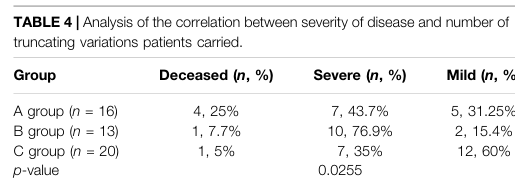
3-Hydroxy-3-Methylglutaryl-CoA Synthase Deficiency Deep Research Fallback
Provider Attempts
- 2026-05-04T09:20Z:
timeout 120 just research-disorder falcon 3-Hydroxy-3-Methylglutaryl-CoA_Synthase_Deficiencyfailed before provider execution because the disorder YAML did not yet exist. - 2026-05-04T09:21Z:
timeout 120 just research-disorder falcon 3-Hydroxy-3-Methylglutaryl-CoA_Synthase_Deficiencytimed out with exit code 124 after the provider command was terminated bytimeout. - 2026-05-04T09:24Z:
timeout 120 just research-disorder openai 3-Hydroxy-3-Methylglutaryl-CoA_Synthase_Deficiencytimed out with exit code 124 after the provider command was terminated bytimeout.
No provider-generated deep-research narrative was available within the bounded
runtime. Curation therefore proceeded from generated structured Orphanet
evidence and fetched PubMed caches, without hand-editing any
references_cache/*.md files.
Evidence Scope Used For Curation
- ORPHA:35701 structured record for disease definition, MONDO/OMIM exact mappings, autosomal recessive inheritance, worldwide point-prevalence band, HMGCS2 disease-gene association, childhood onset, and Orphanet HPO phenotypes.
- PMID:39798988 for the 2025 systematic review of 93 reported cases plus two new patients, current clinical spectrum, onset range, acute crisis triggers, dicarboxylic aciduria frequency, 4HMP detection, and C2/C0 acylcarnitine diagnostic recommendation.
- PMID:11228257 and PMID:11479731 for early molecular diagnosis papers and functional confirmation that HMGCS2 variants can abolish mitochondrial HMG-CoA synthase activity.
- PMID:32952630 for Japanese patient cases, in vitro functional analysis of five novel HMGCS2 mutations, ketogenesis biochemistry, acute-phase acetylcarnitine rationale, and practical fasting/glucose management.
- PMID:35308163 for a 10-patient Chinese case series covering crisis phenotype, molecular spectrum, and common biochemical abnormalities.
- PMID:39143735 for cyclic-vomiting-like presentation and the importance of molecular testing when biochemical markers are nonspecific.
- PMID:40548098 for neonatal hyperammonemic coma, intrafamilial variability, 4HMP after fasting, and fasting avoidance with or without L-carnitine during intercurrent illness.
Curation Conclusions
The accepted disease model is biallelic HMGCS2 loss of function causing deficient mitochondrial HMG-CoA synthase 2 activity in hepatocytes. This blocks ketone body biosynthesis from acetyl-CoA and acetoacetyl-CoA during fasting or illness, producing hypoketotic hypoglycemia and acute metabolic decompensation. The acute biochemical pattern can include dicarboxylic aciduria, urinary 4-hydroxy-6-methyl-2-pyrone, and elevated plasma C2/C0 acylcarnitine ratio. Management is preventive and emergency-focused: avoid prolonged fasting, provide carbohydrate/glucose support during poor intake or illness, consider L-carnitine during intercurrent illness where clinically appropriate, and offer genetic counseling for autosomal recessive recurrence risk.